
Feb. 19, 2025
Small rocks and debris fly near Earth, many just passing by. Some, however, come too close to Earth, with a potential threat of collision. Defending Earth from these unwanted objects is a growing concern globally. Planetary defense explores threat characterization, risk mitigation, and policy to defend Earth. One mitigation approach is sending an impactor to collide with the target object to deflect its trajectory from the original course toward Earth. This approach, known as kinetic deflection, is practical for intruders with a diameter up to a few hundred meters.
NASA’s Double Asteroid Redirection Test (DART), led by Johns Hopkins University’s Applied Physics Laboratory, was the first full-scale kinetic deflection mission to test how kinetic deflection could effectively push an asteroid measuring 150 meters in diameter. The 580-kg spacecraft (impactor) collided with the target asteroid, Dimorphos, at a speed of 6.1 km/second on September 26, 2022, making the target’s speed 2.7 mm/s. This speed change could gradually make the course deviate from the original one. The more time that elapses after impact, the further it moves away from the Earth. Even though Dimorphos was not a threat before the impact, it was chosen as a test target for DART’s kinetic deflection test.
Georgia Tech Professor Masatoshi Hirabayashi’s critical contribution to DART was recently published in Nature Communications. The study, “Elliptical ejecta of asteroid Dimorphos is due to its surface curvature” analyzed the behavior of fragments coming out by the high-speed DART impact and their push of the asteroid. This work was in collaboration with Professor Fabio Ferrari from Politecnico di Milano, who jointly published the study, “Morphology of ejecta features from the impact on asteroid Dimorphos.”
Imagine a cannonball flying through the air and hitting a concrete wall. The wall shutters and fragmented pieces disperse at high speeds. Those smaller fragments, called ejecta, are known to be a key factor in controlling the asteroid push.
The study found that the ejecta from the impact site on Dimorphos highly depends on the asteroid’s shape. As a rule of thumb, a cannonball hitting a flat concrete wall creates ejecta departing from the wall at an angle of about 45 degrees from the wall’s surface. The cloud of ejecta thus looks like a waffle cone. However, if the concrete wall’s surface is tilted against the impact direction, the fragment ejection changes, making the ejecta structure differ even if the impactor has the same mass and speed.
“This changes the asteroid push dramatically. Dimorphos has a squashed round shape, like an M&M,” Hirabayashi explained, “If the impact is large, more ejecta fly out of the surface but are more affected by surface tilts. This process makes the ejecta deviate from the ideal direction, reducing the asteroid push.”
For the DART impact on Dimorphos, the study identified the impact scale and the asteroid’s rounded surface lowered the asteroid push by 56% compared to when Dimorphos was tested as an entirely flat wall. Thus, sending a large impactor does not mean a big push, and considering how to send impactors strategically is necessary. One way to keep the asteroid push effective is to send multiple small impactors rather than a single large impactor. This way, each small impactor may avoid the target’s rounded shape, and the net asteroid push by multiple impacts can be more efficient than the single impactor.
“Sending multiple smaller impactors not only results in a higher asteroid push but also potentially saves operational cost and increases tactical flexibility for deflection," Hirabayashi said.
Ferrari’s study offered crucial information for Hirabayashi’s conclusions. “We used Hubble Space Telescope’s images and numerical simulations to quantify a viable mechanism of the ejecta evolution and successfully estimated ejected particles’ mass, velocity, and size. We also found complex interactions of such particles with the asteroid system and solar radiation pressure, i.e., sunlight pushing ejecta particles,” Ferrari said. “Documenting how ejecta looks over time offers crucial insights into how the DART impact acted on ejecta, giving tight constraints on the target asteroid’s properties.”
NASA’s DART mission was a success, and Hirabayashi’s study discovered an innovative approach to kinetic deflection, offering new potential for its future demonstration in space. He is building a new capability of characterizing a target’s properties beneficial for planetary defense, such as mass, size, composition, etc., at limited observational conditions. This is aligned with the fast reconnaissance concept, a new community effort that develops planetary defense strategies to identify these properties within a limited time and resources. This work continues to evolve Georgia Tech into a key player in planetary defense, connecting international communities.
News Contact
Monique Waddell
Feb. 28, 2025
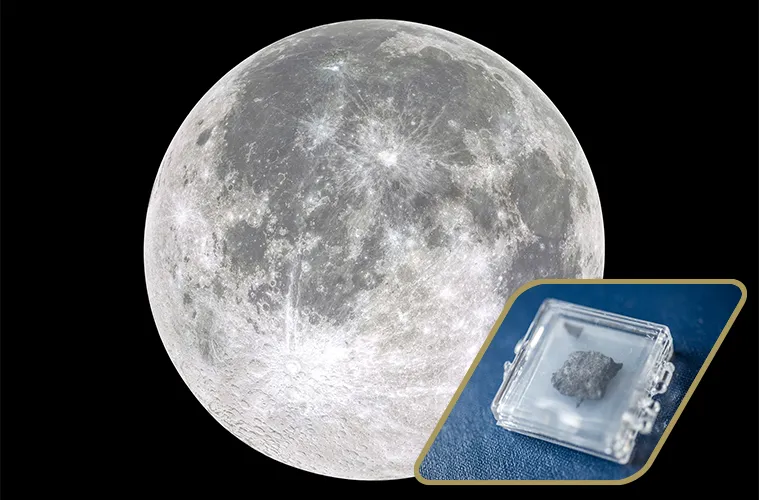
Dust and rocks residing on the surface of the moon take a beating in space. Without a protective magnetosphere and atmosphere like Earth’s, the lunar surface faces continual particle bombardment from solar wind, cosmic rays, and micrometeoroids. This constant assault leads to space weathering.
New NASA-funded research by Georgia Tech offers fresh insights into the phenomenon of space weathering. Examining Apollo lunar samples at the nanoscale, Tech researchers have revealed risks to human space missions and the possible role of space weathering in forming some of the water on the moon.
Most previous studies of the moon involved instruments mapping it from orbit. In contrast, this study allowed researchers to spatially map a nanoscale sample while simultaneously analyzing optical signatures of Apollo lunar samples from different regions of the lunar surface — and to extract information about the chemical composition of the lunar surface and radiation history.
The researchers recently published their findings in Scientific Reports.
“The presence of water on the moon is critical for the Artemis program. It’s necessary for sustaining any human presence and it’s a particularly important source for oxygen and hydrogen, the molecules derived from splitting water,” said Thomas Orlando, Regents’ Professor in the School of Chemistry and Biochemistry, co-founder and former director of the Georgia Tech Center for Space Technology and Research, and principal investigator of Georgia Tech’s Center for Lunar Environment and Volatile Exploration Research (CLEVER).
Building on a Decade of Lunar Science Research
As a NASA SSERVI (Solar System Exploration Research Virtual Institute), CLEVER is an approved NASA laboratory for analysis of lunar samples and includes investigators from multiple institutes and universities across the U.S. and Europe. Research areas include how solar wind and micrometeorites produce volatiles, such as water, molecular oxygen, methane, and hydrogen, which are all crucial to supporting human activity on the moon.
Georgia Tech has built a large portfolio in human exploration and lunar science over the last decade with two NASA Solar System Exploration Research Virtual Institutes: CLEVER and its predecessor, REVEALS (Radiation Effects on Volatiles and Exploration of Asteroids and Lunar Surfaces).
Studying Moon Samples at the Nanoscale Level
Georgia Tech’s labs are world-renowned, particularly for analyzing surfaces and semiconductor materials. For this work, the Georgia Tech team also tapped the University of Georgia (UGA) Nano-Optics Laboratory run by Professor Yohannes Abate in the Department of Physics and Astronomy. While UGA is a member of CLEVER, its nano-FTIR spectroscopy and nanoscale imaging equipment was historically used for semiconductor physics, not space science.
“This is the first time these tools have been applied to space-weathered lunar samples, and it’s the first we’ve been able to see good signatures of space weathering at the nanoscale,” says Orlando.
Normal spectrometers are at a much larger scale, with the ability to see more bulk properties of the soil, explains Phillip Stancil, professor and head of the UGA physics department.
The UGA equipment enabled the study of samples “in tens of nanometers.” To illustrate how small nanoscale is, Stancil says a hydrogen atom is .05 nanometers, so 1 nm is the size of 20 atoms if placed side by side. The spectrometers provide high-resolution details of the lunar grains down to hundreds of atoms.
“We can look at an almost atomistic level to understand how this rock was formed, its history, and how it was processed in space,” Stancil says.
“You can learn a lot about how the atom positions change and how they are disrupted due to radiation by looking at the tiny sample at an atomistic level,” says Orlando, noting that a lot of damage is done at the nanoscale level. They can determine if the culprit is space weathering or from a process left over during the rock’s formation and crystallization.
Finding Radioactive Damage, Evidence of Water
The researchers found damage on the rock samples, including changes in the optical signatures. That insight helped them understand how the lunar surface formed and evolved but also provided “a really good idea of the rocks’ chemical composition and how they changed when irradiated,” says Orlando.
Some of the optical signatures also showed trapped electron states, which are typically missing atoms and vacancies in the atomic lattice. When the grains are irradiated, some atoms are removed, and the electrons get trapped. The types of traps and how deep they are, in terms of energy, can help determine the radiation history of the moon. The trapped electrons can also lead to charging, which can generate an electrostatic spark. On the moon, this could be a problem for astronauts, exploration vehicles, and equipment.
“There is also a difference in the chemical signatures. Certain areas had more neodymium (a chemical element also found in the Earth’s crust) or chromium (an essential trace mineral), which are made by radioactive decay,” Orlando says. The relative amounts and locations of these atoms imply an external source like micrometeorites.
Translating Research to Human Risks on the Moon
Radiation and its effects on the dust and lunar surface pose dangers to people, and the main protection is the spacesuit.
Orlando sees three key risks. First, the dust could interfere with spacesuits’ seals. Second, micrometeorites could puncture a spacesuit. These high-velocity particles form after breaking off from larger chunks of debris. Like solar storms, they are hard to predict, and they’re dangerous because they come in at high-impact velocities of 5 kilometers per second or higher. “Those are bullets, so they will penetrate the spacesuits,” Orlando says. Third, astronauts could breathe in dust left on the suits, causing respiratory issues. NASA is studying many approaches for dust removal and mitigation.
Mapping the Moon: Going from Nanoscale to Macroscale
The next research phase will involve combining the UGA analysis tools with a new tool from Georgia Tech that will be used to analyze Apollo lunar samples that have been in storage for over 50 years.
“We will combine two very sophisticated analysis tools to look at these samples in a level of detail that I don’t think has been done before,” Orlando says.
The goal is to build models that can feed into orbital maps of the moon. To get there, the Georgia Tech and UGA team will need to go from nanoscale to the full macro scale to show what’s happening on the lunar surface and the location of water and other key resources, including methane, needed to support humanity’s moon and deep-space exploration goals.
Feb. 20, 2025
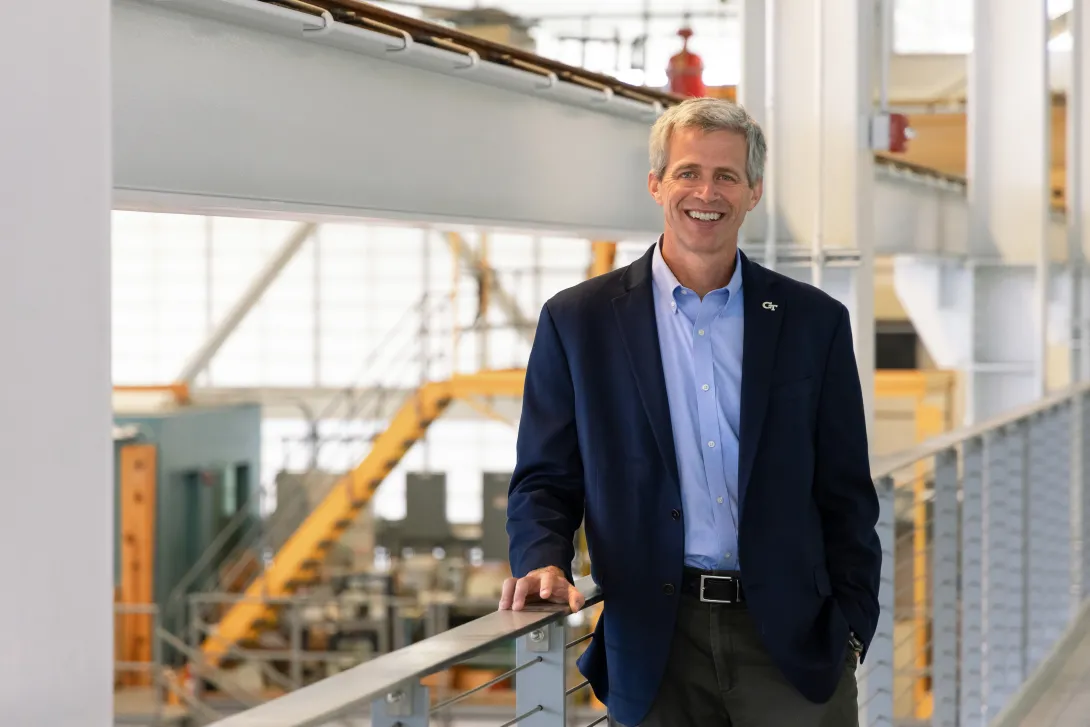
Following a nationwide search, Georgia Tech President Ángel Cabrera has named Timothy Lieuwen the Executive Vice President for Research (EVPR). Lieuwen has served as interim EVPR since September 10, 2024.
“Tim’s ability to bridge academia, industry, and government has been instrumental in driving innovation and positioning Georgia Tech as a critical partner in tackling complex global challenges,” said Cabrera. “With his leadership, I am confident Georgia Tech will continue to expand its impact, strengthen its strategic collaborations, and further solidify its reputation as a world leader in research and innovation.”
A proud Georgia Tech alumnus (M.S. ME 1997, Ph.D. ME 1999), Lieuwen has spent more than 25 years at the Institute. He is a Regents’ Professor and holds the David S. Lewis, Jr. Chair in the Daniel Guggenheim School of Aerospace Engineering. Prior to the interim EVPR role, Lieuwen served as executive director of the Strategic Energy Institute for 12 years. His expertise spans energy, propulsion, energy policy, and national security, and he has worked closely with industry and government to develop new knowledge and see its implementation in the field.
Lieuwen has been widely recognized for his contributions to research and innovation. He is a member of the National Academy of Engineering, as well as a fellow of multiple other professional organizations. Recently, he was elected an International Fellow of the U.K.’s Royal Academy of Engineering, one of only three U.S. engineers in 2024 to receive this prestigious commendation. The honor acknowledges Lieuwen’s contributions to engineering and his efforts to advance research, education initiatives, and industry collaborations.
He has authored or edited four books, published over 400 scientific articles, and holds nine patents — several of which are licensed to industry. He also founded TurbineLogic, an analytics firm working in the energy industry. Additionally, Lieuwen serves on governing and advisory boards for three Department of Energy national labs and was appointed by the U.S. Secretary of Energy to the National Petroleum Council.
The EVPR is the Institute’s chief research officer and directs Georgia Tech’s $1.37 billion portfolio of research, development, and sponsored activities. This includes leadership of the Georgia Tech Research Institute, the Enterprise Innovation Institute, nine Interdisciplinary Research Institutes and numerous associated research centers, and related research administrative support units: commercialization, corporate engagement, research development and operations, and research administration.
“I am honored to step into this role at a time when research and innovation have never been more critical,” Lieuwen said. “Georgia Tech’s research enterprise is built on collaboration — across disciplines, across industries, and across communities. Our strength lies not just in the breakthroughs we achieve, but in how we translate them into real-world impact.
“My priority is to put people first — empowering our researchers, students, and partners to push boundaries, scale our efforts, and deepen our engagement across Georgia and beyond. Together, we will expand our reach, accelerate discovery, and ensure that Georgia Tech remains a driving force for progress and service.”
News Contact
Shelley Wunder-Smith | Director of Research Communications
shelley.wunder-smith@research.gatech.edu
Feb. 13, 2025
A new NASA-funded project will have Georgia Tech aerospace engineers developing new technology to one day study planets outside our solar system.
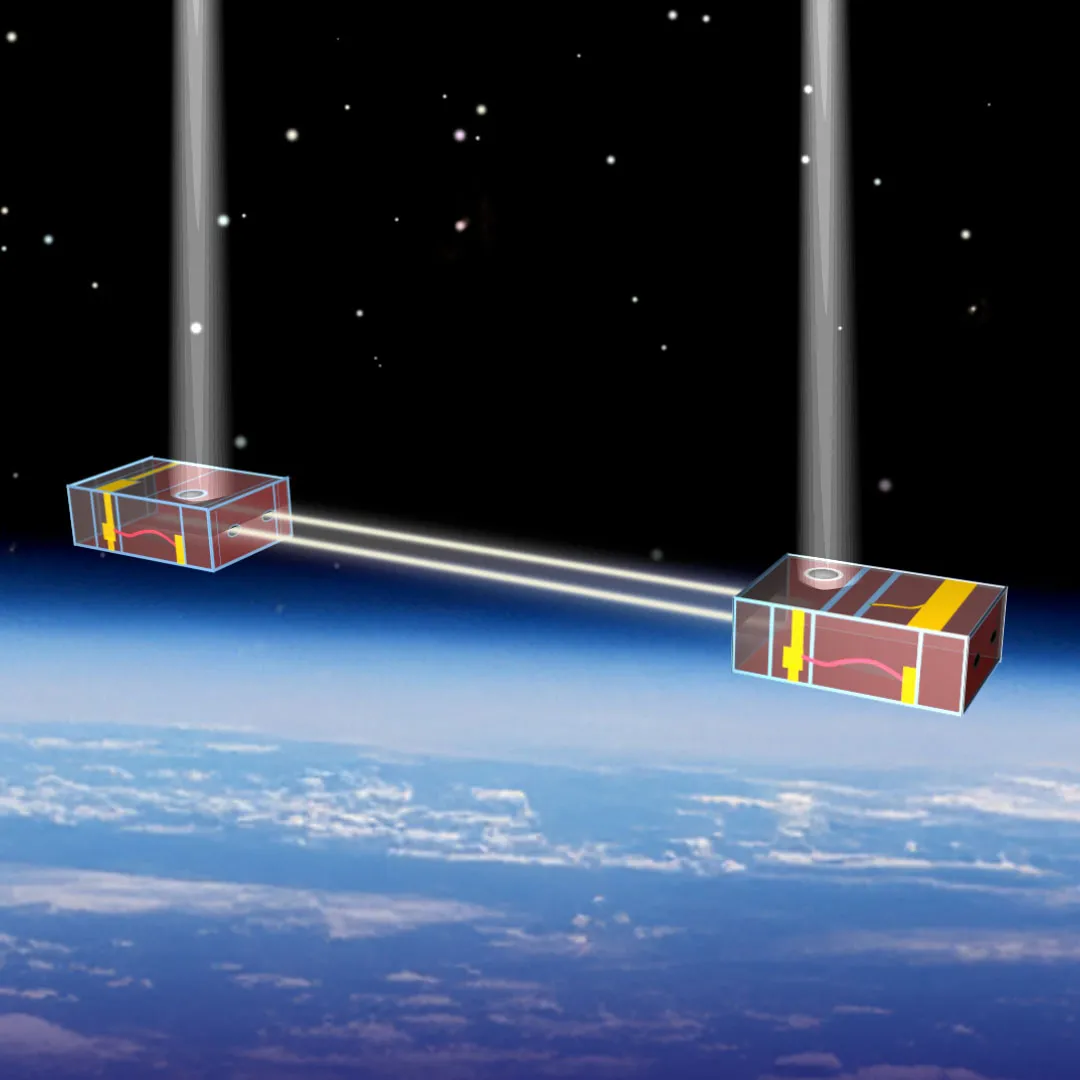
It's a $10 million joint mission led by the University of Michigan called STARI — STarlight Acquisition and Reflection toward Interferometry. Georgia Tech’s engineers will build the propulsion systems for a pair of briefcase-sized CubeSats that will fly in orbit a few hundred yards away from one another, bouncing starlight back and forth.
The technology could be used someday to better understand if any known exoplanets are capable of supporting life as we know it.
Interferometry is already used to study stars, gas clouds, and galaxies. Instead of using one large telescope, several smaller telescopes work as a team. The machines swap starlight to create higher resolution images than are possible from a single telescope.
Scientists and engineers have recently proposed using interferometry to locate exoplanets.
STARI will determine if the same type of coordination and light transmission can be done using less expensive CubeSats.
Read the entire story on the College of Engineering website.
News Contact
Jason Maderer
College of Engineering
maderer@gatech.edu
Jan. 23, 2025

The Space Research Institute (SRI) at Georgia Tech has initiated an internal search for its inaugural executive director. This new Interdisciplinary Research Institute (IRI) will build upon the foundation laid by the Space Research Initiative.
The SRI is dedicated to advancing cutting-edge research in space-related fields, fostering interdisciplinary collaborations, and establishing strong partnerships with industry, government, academic, and international organizations. As leader of the newly established IRI, the executive director will lead the Institute's strategic vision, nurture a culture of innovation, and champion initiatives that position Georgia Tech, via the SRI, as a global leader in space research and exploration.
The SRI is composed of faculty and staff across campus who have a common interest in space exploration and discovery. Collectively, SRI will research a wide range of topics on space and how it relates to human perspective and be an ultimate hub of all things space related at Georgia Tech. It will connect all the research institutes, labs, facilities, and colleges to pioneer the conversation about space in the state of Georgia. By working hand-in-hand with academics, business partners, and students we are committed to staying at the cutting edge of innovation.
Click here to learn more about this position and how to apply.
News Contact
For any further details, please contact Rob Kadel at Rob Kadel.
Oct. 01, 2024
The Institute for Robotics and Intelligent Machines (IRIM) launched a new initiatives program, starting with several winning proposals, with corresponding initiative leads that will broaden the scope of IRIM’s research beyond its traditional core strengths. A major goal is to stimulate collaboration across areas not typically considered as technical robotics, such as policy, education, and the humanities, as well as open new inter-university and inter-agency collaboration routes. In addition to guiding their specific initiatives, these leads will serve as an informal internal advisory body for IRIM. Initiative leads will be announced annually, with existing initiative leaders considered for renewal based on their progress in achieving community building and research goals. We hope that initiative leads will act as the “faculty face” of IRIM and communicate IRIM’s vision and activities to audiences both within and outside of Georgia Tech.
Meet 2024 IRIM Initiative Leads
Stephen Balakirsky; Regents' Researcher, Georgia Tech Research Institute & Panagiotis Tsiotras; David & Andrew Lewis Endowed Chair, Daniel Guggenheim School of Aerospace Engineering | Proximity Operations for Autonomous Servicing
Why It Matters: Proximity operations in space refer to the intricate and precise maneuvers and activities that spacecraft or satellites perform when they are in close proximity to each other, such as docking, rendezvous, or station-keeping. These operations are essential for a variety of space missions, including crewed spaceflights, satellite servicing, space exploration, and maintaining satellite constellations. While this is a very broad field, this initiative will concentrate on robotic servicing and associated challenges. In this context, robotic servicing is composed of proximity operations that are used for servicing and repairing satellites in space. In robotic servicing, robotic arms and tools perform maintenance tasks such as refueling, replacing components, or providing operation enhancements to extend a satellite's operational life or increase a satellite’s capabilities.
Our Approach: By forming an initiative in this important area, IRIM will open opportunities within the rapidly evolving space community. This will allow us to create proposals for organizations ranging from NASA and the Defense Advanced Research Projects Agency to the U.S. Air Force and U.S. Space Force. This will also position us to become national leaders in this area. While several universities have a robust robotics program and quite a few have a strong space engineering program, there are only a handful of academic units with the breadth of expertise to tackle this problem. Also, even fewer universities have the benefit of an experienced applied research partner, such as the Georgia Tech Research Institute (GTRI), to undertake large-scale demonstrations. Georgia Tech, having world-renowned programs in aerospace engineering and robotics, is uniquely positioned to be a leader in this field. In addition, creating a workshop in proximity operations for autonomous servicing will allow the GTRI and Georgia Tech space robotics communities to come together and better understand strengths and opportunities for improvement in our abilities.
Matthew Gombolay; Assistant Professor, Interactive Computing | Human-Robot Society in 2125: IRIM Leading the Way
Why It Matters: The coming robot “apocalypse” and foundation models captured the zeitgeist in 2023 with “ChatGPT” becoming a topic at the dinner table and the probability occurrence of various scenarios of AI driven technological doom being a hotly debated topic on social media. Futuristic visions of ubiquitous embodied Artificial Intelligence (AI) and robotics have become tangible. The proliferation and effectiveness of first-person view drones in the Russo-Ukrainian War, autonomous taxi services along with their failures, and inexpensive robots (e.g., Tesla’s Optimus and Unitree’s G1) have made it seem like children alive today may have robots embedded in their everyday lives. Yet, there is a lack of trust in the public leadership bringing us into this future to ensure that robots are developed and deployed with beneficence.
Our Approach: This proposal seeks to assemble a team of bright, savvy operators across academia, government, media, nonprofits, industry, and community stakeholders to develop a roadmap for how we can be the most trusted voice to guide the public in the next 100 years of innovation in robotics here at the IRIM. We propose to carry out specific activities that include conducting the activities necessary to develop a roadmap about Robots in 2125: Altruistic and Integrated Human-Robot Society. We also aim to build partnerships to promulgate these outcomes across Georgia Tech’s campus and internationally.
Gregory Sawicki; Joseph Anderer Faculty Fellow, School of Mechanical Engineering & Aaron Young; Associate Professor, Mechanical Engineering | Wearable Robotic Augmentation for Human Resilience
Why It Matters: The field of robotics continues to evolve beyond rigid, precision-controlled machines for amplifying production on manufacturing assembly lines toward soft, wearable systems that can mediate the interface between human users and their natural and built environments. Recent advances in materials science have made it possible to construct flexible garments with embedded sensors and actuators (e.g., exosuits). In parallel, computers continue to get smaller and more powerful, and state-of-the art machine learning algorithms can extract useful information from more extensive volumes of input data in real time. Now is the time to embed lean, powerful, sensorimotor elements alongside high-speed and efficient data processing systems in a continuous wearable device.
Our Approach: The mission of the Wearable Robotic Augmentation for Human Resilience (WeRoAHR) initiative is to merge modern advances in sensing, actuation, and computing technology to imagine and create adaptive, wearable augmentation technology that can improve human resilience and longevity across the physiological spectrum — from behavioral to cellular scales. The near-term effort (~2-3 years) will draw on Georgia Tech’s existing ecosystem of basic scientists and engineers to develop WeRoAHR systems that will focus on key targets of opportunity to increase human resilience (e.g., improved balance, dexterity, and stamina). These initial efforts will establish seeds for growth intended to help launch larger-scale, center-level efforts (>5 years).
Panagiotis Tsiotras; David & Andrew Lewis Endowed Chair, Daniel Guggenheim School of Aerospace Engineering & Sam Coogan; Demetrius T. Paris Junior Professor, School of Electrical and Computer Engineering | Initiative on Reliable, Safe, and Secure Autonomous Robotics
Why It Matters: The design and operation of reliable systems is primarily an integration issue that involves not only each component (software, hardware) being safe and reliable but also the whole system being reliable (including the human operator). The necessity for reliable autonomous systems (including AI agents) is more pronounced for “safety-critical” applications, where the result of a wrong decision can be catastrophic. This is quite a different landscape from many other autonomous decision systems (e.g., recommender systems) where a wrong or imprecise decision is inconsequential.
Our Approach: This new initiative will investigate the development of protocols, techniques, methodologies, theories, and practices for designing, building, and operating safe and reliable AI and autonomous engineering systems and contribute toward promoting a culture of safety and accountability grounded in rigorous objective metrics and methodologies for AI/autonomous and intelligent machines designers and operators, to allow the widespread adoption of such systems in safety-critical areas with confidence. The proposed new initiative aims to establish Tech as the leader in the design of autonomous, reliable engineering robotic systems and investigate the opportunity for a federally funded or industry-funded research center (National Science Foundation (NSF) Science and Technology Centers/Engineering Research Centers) in this area.
Colin Usher; Robotics Systems and Technology Branch Head, GTRI | Opportunities for Agricultural Robotics and New Collaborations
Why It Matters: The concepts for how robotics might be incorporated more broadly in agriculture vary widely, ranging from large-scale systems to teams of small systems operating in farms, enabling new possibilities. In addition, there are several application areas in agriculture, ranging from planting, weeding, crop scouting, and general growing through harvesting. Georgia Tech is not a land-grant university, making our ability to capture some of the opportunities in agricultural research more challenging. By partnering with a land-grant university such as the University of Georgia (UGA), we can leverage this relationship to go after these opportunities that, historically, were not available.
Our Approach: We plan to build collaborations first by leveraging relationships we have already formed within GTRI, Georgia Tech, and UGA. We will achieve this through a significant level of networking, supported by workshops and/or seminars with which to recruit faculty and form a roadmap for research within the respective universities. Our goal is to identify and pursue multiple opportunities for robotics-related research in both row-crop and animal-based agriculture. We believe that we have a strong opportunity, starting with formalizing a program with the partners we have worked with before, with the potential to improve and grow the research area by incorporating new faculty and staff with a unified vision of ubiquitous robotics systems in agriculture. We plan to achieve this through scheduled visits with interested faculty, attendance at relevant conferences, and ultimately hosting a workshop to formalize and define a research roadmap.
Ye Zhao; Assistant Professor, School of Mechanical Engineering | Safe, Social, & Scalable Human-Robot Teaming: Interaction, Synergy, & Augmentation
Why It Matters: Collaborative robots in unstructured environments such as construction and warehouse sites show great promise in working with humans on repetitive and dangerous tasks to improve efficiency and productivity. However, pre-programmed and nonflexible interaction behaviors of existing robots lower the naturalness and flexibility of the collaboration process. Therefore, it is crucial to improve physical interaction behaviors of the collaborative human-robot teaming.
Our Approach: This proposal will advance the understanding of the bi-directional influence and interaction of human-robot teaming for complex physical activities in dynamic environments by developing new methods to predict worker intention via multi-modal wearable sensing, reasoning about complex human-robot-workspace interaction, and adaptively planning the robot’s motion considering both human teaming dynamics and physiological and cognitive states. More importantly, our team plans to prioritize efforts to (i) broaden the scope of IRIM’s autonomy research by incorporating psychology, cognitive, and manufacturing research not typically considered as technical robotics research areas; (ii) initiate new IRIM education, training, and outreach programs through collaboration with team members from various Georgia Tech educational and outreach programs (including Project ENGAGES, VIP, and CEISMC) as well as the AUCC (World’s largest consortia of African American private institutions of higher education) which comprises Clark Atlanta University, Morehouse College, & Spelman College; and (iii) aim for large governmental grants such as DOD MURI, NSF NRT, and NSF Future of Work programs.
-Christa M. Ernst
Aug. 14, 2023
Billions of years ago, self-replicating systems of molecules became separated from one another by membranes, resulting in the first cells. Over time, evolving cells enriched the living world with an astonishing diversity of new shapes and biochemical innovations, all made possible by compartments.
Compartmentalization is how all living systems are organized today — from proteins and small molecules sharing space in separate phases to dividing labor and specialized functions within and among cells.
Now, with $6 million in support from NASA, a team of researchers led by Georgia Tech’s Frank Rosenzweig will study the organizing principles of compartmentalization in a five-year project called Engine of Innovation: How Compartmentalization Drives Evolution of Novelty and Efficiency Across Scales.
It's one of seven new projects selected recently by NASA as part of its Interdisciplinary Consortia for Astrobiology Research (ICAR) program. ICAR is embedded among NASA’s five Astrobiology Research Coordination Networks (RCNs). Rosenzweig is co-lead for the RCN launched in 2022, LIFE: Early Cells to Multicellularity.
“We’re excited by the prospect of exploring this fundamental question through the interplay of theory and experiment,” said Rosenzweig, professor in the School of Biological Sciences, whose team of co-Investigators includes biochemists, geologists, cell biologists, and theoreticians from leading NASA research centers: Jeff Cameron, Shelley Copley, Alexis Templeton, and Boswell Wing from the University of Colorado Boulder; Josh Goldford and Victoria Orphan from California Institute of Technology; and John McCutcheon from Arizona State University. Collaborating with them is Chris Kempes, professor at the Santa Fe Institute.
Rosenzweig is also eager to eventually collaborate with existing ICAR teams, such as MUSE, led by the University of Wisconsin’s Betül Kaçar, a former Georgia Tech postdoctoral researcher, and newly selected teams, such as Retention of Habitable Atmospheres in Planetary Systems, led by Dave Brain at University of Colorado Boulder.
Meanwhile, he plans to build upon Georgia Tech’s outstanding reputation in astrobiology, where a cluster of researchers, such as Jen Glass, Nick Hud, Thom Orlando, Amanda Stockton, and Loren Williams, among others, is engaged in a diverse range of work supported by NASA.
“This is just the latest chapter in a long history of excellence in NASA research at Georgia Tech, one written by my colleagues across the Institute,” Rosenzweig said.
News Contact
Sep. 19, 2024
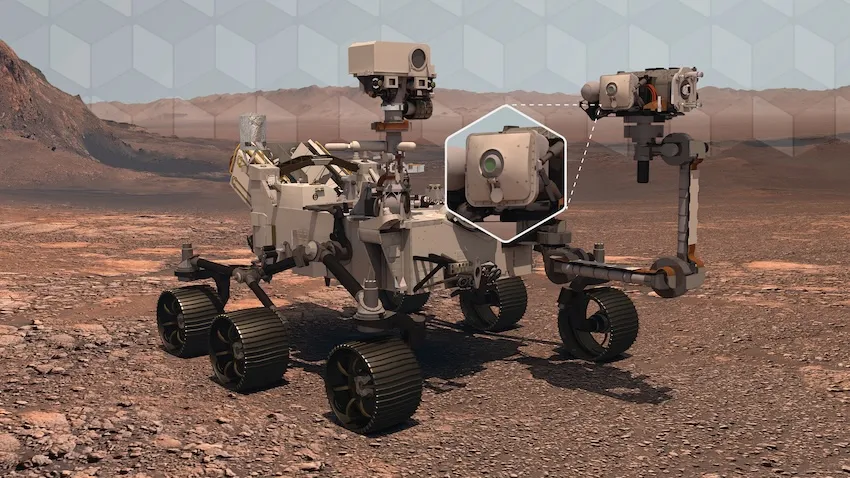

A new algorithm tested on NASA’s Perseverance Rover on Mars may lead to better forecasting of hurricanes, wildfires, and other extreme weather events that impact millions globally.
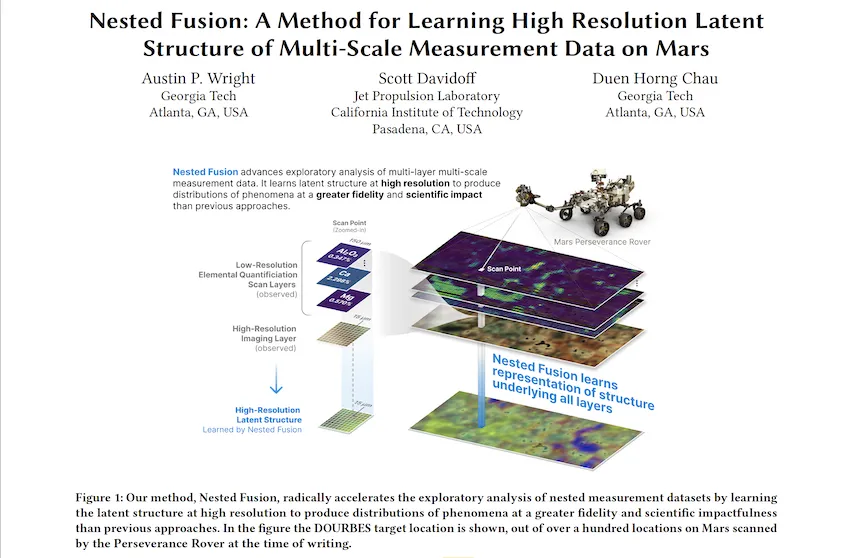
Georgia Tech Ph.D. student Austin P. Wright is first author of a paper that introduces Nested Fusion. The new algorithm improves scientists’ ability to search for past signs of life on the Martian surface.
In addition to supporting NASA’s Mars 2020 mission, scientists from other fields working with large, overlapping datasets can use Nested Fusion’s methods toward their studies.
Wright presented Nested Fusion at the 2024 International Conference on Knowledge Discovery and Data Mining (KDD 2024) where it was a runner-up for the best paper award. KDD is widely considered the world's most prestigious conference for knowledge discovery and data mining research.
“Nested Fusion is really useful for researchers in many different domains, not just NASA scientists,” said Wright. “The method visualizes complex datasets that can be difficult to get an overall view of during the initial exploratory stages of analysis.”
Nested Fusion combines datasets with different resolutions to produce a single, high-resolution visual distribution. Using this method, NASA scientists can more easily analyze multiple datasets from various sources at the same time. This can lead to faster studies of Mars’ surface composition to find clues of previous life.
The algorithm demonstrates how data science impacts traditional scientific fields like chemistry, biology, and geology.
Even further, Wright is developing Nested Fusion applications to model shifting climate patterns, plant and animal life, and other concepts in the earth sciences. The same method can combine overlapping datasets from satellite imagery, biomarkers, and climate data.
“Users have extended Nested Fusion and similar algorithms toward earth science contexts, which we have received very positive feedback,” said Wright, who studies machine learning (ML) at Georgia Tech.
“Cross-correlational analysis takes a long time to do and is not done in the initial stages of research when patterns appear and form new hypotheses. Nested Fusion enables people to discover these patterns much earlier.”
Wright is the data science and ML lead for PIXLISE, the software that NASA JPL scientists use to study data from the Mars Perseverance Rover.
Perseverance uses its Planetary Instrument for X-ray Lithochemistry (PIXL) to collect data on mineral composition of Mars’ surface. PIXL’s two main tools that accomplish this are its X-ray Fluorescence (XRF) Spectrometer and Multi-Context Camera (MCC).
When PIXL scans a target area, it creates two co-aligned datasets from the components. XRF collects a sample's fine-scale elemental composition. MCC produces images of a sample to gather visual and physical details like size and shape.
A single XRF spectrum corresponds to approximately 100 MCC imaging pixels for every scan point. Each tool’s unique resolution makes mapping between overlapping data layers challenging. However, Wright and his collaborators designed Nested Fusion to overcome this hurdle.
In addition to progressing data science, Nested Fusion improves NASA scientists' workflow. Using the method, a single scientist can form an initial estimate of a sample’s mineral composition in a matter of hours. Before Nested Fusion, the same task required days of collaboration between teams of experts on each different instrument.
“I think one of the biggest lessons I have taken from this work is that it is valuable to always ground my ML and data science problems in actual, concrete use cases of our collaborators,” Wright said.
“I learn from collaborators what parts of data analysis are important to them and the challenges they face. By understanding these issues, we can discover new ways of formalizing and framing problems in data science.”
Wright presented Nested Fusion at KDD 2024, held Aug. 25-29 in Barcelona, Spain. KDD is an official special interest group of the Association for Computing Machinery. The conference is one of the world’s leading forums for knowledge discovery and data mining research.
Nested Fusion won runner-up for the best paper in the applied data science track, which comprised of over 150 papers. Hundreds of other papers were presented at the conference’s research track, workshops, and tutorials.
Wright’s mentors, Scott Davidoff and Polo Chau, co-authored the Nested Fusion paper. Davidoff is a principal research scientist at the NASA Jet Propulsion Laboratory. Chau is a professor at the Georgia Tech School of Computational Science and Engineering (CSE).
“I was extremely happy that this work was recognized with the best paper runner-up award,” Wright said. “This kind of applied work can sometimes be hard to find the right academic home, so finding communities that appreciate this work is very encouraging.”
News Contact
Bryant Wine, Communications Officer
bryant.wine@cc.gatech.edu
Sep. 18, 2024
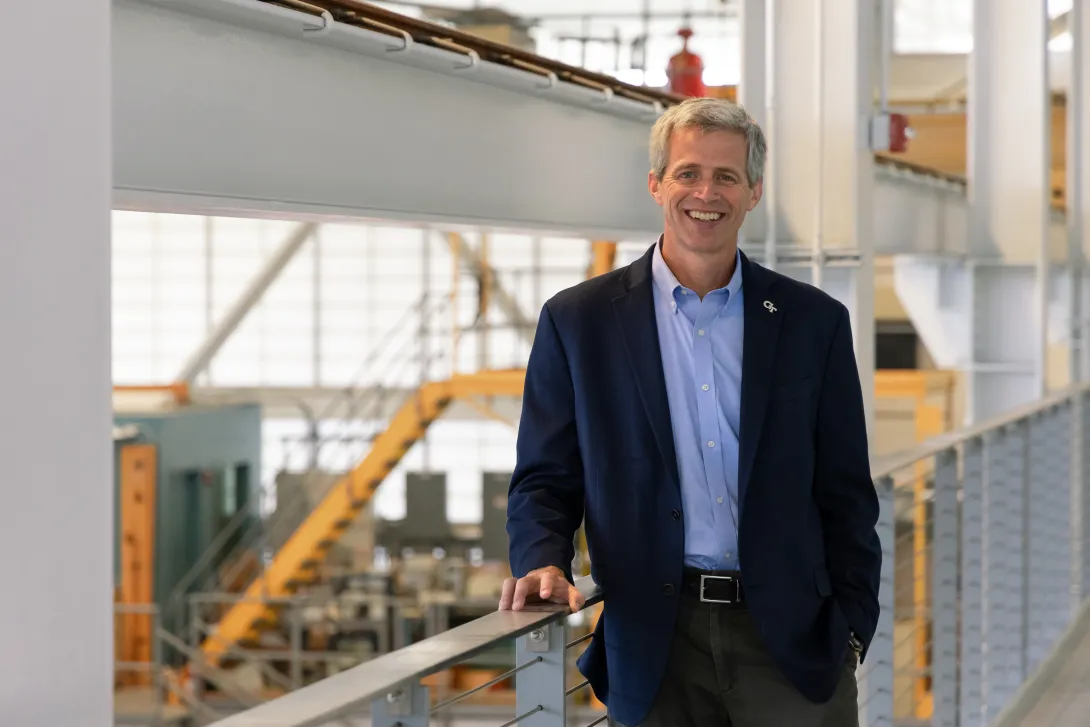
Professor Tim Lieuwen has been elected to the status of International Fellow by the U.K.’s Royal Academy of Engineering. He is one of three other US engineers to receive this prestigious fellowship, which emphasizes enhancing the role of engineering in society and developing an inclusive future through research, education initiatives, and industry collaborations.
Lieuwen is a Regents’ Professor, the David S. Lewis, Jr. Chair in the Daniel Guggenheim School of Aerospace Engineering (AE), a member of the National Academy of Engineering, and a fellow of the American Society of Mechanical Engineers and the American Institute of Aeronautics and Astronautics, among several others. For 12 years, he served as executive director of the Strategic Energy Institute; he is currently serving as Georgia Tech’s interim executive vice president for Research.
“Tim Lieuwen’s groundbreaking research and leadership have been instrumental in advancing the AE School’s mission,” said Mitchell Walker, AE chair. “His work in combustion dynamics, propulsion, and clean energy systems not only enhances our academic reputation but also drives significant, real-world impact, as recognized by the Academy.”
Lieuwen’s research focuses on developing clean combustion technologies for power generation and propulsion. He works closely with industry and government professionals to address energy concerns and set the standard for clean tech manufacturing. The Georgia Tech alumnus will formally be admitted to the Academy at a special ceremony in London on November 27, 2024.
The 2024 class includes 60 Fellows, six International Fellows, and five Honorary Fellows, each of whom has made exceptional contributions to their own field, pioneering new innovations, leading progress in business or academia, providing high-level advice to government, or promoting wider understanding of engineering and technology.
Jun. 15, 2023
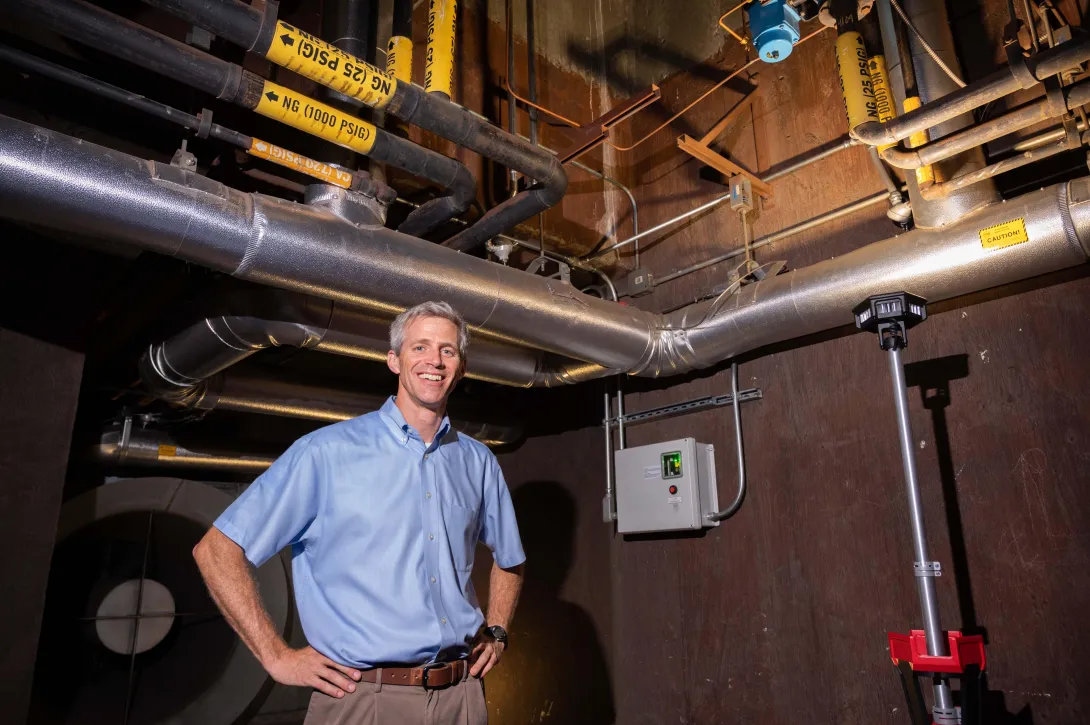
Tim Lieuwen has been selected to serve as interim chair of Georgia Tech’s Daniel Guggenheim School of Aerospace Engineering, effective August 1. Lieuwen is a Regents’ Professor; the David S. Lewis, Jr. Professor; and has been an AE School faculty member since 1999.
He’s also the executive director of the Strategic Energy Institute, managing overall strategy and external relations for more than 315 faculty members and 1,000 Georgia Tech researchers working in energy research, development, and demonstration. Lieuwen will continue in the role while serving as interim chair.
News Contact
Jason Maderer (maderer@gatech.edu)