Apr. 02, 2026
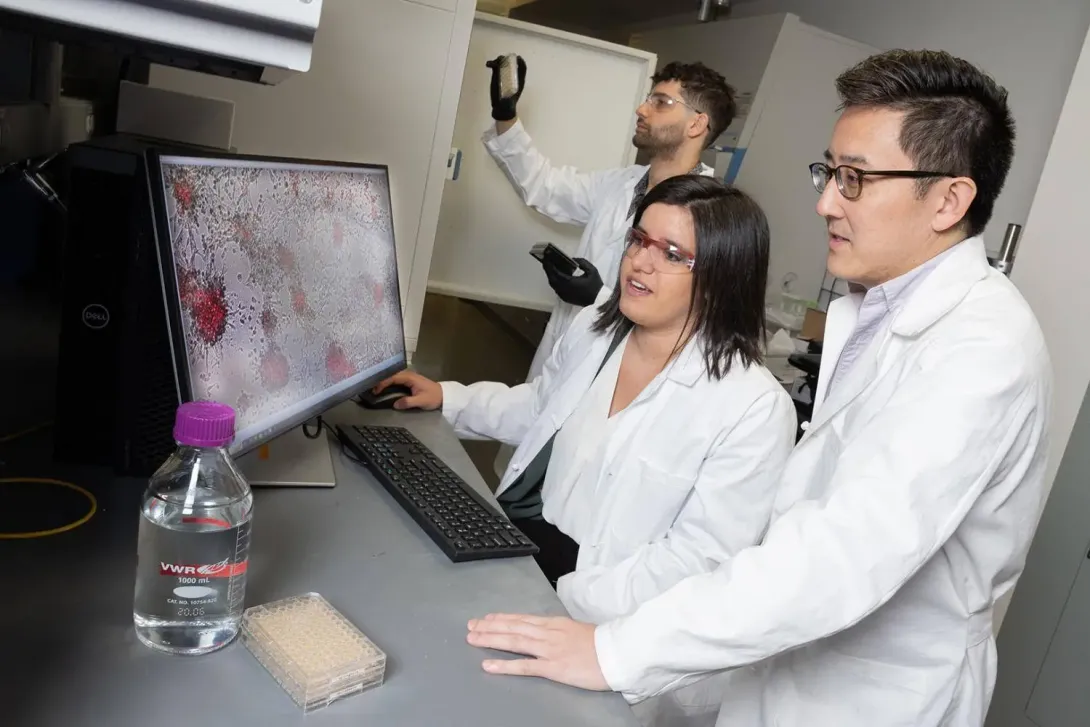
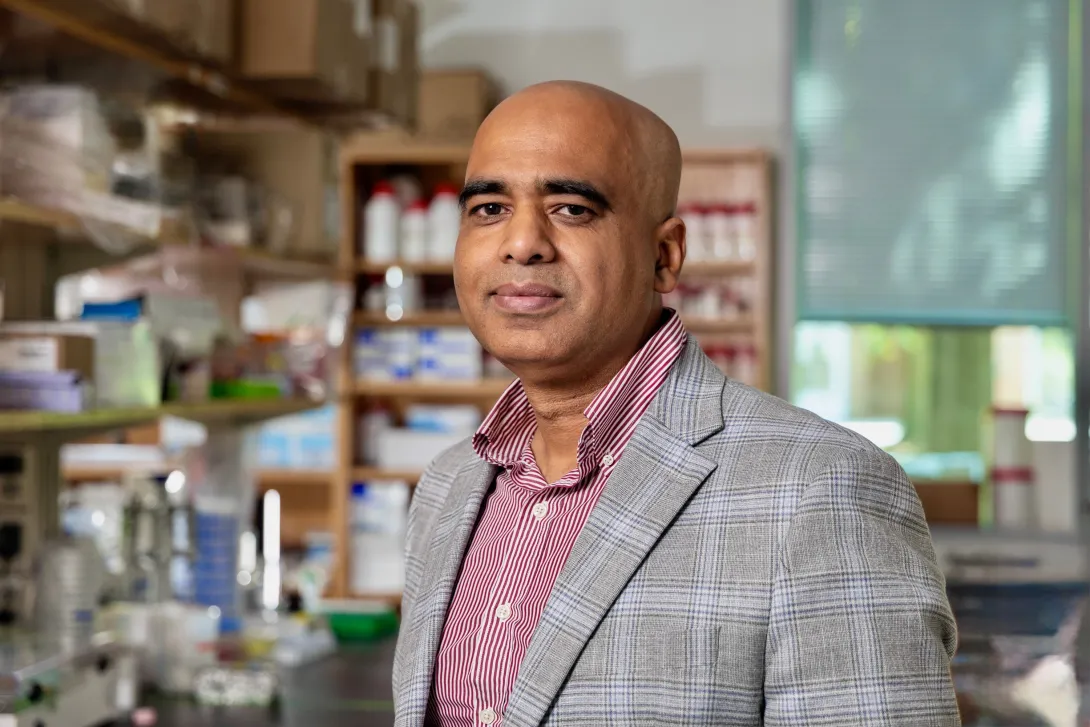
Ankur Singh, a man in a gray suit jacket with a dark pink button-up shirt stands in front of a work bench in a lab.

The United States continues to face deadly infectious disease outbreaks, from emerging viruses to antibiotic-resistant bacteria, underscoring the nation’s need for rapid, effective response systems. These threats extend beyond public health, disrupting daily life, straining health care systems, and impacting military readiness.

A team of researchers led by Ankur Singh, the Carl Ring Family Professor in the George W. Woodruff School of Mechanical Engineering and professor in the Wallace H. Coulter Department of Biomedical Engineering at Georgia Tech and Emory University, has been awarded up to $6 million from the Defense Threat Reduction Agency (DTRA) of the U.S. Department of Defense to accelerate the development of medical countermeasures (MCMs) against deadly biological threats that endanger public health, national security, and warfighters.

DTRA’s mission is to provide solutions that enable the Department of Defense, the U.S. government, and international partners to deter strategic threats. A key priority is advancing new or improved MCMs that can be deployed before or after exposure to biological or chemical agents.

Singh’s multi-year project, Systematic Human Immune Engineering for Lethal Disease (SHIELD) Countermeasures, aims to create a threat-agnostic platform that transforms how respiratory pathogens and toxins are studied. The platform is designed to speed up the discovery, development, and production of immune-based countermeasures.

Singh leads a collaborative team that includes Cornell University’s Matthew DeLisa and Stanford University’s Michael Jewett. Together, they will integrate immune-engineering technologies with advanced cell-free protein synthesis platforms to discover and manufacture protein-based MCMs. Cell-free protein synthesis is a laboratory technique that efficiently produces proteins without relying on living cells, which can be unpredictable and technically demanding when it comes to expressing complex or toxic proteins and scaling production quickly. The team expects the SHIELD Countermeasures platform to reduce the time and cost of MCM development by more than tenfold.

“The foundational science and cutting-edge tools we develop will ignite future discoveries, ensuring a robust pipeline of advanced protein-based MCMs for chemical and biological defense,” said Singh, who also directs the Center for Immunoengineering at Georgia Tech. “This will significantly enhance national security and equip our warfighters with next-generation biodefense capabilities."

Traditional animal models often fail to accurately replicate human immune responses, and standard tissue cultures lack the complexity required to study how immune cells interact with pathogens. In contrast, human immune organoids and immune-competent devices — built from human cells — are emerging as groundbreaking research tools. These systems recreate key immune features, such as lymph nodes and mucosal environments, within three-dimensional or microengineered platforms.

“Many organoid and engineering devices, often called organ-on-chip platforms, lack immune integration,” Singh said. “Because immunity sits at the center of human health, these limitations have broad consequences. Immune-competent organ-on-chip platforms extend this concept by combining human cells with microfluidic engineering that simulates blood flow, tissue barriers, and chemical gradients.”

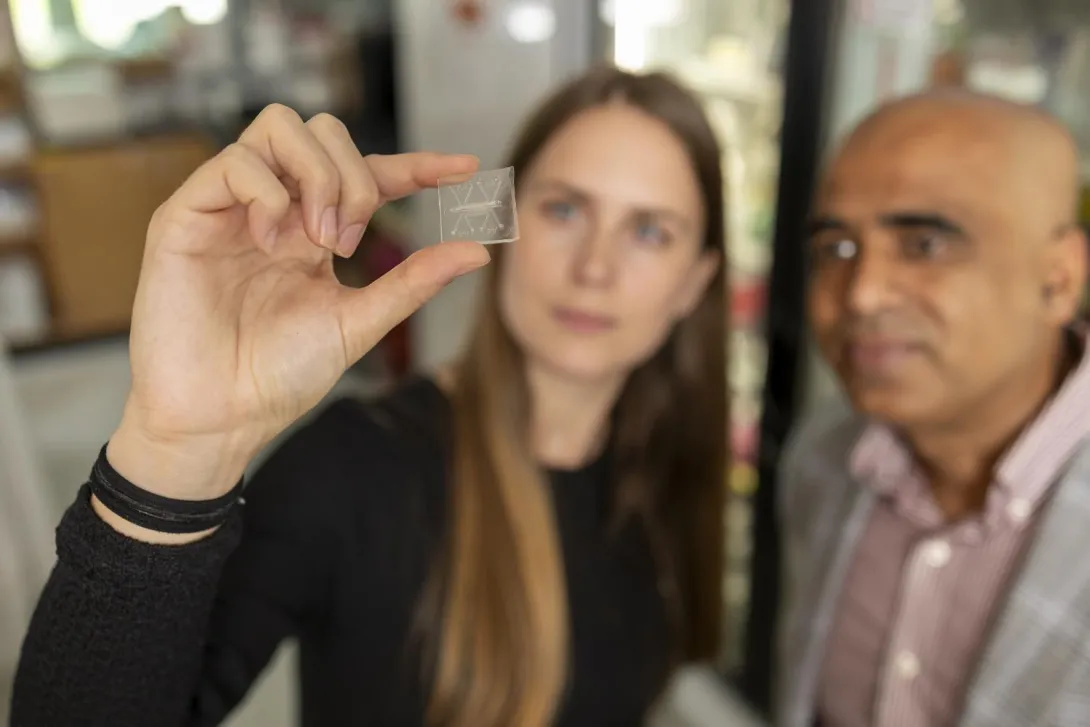
Singh has previously published studies on a synthetic human immune chip and an immunocompetent lung on a chip, and has also teamed up with DeLisa previously to use synthetic immune organoids for immuno-profiling antibacterial MCMs.

“It’s about being able to test far larger numbers of candidate protein-based MCMs in a single experiment—and to do it much faster,” DeLisa said. “Cell-free systems allow us to produce MCMs at unprecedented speed and scale, but traditional evaluation methods can’t keep up with those numbers. By combining cell-free MCM production with immune organoid technology, we can assess the potency of dozens or even hundreds of candidates at a time and characterize the resulting immune responses within just a few days.”

By integrating immune cells with tissues such as lung, gut, skin, or vascular systems, these devices allow scientists to observe immune responses in real time, including cell migration, inflammation, and interactions with pathogens or therapeutics. As biological threats evolve, the development and deployment of immune-competent platforms will be critical for rapid, effective countermeasures.

DTRA’s investment in Singh’s work highlights the urgent national priority of strengthening U.S. biodefense capabilities. The SHIELD Countermeasures platform and its cutting-edge technologies promise to transform the nation’s response to biological threats and help safeguard communities from biological and chemical attacks.

News Contact

Tracie Troha | Communications Officer, Mechanical Engineering

Apr. 02, 2026
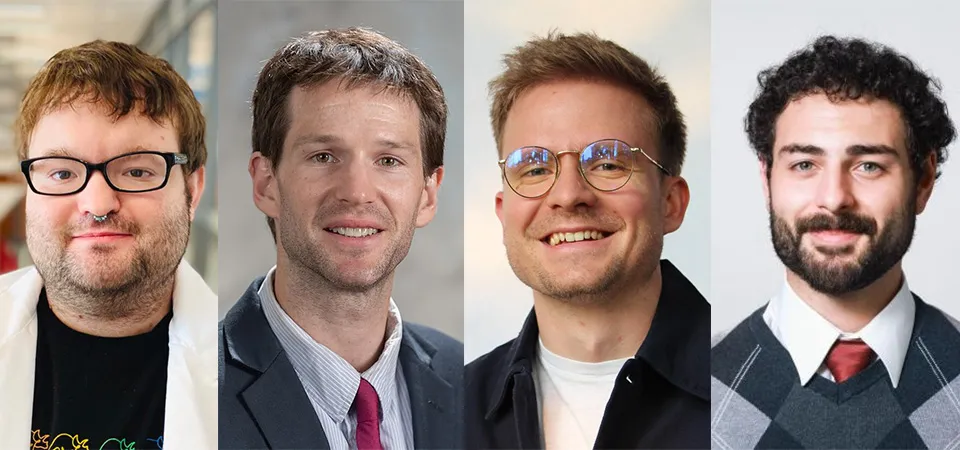
Four headshots of Singh Family Award winners: Andrew McShan, John Blazeck, Yann Ferry, and Alexander Kedzierski

A philanthropic gift from the family of J.P. Singh is helping researchers at Georgia Tech push the boundaries of biomedical innovation.  

The Singh Family Research Awards were established as part of the Center for Immunoengineering, creating a seed funding program supporting both faculty and students that is designed to accelerate early-stage ideas with the potential to transform medicine. The awards support interdisciplinary projects pursuing high-risk, high-reward research that could lead to new therapies for cancer, infectious diseases, and chronic illnesses. 

The gift honors the legacy of J.P. Singh and reflects his family’s commitment to advancing research that could lead to safer and more effective treatments for patients. 

“The gift is giving scientists the freedom to pursue bold ideas that might otherwise be too early or too unconventional for traditional funding,” said Ankur Singh, Director of the Center for Immunoengineering and Professor in the Wallace H. Coulter Department of Biomedical Engineering at Georgia Tech and Emory (BME). “It allows Georgia Tech scientists to explore new frontiers in immunoengineering, from cancer to autoimmunity, and to build the scientific foundations that could ultimately lead to the next generation of transformative therapies.” 

The inaugural awards support four innovative projects that span multiple areas of biomedical research, including two Faculty Research Awards and two Student Fellowship Awards. 

Using AI to Guide the Immune System 

One Singh Family Faculty Research Award, given to Andrew McShan in the School of Chemistry and Biochemistry, will help develop AI‑guided tools to design synthetic immune‑like molecules that can detect lipids on cell surfaces. Most current immunotherapies are designed to recognize protein fragments presented on cells, leaving a largely untapped class of disease-associated targets — lipids — beyond the reach of modern immune engineering. By enabling programmable molecules that can detect lipids on cell surfaces, the work aims to expand immune targeting beyond traditional protein targets and open new diagnostic and treatment strategies for diseases such as leukemia, tuberculosis, and inflammatory skin disorders.  

An AI-guided design framework for lipid-sensing immune receptors would create an entirely new class of programmable immune molecules capable of identifying disease signals that were previously inaccessible. Such tools could enable earlier disease detection, new immune-based therapeutics, and a broader ability to engineer immune systems to recognize complex biological threats, fundamentally expanding the scope of targets addressable by modern immunotherapy. 

Developing the Next Generation of Cancer Treatments 

The second faculty award project, led by John Blazeck in the School of Chemical and Biomolecular Engineering, focuses on engineering next-generation cancer immunotherapies using CAR-T cells, which are a patient’s own immune cells that have been re‑engineered to recognize and attack specific cancer cells. The team is developing new receptors for CAR-T cells designed to improve safety while enabling immune cells to recognize multiple tumor targets simultaneously.  

This approach addresses two major barriers that have limited the success of CAR-T therapies in solid tumors: the risk of attacking healthy tissues and the ability of tumors to evade treatment by changing or losing a single target antigen. If successful, the work could significantly expand the reach of CAR-T cell therapy, which has already transformed the treatment of certain blood cancers but has struggled to treat solid tumors such as breast, lung, and pancreatic cancer.  

By enabling immune cells to distinguish tumors more precisely and attack cancers that display multiple markers, the new receptor designs could make CAR-T therapies both safer and more effective. The technology could represent a major step toward translating cellular immunotherapies to the far larger population of patients with solid tumors, potentially opening the door to powerful new treatments for some of the most resistant cancers. 

Imaging Heart Risk Early with Ultrasound 

The gift also established two Singh Family Fellow Awards, supporting graduate students pursuing innovative research in immunoengineering.  

One fellowship was awarded to Yann Ferry, a graduate student advised by Costas Arvanitis in the Georgia W. Woodruff School of Mechanical Engineering (ME) and BME. Ferry’s project aims to advance ultrasound imaging technologies designed to visualize immune activity inside Atherosclerosis plaques, the fatty deposits that accumulate in arteries and can trigger heart attacks or strokes when they rupture.  

By tracking immune cells that drive plaque inflammation and instability (called macrophages), the team aims to develop a noninvasive imaging approach that can measure the immune state of plaques in real time. If successful, the technology could transform how cardiovascular disease is diagnosed and monitored.  

Today, physicians can detect plaque buildup but cannot easily determine whether a plaque is actively inflamed and likely to rupture. Imaging immune activity could allow doctors to identify high-risk plaques earlier, monitor how patients respond to therapy, and intervene before a heart attack or stroke occurs. Given that cardiovascular disease remains the leading cause of death in the United States, such a tool could significantly improve prevention and treatment strategies. 

Working Toward a Cure for Type 1 Diabetes 

The second fellowship supports Alexander Kedzierski, a Ph.D. student in Andrés García’s  lab within ME. Kedzierski’s research focuses on improving stem-cell-based treatments for Type 1 Diabetes. The project aims to design degradable biomaterials that present that help control the immune response, protecting transplanted insulin‑producing cells from being attacked by the body.  

Current experimental therapies using insulin-producing cells that are derived from stem cells have shown promise but are limited by the need for lifelong medications that suppress the immune system to prevent rejection. By engineering biomaterials that locally regulate immune responses around transplanted cells, the researchers hope to enable long-term graft survival without suppressing the entire immune system.  

If successful, the approach could bring regenerative therapies for Type 1 diabetes closer to a practical cure, allowing patients to restore natural insulin production while avoiding the risks associated with chronic immunosuppressive treatment. 

Looking Ahead 

Together, the projects illustrate the core mission of the Center for Immunoengineering and the Singh Family gift. By investing in bold, interdisciplinary research, the Singh family’s gift is helping the Center for Immunoengineering accelerate innovations at the intersection of engineering, biology, and medicine.  

In the years ahead, the program is expected to expand a pipeline of high-impact research, from next-generation immunotherapies to immune-guided diagnostics and regenerative medicine. For the scientists involved, the goal is not only to advance discovery but to translate new insights about the immune system into real-world solutions for patients. 

News Contact

Written by: Ankur Singh, Professor in the George W. Woodruff School of Mechanical Engineering

Edited by: Ashlie Bowman, Communications Manager, Parker H. Petit Institute for Bioengineering and Bioscience

Feb. 25, 2026
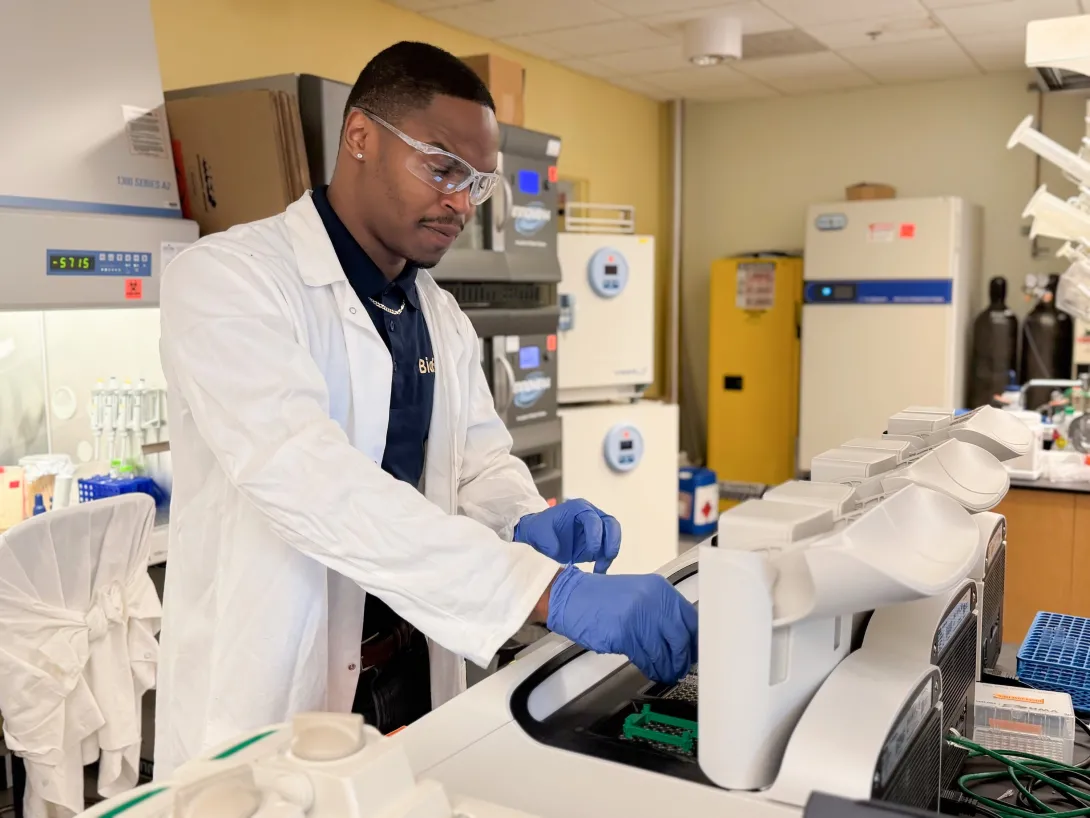
A man in a lab coat wearing safety goggles and gloves puts samples into a machine in a scientific lab

Abstract 

“It was a hypothesis. I was the experiment, and the hypothesis was proven true.” 

Can an inner-city student who grew up below the poverty line earn a Ph.D. and make a career in research? In theory, yes.  

The barriers are many. But literature suggests that early exposure to STEM and research opportunities can increase the odds for students in need.  

For Kendreze Holland, the idea of making it to college and earning an advanced degree was a hypothesis. Sure, theoretically it could be done — but in his own home, not everyone had even made it past high school.  

Often, the first question on the way to scientific discovery is: What if? What if a student like Holland received the right help at the right time? What if he was guided along the way by mentors who were leaders in their fields? What if he was given the opportunity to develop professional skills and make valuable connections? 

Holland asked himself: What if he could be the one to prove the hypothesis true? 

Introduction 

Holland grew up in northwest Atlanta, one of seven children raised by a single mother. Being one of so many children, most would struggle to stand out. But Holland always sought to be different.  

“My perpetual intention was to be less of a burden to my mother,” he said. “Since my mother’s education limited her abilities to help with my schoolwork, I went above the call of duty to stand out in academics.” 

His mother’s education was cut short in ninth grade so she could raise her first child, Holland’s older sister, and no one in his family had gone to college. In his mind, he had three career paths to choose from: football, hip hop, or retail.  

“Standing at a solid 5 foot 8, the first would have been difficult,” he joked. “And the latter two were not my calling.” 

Just like his mother, the course of his life changed in his ninth-grade year. For Holland, it began an academic journey he never expected.  

In 2012, he was attending B.E.S.T. Academy, an all-boys public school for grades six through 12 focused on business and STEM. Biology class was just another hour waiting to pass for the 15-year-old Holland, until the day two guest speakers from Georgia Tech walked into the room with “some weird apparatuses and mechanical chopsticks.” 

The two guests used the equipment — gel electrophoresis systems and pipettes — to show the boys what research can look like in real life. 

“This experience sparked within me a drive for science, and it was the first time I realized that I wanted to, and could, attain an advanced scientific degree,” Holland said.  

The two speakers were Manu Platt, a professor in the Wallace H. Coulter Department of Biomedical Engineering at Georgia Tech and Emory University, and Jerald Dumas, a postdoctoral researcher. Platt and Dumas were there to recruit students for a new program called Project ENGAGES within the Parker H. Petit Institute for Bioengineering and Bioscience (IBB).  

The program was co-founded by Platt and the late Robert M. Nerem, IBB’s founding executive director, to give students like Holland an opportunity to participate in real research projects that would hopefully plant a seed in the next generation of scientists.  

Students come from one of eight partner schools in Atlanta. Once accepted, they are connected to a Georgia Tech graduate student who mentors them and supervises their work, and they get paid to work in their assigned lab for one year.  

Project ENGAGES does more than expose students to STEM concepts and ideas. It equips them with the skills and knowledge to carry out their own independent research projects. They also have opportunities to establish connections with university faculty and industry representatives who can provide career guidance and support. 

Methods 

Though Holland didn’t meet the program’s age requirement in 2012, he applied again the next year and was accepted. During his junior and senior years of high school, he worked in Platt’s lab, where he aided with projects involving proteins, cell cultures, and antibodies.  

“Over the course of those two years, the growth I saw scientifically, professionally, and in maturity, all corroborated my belief that Kendreze was going far, and able to push past whatever goals and obstacles he comes up against,” said Platt, now the director of the Center for Biomedical Engineering Technology Acceleration housed within the National Institute of Biomedical Imaging and Bioengineering.  

Holland's experience sparked a love for science and a career-long connection with Georgia Tech. After high school, he graduated summa cum laude with a degree in chemistry from Georgia State University. As an undergraduate, he stayed connected with Tech and with IBB as a Petit Scholar, a yearlong mentorship program and research experience for top students around Atlanta. 

“I really wanted to stay close to home, and I felt like everything was in my backyard,” he said. “There are many people who come here from other places to Tech because of the great science that is going on. There’s something special about Atlanta, and I’m just getting the best of what I can from it.” 

He credits his time in Project ENGAGES with giving him the confidence and resilience to continue toward his goals. Like many others in the program, he was a first-generation college student with little to no guidance for his academic career. The holistic approach of Project ENGAGES provided professional development opportunities and standardized test preparation to ready him for life in college and beyond. 

“I knew I wanted to go to grad school, but I didn’t know I was going to do all these things,” he said. “Having that one goal sprouted a lot of side quests that just grew into something bigger.” 

After graduating from Georgia State in 2020, Holland was accepted into Georgia Tech’s Bioengineering Graduate Program as a doctoral student. In December 2025, he became the first Project ENGAGES alumnus to successfully defend his dissertation, and he is expected to graduate this spring. 

Lakeita Servance, assistant director of Outreach Initiatives at IBB, was the program manager for Project ENGAGES when Holland was accepted and cheered him on more than 10 years later as he presented his doctoral research. 

“As I sat in that room while he was defending his dissertation and sharing his research with all of us, I still reflected on that boy I saw at 16 years old,” she said. “It was this full circle moment to see him make it all the way back here. The investment we made over a decade ago has paid off in such a large way.” 

Results 

In addition to being the first in his family to go to college and earn an advanced degree, Holland received financial support from the National Science Foundation’s Graduate Research Fellowship Program; was awarded multiple prestigious fellowships, including FORD, GEM, and Herbert P. Haley; landed an internship with 3M Corporate Research Materials Laboratory; and served as a mentor in the Nakatani Research and International Experience for Students. He has published papers, led panel discussions, applied for patents, and presented his research at national conferences.   

“All that stemmed from Project ENGAGES,” he said. “And more importantly, I applied to be a mentor for the ENGAGES program.” 

Holland said some of his most meaningful experiences have come from being able to give back. He has served as a mentor, both formally and informally, to more than half a dozen students, some who come from backgrounds much like his own. 

“I wanted to give back to the program because it poured so much into me. They were able to get me all the way to the Ph.D. level, so I knew that I could use my grind to help other students.” 

Conclusion 

Having proved the hypothesis true, Holland is turning his focus to the future, considering his options in academia and corporate research while he continues to work as a postdoc at Georgia Tech.  

His research in John Blazeck’s lab focuses on cellular engineering using CRISPR gene editing technology to regulate gene profiles, meaning he and other researchers can turn certain genes up and others down to affect the way cells respond. Though he is currently working with yeast cells, he hopes that his research will translate into mammalian cells that could have more clinical applications.  

“In terms of diseases and disorders, you can use it to tune genes to help someone experiencing cancer by helping immune cells or stopping cancer cells from dividing rapidly,” he said. “You can also help other cells to survive longer, and longer cell viability means potentially a patient can survive longer.” 

What began as a presentation in a high school science class has led Holland to a future he never expected. Tequila Harris, professor in the George W. Woodruff School of Mechanical Engineering and co-director of Project ENGAGES, said his story shows others that they can do the same.  

“I believe his achievements will inspire and motivate generations of students to pursue dreams that they may not have known they had. Kendreze Holland has fundamentally shown others that there are multiple pathways to engage in STEM and that opportunities and access to advanced degrees can be attained by those willing to do the work.” 

Holland's story is symbolic of the ultimate goal for Project ENGAGES: to change the lives of talented young people who may never have had the opportunity to succeed.  

“That’s why I was so adamant about getting my Ph.D.,” he said, “to show that one could potentially overcome what they were going through to do something extraordinary.” 


Project ENGAGES is possible thanks to philanthropic support from our generous community: Donate here.

News Contact

Ashlie Bowman | Communications Manager

Parker H. Petit Institute for Bioengineering and Bioscience

Jan. 08, 2026
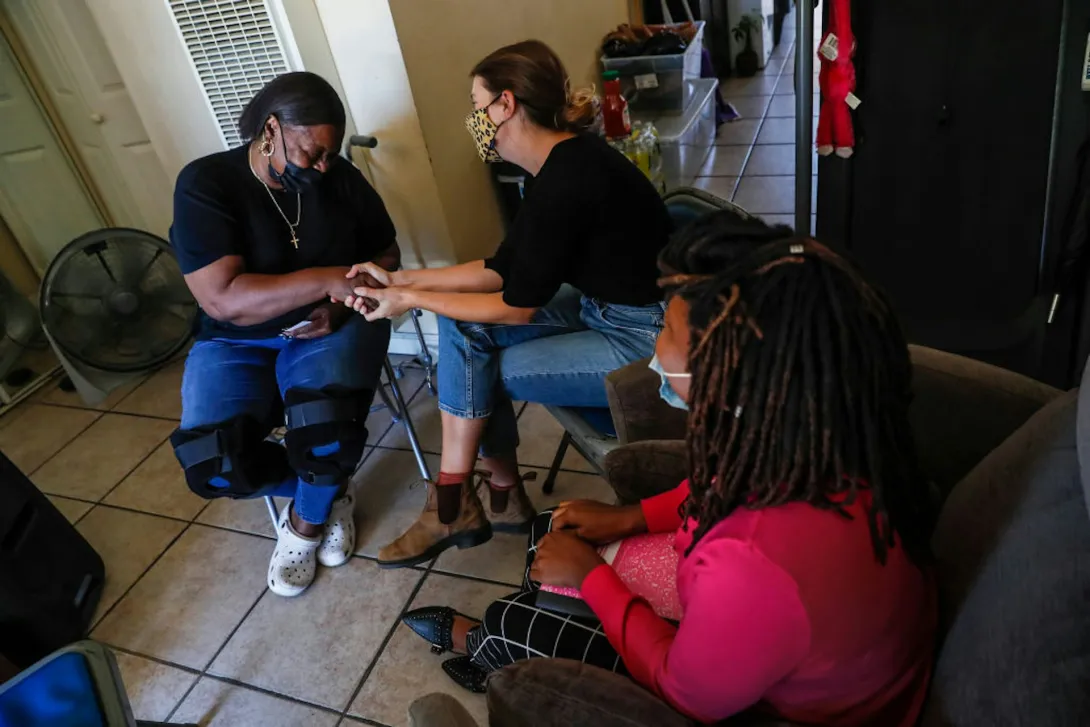
Lack of access to safe and affordable housing is harmful to health. Robert Gauthier/Los Angeles Times via Getty Images

Lack of access to safe and affordable housing is harmful to health. Robert Gauthier/Los Angeles Times via Getty Images

Health and medicine is more than just biological – societal forces can get under your skin and cause illness. Medical sociologists like me study these forces by treating society itself as our laboratory. Health and illness are our experiments in uncovering meaning, power and inequality, and how it affects all parts of a person’s life.

For example, why do low-income communities continue to have higher death rates, despite improved social and environmental conditions across society? Foundational research in medical sociology reveals that access to resources like money, knowledge, power and social networks strongly affects a person’s health. Medical sociologists have shown that social class is linked to numerous diseases and mortality, including risk factors that influence health and longevity. These include smoking, overweight and obesity, stress, social isolation, access to health care and living in disadvantaged neighborhoods.

Moreover, social class alone cannot explain such health inequalities. My own research examines how inequalities related to social class, race and gender affect access to autism services, particularly among single Black mothers who rely on public insurance. This work helps explain delays in autism diagnosis among Black children, who often wait three years after initial parent concerns before they are formally diagnosed. White children with private insurance typically wait from 9 to 22 months depending on age of diagnosis. This is just one of numerous examples of inequalities that are entrenched in and deepened by medical and educational systems.

Medical sociologists like me investigate how all of these factors interact to affect a person’s health. This social model of illness sees sickness as shaped by social, cultural, political and economic factors. We examine both individual experiences and societal influences to help address the health issues affecting vulnerable populations through large-scale reforms.

By studying the way social forces shape health inequalities, medical sociology helps address how health and illness extend beyond the body and into every aspect of people’s lives.

Protesters standing in front of a federal building, holding signs in the shape of graves reading '16 MILLION LIVES' and 'R.I.P. DEATH BY A THOUSAND CUTS,' wearing shirts that read 'MEDICAID SAVES LIVES'

Access to health insurance is a political issue that directly affects patients. Here, care workers gathered in June 2025 to protest Medicaid cuts. Tasos Katopodis/Getty Images for SEIU

Origins of Medical Sociology in the US

Medical sociology formally began in the U.S after World War II, when the National Institutes of Health started investing in joint medical and sociological research projects. Hospitals began hiring sociologists to address questions like how to improve patient compliance, doctor-patient interactions and medical treatments.

However, the focus of this early work was on issues specific to medicine, such as quality improvement or barriers to medication adherence. The goal was to study problems that could be directly applied in medical settings rather than challenging medical authority or existing inequalities. During that period, sociologists viewed illness mostly as a deviation from normal functioning leading to impairments that require treatment.

For example, the concept of the sick role – developed by medical sociologist Talcott Parsons in the 1950s – saw illness as a form of deviance from social roles and expectations. Under this idea, patients were solely responsible for seeking out medical care in order to return to normal functioning in society.

In the 1960s, sociologists began critiquing medical diagnoses and institutions. Researchers criticized the idea of the sick role because it assumed illnesses were temporary and did not account for chronic conditions or disability, which can last for long periods of time and do not necessarily allow people to deviate from their life obligations. The sick role assumed that all people have access to medical care, and it did not take into account how social characteristics like race, class, gender and age can influence a person’s experience of illness.

Patient wearing surgical mask sitting in chair of exam room, talking to a doctor

Early models of illness in medical sociology discounted the experience of the patient. Paul Bersebach/MediaNews Group/Orange County Register via Getty Images

Parsons’ sick role concept also emphasized the expertise of the physician rather than the patient’s experience of illness. For example, sociologist Erving Goffman showed that the way care is structured in asylums shaped how patients are treated. He also examined how the experience of stigma is an interactive process that develops in response to social norms. This work influenced how researchers understood chronic illness and disability and laid the groundwork for later debates on what counts as pathological or normal.

In the 1970s, some researchers began to question the model of medicine as an institution of social control. They critiqued how medicine’s jurisdiction expanded over many societal problems – such as old age and death – which were defined and treated as medical problems. Researchers were critical of the tendency to medicalize and apply labels like “healthy” and “ill” to increasing parts of human existence. This shift emphasized how a medical diagnosis can carry political weight and how medical authority can affect social inclusion or exclusion.

The critical perspective aligns with critiques from disability studies. Unlike medical sociology, which emerged through the medical model of disease, disability studies emerged from disability rights activism and scholarship. Rather than viewing disability as pathological, this field sees disability as a variation of the human condition rooted in social barriers and exclusionary environments. Instead of seeking cures, researchers focus on increasing accessibility, human rights and autonomy for disabled people.

A contemporary figure in this field was Alice Wong, a disability rights activist and medical sociologist who died in November 2025. Her work amplified disabled voices and helped shaped how the public understood disability justice and access to technology.

Structural Forces Shape Health and Illness

By focusing on social and structural influences on health, medical sociology has contributed significantly to programs addressing issues like segregation, discrimination, poverty, unemployment and underfunded schools.

For example, sociological research on racial health disparities invite neighborhood interventions that can help improve overall quality of life by increasing the availability of affordable nutritious foods in underserved neighborhoods or initiatives that prioritize equal access to education. At the societal level, large-scale social policies such as guaranteed minimum incomes or universal health care can dramatically reduce health inequalities.

People carrying boxes of food under a tent

Access to nutritious food is critical to health. K.C. Alfred / The San Diego Union-Tribune via Getty Images

Medical sociology has also expanded the understanding of how health care policies affect health, helping ensure that policy changes take into account the broader social context. For example, a key area of medical sociological research is the rising cost of and limited access to health care. This body of work focuses on the complex social and organizational factors of delivering health services. It highlights the need for more state and federal regulatory control as well as investment in groups and communities that need care the most.

Modern medical sociology ultimately considers all societal issues to be health issues. Improving people’s health and well-being requires improving education, employment, housing, transportation and other social, economic and political policies.The Conversation


This article is republished from The Conversation under a Creative Commons license. Read the original article.
News Contact

Author:

Jennifer Singh, Associate Professor of Sociology, Georgia Institute of Technology

Media Contact:

Shelley Wunder-Smith
shelley.wunder-smith@research.gatech.edu

Jan. 05, 2026
Two Georgia Tech researchers looking at a biomedical chip.

University research drives U.S. innovation, and Georgia Institute of Technology is leading the way.  

The latest Higher Education Research and Development (HERD) Survey from the National Science Foundation (NSF) places Georgia Tech as No. 2 nationally for federally sponsored research expenditures in 2024. This is Georgia Tech’s highest-ever ranking from the NSF HERD survey and a 70% increase over the Institute's 2019 numbers.  

In total expenditures from all externally funded dollars (including the federal government, foundations, industry, etc.), Georgia Tech is ranked at No. 6.  

Tech remains ranked No. 1 among universities without a medical school — a major accomplishment, as medical schools account for a quarter of all research expenditures nationally. 

“Georgia Tech’s rise to No. 2 in federally sponsored research expenditures reflects the extraordinary talent and commitment of our faculty, staff, students, and partners. This achievement demonstrates the confidence federal agencies have in our ability to deliver transformative research that addresses the nation’s most critical challenges,” said Tim Lieuwen, executive vice president for Research.   

Overall, the state of Georgia maintained its No. 8 position in university research and development, and for the first time, the state topped the $4 billion mark in research expenditures. Georgia Tech provides $1.5 billion, the largest state university contribution. In the last five years, federal funding for higher education research in the state of Georgia has grown an astounding 46% — 10 points higher than the U.S. rate. 

Lieuwen said, “Georgia Tech is proud to lead the state in research contributions, helping Georgia surpass the $4 billion mark for the first time. Our work doesn’t just advance knowledge — it saves lives, creates jobs, and strengthens national security. This growth reflects our commitment to drive innovation that benefits Georgia, our country, and the world.” 

About the NSF HERD Survey 

The NSF HERD Survey is an annual census of U.S. colleges and universities that expended at least $150,000 in separately accounted for research and development (R&D) in the fiscal year. The survey collects information on R&D expenditures by field of research and source of funds and also gathers information on types of research, expenses, and headcounts of R&D personnel. 

About Georgia Tech's Research Enterprise 

The research enterprise at Georgia Tech is led by the Executive Vice President for Research, Tim Lieuwen, and directs a portfolio of research, development, and sponsored activities. This includes leadership of the Georgia Tech Research Institute (GTRI), the Enterprise Innovation Institute, 11 interdisciplinary research institutes (IRIs), Office of Commercialization, Office of Corporate Engagement, plus research centers, and related research administrative support units. Georgia Tech routinely ranks among the top U.S. universities in volume of research conducted.

News Contact

Angela Ayers
Assistant Vice President of Research Communications
Georgia Tech

Dec. 16, 2025
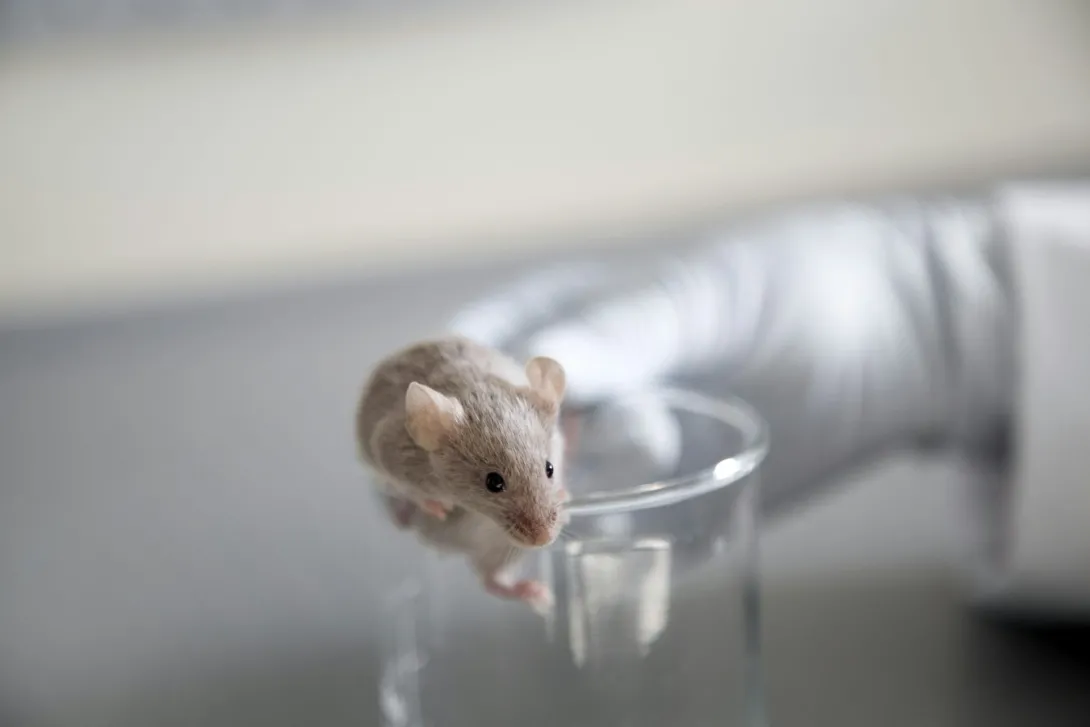
 Mice have complex visual systems that can clarify how vision works in people. Westend61/Getty Images

Mice have complex visual systems that can clarify how vision works in people. Westend61/Getty Images

Despite the nursery rhyme about three blind mice, mouse eyesight is surprisingly sensitive. Studying how mice see has helped researchers discover unprecedented details about how individual brain cells communicate and work together to create a mental picture of the visual world.

I am a neuroscientist who studies how brain cells drive visual perception and how these processes can fail in conditions such as autism. My lab “listens” to the electrical activity of neurons in the outermost part of the brain called the cerebral cortex, a large portion of which processes visual information. Injuries to the visual cortex can lead to blindness and other visual deficits, even when the eyes themselves are unhurt.

Understanding the activity of individual neurons – and how they work together while the brain is actively using and processing information – is a long-standing goal of neuroscience. Researchers have moved much closer to achieving this goal thanks to new technologies aimed at the mouse visual system. And these findings will help scientists better see how the visual systems of people work.

The Mind in the Blink of an Eye

Researchers long thought that vision in mice appeared sluggish with low clarity. But it turns out visual cortex neurons in mice – just like those in humans, monkeys, cats and ferrets – require specific visual features to trigger activity and are particularly selective in alert and awake conditions.

My colleagues and I and others have found that mice are especially sensitive to visual stimuli directly in front of them. This is surprising, because mouse eyes face outward rather than forward. Forward-facing eyes, like those of cats and primates, naturally have a larger area of focus straight ahead compared to outward-facing eyes.

Microscopy image of stacks of neurons

This image shows neurons in the mouse retina: cone photoreceptors (red), bipolar neurons (magenta), and a subtype of bipolar neuron (green). Brian Liu and Melanie Samuel/Baylor College of Medicine/NIH via Flickr

This finding suggests that the specialization of the visual system to highlight the frontal visual field appears to be shared between mice and humans. For mice, a visual focus on what’s straight ahead may help them be more responsive to shadows or edges in front of them, helping them avoid looming predators or better hunt and capture insects for food.

Importantly, the center of view is most affected in aging and many visual diseases in people. Since mice also rely heavily on this part of the visual field, they may be particularly useful models to study and treat visual impairment.

A Thousand Voices Drive Complicated Choices

Advances in technology have greatly accelerated scientific understanding of vision and the brain. Researchers can now routinely record the activity of thousands of neurons at the same time and pair this data with real-time video of a mouse’s face, pupil and body movements. This method can show how behavior interacts with brain activity.

It’s like spending years listening to a grainy recording of a symphony with one featured soloist, but now you have a pristine recording where you can hear every single musician with a note-by-note readout of every single finger movement.

Using these improved methods, researchers like me are studying how specific types of neurons work together during complex visual behaviors. This involves analyzing how factors such as movement, alertness and the environment influence visual activity in the brain.

For example, my lab and I found that the speed of visual signaling is highly sensitive to what actions are possible in the physical environment. If a mouse rests on a disc that permits running, visual signals travel to the cortex faster than if the mouse views the same images while resting in a stationary tube – even when the mouse is totally still in both conditions.

In order to connect electrical activity to visual perception, researchers also have to ask a mouse what it thinks it sees. How have we done this?

The last decade has seen researchers debunking long-standing myths about mouse learning and behavior. Like other rodents, mice are also surprisingly clever and can learn how to “tell” researchers about the visual events they perceive through their behavior.

For example, mice can learn to release a lever to indicate they have detected that a pattern has brightened or tilted. They can rotate a Lego wheel left or right to move a visual stimulus to the center of a screen like a video game, and they can stop running on a wheel and lick a water spout when they detect the visual scene has suddenly changed.

Mouse drinking from a metal water spout

Mice can be trained to drink water as a way to ‘tell’ researchers they see something. felixmizioznikov/iStock via Getty Images Plus

Mice can also use visual cues to focus their visual processing to specific parts of the visual field. As a result, they can more quickly and accurately respond to visual stimuli that appear in those regions. For example, my team and I found that a faint visual image in the peripheral visual field is difficult for mice to detect. But once they do notice it – and tell us by licking a water spout – their subsequent responses are faster and more accurate.

These improvements come at a cost: If the image unexpectedly appears in a different location, the mice are slower and less likely to respond to it. These findings resemble those found in studies on spatial attention in people.

My lab has also found that particular types of inhibitory neurons – brain cells that prevent activity from spreading – strongly control the strength of visual signals. When we activated certain inhibitory neurons in the visual cortex of mice, we could effectively “erase” their perception of an image.

These kinds of experiments are also revealing that the boundaries between perception and action in the brain are much less separate than once thought. This means that visual neurons will respond differently to the same image in ways that depend on behavioral circumstances – for example, visual responses differ if the image will be successfully detected, if it appears while the mouse is moving, or if it appears when the mouse is thirsty or hydrated.

Understanding how different factors shape how cortical neurons rapidly respond to visual images will require advances in computational tools that can separate the contribution of these behavioral signals from the visual ones. Researchers also need technologies that can isolate how specific types of brain cells carry and communicate these signals.

Data Clouds Encircling the Globe

This surge of research on the mouse visual system has led to a significant increase in the amount of data that scientists can not only gather in a single experiment but also publicly share among each other.

Major national and international research centers focused on unraveling the circuitry of the mouse visual system have been leading the charge in ushering in new optical, electrical and biological tools to measure large numbers of visual neurons in action. Moreover, they make all the data publicly available, inspiring similar efforts around the globe. This collaboration accelerates the ability of researchers to analyze data, replicate findings and make new discoveries.

Technological advances in data collection and sharing can make the culture of scientific discovery more efficient and transparent – a major data informatics goal of neuroscience in the years ahead.

If the past 10 years are anything to go by, I believe such discoveries are just the tip of the iceberg, and the mighty and not-so-blind mouse will play a leading role in the continuing quest to understand the mysteries of the human brain.The Conversation


This article is republished from The Conversation under a Creative Commons license. Read the original article.

News Contact

Author:

Bilal Haider, Associate Professor of Biomedical Engineering, Georgia Institute of Technology

Media Contact:

Shelley Wunder-Smith
shelley.wunder-smith@research.gatech.edu

Nov. 20, 2025
Three Georgia Tech researchers working together in the lab on cancer research

Georgia Institute of Technology has been ranked 7th in the world in the 2026 Times Higher Education Interdisciplinary Science Rankings, in association with Schmidt Science Fellows. This designation underscores Georgia Tech’s leadership in research that solves global challenges. 

“Interdisciplinary research is at the heart of Georgia Tech’s mission,” said Tim Lieuwen, executive vice president for Research. “Our faculty, students, and research teams work across disciplines to create transformative solutions in areas such as healthcare, energy, advanced manufacturing, and artificial intelligence. This ranking reflects the strength of our collaborative culture and the impact of our research on society.” 

As a top R1 research university, Georgia Tech is shaping the future of basic and applied research by pursuing inventive solutions to the world’s most pressing problems. Whether discovering cancer treatments or developing new methods to power our communities, work at the Institute focuses on improving the human condition.  

Teams from all seven Georgia Tech colleges, 11 interdisciplinary research institutes, the Georgia Tech Research Institute, Enterprise Innovation Institute, and hundreds of research labs and centers work together to transform ideas into real results.

News Contact

Angela Ayers

Oct. 27, 2025
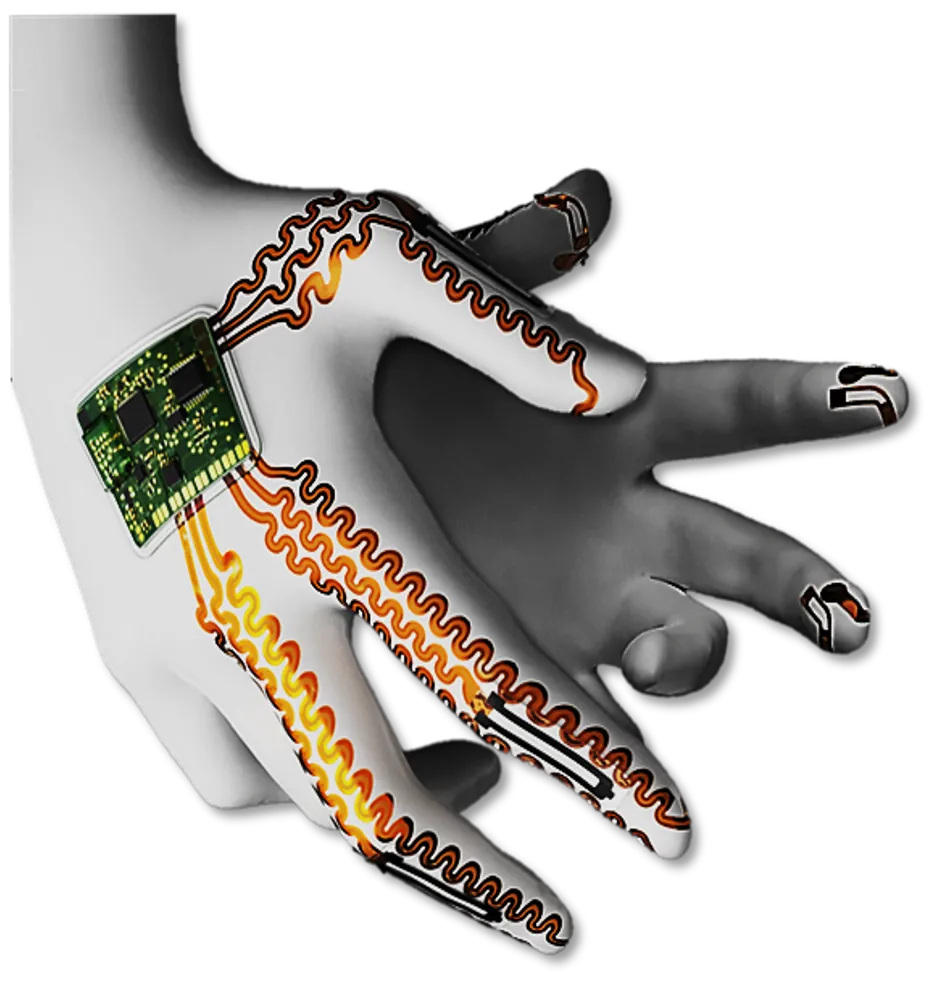
A mock-up of an AI-powered glove

A mock-up of an AI-powered glove with muscles made from lifelike materials paired with intelligent control systems. The technology learns from the body and adapts in real time, creating motion that feels natural, responsive, and safe enough to support recovery.

Pop culture has often depicted robots as cold, metallic, and menacing, built for domination, not compassion. But at Georgia Tech, the future of robotics is softer, smarter, and designed to help.

“When people think of robots, they usually imagine something like The Terminator or RoboCop: big, rigid, and made of metal,” said Hong Yeo, the G.P. “Bud” Peterson and Valerie H. Peterson Professor in the George W. Woodruff School of Mechanical Engineering. “But what we’re developing is the opposite. These artificial muscles are soft, flexible, and responsive — more like human tissue than machine.”

Yeo’s latest study, published in Materials Horizons, explores AI-powered muscles made from lifelike materials paired with intelligent control systems. The technology learns from the body and adapts in real time, creating motion that feels natural, responsive, and safe enough to support recovery.
 

Muscles That Think, Materials That Feel

Traditional robotics relies on steel, wires, and motors, but rarely captures the nuances of human motion. Yeo’s research takes a different approach. He uses hierarchically structured fibers, which are flexible materials built in layers, much like muscle and tendon. They can sense, adapt, and even “remember” how they’ve moved before.

Yeo trains machine learning algorithms to adjust those pliable materials in real time with the right amount of force or flexibility for each task.

“These muscles don’t only respond to commands,” Yeo said. “They learn from experience. They can adapt and self-correct, which makes motion smoother and more natural.”

The result of that research is deeply human. For someone recovering from a stroke or limb loss, each deliberate movement rebuilds not just strength — it rebuilds confidence, independence, and a sense of self.


A Glove That Gives Freedom Back

One of the first real-world applications is a prosthetic glove powered by artificial muscles (published in ACS Nano, 2025), a device that behaves more like a helping hand than a mechanical tool. Traditional prosthetics rely on rigid motors and preset motions, but Yeo’s design mirrors the natural give-and-take of real muscle.

Inside the glove, thin layers of stretchable fibers and sensors contract, twist, and flex in sync with the wearer’s intent. The glove can fine-tune grip strength, reduce tremors, and respond instantly to the user’s movements, bringing dexterity back to everyday life.

That kind of precision matters most in the smallest tasks: fastening a button, lifting a glass, holding a child’s hand.

“These aren’t just movements,” Yeo said. “They’re freedoms.”

For Yeo, the idea of restoring freedom through movement has driven his research from the very beginning.
 

A Mission Rooted in Loss

Yeo's work is deeply personal. His path to biomedical engineering began with loss — the sudden death of his father while Yeo was still in college. That moment reshaped his sense of purpose, redirecting his focus from machines that move to technologies that heal.

“Initially, I was thinking about designing cars,” he said. “But after my father’s death, I kind of woke up. Maybe I could do something that helps save someone’s life.”

That purpose continues to guide his lab’s work today, building technologies that help people recover what they’ve lost.

Achieving that vision, however, means tackling some of engineering’s toughest challenges.
 

Soft Machines, Hard Problems

Creating lifelike muscles isn’t easy. They need to be soft but strong, responsive but safe. And they must avoid triggering the body’s immune system. That means building materials that can survive inside the body — and learn to belong there.

“We always think about not only function, but adaptability,” Yeo said. “If it’s going to be part of someone’s body, it has to work with them, not against them.”

His team calibrates these synthetic fibers like precision instruments — tested, adjusted, and re-tuned until they operate in sync with the body’s natural movements. Over time, they develop a kind of “muscle memory,” adapting fluidly to changing conditions. That dynamic adaptability, Yeo explained, is what separates a machine from a prosthetic that truly feels alive.
 

From Collaboration to Innovation

Solving problems this complex requires more than one discipline. It takes an entire ecosystem of collaboration. Yeo’s lab brings together experts in mechanical engineering, materials science, medicine, and computer science to design smarter, safer devices.

“You can’t solve this kind of problem in isolation,” he said. “We need all of it — polymers, artificial intelligence, biomechanics — working together.”

That collaborative model is supported by the National Science Foundation (NSF), the National Institutes of Health, and Georgia Tech’s Institute for Matter and Systems. In 2023, Yeo received a $3 million NSF grant to train the next generation of engineers building smart medical technology.

His team now works closely with healthcare providers and industry partners to bring these devices out of the lab and into patients’ lives.


The Future You Can Feel

The future of robotics, according to Yeo, won’t be defined by power or complexity but by feel.

“If it feels foreign, people won’t use it,” he said. “But if it feels like part of you, that’s when it can truly change lives.”

It’s the opposite of The Terminator, where machines replace us. Yeo is designing these machines to help us reclaim ourselves.


News Contact

Michelle Azriel Writer/Editor, Research Communications

Oct. 23, 2025
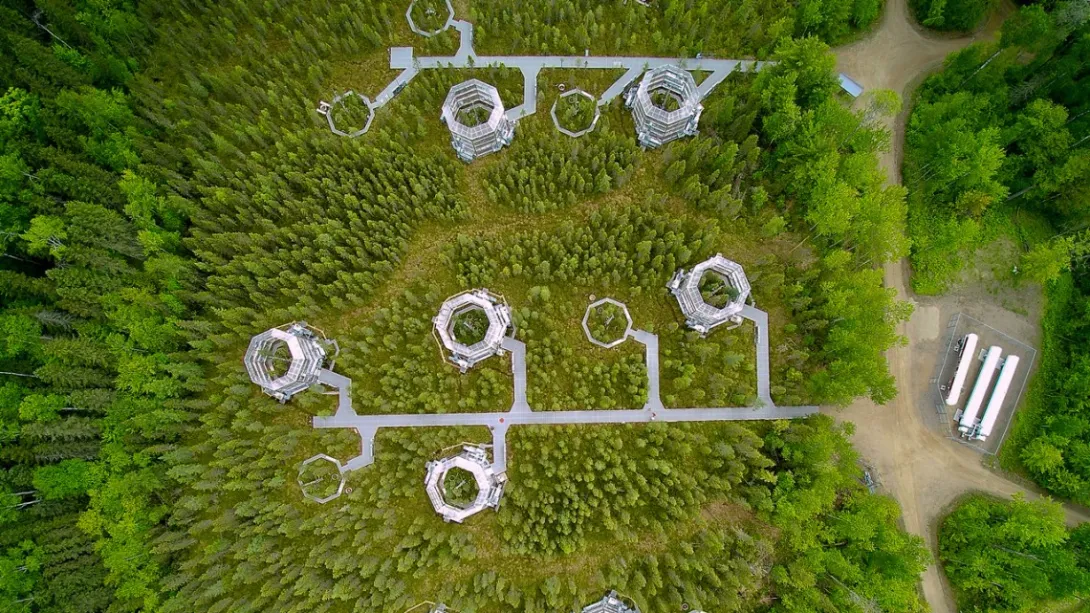
Yurt-like test chambers in a natural boreal spruce bog in northern Minnesota (provided).

This story by Caitlin Hayes is shared jointly with the Cornell Chronicle newsroom.

Study co-author Joel E. Kostka is the Tom and Marie Patton Distinguished Professor and associate chair for Research in the School of Biological Sciences with a joint appointment in the School of Earth and Atmospheric Sciences. He also serves as faculty director of Georgia Tech for Georgia's Tomorrow

The Kostka Lab works in peatland ecosystems to quantify changes in microbial communities brought on by climate change drivers. In particular, next generation gene sequencing and omics approaches are employed to investigate the microbial groups that mediate organic matter degradation and the release of greenhouse gases.

Peatlands make up just 3% of the earth’s land surface but store more than 30% of the world’s soil carbon, preserving organic matter and sequestering its carbon for tens of thousands of years. A new study sounds the alarm that an extreme drought event could quadruple peatland carbon loss in a warming climate. 

In the study, published October 23 in Science, researchers find that, under conditions that mimic a future climate (with warmer temperatures and elevated carbon dioxide), extreme drought dramatically increases the release of carbon in peatlands by nearly three times. This means that droughts in future climate conditions could turn a valuable carbon sink into a carbon source, erasing between 90 and 250 years of carbon stores in a matter of months.

“As temperatures increase, drought events become more frequent and severe,  making peatlands more vulnerable than before,” said Yiqi Luo, senior author and the Liberty Hyde Bailey Professor in the School of Integrative Plant Science’s Soil and Crop Sciences Section, in the College of Agriculture and Life Sciences (CALS) at Cornell University. “We add new evidence to show that with peatlands, the stakes are high. We observed that these extreme drought events can wipe out hundreds of years of accumulated carbon, so this has a huge implication.”

“To me, this study is striking in that it shows that around 10 to 100 years of carbon uptake by one of the most important global soil carbon stores can be erased by just two months of extreme drought,” adds Joel Kostka, Tom and Marie Patton Distinguished Professor in Biological Sciences at Georgia Tech.

It was already well-established that drought reduces ecosystem productivity and increases carbon release in peatlands, but this study is the first to examine how that carbon loss is exacerbated as the planet warms and more carbon dioxide enters the atmosphere. The Intergovernmental Panel on Climate Change estimates extreme drought will become 1.7 to 7.2 times more likely in the near future. 

Read the full story in the Cornell newsroom

###

Other co-authors include Cornell postdoctoral researchers Jian Zhou and Ning Wei; senior research associate Lifen Jiang; and researchers from Georgia Institute of Technology, Florida State University, the U.S. Department of Agriculture (USDA), ETH Zurich, Northern Arizona University, the Australian National University, the University of Western Ontario and Duke University.

Funding for the study came in part from the National Science Foundation, USDA, the New York State Department of Environmental Conservation and the New York State Department of Agriculture and Markets.

News Contact

Media contacts:

Jess Hunt-Ralston
Director of Communications 
College of Sciences
Georgia Tech

Kaitlyn Serrao
Media Relations
Cornell University

Natalia Burgess
Media Assistant
ANU Communications and Engagement
The Australian National University

Oct. 15, 2025
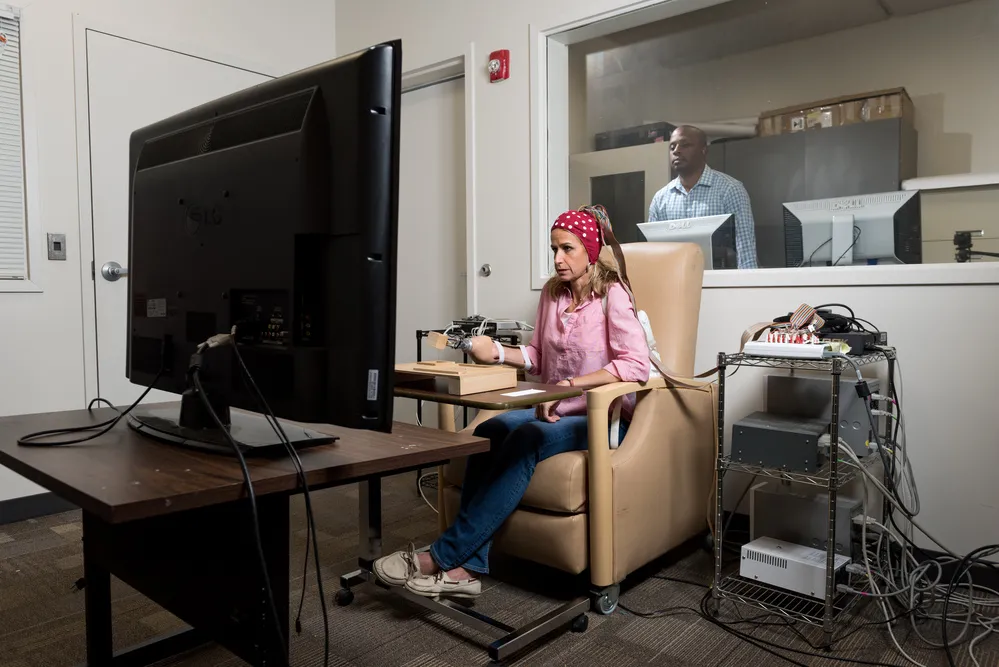
A person seated in a beige chair using a computer setup with multiple cables and devices, facing a large monitor in a testing or research room, with another individual visible through a window in an adjacent control room.

Lewis Wheaton (back) directs Georgia Tech’s Cognitive Motor Control Lab.

Neuroscience experts from across Georgia Tech will soon come together for a new interdisciplinary research institute, the Institute for Neuroscience, Neurotechnology, and Society (INNS), launched in July. Faculty in INNS are helping to solve some of neuroscience’s most pressing problems, and many have promising medical applications. One important aspect of studying the brain is understanding how the brain and the body work together. Meet the researchers who study brain-body interactions, from monitoring the neuron degradation that causes Alzheimer’s to enhancing mobility for stroke survivors, in an effort to improve the health and quality of life for millions of Americans.

Read more »

Subscribe to Parker H. Petit Institute for Bioengineering and Bioscience (IBB)