
Apr. 28, 2026
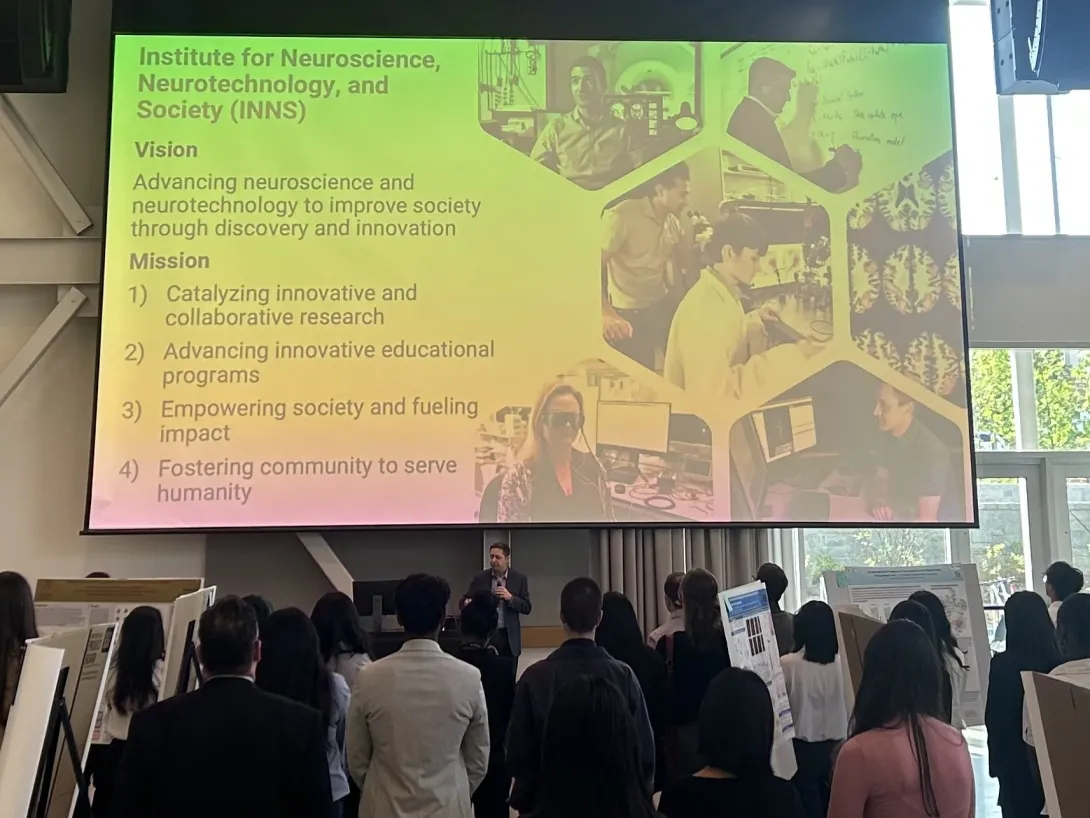
Chris Rozell is giving the opening remarks at the ATL Neuro Networking and Symposium Night.
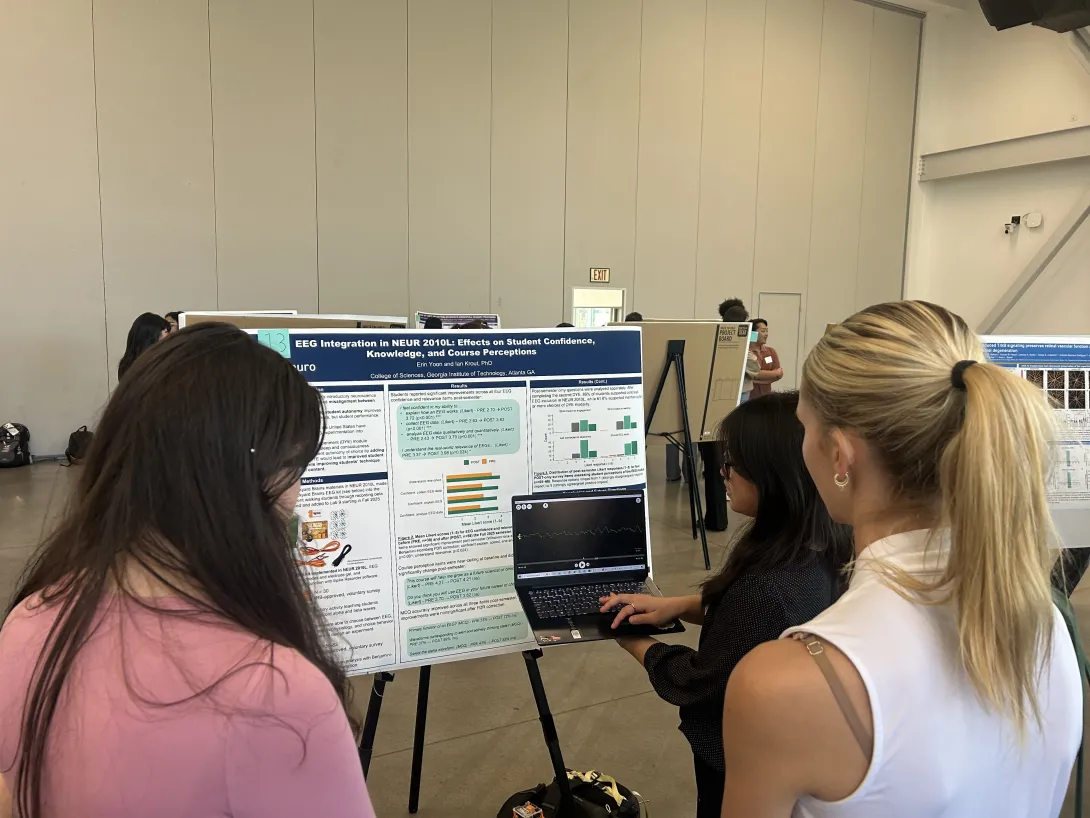
A group of students is discussing a poster, and the presenter is giving an example during the first poster session.
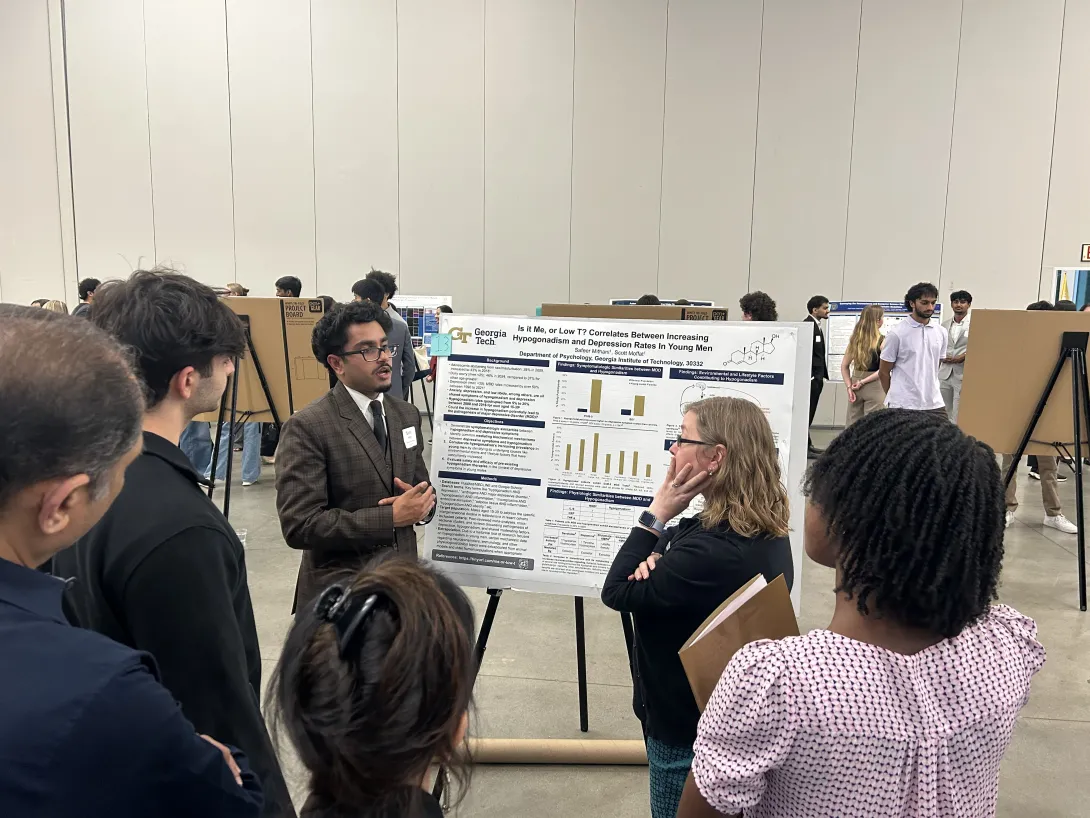
A group of students and faculty is discussing a poster during the second poster session.
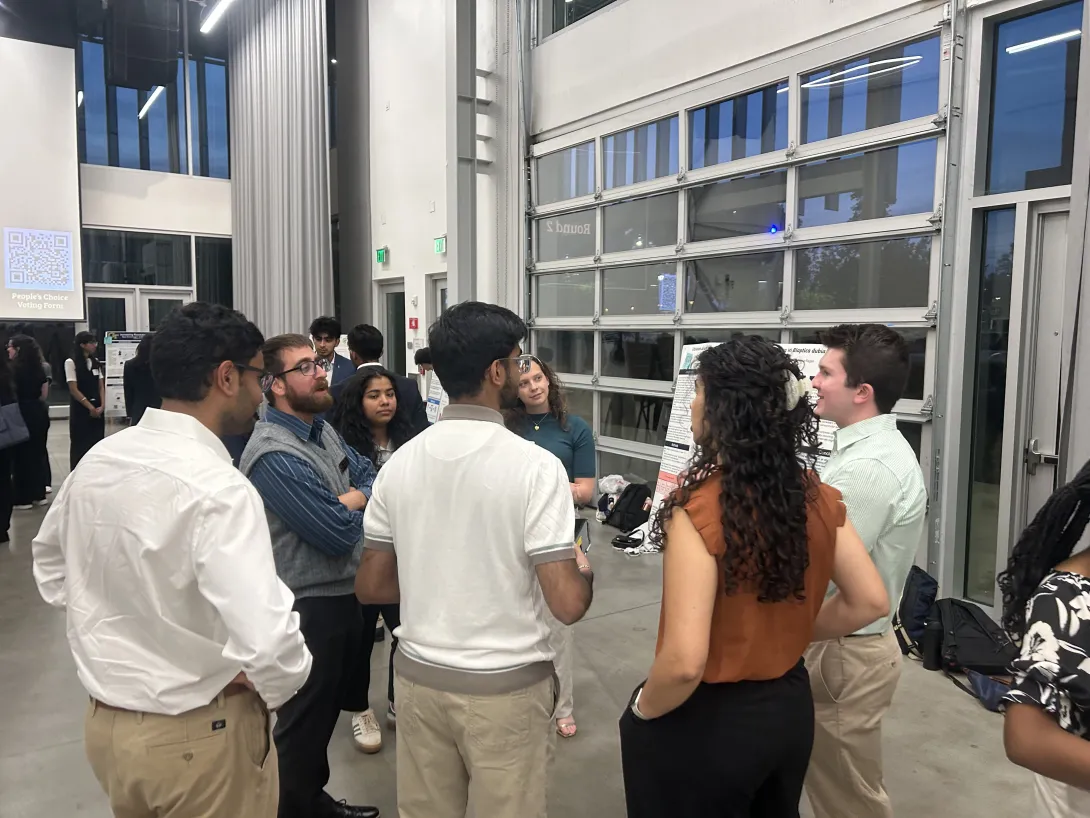
A group of students and faculty is discussing a capstone poster during the second poster session.
At Georgia Tech, undergraduate students are an integral part of the research enterprise – particularly when it comes to neuroscience. That dedication to undergraduate research was on full display on April 8, when more than 100 students from Atlanta-area universities gathered for the annual ATL Neuro Networking and Symposium Night.
This student-run event, hosted by the Georgia Tech Student Neuroscience Association (SNA) and co-sponsored by the Institute for Neuroscience, Neurotechnology, and Society (INNS) and the Neuroscience Undergraduate Program at Georgia Tech, aimed to bring together students and faculty from the broader Atlanta neuroscience community for an evening of data-blitz talks showcasing faculty research, undergraduate poster presentations, and catered networking.
“Our goal was to bridge the gap between Atlanta’s institutions and showcase the diversity of undergraduate research,” says Harshin Vijay, symposium director of SNA. “By bringing these groups together through SNA, we’re fostering an ecosystem where the next generation of scientists can exchange ideas and build collaborative networks essential for future innovation."
The impact of undergraduate neuroscience research is “more than bench to bedside,” said INNS Executive Director Chris Rozell at the event. “It’s about advancing neuroscience and neurotechnology to improve society through discovery and innovation. Undergraduate research catalyzes innovation – invigorating and advancing educational programs through collaboration that empowers society – fueling impact and fostering the community of next-generation scientists.”
Featuring more than 40 undergraduate posters, research topics ranged anywhere from the impact of music on associative memory to the role of taste projection neurons in Drosophila. Some students even examined their own coursework, either as a TA or their involvement with capstone research.
“There are neuroscientists in every College at Georgia Tech, and we have undergraduate neuroscience students performing research all over campus and in the broader Atlanta neuroscience community,” says Katharine McCann, the director of Undergraduate Research for Georgia Tech’s neuroscience program. “Events like this bring those students together to learn from each other and broaden their networks. It is exciting to see so many students passionate about their research.”
Four posters were awarded for their work:
Best Poster Design: “Role of Taste Projection Neurons in Drosophila Taste Processing”
- Hanti Jiang, Emory University
Best Presentation: “Neuroscience and Computer Science Roots of Pattern Recognition”
- Rishi Polepally, Georgia Tech
- Aryan Kumar, Georgia Tech
- Vedanth Natarajan, Georgia Tech
Best 4001 Group: “Evaluating Cognitive Engagement in AI-Generated VS. Human-Created Educational Content”
- Hannah Ammari, Georgia Tech
- Shobini Palaniappan, Georgia Tech
- Rayhan Quraishi, Georgia Tech
- Aryan Shah, Georgia Tech
- Divya Tadanki, Georgia Tech
People's Choice Award: “Vibration as an effective facilitation of sensorimotor learning in Blaptica dubia cockroaches”
- Diana Sethna, Georgia Tech
- Jacob Hayes, Georgia Tech
- Ellie Kate Watson, Georgia Tech
- Arya Oak, Georgia Tech
Esha Panse, Georgia Tech
- Hersh Mathur, Georgia Tech
News Contact
Writer: Hunter Ashcraft
Communications Student Assistant
Institute for Neuroscience, Neurotechnology, and Society
Media Contact: Audra Davidson
Research Communications Program Manager
Institute for Neuroscience, Neurotechnology, and Society
Apr. 24, 2026
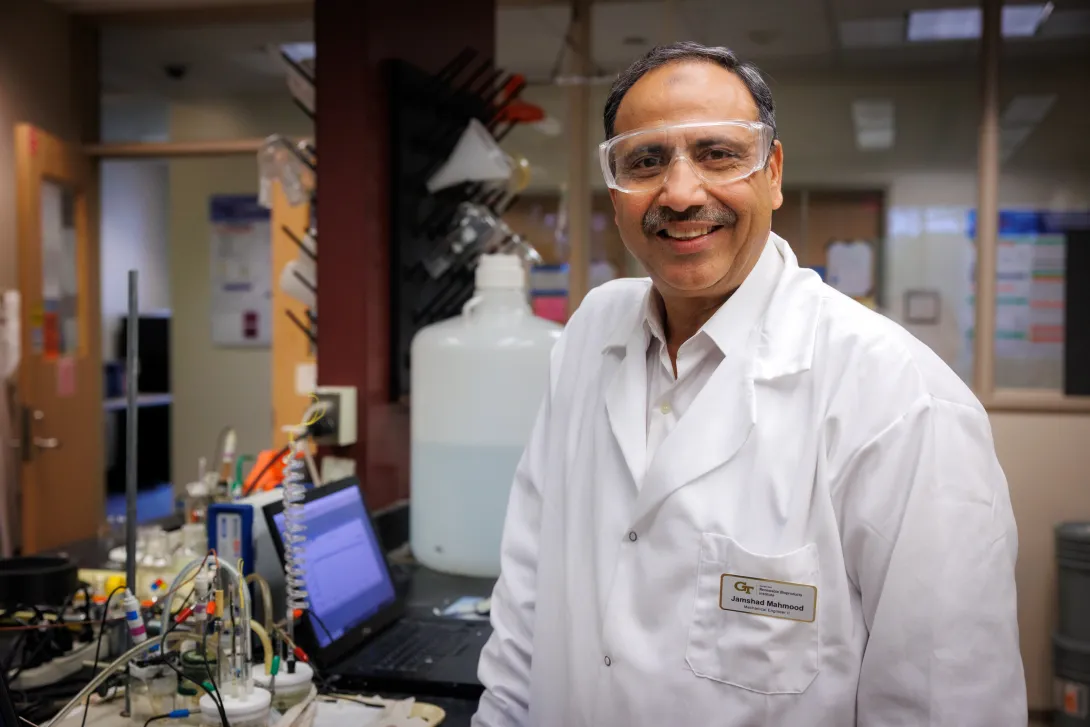
Corrosion remains a critical challenge across pulp and paper operations as well as a wide range of manufacturing processes and materials. It directly impacts the performance and longevity of equipment such as recovery boilers, digesters, reactors, storage tanks, piping systems, and paper machines. At the Renewable Bioproducts Institute (RBI), Jamshad Mahmood leads efforts to evaluate and mitigate these challenges through laboratory testing and field analysis.
Mahmood is a mechanical engineer with more than 23 years of experience in corrosion testing and the manufacturing of recovery boilers and pressure vessels. His work focuses on understanding material behavior under real operating conditions and identifying approaches to improve equipment reliability and safety.
At RBI, Mahmood oversees corrosion laboratories and chemical inventories that support both industry partners and research initiatives. His work includes slow strain rate testing, electrochemical analysis, high-temperature aqueous corrosion testing, and molten salts corrosion studies—methods used to assess material performance and inform industrial decision-making.
In parallel, Mahmood conducts field studies in operating facilities, evaluating in-situ corrosion in critical equipment such as recovery boiler tubes, digesters, paper machines, and storage systems. This combination of laboratory and field work provides a more complete understanding of corrosion mechanisms and their impact on industrial processes.
Through this work, Mahmood contributes to RBI’s efforts to improve the reliability, efficiency, and sustainability of industrial systems.
News Contact
Yanet Chernet
Communications Officer
Apr. 24, 2026
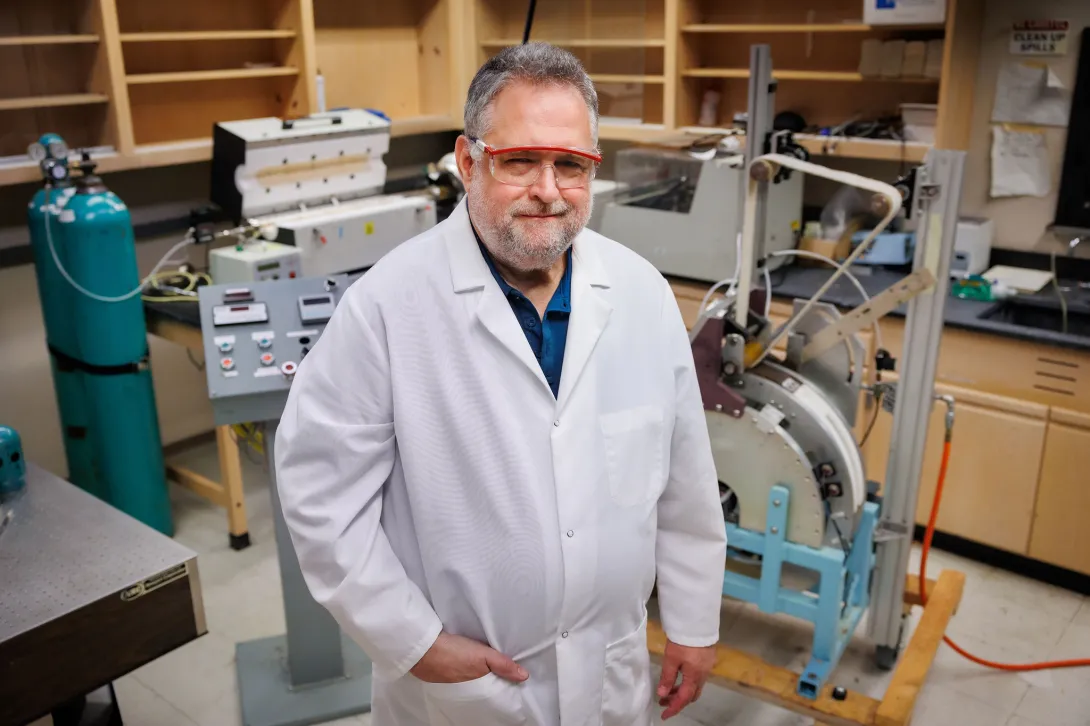
Scott Sinquefield is a senior research engineer at Georgia Tech’s Renewable Bioproducts Institute (RBI), where he leads research on black liquor gasification and advanced chemical recovery systems.
His work at Georgia Tech is closely tied to the development and operation of the Pressurized Entrained Flow Reactor (PEFR), one of the largest university-operated reactors of its kind used for high-temperature, high-pressure research. The system enables testing under conditions that reflect industrial recovery processes, supporting both fundamental research and applied work with industry partners.
Sinquefield brings more than two decades of experience in chemical engineering, with a focus on pilot-scale reactor design, control systems, and thermodynamic modeling of aqueous electrolyte systems. He has also worked extensively on boiler fire-side fouling, a persistent issue in industrial recovery operations that affect efficiency, maintenance, and cost.
Before joining Georgia Tech, Sinquefield completed his Ph.D. in Chemical Engineering at Oregon State University and conducted experimental combustion research at Sandia National Laboratories’ Combustion Research Facility in Livermore as part of the Multi-Fuel Combustion Group.
Across his work, Sinquefield focuses on developing and operating systems that support more efficient and reliable recovery processes, with applications in both industry and research.
Learn more about RBI’s Recovery Testing
News Contact
Yanet Chernet
Communications Officer
Apr. 15, 2026
Hanjiang (John) Xu serves as director of the Multiphase Forming Lab at Georgia Tech’s Renewable Bioproducts Institute (RBI), where he leads efforts to advance more efficient and sustainable approaches to paper formation.
The Multiphase Forming Lab is the only system of its kind in North America, designed to significantly reduce the amount of water required in the papermaking process. Lowering water usage—by up to 70 percent—the system also reduces the heat and energy needed for drying, one of the most energy-intensive stages in production. This work has direct implications for improving efficiency, reducing costs, and supporting more sustainable manufacturing practices across the industry.
Xu brings more than 20 years of experience in laboratory and pilot-scale papermaking systems, with expertise spanning fluid mechanics, materials science, instrumentation development, and process design. His work has consistently focused on bridging research and application, supporting both product development and process optimization.
Xu works with RBI members and industry partners to apply research insights to real-world manufacturing challenges, with a focus on reducing energy consumption and advancing next generation bioproducts.
Apr. 16, 2026

Hanjiang (John) Xu serves as director of the Multiphase Forming Lab at Georgia Tech’s Renewable Bioproducts Institute (RBI), where he leads efforts to advance more efficient and sustainable approaches to paper formation.
The Multiphase Forming Lab is the only system of its kind in North America, designed to significantly reduce the amount of water required in the papermaking process. Lowering water usage—by up to 70 percent—the system also reduces the heat and energy needed for drying, one of the most energy-intensive stages in production. This work has direct implications for improving efficiency, reducing costs, and supporting more sustainable manufacturing practices across the industry.
Xu brings more than 20 years of experience in laboratory and pilot-scale papermaking systems, with expertise spanning fluid mechanics, materials science, instrumentation development, and process design. His work has consistently focused on bridging research and application, supporting both product development and process optimization.
Xu works with RBI members and industry partners to apply research insights to real-world manufacturing challenges, with a focus on reducing energy consumption and advancing next generation bioproducts.
News Contact
Yanet Chernet
Communications Officer
Apr. 16, 2026
The Renewable Bioproducts Institute (RBI) has announced its newest cohort of 12 fellowship projects, an expansion that reflects both growing interest and a broader vision for bioproducts research at Georgia Tech.
This year’s cohort is one of the largest in recent years, signaling renewed momentum in the research areas it supports.
“This year’s projects reflect the strength of our core areas while also showing how the field is expanding,” said Carson Meredith, executive director of RBI. “We’re seeing faculty from more disciplines engage in bioproducts research in ways that open up new opportunities for collaboration and impact.”
That expansion is reflected in where the fellowships are being awarded. For the first time, RBI has selected faculty from the School of Architecture (ARCH) in the College of Design and the School of Biological Sciences (BIOS) in the College of Science, continuing to broaden participation beyond its traditional base in chemistry and engineering.
The projects themselves reflect that shift. This year’s projects work on topics ranging from microbial approaches to strengthening forest health to developing next-generation packaging materials, including high-performance barrier coatings and cellulose-derived materials.
The projects also advance the use of AI and machine learning in bioproducts development, the physics of fiber networks, and converting biomass into pharmaceuticals and synthetic leather.
Many of these efforts align closely with industry priorities, particularly in packaging, papermaking, and sustainable materials—areas where demand for scalable, sustainable solutions continues to grow.
Together, the 2026 cohort points to a program that is expanding its reach across disciplines while staying focused on real-world applications of bioproduct research.
The 2026 RBI Fellowship projects and associated faculty are listed below.
Physics-Guided Learning of Mechanical Behavior in Forming-Stage Fiber Networks
Shuman Xia*, Ting Zhu*, John Xu (ME/RBI)
Upcycling Wood-Derived Cellulose Nanomaterials into Circular Barrier Coatings for Postharvest Preservation
Vida Jamali*, Amirali Aghazadeh*, Lily Cheung (ChBE/ECE)
Reimagining Southern Forests: Microbial Biotechnology for High Value Climate-Ready Biomass Feedstocks
Joel Kostka*, Ulrika Egertsdotter (BIOS/RBI)
Integrated Experimental-Computational-ML Framework for Accelerated Evaluation and Design of Biodegradable Barrier Coating for Paper-Based Packaging
Aditya Kumar*, YuHang Hu*, Danny Smyl* (CEE/ME)
Direct Method for Analysis of Fiber Orientation in Multiphase Forming
Suhas Jain*, Cyrus Aidun (ME)
Robust Packaging Insert via Phase-Separated Lignin Aerogel Particle-Supported Cellulose Hydrogel Composites
Shucong Li*, Julene Tong (MSE/ChBE)
Towards Continuous Processes from Biochar to Pharmaceuticals
Andy Bommarius, Anthony "Bo" Arduengo, Jesse McDaniel (ChBE/CHEM)
ALD Modification of Nanocellulosic Films for Ultra-High Barrier Performance
Mark Losego, Meisha Shofner (MSE)
Biomass-Derived Glycosyl Furans for the Development of Novel Value-Added Materials
Stefan France, Chris Jones (CHEM/ChBE)
Design and Scale-Up of Mechanochemical Reactors for Cellulose Biorefining
Fani Boukouvala, Carsten Sievers (ChBE)
Xylohyde™: The Sustainable Production of Synthetic Leather from Cellulose
Anthony "Bo" Arduengo, Chris Luettgen (CHEM/RBI/ChBE)
Tailorable PLA-Alginate High-Performance Bio-Nanocomposites via Chitosan Cationic Bridging of Sargassum-Derived Alginate and Polylactic Acid (PLA)
Karl Jacob, Ingebourg Rocker*, Kyriaki Kalaitzidou, Hamid Garmestani (ME, ARCH, MSE)
*Indicates first-time RBI fellowship recipients.
News Contact
Yanet Chernet
Communications Officer
Apr. 15, 2026
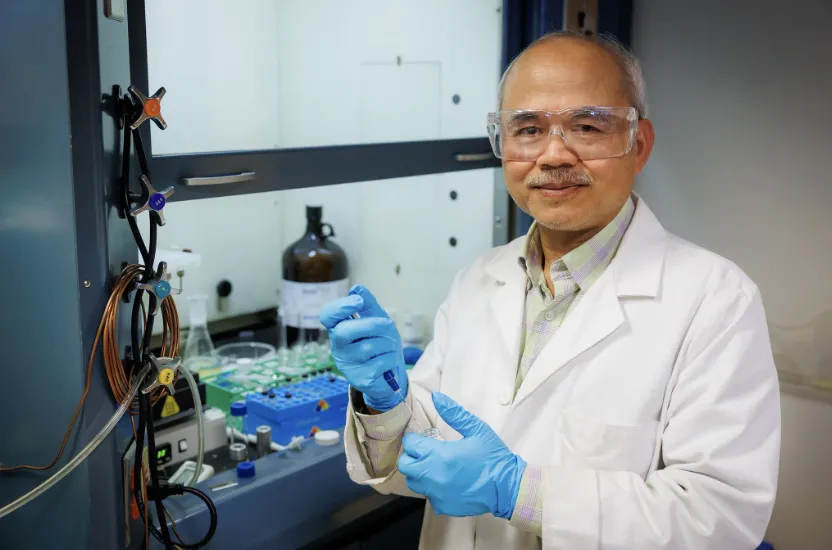
Georgia Tech’s Renewable Bioproducts Institute (RBI) supports industry and research partners through a range of testing and analysis services—and much of that work runs through the labs led by Rallming Yang, a senior research scientist at the institute.
With a Ph.D. in Environmental and Resource Engineering from the SUNY College of Environmental Science and Forestry and earlier degrees in pulping and paper engineering from the South China University of Technology, Yang brings decades of experience in wood chemistry, chemical analysis, analytical method development, and lab management. He joined Georgia Tech in 2000 and has since taken on increasing leadership roles across RBI’s lab operations.
Yang’s work sits at the intersection of research and industry. His team provides research, chemical testing and analysis for manufacturers working with biomass—everything from pulp and paper mills to research groups developing new bio-based products. The goal is straightforward: understand what’s in the material, how it behaves, and how to make processes more efficient and reliable.
Today, he oversees research and testing services that support both industry partners and academic communities. These services range from chemical composition analysis to process troubleshooting, helping companies better understand materials derived from biomass and optimize their operations.
In addition to leading lab operations, Yang also teaches the Pulp & Bleaching Lab course at Georgia Tech, giving students hands-on experience with the same analytical techniques used in industry. As industries continue to look for more efficient and environmentally responsible ways to use natural resources, Yang’s work and his labs play a critical role in making that transition possible.
Learn more about the Chemical Analysis Lab and Pulp Analysis Lab.
News Contact
Yanet Chernet
Communications Officer
Mar. 17, 2026
Jie Wu, an engineering graduate student, was studying a type of striking white beetle found in Southeast Asia and attempting to figure out how to mimic its brilliant color when an unexpected discovery upended the experiment.
Jie and I had been hoping to identify naturally occurring whitening pigments that could be used in paper and paints. The beetle’s white exoskeleton is made from a compound called chitin, which is a type of carbohydrate – one that is also commonly found in crab and lobster shells.
Read the full article in The Conversation here: https://bit.ly/4uBteYr
News Contact
Yanet Chernet
Communications Officer I
Georgia Tech
Mar. 17, 2026

The building blocks of proteins, amino acids are essential for all living things. Twenty different amino acids build the thousands of proteins that carry out biological tasks. While some are made naturally in our bodies, others are absorbed through the food we eat.
Amino acids also play a critical role commercially where they are manufactured and added to pharmaceuticals, dietary supplements, cosmetics, animal feeds, and industrial chemicals — an energy-intensive process leading to greenhouse gas emissions, resource consumption, and pollution.
A landmark new system developed at Georgia Tech could lead to an alternative: a commercially scalable, environmentally sustainable method for amino acid production that is carbon negative, using more carbon than it emits.
The breakthrough builds on a method that the team pioneered in 2024 and solves a key issue – increasing efficiency to an unprecedented 97% and reducing the bioprocess cost by over 40%. It’s the highest reported conversion of CO2 equivalents into amino acids using any synthetic biology system to date.
Published in the journal ACS Synthetic Biology, the study, “Cell-Free-Based Thermophilic Biocatalyst for the Synthesis of Amino Acids From One-Carbon Feedstocks,” was led by Bioengineering Ph.D. student Ray Westenberg and Professor Pamela Peralta-Yahya, who holds joint appointments in the School of Chemistry and Biochemistry and School of Chemical and Biomolecular Engineering. The team also included Shaafique Chowdhury (Ph.D. ChBE 25) and Kimberly Wennerholm (ChBE 23); alongside University of Washington collaborators Ryan Cardiff, then a Ph.D. student and now a Chain Reaction Innovations Fellow at Argonne National Laboratory, and Charles W. H. Matthaei Endowed Professor in Chemical Engineering James M. Carothers; in addition to Pacific Northwest National Laboratory Synthetic Biology Team Leader Alexander S. Beliaev.
"This work shifts the narrative from simply reducing carbon emissions to actually consuming them to create value,” says Peralta-Yahya. “We are taking low-cost carbon sources and building essential ingredients in a truly carbon-negative process that is efficient, effective, and scalable.”
Heat-Loving Organisms
The work builds on the cell-free technology the team used in their earlier study. “Previously, we discovered that a system that uses the machinery of cells, without using actual living cells, could be used to create amino acids from carbon dioxide,” Peralta-Yahya explains. “But to create a commercially viable system, we needed to increase the system’s efficiency and reduce the cost.”
The team discovered that bits of leftover cells were consuming starting materials, and — like a machine with unnecessary gears or parts — this limited the system’s efficiency. To optimize their “machine,” the team would need to remove the extra background machinery.
"Leftover cell parts were using key resources without helping produce the amino acids we were looking for,” says Peralta-Yahya. “We knew that heating the system could be one way to purify it because heat can denature these components.”
The challenge was in how to protect the essential system components from the high temperatures, she adds. “We wondered if introducing enzymes produced by a heat-loving bacterium, Moorella thermoacetica, might protect our system, while still allowing us to denature and remove that inefficient background machinery.”
The results were astounding: after introducing the enzymes, heating and “cleaning” the system, and letting it cool to room temperature, synthesis of the amino acids serine and glycine leaped to 97% yield — nearly three times that of the team’s previous system.
Scaling for Sustainability
To make the system viable for large-scale use, the team also needed to reduce costs. “One of the most costly components in this system is the cofactor tetrahydrofolate (THF),” Peralta-Yahya shares. “Reducing the amount of THF needed to start the process was one way to make the system more inexpensive and ultimately more commercially viable.”
By linking reaction steps so waste from one step fueled the next, the team devised a method to recycle THF within the system that reduces the amount of THF needed by five-fold — lowering bioprocessing costs by 42%.
“This decrease in cost and increase in yield is a critical step forward in creating a method with real potential for use in industry and manufacturing,” Peralta-Yahya says. “This system could pave the way for moving this carbon-negative technology out of the lab and onto the continuous, industrial scale."
Funding: The Advanced Research Project Agency-Energy (ARPA-E); U.S. Department of Energy; and the U.S. Department of Energy, Office of Science, Biological and Environmental Research Program.
Mar. 06, 2026
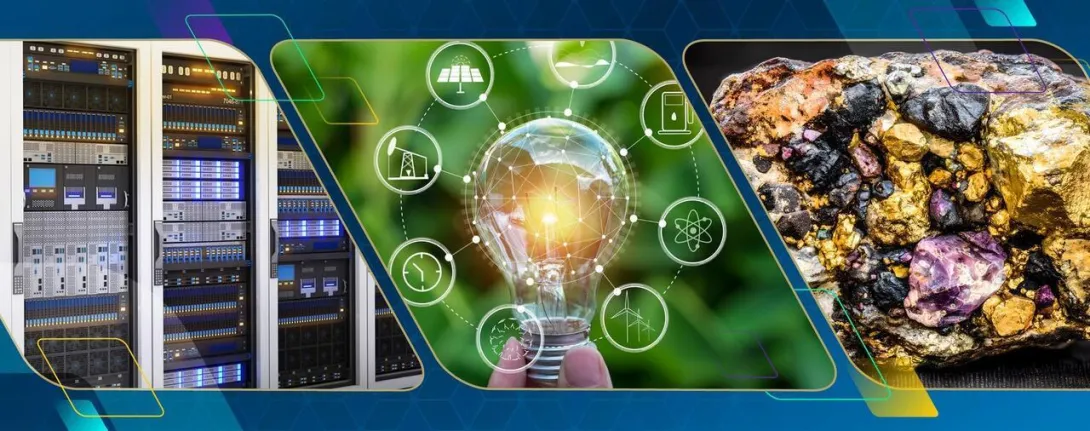
Georgia Tech Energy Day returns this year on March 19 with an expanded focus and a new collaborative momentum. Cohosted by the Georgia Tech Institute for Matter and Systems (IMS) and the Strategic Energy Institute, (SEI) with plenary session support from the Energy Policy and Innovation Center, Energy Day 2026 convenes leaders from academia, industry, government, and students to address the challenges associated with meeting the rapidly growing electricity demand driven by artificial intelligence (AI) and high-performance computing.
Set in the heart of Tech Square on the Georgia Tech campus, this year’s event explores how energy systems, materials, technologies, supply chains, and policy must evolve in response to AI’s accelerating impact. As digital infrastructure expands and computation intensifies, the need for reliable, resilient, and sustainable power has never been more urgent.
“Energy Day reflects Georgia Tech’s strength in connecting world-class research in materials and components with the infrastructure and partnerships needed to translate discovery into scalable energy technologies that serve industry, society, and the future economy,” said Eric Vogel, executive director of the IMS and the Hightower Professor in Materials Science and Engineering.
Energy Day 2026 also marks an important milestone with the introduction of its first group of corporate sponsors: GE Vernova, Southern Company, Georgia Power, ExxonMobil, Southwire Spark, Gems Setra, and Tektronix. Their support reflects a shared commitment to advancing energy solutions.
“Tektronix is excited to be part of Energy Day because advancing the future of energy starts with precise measurement and trusted insights,” said Christopher Bohn, president of Tektronix. “From power electronics and high voltage systems to grid scale renewables and AI driven control technologies, the breakthroughs discussed here directly align with the innovations we support through our products and solutions. Collaborating with Georgia Tech allows us to engage early with emerging research and the next generation of engineers—critical collaborators in building a cleaner, smarter, and more resilient energy ecosystem.”
The keynote address will be delivered by Vanessa Z. Chan, a nationally recognized leader at the intersection of innovation, commercialization, and emerging technologies. Chan will provide insights on accelerating technological discovery, emphasizing how AI is transforming energy and materials design. She will discuss how commercialization strategies must rapidly evolve across multidisciplinary energy domains from grid modernization to advanced batteries and clean manufacturing.
Building on the themes introduced in the keynote, the program transitions into a fireside chat with Georgia Tech EVPR Tim Lieuwen featuring Amit Kulkarni and Jim Walsh. Kulkarni is vice president of Product Management and Strategy for the Gas Power business within GE Vernova, where he oversees the world’s largest portfolio of power generation equipment. Walsh, vice president of GE Vernova’s Consulting Services, leads teams providing innovative solutions across the full spectrum of power generation, delivery, and utilization.
Next comes a policy-focused panel that will explore the surge in power demand driven by AI, how the United States is addressing today’s most urgent energy challenges, and the long-term implications of today’s decisions for a sustainable energy future. Bringing together leading voices in U.S. environmental and energy policy, the panel features Joe Aldy of Harvard University and former special assistant to the president for Energy and Environment; Al McGartland of New York University’s Institute for Policy Integrity and former Environmental Protection Agency lead economist and director of the National Center for Environmental Economics; and Kevin Rennert, fellow and director of the Comprehensive Climate Strategies Program at Resources for the Future and former staff member on the U.S. Senate Committee on Energy and Natural Resources.
The second panel focuses on critical materials — the foundation of advanced energy systems and digital technologies. As AI, data centers, and advanced energy technologies drive demand for critical materials, securing them now requires integration and coordination across the entire value chain. Panelists include Rachel Galloway, British consul general in Atlanta; Vijay Murugesan, head of Materials Intelligence and Digital Innovation at Amazon; Colin Spellmeyer, executive strategic sourcing leader at GE Vernova; Charles Sims, Tennessee Valley Authority Distinguished Professor of Energy and Environmental Policy at the University of Tennessee; and Nortey Yeboah, principal engineer at Southern Company. Together, they will offer perspectives on the policy and economic frameworks shaping the energy supply chain, from developing raw resources to manufacturing the technologies essential to future energy systems.
In the afternoon, participants can dive deeper into specialized topics through three focused technical tracks.
- “Meeting the Demand for Power” will examine how emerging technologies, advanced nuclear systems, and renewable integration can work together to deliver reliable, resilient electricity.
- “Data Center Infrastructure and Resources” will explore innovations in thermal management technologies, energy-efficient computing, and the broader resource impacts of expanding digital infrastructure.
- “Grid Technologies and Markets” will highlight strategies for strengthening grid capacity, incorporating demand-side management, and optimizing carbon performance as energy systems evolve.
“Meeting the rapidly rising electricity demand driven by AI requires bold ideas, coordinated action, and research that moves at the speed of innovation,” said Yuanzhi Tang, executive director of the SEI. “Energy Day 2026 brings together the people and expertise needed to shape resilient, sustainable energy systems for the future. At Georgia Tech, we see this event as a catalyst for new partnerships, new solutions, and a shared commitment to strengthening the nation’s energy foundation.”
Energy Day 2026 is designed for researchers advancing emerging energy technologies, policymakers navigating shifting regulatory and geopolitical landscapes, industry professionals seeking insight into emerging tools and supply chains, and students preparing to enter one of the most consequential sectors of the decade. It also welcomes anyone interested in AI, sustainability, electrification, and critical materials.
Join us to explore the future of energy. To learn more and register, visit: Energy Day 2026.
News Contact
Priya Devarajan | Communications Program Manager