
Apr. 09, 2025

This illustration titled, "Gateway to Memory," illustrates Dr. Singer's and Jeong's research and how interneurons act as gatekeepers that open specifically on paths to important locations to enable learning for those places. This art imaginatively represents this inhibitory gating as a monolithic gate opening and spilling light onto the crucial path, guiding the seeker toward their goal. Art by Myriam Wares
Nuri Jeong remembers the feeling of surprise she felt during a trip back to South Korea, while visiting her grandmother, who’d been grappling with Alzheimer’s disease.
“I hadn’t seen her in six years, but she recognized me,” said Jeong, a former graduate researcher in the lab of Annabelle Singer in the Wallace H. Coulter Department of Biomedical Engineering at Georgia Tech and Emory University.
“I didn’t expect that. Even though my grandmother struggled to remember other family members that she saw all the time, she somehow remembered me,” Jeong added. “It made me wonder how the brain distinguishes between familiar and new experiences.”
That experience inspired Jeong to embark on a deep-dive exploration of spatial learning and memory, which has resulted in a new study published this month in the journal Nature.
In their article, Jeong, Singer, and a team of Georgia Tech researchers explain how the brain rapidly learns and remembers important locations.
“The brain relies on spatial learning to navigate the world, whether it’s finding a shortcut through a new neighborhood or remembering where you parked your car,” said Jeong, the paper’s lead author.
Read the full story here >>
News Contact
Kelly Petty
Communications
Wallace H. Coulter Department of Biomedical Engineering
Apr. 14, 2025
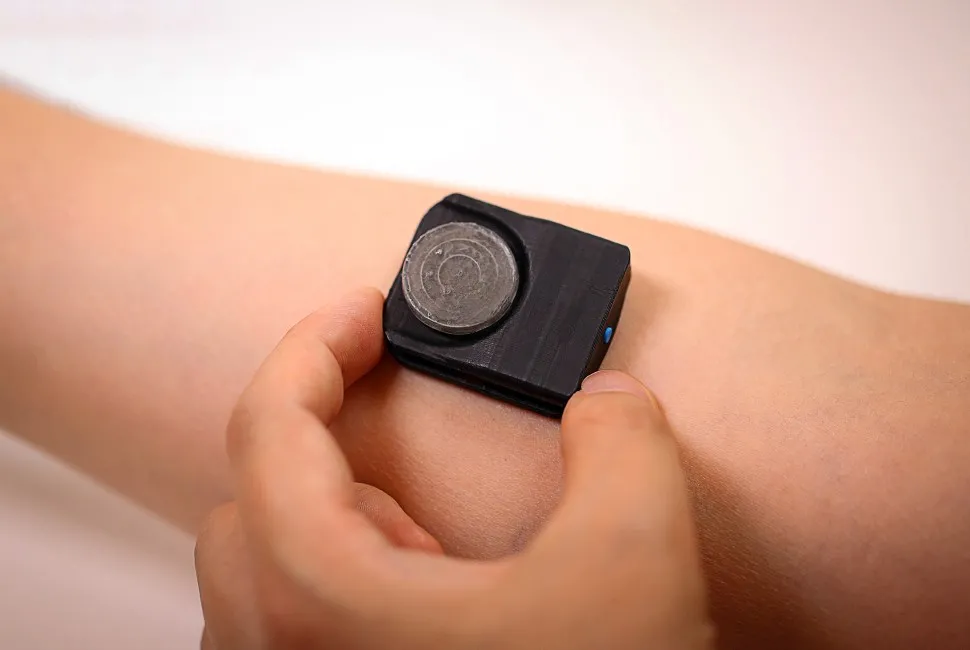
The wireless device measures only two centimeters in length and one-and-a-half centimeters in width, and is the first of its kind to continuously monitor the skin's exchange of vapors with the environment.
From sun damage and pollution to cuts and infections, our skin protects us from a lot. But it isn’t impenetrable.
“We tend to think of our skin as being this impermeable barrier that’s just enclosing our body,” said Matthew Flavin, assistant professor in the School of Electrical and Computer Engineering. “Our skin is constantly in flux with the gases that are in our environment and our atmosphere.”
Led by the Georgia Institute of Technology, Northwestern University, and the Korea Institute of Science and Technology (KIST), researchers have developed a novel wearable device that can monitor the flux of vapors through the skin, offering new insights into skin health and wound healing. This technology, detailed in a recent Nature publication, represents a significant advancement in the field of wearable bioelectronics.
“You could think of this being used where a Band-Aid is being used,” said Flavin, one of the lead authors of the study. The compact, wireless device is the first wearable technology able to continuously and precisely measure water vapor, volatile organic compounds, and carbon dioxide fluxes in the skin in real time. Because increases in these factors are associated with infection and delayed healing, Flavin notes that this kind of wireless monitoring “could give clinicians a new tool to understand the properties of the skin.”
The Measurement Barrier
Our skin is our first line of defense against environmental hazards. Measuring how effectively it protects us from harmful pollutants or infections has been a significant challenge, especially over extended periods.
“The vapors coming from your skin are in very, very low concentration,” explained Flavin. “If we just put a sensor next to your skin, it would be almost impossible to control that measurement.”
The new device features a small chamber that condenses and measures vapors from the skin using specialized sensors hovering above the skin. A low-energy, bi-stable mechanism periodically refreshes the air in the chamber, allowing for continuous measurements communicated to a smartphone or tablet through Bluetooth.
“There are other devices that can measure certain parts of what we're talking about here,” said Flavin, “but they are not feasible for a wearable device, can't do this continuously, and are not able to get all the information that our device can get.”
Scratching the Surface
By tracking the skin's water vapor flux, also known as transepidermal water loss, the device can assess skin barrier function and wound healing. This capability is particularly valuable for tracking the healing process in diabetic patients, who often have sensory issues that complicate wound monitoring. “What you see in diabetes is that even after the wound looks like it's healed, there's still a persistent impairment of that barrier,” said Flavin. This new non-invasive device tracks those properties.
“There are many areas where people don't have great access to healthcare, and there aren’t doctors monitoring wound healing processes,” Flavin added. “Something that can be used to monitor that remotely could make care more accessible to people with these conditions.”
The device’s wearable nature also makes it ideal for studying the long-term effects of exposure to environmental hazards like wildfires or chemical fumes on skin function and overall health.
Though the applications in health are numerous, the research team is continuing to explore different ways to use the device. “This measurement modality is very new and we're still learning what we can do with it,” saidJaeho Shin, a senior researcher at KIST and a co-leader of the study. “It's a new way of measuring what's inside the body.”
“This is a great example of the kind of technology that can emerge from research at the interface between engineering science and medical practice,” said John Rogers, a materials science professor at Northwestern and another co-leader of the study. “The capabilities provided by this device will not only improve patient care, but they will also lead to improved understanding of the skin, the skin microbiome, the processes of wound healing, and many others.”
As a new faculty member and a member of Georgia Tech’s Neuro Next Initiative, a burgeoning interdisciplinary research hub for neuroscience, neurotechnology, and society, Flavin attributes the success of this research to its interdisciplinary nature.
“A broad challenge we have in these fields of research is that they integrate a lot of different areas. One of the reasons I came to Georgia Tech is because it's a place where you have access to all those different areas of expertise.”
DOI: https://doi.org/10.1038/s41586-025-08825-2
Funding: Querrey-Simpson Institute for Bioelectronics and the Center for Advanced Regenerative Engineering (CARE), Northwestern University; National Research Foundation of Korea; National Institutes of Health (NIH), National Institute of Diabetes and Digestive and Kidney Diseases, National Institutes of Biomedical Imaging and Bioengineering.
News Contact
Writer: Audra Davidson
Research Communications Program Manager
Neuro Next Initiative
Media contact: Angela Barajas Prendiville
Director
Institute Media Relations
Mar. 05, 2025
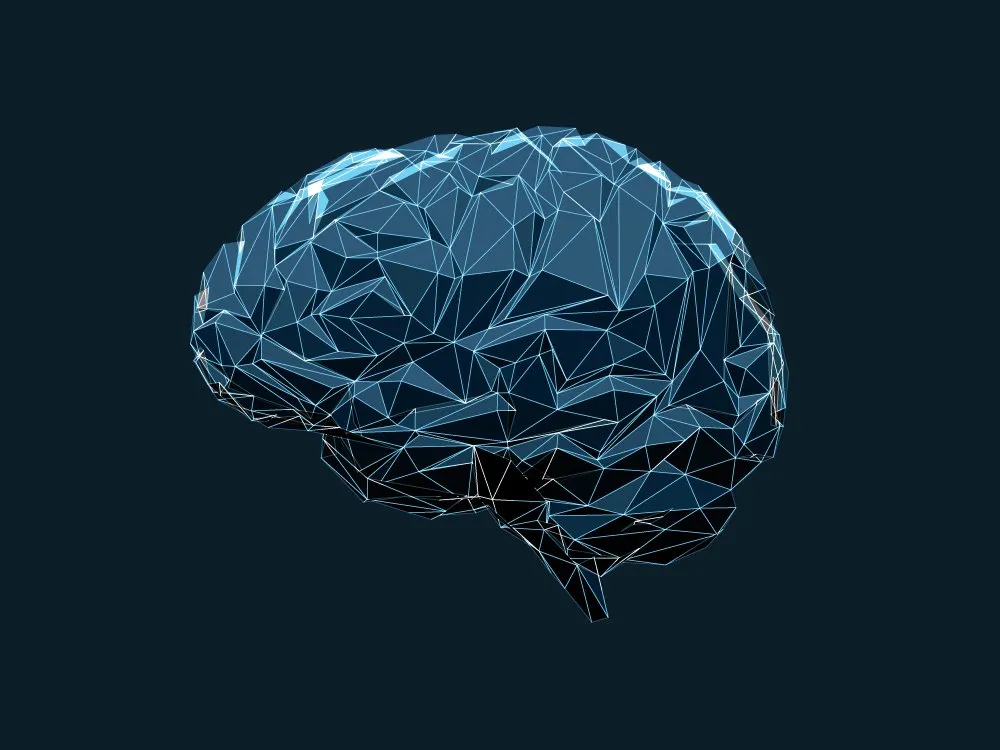
A multidisciplinary team of researchers at Georgia Tech has discovered how lateral inhibition helps our brains process visual information, and it could expand our knowledge of sensory perception, leading to applications in neuro-medicine and artificial intelligence.
Lateral inhibition is when certain neurons suppress the activity of their neighboring neurons. Imagine an artist drawing, darkening the lines around the contours, highlighting the boundaries between objects and space, or objects and other objects. Comparably, in the visual system, lateral inhibition sharpens the contrast between different visual stimuli.
“This research is really getting at how our visual system not only highlights important things, but also actively suppresses irrelevant information in the background,” said lead researcher Bilal Haider, associate professor in the Wallace H. Coulter Department of Biomedical Engineering. “That ability to filter out distractions is crucial.”
Understanding how these inhibitory mechanisms work could provide insights into why people have trouble filtering out distractions or focusing on what’s important, in conditions like autism or ADHD.
“Our findings may also influence how we design artificial intelligence and neural networks,” said Haider, whose team published its work this month in Nature Neuroscience. “Current AI systems treat all the computing units the same, but the brain has figured out how to assign specialized computing roles.”
Joseph Del Rosario, a former graduate student in the Haider lab, was the lead author. Another key contributor was Hannah Choi, assistant professor in the School of Mathematics, and her Research Group in Mathematical Neuroscience. Their team built computational models to test the biological findings.
“Collaborating with mathematicians to really understand the computational principles underlying these inhibitory processes is a great example of how neuroscience can inform fields like AI,” Haider said.
Read more in the Coulter Department of Biomedical Engineering newsroom.
Jan. 24, 2025
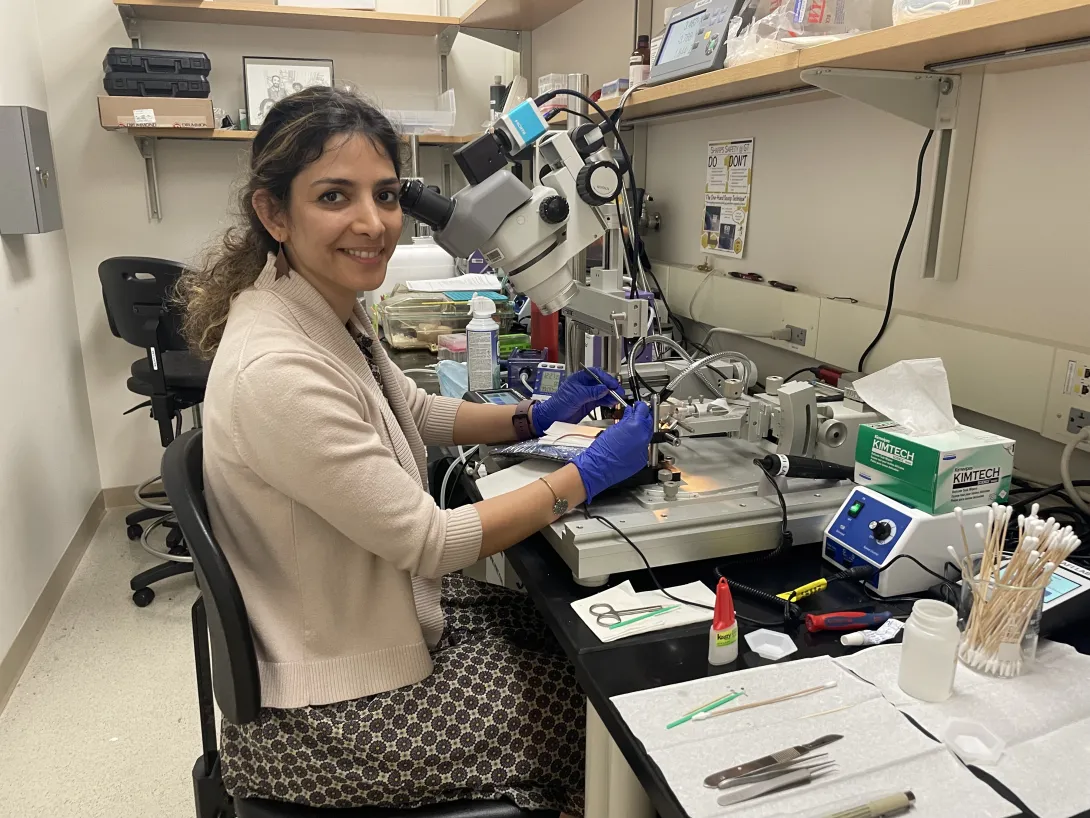
Farzaneh Najafi, assistant professor in the School of Biological Sciences at Georgia Tech, conducting research in her lab.
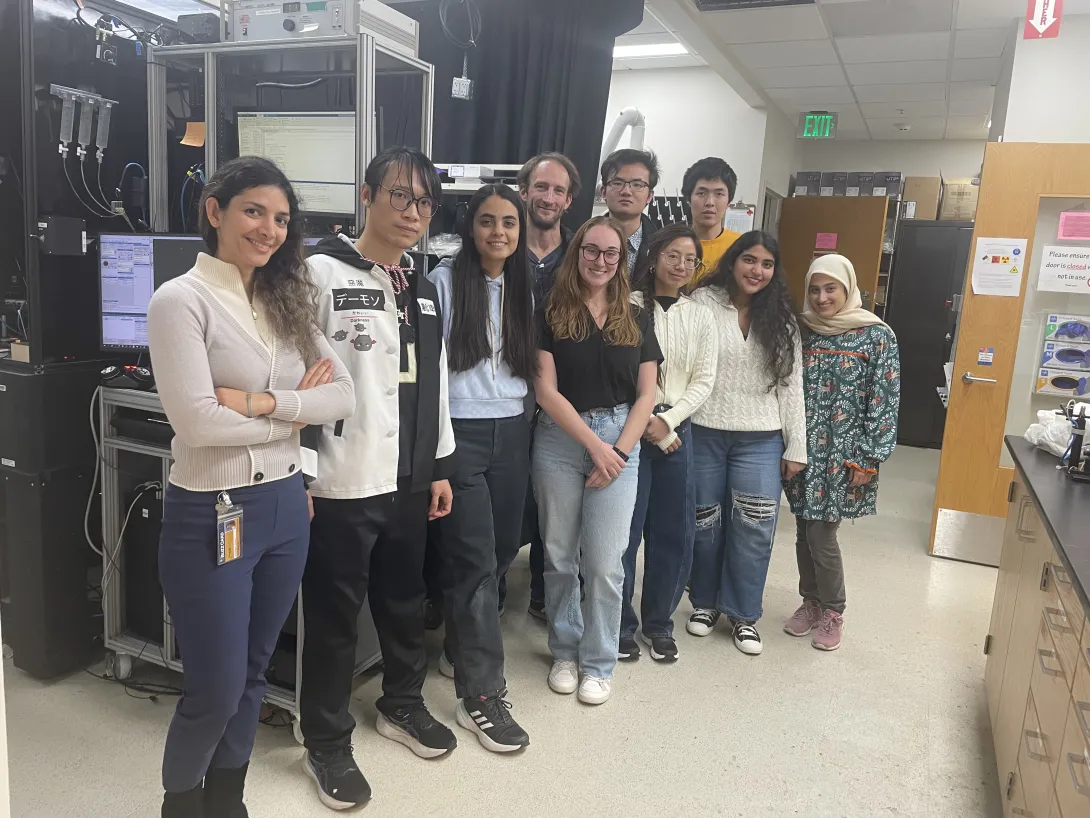
Farzaneh Najafi, who is affiliated with the Parker H. Petit Institute for Bioengineering and Bioscience and the Neuro Next Initiative, with her research group.
In psychology and neuroscience research, a host of behaviors fall under the cognitive umbrella: learning, perceiving the environment, storing memories, and making decisions are just a few. Much like binary code underpins complex computational processes, researchers have long been searching for the molecular mechanisms that enable cognition.
Farzaneh Najafi, an assistant professor in Georgia Tech’s School of Biological Sciences(SBS) , recently received multiple awards that will enable her to dig deeper into the molecular origins of cognitive processes, with the help of interdisciplinary teams.
“If we want to understand cognition, we really have to start small: at the level of molecules, genes, and the genome, and then work our way up to systems, behavior, and cognition,” says Najafi. “Impactful discoveries happen when people from different disciplines come together and collaborate. That’s how we make real breakthroughs.”
Two of her recent awards stem from the third and final year of the Scialog: Molecular Basis of Cognition initiative. Funded by the Research Corporation for Science Advancement (RCSA), the Frederick Gardner Cottrell Foundation, and the Walder Foundation, this initiative has provided 48 multidisciplinary teams with more than $2.4 million to advance this area of research.
“It’s exciting that Farzaneh has won not just one, but two team-based Scialog awards,” said SBS School Chair Jeffrey (Todd) Streelman. “Solving big problems in neuroscience often requires teams, and Farzaneh is well-placed to apply this in her research program.”
With additional funding from the Whitehall Foundation and Chan Zuckerberg Initiative, Najafi is set to lead several interdisciplinary projects to uncover the role of the cerebellum and neocortex (the brain’s outer layer) across distinct cognitive processes.
“At the end of the day, the goal is to develop effective therapeutics,” says Najafi, whose work has long aimed to better understand and treat psychiatric and neurological disorders. “To develop targeted treatments, we have to identify the molecules that are at the core of these cognitive processes.”
Deeper than thought
Throughout her career, Najafi has focused on how the brain makes and uses predictions to influence learning and behavior, with a particular focus on an area in the back of the brain called the cerebellum.
“Without those predictions, our perceptions and actions would be significantly delayed, which could impact our survival,” explains Najafi. “Learning happens when we update those predictions to better align with the world around us.”
Najafi will bring that cerebellar expertise to two collaborative teams with the Scialog initiative.
Working with researchers from Stanford University and Case Western Reserve University, one of Najafi’s Scialog projects will focus on how sleep deprivation alters the 3D structure of genetic material in different species’ cerebellum— and investigate potential mechanisms to reverse those changes.
Her second project, in collaboration with researchers from University of California San Francisco and Duke University, explores how the brain chemical norepinephrine affects cerebellar activity across species. This research aims to understand the cerebellum's role in behavioral flexibility and adaptation, revealing how these chemical signals influence various brain functions.
Working across disciplines
Formed at the October 2024 Scialog meeting, Najafi’s two collaborative teams are part of an RCSA initiativethat unites early career scientists in advancing basic science and developing high-risk, high-reward research projects. The Scialog: Molecular Basis of Cognition initiative, begun in 2022, annually gathered around 50 early career researchers to create collaborative proposals.
“The best part of the Scialog meeting was connecting with people from all kinds of disciplines. They worked with different species, used a variety of experimental and computational tools, and some attendees came from non-neuroscience backgrounds,” says Najafi. “I had no idea that these were the topics I was going to write about — they only came about because of the inspiring conversations I had at the meeting. I really loved the experience.”
Both Scialog teams are highly interdisciplinary, with researchers bringing expertise in different techniques and species to the team. Even within her own lab, Najafi attributes impactful research to interdisciplinary teams.
“The only way to solve big questions in neuroscience is through an interdisciplinary approach,” says Najafi, who is affiliated with two Interdisciplinary Research Institutes (IRI) at Georgia Tech: the Parker H. Petit Institute for Bioengineering and Bioscience and the Neuro Next Initiative, a nascent IRI in neuroscience and society. “What’s great about Georgia Tech is its strong emphasis on interdisciplinary collaboration. With these research institutes, the infrastructure is already in place, and they're actively working to expand it.”
News Contact
Audra Davidson
Research Communications Program Manager
Neuro Next Initiative
Jan. 09, 2025
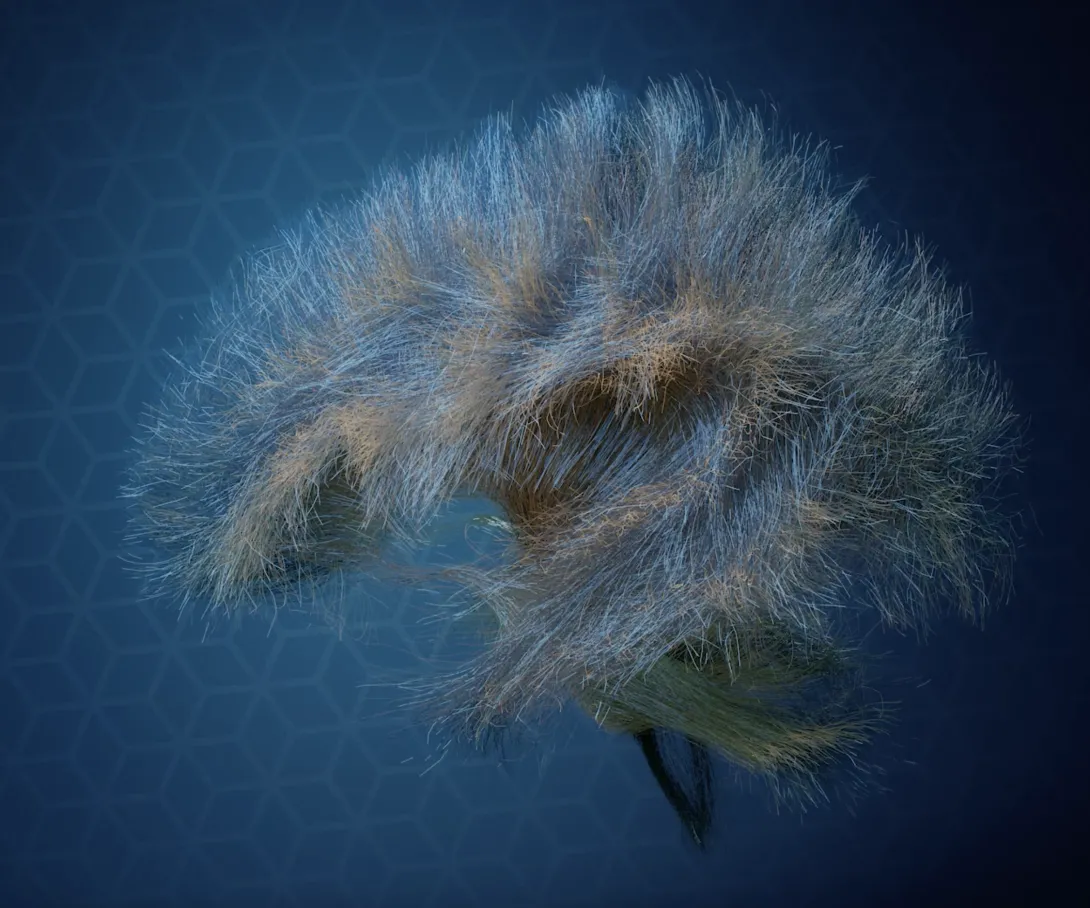
The Institute for Neuroscience, Neurotechnology, and Society (INNS) at Georgia Tech has initiated an internal search for its inaugural executive director. This new Interdisciplinary Research Institute (IRI) will build upon the foundation laid by the Neuro Next Initiative, fostering cutting-edge research and innovation at the intersection of neuroscience, neurotechnology, and societal impact.
At the newly established IRI, the executive director will profoundly shape a unifying vision for neuroscience research and innovation at Georgia Tech, integrating various disciplines and fostering collaboration across campus. They will translate research into practical applications, engage students, and connect them to industry networks. The ideal candidate will have a visionary, innovative, and entrepreneurial leadership style, with experience in leading large-scale, interdisciplinary research initiatives, securing external funding, and promoting large-scale initiatives both internally and externally.
INNS aims to advance our understanding of the brain and nervous system, develop transformative technologies, and address critical societal challenges through interdisciplinary collaboration and engagement. INNS is dedicated to advancing innovative research and educational programs in neuroscience, neurotechnology, and society; fostering a broad and engaged community; and empowering society through public engagement and responsible technology deployment.
Click here to learn more about this position and how to apply.
News Contact
Jan. 07, 2025
Georgia Tech’s Executive Vice President for Research search committee has selected three finalists. Each candidate will visit campus and present a seminar sharing their broad vision for the Institute's research enterprise. The seminars are open to all faculty, students, and staff across the campus community. Interested individuals can attend in person or register to participate via Zoom (pre-registration is required).
Jan. 06, 2025
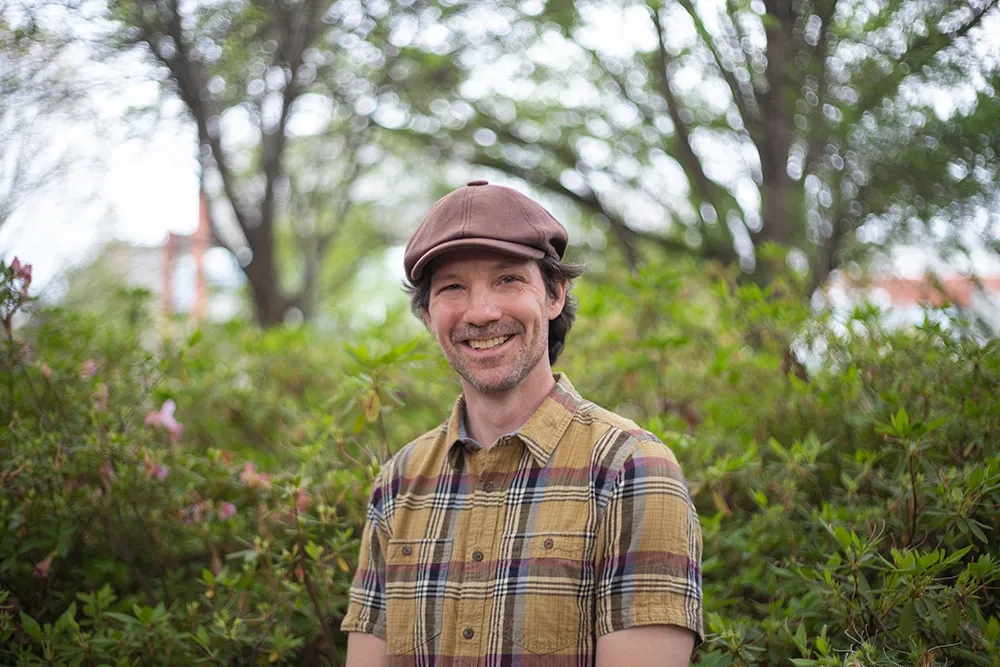
Effective January 1st, Gregory Sawicki will serve as interim executive director of the Georgia Tech Institute for Robotics and Intelligent Machines (IRIM). Sawicki is a professor and the Joseph Anderer Faculty Fellow in the George W. Woodruff School of Mechanical Engineering with a joint appointment in the School of Biological Sciences.
“Professor Greg Sawicki will make a great interim executive director of IRIM. He brings experience with robotics and collaborative research to this role,” said Julia Kubanek, professor and vice president for interdisciplinary research at Georgia Tech. “He'll be a strong partner to faculty, students, and the EVPR team as we explore the future of IRIM and robotics over the next several months."
Sawicki succeeds Seth Hutchinson who will be taking a new position at Northeastern University in Boston. Hutchinson, professor and KUKA Chair for Robotics in Georgia Tech’s College of Computing, has served as executive director of IRIM for six years. During Hutchinson’s tenure as executive director, IRIM expanded its industry outreach activities, developed more consistent communications, and grew its faculty pool at Georgia Tech to include a diverse cohort from across the Colleges of Engineering and Computing and the Georgia Tech Research Institute.
"I am extremely excited to step into this leadership role for IRIM, maintain our research excellence in the foundational areas of robotics, and proactively leverage opportunities to grow across campus and beyond in novel, creative interdisciplinary directions,” said Sawicki. “This will involve new initiatives to incentivize connections with GTRI and other IRI's on campus, to build new industry partnerships, and continue to strengthen the M.S./Ph.D. program in Robotics by engaging with Schools beyond those with a traditional footprint in robotics education and research.”
Sawicki directs the Human Physiology of Wearable Robotics (PoWeR) Lab where he and his group seek to discover physiological principles underpinning locomotion performance and apply them to develop lower-limb robotic devices capable of improving both healthy and impaired human locomotion. By focusing on the human side of the human-machine interface, his team has begun to create a roadmap for the design of lower-limb robotic exoskeletons that are truly symbiotic – that is, wearable devices that work seamlessly in concert with the underlying physiological systems to facilitate the emergence of augmented human locomotion performance.
Sawicki earned a B.S. in mechanical and aerospace engineering from Cornell University in 1999, an M.S. in mechanical and aeronautical engineering from the University of California - Davis in 2001, and a Ph.D. in neuromechanics at the University of Michigan-Ann Arbor in 2007. Sawicki completed his postdoctoral studies in integrative biology at Brown University in 2009.
Sawicki has been recognized for his interdisciplinary research and teaching, recently receiving a $2.6 million Research Project Grant from the National Institutes of Health (NIH) to study optimization and artificial intelligence to personalize exoskeleton assistance for individuals with symptoms resulting from stroke. * Sawicki was also selected as a 2021 George W. Woodruff School Academic Leadership Fellow, and the 2022 College of Sciences Student Recognition of Excellence in Teaching and the 2023 American Society of Biomechanics Founders’ Award for excellence in research and mentoring. Sawicki has also been featured as an expert voice on exoskeletons and human neuromechanics in numerous print and television news releases.
--Christa M. Ernst
*Joint Award with Aaron Young, Assistant Professor in the Woodruff School of Mechanical Engineering
News Contact
Aug. 28, 2024

Since it began in 2019, Georgia Tech and Emory University’s Computational Neural-Engineering Training Program has funded and trained doctoral students at the intersection of neuroscience, engineering, computation, and clinical experience.
“We saw that there was a new kind of neuroscience that was happening, to both understand the mysteries of the brain and nervous system and to treat related diseases and disorders,” says Garrett Stanley, program co-director, professor, and McCamish Foundation Distinguished Chair in the Walter H. Coulter Department of Biomedical Engineering (BME). “The program was created to fill this gap in training, and to provide a community for like-minded scientists and engineers across these disciplines.”
Combined with support from Georgia Tech and Emory, that community is set to grow with recently renewed and increased funding from the National Institutes of Health (NIH).
“We’re excited to expand the number of students funded and continue to grow our programs,” says Lena Ting, program co-director, professor, and McCamish Foundation Distinguished Chair in BME. “With this funding, we’ll continue to attract the best and brightest students.”
Expanding Access
Through courses, research, professional development, and community outreach, the two-year program provides unprecedented training and community for doctoral students in BME, electrical and computational engineering, neuroscience, machine learning, and beyond.
“Our program is unique in that it combines computation — both how the brain computes and how we can use computational tools to better understand the brain — and engineering of technologies for interfacing with the brain and nervous system,” says Stanley, who also co-directs the Neural Engineering Center with Ting.
Students are also exposed to neurology, rehabilitation, and other related fields through clinical course requirements.
“We teach our students alongside physical therapy and occupational therapy students to solve clinically relevant problems,” explains Ting, who teaches several of the courses. “We think early exposure to such clinical problems can accelerate the translation of basic research to the clinic.”
Originally slated to last five years, funding for the program comes from the T32 program of institutional training grants by the NIH and the National Institute of Biomedical Imaging and Bioengineering. Michael Borich, associate professor in the Emory University School of Medicine, and Chris Rozell, professor and Julian T. Hightower Chair in Georgia Tech’s School of Electrical and Computer Engineering, also serve as directors of the program.
“The NIH T32 funding mechanism is great because it enables universities to create training programs that span different traditional disciplines,” says Stanley. Without the need to create entirely new academic units, training programs like these provide funding for students conducting interdisciplinary research. Since the funding isn’t tied to a specific research group, it also gives students the flexibility to rotate through multiple labs to find the best fit. “In other words, it’s a game changer.”
With NIH funding renewed and expanded by 50%, the program will now have the capacity to fund more trainees.
“I love to see the program grow so more of our students and faculty can benefit,” said Ting. “Thanks to generous funding from Georgia Tech, we will also be able to support international students now, something we couldn’t do in the past.”
In addition to support from the NIH, Emory University School of Medicine, and the joint Georgia Tech-Emory BME Department, the program is further bolstered by support from Georgia Tech’s College of Engineering and the Office of the Executive Vice President for Research.
“While the NIH funding enables us to support the salary and tuition for students,” said Stanley, “local support from Georgia Tech and Emory enables us to not only manage the growing program and provide reporting back to the NIH, but also to provide student-initiated training workshops in emerging technical areas, career development activities, training in neuroethics, and social events that help to bring the community together.”
The community, he said, is the “most exciting and significant part of this. The network of talented people brought together through this program will be valuable and influential for years to come.”
News Contact
Audra Davidson
Communications Manager
Neuro Next Initiative
May. 02, 2024
The University System of Georgia Board of Regents has approved a new Neuroscience and Neurotechnology Ph.D. Program at Georgia Tech.
The interdisciplinary degree is a joint effort across the Colleges of Sciences, Computing, and Engineering. The program expects to enroll its first graduate students in Fall 2025, pending approval by the Southern Association of Colleges and Schools Commission on Colleges.
The Institute Curriculum Committee has also approved a new Minor in Neuroscience, set to become available in the Georgia Tech 2024-2025 Catalog.
B.S. in Neuroscience
The Ph.D. and Minor offerings build on the recently launched Neuro Next Initiative in Research, and the established Undergraduate Program in Neuroscience, respectively.
Approved by the Board of Regents in 2017, the interdisciplinary B.S. in Neuroscience degree in the College of Sciences enrolled more than 400 undergraduate students in 2022, and has been the fastest growing undergraduate major at Georgia Tech.
The B.S. in Neuroscience is also key to a strong ecosystem of undergraduate neuroscience education across the state, which includes peer programs at Mercer University, Augusta University, Georgia State University, Agnes Scott College, and Emory University.
Ph.D. in Neuroscience and Neurotechnology
The new doctoral degree will provide a path for the rapidly growing pipeline of in-state neuroscience undergraduate students and young alumni — while also welcoming a wider slate of graduate researchers to campus.
The Ph.D. Program’s mission is focused on educating students to advance the field of neuroscience through an interdisciplinary approach, with scientists and engineers of different backgrounds — ultimately integrating neuroscience research and technological development to study all levels of nervous system function.
Biological Sciences Professor Lewis A. Wheaton, who chaired the Ph.D. Program Planning Committee, shares that a cohort model will fuse “experimental and quantitative skill development, creating opportunities for students to work in science and engineering labs to promote collaborations, while also fostering a program and community that’s unique to the state and against national peer offerings.”
Expanding innovation — and impact
Wheaton explains that the new Ph.D. aims to equip graduates for a wide range of employment opportunities and growing specializations, including computational neuroscience, neurorehabilitation, cultural and social neuroscience, neuroimaging, cognitive and behavioral neuroscience, developmental neuroscience, and neurolinguistics.
The new degree will also help meet the country’s growing demand for a neuro-centric workforce. According to the U.S. Bureau of Labor Statistics, job growth for medical scientists (including neuroscientists) tracked around 13% between 2012 and 2022, faster than the average for all tracked occupations.
Wheaton adds that the program will equip neuroscientists to conduct research that can significantly improve lives.
Seeking students
The Planning Committee anticipates a tentative February 1, 2025 application deadline for Fall 2025 enrollments — and encourages students with the following interests to learn more and apply in the coming school year:
- Developing deeper quantitative, computing and/or engineering skills to make scientific discoveries that support innovations in neuroscience
- A clear, comprehensive understanding of the nervous system at all scales from molecular to systems
- Understanding how to use and innovate new tools and approaches to investigate the nervous system at all levels
- Becoming uniquely qualified to translate knowledge across neuroscience and related disciplines to create new knowledge in their professional pursuits
Director search
The participating Colleges will soon conduct a search for a program director, engaging a tenured member of the Georgia Tech faculty to serve as the new program’s administrator. A graduate program committee composed of five faculty members and mentors across the Colleges of Sciences, Computing, and Engineering, will also be created.
During their April 2024 meeting, Regents also announced budget approvals and tuition changes for Georgia's 26 member institutions.
The Ph.D. Program Planning Committee included the following faculty:
- Lewis Wheaton (Committee Chair, Biological Sciences)
- Constantine Dovrolis (Computer Science)
- Christopher Rozell (Electrical and Computer Engineering)
- Eric Schumacher (Psychology)
- Garrett Stanley (Biomedical Engineering)
- David Collard (College of Sciences Office of the Dean)
News Contact
Programs:
- Ph.D. in Neuroscience and Neurotechnology
Contact Professor Lewis Wheaton, Planning Committee Chair - Undergraduate Program in Neuroscience
- Minor in Neuroscience
- Georgia Tech Neuro and Neuro Next
Press Contact:
Jess Hunt-Ralston
Director of Communications
College of Sciences at Georgia Tech
Neuro Next Initiative:
Sarah Peterson
Program Manager
GT Neuro
Audra Davidson
Research Communications Program Manager
Neuro Next Initiative at Georgia Tech