
Oct. 15, 2025
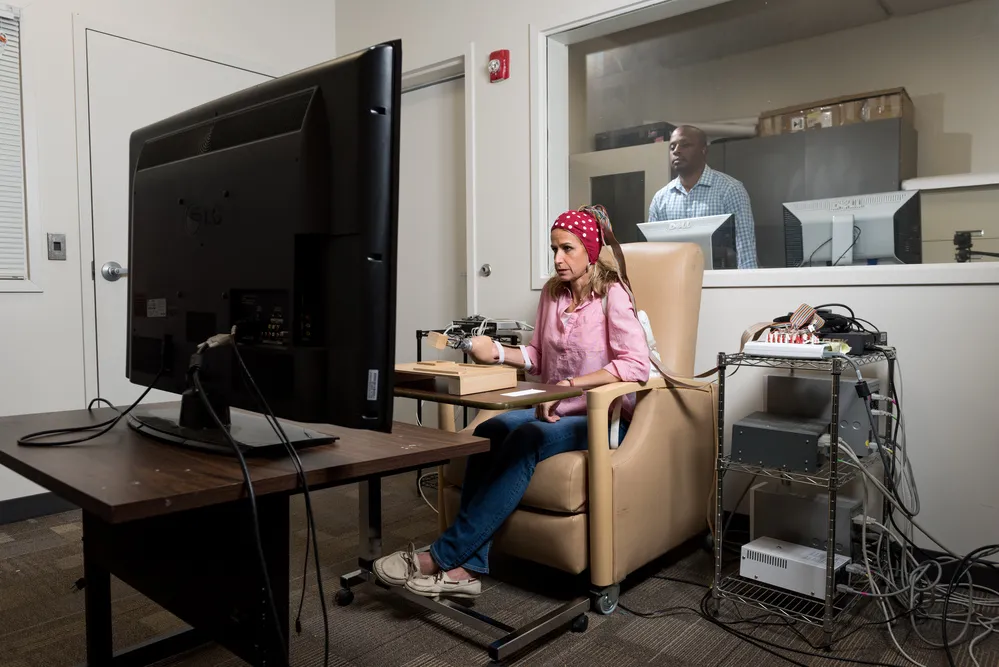
Neuroscience experts from across Georgia Tech will soon come together for a new interdisciplinary research institute, the Institute for Neuroscience, Neurotechnology, and Society (INNS), launched in July. Faculty in INNS are helping to solve some of neuroscience’s most pressing problems, and many have promising medical applications. One important aspect of studying the brain is understanding how the brain and the body work together. Meet the researchers who study brain-body interactions, from monitoring the neuron degradation that causes Alzheimer’s to enhancing mobility for stroke survivors, in an effort to improve the health and quality of life for millions of Americans.
Aug. 21, 2025
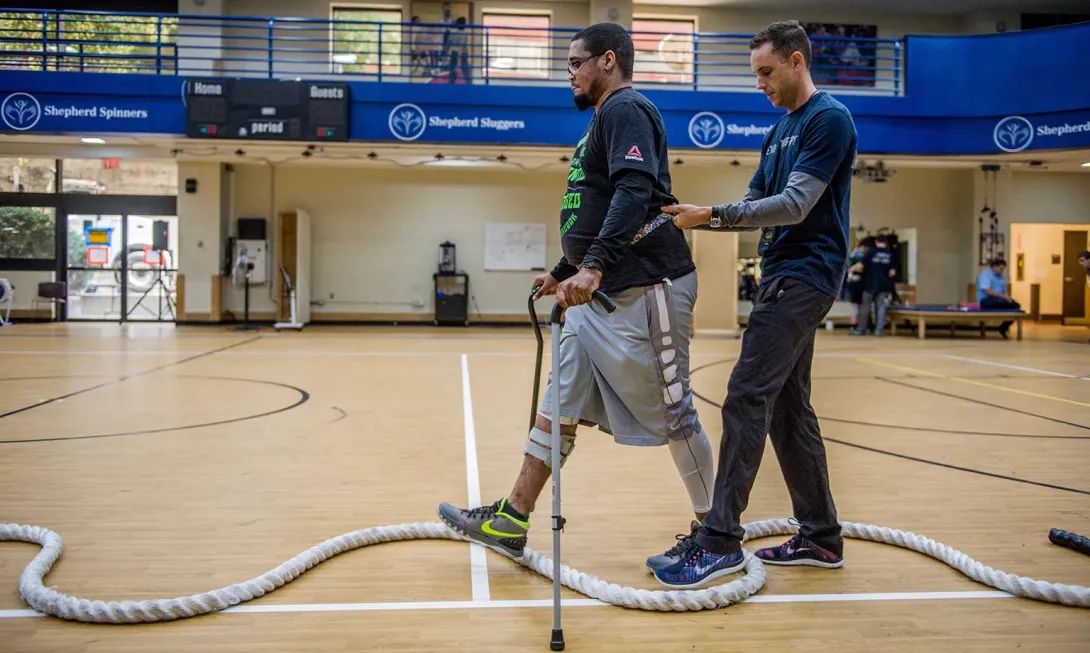
The seed grants will fund projects focused on enhancing wheelchair seating surfaces, supporting stroke patients as they transition home from rehabilitation, assessing lower limb exoskeleton technologies, and exploring the use of AI in remote rehab settings. Photo: Shepherd Center.
Georgia Tech and Shepherd Center recently awarded four seed grants totaling nearly $200,000 to researchers focusing on projects that will advance discoveries in neurorehabilitation, including acquired brain injury, spinal cord injury, multiple sclerosis, chronic pain, and other neurological conditions.
The Georgia Tech-Shepherd Center Seed Grant Program is part of an ongoing partnership between the two institutions that started in 2023 with the goal of advancing rehabilitative patient care and research.
“The seed grant program is intended to stimulate new interdisciplinary research collaborations by providing seed funding to obtain preliminary data or prototypes necessary for the submission of an external grant or industry opportunities,” says Deborah Backus, vice president of Research and Innovation at Shepherd Center. “As two leading research institutions, we know the potential for advancing rehabilitation therapies is even greater when we work together. We look forward to the solutions, treatments, and therapies that emerge from these initial seed grants.”
Experts from both institutions evaluated and scored seed grant applications based on the research’s innovation, approach, and potential for training opportunities, as well as its anticipated impact, prospects for commercial translation, and strategy for securing continued funding. This year, each awardee team received close to $50,000.
“We are very excited to launch this new seed grant program, which will spur ideas and propel research forward,” said Michelle LaPlaca, professor in the Coulter Department of Biomedical Engineering and the Georgia Tech lead of the Collaborative. “The complementary expertise of Georgia Tech and Shepherd Center researchers, combined with the motivation to find solutions for individuals with neurological injury and disability, is a winning formula for innovation.”
"Offering new hope for neurorehabilitation patients requires bringing together interdisciplinary researchers to explore new and creative ideas,” adds Chris Rozell, Julian T. Hightower Chaired professor in the School of Electrical and Computer Engineering and the inaugural executive director of the Institute of Neuroscience, Neurotechnology, and Society (INNS) at Georgia Tech. “I'm excited to see the talent at these world class institutions coming together to develop new solutions for these complex problems."
This year’s seed grants were awarded to the following projects:
- Proof of Concept Development of the Recovery Cushion – Stephen Sprigle, professor, School of Industrial Design and School of Mechanical Engineering, Georgia Tech; Jennifer Cowhig, research physical therapist, Shepherd Center.
- Paving a Smooth Path from Hospital to Home: A Feasibility Study of an Integrated Smart Transitional Home Lab to Support Stroke Rehabilitation Patients’ Transition to Home – John Morris, senior clinical research scientist, Shepherd Center; Hui Cai, professor in the School of Architecture, executive director of the SimTigrate Design Center, Georgia Tech.
- A Comparative Analysis of Lower-Limb Exoskeleton Technology for Non-Ambulatory Individuals with Spinal Cord Injury – Maegan Tucker, assistant professor, School of Electrical and Computer Engineering and School of Mechanical Engineering, Georgia Tech; Nicholas Evans (AP 2023), clinical research scientist, Shepherd Center.
- Improving Accessibility and Precision in Neurorehabilitation at the Point of Care with AI-Driven Remote Therapeutic Monitoring Solutions – Brad Willingham, clinical research scientist, director of Multiple Sclerosis Research, Shepherd Center; May Dongmei Wang, professor, Wallace H. Coulter Department of Biomedical Engineering, Georgia Tech.
News Contact
Kerry Ludlam
Director of Communications
Shepherd Center
Audra Davidson
Research Communications Program Manager
Institute for Neuroscience, Neurotechnology, and Society
Aug. 08, 2025
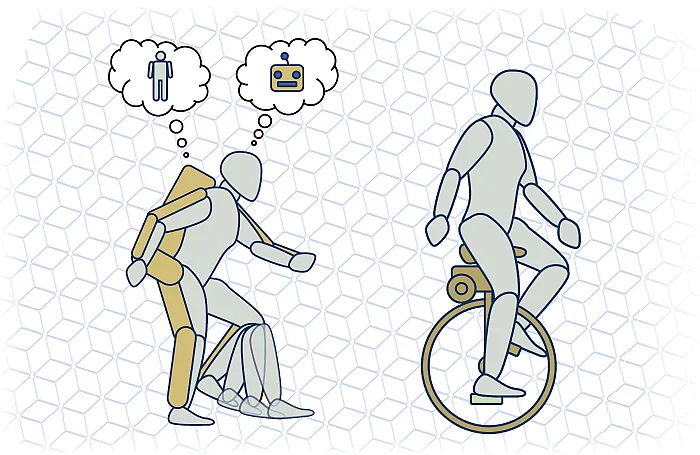
Research into tailored assistive and rehabilitative devices has seen recent advancements but the goal remains out of reach due to the sparsity of data on how humans learn complex balance tasks. To address this gap, a collaborating team of interdisciplinary faculty from Florida State University and Georgia Tech have been awarded ~$798,000 by the NSF to launch a study to better understand human motor learning as well as gain greater understanding into human robot interaction dynamics during the learning process.
Led by PI: Taylor Higgins, Assistant Professor, FAMU-FSU Department of Mechanical Engineering, partnering with Co-PIs Shreyas Kousik, Assistant Professor, Georgia Tech, George W. Woodruff School of Mechanical Engineering, and Brady DeCouto, Assistant Professor, FSU Anne Spencer Daves College of Education, Health, and Human Sciences, the research will use the acquisition of unicycle riding skill by participants to gain a better grasp on human motor learning in tasks requiring balance and complex movement in space. Although it might sound a bit odd, the fact that most people don’t know how to ride a unicycle, and the fact that it requires balance, mean that the data will cover the learning process from novice to skilled across the participant pool.
Using data acquired from human participants, the team will develop a “robotics assistive unicycle” that will be used in the training of the next pool of novice unicycle riders. This is to gauge if, and how rapidly, human motor learning outcomes improve with the assistive unicycle. The participants that engage with the robotic unicycle will also give valuable insight into developing effective human-robot collaboration strategies.
The fact that deciding to get on a unicycle requires a bit of bravery might not be great for the participants, but it’s great for the research team. The project will also allow exploration into the interconnection between anxiety and human motor learning to discover possible alleviation strategies, thus increasing the likelihood of positive outcomes for future patients and consumers of these devices.
Author
-Christa M. Ernst
This Article Refers to NSF Award # 2449160
News Contact
Jul. 14, 2025

Christopher Rozell, a first-generation scholar and interdisciplinary researcher, serves as the inaugural executive director of Georgia Tech’s Institute for Neuroscience, Neurotechnology, and Society (INNS).
Christopher Rozell, Julian T. Hightower Chaired Professor in the School of Electrical and Computer Engineering, will serve as the inaugural executive director of Georgia Tech’s new Institute for Neuroscience, Neurotechnology, and Society (INNS).
INNS is one of two new Interdisciplinary Research Institutes (IRIs) launched at Georgia Tech on July 1. Dedicated to advancing neuroscience and neurotechnology, the institute aims to drive societal progress through discovery, innovation, and public engagement. By bridging disciplines across the sciences, engineering, computing, ethics, policy, and the humanities, INNS will serve as a collaborative hub for exploring the brain in all its complexity — from molecular mechanisms to behavior and cognition, and from foundational research to clinical and technological applications.
“Our neuro-related research community has built such a strong transdisciplinary vision for an IRI that I remain fully committed to its growth, even as we face a period of extreme uncertainty about federal research funding,” said Vice President for Interdisciplinary Research Julia Kubanek. “In fact, under Chris’s leadership I expect INNS to make our faculty more competitive and successful, bringing Georgia Tech closer to patient communities living with neurological conditions so that our research increasingly impacts people’s lives. INNS will also connect artists, social scientists, neuroscientists and engineers with entrepreneurial opportunities and non-traditional funding pipelines.”
The launch of INNS builds on more than a decade of groundwork laid by Georgia Tech’s neuroscience community. Rozell has played a key role in shaping the vision for INNS as a member of the Neuro Next Initiative’s executive committee, and before that, as a steering committee member as the initiative was developed. The executive committee included Simon Sponberg, Dunn Family Associate Professor in the School of Physics and the School of Biological Sciences; Jennifer Singh, associate professor in the School of History and Sociology; and Sarah Peterson, Neuro Next Initiative program manager.
“I'm excited to serve the INNS community in this next phase to build on the momentum generated across campus over many years,” said Rozell. “The brain is one of the great remaining frontiers, where discovery and innovation can unlock the future of human health and flourishing. INNS is uniquely positioned to lead in the modern interdisciplinary research necessary to address this grand challenge.”
Rozell brings a unique blend of technical expertise, interdisciplinary leadership, and public engagement to his role as the inaugural executive director of INNS. His work spans neuroscience, data and computer science, neuroengineering, and cognitive science, with a particular focus on developing scalable brain stimulation therapies for treatment-resistant depression. Rozell also serves on advisory boards for organizations at the forefront of neuroethics and scientific rigor, reflecting his commitment to responsible innovation.
Interdisciplinary from the outset, Rozell’s training in neuroscience has been shaped by a unique educational path that bridges engineering, the arts, machine learning, neuroscience and translational research. He holds a Bachelor of Fine Arts in Music alongside his engineering degrees and has developed multiple initiatives that incorporate the arts into neuroscience research and public engagement.
Rozell’s research has been widely recognized, with over 130 peer-reviewed publications, multiple patents, and invitations to speak at high-profile venues, including a U.S. Congressional briefing celebrating the NIH BRAIN Initiative. A first-generation scholar, Rozell co-founded Neuromatch, a nonprofit dedicated to building an inclusive global neuroscience community. His contributions have earned him numerous honors, including the James S. McDonnell Foundation 21st Century Science Initiative Scholar Award, elected Fellow of American Institute for Medical and Biological Engineering, and Georgia Tech’s top teaching accolades, underscoring his impact both in and beyond the lab.
News Contact
Audra Davidson
Research Communications Program Manager
Institute for Neuroscience, Neurotechnology, and Society
Jul. 01, 2025

Georgia Tech has launched two new Interdisciplinary Research Institutes (IRIs): The Institute for Neuroscience, Neurotechnology, and Society (INNS) and the Space Research Institute (SRI).
The new institutes focus on expanding breakthroughs in neuroscience and space, two areas where research and federal funding are anticipated to remain strong. Both fields are poised to influence research in everything from healthcare and ethics to exploration and innovation. This expansion of Georgia Tech’s research enterprise represents the Institute’s commitment to research that will shape the future.
“At Georgia Tech, innovation flourishes where disciplines converge. With the launch of the Space Research Institute and the Institute for Neuroscience, Neurotechnology, and Society, we’re uniting experts across fields to take on some of humanity’s most profound questions. Even as we are tightening our belts in anticipation of potential federal R&D budget actions, we also are investing in areas where non-federal funding sources will grow and where big impacts are possible,” said Executive Vice President for Research Tim Lieuwen. "These institutes are about advancing knowledge — and using it to improve lives, inspire future generations, and help shape a better future for us all.”
Both INNS and SRI grew out of faculty-led initiatives shaped by a strategic planning process and campus-wide collaboration. Their evolution into formal institutes underscores the strength and momentum of Georgia Tech’s interdisciplinary research enterprise.
Georgia Tech’s 11 IRIs support collaboration between researchers and students across the Institute’s seven colleges, the Georgia Tech Research Institute (GTRI), national laboratories, and corporate entities to tackle critical topics of strategic significance for the Institute as well as for local, state, national, and international communities.
"IRIs bring together Georgia Tech researchers making them more competitive and successful in solving research challenges, especially across disciplinary boundaries,” said Julia Kubanek, vice president of interdisciplinary research. “We're making these new investments in neuro- and space-related fields to publicly showcase impactful discoveries and developments led by Georgia Tech faculty, attract new partners and collaborators, and pursue alternative funding strategies at a time of federal funding uncertainty."
The Space Research Institute
The Space Research Institute will connect faculty, students, and staff who share a passion for space exploration and discovery. They will investigate a wide variety of space-related topics, exploring how space influences and intersects with the human experience. The SRI fosters a collaborative community including scientific, engineering, cultural, and commercial research that pursues broadly integrated, innovative projects.
SRI is the hub for all things space-related at Georgia Tech. It connects the Institute’s schools, colleges, research institutes, and labs to lead conversations about space in the state of Georgia and the world. Working in partnership with academics, business partners, philanthropists, students, and governments, Georgia Tech is committed to staying at the forefront of space-related innovation.
The SRI will build upon the collaborative work of the Space Research Initiative, the first step in formalizing Georgia Tech’s broad interdisciplinary space research community. The Initiative brought together researchers from across campus and was guided by input from Georgia Tech stakeholders and external partners. It was led by an executive committee including Glenn Lightsey, John W. Young Chair Professor in the Daniel Guggenheim School of Aerospace Engineering; Mariel Borowitz, associate professor in the Sam Nunn School of International Affairs; and Jennifer Glass, associate professor in the School of Earth and Atmospheric Sciences. Beginning July 1, W. Jud Ready, a principal research engineer in GTRI’s Electro-Optical Systems Laboratory, will serve as the inaugural executive director of the Space Research Institute.
To receive the latest updates on space research and innovation at Georgia Tech, join the SRI mailing list.
The Institute for Neuroscience, Neurotechnology, and Society
The Institute for Neuroscience, Neurotechnology, and Society (INNS) is dedicated to advancing neuroscience and neurotechnology to improve society through discovery, innovation, and engagement. INNS brings together researchers from neuroscience, engineering, computing, ethics, public policy, and the humanities to explore the brain and nervous system while addressing the societal and ethical dimensions of neuro-related research.
INNS builds on a foundation established over a decade ago, which first led to the GT-Neuro Initiative and later evolved into the Neuro Next Initiative. Over the past two years, this effort has culminated in the development of a comprehensive plan for an IRI, guided by an executive committee composed of faculty and staff from across Georgia Tech. The committee included Simon Sponberg, Dunn Family Associate Professor in the School of Physics and the School of Biological Sciences; Christopher Rozell, Julian T. Hightower Chaired Professor in the School of Electrical and Computer Engineering; Jennifer Singh, associate professor in the School of History and Sociology; and Sarah Peterson, Neuro Next Initiative program manager. Their leadership shaped the vision for a research community both scientifically ambitious and socially responsive.
INNS will serve as a dynamic hub for interdisciplinary collaboration across the full spectrum of brain-related research — from biological foundations to behavior and cognition, and from fundamental research to medical innovations that advance human flourishing. Research areas will encompass the foundations of human intelligence and movement, bio-inspired design and neurotechnology development, and the ethical dimensions of a neuro-connected future.
By integrating technical innovation with human-centered inquiry, INNS is committed to ensuring that advances in neuroscience and neurotechnology are developed and applied ethically and responsibly. Through fostering innovation, cultivating interdisciplinary expertise, and engaging with the public, the institute seeks to shape a future where advancements in neuroscience and neurotechnology serve the greater good. INNS also aims to deepen Georgia Tech’s collaborations with clinical, academic, and industry partners, creating new pathways for translational research and real-world impact.
An internal search for INNS’s inaugural executive director is in the final stages, with an announcement expected soon.
Join our mailing list to receive the latest updates on everything neuro at Georgia Tech.
News Contact
Laurie Haigh
Research Communications
Jun. 26, 2025
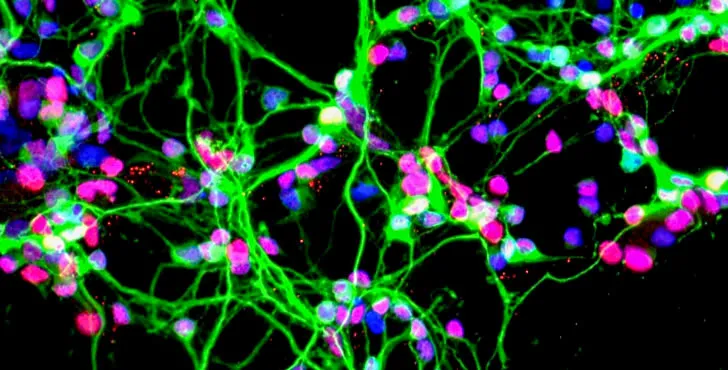
Neurons growing in a culture dish (NASA)
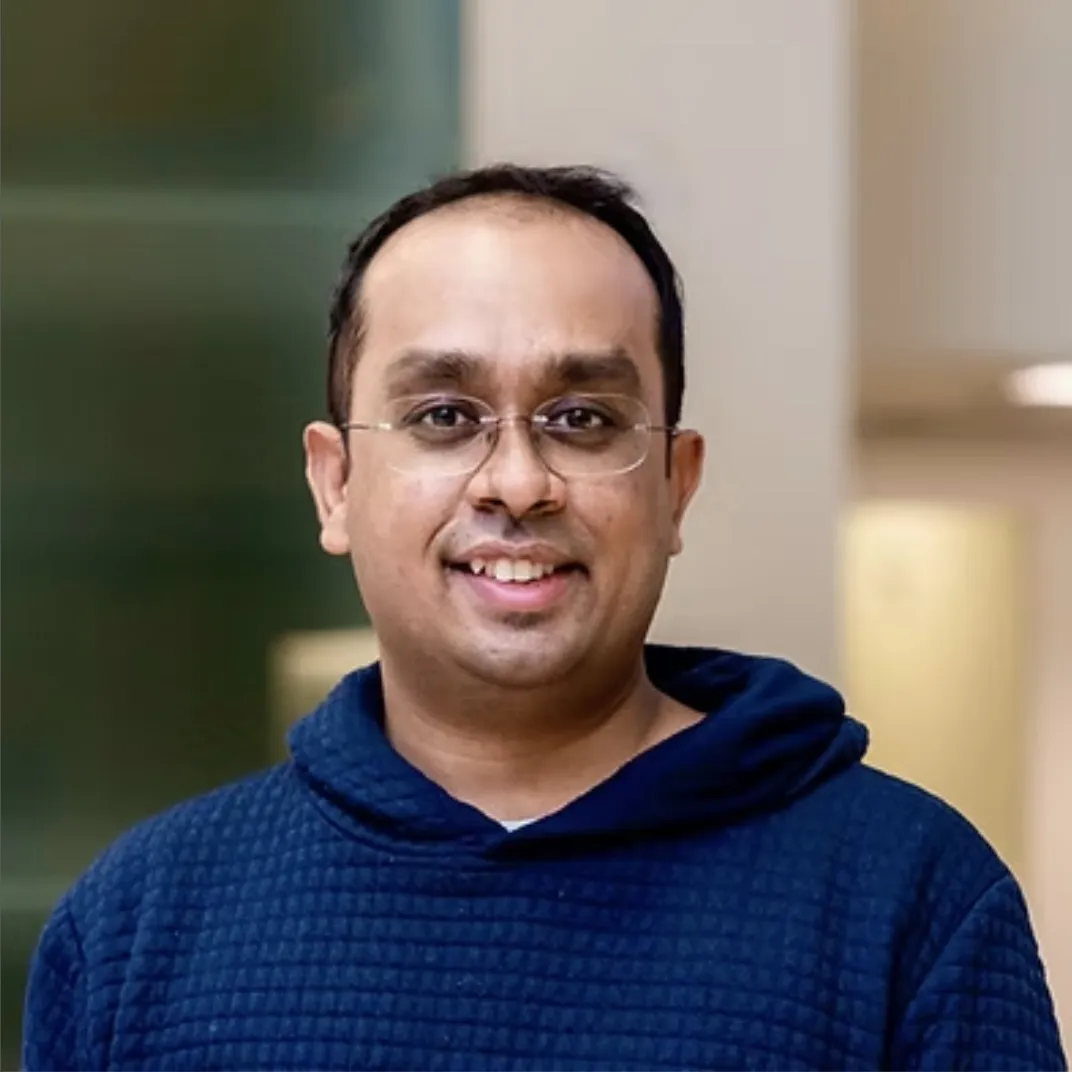
School of Psychology Assistant Professor Apurva Ratan Murty

Graduate Student Mayukh Deb
Researchers at Georgia Tech have taken a critical step forward in creating efficient, useful and brain-like artificial intelligence (AI). The key? A new algorithm that results in neural networks with internal structure more like the human brain.
The study, “TopoNets: High-Performing Vision and Language Models With Brain-Like Topography,” was awarded a spotlight at this year’s International Conference on Learning Representations (ICLR), a distinction given to only 2 percent of papers. The research was led by graduate student Mayukh Deb alongside School of Psychology Assistant Professor Apurva Ratan Murty.
Thirty-two of Tech’s computing, engineering, and science faculty represented the Institute at ICLR 2025, which is globally renowned for sharing cutting-edge research.
“We started with this idea because we saw that AI models are unstructured, while brains are exquisitely organized,” says first-author Deb. “Our models with internal structure showed more than a 20 percent boost in efficiency with almost no performance losses. And this is out-of-the-box — it’s broadly applicable to other models with no extra fine-tuning needed.”
For Murty, the research also underscores the importance of a rapidly growing field of research at the intersection of neuroscience and AI. “There's a major explosion in understanding intelligence right now,” he says. “The neuro-AI approach is exciting because it helps emulate human intelligence in machines, making AI more interpretable.”
“In addition to advancing AI, this type of research also benefits neuroscience because it informs a fundamental question: Why is our brain organized the way it is?,” Deb adds. “Making AI more interpretable helps everyone.”
Brain-inspired blueprints
In the brain, neurons form topographic maps: neurons used for comparable tasks are closer together. The researchers applied this concept to AI by organizing how internal components (like artificial neurons) connect and process information.
This type of organization has been tried in the past but has been challenging, Murty says. “Historically, rules constraining how the AI could structure itself often resulted in lower-performing models. We realized that for this type of biophysical constraint, you simply can’t map everything — you need an algorithmic solution.”
“Our key insight was an algorithmic trick that gives the same structure as brains without enforcing things that models don't respond well to,” he adds. “That breakthrough was what Mayukh (Deb) worked on.”
The algorithm, called TopoLoss, uses a loss function to encourage brain-like organization in artificial neural networks, and it is compatible with many AI systems capable of understanding language and images.
“The resulting training method, TopoNets, is very flexible and broadly applicable,” Murty says. “You can apply it to contemporary models very easily, which is a critical advancement when compared to previous methods.”
Neuro-AI innovations
Murty and Deb plan to continue refining and designing brain-inspired AI systems. “All parts of the brain have some organization — we want to expand into other domains,” Deb says. “On the neuroscience side of things, we want to discover new kinds of organization in brains using these topographic systems.”
Deb also cites possibilities in robotics, especially in situations like space exploration where resources are limited. “Imagine running a model inside a robot with limited power,” he says. “Structured models can help us achieve 80 percent of performance with just 20 percent of energy consumption, saving valuable energy and space. This is still experimental, but it's the direction we are interested in exploring.”
“This success highlights the potential of a new approach, designing systems that benefit both neuroscience and AI — and beyond,” Murty adds. “We can learn so much from the human brain, and this project shows that brain-inspired systems can help current AI be better. We hope our work stimulates this conversation.”
Jun. 11, 2025
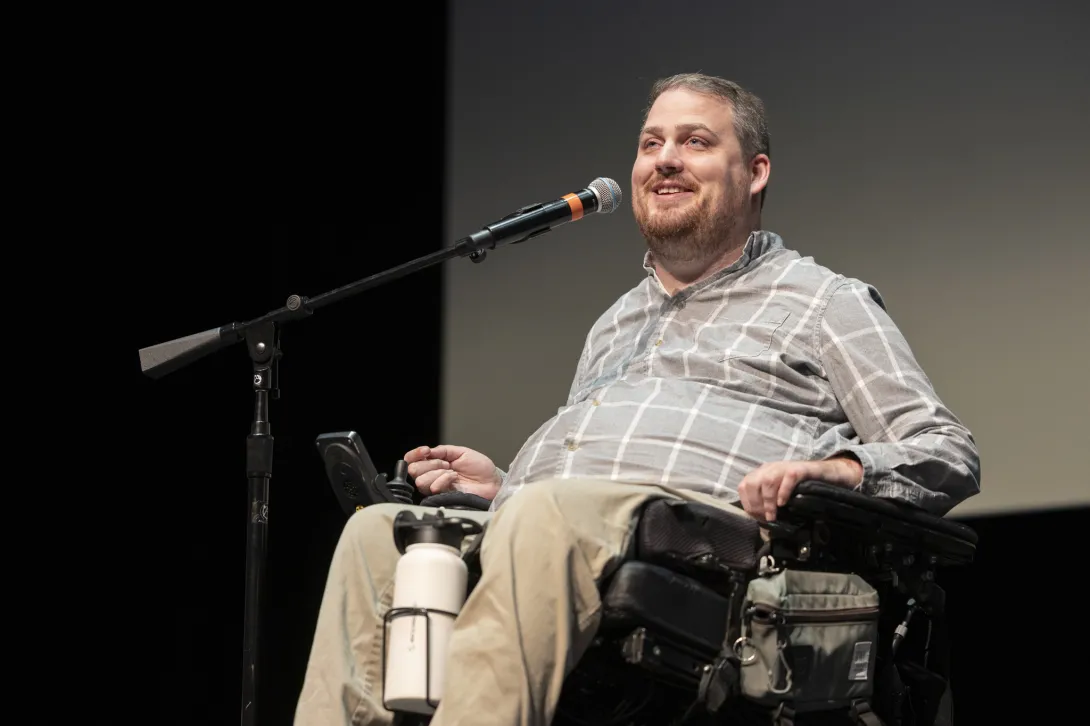
From clinical trial participant to BCI advocate, Ian Burkhart shares his story at “Wired Lives,” organized by Georgia Tech’s Neuro Next Initiative. Photo: Chris McKenney
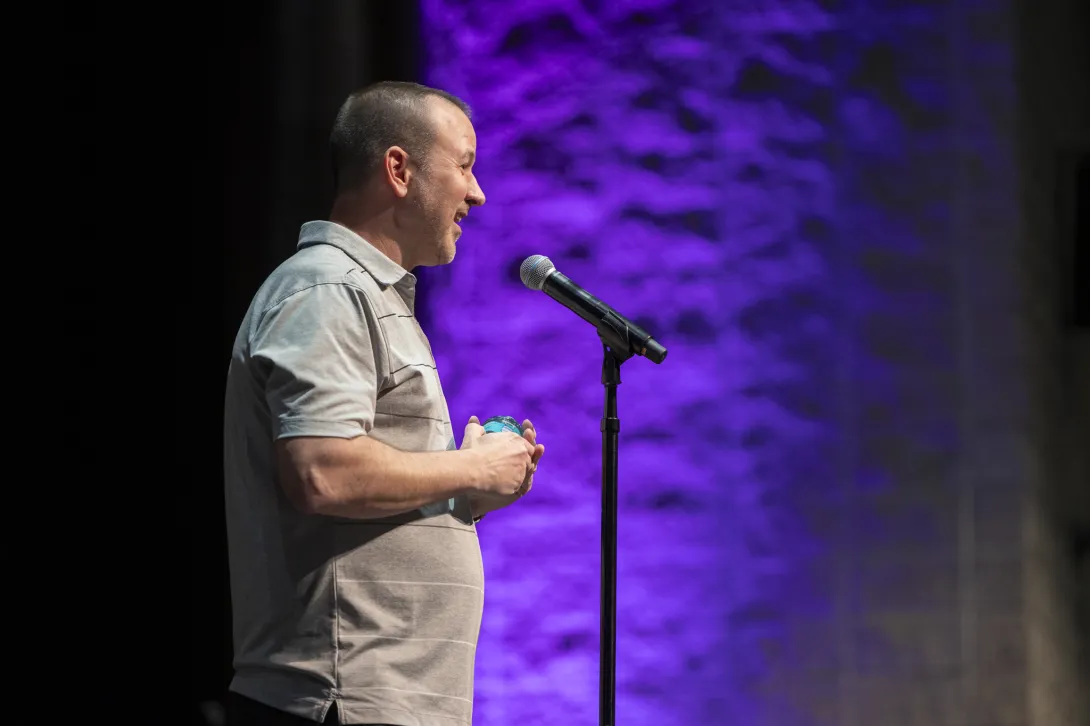
Brandan Mehaffie shares how deep brain stimulation transformed his life after an early-onset Parkinson’s diagnosis. Photo: Chris McKenney

Jennifer Walden reflects on the emotional and physical challenges of epilepsy — and the relief that came with a breakthrough treatment. Photo: Chris McKenney
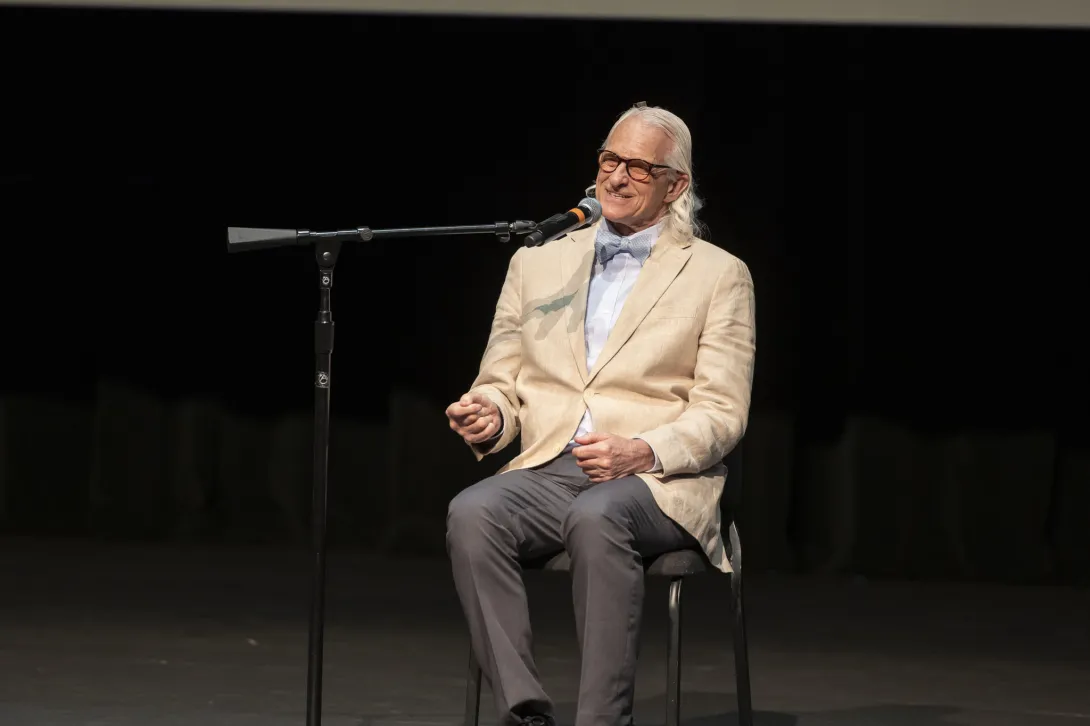
Scott Imbrie shares his decision to undergo brain surgery — not for personal benefit, but to advance research that could help others. Photo: Chris McKenney
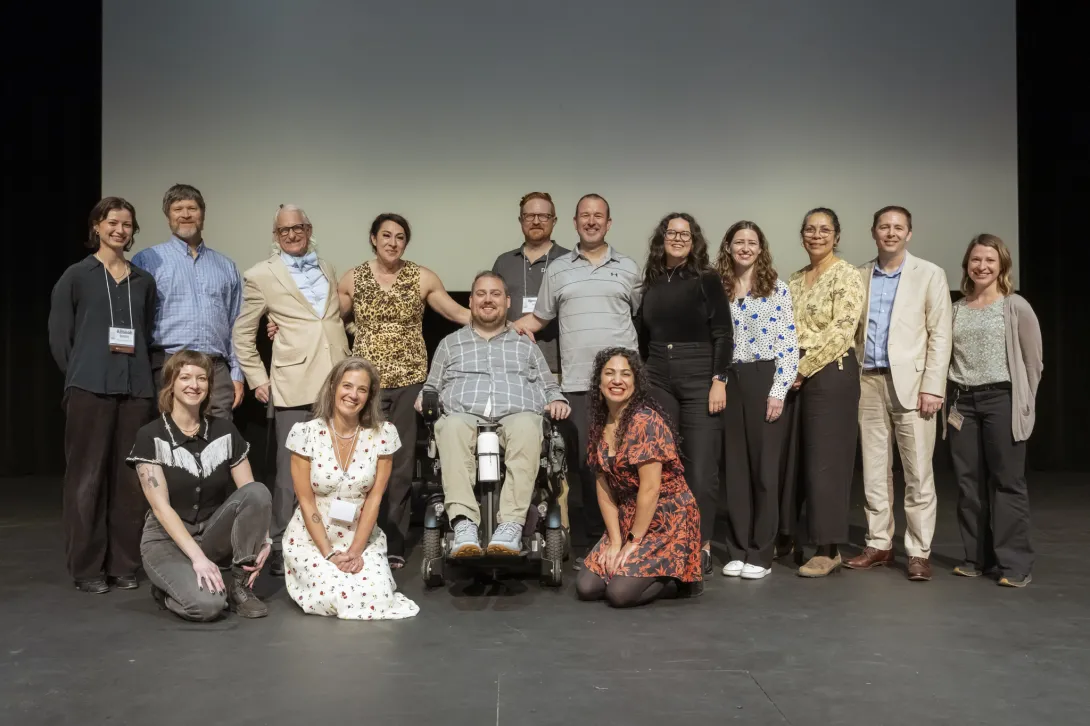
Storytellers, event organizers, and sponsor representatives at "Wired Lives."
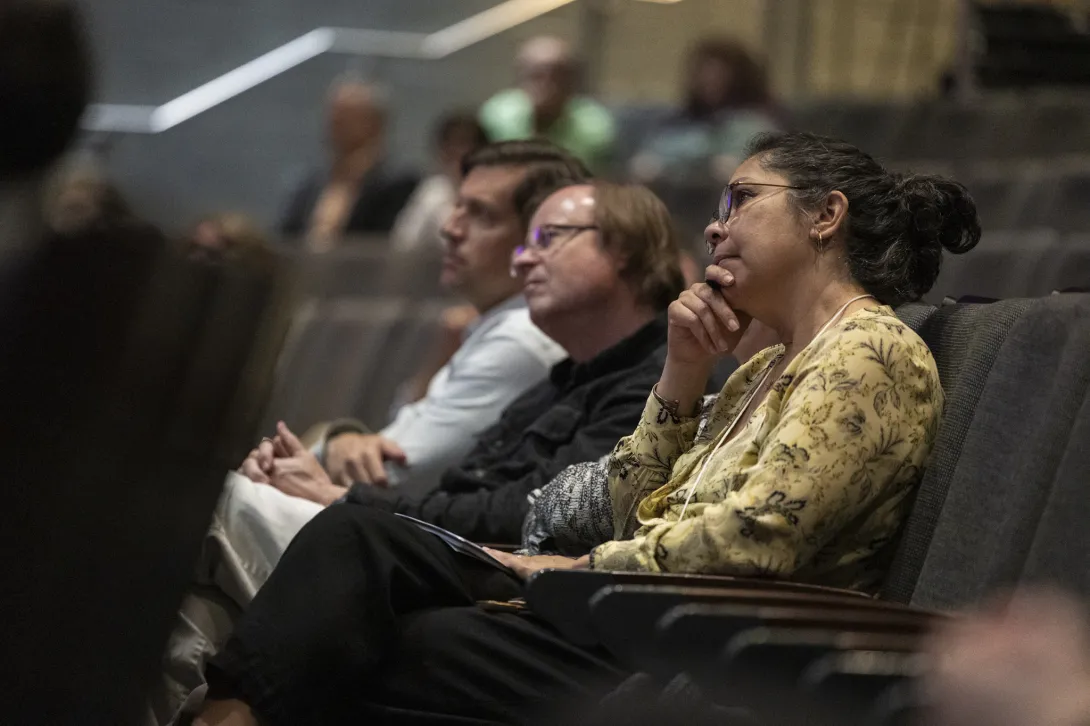
Researchers, students, and community members came together to explore the lived experiences behind cutting-edge neurotechnology. Photo: Chris McKenney
Electing to have invasive brain surgery isn’t something most people have done. Ian Burkhart isn’t most people.
“When I finished rehabilitation, my doctors and therapist and, most importantly, the insurance company said, ‘For someone with your condition, we feel like you've made all the improvement that you will, have a nice life,’” said Burkhart, who was left with limited feeling and mobility below the neck after a 2010 diving accident injured his spinal cord. “That didn't sit well with me.”
Hoping even a fraction of hand mobility would increase his independence, Burkhart turned to a clinical research trial on a brain-computer interface (BCI) designed to detect movement signals in the brain and send them to a computer to stimulate the arm muscles, bypassing the spinal cord in the hopes of restoring movement.
“I had had four and a half years of never thinking my hand was going to move again,” he recalled. When testing to see if he qualified for the study, researchers stimulated his hand muscles. “I saw my hand move, and that was all I needed to know — I was ready to risk it all for something that may or may not work.”
Burkhart’s story is one of many that reveal the deeply personal side of neurotechnology research. Centering lived experiences like his is central to the mission of the Institute for Neuroscience, Neurotechnology, and Society (INNS), a new Interdisciplinary Research Institute launching this July at Georgia Tech.
“If we want to build neurotechnology that truly serves people, their voices should be part of the scientific process from the very beginning,” said Chris Rozell, a professor in the School of Electrical and Computer Engineering and one of the many researchers at Georgia Tech working to understand and advance BCIs. “Hearing from individuals who live with these devices helps guide more ethical, inclusive, and effective research. The entire field benefits from inclusive conversations like these.”
Life With a Brain Implant
Burkhart and three others recently shared their stories live on the Ferst Center stage at “Wired Lives: Personal Stories of Brain-Computer Interfaces, an event organized by Georgia Tech’s Neuro Next Initiative. Their stories gave over 200 attendees a rare, honest glimpse into the realities of neurological conditions and the path to brain-computer interface research.
“I was at a crossroads in my life at 47 years old,” said Brandan Mehaffie, who told his story of living with early-onset Parkinson’s disease. “I was trying to figure out, do I continue with the status quo and watch my career dwindle into nothing? Watch my life with my family, my kids, not being able to go on hikes or family vacations?”
Mehaffie eventually qualified for deep brain stimulation (DBS) treatment, a procedure where a pacemaker-like device is implanted into the brain to provide electrical stimulation. “It changed my life for the better in ways that I can't even tell you.”
When former U.S. Air Force Sgt. Jennifer Walden’s doctor told her about a clinical trial testing DBS as an epilepsy treatment, she jumped at the chance. “The 48 hours after those seizures are 48 hours where you don't want to live anymore.” Walden explained that her response to medication had dwindled after years of traditional treatment, increasing the frequency and severity of her seizures. “I feared suicide. It's something I didn't want to do, but if something happened in those 48 hours to end my life, I didn't care,” she said.
“I am now probably 99% seizure-free,” she beamed as she recalled her response to DBS on stage. “I don't know how I got so lucky in life, but I don't take it for granted.”
Common themes in their stories were resilience, hope, and a deep desire to give back.
“When I joined the study, it had no physical benefit to me, but that's not why I joined it,” said Scott Imbrie, who experienced a major spinal cord injury and participates in a clinical BCI study at the University of Chicago. “I decided to have invasive brain surgery and have electrodes implanted on my brain to help other people.”
A New Approach to Interdisciplinary Research
Timed alongside the InterfaceNeuro conference at Georgia Tech, the gathering offered a rare opportunity for scientists, engineers, and clinicians to engage directly with the lived experiences of individuals using brain-computer interfaces — a perspective often missing from traditional research settings.
“It makes you think about how we ethically conduct research and how we recruit and interface with patients,” said Eric Cole, a postdoctoral researcher at Emory University, who was reminded that many patients participating in BCI research have been on a long, difficult journey before interacting with researchers. “We should remember to take their experiences seriously and respect them. They're giving up something for research — that part we should always remember.”
“Wired Lives” was one in a series of events highlighting the lived experience of individuals with neurological conditions organized by the Neuro Next Initiative, which has served as the precursor to INNS.
“A core mission of INNS is to consider how neuroscience and neurotechnology impact people’s lives,” said Jennifer Singh, associate professor in the School of History and Sociology, a member of NNI’s executive committee, and a co-organizer of the event. “Their stories matter when it comes to the types of science and technology we pursue and how they benefit the human condition. Many scientists and engineers may never encounter people living with neurological conditions outside of events like this. That will be a priority for INNS — to bring the expertise of lived experiences to the research process.”
Ian Burkhart’s lived experience reminded the audience that not every clinical trial has a happy ending. His BCI was ultimately removed after seven years as research funding ran short, taking his newly improved hand mobility with it. Despite this, Burkhart remained positive.
“I'm so glad I was able to take that risk and have that voluntary brain surgery and participate in this type of research because it's defined my life.” Burkhart went on to found the BCI Pioneers Coalition and his own nonprofit because of his research participation. “It gave me a lot of hope for the future, and a lot of hope that these types of devices are going to be able to help people and improve their quality of life.”
This event was produced in partnership with The Story Collider and made possible through support from Blackrock Neurotech and Medtronic.
News Contact
Audra Davidson
Research Communications Program Manager
Neuro Next Initiative
Jun. 03, 2025
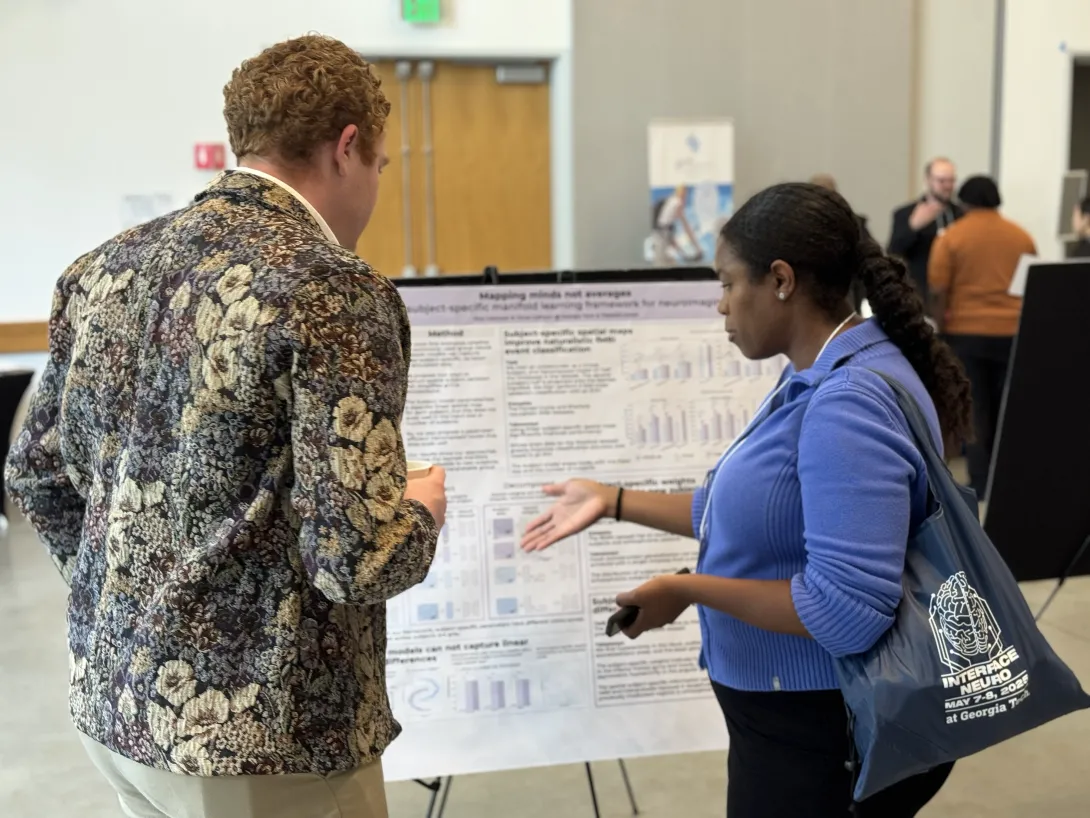
The conference was a community-led effort, with sessions were sponsored by several centers across Georgia Tech and Emory University.
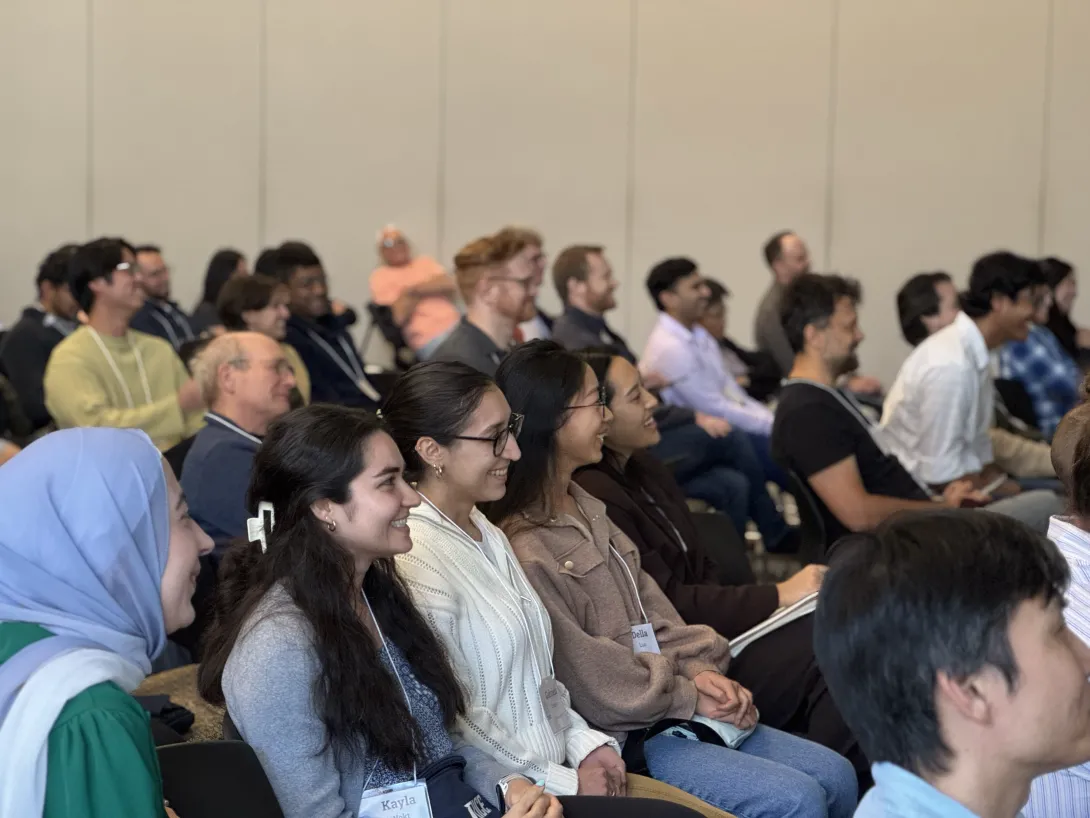
The meeting drew over 200 attendees from across the nation.
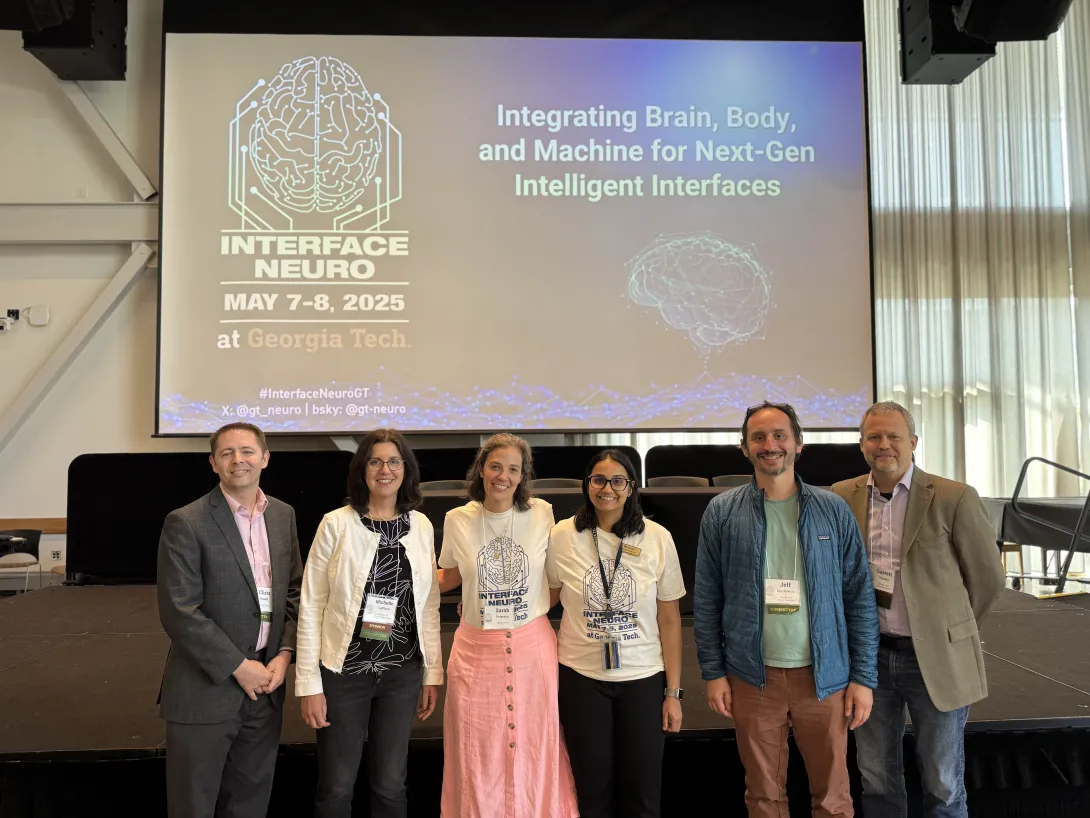
InterfaceNeuro was hosted by Georgia Tech's Neuro Next Initiative, the precursor to the forthcoming Interdisciplinary Research Institute, the Institute for Neuroscience, Neurotechnology, and Society. Some members of the organizing committee include (from left to right) Chris Rozell, Michelle LaPlaca, Sarah Peterson, Punya Mardhanan, Jeffrey Markowitz, and Garrett Stanley.
Integrating the human nervous system with machines once only existed in science fiction. Today, brain-computer interfaces (BCIs) are being explored to treat conditions like Parkinson’s disease, spinal cord injury, epilepsy, and depression.
Georgia Tech recently convened over 200 stakeholders from every corner of the neurotechnology landscape to explore the future of this rapidly evolving field at InterfaceNeuro. Held May 7-8, the conference brought together a dynamic community of neuroscientists, neuroengineers, clinicians, industry leaders, and individuals with lived experiences to align cutting-edge research with clinical needs and societal impact.
“One of our primary goals was to create a space where people from different backgrounds could come together, share their perspectives, and learn from one another,” said Chris Rozell, professor in Georgia Tech’s School of Electrical and Computer Engineering and one of the conference’s organizers. “That kind of exchange is essential for advancing the field.”
Originally founded by Rice University’s Neuroengineering Initiative in 2023, InterfaceNeuro made its Atlanta debut with the theme “Integrating Brain, Body, and Machine for Next-Gen Intelligent Interfaces.” The conference featured a curated program of keynote talks, panel discussions, research posters, and informal networking sessions designed to foster knowledge exchange and catalyze new partnerships.
Speakers and attendees alike represented the full spectrum of neuroscience and neurotechnology experts, from bench scientists and device engineers to caregivers and patients. According to conference attendee Simone Russo, it was that breadth and diversity of the conference that made the conference worthwhile.
“It was like talking to everybody at different levels, bridging the clinical side to the caregiving side, to the very basic research,” said Russo, a postdoctoral researcher in the Walter H. Coulter Department of Biomedical Engineering (BME). “That’s something that doesn't usually happen.”
Themed sessions were sponsored by several centers across Georgia Tech and Emory University, including the McCamish Parkinson’s Disease Innovation Program, the Neural Engineering Center, the Building Reliable Advances and Innovations in Neurotechnology (BRAIN) Center, and the Center for Advanced Motor Bioengineering and Research. Organized by Georgia Tech’s Neuro Next Initiative, the meeting was a testament to Atlanta’s expanding leadership in neuroscience and neurotechnology.
“This conference reflected the kind of community we’re building at Georgia Tech — one that’s deeply interdisciplinary, inclusive, and focused on real-world impact,” said Garrett Stanley, BME professor, director of the McCamish Parkinson's Disease Innovation Program, and one of the conference’s co-organizers. “With the launch of the Institute for Neuroscience, Neurotechnology, and Society this July, we’re creating a lasting home for this momentum to grow.”
News Contact
Audra Davidson
Research Communications Program Manager
Neuro Next Initiative
Apr. 24, 2025
Instead of relying on traditional methods like cognitive tests and image scans, this new approach leverages data science and algorithms.
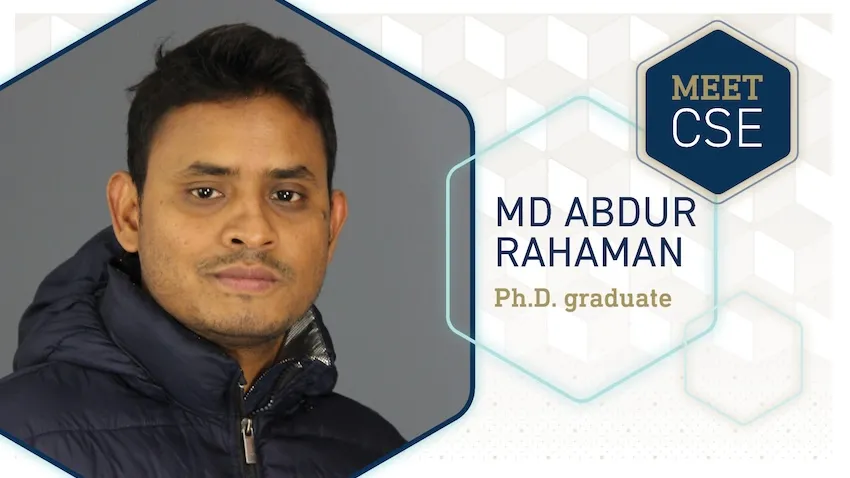

Ph.D. candidate Md Abdur Rahaman’s dissertation studies brain data to understand how changes in brain activity shape behavior.
A Georgia Tech doctoral student’s dissertation could help physicians diagnose neuropsychiatric disorders, including schizophrenia, autism, and Alzheimer’s disease. The new approach leverages data science and algorithms instead of relying on traditional methods like cognitive tests and image scans.
Ph.D. candidate Md Abdur Rahaman’s dissertation studies brain data to understand how changes in brain activity shape behavior.
Computational tools Rahaman developed for his dissertation look for informative patterns between the brain and behavior. Successful tests of his algorithms show promise to help doctors diagnose mental health disorders and design individualized treatment plans for patients.
“I've always been fascinated by the human brain and how it defines who we are,” Rahaman said.
“The fact that so many people silently suffer from neuropsychiatric disorders, while our understanding of the brain remains limited, inspired me to develop tools that bring greater clarity to this complexity and offer hope through more compassionate, data-driven care.”
Rahaman’s dissertation introduces a framework focusing on granular factoring. This computing technique stratifies brain data into smaller, localized subgroups, making it easier for computers and researchers to study data and find meaningful patterns.
Granular factoring overcomes the challenges of size and heterogeneity in neurological data science. Brain data is obtained from neuroimaging, genomics, behavioral datasets, and other sources. The large size of each source makes it a challenge to study them individually, let alone analyze them simultaneously, to find hidden inferences.
Rahaman’s research allows researchers and physicians to move past one-size-fits-all approaches. Instead of manually reviewing tests and scans, algorithms look for patterns and biomarkers in the subgroups that otherwise go undetected, especially ones that indicate neuropsychiatric disorders.
“My dissertation advances the frontiers of computational neuroscience by introducing scalable and interpretable models that navigate brain heterogeneity to reveal how neural dynamics shape behavior,” Rahaman said.
“By uncovering subgroup-specific patterns, this work opens new directions for understanding brain function and enables more precise, personalized approaches to mental health care.”
Rahaman defended his dissertation on April 14, the final step in completing his Ph.D. in computational science and engineering. He will graduate on May 1 at Georgia Tech’s Ph.D. Commencement.
After walking across the stage at McCamish Pavilion, Rahaman’s next step in his career is to go to Amazon, where he will work in the generative artificial intelligence (AI) field.
Graduating from Georgia Tech is the summit of an educational trek spanning over a decade. Rahaman hails from Bangladesh where he graduated from Chittagong University of Engineering and Technology in 2013. He attained his master’s from the University of New Mexico in 2019 before starting at Georgia Tech.
“Munna is an amazingly creative researcher,” said Vince Calhoun, Rahman’s advisor. Calhoun is the founding director of the Translational Research in Neuroimaging and Data Science Center (TReNDS).
TReNDS is a tri-institutional center spanning Georgia Tech, Georgia State University, and Emory University that develops analytic approaches and neuroinformatic tools. The center aims to translate the approaches into biomarkers that address areas of brain health and disease.
“His work is moving the needle in our ability to leverage multiple sources of complex biological data to improve understanding of neuropsychiatric disorders that have a huge impact on an individual’s livelihood,” said Calhoun.
News Contact
Bryant Wine, Communications Officer
bryant.wine@cc.gatech.edu
Apr. 18, 2025
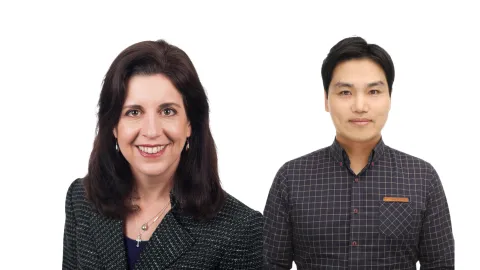
Michelle LaPlaca (left), associate chair for Faculty Development and professor in the Department of Biomedical Engineering; W. Hong Yeo, Harris Saunders, Jr. Professor in the George W. Woodruff School of Mechanical Engineering.
Georgia Tech professors Michelle LaPlaca and W. Hong Yeo have been selected as recipients of Peterson Professorships with the Children’s Healthcare of Atlanta Pediatric Technology Center (PTC) at Georgia Tech. The professorships, supported by the G.P. “Bud” Peterson and Valerie H. Peterson Faculty Endowment Fund, are meant to further energize the Georgia Tech and Children’s partnership by engaging and empowering researchers involved in pediatrics.
In a joint statement, PTC co-directors Wilbur Lam and Stanislav Emelianov said, “The appointment of Dr. LaPlaca and Dr. Yeo as Peterson Professors exemplifies the vision of Bud and Valerie Peterson — advancing innovation and collaboration through the Pediatric Technology Center to bring breakthrough ideas from the lab to the bedside, improving the lives of children and transforming healthcare.”
LaPlaca is a professor and associate chair for Faculty Development in the Department of Biomedical Engineering, a joint department between Georgia Tech and Emory University. Her research is focused on traumatic brain injury and concussion, concentrating on sources of heterogeneity and clinical translation. Specifically, she is working on biomarker discovery, the role of the glymphatic system, and novel virtual reality neurological assessments.
“I am thrilled to be chosen as one of the Peterson Professors and appreciate Bud and Valerie Peterson’s dedication to pediatric research,” she said. “The professorship will allow me to broaden research in pediatric concussion assessment and college student concussion awareness, as well as to identify biomarkers in experimental models of brain injury.”
In addition to the research lab, LaPlaca will work with an undergraduate research class called Concussion Connect, which is part of the Vertically Integrated Projects program at Georgia Tech.
“Through the PTC, Georgia Tech and Children’s will positively impact brain health in Georgia’s pediatric population,” said LaPlaca.
Yeo is the Harris Saunders, Jr. Professor in the George W. Woodruff School of Mechanical Engineering and the director of the Wearable Intelligent Systems and Healthcare Center at Georgia Tech. His research focuses on nanomanufacturing and membrane electronics to develop soft biomedical devices aimed at improving disease diagnostics, therapeutics, and rehabilitation.
“I am truly honored to be awarded the Peterson Professorship from the Children’s PTC at Georgia Tech,” he said. “This recognition will greatly enhance my research efforts in developing soft bioelectronics aimed at advancing pediatric healthcare, as well as expand education opportunities for the next generation of undergraduate and graduate students interested in creating innovative medical devices that align seamlessly with the recent NSF Research Traineeship grant I received. I am eager to contribute to the dynamic partnership between Georgia Tech and Children’s Healthcare of Atlanta and to empower innovative solutions that will improve the lives of children.”
The Peterson Professorships honor the former Georgia Tech President and First Lady, whose vision for the importance of research in improving pediatric healthcare has had an enormous positive impact on the care of pediatric patients in our state and region.
The Children’s PTC at Georgia Tech brings clinical experts from Children’s together with Georgia Tech scientists and engineers to develop technological solutions to problems in the health and care of children. Children’s PTC provides extraordinary opportunities for interdisciplinary collaboration in pediatrics, creating breakthrough discoveries that often can only be found at the intersection of multiple disciplines. These collaborations also allow us to bring discoveries to the clinic and the bedside, thereby enhancing the lives of children and young adults. The mission of the PTC is to establish the world’s leading program in the development of technological solutions for children’s health, focused on three strategic areas that will have a lasting impact on Georgia’s kids and beyond.