
Aug. 27, 2024
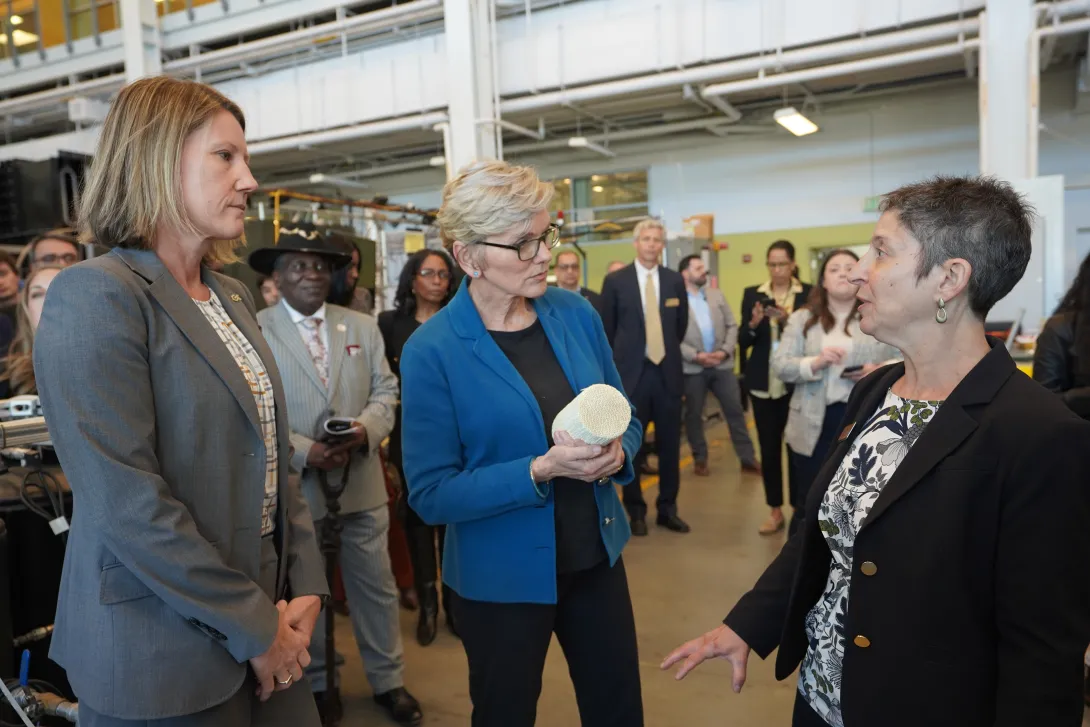
From commercialization to community engagement to partnerships with national labs and corporations, Georgia Tech leads in the development and use of direct air capture technologies.
News Contact
Shelley Wunder-Smith
shelley.wunder-smith@research.gatech.edu
Aug. 19, 2024
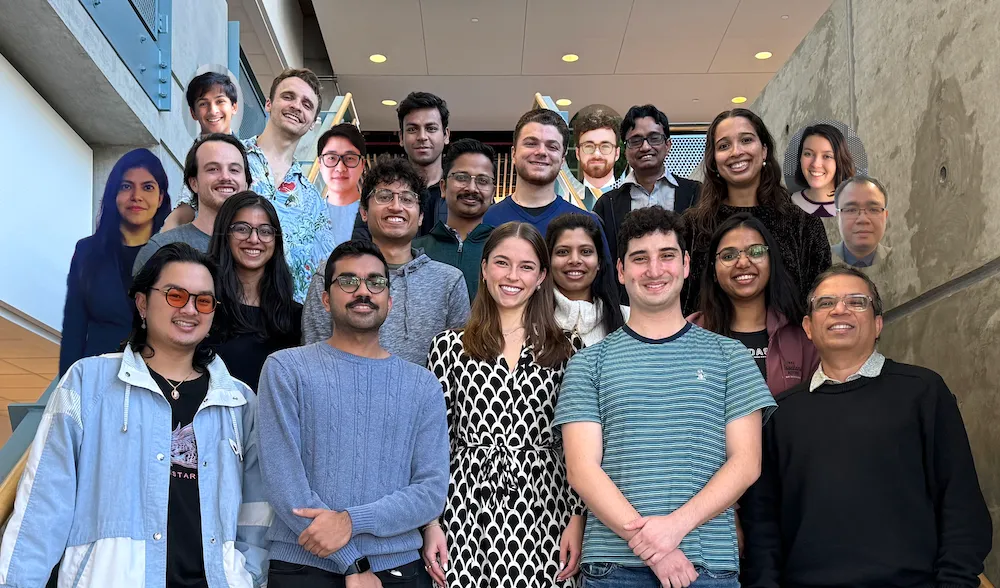
Nylon, Teflon, Kevlar. These are just a few familiar polymers — large-molecule chemical compounds — that have changed the world. From Teflon-coated frying pans to 3D printing, polymers are vital to creating the systems that make the world function better.
Finding the next groundbreaking polymer is always a challenge, but now Georgia Tech researchers are using artificial intelligence (AI) to shape and transform the future of the field. Rampi Ramprasad’s group develops and adapts AI algorithms to accelerate materials discovery.
This summer, two papers published in the Nature family of journals highlight the significant advancements and success stories emerging from years of AI-driven polymer informatics research. The first, featured in Nature Reviews Materials, showcases recent breakthroughs in polymer design across critical and contemporary application domains: energy storage, filtration technologies, and recyclable plastics. The second, published in Nature Communications, focuses on the use of AI algorithms to discover a subclass of polymers for electrostatic energy storage, with the designed materials undergoing successful laboratory synthesis and testing.
“In the early days of AI in materials science, propelled by the White House’s Materials Genome Initiative over a decade ago, research in this field was largely curiosity-driven,” said Ramprasad, a professor in the School of Materials Science and Engineering. “Only in recent years have we begun to see tangible, real-world success stories in AI-driven accelerated polymer discovery. These successes are now inspiring significant transformations in the industrial materials R&D landscape. That’s what makes this review so significant and timely.”
AI Opportunities
Ramprasad’s team has developed groundbreaking algorithms that can instantly predict polymer properties and formulations before they are physically created. The process begins by defining application-specific target property or performance criteria. Machine learning (ML) models train on existing material-property data to predict these desired outcomes. Additionally, the team can generate new polymers, whose properties are forecasted with ML models. The top candidates that meet the target property criteria are then selected for real-world validation through laboratory synthesis and testing. The results from these new experiments are integrated with the original data, further refining the predictive models in a continuous, iterative process.
While AI can accelerate the discovery of new polymers, it also presents unique challenges. The accuracy of AI predictions depends on the availability of rich, diverse, extensive initial data sets, making quality data paramount. Additionally, designing algorithms capable of generating chemically realistic and synthesizable polymers is a complex task.
The real challenge begins after the algorithms make their predictions: proving that the designed materials can be made in the lab and function as expected and then demonstrating their scalability beyond the lab for real-world use. Ramprasad’s group designs these materials, while their fabrication, processing, and testing are carried out by collaborators at various institutions, including Georgia Tech. Professor Ryan Lively from the School of Chemical and Biomolecular Engineering frequently collaborates with Ramprasad’s group and is a co-author of the paper published in Nature Reviews Materials.
"In our day-to-day research, we extensively use the machine learning models Rampi’s team has developed,” Lively said. “These tools accelerate our work and allow us to rapidly explore new ideas. This embodies the promise of ML and AI because we can make model-guided decisions before we commit time and resources to explore the concepts in the laboratory."
Using AI, Ramprasad’s team and their collaborators have made significant advancements in diverse fields, including energy storage, filtration technologies, additive manufacturing, and recyclable materials.
Polymer Progress
One notable success, described in the Nature Communications paper, involves the design of new polymers for capacitors, which store electrostatic energy. These devices are vital components in electric and hybrid vehicles, among other applications. Ramprasad’s group worked with researchers from the University of Connecticut.
Current capacitor polymers offer either high energy density or thermal stability, but not both. By leveraging AI tools, the researchers determined that insulating materials made from polynorbornene and polyimide polymers can simultaneously achieve high energy density and high thermal stability. The polymers can be further enhanced to function in demanding environments, such as aerospace applications, while maintaining environmental sustainability.
“The new class of polymers with high energy density and high thermal stability is one of the most concrete examples of how AI can guide materials discovery,” said Ramprasad. “It is also the result of years of multidisciplinary collaborative work with Greg Sotzing and Yang Cao at the University of Connecticut and sustained sponsorship by the Office of Naval Research.”
Industry Potential
The potential for real-world translation of AI-assisted materials development is underscored by industry participation in the Nature Reviews Materials article. Co-authors of this paper also include scientists from Toyota Research Institute and General Electric. To further accelerate the adoption of AI-driven materials development in industry, Ramprasad co-founded Matmerize Inc., a software startup company recently spun out of Georgia Tech. Their cloud-based polymer informatics software is already being used by companies across various sectors, including energy, electronics, consumer products, chemical processing, and sustainable materials.
“Matmerize has transformed our research into a robust, versatile, and industry-ready solution, enabling users to design materials virtually with enhanced efficiency and reduced cost,” Ramprasad said. “What began as a curiosity has gained significant momentum, and we are entering an exciting new era of materials by design.”
News Contact
Tess Malone, Senior Research Writer/Editor
tess.malone@gatech.edu
Aug. 12, 2024
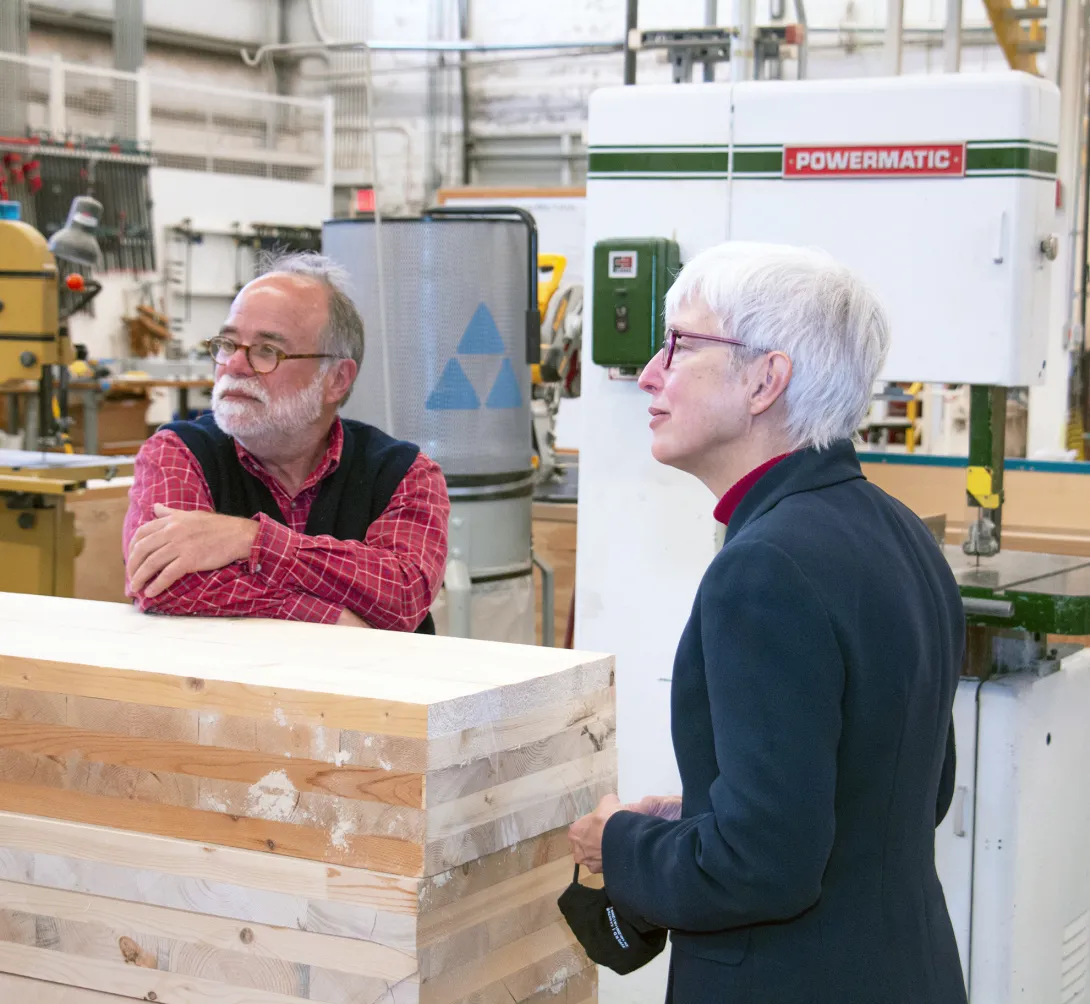
Interdisciplinary collaboration drives innovation at Georgia Tech. Researchers with joint appointments across the Institute's six colleges discuss how blending diverse fields helps them create more sustainable, technologically advanced, and socially viable solutions to some of our planet’s biggest problems. Learn more
Jun. 12, 2024
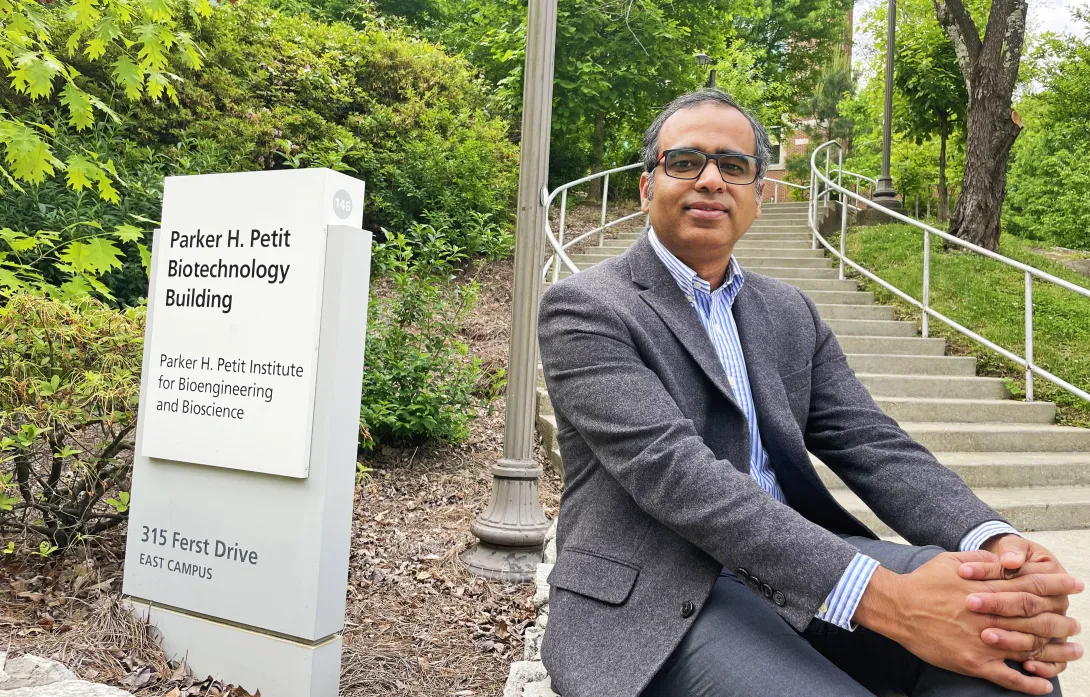
Ankur Singh has developed a new way of programming T cells that retains their naïve state, making them better fighters. — Photo by Jerry Grillo
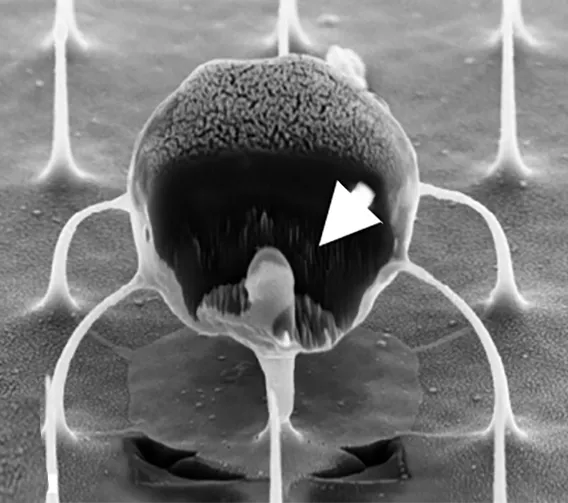
This is an image of a T cell on a nanowire array. The arrow indicates where a nanowire has penetrated the cell, delivering therapeutic miRNA.
Adoptive T-cell therapy has revolutionized medicine. A patient’s T-cells — a type of white blood cell that is part of the body’s immune system — are extracted and modified in a lab and then infused back into the body, to seek and destroy infection, or cancer cells.
Now Georgia Tech bioengineer Ankur Singh and his research team have developed a method to improve this pioneering immunotherapy.
Their solution involves using nanowires to deliver therapeutic miRNA to T-cells. This new modification process retains the cells’ naïve state, which means they’ll be even better disease fighters when they’re infused back into a patient.
“By delivering miRNA in naïve T cells, we have basically prepared an infantry, ready to deploy,” Singh said. “And when these naïve cells are stimulated and activated in the presence of disease, it’s like they’ve been converted into samurais.”
Lean and Mean
Currently in adoptive T-cell therapy, the cells become stimulated and preactivated in the lab when they are modified, losing their naïve state. Singh’s new technique overcomes this limitation. The approach is described in a new study published in the journal Nature Nanotechnology.
“Naïve T-cells are more useful for immunotherapy because they have not yet been preactivated, which means they can be more easily manipulated to adopt desired therapeutic functions,” said Singh, the Carl Ring Family Professor in the Woodruff School of Mechanical Engineering and the Wallace H. Coulter Department of Biomedical Engineering.
The raw recruits of the immune system, naïve T-cells are white blood cells that haven’t been tested in battle yet. But these cellular recruits are robust, impressionable, and adaptable — ready and eager for programming.
“This process creates a well-programmed naïve T-cell ideal for enhancing immune responses against specific targets, such as tumors or pathogens,” said Singh.
The precise programming naïve T-cells receive sets the foundational stage for a more successful disease fighting future, as compared to preactivated cells.
Giving Fighter Cells a Boost
Within the body, naïve T-cells become activated when they receive a danger signal from antigens, which are part of disease-causing pathogens, but they send a signal to T-cells that activate the immune system.
Adoptive T-cell therapy is used against aggressive diseases that overwhelm the body’s defense system. Scientists give the patient’s T-cells a therapeutic boost in the lab, loading them up with additional medicine and chemically preactivating them.
That’s when the cells lose their naïve state. When infused back into the patient, these modified T-cells are an effective infantry against disease — but they are prone to becoming exhausted. They aren’t samurai. Naïve T-cells, though, being the young, programmable recruits that they are, could be.
The question for Singh and his team was: How do we give cells that therapeutic boost without preactivating them, thereby losing that pristine, highly suggestable naïve state? Their answer: Nanowires.
NanoPrecision: The Pointed Solution
Singh wanted to enhance naïve T-cells with a dose of miRNA. miRNA is a molecule that, when used as a therapeutic, works as a kind of volume knob for genes, turning their activity up or down to keep infection and cancer in check. The miRNA for this study was developed in part by the study’s co-author, Andrew Grimson of Cornell University.
“If we could find a way to forcibly enter the cells without damaging them, we could achieve our goal to deliver the miRNA into naïve T cells without preactivating them,” Singh explained.
Traditional modification in the lab involves binding immune receptors to T-cells, enabling the uptake of miRNA or any genetic material (which results in loss of the naïve state). “But nanowires do not engage receptors and thus do not activate cells, so they retain their naïve state,” Singh said.
The nanowires, silicon wafers made with specialized tools at Georgia Tech’s Institute for Electronics and Nanotechnology, form a fine needle bed. Cells are placed on the nanowires, which easily penetrate the cells and deliver their miRNA over several hours. Then the cells with miRNA are flushed out from the tops of the nanowires, activated, eventually infused back into the patient. These programmed cells can kill enemies efficiently over an extended time period.
“We believe this approach will be a real gamechanger for adoptive immunotherapies, because we now have the ability to produce T-cells with predictable fates,” says Brian Rudd, a professor of immunology at Cornell University, and co-senior author of the study with Singh.
The researchers tested their work in two separate infectious disease animal models at Cornell for this study, and Singh described the results as “a robust performance in infection control.”
In the next phase of study, the researchers will up the ante, moving from infectious disease to test their cellular super soldiers against cancer and move toward translation to the clinical setting. New funding from the Georgia Clinical & Translational Science Alliance is supporting Singh’s research.
CITATION: Kristel J. Yee Mon, Sungwoong Kim, Zhonghao Dai, Jessica D. West, Hongya Zhu5, Ritika Jain, Andrew Grimson, Brian D. Rudd, Ankur Singh. “Functionalized nanowires for miRNA-mediated therapeutic programming of naïve T cells,” Nature Nanotechnology.
FUNDING: Curci Foundation, NSF (EEC-1648035, ECCS-2025462, ECCS-1542081), NIH (5R01AI132738-06, 1R01CA266052-01, 1R01CA238745-01A1, U01CA280984-01, R01AI110613 and U01AI131348).
News Contact
Jerry Grillo
May. 07, 2024
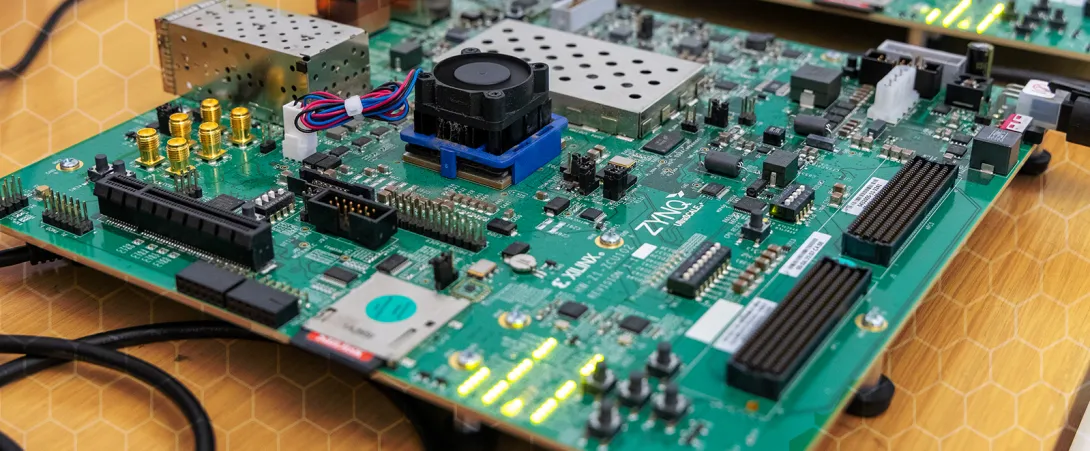
Semiconductors make our world run, but the industry faces a turning point. For decades, computer chip efficiency has doubled every two years, but that progress is slowing. To complicate the problem further, global demand for semiconductors threatens to outpace the supply. The U.S. has the opportunity to meet the growing need for chips — both by increasing domestic manufacturing and building up the workforce, which is at its lowest in decades. To bolster semiconductor research and manufacturing, in 2022, Congress passed the $52.7 billion bipartisan CHIPS and Science Act that President Joe Biden signed into law. New paradigms and pioneers are needed to make these critical advances.
Georgia Tech is playing a significant role in creating the next generation of chips, as the Institute is especially well positioned to innovate in the semiconductor field. All areas of the semiconductor stack — the components that build a chip, from hardware to artificial intelligence — are studied at Tech, and collaboration among faculty is a hallmark of its research enterprise. Such cooperation is necessary to build better chips, since they need to be reinvented in every layer of the stack.
News Contact
Media Contact: Tess Malone | tess.malone@gatech.edu
May. 29, 2024
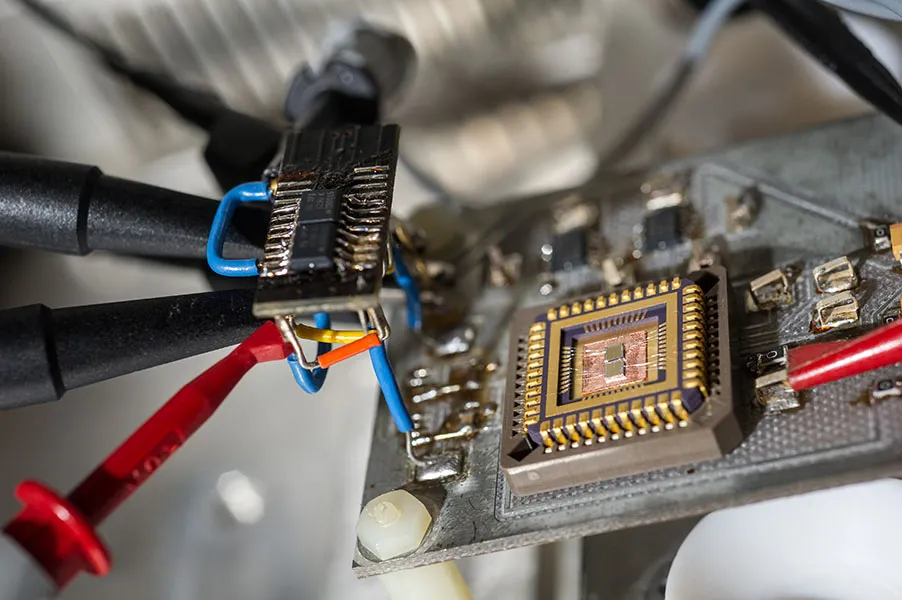
Georgia Tech has been selected as one of six universities globally to receive funding for the newly established Global Industrial Technology Cooperation Center. The announcement was made by the Ministry of Trade, Industry, and Energy in South Korea during the Global Open Innovation Strategy Meeting in April.
The KIAT-Georgia Tech Semiconductor Electronics Center will receive $1.8 million to establish a sustainable semiconductor electronics research partnership between Korean companies, researchers, and Georgia Tech.
“I am thrilled to announce that we have secured funding to launch a groundbreaking collaboration between Georgia Tech’s world-class researchers and Korean companies,” said Hong Yeo, associate professor and Woodruff Faculty Fellow in the George W. Woodruff School of Mechanical Engineering and the Wallace H. Coulter Department of Biomedical Engineering. “This initiative will drive the development of cutting-edge technologies to advance semiconductor, sensors, and electronics research.”
Yeo will lead the center, and Michael Filler, interim executive director for the Institute of Electronics and Nanotechnology, and Muhannad Bakir, director of the 3D Advanced Packaging Research Center, will serve as co-PIs.
The center will focus on advancing semiconductor research, a critical area of technology that forms the backbone of modern electronics.
The Cooperation Center is a global technology collaboration platform designed to facilitate international joint research and development planning, partner matching, and local support for domestic researchers. The selection of Georgia Tech underscores the Institute’s leadership and expertise in the field of semiconductors.
News Contact
Amelia Neumeister
Research Communications Program Manager
May. 23, 2024
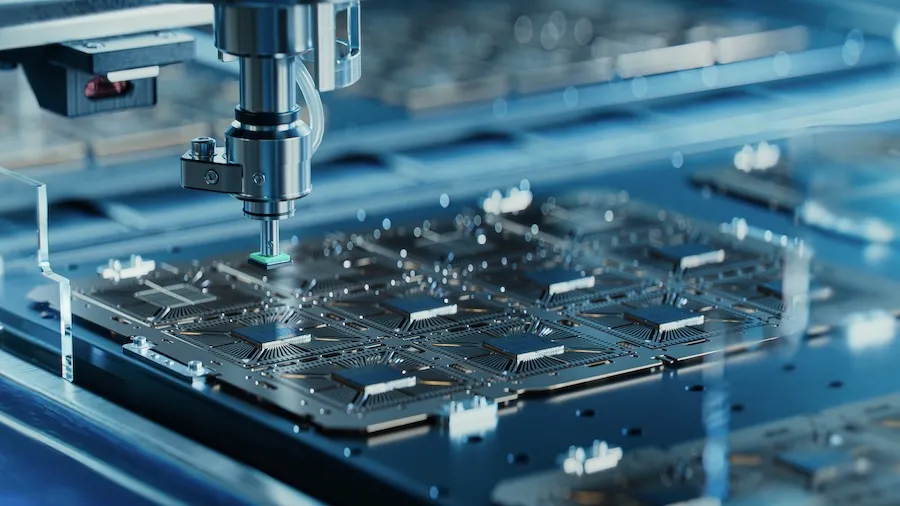
The Biden-Harris Administration announced that the U.S. Department of Commerce and Absolics, an affiliate of the Korea-based SKC, have signed a non-binding preliminary memorandum of terms to provide up to $75 million in direct funding under the CHIPS and Science Act to help advance U.S. technology leadership. The proposed investment would support the construction of a 120,000 square-foot facility in Covington, Georgia and the development of substrates technology for use in semiconductor advanced packaging. Started through a collaboration with the 3D Packaging Research Center at Georgia Tech, Absolics’ project serves as an example of American lab-to-fab development and production.
"Glass-core packaging holds the promise to revolutionize the field of advanced packaging and impact major paradigms such as artificial intelligence, mm-wave/THz communication, and photonic connectivity," said Muhannad Bakir, Dan Fielder Professor in the School of Electrical and Computer Engineering and Director of the 3D Systems Packaging Research Center at Georgia Tech. "We look forward to supporting Absolics in establishing a glass-core packaging facility in the State of Georgia through workforce development initiatives."
Because of President Biden’s CHIPS and Science Act, this proposed investment would support over an estimated 1,000 construction jobs and approximately 200 manufacturing and R&D jobs in Covington and enhance innovation capacity at Georgia Institute of Technology, supporting the local semiconductor talent pipeline.
The proposed investment with Absolics is the first proposed CHIPS investment in a commercial facility supporting the semiconductor supply chain by manufacturing a new advanced material.
News Contact
Amelia Neumeister
Research Communications Program Manager
May. 02, 2024
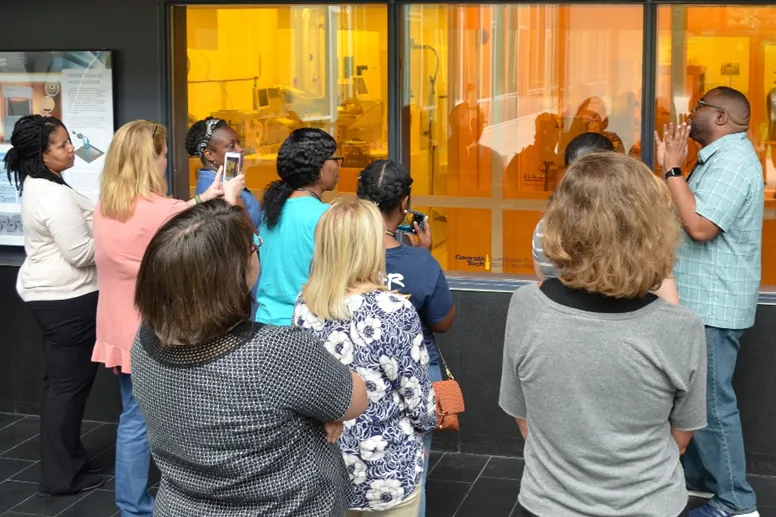
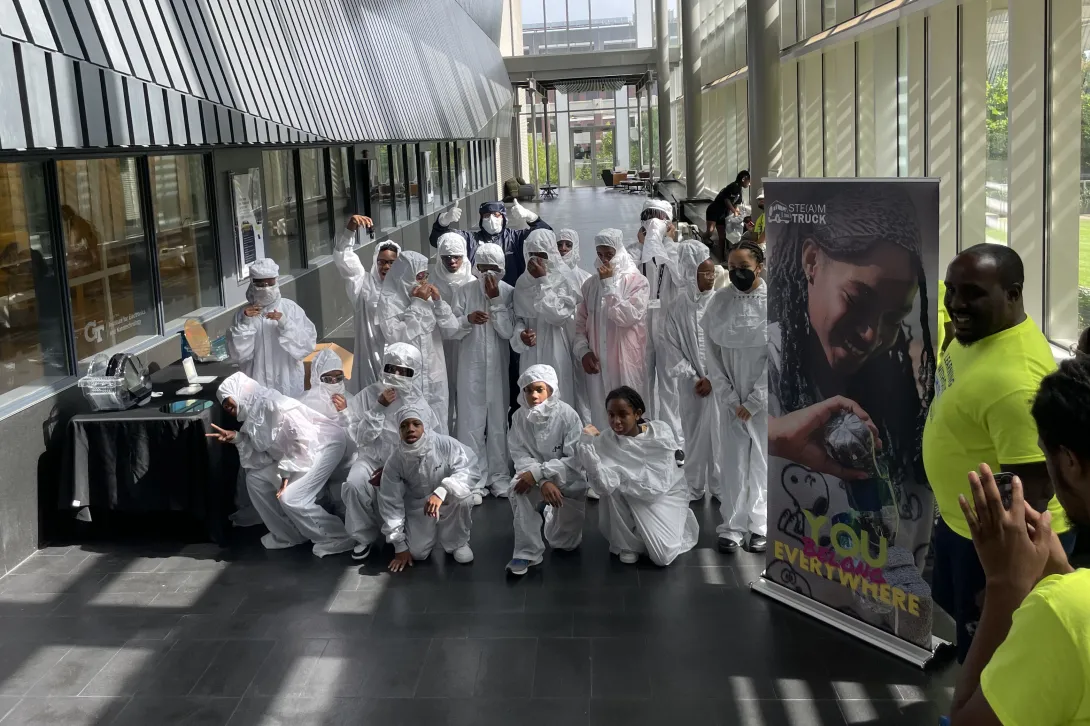
When Amy Bonecutter-Leonard was a second-semester undergraduate at the Georgia Institute of Technology, she applied for a work-study job in the cleanroom at the Microelectronics Research Center (MiRC). There, she learned process techniques for making the same type of electronic chips used in cellphones.
With this new knowledge, she could train and help other students with their research. At the time, Bonecutter-Leonard was a chemical engineering major with no plans to go into microelectronics. Working in the cleanroom changed that.
“I fell in love with microelectronics through exposure to the research and development work performed in the cleanroom,” she said.
What started as a student job led to her taking microelectronics classes — and eventually to a career in the field. “My work-study prepared me with hands-on technical skills I would have never learned from just being in a classroom,” she said. Now, Bonecutter-Leonard works as a microelectronics business chief engineer at defense contractor L3Harris Technologies.
Her story is one of many from the Institute for Electronics and Nanotechnology (IEN, the successor to MiRC), which has been training students from kindergarten to graduate school to be leaders in the microelectronics and nanotechnology space. The goal of IEN’s outreach is to make nanotechnology and microelectronics — such as computer chips and sensors — as accessible as any other science. Ultimately, these efforts will build up the U.S. workforce in the field, ensuring the country remains at the forefront of the technology that powers Americans’ everyday lives.
Building the Workforce
Bolstering the number of workers in the microelectronics industry is imperative to keep the U.S. globally competitive. Right now, 40% of the industry's labor force is older than 50, with practitioners aging out of their careers at a pace new talent cannot match. Additionally, heavy educational barriers to entry, including required degrees and specialized training, prevent more people from pursuing careers in the field. Without dedicated efforts, the entire sector — and the nation — will fall behind.
IEN is working to solve this pipeline problem.
“With the national semiconductor workforce aging, it is important now more than ever that we educate the next generation to move into these jobs,” said Michael Filler, IEN’s interim executive director. “IEN is proud to support the semiconductor industry by providing students with the interdisciplinary skills and hands-on technical training essential for success in this fast-paced, global field.”
Georgia Tech is uniquely positioned to lead this charge with its 28,500 square feet of academic cleanroom space, the largest in the Southeast and among the largest in the U.S. From micro-electro-mechanical systems to electronics fabrication, workers have 100 bays in which to conduct leading-edge research. These cleanrooms are also key teaching and training facilities.
IEN invites anyone from around the world, whether affiliated with the Institute or not, to become a core user of the cleanroom facilities. The center also regularly hosts short courses for external partners — academic, industry, and government — in microfabrication and soft lithography for microfluidics. Over the past three years, more than 700 people went through new-user orientation, and 193 enrolled in the short courses.
Teaching the Next Generation
Making nanotechnology — of which microelectronics is an example — educationally accessible begins before college. Each semester, more than 800 K-12 students participate in IEN’s Introduction to Nanotechnology virtual lesson. Associate Director for Education and Outreach Mikkel Thomas begins his presentations by asking a simple question: What do you know about nanotechnology?
“About 99% of the time, they say that’s what makes Ironman’s suit work,” said Thomas. “That means they’ve learned the wrong lesson — that nanotechnology is a futuristic tech and that you have to be as smart as Tony Stark to work in the field.
“But most people interact with nanotechnology multiple times throughout their day, and they have no idea they're doing it.”
Thomas also emphasizes there is a career path for everyone, even if they don’t plan to get a traditional four-year degree. Part of IEN’s workforce development initiative is to build up the entire pipeline from industry and research lab technicians at the certificate level to postdoctoral researchers.
“It’s important for us to reach kids who don’t know what career options are available in nanotechnology,” Thomas said. “We want them to know that whatever they're interested in, there is a pathway for them.”
Sixth- through eighth-grade students sparked by this conversation can attend Chip Camp, a three-day STEM summer camp sponsored by Micron. They begin with a day at IEN to learn about thin films, magic sands, ferrofluids, and measuring their height in nanometers. The rest of the camp features hands-on visits to the Materials Characterization Facility (MCF) and the IEN cleanroom, where they can try on the white “bunny suits” technicians wear in the lab.
To further their reach, IEN’s workforce development team collaborates with teachers to bring nanotechnology into classrooms. During the summer, IEN offers the Research Experience for Teachers, a training program for public school and community college teachers to conduct nanotechnology research and learn how to incorporate it into their lessons. Middle school teachers have similar opportunities through the Nanoscience Summer Institute for Middle School Teachers.
Training the Workforce
When these students get to a university like Georgia Tech, IEN hires them for work-study jobs like the one Bonecutter-Leonard had. The hands-on cleanroom training is also vital to graduate students pursuing advanced degrees.
Katie Young earned her Ph.D. in materials science and engineering at Georgia Tech. Learning her way around the IEN cleanroom was essential for her graduate studies.
“My dissertation research involved synthesizing two-dimensional materials — only a single atom thick — for permeation barriers,” she explained. “I often used the cleanroom’s vacuum systems to synthesize and process 2D materials.” Now a research scientist at the Georgia Tech Research Institute, Young still works in the cleanroom on semiconductor device fabrication, building prototype quantum and biological sensors.
IEN opportunities are not limited to graduate research. Annually, about 150 Georgia Tech undergraduate students take microelectronics packaging and devices classes, with labs taught by IEN staff in the teaching cleanroom. These courses include Integrated Circuit Fabrication (ECE 4452), in which students learn to fabricate circuit elements, and the Science and Engineering of Microelectronic Fabrication (ChBE 4050/6050, open to graduate students as well), for students interested in semiconductor materials and fabrication.
Students don’t need to enroll at Georgia Tech to benefit from training, courses, and other opportunities. IEN’s internship program provides technical college students with training to become microelectronics technicians, either through work in the Biocleanroom or in the MCF.
Empowering Future Innovators
IEN also participates in the National Science Foundation Research Experiences for Undergraduates (REU), which provides opportunities for students from underrepresented groups or who attend schools without similar facilities. While enrolled at another university, John Mark Page was introduced to Georgia Tech’s cleanroom through an REU.
“That was my first exposure to any facility of this kind, and it felt like I was looking at the future. Being in a facility that can fabricate devices at or near the atomic level — it was hard to fathom,” Page said. “I had never thought that participating in microelectronics and nanotechnology as a student, especially as an undergraduate, was something I could do.”
As a result of his REU, Page transferred to Georgia Tech — he will graduate this summer with a bachelor’s degree in electrical engineering. He also completed a second REU at the University of North Carolina at Chapel Hill, worked as a student assistant in the IEN cleanroom, and participated in a Vertically Integrated Project (VIP), Chip Scale Power and Energy.
“I was interested in the VIP because it allowed me to spend more time in the cleanroom, familiarizing myself with semiconductor fabrication methods and training on new fabrication equipment,” Page explained. His experiences inspired him to consider a future career in the semiconductor industry.
“It wasn’t only the 10-week experience of the REU that made a lasting impact on me,” he said. “It was also the relationships formed with the people of IEN. The staff there are exceptional representatives of Georgia Tech, and they make IEN a tremendous asset to the future of microelectronics and nanotechnology in the U.S.”
Biya Haile, an ECE Ph.D. student, had a similarly meaningful REU experience. Haile, whose research focuses on creating micro-electro-mechanical systems-based sensors (MEMS), described the REU as “immersive.”
“The REU project enabled me to study chemical micro-sensor technologies, as well as state-of-the-art additive nano-manufacturing techniques, which has contributed to my research,” he said. “I feel lucky that my academic journey has entailed developing new technologies that use nanoscience to solve big problems.”
While Haile is currently focused more on designing and testing rapid processes for fabricating MEMS-based devices, he still occasionally works in the cleanroom on fabrication. He plans to go into the microelectronics industry after graduating.
The Path Ahead
All of IEN’s training and educational offerings align with IEN’s mission to bolster and diversify the microelectronics workforce, according to George White, senior director of strategic partnerships for the Georgia Tech research enterprise. “IEN has been at the forefront of the CHIPS infrastructure buildout, particularly in the area of education and workforce development,” he noted.
IEN’s efforts impact not just Atlanta but the entire country. Georgia Tech’s leadership in microelectronics research trains the innovators and practitioners of the future everywhere and ensures that America stays at the forefront of leading-edge technology. As demand increases for microelectronics, IEN is moving to meet it.
Effective July 1, 2024, the Institute for Electronics and Nanotechnology and the Institute for Materials will evolve into the Institute for Matter and Systems (IMS). This strategic union aims to foster convergent research at Georgia Tech, focusing on the science, technology, and societal underpinnings of cutting-edge materials and devices. Eric Vogel will be the director of IMS, and Michael Filler will be the deputy director.
May. 02, 2024

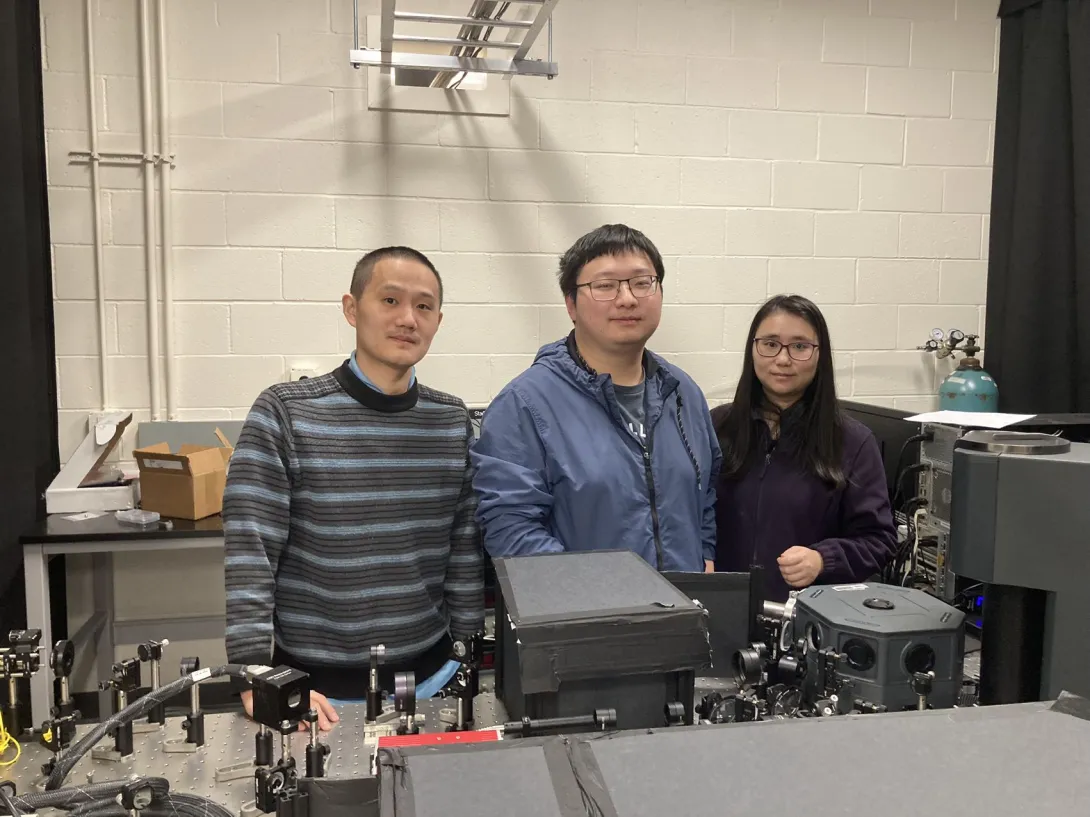
Quantum sensors detect the smallest of environmental changes — for example, an atom reacting to a magnetic field. As these sensors “read” the unique behaviors of subatomic particles, they also dramatically improve scientists’ ability to measure and detect changes in our wider environment.
Monitoring these tiny changes results in a wide range of applications — from improving navigation and natural disaster forecasting, to smarter medical imaging and detection of biomarkers of disease, gravitational wave detection, and even better quantum communication for secure data sharing.
Georgia Tech physicists are pioneering new quantum sensing platforms to aid in these efforts. The research team’s latest study, “Sensing Spin Wave Excitations by Spin Defects in Few-Layer Thick Hexagonal Boron Nitride” was published in Science Advances this week.
The research team includes School of Physics Assistant Professors Chunhui (Rita) Du and Hailong Wang (corresponding authors) alongside fellow Georgia Tech researchers Jingcheng Zhou, Mengqi Huang, Faris Al-matouq, Jiu Chang, Dziga Djugba, and Professor Zhigang Jiang and their collaborators.
An ultra-sensitive platform
The new research investigates quantum sensing by leveraging color centers — small defects within crystals (Du’s team uses diamonds and other 2D layered materials) that allow light to be absorbed and emitted, which also give the crystal unique electronic properties.
By embedding these color centers into a material called hexagonal boron nitride (hBN), the team hoped to create an extremely sensitive quantum sensor — a new resource for developing next-generation, transformative sensing devices.
For its part, hBN is particularly attractive for quantum sensing and computing because it could contain defects that can be manipulated with light — also known as "optically active spin qubits."
The quantum spin defects in hBN are also very magnetically sensitive, and allow scientists to “see” or “sense” in more detail than other conventional techniques. In addition, the sheet-like structure of hBN is compatible with ultra-sensitive tools like nanodevices, making it a particularly intriguing resource for investigation.
The team’s research has resulted in a critical breakthrough in sensing spin waves, Du says, explaining that “in this study, we were able to detect spin excitations that were simply unattainable in previous studies.”
Detecting spin waves is a fundamental component of quantum sensing, because these phenomena can travel for long distances, making them an ideal candidate for energy-efficient information control, communication, and processing.
The future of quantum
“For the first time, we experimentally demonstrated two-dimensional van der Waals quantum sensing — using few-layer thick hBN in a real-world environment,” Du explains, underscoring the potential the material holds for precise quantum sensing. “Further research could make it possible to sense electromagnetic features at the atomic scale using color centers in thin layers of hBN.”
Du also emphasizes the collaborative nature of the research, highlighting the diverse skill sets and resources of researchers within Georgia Tech.
“Within the School of Physics, Professor Zhigang Jiang's research group provided the team with high-quality hBN crystals. Jingcheng Zhou, who is a member of both Professor Hailong Wang’s and my research teams, performed the cutting-edge quantum sensing measurements,” she says. “Many incredible students also helped with this project.”
Du is a leading scientist in the field of quantum sensing — this year, she received a new grant from the U.S. Department of Energy, along with a Sloan Research Fellowship for her pioneering work on developing state-of-the-art quantum sensing techniques for quantum information technology applications. The prestigious Sloan award recognizes researchers whose “creativity, innovation, and research accomplishments make them stand out as the next-generation of leaders in the fields.”
This work is supported by the U. S. National Science Foundation (NSF) under award No. DMR-2342569, the Air Force Office of Scientific Research under award No. FA9550-20-1-0319 and its Young Investigator Program under award No. FA9550-21-1-0125, the Office of Naval Research (ONR) under grant No. N00014-23-1-2146, NASA-REVEALS SSERVI (CAN No. NNA17BF68A), and NASA-CLEVER SSERVI (CAN No. 80NSSC23M0229).
News Contact
Written by Selena Langner
Contact: Jess Hunt-Raston
Director of Communications
College of Sciences at Georgia Tech
Apr. 22, 2024

Effective July 1, Eric Vogel will become the executive director of the Institute for Matter and Systems (IMS), Georgia Tech’s newest Interdisciplinary Research Institute (IRI) that will launch on the same date.
As an evolution of the Institute for Materials (IMat) and the Institute for Electronics and Nanotechnology (IEN), IMS aims to enable convergent research at Georgia Tech related to the science, technology, and societal underpinnings of innovative materials and devices. Additionally, IMS seeks to integrate these innovations into systems that enhance human well-being and performance across information and communication, the built environment, and human-centric technologies that improve human health, wellness, and performance.
“Executive Vice President for Research Chaouki Abdallah and I are very excited about the launch of IMS, which positions Georgia Tech for integration of science and technology from atoms to devices, while explicitly drawing in researchers in the social sciences, design, business, and computing,” said Vice President of Interdisciplinary Research Julia Kubanek.
“IMS will ensure relevance across Georgia Tech through its newly configured Internal Advisor and Ambassador Board with representation across all six Colleges and GTRI,” she said. “Additional advisory committees representing IMS employees and facility users will ensure that we don’t sacrifice any of the research excellence for which IEN and IMat are known. With IMS I expect we will be even better positioned to tackle research problems that will have the greatest positive societal impact.”
Vogel will continue in his current position as the executive director of IMat until the launch of IMS. In addition to leading and growing IMat, Vogel is the Hightower Professor of Materials Science and Engineering at Georgia Tech’s School of Materials Science and Engineering, and he served as the IEN deputy director prior to leading IMat.
“It is an honor to be appointed executive director of the Institute for Matter and Systems, and I look forward to collaborating with the talented faculty and staff associated with it,” said Vogel. “This opportunity allows us to leverage the core competencies of IEN and IMat while extending our capabilities beyond nanotechnology and materials science. Together, we will be a hub for interdisciplinary research ranging from advanced materials to complex systems that solve global challenges.”
Georgia Tech’s IRIs facilitate collaboration between researchers and students from its six Colleges, the Georgia Tech Research Institute, national laboratories, and corporate entities to tackle critical topics of strategic significance for the Institute as well as for local, state, national, and international communities. IMS will also house and maintain the state-of-the-art Materials Characterization Facility and one of the largest academic cleanrooms in the nation, which offers a broad range of fabrication capabilities from basic discovery to prototype realization.
Before joining Georgia Tech in 2011, Vogel was an associate professor of materials science and engineering and electrical engineering at the University of Texas at Dallas. During this time, he also served as the associate director of the Texas Analog Center of Excellence and led UT Dallas’s involvement in the Southwest Academy for Nanoelectronics.
Prior to UT Dallas, he led the CMOS and Novel Devices Group and established the Nanofabrication Facility at the National Institute of Standards and Technology. Vogel holds a Ph.D. in electrical engineering from North Carolina State University and a B.S. in electrical engineering from the Pennsylvania State University. His research focuses on the development and fundamental understanding of electronic and nanomaterials and devices.
News Contact
Laurie Haigh
Research Communications