
Jul. 20, 2021
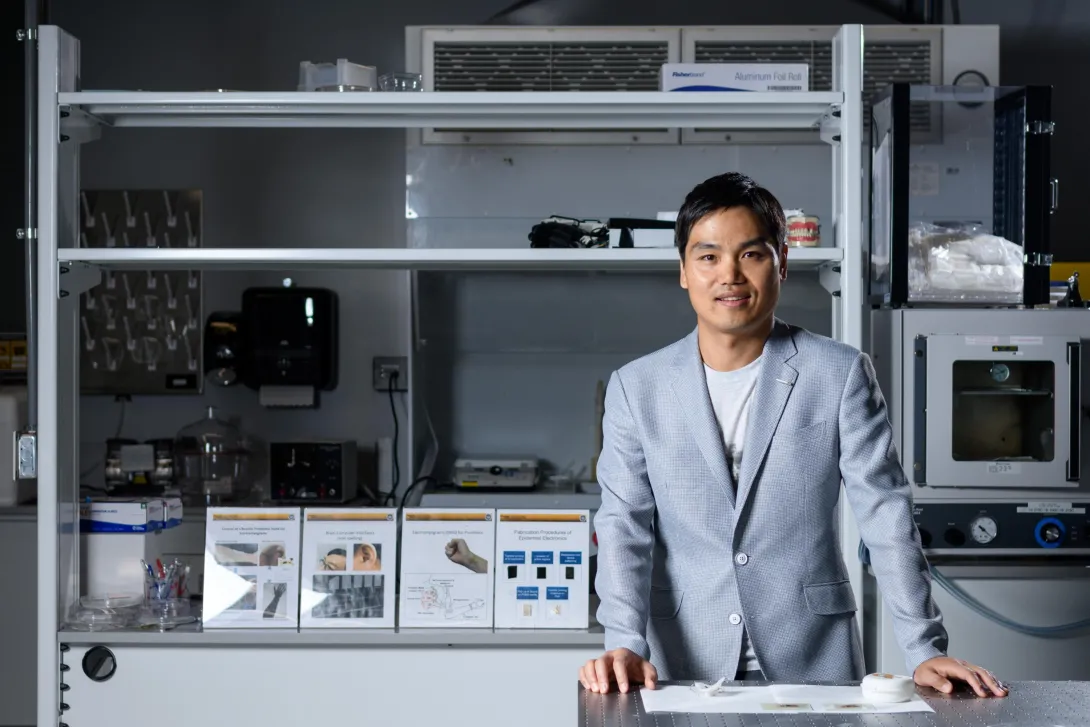
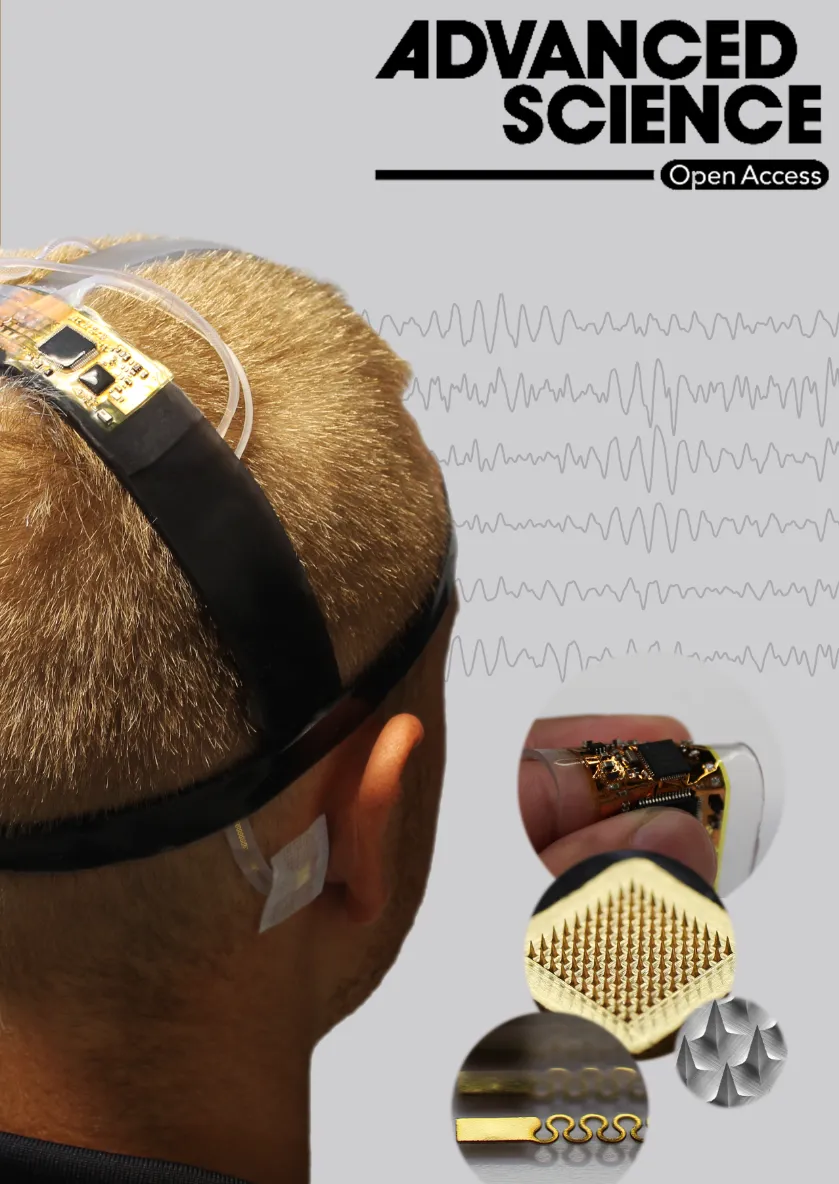
A new wearable brain-machine interface (BMI) system could improve the quality of life for people with motor dysfunction or paralysis, even those struggling with locked-in syndrome – when a person is fully conscious but unable to move or communicate.
A multi-institutional, international team of researchers led by the lab of Woon-Hong Yeo at the Georgia Institute of Technology combined wireless soft scalp electronics and virtual reality in a BMI system that allows the user to imagine an action and wirelessly control a wheelchair or robotic arm.
The team, which included researchers from the University of Kent (United Kingdom) and Yonsei University (Republic of Korea), describes the new motor imagery-based BMI system this month in the journal Advanced Science.
“The major advantage of this system to the user, compared to what currently exists, is that it is soft and comfortable to wear, and doesn’t have any wires,” said Yeo, associate professor on the George W. Woodruff School of Mechanical Engineering.
BMI systems are a rehabilitation technology that analyzes a person’s brain signals and translates that neural activity into commands, turning intentions into actions. The most common non-invasive method for acquiring those signals is ElectroEncephaloGraphy, EEG, which typically requires a cumbersome electrode skull cap and a tangled web of wires.
These devices generally rely heavily on gels and pastes to help maintain skin contact, require extensive set-up times, are generally inconvenient and uncomfortable to use. The devices also often suffer from poor signal acquisition due to material degradation or motion artifacts – the ancillary “noise” which may be caused by something like teeth grinding or eye blinking. This noise shows up in brain-data and must be filtered out.
The portable EEG system Yeo designed, integrating imperceptible microneedle electrodes with soft wireless circuits, offers improved signal acquisition. Accurately measuring those brain signals is critical to determining what actions a user wants to perform, so the team integrated a powerful machine learning algorithm and virtual reality component to address that challenge.
The new system was tested with four human subjects, but hasn’t been studied with disabled individuals yet.
“This is just a first demonstration, but we’re thrilled with what we have seen,” noted Yeo, Director of Georgia Tech’s Center for Human-Centric Interfaces and Engineering under the Institute for Electronics and Nanotechnology, and a member of the Petit Institute for Bioengineering and Bioscience.
New Paradigm
Yeo’s team originally introduced soft, wearable EEG brain-machine interface in a 2019 study published in the Nature Machine Intelligence. The lead author of that work, Musa Mahmood, was also the lead author of the team’s new research paper.
“This new brain-machine interface uses an entirely different paradigm, involving imagined motor actions, such as grasping with either hand, which frees the subject from having to look at too much stimuli,” said Mahmood, a Ph. D. student in Yeo’s lab.
In the 2021 study, users demonstrated accurate control of virtual reality exercises using their thoughts – their motor imagery. The visual cues enhance the process for both the user and the researchers gathering information.
“The virtual prompts have proven to be very helpful,” Yeo said. “They speed up and improve user engagement and accuracy. And we were able to record continuous, high-quality motor imagery activity.”
According to Mahmood, future work on the system will focus on optimizing electrode placement and more advanced integration of stimulus-based EEG, using what they’ve learned from the last two studies.
This research was supported by the National Institutes of Health (NIH R21AG064309), the Center Grant (Human-Centric Interfaces and Engineering) at Georgia Tech, the National Research Foundation of Korea (NRF-2018M3A7B4071109 and NRF-2019R1A2C2086085) and Yonsei-KIST Convergence Research Program. Georgia Tech has a pending patent application related to the work described in this paper.
Citation: Musa Mahmood, et al., “Wireless Soft Scalp Electronics and Virtual Reality System for Motor Imagery-based Brain-Machine Interfaces.” (Advanced Science, July 2021)
Links
Center for Human-Centric Interfaces and Engineering
Petit Institute for Bioengineering and Bioscience
George W. Woodruff School of Mechanical Engineering
Apr. 05, 2021
By Jessica Barber
On April 21, 2021, biomedical engineering student Michael Pullen will serve as Georgia Tech’s representative in the fifth annual ACC InVenture Prize. Here he will compete with teams from twelve other universities for the chance to take home $30,000 in prizes.
Pullen’s invention first took root when he experienced the struggle of getting turf burn while playing football. While most players seek protection through regular compression sleeves, this often leads to decreased grip, more fumbles, and difficulty in maneuvering plays.
While working in sports medicine with the Atlanta Falcons, Pullen found a way to directly avoid this problem. LZRD Sleeve is a compressive sleeve that integrates gripping and moisture-wicking technology to deliver protection and control without sacrificing mobility nor comfort.
Since then, LZRD Sleeve has secured its place in non-athletic arenas. A year ago, the world of sports halted due to COVID-19 shutdowns. It was then that Pullen sought other applications for his innovative sleeve — LZRD Sleeve has expanded its market to delivery drivers, gardeners, and maintenance workers seeking better performance and protection from harm.
LZRD Sleeve is now being used by the largest U.S. courier service, and it has also been featured in Neil DeGrasse Tyson’s podcast StarTalk. On the same hand, Pullen has been in contact with a whopping five Fortune 500 companies. He ultimately hopes that InVenture Prize will show that with hard work, nothing is impossible.
“Never in a million years would I have thought I would be representing Georgia Tech in the ACC InVenture Prize. Getting out of your comfort zone and trying new things is important, and by winning, I hope to set an example so that others might do the same,” Pullen stated.
Overall, winning the ACC InVenture Prize would allow LZRD Sleeve to expand even further through capital investments, uptakes in production, and coverage of associated legal fees.
The Georgia Tech community is encouraged to show Pullen its support through voting for the People’s Choice Award of $5,000. Voting is open from 8 a.m. on Monday, April 5 until midnight on Tuesday, April 6.
To vote, please text GATech to win the ACC InVenture Prize People’s Choice Award to 415-965-7445.
Winners will be announced on Wednesday, April 21 at 7 p.m. on PBS stations throughout the ACC region.
More information about LZRD Sleeve can be found at lzrdtech.com.
News Contact
Recha Reid
Office of Undergraduate Education
Mar. 08, 2021
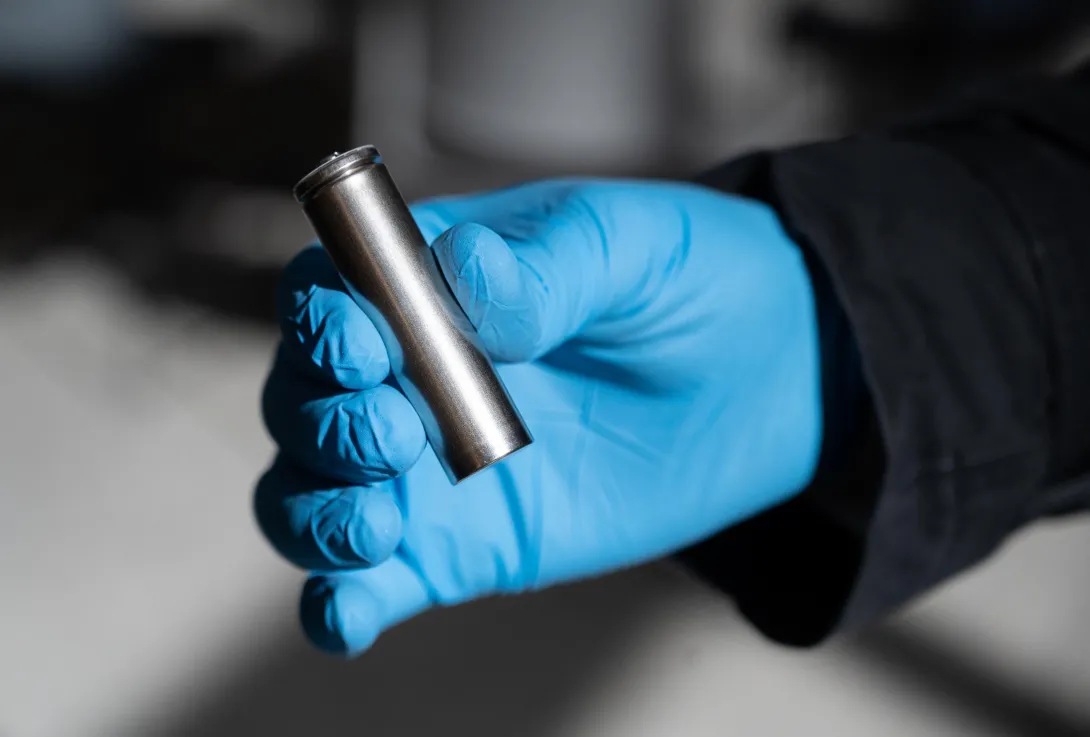

A new fabrication technique could allow solid-state automotive lithium-ion batteries to adopt nonflammable ceramic electrolytes using the same production processes as in batteries made with conventional liquid electrolytes.
The melt-infiltration technology developed by materials science researchers at the Georgia Institute of Technology uses electrolyte materials that can be infiltrated into porous yet densely packed, thermally stable electrodes. The one-step process produces high-density composites based on pressure-less, capillary-driven infiltration of a molten solid electrolyte into porous bodies, including multilayered electrode-separator stacks.
“While the melting point of traditional solid state electrolytes can range from 700 degrees Celsius to over 1,000 degrees Celsius, we operate at a much lower temperature range, depending on the electrolyte composition, roughly from 200 to 300 degrees Celsius,” explained Gleb Yushin, a professor in the School of Materials Science and Engineering at Georgia Tech. “At these lower temperatures, fabrication is much faster and easier. Materials at low temperatures don’t react. The standard electrode assemblies, including the polymer binder or glue, can be stable in these conditions.”
The new technique, to be reported March 8 in the journal Nature Materials, could allow large automotive Li-ion batteries to be made safer with 100% solid-state nonflammable ceramic rather than liquid electrolytes using the same manufacturing processes of conventional liquid electrolyte battery production. The patent-pending manufacturing technology mimics low-cost fabrication of commercial Li-ion cells with liquid electrolytes, but instead uses solid state electrolytes with low melting points that are melted and infiltrated into dense electrodes. As a result, high-quality multi-layered cells of any size or shape could be rapidly manufactured at scale using proven tools and processes developed and optimized over the last 30 years for Li-ion.
“Melt-infiltration technology is the key advance. The cycle life and stability of Li-ion batteries depend strongly on the operating conditions, particularly temperature,” Georgia Tech graduate student Yiran Xiao explained. “If batteries are overheated for a prolonged period, they commonly begin to degrade prematurely, and overheated batteries may catch on fire. That has prompted nearly all electric vehicles (EV) to include sophisticated and rather expensive cooling systems.” In contrast, solid-state batteries may only require heaters, which are significantly less expensive than cooling systems.
Yushin and Xiao are encouraged by the potential of this manufacturing process to enable battery makers to produce lighter, safer, and more energy-dense batteries.
“The developed melt-infiltration technology is compatible with a broad range of material chemistries, including so-called conversion-type electrodes. Such materials have been demonstrated to increase automotive cell energy density by over 20% now and by more than 100% in the future,” said co-author and Georgia Tech research scientist Kostiantyn Turcheniuk, noting that higher density cells support longer driving ranges. The cells need high-capacity electrodes for that performance leap.
Georgia Tech’s technique is not yet commercially ready, but Yushin predicts that if a significant portion of the future EV market embraces solid-state batteries, “This would probably be the only way to go,” since it will allow manufacturers to use their existing production facilities and infrastructure.
“That’s why we focused on this project – it was one of the most commercially viable areas of innovation for our lab to pursue,” he said.
Battery cell prices hit $100 per kilowatt hour for the first time in 2020. According to Yushin, they will need to drop below $70 per kilowatt hour before the consumer EV market can fully open. Battery innovation is critical to that occurring.
The Materials Science lab team currently is focused on developing other electrolytes that will have lower melting points and higher conductivities using the same technique proven in the lab.
Yushin envisions this research team’s manufacturing advance opening the floodgates to more innovation in this area.
“So many incredibly smart scientists are focused on solving very challenging scientific problems, while completely ignoring economic and technical practicality. They are studying and optimizing very high-temperature electrolytes that are not only dramatically more expensive to use in cells but are also up to five times heavier compared with liquid electrolytes,” he explained. “My goal is to push the research community to look outside that chemical box.”
In addition to Yushin, Xiao and Turcheniuk, co-authors included Aashray Narla, Ah-Young Song, Alexandre Magasinski, Ayush Jain, Sheirley Huang, and Haewon Lee from Georgia Tech, and Xiaolei Re from both Georgia Tech and Chongqing Technology and Business University in China.
This work was mostly supported by Sila Nanotechnologies Inc., a Georgia Tech startup, with characterization performed at the Materials Characterization Center at Georgia Tech. Any opinions, findings, and conclusions or recommendations expressed in this material are those of the authors and do not necessarily reflect the views of the sponsoring organization.
Gleb Yushin is co-founder, CTO, and a stockholder of Sila. Yushin is entitled to royalties derived from Sila’s sale of products related to the research described in this paper. This study could affect his personal financial status. The terms of this arrangement have been reviewed and approved by Georgia Tech in accordance with its conflict of interest policies.
CITATION: Y. Xiao, et al., “Electrolyte Melt-Infiltration for Scalable Manufacturing of Inorganic All-Solid-State Lithium-Ion Batteries.” (Nature Materials, 2021) https://dx.doi.org/10.1038/s41563-021-00943-2.
News Contact
Anne Wainscott-Sargent
Research News
(404-435-5784)
Feb. 22, 2021
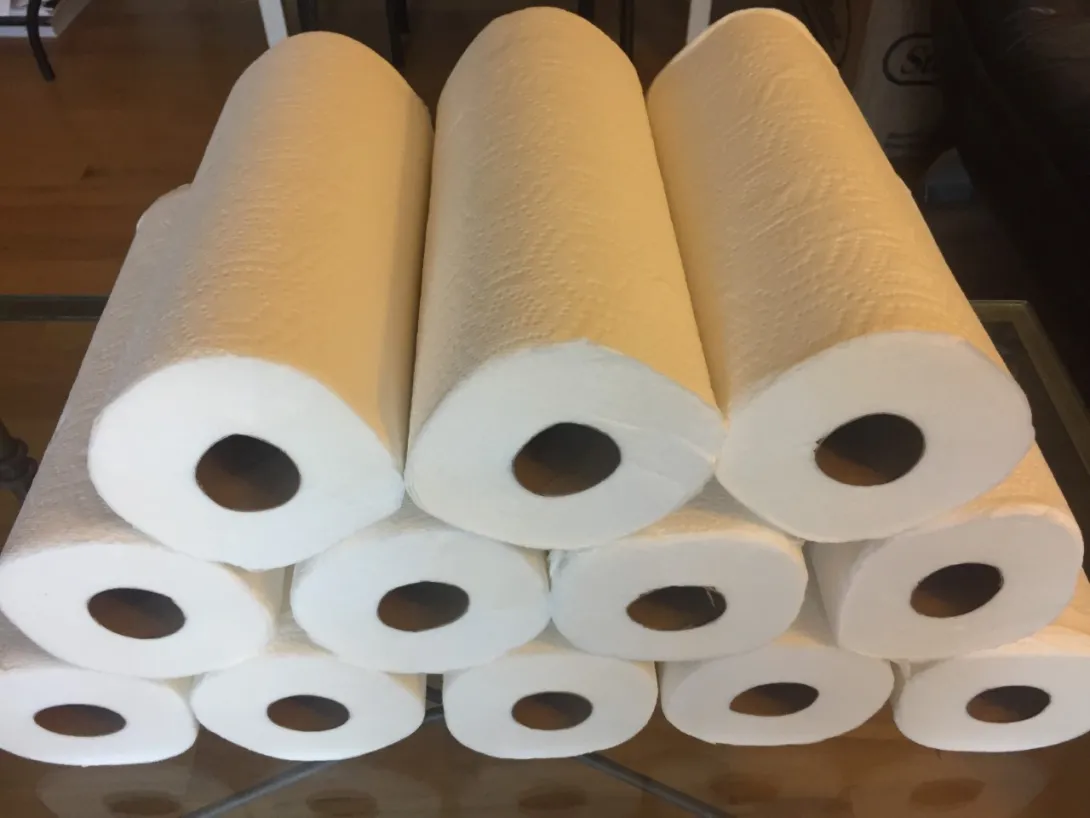

The U.S. pulp and paper industry uses large quantities of water to produce cellulose pulp from trees. The water leaving the pulping process contains a number of organic byproducts and inorganic chemicals. To reuse the water and the chemicals, paper mills rely on steam-fed evaporators that boil up the water and separate it from the chemicals.
Water separation by evaporators is effective but uses large amounts of energy. That’s significant given that the United States currently is the world’s second-largest producer of paper and paperboard. The country’s approximately 100 paper mills are estimated to use about 0.2 quads (a quad is a quadrillion BTUs) of energy per year for water recycling, making it one of the most energy-intensive chemical processes. All industrial energy consumption in the United States in 2019 totaled 26.4 quads, according to Lawrence Livermore National Laboratory.
An alternative is to deploy energy-efficient filtration membranes to recycle pulping wastewater. But conventional polymer membranes — commercially available for the past several decades — cannot withstand operation in the harsh conditions and high chemical concentrations found in pulping wastewater and many other industrial applications.
Georgia Institute of Technology researchers have found a method to engineer membranes made from graphene oxide (GO), a chemically resistant material based on carbon, so they can work effectively in industrial applications.
“GO has remarkable characteristics that allow water to get through it much faster than through conventional membranes,” said Sankar Nair, professor, Simmons Faculty Fellow, and associate chair for Industry Outreach in the Georgia Tech School of Chemical and Biomolecular Engineering. “But a longstanding question has been how to make GO membranes work in realistic conditions with high chemical concentrations so that they could become industrially relevant.”
Using new fabrication techniques, the researchers can control the microstructure of GO membranes in a way that allows them to continue filtering out water effectively even at higher chemical concentrations.
The research, supported by the U.S. Department of Energy-RAPID Institute, an industrial consortium of forest product companies, and Georgia Tech’s Renewable Bioproducts Institute, was reported recently in the journal Nature Sustainability. Many industries that use large amounts of water in their production processes may stand to benefit from using these GO nanofiltration membranes.
Nair, his colleagues Meisha Shofner and Scott Sinquefield, and their research team began this work five years ago. They knew that GO membranes had long been recognized for their great potential in desalination, but only in a lab setting. “No one had credibly demonstrated that these membranes can perform in realistic industrial water streams and operating conditions,” Nair said. “New types of GO structures were needed that displayed high filtration performance and mechanical stability while retaining the excellent chemical stability associated with GO materials.”
To create such new structures, the team conceived the idea of sandwiching large aromatic dye molecules in between GO sheets. Researchers Zhongzhen Wang, Chen Ma, and Chunyan Xu found that these molecules strongly bound themselves to the GO sheets in multiple ways, including stacking one molecule on another. The result was the creation of “gallery” spaces between the GO sheets, with the dye molecules acting as “pillars.” Water molecules easily filter through the narrow spaces between the pillars, while chemicals present in the water are selectively blocked based on their size and shape. The researchers could tune the membrane microstructure vertically and laterally, allowing them to control both the height of the gallery and the amount of space between the pillars.
The team then tested the GO nanofiltration membranes with multiple water streams containing dissolved chemicals and showed the capability of the membranes to reject chemicals by size and shape, even at high concentrations. Ultimately, they scaled up their new GO membranes to sheets that are up to 4 feet in length and demonstrated their operation for more than 750 hours in a real feed stream derived from a paper mill.
Nair expressed excitement for the potential of GO membrane nanofiltration to generate cost savings in paper mill energy usage, which could improve the industry’s sustainability. “These membranes can save the paper industry more than 30% in energy costs of water separation,” he said.
Georgia Tech continues to work with its industrial partners to apply the GO membrane technology for pulp and paper applications.
This work is supported by the U.S. Department of Energy (DOE) Rapid Advancement in Process Intensification Deployment (RAPID) Institute (#DE-EE007888-5-5), an industrial consortium comprising Georgia-Pacific, International Paper, SAPPI, and WestRock, and the Georgia Tech Renewable Bioproducts Institute. Any opinions, findings, and conclusions or recommendations expressed in this material are those of the authors and do not necessarily reflect the views of the sponsoring organizations.
CITATION: Zhongzhen Wang, et al., “Graphene Oxide Nanofiltration Membranes for Desalination under Realistic Conditions.” (Nature Sustainability, 2021) https://doi.org/10.1038/s41893-020-00674-3.
News Contact
Anne Wainscott-Sargent
Research News
(404-435-5784)
Feb. 22, 2021
The U.S. pulp and paper industry uses large quantities of water to produce cellulose pulp from trees. The water leaving the pulping process contains a number of organic byproducts and inorganic chemicals. To reuse the water and the chemicals, paper mills rely on steam-fed evaporators that boil up the water and separate it from the chemicals.
Water separation by evaporators is effective but uses large amounts of energy. That’s significant given that the United States currently is the world’s second-largest producer of paper and paperboard. The country’s approximately 100 paper mills are estimated to use about 0.2 quads (a quad is a quadrillion BTUs) of energy per year for water recycling, making it one of the most energy-intensive chemical processes. All industrial energy consumption in the United States in 2019 totaled 26.4 quads, according to Lawrence Livermore National Laboratory.
An alternative is to deploy energy-efficient filtration membranes to recycle pulping wastewater. But conventional polymer membranes — commercially available for the past several decades — cannot withstand operation in the harsh conditions and high chemical concentrations found in pulping wastewater and many other industrial applications.
Georgia Institute of Technology researchers have found a method to engineer membranes made from graphene oxide (GO), a chemically resistant material based on carbon, so they can work effectively in industrial applications.
“GO has remarkable characteristics that allow water to get through it much faster than through conventional membranes,” said Sankar Nair, professor, Simmons Faculty Fellow, and associate chair for Industry Outreach in the Georgia Tech School of Chemical and Biomolecular Engineering. “But a longstanding question has been how to make GO membranes work in realistic conditions with high chemical concentrations so that they could become industrially relevant.”
Using new fabrication techniques, the researchers can control the microstructure of GO membranes in a way that allows them to continue filtering out water effectively even at higher chemical concentrations.
The research, supported by the U.S. Department of Energy-RAPID Institute, an industrial consortium of forest product companies, and Georgia Tech’s Renewable Bioproducts Institute, was reported recently in the journal Nature Sustainability. Many industries that use large amounts of water in their production processes may stand to benefit from using these GO nanofiltration membranes.
Nair, his colleagues Meisha Shofner and Scott Sinquefield, and their research team began this work five years ago. They knew that GO membranes had long been recognized for their great potential in desalination, but only in a lab setting. “No one had credibly demonstrated that these membranes can perform in realistic industrial water streams and operating conditions,” Nair said. “New types of GO structures were needed that displayed high filtration performance and mechanical stability while retaining the excellent chemical stability associated with GO materials.”
To create such new structures, the team conceived the idea of sandwiching large aromatic dye molecules in between GO sheets. Researchers Zhongzhen Wang, Chen Ma, and Chunyan Xu found that these molecules strongly bound themselves to the GO sheets in multiple ways, including stacking one molecule on another. The result was the creation of “gallery” spaces between the GO sheets, with the dye molecules acting as “pillars.” Water molecules easily filter through the narrow spaces between the pillars, while chemicals present in the water are selectively blocked based on their size and shape. The researchers could tune the membrane microstructure vertically and laterally, allowing them to control both the height of the gallery and the amount of space between the pillars.
The team then tested the GO nanofiltration membranes with multiple water streams containing dissolved chemicals and showed the capability of the membranes to reject chemicals by size and shape, even at high concentrations. Ultimately, they scaled up their new GO membranes to sheets that are up to 4 feet in length and demonstrated their operation for more than 750 hours in a real feed stream derived from a paper mill.
Nair expressed excitement for the potential of GO membrane nanofiltration to generate cost savings in paper mill energy usage, which could improve the industry’s sustainability. “These membranes can save the paper industry more than 30% in energy costs of water separation,” he said.
Georgia Tech continues to work with its industrial partners to apply the GO membrane technology for pulp and paper applications.
This work is supported by the U.S. Department of Energy (DOE) Rapid Advancement in Process Intensification Deployment (RAPID) Institute (#DE-EE007888-5-5), an industrial consortium comprising Georgia-Pacific, International Paper, SAPPI, and WestRock, and the Georgia Tech Renewable Bioproducts Institute. Any opinions, findings, and conclusions or recommendations expressed in this material are those of the authors and do not necessarily reflect the views of the sponsoring organizations.
CITATION: Zhongzhen Wang, et al., “Graphene Oxide Nanofiltration Membranes for Desalination under Realistic Conditions.” (Nature Sustainability, 2021) https://doi.org/10.1038/s41893-020-00674-3.
News Contact
Anne Wainscott-Sargent
Research News
(404-435-5784)
Feb. 26, 2021
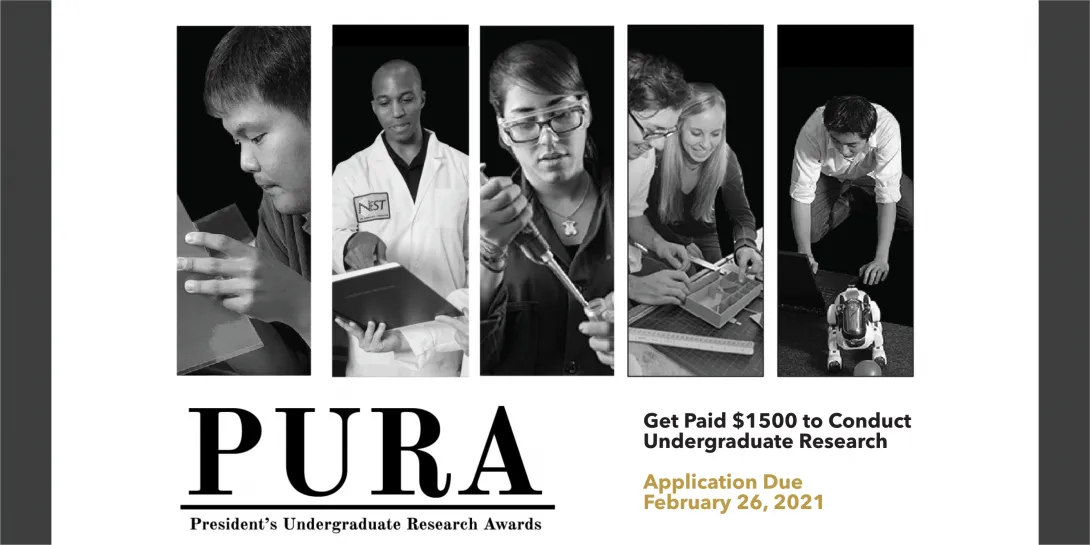
The President's Undergraduate Research Award pays selected students $1500 to conduct undergraduate research. Applications for summer 2021 funding are due on February 26, 2021.
Apply online at urop.gatech.edu
Dec. 07, 2020
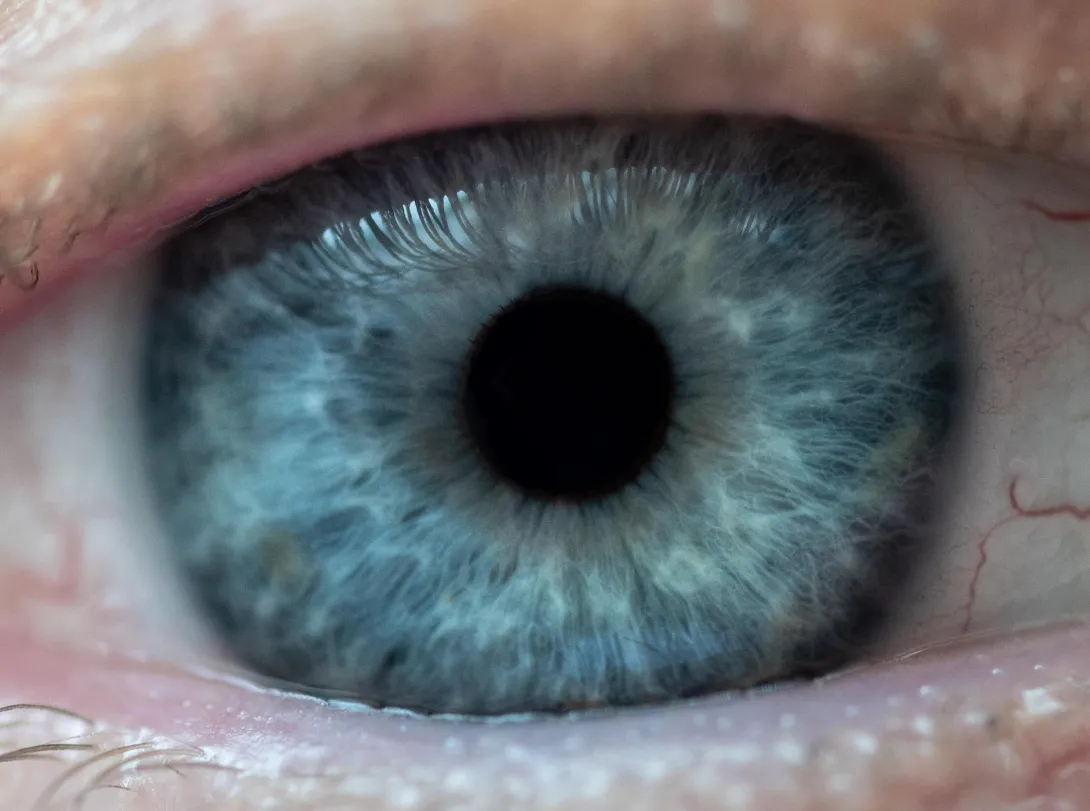
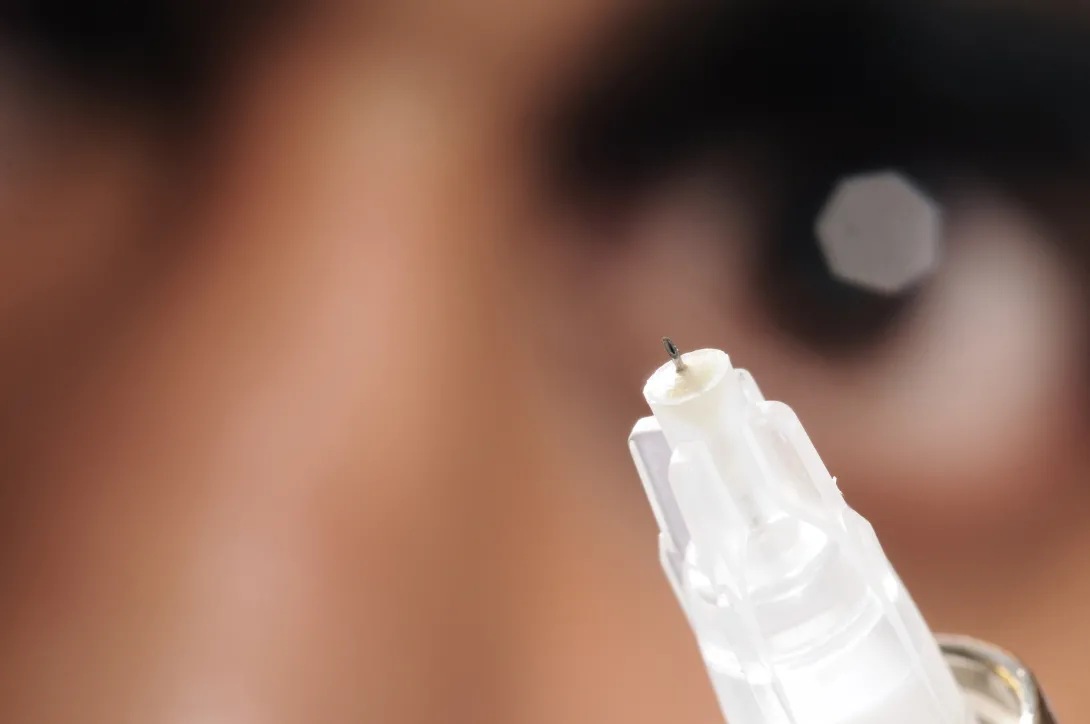
Researchers have developed a potential new treatment for the eye disease glaucoma that could replace daily eyedrops and surgery with a twice-a-year injection to control the buildup of pressure in the eye. The researchers envision the injection being done as an office procedure that could be part of regular patient visits.
The possible treatment, which could become the first non-drug, non-surgical, long-acting therapy for glaucoma, uses the injection of a natural and biodegradable material to create a viscous hydrogel — a water-absorbing crosslinked polymer structure — that opens an alternate pathway for excess fluid to leave the eye.
“The holy grail for glaucoma is an efficient way to lower the pressure that doesn’t rely on the patient putting drops in their eyes every day, doesn’t require a complicated surgery, has minimal side effects, and has a good safety profile,” said Ross Ethier, professor and Georgia Research Alliance Lawrence L. Gellerstedt Jr. Eminent Scholar in Bioengineering in the Wallace H. Coulter Department of Biomedical Engineering at Georgia Tech and Emory University. “I am excited about this technique, which could be a game-changer for the treatment of glaucoma.”
The research, which was supported by the National Eye Institute and the Georgia Research Alliance, was published Dec. 7 in the journal Advanced Science. The research was conducted in animals, and shows that the approach significantly lowered the intraocular pressure.
As many as 75 million people worldwide have glaucoma, which is the leading cause of irreversible blindness. Glaucoma damage is caused by excess pressure in the eye that injures the optic nerve. Current treatments attempt to reduce this intraocular pressure through the daily application of eyedrops, or through surgery or implantation of medical devices, but these treatments are often unsuccessful.
To provide an alternative, Ethier teamed up with Mark Prausnitz, professor and J. Erskine Love Jr. Chair in the School of Chemical and Biomolecular Engineering at Georgia Tech, to use a tiny hollow needle to inject a polymer preparation into a structure just below the surface of the eye called the suprachoroidal space (SCS). Inside the eye, the material chemically crosslinks to form the hydrogel, which holds open a channel in the SCS that allows aqueous humor from within the eye to drain out of the eye through the alternative pathway.
There are normally two pathways for the aqueous humor fluid to leave the eye. The dominant path is through a structure known as the trabecular meshwork, which is located at the front of the eye. The lesser pathway is through the SCS, which normally has only a very small gap. In glaucoma, the dominant pathway is blocked, so to lessen pressure, treatments are created to open the lesser pathway enough to let the aqueous humor flow out.
In this research, the hydrogel props open the SCS path. A hollow microneedle less than a millimeter long is used to inject a droplet (about 50 microliters) of the hydrogel-precursor material. That gel structure can keep the SCS pathway open for a period of months.
“We inject a viscous material and keep it at the site of the injection at the interface between the back of the eye and the front of the eye where the suprachoroidal space begins,” Prausnitz said. “By opening up that space, we tap a pathway that would not otherwise be utilized efficiently to remove liquid from the eye.”
The injection would take just a few minutes, and would involve a doctor making a small injection just below the surface of the eye in combination with numbing and cleaning the injection site. In the study, the researchers, including veterinary ophthalmologist and first author J. Jeremy Chae, did not observe significant inflammation resulting from the procedure.
The pressure reduction was sustained for four months. The researchers are now working to extend that time by modifying the polymer material — hyaluronic acid — with a goal of providing treatment benefits for at least six months. That would coincide with the office visit schedule of many patients.
“If we can get to a twice-a-year treatment, we would not disrupt the current clinical process,” Prausnitz said. “We believe the injection could be done as an office procedure during routine exams that the patients are already getting. Patients may not need to do anything to treat their glaucoma until their next office visit.”
Beyond extending the time between treatments, the researchers will need to demonstrate that the injection can be repeated without harming the eye. The procedure will also have to be tested in other animals before moving into human trials.
“The idea of having a ‘one-and-done’ treatment that lasts for six months would be particularly helpful for those whose access to healthcare is non-optimal,” Ethier said. “Having a long-acting therapy would have an additional advantage during times of pandemic or other disruption when access to healthcare is more difficult.”
This research was supported by a grant from the National Eye Institute (R01 EY025286) and by the Georgia Research Alliance. Any opinions, findings, and conclusions or recommendations expressed in this material are those of the authors and do not necessarily reflect the views of the funding agencies.
Mark Prausnitz serves as a consultant to companies, is a founding shareholder of companies, and is an inventor on patents licensed to companies developing microneedle-based products (Clearside Biomedical). These potential conflicts of interest have been disclosed and are being managed by Georgia Tech. J. Jeremy Chae, Jae Hwan Jung, Ethier, and Prausnitz are listed as co-inventors on an IP filing related to this study.
CITATION: J. Jeremy Chae, et al., “Drug-free, Non-surgical Reduction of Intraocular Pressure for Four Months After Suprachoroidal Injection of Hyaluronic Acid Hydrogel.” (Advanced Science, 2020) https://doi.org/10.1002/advs.202001908
Research News
Georgia Institute of Technology
177 North Avenue
Atlanta, Georgia 30332-0181 USA
Media Relations Contact: John Toon (404-894-6986) (jtoon@gatech.edu)
Writer: John Toon
News Contact
John Toon
Research News
(404) 894-6986
Oct. 07, 2020
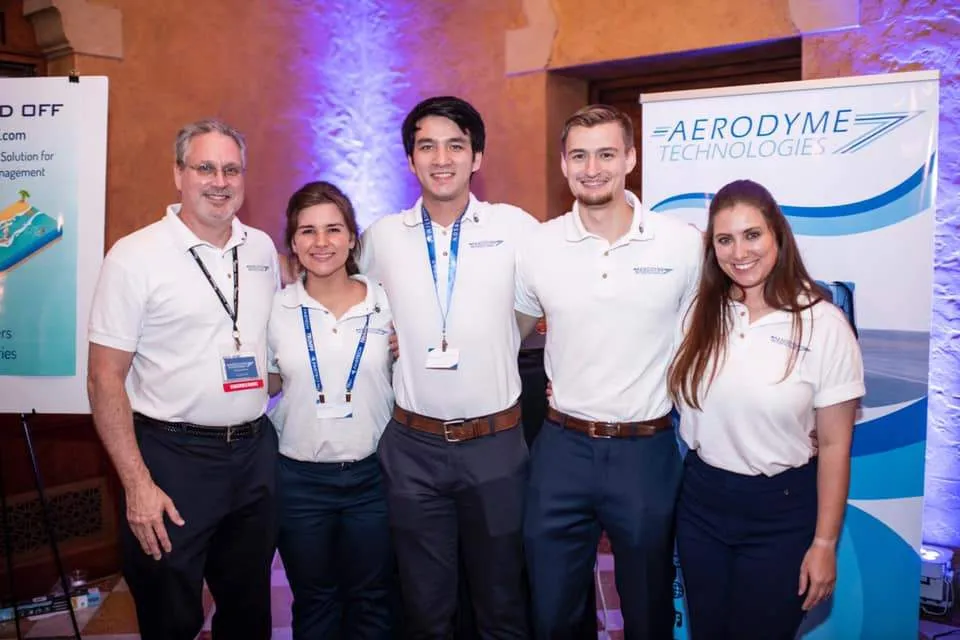
California, September 14, 2020: TiE Global hosted the 2nd edition of the TiE University Pitch Competition over the weekend. Cash prizes of close to $14,000 and almost $35,000 worth of in-kind prizes were given out to the 13 participants. TiE Atlanta’s Aerodyme Technologies from Georgia Institute of Technology came in first, winning $5000. TiE Silicon Valley’s team Ambii from San Jose State University bagged the second prize, winning $3000; while TiE Toronto’s LSK Technologies, a MedTech startup from the University of Toronto emerged as the third winner, winning $2000.
The winning team, Aerodyme Technologies has created a novel device that saves fuel costs for tractor-trailers by minimizing aerodynamic drag. Ambii, which came in second, provides an in-store music streaming platform for retail outlets, cafes and restaurants without the hassles of licensing. Third prize winner, LSK Technologies, created a diagnostic device for testing infectious diseases such as Covid19 at the point of need.
Congratulating the winning team, Mahavir Pratap Sharma, Chairman of the TiE Global Board of Trustees said, "We are proud of these young talented entrepreneurs. Their growth story from pitches at their local TiE Chapters till the Global Finals has seen a massive expansion and iteration of thought and structure. This is a complete team effort put forward by the program co-chairs and charter member mentors who helped them grow their idea, giving them thorough guidance and mentoring the students over the last few months to compete on a global stage.”
Aerodyme Technologies participated in Georgia Tech’s CREATE-X Startup Launch program during summer 2019. During the startup accelerator program, the Aerodyme team was able to conduct customer discovery and receive mentorship and funding to take their product to market. The team also won 2nd place in the 12th annual InVenture Prize competition in March 2020. As part of the competition, Aerodyme received $10,000 in cash and patent filing assistance funded by the Georgia Tech Research Corporations.
The second edition of the TiE University jointly organized by TiE Atlanta & TiE Hyderabad had 13 teams representing TiE chapters from India, Israel, UAE, Israel, USA, and Canada. These teams were previously the chapter winners and were then mentored to participate in the Global finals. After the Semi-final round on Saturday, seven teams were selected for the finals. Teams had a 10-minute pitch to an eminent Jury panel and a 5-minute live Q&A.
Speaking at the Presentation Ceremony the TiE University program co-chairs Dr. Paul Lopez, SubbaRaju Pericherlaand Viiveck Verma, said they are looking to expand the program participation to 40 chapters and 400+ universities worldwide by 2022.
The worldwide jury panel for the finals, consisting of VCs and investors, included Bodhi Capital’s Dharti Desai, Silicon Valley Bank’s Priya Rajan, Elevate Capital’s Kumar Sripadam, and Inflexor Ventures’ Venkat Vallabhaneni. Semi-finals judges from across the globe included Craig Abbott, Rakesh Bhatia, Radhika Iyengar, Rama Devi Kanneganti, Doc Parghi, and Sonia Weymuller.
Apart from the top three winners, prizes were announced in various other categories. Silicon Valley’s Ambii and New Jersey’s Volant from New Jersey Institute of Technology jointly received a $1,500 Best Elevator Pitch award. Similarly, Teams Clean Electric from IIT/BHU, Varanasi representing TiE Mumbai, and Aruga Technologies from Carnegie Mellon University representing TiE Pittsburgh jointly received $1,500 Best Technology prize. Frinks, from IIT Hyderabad, representing TiE Hyderabad took the $500 People's Choice Award. Apart from this, all participating teams walked away with technology and service prizes worth $2500 per team.
The competition also hosted a keynote address by serial entrepreneur Thejo Kote. Thejo sold his connectivity startup, Automatic for $115 million to SiriusXm. He inspired the university startup teams and online audience alike by saying, “The biggest lesson I’ve learned along the way is to make sure you enjoy the journey (of building a startup) and it’s something that you learn from and grow from. Else it will be a lot more challenging.”
About TiE University:
TiE University program focuses on enhancing the learning objectives of university students globally through the creation and presentation of business pitches for startups and new small business ventures so that they aspire to become entrepreneurs. TiE University is looking to expand its reach to 40 chapters and 400+ universities worldwide. If you’re interested, reach out to the below-mentioned media contact. For more information, visit - https://tie.org/tie-university/
About TiE Global:
TiE Global, is a non-profit organization dedicated to fostering entrepreneurship around the World. TiE strives to inspire entrepreneurs through mentoring, networking, education, incubating and funding programs and activities. With nearly 2000+ events held each year, TiE brings together the entrepreneurial community to learn from local leaders, as well as each other. Few of the annual flagship events conducted by TiE are TYE, TiE Women, TiE University, TiECons and TGS. For more information, please visit our website at https://tie.org/
Media Contact:
Aparna Mishra Aparna@tie.org
Oct. 07, 2020

By Jessica Barber
On Wednesday, September 16, the Office of Undergraduate Education (OUE) hosted the kick-off session for the 13th Annual InVenture Prize. With over $35,000 in prizes, the competition is the holy grail of college entrepreneurship. Although the InVenture Prize officially starts in January 2021, students have already begun their preparations and idea declarations.
Unlike previous years, the kick-off was hosted online through Gatherly, a virtual event platform recently built by none other than Georgia Tech students. Despite this, attendees did not miss a beat. The kick-off marked a return to normalcy for the Georgia Tech innovation community from learning key information about the competition to directly speaking with past winners.
After a welcome from interim Assistant Director of Student Innovation, Recha Reid, students were given an overview of some upcoming InVenture Prize events, including the ongoing Pitch Your Idea and IdeaBuzz sessions. Students were given an overview of OUE’s customer discovery, financial forecasting, marketing, and patent/copyright workshops. From there, the floor was turned over to Dr. Chris Reaves, executive director of the office for Academic Enrichment Programs.
“At its core, the InVenture Prize is an invention startup competition, but we work together — even the teams work with each other — to help one another. We achieve more, grow more, and develop our companies better when we’re helping each other, and that’s a big part of what we’re doing,” Reaves explained.
Later, students were given the opportunity to speak with representatives from Queues and Aerodyme, the respective first- and second-place winners of the 2020 InVenture Prize. Students learned firsthand what it takes to succeed on the InVenture Prize stage; the teams later offered advice on the invention process, their lessons learned, and the visibility benefits of participating in the competition.
“If you’re on the edge right now about doing InVenture Prize, definitely do it. We actually had that same thought before we did it, and we’re just so glad that we did. It’s a lot of work, and you’re going to step outside of your comfort zone, but it’s so worth it”, said Joy Bullington of team Aerodyme Technologies.
Queues team member Sam Porta similarly had some words of encouragement for those looking into the 2021 InVenture Prize.
“The difference between an entrepreneur and someone who’s just engineering something is persistence, and the InVenture Prize is a great opportunity to test this. If you think you’ve come up with something great that has a lot of value, then, by all means, do it,” Porta emphasized.
Towards the end of the session, students were invited to visit virtual “booths” dedicated to areas of health, retail, fintech, transportation, education tools, gaming, and networking.
“InVenture is honestly one of the reasons I chose to come to Tech, and I’m just so excited to come into with something that I’m really confident about,” an attendee said.
“The most interesting thing about tonight was hearing from the past winners and having them talk about their experiences. Definitely super excited to apply, and hopefully we do really well,” another stated.
Registration for the 2021 InVenture Prize will remain open until January. Student innovators are invited to check out OUE’s information and development sessions to be held throughout the Fall semester. All dates and related topics can be found at innovation.gatech.edu and inventureprize.gatech.edu.
FIND OUT MORE ABOUT THE 2021 INVENTURE PRIZE BY CLICKING HERE
Visit us on
Instagram @gtinventure
Twitter @InVenturePrize
Sep. 03, 2020
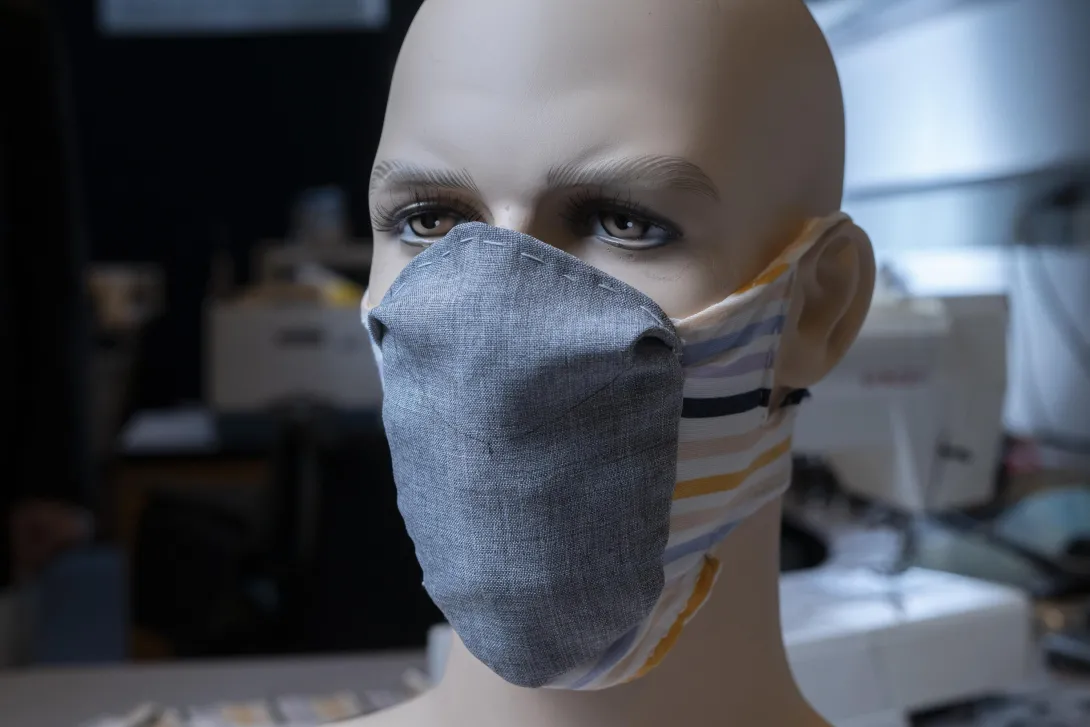
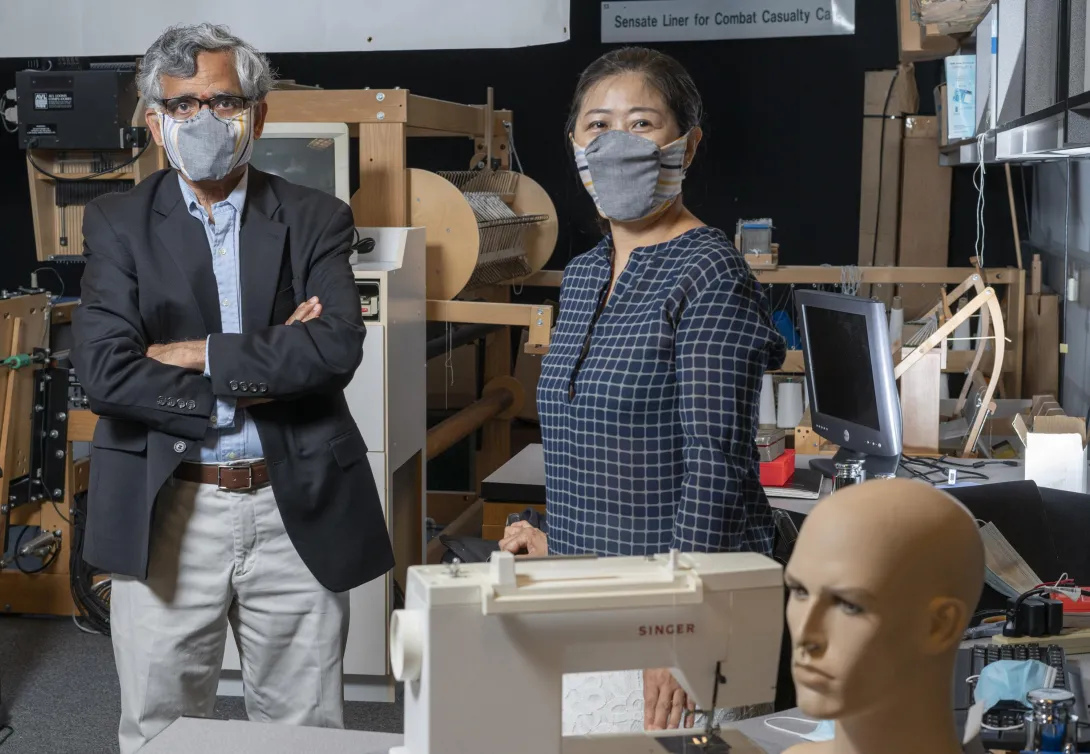
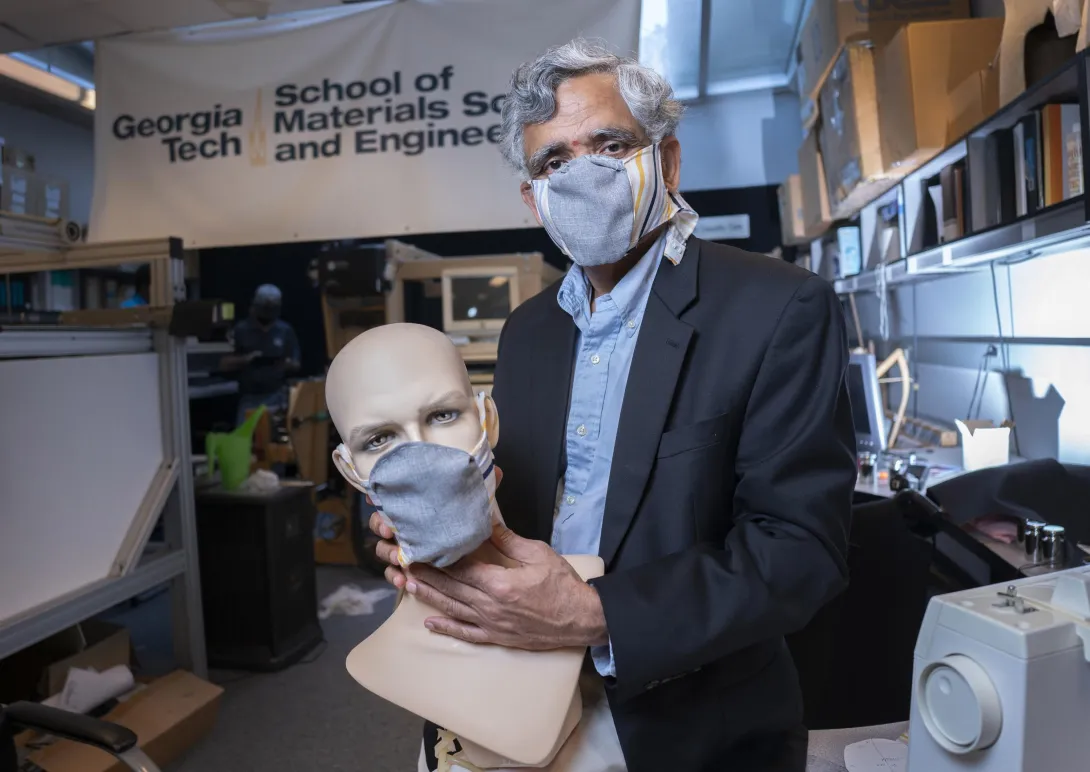
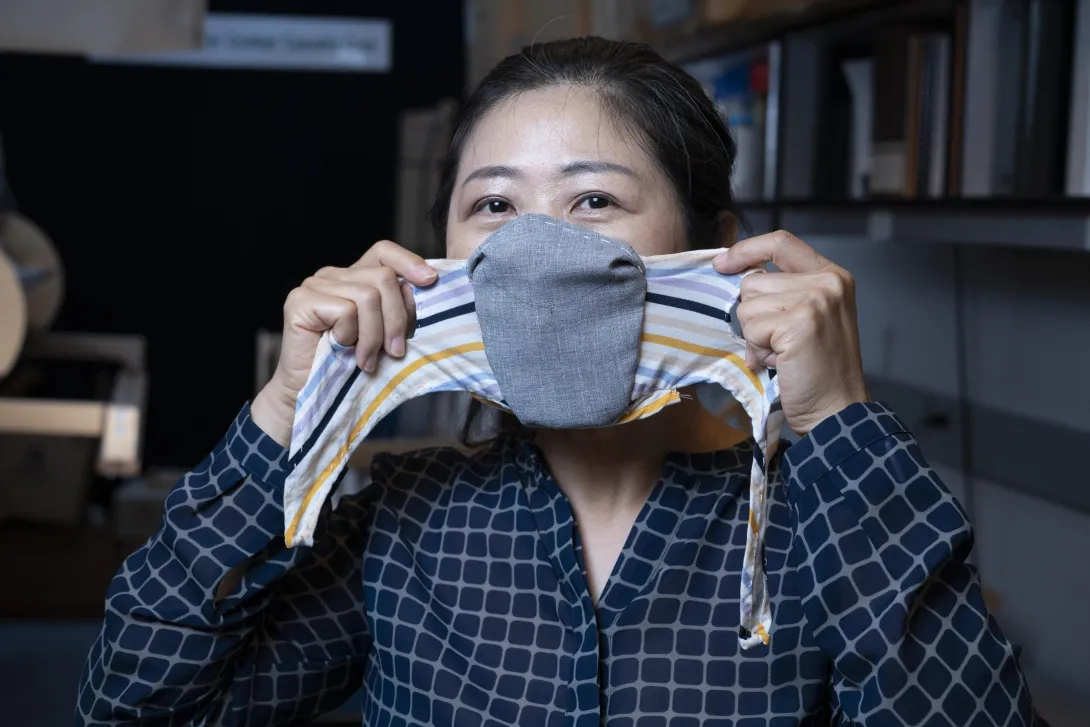
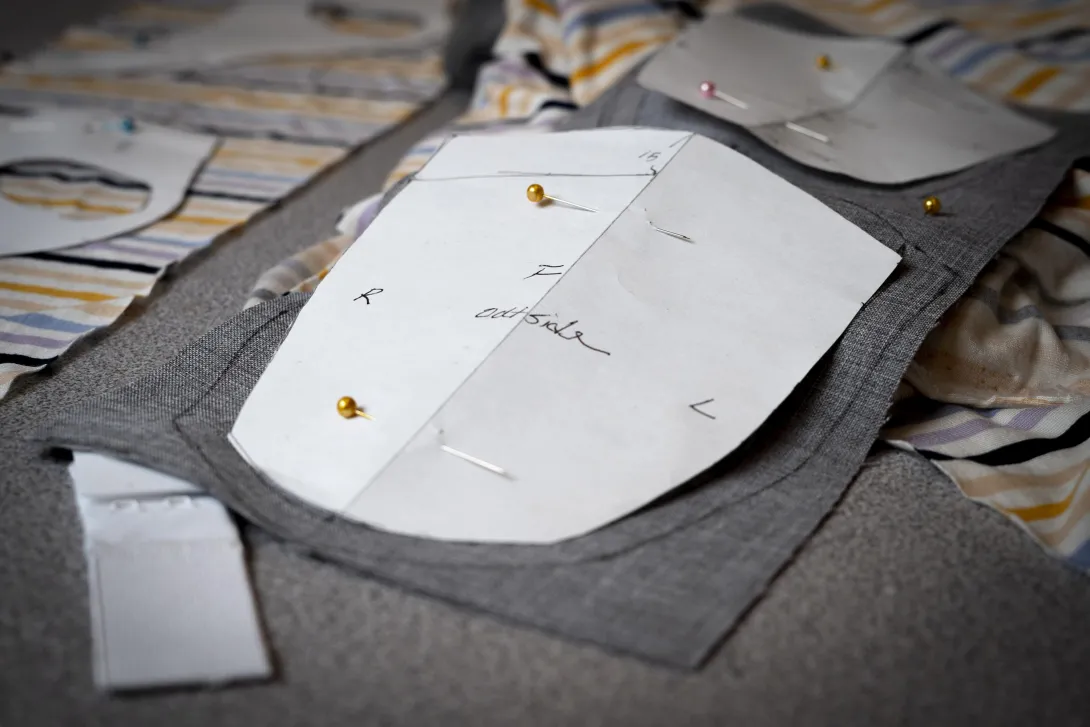

Imagine a reusable face mask that protects wearers and those around them from SARS-CoV-2, is comfortable enough to wear all day, and stays in place without frequent adjustment. Based on decades of experience with filtration and textile materials, Georgia Institute of Technology researchers have designed a new mask intended to do just that — and are providing the plans so individuals and manufacturers can make it.
The modular Georgia Tech mask combines a barrier filtration material with a stretchable fabric to hold it in place. Prototypes made for testing use hook and eye fasteners on the back of the head to keep the masks on, and include a pocket for an optional filter to increase protection. After 20 washings, the prototypes have not shrunk or lost their shape.
“If we want to reopen the economy and ask people to go back to work, we need a mask that is both comfortable and effective,” said Sundaresan Jayaraman, the Kolon Professor in Georgia Tech’s School of Materials Science and Engineering. “We have taken a science-based approach to designing a better mask, and we are very passionate about getting this out so people can use it to help protect themselves and others from harm.”
The fundamental flaw in existing reusable cloth masks is that they — unlike N95 respirators, which are fitted for individual users — leak air around the edges, bypassing their filtration mechanism. That potentially allows virus particles, both large droplets and smaller aerosols, to enter the air breathed in by users, and allows particles from infected persons to exit the mask.
The leakage problem shows up in complaints about eyeglasses fogging up as exhaled breath leaks around the nose, making people less likely to wear them. The fit problem can also be seen in constant adjustments made by wearers, who could potentially contaminate themselves whenever they touch the masks after touching other surfaces.
To address the leakage challenge, Jayaraman and principal research scientist Sungmee Park created a two-part mask that fastens behind the head like many N95 respirators. The front part — the barrier component — contains the filtration material and is contoured to fit tightly while allowing space ahead of the nose and mouth to avoid breathing restrictions and permit unrestricted speech. Made from the kind of moisture-wicking material used in athletic clothing, it includes a pocket into which a filter can be inserted to increase the filtration efficiency and thereby increase protection. The washable fabric filter is made of a blend of Spandex and polyester.
The second part of the mask is fashioned from stretchable material. The stretchable part, which has holes for the ears to help position the mask, holds the front portion in place and fastens with conventional hook and eyelet hardware, a mechanism that has been used in clothing for centuries.
“We want people to be able to get the mask in the right place every time,” Jayaraman said. “If you don’t position it correctly and easily, you are going to have to keep fiddling with it. We see that all the time on television with people adjusting their masks and letting them drop below their noses.”
Beyond controlling air leakage, designing a better mask involves a tradeoff between filtration effectiveness and how well users can breathe. If a mask makes breathing too difficult, users will simply not use it, reducing compliance with masking requirements.
Many existing mask designs attempt to increase filtration effectiveness by boosting the number of layers, but that may not be as helpful as it might seem, Park said. “We tested 16 layers of handkerchief material, and as we increased the layers, we measured increased breathing resistance,” she said. “While the breathing resistance went up, the filtration did not improve as much as we would have expected.”
“Good filtration efficiency is not enough by itself,” said Jayaraman. “The combination of fit, filtration efficiency, and staying in the right place make for a good mask.”
The stretchable part of the mask is made from knitted fabric — a Spandex/Lyocell blend — to allow for stretching around the head and under the chin. The researchers used a woven elastic band sewn with pleats to cover the top of the nose.
The researchers made their mask prototypes from synthetic materials instead of cotton. Though cotton is a natural material, it absorbs moisture and holds it on the face, reducing breathability, and potentially creating a “petri dish” for the growth of microbes.
“Masks have become an essential accessory in our wardrobe and add a social dimension to how we feel about wearing them,” Park said. So, the materials chosen for the mask come in a variety of colors and designs. “Integrating form and function is key to having a mask that protects individuals while making them look good and feel less self-conscious,” Jayaraman said.
The work of Jayaraman and Park didn’t begin with the Covid-19 pandemic. They received funding 10 years ago from the Centers for Disease Control and Prevention to study face masks during the avian influenza outbreak. Since then Jayaraman has been part of several National Academy of Medicine initiatives to develop recommendations for improved respiratory protection.
Covid-19 dramatically increased the importance of using face masks because of the role played by asymptomatic and pre-symptomatic exposure from persons who don’t know they are infected, Jayaraman said. While the proportion of aerosol contributions to transmission is still under study, they likely increase the importance of formfitting masks that don’t leak.
Jayaraman and Park have published their recommendations in The Journal of The Textile Institute, and will make the specifications and patterns for their mask available to individuals and manufacturers. The necessary materials can be obtained from retail fabric stores, and the instructions describe how to measure for customizing the masks.
“There is so much misinformation about what face masks can do and cannot do,” Jayaraman said. “Being scientists and engineers, we want to put out information backed by science that can help our community reduce the harm from SARS-CoV-2.”
Link to plans, patterns and specifications for this mask
CITATION: Sungmee Park and Sundaresan Jayaraman, “From containment to harm reduction from SARS-CoV-2: a fabric mask for enhanced effectiveness, comfort, and compliance.” (The Journal of The Textile Institute, 2020) https://doi.org/10.1080/00405000.2020.1805971
Research News
Georgia Institute of Technology
177 North Avenue
Atlanta, Georgia 30332-0181 USA
Media Relations Contact: John Toon (404-894-6986) (jtoon@gatech.edu).
Writer: John Toon
News Contact
John Toon
Research News
(404) 894-6986