Mar. 28, 2022
By Frida Carrera
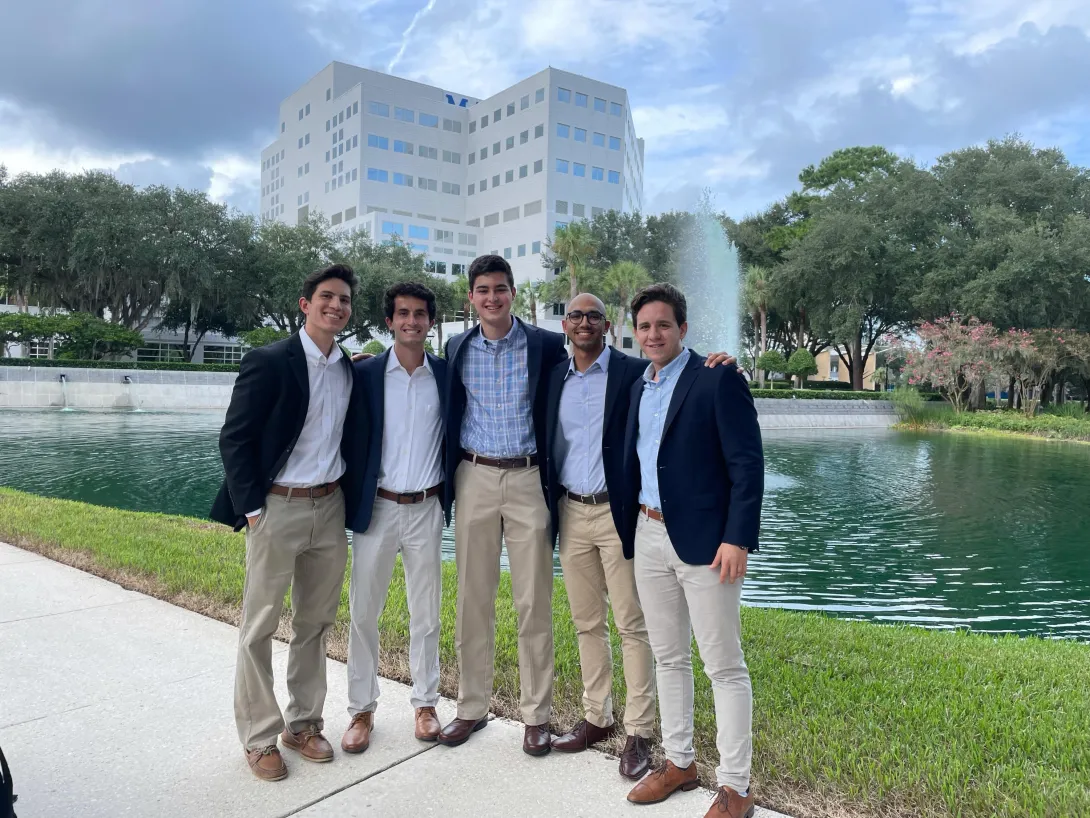
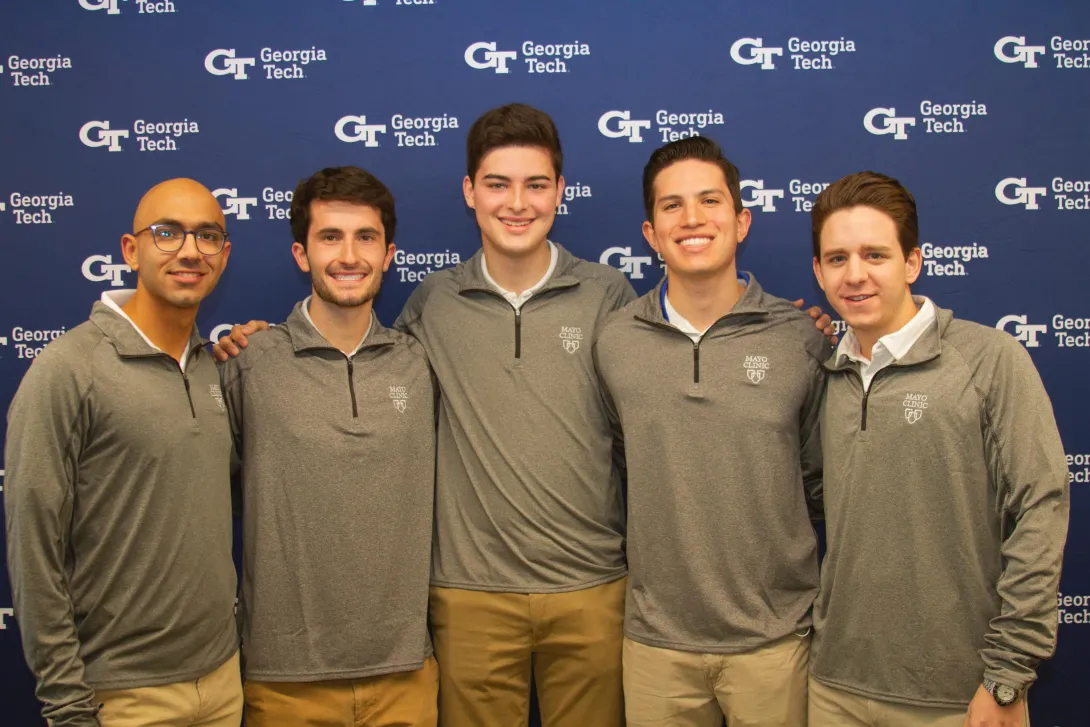
On April 2, 2022, Team carSEAL will represent Georgia Tech in the 6th annual ACC InVenture Prize Competition hosted this year by Florida State University. Team members Shovan Bhatia, Joshua Cruz, Nicholas Lima, Derek Prusener, and Giancarlo Riccobono will compete against other teams in the ACC Conference for a chance to win up to $30,000 in prizes.
carSEAL began with five biomedical engineering students collaborating on a capstone project. After being accepted into the highly sought-after Mayo Clinic Capstone Project, they received mentorship from Dr. Rabih Tawk, a world-renowned neurosurgeon. With his guidance, they learned that surgeons currently lack the tools to close the carotid artery after endovascular procedures. Through a pragmatic approach, the team developed 100+ conceptual designs and iterations. After numerous discussions with attending surgeons across the nation and preliminary testing, they developed carSEAL – a vascular closure device for the carotid artery.
So far, the team has found the InVenture Prize process to be exhilarating.
“Through each round of this process, we have seen incredible teams working on impactful projects and it is exciting to be surrounded by such brilliant minds from numerous backgrounds. It has been especially rewarding working with so many supportive advisors from Georgia Tech, who have been through the startup process and have freely offered their expertise. Along each step of this process, we have learned something new to refine our pitch and ensure we are presenting our most competitive self at the ACC.”
Currently, aside from preparing for the ACC InVenture Prize, the carSEAL team is performing benchtop lab testing to evaluate its efficacy in animal models. Soon after, the team will be moving to pre-clinical studies on their path to obtaining FDA clearance before carSEAL is commercialized. Winning the ACC InVenture Prize would help them gain more traction and gather sufficient funds to help them with this process.
“I am extremely proud of our team’s achievements in the short 6 months that we have worked together. carSEAL has gained a lot of traction already and we are excited to see how far we can take this, hopefully bringing carSEAL to clinical practice within a few years,” Bhatia stated.
The Georgia Tech community can support carSEAL in the competition by voting for them for the People’s Choice Awards by visiting: https://accinventureprize.com/peoples-choice-voting. Online voting begins March 28.
To learn more about the ACC InVenture Prize visit https://accinventureprize.com.
Mar. 01, 2022
By Frida Carrera
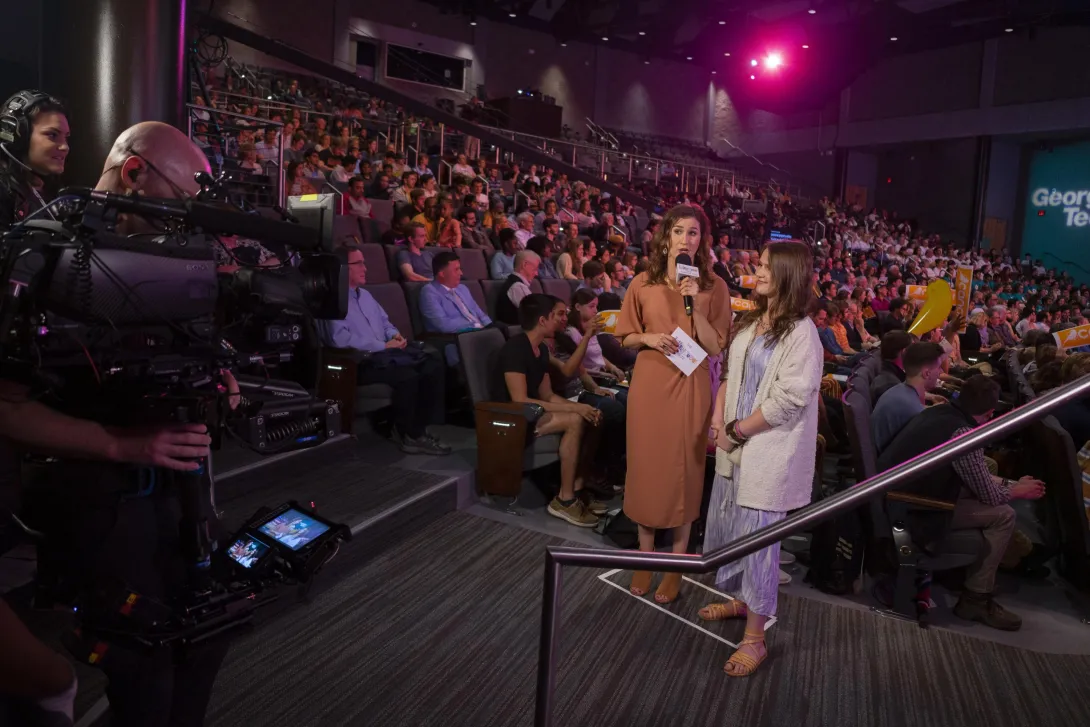
After almost a year of preparation, practice, and refinement, Georgia Tech’s annual InVenture Prize is down to six finalists competing in the final round on March 16th. In this televised round, the final teams will pitch their inventions to a panel of judges and compete for the top prize of $20,000, assistance in patent-filing, and a spot in CREATE-X’s Startup Launch program.
In its 14th year, the InVenture Prize competition features different innovations created by Georgia Tech students from all disciplines and backgrounds. For months prior to the final round, the finalists received coaching and assistance from mentors and coaches on building their prototypes, developing business models, and rehearsing their pitches to investors. The final six teams were chosen from previous preliminary and semifinal rounds that included a broad range of competitors.
The finals of the InVenture Prize will air live from Georgia Tech’s Ferst Center for the Arts at 7:30 p.m. on March 16th on Georgia Public Broadcasting.
The 2022 finalist teams are:
The Foambuster: The Foambuster is a unique handheld tool that allows construction contractors to drastically cut down on the mess, hassle, and money spent that comes with installing exterior insulation.
Edward Diller, Mechanical Engineering, Los Angeles, CA
Davis Waln, Mechanical Engineering, Atlanta, GA
Christophe Senghor, Mechanical Engineering, Peachtree City, GA
Katelyn Sand, Mechanical Engineering, Westlake Village, CA
Jaime Paris Meseguer, Mechanical Engineering, Spain
Magic Crop: An application that uses the power of Artificial Intelligence and the rule of thirds to format any number of inputted pictures into the perfect headshot within seconds and without ever sending any images to the cloud or to a third-party server.
Megan Dass, Computer Science, Woodbridge, VA
Reflex: Emergency Medical Drone Response System to deliver life-saving medical equipment.
Nevin Gilbert, Computer Science, Boulder, CO
Usman Jamal, Computer Science, Tucker, GA
Sola: Sola provides a data-driven supplemental insurance plan which covers immediate out-of-pocket expenses for US homeowners following losses from tornadoes.
Brayden Drury, Mechanical Engineering, Park City, Utah
Wesley Pergament, Mechanical Engineering, Old Westbury, NY
StrideLink: Accessible gait analysis wearable for remote monitoring of walking asymmetry.
Marzeah (Zea) Khorramabadi, Computer Engineering, Birmingham, AL
Cassandra (Cassie) McIltrot, Biomedical Engineering, Sykesville, MD
Neel Narvekar, Computer Engineering, Arcadia, CA
Tony Wineman, Electrical Engineering, Woodstock, GA
Tabnam: AI-powered shopping assistant that leverages the knowledge of user experience data.
SooHoon Choi, Computer Science, South Korea
Daksh Gupta, Computer Science, Noida, India
Robert (Davis) Liddell, Computer Science, Lutherville, MD
Ethan Perry, Computer Science, Wellesley, MA
To request tickets for the event visit: https://inventureprize.gatech.edu/form/inventure-prize-ticket-request-f
To learn more about InVenture Prize visit: https://inventureprize.gatech.edu/
Dec. 10, 2021
By Frida Carrera
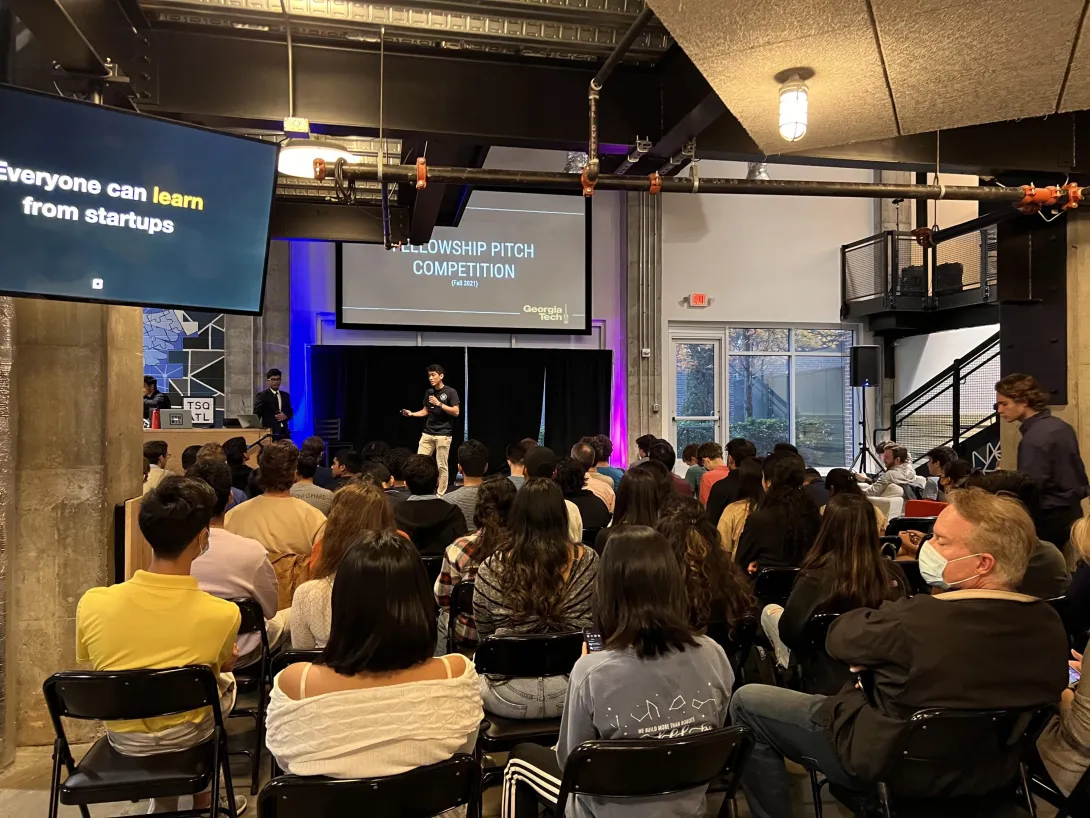
On December 3, 2021, Startup Exchange presented the Fall 2021 Fellowship Pitch Competition sponsored by the Georgia Tech Student Innovation Program, Office of Undergraduate Education. The event took place at ATL Social Club in Tech Square, a major startup hub situated on Georgia Tech’s campus and perfect for those eager for innovation at GT. The event also welcomed partner companies and recruiters such as NCR and Stord.
At this pitch-style event, six founder teams presented their innovative pitches and competed for first, second, and third place, each with a cash prize to aid in the advancement of their ideas. The first and second place winners of the competition were determined by three guest judges: Kathryn Petralia, co-founder of Kabbage and Drum; Thomas Suarez, co-founder of Teleport and Thiel Fellow; and Evan Jarecki, serial entrepreneur and BM at Startup Atlanta. The event commenced with a brief introduction by Startup Exchange executive board members, followed by presentations from the 6 teams including Fino, InSite, Jargon, and Tokenstack. After hearing each team’s pitch, the judges had time to deliberate and select the top two winners while the audience voted for the People’s Choice winner. Meanwhile, attendees were also able to hear from the partner companies and network while enjoying free perks such as food and beverages.
“There are students everywhere across campus really starting on their start-ups and pursuing their dreams. Atlanta is a growing city and Georgia Tech is the perfect hub for that. These teams, we’re introducing them to entrepreneurship and giving those resources and intro-connections. By doing so, we’re inspiring them in a way. It’s just a great learning experience for them,” explained Startup Exchange’s Director of Fellowship Revanth Tiruveedhi.
Following the intermission, the judges presented the first-place award of $750 to Jargon, a browser extension that points out red flags in user contract agreements, as pitched by team members Kaleb Rasmussen and Devansh Khunteta. Second place of $500 was awarded to Eartheal by team members Colin Burnett, Philip Colt, Neal Austensen, and Brandon Sherrard. People's Choice of $250 was awarded to Tokenstack by team members Nitin Paul, Samrat Sahoo, Yatharth Bhargava, and Mohit Sahoo. The event then closed with remarks by Startup Exchange’s board members and photos with the participants.
To learn more about student innovation at Georgia Tech visit https://innovation.gatech.edu/
Nov. 10, 2021

Jianjun (Jan) Shi, Carolyn J. Stewart Chair and professor in the H. Milton Stewart School of Industrial and Systems Engineering, has been selected for the Society of Manufacturing Engineering’s (SME) 2021 College of Fellows. This is an honor given to individuals “who have made outstanding contributions to the social, technological, and educational aspects of the manufacturing profession,” with 20 or more years of dedication and service to the field.
In the letter nominating Shi for this honor, it was noted that he pioneered data-enabled manufacturing – an accomplishment for which he was also elected to the National Academy of Engineering in 2018. He has developed quality improvement algorithms implemented in over 40 steel plants globally, with hundreds of millions of dollars saved and over one billion KWh in saved energy, as well as tens of thousands of CO2 emissions reduced.
Shi’s selection as an SME Fellow is the latest in a series of signal distinctions conferred in 2021: He received the Walter Shewhart Medal from the American Society for Quality, an award given “to individuals who have made outstanding technical contributions and leadership in the field of modern quality control and improvement.” He was also awarded the S.M. Wu Research Implementation Award, which “honors outstanding original research … that, upon implementation, has had a significant commercial/societal impact.”
Previously, Shi has also been named a Fellow of the Institute of Industrial and Systems Engineering, a Fellow of the American Society of Mechanical Engineering, a Fellow of INFORMS, an Elected Member of the International Statistical Institute, and an Academician of the International Academy for Quality. His work has also been honored with, among others, 11 best paper awards and nine international research awards.
Shi said, “I am honored to receive this recognition, and I greatly appreciate all my students, colleagues, and sponsors for their support throughout my many years of research in and implementation of complex manufacturing systems.”
Apr. 05, 2021

By Jessica Barber
On April 21, 2021, biomedical engineering student Michael Pullen will serve as Georgia Tech’s representative in the fifth annual ACC InVenture Prize. Here he will compete with teams from twelve other universities for the chance to take home $30,000 in prizes.
Pullen’s invention first took root when he experienced the struggle of getting turf burn while playing football. While most players seek protection through regular compression sleeves, this often leads to decreased grip, more fumbles, and difficulty in maneuvering plays.
While working in sports medicine with the Atlanta Falcons, Pullen found a way to directly avoid this problem. LZRD Sleeve is a compressive sleeve that integrates gripping and moisture-wicking technology to deliver protection and control without sacrificing mobility nor comfort.
Since then, LZRD Sleeve has secured its place in non-athletic arenas. A year ago, the world of sports halted due to COVID-19 shutdowns. It was then that Pullen sought other applications for his innovative sleeve — LZRD Sleeve has expanded its market to delivery drivers, gardeners, and maintenance workers seeking better performance and protection from harm.
LZRD Sleeve is now being used by the largest U.S. courier service, and it has also been featured in Neil DeGrasse Tyson’s podcast StarTalk. On the same hand, Pullen has been in contact with a whopping five Fortune 500 companies. He ultimately hopes that InVenture Prize will show that with hard work, nothing is impossible.
“Never in a million years would I have thought I would be representing Georgia Tech in the ACC InVenture Prize. Getting out of your comfort zone and trying new things is important, and by winning, I hope to set an example so that others might do the same,” Pullen stated.
Overall, winning the ACC InVenture Prize would allow LZRD Sleeve to expand even further through capital investments, uptakes in production, and coverage of associated legal fees.
The Georgia Tech community is encouraged to show Pullen its support through voting for the People’s Choice Award of $5,000. Voting is open from 8 a.m. on Monday, April 5 until midnight on Tuesday, April 6.
To vote, please text GATech to win the ACC InVenture Prize People’s Choice Award to 415-965-7445.
Winners will be announced on Wednesday, April 21 at 7 p.m. on PBS stations throughout the ACC region.
More information about LZRD Sleeve can be found at lzrdtech.com.
News Contact
Recha Reid
Office of Undergraduate Education
Feb. 26, 2021
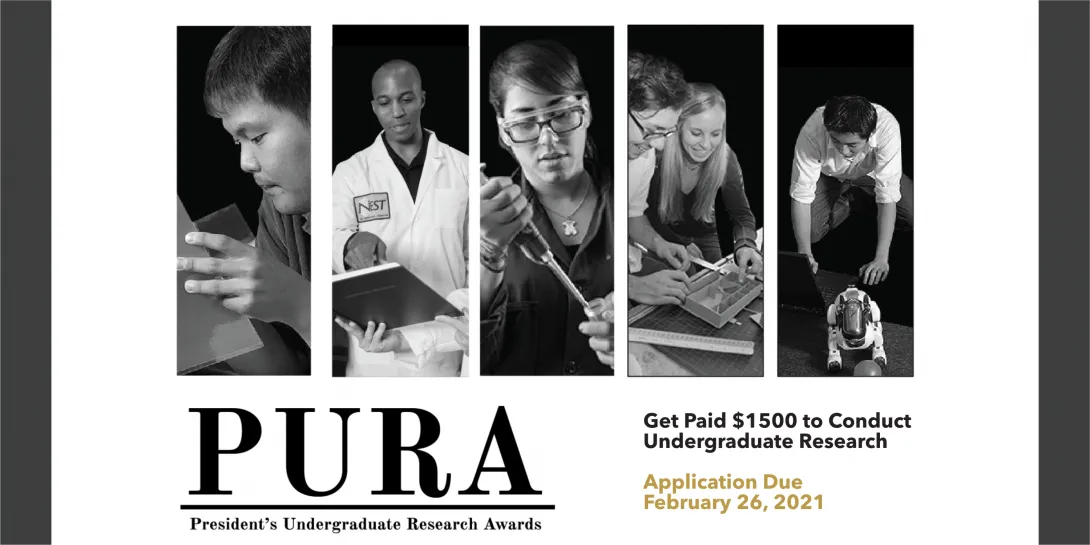
The President's Undergraduate Research Award pays selected students $1500 to conduct undergraduate research. Applications for summer 2021 funding are due on February 26, 2021.
Apply online at urop.gatech.edu
Nov. 30, 2020


When one or more coronavirus vaccines receives FDA emergency use authorization, it will launch a public health and logistics initiative unlike any in U.S. history.
Hundreds of millions of doses will have to distributed nationwide and kept cold until healthcare professionals can administer not one, but two doses to each person. And enough skeptical members of the population will have to be persuaded to receive the vaccine to slow virus transmission.
Beyond those challenges, the distribution effort will have to adapt to unexpected and uneven demand; accommodate recipients who may not return on time for a second dose; train hundreds of thousands of staff from clinics, pharmacies, doctor’s offices, and hospitals; prioritize serving high-risk groups first while encouraging others to wait — all while under tremendous pressure to get the much-anticipated vaccines into use as case counts and the death toll continue rising.
“Time is of the essence because the virus is already so widespread,” said Pinar Keskinocak, the William W. George Chair and professor in the H. Milton Stewart School of Industrial and Systems Engineering (ISyE) and director of the Center for Health and Humanitarian Systems at the Georgia Institute of Technology. “With the pressure on our timeline, knowledge of how quickly the disease is spreading, and the broad U.S. and global need, I can’t think of a comparable public health initiative that has ever been undertaken.”
Shipping and Keeping Hundreds of Millions of Doses Cold
Three vaccines, produced by Moderna, Pfizer and its German partner BioNTech, and Oxford-AstraZeneca, are expected to be available first. The Pfizer-BioNTech vaccine will need to be kept ultra-cold — minus 94 degrees Fahrenheit — on its journey to individual Americans. The Moderna drug won’t have such demanding conditions, but both it and the Pfizer vaccine will tax the existing “cold chain” that keeps vaccines and other temperature-sensitive products in a narrow range of conditions during transport and storage.
The Oxford-AstraZeneca vaccine will have much less stringent requirements and faster ramp-up in capacity, though early testing suggests its efficacy may be lower than the others. That will create tradeoffs between efficacy versus access and speed in distribution.
Plans already exist to get the vaccines from manufacturers to the states, each of which has developed its own distribution plan. Keskinocak worries mostly about “last mile” plans — getting the vaccines to where they will be injected — and getting individuals to those locations.
“Access is going to be a challenge,” she said. “You may be able to get it to locations where it can be distributed, but you have to make sure the people who really need the vaccine can easily access those locations.”
Cold chain transportation, tracking, tracing, and storage already exist in most areas, but refrigeration could be challenging for rural areas that may be at the end of the chain, especially for the vaccine requiring very cold temperatures beyond the capability of freezers found in most doctor’s offices and clinics. And cold can sometimes be too cold, Keskinocak said.
“We often think about keeping it cold, but sometimes it may be too cold, which is not good. It’s not just whether the temperature exceeded the required level, but also whether it went below that. It is important to keep the vaccine exactly at the required temperature level.”
Pfizer has developed a shipping container that includes a temperature tracking device — and 50 pounds of dry ice to maintain the right temperature during transit. Because it is contained in small vials and the liquid vaccine is diluted for use, the overall volume being shipped will be relatively small, limiting the number of packages that will be moved and stored, Keskinocak noted.
Ultimately, the cold chain may play a significant role in vaccine effectiveness. Currently, the vaccines being produced by Pfizer/BioNTech and Moderna are reported to have a higher efficacy than the Oxford-AstraZeneca vaccine — but only if they can be maintained at the proper temperatures. The timing, magnitude, and duration of temperature fluctuations during transport and before administration could affect that in ways that may be difficult to assess.
“Our current modeling shows that a vaccine that is less effective but that can be distributed more quickly and more widely might work better in some settings than a more effective vaccine, thereby reducing the total number of infections in the population,” Keskinocak said.
If You Build It, Will They Come?
Expectations are that the nation is hungry for a vaccine to escape the horrors of Covid-19. But a recent Gallup survey shows that only 58% of respondents said they planned to receive the vaccine when it becomes available. Boosting that percentage will require a massive communications effort to overcome vaccine reluctance and concerns fueled by the uneven nature of the U.S. pandemic response.
“If we can get the vaccine to locations where people can access it, and we have the necessary syringes, supplies, and PPE, as well as the healthcare staff to administer the injections, it’s not clear that people will come to receive it in large enough numbers,” Keskinocak said. “That’s one major component missing from a lot of the plans that I see at the state level.”
The communications program will have to run in parallel to the vaccine distribution, and they have to be coordinated so that supply meets demand.
“Public health communication and dissemination of information at the right time and in the right language is going to be at least as important and challenging as the logistics of distributing the vaccine,” Keskinocak said. “Communication is going to shape demand to a large extent. If one is more effective than the other, we will have a mismatch between demand and supply.”
Different demographic populations have different levels of trust for medicine in general and vaccines in particular, she said, so communications campaigns will have to focus on issues of concern to those groups. Unexpected variations in vaccine demand caused by these concerns could also create logistical uncertainties.
“We can try to forecast demand, and ship supplies to those locations,” she said. “But historically, we have seen that demand can exceed supply in one location while inventory builds up in another location. We need to avoid this situation of unmet demand and unused vaccine.”
Another issue will be the two doses necessary for the vaccine. The second dose must be received within a narrow range of time for the two-dose vaccine to be effective. Should a second dose be reserved for every person receiving a first dose, or should the goal be to get as many doses out as possible?
“Some people may never show up to be vaccinated, while others will receive the first dose, but may not come back for the second dose,” she said.
Getting the Program Started
The first available doses will likely go to healthcare workers and first responders who are on the front lines of battling Covid-19. That is expected to be the easier part of vaccination logistics, and the lessons learned there should help with the much more massive vaccination campaign for high-risk individuals and the general public.
As vaccine production and distribution capacity ramp up, other groups will be next in line. While distributing small batches as manufacturers produce it can create some supply challenges, that also allows the system to more easily adjust to unexpected demand.
Even though distributing and administering vaccines is something the U.S. healthcare system does routinely, the size and timeline of this project are unprecedented, Keskinocak noted.
Beyond the logistical and communications needs, the vaccination program will also have a strong information technology component. Administration will likely be by appointment, and each injection will have to be reported to a vaccine registry to provide a record of which vaccines people have received and when.
Vaccinating People Who May Already Be Immune
It’s estimated that the number of reported Covid-19 cases may be just 10% of the actual number of infections in the U.S. Assuming recovery from the virus confers immunity for some period of time means there may be quite a few people who don’t actually need the vaccine right away to be protected. But there are currently no plans to determine whether recipients are already immune before they receive the vaccine.
“There are a lot of people out there who have some level of immunity to the coronavirus,” Keskinocak said. “The plans I’ve seen don’t include the serological testing that would be needed to identify people with some level of immunity, which could be around 30% of the population by the time the vaccine gets out to the general public.”
Testing for immune antibodies could be done ahead of the vaccination program, but that would create an extra step in a process that is already quite complicated. Healthcare systems such as the U.S. Department of Veterans Affairs or certain private insurance plans could include that step, especially if vaccine supplies lag behind demand.
“The big complexity is timing,” she said. “Once vaccines become available, you’ll want to deliver them as quickly as possible to as many people as possible in a very short time frame.”
Annual vaccination campaigns for the seasonal flu set ambitious goals for the population levels they want to reach, but the time challenges will be much greater for the coronavirus vaccine.
“The seasonal flu vaccine becomes available months before the virus spreads broadly, so we have quite a bit of time to administer it before we get into the peak of the flu season,” she said. “We have been in the midst of the Covid-19 pandemic for several months now. We are really late in the game, so we don’t have the luxury of time.”
Keskinocak is cautiously optimistic that the challenges will ultimately be addressed.
“There are certainly still lots of unknowns,” she said. “But the state plans I have seen look reasonable from a supply chain standpoint. Some of the decisions will be made once the states receive the vaccine, and exactly how they do it will be somewhat up to the local jurisdictions. There are still many things that need to be decided to make this unprecedented initiative live up to its goals.”
Research News
Georgia Institute of Technology
177 North Avenue
Atlanta, Georgia 30332-0181 USA
Media Relations Contact: John Toon (404-894-6986) (jtoon@gatech.edu)
Writer: John Toon
News Contact
John Toon
Research News
(404-894-6986)
Oct. 07, 2020
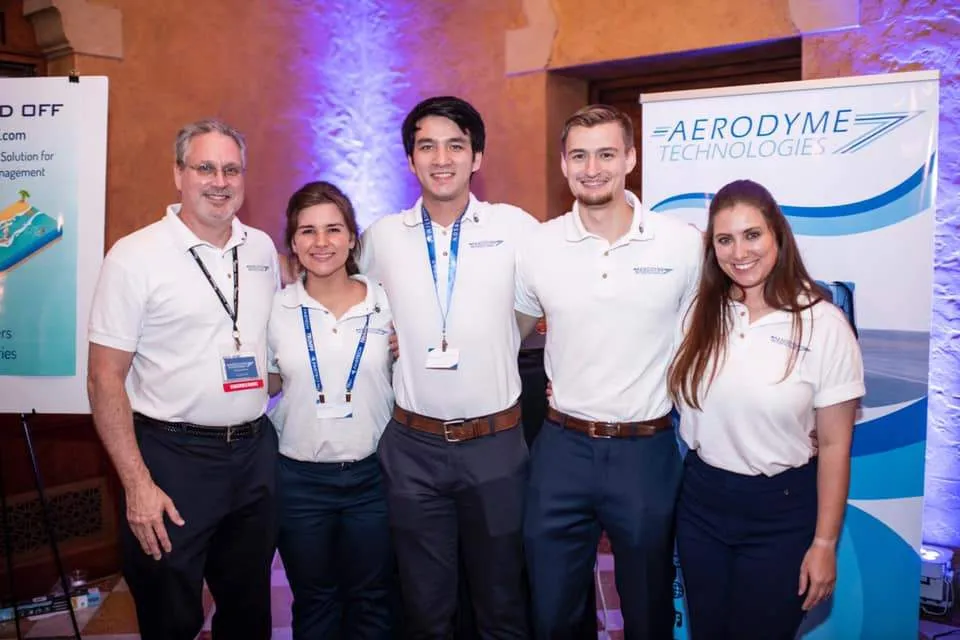
California, September 14, 2020: TiE Global hosted the 2nd edition of the TiE University Pitch Competition over the weekend. Cash prizes of close to $14,000 and almost $35,000 worth of in-kind prizes were given out to the 13 participants. TiE Atlanta’s Aerodyme Technologies from Georgia Institute of Technology came in first, winning $5000. TiE Silicon Valley’s team Ambii from San Jose State University bagged the second prize, winning $3000; while TiE Toronto’s LSK Technologies, a MedTech startup from the University of Toronto emerged as the third winner, winning $2000.
The winning team, Aerodyme Technologies has created a novel device that saves fuel costs for tractor-trailers by minimizing aerodynamic drag. Ambii, which came in second, provides an in-store music streaming platform for retail outlets, cafes and restaurants without the hassles of licensing. Third prize winner, LSK Technologies, created a diagnostic device for testing infectious diseases such as Covid19 at the point of need.
Congratulating the winning team, Mahavir Pratap Sharma, Chairman of the TiE Global Board of Trustees said, "We are proud of these young talented entrepreneurs. Their growth story from pitches at their local TiE Chapters till the Global Finals has seen a massive expansion and iteration of thought and structure. This is a complete team effort put forward by the program co-chairs and charter member mentors who helped them grow their idea, giving them thorough guidance and mentoring the students over the last few months to compete on a global stage.”
Aerodyme Technologies participated in Georgia Tech’s CREATE-X Startup Launch program during summer 2019. During the startup accelerator program, the Aerodyme team was able to conduct customer discovery and receive mentorship and funding to take their product to market. The team also won 2nd place in the 12th annual InVenture Prize competition in March 2020. As part of the competition, Aerodyme received $10,000 in cash and patent filing assistance funded by the Georgia Tech Research Corporations.
The second edition of the TiE University jointly organized by TiE Atlanta & TiE Hyderabad had 13 teams representing TiE chapters from India, Israel, UAE, Israel, USA, and Canada. These teams were previously the chapter winners and were then mentored to participate in the Global finals. After the Semi-final round on Saturday, seven teams were selected for the finals. Teams had a 10-minute pitch to an eminent Jury panel and a 5-minute live Q&A.
Speaking at the Presentation Ceremony the TiE University program co-chairs Dr. Paul Lopez, SubbaRaju Pericherlaand Viiveck Verma, said they are looking to expand the program participation to 40 chapters and 400+ universities worldwide by 2022.
The worldwide jury panel for the finals, consisting of VCs and investors, included Bodhi Capital’s Dharti Desai, Silicon Valley Bank’s Priya Rajan, Elevate Capital’s Kumar Sripadam, and Inflexor Ventures’ Venkat Vallabhaneni. Semi-finals judges from across the globe included Craig Abbott, Rakesh Bhatia, Radhika Iyengar, Rama Devi Kanneganti, Doc Parghi, and Sonia Weymuller.
Apart from the top three winners, prizes were announced in various other categories. Silicon Valley’s Ambii and New Jersey’s Volant from New Jersey Institute of Technology jointly received a $1,500 Best Elevator Pitch award. Similarly, Teams Clean Electric from IIT/BHU, Varanasi representing TiE Mumbai, and Aruga Technologies from Carnegie Mellon University representing TiE Pittsburgh jointly received $1,500 Best Technology prize. Frinks, from IIT Hyderabad, representing TiE Hyderabad took the $500 People's Choice Award. Apart from this, all participating teams walked away with technology and service prizes worth $2500 per team.
The competition also hosted a keynote address by serial entrepreneur Thejo Kote. Thejo sold his connectivity startup, Automatic for $115 million to SiriusXm. He inspired the university startup teams and online audience alike by saying, “The biggest lesson I’ve learned along the way is to make sure you enjoy the journey (of building a startup) and it’s something that you learn from and grow from. Else it will be a lot more challenging.”
About TiE University:
TiE University program focuses on enhancing the learning objectives of university students globally through the creation and presentation of business pitches for startups and new small business ventures so that they aspire to become entrepreneurs. TiE University is looking to expand its reach to 40 chapters and 400+ universities worldwide. If you’re interested, reach out to the below-mentioned media contact. For more information, visit - https://tie.org/tie-university/
About TiE Global:
TiE Global, is a non-profit organization dedicated to fostering entrepreneurship around the World. TiE strives to inspire entrepreneurs through mentoring, networking, education, incubating and funding programs and activities. With nearly 2000+ events held each year, TiE brings together the entrepreneurial community to learn from local leaders, as well as each other. Few of the annual flagship events conducted by TiE are TYE, TiE Women, TiE University, TiECons and TGS. For more information, please visit our website at https://tie.org/
Media Contact:
Aparna Mishra Aparna@tie.org
Oct. 07, 2020
By Jessica Barber
On Wednesday, September 16, the Office of Undergraduate Education (OUE) hosted the kick-off session for the 13th Annual InVenture Prize. With over $35,000 in prizes, the competition is the holy grail of college entrepreneurship. Although the InVenture Prize officially starts in January 2021, students have already begun their preparations and idea declarations.
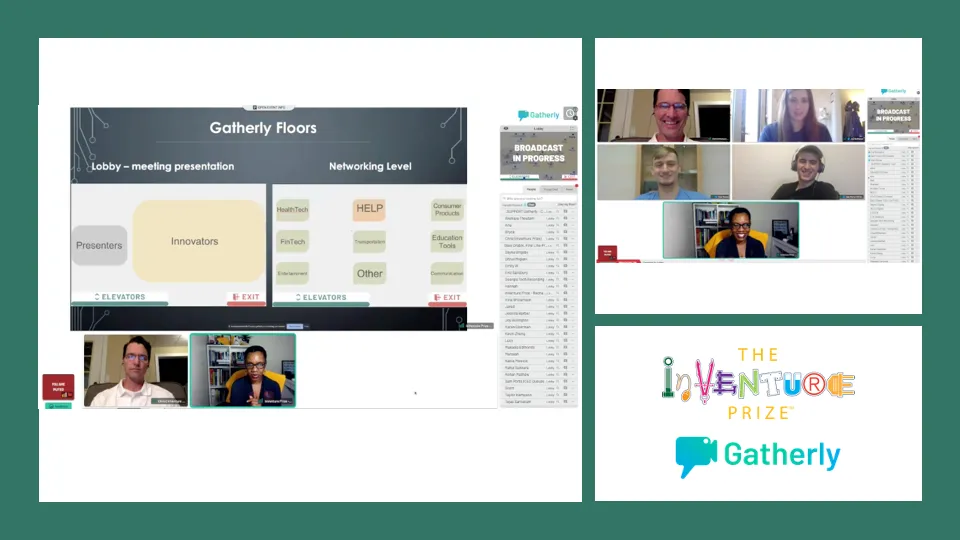
Unlike previous years, the kick-off was hosted online through Gatherly, a virtual event platform recently built by none other than Georgia Tech students. Despite this, attendees did not miss a beat. The kick-off marked a return to normalcy for the Georgia Tech innovation community from learning key information about the competition to directly speaking with past winners.
After a welcome from interim Assistant Director of Student Innovation, Recha Reid, students were given an overview of some upcoming InVenture Prize events, including the ongoing Pitch Your Idea and IdeaBuzz sessions. Students were given an overview of OUE’s customer discovery, financial forecasting, marketing, and patent/copyright workshops. From there, the floor was turned over to Dr. Chris Reaves, executive director of the office for Academic Enrichment Programs.
“At its core, the InVenture Prize is an invention startup competition, but we work together — even the teams work with each other — to help one another. We achieve more, grow more, and develop our companies better when we’re helping each other, and that’s a big part of what we’re doing,” Reaves explained.
Later, students were given the opportunity to speak with representatives from Queues and Aerodyme, the respective first- and second-place winners of the 2020 InVenture Prize. Students learned firsthand what it takes to succeed on the InVenture Prize stage; the teams later offered advice on the invention process, their lessons learned, and the visibility benefits of participating in the competition.
“If you’re on the edge right now about doing InVenture Prize, definitely do it. We actually had that same thought before we did it, and we’re just so glad that we did. It’s a lot of work, and you’re going to step outside of your comfort zone, but it’s so worth it”, said Joy Bullington of team Aerodyme Technologies.
Queues team member Sam Porta similarly had some words of encouragement for those looking into the 2021 InVenture Prize.
“The difference between an entrepreneur and someone who’s just engineering something is persistence, and the InVenture Prize is a great opportunity to test this. If you think you’ve come up with something great that has a lot of value, then, by all means, do it,” Porta emphasized.
Towards the end of the session, students were invited to visit virtual “booths” dedicated to areas of health, retail, fintech, transportation, education tools, gaming, and networking.
“InVenture is honestly one of the reasons I chose to come to Tech, and I’m just so excited to come into with something that I’m really confident about,” an attendee said.
“The most interesting thing about tonight was hearing from the past winners and having them talk about their experiences. Definitely super excited to apply, and hopefully we do really well,” another stated.
Registration for the 2021 InVenture Prize will remain open until January. Student innovators are invited to check out OUE’s information and development sessions to be held throughout the Fall semester. All dates and related topics can be found at innovation.gatech.edu and inventureprize.gatech.edu.
FIND OUT MORE ABOUT THE 2021 INVENTURE PRIZE BY CLICKING HERE
Visit us on
Instagram @gtinventure
Twitter @InVenturePrize