
Nov. 20, 2025
Georgia Institute of Technology has been ranked 7th in the world in the 2026 Times Higher Education Interdisciplinary Science Rankings, in association with Schmidt Science Fellows. This designation underscores Georgia Tech’s leadership in research that solves global challenges.
“Interdisciplinary research is at the heart of Georgia Tech’s mission,” said Tim Lieuwen, executive vice president for Research. “Our faculty, students, and research teams work across disciplines to create transformative solutions in areas such as healthcare, energy, advanced manufacturing, and artificial intelligence. This ranking reflects the strength of our collaborative culture and the impact of our research on society.”
As a top R1 research university, Georgia Tech is shaping the future of basic and applied research by pursuing inventive solutions to the world’s most pressing problems. Whether discovering cancer treatments or developing new methods to power our communities, work at the Institute focuses on improving the human condition.
Teams from all seven Georgia Tech colleges, 11 interdisciplinary research institutes, the Georgia Tech Research Institute, Enterprise Innovation Institute, and hundreds of research labs and centers work together to transform ideas into real results.
News Contact
Angela Ayers
Nov. 13, 2025
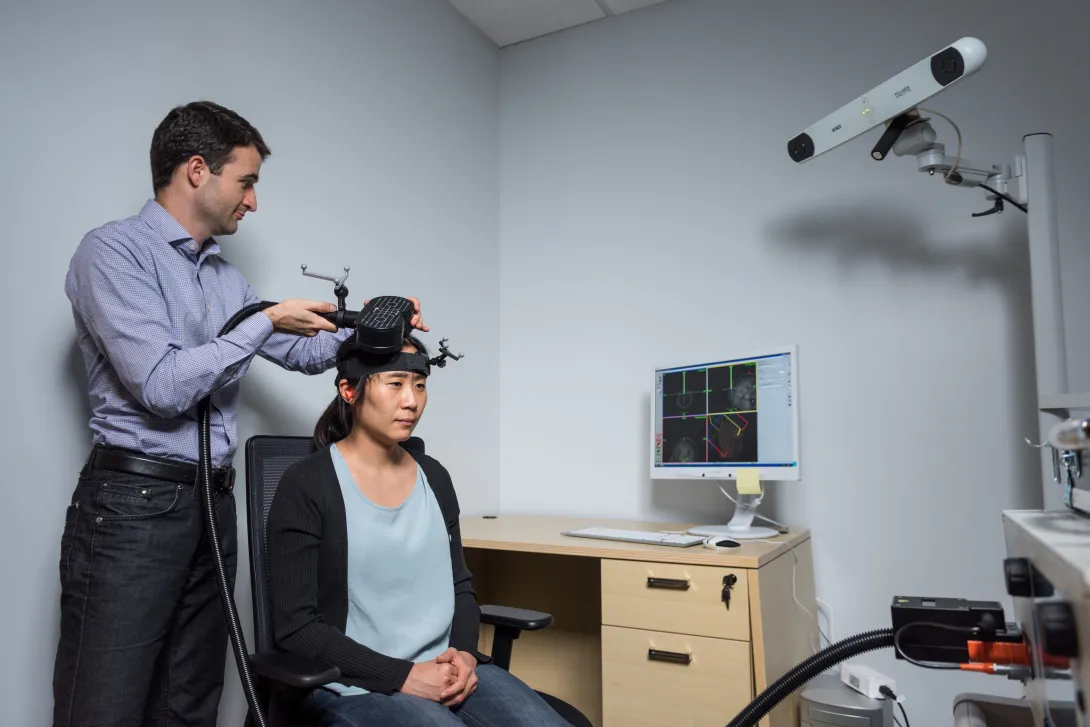
Dobromir Rahnev’s research in the Computations of Subjective Perception Lab focuses on metacognition. [Photo by Rob Felt]
A neuron is more than just a neuron. These cells, found throughout the nervous system and the brain, work together in circuits that perform the complex calculations needed for our perception, memory, behavior, and cognition. This means that breakthroughs in neuroscience don't just rely on biology or medical knowledge, but also on the quantitative skills needed to understand and model these circuits. Faculty at Georgia Tech use their expertise in engineering, math, and computer science to apply common principles of these disciplines to neuroscience research. Within the Institute for Neuroscience, Neurotechnology, and Society (INNS), neuroscientists use these quantitative methods to understand how humans think, treat disorders such as Parkinson’s and Alzheimer’s, and better understand psychiatric disorders.
Read the full story here>>
Nov. 12, 2025
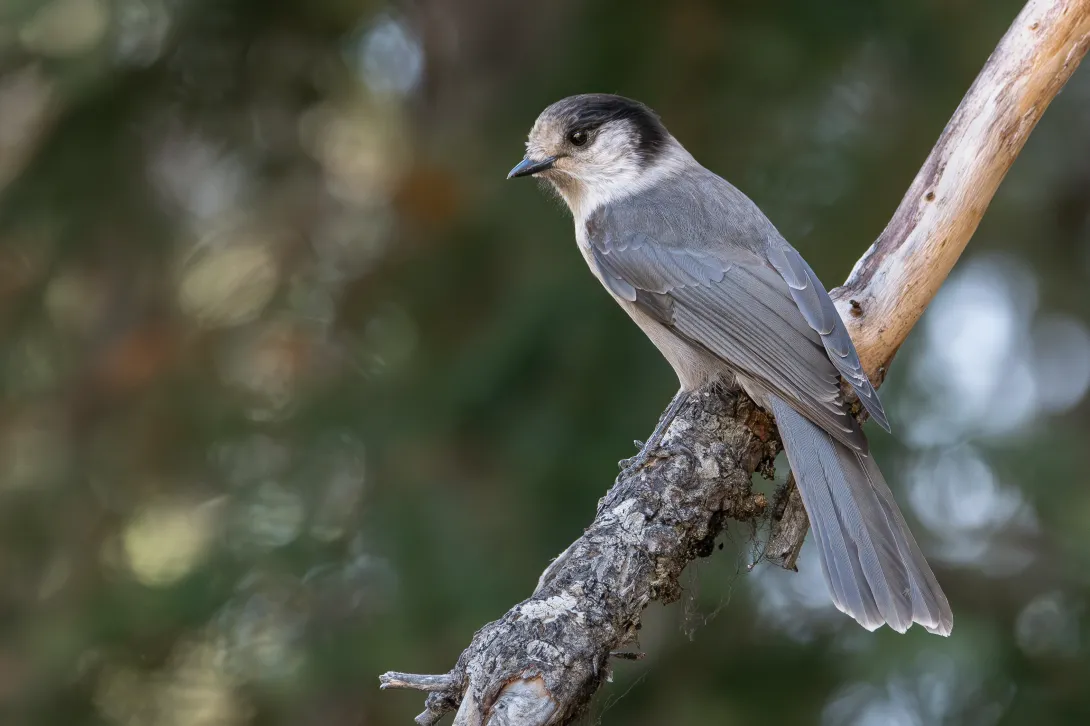
The Canada Jay is one of the birds struggling in the Pacific Northwest. (Credit: Mason Maron)
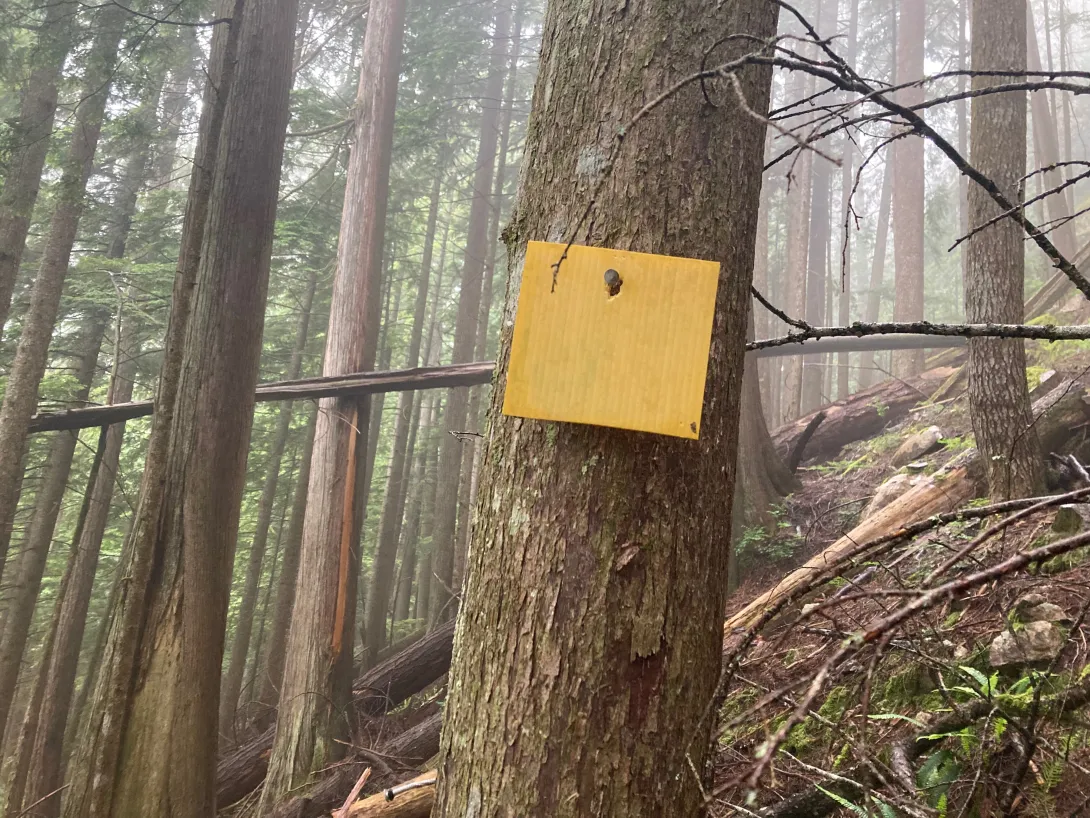
A placard still standing from the original surveys conducted in the early 90's. Finding these original sites was a "scavenger hunt," Freeman says. (Credit: Benjamin Freeman)
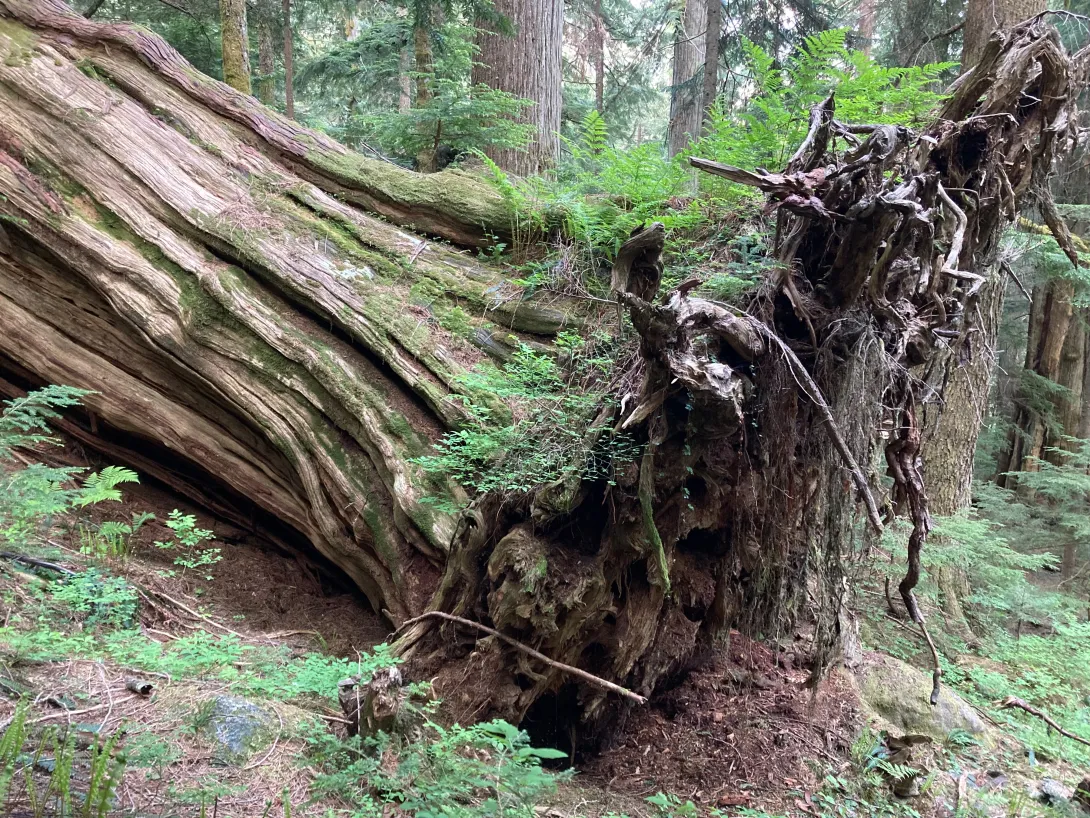
A large downed cedar tree in one of the lowland old-growth forests that Freeman navigated. (Credit: Benjamin Freeman)
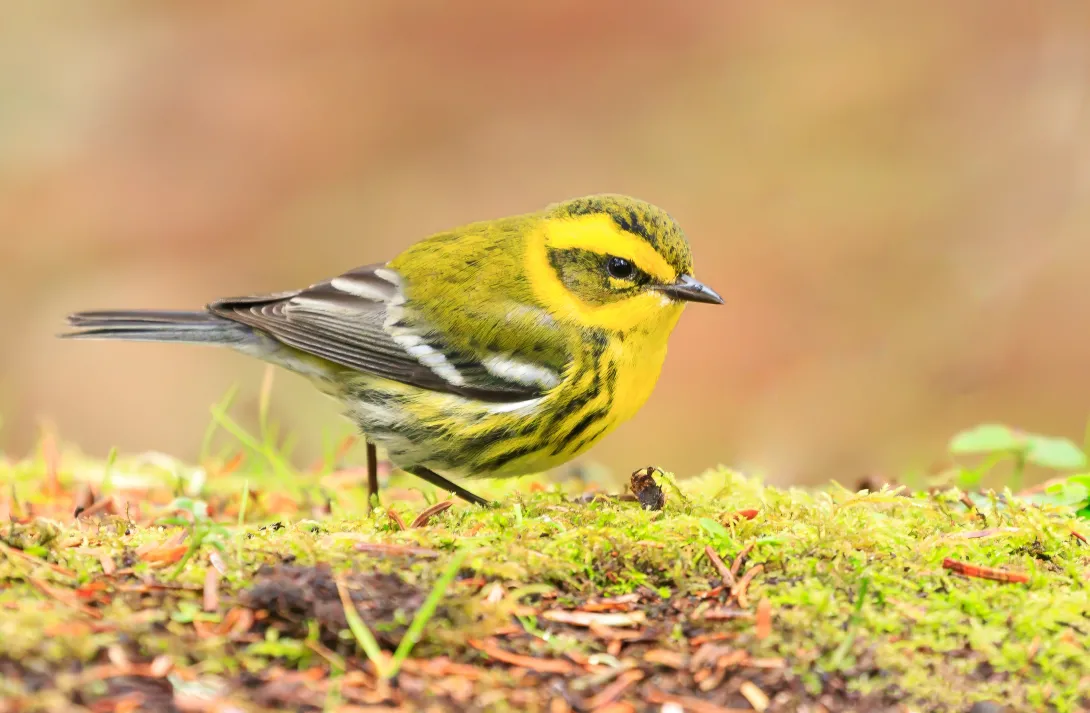
Townsend's Warbler, a small songbird that lives in the forests of the Pacific Northwest. (Credit: Melissa Hafting, @bcbirdergirl)
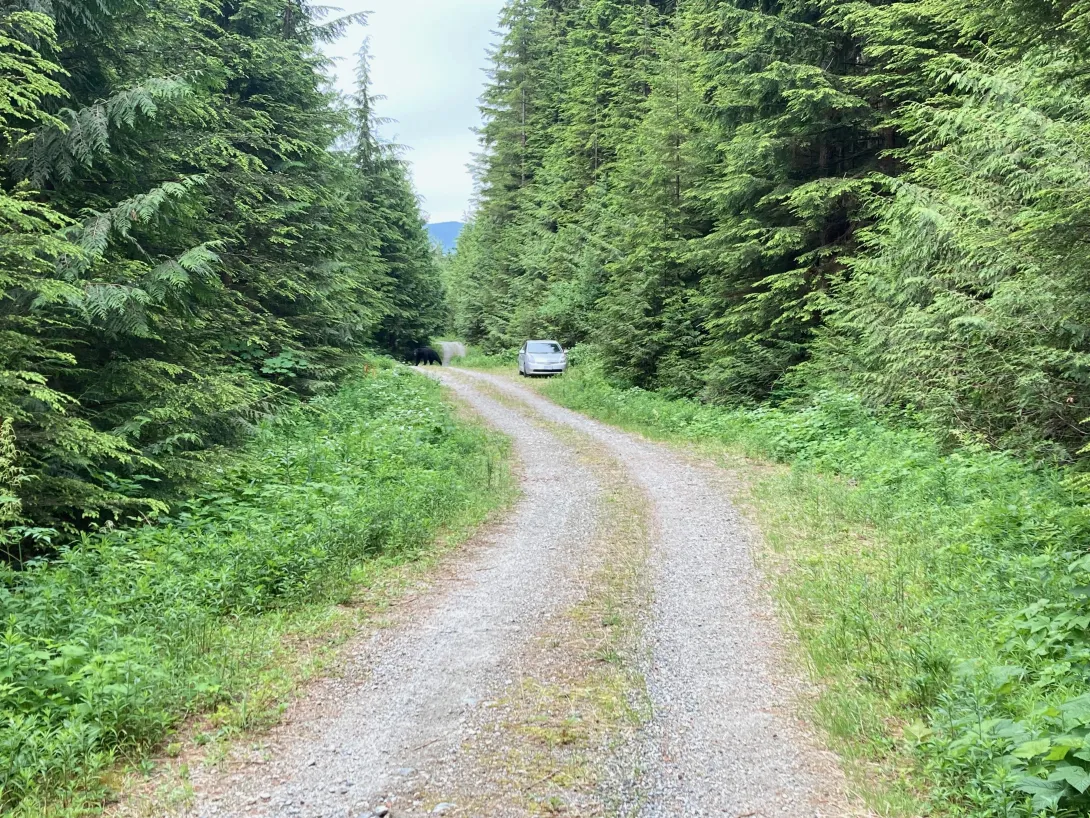
While locating the field sites, Freeman spotted this bear on an old road. (Credit: Benjamin Freeman)

An overgrown and abandoned road that Freeman traversed. (Credit: Benjamin Freeman)

The Varied Thrush is another bird common in the Pacific Northwest. (Credit: Melissa Hafting, @bcbirdergirl)
A 30-year “snapshot study” of birds in the Pacific Northwest is showing their surprising resilience in the face of climate change. The project started when School of Biological Sciences Assistant Professor Benjamin Freeman found a study by Louise Waterhouse detailing birds in the mountains near Vancouver three decades ago. What followed was an ecological scavenger hunt: Freeman revisited each of the old field sites, navigating using his local knowledge and Waterhouse’s hand-drawn maps.
Freeman, who grew up in Seattle, mainly studies the ecology of tropical birds — but the discovery of Waterhouse’s paper made him curious about research closer to home. The results were surprising: over the last three decades, most of the bird populations in the region were stable and had been increasing in abundance at higher elevations.
The study, “Pacific Northwest birds have shifted their abundances upslope in response to 30 years of warming temperatures” was published in the journal Ecology this fall. In addition to lead author Freeman, the team also included Harold Eyster (The Nature Conservancy), Julian Heavyside (University of British Columbia), Daniel Yip (Canadian Wildlife Service), Monica Mather (British Columbia Ministry of Water, Lands and Resource Stewardship), and Waterhouse (British Columbia Ministry of Forests, Coast Area Research).
“It is great news that most birds in the region are resilient, and by doing this work, we can focus on the species that do need help, like the Canada Jay, which is struggling in this region,” Freeman says. “Studies like this help us focus resources and effort.”
Songbirds and snow
Conducting the fieldwork was a detective game, Freeman says. Each day, he would wake up at four in the morning to locate and visit the research areas — often navigating trails, open forest, and rough terrain on foot.
This area of the Pacific Northwest is punctuated with old-growth stands of trees — sections of forest that have never been logged or altered. “These areas feel like islands,” Freeman shares. “They feel ancient and untouched, but even in pristine habitats, birds are still responding to climate change.”
Most of the work was conducted during the birds’ breeding season, from late May into June. This is when the birds are most vocal, which is ideal for surveys, Freeman says. The downside? Even in June, there is often snow in the mountains. “I was out at dawn, hiking through snow in the freezing cold, wondering why I didn’t stay in bed,” he recalls. “But then I’d hear birds singing all around me and realize it was all worth it.”
Upward expansion — and resilience
By comparing the two “snapshots,” the team showed that while temperatures have increased over the last 30 years, most bird populations in the region haven’t declined — but they have become more abundant at higher elevations. “It’s encouraging,” Freeman says. “Thirty years of warming has led to changes, but for the most part, these bird populations are mostly stable or improving.”
One reason for this resilience could be the stability that old growth forests provide, and Freeman suggests that conserving wide swaths of mountain habitat might help birds thrive as they continue to adapt, while still supporting populations at lower elevations. The study also helps identify which bird species need additional support, like the Canada Jay — a gray and white bird known for following hikers in pursuit of dropped snacks.
It’s just one piece of Freeman’s larger research goal — he aims to do this type of snapshot research in many different places to identify general patterns, especially differences in temperate versus tropical environments.
“In the tropics, most bird species are vulnerable, with only a few resilient species. In the Pacific Northwest, we saw the opposite,” he says. “A pattern is emerging: temperate zones show more resilience, tropics more vulnerability.”
Freeman is also conducting research with a group of students in Northern Georgia. “We predict that these Appalachian birds will be resilient as well,” he says, “but we need to study and understand what’s happening in nature — not just make predictions.”
DOI: https://doi.org/10.1002/ecy.70193
Funding: Packard Foundation
News Contact
Written by Selena Langner
Nov. 11, 2025
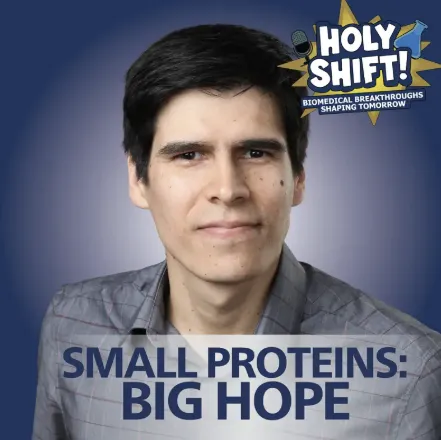
Inspired by geneticists working to sequence the human genome, Felipe Quiroz found his path in bioengineering as a bridge to genetic engineering. Now an assistant professor in the Wallace H. Coulter Department of Biomedical Engineering (BME) at Georgia Tech and Emory University, he studies a family of molecules called intrinsically disordered proteins, which play critical roles in Alzheimer’s disease and other neurodegenerative disorders.
In his lab, Quiroz engineers the invisible through proteins, cells, and genes to understand what is fundamentally happening inside the cell. The five-year-old lab, soon to celebrate its first cohort of graduates, brings together bioengineers, neuroscientists, chemists, and biologists working at the intersection of disciplines. His work is about impact today and for generations to come, driven by a motivation to build bridges between fields, ideas, and people. Guided by a high-risk, high-reward mentality, Quiroz’s research opens countless potential paths, advancing his field, defining new ones, and inspiring the next generation to develop the technologies of tomorrow.
Quiroz was recently featured on BME's Holy Shift! Podcast, where he revealed how his lab engineers the invisible — proteins, cells, and genes — to understand and treat diseases like Alzheimer’s.
Listen to the full episode here >>
News Contact
Summary by:
Hunter Ashcraft
Communications Student Assistant, Institute for Neuroscience, Neurotechnology, and Society (INNS)
News and media contact:
Kelly Petty
Communications Manager, BME
Nov. 10, 2025
Imagine a world where pediatric gastrointestinal disease could be diagnosed by swallowing a capsule-sized camera, where heart defects could be corrected by biodegradable implants, and where ADHD could be diagnosed through virtual reality. Georgia Tech and its partners are helping bring these world-changing ideas to life.
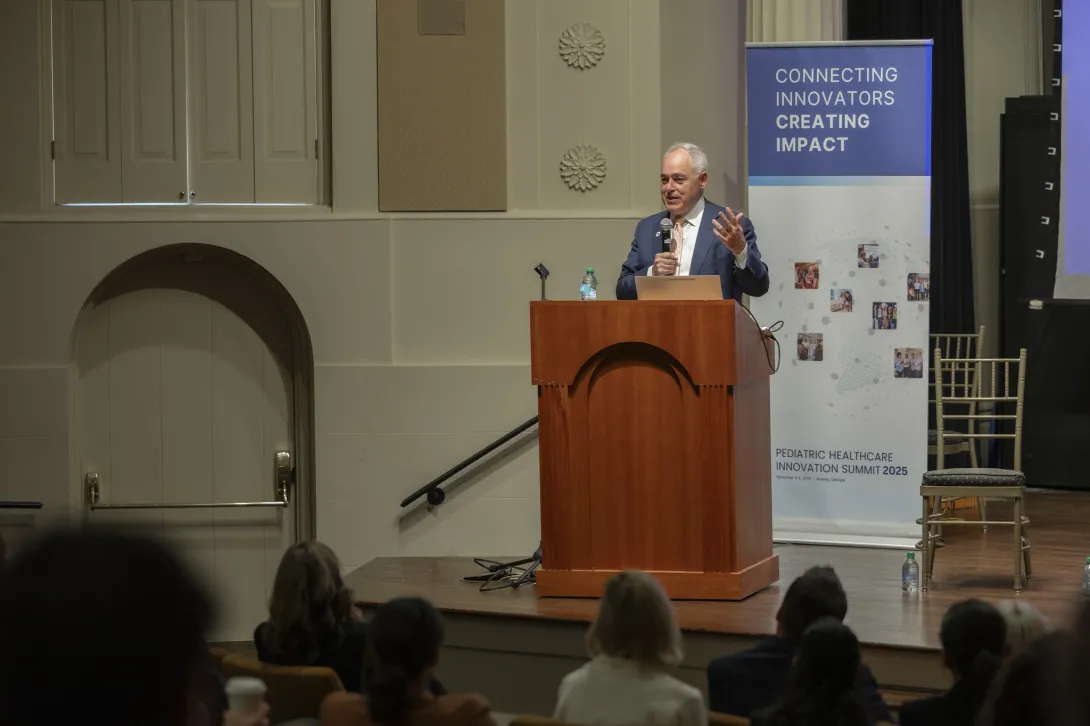
On Nov. 5 – 6, Georgia Tech hosted the Pediatric Healthcare Innovation Summit 2025 (PHIS), a one-of-a-kind event that brought champions of children’s health together to share knowledge, facilitate collaborative initiatives, and accelerate medical innovation. The summit was co-presented by the Georgia Tech Pediatric Innovation Network (PIN), the International Society for Pediatric Innovation (ISPI), and the FDA-funded Pediatric Device Consortia (PDC).
The event included a tour of the new Arthur M. Blank Hospital, technology showcases, workshops, panel discussions, a poster session, and a pitch competition where companies were awarded funding from the Pediatric Device Consortia.
“Georgia Tech is committed to advancing medicine, but in particular pediatric medicine, which is normally underfunded compared to adult healthcare,” Georgia Tech President Ángel Cabrera said. “We are committed to playing our part, and we're doing that in partnership with the best organizations, combining our engineering skills with clinical partners who understand the most important needs of children.”
Cabrera was a guest speaker for the event, which took place at two locations across campus: the newly opened Science Square and the Historic Academy of Medicine. He emphasized that championing causes such as pediatric healthcare innovation not only aligns with Georgia Tech’s mission, but also with the vision surrounding the new infrastructure being built across campus.
“We're committed to turning our city and our neighborhood into a hub of innovation, and the area of life sciences is one of those areas that we are supporting — including our new Science Square neighborhood, which is devoted to precisely this,” he said.
Though industry events happen every year, what makes PHIS unique is its goal of uniting not only clinicians and healthcare administrators, but also researchers, investors, and entrepreneurs. Attendees are united around a shared goal of solving systemic problems and, ultimately, saving and improving the lives of children. Julia Kubanek, Georgia Tech’s Vice President for Interdisciplinary Research, said that this collaborative approach provides a unique opportunity to progress ideas and technologies that impact the industry.
“Particularly in the pediatric space, the market is relatively small. When you have a specialized pediatric technology, it's sometimes difficult to get the resources to advance that into clinical trials and into products that can go to market,” she said. “This environment that the summit creates is a supportive one for solving those problems and advancing life-saving research.”
While this was the third year that the event featured a pitch competition, it was the first year that winners were awarded monetary prizes. By bringing startups and investors together, the PHIS plays a vital role in getting impactful research from conceptual to consumer ready. This year’s winners included: Luminoah in first place, Rhaeos in second, and AcQumen Medical in third.
Though the event does encourage friendly competition, the ultimate goal remains to improve the lives of children and their families through collaboration, thought leadership, and innovation.
“Our north star is taking care of children,” Anthony Chang, founder of ISPI, said in his opening remarks. “I think we underestimate how much we learn together. I look at our jobs not as jobs but as a special calling — taking care of children.”
In addition to PIN, ISPI, and PDC, the event was sponsored by Georgia Tech’s Office of Corporate Engagement, Shriner’s Children’s Research Institute, Children’s Healthcare of Atlanta, the Georgia Department of Economic Development, the Georgia Research Alliance, and the International Children’s Advisory Network, among others.
News Contact
Ashlie Bowman
Research Communications Program Manager
Oct. 27, 2025
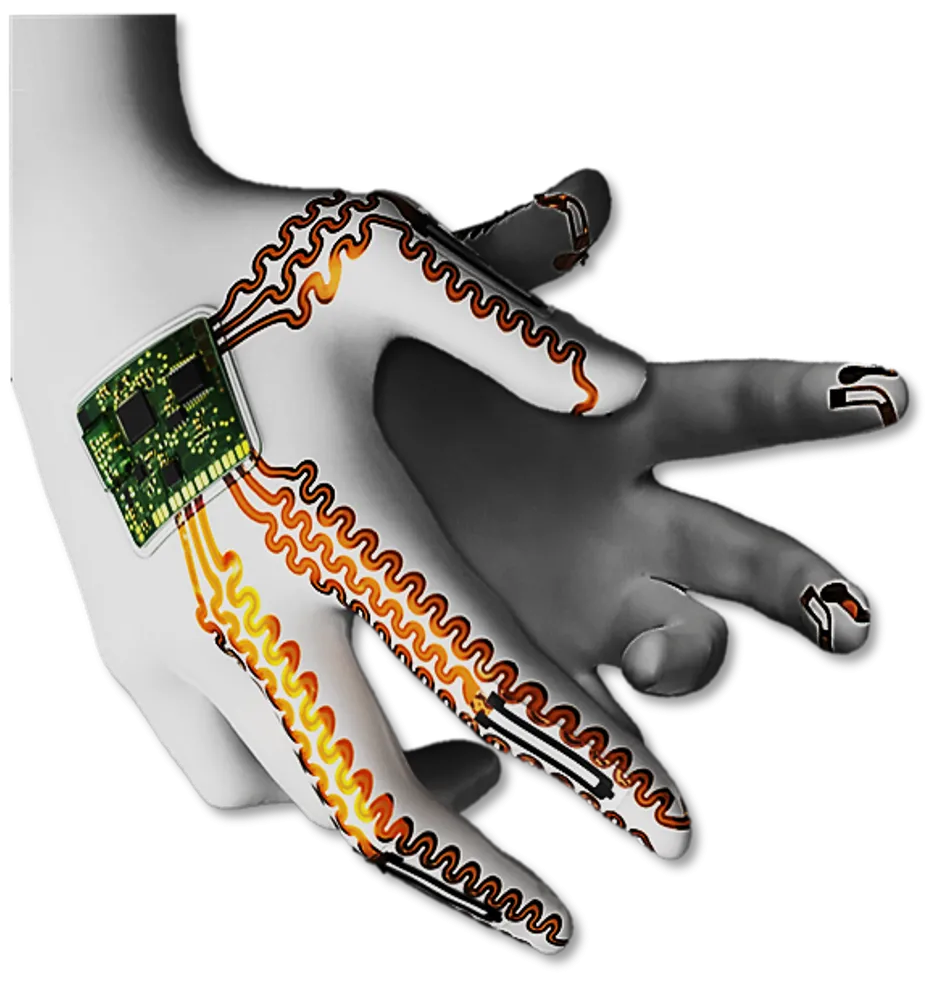
A mock-up of an AI-powered glove with muscles made from lifelike materials paired with intelligent control systems. The technology learns from the body and adapts in real time, creating motion that feels natural, responsive, and safe enough to support recovery.
Pop culture has often depicted robots as cold, metallic, and menacing, built for domination, not compassion. But at Georgia Tech, the future of robotics is softer, smarter, and designed to help.
“When people think of robots, they usually imagine something like The Terminator or RoboCop: big, rigid, and made of metal,” said Hong Yeo, the G.P. “Bud” Peterson and Valerie H. Peterson Professor in the George W. Woodruff School of Mechanical Engineering. “But what we’re developing is the opposite. These artificial muscles are soft, flexible, and responsive — more like human tissue than machine.”
Yeo’s latest study, published in Materials Horizons, explores AI-powered muscles made from lifelike materials paired with intelligent control systems. The technology learns from the body and adapts in real time, creating motion that feels natural, responsive, and safe enough to support recovery.
Muscles That Think, Materials That Feel
Traditional robotics relies on steel, wires, and motors, but rarely captures the nuances of human motion. Yeo’s research takes a different approach. He uses hierarchically structured fibers, which are flexible materials built in layers, much like muscle and tendon. They can sense, adapt, and even “remember” how they’ve moved before.
Yeo trains machine learning algorithms to adjust those pliable materials in real time with the right amount of force or flexibility for each task.
“These muscles don’t only respond to commands,” Yeo said. “They learn from experience. They can adapt and self-correct, which makes motion smoother and more natural.”
The result of that research is deeply human. For someone recovering from a stroke or limb loss, each deliberate movement rebuilds not just strength — it rebuilds confidence, independence, and a sense of self.
A Glove That Gives Freedom Back
One of the first real-world applications is a prosthetic glove powered by artificial muscles (published in ACS Nano, 2025), a device that behaves more like a helping hand than a mechanical tool. Traditional prosthetics rely on rigid motors and preset motions, but Yeo’s design mirrors the natural give-and-take of real muscle.
Inside the glove, thin layers of stretchable fibers and sensors contract, twist, and flex in sync with the wearer’s intent. The glove can fine-tune grip strength, reduce tremors, and respond instantly to the user’s movements, bringing dexterity back to everyday life.
That kind of precision matters most in the smallest tasks: fastening a button, lifting a glass, holding a child’s hand.
“These aren’t just movements,” Yeo said. “They’re freedoms.”
For Yeo, the idea of restoring freedom through movement has driven his research from the very beginning.
A Mission Rooted in Loss
Yeo's work is deeply personal. His path to biomedical engineering began with loss — the sudden death of his father while Yeo was still in college. That moment reshaped his sense of purpose, redirecting his focus from machines that move to technologies that heal.
“Initially, I was thinking about designing cars,” he said. “But after my father’s death, I kind of woke up. Maybe I could do something that helps save someone’s life.”
That purpose continues to guide his lab’s work today, building technologies that help people recover what they’ve lost.
Achieving that vision, however, means tackling some of engineering’s toughest challenges.
Soft Machines, Hard Problems
Creating lifelike muscles isn’t easy. They need to be soft but strong, responsive but safe. And they must avoid triggering the body’s immune system. That means building materials that can survive inside the body — and learn to belong there.
“We always think about not only function, but adaptability,” Yeo said. “If it’s going to be part of someone’s body, it has to work with them, not against them.”
His team calibrates these synthetic fibers like precision instruments — tested, adjusted, and re-tuned until they operate in sync with the body’s natural movements. Over time, they develop a kind of “muscle memory,” adapting fluidly to changing conditions. That dynamic adaptability, Yeo explained, is what separates a machine from a prosthetic that truly feels alive.
From Collaboration to Innovation
Solving problems this complex requires more than one discipline. It takes an entire ecosystem of collaboration. Yeo’s lab brings together experts in mechanical engineering, materials science, medicine, and computer science to design smarter, safer devices.
“You can’t solve this kind of problem in isolation,” he said. “We need all of it — polymers, artificial intelligence, biomechanics — working together.”
That collaborative model is supported by the National Science Foundation (NSF), the National Institutes of Health, and Georgia Tech’s Institute for Matter and Systems. In 2023, Yeo received a $3 million NSF grant to train the next generation of engineers building smart medical technology.
His team now works closely with healthcare providers and industry partners to bring these devices out of the lab and into patients’ lives.
The Future You Can Feel
The future of robotics, according to Yeo, won’t be defined by power or complexity but by feel.
“If it feels foreign, people won’t use it,” he said. “But if it feels like part of you, that’s when it can truly change lives.”
It’s the opposite of The Terminator, where machines replace us. Yeo is designing these machines to help us reclaim ourselves.
News Contact
Michelle Azriel Writer/Editor, Research Communications
Oct. 23, 2025
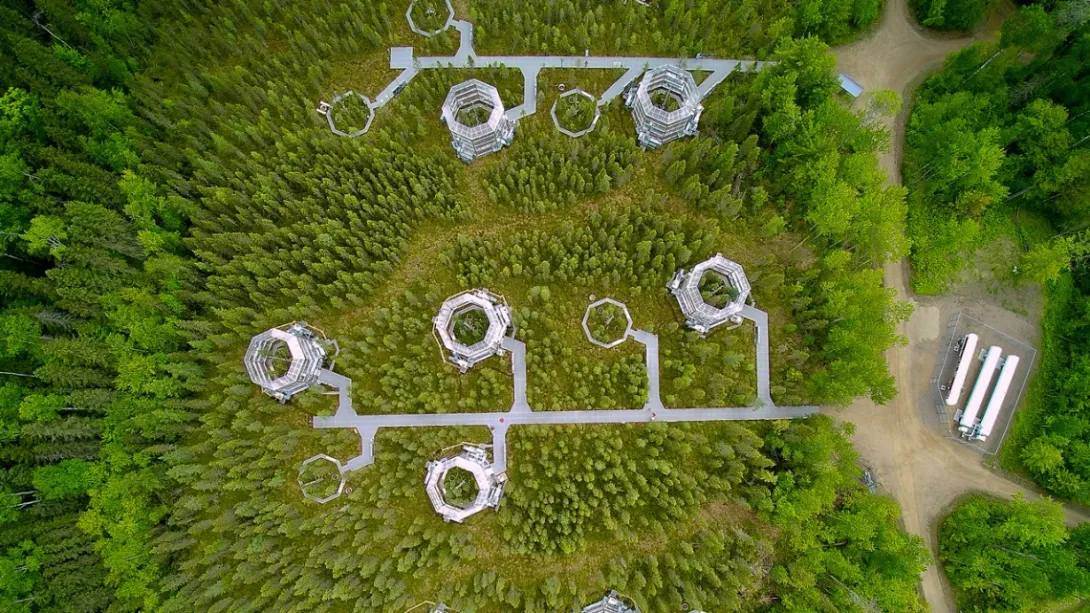
This story by Caitlin Hayes is shared jointly with the Cornell Chronicle newsroom.
Study co-author Joel E. Kostka is the Tom and Marie Patton Distinguished Professor and associate chair for Research in the School of Biological Sciences with a joint appointment in the School of Earth and Atmospheric Sciences. He also serves as faculty director of Georgia Tech for Georgia's Tomorrow.
The Kostka Lab works in peatland ecosystems to quantify changes in microbial communities brought on by climate change drivers. In particular, next generation gene sequencing and omics approaches are employed to investigate the microbial groups that mediate organic matter degradation and the release of greenhouse gases.
Peatlands make up just 3% of the earth’s land surface but store more than 30% of the world’s soil carbon, preserving organic matter and sequestering its carbon for tens of thousands of years. A new study sounds the alarm that an extreme drought event could quadruple peatland carbon loss in a warming climate.
In the study, published October 23 in Science, researchers find that, under conditions that mimic a future climate (with warmer temperatures and elevated carbon dioxide), extreme drought dramatically increases the release of carbon in peatlands by nearly three times. This means that droughts in future climate conditions could turn a valuable carbon sink into a carbon source, erasing between 90 and 250 years of carbon stores in a matter of months.
“As temperatures increase, drought events become more frequent and severe, making peatlands more vulnerable than before,” said Yiqi Luo, senior author and the Liberty Hyde Bailey Professor in the School of Integrative Plant Science’s Soil and Crop Sciences Section, in the College of Agriculture and Life Sciences (CALS) at Cornell University. “We add new evidence to show that with peatlands, the stakes are high. We observed that these extreme drought events can wipe out hundreds of years of accumulated carbon, so this has a huge implication.”
“To me, this study is striking in that it shows that around 10 to 100 years of carbon uptake by one of the most important global soil carbon stores can be erased by just two months of extreme drought,” adds Joel Kostka, Tom and Marie Patton Distinguished Professor in Biological Sciences at Georgia Tech.
It was already well-established that drought reduces ecosystem productivity and increases carbon release in peatlands, but this study is the first to examine how that carbon loss is exacerbated as the planet warms and more carbon dioxide enters the atmosphere. The Intergovernmental Panel on Climate Change estimates extreme drought will become 1.7 to 7.2 times more likely in the near future.
Read the full story in the Cornell newsroom.
###
Other co-authors include Cornell postdoctoral researchers Jian Zhou and Ning Wei; senior research associate Lifen Jiang; and researchers from Georgia Institute of Technology, Florida State University, the U.S. Department of Agriculture (USDA), ETH Zurich, Northern Arizona University, the Australian National University, the University of Western Ontario and Duke University.
Funding for the study came in part from the National Science Foundation, USDA, the New York State Department of Environmental Conservation and the New York State Department of Agriculture and Markets.
News Contact
Media contacts:
Jess Hunt-Ralston
Director of Communications
College of Sciences
Georgia Tech
Kaitlyn Serrao
Media Relations
Cornell University
Natalia Burgess
Media Assistant
ANU Communications and Engagement
The Australian National University
Oct. 16, 2025

When a Georgia Tech-led project received a contract award from the Advanced Research Projects Agency for Health (ARPA-H), it was for a bold idea with aggressive metrics. And it wasn’t guaranteed money. The team, led by biomedical engineer Gabe Kwong, had to deliver on its vision. Doing so could transform cancer screening and care, leading to one-size-fits-all tests that detect multiple cancers before they’re visible on CT or PET scans.
It’s a big goal, but that’s the point of ARPA-H. The agency funds staggeringly difficult healthcare innovation ideas that require major investment to succeed.
Two years into the $49.5 million project, Kwong and the team from Georgia Tech, Columbia University, and Mount Sinai Health System has crossed a critical threshold.
They’ve built the first tool able to measure enzyme activity around cancer tumors and healthy cells. And they’ve deployed it to understand the unique signatures for tumors from 14 different kinds of cancer.
That data is powering the first version of a cancer “atlas.” Like a geographical atlas, it will offer directions to each kind of tumor, allowing scientists to design sensors that follow the map and detect cancer tumors when they’re still small.
“If I want to deliver a sensor to a particular region inside the body, right now, there's no way of directing it. We give it systemically, and it basically infuses all tissues all the time,” said Kwong, Robert A. Milton Professor in the Wallace H. Coulter Department of Biomedical Engineering. “What's powerful is that we’re now defining tissue sites with a specific molecular ‘barcode.’ Then if a sensor is given systemically, it should only turn on when the barcode matches the local tissue.”
Read more about the project on the College of Engineering website.
News Contact
Joshua Stewart
College of Engineering
Oct. 15, 2025
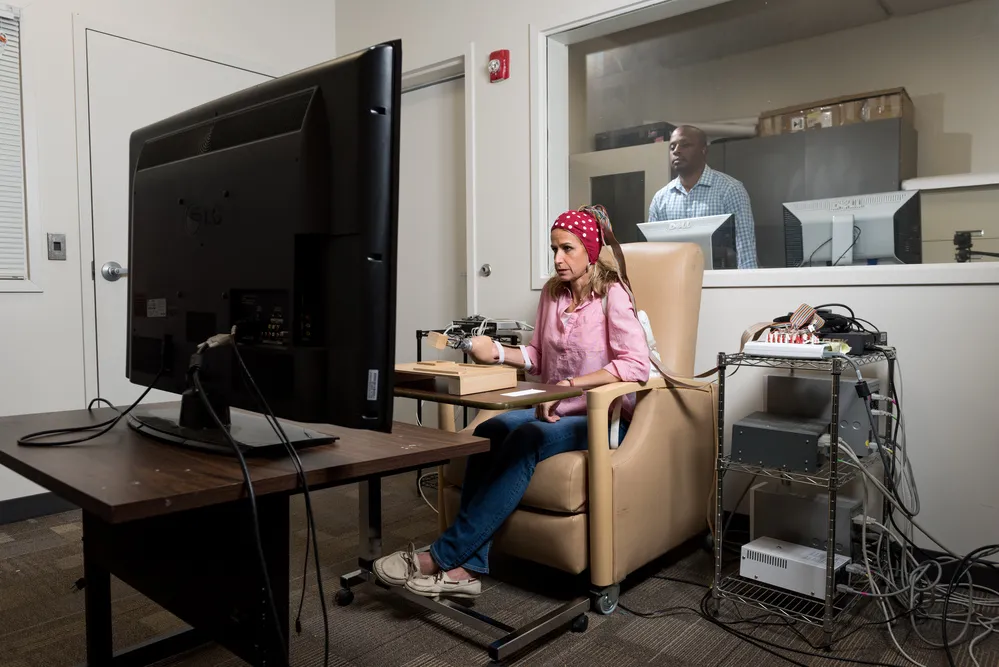
Neuroscience experts from across Georgia Tech will soon come together for a new interdisciplinary research institute, the Institute for Neuroscience, Neurotechnology, and Society (INNS), launched in July. Faculty in INNS are helping to solve some of neuroscience’s most pressing problems, and many have promising medical applications. One important aspect of studying the brain is understanding how the brain and the body work together. Meet the researchers who study brain-body interactions, from monitoring the neuron degradation that causes Alzheimer’s to enhancing mobility for stroke survivors, in an effort to improve the health and quality of life for millions of Americans.
Oct. 15, 2025
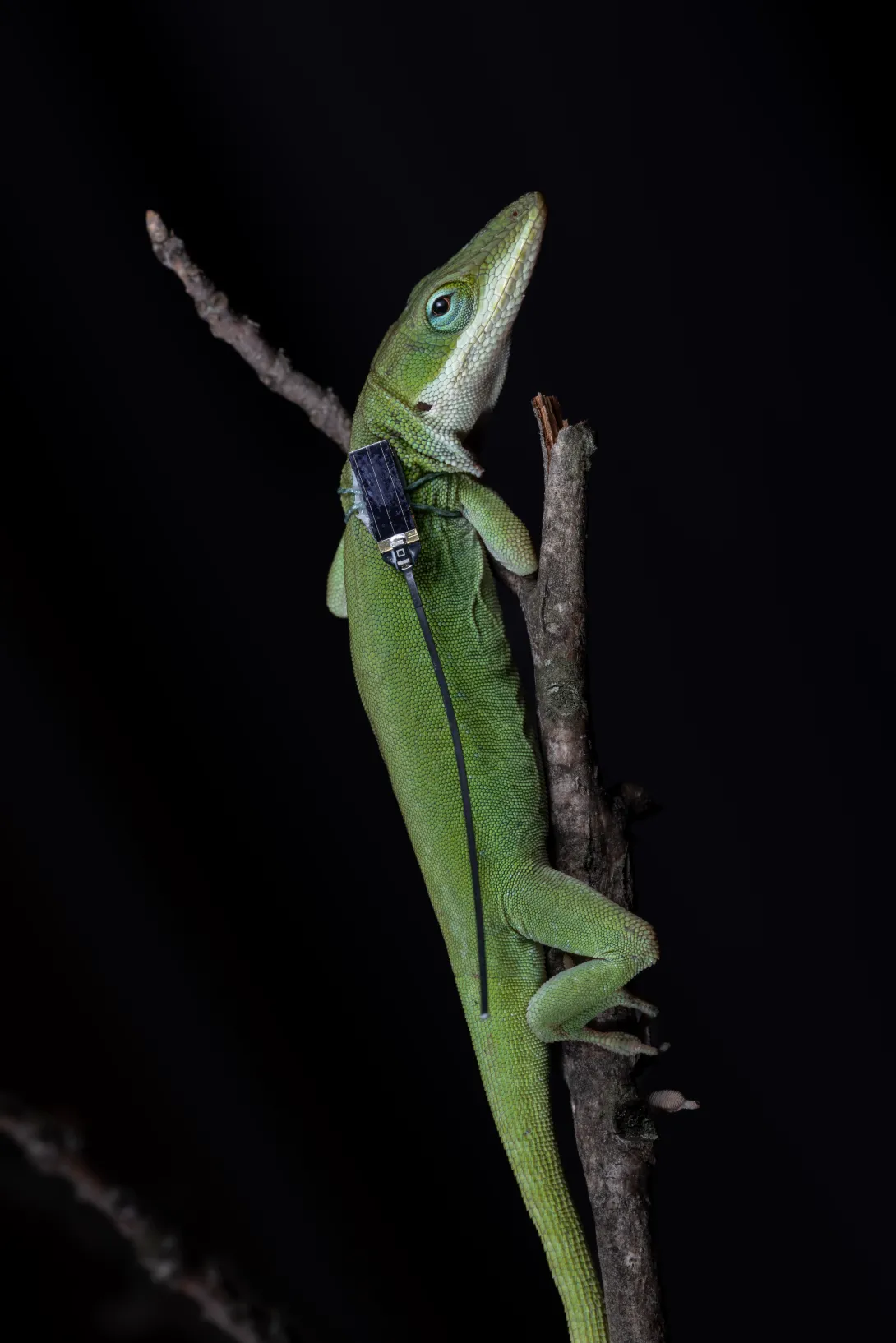
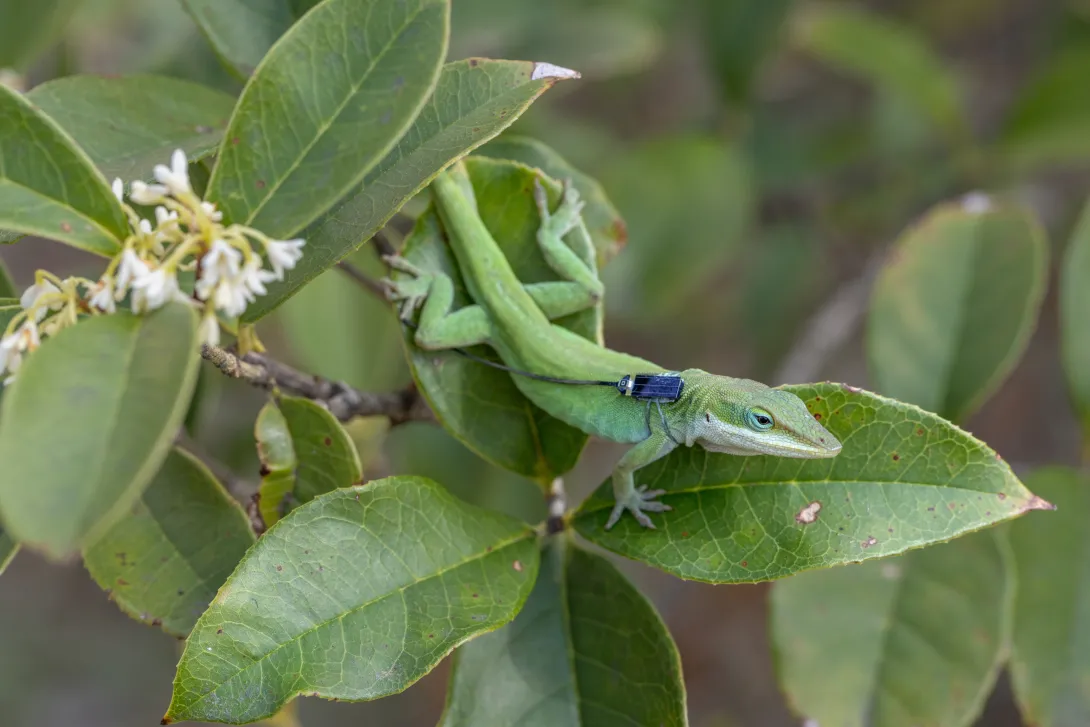
A lizard wearing one of the sensors, which weigh just three-hundredths of a gram each — the same as a two grains of rice. (Credit: Jon Suh)
Stroud will spend the next five years transforming Lizard Island into the world’s premier evolutionary observatory (Credit: Jon Suh)
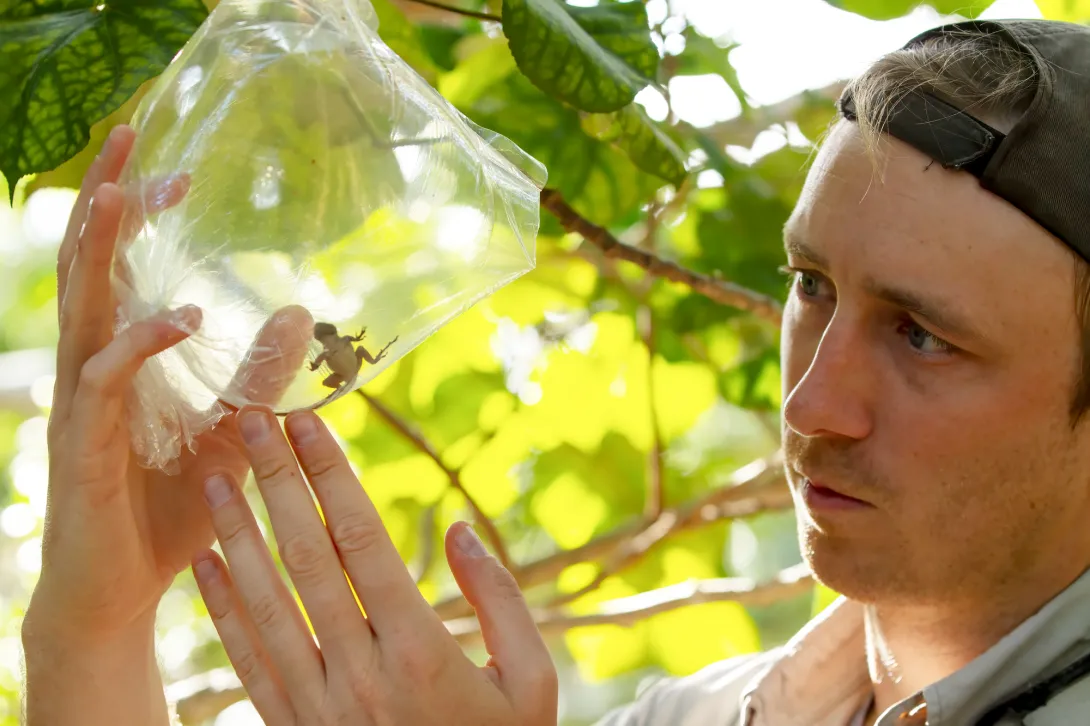
James Stroud examines a lizard in the field. (Credit: Day’s Edge Productions)
James Stroud has been named a 2025 Packard Fellow for his pioneering research in evolutionary biology. Stroud, Elizabeth Smithgall-Watts Early Career Assistant Professor in the School of Biological Sciences, will receive $875,000 over five years to fund his work on “Lizard Island” in South Florida. His goal? To create evolution’s first high-definition map — with the help of 1,000 backpack-wearing lizards.
Awarded annually to just 20 individuals by the David and Lucile Packard Foundation, Packard Fellowships for Science and Engineering support researchers pursuing cutting-edge research and ambitious goals. “These visionary Packard Fellows are pushing the boundaries of knowledge, and their bold ideas will become tomorrow’s real-world solutions,” says Nancy Lindborg, president and CEO of the Packard Foundation in a recent press release.
The flexible funding allows researchers to maximize their creativity and ingenuity. Stroud will spend the next five years transforming Lizard Island into the world’s premier evolutionary observatory, merging groundbreaking technology with long-term field research.
On Lizard Island, that means equipping every lizard with an ultra-lightweight sensor “backpack.” Although the sensors weigh just six-hundredths of a gram each — the same as two grains of rice — when combined with innovations in mapping technology, they will help Stroud investigate the role that behavior plays in driving evolution in the wild.
“I’m incredibly honored to be named a 2025 Packard Fellow,” says Stroud. “This support allows me to pursue a question that has fascinated evolutionary biologists for centuries: how does behavior shape evolution? It’s a transformative opportunity, and I’m deeply grateful to the Packard Foundation for believing in the potential of this work.”
Tiny sensors, big questions
Begun in 2015, Stroud’s work on Lizard Island is one of the longest-running evolutionary studies of its kind: for the last 10 years, he has carefully caught and released every lizard on the island, measuring evolution through documenting their body characteristics, habitat use, and survival.
Through his studies, he has captured evolution in action, but monitoring and measuring behavior in evolutionary studies has historically been an extremely difficult and elusive task. The problem? While smaller animals tend to have higher population densities and reproduce more quickly (making them ideal candidates for evolutionary field studies), it has been difficult to find durable and long-lasting sensors small enough for these animals to carry.
“This has been a missing link because behavior is a critical component of evolution,” Stroud says. “Behavior can both expose individuals to — or shield them from — natural selection. For example, an animal with a less favorable trait, like bad eyesight, could change its behavior to avoid situations where it is disadvantaged.
“These decisions can ultimately determine whether they survive and reproduce in the wild, directly influencing the outcome of natural selection. However, until now, we just haven’t had the technology to measure these types of extremely intricate behaviors across many individuals before.”
Mapping the future
Stroud won’t just know exactly where each lizard is — he’ll also create a detailed three-dimensional map of the entire island using remote sensing technology called LiDAR, updating it each year. “By shooting millions of laser beams, we can create a highly detailed three-dimensional map of Lizard Island, capturing the shape of every branch, rock, and blade of grass on the island,” he explains. “When connected to our lizard backpacks, we’ll know the exact microhabitats and resources available to each lizard as they move through this environment.”
Stroud will also deploy hundreds of microclimate sensors to understand how species are reacting to changes in temperature and climate. The result will be the world’s first comprehensive database: a record of minute lizard movements, the resources each individual uses, daily interactions, and changes in the environment spanning seasons and years.
“For evolutionary scientists, it has been seemingly impossible to track the moment-by-moment decisions of individual organisms… until now,” he says.
“Today, it’s possible to study what Darwin could only dream of — evolution occurring in real time,” Stroud adds. “Behavior is a critical component of evolution, understanding evolution is critical to understanding life on Earth, and understanding life on Earth is more important than ever.”
News Contact
Written by Selena Langner