
Jan. 23, 2023

Beginning Summer 2023, prospective and current Georgia Tech students will have three new Bachelor of Science degrees to choose from in the School of Earth and Atmospheric Sciences. The expanded undergraduate offerings target a wider range of job and research opportunities — from academia to analytics, NASA to NOAA, meteorology to marine science, climate and earth science, to policy, law, consulting, sustainability, and beyond.
The Board of Regents of the University System of Georgia has approved two new specific degrees within the School: Atmospheric and Oceanic Sciences (AOS) and Solid Earth and Planetary Sciences (SEP). Regents also approved Environmental Science (ENVS) as an interdisciplinary College of Sciences degree between the School of Earth and Atmospheric Sciences and the School of Biological Sciences. The existing Earth and Atmospheric Sciences B.S. degree will sunset in two years for new students.
“We are really excited to be able to offer this new interdisciplinary undergraduate degree program in Environmental Science,” said Jean Lynch-Stieglitz, ADVANCE Professor in Earth and Atmospheric Sciences (EAS). “While it was developed jointly between the Schools of Earth and Atmospheric Sciences and Biological Sciences, it brings together Georgia Tech’s broad expertise and course offerings related to the Earth’s environment from across the Institute.”
“We are excited to see these new programs develop,” added Andrew Newman, professor and the School’s undergraduate coordinator, “as these degrees highlight the quantitative and computational skills of Georgia Tech students, and align better with their interests in global understanding of problems related to environmental impact and sustainability, natural hazards and landscape development, as well as planetary evolution, habitability, and exploration.”
“Students looking for specific types of programs will also be more understanding of what their program offers,” Newman said. “Under our current degree, a student interested in ocean science, planetary science, and environmental chemistry all would be looking at the same degree that doesn’t define their interests. Now, having programs with those interests in their name, and described well on the upcoming webpage, will greatly increase their interest in our program.”
The Evolution of EAS at Georgia Tech
Newman also shared that, in Fall 2021, the School surveyed current EAS undergraduate students and recent alumni for feedback and thoughts on the potential degrees. Responses from the community highlighted that the plan for transitioning the existing major could not only help new students hone their academic and career plans, but also help them communicate beyond EAS about their chosen major.
“These degrees make it more clear what the student is studying,” shared one student. “Before, people would ask what my major ‘even is’ and what kinds of jobs I could get with it. I think the new majors make it more clear.”
“Finally, Planetary Science!” said another student. “This degree would go well with a Physics or AE (Aerospace Engineering) certificate or dual degree.”
All about the new Georgia Tech EAS degrees
The expanded undergraduate degree offerings are designed to continue Georgia Tech’s reputation for academic rigor — and also reflect trends in student interests, as well as current and forecasted needs in the job marketplace.
“A key aspect of the new Environmental Science degree program will be its flexibility,” said Lynch-Stieglitz. “Students will be able to focus their study to support their interests and career goals whether those be in conservation, climate change, or environmental health. We’ve also left space in their program to encourage participation in especially impactful experiences such as study abroad and research projects. Georgia Tech students are fantastic — well prepared, diverse, smart, hard-working, and passionate. This flexible approach will allow them to become the broadly educated leaders who will envision the solutions to environmental problems that are so urgently needed.”
More on the new undergraduate degrees and what they will require:
B.S. Atmospheric and Oceanic Sciences (AOS) Degree
AOS uses the current Meteorology track as its foundation and will include aspects of Atmospheric Sciences, Oceanography and Climate Sciences.
EAS will continue to offer courses needed for American Meteorological Society (AMS) certifications as well as those required for eligibility for National Weather Service meteorology jobs.
Some courses will be reduced and others added (e.g. the existing course Physics of Weather will now be formally required instead of Earth Processes; the National Weather Service Practical Internship course in partnership with NWS Peachtree City will continue).
The AOS degree is designed to take advantage of Atlanta as a “hotspot” for major meteorological organizations including The Weather Channel, CNN, local stations in a top 10 TV market, and the National Weather Service (NWS) Peachtree City, Georgia office. The degree also builds on Georgia Tech’s existing expertise in Atmospheric Chemistry, Oceanography, Climate Dynamics, Paleoclimatology and Paleoceanography, and meteorological research.
AOS degree recipients looking for jobs or graduate research can target the energy sector, insurance risk modeling, broadcast meteorology, consulting, data analytics, aviation, military, and K-12 education, among other positions.
B.S. Environmental Science (ENVS) Degree
ENVS was developed by a joint committee involving EAS and the School of Biological Sciences.
ENVS requires core content in mathematics, physics, chemistry, biology, Earth sciences, and public policy.
Upper level coursework allows students to customize their program of study based on interest.
Students will complete a capstone research project that integrates the knowledge they have gained through the program.
This degree takes advantage of Georgia Tech’s expertise in Environmental Chemistry, climate science, marine science, Aquatic Chemical Ecology, microbial dynamics, and Environmental Policy. Newman added that there is a critical emerging market need for scientists with expertise in the Earth’s environmental systems.
The ENVS degree will provide a strong base for students pursuing graduate programs and careers in environmental policy, environmental law, medicine, and other master’s and Ph.D. programs in environmentally related disciplines.
B.S. Solid Earth and Planetary Sciences (SEP) Degree
SEP builds on the existing Earth Science track to include Planetary Sciences.
There is an opportunity to reduce some courses.
Some courses will now be required (e.g. Physics II, Physics of Planets, Introduction to Geophysics).
According to an SEP prospectus, “the degree will support Georgia Tech’s mission to develop leaders who advance technology and improve the human condition, through developing holistically minded students that can put human development in context of the environment for which we live, including resource availability, hazards that affect sustainability, and our exploratory nature to understand our place on the planet and solar system.”
Career and graduate opportunities include energy sector positions, NASA, NOAA, U.S. Geological Survey, environmental remediation, hazard assessment and data analytics.
Learn more, contact EAS Undergraduate Advising, and apply:
News Contact
Writer: Renay San Miguel
Communications Officer II/Science Writer
College of Sciences
404-894-5209
EAS Undergraduate Program Contacts:
eas.gatech.edu/undergraduate
Editor and Media Contact:
Jess Hunt-Ralston
Director of Communications
College of Sciences at Georgia Tech
Dec. 07, 2022
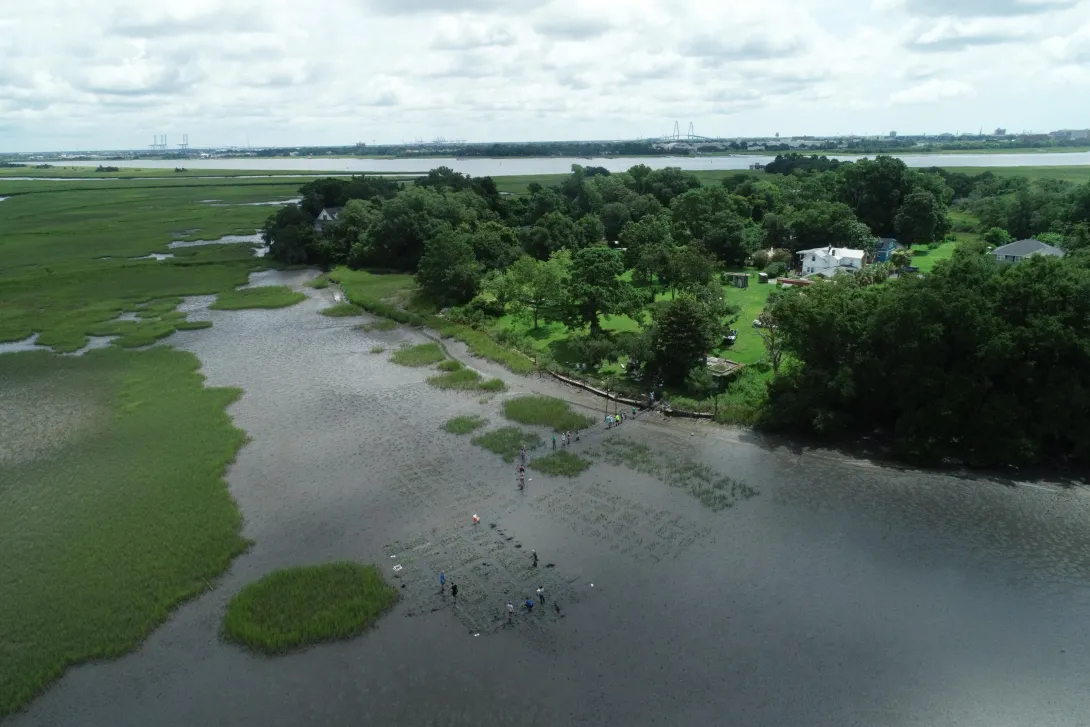
For marine scientist, climate activist, and Tech alumnus Albert George (MS HSTS 2009), the fight against climate change is also a fight for home.
Now, what started as a citizen science initiative led by George has turned into a $2.6 million National Fish and Wildlife Association effort to restore degraded salt marshes in Charleston, South Carolina. As part of the project, Joel Kostka, professor and associate chair of Research in the School of Biological Sciences, will lead a team of researchers to not only monitor these restoration efforts, but gain insights into why the marshes degraded in the first place — and how to prevent it from happening in the future.
Over the past three years, Kostka, who has a joint appointment in the School of Earth and Atmospheric Sciences, has worked with SCDNR and Robinson Design Engineers, a local firm co-led by Tech alum Joshua Robinson (CEE 2005), to develop engineering and design plans for the restoration of the salt marshes.
“That project went really well,” shared Kostka, “and now we have developed engineering and design plans for the actual restoration as we are moving forward with the next phase.”
Work for the current phase of the project is set to begin soon. Over the next four years, community volunteers will work to plant marsh grasses, restore oyster reefs, and excavate the tidal creeks that supply the marsh with sea water.
“Because if we don't do this work,” George shared, “then basically it means a place that I grew up in and a place that I call home will no longer exist.”
News Contact
Writer:
Audra Davidson, College of Sciences
Editor and Contact:
Jess Hunt-Ralston
Director of Communications
College of Sciences at Georgia Tech
Oct. 04, 2022
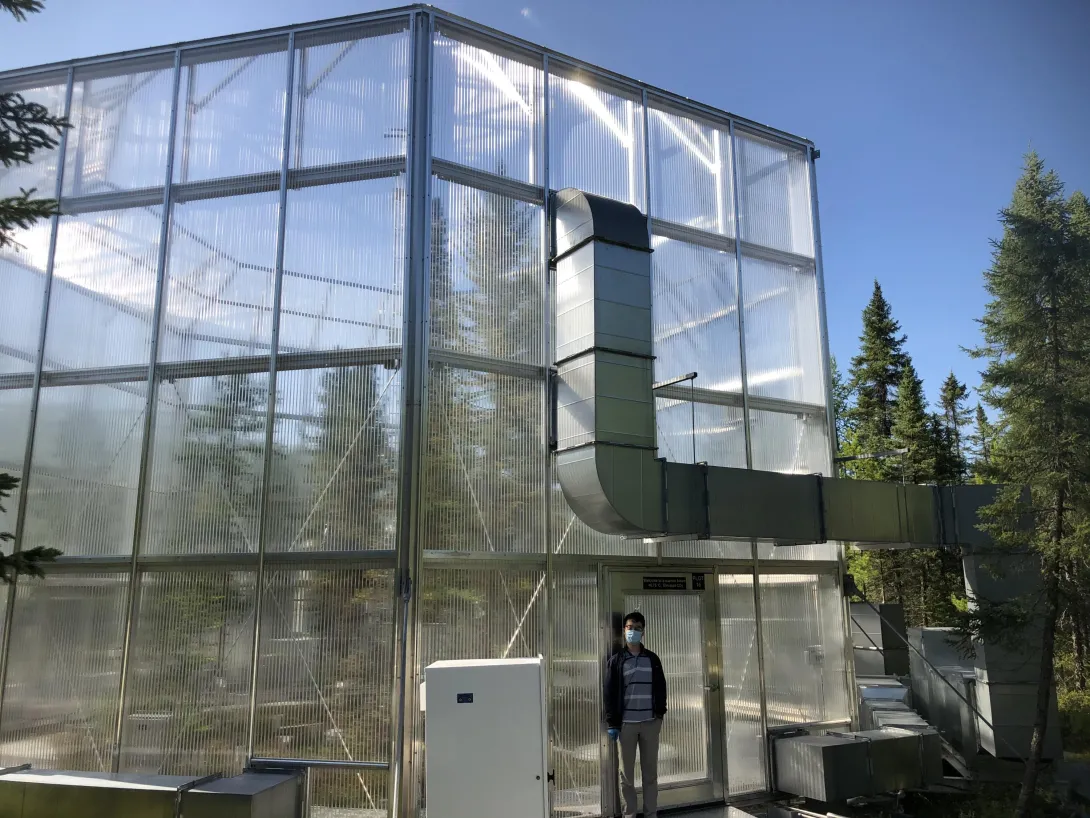
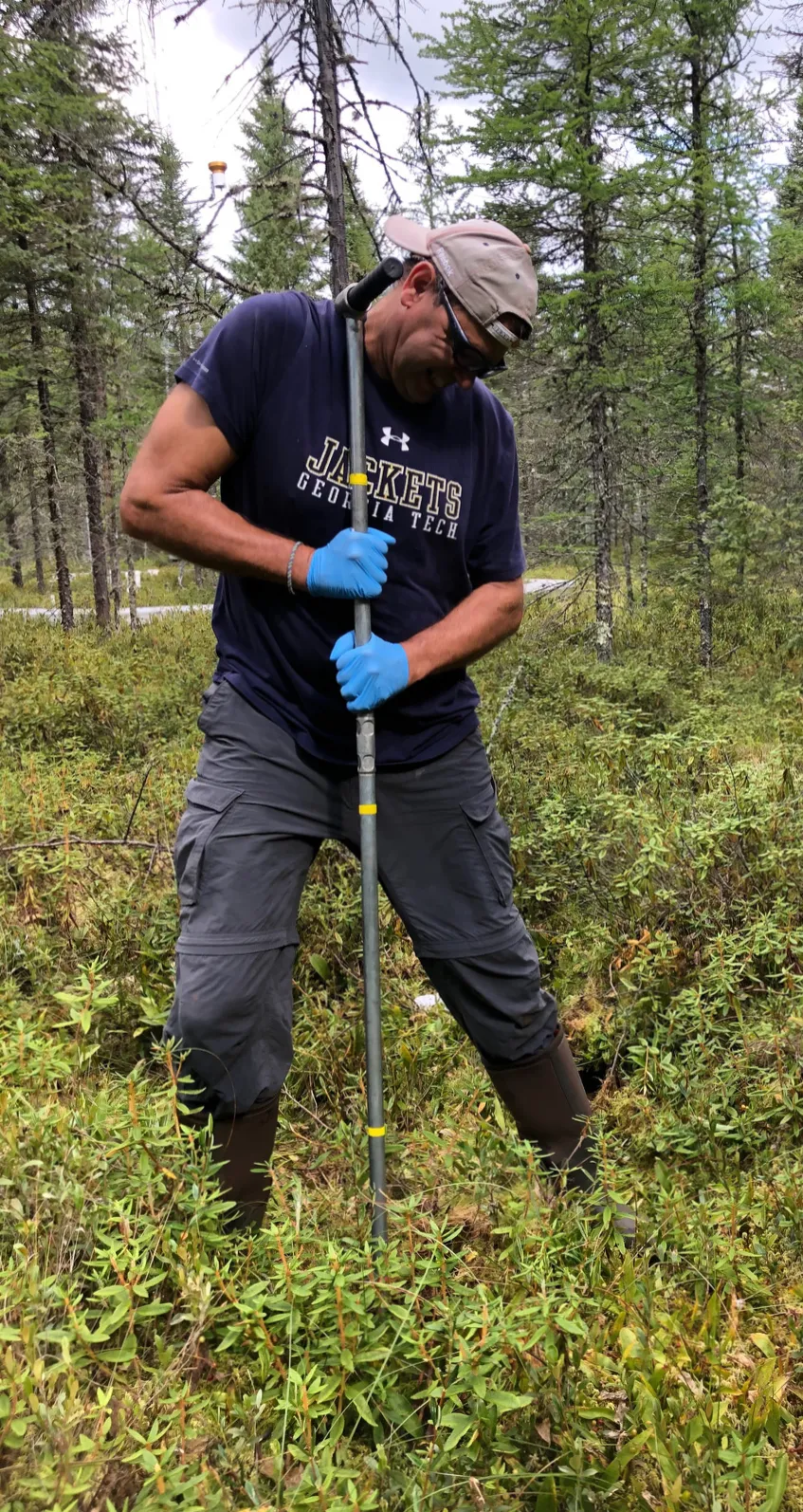
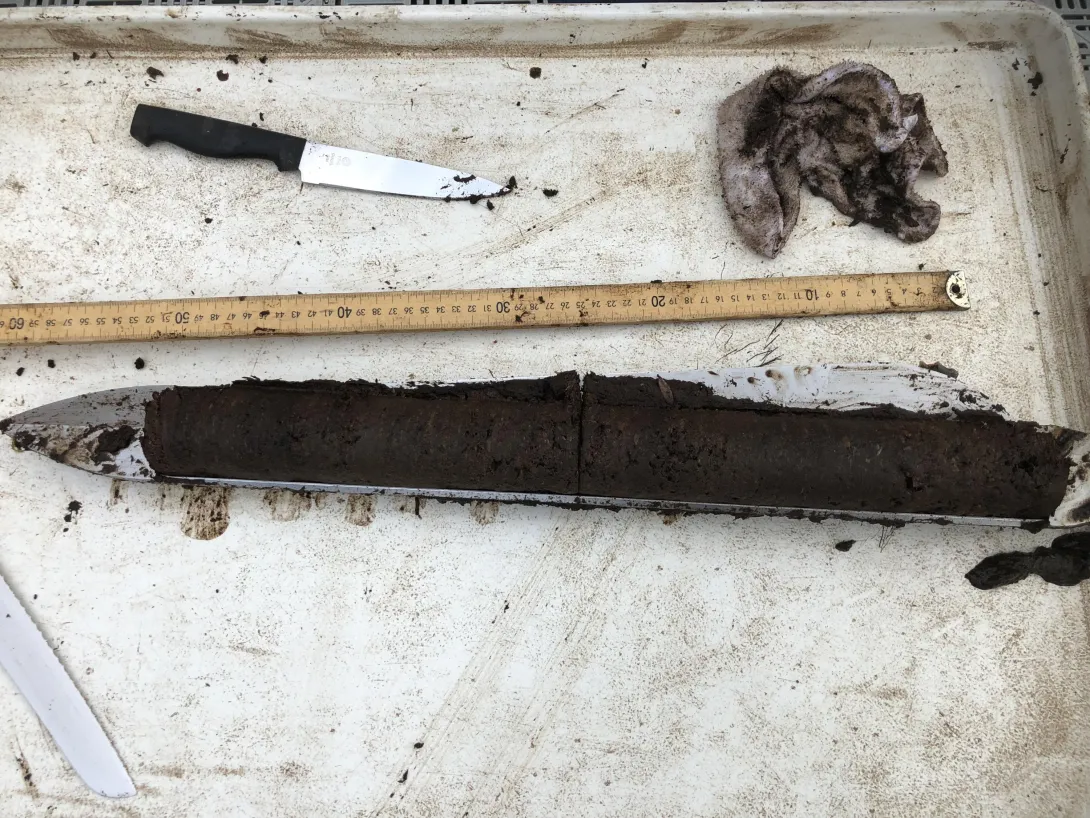
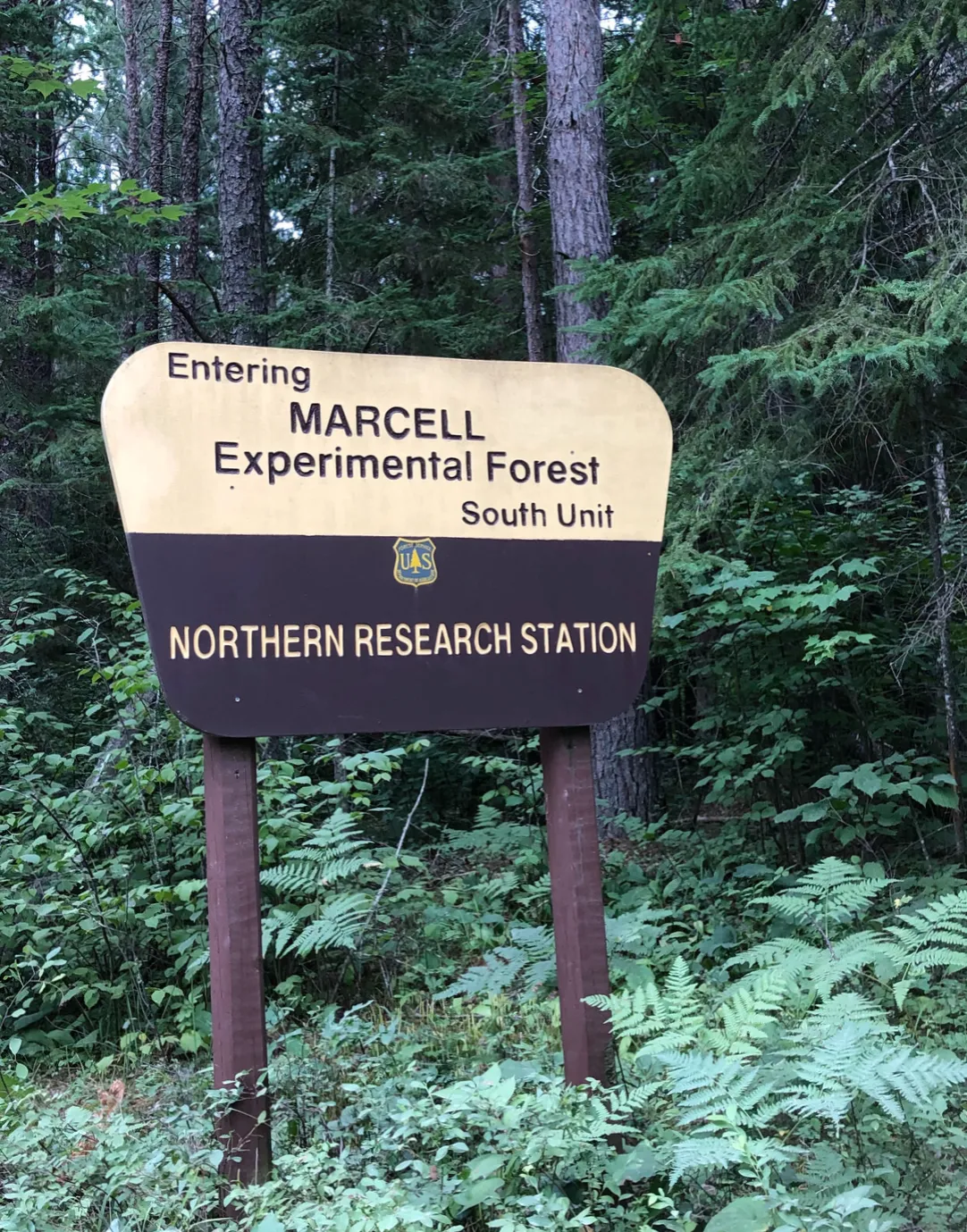
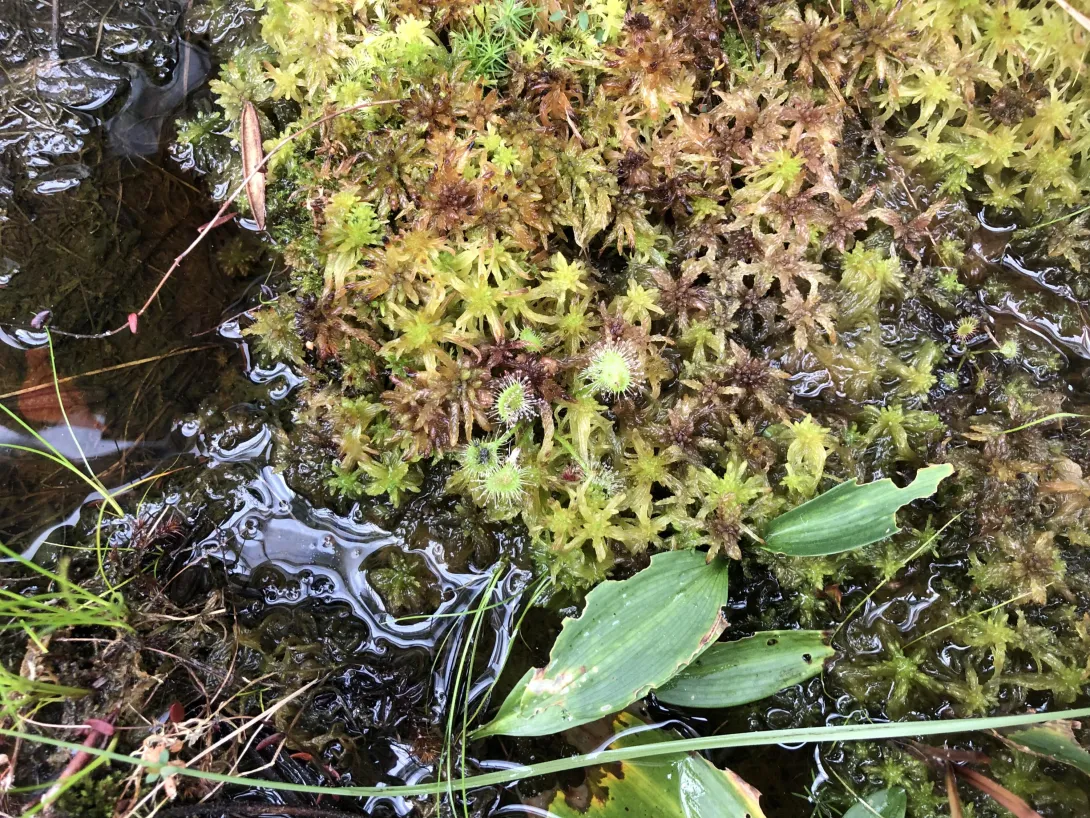
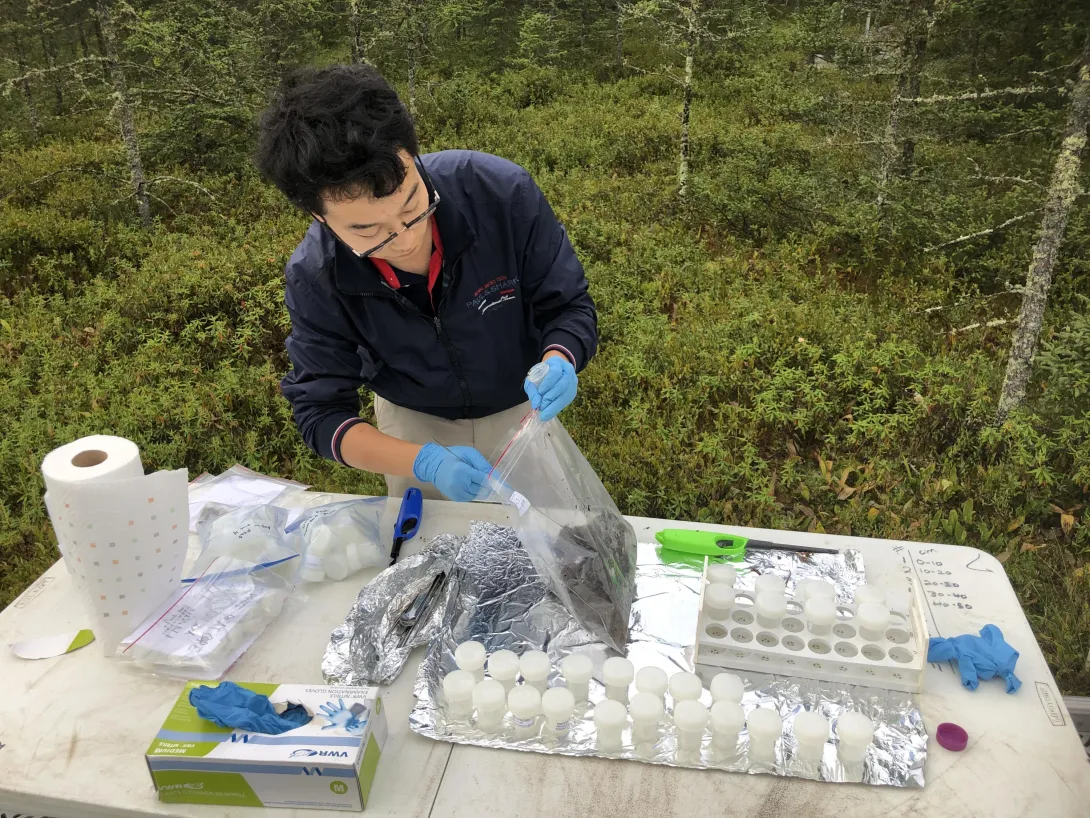
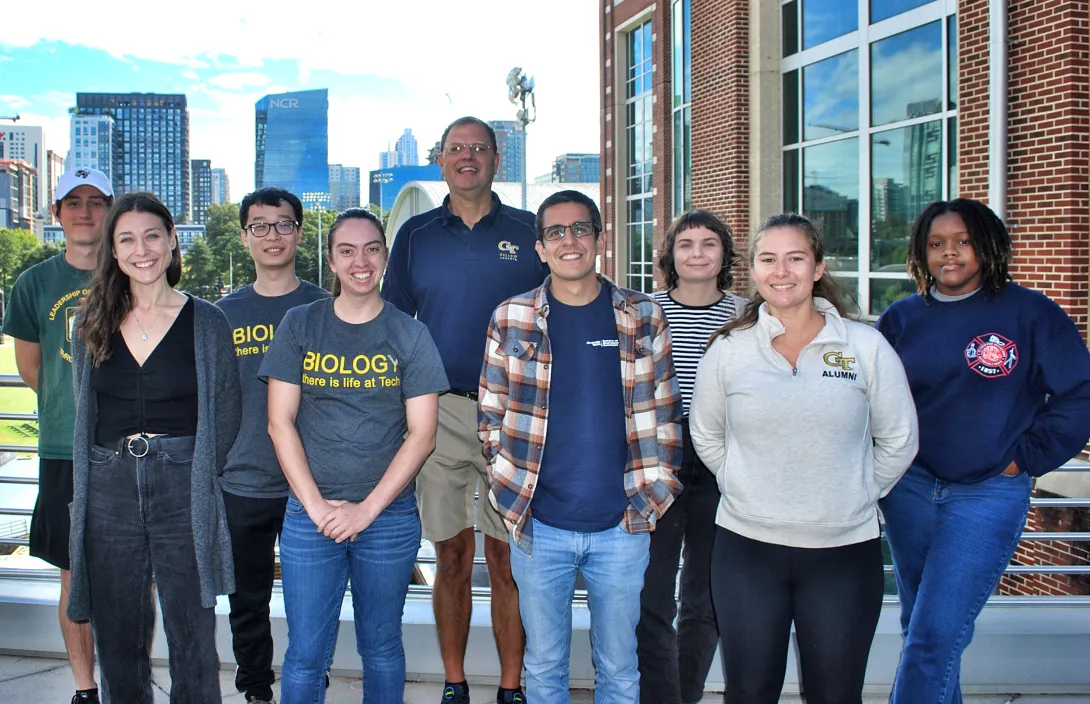
Joel Kostka will soon receive $3.2 million from the Department of Energy (DOE) to build upon research that has ranged from northern Minnesota peat bogs to coastal Georgia wetlands, all to learn how climate change impacts soils and plants that trap greenhouse gasses — and whether some of those plants could end up as eco-friendly biofuels.
Kostka, a professor and associate chair of research in the School of Biological Sciences with a joint appointment in the School of Earth and Atmospheric Sciences, will receive funding as part of a wider $178 million dollar DOE effort to advance sustainable technology breakthroughs that can improve public health, help address climate change, improve food and agricultural production, and create more resilient supply chains. The 37 new projects also include efforts to engineer plants and microbes into bioenergy and improve carbon storage.
Kostka’s wetlands research will continue in the salt marshes off Georgia’s coast, where his team has already conducted studies on the microbial life that benefits Spartina cordgrass in those areas, helping to strengthen resilience of the plant to sea level rise and catastrophic storms.
The DOE’s funding initiative is split into four groups. Kostka’s studies will focus on the role of microbiomes — all the microorganisms living in a particular environment — in the biogeochemical cycling of carbon in terrestrial soils and wetlands by using genomics-based and systems biology.
Other research areas involve renewable bioenergy and biomaterials production; quantum-enabled bioimaging and sensing for bioenergy, and research to characterize gene function in bioenergy crop plants.
“Our project seeks to understand the controls of soil organic matter degradation and the release of greenhouse gasses, both of which are largely mediated by microbes” Kostka said. “And then also, as we've been studying for many years now, how climate drivers — principally the warming of ecosystems and carbon dioxide enrichment in the atmosphere — limit greenhouse gas release to the atmosphere. How might changes in plant and microbial communities lead to climate feedbacks, thereby accelerating the release of greenhouse gasses from soil carbon stores?”
That question has driven much of Kostka’s research team in the past as they focused on how soil microbes break down biomasses like woody plants and peat mosses, at an Oak Ridge National Laboratory facility in northern Minnesota called Spruce and Peatland Responses Under Changing Environments (SPRUCE). Kostka’s team is using genomics to study all the genes that code for microbial enzymes that decompose biomass in soil and how plants, which are also changing with climate, impact microbiomes by providing carbon sources that fuel microbial activities. In particular, the work is focused on lignocellulose or lignin, which gives plants their rigidity or structure and arguably comprises the most abundant renewable carbon source on the planet.
“We're just at the point now where we finally have the tools to unlock the black box of soil microbiology and chemistry,” Kostka said. “Recent advances in sophisticated analytical chemistry methods used to quantify microbial metabolites along with improved metagenome sequencing approaches enable us to better uncover metabolic pathways.”
Kostka will serve as principal investigator of the research team for the grant. That team includes School of Biological Sciences researchers Caitlin Petro, research scientist, and Katherine Duchesneau, a third-year Ph.D. student; co-principal investigator Kostas Konstantinidis, Richard C. Tucker Professor in the School of Civil and Environmental Engineering; Rachel Wilson, research scientist, Florida State University; Malak Tfaily, associate professor, University of Arizona; and Chris Schadt, senior staff scientist, Oak Ridge National Laboratory.
Unlocking the “enzyme latch” hypothesis
As part of his new research, Kostka will revisit what scientists call the “enzyme latch” hypothesis. This could help uncover the mechanisms by which soils and plants capture harmful greenhouse gasses, and what prompts their release into the atmosphere.
The idea behind this hypothesis is that when soils are wet, they lack oxygen, which suppresses a specific class of enzymes, oxidases, that catalyze the beginning steps in the microbial breakdown of organic compounds produced by plants in soil. When oxidases are suppressed, the breakdown products of lignin, phenolic compounds, accumulate and poison the rest of the microbial carbon cycle. Thus a single class of enzymes may be responsible for keeping greenhouse gasses like carbon dioxide and methane captured within the soil.
“The climate linkage here is that it's thought that as the climate warms, we'll get more greenhouse gas production, because simply it'll be warmer, and microbial enzymes work faster at higher temperature. But then also, in wetlands in particular, the hypothesis is that as wetlands warm, they're going to dry out. And so when a wetland dries out, you're going to get more injection of oxygen-rich air into the soil, which would then accelerate the breakdown of organic matter.”
When that happens, it could also mean different plants having an impact on carbon storage and the breakdown of biomass. “As wetlands dry out, plant communities in northern peatlands where most of Earth’s soil carbon is stored, are expected to shift from a dominance of mosses, which do better when it's wet — to woody plants, shrubs, and trees that do better with less water, when it's drier. That would in turn potentially spark the release of more reactive carbon compounds from plant roots — mosses don’t have roots — which would likely accelerate organic matter decomposition and the production of more greenhouse gas in a feedback loop with climate.”
Kostka’s research may also help to develop new approaches for converting woody biomass into potential alternative energy sources. “To make our society more sustainable, we have to basically recycle everything, or reuse as much as we can. And that includes the biomass from plants that can be grown on more arid lands that are less suitable for food crops,” he said, referring to plant-based materials that can be used to produce biofuels and bioenergy. “And so the DOE is leading research efforts to understand the controls of biomass degradation in plants such as switchgrass and poplar.”
Kostka and Konstantinidis will develop a database of genes that code for the breakdown of lignocellulose and lignin, compounds that largely make up plant biomass and for which metabolic pathways of degradation have been elusive. Kostka and his colleagues will also have access to the extensive resources of the DOE Genomic Sciences program, including a collaboration with the agency’s Joint Genome Institute.
“We hope that information generated from our project can be used to improve methods for breaking down woody biomass so that it can be used in a sustainable way to produce biofuels,” Kostka said.
Public abstract of Department of Energy grant DE-SC0023297
About Georgia Tech
The Georgia Institute of Technology, or Georgia Tech, is a top 10 public research university developing leaders who advance technology and improve the human condition. The Institute offers business, computing, design, engineering, liberal arts, and sciences degrees. Its nearly 44,000 students representing 50 states and 149 countries, study at the main campus in Atlanta, at campuses in France and China, and through distance and online learning. As a leading technological university, Georgia Tech is an engine of economic development for Georgia, the Southeast, and the nation, conducting more than $1 billion in research annually for government, industry, and society.
News Contact
Writer: Renay San Miguel
Communications Officer II/Science Writer
College of Sciences
404-894-5209
Editor: Jess Hunt-Ralston
Apr. 13, 2022
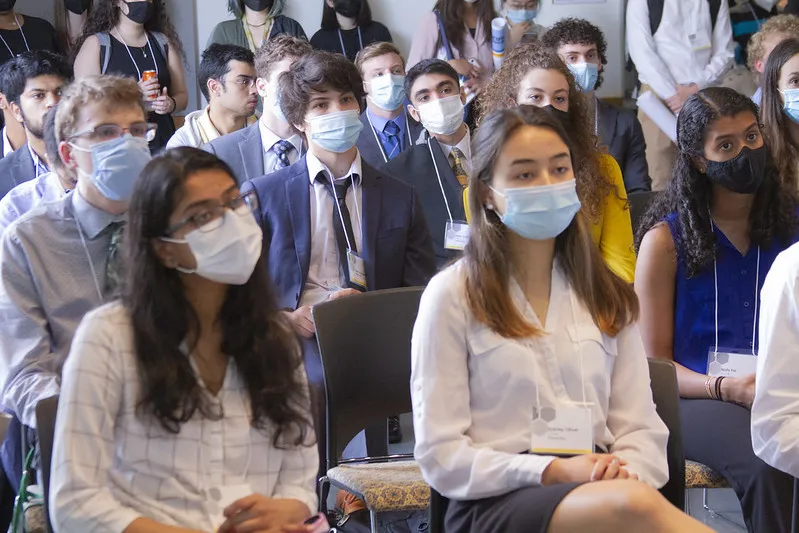
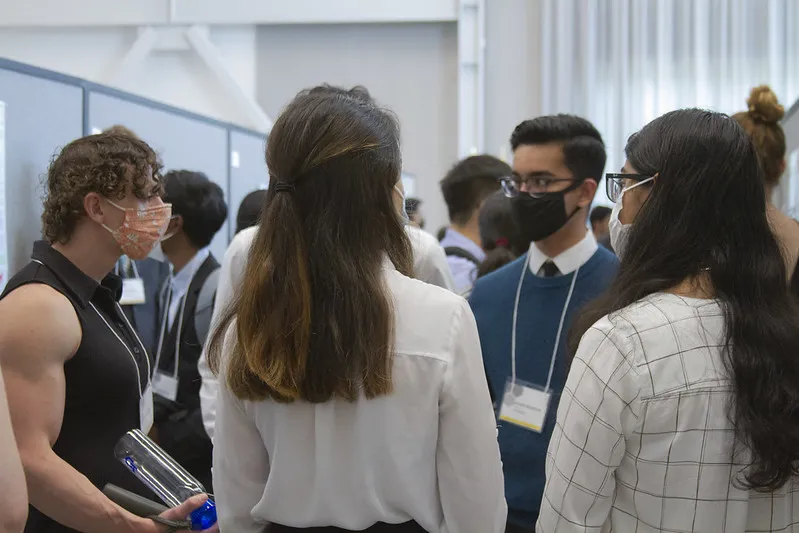
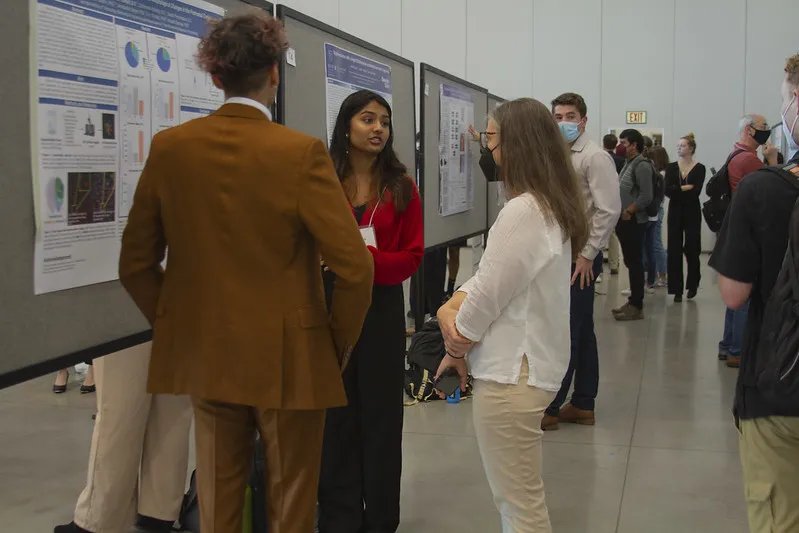
By Frida Carrera
On Wednesday, April 13th 2022, the Undergraduate Research Opportunities Program (UROP) hosted the 16th annual Spring Undergraduate Research Symposium. UROP’s annual symposium is Georgia Tech’s largest undergraduate research colloquium and allows students to present their research and gain valuable skills and presentation experience. Each year the symposium also presents awards to the top poster and oral presentation from each college and honors the Outstanding Undergraduate Researcher (OUR) from each college. And with over 40 oral presentations and nearly 90 poster presentations, this year’s symposium proved to be another success for UROP and Georgia Tech.
This year the symposium was held in Exhibition Hall and opened with an introduction and keynote address to students, faculty, and other non-presenters. Shortly after, the event moved into the poster presentations segment where undergraduate students displayed their research to judges, faculty, and other attendees. The oral presentations followed soon after and gave student researchers the opportunity to go more in-depth with their research and findings and answer any questions the judges and attendees had. To end the event, sponsoring colleges and departments recognized Outstanding Undergraduate Researchers from their respective colleges. Additionally, the symposium judges were tasked with selecting the top student researchers having exceptional poster and oral presentations.
Any Georgia Tech undergraduate student interested in presenting their research is encouraged to apply for future symposiums and to build on research presentation skills, connect with other undergraduate researchers and faculty, and the chance to be recognized with awards by members of the Georgia Tech research community. UROP also hosts other research-related events and workshops throughout the school year to assist undergraduate students interested in research and build on their passions!
To view the list of awardees and pictures from the event visit: https://symposium.urop.gatech.edu/awards/
To learn more about undergraduate research at Georgia Tech visit: https://urop.gatech.edu/
Mar. 17, 2022


By Frida Carrera
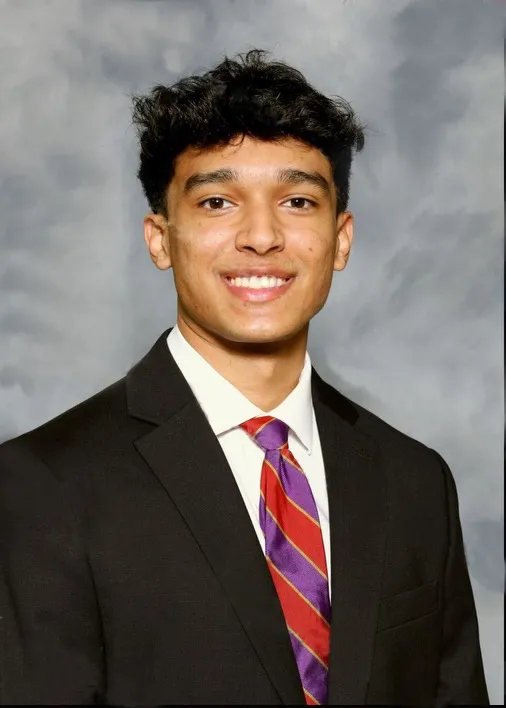
During the summer of 2021, computer science student Neil Sanghavi and computer science recent grad Ahan Shah, both from Fairfax, VA, reconnected to catch up with one another and discuss the projects they were working on. In doing so they discovered a mutual resolve to create something using innovative technology and solve a problem relating to intellectual property, specifically patents. Both Neil and Ahan had just started to get into crypto trading and realized that NFT technology had more to offer than its collectible aspect. Here the idea of PatentX was created: to use NFT technology to provide utility in an antiquated space that lacked efficiency.
“It is estimated that we have $1 trillion in unused IP in the United States currently. Additionally, it is reported that there is $25.6 billion worth of patent monetization available today. This is why we created PatentX, a blockchain-backed marketplace to facilitate intellectual property transactions. We built this to make sure the little man innovators and entrepreneurs have an outlet to monetize and connect their patents with the world. Not only that, we are creating tools for large businesses, law firms, venture capitals to manage all of their IP on the blockchain that can handle transactions in seconds.”
Neil and Ahan describe their product launch process as a great learning experience and are firm believers that there can never be too much help. They are currently supported by DXPartners and have received help from various mentors and blockchain professionals. They have been able to traverse obstacles and learn about the marketing, finance, and business aspects behind building a startup despite coming from a technical background.
Their vision for PatentX is to disrupt the traditional way intellectual property is being transacted and to become the World’s Next Web3 Patent Office. PatentX will be releasing an NFT collection of the most historic patent innovations this early March and encourage interested individuals to stay tuned for their launch.
To learn more about PatentX visit their social media:
Twitter: @PatentXNFT
Instagram: @PatentX.io
To learn more about student innovation at Georgia Tech visit: https://innovation.cae.gatech.edu/
Mar. 28, 2022
By Frida Carrera
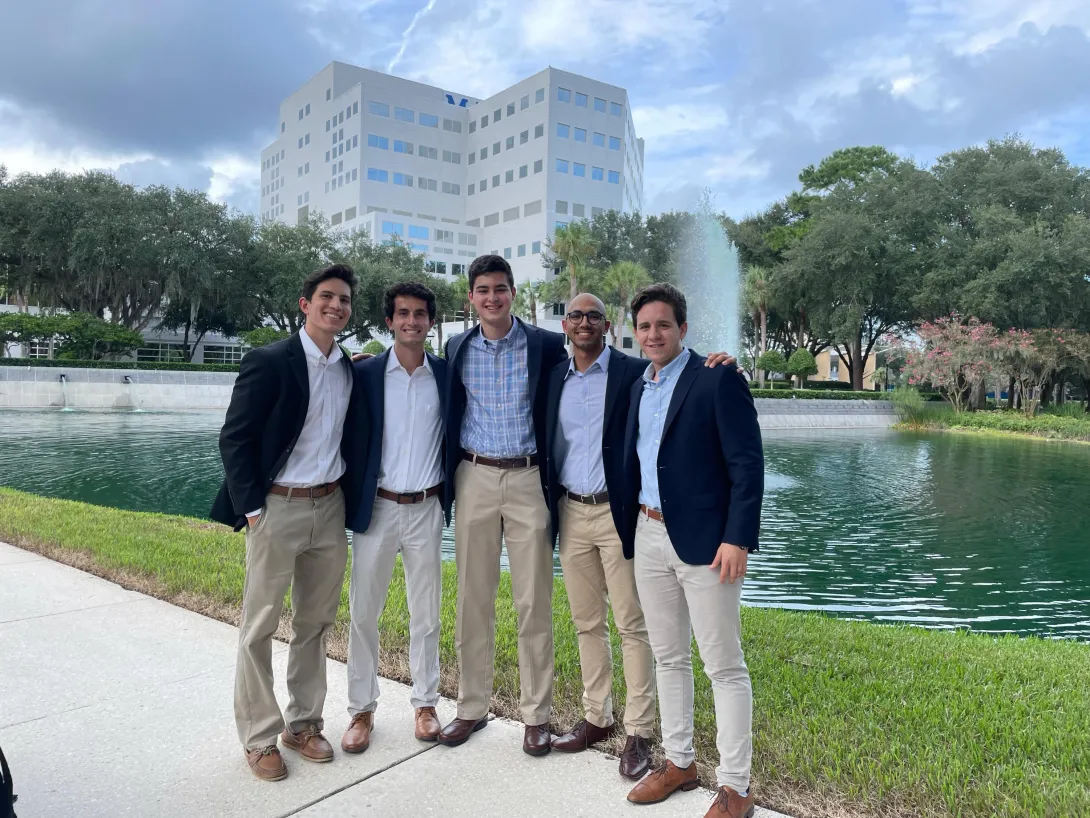
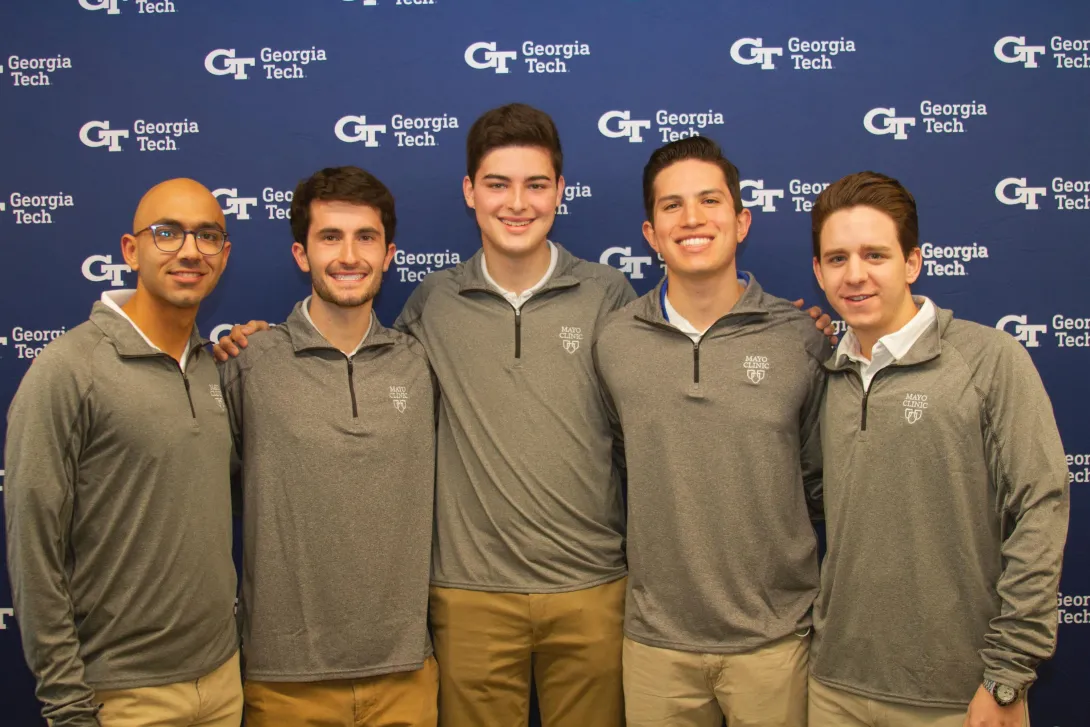
On April 2, 2022, Team carSEAL will represent Georgia Tech in the 6th annual ACC InVenture Prize Competition hosted this year by Florida State University. Team members Shovan Bhatia, Joshua Cruz, Nicholas Lima, Derek Prusener, and Giancarlo Riccobono will compete against other teams in the ACC Conference for a chance to win up to $30,000 in prizes.
carSEAL began with five biomedical engineering students collaborating on a capstone project. After being accepted into the highly sought-after Mayo Clinic Capstone Project, they received mentorship from Dr. Rabih Tawk, a world-renowned neurosurgeon. With his guidance, they learned that surgeons currently lack the tools to close the carotid artery after endovascular procedures. Through a pragmatic approach, the team developed 100+ conceptual designs and iterations. After numerous discussions with attending surgeons across the nation and preliminary testing, they developed carSEAL – a vascular closure device for the carotid artery.
So far, the team has found the InVenture Prize process to be exhilarating.
“Through each round of this process, we have seen incredible teams working on impactful projects and it is exciting to be surrounded by such brilliant minds from numerous backgrounds. It has been especially rewarding working with so many supportive advisors from Georgia Tech, who have been through the startup process and have freely offered their expertise. Along each step of this process, we have learned something new to refine our pitch and ensure we are presenting our most competitive self at the ACC.”
Currently, aside from preparing for the ACC InVenture Prize, the carSEAL team is performing benchtop lab testing to evaluate its efficacy in animal models. Soon after, the team will be moving to pre-clinical studies on their path to obtaining FDA clearance before carSEAL is commercialized. Winning the ACC InVenture Prize would help them gain more traction and gather sufficient funds to help them with this process.
“I am extremely proud of our team’s achievements in the short 6 months that we have worked together. carSEAL has gained a lot of traction already and we are excited to see how far we can take this, hopefully bringing carSEAL to clinical practice within a few years,” Bhatia stated.
The Georgia Tech community can support carSEAL in the competition by voting for them for the People’s Choice Awards by visiting: https://accinventureprize.com/peoples-choice-voting. Online voting begins March 28.
To learn more about the ACC InVenture Prize visit https://accinventureprize.com.
Mar. 01, 2022
By Frida Carrera
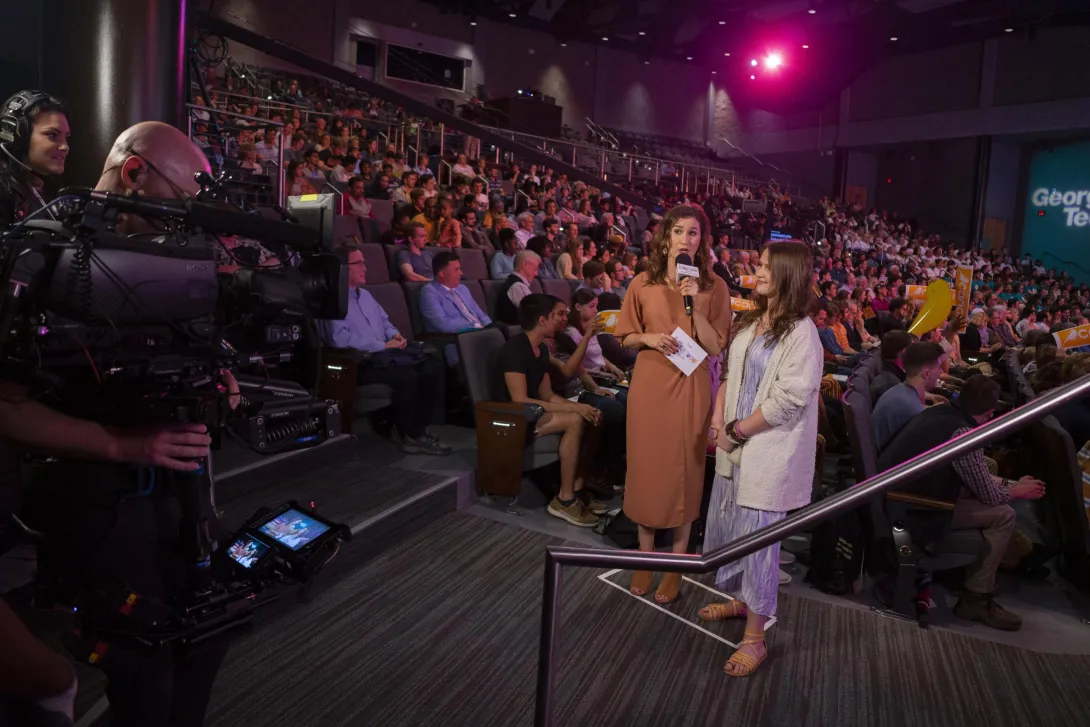
After almost a year of preparation, practice, and refinement, Georgia Tech’s annual InVenture Prize is down to six finalists competing in the final round on March 16th. In this televised round, the final teams will pitch their inventions to a panel of judges and compete for the top prize of $20,000, assistance in patent-filing, and a spot in CREATE-X’s Startup Launch program.
In its 14th year, the InVenture Prize competition features different innovations created by Georgia Tech students from all disciplines and backgrounds. For months prior to the final round, the finalists received coaching and assistance from mentors and coaches on building their prototypes, developing business models, and rehearsing their pitches to investors. The final six teams were chosen from previous preliminary and semifinal rounds that included a broad range of competitors.
The finals of the InVenture Prize will air live from Georgia Tech’s Ferst Center for the Arts at 7:30 p.m. on March 16th on Georgia Public Broadcasting.
The 2022 finalist teams are:
The Foambuster: The Foambuster is a unique handheld tool that allows construction contractors to drastically cut down on the mess, hassle, and money spent that comes with installing exterior insulation.
Edward Diller, Mechanical Engineering, Los Angeles, CA
Davis Waln, Mechanical Engineering, Atlanta, GA
Christophe Senghor, Mechanical Engineering, Peachtree City, GA
Katelyn Sand, Mechanical Engineering, Westlake Village, CA
Jaime Paris Meseguer, Mechanical Engineering, Spain
Magic Crop: An application that uses the power of Artificial Intelligence and the rule of thirds to format any number of inputted pictures into the perfect headshot within seconds and without ever sending any images to the cloud or to a third-party server.
Megan Dass, Computer Science, Woodbridge, VA
Reflex: Emergency Medical Drone Response System to deliver life-saving medical equipment.
Nevin Gilbert, Computer Science, Boulder, CO
Usman Jamal, Computer Science, Tucker, GA
Sola: Sola provides a data-driven supplemental insurance plan which covers immediate out-of-pocket expenses for US homeowners following losses from tornadoes.
Brayden Drury, Mechanical Engineering, Park City, Utah
Wesley Pergament, Mechanical Engineering, Old Westbury, NY
StrideLink: Accessible gait analysis wearable for remote monitoring of walking asymmetry.
Marzeah (Zea) Khorramabadi, Computer Engineering, Birmingham, AL
Cassandra (Cassie) McIltrot, Biomedical Engineering, Sykesville, MD
Neel Narvekar, Computer Engineering, Arcadia, CA
Tony Wineman, Electrical Engineering, Woodstock, GA
Tabnam: AI-powered shopping assistant that leverages the knowledge of user experience data.
SooHoon Choi, Computer Science, South Korea
Daksh Gupta, Computer Science, Noida, India
Robert (Davis) Liddell, Computer Science, Lutherville, MD
Ethan Perry, Computer Science, Wellesley, MA
To request tickets for the event visit: https://inventureprize.gatech.edu/form/inventure-prize-ticket-request-f
To learn more about InVenture Prize visit: https://inventureprize.gatech.edu/
Dec. 10, 2021
By Frida Carrera
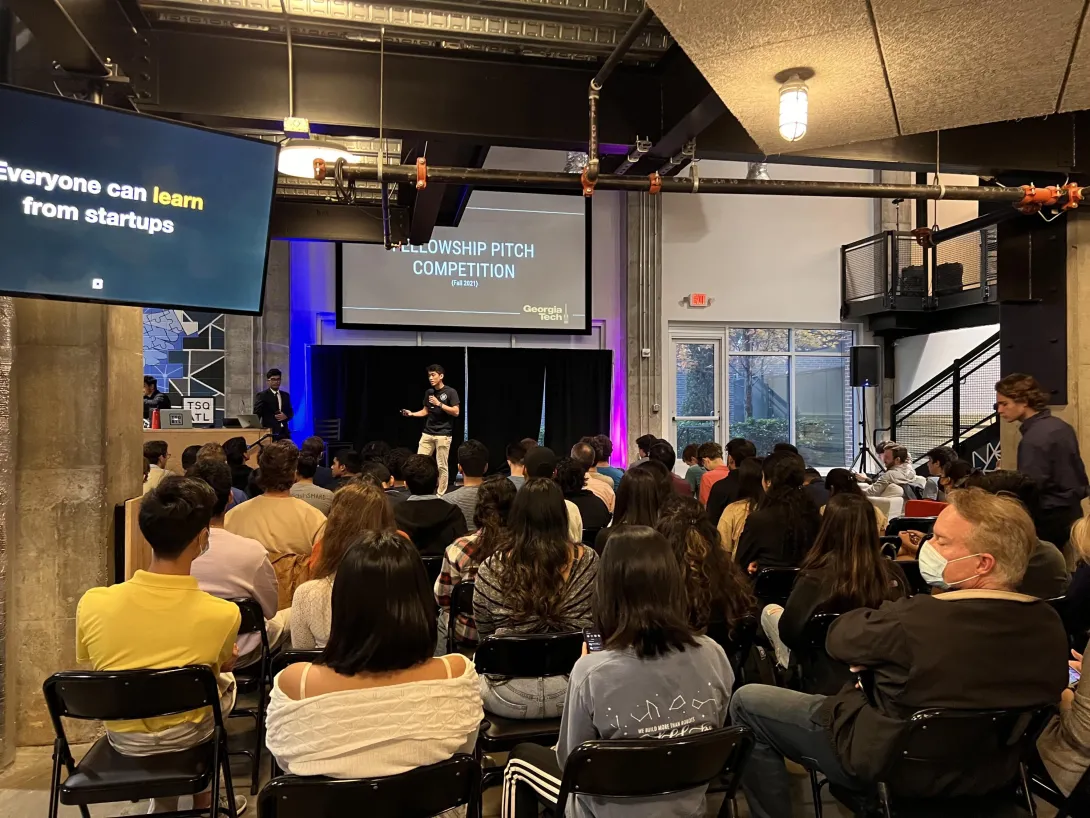
On December 3, 2021, Startup Exchange presented the Fall 2021 Fellowship Pitch Competition sponsored by the Georgia Tech Student Innovation Program, Office of Undergraduate Education. The event took place at ATL Social Club in Tech Square, a major startup hub situated on Georgia Tech’s campus and perfect for those eager for innovation at GT. The event also welcomed partner companies and recruiters such as NCR and Stord.
At this pitch-style event, six founder teams presented their innovative pitches and competed for first, second, and third place, each with a cash prize to aid in the advancement of their ideas. The first and second place winners of the competition were determined by three guest judges: Kathryn Petralia, co-founder of Kabbage and Drum; Thomas Suarez, co-founder of Teleport and Thiel Fellow; and Evan Jarecki, serial entrepreneur and BM at Startup Atlanta. The event commenced with a brief introduction by Startup Exchange executive board members, followed by presentations from the 6 teams including Fino, InSite, Jargon, and Tokenstack. After hearing each team’s pitch, the judges had time to deliberate and select the top two winners while the audience voted for the People’s Choice winner. Meanwhile, attendees were also able to hear from the partner companies and network while enjoying free perks such as food and beverages.
“There are students everywhere across campus really starting on their start-ups and pursuing their dreams. Atlanta is a growing city and Georgia Tech is the perfect hub for that. These teams, we’re introducing them to entrepreneurship and giving those resources and intro-connections. By doing so, we’re inspiring them in a way. It’s just a great learning experience for them,” explained Startup Exchange’s Director of Fellowship Revanth Tiruveedhi.
Following the intermission, the judges presented the first-place award of $750 to Jargon, a browser extension that points out red flags in user contract agreements, as pitched by team members Kaleb Rasmussen and Devansh Khunteta. Second place of $500 was awarded to Eartheal by team members Colin Burnett, Philip Colt, Neal Austensen, and Brandon Sherrard. People's Choice of $250 was awarded to Tokenstack by team members Nitin Paul, Samrat Sahoo, Yatharth Bhargava, and Mohit Sahoo. The event then closed with remarks by Startup Exchange’s board members and photos with the participants.
To learn more about student innovation at Georgia Tech visit https://innovation.gatech.edu/
Nov. 30, 2021
By Frida Carrera
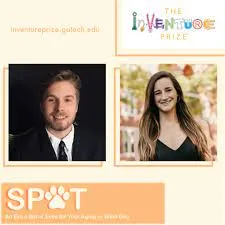
After almost a year since the completion of the 2021 InVenture Prize Competition, we caught up with Matt McMullen and Emma Bivings who competed as finalists on the SPOT Harness team, a harness that uses sensors and vibrators to help blind dogs navigate. Their experience in the competition exposed them to multiple experiences, environments, and demands necessary for startups for the first time. As a result, they were able to distinguish their areas of growth, gain valuable insights, and make potential changes in the direction of their product.
Today, Matt is currently a graduate student seeking a master’s in music technology and Emma is a full-time operations management trainee at McMaster-Carr. The team is still developing the SPOT Harness and has even grown its team to five members. Through funding and participating in Georgia Tech’s CREATE-X Startup Launch program, they have been able to launch their company Saving Grace Pet Solutions LLC. They plan to launch SPOT Harness under this company as well as develop other future products.
To future InVenture participants, Matt advises, “Don’t give up on your idea! The most important part of making it the distance is having a team with a passion for your product.”
The SPOT Harness team will be launching a kick-starter soon for preorders ahead of the official market launch of the SPOT Harness for blind dogs. They also advise anyone who has or knows someone who has a dog suffering from vision loss to visit their website to sign up for their newly refined prototype!
Visit their website here: www.savinggrace.tech
To learn more about the upcoming InVenture Prize Competition visit https://inventureprize.gatech.edu/ . Registration closes on Jan. 19.
Nov. 16, 2021

By Frida Carrera
Several months after the completion of the 2021 InVenture Prize Competition, we caught up with John Wooten to see what he’s been up to! In 2021’s competition, John’s innovation Block Transfer, a decentralized stock transfer agent protocol for global financial markets, placed as a finalist.
Today, John Wooten has been actively working to grow Block Transfer by securing final SEC approval, acquiring funding by US Bank, and submitting utility patents. He believes that by combining blockchain tech with traditional financial markets, we can fundamentally change the world. John describes his experience as a finalist in the competition as being invaluable and advises, “We didn't know we could partake given prior admission to CX. Biggest advice is to just TRY!”
You can learn more about Block Transfer here: https://www.blocktransfer.io/consult
To learn more about the upcoming InVenture Prize Competition visit https://inventureprize.gatech.edu/ . Registration closes on Jan. 19.