
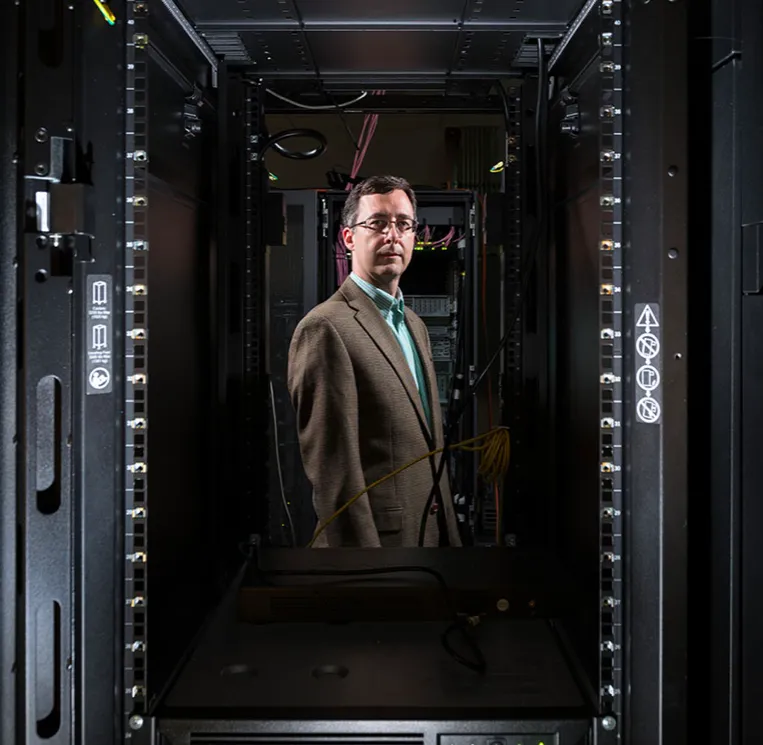
Effective January 1st, David Sherrill will serve as interim executive director of the Georgia Tech Institute for Data Engineering and Science (IDEaS). Sherrill is a Regents' Professor in the School of Chemistry and Biochemistry with a joint appointment in the College of Computing. Sherrill has served as associate director for IDEaS since its founding in 2016.
"David Sherrill's leadership role in IDEaS as associate director, together with his interdisciplinary background in chemistry and computer science, makes him the right person to support this transition as interim executive director," said Julia Kubanek, professor and vice president for interdisciplinary research at Georgia Tech.
Sherrill succeeds Srinivas Aluru who will be taking a new position as Senior Associate Dean in the College of Computing. Aluru, a Regents' Professor in the School of Computational Science and Engineering, co-founded IDEaS and served as its co-executive director (2016-2019) and then as executive director (2019-date), spanning eight and a half years. Under his leadership IDEaS grew to more than 200 affiliate faculty spanning all colleges, encompassing multiple state, federal, and industry funded centers. Notable among these is the South Big Data Hub, catalyzing the Southern data science community to collectively accelerate scientific discovery and innovation, spur economic development in the region, broaden participation and diversity in data science, and the CloudHub, a Microsoft funded center that provides research funding and cloud resources for innovative applications in Generative Artificial Intelligence. More recently, Aluru established the Center for Artificial Intelligence in Science and Engineering (ARTISAN), and expanded the Institute’s research staff to provide needed cyberinfrastructure, software resources, and expertise to support faculty projects with large data sets and AI-driven discovery. "I've had the pleasure of serving as Associate Director of IDEaS since it was founded by Srinivas Aluru and Dana Randall, and I'm excited to step into this interim role.” said Sherrill. “IDEaS has an important mission to serve the many faculty doing interdisciplinary research involving data science and high performance computing."
Sherrill’s research group focuses on the development of ab initio electronic structure theory and its application to problems of broad chemical interest, including the influence of non-covalent interactions in drug binding, biomolecular structure, organic crystals, and organocatalytic transition states. The group seeks to apply the most accurate quantum models possible for a given problem and specializes in generating high-quality datasets for testing new methods or machine-learning purposes.
Sherrill earned a B.S. in chemistry from MIT in 1992 and a Ph.D. in chemistry from the University of Georgia in 1996. From 1996-1999 Sherril was an NSF Postdoctoral Fellow, working under M. Head-Gordon, at the University of California, Berkeley.
Sherrill is a Fellow of the American Association for the Advancement of Science (AAAS), the American Chemical Society, and the American Physical Society, and he has been Associate Editor of the Journal of Chemical Physics since 2009. Sherrill has received a Camille and Henry Dreyfus New Faculty Award, the International Journal of Quantum Chemistry Young Investigator Award, an NSF CAREER Award, and Georgia Tech's W. Howard Ector Outstanding Teacher Award. In 2023, he received the Herty Medal from the Georgia Section of the American Chemical Society, and in 2024, he was elected to the International Academy of Quantum Molecular Science.
--Christa M. Ernst
News Contact
Christa M. Ernst [christa.ernst@research.gatech.edu],
Research Communications Program Manager,
Topic Expertise: Robotics | Data Sciences| Semiconductor Design & Fab
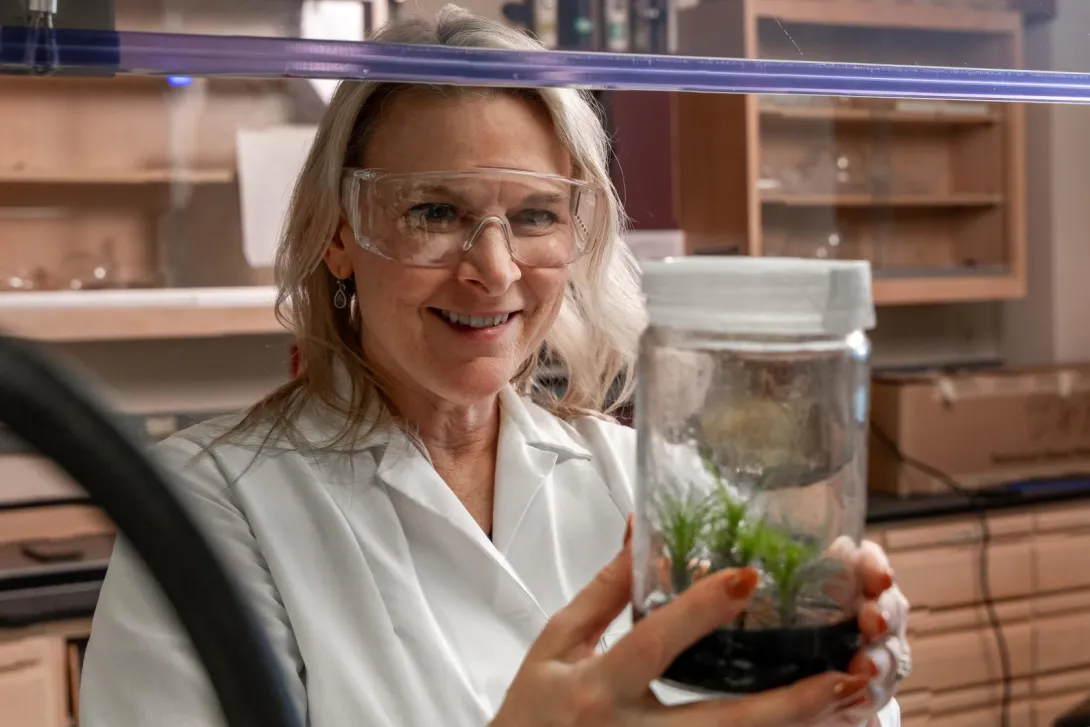
The National Science Foundation has released the results of its annual Higher Education Research and Development Survey (HERD), and Georgia Tech has once again moved up again in the rankings.
The survey of U.S. university research and development expenditures places Georgia Tech as No. 16, up from No. 17 last year, and No. 1 among universities without a medical school. The Institute ranks No. 3 for federally funded research, up from No. 5, and is No. 7 for all externally funded research, up from No. 9.
“Georgia Tech's continued ascension in research rankings is a testament to the exceptional dedication and collaboration of our faculty, staff, and research sponsors,” said Tim Lieuwen, interim executive vice president for Research. “This trajectory, particularly our rise in federally and externally funded research, amplifies the confidence our partners have in Georgia Tech tackle society’s biggest challenges.”
The annual survey compiles R&D expenditure data from U.S. colleges and universities with more than $150,000 in research expenditures during a fiscal year. For fiscal year 2023 (July 1, 2022 – June 30, 2023), that included 914 institutions. Overall, U.S. higher-education R&D spending rose by 11.2%, exceeding $108 billion in fiscal year 2023. This is the largest increase since 2003.
Georgia Tech’s R&D spending of $1.45 billion in fiscal year 2023 reflects an impressive 17.9% increase — $219 million more — from the previous year for the entire research enterprise, which includes the Georgia Tech Research Institute (GTRI). GTRI remains the largest contributor to Georgia Tech’s growth and continues to play a major role in the Institute’s research enterprise and in national defense research.
Additionally, Georgia Tech’s R&D expenditures contributed a monumental $1.45 billion to the state of Georgia’s economy, along with continued growth in commercialization efforts that bring technologies out of the lab and into to the world.
Lieuwen said, “I am proud of these standings and even more excited about the possibilities ahead as we continue to drive innovation that benefits our state, the nation, and the world.”
About Georgia Tech’s Office of the Executive Vice President for Research
The Office of the Executive Vice President for Research (EVPR) directs Georgia Tech’s $1.37 billion (FY 2024) portfolio of research, development, and sponsored activities. This includes leadership of the Georgia Tech Research Institute (GTRI), the Enterprise Innovation Institute, nine interdisciplinary research institutes (IRIs) plus research centers, and related research administrative support units: commercialization, corporate engagement, research development and operations, and research administration. Georgia Tech routinely ranks among the top U.S. universities in volume of research conducted.
News Contact
Shelley Wunder-Smith | shelley.wunder-smith@research.gatech.edu
Director of Research Communications
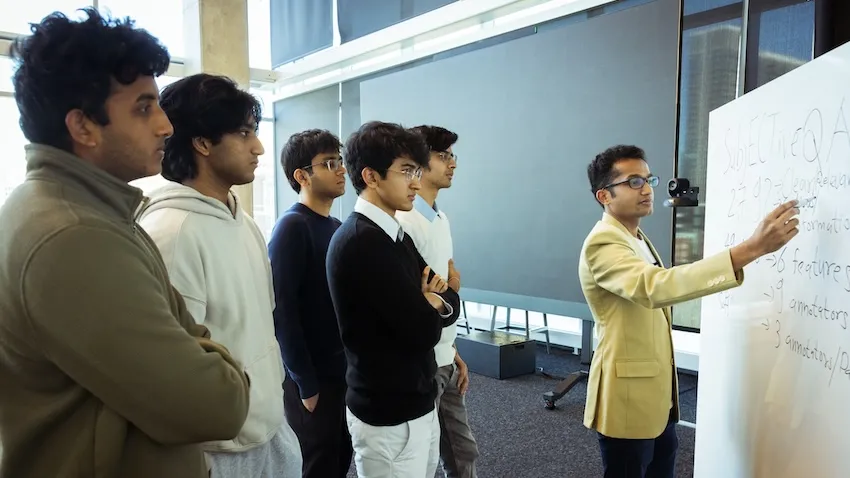
Georgia Tech researchers have created a dataset that trains computer models to understand nuances in human speech during financial earnings calls. The dataset provides a new resource to study how public correspondence affects businesses and markets.
SubjECTive-QA is the first human-curated dataset on question-answer pairs from earnings call transcripts (ECTs). The dataset teaches models to identify subjective features in ECTs, like clarity and cautiousness.
The dataset lays the foundation for a new approach to identifying disinformation and misinformation caused by nuances in speech. While ECT responses can be technically true, unclear or irrelevant information can misinform stakeholders and affect their decision-making.
Tests on White House press briefings showed that the dataset applies to other sectors with frequent question-and-answer encounters, notably politics, journalism, and sports. This increases the odds of effectively informing audiences and improving transparency across public spheres.
The intersecting work between natural language processing and finance earned the paper acceptance to NeurIPS 2024, the 38th Annual Conference on Neural Information Processing Systems. NeurIPS is one of the world’s most prestigious conferences on artificial intelligence (AI) and machine learning (ML) research.
"SubjECTive-QA has the potential to revolutionize nowcasting predictions with enhanced clarity and relevance,” said Agam Shah, the project’s lead researcher.
“Its nuanced analysis of qualities in executive responses, like optimism and cautiousness, deepens our understanding of economic forecasts and financial transparency."
[MICROSITE: Georgia Tech at NeurIPS 2024]
SubjECTive-QA offers a new means to evaluate financial discourse by characterizing language's subjective and multifaceted nature. This improves on traditional datasets that quantify sentiment or verify claims from financial statements.
The dataset consists of 2,747 Q&A pairs taken from 120 ECTs from companies listed on the New York Stock Exchange from 2007 to 2021. The Georgia Tech researchers annotated each response by hand based on six features for a total of 49,446 annotations.
The group evaluated answers on:
- Relevance: the speaker answered the question with appropriate details.
- Clarity: the speaker was transparent in the answer and the message conveyed.
- Optimism: the speaker answered with a positive outlook regarding future outcomes.
- Specificity: the speaker included sufficient and technical details in their answer.
- Cautiousness: the speaker answered using a conservative, risk-averse approach.
- Assertiveness: the speaker answered with certainty about the company’s events and outcomes.
The Georgia Tech group validated their dataset by training eight computer models to detect and score these six features. Test models comprised of three BERT-based pre-trained language models (PLMs), and five popular large language models (LLMs) including Llama and ChatGPT.
All eight models scored the highest on the relevance and clarity features. This is attributed to domain-specific pretraining that enables the models to identify pertinent and understandable material.
The PLMs achieved higher scores on the clear, optimistic, specific, and cautious categories. The LLMs scored higher in assertiveness and relevance.
In another experiment to test transferability, a PLM trained with SubjECTive-QA evaluated 65 Q&A pairs from White House press briefings and gaggles. Scores across all six features indicated models trained on the dataset could succeed in other fields outside of finance.
"Building on these promising results, the next step for SubjECTive-QA is to enhance customer service technologies, like chatbots,” said Shah, a Ph.D. candidate studying machine learning.
“We want to make these platforms more responsive and accurate by integrating our analysis techniques from SubjECTive-QA."
SubjECTive-QA culminated from two semesters of work through Georgia Tech’s Vertically Integrated Projects (VIP) Program. The VIP Program is an approach to higher education where undergraduate and graduate students work together on long-term project teams led by faculty.
Undergraduate students earn academic credit and receive hands-on experience through VIP projects. The extra help advances ongoing research and gives graduate students mentorship experience.
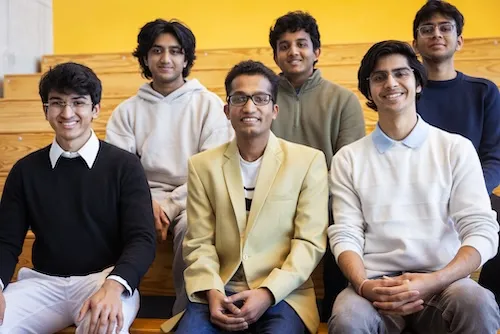
Computer science major Huzaifa Pardawala and mathematics major Siddhant Sukhani co-led the SubjECTive-QA project with Shah.
Fellow collaborators included Veer Kejriwal, Abhishek Pillai, Rohan Bhasin, Andrew DiBiasio, Tarun Mandapati, and Dhruv Adha. All six researchers are undergraduate students studying computer science.
Sudheer Chava co-advises Shah and is the faculty lead of SubjECTive-QA. Chava is a professor in the Scheller College of Business and director of the M.S. in Quantitative and Computational Finance (QCF) program.
Chava is also an adjunct faculty member in the College of Computing’s School of Computational Science and Engineering (CSE).
"Leading undergraduate students through the VIP Program taught me the powerful impact of balancing freedom with guidance,” Shah said.
“Allowing students to take the helm not only fosters their leadership skills but also enhances my own approach to mentoring, thus creating a mutually enriching educational experience.”
Presenting SubjECTive-QA at NeurIPS 2024 exposes the dataset for further use and refinement. NeurIPS is one of three primary international conferences on high-impact research in AI and ML. The conference occurs Dec. 10-15.
The SubjECTive-QA team is among the 162 Georgia Tech researchers presenting over 80 papers at NeurIPS 2024. The Georgia Tech contingent includes 46 faculty members, like Chava. These faculty represent Georgia Tech’s Colleges of Business, Computing, Engineering, and Sciences, underscoring the pertinence of AI research across domains.
"Presenting SubjECTive-QA at prestigious venues like NeurIPS propels our research into the spotlight, drawing the attention of key players in finance and tech,” Shah said.
“The feedback we receive from this community of experts validates our approach and opens new avenues for future innovation, setting the stage for transformative applications in industry and academia.”
News Contact
Bryant Wine, Communications Officer
bryant.wine@cc.gatech.edu
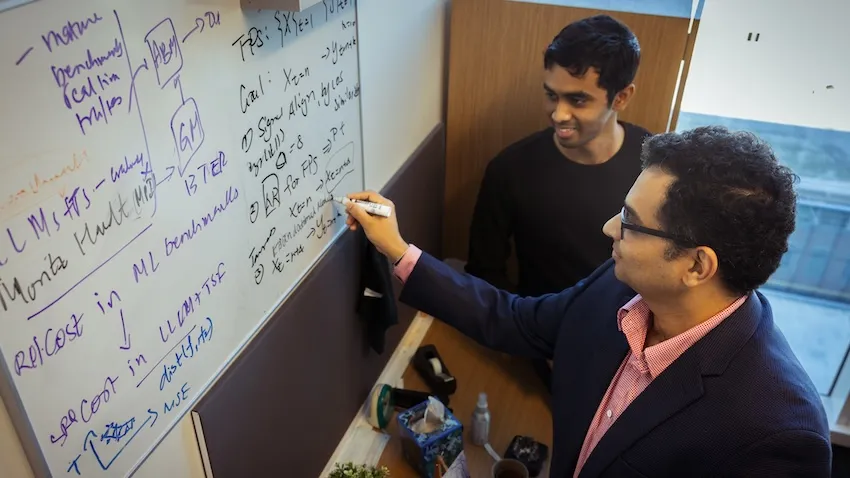
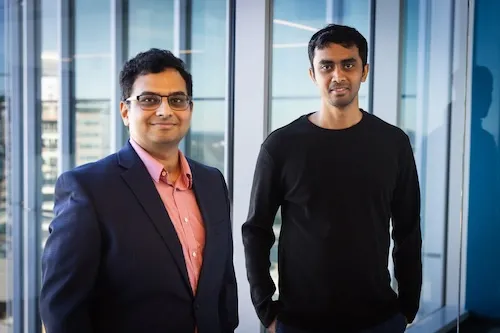
A new machine learning (ML) model from Georgia Tech could protect communities from diseases, better manage electricity consumption in cities, and promote business growth, all at the same time.
Researchers from the School of Computational Science and Engineering (CSE) created the Large Pre-Trained Time-Series Model (LPTM) framework. LPTM is a single foundational model that completes forecasting tasks across a broad range of domains.
Along with performing as well or better than models purpose-built for their applications, LPTM requires 40% less data and 50% less training time than current baselines. In some cases, LPTM can be deployed without any training data.
The key to LPTM is that it is pre-trained on datasets from different industries like healthcare, transportation, and energy. The Georgia Tech group created an adaptive segmentation module to make effective use of these vastly different datasets.
The Georgia Tech researchers will present LPTM in Vancouver, British Columbia, Canada, at the 2024 Conference on Neural Information Processing Systems (NeurIPS 2024). NeurIPS is one of the world’s most prestigious conferences on artificial intelligence (AI) and ML research.
“The foundational model paradigm started with text and image, but people haven’t explored time-series tasks yet because those were considered too diverse across domains,” said B. Aditya Prakash, one of LPTM’s developers.
“Our work is a pioneer in this new area of exploration where only few attempts have been made so far.”
[MICROSITE: Georgia Tech at NeurIPS 2024]
Foundational models are trained with data from different fields, making them powerful tools when assigned tasks. Foundational models drive GPT, DALL-E, and other popular generative AI platforms used today. LPTM is different though because it is geared toward time-series, not text and image generation.
The Georgia Tech researchers trained LPTM on data ranging from epidemics, macroeconomics, power consumption, traffic and transportation, stock markets, and human motion and behavioral datasets.
After training, the group pitted LPTM against 17 other models to make forecasts as close to nine real-case benchmarks. LPTM performed the best on five datasets and placed second on the other four.
The nine benchmarks contained data from real-world collections. These included the spread of influenza in the U.S. and Japan, electricity, traffic, and taxi demand in New York, and financial markets.
The competitor models were purpose-built for their fields. While each model performed well on one or two benchmarks closest to its designed purpose, the models ranked in the middle or bottom on others.
In another experiment, the Georgia Tech group tested LPTM against seven baseline models on the same nine benchmarks in zero-shot forecasting tasks. Zero-shot means the model is used out of the box and not given any specific guidance during training. LPTM outperformed every model across all benchmarks in this trial.
LPTM performed consistently as a top-runner on all nine benchmarks, demonstrating the model’s potential to achieve superior forecasting results across multiple applications with less and resources.
“Our model also goes beyond forecasting and helps accomplish other tasks,” said Prakash, an associate professor in the School of CSE.
“Classification is a useful time-series task that allows us to understand the nature of the time-series and label whether that time-series is something we understand or is new.”
One reason traditional models are custom-built to their purpose is that fields differ in reporting frequency and trends.
For example, epidemic data is often reported weekly and goes through seasonal peaks with occasional outbreaks. Economic data is captured quarterly and typically remains consistent and monotone over time.
LPTM’s adaptive segmentation module allows it to overcome these timing differences across datasets. When LPTM receives a dataset, the module breaks data into segments of different sizes. Then, it scores all possible ways to segment data and chooses the easiest segment from which to learn useful patterns.
LPTM’s performance, enhanced through the innovation of adaptive segmentation, earned the model acceptance to NeurIPS 2024 for presentation. NeurIPS is one of three primary international conferences on high-impact research in AI and ML. NeurIPS 2024 occurs Dec. 10-15.
Ph.D. student Harshavardhan Kamarthi partnered with Prakash, his advisor, on LPTM. The duo are among the 162 Georgia Tech researchers presenting over 80 papers at the conference.
Prakash is one of 46 Georgia Tech faculty with research accepted at NeurIPS 2024. Nine School of CSE faculty members, nearly one-third of the body, are authors or co-authors of 17 papers accepted at the conference.
Along with sharing their research at NeurIPS 2024, Prakash and Kamarthi released an open-source library of foundational time-series modules that data scientists can use in their applications.
“Given the interest in AI from all walks of life, including business, social, and research and development sectors, a lot of work has been done and thousands of strong papers are submitted to the main AI conferences,” Prakash said.
“Acceptance of our paper speaks to the quality of the work and its potential to advance foundational methodology, and we hope to share that with a larger audience.”
News Contact
Bryant Wine, Communications Officer
bryant.wine@cc.gatech.edu
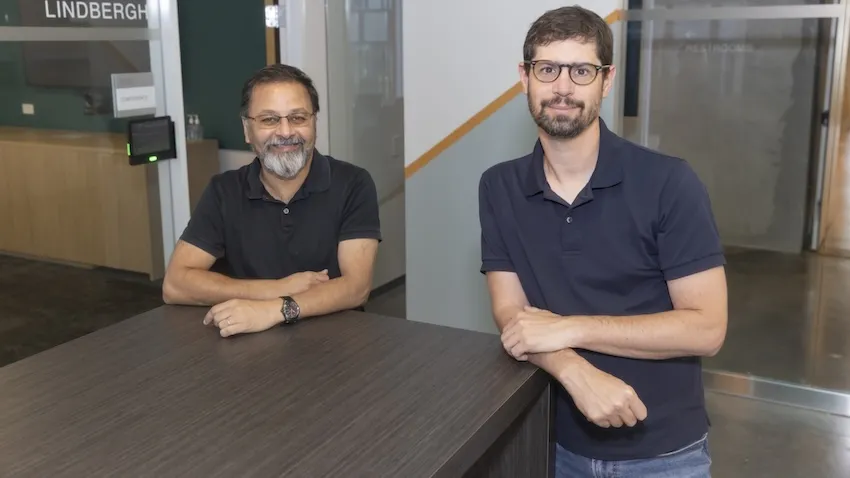
Deven Desai and Mark Riedl have seen the signs for a while.
Two years since OpenAI introduced ChatGPT, dozens of lawsuits have been filed alleging technology companies have infringed copyright by using published works to train artificial intelligence (AI) models.
Academic AI research efforts could be significantly hindered if courts rule in the plaintiffs' favor.
Desai and Riedl are Georgia Tech researchers raising awareness about how these court rulings could force academic researchers to construct new AI models with limited training data. The two collaborated on a benchmark academic paper that examines the landscape of the ethical issues surrounding AI and copyright in industry and academic spaces.
“There are scenarios where courts may overreact to having a book corpus on your computer, and you didn’t pay for it,” Riedl said. “If you trained a model for an academic paper, as my students often do, that’s not a problem right now. The courts could deem training is not fair use. That would have huge implications for academia.
“We want academics to be free to do their research without fear of repercussions in the marketplace because they’re not competing in the marketplace,” Riedl said.
Desai is the Sue and John Stanton Professor of Business Law and Ethics at the Scheller College of Business. He researches how business interests and new technology shape privacy, intellectual property, and competition law. Riedl is a professor at the College of Computing’s School of Interactive Computing, researching human-centered AI, generative AI, explainable AI, and gaming AI.
Their paper, Between Copyright and Computer Science: The Law and Ethics of Generative AI, was published in the Northwestern Journal of Technology and Intellectual Property on Monday.
Desai and Riedl say they want to offer solutions that balance the interests of various stakeholders. But that requires compromise from all sides.
Researchers should accept they may have to pay for the data they use to train AI models. Content creators, on the other hand, should receive compensation, but they may need to accept less money to ensure data remains affordable for academic researchers to acquire.
Who Benefits?
The doctrine of fair use is at the center of every copyright debate. According to the U.S. Copyright Office, fair use permits the unlicensed use of copyright-protected works in certain circumstances, such as distributing information for the public good, including teaching and research.
Fair use is often challenged when one or more parties profit from published works without compensating the authors.
Any original published content, including a personal website on the internet, is protected by copyright. However, copyrighted material is republished on websites or posted on social media innumerable times every day without the consent of the original authors.
In most cases, it’s unlikely copyright violators gained financially from their infringement.
But Desai said business-to-business cases are different. The New York Times is one of many daily newspapers and media companies that have sued OpenAI for using its content as training data. Microsoft is also a defendant in The New York Times’ suit because it invested billions of dollars into OpenAI’s development of AI tools like ChatGPT.
“You can take a copyrighted photo and put it in your Twitter post or whatever you want,” Desai said. “That’s probably annoying to the owner. Economically, they probably wanted to be paid. But that’s not business to business. What’s happening with Open AI and The New York Times is business to business. That’s big money.”
OpenAI started as a nonprofit dedicated to the safe development of artificial general intelligence (AGI) — AI that, in theory, can rival human thinking and possess autonomy.
These AI models would require massive amounts of data and expensive supercomputers to process that data. OpenAI could not raise enough money to afford such resources, so it created a for-profit arm controlled by its parent nonprofit.
Desai, Riedl, and many others argue that OpenAI ceased its research mission for the public good and began developing consumer products.
“If you’re doing basic research that you’re not releasing to the world, it doesn’t matter if every so often it plagiarizes The New York Times,” Riedl said. “No one is economically benefitting from that. When they became a for-profit and produced a product, now they were making money from plagiarized text.”
OpenAI’s for-profit arm is valued at $80 billion, but content creators have not received a dime since the company has scraped massive amounts of copyrighted material as training data.
The New York Times has posted warnings on its sites that its content cannot be used to train AI models. Many other websites offer a robot.txt file that contains instructions for bots about which pages can and cannot be accessed.
Neither of these measures are legally binding and are often ignored.
Solutions
Desai and Riedl offer a few options for companies to show good faith in rectifying the situation.
- Spend the money. Desai says Open AI and Microsoft could have afforded its training data and avoided the hassle of legal consequences.
“If you do the math on the costs to buy the books and copy them, they could have paid for them,” he said. “It would’ve been a multi-million dollar investment, but they’re a multi-billion dollar company.”
- Be selective. Models can be trained on randomly selected texts from published works, allowing the model to understand the writing style without plagiarizing.
“I don’t need the entire text of War and Peace,” Desai said. “To capture the way authors express themselves, I might only need a hundred pages. I’ve also reduced the chance that my model will cough up entire texts.”
- Leverage libraries. The authors agree libraries could serve as an ideal middle ground as a place to store published works and compensate authors for access to those works, though the amount may be less than desired.
“Most of the objections you could raise are taken care of,” Desai said. “They are legitimate access copies that are secure. You get access to only as much as you need. Libraries at universities have already become schools of information.”
Desai and Riedl hope the legal action taken by publications like The New York Times will send a message to companies that develop AI tools to pump the breaks. If they don’t, researchers uninterested in profit could pay the steepest price.
The authors say it’s not a new problem but is reaching a boiling point.
“In the history of copyright, there are ways that society has dealt with the problem of compensating creators and technology that copies or reduces your ability to extract money from your creation,” Desai said. “We wanted to point out there’s a way to get there.”
News Contact
Nathan Deen
Communications Officer
School of Interactive Computing
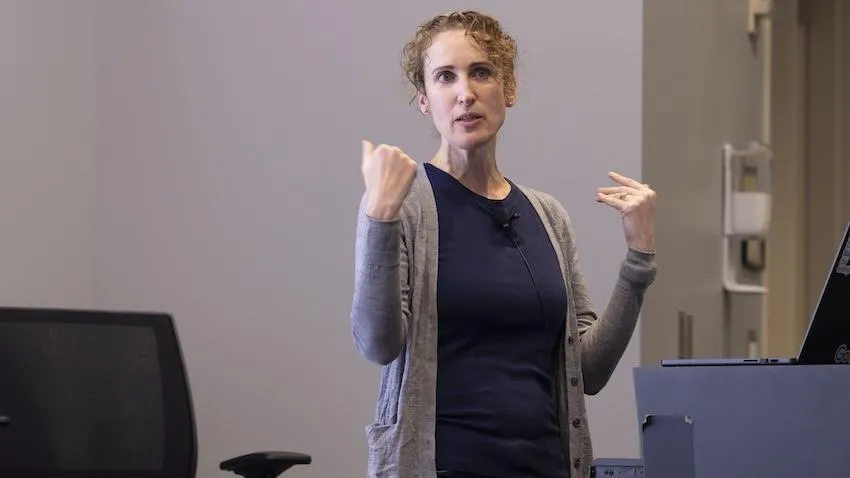
School of IC's Josiah Hester (left) and Cindy Lin discuss AI's future impact on sustainability. Photo by Terence Rushin/College of Computing.
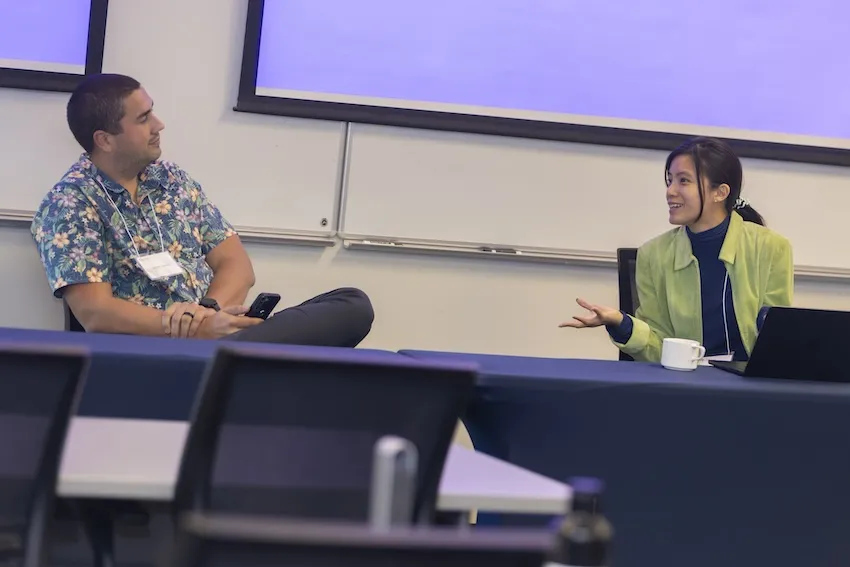
This month, the future of artificial intelligence (AI) was spotlighted as more than 120 academic and industry researchers participated in the Georgia Tech School of Interactive Computing’s inaugural Summit on Responsible Computing, AI, and Society.
With looming questions about AI's growing roles and consequences in nearly every facet of modern life, School of IC organizers felt the time was right to diverge from traditional conferences that focus on past work and published research.
“Presenting papers is about disseminating work that has already been completed. Who gets to be in the room is determined by whose paper gets accepted,” said Mark Riedl, School of IC professor.
“Instead, we wanted the summit talks to speculate on future directions and what challenges we as a community should be thinking about going forward.”
The two-day summit, held at Tech’s Global Learning Center Oct. 28-30, convened to discuss consequential questions like:
- Is society ready to accept more responsibility as greater advancements in technologies like AI are made?
- Should society stop to think about potential consequences before these advancements are implemented on its behalf, and what could those consequences be?
- What policies should be enacted for these technologies to mitigate harms and augment societal benefits?
A highlight of the summit’s opening day was Meredith Ringel Morris's keynote address. As director of human-AI interaction research at Google DeepMind, she presented a possible future in which humans could use AI to create a digital afterlife.
In her remarks, Morris discussed AI clones, which are AI avatars of specific human beings with high autonomy and task-performing capabilities. Someone could leave such an agent behind as a memory for loved ones to enjoy once they are gone, and future generations could access it to learn more about an ancestor.
On the other hand, it could easily lead to loved ones experiencing extended grief because they have trouble moving on from losing a family member.
These AI capabilities are in development and will soon be publicly available. As industry and academic researchers continue to develop them, the public needs to learn about their eminent impacts.
“There’s a lot that needs to be done in educating people,” Morris said. “It’s hard for well-intentioned and thoughtful system designers to anticipate all the harm. We must be prepared some people are going to use AI in ways we don’t anticipate, and some of those ways are going to be undesirable. What legal and education structures can we create that will help?”
In addition to Morris’s keynote, the summit’s first day included 20 talks about future and emerging technologies in AI, sustainability, healthcare, and other fields.
The second day featured eight talks on translating interventions and safeguards into policy.
Day-two speakers included:
- Orly Lobel, Warren Distinguished Professor of Law and director of the Center for Employment and Labor Policy at the University of California-San Diego. Lobel worked on President Obama’s policy team on innovation and labor market competition, and she advises the Federal Trade Commission (FTC).
- Sorelle Friedler, Shibulal Family Professor of Computer Science at Haverford College. She worked in the Office of Science and Technology Policy (OSTP) under the Biden-Harris Administration and helped draft the AI Bill of Rights.
- Jake Metcalf, researcher and program director for AI on the Ground at the think tank Data & Society. The organization produces reports on data science and equity for the US Government.
- Divyansh Kaushik, Vice President of Beacon Global Strategies, has given testimony to the US Senate on AI research and development.
Kaushik earned a Ph.D. in machine learning from Carnegie Mellon University before beginning his career in policy. He highlighted the importance of policymakers fostering relationships with academic researchers.
“Policymakers think about what could go wrong,” Kaushik said. “Academia can offer evidence-based answers.”
The summit also hosted a doctoral consortium, which allowed advanced Ph.D. students to present their research to experts and receive feedback and mentoring.
“Being an interdisciplinary researcher is challenging,” said Shaowen Bardzell, School of IC chair.
“We wanted the next generation to be in the room listening to the experts share their visions and also to provide our own experiences when possible on how to navigate the challenges and rewards of doing work in the intersection of AI, healthcare, sustainability, and policy.”
News Contact
Nathan Deen
Georgia Tech School of Interactive Computing
Communications Officer
nathan.deen@cc.gatech.edu

The U.S. Department of Energy (DOE) has awarded Georgia Tech researchers a $4.6 million grant to develop improved cybersecurity protection for renewable energy technologies.
Associate Professor Saman Zonouz will lead the project and leverage the latest artificial technology (AI) to create Phorensics. The new tool will anticipate cyberattacks on critical infrastructure and provide analysts with an accurate reading of what vulnerabilities were exploited.
“This grant enables us to tackle one of the crucial challenges facing national security today: our critical infrastructure resilience and post-incident diagnostics to restore normal operations in a timely manner,” said Zonouz.
“Together with our amazing team, we will focus on cyber-physical data recovery and post-mortem forensics analysis after cybersecurity incidents in emerging renewable energy systems.”
As the integration of renewable energy technology into national power grids increases, so does their vulnerability to cyberattacks. These threats put energy infrastructure at risk and pose a significant danger to public safety and economic stability. The AI behind Phorensics will allow analysts and technicians to scale security efforts to keep up with a growing power grid that is becoming more complex.
This effort is part of the Security of Engineering Systems (SES) initiative at Georgia Tech’s School of Cybersecurity and Privacy (SCP). SES has three pillars: research, education, and testbeds, with multiple ongoing large, sponsored efforts.
“We had a successful hiring season for SES last year and will continue filling several open tenure-track faculty positions this upcoming cycle,” said Zonouz.
“With top-notch cybersecurity and engineering schools at Georgia Tech, we have begun the SES journey with a dedicated passion to pursue building real-world solutions to protect our critical infrastructures, national security, and public safety.”
Zonouz is the director of the Cyber-Physical Systems Security Laboratory (CPSec) and is jointly appointed by Georgia Tech’s School of Cybersecurity and Privacy (SCP) and the School of Electrical and Computer Engineering (ECE).
The three Georgia Tech researchers joining him on this project are Brendan Saltaformaggio, associate professor in SCP and ECE; Taesoo Kim, jointly appointed professor in SCP and the School of Computer Science; and Animesh Chhotaray, research scientist in SCP.
Katherine Davis, associate professor at the Texas A&M University Department of Electrical and Computer Engineering, has partnered with the team to develop Phorensics. The team will also collaborate with the NREL National Lab, and industry partners for technology transfer and commercialization initiatives.
The Energy Department defines renewable energy as energy from unlimited, naturally replenished resources, such as the sun, tides, and wind. Renewable energy can be used for electricity generation, space and water heating and cooling, and transportation.
News Contact
John Popham
Communications Officer II
College of Computing | School of Cybersecurity and Privacy
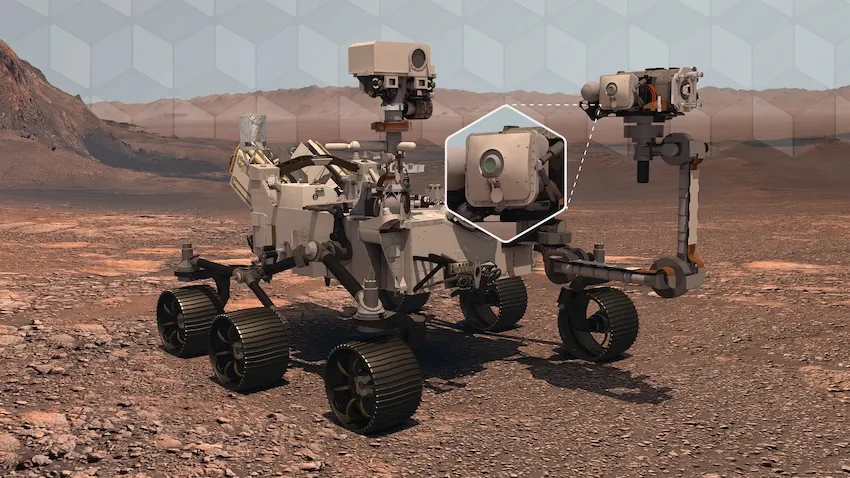

A new algorithm tested on NASA’s Perseverance Rover on Mars may lead to better forecasting of hurricanes, wildfires, and other extreme weather events that impact millions globally.
Georgia Tech Ph.D. student Austin P. Wright is first author of a paper that introduces Nested Fusion. The new algorithm improves scientists’ ability to search for past signs of life on the Martian surface.
In addition to supporting NASA’s Mars 2020 mission, scientists from other fields working with large, overlapping datasets can use Nested Fusion’s methods toward their studies.
Wright presented Nested Fusion at the 2024 International Conference on Knowledge Discovery and Data Mining (KDD 2024) where it was a runner-up for the best paper award. KDD is widely considered the world's most prestigious conference for knowledge discovery and data mining research.
“Nested Fusion is really useful for researchers in many different domains, not just NASA scientists,” said Wright. “The method visualizes complex datasets that can be difficult to get an overall view of during the initial exploratory stages of analysis.”
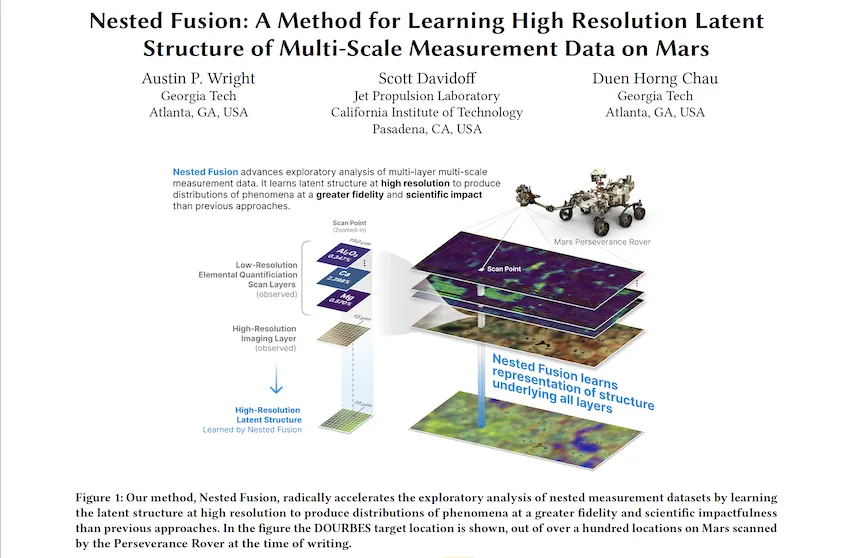
Nested Fusion combines datasets with different resolutions to produce a single, high-resolution visual distribution. Using this method, NASA scientists can more easily analyze multiple datasets from various sources at the same time. This can lead to faster studies of Mars’ surface composition to find clues of previous life.
The algorithm demonstrates how data science impacts traditional scientific fields like chemistry, biology, and geology.
Even further, Wright is developing Nested Fusion applications to model shifting climate patterns, plant and animal life, and other concepts in the earth sciences. The same method can combine overlapping datasets from satellite imagery, biomarkers, and climate data.
“Users have extended Nested Fusion and similar algorithms toward earth science contexts, which we have received very positive feedback,” said Wright, who studies machine learning (ML) at Georgia Tech.
“Cross-correlational analysis takes a long time to do and is not done in the initial stages of research when patterns appear and form new hypotheses. Nested Fusion enables people to discover these patterns much earlier.”
Wright is the data science and ML lead for PIXLISE, the software that NASA JPL scientists use to study data from the Mars Perseverance Rover.
Perseverance uses its Planetary Instrument for X-ray Lithochemistry (PIXL) to collect data on mineral composition of Mars’ surface. PIXL’s two main tools that accomplish this are its X-ray Fluorescence (XRF) Spectrometer and Multi-Context Camera (MCC).
When PIXL scans a target area, it creates two co-aligned datasets from the components. XRF collects a sample's fine-scale elemental composition. MCC produces images of a sample to gather visual and physical details like size and shape.
A single XRF spectrum corresponds to approximately 100 MCC imaging pixels for every scan point. Each tool’s unique resolution makes mapping between overlapping data layers challenging. However, Wright and his collaborators designed Nested Fusion to overcome this hurdle.
In addition to progressing data science, Nested Fusion improves NASA scientists' workflow. Using the method, a single scientist can form an initial estimate of a sample’s mineral composition in a matter of hours. Before Nested Fusion, the same task required days of collaboration between teams of experts on each different instrument.
“I think one of the biggest lessons I have taken from this work is that it is valuable to always ground my ML and data science problems in actual, concrete use cases of our collaborators,” Wright said.
“I learn from collaborators what parts of data analysis are important to them and the challenges they face. By understanding these issues, we can discover new ways of formalizing and framing problems in data science.”
Wright presented Nested Fusion at KDD 2024, held Aug. 25-29 in Barcelona, Spain. KDD is an official special interest group of the Association for Computing Machinery. The conference is one of the world’s leading forums for knowledge discovery and data mining research.
Nested Fusion won runner-up for the best paper in the applied data science track, which comprised of over 150 papers. Hundreds of other papers were presented at the conference’s research track, workshops, and tutorials.
Wright’s mentors, Scott Davidoff and Polo Chau, co-authored the Nested Fusion paper. Davidoff is a principal research scientist at the NASA Jet Propulsion Laboratory. Chau is a professor at the Georgia Tech School of Computational Science and Engineering (CSE).
“I was extremely happy that this work was recognized with the best paper runner-up award,” Wright said. “This kind of applied work can sometimes be hard to find the right academic home, so finding communities that appreciate this work is very encouraging.”
News Contact
Bryant Wine, Communications Officer
bryant.wine@cc.gatech.edu

Graphic of a circuit board with a set of interconnects leading to a cloud
The Cloud Hub, a key initiative of the Institute for Data Engineering and Science (IDEaS) at Georgia Tech, recently concluded a successful Call for Proposals focused on advancing the field of Generative Artificial Intelligence (GenAI). This initiative, made possible by a generous gift funding from Microsoft, aims to push the boundaries of GenAI research by supporting projects that explore both foundational aspects and innovative applications of this cutting-edge technology.
Call for Proposals: A Gateway to Innovation
Launched in early 2024, the Call for Proposals invited researchers from across Georgia Tech to submit their innovative ideas on GenAI. The scope was broad, encouraging proposals that spanned foundational research, system advancements, and novel applications in various disciplines, including arts, sciences, business, and engineering. A special emphasis was placed on projects that addressed responsible and ethical AI use.
The response from the Georgia Tech research community was overwhelming, with 76 proposals submitted by teams eager to explore this transformative technology. After a rigorous selection process, eight projects were selected for support. Each awarded team will also benefit from access to Microsoft’s Azure cloud resources..
Recognizing Microsoft’s Generous Contribution
This successful initiative was made possible through the generous support of Microsoft, whose contribution of research resources has empowered Georgia Tech researchers to explore new frontiers in GenAI. By providing access to Azure’s advanced tools and services, Microsoft has played a pivotal role in accelerating GenAI research at Georgia Tech, enabling researchers to tackle some of the most pressing challenges and opportunities in this rapidly evolving field.
Looking Ahead: Pioneering the Future of GenAI
The awarded projects, set to commence in Fall 2024, represent a diverse array of research directions, from improving the capabilities of large language models to innovative applications in data management and interdisciplinary collaborations. These projects are expected to make significant contributions to the body of knowledge in GenAI and are poised to have a lasting impact on the industry and beyond.
IDEaS and the Cloud Hub are committed to supporting these teams as they embark on their research journeys. The outcomes of these projects will be shared through publications and highlighted on the Cloud Hub web portal, ensuring visibility for the groundbreaking work enabled by this initiative.
Congratulations to the Fall 2024 Winners
- Annalisa Bracco | EAS "Modeling the Dispersal and Connectivity of Marine Larvae with GenAI Agents" [proposal co-funded with support from the Brook Byers Institute for Sustainable Systems]
- Yunan Luo | CSE “Designing New and Diverse Proteins with Generative AI”
- Kartik Goyal | IC “Generative AI for Greco-Roman Architectural Reconstruction: From Partial Unstructured Archaeological Descriptions to Structured Architectural Plans”
- Victor Fung | CSE “Intelligent LLM Agents for Materials Design and Automated Experimentation”
- Noura Howell | LMC “Applying Generative AI for STEM Education: Supporting AI literacy and community engagement with marginalized youth”
- Neha Kumar | IC “Towards Responsible Integration of Generative AI in Creative Game Development”
- Maureen Linden | Design “Best Practices in Generative AI Used in the Creation of Accessible Alternative Formats for People with Disabilities”
- Surya Kalidindi | ME & MSE “Accelerating Materials Development Through Generative AI Based Dimensionality Expansion Techniques”
- Tuo Zhao | ISyE “Adaptive and Robust Alignment of LLMs with Complex Rewards”
News Contact
Christa M. Ernst - Research Communications Program Manager
christa.ernst@research.gatech.edu

A research group is calling for internet and social media moderators to strengthen their detection and intervention protocols for violent speech.
Their study of language detection software found that algorithms struggle to differentiate anti-Asian violence-provoking speech from general hate speech. Left unchecked, threats of violence online can go unnoticed and turn into real-world attacks.
Researchers from Georgia Tech and the Anti-Defamation League (ADL) teamed together in the study. They made their discovery while testing natural language processing (NLP) models trained on data they crowdsourced from Asian communities.
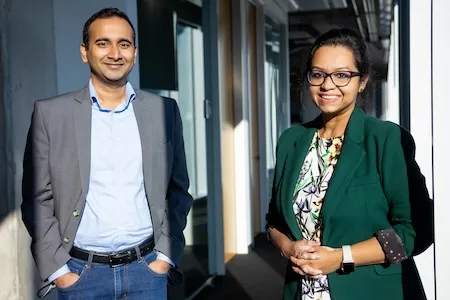
“The Covid-19 pandemic brought attention to how dangerous violence-provoking speech can be. There was a clear increase in reports of anti-Asian violence and hate crimes,” said Gaurav Verma, a Georgia Tech Ph.D. candidate who led the study.
“Such speech is often amplified on social platforms, which in turn fuels anti-Asian sentiments and attacks.”
Violence-provoking speech differs from more commonly studied forms of harmful speech, like hate speech. While hate speech denigrates or insults a group, violence-provoking speech implicitly or explicitly encourages violence against targeted communities.
Humans can define and characterize violent speech as a subset of hateful speech. However, computer models struggle to tell the difference due to subtle cues and implications in language.
The researchers tested five different NLP classifiers and analyzed their F1 score, which measures a model's performance. The classifiers reported a 0.89 score for detecting hate speech, while detecting violence-provoking speech was only 0.69. This contrast highlights the notable gap between these tools and their accuracy and reliability.
The study stresses the importance of developing more refined methods for detecting violence-provoking speech. Internet misinformation and inflammatory rhetoric escalate tensions that lead to real-world violence.
The Covid-19 pandemic exemplified how public health crises intensify this behavior, helping inspire the study. The group cited that anti-Asian crime across the U.S. increased by 339% in 2021 due to malicious content blaming Asians for the virus.
The researchers believe their findings show the effectiveness of community-centric approaches to problems dealing with harmful speech. These approaches would enable informed decision-making between policymakers, targeted communities, and developers of online platforms.
Along with stronger models for detecting violence-provoking speech, the group discusses a direct solution: a tiered penalty system on online platforms. Tiered systems align penalties with severity of offenses, acting as both deterrent and intervention to different levels of harmful speech.
“We believe that we cannot tackle a problem that affects a community without involving people who are directly impacted,” said Jiawei Zhou, a Ph.D. student who studies human-centered computing at Georgia Tech.
“By collaborating with experts and community members, we ensure our research builds on front-line efforts to combat violence-provoking speech while remaining rooted in real experiences and needs of the targeted community.”
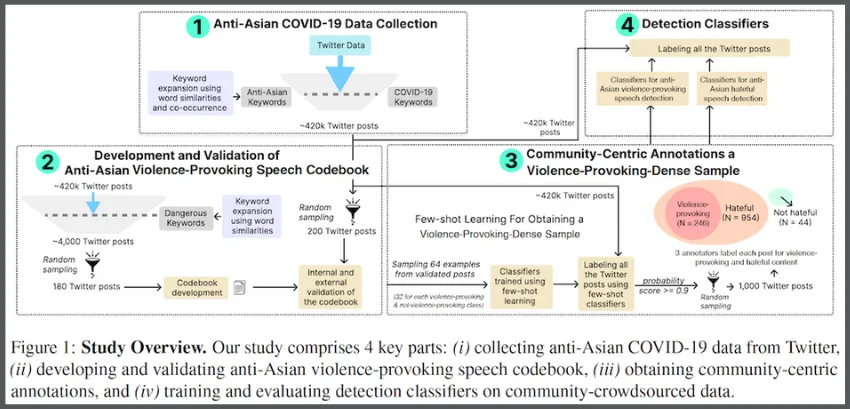
The researchers trained their tested NLP classifiers on a dataset crowdsourced from a survey of 120 participants who self-identified as Asian community members. In the survey, the participants labeled 1,000 posts from X (formerly Twitter) as containing either violence-provoking speech, hateful speech, or neither.
Since characterizing violence-provoking speech is not universal, the researchers created a specialized codebook for survey participants. The participants studied the codebook before their survey and used an abridged version while labeling.
To create the codebook, the group used an initial set of anti-Asian keywords to scan posts on X from January 2020 to February 2023. This tactic yielded 420,000 posts containing harmful, anti-Asian language.
The researchers then filtered the batch through new keywords and phrases. This refined the sample to 4,000 posts that potentially contained violence-provoking content. Keywords and phrases were added to the codebook while the filtered posts were used in the labeling survey.
The team used discussion and pilot testing to validate its codebook. During trial testing, pilots labeled 100 Twitter posts to ensure the sound design of the Asian community survey. The group also sent the codebook to the ADL for review and incorporated the organization’s feedback.
“One of the major challenges in studying violence-provoking content online is effective data collection and funneling down because most platforms actively moderate and remove overtly hateful and violent material,” said Tech alumnus Rynaa Grover (M.S. CS 2024).
“To address the complexities of this data, we developed an innovative pipeline that deals with the scale of this data in a community-aware manner.”
Emphasis on community input extended into collaboration within Georgia Tech’s College of Computing. Faculty members Srijan Kumar and Munmun De Choudhury oversaw the research that their students spearheaded.
Kumar, an assistant professor in the School of Computational Science and Engineering, advises Verma and Grover. His expertise is in artificial intelligence, data mining, and online safety.
De Choudhury is an associate professor in the School of Interactive Computing and advises Zhou. Their research connects societal mental health and social media interactions.
The Georgia Tech researchers partnered with the ADL, a leading non-governmental organization that combats real-world hate and extremism. ADL researchers Binny Mathew and Jordan Kraemer co-authored the paper.
The group will present its paper at the 62nd Annual Meeting of the Association for Computational Linguistics (ACL 2024), which takes place in Bangkok, Thailand, Aug. 11-16
ACL 2024 accepted 40 papers written by Georgia Tech researchers. Of the 12 Georgia Tech faculty who authored papers accepted at the conference, nine are from the College of Computing, including Kumar and De Choudhury.
“It is great to see that the peers and research community recognize the importance of community-centric work that provides grounded insights about the capabilities of leading language models,” Verma said.
“We hope the platform encourages more work that presents community-centered perspectives on important societal problems.”
Visit https://sites.gatech.edu/research/acl-2024/ for news and coverage of Georgia Tech research presented at ACL 2024.
News Contact
Bryant Wine, Communications Officer
bryant.wine@cc.gatech.edu