
Apr. 29, 2026
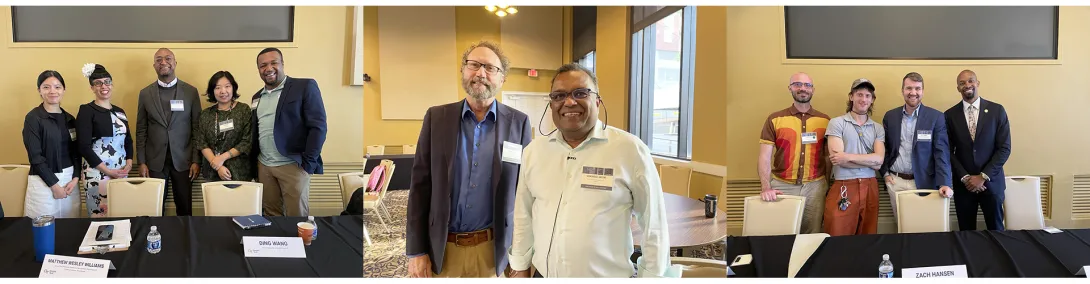
Left: panelists Cindy Lin, Celine Benoit, Matthew Williams, Ding Wang, and Kahil Bostick. Center: Michael Best and Verghese Jacob. Right: panelists Allen Hyde, Michael Czajkowski, Zachary Hansen, and Donnie Beamer. Not pictured: Peter Hubbard who joined virtually.
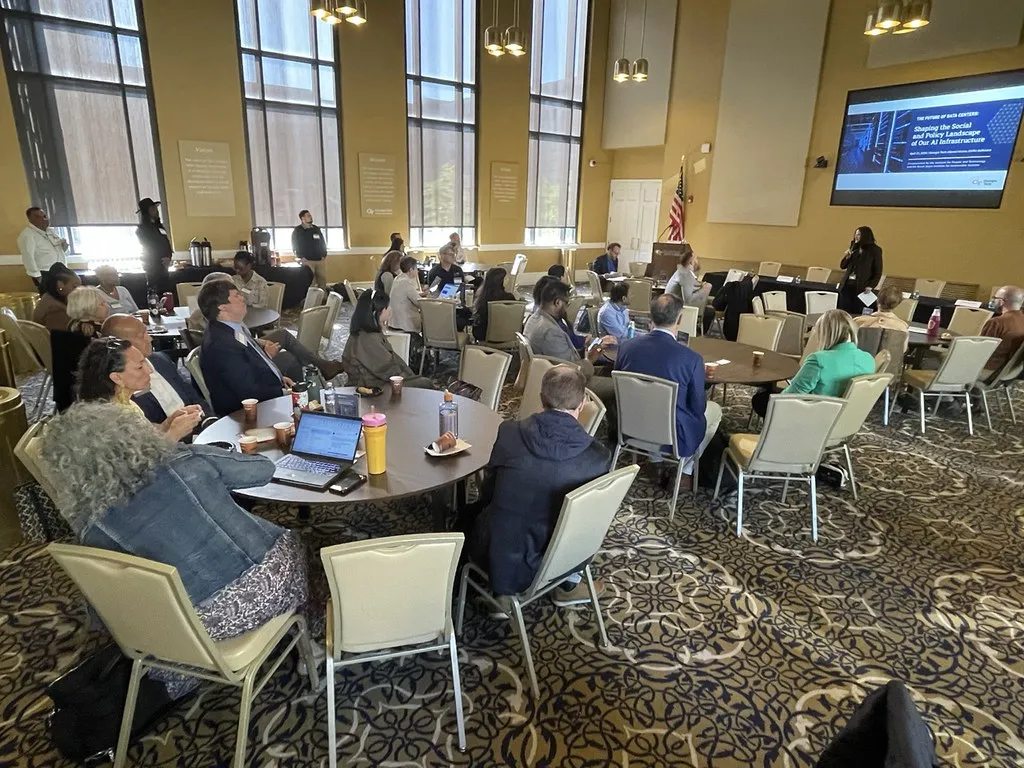
Beril Toktay delivering the welcome and introductory remarks to the attendees.
Georgia Tech hosted an event on April 21 examining the rapid expansion of data centers and the social and policy issues emerging alongside the growth of AI infrastructure. The program, The Future of Data Centers: Shaping the Social and Policy Landscape of Our AI Infrastructure, was held at the Alumni House and co-sponsored by the Institute for People and Technology and the Brook Byers Institute for Sustainable Systems (BBISS).
Georgia has become the world’s second-largest data center market, a shift that has brought economic opportunity as well as concerns about water use, energy demand, land development, and impacts on host communities. One recurring theme throughout the event was the tendency for environmental and resource issues to overshadow other important policy questions about community impact, transparency, and long-term governan
Introductory remarks were made by Beril Toktay, executive director of the Brook Byers Institute for Sustainable Systems, and Michael Best, executive director of the Institute for People and Technology.
Verghese Jacob, senior vice president of technology at the DayOne corporation, delivered the keynote address. Jacob discussed how DayOne works with governments in Asia to plan data centers and said early policy development and consistent communication can help communities better understand the impact and manage growth for long-term, mutually beneficial partnerships between governments and communities.
The event also included a BBISS Connect Workshop, led by Kristin Janacek, a senior extension professional with BBISS. The workshop built on BBISS’s Sustainability for Data Centers Insights Series and asked participants to contribute to a collaborative “blue paper” intended to guide future research partnerships and responses to funding opportunities.
Two panel discussions explored the social and political dimensions of data center development. The first, moderated by Cindy Lin, an assistant professor in the School of Interactive Computing, focused on international perspectives. Panelists included Celine Benoit of the Atlanta Regional Commission, Matthew Wesley Williams of Groundswell, Kahlil Bostick of Ryan Companies, and Ding Wang of Google Research. They discussed global examples of community-centered planning and the need for transparency in negotiations.
A second panel, moderated by Allen Hyde, an associate professor in the School of History and Sociology, examined collaboration between communities and government agencies. Panelists were Georgia Public Service Commissioner Peter Hubbard; Donnie Beamer, senior technology advisor for the City of Atlanta; Atlanta Journal-Constitution reporter Zachary Hansen; and Michael Czajkowski, director of advocacy for Science for Georgia. The group highlighted the importance of proactive regulation and clear communication with residents as data center development accelerates.
Speakers throughout the day emphasized that Atlanta’s continued growth in the data center sector will require coordinated planning and meaningful engagement with affected communities. The event closed with a call for all stakeholders to be proactive about creating policies that balance the technological and economic promise of the data center building boom with environmental and community concerns.
News Contact
Walter Rich
Apr. 23, 2026
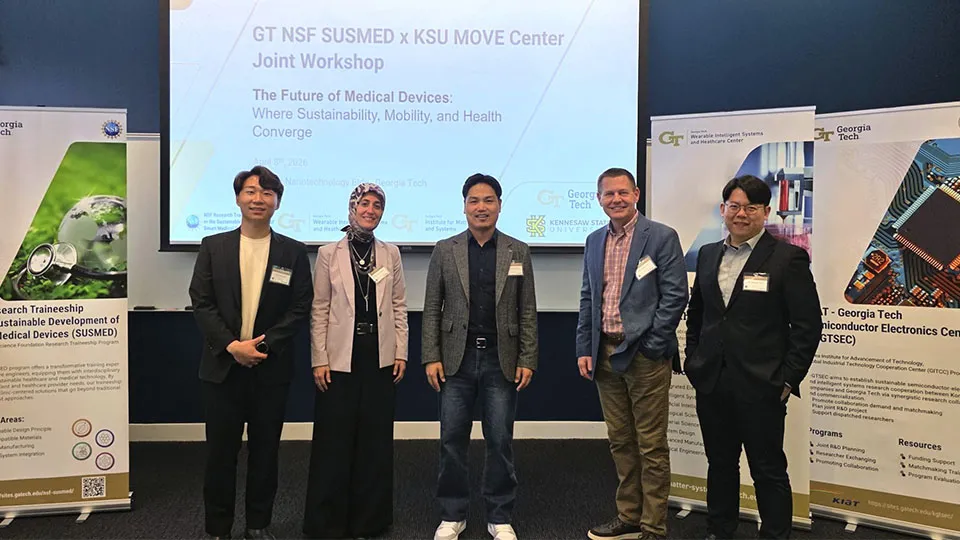
Students, faculty, and researchers from Georgia Tech and Kennesaw State University gathered on April 8 for a joint workshop between Georgia Tech's NSF Sustainable Development of Smart Medical Devices (SUSMED) program and KSU's Mobility for Everyone (MOVE) Center. The full-day event explored how sustainable design, mobility science, and health technologies are converging to shape the next generation of medical devices.
Hosted in Georgia Tech’s Marcus Nanotechnology Building, the workshop brought together trainees from the NSF SUSMED program and students from the MOVE Center for a day of presentations, posters, and hands‑on demonstrations.
The event was co‑led by Hong Yeo, Peterson Professor in Pediatric Research in the George W. Woodruff School of Mechanical Engineering at Georgia Tech; Karam Kim, research faculty at the same school; and Ayse Tekes, associate professor in Mechanical Engineering at KSU.
“I am thrilled to have hosted this first joint event between the NSF NRT in the WISH Center at Georgia Tech and the KSU MOVE Center. When I first envisioned it, I hoped it would spark meaningful conversations between students and researchers — but what unfolded far exceeded every expectation,” Yeo said. “This was not just a gathering; it was a launchpad for exciting new collaborative projects, dynamic student exchange programs, and bold, ambitious bets on the future of our field. A heartfelt thank you to IMS Director Eric Vogel, Josh Lee, the WISH Center program manager, and Karam Kim, research faculty extraordinaire — none of this would have been possible without their support.”
A central goal of the workshop was to give students meaningful opportunities to present their research and engage with peers across disciplines. According to Tekes, who is the director of the MOVE Center, events like this play a critical role in shaping early career researchers.
“I think these events are very eye-opening,” Tekes said. “They give students a real opportunity to showcase their results, but also to collaborate and learn about research outside their own area. Seeing work across disciplines sparks new questions and helps them think differently.”
Throughout the day, students presented projects on wearable devices, mobility technologies, digital health tools, sustainable engineering approaches, and more. Tekes emphasized how valuable it is for students to practice communicating their work to a broad audience.
“They are getting the practice to present their outputs — the key outcomes of their research — and explain the significance and importance,” she said. “They’re also learning to answer questions from different perspectives, because in this room you’re seeing engineers, computer scientists, and clinicians.”
Due to the strong turnout and enthusiastic participation throughout the day, organizers are already planning another session next semester. By bringing together diverse expertise from both schools, the event highlighted the shared commitment to developing medical technologies that improve mobility, health, and quality of life.
Funding sources: NSF NRT-FW-HTF: NSF Traineeship in the Sustainable Development of Smart Medical Devices (Award # 2345860) and WISH Center grant from the Institute for Matter and Systems
News Contact
Ashlie Bowman | Communications Manager
Parker H. Petit Institute for Bioengineering and Bioscience
Written by Scarlett Smith
Jan. 06, 2026
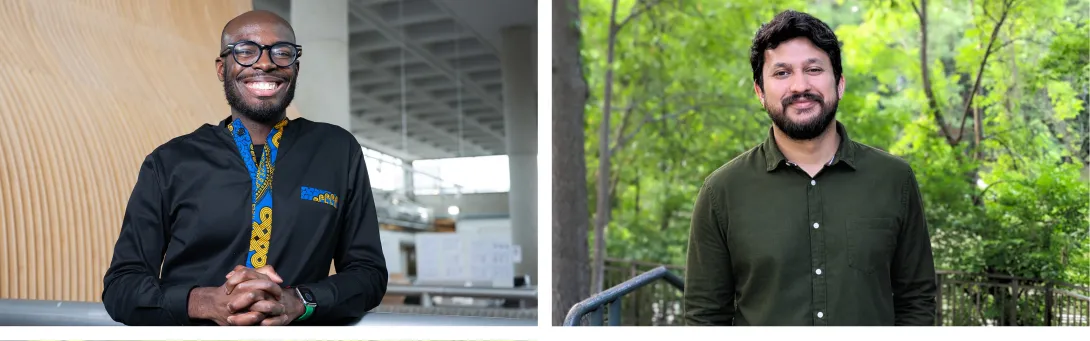
The Institute for People and Technology (IPaT) and the College of Design (CoD) awarded a seed grant to Christian Coles, lecturer in the School of Architecture; Moinak Choudhury, Ph.D., lecturer in the School of Literature, Media, and Communication (LMC); and Janelle Wright, environmental justice programs manager, at the West Atlanta Watershed Alliance (WAWA). Coles will serve as the principal investigator with Choudhury and Wright serving as the co-principal investigators.
Their project, “Designing Futures: Afrofuturist Co-Creation with AI for Community-Led Facade Design” will be realized during a 16-week design studio (ARCH 4016) class that will take place during fall 2026 and serve senior undergraduate architecture students. Participants from diverse majors will join through the Building for Equity and Sustainability Vertically Integrated Project (VIP) team, in partnership with the Center for Sustainable Communities Research and Education (SCoRE). Pre-planning tasks will occur spring semester in preparation for the fall studio class.
The studio class will collaborate with Moinak Choudhury and students in LMC 3403, who bring expertise in technical communication, responsible AI use, and community-based learning to co-create engagement materials and public-facing documentation that strengthen the project’s interdisciplinary links between design, sustainability, and communication.
The final result of the project encompasses students who will design and install a modular, solar-powered façade panel system for the outdoor classroom on WAWA’s campus. This project extends work done by a previous Georgia Tech VIP team.
The panels will serve multiple functions: participatory community engagement, artistic expression, and climate regulation. This project will advance the classroom toward its intended vision as an Afrofuturist learning space with technological nods to the Keneda Building on Georgia Tech’s campus. With the help of this seed grant, interdisciplinary team members will delve into design, engineering, computing, communication, and community partnership.
News Contact
Walter Rich
Dec. 08, 2025
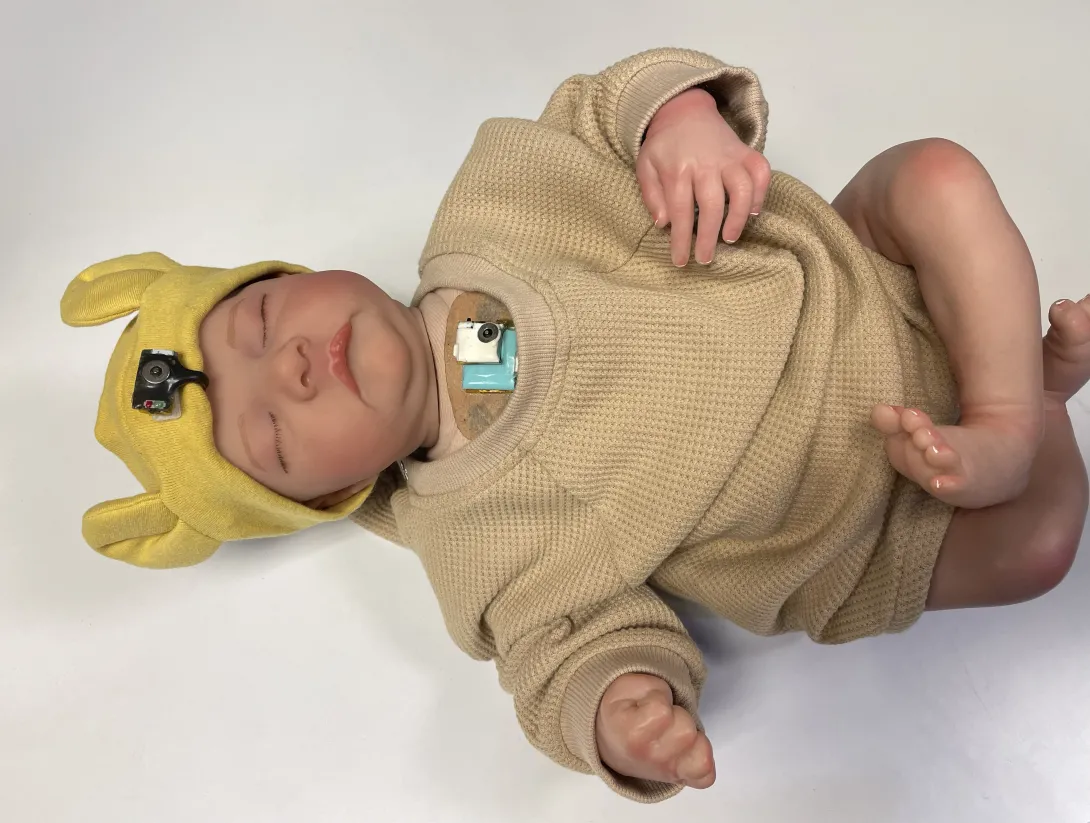
Wearable chest-mounted patch and forehead-mounted pulse oximeter shown on a mannequin baby for illustration
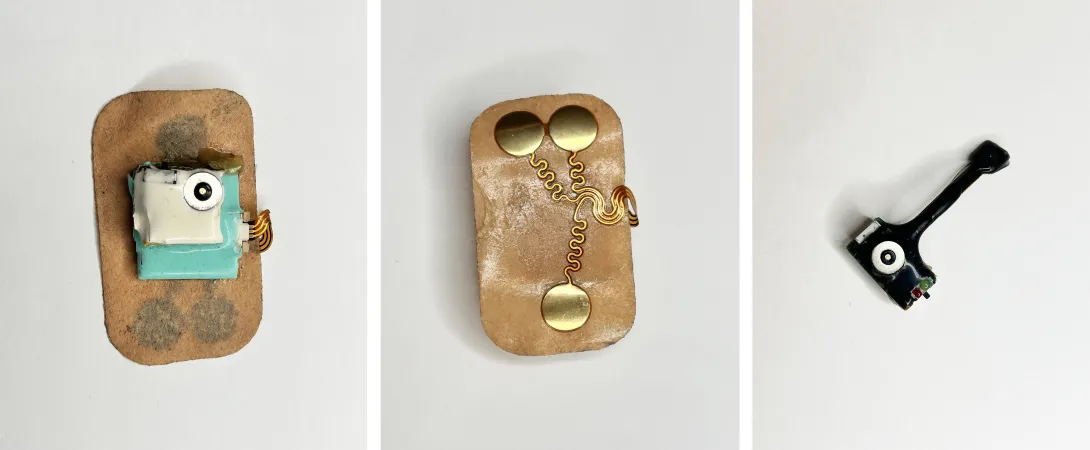
Wearable chest-mounted patch and forehead-mounted pulse oximeter shown close-up
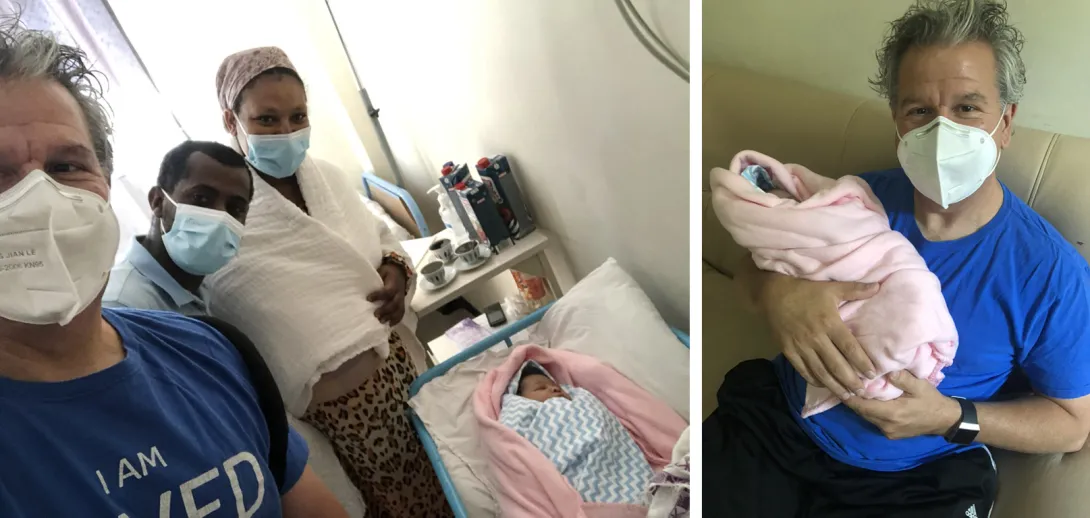
Professor Rudy Gleason with baby and parents at a hospital in Ethiopia
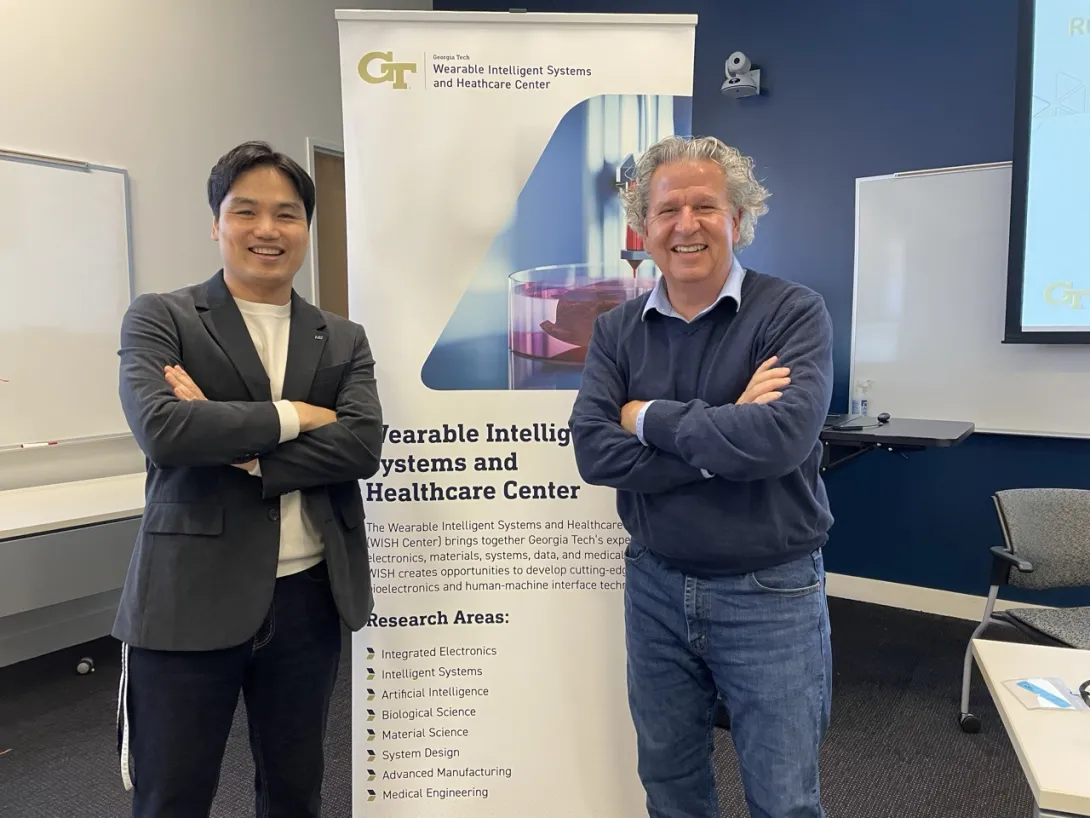
Professors Hong Yeo and Rudy Gleason
Soft, wearable system offers continuous wireless monitoring of newborns’ health.
A new, soft, all-in-one, wearable system has been designed for continuous wireless monitoring of neonatal health in low-resource settings. Developed by Georgia Tech researchers using advanced packaging technologies, the system features a chest-mounted patch and a forehead-mounted pulse oximeter that transmits real-time data to a smartphone app.
The wearable device measures and records important clinical parameters such as heart rate, respiration rate, temperature, electrocardiograms, and blood oxygen saturation. Speedy detection of abnormal readings in resource-challenged neonatal units could significantly reduce newborn mortality rates.
The device’s pilot study, conducted at Tikur Anbessa Specialized Hospital (TASH) in Addis Ababa, in collaboration with Abebaw Fekadu, Ph.D., from the Centre for Innovative Drug Development and Therapeutic Trials for Africa (CDT Africa Inc.), and neonatologist Asrat Demtse, M.D., from the TASH department of pediatrics, demonstrated a significant improvement over current vital sign monitoring and recording methods by providing continuous oversight using less medical equipment while also reducing handwritten paper tracking. Vital signs are a group of the most crucial medical data that indicate the status of the body's life-sustaining functions. The pairing of this wearable system with a smartphone app automated the monitoring process and delivered a superior level of neonatal care compared to the current processes at Ethiopia’s best hospital.
Medical staff and parents also observed a reduced need to wake their babies when using the wearable monitoring system. In addition, after participating in the study, 84% of Ethiopian parents said they would use the device at home.
“Professor Hong Yeo and I connected immediately after he gave a brief research talk about a new, wearable cardiac monitor for children,” said Rudy Gleason. “I asked him if we could co-develop a wearable device for newborn babies in Ethiopia that measured not one, but a variety of vital signs. We both thought it was a great idea.”
Yeo and Gleason are faculty members in the George W. Woodruff School of Mechanical Engineering and the Wallace H. Coulter Department of Biomedical Engineering at Georgia Tech. And both are affiliated with Georgia Tech’s Institute for People and Technology, which seeks to improve global health.
In 2009, Gleason and his wife were in the process of adopting a baby from Ethiopia named Kennedy. Before they could bring her home, however, she died — the result, Gleason said, of a seemingly preventable combination of malnutrition and diarrhea.
“This loss redirected my academic teaching, research, and service activities at Georgia Tech,” said Gleason. “Since then, I’ve spent most of my career focused on developing resource-appropriate biomedical devices to reduce maternal and child mortality.”
“When we started this latest study, Ethiopian parents were reluctant to participate. But once we recruited a few mothers in the neonatal intensive care unit (NICU), everyone in the NICU community wanted their child to participate in our wearable health monitoring system.”
According to Yeo, “We designed the wearable patch as a safe, clinical-grade solution with minimal skin irritation. Its key design advantage lies in the use of nanomembranes, which allows the device to be soft and highly conformal to the baby's skin. Wearing the device helps to ensure critical events are not missed since the built-in automation acts as a force multiplier, freeing clinical staff to focus more on complex decision-making rather than manual data acquisition.”
“Rudy has a deep love for the people of Ethiopia. I feel fortunate to have met him as we embark on this project aimed at helping sick babies in the country. Without his support, I could not envision bringing this technology to Ethiopia,” said Yeo.
During the past decade, child mortality rates have decreased in Ethiopia, but newborn deaths have remained mostly unchanged. Both Yeo and Gleason feel their new wearable neonatal device could significantly lower mortality rates for newborns in Ethiopia as they advance this research.
Citation: Zhou, L., Joseph, M., Lee, Y.J. et al. Soft, all-in-one, nanomembrane wearable system for advancing neonatal health monitoring in Ethiopia. npj Digit. Med. 8, 575 (2025).
DOI: https://doi.org/10.1038/s41746-025-01974-8
Funding: Gates Foundation (INV-006189) and the National Institutes of Health (R01HD100635). This work was also supported by the Imlay Foundation—Innovation Fund.
News Contact
Walter Rich
Research Communications
Dec. 04, 2025
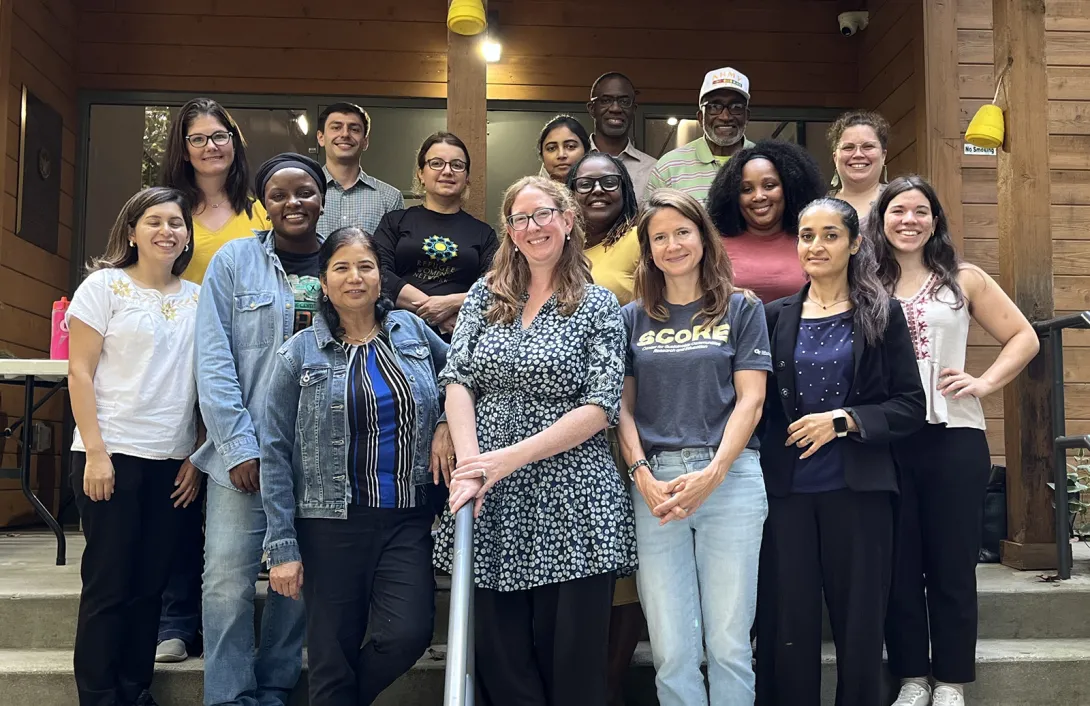
Grant readiness training participants and facilitators, pictured at the West Atlanta Watershed Alliance's Outdoor Activity Center. Photo includes: Kristin Janacek (BBISS), Thomas Fuentes (Cascade Springs Nature Preserve), Awaz Jabari (Refugee Women's Network), Anurupa Roy (Center for Sustainable Communities), Freddie Stevens III (Re'Gen Community Advisory), Chuck Barlow Sr. (Henderson School Alumni Association and Trust), Katie Kissel (Unearthing Farm and Market), Anna Tinoco Santiago (SCoRE), Tia Davis (ArtsXChange), Cassandra Knight (Henderson School Alumni Association and Trust), Desiree Jones (Georgia Advancing Communities Together), Alexandra Rodriguez Dalmau (SCoRE), Pabitra Poudyel (Refugee Women's Network), Katie O'Connell (Georgia Tech School of City and Regional Planning), Ruthie Yow (SCoRE), and Meena Khodayar (Refugee Women's Network)
Georgia Tech’s research enterprise is expanding its reach beyond campus walls, thanks to the work of the Community-Engaged Research (CER) Council. Formed in 2024, the council focuses on making collaborations between Georgia Tech and community partners easier, more strategic, and more impactful.
“At Georgia Tech, there’s incredible expertise in community engagement,” said Ruthie Yow SCoRE’s associate director, who facilitates the council. “But until now, there was no centralized way to connect those efforts. The council fills that gap.”
Five Pillars for Impact
The council’s strategy centers on five pillars: Coordination, Partners, Faculty Training and Recognition, Communication, and Resource Development. These priorities emerged from a strategic planning process involving seven interdisciplinary research institutes (IRIs) and centers, including Brook Byers Institute for Sustainable Systems (BBISS), Institute for People and Technology (IPaT), Strategic Energy Institute (SEI), Renewable Bioproducts Institute (RBI), the Enterprise Innovation Institute (EI²), Partnership for Inclusive Innovation (PIN) and SCoRE.
New Tool: Community Connect Website
Council members are developing new tools to support these priorities, including the brand-new Community Connect website, led by Nicole Kennard, assistant director for Community-Engaged Research in BBISS. The platform connects faculty and community partners by allowing them to create profiles, post engagement opportunities, and view an interactive map of partnerships.
“When I started this role, faculty told me they wanted to know who Georgia Tech was already working with and how to find new partners,” Kennard said. “They didn’t want to duplicate efforts or cold-call potential partners. This website addresses this challenge by showing existing connections and helping track engagement.”
The site will also serve as a data repository to measure impact of partnerships. “Having this data will help us advocate for infrastructure and support for community-engaged research,” Kennard added.
BBISS, IPaT, and more than 70 people from five of the Institute’s colleges and 18 units across GT supported the development of this new interactive site. The site is up and running while the team makes minor adjustments before a full launch in Spring 2026. Make a profile and share any website feedback with Nicole Kennard.
Building Capacity: Grant Readiness Training
In September, the council sponsored a grant readiness training for 18 community-based organizations. Led by SCoRE, the two-day workshop covered proposal basics, budgeting, logic models, and outcome measurement parameters. Over the course of two full days at the Outdoor Activity Center in West Atlanta, participants in the training helped these partners build the foundational systems, content, and strategies needed for effective grant seeking. Rather than focusing solely on writing techniques, this intensive workshop emphasized organizational readiness—equipping participants with materials such as boilerplate content, budget templates, outcome measurement frameworks, and funder research strategies. Tailored for organizations with limited staff who juggle multiple roles, the training provided practical, immediately applicable tools that support a proactive, long-term approach to securing grant funding. Read more about the training here.
Collaboration in Action: Clarkston Project
Through the leadership of council members Leigh Hopkins and Candice McKie, the council is launching a collaboration with the Center for Economic Development Research (CEDR), to support strategic visioning for the City of Clarkston after funding cuts threatened its planning process. Clarkston, Georgia, one of the most culturally diverse cities in the country, is moving into the second phase of their collaboration with CEDR. The two groups together are continuing to work on place-making, community-wide events, and creative incentives to attract and retain new businesses.
“It was a great example of pooling resources to lift up community vision and meet a community need,” Yow said.
Networking for Impact
On December 10, the council will host a networking event for faculty and staff engaged in CER. The goal is to share successes, attract new collaborators, and identify projects for 2026.
Join us at 2 p.m. in the Student Success Center, President’s Suite B , for light refreshments.
Engagement Across IRIs
Georgia Tech’s interdisciplinary research institutes are already leading impactful projects: IPaT’s CEAR Hub supports climate and cultural resilience in Georgia’s barrier islands; BBISS works on conservation and cultural sustainability with tribal Ojibwe partners; SEI’s Energy Faculty Fellows Program builds research networks with minority-serving institutions; RBI’s ReWood initiative advances renewable forest biotechnology for a climate-smart economy.
Faculty interested in learning more about CER can start by connecting with the council members. “We want to make it easy for researchers and communities to create mutually beneficial partnerships,” Yow said. “Reach out, share your work, and join us in building Georgia Tech’s impact.”
Council members include Terri Sapp (RBI), Clint Zeagler (IPaT), Nicole Kennard (BBISS), Leigh Hopkins and Candice McKie (CEDR), Yang You (SEI), Katie O'Connor (PIN), Ruthie Yow (SCoRE), and Rose Santa Gonzalez (Institute for Robotics & Intelligent Machines.)
News Contact
Jennifer Martin, Assistant Director of Research Communications Services
Nov. 18, 2025
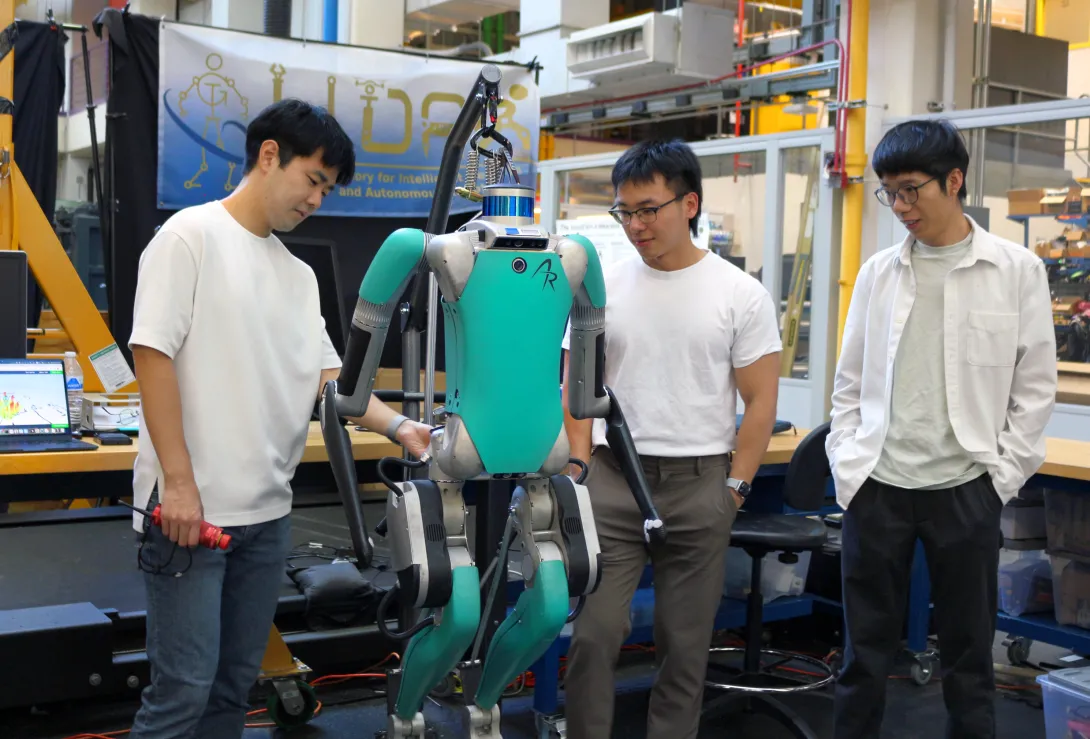
Viral videos abound with humanoid robots performing amazing feats of acrobatics and dance but finding videos of a humanoid robot performing a common household task or traversing a new multi-terrain environment easily, and without human control, are much rarer. This is because training humanoid robots to perform these seemingly simple functions involves the need for simulation training data that lack the complex dynamics and degrees of freedom of motion that are inherent in humanoid robots.
To achieve better training outcomes with faster deployment results, Fukang Liu and Feiyang Wu, graduate students under Professor Ye Zhao from the Woodruff School of Mechanical Engineering and faculty member of the Institute for Robotics and Intelligent Machines, have published a duo of papers in IEEE Robotics and Automation Letters. This is a collaborative work with three other IRIM affiliated faculties, Profs. Danfei Xu, Yue Chen, and Sehoon Ha, as well as Prof. Anqi Wu from School of Computational Science and Engineering.
To develop more reliable motion learning for humanoid robots and enable humanoid robots to perform complex whole-body movements in the real world, Fukang led a team and developed Opt2Skill, a hybrid robot learning framework that combines model-based trajectory optimization with reinforcement learning. Their framework integrates dynamics and contacts into the trajectory planning process and generates high-quality, dynamically feasible datasets, which result in more reliable motion learning for humanoid robots and improved position tracking and task success rates. This approach shows a promising way to augment the performance and generalization of humanoid RL policies using dynamically feasible motion datasets. Incorporating torque data also improved motion stability and force tracking in contact-rich scenarios, demonstrating that torque information plays a key role in learning physically consistent and contact-rich humanoid behaviors.
While other datasets, such as inverse kinematics or human demonstrations, are valuable, they don’t always capture the dynamics needed for reliable whole-body humanoid control.” said by Fukang Liu. “With our Opt2Skill framework, we combine trajectory optimization with reinforcement learning to generate and leverage high-quality, dynamically feasible motion data. This integrated approach gives robots a richer and more physically grounded training process, enabling them to learn these complex tasks more reliably and safely for real-world deployment. - Fukang Liu
In another line of humanoid research, Feiyang established a one-stage training framework that allows humanoid robots to learn locomotion more efficiently and with greater environmental adaptability. Their framework, Learn-to-Teach (L2T), unlike traditional two-stage “teacher-student” approaches, which first train an expert in simulation and then retrain a limited-perception student, teaches both simultaneously, sharing knowledge and experiences in real time. The result of this two-way training is a 50% reduction in training data and time, while maintaining or surpassing state-of-the-art performance in humanoid locomotion. The lightweight policy learned through this process enables the lab’s humanoid robot to traverse more than a dozen real-world terrains—grass, gravel, sand, stairs, and slopes—without retraining or depth sensors.
By training an expert and a deployable controller together, we can turn rich simulation feedback into a lightweight policy that runs on real hardware, letting our humanoid adapt to uneven, unstructured terrain with far less data and hand-tuning than traditional methods. - Feiyang Wu
By the application of these training processes, the team hopes to speed the development of deployable humanoid robots for home use, manufacturing, defense, and search and rescue assistance in dangerous environments. These methods also support advances in embodied intelligence, enabling robots to learn richer, more context-aware behaviors.Additionally, the training data process can be applied to research to improve the functionality and adaptability of human assistive devices for medical and therapeutic uses.
As humanoid robots move from controlled labs into messy, unpredictable real-world environments, the key is developing embodied intelligence—the ability for robots to sense, adapt, and act through their physical bodies,” said Professor Ye Zhao. “The innovations from our students push us closer to robots that can learn robust skills, navigate diverse terrains, and ultimately operate safely and reliably alongside people. - Prof. Ye Zhao
Author - Christa M. Ernst
Citations
Liu F, Gu Z, Cai Y, Zhou Z, Jung H, Jang J, Zhao S, Ha S, Chen Y, Xu D, Zhao Y. Opt2skill: Imitating dynamically-feasible whole-body trajectories for versatile humanoid loco-manipulation. IEEE Robotics and Automation Letters. 2025 Oct 13.
Wu F, Nal X, Jang J, Zhu W, Gu Z, Wu A, Zhao Y. Learn to teach: Sample-efficient privileged learning for humanoid locomotion over real-world uneven terrain. IEEE Robotics and Automation Letters. 2025 Jul 23.
News Contact
Nov. 10, 2025
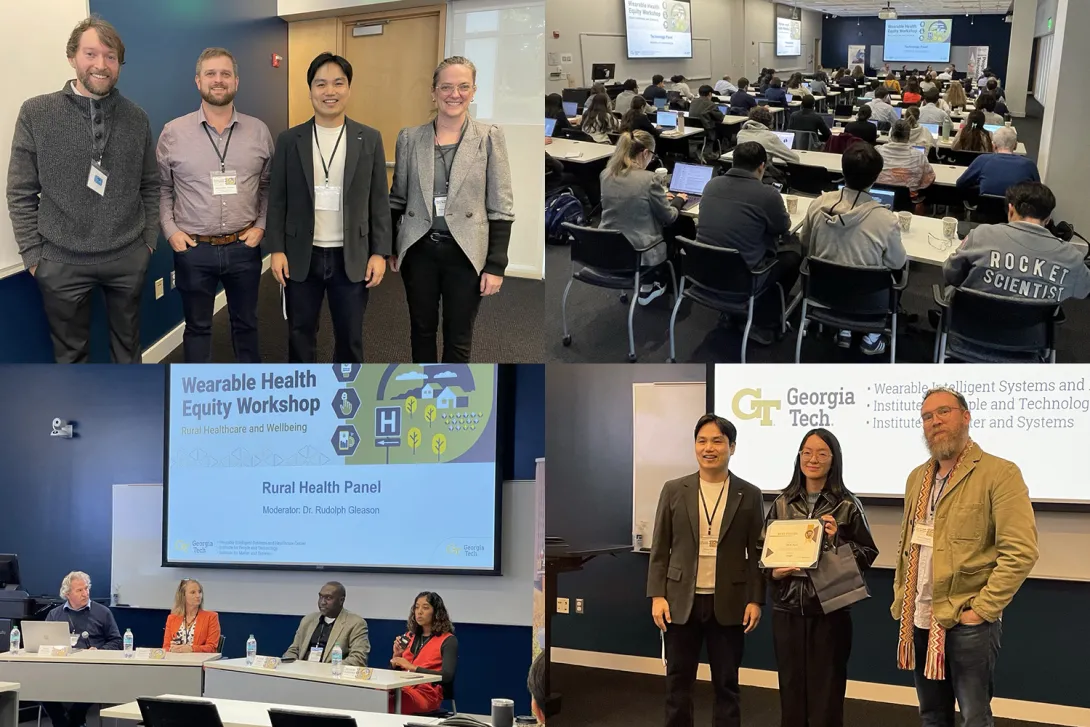
Picture upper left: Philipp Gutruf, Alex Adams, Hong Yeo, and Kimberlee McKay. Picture upper right: workshop attendees. Picture lower left: Rudy Gleason, Shelly Spires, Brad Jones, and Ruwanthi Ekanayake. Picture lower right: Hong Yeo, Garan Byun, and Clint Zeagler.
The second Wearable Health Equity Workshop was held on October 30, 2025, at the Georgia Tech Marcus Nanotechnology Building. The workshop presented some of the latest wearable health technologies and offered practical solutions for advancing rural healthcare.
The all-day workshop was sponsored by the Georgia Tech Wearable Intelligent Systems and Healthcare Center (WISH Center), the Institute for People and Technology (IPaT), and the Institute for Matter and Systems (IMS).
Academic, clinical, and industry leaders gathered to learn about some of the most exciting wearable technologies and explore proven, practical solutions for improving health in underserved rural areas. Medical professionals from Sioux Falls, South Dakota and Albany, Georgia shared real-world solutions to providing more effective healthcare in their regional, rural areas.
The morning keynote speaker was Philipp Gutruf, Ph.D., an associate professor and associate department head of biomedical engineering at the University of Arizona. Gutruf’s research focuses on creating devices that intimately integrate with biological systems, developing wireless, battery-free, and fully implantable platforms for biosignal monitoring, neurostimulation, and biointerfaces.
The afternoon keynote speaker was Kimberlee McKay, M.D., with Avera Medical Group in Sioux Falls, South Dakota. McKay is a physician-leader in women’s health who has redefined how obstetrics and gynecology are delivered across rural and underserved communities.
A technology panel moderated by Alexander Adams, Ph.D., assistant professor, in the College of Computing at Georgia Tech included:
* Andrea Braden, M.D., Founder & CEO of Lybbie and medical director of the Atlanta Birth Center
* Farrokh Ayazi, Ph.D., director of the Georgia Tech Analog Consortium, Regents Entrepreneur, and Ken Byers Professorship in Microsystems
* Rosa Arriaga, Ph.D., associate professor in the School of Interactive Computing, College of Computing at Georgia Tech
* Steve Xu, M.D., CEO Sibel Health, medical director at Querrey Simpson Institute for Bioelectronics Northwestern University was scheduled, but was unable to attend.
In the afternoon, a rural health panel was moderated by Rudolph Gleason, Ph.D., professor in mechanical engineering and biomedical engineering at Georgia Tech.
Those panelists were:
* Shelly Spires, M.S.M., CEO Albany Area Primary Health Care, Inc.
* W. Brad Jones, Ph.D., CEO Life Well Promotions
* Ruwanthi Ekanayake, M.D./Ph.D. candidate, Emory University - Rollins School of Public Health and Emory School of Medicine
The best poster awards were won by postdoctoral research fellow Jimin Lee, Ph.D., and mechanical engineering doctoral student Garan Byun. The best rapid talk award winner was Ramy Ghanim, a doctoral student in chemical engineering.
Key faculty organizers of this year’s event included W. Hong Yeo, director of the WISH Center and professor in the Woodruff School of Mechanical Engineering and the Wallace H. Coulter Department of Biomedical Engineering; Clint Zeagler, director of strategic partnerships in IPaT; Josh Lee, research program manager in the WISH Center; Alexander Adams, assistant professor, School of Interactive Computing; and Rudy Gleason, professor in the Woodruff School of Mechanical Engineering and the Wallace H. Coulter Department of Biomedical Engineering.
News Contact
Walter Rich
Sep. 23, 2025
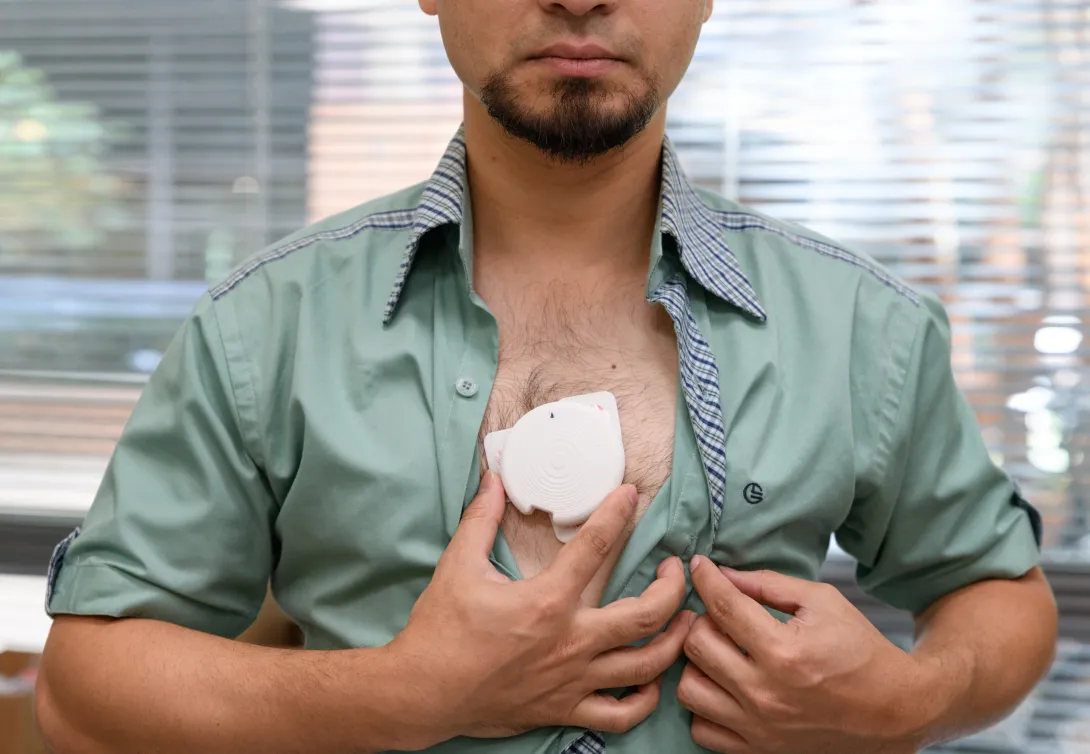
Heart failure remains one of the most challenging conditions to monitor outside the clinic. Patients may experience changes in symptoms, such as fatigue or shortness of breath, between visits, yet many current devices provide limited data, leaving physicians without continuous insight into heart function.
“Despite advances in digital health, continuous monitoring of the heart’s mechanical function has remained difficult outside clinical settings,” said Omer Inan, researcher and entrepreneur at Georgia Tech. “Patients and physicians have long needed a tool that provides deeper, real-time insights into heart performance without invasive procedures. We decided to tackle that problem head-on with a wearable device.”
Sep. 18, 2025
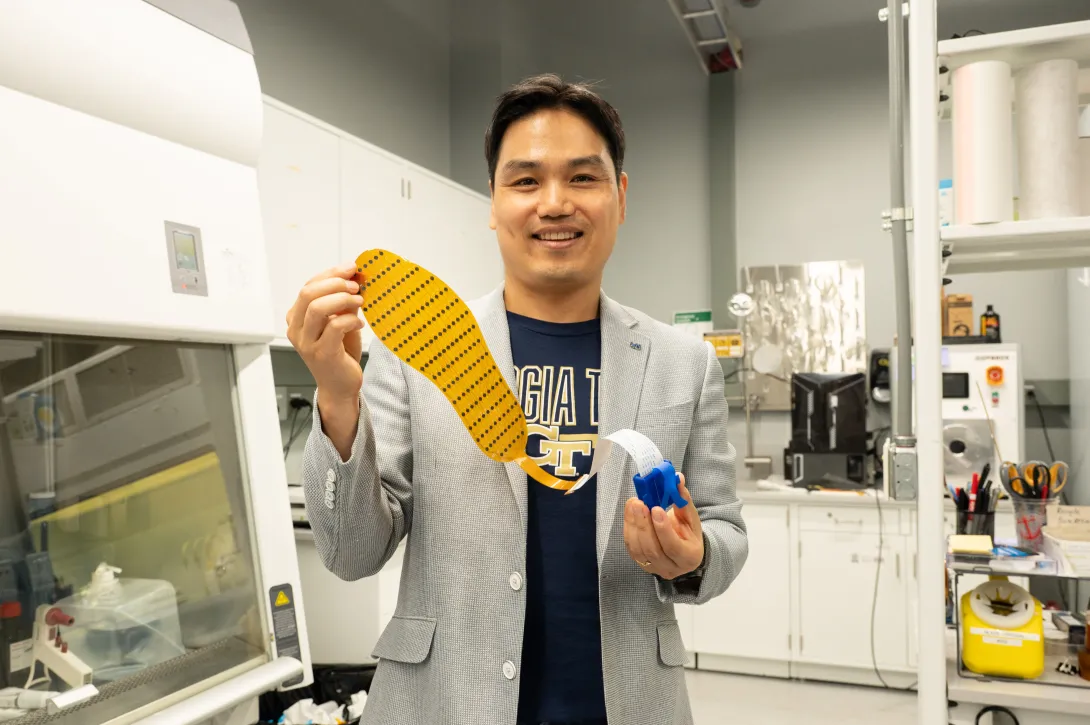
Hong Yeo holds the wearable electronic device made of more than 170 thin, flexible sensors that measure foot pressure — a key metric for determining whether someone is off-balance. [Photos by Joya Chapman]
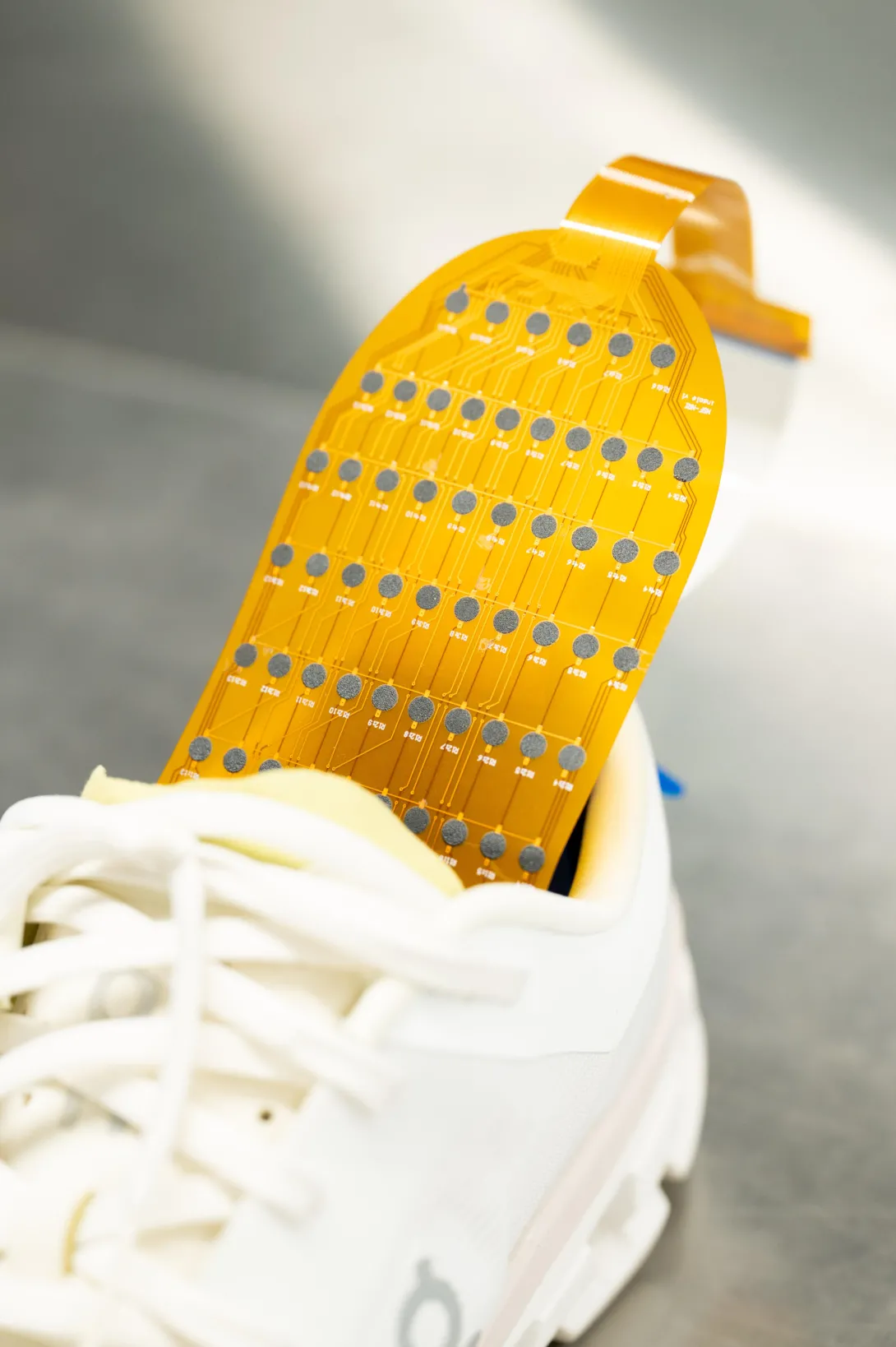
The wearable electronic device, developed by Georgia Tech researchers, is made of more than 170 thin, flexible sensors that measure foot pressure — a key metric for determining whether someone is off-balance.
Maintaining balance while walking may seem automatic — until suddenly it isn’t. Gait impairment, or difficulty with walking, is a major liability for stroke and Parkinson’s patients. Not only do gait issues slow a person down, but they are also one of the top causes of falls. And solutions are often limited to time-intensive and costly physical therapy.
A new wearable electronic device that can be inserted inside any shoe may be able to address this challenge. The device, developed by Georgia Tech researchers, is made of more than 170 thin, flexible sensors that measure foot pressure — a key metric for determining whether someone is off-balance. The sensor collects pressure data, which the researchers could eventually use to predict which changes lead to falls.
The researchers presented their work in the paper, “Flexible Smart Insole and Plantar Pressure Monitoring Using Screen-Printed Nanomaterials and Piezoresistive Sensors.” It was the cover paper in the August edition of ACSApplied Materials & Interfaces.
Pressure Points
Smart footwear isn’t new — but making it both functional and affordable has been nearly impossible. W. Hong Yeo’s lab has made its reputation on creating malleable medical devices. The researchers rely on the common commercial practice of screen-printing electronics to screen-print sensors. They realized they could apply this printing technique to address walking difficulties.
“Screen-printing is advantageous for developing medical devices because it's low-cost and scalable,” said Yeo, the Peterson Professor and Harris Saunders Jr. Professor in the George W. Woodruff School of Mechanical Engineering. “So, when it comes to thinking about commercialization and mass production, screen-printing is a really good platform because it's already been used in the electronics industry.”
Making the device accessible to the everyday user was paramount for Yeo’s team. A key innovation was making sure the wearable is thin enough to be comfortable for the wearer and easy to integrate with other assistive technologies. The device uses Bluetooth, enabling a smartphone to collect data and offer the future possibility of integrating with existing health monitoring applications.
Possibilities for real-world adaptation are promising, thanks to these innovations. Lightweight and small, the wearable could be paired with robotics devices to help stroke and Parkinson’s patients and the elderly walk. The high number of sensors could make it easier for researchers to apply a machine learning algorithm that could predict falls. The device could even enable professional athletes to analyze their performance.
Regardless of how the device is used, Yeo intends to keep its cost under $100. So far, with funding from the National Science Foundation, the researchers have tested the device on healthy subjects. They hope to expand the study to people with gait impairments and, eventually, make the device commercially available.
“I'm trying to bridge the gap between the lack of available devices in hospitals or medical practices and the lab-scale devices,” Yeo said. “We want these devices to be ready now — not in 10 years.”
With its low-cost, wireless design and potential for real-time feedback, this smart insole could transform how we monitor and manage walking difficulties — not just in clinical settings, but in everyday life.
News Contact
Tess Malone, Senior Research Writer/Editor
tess.malone@gatech.edu
Aug. 21, 2025
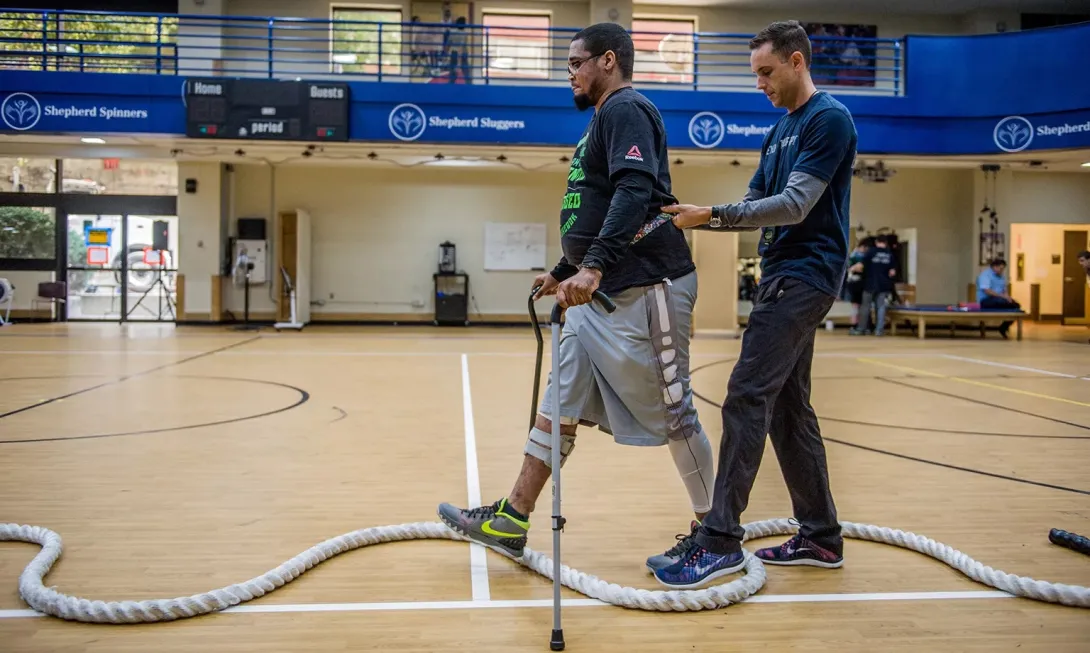
The seed grants will fund projects focused on enhancing wheelchair seating surfaces, supporting stroke patients as they transition home from rehabilitation, assessing lower limb exoskeleton technologies, and exploring the use of AI in remote rehab settings. Photo: Shepherd Center.
Georgia Tech and Shepherd Center recently awarded four seed grants totaling nearly $200,000 to researchers focusing on projects that will advance discoveries in neurorehabilitation, including acquired brain injury, spinal cord injury, multiple sclerosis, chronic pain, and other neurological conditions.
The Georgia Tech-Shepherd Center Seed Grant Program is part of an ongoing partnership between the two institutions that started in 2023 with the goal of advancing rehabilitative patient care and research.
“The seed grant program is intended to stimulate new interdisciplinary research collaborations by providing seed funding to obtain preliminary data or prototypes necessary for the submission of an external grant or industry opportunities,” says Deborah Backus, vice president of Research and Innovation at Shepherd Center. “As two leading research institutions, we know the potential for advancing rehabilitation therapies is even greater when we work together. We look forward to the solutions, treatments, and therapies that emerge from these initial seed grants.”
Experts from both institutions evaluated and scored seed grant applications based on the research’s innovation, approach, and potential for training opportunities, as well as its anticipated impact, prospects for commercial translation, and strategy for securing continued funding. This year, each awardee team received close to $50,000.
“We are very excited to launch this new seed grant program, which will spur ideas and propel research forward,” said Michelle LaPlaca, professor in the Coulter Department of Biomedical Engineering and the Georgia Tech lead of the Collaborative. “The complementary expertise of Georgia Tech and Shepherd Center researchers, combined with the motivation to find solutions for individuals with neurological injury and disability, is a winning formula for innovation.”
"Offering new hope for neurorehabilitation patients requires bringing together interdisciplinary researchers to explore new and creative ideas,” adds Chris Rozell, Julian T. Hightower Chaired professor in the School of Electrical and Computer Engineering and the inaugural executive director of the Institute of Neuroscience, Neurotechnology, and Society (INNS) at Georgia Tech. “I'm excited to see the talent at these world class institutions coming together to develop new solutions for these complex problems."
This year’s seed grants were awarded to the following projects:
- Proof of Concept Development of the Recovery Cushion – Stephen Sprigle, professor, School of Industrial Design and School of Mechanical Engineering, Georgia Tech; Jennifer Cowhig, research physical therapist, Shepherd Center.
- Paving a Smooth Path from Hospital to Home: A Feasibility Study of an Integrated Smart Transitional Home Lab to Support Stroke Rehabilitation Patients’ Transition to Home – John Morris, senior clinical research scientist, Shepherd Center; Hui Cai, professor in the School of Architecture, executive director of the SimTigrate Design Center, Georgia Tech.
- A Comparative Analysis of Lower-Limb Exoskeleton Technology for Non-Ambulatory Individuals with Spinal Cord Injury – Maegan Tucker, assistant professor, School of Electrical and Computer Engineering and School of Mechanical Engineering, Georgia Tech; Nicholas Evans (AP 2023), clinical research scientist, Shepherd Center.
- Improving Accessibility and Precision in Neurorehabilitation at the Point of Care with AI-Driven Remote Therapeutic Monitoring Solutions – Brad Willingham, clinical research scientist, director of Multiple Sclerosis Research, Shepherd Center; May Dongmei Wang, professor, Wallace H. Coulter Department of Biomedical Engineering, Georgia Tech.
News Contact
Kerry Ludlam
Director of Communications
Shepherd Center
Audra Davidson
Research Communications Program Manager
Institute for Neuroscience, Neurotechnology, and Society