
Jun. 11, 2025
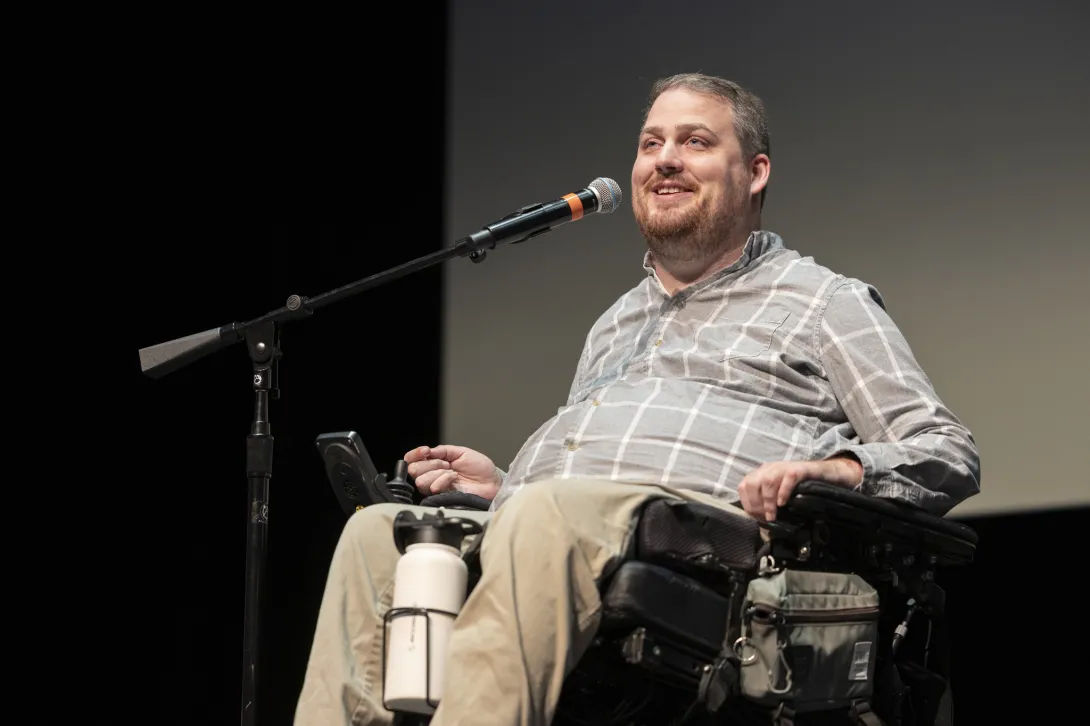
From clinical trial participant to BCI advocate, Ian Burkhart shares his story at “Wired Lives,” organized by Georgia Tech’s Neuro Next Initiative. Photo: Chris McKenney
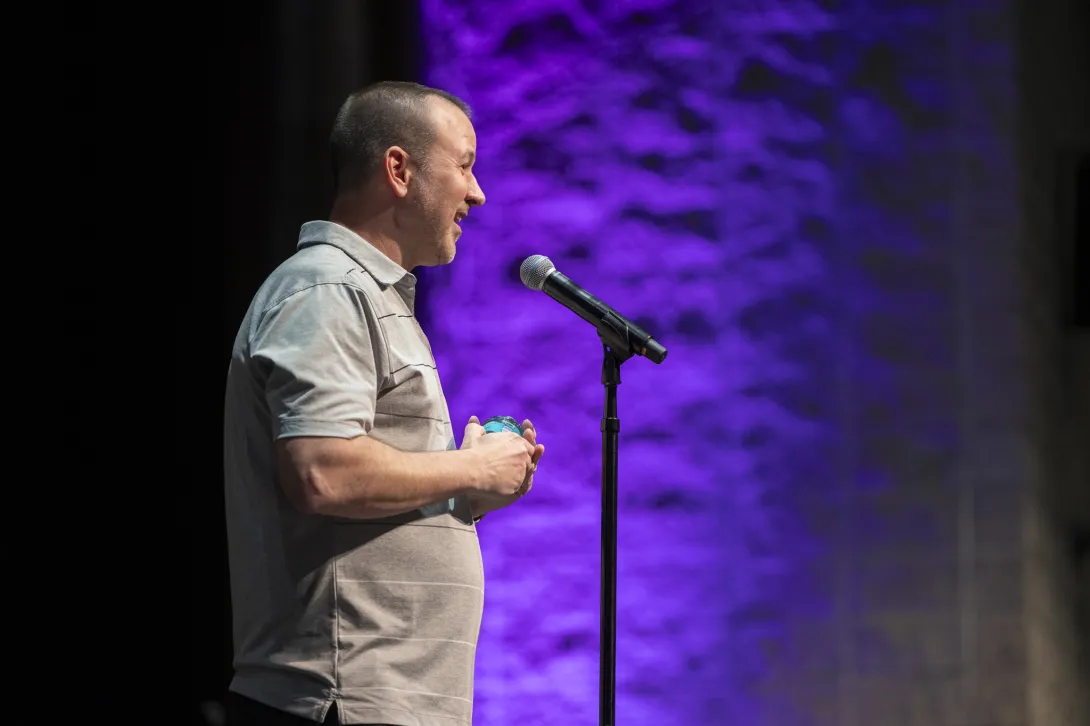
Brandan Mehaffie shares how deep brain stimulation transformed his life after an early-onset Parkinson’s diagnosis. Photo: Chris McKenney

Jennifer Walden reflects on the emotional and physical challenges of epilepsy — and the relief that came with a breakthrough treatment. Photo: Chris McKenney
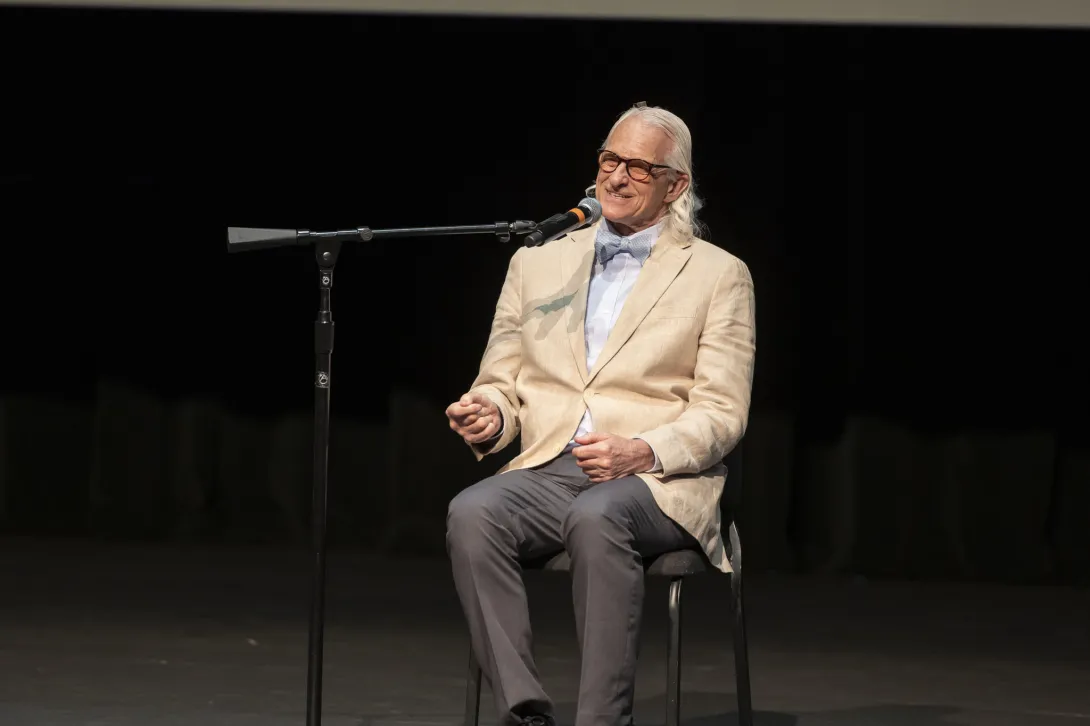
Scott Imbrie shares his decision to undergo brain surgery — not for personal benefit, but to advance research that could help others. Photo: Chris McKenney
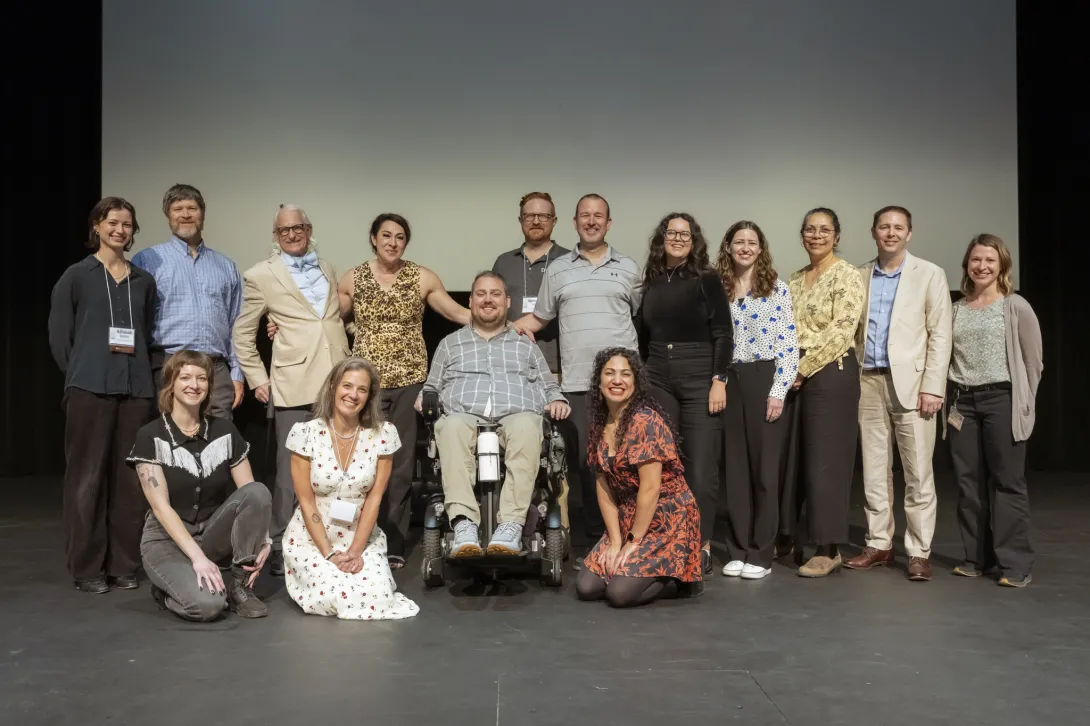
Storytellers, event organizers, and sponsor representatives at "Wired Lives."
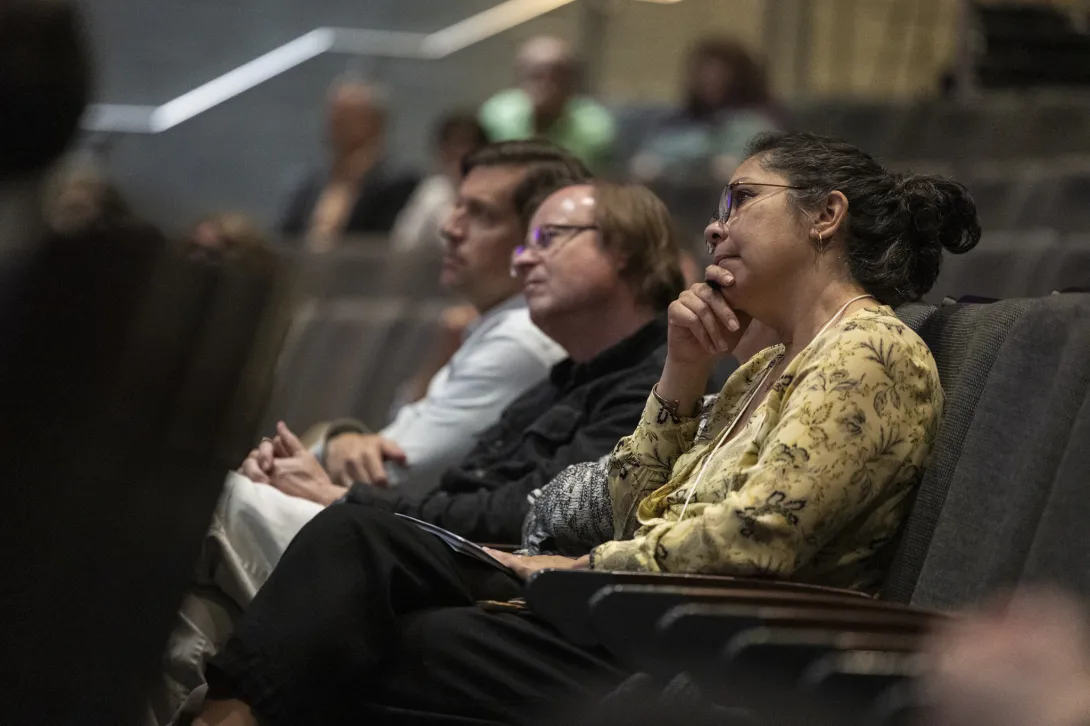
Researchers, students, and community members came together to explore the lived experiences behind cutting-edge neurotechnology. Photo: Chris McKenney
Electing to have invasive brain surgery isn’t something most people have done. Ian Burkhart isn’t most people.
“When I finished rehabilitation, my doctors and therapist and, most importantly, the insurance company said, ‘For someone with your condition, we feel like you've made all the improvement that you will, have a nice life,’” said Burkhart, who was left with limited feeling and mobility below the neck after a 2010 diving accident injured his spinal cord. “That didn't sit well with me.”
Hoping even a fraction of hand mobility would increase his independence, Burkhart turned to a clinical research trial on a brain-computer interface (BCI) designed to detect movement signals in the brain and send them to a computer to stimulate the arm muscles, bypassing the spinal cord in the hopes of restoring movement.
“I had had four and a half years of never thinking my hand was going to move again,” he recalled. When testing to see if he qualified for the study, researchers stimulated his hand muscles. “I saw my hand move, and that was all I needed to know — I was ready to risk it all for something that may or may not work.”
Burkhart’s story is one of many that reveal the deeply personal side of neurotechnology research. Centering lived experiences like his is central to the mission of the Institute for Neuroscience, Neurotechnology, and Society (INNS), a new Interdisciplinary Research Institute launching this July at Georgia Tech.
“If we want to build neurotechnology that truly serves people, their voices should be part of the scientific process from the very beginning,” said Chris Rozell, a professor in the School of Electrical and Computer Engineering and one of the many researchers at Georgia Tech working to understand and advance BCIs. “Hearing from individuals who live with these devices helps guide more ethical, inclusive, and effective research. The entire field benefits from inclusive conversations like these.”
Life With a Brain Implant
Burkhart and three others recently shared their stories live on the Ferst Center stage at “Wired Lives: Personal Stories of Brain-Computer Interfaces, an event organized by Georgia Tech’s Neuro Next Initiative. Their stories gave over 200 attendees a rare, honest glimpse into the realities of neurological conditions and the path to brain-computer interface research.
“I was at a crossroads in my life at 47 years old,” said Brandan Mehaffie, who told his story of living with early-onset Parkinson’s disease. “I was trying to figure out, do I continue with the status quo and watch my career dwindle into nothing? Watch my life with my family, my kids, not being able to go on hikes or family vacations?”
Mehaffie eventually qualified for deep brain stimulation (DBS) treatment, a procedure where a pacemaker-like device is implanted into the brain to provide electrical stimulation. “It changed my life for the better in ways that I can't even tell you.”
When former U.S. Air Force Sgt. Jennifer Walden’s doctor told her about a clinical trial testing DBS as an epilepsy treatment, she jumped at the chance. “The 48 hours after those seizures are 48 hours where you don't want to live anymore.” Walden explained that her response to medication had dwindled after years of traditional treatment, increasing the frequency and severity of her seizures. “I feared suicide. It's something I didn't want to do, but if something happened in those 48 hours to end my life, I didn't care,” she said.
“I am now probably 99% seizure-free,” she beamed as she recalled her response to DBS on stage. “I don't know how I got so lucky in life, but I don't take it for granted.”
Common themes in their stories were resilience, hope, and a deep desire to give back.
“When I joined the study, it had no physical benefit to me, but that's not why I joined it,” said Scott Imbrie, who experienced a major spinal cord injury and participates in a clinical BCI study at the University of Chicago. “I decided to have invasive brain surgery and have electrodes implanted on my brain to help other people.”
A New Approach to Interdisciplinary Research
Timed alongside the InterfaceNeuro conference at Georgia Tech, the gathering offered a rare opportunity for scientists, engineers, and clinicians to engage directly with the lived experiences of individuals using brain-computer interfaces — a perspective often missing from traditional research settings.
“It makes you think about how we ethically conduct research and how we recruit and interface with patients,” said Eric Cole, a postdoctoral researcher at Emory University, who was reminded that many patients participating in BCI research have been on a long, difficult journey before interacting with researchers. “We should remember to take their experiences seriously and respect them. They're giving up something for research — that part we should always remember.”
“Wired Lives” was one in a series of events highlighting the lived experience of individuals with neurological conditions organized by the Neuro Next Initiative, which has served as the precursor to INNS.
“A core mission of INNS is to consider how neuroscience and neurotechnology impact people’s lives,” said Jennifer Singh, associate professor in the School of History and Sociology, a member of NNI’s executive committee, and a co-organizer of the event. “Their stories matter when it comes to the types of science and technology we pursue and how they benefit the human condition. Many scientists and engineers may never encounter people living with neurological conditions outside of events like this. That will be a priority for INNS — to bring the expertise of lived experiences to the research process.”
Ian Burkhart’s lived experience reminded the audience that not every clinical trial has a happy ending. His BCI was ultimately removed after seven years as research funding ran short, taking his newly improved hand mobility with it. Despite this, Burkhart remained positive.
“I'm so glad I was able to take that risk and have that voluntary brain surgery and participate in this type of research because it's defined my life.” Burkhart went on to found the BCI Pioneers Coalition and his own nonprofit because of his research participation. “It gave me a lot of hope for the future, and a lot of hope that these types of devices are going to be able to help people and improve their quality of life.”
This event was produced in partnership with The Story Collider and made possible through support from Blackrock Neurotech and Medtronic.
News Contact
Audra Davidson
Research Communications Program Manager
Neuro Next Initiative
Apr. 18, 2025
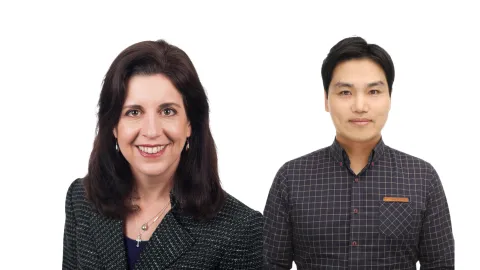
Michelle LaPlaca (left), associate chair for Faculty Development and professor in the Department of Biomedical Engineering; W. Hong Yeo, Harris Saunders, Jr. Professor in the George W. Woodruff School of Mechanical Engineering.
Georgia Tech professors Michelle LaPlaca and W. Hong Yeo have been selected as recipients of Peterson Professorships with the Children’s Healthcare of Atlanta Pediatric Technology Center (PTC) at Georgia Tech. The professorships, supported by the G.P. “Bud” Peterson and Valerie H. Peterson Faculty Endowment Fund, are meant to further energize the Georgia Tech and Children’s partnership by engaging and empowering researchers involved in pediatrics.
In a joint statement, PTC co-directors Wilbur Lam and Stanislav Emelianov said, “The appointment of Dr. LaPlaca and Dr. Yeo as Peterson Professors exemplifies the vision of Bud and Valerie Peterson — advancing innovation and collaboration through the Pediatric Technology Center to bring breakthrough ideas from the lab to the bedside, improving the lives of children and transforming healthcare.”
LaPlaca is a professor and associate chair for Faculty Development in the Department of Biomedical Engineering, a joint department between Georgia Tech and Emory University. Her research is focused on traumatic brain injury and concussion, concentrating on sources of heterogeneity and clinical translation. Specifically, she is working on biomarker discovery, the role of the glymphatic system, and novel virtual reality neurological assessments.
“I am thrilled to be chosen as one of the Peterson Professors and appreciate Bud and Valerie Peterson’s dedication to pediatric research,” she said. “The professorship will allow me to broaden research in pediatric concussion assessment and college student concussion awareness, as well as to identify biomarkers in experimental models of brain injury.”
In addition to the research lab, LaPlaca will work with an undergraduate research class called Concussion Connect, which is part of the Vertically Integrated Projects program at Georgia Tech.
“Through the PTC, Georgia Tech and Children’s will positively impact brain health in Georgia’s pediatric population,” said LaPlaca.
Yeo is the Harris Saunders, Jr. Professor in the George W. Woodruff School of Mechanical Engineering and the director of the Wearable Intelligent Systems and Healthcare Center at Georgia Tech. His research focuses on nanomanufacturing and membrane electronics to develop soft biomedical devices aimed at improving disease diagnostics, therapeutics, and rehabilitation.
“I am truly honored to be awarded the Peterson Professorship from the Children’s PTC at Georgia Tech,” he said. “This recognition will greatly enhance my research efforts in developing soft bioelectronics aimed at advancing pediatric healthcare, as well as expand education opportunities for the next generation of undergraduate and graduate students interested in creating innovative medical devices that align seamlessly with the recent NSF Research Traineeship grant I received. I am eager to contribute to the dynamic partnership between Georgia Tech and Children’s Healthcare of Atlanta and to empower innovative solutions that will improve the lives of children.”
The Peterson Professorships honor the former Georgia Tech President and First Lady, whose vision for the importance of research in improving pediatric healthcare has had an enormous positive impact on the care of pediatric patients in our state and region.
The Children’s PTC at Georgia Tech brings clinical experts from Children’s together with Georgia Tech scientists and engineers to develop technological solutions to problems in the health and care of children. Children’s PTC provides extraordinary opportunities for interdisciplinary collaboration in pediatrics, creating breakthrough discoveries that often can only be found at the intersection of multiple disciplines. These collaborations also allow us to bring discoveries to the clinic and the bedside, thereby enhancing the lives of children and young adults. The mission of the PTC is to establish the world’s leading program in the development of technological solutions for children’s health, focused on three strategic areas that will have a lasting impact on Georgia’s kids and beyond.
Apr. 14, 2025
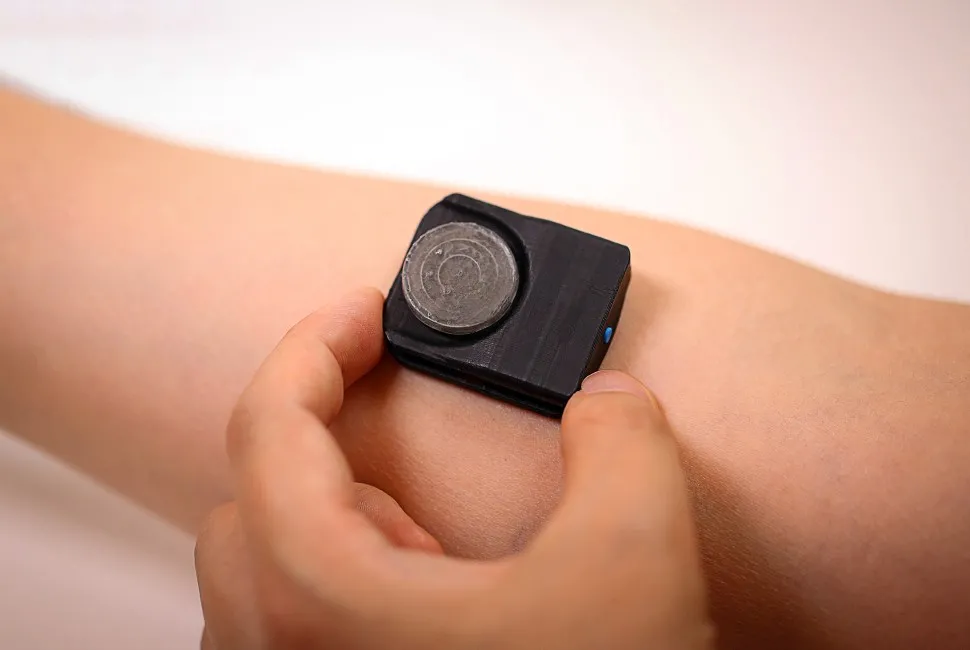
The wireless device measures only two centimeters in length and one-and-a-half centimeters in width, and is the first of its kind to continuously monitor the skin's exchange of vapors with the environment.
From sun damage and pollution to cuts and infections, our skin protects us from a lot. But it isn’t impenetrable.
“We tend to think of our skin as being this impermeable barrier that’s just enclosing our body,” said Matthew Flavin, assistant professor in the School of Electrical and Computer Engineering. “Our skin is constantly in flux with the gases that are in our environment and our atmosphere.”
Led by the Georgia Institute of Technology, Northwestern University, and the Korea Institute of Science and Technology (KIST), researchers have developed a novel wearable device that can monitor the flux of vapors through the skin, offering new insights into skin health and wound healing. This technology, detailed in a recent Nature publication, represents a significant advancement in the field of wearable bioelectronics.
“You could think of this being used where a Band-Aid is being used,” said Flavin, one of the lead authors of the study. The compact, wireless device is the first wearable technology able to continuously and precisely measure water vapor, volatile organic compounds, and carbon dioxide fluxes in the skin in real time. Because increases in these factors are associated with infection and delayed healing, Flavin notes that this kind of wireless monitoring “could give clinicians a new tool to understand the properties of the skin.”
The Measurement Barrier
Our skin is our first line of defense against environmental hazards. Measuring how effectively it protects us from harmful pollutants or infections has been a significant challenge, especially over extended periods.
“The vapors coming from your skin are in very, very low concentration,” explained Flavin. “If we just put a sensor next to your skin, it would be almost impossible to control that measurement.”
The new device features a small chamber that condenses and measures vapors from the skin using specialized sensors hovering above the skin. A low-energy, bi-stable mechanism periodically refreshes the air in the chamber, allowing for continuous measurements communicated to a smartphone or tablet through Bluetooth.
“There are other devices that can measure certain parts of what we're talking about here,” said Flavin, “but they are not feasible for a wearable device, can't do this continuously, and are not able to get all the information that our device can get.”
Scratching the Surface
By tracking the skin's water vapor flux, also known as transepidermal water loss, the device can assess skin barrier function and wound healing. This capability is particularly valuable for tracking the healing process in diabetic patients, who often have sensory issues that complicate wound monitoring. “What you see in diabetes is that even after the wound looks like it's healed, there's still a persistent impairment of that barrier,” said Flavin. This new non-invasive device tracks those properties.
“There are many areas where people don't have great access to healthcare, and there aren’t doctors monitoring wound healing processes,” Flavin added. “Something that can be used to monitor that remotely could make care more accessible to people with these conditions.”
The device’s wearable nature also makes it ideal for studying the long-term effects of exposure to environmental hazards like wildfires or chemical fumes on skin function and overall health.
Though the applications in health are numerous, the research team is continuing to explore different ways to use the device. “This measurement modality is very new and we're still learning what we can do with it,” saidJaeho Shin, a senior researcher at KIST and a co-leader of the study. “It's a new way of measuring what's inside the body.”
“This is a great example of the kind of technology that can emerge from research at the interface between engineering science and medical practice,” said John Rogers, a materials science professor at Northwestern and another co-leader of the study. “The capabilities provided by this device will not only improve patient care, but they will also lead to improved understanding of the skin, the skin microbiome, the processes of wound healing, and many others.”
As a new faculty member and a member of Georgia Tech’s Neuro Next Initiative, a burgeoning interdisciplinary research hub for neuroscience, neurotechnology, and society, Flavin attributes the success of this research to its interdisciplinary nature.
“A broad challenge we have in these fields of research is that they integrate a lot of different areas. One of the reasons I came to Georgia Tech is because it's a place where you have access to all those different areas of expertise.”
DOI: https://doi.org/10.1038/s41586-025-08825-2
Funding: Querrey-Simpson Institute for Bioelectronics and the Center for Advanced Regenerative Engineering (CARE), Northwestern University; National Research Foundation of Korea; National Institutes of Health (NIH), National Institute of Diabetes and Digestive and Kidney Diseases, National Institutes of Biomedical Imaging and Bioengineering.
News Contact
Writer: Audra Davidson
Research Communications Program Manager
Neuro Next Initiative
Media contact: Angela Barajas Prendiville
Director
Institute Media Relations
Apr. 07, 2025
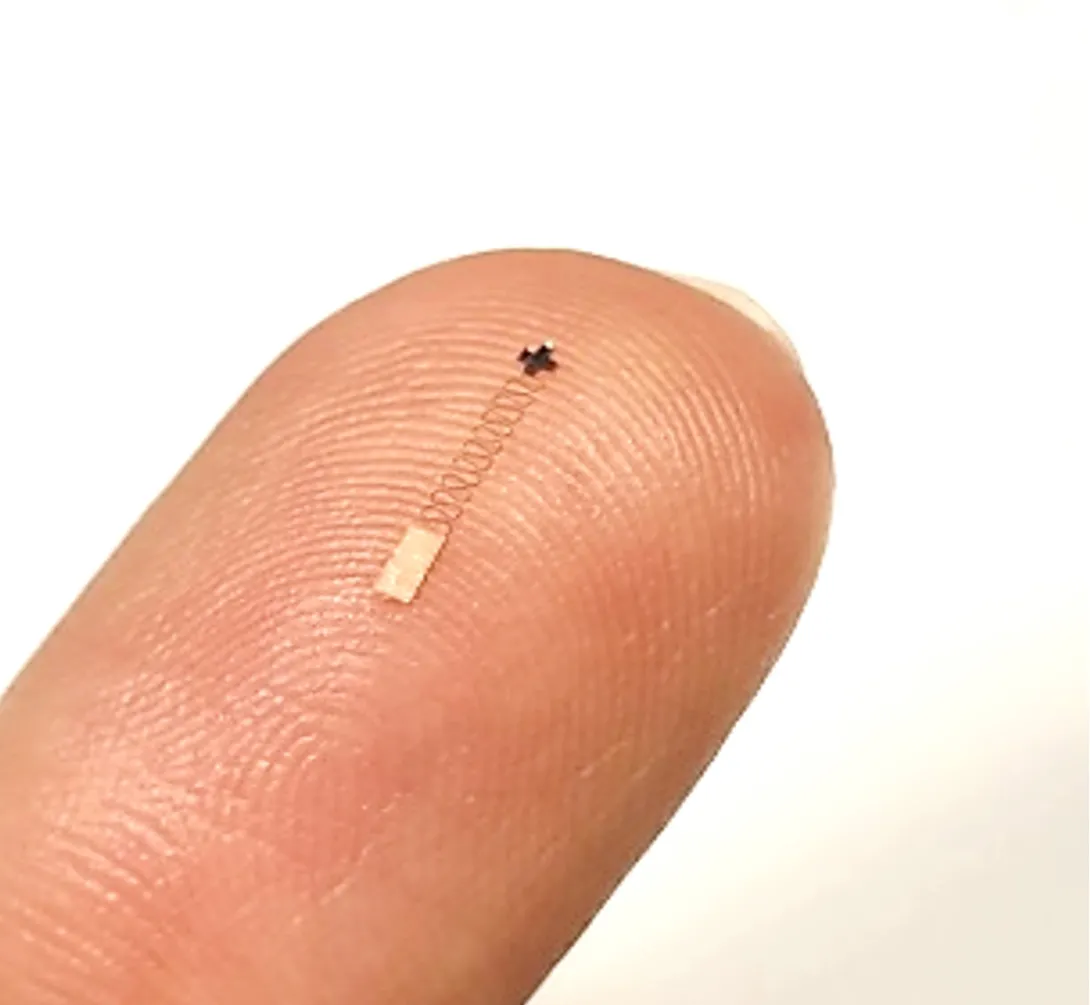
A micro-scale brain sensor on a finger. Credit: W. Hong Yeo.
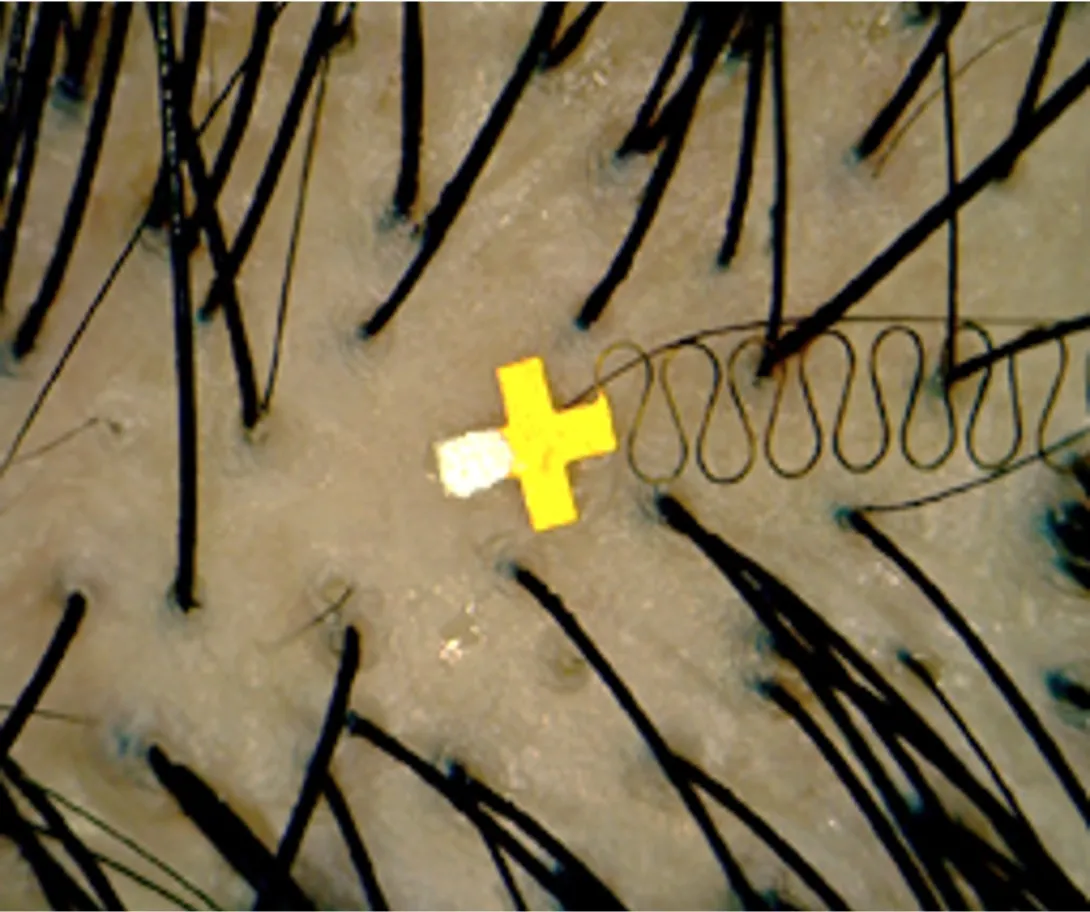
A micro-scale brain sensor placed between hair follicles. Credit: W. Hong Yeo.
Micro-brain sensors placed between hair strands overcome traditional brain sensor limitations.
Georgia Tech researchers have developed an almost imperceptible microstructure brain sensor to be inserted into the minuscule spaces between hair follicles and slightly under the skin. The sensor offers high-fidelity signals and makes the continuous use of brain-computer interfaces (BCI) in everyday life possible.
BCIs create a direct communication pathway between the brain's electrical activity and external devices such as electroencephalography devices, computers, robotic limbs, and other brain monitoring devices. Brain signals are commonly captured non-invasively with electrodes mounted on the surface of the human scalp using conductive electrode gel for optimum impedance and data quality. More invasive signal capture methods such as brain implants are possible, but this research seeks to create sensors that are both easily placed and reliably manufactured.
Hong Yeo, the Harris Saunders Jr. Professor in the George W. Woodruff School of Mechanical Engineering, combined the latest microneedle technology with his deep expertise in wearable sensor technology that may allow stable brain signal detection over long periods and easy insertion of a new painless, wearable microneedle BCI wireless sensor that fits between hair follicles. The skin placement and extremely small size of this new wireless brain interface could offer a variety of benefits over traditional gel or dry electrodes.
“I started this research because my main goal is to develop new sensor technology to support healthcare and I had previous experience with brain-computer interfaces and flexible scalp electronics,” said Yeo, who is also a faculty member in Georgia Tech’s Institute for People and Technology. “I knew we needed better BCI sensor technology and discovered that if we can slightly penetrate the skin and avoid hair by miniaturizing the sensor, we can dramatically increase the signal quality by getting closer to the source of the signals and reduce unwanted noise.”
Today’s BCI systems consist of bulky electronics and rigid sensors that prevent the interfaces from being useful while the user is in motion during regular activities. Yeo and colleagues constructed a micro-scale sensor for neural signal capture that can be easily worn during daily activities, unlocking new potential for BCI devices. His technology uses conductive polymer microneedles to capture electrical signals and conveys those signals along flexible polyimide/copper wires — all of which are packaged in a space of less than 1 millimeter.
A study of six people using the device to control an augmented reality (AR) video call found that high-fidelity neural signal capture persisted for up to 12 hours with very low electrical resistance at the contact between skin and sensor. Participants could stand, walk, and run for most of the daytime hours while the brain-computer interface successfully recorded and classified neural signals indicating which visual stimulus the user focused on with 96.4% accuracy. During the testing, participants could look up phone contacts and initiate and accept AR video calls hands-free as this new micro-sized brain sensor was picking up visual stimuli — all the while giving the user complete freedom of movement.
According to Yeo, the results suggest that this wearable BCI system may allow for practical and continuous interface activity, potentially leading to everyday use of machine-human integrative technology.
“I firmly believe in the power of collaboration, as many of today’s challenges are too complex for any one individual to solve,” said Yeo. “Therefore, I would like to express my gratitude to all the researchers in my group and the amazing collaborators who made this work possible. I will continue collaborating with the team to enhance BCI technology for rehabilitation and prosthetics.”
Note: Hodam Kim (postdoctoral research fellow), Ju Hyeon Kim (visiting Ph.D. student from Inha University – South Korea), and Yoon Jae Lee (Ph.D. student) also played a major role in developing this technology.
Funding: National Science Foundation NRT (Research Traineeship program in the Sustainable Development of Smart Medical Devices), WISH Center (Institute for Matter and Systems), and partial research support from several South Korean programs and grants.
PNAS article publication (April 7, 2025, Vol. 122, No. 15): https://www.pnas.org/doi/10.1073/pnas.2419304122
News Contact
Walter Rich, Research Communications
Mar. 14, 2025
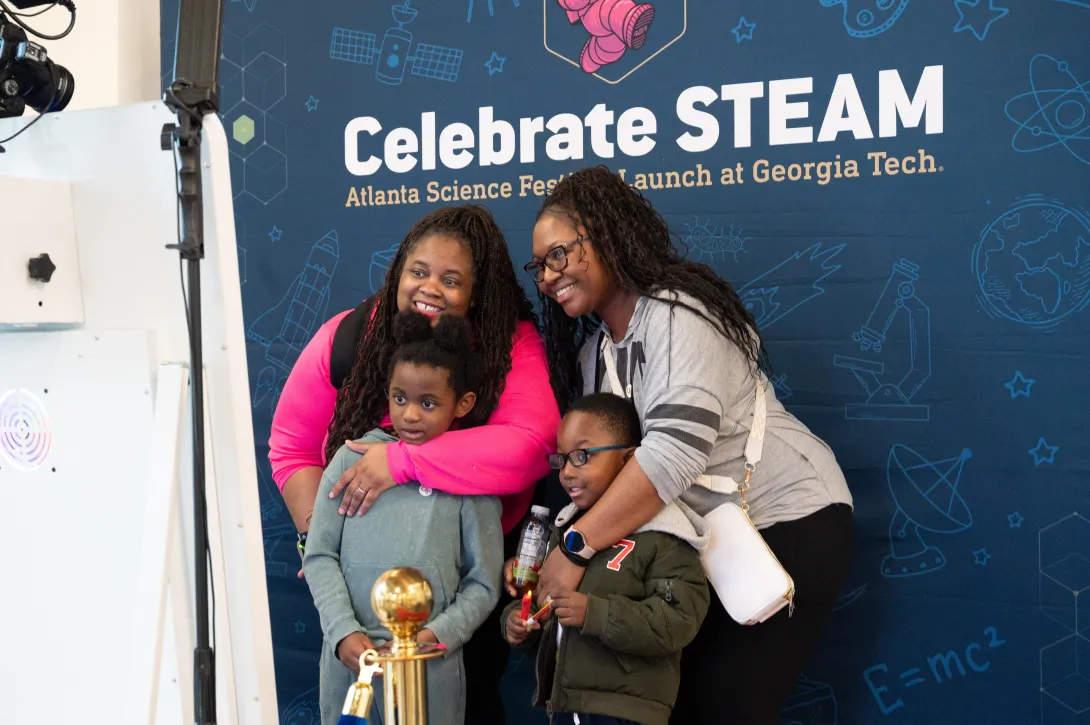
Over 5,000 people attended Georgia Tech's Celebrate STEAM event on March 8, which showcased more than 60 demonstrations in science, technology, engineering, art, and mathematics.
Jan. 09, 2025
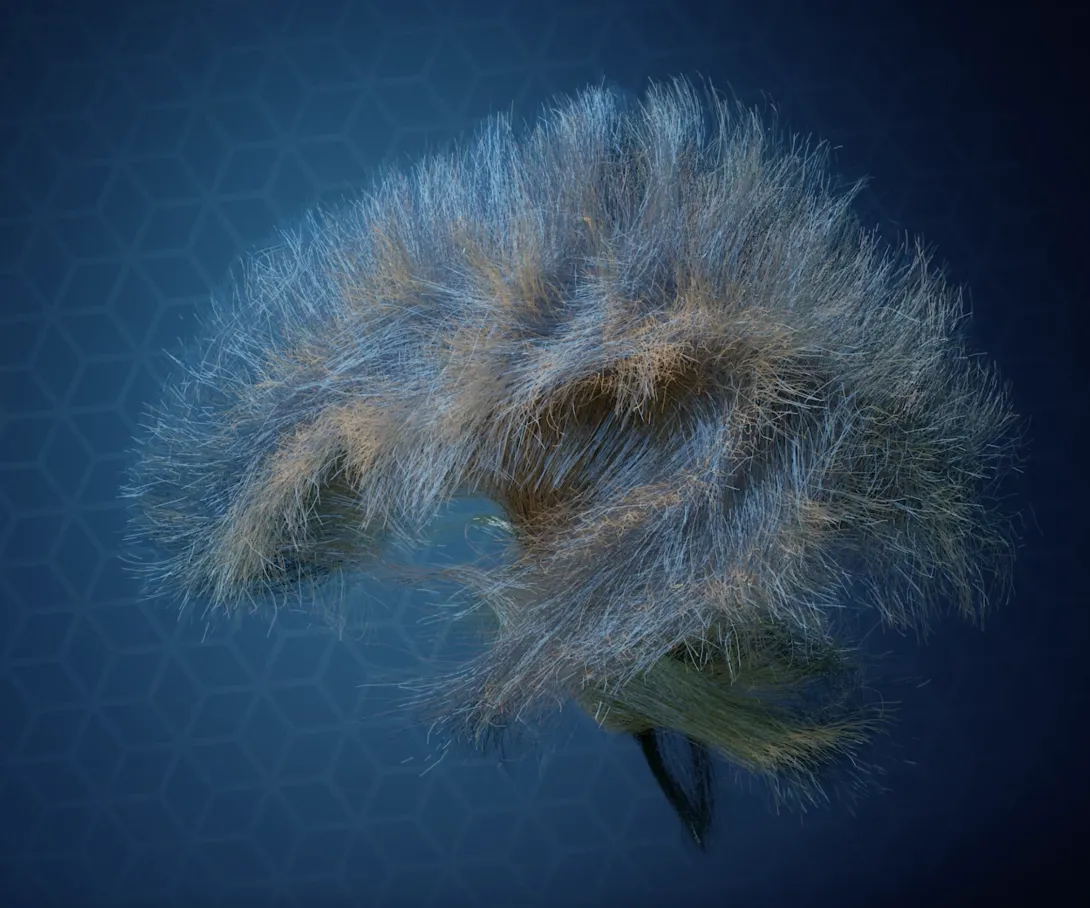
The Institute for Neuroscience, Neurotechnology, and Society (INNS) at Georgia Tech has initiated an internal search for its inaugural executive director. This new Interdisciplinary Research Institute (IRI) will build upon the foundation laid by the Neuro Next Initiative, fostering cutting-edge research and innovation at the intersection of neuroscience, neurotechnology, and societal impact.
At the newly established IRI, the executive director will profoundly shape a unifying vision for neuroscience research and innovation at Georgia Tech, integrating various disciplines and fostering collaboration across campus. They will translate research into practical applications, engage students, and connect them to industry networks. The ideal candidate will have a visionary, innovative, and entrepreneurial leadership style, with experience in leading large-scale, interdisciplinary research initiatives, securing external funding, and promoting large-scale initiatives both internally and externally.
INNS aims to advance our understanding of the brain and nervous system, develop transformative technologies, and address critical societal challenges through interdisciplinary collaboration and engagement. INNS is dedicated to advancing innovative research and educational programs in neuroscience, neurotechnology, and society; fostering a broad and engaged community; and empowering society through public engagement and responsible technology deployment.
Click here to learn more about this position and how to apply.
News Contact
Apr. 22, 2024
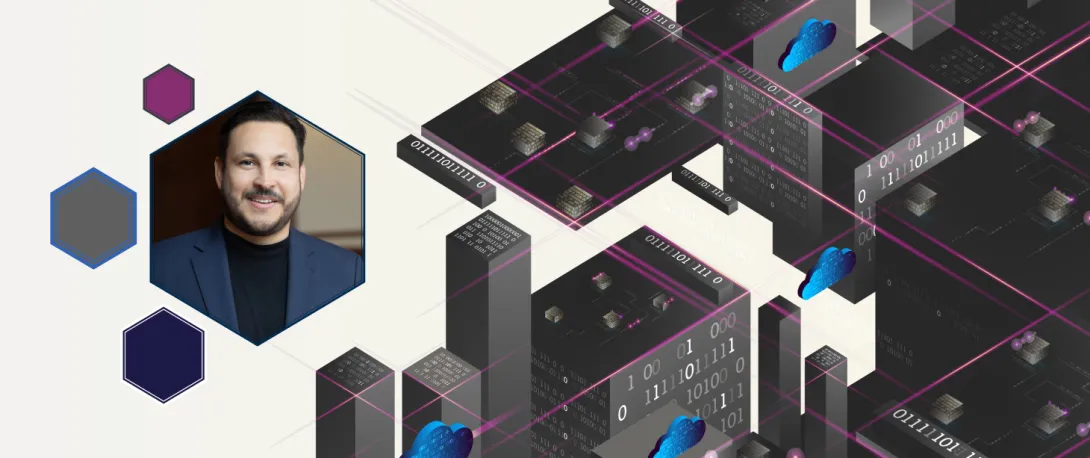
Omar Asensio is Associate Professor at Georgia Institute of Technology and Climate Fellow, Harvard Business School
With new vehicle models being developed by major brands and a growing supply chain, the electric vehicle (EV) revolution seems well underway. But, as consumer purchases of EVs have slowed, car makers have backtracked on planned EV manufacturing investments. A major roadblock to wider EV adoption remains the lack of a fully realized charging infrastructure. At just under 51,000 public charging stations nationwide, and sizeable gaps between urban and rural areas, this inconsistency is a major driver of buyer hesitance.
How do we understand, at a large scale, ways to make it easier for consumers to have confidence in public infrastructure? That is a major issue holding back electrification for many consumer segments.
- Omar Asensio, Associate Professor at Georgia Institute of Technology and Climate Fellow, Harvard Business School | Director, Data Science & Policy Lab
Omar Asensio, associate professor in the School of Public Policy and director of the Data Science and Policy Lab at the Georgia Institute of Technology, and his team have been working to solve this trust issue using the Microsoft CloudHub partnership resources. Asensio is also currently a visiting fellow with the Institute for the Study of Business in Global Society at the Harvard Business School.
The CloudHub partnership gave the Asensio team access to Microsoft’s Azure OpenAI to sift through vast amounts of data collected from different sources to identify relevant connections. Asensio’s team needed to know if AI could understand purchaser sentiment as negative within a population with an internal lingo outside of the general consumer population. Early results yielded little. The team then used specific example data collected from EV enthusiasts to train the AI for a sentiment classification accuracy that now exceeds that of human experts and data parsed from government-funded surveys.
The use of trained AI promises to expedite industry response to consumer sentiment at a much lower cost than previously possible. “What we’re doing with Azure is a lot more scalable,” Asensio said. “We hit a button, and within five to 10 minutes, we had classified all the U.S. data. Then I had my students look at performance in Europe, with urban and non-urban areas. Most recently, we aggregated evidence of stations across East and Southeast Asia, and we used machine learning to translate the data in 72 detected languages.”
We are excited to see how access to compute and AI models is accelerating research and having an impact on important societal issues. Omar's research sheds new light on the gaps in electric vehicle infrastructure and AI enables them to effectively scale their analysis not only in the U.S. but globally.
- Elizabeth Bruce, Director, Technology for Fundamental Rights, Microsoft
Asensio's pioneering work illustrates the interdisciplinary nature of today’s research environment, from machine learning models predicting problems to assisting in improving EV infrastructure. The team is planning on applying the technique to datasets next, to address access concerns and reduce the number of “charging deserts.” The findings could lead to the creation of policies that help in the adoption of EVs in infrastructure-lacking regions for a true automotive electrification revolution and long-term environmental sustainability in the U.S.
- Christa M. Ernst
Source Paper: Reliability of electric vehicle charging infrastructure: A cross-lingual deep learning approach - ScienceDirect
News Contact
Christa M. Ernst
Research Communications Program Manager
Topic Expertise: Robotics | Data Sciences| Semiconductor Design & Fab
Research @ the Georgia Institute of Technology
christa.ernst@research.gatech.edu
Jan. 22, 2024
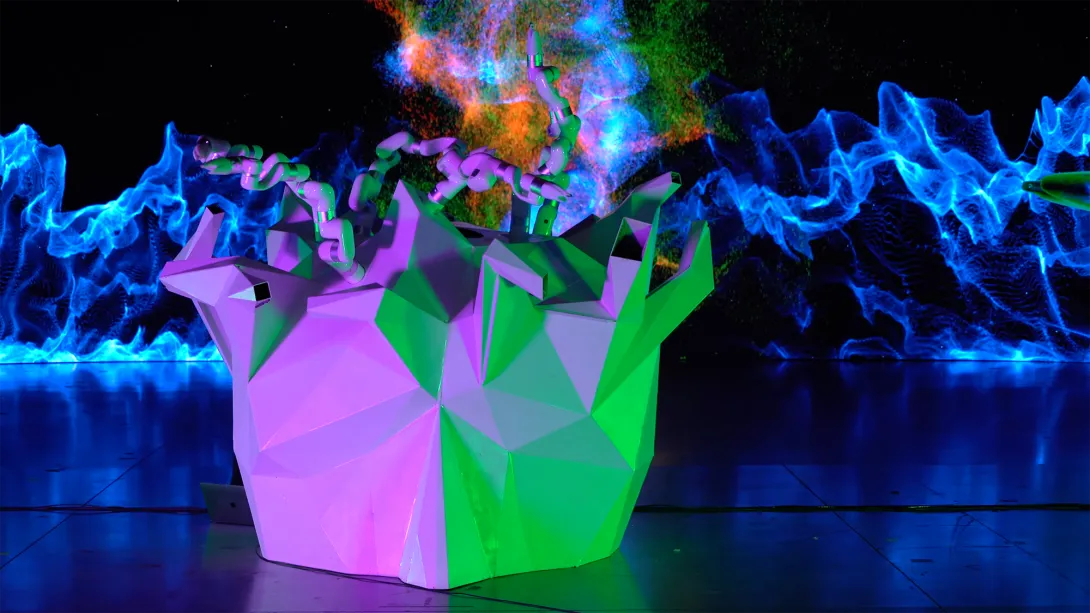
Made from beautifully fabricated steel and eight mobile arms, medusai can play percussion and strings with human musicians.
The robot medusai knows where you are. It must—because it plays music with you.
Made from beautifully fabricated steel and eight mobile arms, medusai can play percussion and strings with human musicians, dance with human dancers, and move in time to multiple human observers.
It uses AI-driven computer vision to know what human observers are doing and responds accordingly through snake gestures, music, and light. Gil Weinberg, the director of Georgia Tech’s Center for Music Technology, knows it’s unsettling. Wienberg is also a faculty member of the Institute for People and Technology.
Read the full story at Georgia Tech's Center for Music Technology.
Oct. 20, 2023
The Institute for Data Engineering and Science, in conjunction with several Interdisciplinary Research Institutes (IRIs) at Georgia Tech, have awarded seven teams of researchers from across the Institute a total of $105,000 in seed funding geared to better position Georgia Tech to perform world-class interdisciplinary research in data science and artificial intelligence development and deployment.
The goals of the funded proposals include identifying prominent emerging research directions on the topic of AI, shaping IDEaS future strategy in the initiative area, building an inclusive and active community of Georgia Tech researchers in the field that potentially include external collaborators, and identifying and preparing groundwork for competing in large-scale grant opportunities in AI and its use in other research fields.
Below are the 2023 recipients and the co-sponsoring IRIs:
Proposal Title: "AI for Chemical and Materials Discovery" + “AI in Microscopy Thrust”
PI: Victor Fung, CSE | Vida Jamali, ChBE| Pan Li, ECE | Amirali Aghazadeh Mohandesi, ECE
Award: $20k (co-sponsored by IMat)
Overview: The goal of this initiative is to bring together expertise in machine learning/AI, high-throughput computing, computational chemistry, and experimental materials synthesis and characterization to accelerate material discovery. Computational chemistry and materials simulations are critical for developing new materials and understanding their behavior and performance, as well as aiding in experimental synthesis and characterization. Machine learning and AI play a pivotal role in accelerating material discovery through data-driven surrogate models, as well as high-throughput and automated synthesis and characterization.
Proposal Title: " AI + Quantum Materials”
PI: Zhigang JIang, Physics | Martin Mourigal, Physics
Award: $20k (Co-Sponsored by IMat)
Overview: Zhigang Jiang is currently leading an initiative within IMAT entitled “Quantum responses of topological and magnetic matter” to nurture multi-PI projects. By crosscutting the IMAT initiative with this IDEAS call, we propose to support and feature the applications of AI on predictive and inverse problems in quantum materials. Understanding the limit and capabilities of AI methodologies is a huge barrier of entry for Physics students, because researchers in that field already need heavy training in quantum mechanics, low-temperature physics and chemical synthesis. Our most pressing need is for our AI inclined quantum materials students to find a broader community to engage with and learn. This is the primary problem we aim to solve with this initiative.
PI: Jeffrey Skolnick, Bio Sci | Chao Zhang, CSE
Proposal Title: Harnessing Large Language Models for Targeted and Effective Small Molecule 4 Library Design in Challenging Disease Treatment
Award: $15k (co-sponsored by IBB)
Overview: Our objective is to use large language models (LLMs) in conjunction with AI algorithms to identify effective driver proteins, develop screening algorithms that target appropriate binding sites while avoiding deleterious ones, and consider bioavailability and drug resistance factors. LLMs can rapidly analyze vast amounts of information from literature and bioinformatics tools, generating hypotheses and suggesting molecular modifications. By bridging multiple disciplines such as biology, chemistry, and pharmacology, LLMs can provide valuable insights from diverse sources, assisting researchers in making informed decisions. Our aim is to establish a first-in-class, LLM driven research initiative at Georgia Tech that focuses on designing highly effective small molecule libraries to treat challenging diseases. This initiative will go beyond existing AI approaches to molecule generation, which often only consider simple properties like hydrogen bonding or rely on a limited set of proteins to train the LLM and therefore lack generalizability. As a result, this initiative is expected to consistently produce safe and effective disease-specific molecules.
PI: Yiyi He, School of City & Regional Plan | Jun Rentschler, World Bank
Proposal Title: “AI for Climate Resilient Energy Systems”
Award: $15k (co-sponsored by SEI)
Overview: We are committed to building a team of interdisciplinary & transdisciplinary researchers and practitioners with a shared goal: developing a new framework which model future climatic variations and the interconnected and interdependent energy infrastructure network as complex systems. To achieve this, we will harness the power of cutting-edge climate model outputs, sourced from the Coupled Model Intercomparison Project (CMIP), and integrate approaches from Machine Learning and Deep Learning models. This strategic amalgamation of data and techniques will enable us to gain profound insights into the intricate web of future climate-change-induced extreme weather conditions and their immediate and long-term ramifications on energy infrastructure networks. The seed grant from IDEaS stands as the crucial catalyst for kick-starting this ambitious endeavor. It will empower us to form a collaborative and inclusive community of GT researchers hailing from various domains, including City and Regional Planning, Earth and Atmospheric Science, Computer Science and Electrical Engineering, Civil and Environmental Engineering etc. By drawing upon the wealth of expertise and perspectives from these diverse fields, we aim to foster an environment where innovative ideas and solutions can flourish. In addition to our internal team, we also have plans to collaborate with external partners, including the World Bank, the Stanford Doerr School of Sustainability, and the Berkeley AI Research Initiative, who share our vision of addressing the complex challenges at the intersection of climate and energy infrastructure.
PI: Jian Luo, Civil & Environmental Eng | Yi Deng, EAS
Proposal Title: “Physics-informed Deep Learning for Real-time Forecasting of Urban Flooding”
Award: $15k (co-sponsored by BBISS)
Overview: Our research team envisions a significant trend in the exploration of AI applications for urban flooding hazard forecasting. Georgia Tech possesses a wealth of interdisciplinary expertise, positioning us to make a pioneering contribution to this burgeoning field. We aim to harness the combined strengths of Georgia Tech's experts in civil and environmental engineering, atmospheric and climate science, and data science to chart new territory in this emerging trend. Furthermore, we envision the potential extension of our research efforts towards the development of a real-time hazard forecasting application. This application would incorporate adaptation and mitigation strategies in collaboration with local government agencies, emergency management departments, and researchers in computer engineering and social science studies. Such a holistic approach would address the multifaceted challenges posed by urban flooding. To the best of our knowledge, Georgia Tech currently lacks a dedicated team focused on the fusion of AI and climate/flood research, making this initiative even more pioneering and impactful.
Proposal Title: “AI for Recycling and Circular Economy”
PI: Valerie Thomas, ISyE and PubPoly | Steven Balakirsky, GTRI
Award: $15k (co-sponsored by BBISS)
Overview: Most asset management and recycling use technology that has not changed for decades. The use of bar codes and RFID has provided some benefits, such as for retail returns management. Automated sorting of recyclables using magnets, eddy currents, and laser plastics identification has improved municipal recycling. Yet the overall field has been challenged by not-quite-easy-enough identification of products in use or at end of life. AI approaches, including computer vision, data fusion, and machine learning provide the additional capability to make asset management and product recycling easy enough to be nearly autonomous. Georgia Tech is well suited to lead in the development of this application. With its strength in machine learning, robotics, sustainable business, supply chains and logistics, and technology commercialization, Georgia Tech has the multi-disciplinary capability to make this concept a reality, in research and in commercial application.
Proposal Title: “Data-Driven Platform for Transforming Subjective Assessment into Objective Processes for Artistic Human Performance and Wellness”
PI: Milka Trajkova, Research Scientist/School of Literature, Media, Communication | Brian Magerko, School of Literature, Media, Communication
Award: $15k (co-sponsored by IPaT)
Overview: Artistic human movement at large, stands at the precipice of a data-driven renaissance. By leveraging novel tools, we can usher in a transparent, data-driven, and accessible training environment. The potential ramifications extend beyond dance. As sports analytics have reshaped our understanding of athletic prowess, a similar approach to dance could redefine our comprehension of human movement, with implications spanning healthcare, construction, rehabilitation, and active aging. Georgia Tech, with its prowess in AI, HCI, and biomechanics is primed to lead this exploration. To actualize this vision, we propose the following research questions with ballet as a prime example of one of the most complex types of artistic movements: 1) What kinds of data - real-time kinematic, kinetic, biomechanical, etc. captured through accessible off-the-shelf technologies, are essential for effective AI assessment in ballet education for young adults?; 2) How can we design and develop an end-to-end ML architecture that assesses artistic and technical performance?; 3) What feedback elements (combination of timing, communication mode, feedback nature, polarity, visualization) are most effective for AI- based dance assessment?; and 4) How does AI-assisted feedback enhance physical wellness, artistic performance, and the learning process in young athletes compared to traditional methods?
- Christa M. Ernst
News Contact
Christa M. Ernst | Research Communications Program Manager
Robotics | Data Engineering | Neuroengineering
christa.ernst@research.gatech.edu
Sep. 18, 2023

This fall, the Institute will launch a foundational, interdisciplinary program to lead in research related to neuroscience, neurotechnology, and society. The Neuro Next Initiative is the result of the growth of GTNeuro, a grassroots effort over many years that has led in the hiring of faculty studying the brain and the creation of the B.S. in neuroscience in the College of Sciences, and contributed to exciting neuro-related research and education at Georgia Tech.
Neurosciences research holds enormous potential for wide-ranging health and societal impact, and Georgia Tech's culture of applied research and integrated interdisciplinary liberal arts scholarship is uniquely positioned to create the environment in which Neuro Next can become an international leader in the discovery, innovation, and translation in neuroscience and neurotechnology.
Guided by faculty members Christopher Rozell, professor and Julian T. Hightower Chair in the School of Electrical and Computer Engineering; Simon Sponberg, Dunn Family Associate Professor of Physics and Biological Sciences; and Jennifer S. Singh, associate professor in the School of History and Sociology, the Neuro Next Initiative at Georgia Tech will lead the development of a community that supports collaborative research, unique educational initiatives, and public engagement in this critical field.
“Georgia Tech has a very strong, but decentralized, neuroscience community,” said Sponberg. “The Neuro Next Initiative really sprung from a lot of thoughtful input from dozens of people across many schools, colleges, and roles, which reflects how neuro interfaces so broadly. Our goal with this initiative is really to open a new front door to the neuro community here, to highlight the leadership that Georgia Tech is already taking in many areas of neuro-related research, and to create new ways to support our interdisciplinary work.” Aiming to foster a broad community that is passionate about shaping the frontiers of neuroscience and neurotechnology to better serve humanity, the initiative will launch in October.
“Neuroscience and neurotechnology have advanced dramatically in the last few years, making it clear that there are few endeavors that have as much potential societal impact as our study of the brain,” Rozell said. “Georgia Tech is uniquely positioned to build on its existing strengths to create an effort tailored to meet the scientific, technical, and social needs of these promising research trajectories. I'm excited that the Neuro Next Initiative represents the next step in creating that collaborative community.” By bringing together a cohort of faculty experts from varied disciplines, members aim to create a holistic and integrative approach to neuroscience and neurotechnology that centers real human impact and broad accessibility.
Singh noted, “Neuro Next is an important and exciting initiative that is prioritizing the inclusion of a range disciplinary expertise, including social science, humanities, business, and the arts, to critically investigate how we can research and develop neurotechnologies that are accessible, responsible, and socially just. Building a collaborative neurocommunity that centers societal impacts from the start shares the commitment of Georgia Tech to developing leaders who advance technology and improve the human condition.”
Attend the Neuro Next Launch Event | Oct. 25 – 26 | Georgia Institute of Technology
Register for the Upcoming Neuro Next Launch Event Here
For faculty interested in participating in Neuro Next, click here to join our affiliates list.
News Contact
Christa M. Ernst | christa.ernst@research.gatech.edu