Aug. 22, 2011

In response to feedback received in a recent survey regarding the Georgia Tech-Emory Intercampus Shuttle, a new shuttle schedule for the 2011-2012 academic year has been created with increased departure frequency. The shuttle will now run a full loop every hour and will continue service to the Biotech Quad at GT. It is important to note that the shuttle will no longer drop off at the Georgia Tech CRC, as that route is already served by the Tech Trolley and Red Route buses.
The new schedule is set to begin service August 22, 2011 on weekdays during the fall and spring semesters. The Emory Hospital-Midtown shuttle currently provides service several blocks away from GT campus and also stops at Civic Center Marta Station, for those at Emory needing access to GT or Marta trains in the summer.
The slight offset in the schedule from 9:15am-9:45am and again at 11:15am-11:45am. This allows the shuttle to serve students attending the IBS555/556 classes at Emory as well as those at Emory desiring to attend IBB seminars at GT, which are typically from 11am-12pm. Additionally, these offsets allow some buffer for the shuttle to stay on schedule after morning rush hour so that morning delays don't make the shuttle late for the rest of the day.
To view new schedule, visit: GT/Emory Schedule
To check the status of the shuttle arrivals in REAL TIME, visit: GT/Emory NextBus
News Contact
Ian Campbell
BME Graduate Student Advisory Board
Jul. 05, 2011

With the Morehouse School of Medicine (MSM) serving as the lead hostinstitution in conjunction with Emory University School of Medicine and theGeorgia Institute of Technology (Georgia Tech), the 2011 annual workshop willtake place on the Georgia Tech campus. This meeting aims to inspire younginvestigators from a variety of disciplines to enter the field of vascularbiology by providing trainees with a robust introductory learning experience,facilitate the rapid integration of new research trainees into vascular biologyresearch programs by enhancing their exposure and understanding of the latestexperimental approaches employed in the field and finally to orient newinvestigators to the breadth and depth of the frontiers of knowledge ofvascular biology through state-of-the-art presentations and scientificinterchange with leading investigators.
Vasculata® is a summer course/workshop that promotesthe study of vascular biology. It is designed to present an overview ofthe field and future areas of active research. Individuals with little orno background in vascular biology are encouraged to attend, and current traineesin the field and all interested individuals are invited to participate. This includes students (undergraduates, graduate students, medical students),trainees (postdocs, research fellows, residents) and others (junior and seniorfaculty).
This meeting builds upon the legacy of research training provided byprevious Vasculata conferences by leveraging the superb critical mass ofvascular biology investigators at the three partner institutions in Atlanta.The Vasculata 2011 conference will be a distinctive addition that willincorporate several new programmatic elements to enrich the training experienceand develop a special thematic emphasis on preparing a new generation ofvascular biologists to extend the frontiers of discovery science as well as engagein translational science that bridges from ‘bench-to-bedside.” The proposedmeeting builds upon the complementary strengths of the tri-institutionalpartnership such that the program reflects the inter-disciplinary nature ofvascular biology. The conference will capture the breadth of the field in itsinclusion of investigators from a wide variety of disciplines such as:bioengineering, systems biology, developmental biology, clinical science,regenerative medicine and genetic epidemiology.
Moreover, Vasculata 2011 will be a novel addition to the series byincorporating new programmatic elements that emphasize the mentorship oftrainees as well as major initiatives to expand the gender and racial/ethnicdiversity of biomedical scientists in the field. Overall, the Vasculata 2011conference promises to be an exciting and uniquely rich research trainingexperience.
Organizing Committee:
GaryGibbons, MD, Morehouse School of Medicine
KathyGriendling, PhD, Emory University
HanjoongJo PhD, Georgia Institute of Technology and Emory University
ArshedQuyyumi MD, Emory University
News Contact
Bernadette Englert
Jun. 29, 2011
The Georgia Tech/Emory initiative in Regenerative Medicine, in partnership with the Atlanta Clinical and Translational Science Institute (ACTSI), is pleased to invite seed grant proposals in Regenerative Medicine. The research seed grant program will fund both multi-investigator teams and single investigators. The review committee will strive to make awards that reflect a balance between multi and single investigators and between basic science and translational research, with the latter including large animal studies and initial clinical studies. The desired portfolio should include a balance of Emory and Georgia Tech faculty. The award program also is available to be used to fund junior investigators in team or individual grants and can be used for the recruitment of outstanding young investigators.
Strategic Priority Team Grants
● Applications should have a clinical target.
● A team must have a minimum of two investigators and may include both basic scientists and clinicians. Collaborations among Emory and Georgia Tech and other ACTSI partner faculty will be encouraged.
● Awards in general may be for up to $100,000 per year for no more than three years; however, where a larger budget is required, e.g. for large animal studies or a clinical study, an additional supplement may be possible.
Innovative Research Grants
● These grants will be funded at up to $50,000 per year, and based on satisfactory progress can be for up to three years.
● Awards can be made to investigators who are addressing new questions or taking new approaches.
● Awards can be made to investigators not previously engaged in regenerative medicine research.
The success of the research grant program will be measured by the number of publications and follow-on extramural funding that is achieved from the seed grants and/or the initiation of clinical studies. Any publications arising from a grant funded by this program is required to acknowledge this program and the ACTSI as the source of funds.
Purpose of the funds: Seed grant funds are intended to enable PI’s to generate preliminary data that facilitates the submission of proposals for subsequent external funding or to provide the initial studies leading to a clinical trial.
Who may apply: Proposals may originate from a single PI or may be a collaboration between investigators. All tenured faculty, tenure-track faculty and clinical faculty whose appointments reside at Emory and Georgia Tech are eligible to apply.
Budget Information: Funds may be used for Ph.D. student/postdoc support, animal studies, supplies, and limited travel as related to the conduct of the research. Faculty salary support is not appropriate. For Georgia Tech students supported on these funds, their tuition will be waived. Note that these are not intended to be multi-year grants, but rather to facilitate the generation of critical preliminary data or demonstrate feasibility of concepts that will lead to external support through other federal or state agencies and/or to clinical studies. At the time of this announcement the amount of funds available for this seed grant program has not been determined. Thus, the review committee reserves the right to make adjustments to the budgets of funded projects based on the total funds available. Furthermore, funds provided from ACTSI must be spent by May 31, 2012 and those provided by Georgia Tech by June 30, 2012.
Deadline: The deadline for submission of proposals is August 5th; however, a letter of intent with the title of the project, the names of investigators, and the proposed total budget must be submitted by e-mail no later than July 15th to Robert Nerem (robert.nerem@ibb.gatech.edu). Funding period will start no later than September 2011. IACUC/IRB approvals (when appropriate) are necessary before funding can commence.
Proposal Format: The technical aspect of the proposal cannot exceed five pages and should include the following sections: a) brief introduction outlining the general problem and the specific aspect tackled by the proposed research; b.) specific aims; c.) a brief description of experiments proposed; and d.) outcomes anticipated. Budget request and a brief budget justification may be submitted using an additional page.
Submission Instructions and Questions: Technical questions regarding the program may be addressed to Robert Nerem (robert.nerem@ibb.gatech.edu). Proposal should be submitted via email by 5 pm on August 5th to Megan McDevitt (megan.mcdevitt@ibb.gatech.edu).
News Contact
Megan McDevitt
Apr. 29, 2011
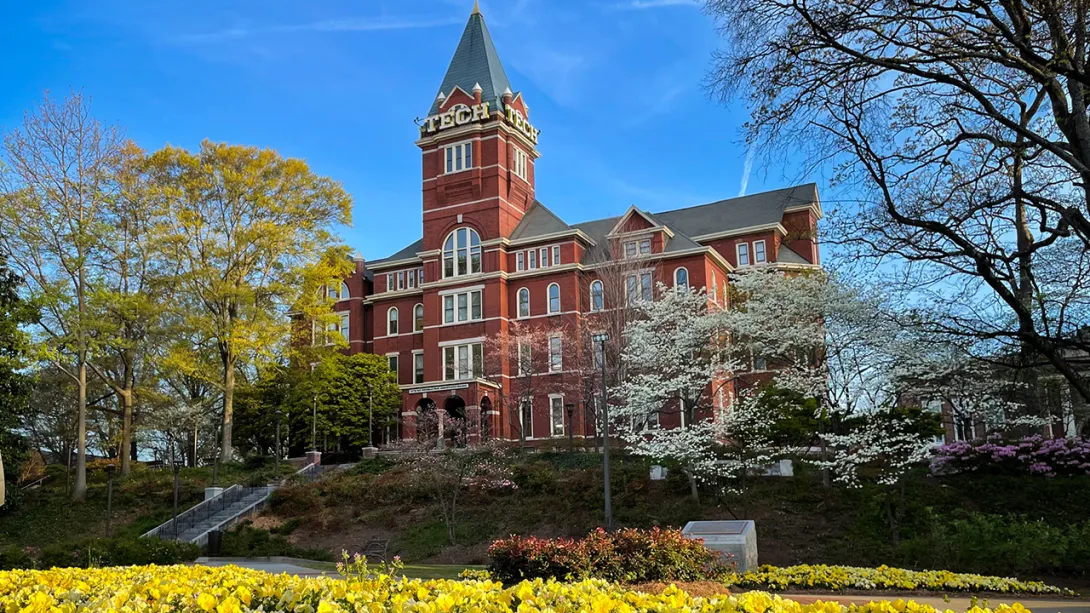
Following a presentation to an alumni group in Chattanooga, Tenn., in March, Georgia Tech’s dean of engineering Don Giddens was posed a question: How will a University of Georgia engineering degree compare to one from Georgia Tech?
Perhaps it was a rhetorical question, but after some of the snickers in the crowd subsided, Giddens replied, “First of all, one of the arguments that the University of Georgia used was that … they really needed to offer engineering and medicine both in order to be a first-tier university. So our kind of tongue-in-cheek comeback to that was, ‘Are you going to add a third-rate engineering program and become a first-rate university?’” Read Full Article
May. 18, 2011
Barbara Boyan, Ph.D., professor and Price Gilbert Jr. Chair in Tissue Engineering, has recently been named a Fellow of the International Team for Implantology (ITI). ITI is a unique network that unites professionals around the world from every field of implant dentistry and related tissue regeneration. As an independent academic association, it actively promotes networking and exchange among its membership.
ITI Fellows are recognized for their leadership in international, national or regional activities; record of publication and research in the area of implant dentistry; engagement in dental implant education; and demonstration of innovation and further development in the clinical implant dentistry field. Fellowship is conferred for a period of four years and is reviewed at the end of this period. It is only possible to become an ITI Fellow by nomination.
Boyan, a Georgia Research Alliance Eminent Scholar, has research interests in bone and cartilage cell biology in the fields of orthopaedics, plastic and reconstructive surgery, and oral health, with specific emphasis on the role of sex in determining how cells respond to steroid hormones and to biomaterials used in medical devices. She is past president, American Association for Dental Research; past secretary/treasurer, Orthopaedic Research Society; member, Board of Directors: ArthroCare, Inc., IsoTis, Inc., and Carticept Medical, Inc.; and founder, OsteoBiologics, Inc.; Orthonics, Inc.; Biomedical Development Corporation; and Spherigenics, Inc.
May. 13, 2011
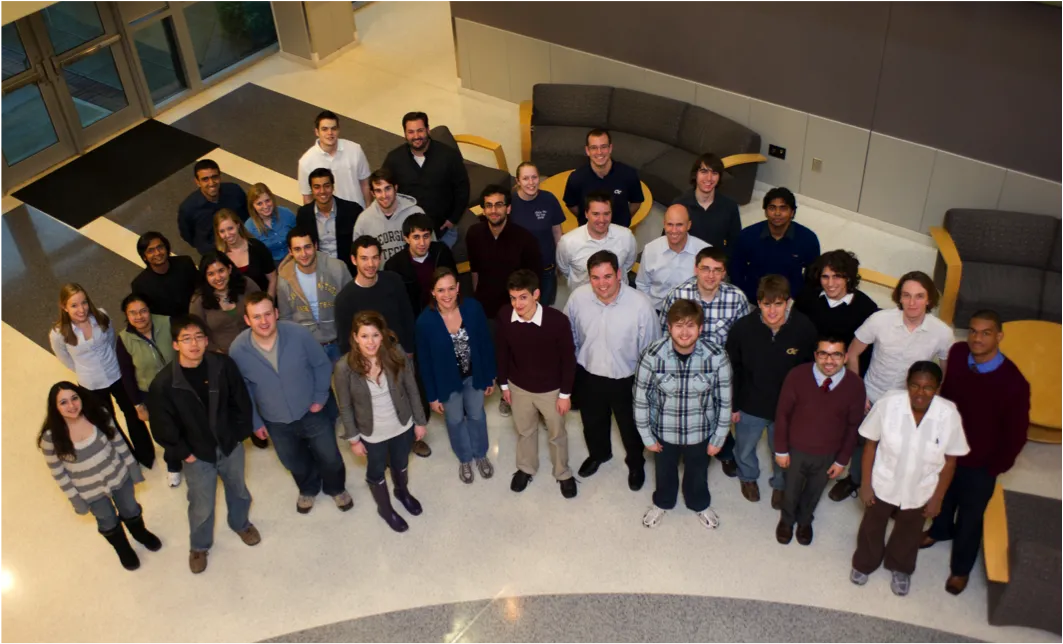
On Saturday, May 21, 2011, the Parker H. PetitInstitute for Bioengineering & Bioscience (IBB) will host itsthird annual Petit Undergraduate Research Scholars fundraising dinner onthe campus of the Georgia Institute of Technology. This event welcomes membersof Atlanta’s business community, university leaders and government officials tocome and support the innovative undergraduate research at IBB.
This year’s dinner will feature guest speakerMitchell H. Gold, MD, who currently serves as president and chief executiveofficer for Dendreon Corporation. Gold will be describing an innovativenew cancer therapy in his presentation entitled, “Winning the War."
Dendreon, a Seattle-based company, recentlycompleted a $70 million Immunotherapy Manufacturing Facility in Union Citywhich brought over 450 jobs to Georgia. Dendreon’s product, Provenge, is thefirst ever FDA-approved immunotherapy for prostate cancer.
The Petit Scholars program began in 2000 as part of a ten-year NationalSciences Foundation grant and has been continued and expanded with the help ofprivate donations. With this year’s fundraising goal of $100,000,sponsorship opportunities are available at platinum, gold, silver and bronzelevels as well as individual dinner ticket purchases.
To date, the Petit Scholars program has provided funding and programsfor 166 students from Georgia Institute of Technology, Emory University,Georgia State University, Morehouse College, Spelman College, Agnes ScottCollege, Gwinnett Technical College and the University of Georgia over the past12 years. IBB Undergraduate Research Scholars program is a competitivescholarship program that allows undergraduates to develop independent researchprojects in Petit Institute laboratories under the director mentorship of agraduate student and faculty member. The programs’ alumni go on to usetheir valuable research experiences in careers as research scientists,academics and physicians.
News Contact
Megan Graziano McDevitt
Marketing and Event Manager
Parker H. Petit Institute for Bioengineering and Bioscience (IBB)
May. 09, 2011
Georgia Tech’s Stem Cell Engineering Center is hosting a half-day workshop on May 9, 2011 at the Institute for Bioengineering and Bioscience. Seventy-five scientists and trainees from seven different departments at Georgia Tech, Emory University, Morehouse School of Medicine and the University of Georgia are convening to discuss research from various fields relating to stem cell engineering.
Aligned with the mission of the Stem Cell Engineering Center, the purpose of this workshop is to cultivate teams of researchers from the basic sciences to address key hurdles and technological challenges currently impeding the development of stem cell therapeutics and diagnostics.
Stem cells, or unspecialized cells, hold tremendous promise as a biological resource for regenerative medicine therapies, pharmaceutical discovery and development, and cell-based diagnostic assays. Transforming the potential of stem cells into viable biomedical technologies and commercial applications is dependent on developing efficient, robust, non-destructive and scalable strategies to control, assay and manufacture stem cells and stem cell-derived products.
Many of the unique challenges posed by stem cell research could be addressed by applying innovative technological advances occurring in adjacent disciplines for similar purposes, but different applications. Presentations during the workshop will include talks on differentiation technologies, bioanalytical techniques, multi-scale phenotypic analysis and stem cell biomanufacturing.
News Contact
Colly Mitchell
May. 03, 2011
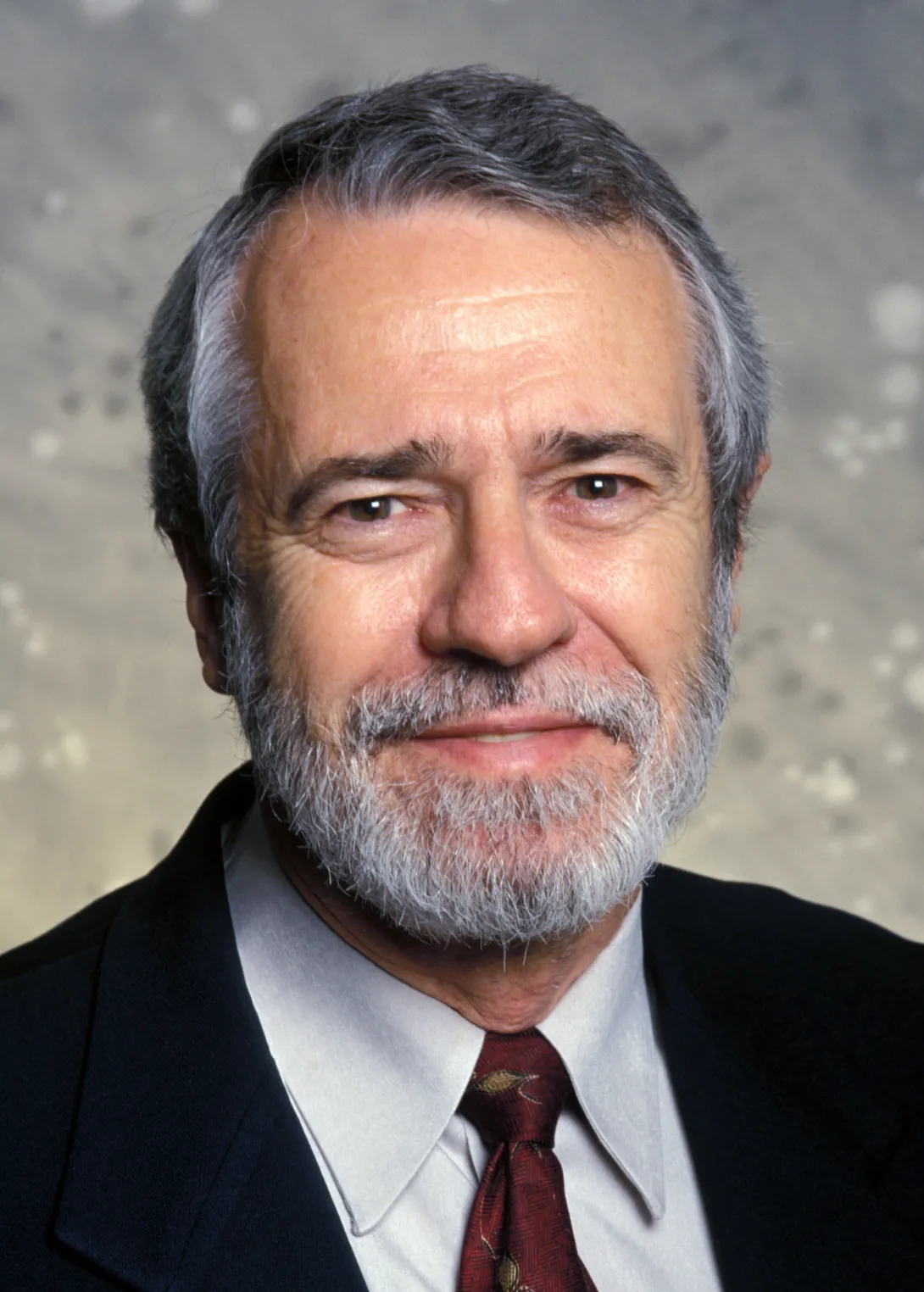
CoE Dean Don Giddens was recently awarded the GT Ambassadors Award for The Most Georgia Tech Spirit. The award is one of five awards given annually at the Up With the White and Gold Awards Ceremony to outstanding faculty and staff nominees by the GT Ambassadors as part of an effort to recognize those who work hard to positively affect the quality of education, research, and student life at Tech. As with all of the GT Ambassadors' awards, a number of nominations are submitted anonymously by the entire organization, and then the top honorees (receiving the most nominations) are placed on a ballot for the organization to select a winner.
This particular award recognizes those professional members of the Tech community whose commitment extends beyond their realm of expertise to the a genuine love of and spirit for the Institute. Dean Giddens was naturally one of the top candidates for the Most Georgia Tech Spirit Award, as his commitment has spanned over 50 years from his time as a student here for all of his degrees, up until his impending retirement.
This year, the award was presented at the Up With the White and Gold ceremony on April 28th, in the Student Center Ballroom.
Apr. 19, 2011
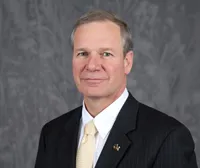
To the campus community of Georgia Tech:
With the conclusion of the state legislative session and the monthly Board of Regents meeting occurring within the same week, I wanted to take the opportunity to provide an update on our current financial situation, as well as how some of the actions to date will impact the members of our community.
Prior to its adjournment last week, the Georgia General Assembly passed its proposed Fiscal Year 2012 budget and sent it to the governor for his review and signature. At this point, the expectation is that Georgia Tech will receive another significant reduction in its state appropriation. In addition, the state formula funding — money allocated by the legislature to support growth of an institution’s enrollment — has been frozen for the first time. All told, this represents an additional reduction in the funds available to the Institute of between $16 to $18 million.
To offer some perspective: over the past four years, Georgia Tech’s state allocation has been reduced by almost $90 million, or approximately 31 percent, and the state contribution now accounts for less than 17 percent of our overall budget. While we have taken steps to mitigate the effect of these reductions, we are not able to absorb these cuts and still preserve the quality of our academic programs, and provide the educational experience consistent with other top-tier public research universities. With pay freezes already in place for three years, cuts to our state appropriation and increased efficiencies already implemented, it is necessary to seek other alternatives, including additional tuition and fees, to offset these reductions in state support for higher education.
Tuition and fees are directly responsible for the quality of the student education and experience. These include instructional and student-related activities; critical academic issues such as the student-faculty ratio, which has increased from 21 to 1 four years ago to 23 to 1 today; the availability of course sections for our undergraduates; and the operation of world-class academic and research facilities.
As some of you know, the HOPE Scholarship was the subject of intense debate during the recent legislative session. Due to rising student enrollment and tuition costs, Governor Nathan Deal and the General Assembly leaders recalibrated the merit-based program in order to preserve its financial health for future generations of Georgians. All of us applaud those efforts by the governor and the legislature. In another year of tough choices, preserving as much of the HOPE Scholarship program as possible was the right thing to do.
This week, the University System of Georgia's Board of Regents met to set tuition and fees for its member institutions, taking in to consideration the needs of our institutions, the declining direct state budget support and the overall economic condition of Georgia and the nation. In so doing, the Regents voted to approve a 3 percent tuition increase for resident students as well as an additional mandatory $350 special institutional fee per semester for Georgia Tech. With these funds we plan to hire additional faculty to accommodate our enrollment growth, continue financial aid relief for our neediest students and support our important academic initiatives, including funds to operate the new Clough Undergraduate Learning Commons.
Georgia Tech, like families throughout the state and nation, continues to face challenging economic times. Our first priority is to preserve the value of the degrees that we award to our students to ensure that we prepare them for an increasingly competitive and global job market. These increases represent an investment in the future of our institution, and I want to express my deepest appreciation to our faculty, staff, students and alumni as we work to ensure the quality of our educational and research programs and maintain our status as Georgia’s premier public university.
G. P. “Bud” Peterson
President, Georgia Institute of Technology