
Jan. 27, 2012

The Bioengineering and Bioscience Unified Graduate Students (BBUGS) have launched a new website. The new BBUGS website offers features that will enhance the communication and interactions among the students and the bio-community. BBUGS members can now create profiles that will be viewable to the public which allow students to share their current research and accomplishments with other academic and industry organizations within the bioengineering and bioscience fields.
Additionally, the new BBUGS website has incorporated a message board whereby BBUGS members can post announcements pertaining to job openings, scholarship/grant availabilities, seminars/workshops or upcoming social activities. The new website design includes new and improved functionality to make navigation throughout the website less complicated and more manageable.
BBUGS is currently the largest, most diverse, graduate student group on the Georgia Tech campus and is an interdisciplinary student group, comprised of 8 different departments, with their home in the Parker H. Petit Institute for Bioengineering and Bioscience. Comprised of over 500 members, BBUGS serves as the core student group for the bioengineering and bioscience community and is open to all Georgia Tech and Emory University students from bio-related fields. Existing members are encouraged to go to the new website and create a profile to stay engaged.
News Contact
Jan. 20, 2012
In order to continue to provide Georgia Tech researchers with "state of the art" equipment, unparalleled performance and more opportunities to access shared resources, select research cores in the Petit Institute will begin to recover materials, supplies and maintenance-related costs by charging a minimal fee for the use of various pieces of equipment. While the Micro CT and histology cores are already set up as cost recovery service centers, we plan to bring the microscopy core online as a cost recovery service center in February of 2012.
Other cores will follow as rates are developed and approved by the Georgia Tech Office of Grants and Contracts Accounting. A phased approach will be used in setting the rates to aid laboratories in planning and provide researchers with an opportunity to make adjustments to budgets.
Beginning in February 2012, users will be charged a small percentage of the cost-based rate for usage. The initial charge to Georgia Tech users for confocal time is anticipated to be $2.75/hr. The rates will be increased in subsequent years but remain highly subsidized by the Petit Institute.
In order to administer the new cost recovery service center, users will access Petit Institute core facilities resources through a new online reservation system, serviced by iLab. The Petit Institute website will remain intact and the only change is that users will register, view and reserve equipment, request services, view bills and enter payment information through the iLab Solutions website.
News Contact
Core Facilities Manager and Safety Officer
Parker H. Petit Institute for Bioengineering and Bioscience
Jan. 23, 2012
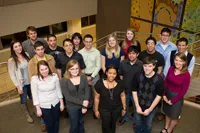
The Parker H. Petit Institute for Bioengineering and Bioscience at Georgia Tech announces its 2012 class of Petit Undergraduate Research Scholars. The "Petit Scholars" are top undergraduate students from Atlanta-area universities chosen from a highly competitive selection process to conduct independent research projects for a full year at the Petit Institute.
The Petit Scholars program is administered by the Petit Institute and Todd McDevitt, a Petit Faculty Fellow and associate professor in the Wallace H. Coulter Department of Biomedical Engineering, who volunteers as the faculty advisor for the program.
"We had a very competitive applicant pool this year," McDevitt said. "Due to the generosity of various donors, we were able to award nineteen research scholarships this year."
From January through December of 2012, each of the 19 scholars will be mentored by a graduate student or postdoctoral fellow in a Petit Institute laboratory. During this period, the scholars will work to develop their own research projects which they themselves have selected after a thorough interview process with potential mentors. Research is conducted within the areas of cancer biology, biomaterials, drug design, development and delivery, molecular evolution, molecular cellular and tissue biomechanics, regenerative medicine, stem cell engineering and systems biology. Many scholars will have made enough progress in their research by the end of the year to participate on scientific publications and/or present at conferences.
The class of 2012 is represented by students from Georgia Tech, Emory University, Spelman College and Agnes Scott College.
2012 Class of Petit Scholars:
Michael Butler - Georgia Tech
Frederick Damen - Georgia Tech
Kyle Ferguson - Georgia Tech
Kelsey Gratton - Georgia Tech
Alexandria Harrison - Spelman College
Susan Hastings - Georgia Tech
Kathleen Heller - Georgia Tech
Jacob Johnson - Georgia Tech
Taylor Kavanaugh - Georgia Tech
Lu Ling - Georgia Tech
Robert Mannino - Georgia Tech
Mohamad Ali Najia - Georgia Tech
Marc Powell - Georgia Tech
Sydney Rowson - Georgia Tech
Abhinav Sharma - Emory University
Andrew St. James - Georgia Tech
Patrick Strane - Georgia Tech
Anirudh Sundararaghavan - Georgia Tech
Alexandra Wagner - Agnes Scott College
Since its inception in 2000, the program has supported hundreds of top undergraduate researchers who have gone on to distinguished careers in research, medicine and industry. Originally established as a summer Research Experience for Undergraduates (REU) program from a National Science Foundation (NSF) grant awarded to the Georgia Tech/Emory Center for Tissue Engineering, the program was expanded to a full year research opportunity that has grown from funding 10 scholars per year to 19 scholars in 2012.
Funding for the Petit Scholars is supported by Atlanta area community members, including the Friends of the Petit Institute, as well as corporate sponsorship. If you are interested in donating to this valuable program, please contact us.
News Contact
Jan. 04, 2011

Biomedical Engineering Professor Eberhard Voit, has been elected as a Fellow of the American Institute of Medical and Biological Engineering (AIMBE), Class of 2012. He was chosen for the honor: "For outstanding contributions to the development of computational systems biology and the use of model-based problem-solving in biomedical engineering."
Voit holds the David D. Flanagan Chair in Biological Systems in The Wallace H. Coulter Department of Biomedical Engineering at Georgia Tech and Emory University. He is a Georgia Research Alliance Eminent Scholar and Associate Director of the Integrative BioSystems Institute.
There were 107 individuals elected to the College, who will be inducted at a ceremony at AIMBE’s Annual Event on February 20 in Washington, D.C. The inductees, who were nominated by their peers, were screened by committees of Fellows within their specialty and were finally elected by the full College as the official College of Fellows Class of 2012. The College of Fellows is comprised of the top two percent of medical and biological engineers in the country.
News Contact
Adrianne Proeller
PR Strategist/Writer
Wallace H. Coulter Department of Biomedical
Engineering at Georgia Tech & Emory
Dec. 19, 2011
The Parker H. Petit Institute for Bioengineering and Bioscience announces its annual “Above and Beyond” awardees. Loren Williams, Ph.D. and Todd Sulchek, Ph.D are the recipients of the faculty awards and Colly Mitchell has been named the staff recipient.
The Petit Institute Above and Beyond Awards are selected by the Faculty Steering Committee and given to team-based individuals who demonstrate exemplary service to the institute and contribute to its collegial, collaborative environment. Three awards are given each year to a senior faculty member, a pre-tenure faculty member and a staff member.
Loren Williams, professor in Chemistry and Biochemistry, has contributed to the Petit Institute significantly this year. Williams is the director of one of the Petit Institute interdisciplinary research centers, RiboEvo. RiboEvo is a NASA-funded center which is focused on integrated interdisciplinary research and education in astrobiology. As part of the center’s activities, Williams voluntarily participated in the Buzz on Biotechnology high school open house where his center hosted two booths, one with a 3-D visualization of DNA, RNA using PyMol and another demonstration showcasing the use of liquid nitrogen in cryogenics and molecular biology. In addition, Williams organized the 2011 Suddath Symposium and participated in several Petit Institute activities including the Industry Partners Symposium dinner and the Bio-Center Poster Session. Williams also sits on the core facilities steering committee. Williams will have an equally busy 2012 as he is chair of the Astrobiology Science Conference which will attract over 700 scientists to Atlanta and Georgia Tech next year.
Todd Sulchek, assistant professor in Mechanical Engineering, was nominated for his participation and support of the Petit Scholars program over the last several years and for consistently being an active community citizen. Sulchek has participated in many Petit Institute-related events, seminars and community-wide poster sessions. In addition, Sulchek received a NSF CAREER Award for his proposal titled: "Understanding Multivalent Biological Bonds for Biosensing Applications." Sulchek will continue to support Petit Institute activities in 2012 as he is scheduled to give a seminar for the Petit Institute’s IBB Breakfast Club seminar series in February.
Colly Mitchell, special program coordinator for marketing and communications,has been working for the Petit Institute since 2007. In 2008, she began tomanage the Petit Scholars program. At the time Mitchell took over, the program wasdeclining. Over the course of thelast 3 years, she has played a key role in improving the number and quality ofthe applications and in 2011 the program is thriving. During her tenure at the Petit Institute, Mitchell has made acomplex job look easy by supporting a variety of Petit Institute events forgroups ranging from students to high-profile donors and administrators. Inaddition, she is responsible for various communication activities, includingdisplay of news and events on the atrium’s flat screen TV and the institute’swebsite. Perhaps even more impressively, she manages all of this on a part-timebasis and does so with a calm demeanor, a constant smile and an easyprofessionalism that earns her the respect and admiration of her colleagues.
News Contact
Megan Graziano McDevitt, CMP
Marketing Communications Director
Dec. 15, 2011
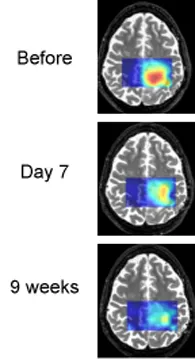
Winship Cancer Institute researchers are testing an experimental therapy for glioblastoma, the most common and most aggressive form of primary brain cancer. The study uses brain imaging in an effort to detect whether the therapy is having an effect after one week.
The therapy combines vorinostat, an experimental drug, with temozolomide, which is standard treatment for glioblastoma.“Vorinostat is a different type of cancer drug,” says Hyunsuk Shim, PhD, associate professor of radiology at Emory University School of Medicine. “It’s an epigenetic therapy, and the desired effect is to turn genes that could suppress tumor growth back on. One of the desired effects is to restore normal metabolic behavior to the cancer cells, halting tumor growth.”
Epigenetics refers to the study of how genes are packaged or modified, carrying additional information beyond the DNA sequence itself. In many tumor cells, genes that prevent runaway growth in normal cells (tumor suppressor genes) are silenced by epigenetic modification. Inhibiting enzymes called histone deacetylases may reverse this silencing, with possible benefits in treating glioblastoma.
Vorinostat may also help temozolomide, which damages tumor DNA, work better by making tumor cells more sensitive to the drug. Vorinostat, a histone deacetylase inhibitor, is approved by the FDA for CTCL (cutaneous T cell lymphoma) but not brain cancer.
In this National Cancer Institute (NCI)-sponsored clinical trial, the researchers are using magnetic resonance spectroscopy (MRS) to detect changes in brain metabolism brought on by vorinostat. MRS, a form of imaging similar to MRI, allows doctors to monitor the levels of several brain chemicals. The researchers will gauge the levels of inositol and N-acetylaspartate, which are both indicators of healthy brain metabolism.
“This form of therapy may not be effective for all patients, but it is better to figure out as early as possible which patients the drug is working for,” Shim says.
Researchers want to develop new imaging tools to monitor how vorinostat is affecting the tumor. The study is designed to gather information that will allow doctors to make a quick decision on whether vorinostat is effective for a given patient without injecting contrast material.
Shim is collaborating with Jeffrey Olson, MD, professor of neurosurgery, hematology and medical oncology and the co-director of Winship’s brain tumor program, and Xiaoping Hu, PhD, director of Emory’s Biomedical Imaging Technology Center and professor in the Wallace H. Coulter Department of Biomedical Engineering at Georgia Tech and Emory University. Hu is a Georgia Research Alliance Eminent Scholar.For more information about the clinical trial, which currently is enrolling patients, contact 404-778-1900.
The study is being supported by the National Cancer Institute.
Writer: Quinn Eastman
The Robert W. Woodruff Health Sciences Center of Emory University is an academic health science and service center focused on missions of teaching, research, health care and public service.
News Contact
Oct. 24, 2011
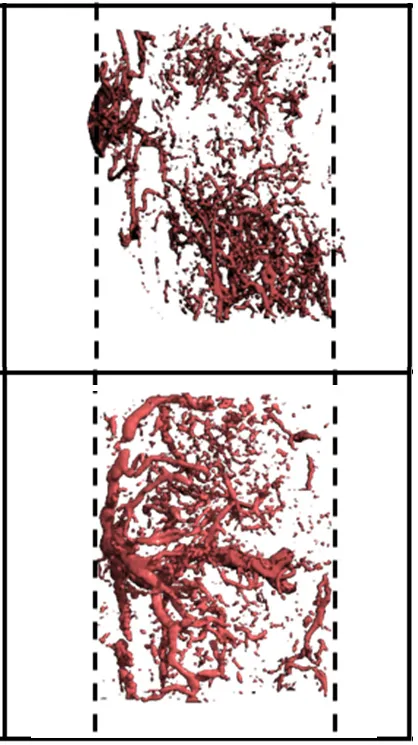
A new study demonstrates that mechanical forces affect the growth and remodeling of blood vessels during tissue regeneration and wound healing. The forces diminish or enhance the vascularization process and tissue regeneration depending on when they are applied during the healing process.
The study found that applying mechanical forces to an injury site immediately after healing began disrupted vascular growth into the site and prevented bone healing. However, applying mechanical forces later in the healing process enhanced functional bone regeneration. The study’s findings could influence treatment of tissue injuries and recommendations for rehabilitation.
“Our finding that mechanical stresses caused by movement can disrupt the initial formation and growth of new blood vessels supports the advice doctors have been giving their patients for years to limit activity early in the healing process,” said Robert Guldberg, a professor in the George W. Woodruff School of Mechanical Engineering at the Georgia Institute of Technology. “However, our findings also suggest applying mechanical stresses to the wound later on can significantly improve healing through a process called adaptive remodeling.”
The study was published last month in the journal Proceedings of the National Academy of Sciences. The research was supported by the National Institutes of Health, the Armed Forces Institute of Regenerative Medicine and the U.S. Department of Defense.
Because blood vessel growth is required for the regeneration of many different tissues, including bone, Guldberg and former Georgia Tech graduate student Joel Boerckel used healing of a bone defect in rats for their study. Following removal of eight millimeters of femur bone, they treated the gap with a polymer scaffold seeded with a growth factor called recombinant human bone morphogenetic protein-2 (rhBMP-2), a potent inducer of bone regeneration. The scaffold was designed in collaboration with Nathaniel Huebsch and David Mooney from Harvard University.
In one group of animals, plates screwed onto the bones to maintain limb stability prevented mechanical forces from being applied to the affected bone. In another group, plates allowed compressive loads along the bone axis to be transferred, but prevented twisting and bending of the limbs. The researchers used contrast-enhanced micro-computed tomography imaging and histology to quantify new bone and blood vessel formation.
The experiments showed that exerting mechanical forces on the injury site immediately after healing began significantly inhibited vascular growth into the bone defect region. The volume of blood vessels and their connectivity were reduced by 66 and 91 percent, respectively, compared to the group for which no force was applied. The lack of vascular growth into the defect produced a 75 percent reduction in bone formation and failure to heal the defect.
But the study found that the same mechanical force that hindered repair early in the healing process became helpful later on.
When the injury site experienced no mechanical force until four weeks after the injury, blood vessels grew into the defect and vascular remodeling began. With delayed loading, the researchers observed a reduction in quantity and connectivity of blood vessels, but the average vessel thickness increased. In addition, bone formation improved by 20 percent compared to when no force was applied, and strong tissue biomaterial integration was evident.
“We found that having a very stable environment initially is very important because mechanical stresses applied early on disrupted very small vessels that were forming,” said Guldberg, who is also the director of the Petit Institute for Bioengineering and Bioscience at Georgia Tech. “If you wait until those vessels have grown in and they’re a little more mature, applying a mechanical stimulus then induces remodeling so that you end up with a more robust vascular network.”
The study’s results may help researchers optimize the mechanical properties of tissue regeneration scaffolds in the future.
“Our study shows that one might want to implant a material that is stiff at the very beginning to stabilize the injury site but becomes more compliant with time, to improve vascularization and tissue regeneration,” added Guldberg.
Georgia Tech mechanical engineering graduate student Brent Uhrig and postdoctoral fellow Nick Willett also contributed to this research.
News Contact
Abby Robinson
404-385-3364
John Toon
404-894-6986
Research News & Publications Office
Oct. 12, 2011
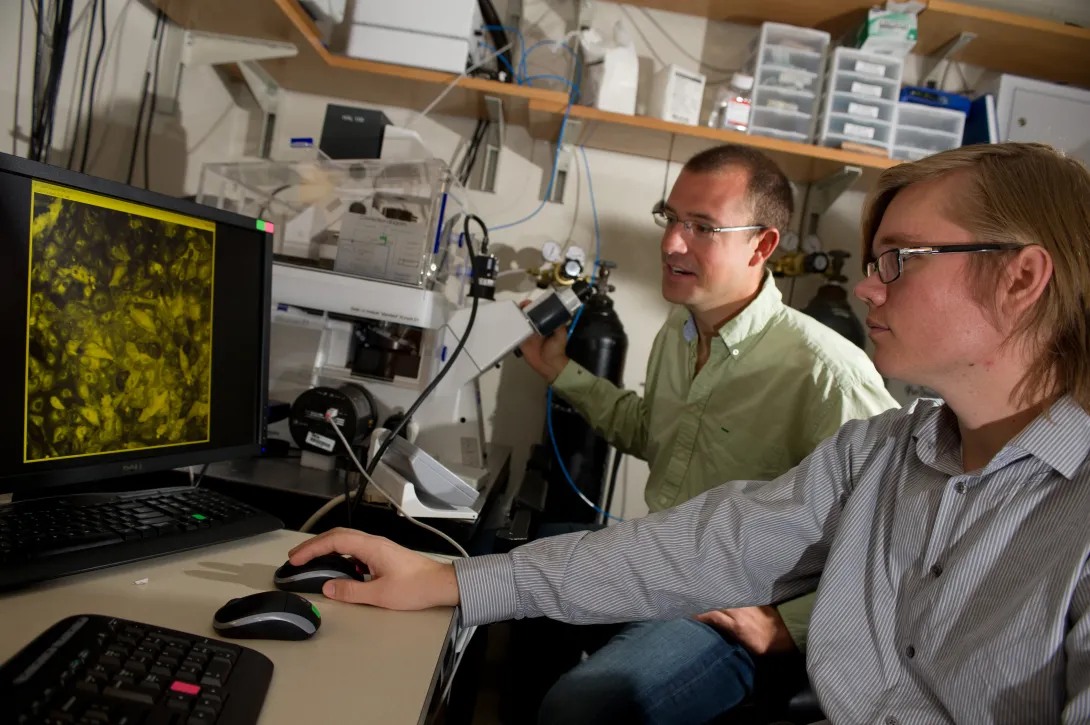
The Parker H. Petit Institute for Bioengineering and Bioscience is accepting project submissions from graduate students and postdoctoral fellows who are interested in mentoring a member of the incoming class of 2012 Petit Undergraduate Research Scholars.
The Petit Scholars program is a competitive scholarship program that offers highly innovative research opportunities to top undergraduate students for a full year. The Petit Scholars mentoring program offers the mentor a unique, full-year mentoring and project management experience while simultaneously furthering their own research interests. Mentors also receive travel funds and funds for materials and supplies.
Interested candidates must be currently conducting their own research in an IBB laboratory and must be available from January through December of 2012. Faculty approval will be required.
Online project submissions will be accepted through Monday, October 31, 2011 and should outline an independent research project for a potential undergraduate scholar. For full details about the Petit Mentor program, visit the website below.
News Contact
Colly Mitchell, Petit Scholars Program Administrator
Todd McDevitt, Faculty Advisor
Sep. 20, 2011
If a tumor is more visible and easier to distinguish from surrounding tissues, surgeons will be more likely to be able to remove it completely. That’s the rationale behind a new $7 million, five-year “transformative” grant from the National Institutes of Health to a team of researchers from Emory, Georgia Tech and the Perelman School of Medicine at the University of Pennsylvania.
The grant is part of the NIH Director’s Awards Program funded by the NIH Common Fund.Shuming Nie, PhD, and his colleagues at the Emory-Georgia Tech Nanotechnology Center for Personalized and Predictive Oncology have been developing fluorescent nanoparticle probes that hone in on cancer cells. The grant will support the team’s continuing work on the nanoparticles and instruments that visualize them for cancer detection during surgery.
The project team includes May Wang, PhD, director of biocomputing and bioinformatics at the Nanotechnology Center and Sunil Singhal, MD, director of the Thoracic Surgery Research Laboratory at the Perelman School of Medicine. Nie is a professor and Wang is associate professor in the Wallace H. Coulter Department of Biomedical Engineering at Georgia Tech and Emory University.
“At present, a significant group of patients who undergo surgery leave the operating room without a complete resection due to missed lesions,” Nie says. “Our main goals are to help surgeons distinguish tumor margins, identify diseased lymph nodes and micrometastases, and to determine if the tumor has been completely removed. Having these capabilities can be expected to make a major impact in reducing recurrence rates of lung cancer after surgery.”
The grant includes plans for tests of the nanoparticles and cancer detection instruments on dogs with naturally occurring lung tumors and a first-in-human clinical trial for patients with lung cancer at the University of Pennsylvania.
The proposed technologies could be broadly applicable to many types of solid tumors. The project includes two types of contrast agents for detecting cancer: a fluorescent dye (indocyanine green, approved for in vivo use by the FDA) conjugated to the protein albumin, and polymer-coated gold particles coupled to a reporter dye and an antibody that binds to tumor cells. The gold in the particles amplifies the signal from the dye through an effect called surface-enhanced Raman scattering.
Nie and his colleagues have developed a hand-held device called a SpectroPen that can detect both fluorescence and Raman signals. The SpectroPen combines a near-infrared laser and a detector, and is connected by a fiber optic cable to a spectrometer, computer and video monitor.
Previous research leading to the current grant was supported by a Grand Opportunities grant from the National Cancer Institute (NCI) and the NIH Director’s Office, and by the NCI Centers of Cancer Nanotechnology Excellence (CCNE) at Emory and Georgia Tech.
The award was one of 17 granted this year through the NIH Director’s Transformative Research Projects Program (T-R01), which was created to challenge the status quo with innovative ideas that have the potential to advance fields and speed the translation of research into improved health for the American public. The first group of Transformative R01 grants was funded in 2009.
Another T-RO1 grant, for $2 million over five years, was awarded to Todd McDevitt, PhD, director of the Stem Cell Engineering Center at Georgia Tech and an associate professor in the Wallace H. Coulter Department of Biomedical Engineering at Georgia Tech and Emory University, along with Coulter Department Associate Professor Johnna Temenoff, PhD, and Woodruff School of Mechanical Engineering Professor Robert Guldberg, PhD. The grant will support the development of tissue regeneration therapeutics for traumatic injuries and degenerative diseases.
“The NIH Director’s Award programs reinvigorate the biomedical work force by providing unique opportunities to conduct research that is neither incremental nor conventional,” says James M. Anderson, MD, PhD, director of the Division of Program Coordination, Planning and Strategic Initiatives, who guides the Common Fund’s High-Risk Research program. “The awards are intended to catalyze giant leaps forward for any area of biomedical research, allowing investigators to go in entirely new directions.”
More information on the Transformative Research Projects Award is at http://commonfund.nih.gov/T-R01 including information on this year's awardees
Writer: Quinn Eastman
The Robert W. Woodruff Health Sciences Center of Emory University is an academic health science and service center focused on missions of teaching, research, health care and public service.Learn more about Emory’s health sciences: Blog: http://emoryhealthblog.com Twitter: @emoryhealthsci Web: http://emoryhealthsciences.org
News Contact
Holly Korschun - Media Contact
Sep. 07, 2011
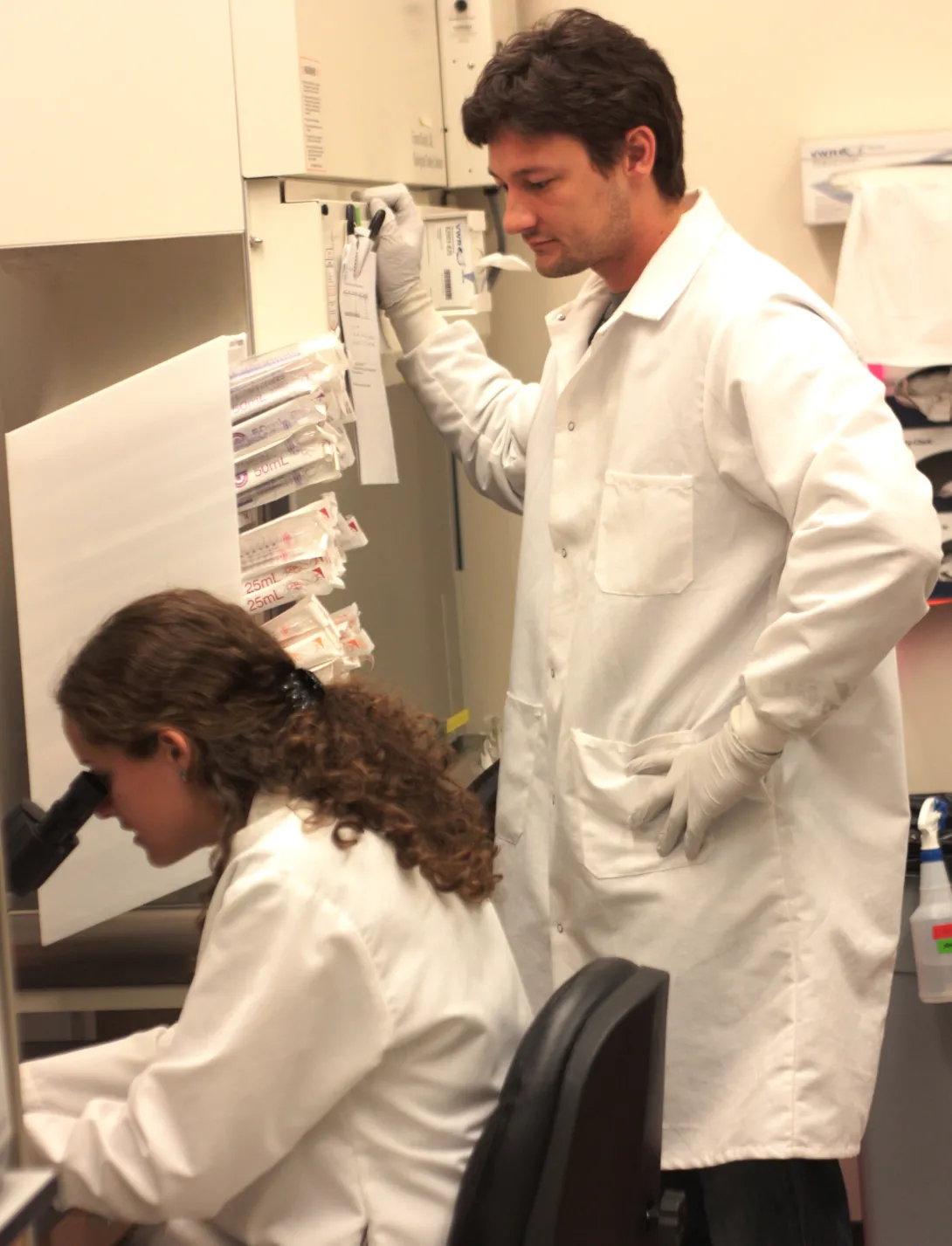
The Parker H. Petit Institute for Bioengineering and Biosciences is now accepting applications for the 2012 Class of Petit Undergraduate Research Scholars. The Petit Scholars program is a competitive scholarship program that serves to develop the next generation of leading bioengineering and bioscience researchers by providing a comprehensive and independent research experience. In the full-year program, undergraduates conduct independent research in the Petit Institute's state-of-the-art laboratories in the areas of cancer biology, biomaterials, drug design, development and delivery, molecular evolution, molecular cellular and tissue biomechanics, regenerative medicine, stem cell engineering and systems biology.
Since its beginning in 2000, the program has supported hundreds of top undergraduate researchers who have gone on to distinguished careers in research, medicine and industry. As biotechnology research has grown significantly throughout the Georgia Tech campus, so has the number of Petit Scholars with the funding of 19 scholars in 2011. To date, the program has funded students from Georgia Tech, Morehouse College, Georgia State University, Emory University, Agnes Scott College and Georgia Gwinnett College. The Petit Scholars program is funded by Friends of the Petit Institute donors in addition to its endowment from Parker H. "Pete" Petit. To make a donation to this program, visit: Petit Scholars Donations
Beginning October 10, 2011, IBB will begin accepting research project submissions from graduate student and/or postdocs to be considered to serve as mentors to the incoming class of Petit Scholars.
The application submission deadline for the 2012 Petit Scholars is Friday, October 7, 2011 at 5:00pm. For complete program requirements and online application, visit: 2012 Petit Scholars
News Contact
Colly Mitchell
Petit Scholars Program Administrator
Parker H. Petit Institute for Bioengineering and Bioscience