
Nov. 20, 2025
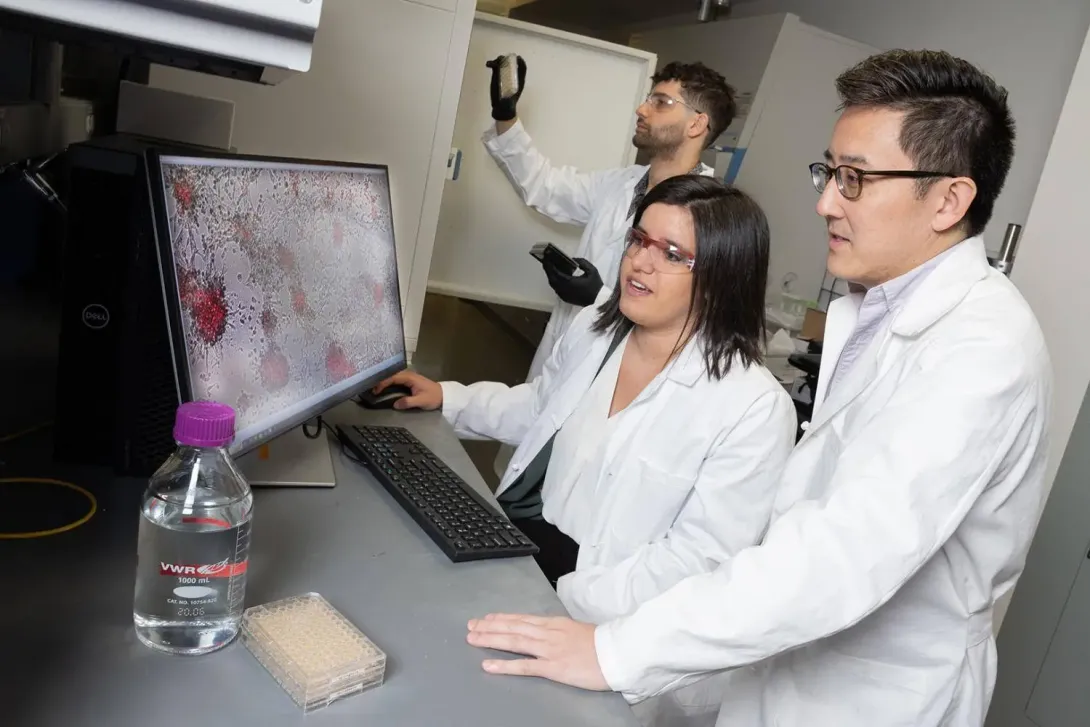
Georgia Institute of Technology has been ranked 7th in the world in the 2026 Times Higher Education Interdisciplinary Science Rankings, in association with Schmidt Science Fellows. This designation underscores Georgia Tech’s leadership in research that solves global challenges.
“Interdisciplinary research is at the heart of Georgia Tech’s mission,” said Tim Lieuwen, executive vice president for Research. “Our faculty, students, and research teams work across disciplines to create transformative solutions in areas such as healthcare, energy, advanced manufacturing, and artificial intelligence. This ranking reflects the strength of our collaborative culture and the impact of our research on society.”
As a top R1 research university, Georgia Tech is shaping the future of basic and applied research by pursuing inventive solutions to the world’s most pressing problems. Whether discovering cancer treatments or developing new methods to power our communities, work at the Institute focuses on improving the human condition.
Teams from all seven Georgia Tech colleges, 11 interdisciplinary research institutes, the Georgia Tech Research Institute, Enterprise Innovation Institute, and hundreds of research labs and centers work together to transform ideas into real results.
News Contact
Angela Ayers
Nov. 13, 2025
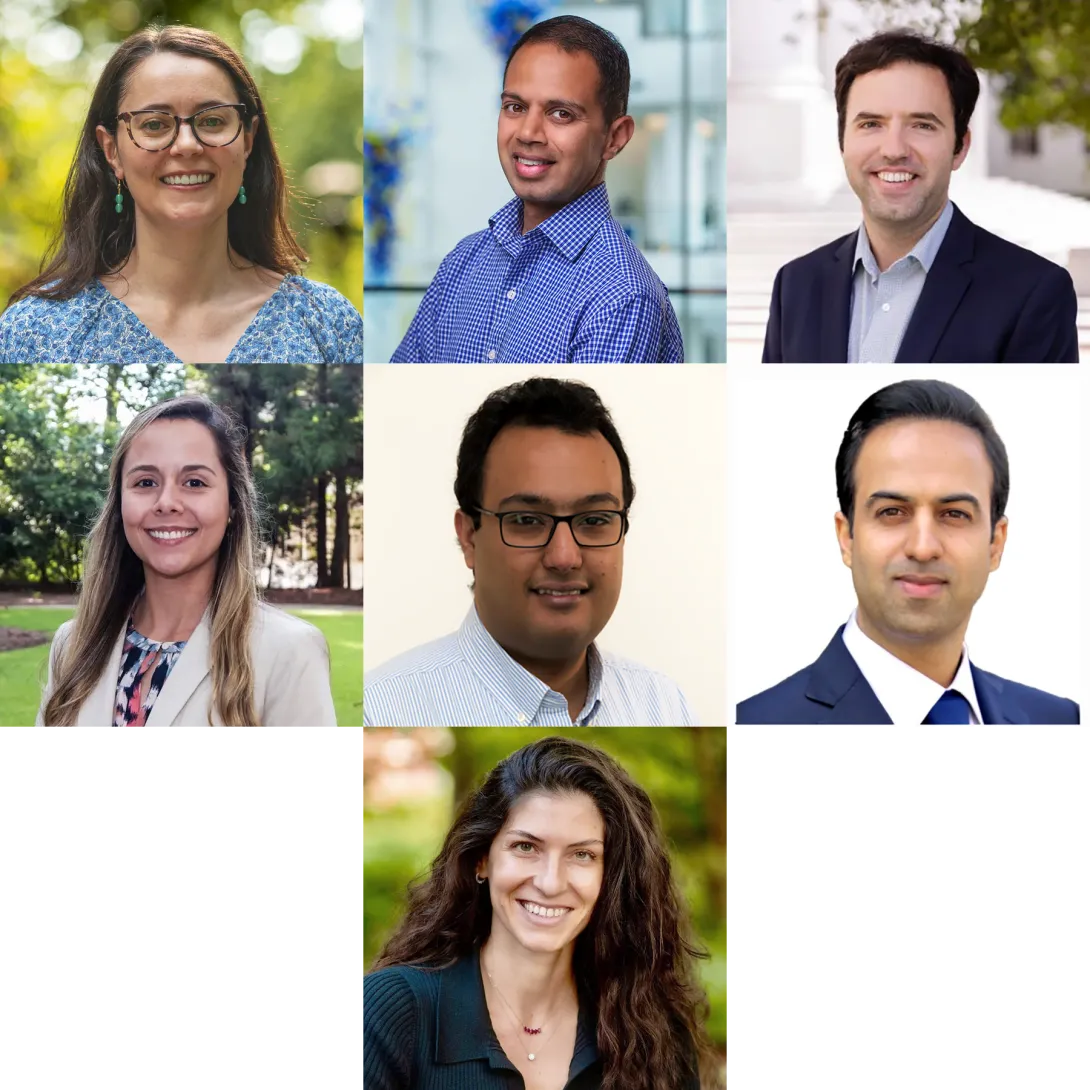
The Brook Byers Institute for Sustainable Systems (BBISS) is proud to welcome seven newly appointed faculty fellows. These distinguished faculty members will not only receive support for their innovative research and areas of expertise but also take on key leadership roles within BBISS. As fellows, they serve as strategic advisors, help cultivate a vibrant community of sustainability-focused scholars and students across Georgia Tech, and champion the Institute’s mission, values, and goals to broader audiences.
Each fellow will serve a three-year term, with the possibility of renewal. Established in 2014, the BBISS Faculty Fellows program draws talent from all seven Georgia Tech Colleges and the Georgia Tech Research Institute. “The Fellows bring diverse expertise and unique perspectives that enrich our academic community,” says BBISS Executive Director Beril Toktay. “Their interdisciplinary backgrounds create valuable opportunities for collaboration that strengthens our sustainability initiatives and expands the Institute's impact.” These faculty members will join the current roster of BBISS Faculty Fellows.
- Emily Barrett, Assistant Professor, School of City and Regional Planning, College of Design.
- Suvrat Dhanorkar, Associate Professor of Operations Management, Scheller College of Business.
- Bobby Harris, Assistant Professor, School of Economics, Ivan Allen College of Liberal Arts.
- Sofía Pérez-Guzmán, Assistant Professor, School of Civil and Environmental Engineering, College of Engineering.
- Ahmed Saeed, Assistant Professor, School of Computer Science, College of Computing.
- Ali Sarhadi, Assistant Professor, School of Earth and Atmospheric Sciences, College of Sciences.
- Patricia Stathatou, Assistant Professor, School of Chemical and Biomolecular Engineering, College of Engineering.
News Contact
Brent Verrill, Research Program Communications Manager, BBISS
Nov. 11, 2025
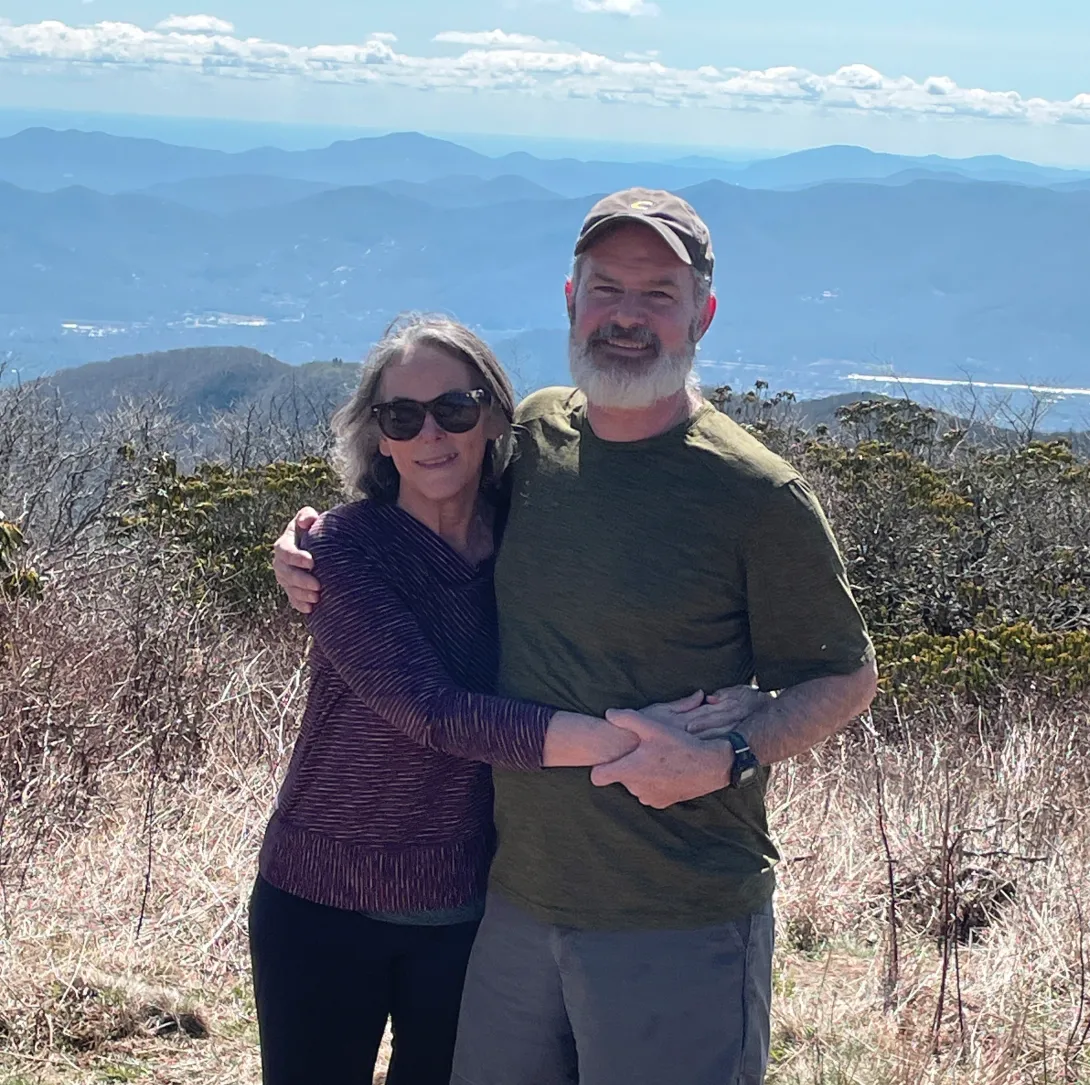
Rebecca Watts Hull wants to transform what students learn and how faculty across campus connect, innovate, and inspire action for a sustainable future. The assistant director for Faculty Development for Sustainability Education Initiatives in the Center for Teaching and Learning brings a collaborative spirit that’s made her an invaluable partner to Georgia Tech’s Brook Byers Institute for Sustainable Systems (BBISS) and to faculty interested in showing the real-world relevance of sustainability in their classrooms.
Her path to Georgia Tech was shaped by years of hands-on experience in nonprofit environmental advocacy, driving partnerships among medical professionals, scientists, and educators to protect air quality and children’s health. “I kept asking myself why it is,” she says, “that in a city like Atlanta, with all these higher education institutions and one of the largest concentrations of nonprofit organizations in the country, there weren’t more partnerships between nonprofits and academia.” Watts Hull says she was confused since the two groups “often care about and are aiming to advance the same things.”
In 2013, while teaching a continuing education course on sustainability leadership at Emory University, Watts Hull realized that sustainability in higher education was taking off. She pivoted to pursue a Ph.D. at Georgia Tech in history and sociology, and later joined Georgia Tech’s Serve-Learn-Sustain (SLS) program, established to build bridges between the university and community partners.
When Georgia Tech’s strategic plan elevated sustainability as a core value, Watts Hull served on the “Amplify Impact” team to help shape the strategy and implementation of the plan. An immediate result was the creation of her role within the Center for Teaching and Learning, specifically around sustainability and the United Nations’ Sustainable Development Goals (SDGs). “Our aim is to equip students to become true change makers, who can advance the SDGs and fulfill Georgia Tech’s mission of improving not only technology, but also lives and communities,” she explains.
Central to her approach are partnerships with other units, including BBISS, which unites faculty and researchers across the Institute who are focused on sustainability. Watts Hull leads the Community of Practice on Transformative Teaching with the SDGs, an initiative in its third year. “It’s a space where faculty can learn from each other how to teach sustainability in different disciplines,” she says. In addition, participants engage in outreach, sharing cross-disciplinary strategies and creative classroom approaches at Georgia Tech events and conferences.
Watts Hull says incorporating sustainability into courses not only enhances students’ overall learning and motivation but also helps faculty find renewed meaning and enjoyment in their teaching. “Well-designed, real-world projects help students see the importance of what they’re learning, and they stay engaged,” she notes. “But it’s also true that faculty feel more inspired when they know their teaching matters for big, pressing challenges.” One way faculty can engage is by applying for Undergraduate Sustainability Education Innovation grants. To date, 60 awards have been granted to faculty across campus.
Supporting student and faculty success is a family affair. Her husband, Jonathan, serves as associate vice chancellor for Student and Faculty Success for the University System of Georgia. “Our work both relates to teaching and learning, so we enjoy sharing that in common,” says Watts Hull, whose early community work included serving as a Peace Corps volunteer in Uganda.
Most recently, the busy administrator has contributed a chapter to a 2025 book, Higher Education’s Leadership in Climate Action and Sustainability, where she highlights five strategies for scaling up faculty engagement in sustainability across the curriculum.
One of her favorite pastimes is hiking in North Georgia, especially on Blood Mountain, the state’s highest summit along the Appalachian Trail. “The view from the top is just spectacular,” she says. It’s a fitting parallel to the ongoing journey toward a more sustainable future at Georgia Tech, one step — and partnership — at a time.
—Anne Wainscott-Sargent
News Contact
Brent Verrill, Research Communications Program Manager, BBISS
Nov. 06, 2025
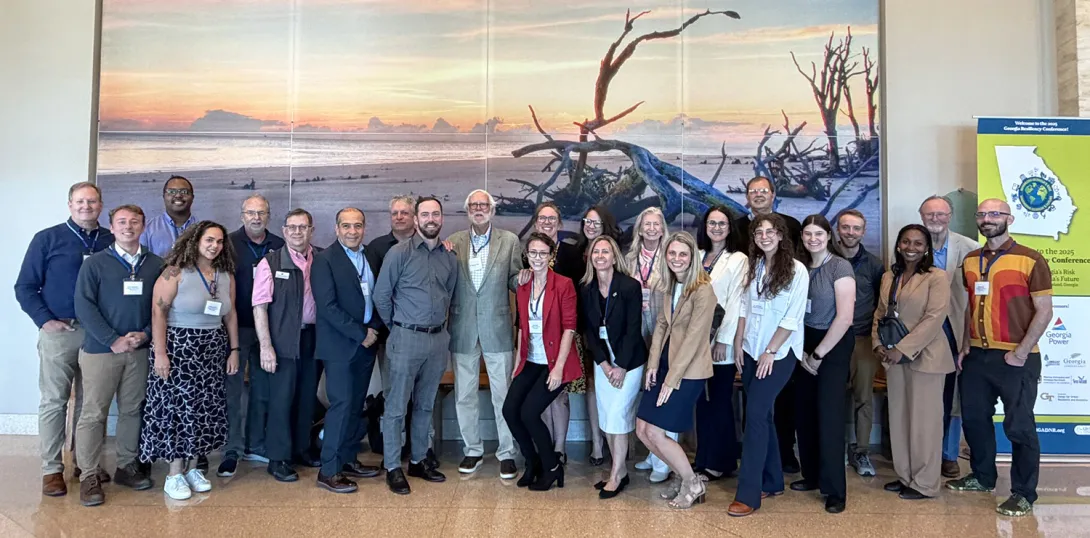
Against a backdrop of ancient live oaks draped in Spanish moss and salt marshes alive with shorebirds, a statewide conversation about the future of Georgia's environmental resilience took place at Jekyll Island. The Georgia Resiliency Conference 2025, organized by the Georgia Department of Natural Resources (DNR), brought together more than 430 leaders and experts from across public, private, nonprofit, and academic sectors, including a large delegation from Georgia Tech.
The island's natural beauty and vitality served as both inspiration and an urgent reminder of what communities across Georgia stand to lose without coordinated action. Faculty, administration, research fellows, students, collaborators, and Georgia Tech President Emeritus and keynote speaker G. Wayne Clough brought diverse perspectives to discussions ranging from coastal vulnerability to data-driven decision-making. Throughout the event, one theme remained constant: the essential role of interdisciplinary research in addressing real-world environmental challenges across the state.
In the reflections below, Georgia Tech attendees share their takeaways from this landmark gathering.
“The continued commitment by many stakeholders to manage our carbon pollution stood out, as did the importance and fragility of Georgia’s coastal wetlands. It was also rewarding to reconnect with Wayne Clough and hear his geological perspective on our state. I was particularly impressed by the use of AI and spatial data analytics featured in the tools cafe.”
— Marilyn Brown, Regents’ and Brook Byers Professor, Jimmy and Rosalynn Carter School of Public Policy
“Resiliency is now. It’s not a future goal — it’s a present imperative. As we face accelerating environmental challenges, we must adapt in real time to protect our resources and communities. I was deeply inspired by Wayne Clough’s keynote, which emphasized the importance of conservation and forward-thinking systems that can endure uncertainty. What struck me most was the number of Georgia Tech colleagues actively advancing both urban and rural resiliency across our state. Their dedication and innovation give me hope and reaffirm the importance of collaboration in this work.”
— Jennifer Chirico, Associate Vice President of Sustainability
“It was great to reconnect and network with sponsors, Georgia researchers, local governments, and other stakeholders concerned with coastal resiliency. I was pleasantly surprised by Georgia Tech’s strong presence this year and proud to see my colleagues presenting and moderating sessions. It was long overdue, as planners routinely address issues like climate change and resiliency. The conference’s dedicated focus on connecting natural areas across the state deeply resonated. Having worked on greenspace issues for 25 years, I was inspired by the vision for a statewide trail system linking Macon to the coast through wildlife corridors. Big ideas like this will make a real difference in Georgia’s future.”
— Tony Giarrusso, Associate Director, Center for Urban Resilience and Analytics, College of Design
“The Georgia Resilience Conference provided a great forum for us to introduce our new Georgia Tech for Georgia’s Tomorrow (GT²) Center to a range of stakeholders and collaborators — from the Georgia DNR to local officials. From the coastal barrier islands to the Blue Ridge Mountains, we’re focusing on research that strengthens resilience and reduces risk from natural disasters, while connecting Georgia Tech’s science to communities across the state. We were inspired by the level of collaboration among agencies, researchers, and practitioners, and we were glad to jointly debut the center’s plans at this year’s event. Our thanks to Jennifer Kline and the Georgia DNR for organizing such a meaningful and energizing conference.”
— Joel Kostka, Tom and Marie Patton Distinguished Professor and Inaugural Director, Georgia Tech for Georgia’s Tomorrow (GT²); Associate Chair for Research, School of Biological Sciences
“I had a phenomenal experience at the Georgia Resilience Conference. It was heartening and eye-opening to see so many participants from all sectors invested in protecting the environment and supporting communities impacted by environmental change. I connected with professors from other universities to discuss future collaborations that could expand on my current project at Tech. Additionally, when I spoke with project managers and engineers within the private sector, I was further motivated by the realization that there is both interest and need for the research we are doing — not only to advance science but also to help those restoring our waterways apply the most promising and sustainable techniques available. This conference was well worth it and is already on my calendar for next time.”
— Maggie Straight, Ph.D. Candidate, Ocean Science and Engineering
“One of the best parts of the conference was spending time with current and former Ph.D. students like Maggie Straight and Sarah Roney (Ph.D. OSE 2025). Maggie’s research characterizes bacteria-algae interactions in micro-algae systems, while Sarah worked on oyster ecosystems during her time at Georgia Tech. What struck me about our conversation was that the principles of resilience show up at every scale. Both Maggie and Sarah are exploring how foundational species — from micro-algae to oysters — create the conditions for entire ecosystems to thrive. This is exactly the kind of systems thinking we need. I am proud to see the next generation of scientists translating their research into real-world impact and grateful for conversations that connect the dots across disciplines and scales.”
— Beril Toktay, Executive Director, Brook Byers Institute for Sustainable Systems; Regents’ Professor; and Brady Family Chair in Management, Scheller College of Business
The Georgia Resilience Conference highlighted the power of collaboration — connecting scientists, policymakers, and community leaders who are shaping Georgia’s response to a changing climate. BBISS remains dedicated to amplifying these voices and translating research into action that strengthens resilience across the Southeast.
— Written by Seungho Lee
News Contact
Brent Verrill, Research Communications Program Manager, BBISS
Nov. 04, 2025
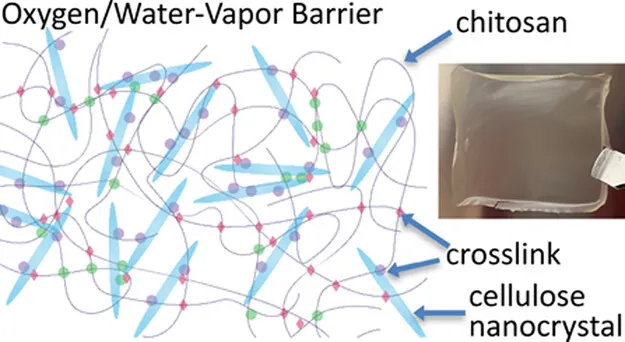
A biologically based film made from natural ingredients found in plants, mushrooms, and food waste
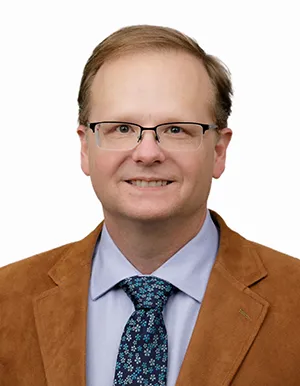
Professor Carson Meredith
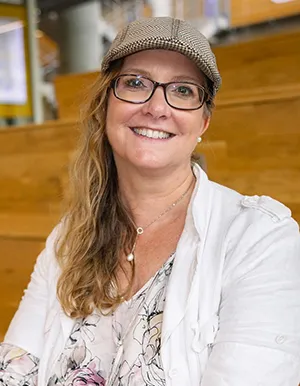
Professor Natalie Stingelin
Plastic packaging is ubiquitous in our world, with its waste winding up in landfills and polluting oceans, where it can take centuries to degrade.
To ease this environmental burden, industry has worked to adopt renewable biopolymers in place of traditional plastics. However, developers of sustainable packaging have faced hurdles in blocking out moisture and oxygen, a barrier critical for protecting food, pharmaceuticals, and sensitive electronics.
Now, researchers at the Georgia Institute of Technology have developed a biologically based film made from natural ingredients found in plants, mushrooms, and food waste that can block moisture and oxygen as effectively as conventional plastics. Their findings were recently published in ACS Applied Polymer Materials.
“We’re using materials that are already abundant in and degrade in nature to produce packaging that won’t pollute the environment for hundreds or even thousands of years,” said Carson Meredith, a professor in Georgia Tech’s School of Chemical and Biomolecular Engineering (ChBE@GT) and executive director of the Renewable Bioproducts Institute. “Our films, composed of biodegradable components, rival or exceed the performance of conventional plastics in keeping food fresh and safe.”
Meredith’s research team has worked for more than a decade to develop environmentally friendly oxygen and water barriers for packaging. While earlier research using biopolymers showed promise, high humidity continued to weaken the barrier properties.
However, Meredith and his collaborators found a fix using a blend of these natural ingredients: cellulose (which gives plants their structure), chitosan (derived from crustacean-based food waste or mushrooms), and citric acid (from citrus fruits).
“By crosslinking these materials and adding a heat treatment, we created a thin film that reduced both moisture and oxygen transmission, even in hot, humid conditions simulating the tropics,” said lead author Yang Lu, a former postdoctoral researcher in ChBE@GT.
The barrier technology developed by the researchers consists of three primary components: a carbohydrate polymer for structure, a plasticizer to maintain flexibility, and a water-repelling additive to resist moisture. When cast into thin films, these ingredients self-organize at the molecular level to form a dense, ordered structure that resists swelling or softening under high humidity.
Even at 80 percent relative humidity, the films showed extremely low oxygen permeability and water vapor transmission, matching or outperforming common plastics such as poly(ethylene terephthalate) (PET) and poly(ethylene vinyl alcohol) (EVOH).
“Our approach creates barriers that are not only renewable, but also mechanically robust, offering a promising alternative to conventional plastics in packaging applications,” said Natalie Stingelin, professor and chair of Georgia Tech’s School of Materials Science and Engineering (MSE) and a professor in ChBE@GT.
The research team has filed for patent protection for the technology (patent pending). The research was supported by Mars Inc., Georgia Tech’s Renewable Bioproducts Institute, and the U.S. Department of Defense through the National Defense Science and Engineering Graduate Fellowship Program. Eric Klingenberg, a co-author of the study, is an employee of Mars, a manufacturer of packaged foods.
Citation: Yang Lu, Javaz T. Rolle, Tanner Hickman, Yue Ji, Eric Klingenberg, Natalie Stingelin, and Carson Meredith, “Transforming renewable carbohydrate-based polymers into oxygen and moisture-barriers at elevated humidity,” ACS Applied Polymer Materials, 2025.
News Contact
Brad Dixon, braddixon@gatech.edu
Oct. 28, 2025
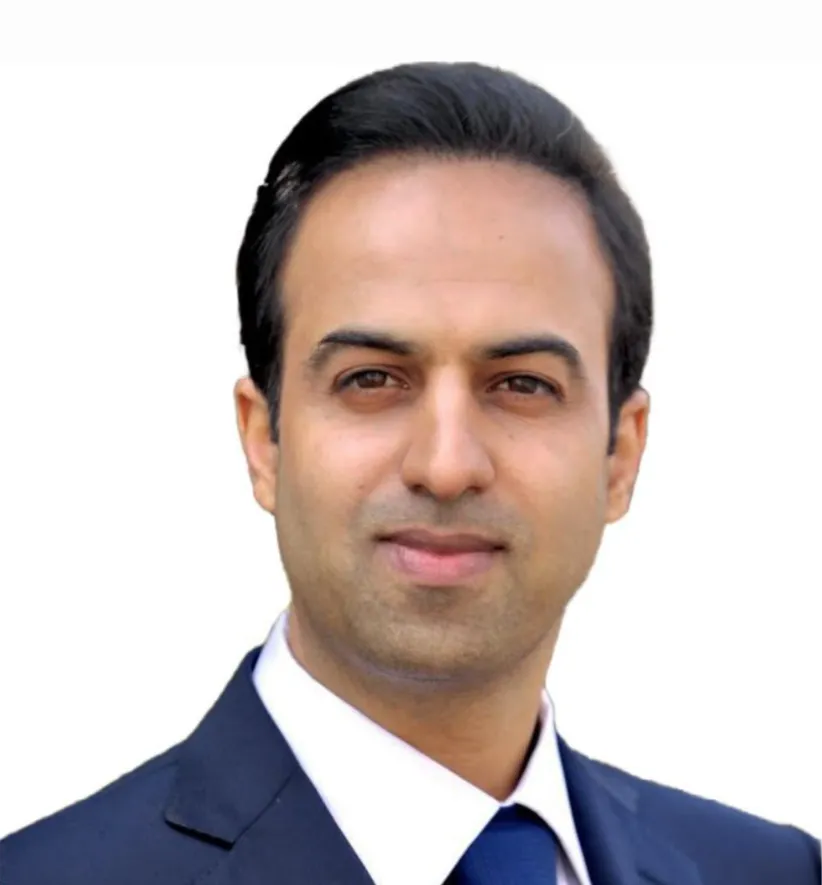
Ali Sarhadi and his research team at Georgia Tech’s Climate Risk and Extreme Dynamics Lab are focused on a growing threat: hurricanes fueled by a warming climate. These storms are no longer behaving like those of the past — and his research is helping explain why. “People often think hurricanes are about wind, but water is by far the deadliest part,” says Sarhadi, assistant professor in Georgia Tech’s School of Earth and Atmospheric Sciences. “What’s alarming now is how quickly storms intensify and how much flooding they unleash.”
While the future frequency of hurricanes remains uncertain, scientists agree on key trends: A warmer atmosphere holds more moisture, fueling heavier rainfall. Rising sea levels are amplifying storm surge. Warmer ocean temperatures fuel rapid storm growth. When these factors combine, researchers call this phenomenon hurricane-induced compound flooding.
Sarhadi studies this phenomenon. “In a warming climate, this type of flooding is becoming more frequent and more severe,” he explains. “With U.S. hurricane damages exceeding $28 billion annually, most loss of life and destruction comes from water, not wind,” says Sarhadi, who joined Georgia Tech in 2024 after postdoctoral work in MIT’s Department of Earth, Atmospheric, and Planetary Sciences.
Learning From Hurricane Sandy
Building on insights from his postdoctoral work, Sarhadi has developed advanced physics-based and machine learning frameworks to model hurricane hazards such as storm surge and compound flooding and assess their potential economic impacts on coastal infrastructure. His models predict both hazard magnitude and how risk may evolve.
He applied this framework to analyze Hurricane Sandy, which struck New York City in 2012, causing $70 billion in damage. “Our analysis shows that flooding events like Sandy may occur once every 150 years in the current climate,” Sarhadi explains. “But with warming oceans and shifting storm dynamics, that timeline could shrink to once every 60 years by midcentury and once every 30 years by century’s end.”
Leveraging Georgia Tech’s Multidisciplinary Strengths
Sarhadi says that joining Georgia Tech has opened the door to new interdisciplinary collaborations aimed at advancing hurricane forecasting and strengthening the resilience of coastal regions. From seawalls to AI-enhanced power grids and smarter warning systems, he sees real potential to reduce the vulnerability of communities facing increasingly severe storm impacts.
“I’m excited to be here. It’s a vibrant and supportive community,” Sarhadi says. “The students are incredibly bright and deeply passionate about science.”
His research draws on the intersection of engineering, physics-based modeling, and AI, reflecting Georgia Tech’s broad strengths in climate resilience and computational science.
In 2024, Sarhadi received a seed grant to advance his research from the Georgia Tech College of Sciences (COS) Climate Frontiers Symposium, co-funded by COS, the Brook Byers Institute for Sustainable Systems, and the Strategic Energy Institute. “Georgia Tech is strong in every direction,” he adds. “It’s a highly collaborative environment where everyone is committed to advancing meaningful solutions.”
An Avid Soccer Player and Foodie
Outside the lab, Sarhadi enjoys traveling and hiking. A longtime soccer enthusiast who once played semi-professionally, he still joins local pickup games. He also enjoys exploring Atlanta’s diverse food scene. “I really like Persian and Mexican cuisine — there are so many great restaurants here,” he says.
— writen by Anne Wainscott-Sargent
News Contact
Brent Verrill, Research Communications Program Manager, BBISS
Oct. 22, 2025
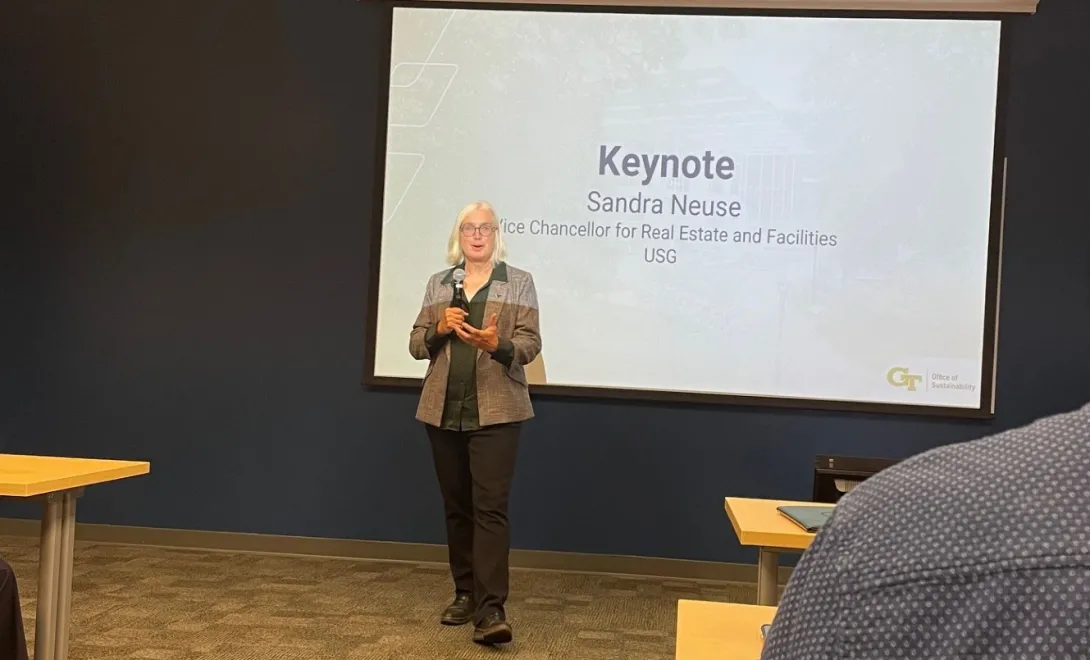
Image of Sandra Neuse, vice chancellor of Real Estate and Facilities, University System of Georgia
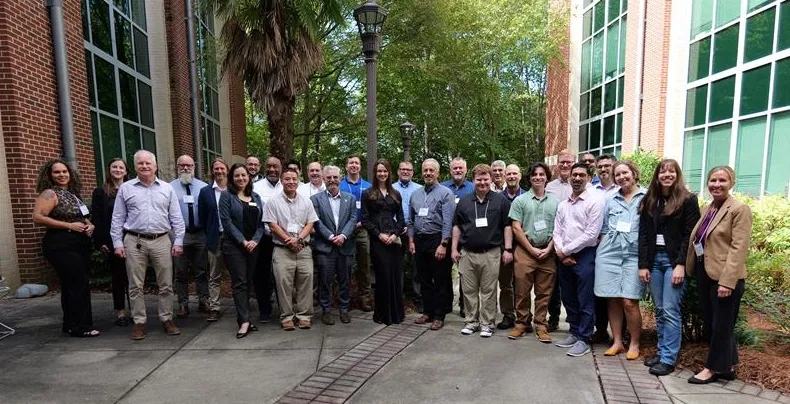
image of participants from the USG Energy Summit held Oct. 1
On Oct. 1, the Office of Sustainability (a department within Infrastructure and Sustainability) led the second meeting of the University System of Georgia (USG) Campus Energy and Resiliency Group (CERG) summit to further the conversation around energy management for campuses statewide. Six Georgia schools participated: Georgia Tech, the University of Georgia, Emory University, Georgia State University, Kennesaw State University, and the University of West Georgia. Staff from the sustainability, utilities, and engineering departments of each of these schools gathered to discuss setting USG energy targets and best practices for reducing energy use, increasing energy efficiency, and establishing shared resources.
USG Vice Chancellor of Real Estate and Facilities Sandra Neuse was the keynote speaker. “I’m thrilled that the Campus Energy and Resiliency Group has come together organically to share their collective expertise in energy efficiency and sustainability,” she said. “Their focus on establishing energy efficiency targets and collaborating with other institutions across the USG will not only avoid costs — it is an investment in the future and a model for our students, who will be the next generation of leaders.”
The call for the development of the summit was inspired by the potential of collaboration throughout the USG, and the acknowledgment that each university has unique expertise, experience, and insight that can aid in energy management strategies for campuses across Georgia.
The key ideas discussed during the summit included:
- Setting statewide USG energy targets.
- Assessing Energy Use intensity, a metric that measures energy use per square foot per year at a building level.
- Developing a framework for best practices within the USG to share strategies for increasing energy efficiency and conservation.
- Developing standards for how utility data is tracked.
Increasing energy management efforts is critical right now as utility rates continue to rise. Jennifer Chirico, associate vice president of Sustainability, presented Georgia Tech’s energy data at the event. “One of the most important aspects of campus sustainability is increasing energy efficiency and setting energy targets to advance progress. We are excited to partner with our peers across USG to share best practices and move this effort forward,” she said.
The Georgia Tech Office of Sustainability plans on continued engagement with other USG campuses across the state, and the next summit is scheduled for Spring 2026 at Kennesaw State University.
News Contact
Tim Sterling
Sustainability Coordinator
Office of Sustainability
Infrastructure and Sustainability
Oct. 17, 2025
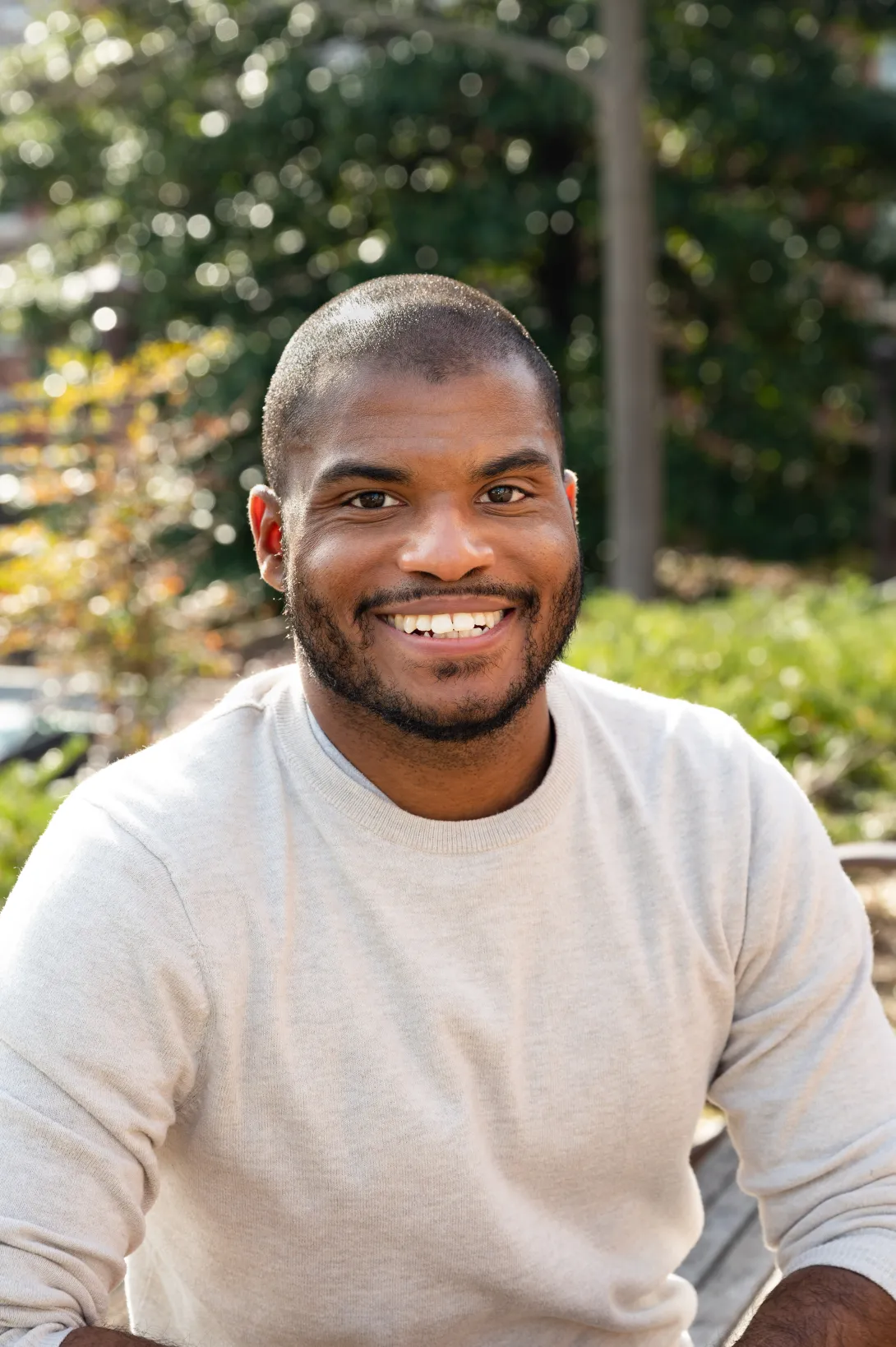
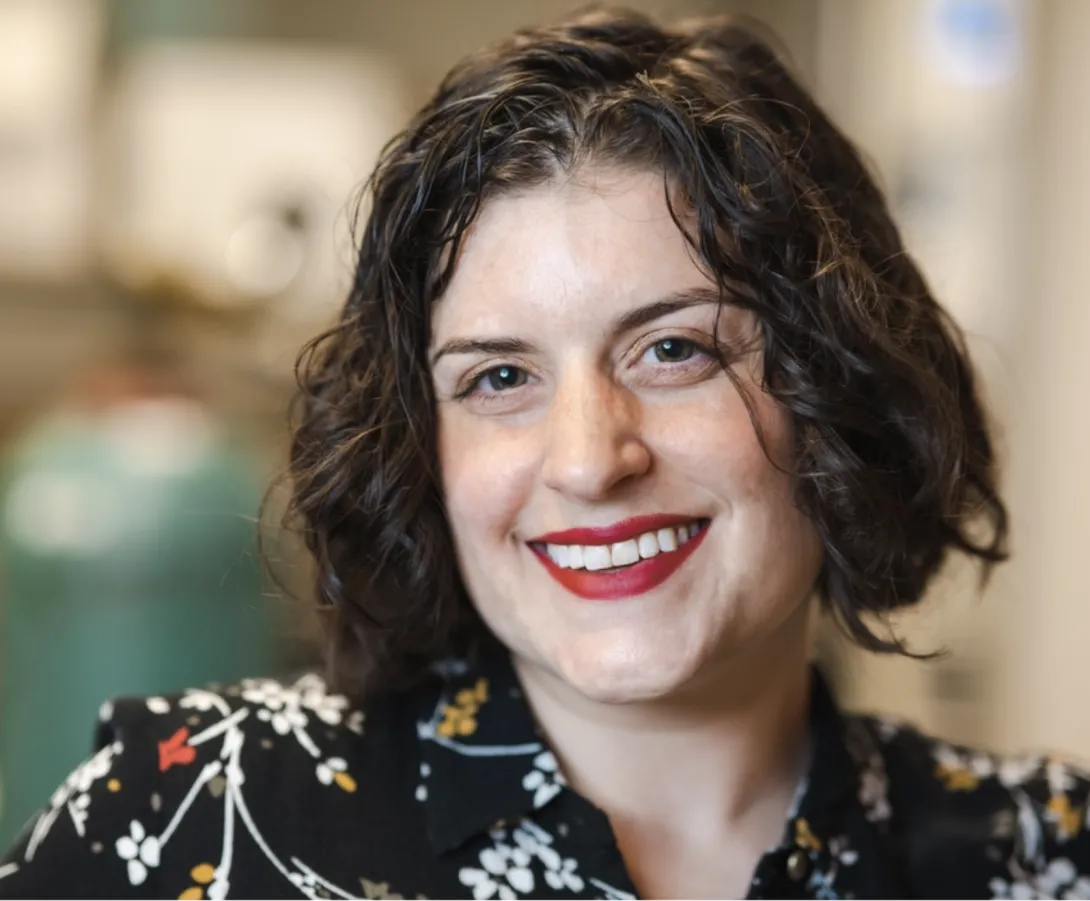
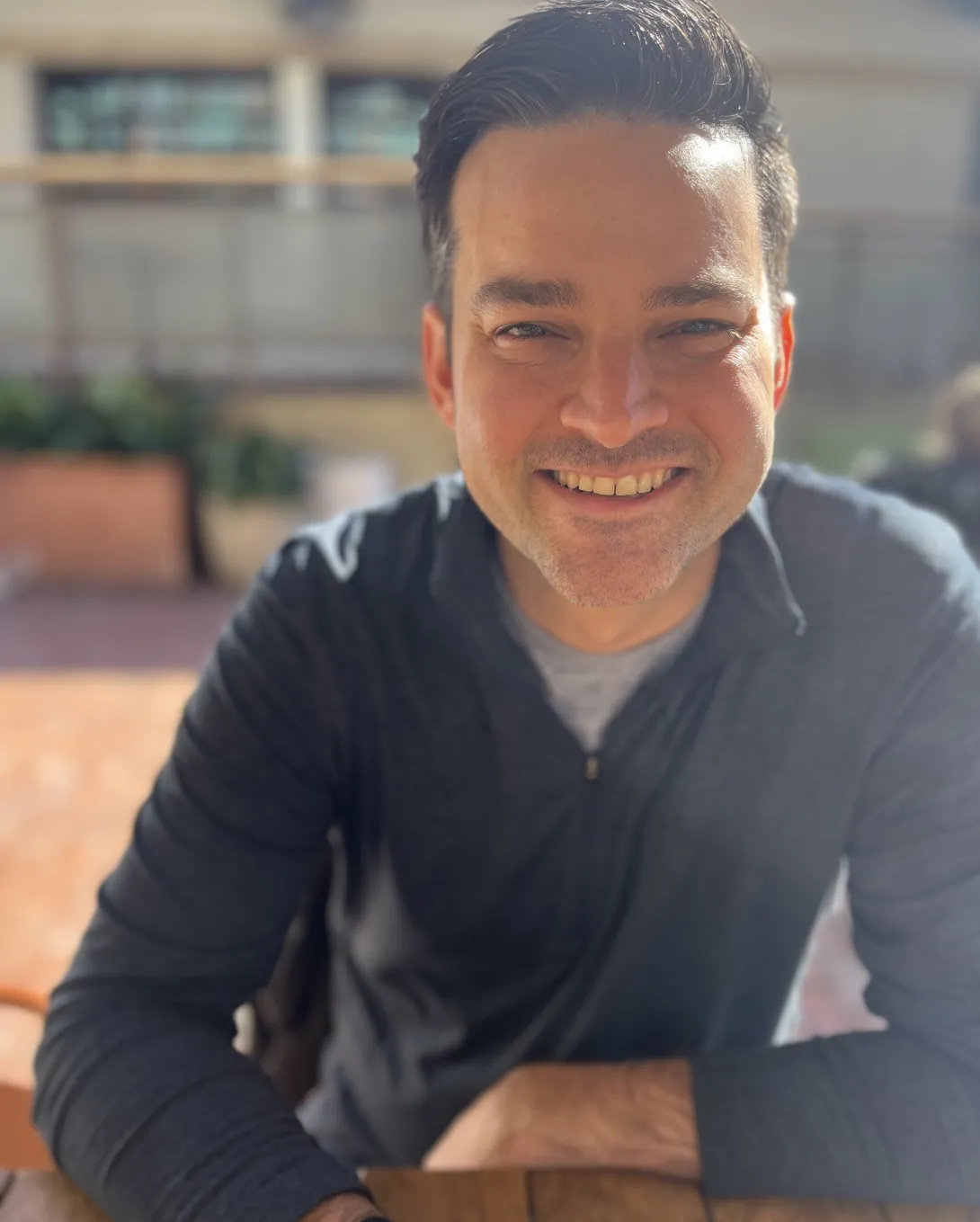

The College of Sciences has named four faculty members — Isaiah Bolden, Jennifer Glass, Alex Robel, and Yuanzhi Tang — from the School of Earth and Atmospheric Sciences (EAS) to newly endowed positions. The awards recognize their leadership in climate, sustainability, and environmental sciences.
“These endowments are allowing stellar early and mid-career faculty to amplify their educational and research activities,” says EAS Chair Jean Lynch-Stieglitz. “We are grateful to reward their achievements and ensure they can continue to contribute at a high level to the ongoing growth of Georgia Tech’s new Environmental Science B.S. program and the School’s research profile in climate and sustainability.”
Jean “Chris” Purvis Early Career Award: Isaiah Bolden
EAS Assistant Professor Isaiah Bolden’s research focuses on providing foundational data needed for climate and sustainability science in vulnerable coastal environments. He and his team in the Chemical Oceanography – Observations and Outreach Lab study chemical fingerprints preserved in coastal waters, corals, and shells to provide early warning indicators and mitigation strategies to preserve biodiversity and ecosystem services.
“I am most excited by the award’s ability to provide the flexible, sustained support necessary to bridge the gap between academic discovery and community impact,” he says. “With this endowment, I can pursue high-risk, high-reward research questions and dedicate resources to long-term, community-based projects. It directly empowers my drive to put science to work as a tool for environmental policymaking and cultural preservation.”
Bolden plans to direct the funds to support marine science curricula for coastal Georgia middle and high school students, paid undergraduate internships, specialized sample analyses, and travel logistics.
New research: Bolden’s group is actively pioneering the use of coastal Georgia oyster shells as novel natural archives of environmental change. Similar to tropical corals, the oyster shells provide high-resolution data on local water quality, pollution, and climate shifts. This work is intended to dovetail with Bolden’s coastal community-based partnerships, including the Ladies and Lads in Lab Coats program, which provides students with STEM exposure and enables them to collect and analyze data that documents their region’s environmental history.
Jean “Chris” Purvis Professorship: Jennifer Glass
EAS Professor Jennifer Glass drives new research at the intersection of environmental microbiology and climate science. The Glass Lab investigates microorganisms that produce and consume greenhouse gases — focusing on the chemical-level mechanisms behind how these gases are created and destroyed — with the ultimate aim of harnessing biological processes to address some of the urgent environmental challenges facing humanity. One major focus of her research is the vast reserves of methane hydrate found beneath the continental margin seafloor, representing the largest natural gas resource on Earth.
“I’m incredibly thankful to the donor and the Institute,” says Glass, who is also the EAS associate chair for Undergraduate Affairs. “This support arrives at a critical time for environmental science and allows me to pursue new opportunities that would otherwise be out of reach.”
She plans to use the funds to attend key conferences, build new collaborations, and support student engagement in upcoming initiatives.
New research: The Glass Lab is exploring environmentally friendly ways to extract and recycle rare earth elements — critical minerals used in batteries and electric vehicles. By studying marine microbes, which are less understood than their soil counterparts, the team aims to develop green biotechnology alternatives to current mining practices.
Jean “Chris” Purvis Early Career Award: Alex Robel
EAS Associate Professor and Rising Tide Director Alex Robel combines physics, applied mathematics, and ocean sciences to understand how climate changes are impacting Earth’s largest ice sheets and glaciers. His research lab, the GT Ice and Climate Group, focuses on developing computational models of ice sheet melt to predict future sea level rise. In partnership with coastal communities, they leverage those predictions to help make city streets more resilient to flooding.
“This award helps me pursue more opportunities to engage closely with community partners, using climate information to make concrete improvements in their infrastructure,” explains Robel.
Specific plans for the funds include enhancing pilot projects in coastal resilience, including the Community Hubs for Optimizing Resilience (CHORUS) initiative. Using building-scale flood models, CHORUS will help communities select potential infrastructure interventions to mitigate future flooding that threatens valued community assets.
New research: Robel is launching a project to use machine learning methods to improve the representation of small-scale processes in ice sheet computational models. These methods will help his group blend an understanding of how ice flows and fractures, based on basic physical principles, with real-world measurements of crevasse formation on ice sheets.
Georgia Power Professorship: Yuanzhi Tang
EAS Professor Yuanzhi Tang is the founding director of the Center for Critical Mineral Solutions and associate director, Strategic Partnerships and Engagement for the Brook Byers Institute for Sustainable Systems. Her research integrates geochemistry, environmental engineering, and sustainability science to advance a circular economy for critical minerals, from resource discovery and recovery to recycling and reuse.
The Tang Research Group investigates the fundamental chemical, geological, and biological processes that control the transformation and mobility of critical elements across natural and engineered environments. Her work directly informs the development of low-impact extraction technologies and sustainable supply chains essential for clean energy transition.
“The Georgia Power Professorship provides support for building partnerships across academia and industry partners to accelerate innovation in critical minerals,” says Tang. “It enables us to link fundamental geochemical and geological science with real-world applications that strengthen both energy security and environmental stewardship.”
Tang plans to use the funds to expand student participation and interdisciplinary collaborations with academic and industry partners — positioning Georgia and the broader Southeast as a leader in sustainable mineral innovation.
New research: Tang’s research team is developing sustainable methods for the extraction and separation of critical minerals from alternative and waste resources. By coupling molecular-scale characterization with rational engineering design, her team aims to transform waste byproducts into valuable sources of critical elements while minimizing environmental impacts.
About the Purvis Endowment
The Jean “Chris” Purvis Endowed Awards are supported by the generosity of the late J. Chris Purvis, M.D. (Applied Biology 1969), a psychiatrist and neurologist who specialized in juvenile and adolescent behavioral psychiatry.
About the Georgia Power Professorship
The Georgia Power Professorship was established through the generosity of Georgia Power, which funds several endowed professorships at Georgia Tech to support faculty in fields like energy, science, sustainability, and engineering.
News Contact
Laura S. Smith, writer
Oct. 15, 2025

Georgia Tech’s Brook Byers Institute for Sustainable Systems (BBISS) is welcoming a new leader to drive its mission of fostering interdisciplinary sustainability research that demonstrates a measurable impact. Kristin Janacek, who brings a wealth of experience in sustainability leadership, consulting, and industry collaboration, has been appointed associate director for Interdisciplinary Research Impact.
“My primary goal is to help drive collaboration and sustainability research on campus as an interdisciplinary grant development professional, seeking out what grants are appropriate for Georgia Tech colleagues to submit proposals for, and helping facilitate interdisciplinary research teams,” says Janacek, who graduated from Tech in 2005 with a master’s degree in aerospace engineering and then spent six years as a research engagement manager for the Daniel Guggenheim School of Aerospace Engineering’s Aerospace Systems Design Laboratory.
In this newly created BBISS role, Janacek is eager to amplify the Institute’s interdisciplinary research portfolio and foster stronger relationships between Georgia Tech and its partners. Her primary focus is on interdisciplinary grant development to support innovative research, and secondarily, she will serve as research engagement manager, coordinating collaborative research opportunities with industry partners.
Before joining BBISS, Janacek was the North American sustainability lead at Avanade, a joint venture between Accenture and Microsoft, where she helped clients use data for impact-driven sustainability initiatives. Her career also included significant stints at GE, where she led sponsorships for energy-focused student competitions and volunteered with campus initiatives like the Georgia Tech Energy Camp. Janacek also co-founded a consulting firm with former GE colleagues and has worked closely with a range of partners to foster industry engagement. Her track record in marketing, sales, and business development will position her to build teams that can secure funding and deliver measurable results.
“I'm really excited about establishing a way to quantify the outcomes of BBISS’s efforts,” she says. “By tracking how many grants we've identified, applied for, and secured — and by assessing how the resulting research is driving tangible improvements in our community — we can clearly demonstrate the value and effectiveness of our work.”
She also plans to help community and industry partners become more engaged with BBISS’ work, leveraging her broad industry network to secure additional resources — whether that’s through volunteering, technical support, or real-world impact for community-based organizations.
“Corporate and industry organizations are always looking for a way to better their world around them, and they have mechanisms to help employees volunteer their time and knowledge,” she says.
Calling All Innovative Collaborators
Janacek welcomes engagement from faculty, researchers, and students who are passionate about making an impact — particularly those open to interdisciplinary collaboration. “I look forward to having an open dialogue about how we can combine disciplines to have a broader impact,” she says, adding that her ideal Georgia Tech partners are collaborative, open-minded, and forward-thinking in how they seek to advance their research.
Inspired by BBISS’ recent grant-writing workshop, Janacek says, “I have a lot of ideas about how we can reach out to small businesses, community nonprofits, and industry partners.”
“Kristin’s combination of strategic skills, teamwork, and holistic vision signals a new chapter of meaningful impact at BBISS — one poised to benefit not only Georgia Tech, but also the wider communities the Institute serves,” says Ameet Pinto, BBISS’ associate director of Interdisciplinary Research and Collaboration and Carlton S. Wilder Associate Professor in the School of Civil and Environmental Engineering.
Beyond the Office: Endurance, Wellness, Balance
Outside of work, Janacek is a seasoned triathlon competitor, certified triathlon coach, and avid tennis player. The mom of two sees physical and mental well-being as essential, just as achieving broader sustainability goals within communities and organizations depends on a balance between environmental, social, and economic factors.
— written by Anne Wainscott-Sargent
News Contact
Brent Verrill, Research Communications Program Manager, BBISS
Oct. 10, 2025

The high impact between the metal balls in a ball mill reactor and the polymer surface is sufficient to momentarily liquefy the polymer and facilitate chemical reactions.
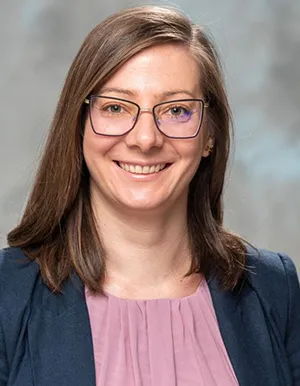
Kinga Gołąbek
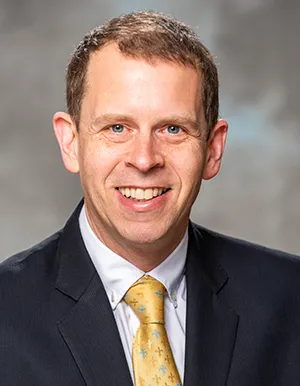
Prof. Carsten Sievers
While plastics help enable modern standards of living, their accumulation in landfills and the overall environment continues to grow as a global concern.
Polyethylene terephthalate (PET) is one of the world’s most widely used plastics, with tens of millions of tons produced annually in the production of bottles, food packaging, and clothing fibers. The durability that makes PET so useful also means that it is more difficult to recycle efficiently.
Now, researchers have developed a method to break down PET using mechanical forces instead of heat or harsh chemicals. Published in the journal Chem, their findings demonstrate how a “mechanochemical” method — chemical reactions driven by mechanical forces such as collisions — can rapidly convert PET back into its basic building blocks, opening a path toward faster, cleaner recycling.
Led by postdoctoral researcher Kinga Gołąbek and Professor Carsten Sievers of Georgia Tech’s School of Chemical and Biomolecular Engineering, the research team hit solid pieces of PET with metal balls with the same force they would experience in a machine called a ball mill. This can make the PET react with other solid chemicals such as sodium hydroxide (NaOH), generating enough energy to break the plastic’s chemical bonds at room temperature, without the need for hazardous solvents.
“We’re showing that mechanical impacts can help decompose plastics into their original molecules in a controllable and efficient way,” Sievers said. “This could transform the recycling of plastics into a more sustainable process.”
Mapping the Impact
In demonstrating the process, the researchers used controlled single-impact experiments along with advanced computer simulations to map how energy from collisions distributes across the plastic and triggers chemical and structural transformations.
These experiments showed changes in structure and chemistry of PET in tiny zones that experience different pressures and heat. By mapping these transformations, the team gained new insights into how mechanical energy can trigger rapid, efficient chemical reactions.
“This understanding could help engineers design industrial-scale recycling systems that are faster, cleaner, and more energy-efficient,” Gołąbek said.
Breaking Down Plastic
Each collision created a tiny crater, with the center absorbing the most energy. In this zone, the plastic stretched, cracked, and even softened slightly, creating ideal conditions for chemical reactions with sodium hydroxide.
High-resolution imaging and spectroscopy revealed that the normally ordered polymer chains became disordered in the crater center, while some chains broke into smaller fragments, increasing the surface area exposed to the reactant. Even without sodium hydroxide, mechanical impact alone caused minor chain breaking, showing that mechanical force itself can trigger chemical change.
The study also showed the importance of the amount of energy delivered by each impact. Low-energy collisions only slightly disturb PET, but stronger impacts cause cracks and plastic deformation, exposing new surfaces that can react with sodium hydroxide for rapid chemical breakdown.
“Understanding this energy threshold allows engineers to optimize mechanochemical recycling, maximizing efficiency while minimizing unnecessary energy use,” Sievers explained.
Closing the Loop on Plastic Waste
These findings point toward a future where plastics can be fully recycled back into their original building blocks, rather than being downcycled or discarded. By harnessing mechanical energy instead of heat or harsh chemicals, recycling could become faster, cleaner, and more energy-efficient.
“This approach could help close the loop on plastic waste,” Sievers said. “We could imagine recycling systems where everyday plastics are processed mechanochemically, giving waste new life repeatedly and reducing environmental impact.”
The team now plans to test real-world waste streams and explore whether similar methods can work for other difficult-to-recycle plastics, bringing mechanochemical recycling closer to industrial use.
“With millions of tons of PET produced every year, improving recycling efficiency could significantly reduce plastic pollution and help protect ecosystems worldwide,” Gołąbek said.
CITATION: Kinga Gołąbek, Yuchen Chang, Lauren R. Mellinger, Mariana V. Rodrigues, Cauê de Souza Coutinho Nogueira, Fabio B. Passos, Yutao Xing, Aline Ribeiro Passos, Mohammed H. Saffarini, Austin B. Isner, David S. Sholl, Carsten Sievers, “Spatially-resolved reaction environments in mechanochemical upcycling of polymers,” Chem, 2025.
News Contact
Brad Dixon, braddixon@gatech.edu