
Mar. 25, 2026
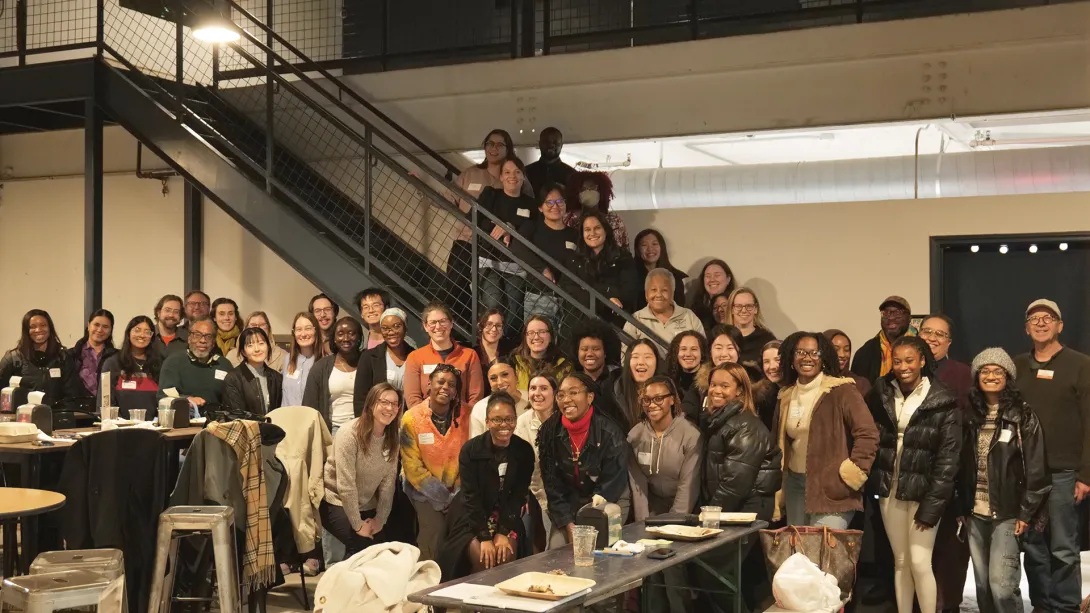
The Atlanta Community-Engaged Research Student Network launched this semester. The program is co-led by Nicole Kennard, assistant director for Community-Engaged Research with the Brook Byers Institute for Sustainable Systems (BBISS), along with Associate Professor Richard Milligan and Associate Professor Sarah Ledford from Georgia State University, Associate Professor Emily Burchfield and Associate Teaching Professor Carolyn Keogh from Emory University, and Iesha Baldwin from Spelman College. The program also partners with several community-based organizations to co-develop strategic direction and provide training. They are Science for Georgia, Historic Westside Gardens, HBCU Green Fund, South River Watershed Alliance, and Food Well Alliance.
The primary aim of the Atlanta Student Community-Engaged Research (CER) Network is to use a peer learning approach to train graduate students with the skills to co-lead community-engaged and locally focused research, while at the same time building relationships with local community organizations. This approach will help address local sustainability and societal challenges, lay the foundation for community-engaged research programs, and enable young researchers interested in this work to thrive in the Atlanta area. Initial funding for the pilot program was provided by the Atlanta Global Studies Center and the Georgia Tech Provost's Excellence in Graduate Studies fund.
The program received a total of 41 applications from graduate students from Georgia Tech, Georgia State University, and Emory University. Thirty-five master’s and Ph.D. students were accepted into the cohort, spanning a wide range of disciplines, from the humanities, sciences, design, public health, engineering, and computing. The program has additionally engaged eight senior-level undergraduates from Spelman College to learn about graduate school tracks with community-engaged research opportunities.
This program provides a unique opportunity to learn engagement and leadership skills not typically taught in graduate programs. Students are attending one training a month over the course of the Spring 2026 semester. Here, they learn about the diversity of sustainability-focused, community-based organizations in the area, develop skills to engage meaningfully with community partners in research projects, and improve the ways they communicate to the public about research.
The Georgia Tech Provost's Excellence in Graduate Studies fund will provide a $2,500 stipend to five Georgia Tech students who will work on a research project with a community partner organization. These projects will take place over the spring and summer semesters this year, providing opportunities for graduate students to apply their newly acquired community-engagement skills to on-the-ground research, while also opening a new pathway for Georgia Tech’s engagement with community partners.
Fellows and projects include:
- Irene Jacob, M.S., city and regional planning, will work with the Food Well Alliance to update the implementation strategy for their 10-year community garden survey.
- Ethan Zhao, M.S., human-computer interaction, will work with Historic Westside Gardens to integrate new technologies into their community garden spaces and assess the benefits to the communities they serve.
- Virginia Cason, M.S., sustainable energy and environmental management, will work with Science for Georgia to translate data gathering and analysis into community-centered narratives.
- Sharon Rachel, Ph.D., history and sociology of technology and science, will work with the HBCU Green Fund to examine the environmental and community impacts of data center projects in Atlanta.
- Ella Neumann, Ph.D., interactive computing, will work with the South River Watershed Alliance to document and communicate the history and impact of the City of Atlanta's combined sewer consent decree, and assess if the intended results of the decree have been met.
Applicants expressed their passion for community-engaged research projects and working directly with local community members and organizations:
“Lived experience is just as valuable as academic expertise, and meaningful change only occurs when both work together. I think that this takes approaching problems with a lot of humility, care, and a genuine desire to listen to communities and their needs.” -Virginia Cason, M.S., sustainable energy and environmental management
“I want to do research that stems from a theoretical question, but is feasible in reality and benefits the community. One of the most efficient ways to achieve this goal is through doing research WITH the community.” -Keke Li, M.S., analytics
“Community-engaged research is not only a methodology, but a commitment to partnership, humility, and shared power.” -Grace Fraser, M.S., city and regional planning
“To me, community-engaged research means working with people, not just for them. CER is not only a method but also a mindset. True impact comes when research and community experience grow together.” -Bingjie Lu, Ph.D., civil engineering
The community partners involved in the program are equally enthusiastic about community-engaged research. As Fred Conrad of Food Well Alliance put it, “Food Well has been intentional about engaging our constituents since we began, and this is not only a continuation of that effort, but a significant refinement of how we accomplish that. I think all of us have deepened our understanding of the CER process since we began this journey.”
News Contact
Brent Verrill, Research Communications Program Manager, BBISS
Mar. 06, 2026
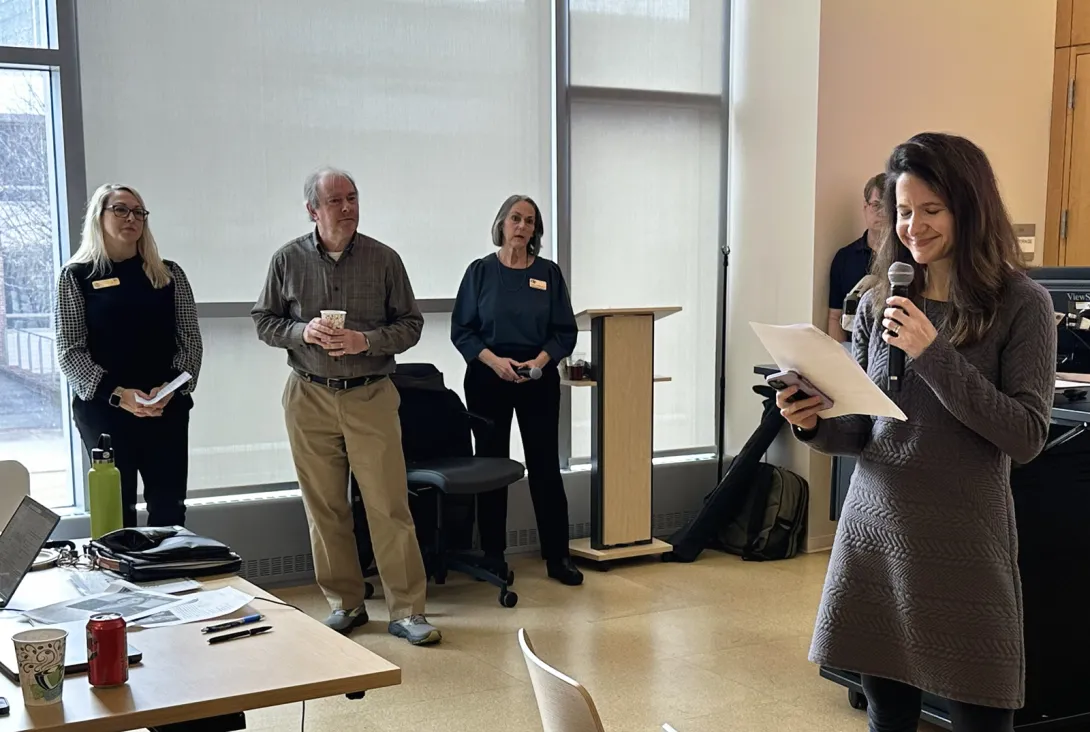
Ruthie Yow introduces (L to R) Christie Stewart, Matthew Realff, and Rebecca Watts Hull at the 2026 Sustainability Showcase.
People engaged in purpose-driven work can get worn down. At Georgia Tech’s 2026 Sustainability Showcase, three faculty leaders urged attendees to stop trying to do everything and instead focus on the convergence where their strengths, satisfaction, and the most urgent climate needs intersect.
That idea anchored “Finding Joy and Building Resilience in Climate Action,” an interactive session on day two of the showcase, hosted Feb. 9 – 10 by the Brook Byers Institute for Sustainable Systems (BBISS). Each spring, the event brings together Georgia Tech researchers, students, staff, and partners to share their work with the sustainability community. This session turned the spotlight inward, asking how people doing sustainability work can sustain themselves over the long haul. Facilitated by Rebecca Watts Hull, the session drew on an April 2022 TED Talk by marine biologist and policy expert Ayana Elizabeth Johnson, who lays out a practical way to “lean into your superpowers” for being effective in purpose-driven work.
Watts Hull, assistant director of Faculty Development for Sustainability Education Initiatives in Georgia Tech’s Center for Teaching and Learning, opened the discussion by explaining why she proposed the session. Many showcase events, she noted, focused on social, community, and ecological resilience. This one examined individual capacity — how people stay engaged in work that can feel frustrating, slow-moving, and emotionally draining.
Johnson’s TED Talk framed the problem, describing the climate challenge as “gargantuan,” spanning energy, transportation, agriculture, buildings, industry, ecosystems, and culture. Rather than dwelling on dire projections, she urges people to pivot to solutions and to contribute not just as generic volunteers, but by using their particular talents.
Her tool is a Venn diagram that asks three questions:
- What are you good at — your skills, expertise, resources, and networks?
- What work needs doing — high-impact sustainability solutions, especially at the systems level?
- What brings you joy or satisfaction — work that energizes rather than depletes you?
Johnson warns against choosing work that leads to burnout and against merely validating what one is already doing, pushing instead for a fresh look at where each person can have the greatest impact. She also emphasizes implementation and argues for a “leaderful” movement in which many people step into leadership in different ways.
Matthew Realff, professor and David I.J. Wang Faculty Fellow in the School of Chemical and Biomolecular Engineering, connected Johnson’s framework to resilience and his 33 years at Georgia Tech. He traced the word “resilience” back to its Latin root, meaning “to bounce back,” and defined it as the ability to absorb shocks and return to an original or improved state.
For Realff, that ability depends heavily on relationships. “I think of personal resiliency as coming from the networks of people I interact with — the social bonds that stretch and are strained,” he said, and “help me bring myself back to my center when I'm finding that life is difficult with respect to things like sustainability.”
He then walked through his own Venn diagram across teaching, research, and service. In teaching, he uses senior design courses to give engineering students real-world sustainability problems, from hydrogen liquefaction to biofuels and biochemicals. “Watching students grapple with those challenges brings me joy,” he said.
In research, he focuses on carbon capture, including capturing CO₂ from flue gases and from the air. In service, he has stepped into roles he didn’t initially seek, such as board chair of GreenBlue, the nonprofit behind the “How2Recycle” label found on consumer packaging, and chair of standards committees that shape the environmental profile of electronics purchased by major institutions. Those roles, he acknowledged, pulled him out of his comfort zone but delivered tangible, systems-level impact.
Christie Stewart, senior academic professional in the School of Biological Sciences, added a perspective grounded in well-being and resilience education. She oversees Georgia Tech’s undergraduate wellness requirement and teaches a class called Flourishing: Strategies for Well-Being and Resilience. For years, her students designed wellness and sustainability projects, but rarely had time to carry them out within a semester.
That frustration pushed her toward community-based service learning, linking personal wellness to broader community resilience. Stewart highlighted three strengths she brings to her own Venn diagram: using well-being frameworks; taking a strengths-based approach that helps students identify what they do best; and creating psychologically safe environments where students can discuss values, disagreements, and the emotional strain of large-scale problems like climate change.
For her, the work that needs doing includes building capacity for community partners and helping students recognize that they must protect their own mental and physical health if they want to stay in the work. Her greatest satisfaction comes from seeing students discover a sense of purpose and begin to imagine themselves as future leaders who can “change culture and advocate” for sustainability.
Watts Hull described how Johnson’s Venn diagram helped her reconcile what she wasn’t doing with what she could do best. A sociologist by training who studies social movements and change, she supports the integration of sustainability across the curriculum and teaches one course each year. In her personal life, she attends climate demonstrations, but as an introvert who dislikes large crowds, she rarely stays long and feels guilty about not doing more public-facing activism.
Completing the diagram, she said, gave her permission to focus on teaching and movement-building — her core strengths and sources of joy. She recently led a four-week climate action course at her church and used Johnson’s Venn diagram as an exercise.
Watts Hull closed the session by asking participants to sketch their own diagrams, reflect quietly for several minutes, and then share with others at their tables — a step toward aligning Georgia Tech’s diverse sustainability community around the personal “superpowers” that can sustain climate action over a lifetime.
“This is an opportunity to get away from what I call self-immersion,” said audience member Jay Bassett, a 1985 Georgia Tech graduate and retired EPA Opportunity Zone and Smart Sector Advisor. “We have a tendency to get so isolated in what we do,” and “this offers an opportunity to think beyond that and get past those boundaries and see opportunities that we don’t see before because we’re so self-immersed. That’s an actual skill that we all ought to learn — to see the bigger picture because it may be the best part of the path forward.”
News Contact
Brent Verrill, Research Communications Program Manager, BBISS
Feb. 24, 2026
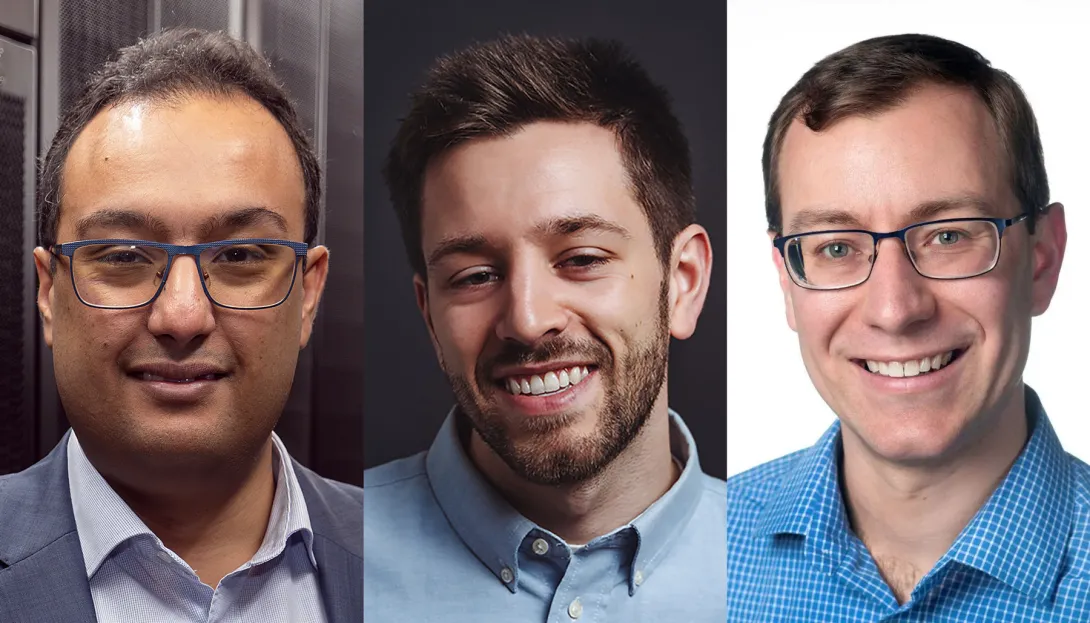
Written by: Anne Wainscott-Sargent
As artificial intelligence (AI) drives explosive growth in data centers, communities across the U.S. are facing rising electricity costs, new industrial development, and mounting strain on an aging power grid.
At Georgia Tech, several faculty members are approaching these sustainability challenges from different but complementary angles: examining how data center policy affects local communities, modeling how AI-driven demand reshapes regional energy systems, and building tools that help the public understand the tradeoffs embedded in grid planning. Together, their work highlights how better data, thoughtful policy, and public engagement can guide more resilient and equitable decisions in an AI-powered future.
AI’s Hidden Footprint: How Data Centers Reshape Communities
Ahmed Saeed studies the infrastructure most people never see. An assistant professor in the School of Computer Science and a Brook Byers Institute for Sustainable Systems (BBISS) Faculty Fellow, Saeed focuses on how data centers — the backbone of modern AI — are built, operated, and regulated, and what their growth means for host communities.
“Data centers are the infrastructure for our digital life, so more of them are necessary to keep doing what we’re doing,” he said.
Data center energy consumption could double or triple by 2028, accounting for up to 12% of U.S. electricity use, according to a report by Lawrence Berkeley National Laboratory. U.S. spending on data center construction jumped nearly 70% between May 2023 and May 2024, according to the American Edge Project.
Georgia is an AI data center hub, ranked fourth globally, with $4.6 billion in AI-related venture capital invested across 368 deals, the American Edge Project reported. At a recent town hall in DeKalb County, Georgia, Saeed helped residents connect AI’s promise to its local consequences. Training large AI models can require tens of thousands of graphics processing units (GPUs) running for days or weeks, driving an unprecedented wave of data center construction. AI-focused chips, he noted, can consume 10 to 14 times more power than traditional processors.
That demand often shows up as pressure on local infrastructure. Communities are increasingly concerned about electricity and water use, grid upgrades, and who ultimately pays. In Virginia, Saeed pointed to a legal dispute in which consumer advocates warned that data centers could raise electricity bills by 5% in the short term and up to 50% over time, while utilities argued those investments were inevitable and could benefit customers in the long run.
Environmental concerns add another layer. Saeed cited controversies over water use and backup diesel generators in states, including Georgia and Tennessee, alongside a recent Environmental Protection Agency (EPA) ruling that tightened generator regulations. While diesel generators are clearly harmful, he cautioned that long-term, rigorous evidence linking data centers to regional health impacts remains limited.
Saeed’s research aims to reduce those impacts directly. By optimizing how workloads are scheduled across large server fleets, his team has demonstrated power savings of 4 – 12%, a meaningful gain if U.S. data centers approach projected levels of up to 12% of national electricity use by 2028.
For Saeed, data centers are akin to highways: essential to modern life, disruptive to nearby communities, and shaped by policy choices. The question, he argues, is not whether AI infrastructure should exist, but how transparently and fairly it is built.
Economist Probes the Energy Costs of the AI Boom
While headlines often frame AI as an energy crisis, Georgia Tech environmental and energy economist and BBISS Faculty Fellow Tony Harding is focused on measuring its real — and uneven — impacts. Harding, an assistant professor in the Jimmy and Rosalynn Carter School of Public Policy, uses economic modeling to examine how AI adoption affects energy use, emissions, and local communities.
In recent work published in Environmental Research Letters, Harding and his co-author analyzed how productivity gains from AI could influence national energy demand. Their findings suggest that, at a macro level, AI-related activity may increase annual U.S. energy use by about 0.03% and CO₂ emissions by roughly 0.02%.
“Those numbers are small in the context of the overall economy,” Harding said. “But the impacts are highly uneven.”
That unevenness is evident in where data centers are built. While Northern Virginia remains the country’s top data center hub, with 343 operational data centers, states like Georgia, which currently has 94 operational data centers, are rapidly attracting facilities due to reliable power and favorable tax policies.
Harding’s latest research focuses on local effects, asking why data centers cluster in urban areas, how they influence housing markets, what happens to electricity prices, and whether they exacerbate water stress. Early evidence suggests large facilities can increase local electricity rates, contributing to public backlash and regulatory response. In Georgia, the Public Service Commission has begun requiring new, high power draw customers (like data centers) to cover more of the costs associated with grid expansion.
Harding’s goal is to give policymakers better evidence to design incentives and guardrails. “To manage these technologies responsibly,” he said, “we need a clear picture of their intended and unintended consequences.”
Gamifying a Strained and Aging Power Grid
Daniel Molzahn is tackling another side of the problem: how to modernize an aging power grid under growing demand. Electricity demand is expected to rise about 25% by 2030, driven by data centers, electric vehicles, and broadscale electrification. At the same time, much of the U.S. electricity grid is nearing the end of its lifespan, with many transformers being decades old.
To make these challenges tangible, Molzahn, an associate professor in the School of Electrical and Computer Engineering, developed a browser-based game with a group of students through Georgia Tech’s Vertically Integrated Projects program called Current Crisis. Players take on the role of a utility decision-maker, balancing reliability, wildfire risk, renewable integration, and affordability.
The game grew out of Molzahn’s National Science Foundation CAREER award and reflects his belief that complex systems are best understood experientially. Its initial focus is wildfire resilience, modeling how grid infrastructure can both spark and suffer damage from fires.
But resilience comes at a cost. Burying power lines, for example, reduces wildfire risk but dramatically increases expenses. Players must confront the same tradeoffs utilities face: improve reliability or keep rates low.
Molzahn hopes the game will help students and the public grapple with the realities of planning future power systems. “These choices aren’t abstract,” he said. “They shape affordability, resilience, and our path toward a cleaner grid.”
The project now involves nearly 40 students from across campus, supported by Sustainability NEXT funding and a collaboration with Jessica Roberts, former BBISS Faculty Fellow and director of the Technology-Integrated Learning Environments (TILES) Lab in the School of Interactive Computing.
“As a learning scientist, I look at how to engage people with science and scientific data and get people having conversations they might not otherwise have,” says Roberts, who hopes the seed grant helps the team determine first that they are going in the right direction and, second, how to broaden the impact.
One student, Stella Quinto Lima, a graduate research assistant in Human-Centered Computing, has made the game the focus of her doctoral thesis. Through the game, she wants players to notice their misconceptions about the power grid, energy use, and AI, and to use critical thinking to identify, question, and possibly undo those misconceptions.
“I hope that we can really engage adults and help them see it’s not black and white. The game is not only about power grids, but how AI affects the grid, how it affects our lives, and how it will impact our future.”
The team plans to expand the game’s features, use it in outreach programs, and analyze player decisions as a source of data to study energy-system decision-making.
“We want to change the conversation about power and power grid stability, reliability, and sustainability, Roberts said, “and find a way to get this message to a larger public.”
News Contact
Brent Verrill, Research Communications Program Manager, BBISS
Feb. 18, 2026
Written by: Shweta Ram and Seungho Lee
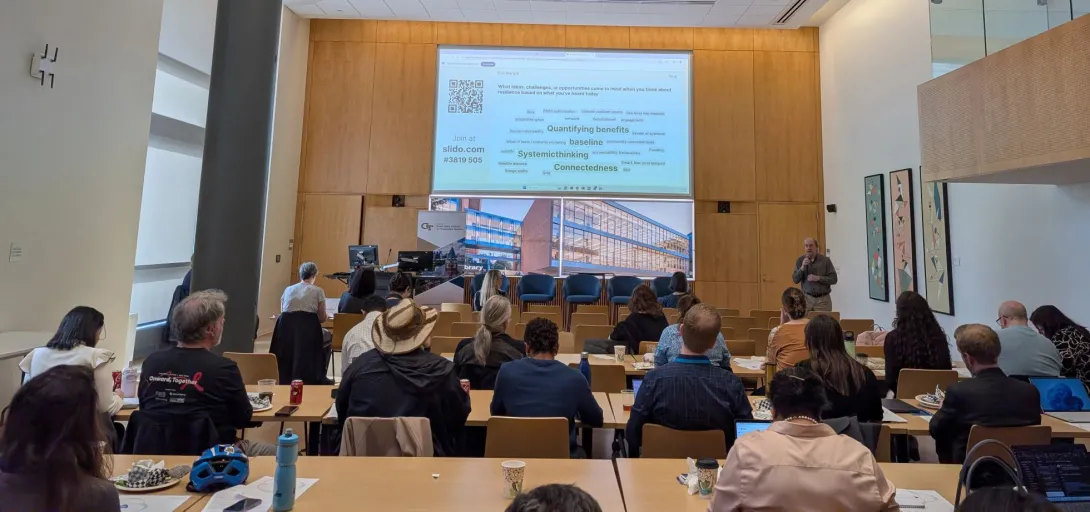
What does it mean to design systems that endure even after major disruptions? This question framed the 2026 Brook Byers Institute for Sustainable Systems (BBISS) Sustainability Showcase, where conversations over two days spanned the Georgia coast, wildfire modeling, AI data centers, infrastructure, community engagement, and the joy of working for a more sustainable and resilient world. Across disciplines and scales, a unifying theme emerged: resilience is not a single solution. It is a systems-level challenge requiring integration across science and technology, policy, communities, and human experience.
From Coastlines to Communities
The showcase opened with a keynote from President Emeritus G. Wayne Clough on wildlife management and resiliency along Georgia’s coast. The conversation that followed between Clough and BBISS Executive Director Beril Toktay highlighted the interconnection between public policy, wilderness conservation, community leadership, and scientific research. The session highlighted not only the urgency of protecting fragile ecosystems, but also that resilience works best when it is community-focused and community-driven.
Subsequent panels continued this systemic perspective. Sessions on community engagement, biotechnology-derived, climate-resilient plants, the flood resilience of Georgia coastal communities, wildfire prediction and prevention, and infrastructure resilience analytics all emphasized that resilience depends on the synthesis of many disciplines.
Across sessions, researchers emphasized that infrastructure resilience must include governance frameworks informed by good science, community engagement based on trust, and sustained collaboration that seeks to constantly improve the science, policy, and stakeholder relationships. The researchers demonstrated that they understand their role to be greater than merely modeling risk, but as collaborators who translate research into practical solutions that communities can adopt, maintain, and trust.
AI Data Centers: A New Resilience Frontier
Day two shifted attention to data centers, which are emerging as a critical resilience frontier. As artificial intelligence systems scale rapidly, so does the infrastructure that powers them, as well as the growing realization that digital systems are physical systems. Conversations examined the feedback loops that play a significant role in determining environmental impacts, such as chip architecture, AI workloads, data center sustainability, appropriate AI usage, and who makes the decisions on data center infrastructure development.
One of the most fascinating sessions came from Alexandria Smith, assistant professor in the School of Music at Georgia Tech. She presented an artistic yet algorithmic composition that sonified data from AI data centers. Through translating kilowatt-hour usage and interconnection data into immersive soundscapes, she reframed data centers not as static input-output machines, but as adaptive, living systems. Drawing inspiration from Physarum polycephalum, a slime mold without a brain or nervous system known for its innate problem-solving abilities, she invites the listener to imagine infrastructure that senses, adapts, and self-optimizes.
Campus as a Living Laboratory
In her session, Professor Jennifer Chirico, associate vice president of Sustainability, highlighted Georgia Tech’s 2024 Climate Action Plan, focusing on building energy efficiency, renewable integration, materials management, and mobility transitions. The plan frames the Georgia Tech campus as a test bed for resilience strategies — an ecosystem where research, operations, and policy intersect. Chirico highlighted several examples where the alignment between research and implementation was essential in moving projects from modeling to pilot projects to sustained institutional change.
Finding Joy in Climate Action
Rebecca Watts Hull, Matthew Realff, and Christie Stewart led an interactive discussion inspired by Ayana Elizabeth Johnson’s framework for accelerating long-term climate action. Participants were asked three simple questions: What are you good at? What work needs doing? What brings you joy? Sustainability and climate research are fields often defined by serious urgency, crisis narratives, and burnout. This session offered a personal framework for resilience where emotional sustainability, professional fulfillment, and joy matter just as much as the motivation to drive a mission ever forward.
Building a Shared Vision
The Sustainability Showcase concluded with a facilitated visioning session led by Kristin Janacek, associate director for Interdisciplinary Research Impact, and Beril Toktay. In small groups, leaders, researchers, and community members worked to define what resilience looks like for them.
After the conversations, several themes emerged:
- Resilience must move from research to practical and community-based solutions to sustained action.
- Networks create opportunity but require long-term stewardship to endure.
- Choosing the right metrics to measure resilience will galvanize efforts to strengthen it.
- Community capacity is at least as important as built infrastructure.
Over two days, it became clear that Georgia Tech is not approaching resilience as a narrow technical problem. It is approaching it as a systems challenge — one that spans coastlines, campuses, disciplines, data centers, the Appalachian Mountains, data models, the arts, and human relationships. Designing systems that endure requires more than innovation. It requires collaboration, stewardship, and a shared commitment to long-term impact. The conversations launched at this year’s BBISS Sustainability Showcase laid the foundation for continued coordination and ambitious action in the months ahead.
News Contact
Brent Verrill, Research Communications Program Manager, BBISS
Feb. 13, 2026
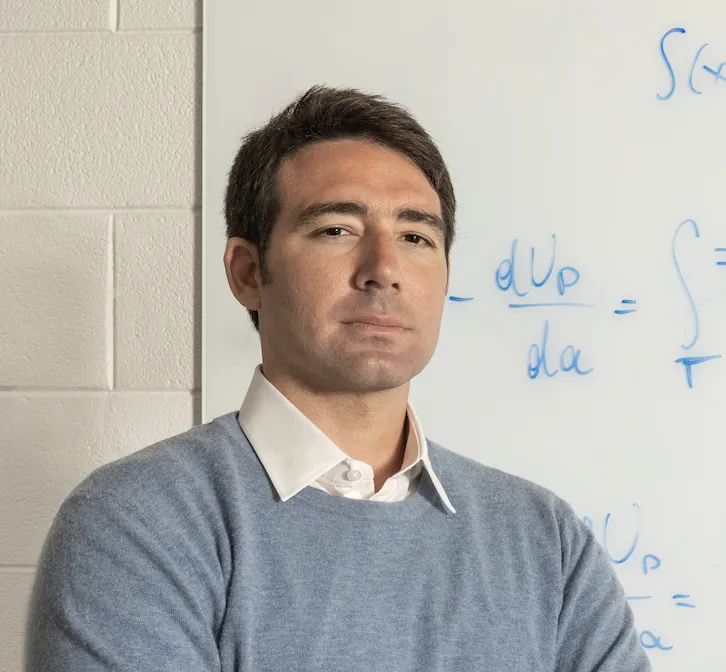
Christos Athanasiou, assistant professor in the Daniel Guggenheim School of Aerospace Engineering, has been selected to receive the 2025 Eshelby Mechanics Award for Young Faculty. Presented annually by the American Society of Mechanical Engineers (ASME), the award recognizes rapidly emerging junior faculty who exemplify originality, depth, and impact in the development and application of mechanics.
The Eshelby Mechanics Award was established in 2012 in memory of Professor John Douglas Eshelby to promote the field of mechanics, among young researchers. The award will be formally presented at the 2026 Applied Mechanics Division Awards Banquet during the ASME International Mechanical Engineering Congress and Exposition in November.
Athanasiou and his team advance the fundamental mechanics and physics of materials and translates these insights into systems-level design strategies that address global challenges in resource efficiency and sustainable development. His research integrates advanced experimental methods capable of capturing material behavior under realistic operational conditions, mechanics-based design principles, and tailored AI- and physics-informed modeling frameworks.
Together, these efforts enable the development of life-cycle-efficient, cost-effective materials and structures for applications ranging from sustainable packaging to aerospace systems and space construction. His recent work published in Proceedings of the National Academy of Sciences (PNAS) introduced a bioinspired framework to improve plastic recycling while addressing a foundational mechanics question: how can we build reliable structures from inherently variable materials?
Athanasiou is also the recipient of the 2024 NSF CAREER Award and the ASME Orr Early Career Award, and is a Climate Tech Fellow at the New York Climate Exchange.
News Contact
Monique Waddell
Nov. 26, 2025

Chelsea Ekwegh, a fourth-year mechanical engineering student in the George W. Woodruff School of Mechanical Engineering, has made it her mission to reshape how cities think about energy. After being selected for the 2025 Millennium Fellowship, a prestigious leadership development program that supports student-led projects advancing the United Nations Sustainable Development Goals, she is tackling the challenge of helping cities transition toward clean, efficient, and equitable energy systems.
The fellowship, a joint initiative of the United Nations Academic Impact and the Millennium Campus Network, empowers undergraduates around the world to design and lead social impact projects.
Ekwegh’s project, titled Bridging Energy Infrastructure for Sustainable Urban Development, explores ways to connect new and old technologies so cities can evolve without leaving people or infrastructure behind.
Her inspiration for the project comes from her experience growing up in Nigeria, where power outages and generator pollution were a daily challenge.
Jan. 12, 2026
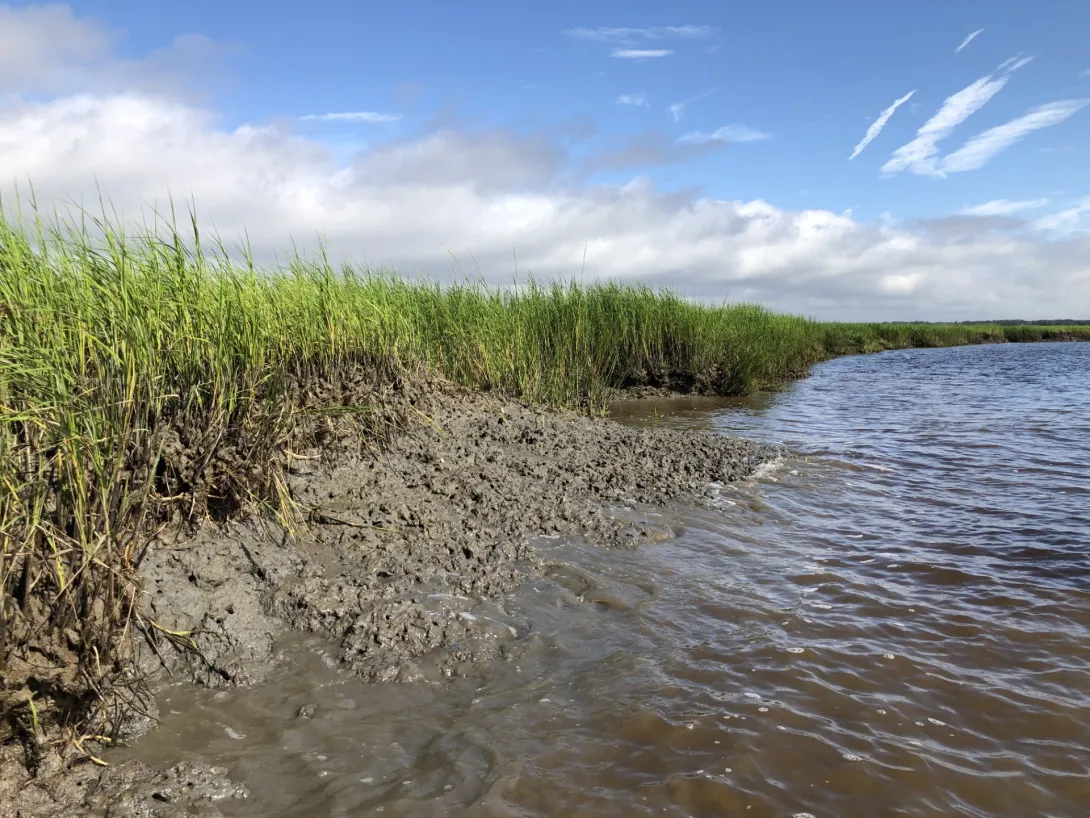
Degraded marsh on Cumberland Island, Georgia.
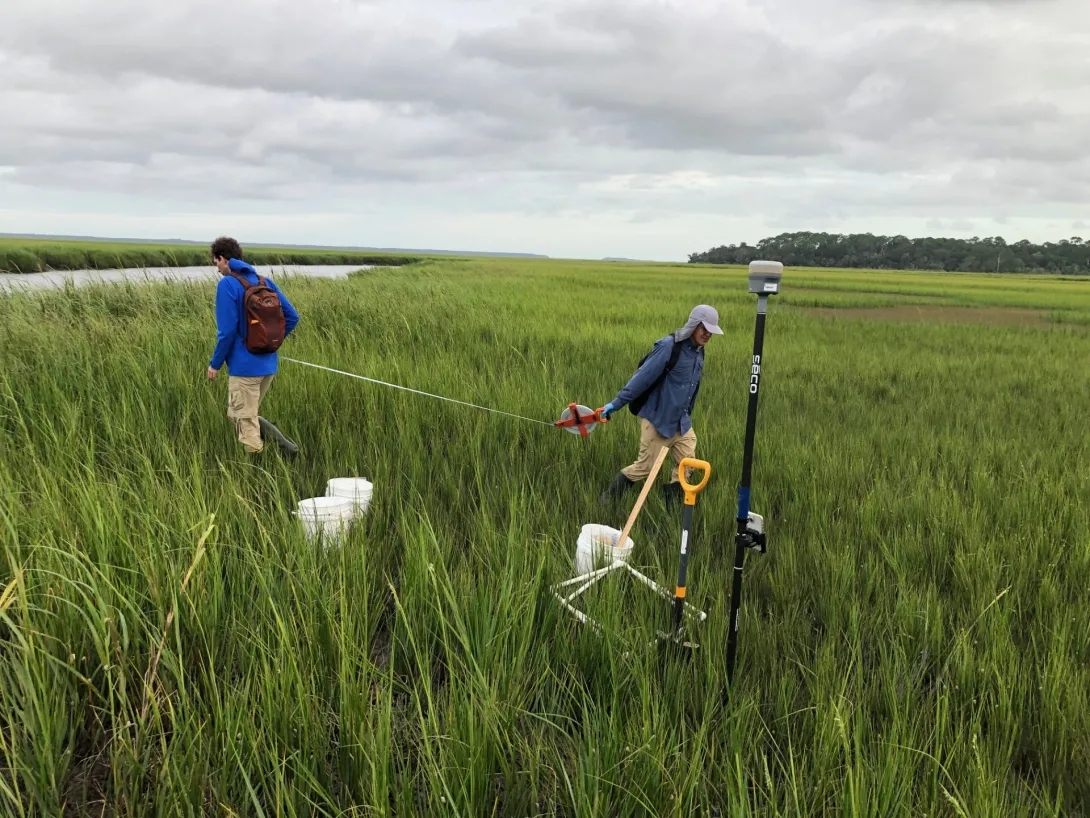
Kostka sampling transects of marshland on Cumberland Island, Georgia.
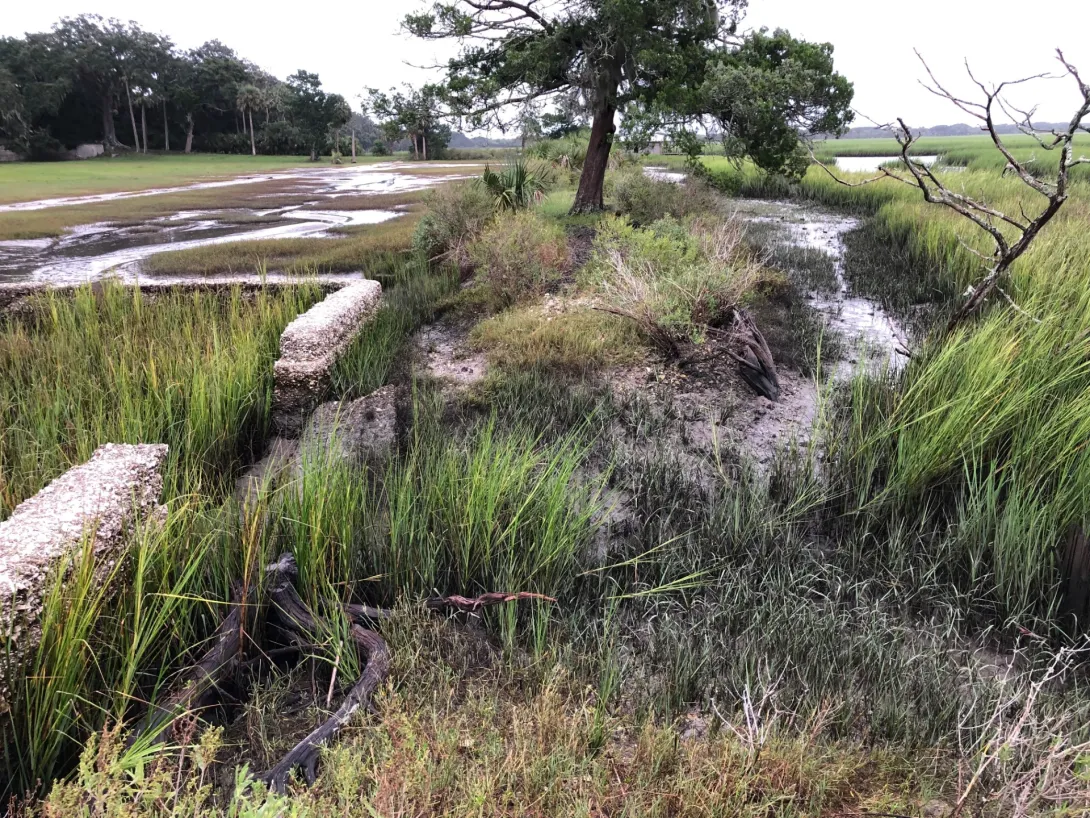
Erosion around the historic property “Dungeness” on Cumberland Island, Georgia.
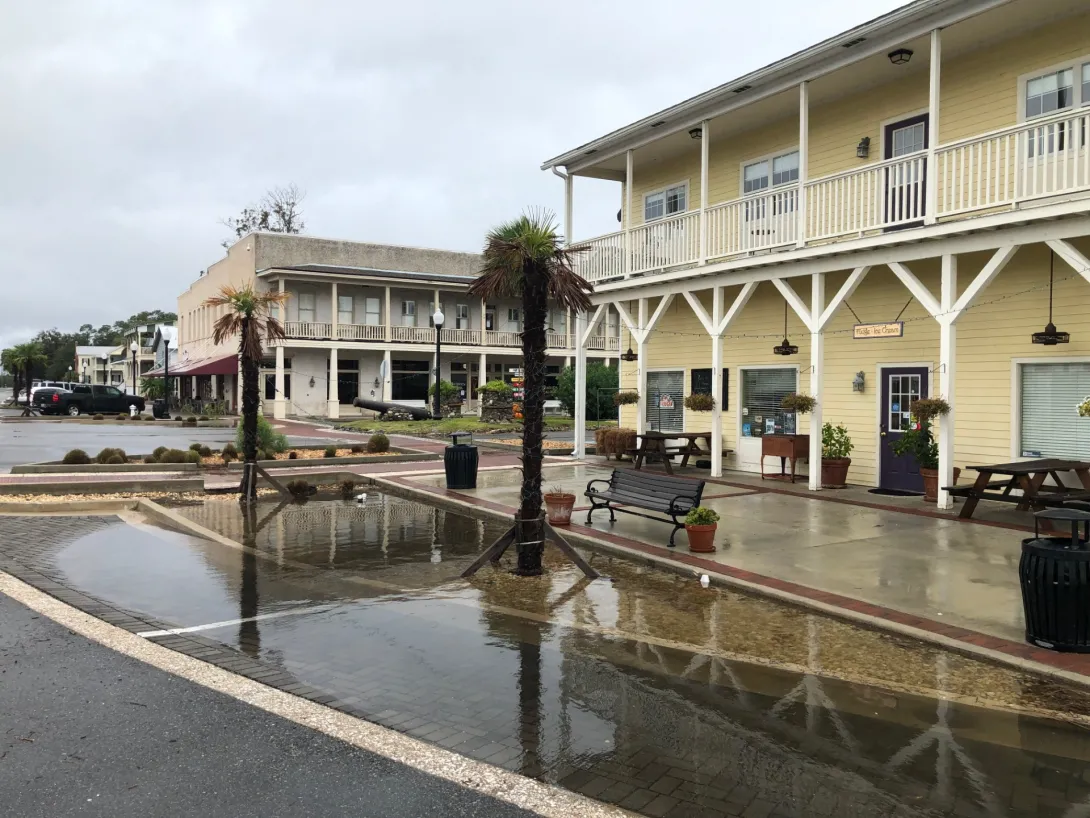
Flooding in the town of St. Marys, a town in Camden County, Georgia.
The National Fish and Wildlife Foundation (NFWF) has awarded an interdisciplinary team nearly $1 million in funding through the National Coastal Resilience Fund to restore coastal wetlands in Georgia. It was the only project in Georgia to be selected for funding from the program's 2025 call for proposals.
The award will support the design of nature-based solutions including living shorelines and marsh restoration in flood-prone areas of Camden County, Georgia, adjacent to Naval Submarine Base Kings Bay, Cumberland Island National Seashore, and the city of St. Marys.
“Restoring wetlands in Camden County is not just an environmental priority — it’s a resilience strategy for the entire region,” says principal investigator (PI) Joel Kostka, Tom and Marie Patton Distinguished Professor, associate chair for Research in the School of Biological Sciences, and faculty director of Georgia Tech for Georgia’s Tomorrow. “Each acre of restored marshland protects coastal communities from natural hazards like storms and flooding, provides essential marine habitat, and has the potential to aid the Navy and the Army Corps of Engineers in developing management alternatives for dredged materials. When our wetlands flourish, our whole coastline does.”
In addition to Kostka, co-PI’s include University of Georgia (UGA) Skidaway Institute of Oceanography Director Clark Alexander, UGA Associate Professor Matt Bilskie and Professor Brian Bledsoe, The Nature Conservancy Coastal Climate Adaptation Director Ashby Worley, and Georgia Tech alumnus Nolan Williams of Robinson Design Engineers, a firm dedicated to the engineering of natural infrastructure in the Southeast that is owned and operated by Georgia Tech alumnus Joshua Robinson.
A coastal collaboration
The new project, known as a “pipeline project” by NFWF, builds on multiple resilience plans and years of previous research conducted by the established team. “This is a testament to the value of the long-term collaborations and partnerships that enable coastal resilience work,” Kostka says. “We’re working closely with local communities and a range of city, state, and federal stakeholders to ensure these solutions align with local priorities and protect what matters most.”
It’s not the first time that the team has brought this type of collaboration to the coastline. Since 2019, Kostka has worked alongside the South Carolina Department of Natural Resources, the South Carolina Aquarium, and Robinson Design Engineers in a $2.6 million effort to restore degraded salt marshes in historic Charleston, also funded by NFWF. Now in the implementation phase, much of the marsh restoration in Charleston involves planting salt-tolerant grasses, restoring oyster reefs, and excavating new tidal creeks — work that is being spearheaded by local volunteers.
“Coastal resilience isn’t something one group can tackle alone,” Kostka adds. “That shared, community-driven vision is what makes these projects possible.”
News Contact
Written by Selena Langner
Jan. 05, 2026
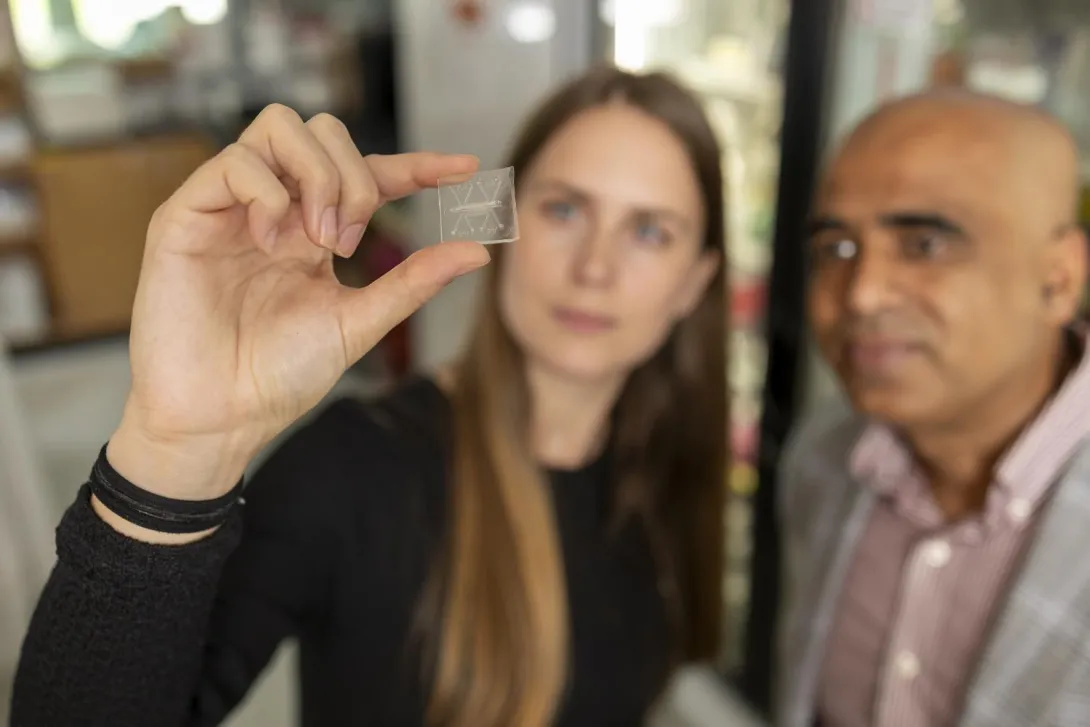
University research drives U.S. innovation, and Georgia Institute of Technology is leading the way.
The latest Higher Education Research and Development (HERD) Survey from the National Science Foundation (NSF) places Georgia Tech as No. 2 nationally for federally sponsored research expenditures in 2024. This is Georgia Tech’s highest-ever ranking from the NSF HERD survey and a 70% increase over the Institute's 2019 numbers.
In total expenditures from all externally funded dollars (including the federal government, foundations, industry, etc.), Georgia Tech is ranked at No. 6.
Tech remains ranked No. 1 among universities without a medical school — a major accomplishment, as medical schools account for a quarter of all research expenditures nationally.
“Georgia Tech’s rise to No. 2 in federally sponsored research expenditures reflects the extraordinary talent and commitment of our faculty, staff, students, and partners. This achievement demonstrates the confidence federal agencies have in our ability to deliver transformative research that addresses the nation’s most critical challenges,” said Tim Lieuwen, executive vice president for Research.
Overall, the state of Georgia maintained its No. 8 position in university research and development, and for the first time, the state topped the $4 billion mark in research expenditures. Georgia Tech provides $1.5 billion, the largest state university contribution. In the last five years, federal funding for higher education research in the state of Georgia has grown an astounding 46% — 10 points higher than the U.S. rate.
Lieuwen said, “Georgia Tech is proud to lead the state in research contributions, helping Georgia surpass the $4 billion mark for the first time. Our work doesn’t just advance knowledge — it saves lives, creates jobs, and strengthens national security. This growth reflects our commitment to drive innovation that benefits Georgia, our country, and the world.”
About the NSF HERD Survey
The NSF HERD Survey is an annual census of U.S. colleges and universities that expended at least $150,000 in separately accounted for research and development (R&D) in the fiscal year. The survey collects information on R&D expenditures by field of research and source of funds and also gathers information on types of research, expenses, and headcounts of R&D personnel.
About Georgia Tech's Research Enterprise
The research enterprise at Georgia Tech is led by the Executive Vice President for Research, Tim Lieuwen, and directs a portfolio of research, development, and sponsored activities. This includes leadership of the Georgia Tech Research Institute (GTRI), the Enterprise Innovation Institute, 11 interdisciplinary research institutes (IRIs), Office of Commercialization, Office of Corporate Engagement, plus research centers, and related research administrative support units. Georgia Tech routinely ranks among the top U.S. universities in volume of research conducted.
News Contact
Angela Ayers
Assistant Vice President of Research Communications
Georgia Tech
Dec. 04, 2025
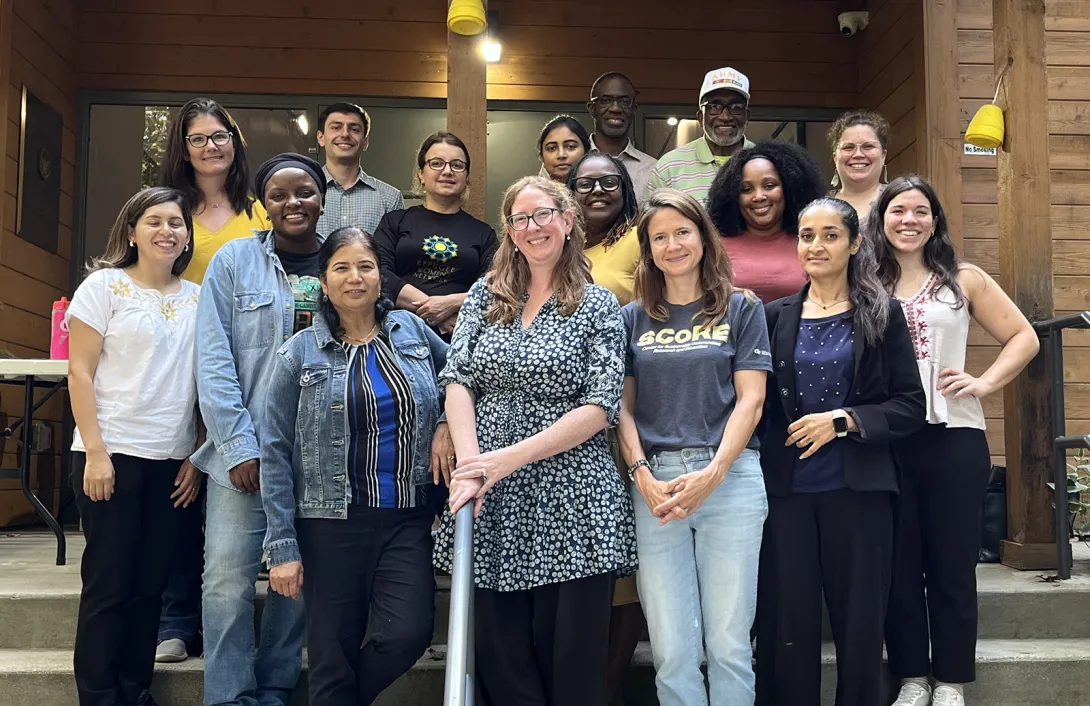
Grant readiness training participants and facilitators, pictured at the West Atlanta Watershed Alliance's Outdoor Activity Center. Photo includes: Kristin Janacek (BBISS), Thomas Fuentes (Cascade Springs Nature Preserve), Awaz Jabari (Refugee Women's Network), Anurupa Roy (Center for Sustainable Communities), Freddie Stevens III (Re'Gen Community Advisory), Chuck Barlow Sr. (Henderson School Alumni Association and Trust), Katie Kissel (Unearthing Farm and Market), Anna Tinoco Santiago (SCoRE), Tia Davis (ArtsXChange), Cassandra Knight (Henderson School Alumni Association and Trust), Desiree Jones (Georgia Advancing Communities Together), Alexandra Rodriguez Dalmau (SCoRE), Pabitra Poudyel (Refugee Women's Network), Katie O'Connell (Georgia Tech School of City and Regional Planning), Ruthie Yow (SCoRE), and Meena Khodayar (Refugee Women's Network)
Georgia Tech’s research enterprise is expanding its reach beyond campus walls, thanks to the work of the Community-Engaged Research (CER) Council. Formed in 2024, the council focuses on making collaborations between Georgia Tech and community partners easier, more strategic, and more impactful.
“At Georgia Tech, there’s incredible expertise in community engagement,” said Ruthie Yow SCoRE’s associate director, who facilitates the council. “But until now, there was no centralized way to connect those efforts. The council fills that gap.”
Five Pillars for Impact
The council’s strategy centers on five pillars: Coordination, Partners, Faculty Training and Recognition, Communication, and Resource Development. These priorities emerged from a strategic planning process involving seven interdisciplinary research institutes (IRIs) and centers, including Brook Byers Institute for Sustainable Systems (BBISS), Institute for People and Technology (IPaT), Strategic Energy Institute (SEI), Renewable Bioproducts Institute (RBI), the Enterprise Innovation Institute (EI²), Partnership for Inclusive Innovation (PIN) and SCoRE.
New Tool: Community Connect Website
Council members are developing new tools to support these priorities, including the brand-new Community Connect website, led by Nicole Kennard, assistant director for Community-Engaged Research in BBISS. The platform connects faculty and community partners by allowing them to create profiles, post engagement opportunities, and view an interactive map of partnerships.
“When I started this role, faculty told me they wanted to know who Georgia Tech was already working with and how to find new partners,” Kennard said. “They didn’t want to duplicate efforts or cold-call potential partners. This website addresses this challenge by showing existing connections and helping track engagement.”
The site will also serve as a data repository to measure impact of partnerships. “Having this data will help us advocate for infrastructure and support for community-engaged research,” Kennard added.
BBISS, IPaT, and more than 70 people from five of the Institute’s colleges and 18 units across GT supported the development of this new interactive site. The site is up and running while the team makes minor adjustments before a full launch in Spring 2026. Make a profile and share any website feedback with Nicole Kennard.
Building Capacity: Grant Readiness Training
In September, the council sponsored a grant readiness training for 18 community-based organizations. Led by SCoRE, the two-day workshop covered proposal basics, budgeting, logic models, and outcome measurement parameters. Over the course of two full days at the Outdoor Activity Center in West Atlanta, participants in the training helped these partners build the foundational systems, content, and strategies needed for effective grant seeking. Rather than focusing solely on writing techniques, this intensive workshop emphasized organizational readiness—equipping participants with materials such as boilerplate content, budget templates, outcome measurement frameworks, and funder research strategies. Tailored for organizations with limited staff who juggle multiple roles, the training provided practical, immediately applicable tools that support a proactive, long-term approach to securing grant funding. Read more about the training here.
Collaboration in Action: Clarkston Project
Through the leadership of council members Leigh Hopkins and Candice McKie, the council is launching a collaboration with the Center for Economic Development Research (CEDR), to support strategic visioning for the City of Clarkston after funding cuts threatened its planning process. Clarkston, Georgia, one of the most culturally diverse cities in the country, is moving into the second phase of their collaboration with CEDR. The two groups together are continuing to work on place-making, community-wide events, and creative incentives to attract and retain new businesses.
“It was a great example of pooling resources to lift up community vision and meet a community need,” Yow said.
Networking for Impact
On December 10, the council will host a networking event for faculty and staff engaged in CER. The goal is to share successes, attract new collaborators, and identify projects for 2026.
Join us at 2 p.m. in the Student Success Center, President’s Suite B , for light refreshments.
Engagement Across IRIs
Georgia Tech’s interdisciplinary research institutes are already leading impactful projects: IPaT’s CEAR Hub supports climate and cultural resilience in Georgia’s barrier islands; BBISS works on conservation and cultural sustainability with tribal Ojibwe partners; SEI’s Energy Faculty Fellows Program builds research networks with minority-serving institutions; RBI’s ReWood initiative advances renewable forest biotechnology for a climate-smart economy.
Faculty interested in learning more about CER can start by connecting with the council members. “We want to make it easy for researchers and communities to create mutually beneficial partnerships,” Yow said. “Reach out, share your work, and join us in building Georgia Tech’s impact.”
Council members include Terri Sapp (RBI), Clint Zeagler (IPaT), Nicole Kennard (BBISS), Leigh Hopkins and Candice McKie (CEDR), Yang You (SEI), Katie O'Connor (PIN), Ruthie Yow (SCoRE), and Rose Santa Gonzalez (Institute for Robotics & Intelligent Machines.)
News Contact
Jennifer Martin, Assistant Director of Research Communications Services
Nov. 26, 2025
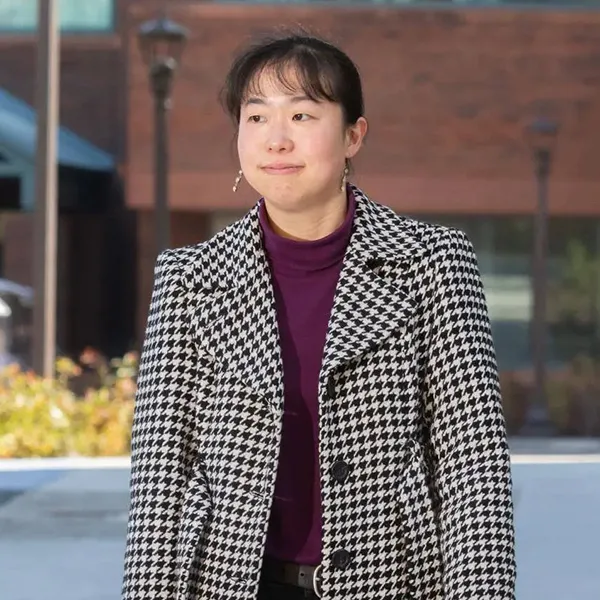
Last summer, when the City of Atlanta declared a state of emergency following multiple water main breaks that left parts of downtown without water, Iris Tien provided commentary to news outlets such as GPB. Tien, the Williams Family Associate Professor in the School of Civil and Environmental Engineering, said the aging infrastructure is “something we see in Atlanta and other cities across the U.S. Most water systems are designed for 50 years.” Much of Atlanta is well past that mark.
Now in her 11th year at Georgia Tech, Tien considers Atlanta an ideal environment for her work. “Being in a large metropolitan area has been great for collaborating with municipalities and utility providers,” says Tien, who has worked with the Georgia Department of Transportation, the City of Atlanta’s Department of Watershed Management, and Atlanta’s Emergency Response Department.
Tien considers resilience — withstanding and recovering from adverse events affecting communities — a key part of sustainability. Her research focuses on how to design better systems to meet community needs, especially under increasingly hazardous conditions where there is more strain on infrastructure.
Tien serves as principal investigator for a Sustainability Next Seed Grant that is a collaborative effort between Georgia Tech and Oak Ridge National Laboratory to create a Climate Atlas for the southeastern U.S. The project integrates detailed climate data with critical infrastructure asset information, socioeconomic indicators, and stories of climate impacts on communities to support climate mitigation and adaptation. In addition, Tien has led projects to develop a framework to help communities identify the right kinds of flood-control infrastructure. Choosing the correct type of technology now is critical as sea levels and flood risk rise, especially in coastal areas.
Tien says new technologies are leading to a better understanding and design of infrastructure systems, but have also exposed new vulnerabilities. Increasingly, she and her colleagues are considering potential cyberattacks on critical infrastructure, which represent a growing threat that could affect both utility providers and the people who rely on these essential services.
“From a civil engineering standpoint, if you disrupt any one of these systems, it could have a very large impact,” says the Berkeley engineering graduate.
Tien’s expertise extends to Georgia’s coast, where she is part of a team that hopes to increase community resilience in relation to flooding. One project involves installing sea-level sensors throughout Chatham County, the easternmost county in Georgia. The sensors monitor water levels in real time. A Georgia Tech tool helps coastal areas find ideal spots for water-level sensors based on flood risk and population vulnerability.
“We’ve looked at green versus gray solutions,” Tien said, explaining that green solutions could be ponds or basins to slow down water flow during flood events, while gray solutions might include new stormwater pipe systems to quickly move the water away.
Being connected to BBISS through the Sustainability Next Seed Grant program has enhanced Tien’s ability to work cross-functionally. “I definitely collaborate with social scientists, especially on the human and community engagement side of my work,” she says.
A recent project involved developing a new flood-risk curriculum for middle school students in coastal communities. “The program helped build disaster resilience while empowering young people to be better advocates for their communities,” says Tien.
“There’s an opportunity to engage with youth early on and help them better understand their communities. Empowering them in this way means that they can serve as strong advocates for improving their communities into the future.”
In her free time, Tien likes spending time outdoors, hiking, and playing an occasional pickup basketball game. “Being in nature gives you time to think and refresh yourself,” she says.
-- written by Anne Wainscott-Sargent
News Contact
Brent Verrill, Research Communications Program Manager, BBISS