
Apr. 15, 2026
Generative artificial intelligence (AI) is best known for creating images and text. Now, it is helping industries make better planning decisions.
Georgia Tech researchers have created a new AI model for decision-focused learning (DFL), called Diffusion-DFL. Recent tests showed it makes more accurate decisions than current approaches.
Along with optimizing industrial output, Diffusion-DFL lowers costs and reduces risk. Experiments also showed it performs across different fields.
Diffusion-DFL doesn’t just surpass current methods; it also predicts more accurately as problem sizes grow. The model requires less computing power despite these high-performance marks, making it more accessible to smaller enterprises.
Diffusion-DFL runs on diffusion models, the same technology that powers DALL-E and other AI image generators. It is the first DFL framework based on diffusion models.
“Anyone who makes high-stakes decisions under uncertainty, including supply chain managers, energy operators, and financial planners, benefits from Diffusion-DFL,” said Zihao Zhao, a Georgia Tech Ph.D. student who led the project.
“Instead of optimizing around a single forecast, the model evaluates many possible scenarios, so decisions account for real-world risk and become more robust.”
To test Diffusion-DFL, the team ran experiments based on real-world settings, including:
- Factory manufacturing to meet product demand
- Power grid scheduling to meet energy demand
- Stock market portfolio optimization
In each case, Diffusion-DFL made more accurate decisions than current methods. It also performed better as problems became larger and more complex. These results confirm the model’s ability to make important decisions in real-world scenarios with noisy data and uncertainty.
The experiments also show that Diffusion-DFL is practical, not just accurate. Training diffusion models is expensive, so the team developed a way to reduce memory use. This cut training costs by more than 99.7%. As a result, Diffusion-DFL can reach more researchers and practitioners.
“Our score-function estimator cuts GPU memory from over 60 gigabytes to 0.13 with almost no loss in decision quality, reducing the requirement for massive computing resources,” Zhao said. “I hope this expands Diffusion-DFL into other domains, like healthcare, where decisions must be made quickly under complex uncertainty."
Beyond decision-making applications, Diffusion-DFL marks a shift in DFL techniques and in the broader use of generative AI models.
In supply chain management, planners estimate future demand before deciding how much product to stock. In this DFL problem, engineers align ML models with predetermined decision objectives, like minimizing risk or reducing costs.
One flaw of DFL methods is that they optimize around a single, deterministic prediction in an uncertain future.
Diffusion-DFL takes a different approach. Instead of making a single guess, it determines a range of possible outcomes. This leads to decisions based on many likely scenarios, rather than on a single assumed future.
To do this, the framework uses diffusion models. These generative AI models create high-quality data from images, text, and audio.
The forward diffusion process involves adding noise to data until it becomes pure noise. Models trained via forward diffusion can reverse diffusion. This means they can start with noisy data and then produce meaningful insights from training examples.
Real-world data is often noisy and uncertain. Traditional DFL methods struggle in these conditions, but diffusion models are designed to handle them.
Because of this, Diffusion-DFL can explore many possible outcomes and choose better actions. Like image-generation AI, the model works well with complex data from different sources. This enables its use across different industries.
“Diffusion models have achieved significant success in generative AI and image synthesis, but our work shows their potential extends far beyond that,” said Kai Wang, an assistant professor in the School of Computational Science and Engineering (CSE).
“What makes Diffusion-DFL unique is that the specific downstream application guides how the model learns to handle uncertainty.
“Whether we are scheduling energy for power grids, balancing risk in financial portfolios, or developing early warning systems in healthcare, we can explicitly train these highly expressive models to navigate the unique complexities of each domain.”
Zhao and Wang collaborated with Caltech Ph.D. candidate Christopher Yeh and Harvard University postdoctoral fellow Lingkai Kong on Diffusion-DFL. Kong earned his Ph.D. in CSE from Georgia Tech in 2024.
Wang will present Diffusion-DFL on behalf of the group at the upcoming International Conference on Learning Representations (ICLR 2026). Occurring April 23-27 in Rio de Janeiro, ICLR is one of the world’s most prestigious conferences dedicated to artificial intelligence research.
“ICLR is the perfect stage for Diffusion-DFL because it brings together the exact community that needs to see the bridge between generative modeling and high-stakes decision-making for real-world applications,” Wang said.
“Presenting Diffusion-DFL allows us to challenge the traditional training framework of diffusion models. It’s about sparking a broader conversation on how we can align the training objectives of generative AI directly with actual, downstream decision-making needs.”
News Contact
Bryant Wine, Communications Officer
bryant.wine@cc.gatech.edu
Apr. 01, 2026
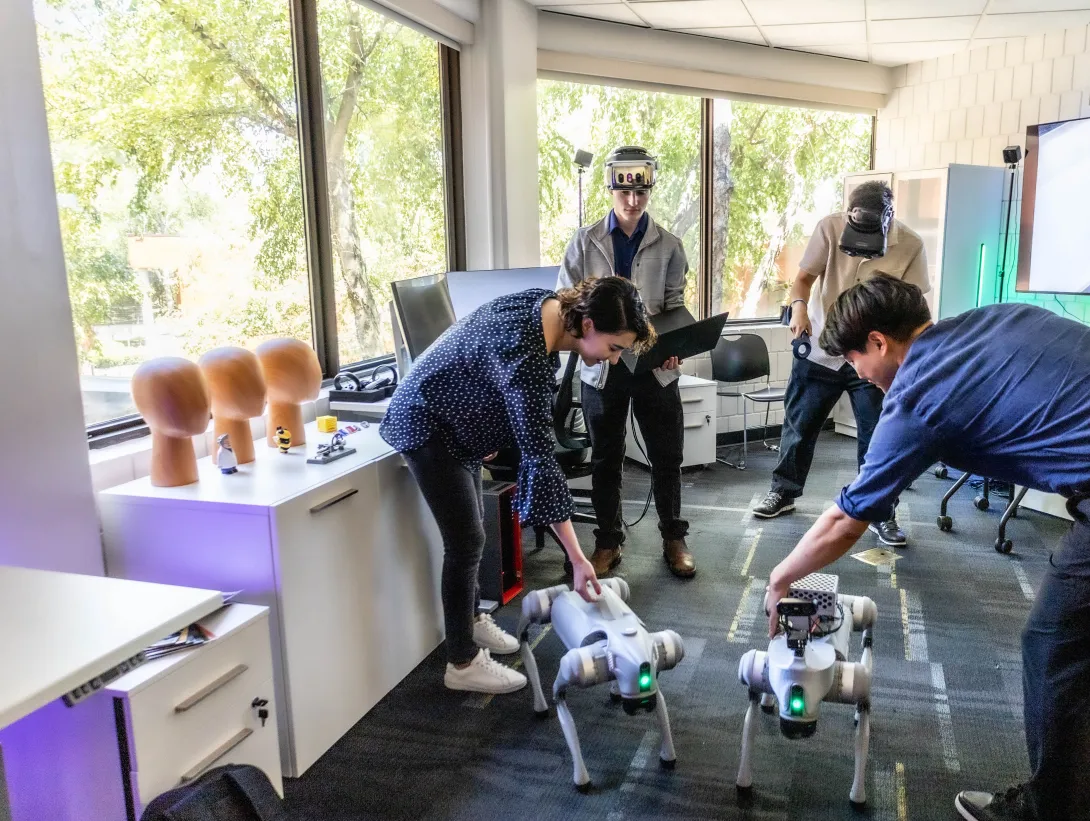
Manufacturing is undergoing a significant transformation as artificial intelligence reshapes how industrial systems operate, adapt, and scale. The H. Milton Stewart School of Industrial and Systems Engineering (ISyE) has launched its Manufacturing and AI Initiative, which brings together faculty expertise in statistics, optimization, data science, and systems engineering to address emerging challenges and opportunities in modern manufacturing.
ISyE researchers are applying AI to complex manufacturing environments, including multistage production systems, asset management, quality improvement, and human‑centered manufacturing. Faculty leaders emphasize the importance of contextualizing large volumes of manufacturing data so AI can support reliable decision‑making, efficient operations, and sustainable outcomes. At the same time, the initiative acknowledges challenges such as data integration, system complexity, and the need to balance automation with human involvement. Together, these efforts position ISyE at the forefront of shaping AI‑powered manufacturing systems that are innovative, resilient, and socially responsible.
Read the full article in ISyE Magazine
News Contact
Annette Filliat, ISyE Communications Writer
Mar. 17, 2026

The building blocks of proteins, amino acids are essential for all living things. Twenty different amino acids build the thousands of proteins that carry out biological tasks. While some are made naturally in our bodies, others are absorbed through the food we eat.
Amino acids also play a critical role commercially where they are manufactured and added to pharmaceuticals, dietary supplements, cosmetics, animal feeds, and industrial chemicals — an energy-intensive process leading to greenhouse gas emissions, resource consumption, and pollution.
A landmark new system developed at Georgia Tech could lead to an alternative: a commercially scalable, environmentally sustainable method for amino acid production that is carbon negative, using more carbon than it emits.
The breakthrough builds on a method that the team pioneered in 2024 and solves a key issue – increasing efficiency to an unprecedented 97% and reducing the bioprocess cost by over 40%. It’s the highest reported conversion of CO2 equivalents into amino acids using any synthetic biology system to date.
Published in the journal ACS Synthetic Biology, the study, “Cell-Free-Based Thermophilic Biocatalyst for the Synthesis of Amino Acids From One-Carbon Feedstocks,” was led by Bioengineering Ph.D. student Ray Westenberg and Professor Pamela Peralta-Yahya, who holds joint appointments in the School of Chemistry and Biochemistry and School of Chemical and Biomolecular Engineering. The team also included Shaafique Chowdhury (Ph.D. ChBE 25) and Kimberly Wennerholm (ChBE 23); alongside University of Washington collaborators Ryan Cardiff, then a Ph.D. student and now a Chain Reaction Innovations Fellow at Argonne National Laboratory, and Charles W. H. Matthaei Endowed Professor in Chemical Engineering James M. Carothers; in addition to Pacific Northwest National Laboratory Synthetic Biology Team Leader Alexander S. Beliaev.
"This work shifts the narrative from simply reducing carbon emissions to actually consuming them to create value,” says Peralta-Yahya. “We are taking low-cost carbon sources and building essential ingredients in a truly carbon-negative process that is efficient, effective, and scalable.”
Heat-Loving Organisms
The work builds on the cell-free technology the team used in their earlier study. “Previously, we discovered that a system that uses the machinery of cells, without using actual living cells, could be used to create amino acids from carbon dioxide,” Peralta-Yahya explains. “But to create a commercially viable system, we needed to increase the system’s efficiency and reduce the cost.”
The team discovered that bits of leftover cells were consuming starting materials, and — like a machine with unnecessary gears or parts — this limited the system’s efficiency. To optimize their “machine,” the team would need to remove the extra background machinery.
"Leftover cell parts were using key resources without helping produce the amino acids we were looking for,” says Peralta-Yahya. “We knew that heating the system could be one way to purify it because heat can denature these components.”
The challenge was in how to protect the essential system components from the high temperatures, she adds. “We wondered if introducing enzymes produced by a heat-loving bacterium, Moorella thermoacetica, might protect our system, while still allowing us to denature and remove that inefficient background machinery.”
The results were astounding: after introducing the enzymes, heating and “cleaning” the system, and letting it cool to room temperature, synthesis of the amino acids serine and glycine leaped to 97% yield — nearly three times that of the team’s previous system.
Scaling for Sustainability
To make the system viable for large-scale use, the team also needed to reduce costs. “One of the most costly components in this system is the cofactor tetrahydrofolate (THF),” Peralta-Yahya shares. “Reducing the amount of THF needed to start the process was one way to make the system more inexpensive and ultimately more commercially viable.”
By linking reaction steps so waste from one step fueled the next, the team devised a method to recycle THF within the system that reduces the amount of THF needed by five-fold — lowering bioprocessing costs by 42%.
“This decrease in cost and increase in yield is a critical step forward in creating a method with real potential for use in industry and manufacturing,” Peralta-Yahya says. “This system could pave the way for moving this carbon-negative technology out of the lab and onto the continuous, industrial scale."
Funding: The Advanced Research Project Agency-Energy (ARPA-E); U.S. Department of Energy; and the U.S. Department of Energy, Office of Science, Biological and Environmental Research Program.
Feb. 18, 2026
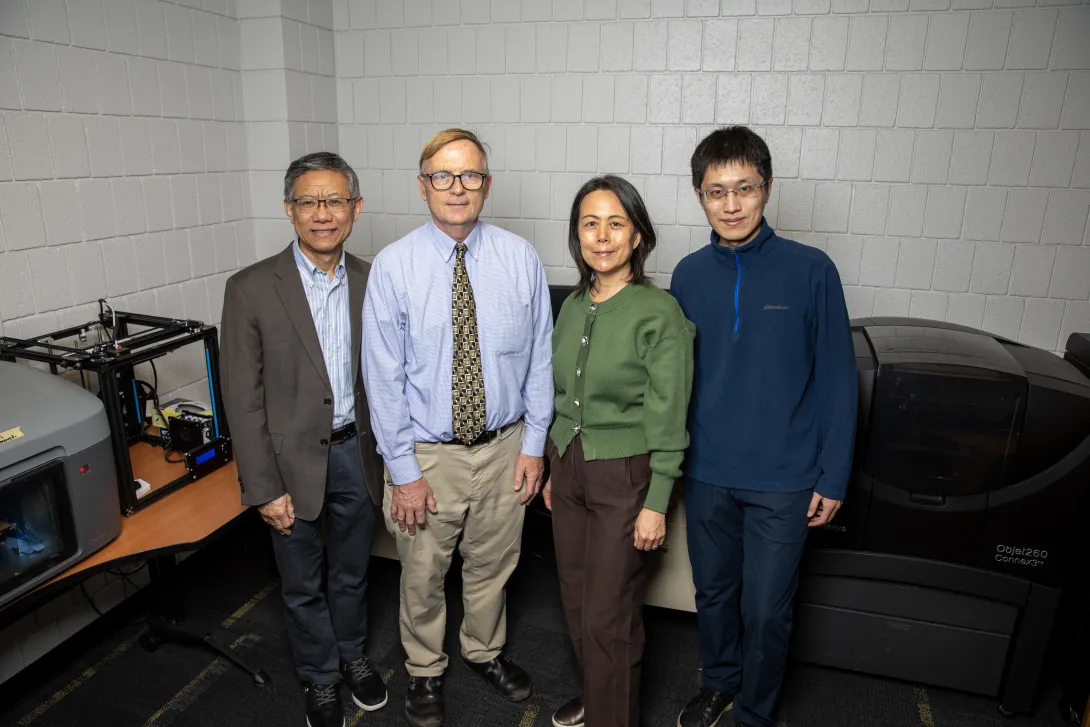
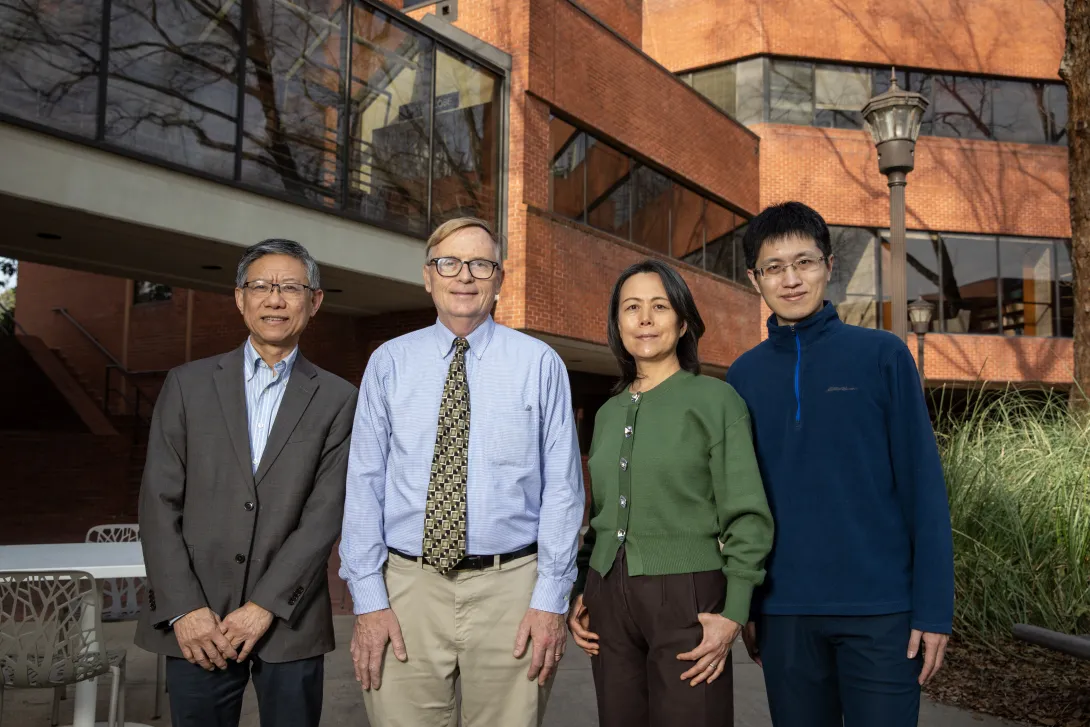
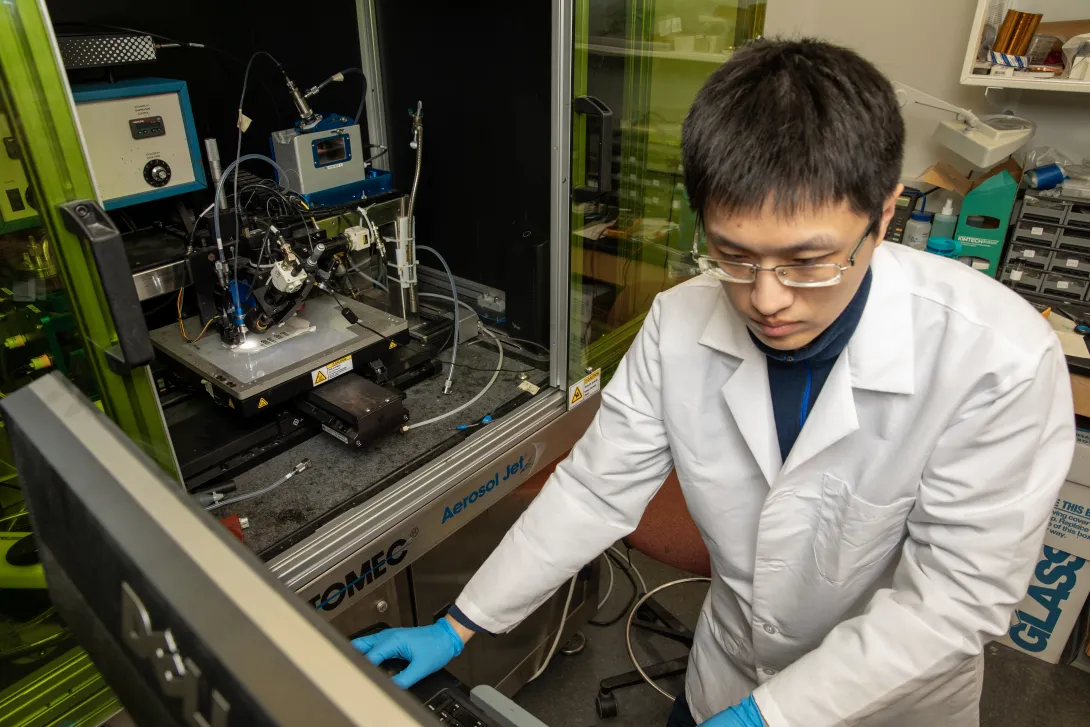
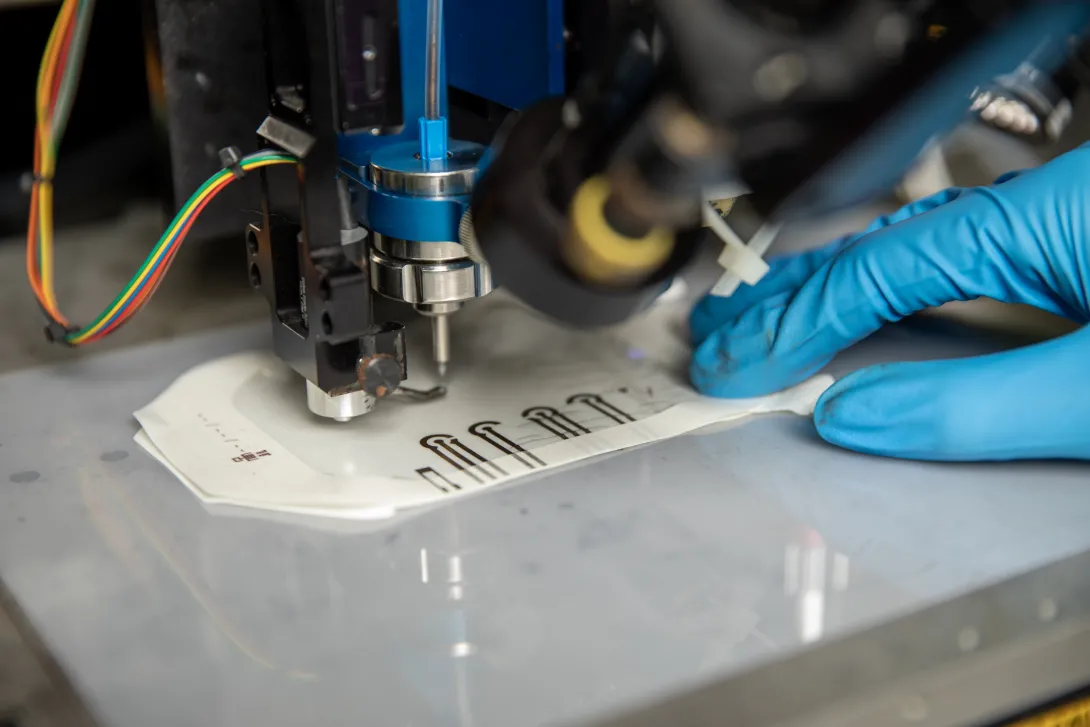
GTRI and Georgia Tech's smart bandage could revolutionize wound care by enabling real-time insights on healing and reducing invasive bandage changes.
While most people don’t think twice about a cut or scrape, for those with diabetes, every wound is a potential threat that requires vigilant care.
Diabetic foot ulcers, for example, are slow to heal and can increase the risk of infection, hospitalization, and even amputation.
To address this critical challenge, researchers at the Georgia Institute of Technology (Georgia Tech) and the Georgia Tech Research Institute (GTRI) have developed a sensor designed to monitor chronic wounds in real-time. Embedded directly into a bandage, this flexible, low-cost device could transform wound management for diabetic patients and other critical applications — such as providing direct treatment to soldiers on the battlefield or managing chronic wounds in elderly populations and patients with limited healthcare access — by reducing invasive bandage changes and ensuring timely medical intervention.
“For diabetic patients with foot ulcers, long-term monitoring and care are essential,” said GTRI Principal Research Engineer and Project Lead Judy Song. “We were inspired by the success of wearable glucose monitors to develop a compact, affordable sensor tailored to wound care.”
This project was supported by GTRI’s Independent Research and Development (IRAD) program between 2022-2025 and reflects the strength of interdisciplinary collaboration across Georgia Tech. Researchers from three out of GTRI’s eight laboratories developed the sensor with experts from the George W. Woodruff School of Mechanical Engineering, the H. Milton Stewart School of Industrial and Systems Engineering and the Wallace H. Coulter Department of Biomedical Engineering at Tech and Emory University.
About one in four people with diabetes will develop a foot ulcer at some point in their lives, making it one of the leading causes of foot amputations. For these patients, nerve damage and poor blood flow hinder the body’s natural healing process and allow wounds to linger and worsen.
During the initial phases of their research, the team noted that nitric oxide (NO) had been previously identified as a key biomarker for wound health due to its central role in the healing process. Nitric oxide improves blood flow, reduces inflammation, promotes tissue growth and fights infection. By tracking nitric oxide levels in wounds, clinicians could determine whether a wound is improving or detect early signs of trouble.
"Nitric oxide plays a fascinating, almost paradoxical, role in wound healing,” said GTRI Senior Research Engineer Victoria Razin, who is co-leading the project. “It’s essential for processes like blood flow and tissue repair, but can also signal when something is going wrong.”
At the core of the smart bandage is a flexible sensor powered by a three-electrode system capable of detecting changes in nitric oxide. The team used advanced Aerosol Jet® printing techniques to fabricate the sensor, significantly reducing production costs from thousands of dollars to just a few dollars per unit and making the design more affordable and scalable.
“Typically, prototyping these sensors can cost thousands of dollars, but our approach brought costs down dramatically,” said Chuck Zhang, the Eugene C. Gwaltney, Jr. Chair and Professor in ISYE and a program director at the National Science Foundation (NSF), who oversaw sensor fabrication for this project. “Lower costs let us iterate quickly and deliver something that could have real healthcare impact.”
To test the sensor’s accuracy, the team conducted extensive laboratory studies in both biological and simulated wound conditions.
In one set of experiments, endothelial cell cultures were used to create “wounds” by scraping the cell layers. As the cells migrated to repair the gap, nitric oxide production increased, and the sensor successfully tracked these changes in real-time. Additional fluid tests using blood plasma and red blood cells demonstrated that the sensor could reliably detect nitric oxide in a variety of conditions that closely mimic real-world wound environments.
These experiments confirmed that the sensor can identify the fluctuations in nitric oxide associated with different phases of wound healing.
Lab testing was led by Dr. Wilbur Lam, a professor in the Department of Biomedical Engineering and at Emory University School of Medicine, with support from Kirby Fibben, a biomedical engineering Ph.D. student at Tech.
"There’s a significant clinical need for real time, minimally invasive sensor technologies that detect nitric oxide,” said Dr. Lam. “While we’re starting with wound healing, there’s multiple other applications for vascular, hematologic, and pulmonary diseases as well.”
The next step in the project is integrating the sensor into a functional wearable device. The team is combining the sensor with a miniaturized potentiostat (MicroPS) – a small electronic device that measures chemical signals – along with flexible electronic components and a system to transmit data to a mobile app.
The MicroPS, designed by the GTRI research team, led by GTRI Research Engineer Curtis Mulady, enables compact electrochemical measurements and the wireless platform transmits nitric oxide readings from the bandage to a mobile app via Bluetooth. The app uploads the data to a cloud platform, giving clinicians the ability to remotely monitor wound progress in real time. This system could reduce the need for frequent in-person checkups, enabling earlier interventions and improving outcomes for patients.
Future iterations of the bandage aim to include “closed-loop” systems capable of both monitoring and treating wounds, said GTRI’s Song. For example, sensors could trigger a response, like releasing therapeutic agents or antimicrobials directly to the wound, when abnormalities are detected.
The researchers are also exploring commercialization pathways, including partnerships with medical device companies or the formation of a startup.
“This sensor meets a real need for early detection of infection and to evaluate wound healing, and I believe it could have significant commercial success,” said Peter Hesketh, a professor in the School of Mechanical Engineering who led sensor design and performance testing.
Other contributors to this project from GTRI include Mulady, Cora Weidner, Maxwell Blanchard, Rachel Erbrick and Christopher Heist. Zhaonan “Zeke” Liu, a postdoctoral fellow in ISYE, assisted with sensor fabrication, while Rizky Ilhamsyah, a graduate research assistant in the School of Mechanical Engineering, contributed to sensor design and performance testing.
Writer: Anna Akins
Photos: Sean McNeil
GTRI Communications
Georgia Tech Research Institute
Atlanta, Georgia USA
For more information, please contact gtri.media@gtri.gatech.edu.
To learn more about GTRI, visit: Georgia Tech Research Institute | GTRI
News Contact
For more information, please contact gtri.media@gtri.gatech.edu
Writer: Anna Akins (anna.akins@gtri.gatech.edu).
Dec. 15, 2025
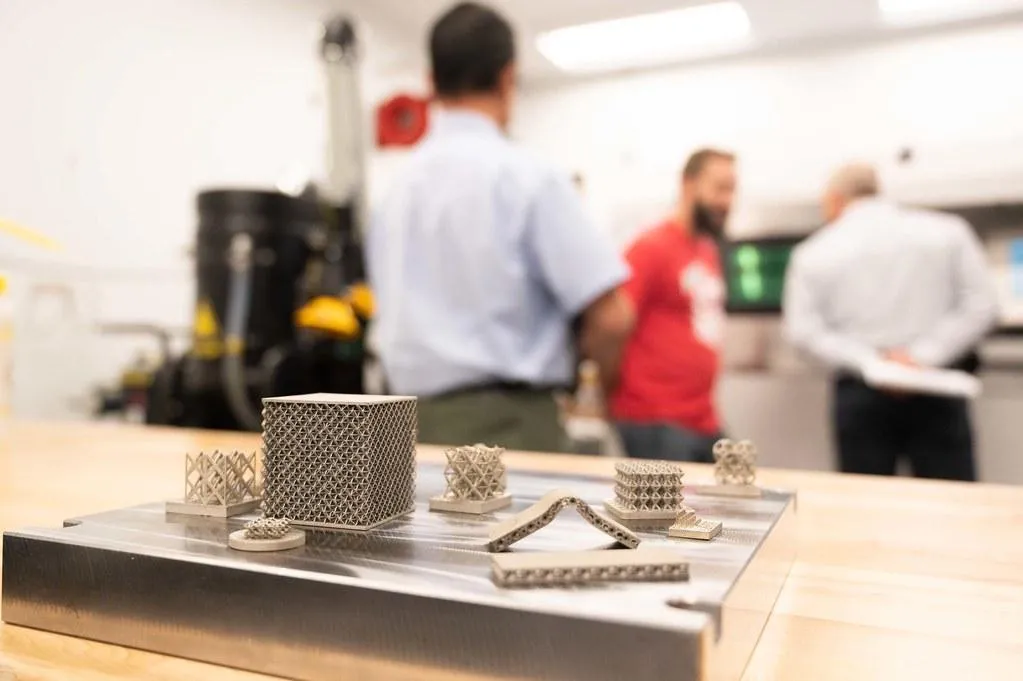
High-performance parts used in aerospace and defense systems need to be precise and durable, even with complex geometries. Advanced manufacturing methods enable the production of complicated parts that traditional machining can't achieve, like those seen here at GTMI's Advanced Manufacturing Pilot Facility. (Photo by Georgia Tech)
Collaborative research at the Georgia Tech Manufacturing Institute teamed is working to improve the finishing processes for hard to machine metals like tungsten. (Photo via Halocarbon)
From fighter jets to medical devices, today’s most advanced machines depend on parts as intricate as their missions. These components aren’t just geometrically complex — they’re made from specialized metals engineered to withstand extreme heat, friction, and wear. But that strength comes with a challenge. How do you shape metals tough enough to survive the heat of a jet engine?
One solution is to start with a more moldable form of these super-metals: powder. In a specialized form of additive manufacturing (like 3D printing), manufacturers start with fine metal powders and fuse them, layer by layer, using focused energy. Known as powder bed fusion (PBF), this method enables highly complex shapes and reduces the amount of finishing work needed. Still, when a micron of extra material can make or break the final product, even near-perfect parts require precise finishing touches.
“The introduction of new, exotic materials produced through additive manufacturing has brought unique challenges, especially for applications in space and missile systems,” says David Antonuccio, business development director at Halocarbon, a Georgia-based company producing advanced chemical solutions used in manufacturing and other fields. “While these materials offer distinct properties, they are notoriously difficult to machine.”
That’s where the Georgia Tech Manufacturing Institute (GTMI) comes in. Through its Manufacturing 4.0 Consortium, GTMI connects industry manufacturers like Halocarbon with researchers and innovators to tackle real production challenges like this. Membership includes access to GTMI’s Advanced Manufacturing Pilot Facility (AMPF), where companies can test ideas and collaborate on new solutions.
Halocarbon recently teamed up with Freemelt, a leader in producing PBF systems and a fellow consortium member, to address this bottleneck. Their goal: to determine whether Halocarbon’s specialized metalworking fluids could enhance the finishing process for PBF-manufactured parts made from tungsten and molybdenum, two high-temperature, hard-to-machine metals.
“The future of manufacturing depends on how well we integrate talent, technology, and collaboration,” says Steven Ferguson, interim director of Research Operations at GTMI and managing director of the consortium. “By bringing companies together around shared challenges, we’re closing critical gaps and strengthening the nation’s advanced manufacturing capability.”
Solving the Post-Processing Bottleneck
Even with advanced methods like electron beam powder bed fusion (E-PBF), which uses an electron beam to fuse metal powders inside a vacuum chamber, finishing remains a critical hurdle. “Surface finish in powder bed fusion is fundamentally tied to the particle size of the metal powder,” says Ian Crawford, a materials and application engineer at Freemelt. “Post-processing will almost always be part of the equation for high-performance components.”
In traditional machining, coolants and cutting fluids used in these finishing steps are often overlooked, and the methods haven’t changed much in decades. Halocarbon’s metalworking fluid aims to bring these fluids into a new era, using innovative polymer chemistry to extend tool life, improve surface quality, and boost efficiency when machining these challenging alloys.
The two companies initiated their joint project during their free AMPF equipment use time, which comes with the full level of consortium membership. From there, GTMI designed and executed controlled studies comparing the use of Halocarbon’s fluids to two standard finishing methods, dry machining and EDM-based finishing. The results showed a 6% improvement in side milling and a 26% improvement in end milling versus dry machining, with even greater gains over EDM. These improvements translate into higher-quality parts, tighter specifications, lower scrap rates, extended tool life, and reduced downstream costs — exactly what aerospace and defense suppliers need to meet stringent requirements.
The findings were shared at the 2025 National Space & Missile Materials Symposium, reinforcing the value of industry-academic collaboration.
“Industry keeps pushing materials to handle more heat and stress, but that makes post-processing harder,” says Matt Carroll, one of the GTMI researchers on the project. “By bringing equipment makers and chemistry innovators into the same experiment, we were able to prove where the gains really are and give manufacturers data they can act on.”
“No single manufacturing method solves every challenge,” says Crawford. “To achieve the performance and cost targets that aerospace and defense applications demand, we need to bring together the right combination of technologies, and collaborations like this show what's possible when we do.”
News Contact
Writer: Audra Davidson
Research Communications Program Manager
Georgia Tech Manufacturing Institute
Contact: Belinda Vogel
Research Engagement Manager
Georgia Tech Manufacturing Institute
Dec. 03, 2025
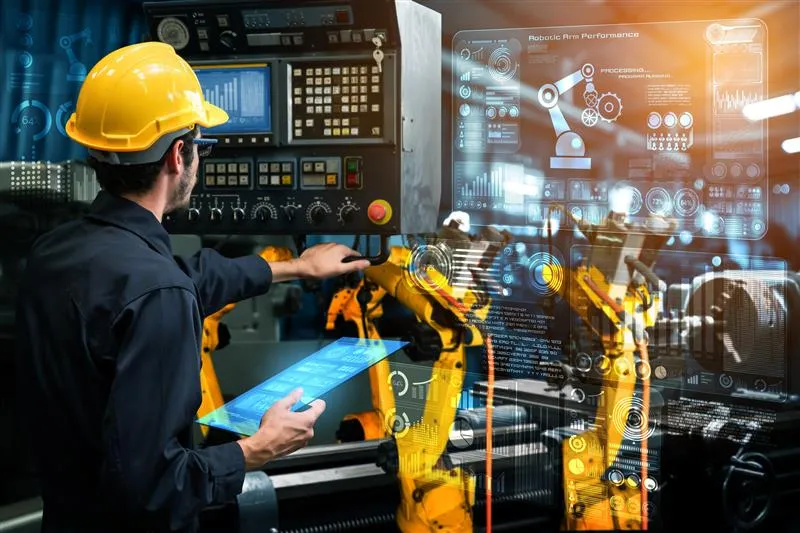
For decades, manufacturing has been synonymous with job creation, a pillar of economic growth and stability. Today, the industry is evolving into something far more dynamic: a hub for innovation, sustainability, and purpose-driven careers. Experts say this transformation is reshaping not only what manufacturing looks like but why it matters.
Beyond the Assembly Line: A High-Tech Reality
“People still picture manufacturing as the assembly lines of the early 20th century,” says Thomas Kurfess, executive director of the Georgia Tech Manufacturing Institute. “The reality is very different. Modern plants are among the most advanced environments you’ll find, packed with robotics, automation, and data-driven systems. In fact, if you want to see the largest number of robots in one location, it will be at an automotive assembly plant.”
That disconnect between perception and reality is one reason manufacturers struggle to fill roles despite record demand. Kurfess notes that students often overlook manufacturing careers because they assume the work is low tech. “We need to expose educators, parents, and students to what manufacturing truly looks like,” he says. Facility tours and partnerships with technical colleges can help shift the narrative.
Pinar Keskinocak, H. Milton and Carolyn J. Stewart School Chair in the School of Industrial and Systems Engineering, agrees: “Showcasing innovations like AI-driven automation, 3D printing, and smart factories is key to changing perceptions.”
Green Tech and Digital Transformation
The rise of electric vehicles, batteries, and renewable energy is accelerating this shift. “Green technology presents a transformative opportunity for U.S. manufacturing,” Kurfess explains. “It is not just about sustainability; it is about national security and global competitiveness.”
These sectors are inherently digital, says Nagi Gebraeel, Georgia Power Term Professor in the College of Engineering. “Green tech manufacturing is being built in an era when advanced digital technologies are mature and widely accessible. Factories are designed from the ground up with automation and sensing embedded, creating highly interconnected systems.”
This evolution demands new skills. The labor force must navigate environments where operational technology and information technology converge. Gebraeel predicts that by 2035, manufacturing leaders will increasingly come from operations and data-driven backgrounds rather than traditional IT.
The Workforce Challenge
Despite the promise of high-tech careers, talent pipelines remain thin. Manpreet Hora, senior associate dean in the Scheller College of Business, points to a “demand-supply mismatch” driven by rapidly changing skill requirements. “Manufacturing now needs workers who combine technical, digital, and soft skills,” he says. “Meanwhile, younger workers often gravitate toward service industries for perceived growth and tech exposure. The manufacturing sector will collectively need to reposition themselves as employers of choice by making their digital tools visible, highlighting career progression, and offering flexible learning pathways.”
Experts agree that education must adapt. Kurfess advocates for a systemwide approach starting in elementary school, while Gebraeel emphasizes integrating AI into curricula and offering modular micro-credentials for upskilling. Hora adds that hands-on training should reflect realities like AI-enabled operations and sustainability-focused processes.
Purpose and Innovation
For younger professionals seeking meaningful work, manufacturing offers more than a paycheck. “These are high-tech, high-impact roles where workers build products that move the world, from aircraft and medical devices to renewable energy systems,” Kurfess says.
To position the industry as an innovation hub, leaders must embrace technologies that enhance efficiency and quality while fostering collaboration across schools, businesses, and government. “Modernizing the image of manufacturing demands aligned messaging and shared investment,” he adds.
Looking Ahead
By 2035, experts envision a workforce fluent in AI, committed to lifelong learning, and working in environments where cyber and physical systems are seamlessly integrated. Manufacturing will remain a cornerstone of economic strength, but its true value will lie in its ability to innovate, adapt, and deliver purpose-driven careers.
Nov. 04, 2025
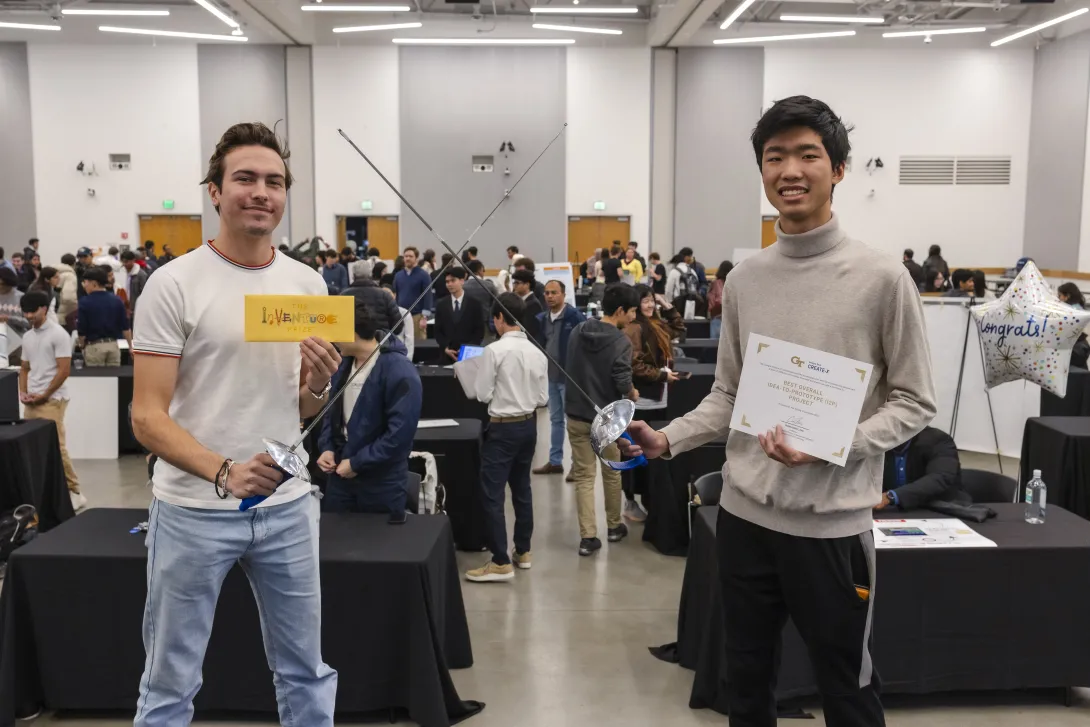
Cricket powder-based protein brownies. A visualization system for fencing blades. A personalized AI application for analyzing blood work. All I2P Showcase prototypes. See what Georgia Tech students have been developing this semester at the Fall 2025 Idea to Prototype (I2P) Showcase on Tuesday, Dec. 2, at 5 p.m. in the Marcus Nanotechnology Building. This year, attendees will have even more original inventions to view, with over 60 teams displaying prototypes.
The event marks the culmination of the semester-long I2P course, where undergraduate students develop functional prototypes aimed at solving real-world problems. Prototypes this semester include a smart military drone, a gentler device for cervical cancer screening, a rotating espresso station, tools to keep AI safe, compact data centers, systems that simulate cyberattacks to help companies strengthen their defenses, and many more.
The showcase is free and open to students, faculty, staff, and members of the local community.
Winning teams will receive prizes and a “golden ticket” into CREATE-X’s Startup Launch, a summer accelerator that provides optional seed funding, accounting and legal service credits, mentorship, and more to help students turn their prototypes into viable startups.
This is a free event, and refreshments will be provided. Register for the Fall 2025 I2P Showcase today!
News Contact
Breanna Durham
Marketing Strategist
Oct. 07, 2025
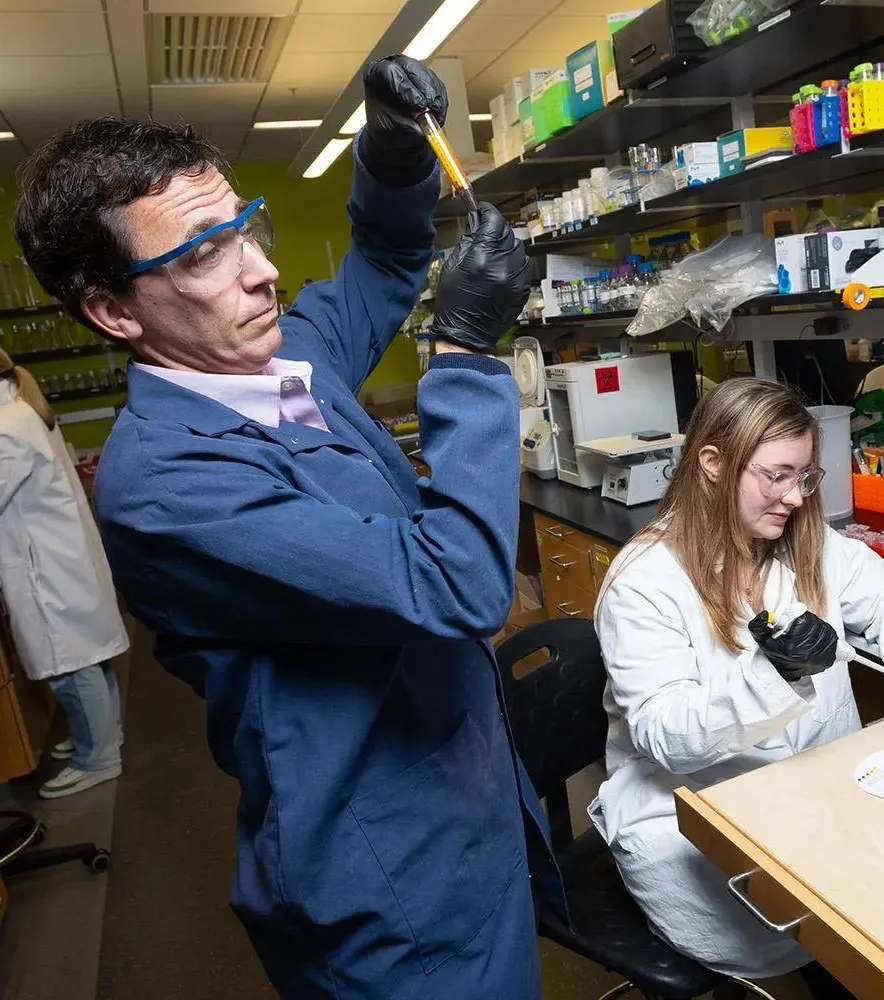
Imagine if building new medicines or sustainable materials were as straightforward as snapping together LEGO® bricks. That’s the goal of a new project led by the Georgia Institute of Technology that could help transform the future of biomanufacturing.
The project, headed by Professor Mark Styczynski in Georgia Tech’s School of Chemical and Biomolecular Engineering (ChBE@GT), recently received a $9.2 million grant from the National Science Foundation Directorate for Technology, Innovation and Partnerships (NSF TIP) to accelerate the adoption of cell-free systems in biomanufacturing.
Promising Technology
Biotechnology has largely relied on living cells for production of products such as medicines, fragrances, or renewable fuels. But working with living cells can be complex and expensive.
Cell-free systems, by contrast, strip biology down to its essential parts, the enzymes and molecules that carry out life’s chemical reactions. This can simplify and speed up biomanufacturing, making it easier to scale.
The challenge, Styczynski explained, is that most cell-free projects still require custom-built setups. “Right now, engineering biology is like reinventing the wheel for every application,” he said. “You have to figure out how all the parts fit together each time. We want to change that by making ready-to-use modules that work right out of the box.”
Styczynski’s project, called Meta-PURE (PUrified Recombinant Elements), will create eight standardized modules, each designed for a key function in cell-free systems, such as generating energy, producing proteins, or assembling complex molecules.
“Like interchangeable puzzle pieces, these modules can be mixed and matched to support different applications,” Styczynski said.
Demonstrating Uses
His team will demonstrate the system’s versatility by producing santalene (a plant-derived fragrance used widely in consumer products), GamS protein (a tool that can improve cell-free processes), and a bacteriophage (a virus that can be safely used in research and the development of new therapeutic treatments).
These examples highlight the technology’s potential across industries ranging from pharmaceuticals and agriculture to chemicals and sustainable materials.
“We want to make these tools so that someone in industry can create their molecule or product more quickly and efficiently, and get it out the door,” Styczynski said.
“Right now, cell-free systems are mostly limited to high-value products because the cost is too high. The goal is to drive costs down and productivity up, so we can move closer to commodity chemicals like biofuels or monomers for polymers, not just niche applications. One of our partners recently developed a butanol process that shows where this can go,” he said.
NSF Initiative
Styczynski’s team is one of four recently awarded an inaugural investment of $32.4 million to help grow the U.S. bioeconomy. The initiative is called the NSF Advancing Cell-Free Systems Toward Increased Range of Use-Inspired Applications (NSF CFIRE).
“NSF is resolute in our commitment to advancing breakthroughs in biotechnology, advanced manufacturing, and other key technologies of significance to the U.S. economy,” said Erwin Gianchandani, assistant director for NSF TIP. “The novel approaches from these four CFIRE teams will speed up and expand the adoption of cell-free systems across a variety of industries and ensure America’s competitive position in the global bioeconomy.”
Collaborative Effort
While ChBE@GT is the lead, Meta-PURE is a broad collaboration with partners across academia, industry, and government. Co-principal investigators include Paul Opgenorth, co-founder and vice president of development at the biotech firm eXoZymes; Nicholas R. Sandoval, associate professor of Tulane University’s Department of Chemical and Biomolecular Engineering; and Anton Jackson-Smith, founder of the biotech startup b.next.
Meta-PURE will also train graduate students and postdocs in partnership with industry, government, and other universities, helping prepare trainees to be the future of a highly interdisciplinary U.S. bioeconomy. The team will also engage the scientific community on the implementation of metrics and standards in cell-free biotechnology to better facilitate broad adoption and interoperability of not just the results of the Meta-PURE project, but of cell-free efforts more broadly.
News Contact
Brad Dixon, braddixon@gatech.edu
Sep. 23, 2025
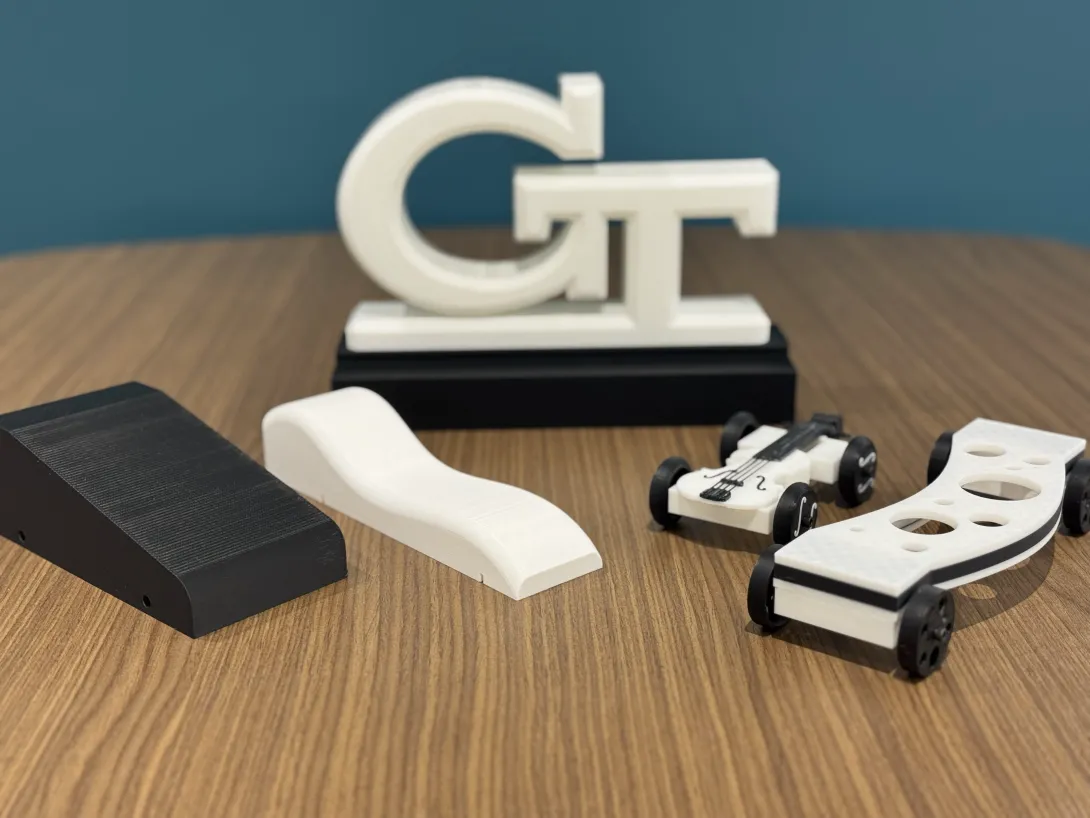
Students across Georgia are designing and 3D printing pinewood derby cars as part of a new hands-on advanced manufacturing initiative.
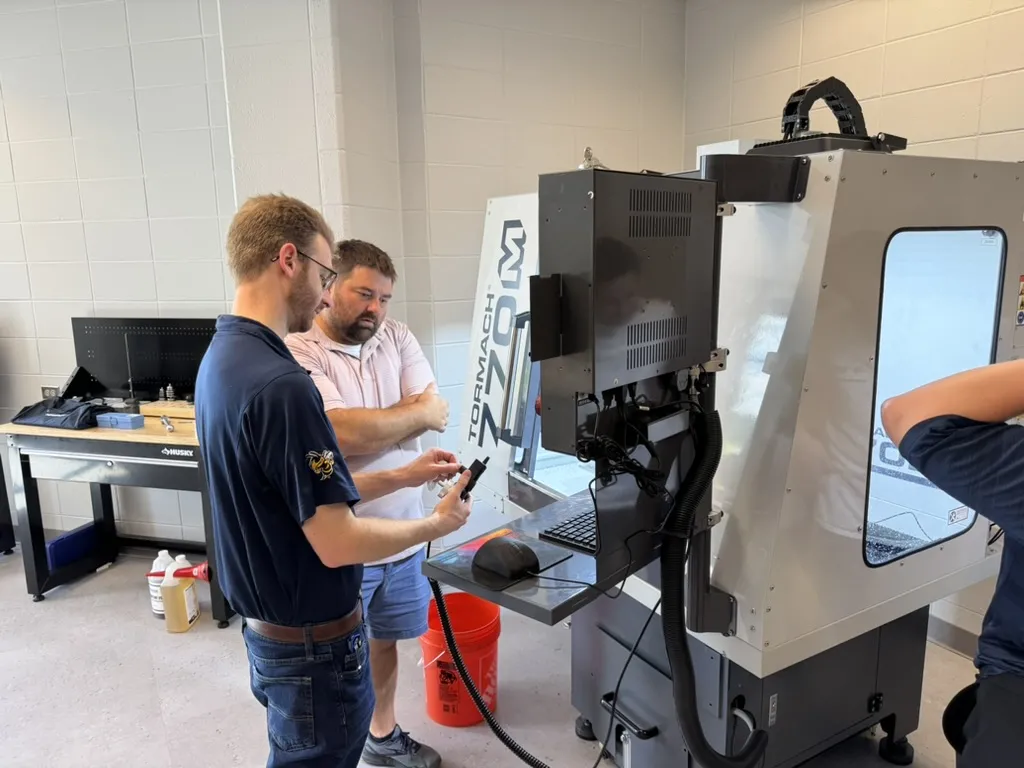
Kyle Saleeby (left) works side-by-side with a teacher to set up precision milling equipment, a key part of the AMP Program’s hands-on curriculum.
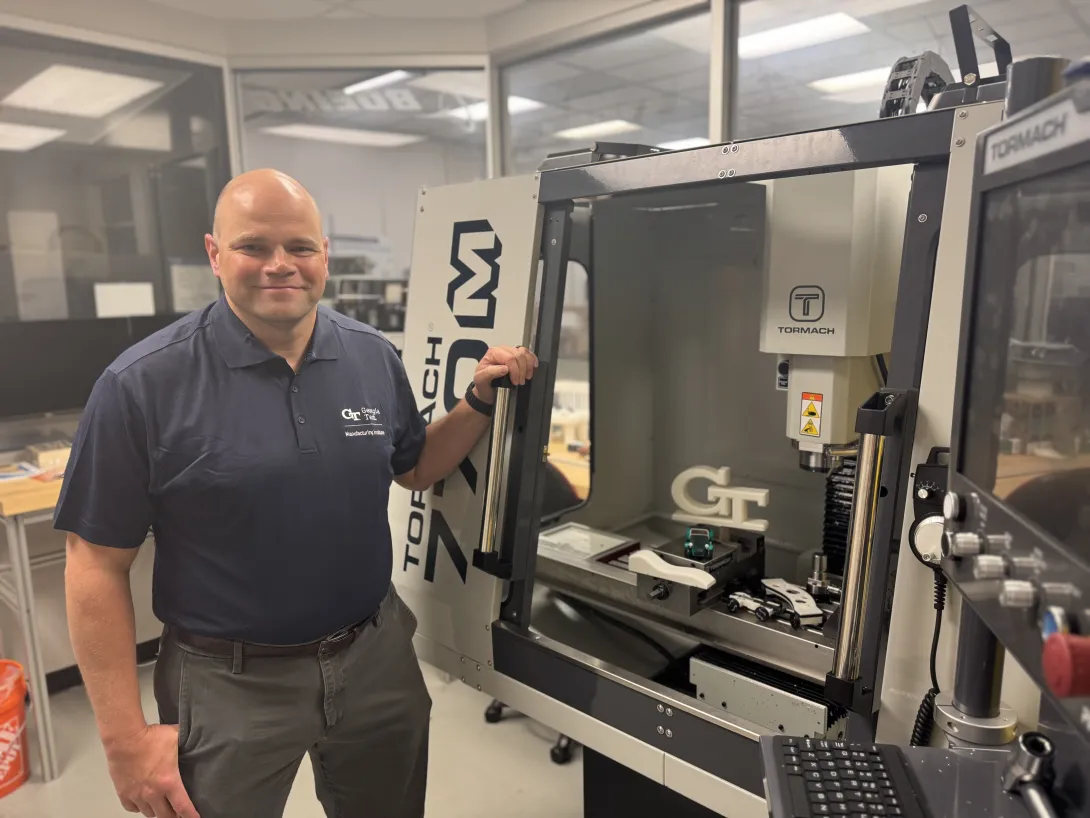
With more than two decades of workforce development experience, Steven Ferguson is helping launch a new era of hands-on learning through the AMP Program.
Smart manufacturing, data-driven design, and artificial intelligence aren’t just buzzwords — they are fields that are creating high-paying, high-tech careers across the country. In rural communities across Georgia, these advanced manufacturing roles are growing, but the talent pipeline isn’t keeping pace.
“It’s not just about creating jobs, it’s about filling them,” says Tom Kurfess, Regents’ Professor in mechanical engineering and executive director of the Georgia Tech Manufacturing Institute (GTMI). “To do that, we need to show students how exciting and innovative manufacturing can be. Manufacturing has really changed over the past few years. Today, going from an idea to a physical part is much easier to do. It is fun and exciting to bring ideas to life and to actually hold the results in your hands.”
GTMI is working to reignite student interest in the art and science of making through its new K–12 initiative: the Advanced Manufacturing Pathways (AMP) Program. Modeled after Georgia Tech’s Rural CS Initiative, AMP empowers schools with faculty expertise, cutting-edge equipment, and a hands-on curriculum to give students early exposure to the tools, technologies, and creativity behind modern manufacturing while building a pipeline of future talent ready to thrive in high-tech careers.
Funded by the Southwest Georgia Regional Commission (SWGRC), AMP is kicking off in three school districts this fall — Decatur County, Thomas County, and the city of Thomasville — with plans to expand to additional schools in the spring of 2026. The program will start by engaging more than 200 students through hands-on learning, virtual instruction, and in-person lab experiences led by Georgia Tech researchers and faculty.
“Here in Southwest Georgia, we believe that opportunities like this are vital for integrated learning in schools and for growing our future workforce,” says Beka Shiver, economic development and transportation planner for SWGRC. “Workforce development and K-12 integration are at the heart of our Southwest Georgia Ecosystem Building Project, and we are so pleased to be able to provide funding for this program.”
The launch of the AMP Program is centered around Design, Build, Race, a course putting a modern spin on the classic pinewood derby. Students will use digital design, 3D printing, and machining to build and race custom cars, while also learning how to collect and analyze performance data to improve their designs and predict outcomes. The course blends engineering with data science, sparking curiosity and showing students how modern manufacturing is powered by both technical skills and smart data.
“This program delivers real-world industry experience to students while strengthening the talent pipeline that drives innovation, competitiveness, and resilience in advanced manufacturing”, says Steven Ferguson, interim director of operations at GTMI and one of the project’s leaders. “After more than 20 years of driving education and workforce development innovation, I’m more energized than ever to help launch the AMP program to open doors for students and advance U.S. manufacturing leadership.”
Building the Blueprint
Before it evolved into the AMP Program, Design, Build, Race was a course developed by GTMI research engineer Kyle Saleeby in 2023. Originating in GTMI’s Advanced Manufacturing Pilot Facility (AMPF), the course was designed to introduce Morehouse and Georgia Tech students to the possibilities of modern manufacturing through digital design, 3D printing, machining, and competitive creativity.
“Even after the first week, it was powerful to watch students discover how exciting it is to design and manufacture a competition-ready car in a matter of hours,” said Saleeby. “That’s when I knew we were onto something special.”
Saleeby teamed up with Ferguson to transform the course into a broader initiative. The duo engaged colleagues from STEM@GTRI and secured funding from SWGRC to modify the curriculum and scale the course for a high school audience.
“We are thrilled that we have been able to take the lessons learned during the development of the Rural Computer Science Initiative and expand opportunities for students in Southwest Georgia,” says Sean Mulvanity, a senior research associate in the Georgia Tech Research Institute. Mulvanity is one of the founders of the initiative and has been a key contributor to the AMP Program. “We hope this program can grow and expose students across the state to the field of advanced manufacturing.”
Though granted by the SWGRC, funds for the program were provided by Georgia Artificial Intelligence in Manufacturing, a statewide initiative founded by GTMI and Georgia Tech’s Enterprise Innovation Institute to advance AI-driven manufacturing.
To bring AMP into classrooms, Southern Regional Technical College helped set up labs and provide technical support, ensuring schools were ready to launch.
“At all levels, the community has rallied around this program,” says Saleeby. “Providing students with a unique experience learning advanced manufacturing technologies will open countless career opportunities. I cannot wait to see where they go.”
News Contact
Audra Davidson
Research Communications Program Manager
Georgia Tech Manufacturing Institute
Sep. 16, 2025
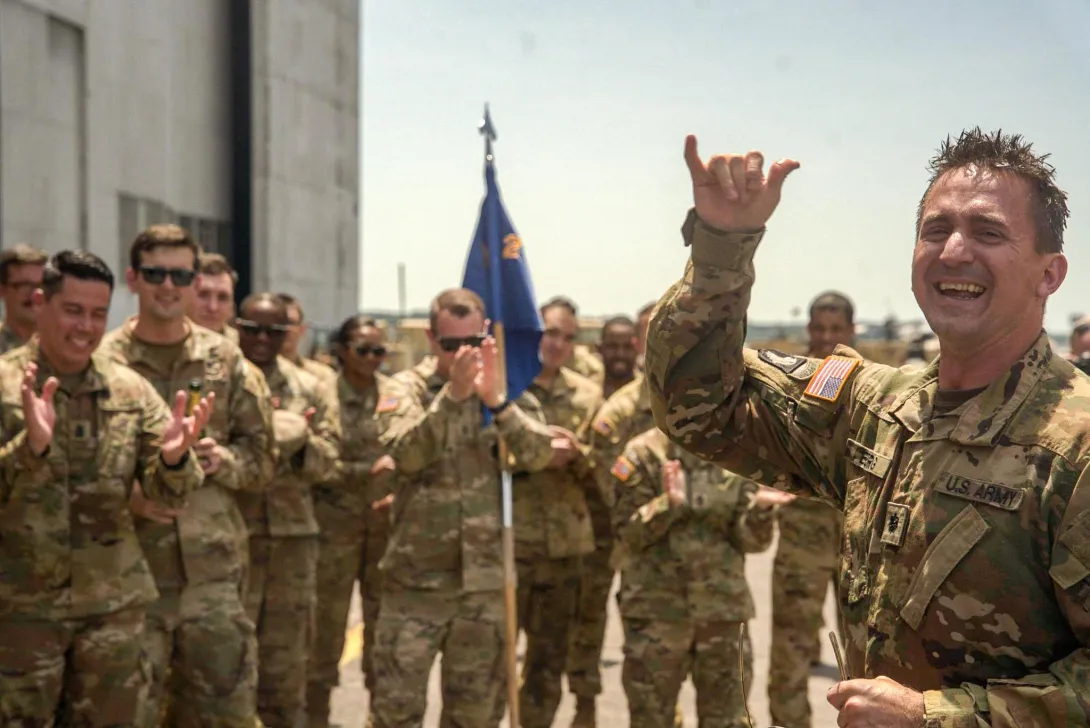
Lukas Berg (right), who flew several variants of the UH-60 Blackhawk over the course of his career, celebrated his final flight before joining the Georgia Tech Manufacturing Institute in August.
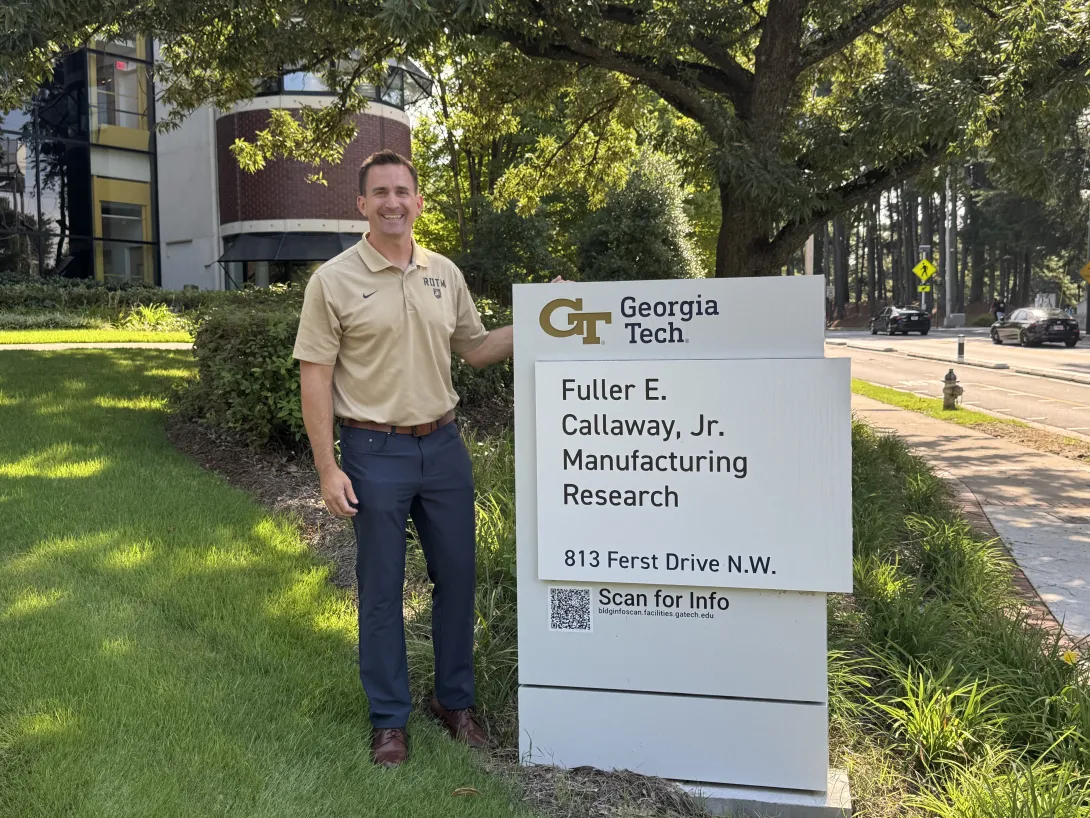
Berg will be working with GTMI for the course of his fellowship with the Hiring Our Heroes program.

Maria Venable, Berg's grandmother, joined the Georgia Tech faculty in 1963 as a 28-year-old native German speaker.

Berg and his family stand next to the model of helicopter frequently flown during his career.
As the U.S. works to strengthen its industrial base and reshore critical manufacturing capabilities, workforce development has emerged as a central challenge — and opportunity.
The Georgia Tech Manufacturing Institute (GTMI) recently welcomed its first Hiring Our Heroes (HOH) Fellow to help address this growing need. Lukas Berg, a retiring U.S. Army officer, will be working with GTMI to support new education and training programs aimed at preparing Georgians for careers in advanced manufacturing.
“Lukas Berg brings a unique blend of operational experience, academic insight, and a deep commitment to service,” said Thomas Kurfess, executive director of GTMI. “His perspective will be invaluable as we work to build stronger connections between Georgia’s communities and the advanced manufacturing sector.”
Hiring Our Heroes is a nationwide initiative led by the U.S. Chamber of Commerce Foundation that helps veterans and military spouses transition into civilian careers through short-term fellowships. Since 2021, Georgia Tech has hosted more than two dozen HOH fellows, beginning with U.S. Army veteran Erik Andersen, who now serves as interim deputy director for the Research, Electronics, Optics, and Systems Directorate at the Georgia Tech Research Institute (GTRI), where he also helps lead the HOH program.
Berg is the first fellow to be placed outside of GTRI, a sign of the program’s growing reach across campus and its potential to support a broader range of workforce development efforts.
“It’s been exciting to see how the Hiring Our Heroes program has grown at Georgia Tech,” said Andersen. “Berg’s placement at GTMI reflects the Institute’s commitment to connecting military talent with real-world innovation and workforce development. Veterans bring a unique perspective and skill set to these challenges, and I’m proud to see the program expanding to new parts of campus.”
Berg’s military career includes aviation command roles, teaching positions at West Point and the Joint Special Operations University, and deployments across multiple regions. At GTMI, he will be contributing to a new initiative that partners with rural school districts to introduce students to hands-on learning in advanced manufacturing, an effort designed to spark interest in high-potential career paths and support long-term workforce readiness.
With personal ties to Georgia Tech and a strong sense of purpose, Berg sees this fellowship as a meaningful next step. We spoke with him to learn more about what brought him to GTMI and how he views the role of manufacturing and workforce development in shaping the country’s future.
What inspired you to pursue a fellowship at the Georgia Tech Manufacturing Institute after your military service?
Last year, I visited Georgia Tech with many of the junior officers and pilots assigned to my helicopter battalion in Savannah. Our agenda included stops at the Georgia Tech Manufacturing Institute and the Advanced Manufacturing Pilot Facility, both of which struck me as being absolutely vital to maintaining the technological edge required to fight and win on the modern battlefield. Pursuing a fellowship at GTMI felt like a natural extension of my military service, and I suspected that it would put me back at the intersection of thinkers and doers (where I have always felt most at home).
You mentioned your grandmother taught at Georgia Tech for over 30 years — how has her legacy influenced your academic and professional journey?
My grandmother, Maria Venable, was the first woman to serve as a full-time faculty member in Georgia Tech’s School of Modern Languages. She poured herself into both her family and her students, and I was lucky to count myself in both populations, as she agreed to tutor me for the AP German exam in high school (but only if I behaved as well as her students at Tech). Her example inspired me to pursue a teaching assignment at West Point halfway through my Army career, and I experienced the same joy in teaching that she did. It’s something that I will continue to do for the rest of my life, whether in a formal or informal capacity.
Can you share more about the specific initiatives you'll be working on at GTMI related to advanced manufacturing education?
Most immediately, I am joining a new GTMI initiative that partners with rural school districts to deliver several weeks’ worth of curriculum and hands-on practice in advanced manufacturing. We just kicked off a pilot program with Bainbridge High School in Decatur, and it’s exciting to see their students leveraging sophisticated systems to design and build Pinewood Derby cars that would make Cub Scouts across the country green with envy. Beyond this initiative, I hope to contribute to other efforts that get young people excited about careers in manufacturing and that assist adult learners in re-skilling and up-skilling for this high-potential industry.
What are you most looking forward to as you begin your fellowship at GTMI?
Georgia Tech feels like a physical and intellectual crossroads of modern civilization. I’m excited to not only contribute as a member of GTMI but also to learn about the countless other departments, institutes, and programs that are convening talent to solve the world’s thorniest problems.
What skills or insights are you hoping to gain during your time at GTMI that will support your next career chapter?
As an Army officer, I’ve been stationed across the country and deployed around the world, but Georgia has always been home. (Gladys Knight’s “Midnight Train to Georgia” has been a fixture on my playlist since I left for West Point at the age of 17.) Now back with my family, I look forward to using my time at GTMI to learn about my home state and identify ways that I can contribute to its near and long-term prosperity, whether through roles in academia, government, or private industry. I also look forward to expanding my network in all these communities, as no single one has a monopoly on problem-solving.
Why do you believe rebuilding America’s industrial base and manufacturing workforce is critical to national security today?
As a career aviator, much of my professional life was spent agonizing over the availability of parts to repair my helicopters. It seemed like there were never enough, and they always took too long to get to me. This experience, coupled with lessons learned from our support of Ukraine’s self-defense, contrasted starkly with my recent study of America’s 20th-century role as the “arsenal of democracy.” I’m convinced that we need to regain that reputation, and I would like to see Georgia at the forefront of associated design, manufacturing, and education initiatives.
How do you see veterans playing a unique role in strengthening the U.S. manufacturing workforce?
I think veterans are the most natural candidates in the world for roles in the manufacturing workforce. They possess the knowledge, skills, and abilities to be successful in most endeavors, but most are looking for ways to extend their service beyond their time in uniform. What better way than to contribute to a field that is so vital to our national security and prosperity?
What does “Progress and Service” mean to you, and what does it mean to you personally to be contributing to that mission?
I love Tech’s motto. I grew up in a family and community that reinforced at every turn the idea that our highest potential as human beings is realized when we serve others. This motivated my choice to serve in the military for the past 20 years, and it remains my North Star for this next chapter. I also love the idea of technological progress being the vehicle by which Georgia Tech collectively serves others, and I hope to accelerate this progress during my time at GTMI.
If you could give one piece of advice to other service members considering a fellowship like this, what would it be?
Inventory your passions and define your purpose. Then start reaching out to people in related fields. I have been amazed at how generous people have been with their time and how eager they have been to help me find my second calling and related opportunities.
News Contact
Audra Davidson
Research Communications Program Manager
Georgia Tech Manufacturing Institute