Boiling Mud and Frozen Flows: How Mars’ Atmosphere Shapes Its Sedimentary Landscapes

Community Spotlight - Iris Tien


Why Change Management Remains the “Says Easy, Does Hard” Skill Every Supply Chain Leader Must Master
VentureLab and I-Corps: Turning Research Into Real-World Impact
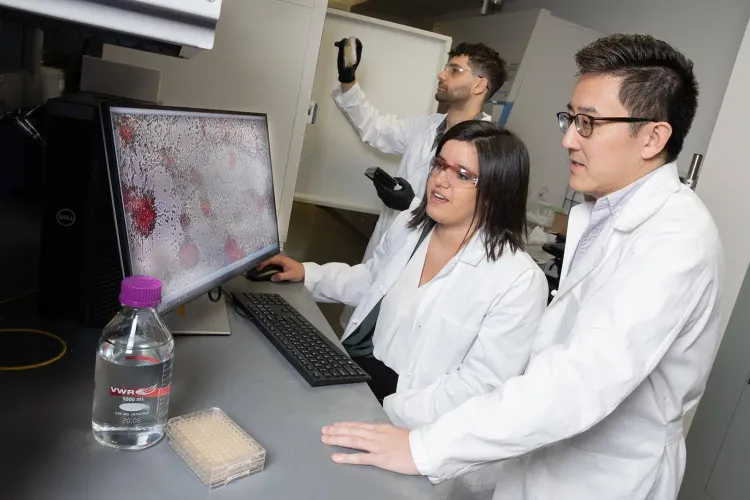
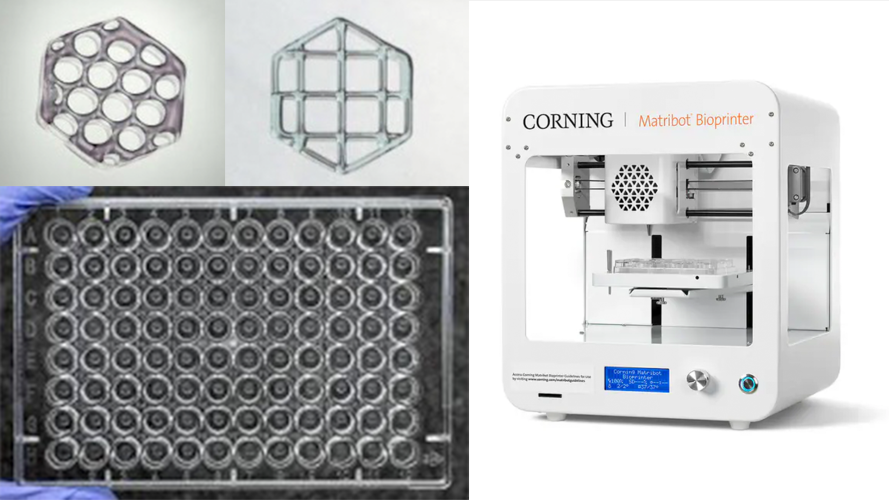
Biocleanroom Adds Corning Matribot Bioprinter for Cutting-Edge Research
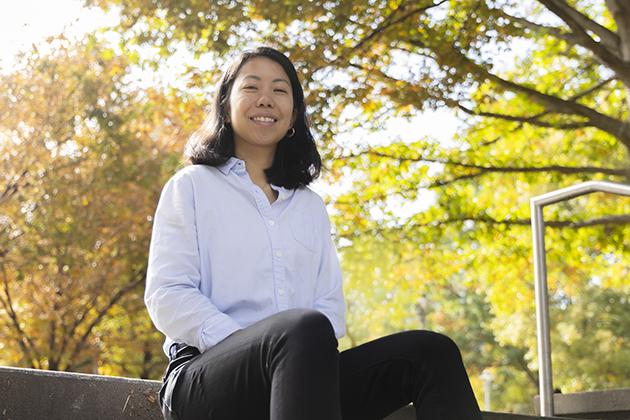
Engineering Curiosity: How a Georgia Tech Researcher Sparks Imagination in K–12 Classrooms
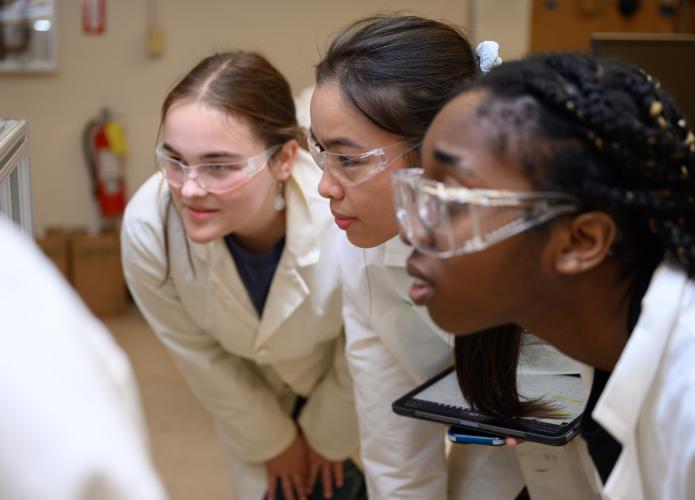
Inspired by MythBusters and her global childhood education, Nisha Detchprohm pursued mechanical engineering at Georgia Tech, earning both bachelor’s and master’s degrees. Now a research engineer at CEISMC, she creates accessible K-12 STEAM curricula and teacher training resources to spark curiosity and engagement. Through hands-on projects and creative tools, she conducts research with classroom impact, empowering educators and inspiring the next generation.

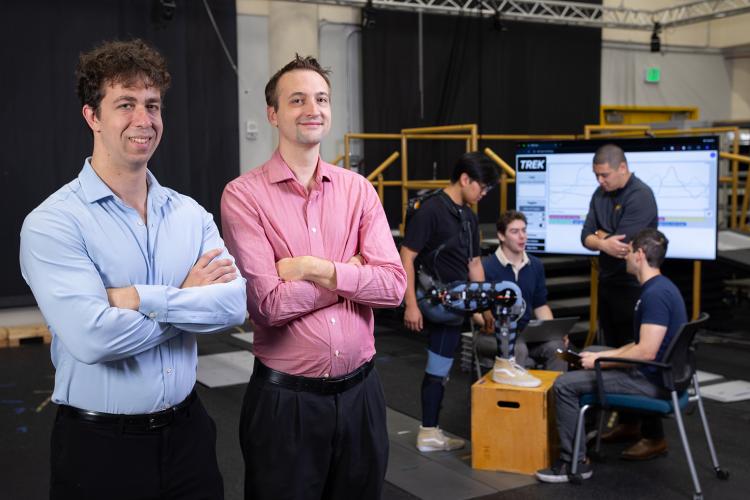
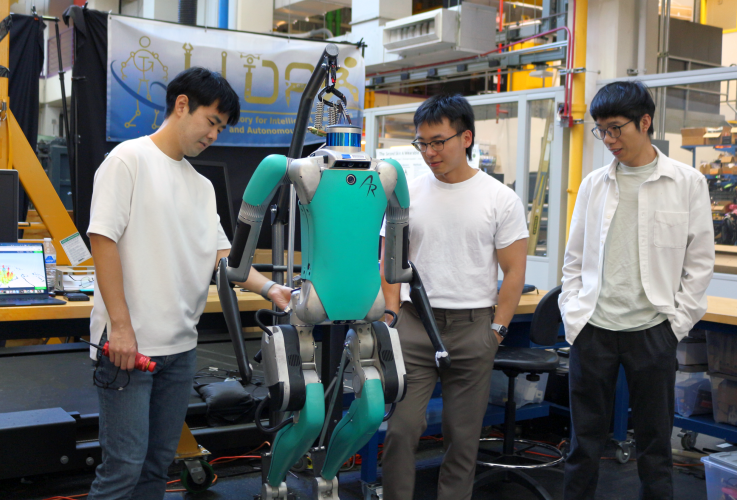

Amazon's Scott King Joins the SCL Industry Advisory Board

Now showing on Media Bridge | Synthetic Ecologies: AI-Translated Matter in Architectural Media
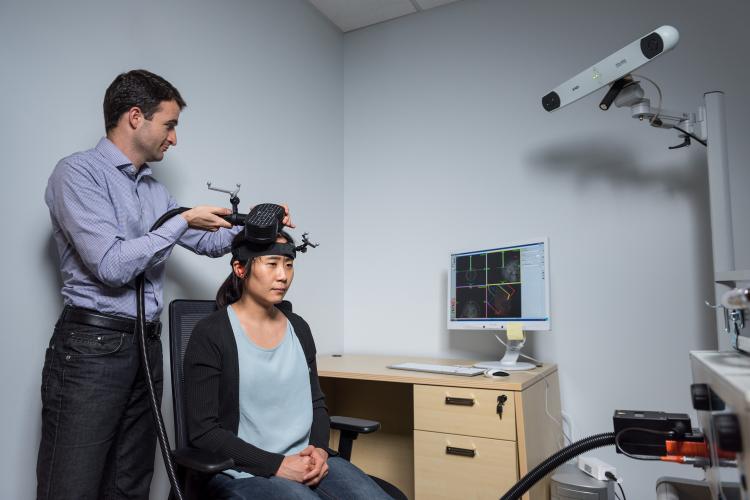
Georgia Tech Uses Computing and Engineering Methods to Shift Neuroscience Paradigms
Faculty at Georgia Tech use their expertise in engineering, math, and computer science to apply common principles of these disciplines to neuroscience research. Within the Institute for Neuroscience, Neurotechnology, and Society (INNS), neuroscientists use these quantitative methods to understand how humans think, treat disorders such as Parkinson’s and Alzheimer’s, and better understand psychiatric disorders.
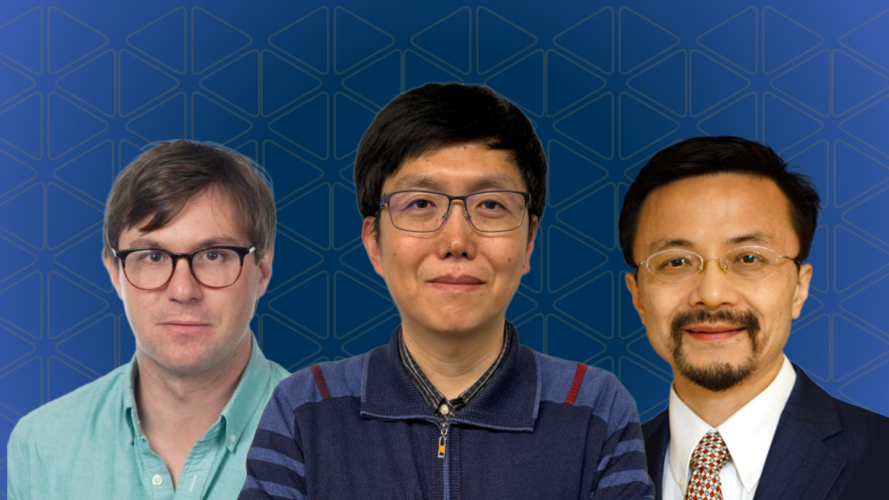
Program Lead Q&A: Advancing Quantum Sensing for Next-Generation Technologies
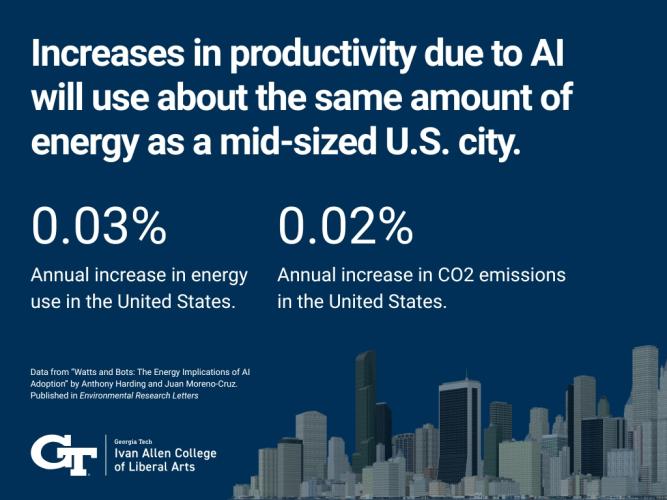

Space Debris Struck a Chinese Spacecraft – How the Incident Could Be a Wake-up Call for International Collaboration
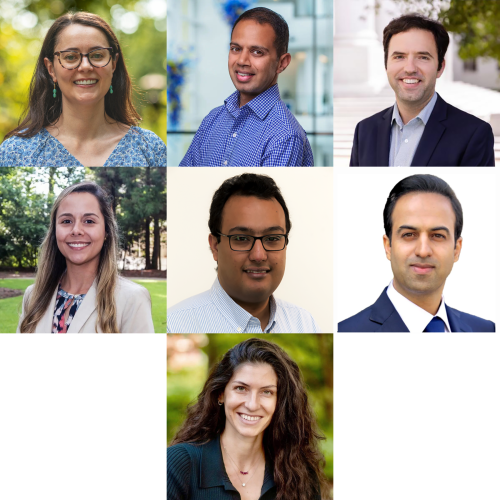
BBISS Welcomes Seven New Faculty Fellows