Tech AI, the applied AI initiative within Georgia Tech AI at Georgia Tech, and Velastegui Ventures are advancing an enterprise AI platform designed to make organizational information easier to find, understand and use.
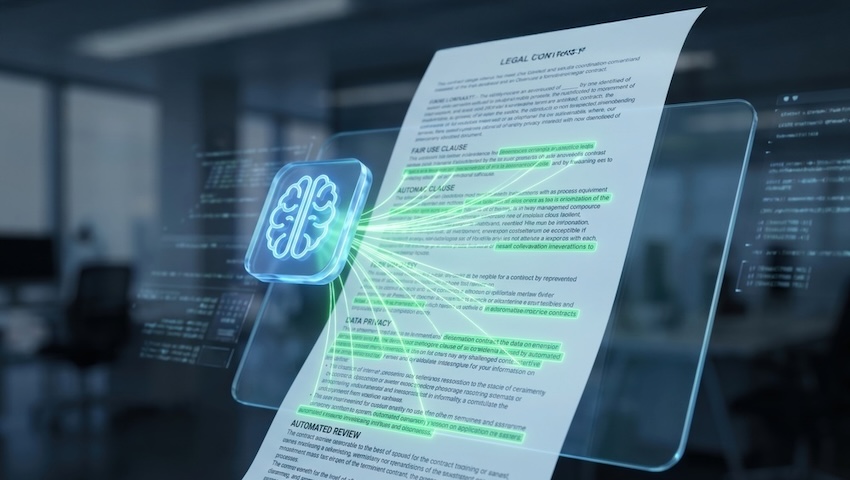
The collaboration centers on an enterprise AI knowledge platform that allows users to interact with information through natural language queries. The platform brings together information from documents, websites, databases and other organizational sources, giving users a more intuitive way to search for and work with institutional knowledge.
The project has moved from Phase 1, which established the platform’s technical foundation, into Phase 2, which will focus on scalability, operational maturity and the capabilities needed to support broader enterprise use.
Enterprise AI Knowledge Platform
During Phase 1, the Tech AI team developed a working platform that combines retrieval-augmented generation, semantic search and citation-backed responses.
Retrieval-augmented generation, or RAG, allows an AI system to retrieve relevant information from a collection of sources before generating a response. Combined with semantic search, this approach helps the platform identify information based on meaning and context rather than relying solely on exact keywords.
The platform also provides citations with its responses, allowing users to trace information back to its original sources.
Together, these capabilities establish the foundation for the broader Tech AI Knowledge Engine vision: using AI to make organizational knowledge easier to access, understand and apply.
“This collaboration shows how Georgia Tech can work with industry partners to move an AI concept from development toward practical application,” said Ajay Upadhyaya, associate director of research administration at Tech AI. “Phase 1 gave us the opportunity to develop and test the technical foundation, while Phase 2 allows us to focus on the systems and processes needed to support broader enterprise use.”
From Prototype to Practical Application
Phase 2 will build on the capabilities developed during the initial phase, with an emphasis on the requirements for broader enterprise adoption.
The team will focus on scalability, governance, monitoring, analytics and administrative capabilities. These additions are intended to help organizations manage the platform more effectively while providing greater visibility into system performance and user activity.
The transition also reflects a broader challenge in applied AI: moving technologies from working prototypes into systems that can operate reliably in real-world environments.
“Most organizations don’t have a knowledge problem. They have an access problem. The answers are already in their documents and systems, but they’re hard to find and harder to trust,” said Nicholas Velastegui, head of operations at Velastegui Ventures. “Phase 1 showed that AI can give people grounded, cited answers. Phase 2 is about making that dependable enough for an organization to run on.”
Team Behind Project
The project brings together researchers, engineers and program leadership from Tech AI.
Alex Djalali, senior research software engineer, serves as the project’s principal investigator and technical lead. Dave Brownell, head of engineering at Tech AI, provides engineering leadership and project oversight.
Research software engineers Austin Weeks and Jeremy Garcia contribute to the platform’s development, engineering and implementation. Upadhyaya supports project coordination, contract management, sponsor engagement and overall program activities. Tim Brown, managing director of Tech AI, serves as the executive sponsor.
As the collaboration moves into Phase 2, the team will continue strengthening the platform’s technical and operational capabilities while identifying additional opportunities to apply AI to complex organizational knowledge.