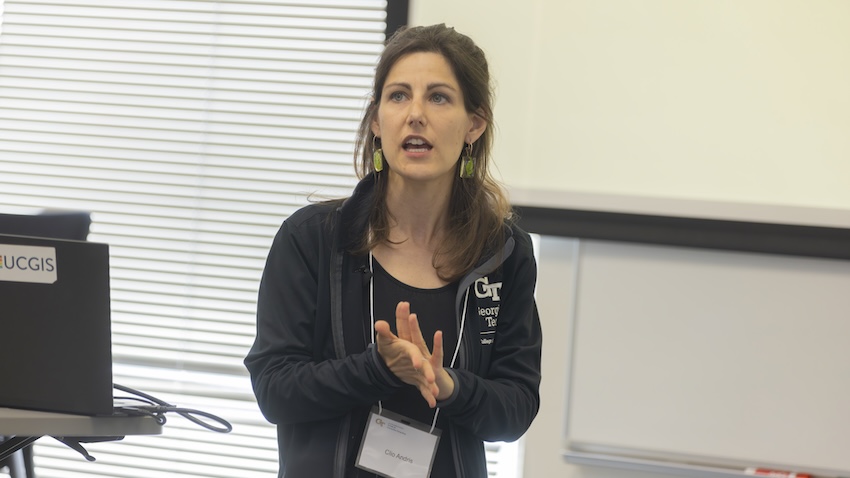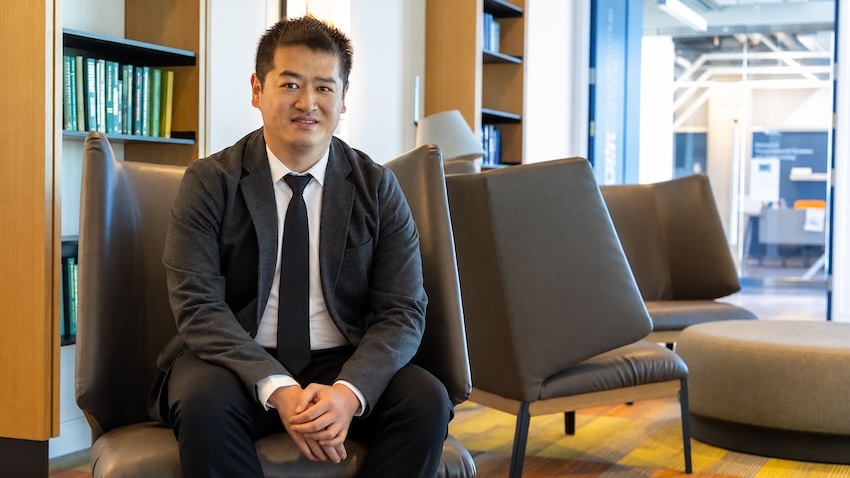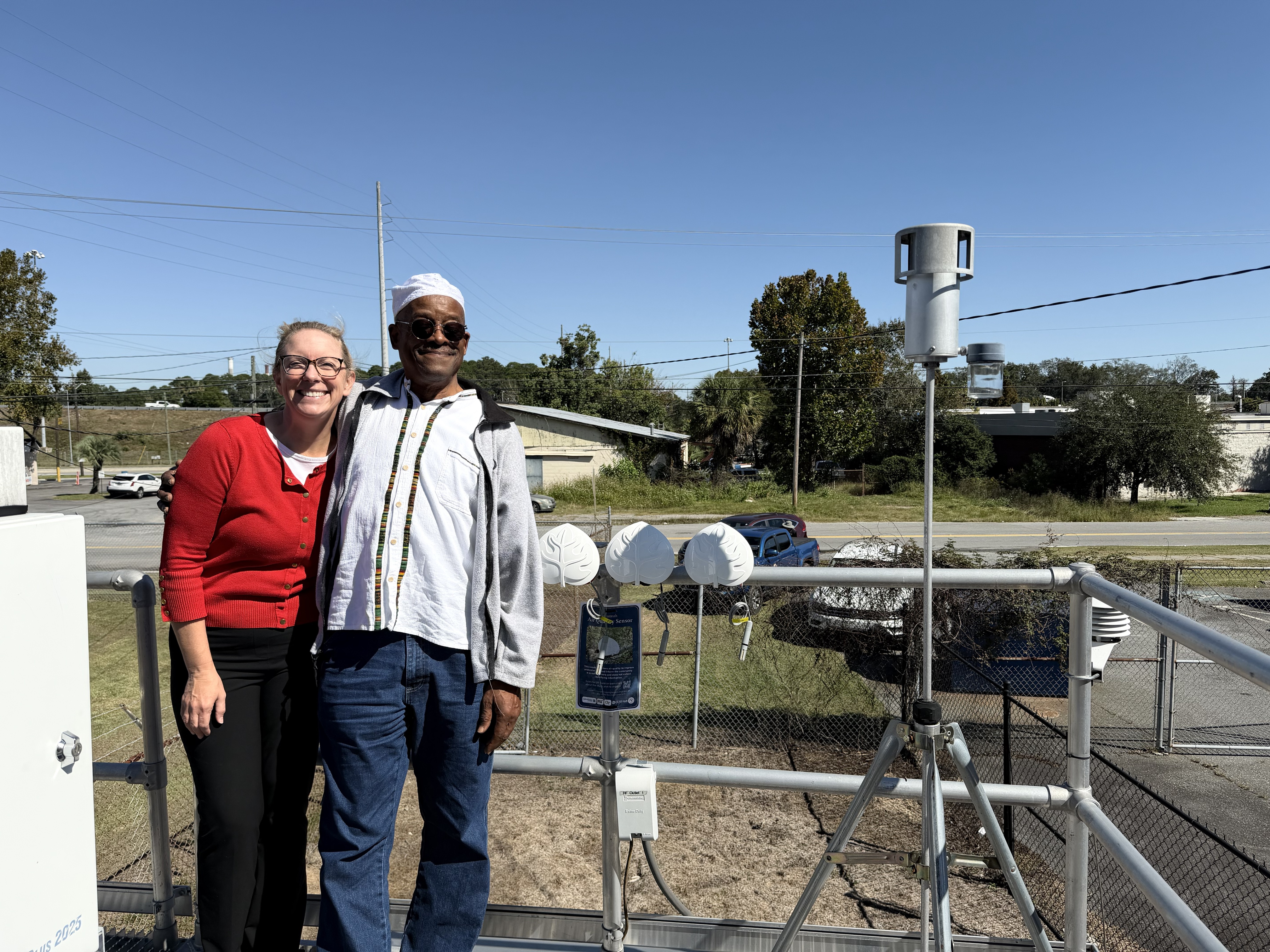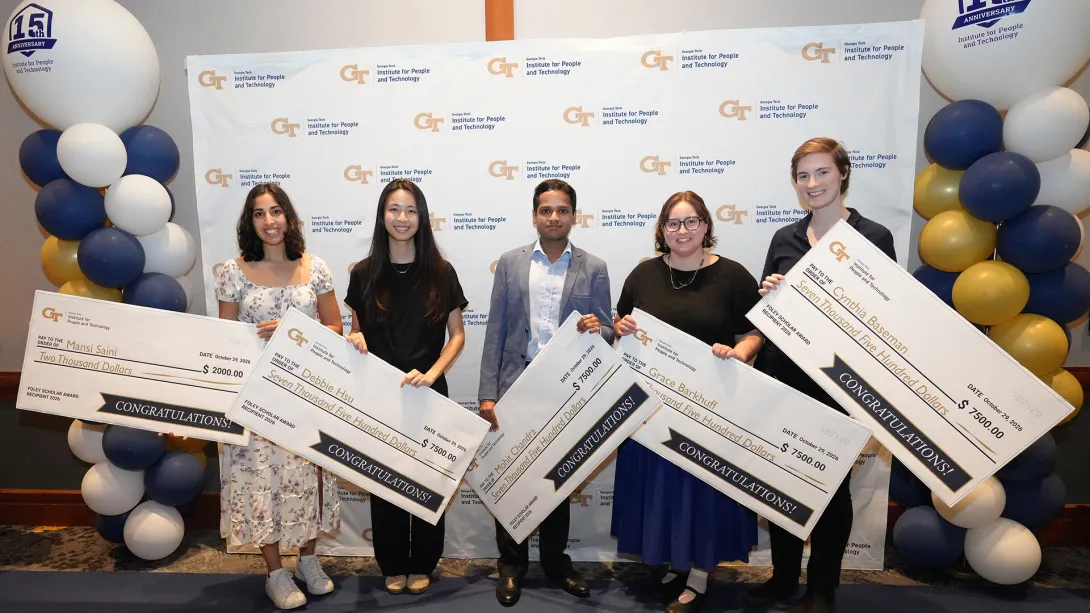
2026 Foley Scholar Winners. Mansi Saini, Debbie Hsu, Mohit Chandra, Grace Barkhuff, and Cynthia Baseman (pictured left-to-right) .
The Foley Scholar Awards celebrate outstanding Georgia Tech graduate students whose innovative research and vision are helping shape the future of how people interact with and experience technology. Over the years, finalists have represented a range of disciplines, including computing, engineering, liberal arts, and design.
The Institute for People and Technology (IPaT) is pleased to recognize the 2026 Foley Scholar winners and finalists for their innovative research and contributions to their fields.
“This year’s winners exemplify the creativity, rigor, and human-centered thinking that define Foley Scholar research. Their work addresses complex challenges at the intersection of people and technology, and we are proud to recognize both their accomplishments and their potential for growing impact,” said Michael Best, executive director of the Institute for People and Technology.
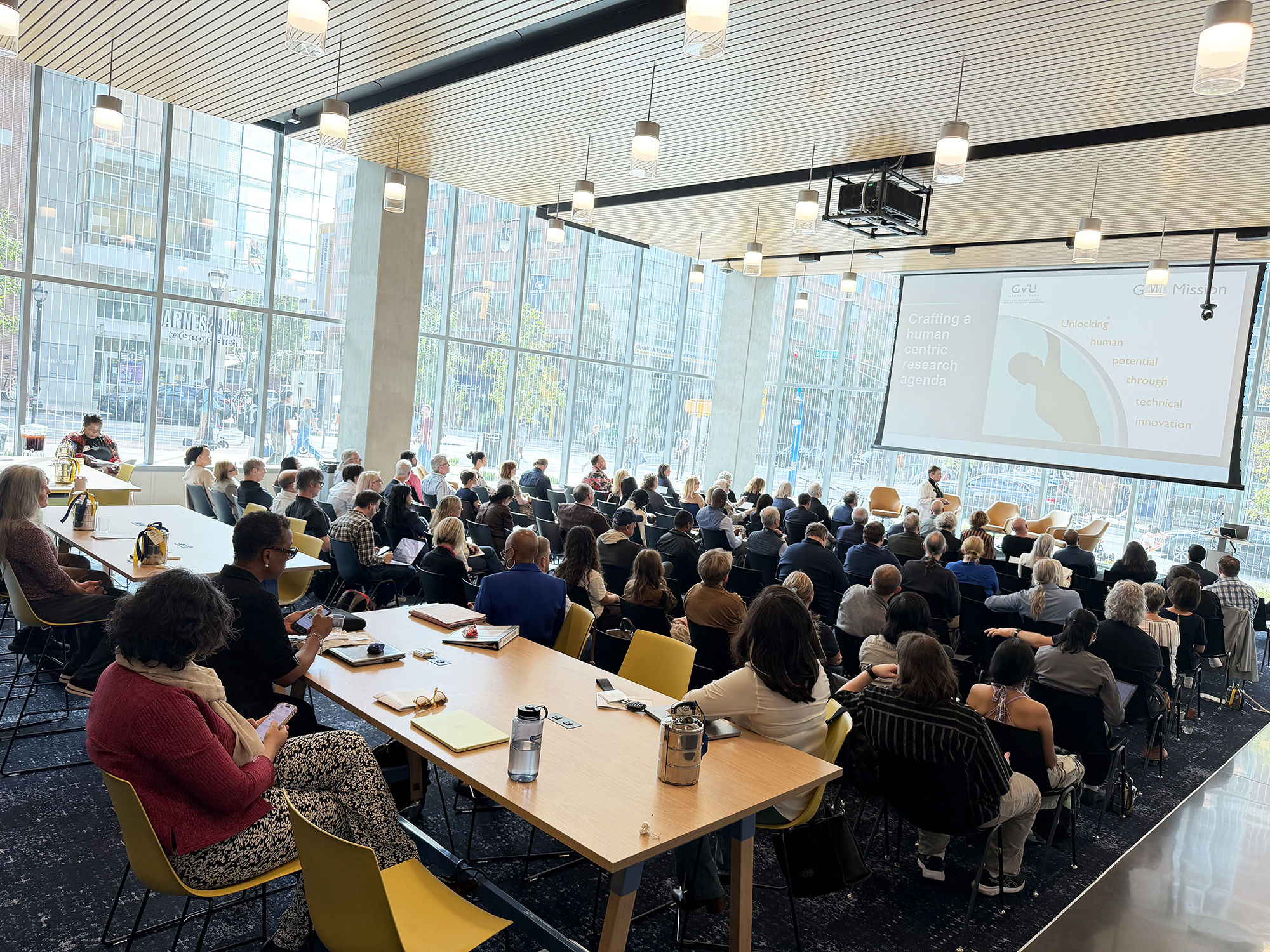
Professor Emeritus Jim Foley, for whom the scholarship is named, closed the event with remarks encouraging all of the finalists to build relationships, help others, and seek to make a difference through their research and research communities.
Congratulations to the 2026 Foley Scholar winners:
- Mansi Saini, a master's student in human-computer interaction, was awarded $2,000.
- Mohit Chandra, a Ph.D. student in computer science, was awarded $7,500.
- Grace Barkhuff, a Ph.D. student in human-centered computing, was awarded $7,500.
- Cynthia Baseman, a Ph.D. student in human-centered computing, was awarded $7,500.
- Debbie Hsu, a Ph.D. student in engineering psychology, was awarded $7,500.
2026 Foley Scholar Finalists:
A short description of each finalist's research, along with their Georgia Tech faculty advisor, is listed below:
Grace Barkhuff is a Ph.D. student in human-centered computing advised by Ellen Zegura. Her research focuses on improving computing ethics instruction, encouraging students to consider how technology can be designed and used to improve the human experience without causing harm.
Cynthia M. Baseman is a Ph.D. student in human-centered computing advised by Rosa Arriaga. They conduct community-engaged research with Black older adults with low income to center their perspectives and experiences with diabetes self-management technologies.
Mohit Chandra is a Ph.D. student in computer science advised by Munmun De Choudhury. His research focuses on establishing methodologies and frameworks for assessing, operationalizing, and integrating dimensions of lived human experiences within generative AI systems for high-stakes domains such as clinical mental healthcare and social and emotional uses of AI.
Amy Zhenlu Chen is a Ph.D. student in human-centered computing advised by Michael Best. Her research explores community-centered approaches to working with digital platforms, including social media and AI, for public health communication. Her current project features a culturally tailored, AI conversation simulator designed to help diabetes prevention coaches build their communication skills.
Debbie Hsu is a Ph.D. student in engineering psychology advised by Mengyao Li. Her research investigates how trust spreads in teams in which multiple people collaborate with multiple AI systems. Such configurations are increasingly common in safety-critical settings but are largely missing from existing research, which has typically focused on a single human paired with a single AI system.
Muhammad Faraz Karim is a Ph.D. student in cybersecurity and privacy advised by Sukarno Mertoguo. His research vision is to secure complex computational systems at the point of human interaction and ensure that systemic vulnerabilities do not exploit end-user trust.
Lara Karki is a Ph.D. student in human-centered computing advised by Betsy DiSalvo Her research focuses on community-driven problem solving, working alongside affected communities to define real-world challenges and co-design meaningful solutions. A core part of her work involves developing and supporting DataWorks, a Georgia Tech program that provides data services, such as cleaning and annotation, to organizations while offering computing education and non-traditional career pathways to local community members.
Soonho Kwon is a Ph.D. student in human-centered computing advised by Shaowen Bardzell. His research examines how technology intersects with the experiences of LGBTQ+ communities in South Korea and explores how technologies might be better designed to serve them.
Medhavi Sabherwal is a master's student in human-computer interaction advised by Rosemaria Santa González. Her research includes the in-home deployment of a conversational AI assistant, including setup, configuration, and contextual onboarding interviews designed to reveal residents' expectations, concerns, and mental models of AI. She also supports the deployment and troubleshooting of additional technologies to help ensure the systems are responsive to older adults' needs.
Mansi Saini is a master's student in human-computer interaction advised by Brian Magerko, Yixiao Wang, and Andrea Parker. Her broader research vision centers on creating safe and ethical interactive systems through a human-computer interaction lens.
Arya Thiruvillakkat is a master's student in human-computer interaction advised by Rosemaria Santa González. Her long-term goal is to contribute to the development of technologies that empower individuals and improve quality of life while ensuring that innovation remains grounded in human values and shaped by the communities it is intended to serve.
Photo album of the 2026 Foley Scholars event.
News Contact
Walter Rich
Research Communications