Alexander Vlahos, assistant professor in the Wallace H. Coulter Department of Biomedical Engineering, has been awarded a five-year, research grant from Breakthrough T1D, the leading global type 1 diabetes (T1D) research and advocacy organization, to support pioneering work aimed at improving therapies for T1D. The award will support Vlahos’ project, “Rewiring Cellular Microenvironments with Synthetic Circuits for Subcutaneous Islet Transplantation,” through the Georgia Tech Research Corporation.
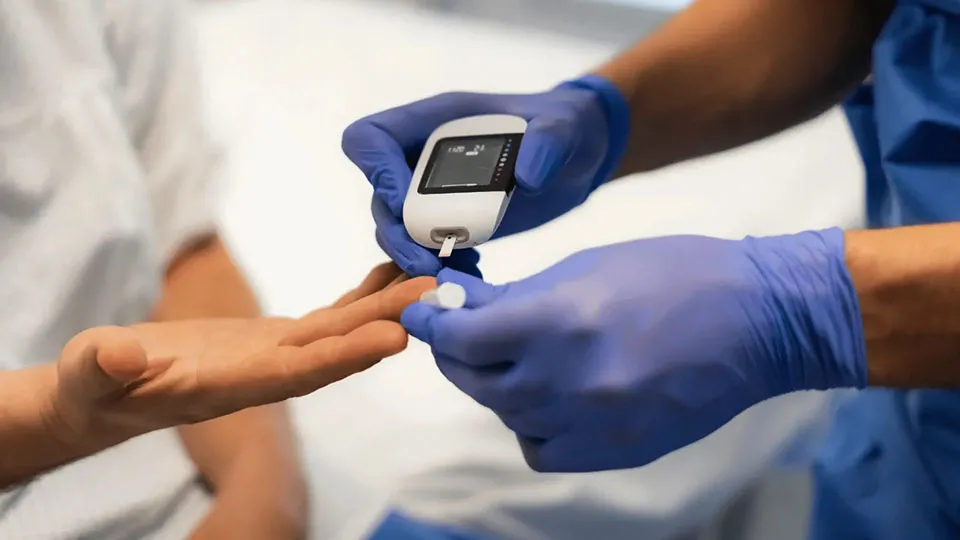
T1D is caused by the autoimmune destruction of insulin-producing pancreatic beta cells, requiring individuals to manage their blood glucose levels through lifelong insulin therapy. Transplanting pancreatic islets has long been investigated as a potential curative treatment, but long-lasting success in extrahepatic sites has been limited—particularly when islets are transplanted beneath the skin—due to poor blood vessel formation, immune rejection, and cellular stress following transplantation.
Vlahos’ research addresses these limitations by combining synthetic biology and tissue engineering in a new way: engineering cells to actively reshape their local environment after transplantation to make it more hospitable for the graft. Rather than relying solely on biomaterials or porous structures to support transplanted cells, the project focuses on programming the cells themselves to sense stress and respond dynamically.
News Contact
Kelly Petty | Communications Manager
Wallace H. Coulter Department of Biomedical Engineering