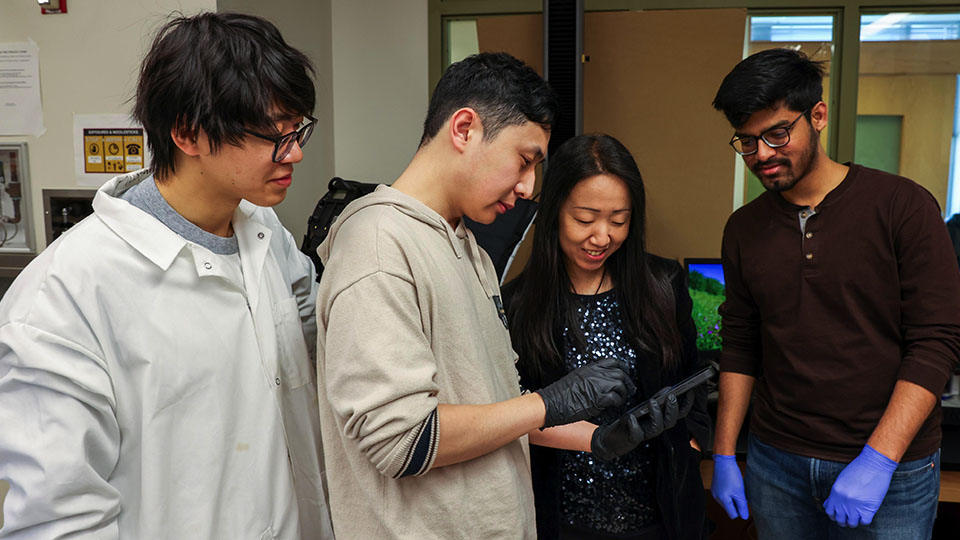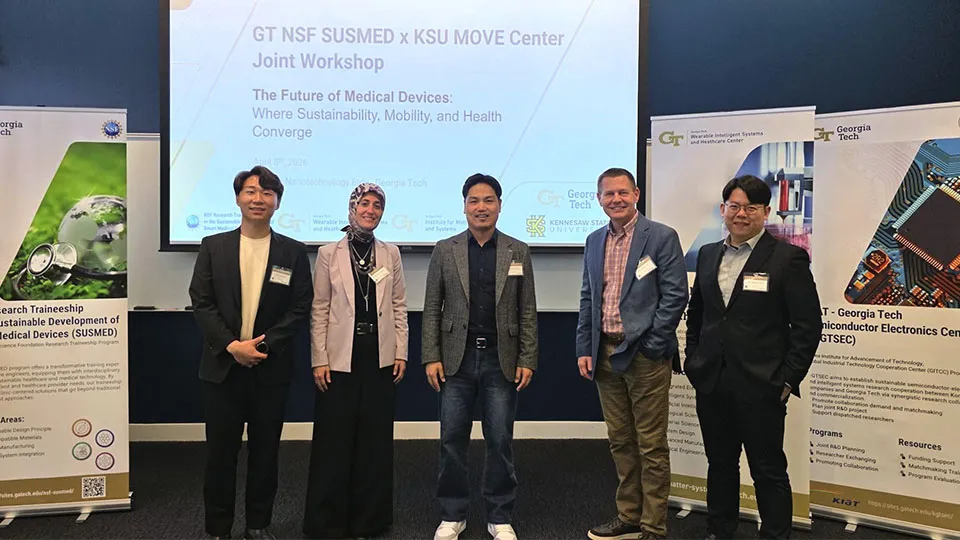
Students, faculty, and researchers from Georgia Tech and Kennesaw State University gathered on April 8 for a joint workshop between Georgia Tech's NSF Sustainable Development of Smart Medical Devices (SUSMED) program and KSU's Mobility for Everyone (MOVE) Center. The full-day event explored how sustainable design, mobility science, and health technologies are converging to shape the next generation of medical devices.
Hosted in Georgia Tech’s Marcus Nanotechnology Building, the workshop brought together trainees from the NSF SUSMED program and students from the MOVE Center for a day of presentations, posters, and hands‑on demonstrations.
The event was co‑led by Hong Yeo, Peterson Professor in Pediatric Research in the George W. Woodruff School of Mechanical Engineering at Georgia Tech; Karam Kim, research faculty at the same school; and Ayse Tekes, associate professor in Mechanical Engineering at KSU.
“I am thrilled to have hosted this first joint event between the NSF NRT in the WISH Center at Georgia Tech and the KSU MOVE Center. When I first envisioned it, I hoped it would spark meaningful conversations between students and researchers — but what unfolded far exceeded every expectation,” Yeo said. “This was not just a gathering; it was a launchpad for exciting new collaborative projects, dynamic student exchange programs, and bold, ambitious bets on the future of our field. A heartfelt thank you to IMS Director Eric Vogel, Josh Lee, the WISH Center program manager, and Karam Kim, research faculty extraordinaire — none of this would have been possible without their support.”
A central goal of the workshop was to give students meaningful opportunities to present their research and engage with peers across disciplines. According to Tekes, who is the director of the MOVE Center, events like this play a critical role in shaping early career researchers.
“I think these events are very eye-opening,” Tekes said. “They give students a real opportunity to showcase their results, but also to collaborate and learn about research outside their own area. Seeing work across disciplines sparks new questions and helps them think differently.”
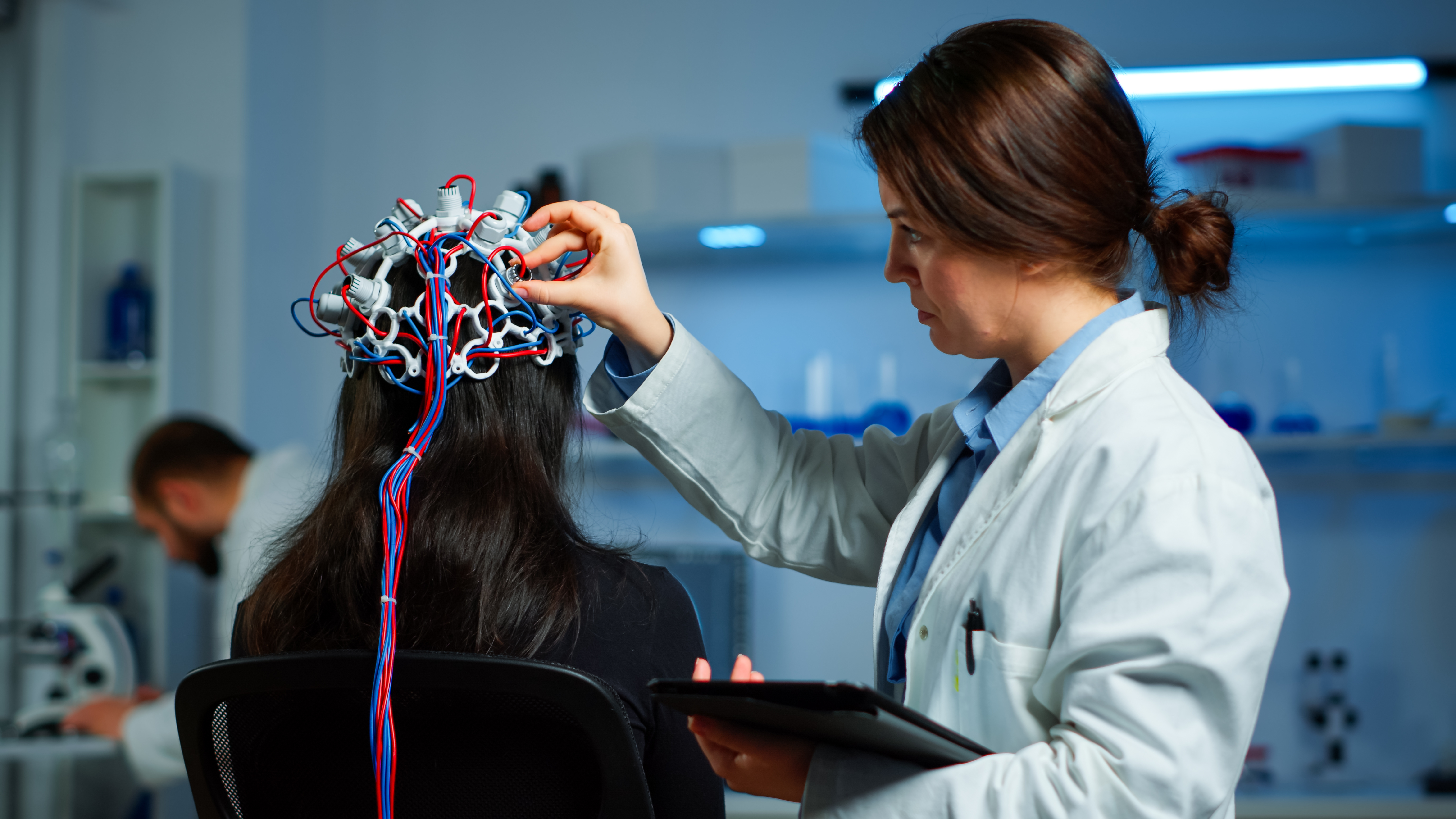
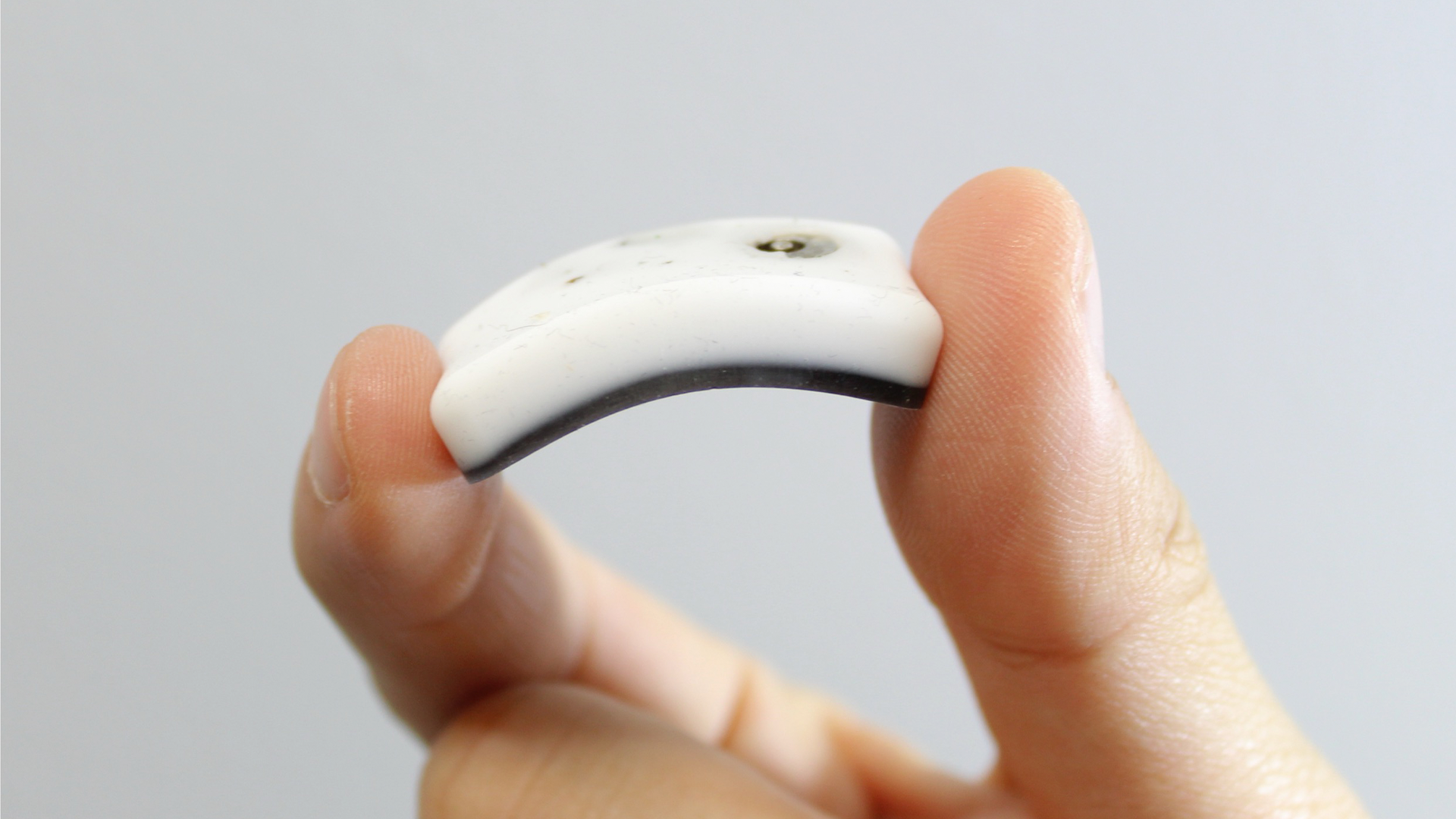
Throughout the day, students presented projects on wearable devices, mobility technologies, digital health tools, sustainable engineering approaches, and more. Tekes emphasized how valuable it is for students to practice communicating their work to a broad audience.
“They are getting the practice to present their outputs — the key outcomes of their research — and explain the significance and importance,” she said. “They’re also learning to answer questions from different perspectives, because in this room you’re seeing engineers, computer scientists, and clinicians.”
Due to the strong turnout and enthusiastic participation throughout the day, organizers are already planning another session next semester. By bringing together diverse expertise from both schools, the event highlighted the shared commitment to developing medical technologies that improve mobility, health, and quality of life.
Funding sources: NSF NRT-FW-HTF: NSF Traineeship in the Sustainable Development of Smart Medical Devices (Award # 2345860) and WISH Center grant from the Institute for Matter and Systems
News Contact
Ashlie Bowman | Communications Manager
Parker H. Petit Institute for Bioengineering and Bioscience
Written by Scarlett Smith