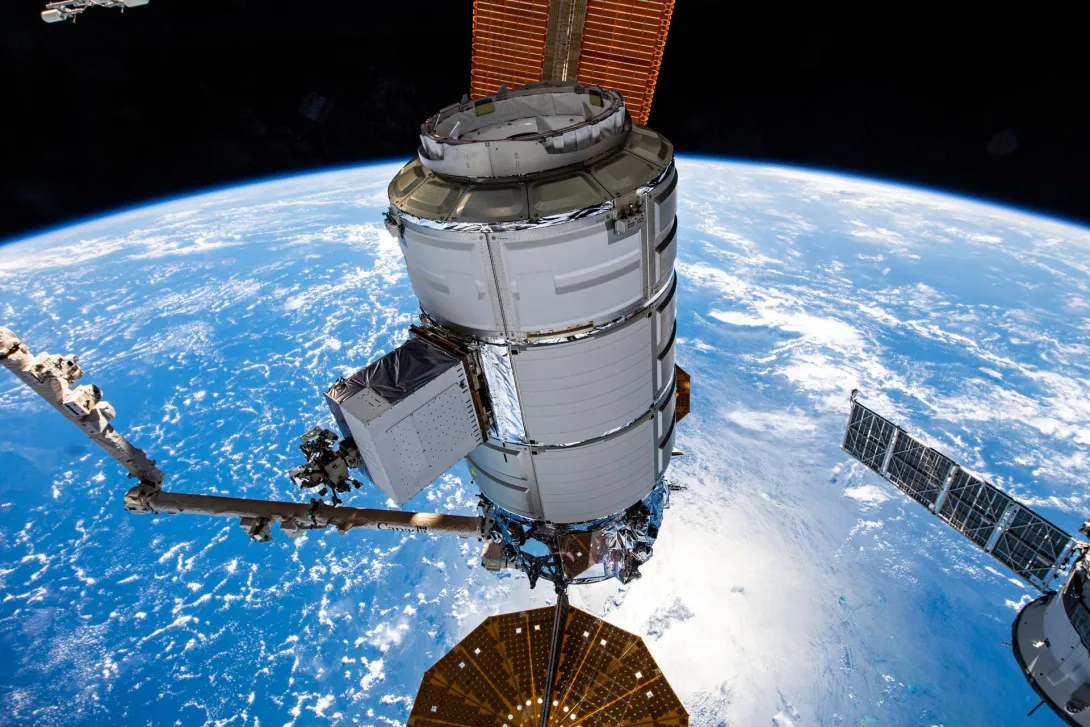
Courtesy of NASA
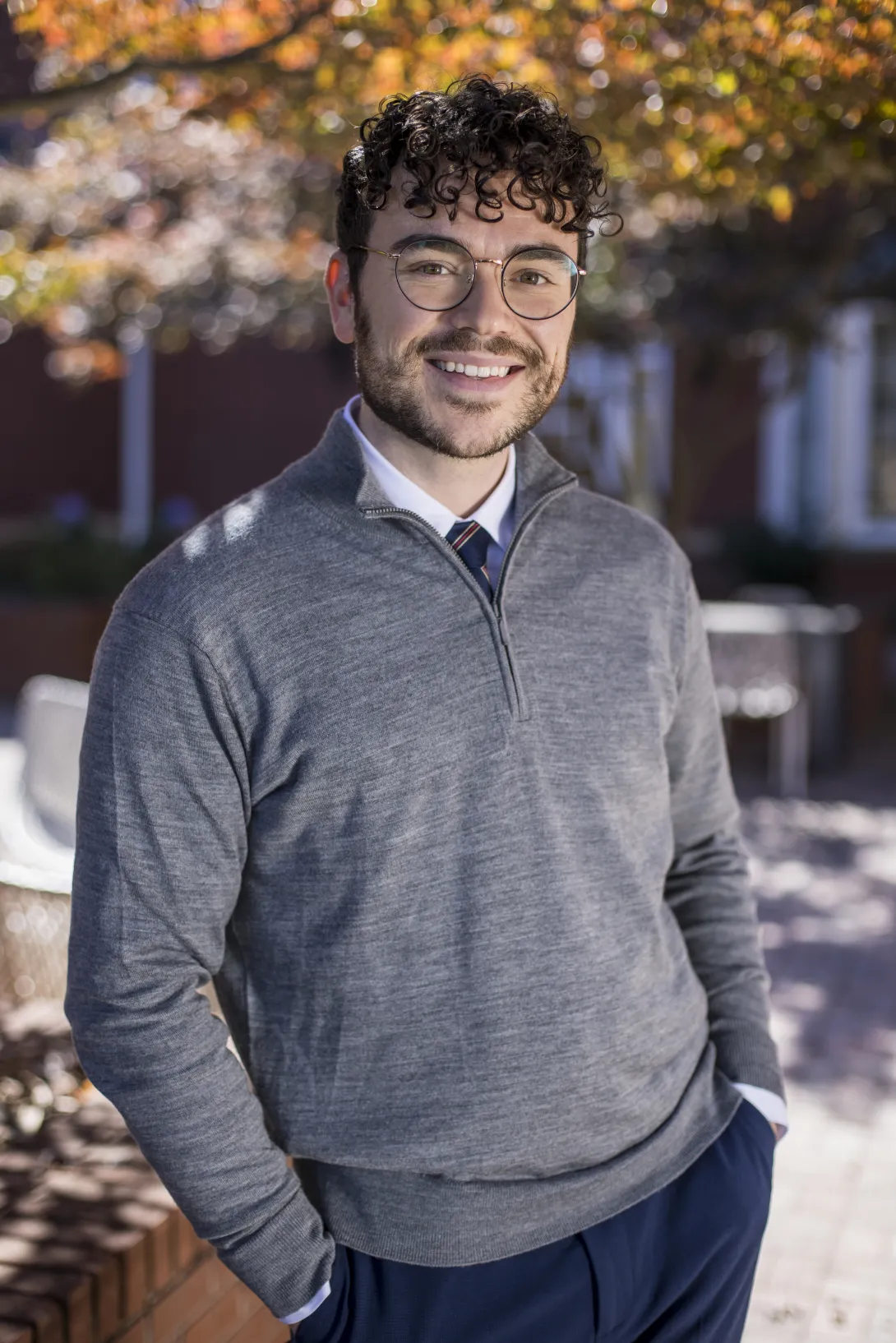
Thomas González Roberts
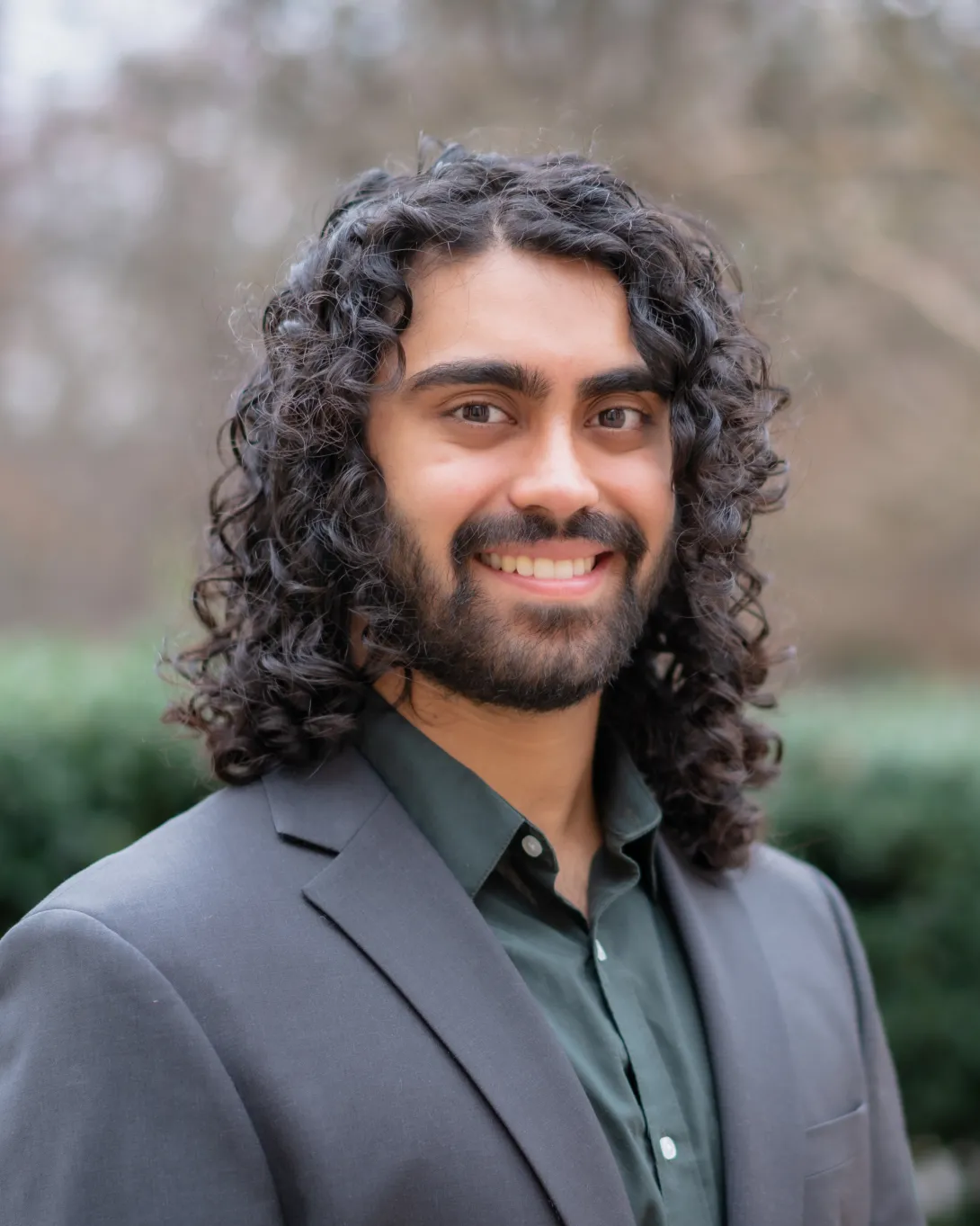
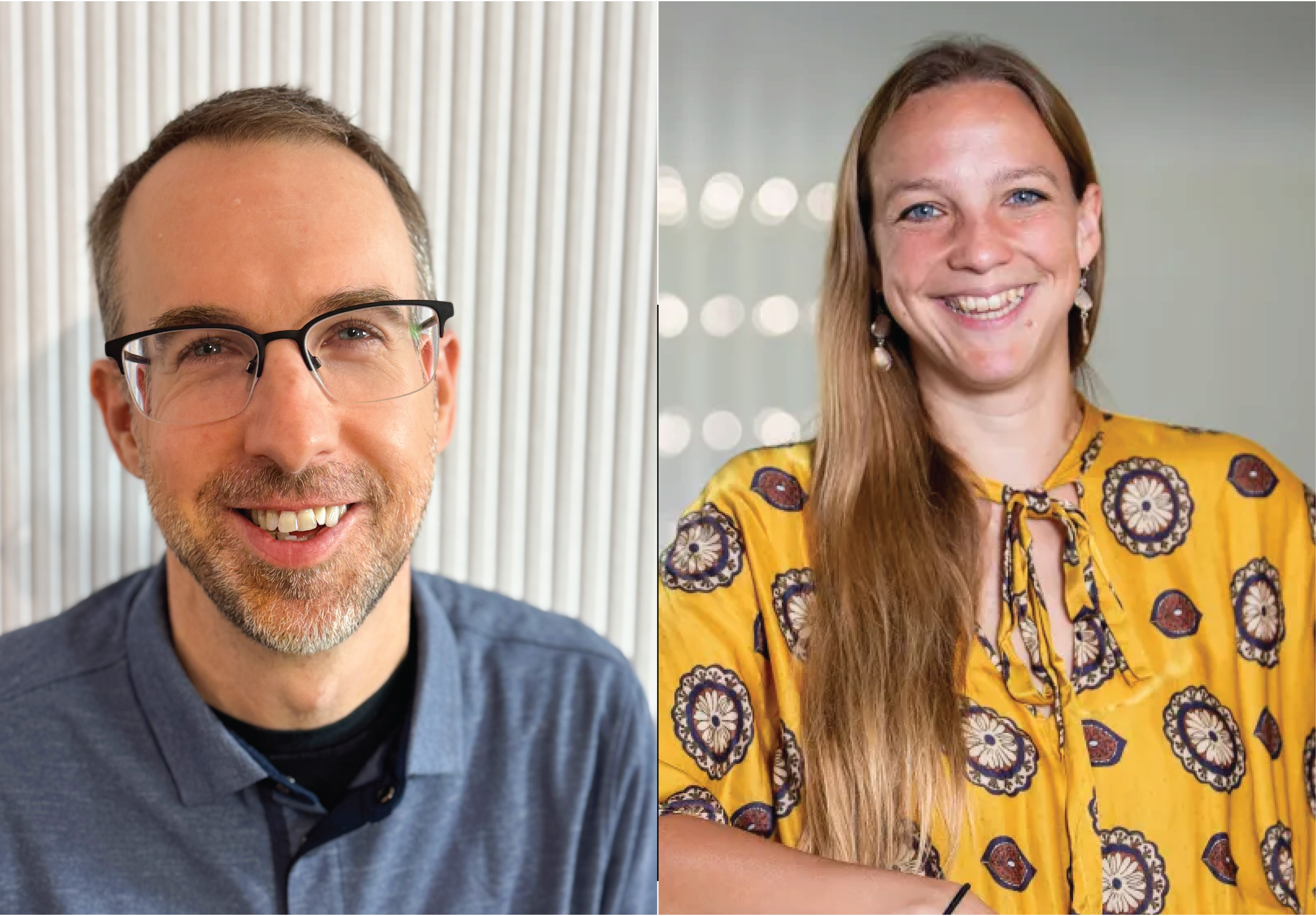
Neel Puri
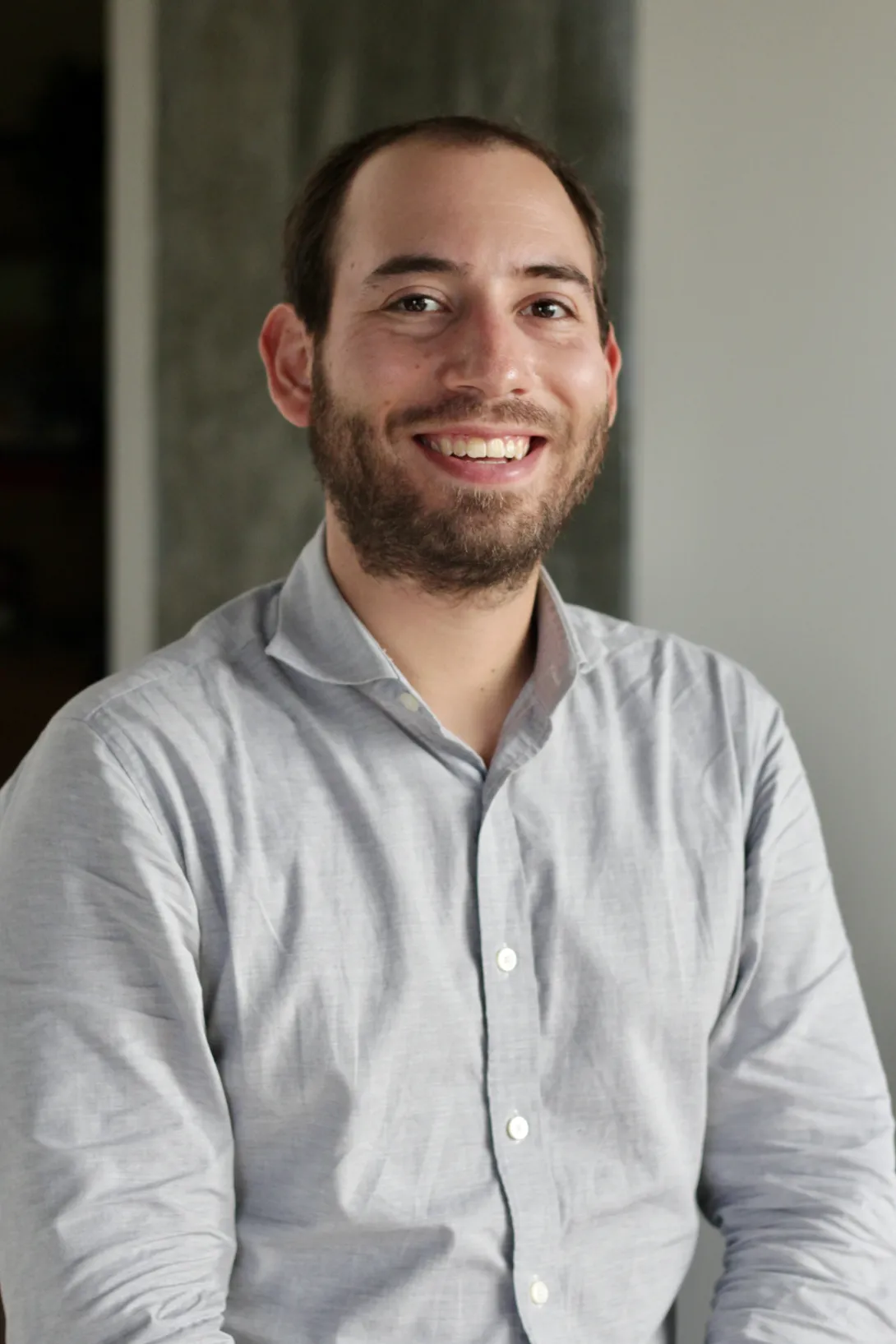
Miles Lifson

Polina Verkhovodova
When Polina Verkhovodova began her aerospace engineering Ph.D. at Georgia Tech in 2022, she never imagined developing an interest in space sustainability policy. But a pair of courses showed her how her technical engineering background could merge with policy.
Verkhovodova enrolled in courses on space policy and space sustainability taught by Thomas González Roberts, an assistant professor in the Sam Nunn School of International Affairs and the Daniel Guggenheim School of Aerospace Engineering (AE). Although Roberts is new to Georgia Tech, he is deeply connected within the international space community and regularly brings outside experts into his classroom. Guest speakers introduce students to the breadth of careers in the field, from technical analysis to national and multinational policymaking.
One lecture in the policy class, delivered by a representative from the Matthew Isakowitz Commercial Space Scholarship program, opened a door for Verkhovodova. She later won the scholarship while in Roberts’ sustainability course and spent a summer in Washington, D.C., on the government affairs team for Voyager Technologies Inc., the space technology company.
“These courses gave me a new perspective on how we use and consider the space environment,” Verkhovodova said. “They revealed the interdisciplinary nature of the field of space sustainability to me. Now, I see myself working at that intersection of policy and engineering.”
Georgia Tech’s space sustainability course is the first of its kind in the United States, and each year, it focuses on a different theme. In 2025, it was space congestion in low Earth orbit; this year, it’s lunar surface coordination among nation-states.
Building a New Kind of Class
Roberts designed the course around three components: foundations of space sustainability, an introduction to the principal sustainability challenges in the space domain and how space actors try to solve them; a signature guest lecture series he calls “Space Sustainability According To…” to show students how these solutions work in practice; and a project workshop, where students break into small groups to answer research questions under the mentorship of Roberts and an external partner organization.
The guest lecture series brings in professionals from a wide range of organizations — economists, astronomers, diplomats, and industry leaders — to discuss what sustainability means within their part of the space ecosystem. Past speakers have represented institutions including NASA, the United Nations, and Northrop Grumman.
“They all have different perspectives on what it means to be a sustainable steward of the space domain,” Roberts said. “A company needs to be profitable, while NASA’s mission focuses on expanding human knowledge. I want students to see the full spectrum of career paths that will let them work on space sustainability for the rest of their careers, if they choose to.”
These conversations expose students to the tools, ideas, and people shaping the emerging discipline — connections that often extend well beyond the classroom.
Modeling the Future of Space
Some guest speakers are part of the course’s external partnerships with leading space sustainability organizations, like last year’s collaboration with The Aerospace Corporation and this year’s with the Open Lunar Foundation.
In 2025, The Aerospace Corporation showed students how to use important research tools and also mentored student research teams as they developed their final projects. One of these tools was the MIT Orbital Capacity Assessment Tool (MOCAT), an influential model used to study the effects of space debris on the long-term usability of the most popular portion of the space domain. Space debris and the resulting congestion for satellites and spacecraft navigating around this debris are some of the most pressing challenges in space sustainability.
“One of the most unique experiences was that our professor used his connections to bring the original architects of MOCAT into the class,” said aerospace engineering Ph.D. student Neel Puri.
Among those architects was Miles Lifson. A graduate school colleague of Roberts’ at MIT, Lifson is now a project leader in flight mechanics at The Aerospace Corporation. While Aerospace Corporation already collaborates with Georgia Tech through internships and lab partnerships, Lifson saw the class as a rare chance to work directly with students.
“When I heard about this class, I was really excited,” he said. “Space situational awareness, space debris, spacecraft coordination — these issues are becoming increasingly important as we put more spacecraft into orbit. It’s immensely rewarding to work with students because they’re passionate about solving problems and full of ideas. These are skills the space industry really needs.”
From Classroom to Conference Stage
Lifson also supported students in their final projects, helping them use the MOCAT model to analyze real-world problems and craft policy recommendations. One project, led by Puri, grew into a published conference paper, “Space Sustainability Implications of Combining Space Environment Pathways With Shared Socioeconomic Pathways," which he presented at the American Institute of Aeronautics and Astronautics SciTech Conference in January.
Their research builds on recent findings that climate change is thinning the upper atmosphere, reducing drag and causing debris to remain in orbit longer. Their work shows that, depending on future climate scenarios, predicted debris in low Earth orbit could vary by 15% to 100%, underscoring the significance of climate factors in long-term analysis and planning for space traffic management.
Even though sustainability is already part of Puri’s research focus, he credits Roberts and the course with opening another door in the field and providing valuable context to his doctoral dissertation.
A New Model for Tech-Driven Policymaking
Roberts sees the course as part of a larger mission.
“Georgia Tech can be a factory for producing tech‑driven policymakers,” he said. “When I was choosing where to go in my career as a faculty member, I wanted to be part of that factory. I get to help shape it, both in my lab and new course offerings like this one.”
With its blend of policy, engineering, real-world tools, and direct access to leading practitioners, Georgia Tech’s space sustainability course is not just pioneering a new curriculum. It’s preparing the next generation of space leaders to navigate and protect an increasingly crowded frontier.
News Contact
Tess Malone, Senior Research Writer/Editor
tess.malone@gatech.edu