Apr. 09, 2025

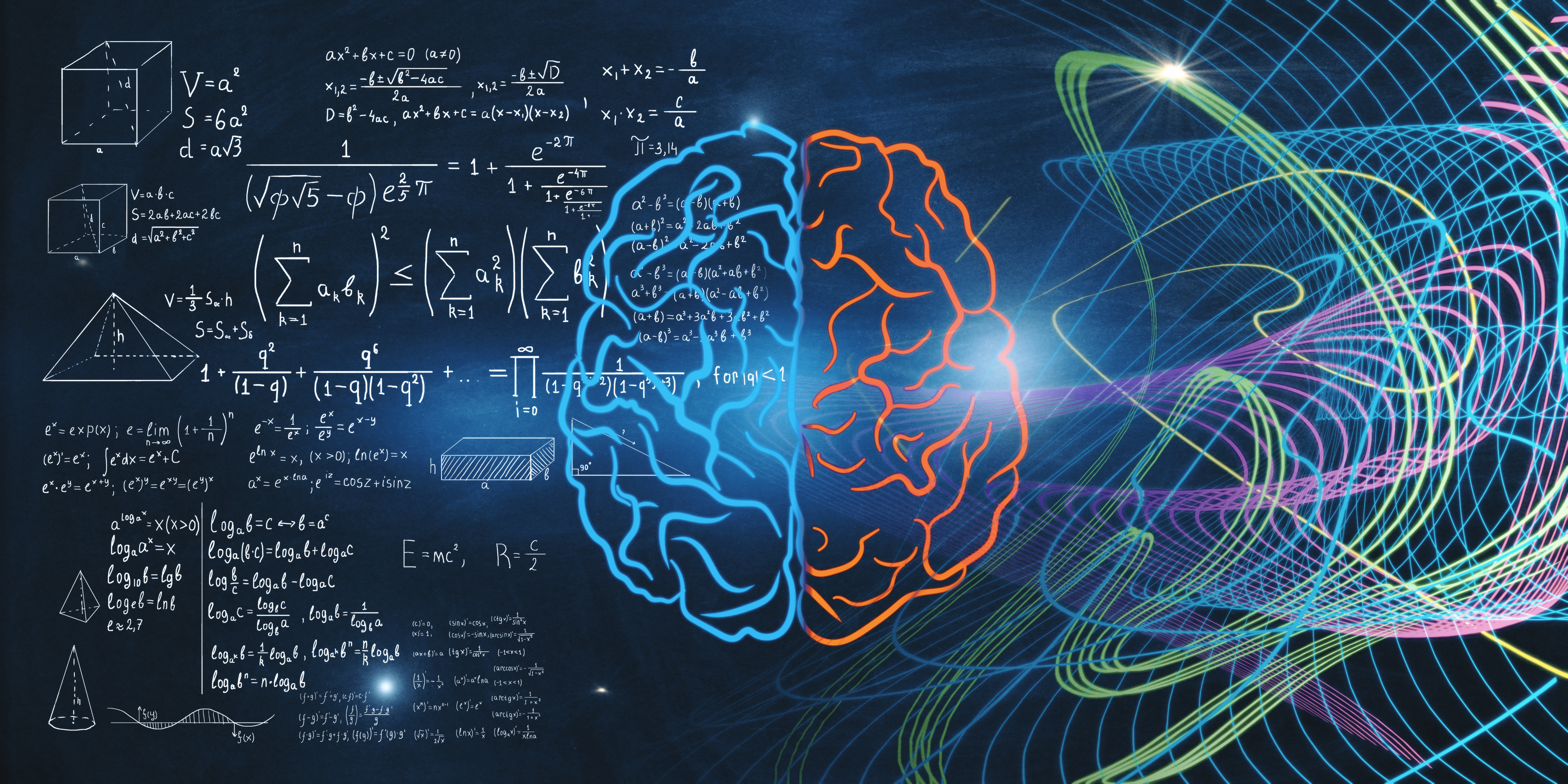
This illustration titled, "Gateway to Memory," illustrates Dr. Singer's and Jeong's research and how interneurons act as gatekeepers that open specifically on paths to important locations to enable learning for those places. This art imaginatively represents this inhibitory gating as a monolithic gate opening and spilling light onto the crucial path, guiding the seeker toward their goal. Art by Myriam Wares
Nuri Jeong remembers the feeling of surprise she felt during a trip back to South Korea, while visiting her grandmother, who’d been grappling with Alzheimer’s disease.
“I hadn’t seen her in six years, but she recognized me,” said Jeong, a former graduate researcher in the lab of Annabelle Singer in the Wallace H. Coulter Department of Biomedical Engineering at Georgia Tech and Emory University.
“I didn’t expect that. Even though my grandmother struggled to remember other family members that she saw all the time, she somehow remembered me,” Jeong added. “It made me wonder how the brain distinguishes between familiar and new experiences.”
That experience inspired Jeong to embark on a deep-dive exploration of spatial learning and memory, which has resulted in a new study published this month in the journal Nature.
In their article, Jeong, Singer, and a team of Georgia Tech researchers explain how the brain rapidly learns and remembers important locations.
“The brain relies on spatial learning to navigate the world, whether it’s finding a shortcut through a new neighborhood or remembering where you parked your car,” said Jeong, the paper’s lead author.
Read the full story here >>
News Contact
Kelly Petty
Communications
Wallace H. Coulter Department of Biomedical Engineering