
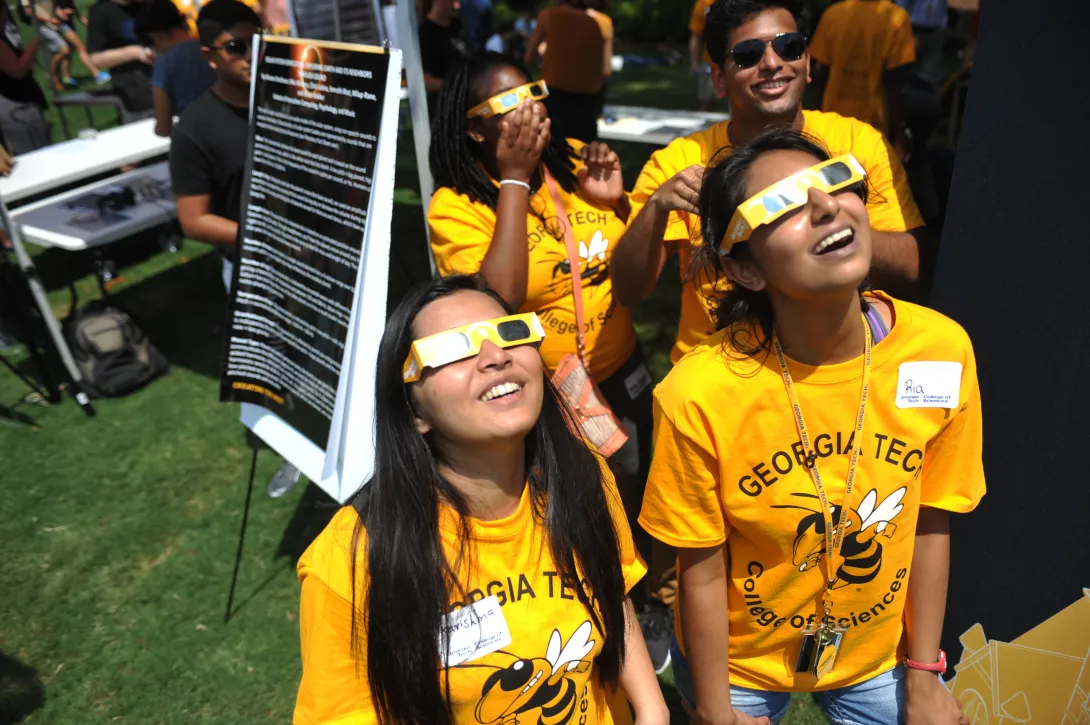
On Monday, April 8, North America will experience the astronomical phenomenon known as a total solar eclipse when the moon passes between the sun and the Earth. Jim Sowell, a principal academic professional in the School of Physics and the director of the Georgia Tech Observatory, shares tips on how to safely participate in the historic event.
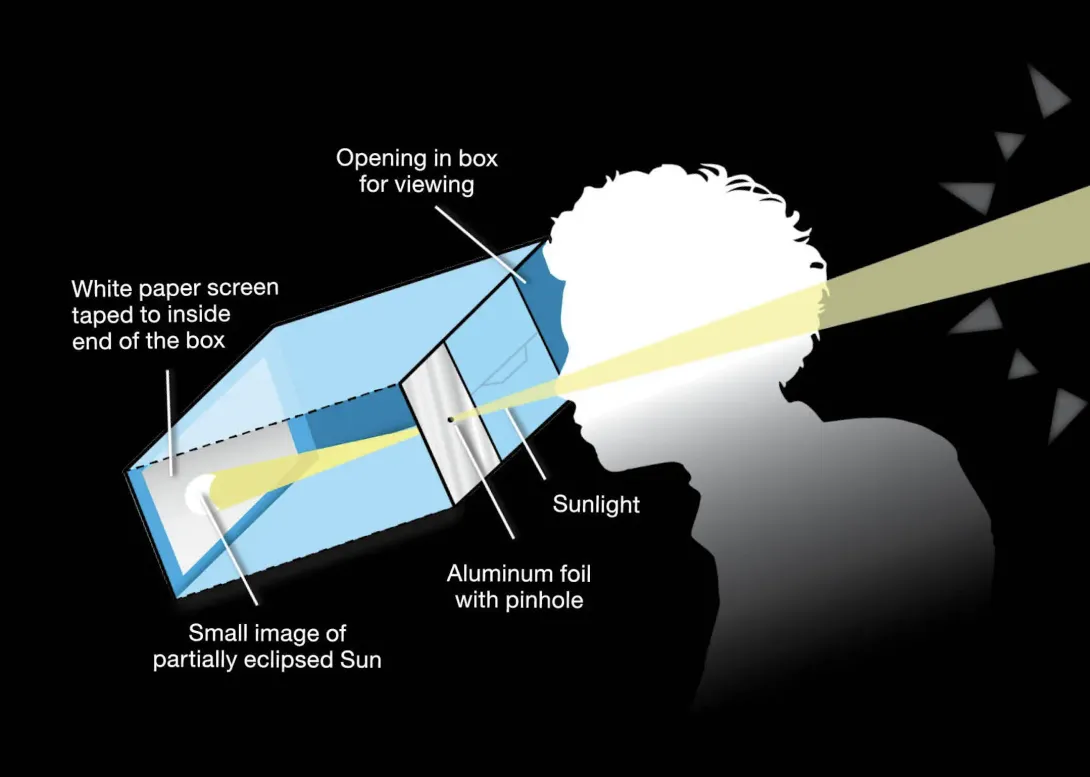
A pinhole camera used to view the total solar eclipse safely. Credit: NASA
On Monday, April 8, North America will experience the astronomical phenomenon known as a total solar eclipse when the moon passes between the sun and the Earth.
The path of totality will shadow portions of Mexico before it passes over 15 U.S. states and parts of Canada. While Atlanta does not fall directly in the path as it did in 2017, nearly 85% of the sun will be blocked, giving the Georgia Tech community a chance to participate in the historic event.
"Quite frankly, there's not much difference between 85% and 95%. You can still witness the eclipse, and seeing that the sun is a crescent is a sight you'll never forget," said Jim Sowell, a principal academic professional in the School of Physics and the director of the Georgia Tech Observatory.
Safety First
Although a portion of the sun will be blocked, looking directly into the sun remains harmful to the eye. Sowell offers several tips to protect yourself.
Safety glasses: Traditional sunglasses do not provide protection for extended solar viewings. Eclipse-safe glasses will be labeled 'ISO 12312-2,' indicating that they have been certified by the International Organization for Standardization. Because the eclipse will last for two hours, glasses can be shared throughout the event.
Pinhole camera: Using a cardboard box, such as a shoebox, Sowell recommends creating a homemade pinhole camera (See image at the bottom of the page), which projects the sun inside the box's walls.
Sowell noted that a colander, or the sun shining through tree leaves, can also be used to project the sun's image onto the ground.
Telescope: Telescopes are a great way to view the eclipse as long as an ISO 12312-2 filter is placed on the lens. A cellphone camera is not a replacement for a filtered lens, as the sun's rays can damage your device.
Where to Watch
Weather permitting, viewers will be able to see the eclipse in an urban or rural environment.
Sun seekers in the city should avoid tall buildings and other obstructions to allow for the best view. In Atlanta, the eclipse is expected to be visible starting at 1:45 p.m., with peak coverage at 3:04 p.m. It will end at 4:21 p.m.
Sowell says that a rural setting is ideal for witnessing the true power of an eclipse, especially within the path of totality.
"Birds may begin to recognize that it's getting darker and start to roost. Cattle may start to low, and you'll notice a temperature drop because of the cool air trapped in the shadow as it moves across the Earth. And if you're in totality, you might see some planets and some bright stars that come out due to the dark sky," said Sowell, who will be traveling to Dallas, Texas, for the eclipse.
Witnessing History
Total solar eclipses typically occur every one to three years, but Sowell noted that the continental U.S. will not see another until 2044. A professional astronomer for 40 years, Sowell is preparing to see his second total eclipse and hopes this event will inspire others to look at the sky (safely) with the same curiosity he does.
"I hope others view the eclipse and understand that there is astronomy that can be done with just the naked eye, and then there is so much more. If we can get people interested with just the sun and the moon, they'll realize they can go to the edge of the universe," he said.
He adds that, unlike other widely popular events, everyone taking part in the eclipse is a winner.
"Unless you're clouded out, this is better than the Super Bowl because half the people are upset about the result, whereas for this kind of eclipse, if you see it, you're excited and will remember it for the rest of your life."
Sowell also urges viewers to be patient if the weather isn't ideal.
"Just because it's cloudy in the morning or 10 minutes before the event, don't punt," he said. "You need to ride it out. And you might get lucky. Even if it's only during the second half that it clears up, it'll still be just as memorable."
Two groups of students will be traveling to experience totality, including 55 graduate and undergraduate students from the School of Physics, led by Associate Professor Dragomir Davidovic, and another trip led by the Georgia Tech Astronomy Club.
News Contact
Steven Gagliano - Institute Communications
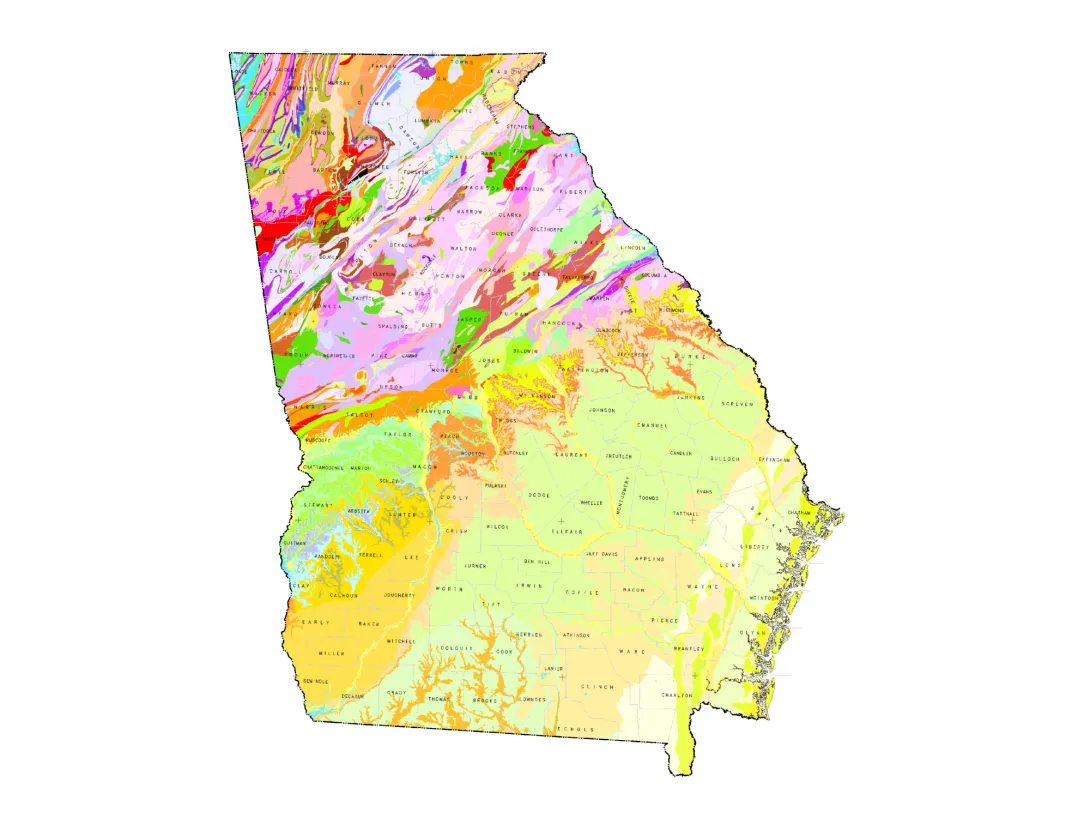
he map compilation was published by the Georgia Geologic Survey in 1976 as the Geologic Map of Georgia. Source: USGS
A regional consortium led by the Georgia Institute of Technology, the University of Georgia, and Georgia State University, in collaboration with the Georgia Mining Association, will host an inaugural workshop on Georgia partnerships for Essential Minerals (GEMs).
The one-day workshop is planned for Thursday, Feb. 1, at the University of Georgia Hotel and Conference Center and is expected to be the first in a series of critical mineral conversations hosted in rotation by the partner institutions. The event will bring together 40 participants from academia, industry, and government to discuss the opportunities and challenges around critical mineral supplies in the state and in the nation.
The GEMs workshop is driven by the compelling needs around domestic critical mineral supply for the energy and transportation sectors, and by the potentially significant rare earth element resources available in the state of Georgia. The workshop will couple the research capabilities of the three Georgia R1 research universities and the mature mining industry in Georgia to solve the challenges around this issue.
It will engage all stakeholders with interests in resource exploration, technology development, energy and environmental sustainability, economic development, regulatory compliance, and workforce development toward achieving national security independence for critical mineral supply. The first workshop will focus on the production of the critical mineral resource, rare earth elements (REE), from kaolin mine tailings, overburden, and other potential processing streams. Other areas of REE production may also be considered.
The goal of the workshop is to produce a statement of outcomes regarding the current state of knowledge, opportunities, challenges, and possible pathways for GEMs. It will also serve as a catalyst to drive conversations among the key stakeholders to make an impact in GEMs, including developing university-industry-government partnership grants, internships, sponsored research, and training opportunities for the current and next generation of Georgia residents. These relationships will play an important role in creating reliable domestic supplies of critical minerals.
If you are interested in participating in the workshop, or have any other questions, please reach out to the Georgia Tech Strategic Energy Institute via email at comments@energy.gatech.edu or Professor Paul Schroeder at the University of Georgia by email at schroe@uga.edu.
News Contact
Priya Devarajan || Research Communications Program Manager, SEI

Kaolinite from Twiggs Co., GA

Yuanzhi Tang
Yuanzhi Tang has received a National Science Foundation grant to see if areas along the middle and coastal plains of Georgia that produce a highly sought-after clay are also home to large amounts of rare earth elements (REEs) needed for a wide range of industries, including rapidly evolving clean energy efforts.
Tang is an associate professor in the School of Earth and Atmospheric Sciences at Georgia Tech. She is joined by Crawford Elliott, associate professor at Georgia State University, on their proposal, “The occurrences of the rare earth elements in highly weathered sedimentary rocks, Georgia kaolins,” funded by the NSF Division of Earth Sciences.
All about REEs
REEs such as cerium, terbium, neodymium, and yttrium, are critical minerals used in many industrial technology components such as semiconductors, permanent magnets, and rechargeable batteries (smart phones, computers), phosphors (flat screen TVs, light-emitting diodes), and catalysts (fuel combustion, auto emissions controls, water purification). They impact a wide range of industries such as health care, transportation, power generation (including wind turbines), petroleum refining, and consumer electronics.
“With the increasing global demand for green and sustainable technologies, REE demand is projected to increase rapidly in the U.S. and globally,” Tang says. “Yet currently the domestic REE production is very low, and the U.S. relies heavily on imports. The combination of growing demand and high dependence on international supplies has prompted the U.S. to explore new resources and develop environmentally friendly extraction and processing technologies.”
Georgia geology
Kaolin is a white, aluminosilicate clay mineral used in making paper, plastics, rubber, paints, and many other products. More than $1 billion worth of kaolin is mined from Georgia’s kaolin deposits every year, more than any other state.
Tang and Elliott say considerable amounts of the REEs have been found in the waste residues generated from Georgia kaolin mining.
“These occurrences have high REE contents and might add significantly to domestic resources,” Tang says. “By understanding the geological and geochemical processes controlling the occurrence and distribution of REEs in these weathered environments, we might be able to provide fundamental information for the identification of REE resources, and the design of efficient and green extraction technologies.”
“The new work with Dr. Tang has the potential to advance our fundamental understanding of the occurrences, mineralogical speciation, and distribution of the REEs in bauxite and kaolin ore,” Elliott says. “I am thrilled to be working with Dr. Tang on this project.”
Laterite thinking
The Department of Energy notes the 17 rare earth elements are found in highly weathered environments, such as the laterites, a type of soil and rock located in eastern and southeastern China, which currently comprises around 80 percent of the world’s REE reserves. To promote domestic production of REEs, the NSF sought proposals to explore natural unconventional element resources located in highly weathered sedimentary/regolith (loose rocky material covering bedrock) settings in the U.S. Georgia’s kaolin deposits and mines extend in the state from southwest to northeast, paralleling the state’s ‘fall line’ that separates the Piedmont Plateau from the coastal plains.
With the NSF grant, Tang and Elliott will find out more about the geochemical factors and processes controlling REE mobility, distribution, and fractionation (enrichment of light REE versus heavy REE) in these environments, which can provide the foundation to identify domestic resources, and for the rational design of extraction technologies.
Community connections
The proposed work will also integrate research with education, combining student training with undergraduate education and research, as well as K-12 and community outreach emphasizing the participation of underrepresented groups in geological sciences.
The grant relates to Tang’s work at two Georgia Tech interdisciplinary research institutes dedicated to sustainability, energy, and climate: the Strategic Energy Institute and the Brook Byers Institute for Sustainable Systems (BBISS), where she is a co-lead with Hailong Chen, an associate professor in the School of Materials Science and Engineering. Tang and Chen’s BBISS project is “Sustainable Resources for Clean Energy.” Tang also serves as an SEI/BBISS initiative lead on sustainable resources.
“The state of Georgia has already been experiencing rapid and exciting developments in the clean energy industry,” Tang says. “We hope to bridge an important link in this space. We hope to help identify and explore regional critical resources for clean energy development by both understanding the geological/geochemical fundamentals, and developing sustainable extraction technologies.”
Georgia Tech is also investing in the community outreach and social aspects of energy research, not just in science and engineering, Tang adds. “Collaboration with Georgia State University also gives exciting opportunities for the engagement with underrepresented student groups, especially in geological sciences, which will serve in the long term for workforce development.”
News Contact
Writer: Renay San Miguel
Communications Officer II/Science Writer
College of Sciences
404-894-5209
Editor: Jess Hunt-Ralston

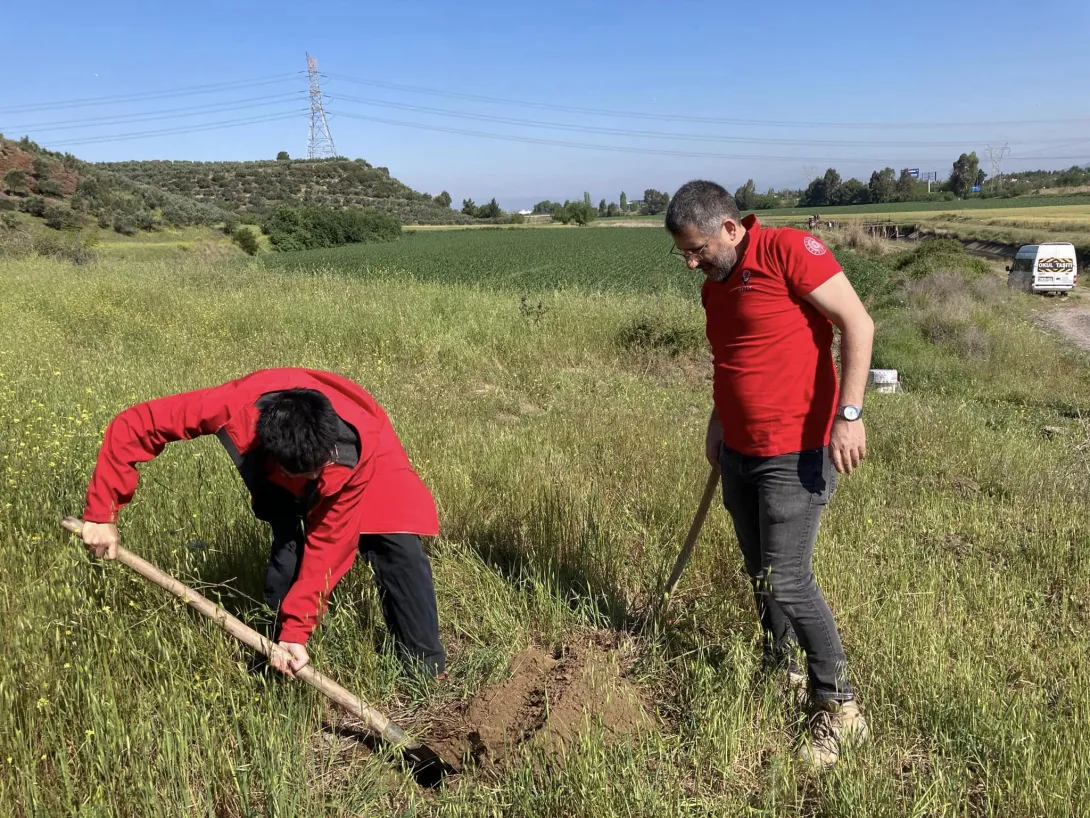
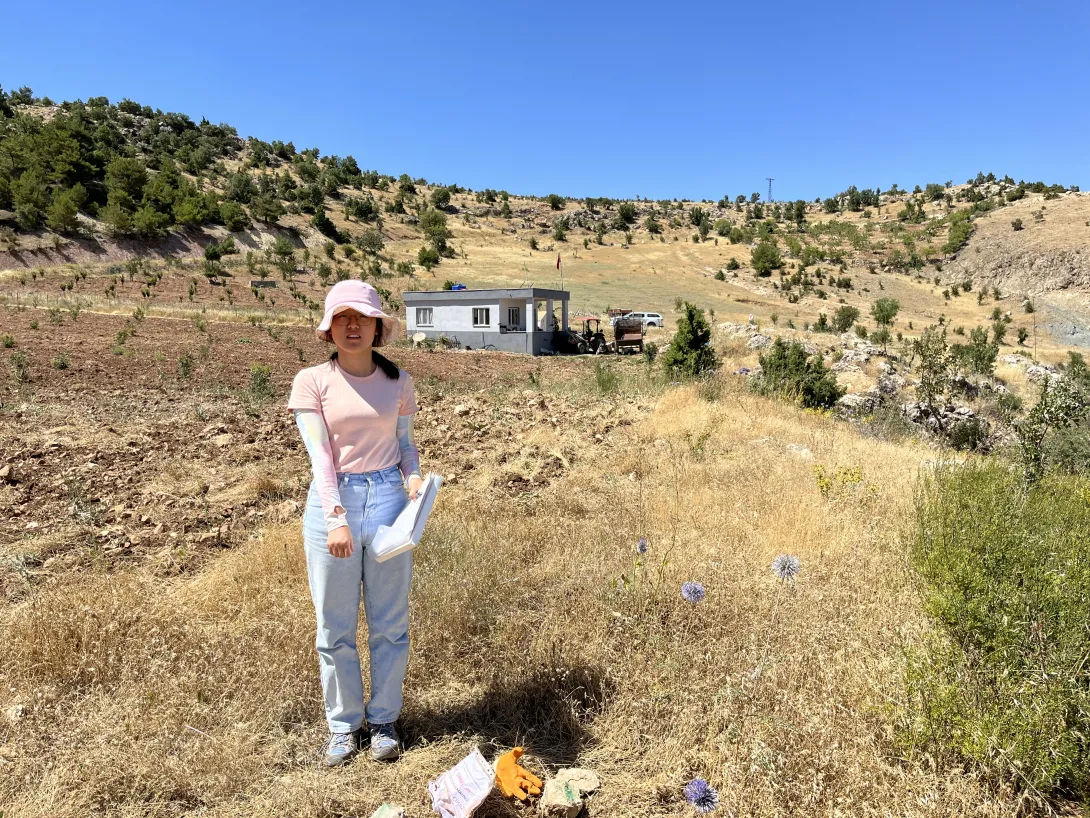
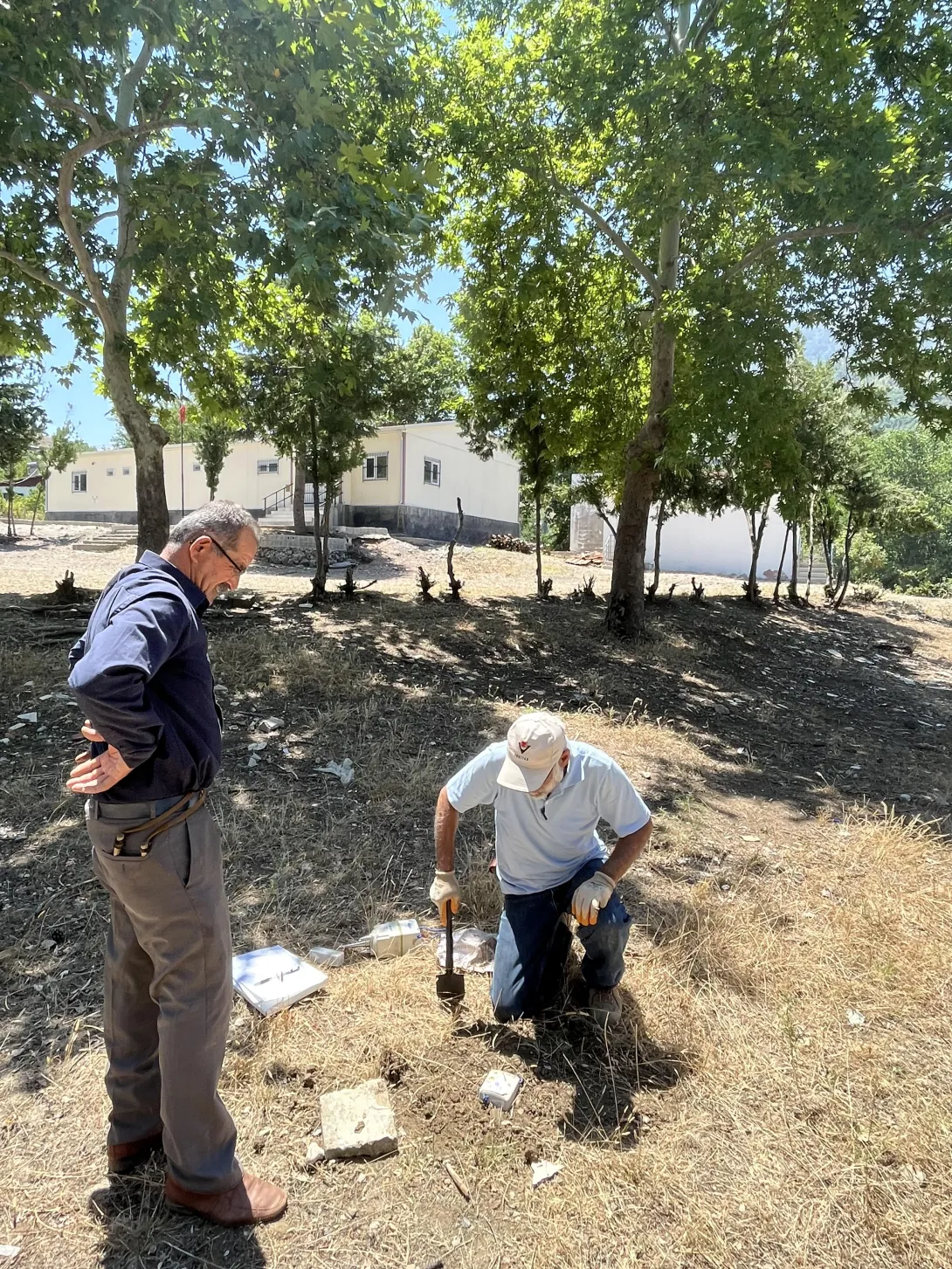
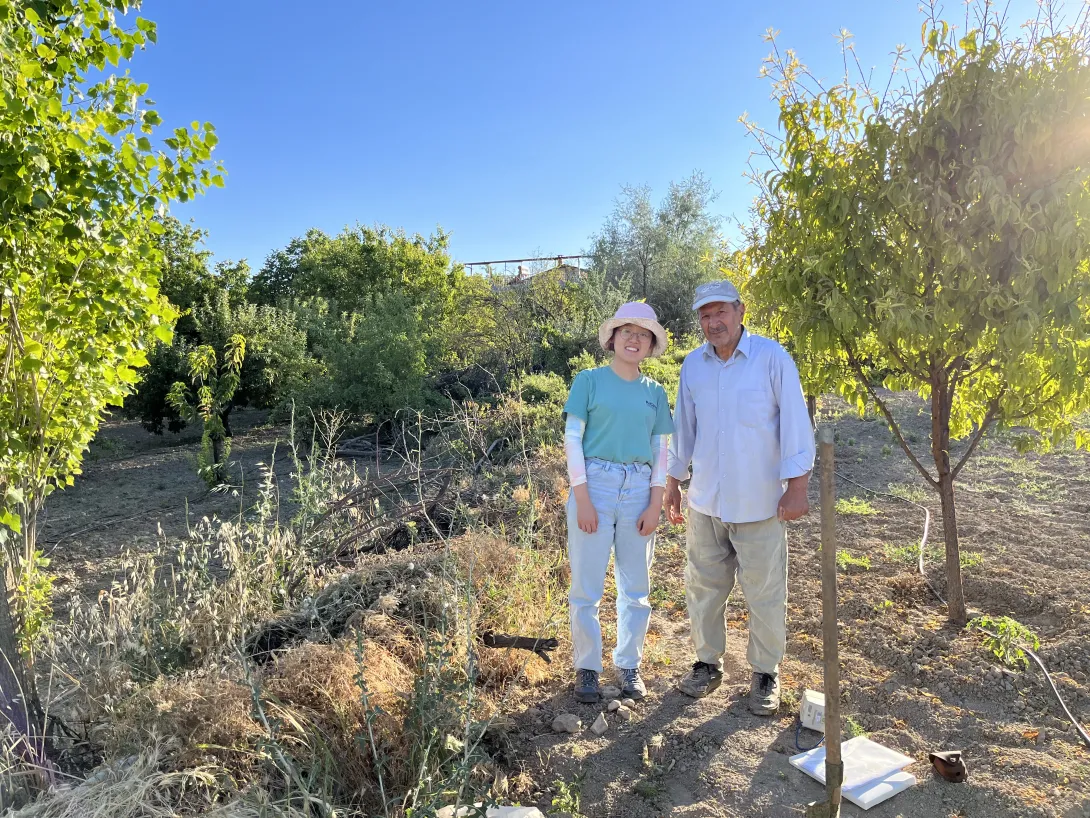
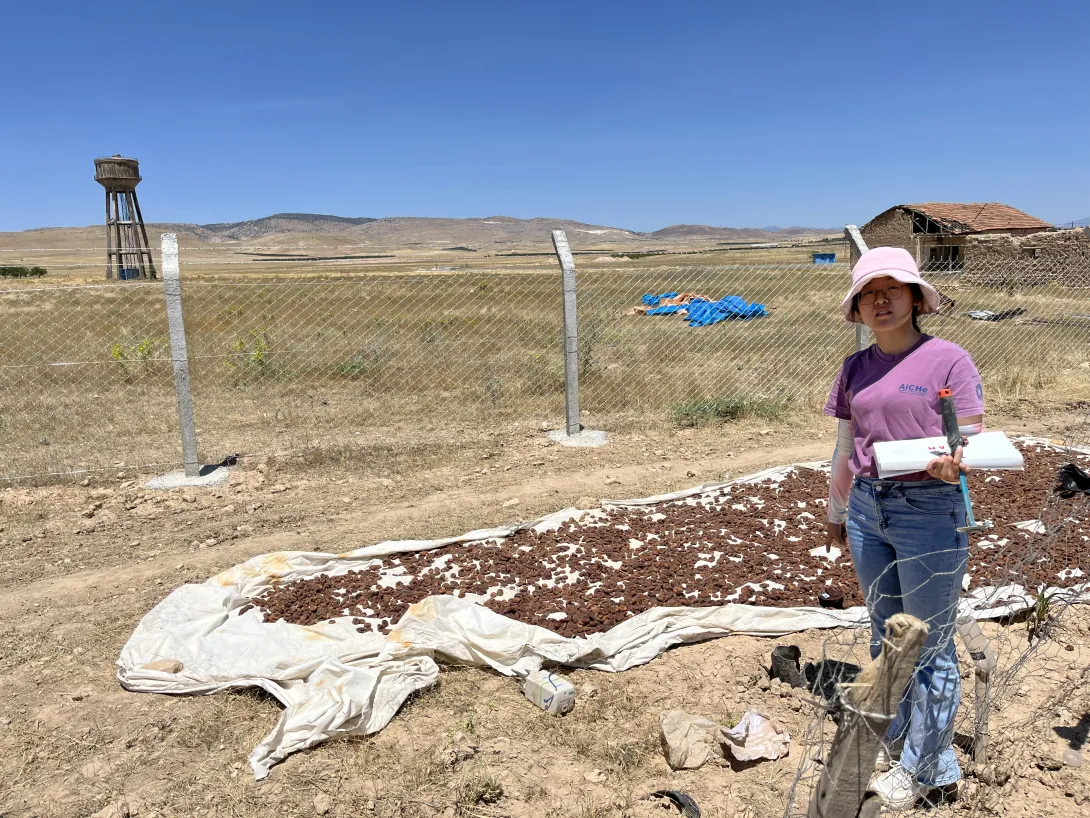
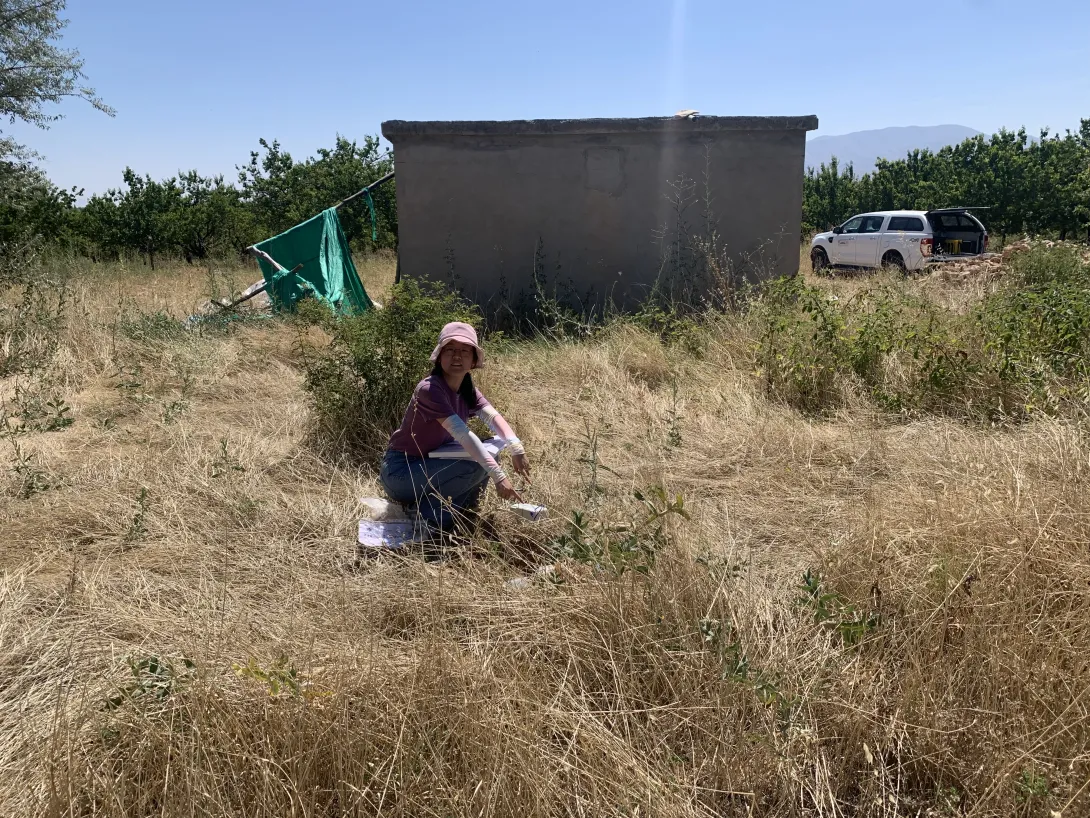
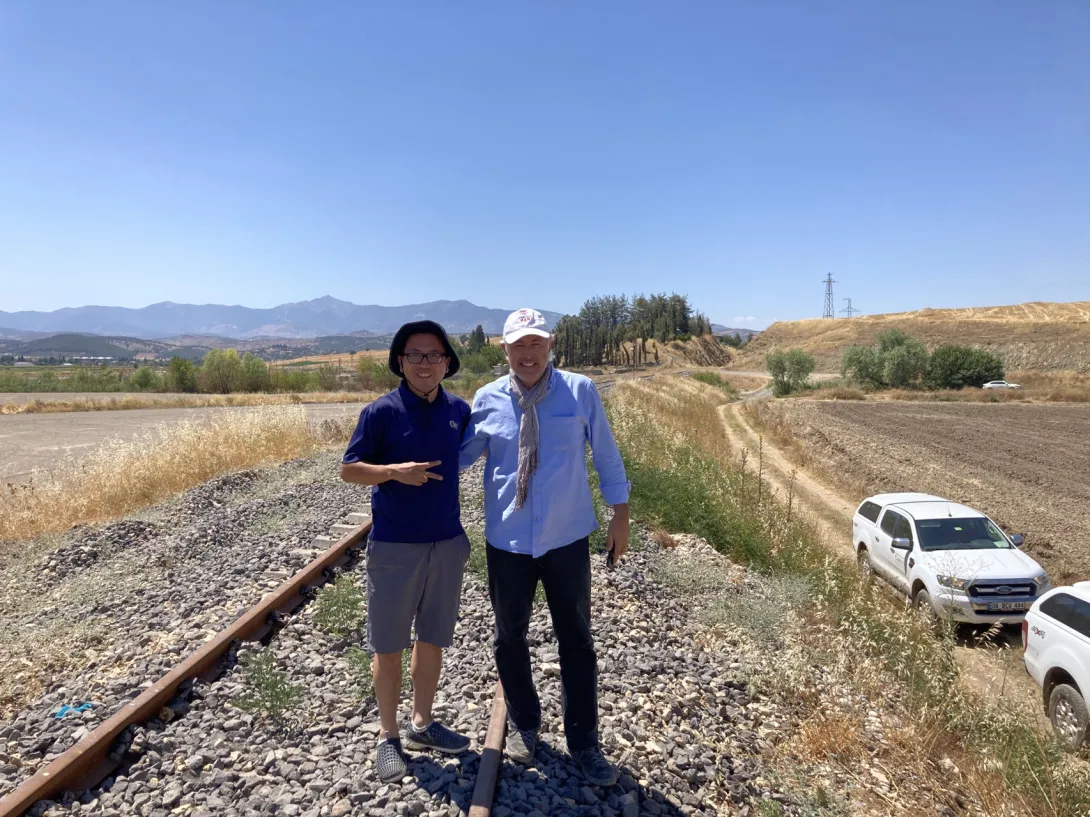
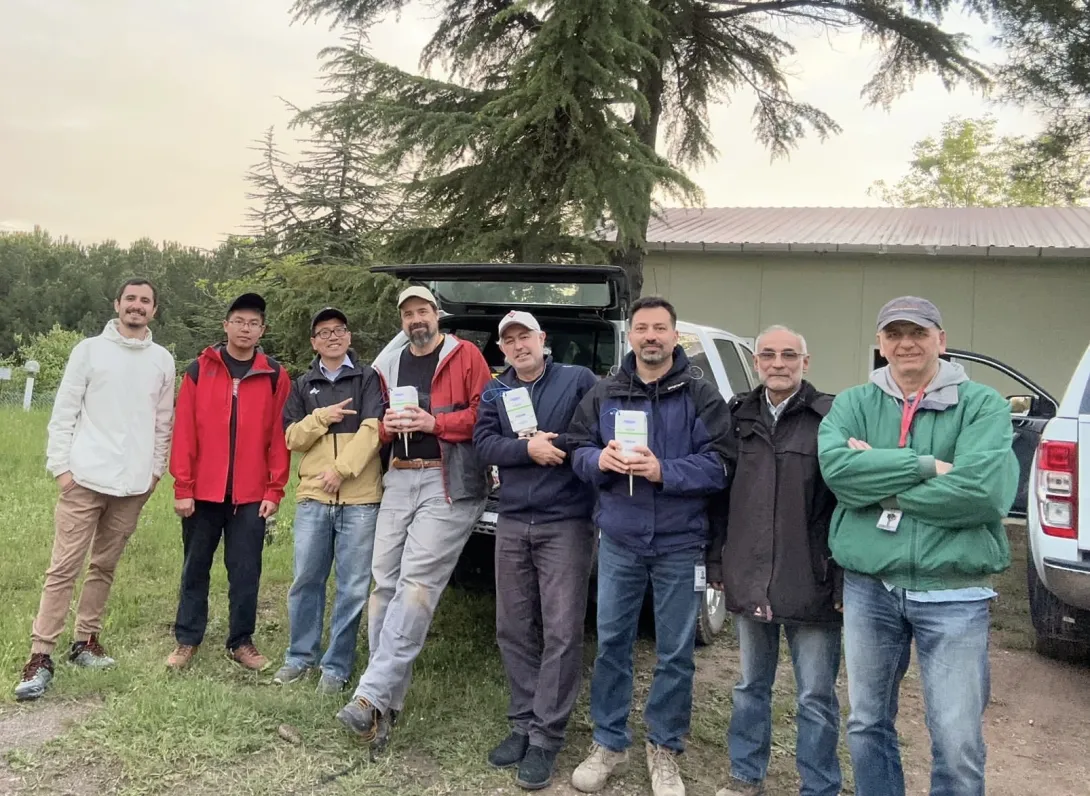
In February, a major earthquake event devastated the south-central region of the Republic of Türkiye (Turkey) and northwestern Syria. Two earthquakes, one magnitude 7.8 and one magnitude 7.5, occurred nine hours apart, centered near the heavily populated city of Gaziantep. The total rupture lengths of both events were up to 250 miles. The president of Turkey has called it the “disaster of the century,” and the threat is still not over — aftershocks could still affect the region.
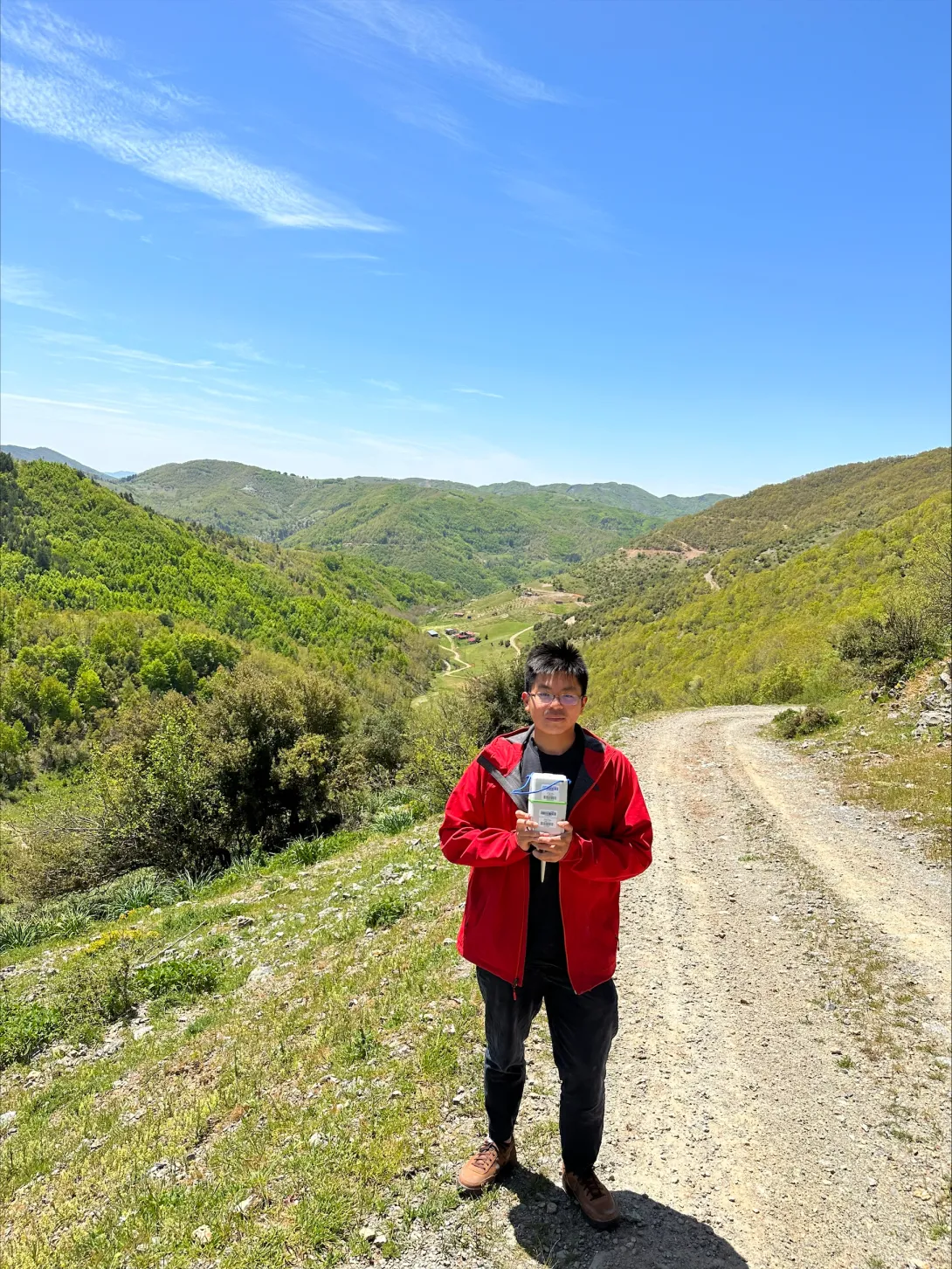
Now, Zhigang Peng, a professor in the School of Earth and Atmospheric Sciences at Georgia Tech and graduate students Phuc Mach and Chang Ding, alongside researchers at the Scientific and Technological Research Institution of Türkiye (TÜBİTAK) and researchers at the University of Missouri, are using small seismic sensors to better understand just how, why, and when these earthquakes are occurring.
Funded by an NSF RAPID grant, the project is unique in that it aims to actively respond to the crisis while it’s still happening. National Science Foundation (NSF) Rapid Response Research (RAPID) grants are used when there is a severe urgency with regard to availability of or access to data, facilities or specialized equipment, including quick-response research on natural or anthropogenic disasters and other similar unanticipated events.
In an effort to better map the aftershocks of the earthquake event — which can occur weeks or months after the main event — the team placed approximately 120 small sensors, called nodes, in the East Anatolian fault region this past May. Their deployment continues through the summer.
It’s the first time sensors like this have been deployed in Turkey, says Peng.
“These sensors are unique in that they can be placed easily and efficiently," he explains. "With internal batteries that can work up to one month when fully charged, they’re buried in the ground and can be deployed within minutes, while most other seismic sensors need solar panels or other power sources and take much longer time and space to deploy.” Each node is about the size of a 2-liter soda bottle, and can measure ground movement in three directions.
“The primary reason we’re deploying these sensors quickly following the two mainshocks is to study the physical mechanisms of how earthquakes trigger each,” Peng adds. Mainshocks are the largest earthquake in a sequence. “We’ll use advanced techniques such as machine learning to detect and locate thousands of small aftershocks recorded by this network. These newly identified events can provide new important clues on how aftershocks evolve in space and time, and what drives foreshocks that occur before large events.”
Unearthing fault mechanisms
The team will also use the detected aftershocks to illuminate active faults where three tectonic plates come together — a region known as the Maraş Triple Junction. “We plan to use the aftershock locations and the seismic waves from recorded events to image subsurface structures where large damaging earthquakes occur,” says Mach, the Georgia Tech graduate researcher. This will help scientists better understand why sometimes faults ‘creep’ without any large events, while in other cases faults lock and then violently release elastic energy, creating powerful earthquakes.
Getting high-resolution data of the fault structures is another priority. “The fault line ruptured in the first magnitude 7.8 event has a bend in it, where earthquake activity typically terminates, but the earthquake rupture moved through this bend, which is highly unusual,” Peng says. By deploying additional ultra-dense arrays of sensors in their upcoming trip this summer, the team hopes to help researchers ‘see’ the bend under the Earth’s surface, allowing them to better understand how fault properties control earthquake rupture propagation.
The team also aims to learn more about the relationship between the two main shocks that recently rocked Turkey, sometimes called doublet events. Doublet events can happen when the initial earthquake triggers a secondary earthquake by adding extra stress loading. While in this instance, the doublet may have taken place only 9 hours after the initial event, these secondary earthquakes have been known to take place days, months, or even years after the initial one — a famous example being the sequence of earthquakes that spanned 60 years in the North Anatolian fault region in Northern Turkey.
“Clearly the two main shocks in 2023 are related, but it is still not clear how to explain the time delays,” says Peng. The team plans to work with their collaborators at TÜBİTAK to re-analyze seismic and other types of geophysical data right before and after those two main shocks in order to better understand the triggering mechanisms.
“In our most recent trip in southern Türkiye, we saw numerous buildings that were partially damaged during the mainshock, and many people will have to live in temporary shelters for years during the rebuilding process,” Peng adds. “While we cannot stop earthquakes from happening in tectonically active regions, we hope that our seismic deployment and subsequent research on earthquake triggering and fault imaging can improve our ability to predict what will happen next — before and after a big one — and could save countless lives.”
News Contact
Written By:
Selena Langner
Media Contact:
Jess Hunt-Ralston
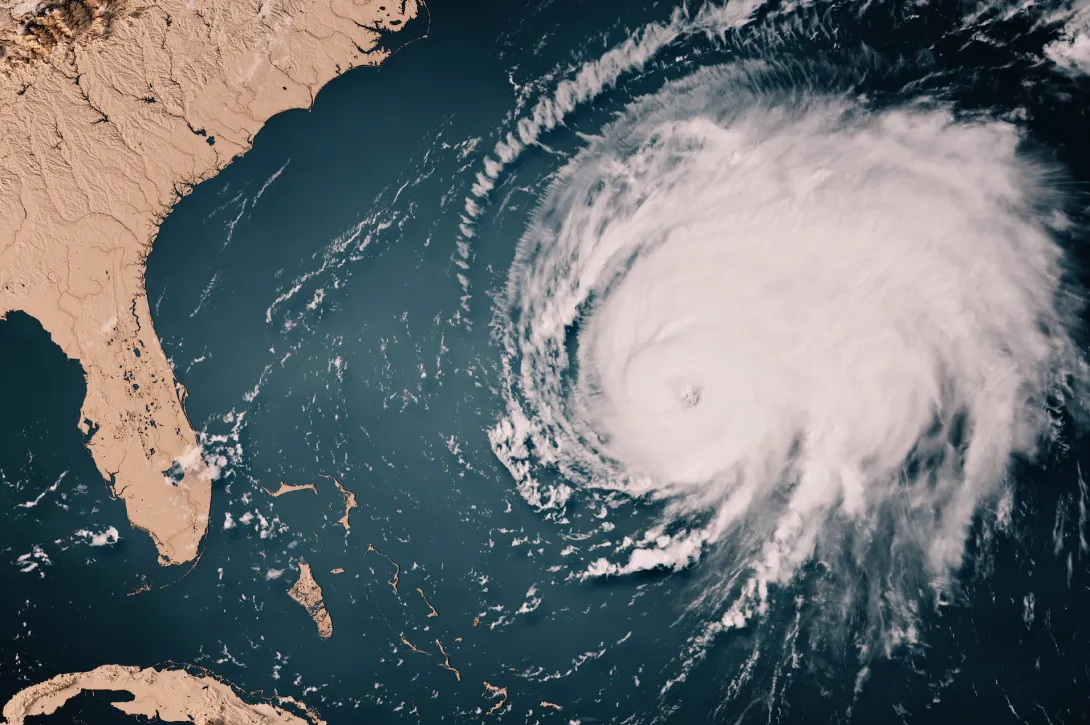
Hurricane season is underway and runs through Nov. 30. While the National Oceanic and Atmospheric Administration is forecasting a “near-normal” 2023, experts say that climate change paints a more unpredictable picture for the future.
Behind the 2023 projections is a balancing act of rising oceanic temperatures and the onset of the climate phenomenon El Niño, explains Susan Lozier, dean and Betsy Middleton and John Clark Sutherland Chair in the College of Sciences. The waters of the tropical Atlantic Ocean are currently 1 – 3°C above average, which would typically signify the potential for more intense activity, but the wind shear associated with El Niño acts as a deterrent for hurricane formation.
Increasing Intensity
But what could happen when the shield of El Niño isn't present to counteract the rising temperatures in the tropical Atlantic?
"Climate change is leading to warmer surface temperatures. We know that will lead to more intense hurricanes, but we don't know if it will necessarily lead to more hurricanes. As climate change progresses, we are interested in understanding how weather patterns will be disrupted, including those related to hurricane formation and pathways," said Lozier, who recently served as president of the American Geophysical Union.
She further explained that the increased intensity is a result of the warm waters releasing additional energy into the storm as it forms. This consequence of climate change could present problems for the Tech campus and the city of Atlanta due to the risk of torrential rainfall. According to the National Weather Service, flooding has proven to be the deadliest hazard associated with hurricanes over the past decade.
"When people think about hurricanes, they generally think about damaging winds. Winds are damaging, but increasingly, the most damaging part of a hurricane is the immense amount of moisture they carry," Lozier said, reflecting on the 2017 landfall of Hurricane Harvey. "An area like Atlanta could be affected by heavy rainfall associated with the path of a hurricane. The winds will have mostly died down by the time a storm reaches Atlanta, but as the climate warms, warmer air holds more moisture, and because of that, the expectation is that there will be more rainfall associated with hurricanes and tropical storms.”
Beyond Reducing Carbon Emissions
Fueling the rising temperatures in the world's oceans is an increase in carbon emissions, and simply curtailing them may not be a solution.
"The private and public sectors are increasingly looking at actively removing carbon from the atmosphere because we are unlikely to limit global warming simply by curtailing emissions. Active carbon drawdown from the atmosphere and the ocean are active areas of research right now,” Lozier said.
Tech researchers are at the forefront of this effort, highlighted by a partnership between the Institute, the Georgia Aquarium, and Ocean Visions — the Center for Ocean-Climate Solutions. Lozier represents the Institute as a partnership lead at the center, where the primary focus is the design and delivery of scalable and equitable ocean-based solutions to reduce the effects of climate change and build climate-resilient marine ecosystems and coastal communities.
Associate Professor Chris Reinhard is exploring how coastal ecosystem restoration can permanently capture carbon dioxide from the atmosphere as it becomes buried in sediments on the seafloor. The overall process of removing carbon from the air can be costly. To combat that, a team of researchers in the School of Chemical and Biomolecular Engineering is developing a traditional direct air capture system that is cheaper to operate and more efficient. Helping to craft policy and research climate solutions, Marilyn Brown, Regents’ Professor and the Brook Byers Professor of Sustainable Systems in the School of Public Policy, serves on the leadership council of Drawdown Georgia.
A certain level of unpredictability will always exist when dealing with natural disasters, but understanding humans’ role in controlling climate change could be a key factor in our ability to accurately assess the threat of developing storms.
News Contact
Steven Gagliano - Communications Officer
Institute Communications
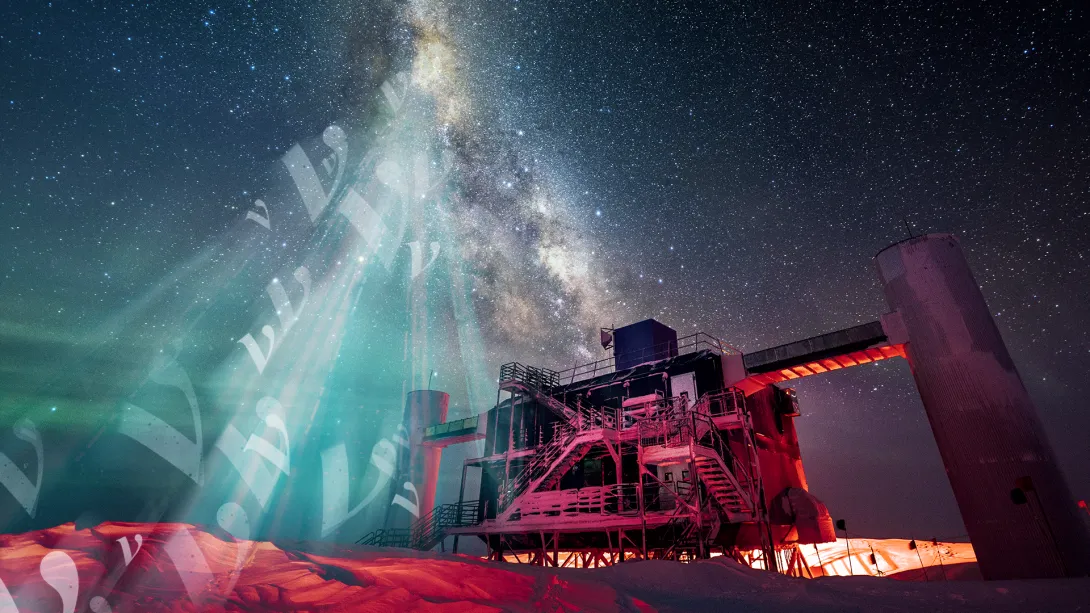
An artist's impression of neutrino emission from the Galactic plane, and IceCube Lab at the South Pole. (IceCube/NSF. Original photo by Martin Wolf)
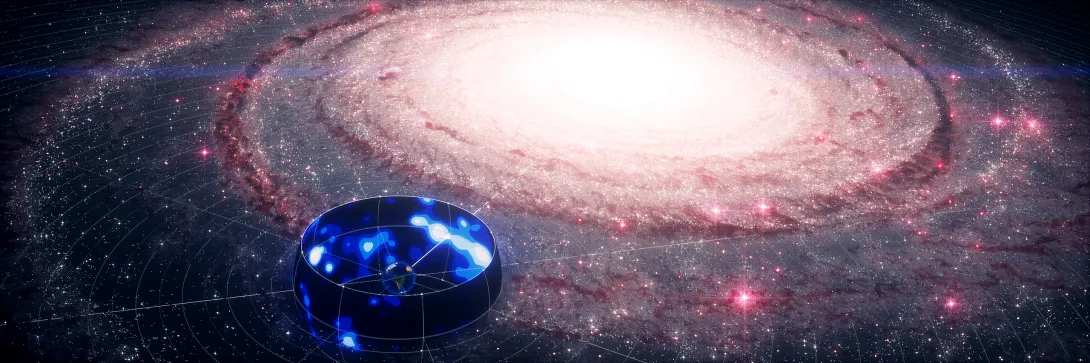
The Galaxy in neutrinos (blue sky map) in front of an artist's impression of the Milky Way. (IceCube Collaboration/Science Communication Lab for CRC 1491)

A DOM seen from above as it descends into the array where it can start taking data. (Mark Krasberg, IceCube/NSF)
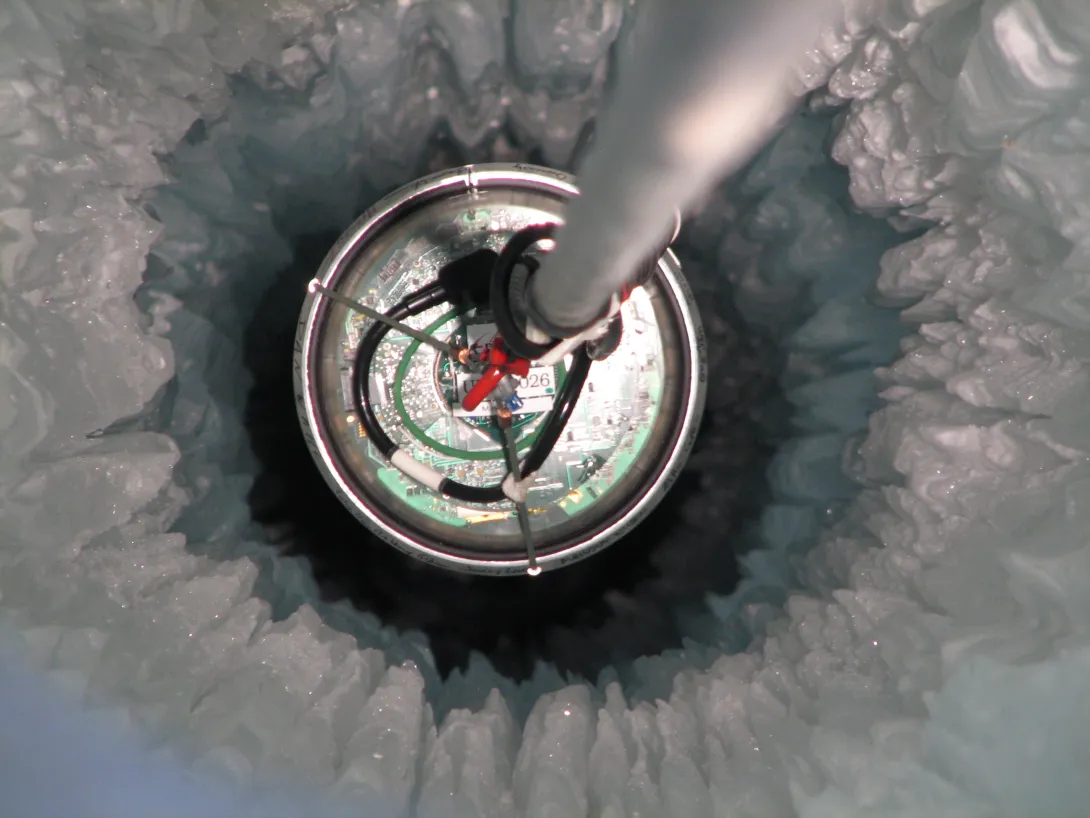
When a neutrino interacts with molecules in the clear Antarctic ice, it produces secondary particles that leave a trace of blue light as they travel through the IceCube detector. (Nicolle R. Fuller, IceCube/NSF)

An artist’s composition of the Milky Way seen with a neutrino lens (blue). (IceCube Collaboration/U.S. National Science Foundation (Lily Le & Shawn Johnson)/ESO (S. Brunier))
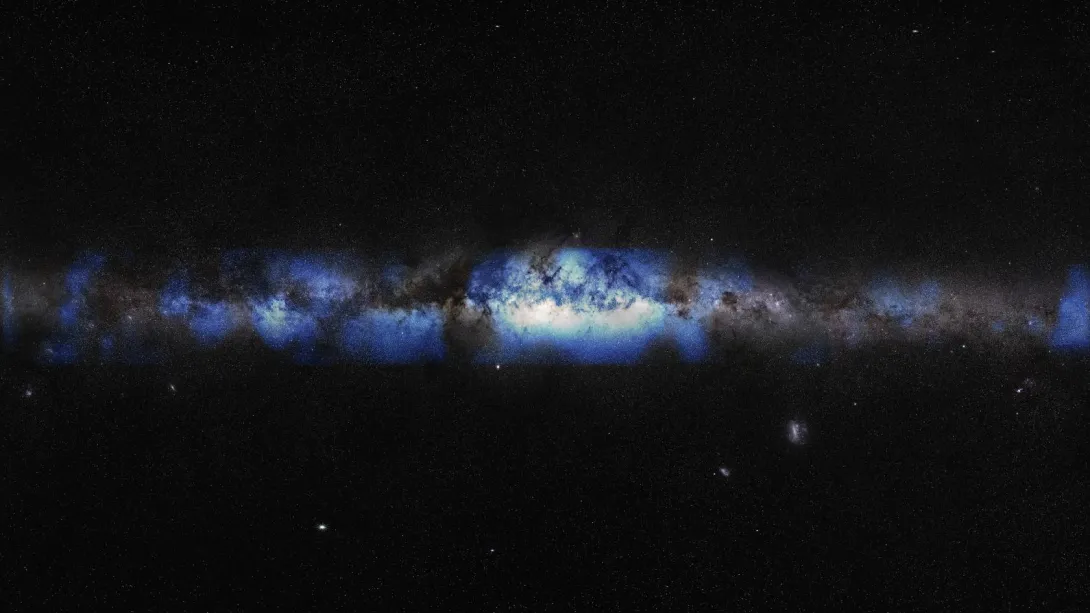
Georgia Institute of Technology Physics Professor and Center for Relativistic Astrophysics member Ignacio Taboada serves as spokesperson for IceCube Collaboration.
Our Milky Way galaxy is an awe-inspiring feature of the night sky, viewable with the naked eye as a horizon-to-horizon hazy band of stars. Now, for the first time, the IceCube Neutrino Observatory has produced an image of the Milky Way using neutrinos — tiny, ghostlike astronomical messengers.
In an article to be published June 30, 2023, in the journal Science, the IceCube Collaboration, an international group of over 350 scientists, presents evidence of high-energy neutrino emission from the Milky Way.
The detected high-energy neutrinos hold energies millions to billions of times higher than those produced by the fusion reactions that power stars.
IceCube was built and is operated with National Science Foundation (NSF) funding and additional support from the fourteen countries that host institutional members of the IceCube Collaboration. IceCube Observatory searches for signs of high-energy neutrinos originating from our galaxy and beyond, out to the farthest reaches of the universe.
A cubic-kilometer neutrino detector operating at Amundsen-Scott South Pole Station observes these high-energy neutrinos, explains Ignacio Taboada, spokesperson for IceCube and a physics professor at Georgia Institute of Technology. “IceCube is truly unique,” Taboada says. “Built deep in Antarctic ice, its over 5,000 light sensors search for the flashes of blue light — Cherenkov radiation produced by neutrinos in the upper atmosphere, the Milky Way, and deep into the cosmos.”
Searching the southern sky
“What's intriguing is that, unlike the case for light of any wavelength, in neutrinos, the universe outshines the nearby sources in our own galaxy," says Francis Halzen, a professor of physics at the University of Wisconsin–Madison and principal investigator of IceCube.
"As is so often the case, significant breakthroughs in science are enabled by advances in technology," says Denise Caldwell, director of NSF's Physics Division. "The capabilities provided by the highly sensitive IceCube detector, coupled with new data analysis tools, have given us an entirely new view of our galaxy — one that had only been hinted at before. As these capabilities continue to be refined, we can look forward to watching this picture emerge with ever-increasing resolution, potentially revealing hidden features of our galaxy never before seen by humanity."
Interactions between cosmic rays — high-energy protons and heavier nuclei, also produced in our galaxy, and galactic gas and dust inevitably produce both gamma rays and neutrinos. Given the observation of gamma rays from the galactic plane, the Milky Way was expected to be a source of high-energy neutrinos.
“A neutrino counterpart has now been measured, thus confirming what we know about our galaxy and cosmic ray sources,” says Steve Sclafani, a physics Ph.D. student at Drexel University, IceCube member, and co-lead analyzer.
The search focused on the southern sky, where the bulk of neutrino emission from the galactic plane is expected near the center of our galaxy. However, until now, the background of muons and neutrinos produced by cosmic-ray interactions with the Earth’s atmosphere posed significant challenges.
To overcome them, IceCube collaborators at Drexel University developed analyses that select for "cascade" events, or neutrino interactions in the ice that result in roughly spherical showers of light. Because the deposited energy from cascade events starts within the instrumented volume, contamination of atmospheric muons and neutrinos is reduced. Ultimately, the higher purity of the cascade events gave a better sensitivity to astrophysical neutrinos from the southern sky.
Machine learning in the Milky Way
However, the final breakthrough came from the implementation of machine learning methods, developed by IceCube collaborators at TU Dortmund University, that improve the identification of cascades produced by neutrinos as well as their direction and energy reconstruction. The observation of neutrinos from the Milky Way is a hallmark of the emerging critical value that machine learning provides in data analysis and event reconstruction in IceCube.
“The improved methods allowed us to retain over an order of magnitude more neutrino events with better angular reconstruction, resulting in an analysis that is three times more sensitive than the previous search,” says IceCube member, TU Dortmund physics Ph.D. student, and co-lead analyzer Mirco Hünnefeld.
The dataset used in the study included 60,000 neutrinos spanning 10 years of IceCube data, 30 times as many events as the selection used in a previous analysis of the galactic plane using cascade events. These neutrinos were compared to previously published prediction maps of locations in the sky where the galaxy was expected to shine in neutrinos.
The maps included one made from extrapolating Fermi Large Area Telescope gamma-ray observations of the Milky Way and two alternative maps identified as KRA-gamma by the group of theorists who produced them.
“This long-awaited detection of cosmic ray-interactions in the galaxy is also a wonderful example of what can be achieved when modern methods of knowledge discovery in machine learning are consistently applied.” says Wolfgang Rhode, professor of physics at TU Dortmund University, IceCube member, and Hünnefeld’s advisor.
The power of machine learning offers great future potential, bringing other observations closer within reach.
“The strong evidence for the Milky Way as a source of high-energy neutrinos has survived rigorous tests by the collaboration,” says Taboada, the IceCube spokesperson. “Now, the next step is to identify specific sources within the galaxy.”
These and other questions will be addressed in planned follow-up analyses by IceCube.
“Observing our own galaxy for the first time using particles instead of light is a huge step,” says Naoko Kurahashi Neilson, professor of physics at Drexel University, IceCube member, and Sclafani’s advisor. “As neutrino astronomy evolves, we will get a new lens with which to observe the universe.”
About IceCube Neutrino Observatory
The IceCube Neutrino Observatory is funded and operated primarily through an award from the National Science Foundation to the University of Wisconsin–Madison. The IceCube Collaboration, with over 350 scientists in 58 institutions from around the world, runs an extensive scientific program that has established the foundations of neutrino astronomy. IceCube’s research efforts, including critical contributions to the detector operation, are funded by agencies in Australia, Belgium, Canada, Denmark, Germany, Italy, Japan, New Zealand, Republic of Korea, Sweden, Switzerland, Taiwan, the United Kingdom, and the United States, including NSF. IceCube construction was also funded with significant contributions from the National Fund for Scientific Research (FNRS & FWO) in Belgium; the Federal Ministry of Education and Research (BMBF) and the German Research Foundation (DFG) in Germany; the Knut and Alice Wallenberg Foundation, the Swedish Polar Research Secretariat, and the Swedish Research Council in Sweden; and the Wisconsin Alumni Research Fund.
About Georgia Institute of Technology
The Georgia Institute of Technology, or Georgia Tech, is one of the top public research universities in the U.S., developing leaders who advance technology and improve the human condition. The Institute offers business, computing, design, engineering, liberal arts, and sciences degrees. Its more than 45,000 undergraduate and graduate students, representing 50 states and more than 148 countries, study at the main campus in Atlanta, at campuses in France and China, and through distance and online learning. As a leading technological university, Georgia Tech is an engine of economic development for Georgia, the Southeast, and the nation, conducting more than $1 billion in research annually for government, industry, and society.
News Contact
Science Contacts:
Francis Halzen, IceCube Principal Investigator
Vilas Research Professor and Gregory Breit Distinguished Professor of Physics
Wisconsin IceCube Particle Astrophysics Center, University of Wisconsin–Madison
Ignacio Taboada, IceCube Spokesperson
Professor of Physics, Georgia Institute of Technology
Press Contacts:
Georgia Institute of Technology
Jess Hunt-Ralston
Director of Communications, College of Sciences
IceCube Press
press@icecube.wisc.edu
NSF Media Affairs
media@nsf.gov

Earth (Credit NASA/Joshua Stevens)
Georgia Tech’s newest interdisciplinary degree program, the Environmental Science B.S. degree (ENVS), developed jointly by faculty of the School of Earth and Atmospheric Sciences and the School of Biological Sciences, has launched and is now enrolling students.
The ENVS degree will provide a strong foundation in the basic sciences, requiring core content in mathematics, physics, chemistry, biology, earth sciences, and environmental policy. Flexible electives in upper-level coursework will allow students to customize their program of study to their interest and career goals.
A launch event for the degree program will take place at the Kendeda Building on the afternoon of Friday, August 25, 2023.
“The new degree will prepare students to be future leaders who are well-versed on how the Earth's systems can be influenced by human activity and contribute to human well-being,” says Greg Huey, professor and chair of the School of Earth and Atmospheric Sciences. “Graduates will be positioned to be leaders in industry, academia, education, and communication to create innovative solutions to the most significant environmental challenges of our time.”
Two faculty members in the School of Earth and Atmospheric Sciences (EAS) and a faculty member in the School of Biological Sciences will serve as inaugural leadership: Jennifer Glass, associate professor, is program director; Samantha Wilson, academic professional, is director of Undergraduate Studies; and Linda Green, senior academic professional in the School of Biological Sciences, is director of Experiential Learning.
The foundational science classes in this new degree will be complemented by courses in Public Policy and City Planning, including Geographical Information Systems (GIS) and Environmental Policy and Politics, before opening up and providing students with flexibility in course options to better fit their career paths and interests.
“Past EAS students have been interested in careers related to environmental consulting, environmental law, and continuing their studies in graduate school,” Wilson says. “The variety of environmental career paths was the driver behind allowing students to diversify their options within the degree.”
“This degree will give Georgia Tech students a unique opportunity to customize their environmental science program of study to their interests and career goals in science, policy, public service, non-profit, government, industry, academia, or beyond,” adds Glass. “We are committed to building an academic community in ENVS that values student leadership, ethics, justice, accessibility, and belonging.”
Hands-on learning opportunities will include field station experiences and field trip excursions, study abroad programs, and internships, Green says. “This major sustains the Institute’s strategic plan to lead by example, champion innovation, and connect globally — particularly in an area so critical as addressing Earth’s environmental issues.”
Glass added that the Schools of Chemistry, Biological Sciences, and Earth and Atmospheric Sciences are currently revamping several classes to meet United Nations Sustainable Development Goals (SDGs). Students will advance to be global leaders of environmental solutions that draw upon the U.N. Sustainable Development Goals and incorporate awareness of cultural relevance.
“We can’t wait for August to celebrate the ENVS launch with our incoming and current students,” Glass says.
More information on the Environment Science (ENVS) degree:
General information: jennifer.glass@eas.gatech.edu
Curriculum and enrollment: samantha.wilson@eas.gatech.edu
Co-curricular initiatives: linda.green@gatech.edu
Learn more: Three new EAS undergraduate degrees
Beginning Summer 2023, prospective and current Georgia Tech students will have three new Bachelor of Science degrees to choose from in the School of Earth and Atmospheric Sciences. The expanded undergraduate offerings target a wider range of job and research opportunities — from academia to analytics, NASA to NOAA, meteorology to marine science, climate and earth science, to policy, law, consulting, sustainability, and beyond.
The Board of Regents of the University System of Georgia has approved two new specific degrees within the School: Atmospheric and Ocean Sciences (AOS) and Solid Earth and Planetary Sciences (SEP). Regents also approved Environmental Science (ENVS) as an interdisciplinary College of Sciences degree between the School of Earth and Atmospheric Sciences and the School of Biological Sciences. The existing Earth and Atmospheric Sciences B.S. degree will sunset in two years for new students. Learn more.
News Contact
Writer: Renay San Miguel
Communications Officer II/Science Writer
College of Sciences
404-894-5209
Editor: Jess Hunt-Ralston
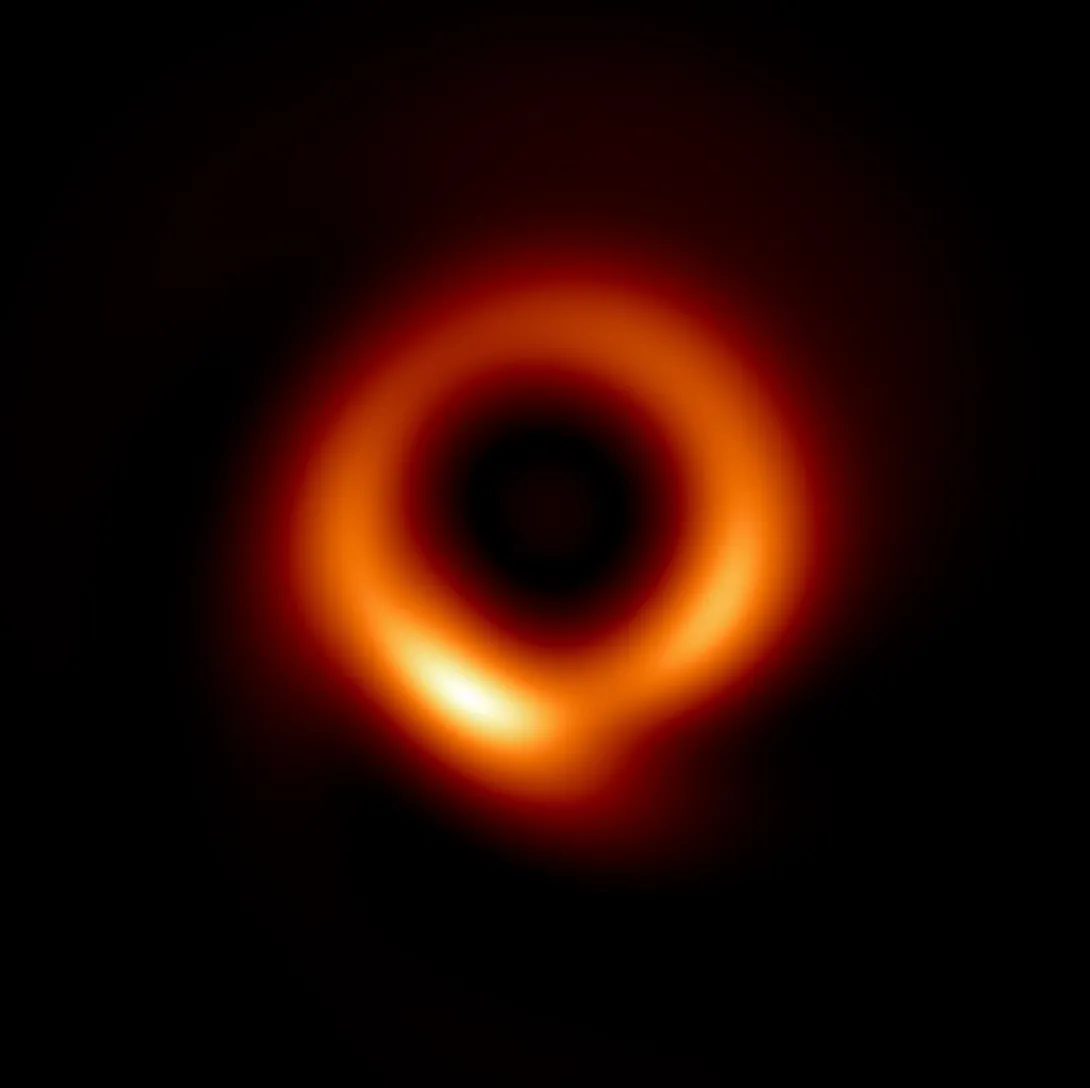
The new image generated by the PRIMO algorithm (EHT / Medeiros et al. 2023)
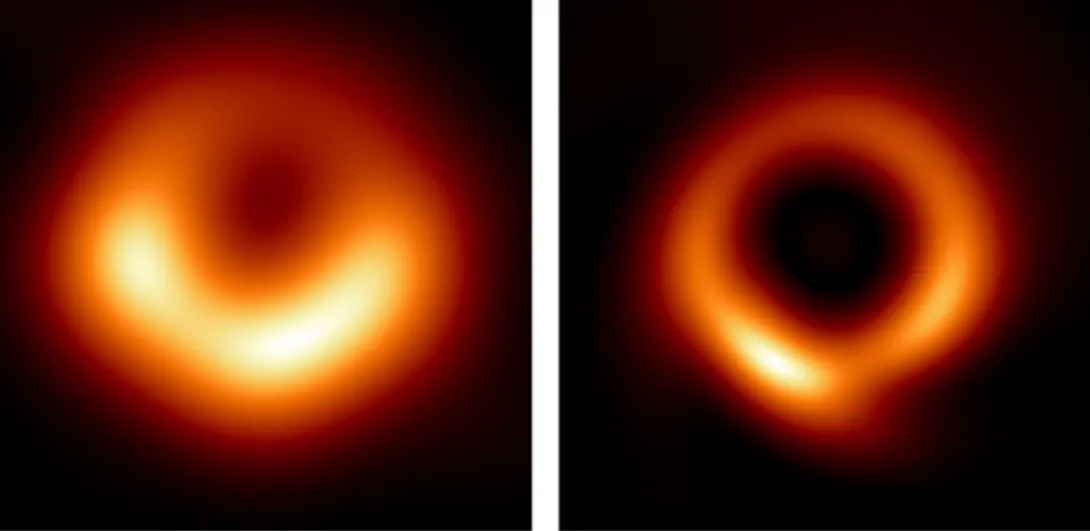
At left, EHT 2019, the original image of the black hole published in 2019 — and at right, PRIMO: the improved version that uses the researchers’ machine learning algorithm. (Image: Event Horizon Telescope)
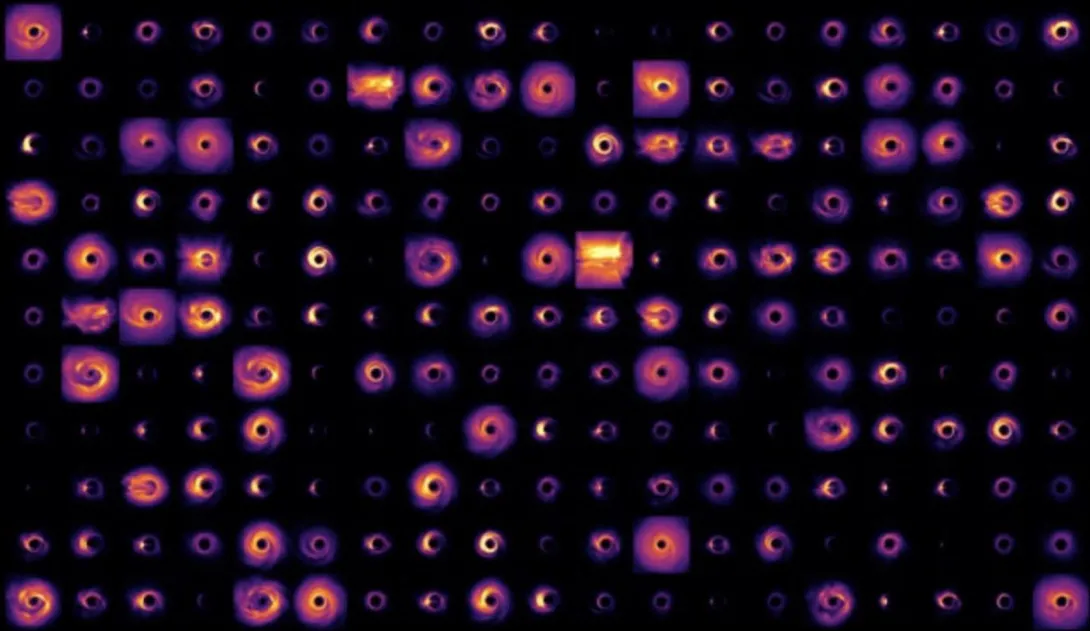
Overview of simulations that were generated for the training set of the PRIMO algorithm (EHT / Medeiros et al. 2023)
This press release is shared jointly with the Institute for Advanced Study (IAS) and NSF’s NOIRLab. It first appeared in the IAS newsroom.
A team of researchers, including astrophysicists from Georgia Tech, the Institute for Advanced Study, and NSF’s NOIRLab, has developed a new machine-learning technique to enhance the fidelity and sharpness of radio interferometric images. To demonstrate the power of their new approach, which is called PRIMO, the team created a new, high-fidelity version of the iconic Event Horizon Telescope's image of the supermassive black hole at the center of Messier 87, a giant elliptical galaxy located 55 million light-years from Earth.
The iconic image of the supermassive black hole at the center of M87—sometimes referred to as the “fuzzy, orange donut”—has gotten its first official makeover with the help of machine learning. The new image further exposes a central region that is larger and darker, surrounded by the bright accreting gas shaped like a “skinny donut.” The team used the data obtained by the Event Horizon Telescope (EHT) collaboration in 2017 and achieved, for the first time, the full resolution of the array.
“The new image of the M87 black hole showcases the remarkable power of the highest-resolution telescope on Earth working in tandem with modern machine learning algorithms; it demonstrates how technology continues to push the boundaries of our understanding of the universe,” said Feryal Özel, professor and chair of the School of Physics at Georgia Tech.
In 2017, the EHT collaboration used a network of seven pre-existing telescopes around the world to gather data on M87, creating an “Earth-sized telescope.” However, since it is infeasible to cover the Earth’s entire surface with telescopes, gaps arise in the data—like missing pieces in a jigsaw puzzle.
“With our new machine learning technique, PRIMO, we were able to achieve the maximum resolution of the current array,” says lead author Lia Medeiros of the Institute for Advanced Study. “Since we cannot study black holes up-close, the detail of an image plays a critical role in our ability to understand its behavior. The width of the ring in the image is now smaller by about a factor of two, which will be a powerful constraint for our theoretical models and tests of gravity.”
PRIMO, which stands for principal-component interferometric modeling, was developed by EHT members Lia Medeiros (Institute for Advanced Study), Dimitrios Psaltis (Georgia Tech), Tod Lauer (NOIRLab), and Feryal Özel (Georgia Tech). Their publication, “The Image of the M87 Black Hole Reconstructed with PRIMO,” is now available in The Astrophysical Journal Letters.
“PRIMO is a new approach to the difficult task of constructing images from EHT observations,” said Lauer. “It provides a way to compensate for the missing information about the object being observed, which is required to generate the image that would have been seen using a single gigantic radio telescope the size of the Earth.”
PRIMO relies on dictionary learning, a branch of machine learning which enables computers to generate rules based on large sets of training material. For example, if a computer is fed a series of different banana images—with sufficient training—it may be able to determine if an unknown image is or is not a banana. Beyond this simple case, the versatility of machine learning has been demonstrated in numerous ways: from creating Renaissance-style works of art to completing the unfinished work of Beethoven. So how might machines help scientists to render a black hole image? The research team has answered this very question.
With PRIMO, computers analyzed over 30,000 high-fidelity simulated images of black holes accreting gas. The ensemble of simulations covered a wide range of models for how the black hole accretes matter, looking for common patterns in the structure of the images. The various patterns of structure were sorted by how commonly they occured in the simulations, and were then blended to provide a highly accurate representation of the EHT observations, simultaneously providing a high fidelity estimate of the missing structure of the images. A paper pertaining to the algorithm itself was published in The Astrophysical Journal on February 3, 2023.
“We are using physics to fill in regions of missing data in a way that has never been done before by using machine learning,” added Medeiros. “This could have important implications for interferometry, which plays a role in fields from exo-planets to medicine.”
The team confirmed that the newly rendered image is consistent with the EHT data and with theoretical expectations, including the bright ring of emission expected to be produced by hot gas falling into the black hole. Generating an image required assuming an appropriate form of the missing information, and PRIMO did this by building on the 2019 discovery that the M87 black hole in broad detail looked as predicted.
“Approximately four years after the first horizon-scale image of a black hole was unveiled by EHT in 2019, we have marked another milestone, producing an image that utilizes the full resolution of the array for the first time,” stated Psaltis. “The new machine learning techniques that we have developed provide a golden opportunity for our collective work to understand black hole physics.”
The new image should lead to more accurate determinations of the mass of the M87 black hole and the physical parameters that determine its present appearance. The data also provides an opportunity for researchers to place greater constraints on alternatives to the event horizon (based on the darker central brightness depression) and perform more robust tests of gravity (based on the narrower ring size). PRIMO can also be applied to additional EHT observations, including those of Sgr A*, the central black hole in our own Milky Way galaxy.
M87 is a massive, relatively nearby, galaxy in the Virgo cluster of galaxies. Over a century ago, a mysterious jet of hot plasma was observed to emanate from its center. Beginning in the 1950s, the then new technique of radio astronomy showed the galaxy to have a compact bright radio source at its center. During the 1960s, M87 had been suspected to have a massive black hole at its center powering this activity. Measurements made from ground-based telescopes starting in the 1970s, and later the Hubble Space Telescope starting in the 1990s, provided strong support that M87 indeed harbored a black hole weighing several billion times the mass of the Sun based on observations of the high velocities of stars and gas orbiting its center. The 2017 EHT observations of M87 were obtained over several days from several different radio telescopes linked together at the same time to obtain the highest possible resolution. The now iconic “orange donut” picture of the M87 black hole, released in 2019, reflected the first attempt to produce an image from these observations.
“The 2019 image was just the beginning,” stated Medeiros. “If a picture is worth a thousand words, the data underlying that image have many more stories to tell. PRIMO will continue to be a critical tool in extracting such insights.”
Development of the PRIMO algorithm was enabled through the support of the National Science Foundation Astronomy and Astrophysics Postdoctoral Fellowship.
About Georgia Institute of Technology
The Georgia Institute of Technology, or Georgia Tech, is one of the top public research universities in the U.S., with more than 45,000 undergraduate and graduate students who study in person at the main campus in Atlanta, at Georgia Tech-Europe in France, at Georgia Tech-Shenzhen in China, as well as through distance and online learning. Students represent 50 states and more than 148 countries.
Georgia Tech's engineering and computing Colleges are the largest and among the highest-ranked in the nation, and the Institute also offers outstanding programs in business, design, liberal arts, and sciences.
With more than $1 billion annually in research awards across all six Colleges and the Georgia Tech Research Institute (GTRI), Georgia Tech is among the nation’s most research-intensive universities. It is an engine of economic development for the state of Georgia, the Southeast, and the nation.
Georgia Tech’s mission is to develop leaders who advance technology and improve the human condition. Its mission and strategic plan are focused on making a positive impact in the lives of people everywhere. Since 1885, the people of Georgia Tech have dared to imagine and then create solutions for a better future. The innovative culture and leadership continue — Progress and Service for all.
About the Institute for Advanced Study
The Institute for Advanced Study has served the world as one of the leading independent centers for theoretical research and intellectual inquiry since its establishment in 1930, advancing the frontiers of knowledge across the sciences and humanities. From the work of founding IAS faculty such as Albert Einstein and John von Neumann to that of the foremost thinkers of the present, the IAS is dedicated to enabling curiosity-driven exploration and fundamental discovery.
Each year, the Institute welcomes more than 200 of the world’s most promising post-doctoral researchers and scholars who are selected and mentored by a permanent Faculty, each of whom are preeminent leaders in their fields. Among present and past Faculty and Members there have been 35 Nobel Laureates, 44 of the 62 Fields Medalists, and 23 of the 26 Abel Prize Laureates, as well as many MacArthur Fellows and Wolf Prize winners.
News Contact
Jess Hunt-Ralston
Georgia Institute of Technology
jess@cos.gatech.edu
(404) 385-5207
Lee Sandberg
Institute for Advanced Study
lsandberg@ias.edu
(609) 455-4398
Tod Lauer
NSF’s NOIRLab
tod.lauer@noirlab.ed

Beginning Summer 2023, prospective and current Georgia Tech students will have three new Bachelor of Science degrees to choose from in the School of Earth and Atmospheric Sciences. The expanded undergraduate offerings target a wider range of job and research opportunities — from academia to analytics, NASA to NOAA, meteorology to marine science, climate and earth science, to policy, law, consulting, sustainability, and beyond.
The Board of Regents of the University System of Georgia has approved two new specific degrees within the School: Atmospheric and Oceanic Sciences (AOS) and Solid Earth and Planetary Sciences (SEP). Regents also approved Environmental Science (ENVS) as an interdisciplinary College of Sciences degree between the School of Earth and Atmospheric Sciences and the School of Biological Sciences. The existing Earth and Atmospheric Sciences B.S. degree will sunset in two years for new students.
“We are really excited to be able to offer this new interdisciplinary undergraduate degree program in Environmental Science,” said Jean Lynch-Stieglitz, ADVANCE Professor in Earth and Atmospheric Sciences (EAS). “While it was developed jointly between the Schools of Earth and Atmospheric Sciences and Biological Sciences, it brings together Georgia Tech’s broad expertise and course offerings related to the Earth’s environment from across the Institute.”
“We are excited to see these new programs develop,” added Andrew Newman, professor and the School’s undergraduate coordinator, “as these degrees highlight the quantitative and computational skills of Georgia Tech students, and align better with their interests in global understanding of problems related to environmental impact and sustainability, natural hazards and landscape development, as well as planetary evolution, habitability, and exploration.”
“Students looking for specific types of programs will also be more understanding of what their program offers,” Newman said. “Under our current degree, a student interested in ocean science, planetary science, and environmental chemistry all would be looking at the same degree that doesn’t define their interests. Now, having programs with those interests in their name, and described well on the upcoming webpage, will greatly increase their interest in our program.”
The Evolution of EAS at Georgia Tech
Newman also shared that, in Fall 2021, the School surveyed current EAS undergraduate students and recent alumni for feedback and thoughts on the potential degrees. Responses from the community highlighted that the plan for transitioning the existing major could not only help new students hone their academic and career plans, but also help them communicate beyond EAS about their chosen major.
“These degrees make it more clear what the student is studying,” shared one student. “Before, people would ask what my major ‘even is’ and what kinds of jobs I could get with it. I think the new majors make it more clear.”
“Finally, Planetary Science!” said another student. “This degree would go well with a Physics or AE (Aerospace Engineering) certificate or dual degree.”
All about the new Georgia Tech EAS degrees
The expanded undergraduate degree offerings are designed to continue Georgia Tech’s reputation for academic rigor — and also reflect trends in student interests, as well as current and forecasted needs in the job marketplace.
“A key aspect of the new Environmental Science degree program will be its flexibility,” said Lynch-Stieglitz. “Students will be able to focus their study to support their interests and career goals whether those be in conservation, climate change, or environmental health. We’ve also left space in their program to encourage participation in especially impactful experiences such as study abroad and research projects. Georgia Tech students are fantastic — well prepared, diverse, smart, hard-working, and passionate. This flexible approach will allow them to become the broadly educated leaders who will envision the solutions to environmental problems that are so urgently needed.”
More on the new undergraduate degrees and what they will require:
B.S. Atmospheric and Oceanic Sciences (AOS) Degree
AOS uses the current Meteorology track as its foundation and will include aspects of Atmospheric Sciences, Oceanography and Climate Sciences.
EAS will continue to offer courses needed for American Meteorological Society (AMS) certifications as well as those required for eligibility for National Weather Service meteorology jobs.
Some courses will be reduced and others added (e.g. the existing course Physics of Weather will now be formally required instead of Earth Processes; the National Weather Service Practical Internship course in partnership with NWS Peachtree City will continue).
The AOS degree is designed to take advantage of Atlanta as a “hotspot” for major meteorological organizations including The Weather Channel, CNN, local stations in a top 10 TV market, and the National Weather Service (NWS) Peachtree City, Georgia office. The degree also builds on Georgia Tech’s existing expertise in Atmospheric Chemistry, Oceanography, Climate Dynamics, Paleoclimatology and Paleoceanography, and meteorological research.
AOS degree recipients looking for jobs or graduate research can target the energy sector, insurance risk modeling, broadcast meteorology, consulting, data analytics, aviation, military, and K-12 education, among other positions.
B.S. Environmental Science (ENVS) Degree
ENVS was developed by a joint committee involving EAS and the School of Biological Sciences.
ENVS requires core content in mathematics, physics, chemistry, biology, Earth sciences, and public policy.
Upper level coursework allows students to customize their program of study based on interest.
Students will complete a capstone research project that integrates the knowledge they have gained through the program.
This degree takes advantage of Georgia Tech’s expertise in Environmental Chemistry, climate science, marine science, Aquatic Chemical Ecology, microbial dynamics, and Environmental Policy. Newman added that there is a critical emerging market need for scientists with expertise in the Earth’s environmental systems.
The ENVS degree will provide a strong base for students pursuing graduate programs and careers in environmental policy, environmental law, medicine, and other master’s and Ph.D. programs in environmentally related disciplines.
B.S. Solid Earth and Planetary Sciences (SEP) Degree
SEP builds on the existing Earth Science track to include Planetary Sciences.
There is an opportunity to reduce some courses.
Some courses will now be required (e.g. Physics II, Physics of Planets, Introduction to Geophysics).
According to an SEP prospectus, “the degree will support Georgia Tech’s mission to develop leaders who advance technology and improve the human condition, through developing holistically minded students that can put human development in context of the environment for which we live, including resource availability, hazards that affect sustainability, and our exploratory nature to understand our place on the planet and solar system.”
Career and graduate opportunities include energy sector positions, NASA, NOAA, U.S. Geological Survey, environmental remediation, hazard assessment and data analytics.
Learn more, contact EAS Undergraduate Advising, and apply:
News Contact
Writer: Renay San Miguel
Communications Officer II/Science Writer
College of Sciences
404-894-5209
EAS Undergraduate Program Contacts:
eas.gatech.edu/undergraduate
Editor and Media Contact:
Jess Hunt-Ralston
Director of Communications
College of Sciences at Georgia Tech