
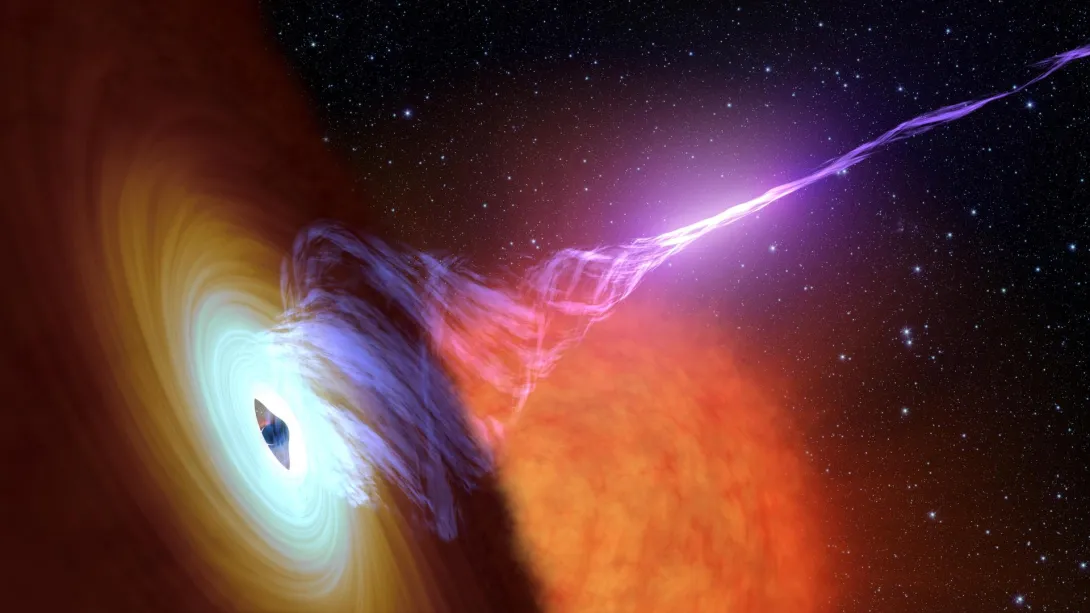
An artist's concept showing a black hole. (Credit: NASA/JPL)
The LIGO–Virgo–KAGRA (LVK) detector network comprises three centers across the globe. The United States hosts twin Laser Interferometer Gravitational-Wave Observatory (LIGO) detectors, one located at Hanford Observatory in Washington State and a second at Livingston Observatory in Louisiana. The Virgo detector is hosted by the European Gravitational Observatory in Italy, and the Kamioka Gravitational Wave (KAGRA) detector is hosted in Japan by the Institute for Cosmic Ray Research (ICRR) of the University of Tokyo.
Researchers at Georgia Tech play a key role in the international collaboration. The Georgia Tech-LIGO research group includes School of Physics Professor Laura Cadonati, Assistant Professor Surabhi Sachdev, Research Scientist Margaret Millhouse, Postdoctoral Scholar Prathamesh Joshi, eight graduate students, and multiple undergraduates.
The LVK network detects gravitational waves when a massive cosmic event — like the collision of two black holes — creates invisible ripples in the fabric of space-time. Waves ripple out at the speed of light, and millions of years after the events that first created them, they reach the LVK detectors.
But detecting gravitational waves does not simply mean capturing a signal — clues first need to be untangled from background noise.
“Identifying gravitational-wave signals requires carefully separating real astrophysical events from random fluctuations in the data,” says School of Physics graduate student Urja Shah, whose work to quickly identify phenomena supports rapid follow-up by the broader astronomical community.
To support the identification of phenomena, School of Physics graduate student Megan Arogeti conducts consistency tests between waveforms, checking results to find unexpected or unusual features. “Tests like this give us confidence in our models as we continue to observe gravitational waves with increasing sensitivity,” she explains. “They support new observations and help identify exciting new physics.”
“These efforts help ensure that gravitational-wave signals are robustly identified and accurately characterized, turning each detection into a precise measurement,” adds Shah. “In turn, these measurements deepen our understanding of some of the most massive and dense objects in the universe and the fundamental laws governing the cosmos.”
Astrocalibration Autotune
When a sensor detects a gravitational wave, it produces a distinctive response, says School of Physics graduate student Shobhit Ranjan. “Those signals encode a wealth of information we can analyze to learn about their sources — their masses, spins, distance, and location.” But in order to detect these chirps, the detectors must be carefully calibrated, and if calibration is not optimal, the signals can be compromised.
Now, a new tool is helping the LVK collaboration recalibrate less optimal signals. The technique is already showing promise: In an article recently accepted in Physical Review Letters, LVK researchers successfully applied it to two interesting signals. The first signal served as a testing opportunity for the method. The team used astrocalibration to recover the data and check it against secondary independent calibration data that was available. They then put the technique to use, recovering information from a second event where no secondary calibration data were available.
“Like autotune in the music industry, the new research shows that theoretical models can be used as guides, similar to how sheet music can help a studio shift off-key music to its correct tone,” Ranjan explains. “These theoretical models suggest the shape of the signal, and together with data from other detectors, we can adjust the data and read it correctly.”
“The fact that these detectors can now not only sense cosmic events, but leverage them to improve the data being collected marks a new era in gravitational wave science,” he adds.
A Record-Setting Dataset
The LVK Collaboration also published their fifth catalog of gravitational wave events this spring. The findings include an updated estimate of how fast the universe is expanding, evidence for the existence of second-generation black holes, the most precise sky localization ever achieved for a gravitational wave source, and the first measurement of three vibrational modes of a black hole.
“Our group helped enable 140 detections out of the 161 reported in this catalog,” says Joshi, who contributed to one of the flagship searches and designed a specialized search focused on detecting especially heavy black hole mergers.
Joshi also worked on determining precise locations of where the gravitational waves originated from in the universe — research that he says will allow astronomers around the world to perform long-term follow-up observations of interesting events.
One record-setting detection showed two black holes that had violently collided more than 3 billion light-years from Earth. Researchers were able to pinpoint its location in the sky more precisely than any other gravitational wave event observed before.
Improvements in the LVK network’s ability to localize events along with the large number of detections allowed for a better estimate of the Hubble constant, which measures the rate at which the universe is expanding. The new measurement is over 25% more precise than previous estimates.
The new catalog also includes the “clearest” gravitational wave signal ever detected. The clarity of the signal led to the most accurate test of general relativity ever performed and confirmation of Stephen Hawking’s black hole area theorem.
“This catalog provides not just the largest number of black hole detections, it marks a new era of rapid progress,” Sachdev says. “This is just the beginning of what these observations will allow us to uncover.”
News Contact
Selena Langner
Technical Research Writer / Editor
Georgia Tech College of Sciences
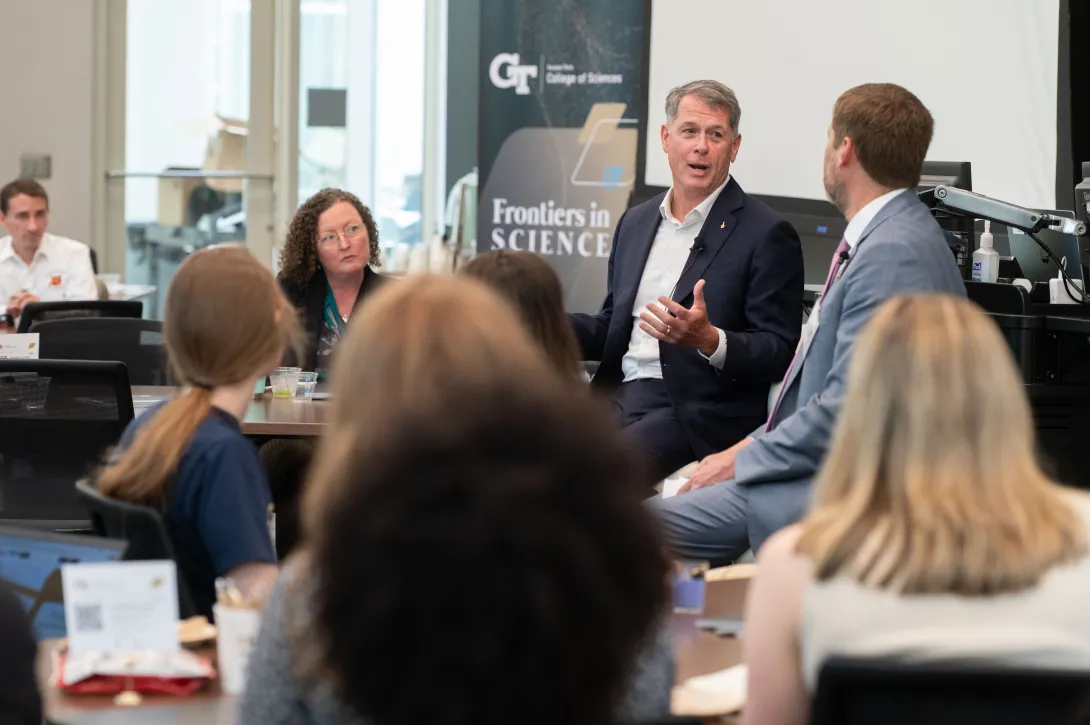
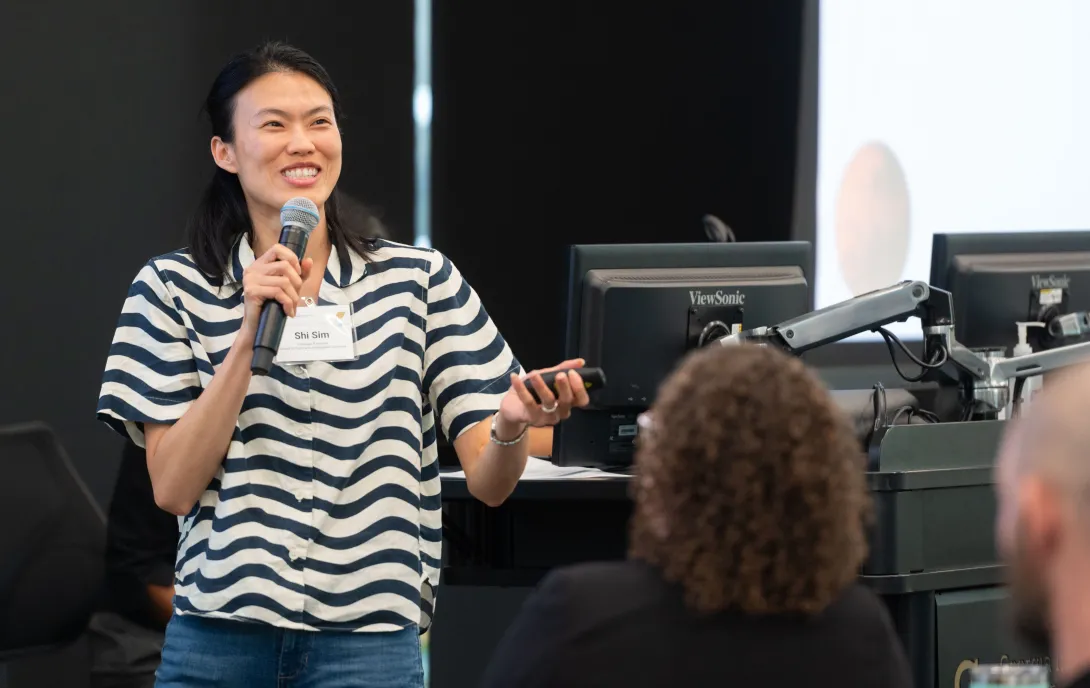
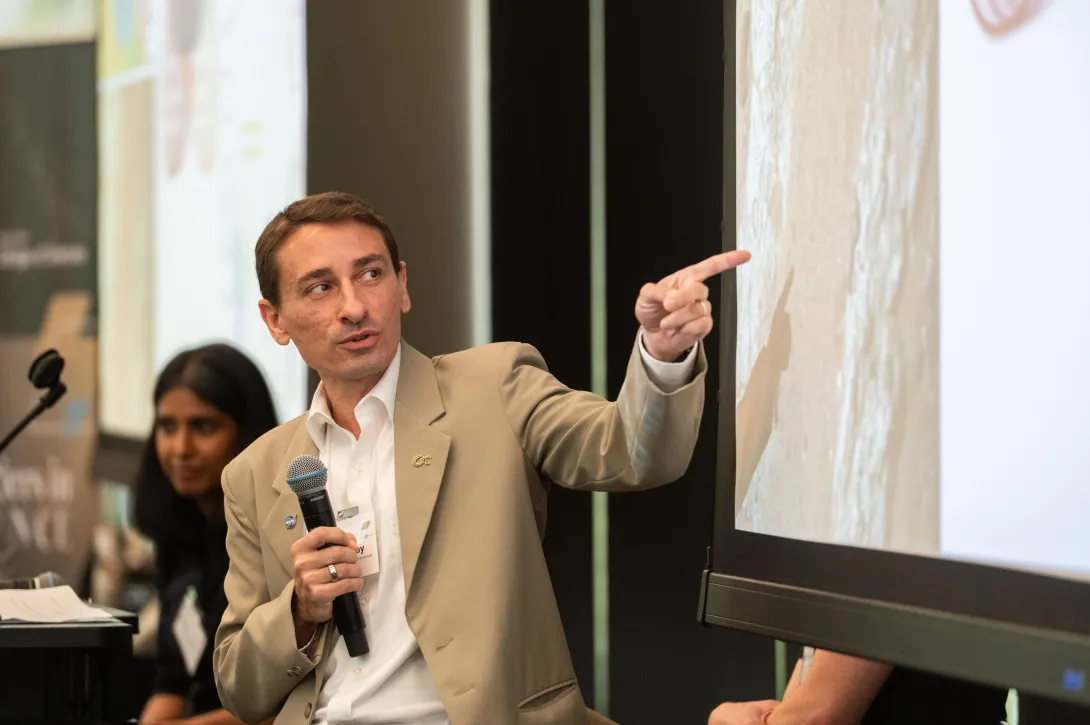
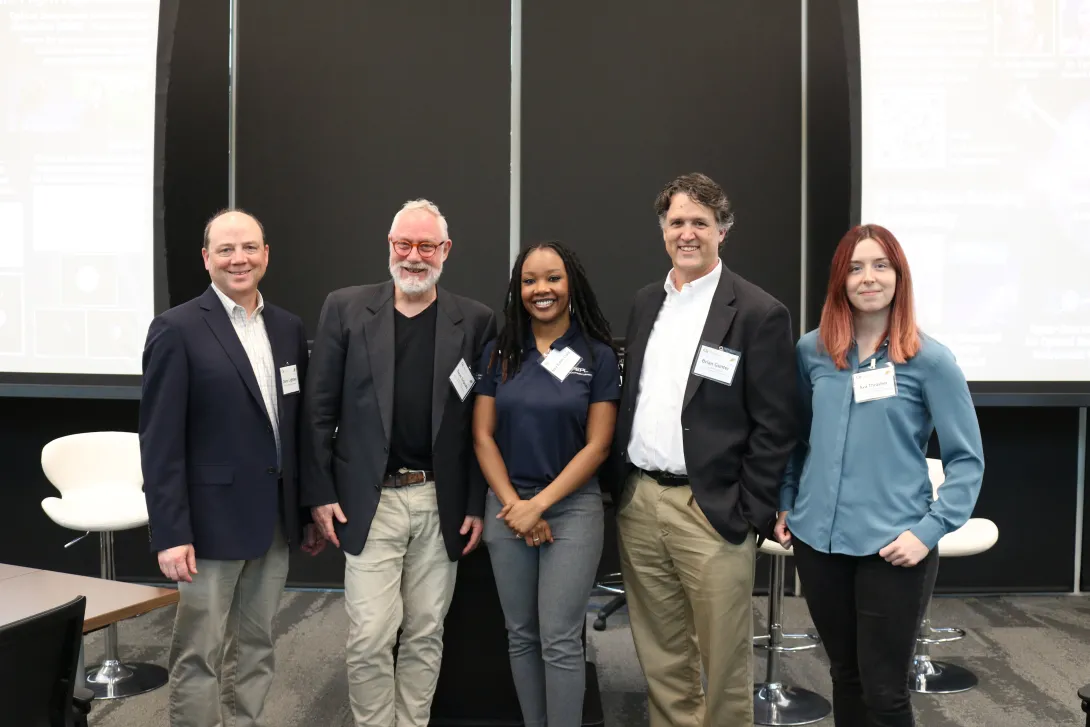
One day after the historic Artemis II launch, the College of Sciences welcomed more than 150 researchers, students, and community members to its signature Frontiers in Science conference. Held on April 2, the full-day event focused on space research guiding discovery and innovation.
As during previous editions, this year’s conference featured more than two dozen scientists, engineers, policy experts, and thought leaders from Georgia Tech and beyond, illustrating how collaboration across fields – from science and engineering to public policy and international affairs – helps to advance strategic research priorities.
“Frontiers is about discovery and connections across disciplines and generations,” says Susan Lozier, dean of the College of Sciences and Betsy Middleton and John Clark Sutherland Chair. “This edition provided an inspiring glimpse into the future of space exploration and the many ways Georgia Tech is contributing to research and missions seeking answers to what lies beyond our planet.”
Commitment to Space
Space research is a key institutional priority at Georgia Tech, which is home to numerous academic and research programs in planetary sciences, robotics, mission design, space policy, and other areas.
The recently established Space Research Institute (SRI) serves as the central hub connecting the broad range of space-related research across campus. Led by Jud Ready, who also serves as principal research engineer at the Georgia Tech Research Institute, SRI has expanded support for space research and commercialization through initiatives such as the CreationsVC Space Fellows Program and Centers, Programs, and Initiatives seed grant program.
SRI’s efforts are in line with Georgia Tech’s long-standing contribution to space exploration. Hundreds of Yellow Jacket alumni work in the space sector, including several graduates who are playing key roles in the Artemis program. To date, more than a dozen Georgia Tech alumni have traveled to space.
Exploring the Final Frontier
The conference featured a series of panels and discussions led by faculty and researchers from the Colleges of Sciences and Engineering as well as the Ivan Allen College of Liberal Arts.
Sessions explored how researchers are studying the processes and conditions that support planetary habitability, seeking to answer one of humanity’s greatest questions: Does life exist beyond Earth? Speakers also examined how analog fieldwork in Earth’s extreme environments can inform space exploration, and how space research, in turn, can deepen our understanding of our own world.
Additional conversations centered on building better space missions through improved understanding of team and individual resilience, data collection, navigation, and the development of advanced technologies like the robots developed through the NASA LASSIE Project.
Frontiers also highlighted Georgia Tech’s commitment to preparing the next generation of space scientists, engineers, and leaders. Student training and engagement were recurring themes throughout the day, with speakers emphasizing opportunities for student-led and student-run missions and research. A panel of Georgia Tech alumni shared their own STEM career journeys, challenging the idea of “one right path” to success — and acknowledging the resources and opportunities available at the Institute.
A highlight of the conference was a fireside chat with Atlanta-native, retired U.S. Army Colonel and NASA Astronaut R. Shane Kimbrough (M.S. Operations Research 1998). Kimbrough, who spent a total of 388 days in space and performed nine spacewalks across three missions, reflected on his career and the evolution of spaceflight. He emphasized the expanding role of public-private and international partnerships in advancing ambitious goals, such as creating a permanent human outpost on the Moon.
Policy and Public
The conference also explored how policy influences space discovery and innovation, with discussions touching on such issues as space security, access, governance, sustainability — and the influence of technology and science fiction on public perception and policy.
Panelists described current policy frameworks governing outer space as struggling to keep pace with rapidly advancing technologies and expanding activities. According to these experts, increasing tensions among commercial, research, and recreational uses of space call for greater coordination among private and government entities to balance competing priorities while maximizing opportunities for innovation and exploration.
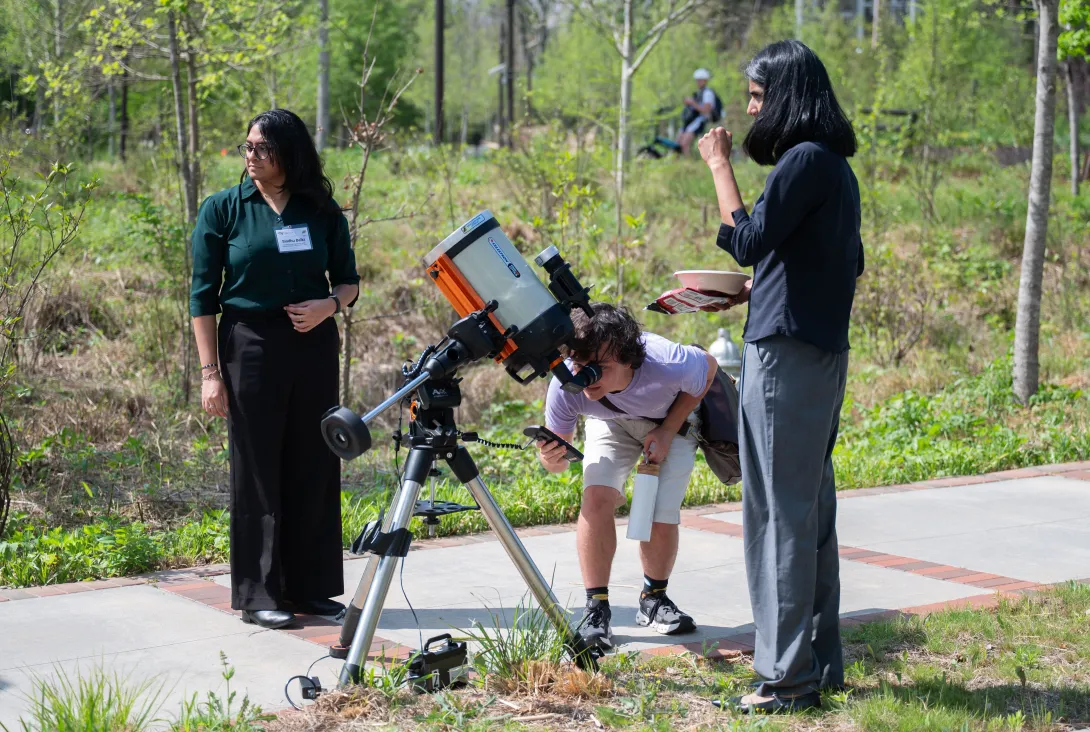
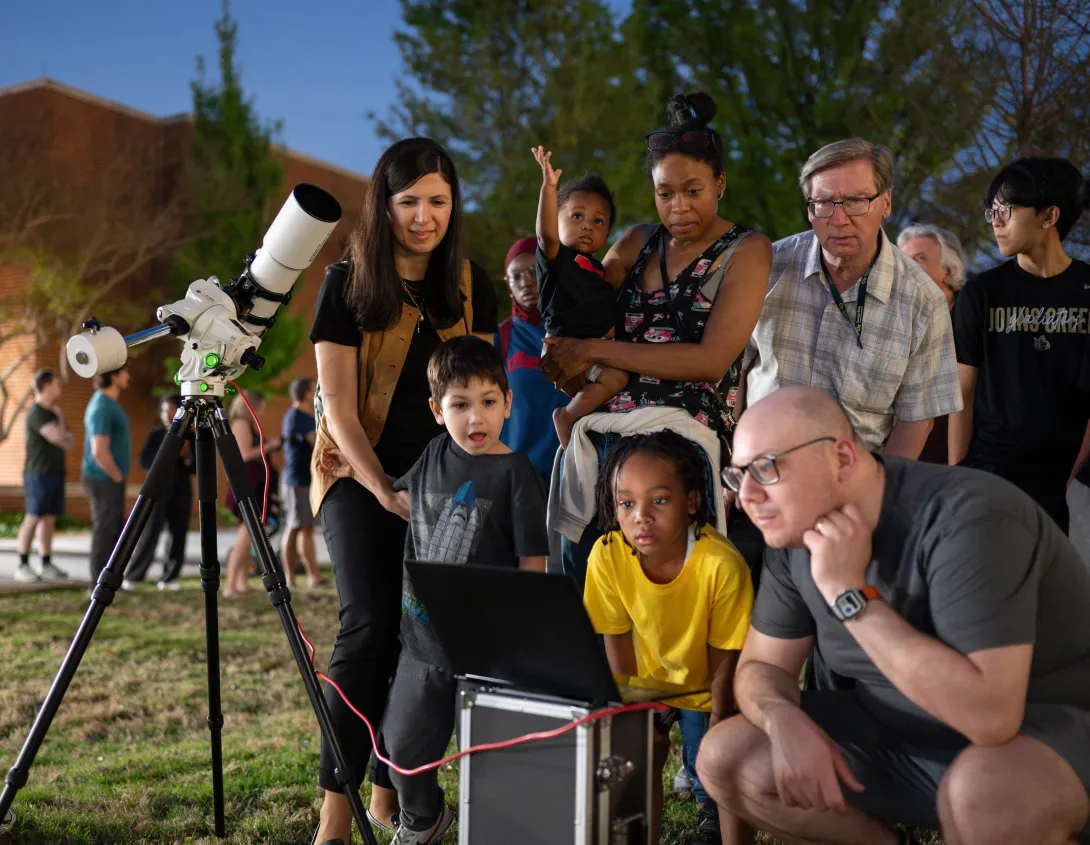
The conference was punctuated by a networking lunch connecting attendees with Atlanta’s public astronomy community – including partners at several universities and the Georgia Tech Astronomy Club, which set up telescopes for attendees to safely observe the sun. Later that evening, the Georgia Tech Observatory hosted its Public Night, welcoming the broader Atlanta community to campus for telescope views of Jupiter, the Orion Nebula, and other celestial bodies.
The Observatory Night was a fitting conclusion to a full day focused on Georgia Tech’s commitment and contributions to inspiring future generations of space explorers through research, education, and outreach.
Experience the Frontiers conference in pictures on the College of Sciences’ Flickr account.
News Contact
Writer: Lindsay C. Vidal
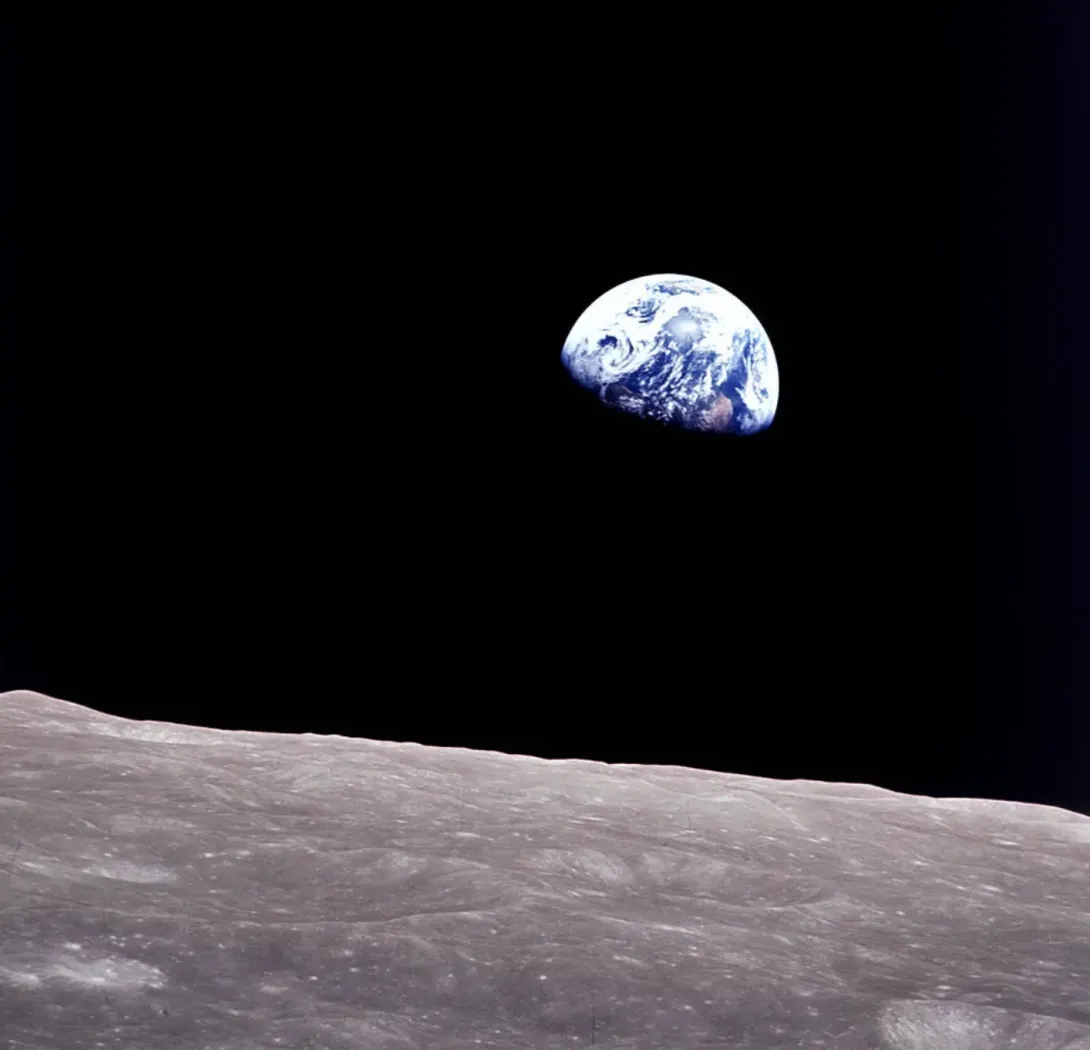
Taken aboard Apollo 8 by Bill Anders, this iconic picture shows Earth peeking out from beyond the lunar surface as the first crewed spacecraft circumnavigated the Moon, with astronauts Anders, Frank Borman, and Jim Lovell aboard. (Credit: NASA)

Advik Vira
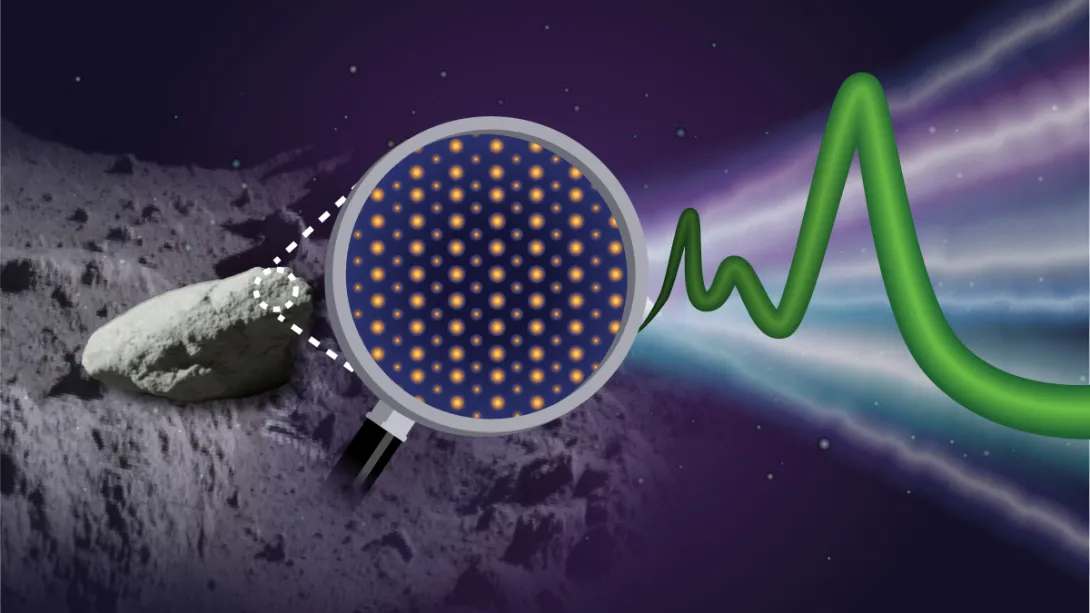
An illustration of the Apollo rock 75035 on the Moon, an atomic image of the sample, and its spectral signature. (Credit: August Davis)
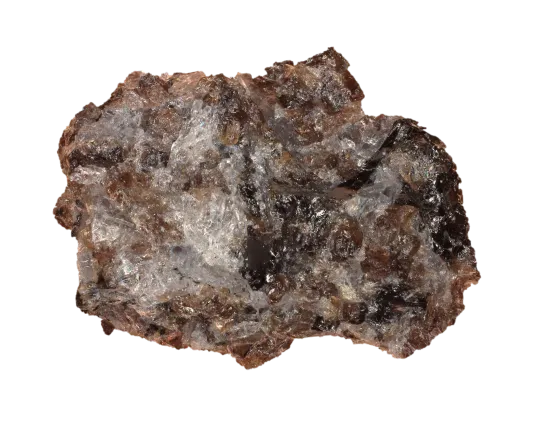
An optical image of the chip from the lunar rock the team investigated.
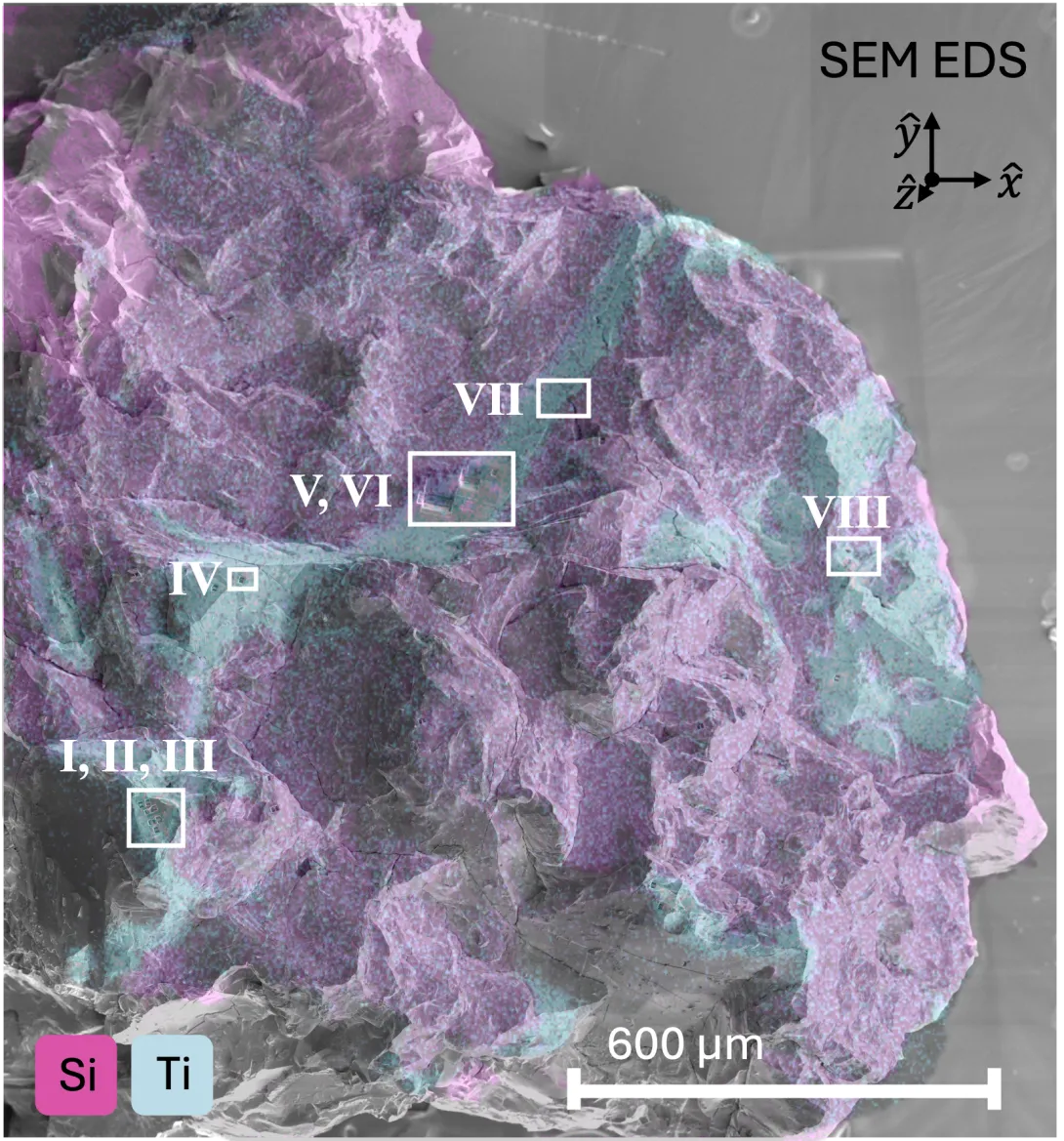
An image of the chip from the sample, imaged using scanning electron microscopy. Titanium is shown in light blue, and white boxes show areas where samples were extracted to analyze the ilmenite crystal.
A chemical signature hidden in a 3.8‑billion‑year‑old lunar rock is offering new insights into the availability of oxygen within the young Moon.
Published today in the journal Nature Communications, the paper “Trivalent Titanium in High-Titanium Lunar Ilmenite” confirms titanium in a reduced, trivalent state in a black, metal-rich lunar mineral called ilmenite. It’s a state only possible in low-oxygen environments, conditions researchers refer to as “reducing.”
“Models have suggested that these reducing conditions may have varied at different locations and times across the surface of the Moon,” says lead author Advik Vira, a graduate student in the School of Physics who recently earned his doctoral degree. “We hope our microscopy technique can be a valuable step in mapping and understanding the Moon’s 4.5-billion-year history.”
The team anticipates that their technique could be used on many of the lunar samples collected more than 50 years ago by the Apollo missions in addition to the Apollo Next Generation Samples — a group of lunar samples that have been stored under pristine conditions — and new samples from the planned Artemis missions, with Artemis II slated for launch this spring. The technique might also be applicable to samples collected from the far side of the Moon and returned in 2024 by the Chang’e-6 mission.
“The Moon holds clues not only to its own past, but also to the earliest eras of Earth’s evolution — history that has long since been erased from our planet,” Vira says. “This study is a step toward understanding the history of both and a reminder that there is still so much left to learn from the lunar rocks we’ve brought back to Earth.”
The School of Physics research team included corresponding authors Vira and Professor Phillip First; in addition to graduate student Roshan Trivedi; undergraduate students Gabriella Dotson, Keyes Eames, Dean Kim, and Emma Livernois; and Professor Zhigang Jiang, along with Institute for Matter and Systems Materials Characterization Facility Senior Research Scientist Mengkun Tian; School of Chemistry and Biochemistry Senior Research Scientist Brant Jones and Thom Orlando, Regents' Professor in the School of Chemistry and Biochemistry with a joint appointment in the School of Physics.
The Georgia Tech team was joined by Addis Energy Senior Geochemist Katherine Burgess; Macalester College Assistant Professor of Geology Emily First; along with Lawrence Berkeley National Laboratory Research Scientist Harrison Lisabeth, Senior Scientist Nobumichi Tamura, and Postdoctoral Fellow Tyler Farr, who recently earned a Ph.D. from Georgia Tech’s George W. Woodruff School of Mechanical Engineering.
CLEVER research
The investigation began with a dark gray rock called a lunar basalt. Formed when ancient magma erupted on the Moon’s surface, minerals crystallized as it cooled — preserving key information in their structures. Billions of years later, the rock was brought to Earth by the 1972 Apollo 17 mission, where a small piece is now stored at Georgia Tech’s Center for Lunar Environment and Volatile Exploration Research (CLEVER), a NASA Solar System Exploration Research Virtual Institute (SSERVI) center led by Orlando.
As a NASA virtual institute, CLEVER supports researchers exploring lunar conditions and developing tools for the upcoming crewed Artemis missions, and provided the lunar samples for this research. The SSERVI also plays a critical role in training the next generation of planetary researchers: both Vira and Farr earned their Ph.D.s while on the CLEVER team.
“At CLEVER, we are very interested in understanding the impacts of space weathering,” Vira says. “We implemented modern sample preparation and advanced microscopy techniques to image samples at the atomic level, and were curious to apply it more broadly to the collection of Apollo rocks in the Orlando Lab. This sample caught our attention.”
“When we imaged an ilmenite crystal from the lunar basalt, what struck us first was how uniform and perfect the crystal structure was,” he recalls. “We found no defects from space weathering and instead saw an undamaged, pristine crystal — undisturbed for 3.8 billion years.”
To investigate further, the team analyzed small chips of the rock with Burgess, a member of the RISE2 SSERVI team and then a geologist at the U.S. Naval Research Laboratory. Using state-of-the-art electron microscopy and spectroscopy techniques, Vira determined the oxidation state of the elements in the ilmenite present.
In spectroscopy measurements, each element leaves a distinct ‘signature,’ Vira explains. “When we brought our results back to Georgia Tech’s Materials Characterization Facility, Mengkun (Tian) noticed something unusual: the signature showed titanium might be present in the trivalent state.”
The presence of trivalent titanium had long been suspected in this lunar mineral. The team was intrigued.
A new window into old rocks
With funding from Georgia Tech’s Center for Space Technology and Research (CSTAR), Vira returned to the U.S. Naval Research Laboratory to analyze additional samples. The results confirmed that more titanium was present than the mineral’s formula (FeTiO₃) predicts — indicating a portion of the titanium present was trivalent.
“That led me to place our measurements in terms of the broader geological context,” Vira shares. Working with First, Vira explored how ilmenite with trivalent titanium could help reconstruct the nature of ancient magmas from the Moon, especially the chemical availability of oxygen.
“Because its location on the Moon was noted during the Apollo mission, we know exactly where this rock is from, and we can determine how old the rock is,” he explains. “When coupled with our trivalent titanium measurements, we can use that information to estimate the reducing conditions for this specific region at the specific time our rock formed.”
If the upcoming Artemis missions return samples suitable for the team’s technique, these rocks could provide a new window into ancient lunar geology. The research also highlights that many lunar samples already on Earth could be reexamined to look for trivalent titanium.
“There is still so much to learn from the lunar samples we have already brought to Earth,” Vira says. “It’s a testament to the long-term value of each sample return mission. As technology continues to advance, this type of work will continue to give us critical insights into our planet and our place in the universe for years to come.”
DOI: 10.1038/s41467-026-69770-w
Funding: This work was directly supported by the NASA SSERVI under CLEVER. Researchers were also supported by the NASA RISE2 SSERVI and the Heising-Simons Foundation. Funding for collaborations between the U.S. Naval Research Laboratory and Georgia Tech for the investigation of lunar minerals was provided by the Georgia Tech Center for Space Technology and Research. Sample preparation was performed at the Georgia Tech Institute for Matter and Systems, which is supported by the National Science Foundation. This work utilized the resources of the Advanced Light Source, a user facility supported by the U.S. Department of Energy, Office of Science, Office of Basic Energy Sciences, and was supported in part by previous breakthroughs obtained through the Laboratory Direct.
News Contact
Written by:
Selena Langner
College of Sciences
Georgia Institute of Technology
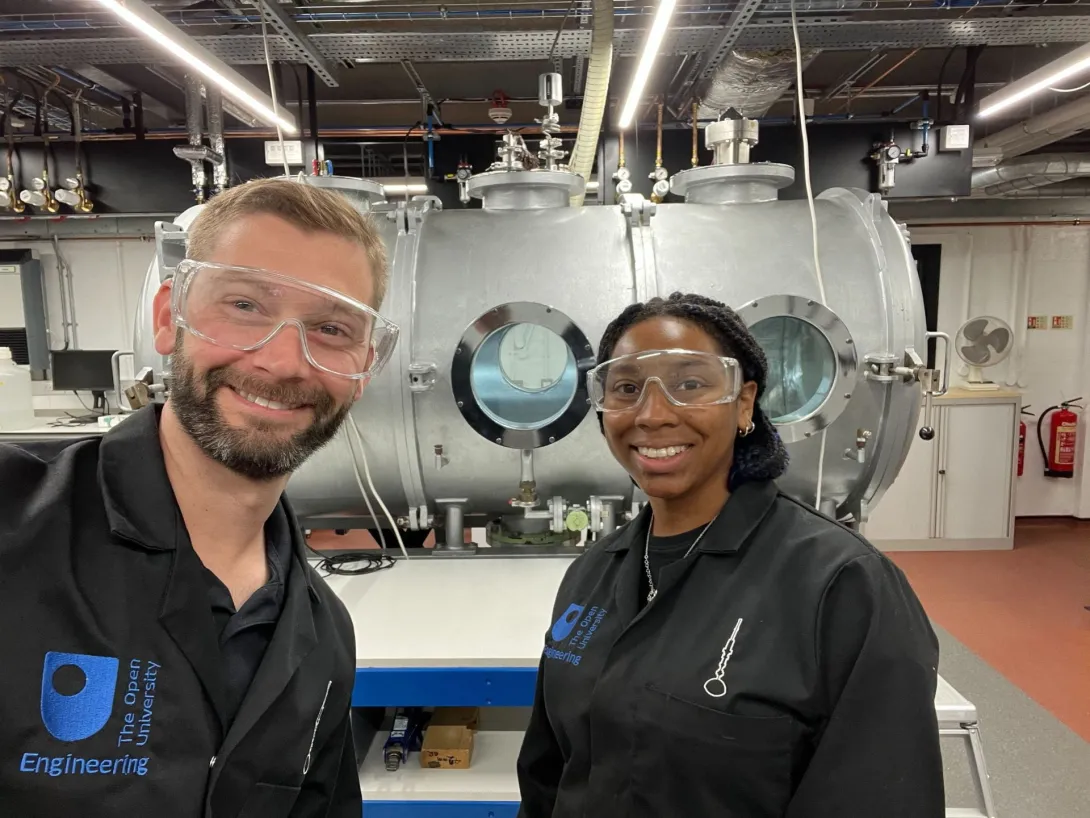
Jacob Adler (left) and Sharissa Thompson (right) conducting research.
This research is shared jointly with the Arizona State University newsroom.
The surface and atmosphere of Mars have seen many changes over its 4.5-billion-year history. While the planet's current atmosphere is very thin (about 0.6% of Earth's), it was once thick enough to sustain liquid water.
According to new research published in Communications Earth & Environment, these atmospheric changes could play a key role in how we interpret sediment deposits on the planet.
“We found that the changing pressure resulting from atmospheric changes would have produced sediment-rich water flows with varying shapes over time,” says co-author and Georgia Tech Assistant Professor Frances Rivera-Hernández, adding that since Mars’ present-day atmosphere is very thin, the associated low pressures would produce behaviors not seen on Earth.
“Earth’s thicker atmosphere means that there are higher pressures on our planet, which produce very different behaviors,” she explains. “This means that Earth analogs may not be reliable for interpreting some Martian sedimentary landscapes.”
“At low present-day pressures, Mars mud would boil and levitate if the surface temperature was warm, or freeze and flow more like lava if the temperature was cold,” adds study lead Jacob Adler, who began working on the project while a postdoctoral researcher in Rivera-Hernández’s PLANETAS Lab at Georgia Tech, and continued the study in his current role as an assistant research professor in Arizona State University's School of Earth and Space Exploration.
The team also included Georgia Tech Ph.D. student and current PLANETAS Lab member Sharissa Thompson, along with researchers from the Open University and Czech Academy of Sciences.
“This study adds a critical layer of nuance to analogue research,” says Rivera-Hernández. “By comparing our lab results to real Martian landforms, we can better reconstruct Mars’ past climate — leading to increasingly successful research in the future.”
Making Martian mud
In order to recreate past conditions on the red planet, the team conducted over 70 experiments in a Mars simulation chamber, testing how flowing water-sediment mixtures would be affected by the varying pressures and temperatures throughout the planet’s history.
Thompson, who specializes in understanding these types of mixtures, played a key role in interpreting the results. “As part of my Ph.D. work at Georgia Tech, I uncover how and why flow shapes evolve as pressure changes, which helped us understand how these flows could have shifted with changing pressures on Mars over time,” she says. “I’m thrilled to have contributed to the innovative flow experiments this study conducted.”
The experiments revealed that at higher atmospheric pressures, water and mud would have similar flow physics (rheology) as on Earth, indicating that some of the oldest sedimentary features on the surface should appear similar to Earth environments. In these scenarios, surface conditions may also have been more habitable for life.
On the other hand, as Mars started to lose most of its atmosphere, the dominant physics in sediment flow experiments changed to freezing and boiling. The team found that at the lower pressures Mars has experienced after the Noachian, the rheology and deposit shapes (morphology) were not at all Earth-like.
“When we mapped out where on Mars, we would expect this different behavior, we found that this opposite behavior could happen at the same time at different locations on the planet,” Adler shares. “The small-scale climate variations across Mars’ topography are enough to see these opposing effects.”
Decoding Mars' past
The research suggests that studying the specific shapes of features like sediment flows, debris flows and mudflows could help scientists better estimate climate conditions. It also highlights how laboratory experiments are a critical part of planetary science activities, as they can help scientists better interpret remote sensing and modeling results.
"By finding matching morphologies of what we see on Mars and what we see in these lab experiments, we might be able to better time-stamp the paleoclimate record,” Adler explains.
"We’ve sent rover missions to Mars largely because we find compelling remote sensing evidence of deposits formed by water or mud that could indicate a habitable environment,” he adds. “We are often eager to compare what we find to Earth analogs, but these are not always suitable for comparison. This study shows there is still much we can learn about Mars by conducting experiments under Mars conditions.”
Funding: NASA
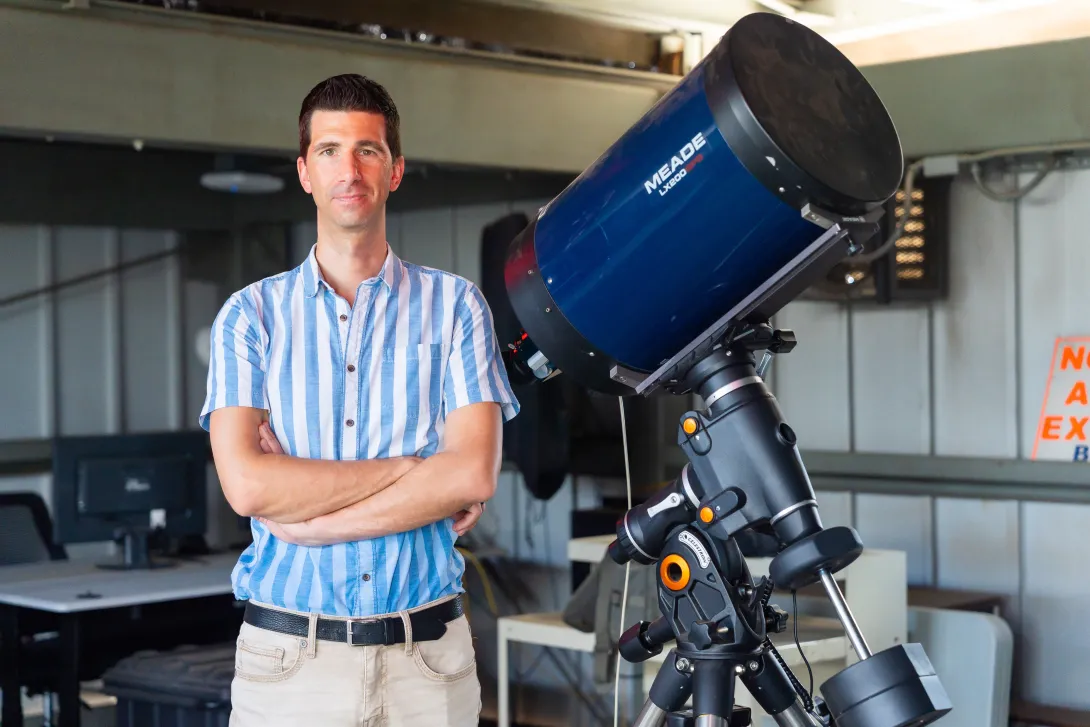
The College of Sciences has named Paul Sell as the new director of the Georgia Tech Observatory. Sell joined the Institute in Fall 2025 as a senior academic professional in the School of Physics. He also serves as advisor of the new B.S. in Astrophysics degree program.
“Paul Sell is a wonderful addition to our College of Sciences community,” says Susan Lozier, dean of the College of Sciences, Betsy Middleton and John Clark Sutherland Chair, and professor in the School of Earth and Atmospheric Sciences. “His leadership brings renewed energy to the Georgia Tech Observatory, and I look forward to seeing how he expands its impact across campus and in the broader community.”
Observing the cosmos from campus
The Georgia Tech Observatory was established nearly two decades ago at a time when the Institute’s astronomy and astrophysics research and teaching ecosystem was in its infancy.
School of Physics Principal Academic Professional Emeritus Jim Sowell created the facility on the roof of the Howey Physics Building in 2007 and served as its director until his retirement in 2024.
“The Observatory — and its numerous variety of telescopes — makes it possible for Georgia Tech students and Atlanta-area visitors to see with their own eyes some of the best, awe-inspiring celestial delights, including craters on the Moon, Jupiter’s Red Spot, Saturn’s rings, and many other objects,” says Sowell.
The Observatory’s primary instrument is a 20-inch diameter telescope by Officina Stellare. Known as the Georgia Tech’s Space Object Research Telescope (GT-SORT), this Raven-class space surveillance telescope is used by researchers in the Daniel Guggenheim School of Aerospace Engineering to monitor man-made spacecraft.
“What’s unique about the Georgia Tech Observatory is that it’s right on campus, offering a meaningful, hands-on experience to everyone,” explains Sell. “It can be readily integrated into experiential learning projects on campus all year round.”
Sell’s upper-level astronomy lab, which combines lectures with experiences at the Observatory, highlights the facility’s academic importance.
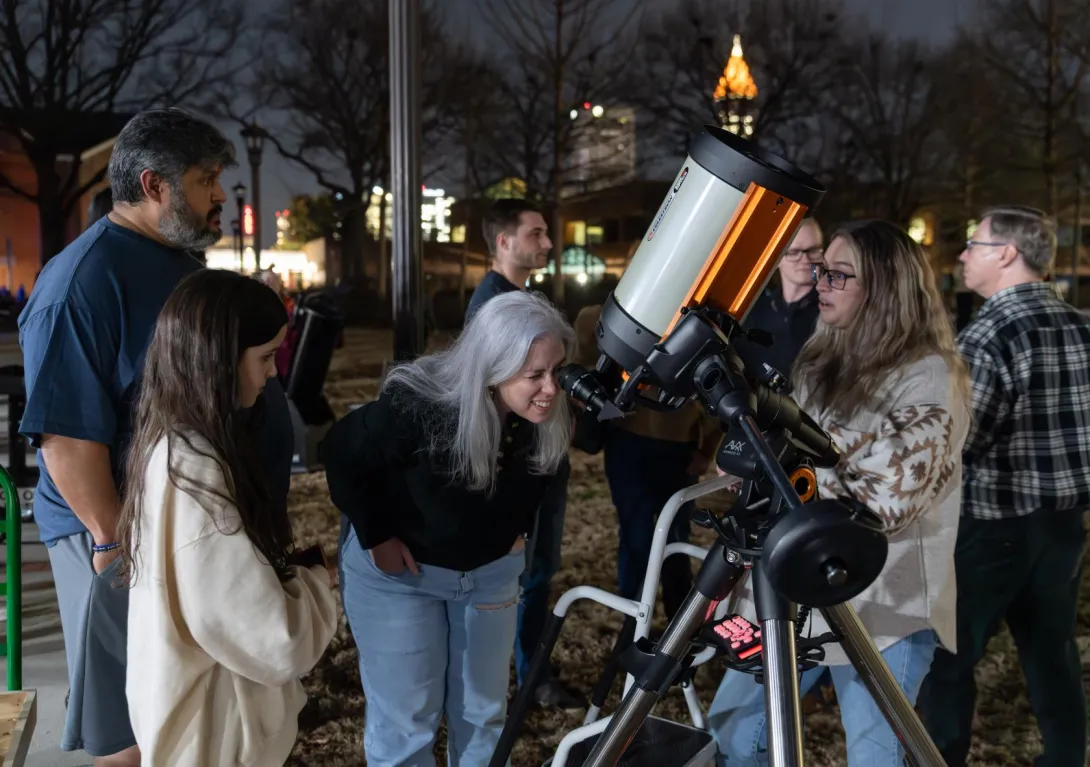
Yet, the Observatory’s impact extends beyond the classroom, thanks to free community events like “Public Nights at the Observatory,” which offer attendees the opportunity to explore the night sky.
Held most months, weather permitting, this event features telescopes stationed outside the Howey Physics Building, allowing astronomy enthusiasts from Georgia Tech and beyond to view the Moon, Jupiter, Saturn, and other cosmic wonders. These gatherings typically draw more than 100 stargazers.
Specialized groups are also hosted at the Observatory. For example, the Georgia Tech Astronomy Club uses the facility during its weekly meetings.
“The Observatory is a haven where students can step outside for a moment and get lost in the stars,” says AJ Chadha, club president and fourth-year computer science major. “With one of the largest telescopes in Georgia, the on-campus 20-inch GT-SORT, we weave astronomy directly into student life.”
Under Sell’s leadership, the Observatory will continue to strengthen partnerships with student organizations, campus units, and community groups.
“I'm excited to explore additional ways we can use this resource for outreach and academic purposes that benefit both Georgia Tech and the Atlanta community,” Sell adds.
A passion for astronomy
Before joining Georgia Tech, Sell served as senior lecturer, astronomy undergraduate coordinator, and interim director of the teaching observatory at the University of Florida.
His passion for astronomy began at an early age, sparked by a gift from his parents: an Orion refracting lens telescope.
“I remember taking out that telescope, even in freezing cold Ohio winters, simply because the observing conditions were better,” he recalls.
Sell nurtured his interest in astronomy through his university studies and extracurricular activities, which included working in planetaria as an undergraduate at the University of Toledo. He later obtained a Ph.D. in Astronomy from the University of Wisconsin-Madison.
“I am grateful for the opportunity to share my passion for astronomy, not only with our physics students but with the larger Georgia Tech community — through classroom lectures, student advising, and Observatory outreach,” Sell says.
News Contact
Writer: Lindsay C. Vidal
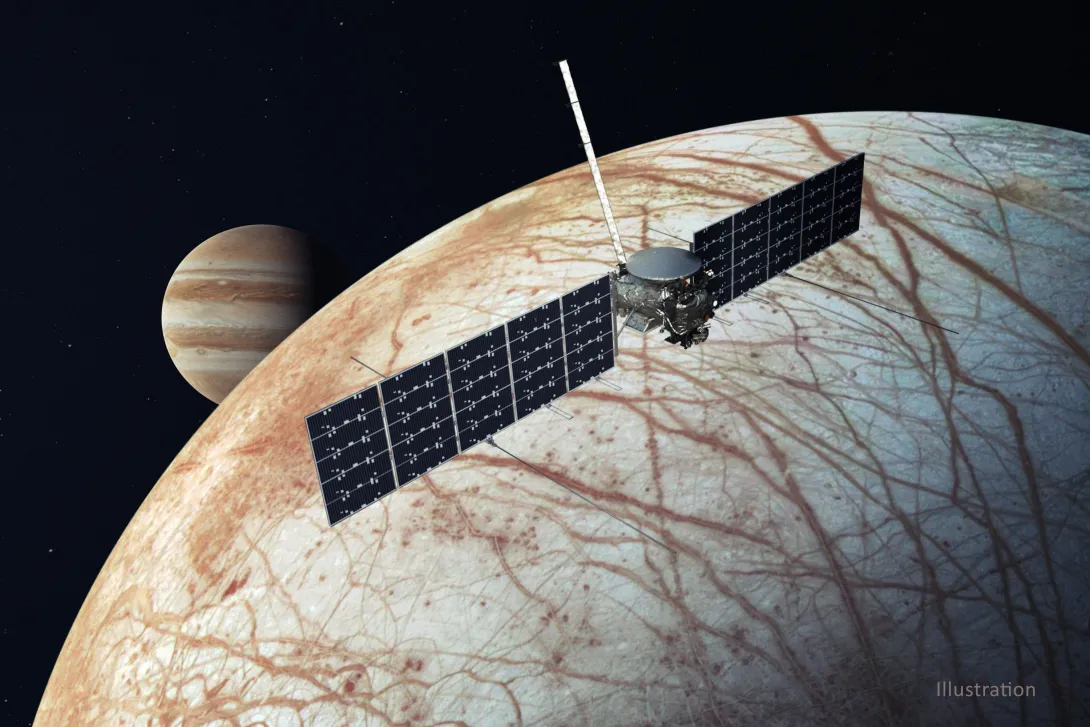
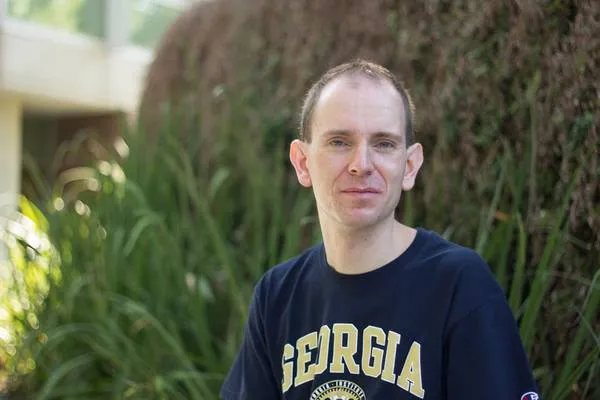
In four years, National Aeronautics and Space Administration (NASA)’s Europa Clipper mission will arrive in Jupiter’s orbit to investigate whether the planet’s icy moon, Europa, could support life. In the interim, researchers like Sven Simon, a professor in the Schools of Earth and Atmospheric Sciences and Physics, are working to uncover critical information to support the rapid analysis of measurements from the mission.
Simon’s research team has been awarded $1.4 million through NASA’s Precursor Science Investigations for Europa (PSI-E) program. Their project is one of seven selected to provide essential insights that, according to the program announcement, “will maximize the science return during the radiation-limited lifetime of the Europa Clipper.”
Simon also serves as the institutional lead co-investigator of a second $1.4 million project, led by researchers at the University of California, Berkeley, which seeks to decipher how Europa's atmosphere and ionosphere contribute to the magnetic field near the moon. This project was selected during the same call for proposals.
“The research award is a fantastic opportunity to contribute to a mission centered on Europa’s complex plasma and electromagnetic environment,” says Simon, referencing the Georgia-Tech led proposal. “Our project combines foundational plasma physics from our School of Physics and geophysical knowledge from our School of Earth and Atmospheric Sciences to understand how the magnetic field near Europa is affected by the plasma populating Jupiter’s environment.”
The research team includes Earth and Atmospheric Sciences Ph.D. students Ariel Tello Fallau and Charles Michael Haynes. Neil Baker, a Ph.D. student in the School of Physics, is contributing to the Berkeley-led PSI-E project that also includes Georgia Tech alumnus Lucas Liuzzo (Ph.D. EAS 2018), now an assistant research scientist at the University of California, Berkeley’s Space Sciences Laboratory.
Groundwork for discovery
With a radius of only 1,560 kilometers, Europa is one of Jupiter’s four largest moons, known as the Galilean moons, discovered by Italian astronomer Galileo Galilei in the 1600s.
More than two decades ago, data from NASA’s Galileo mission — specifically magnetic field measurements collected far above Europa’s surface — pointed to the existence of a global subsurface ocean. This ocean, which may contain more liquid water than all of the Earth’s oceans combined, has made Europa a prime candidate in the search for life beyond Planet Earth.
“Finding evidence of a saltwater ocean lurking beneath Europa’s surface was a serendipitous discovery during the Galileo mission,” Simon explains. “NASA’s Europa Clipper mission picks up where the Galileo mission left off.”
Launched in October 2024, the Europa Clipper space probe is expected to reach Jupiter’s orbit in 2030. That gives Simon and his team only a few years to complete their analysis.
“Our research is doing the preparatory work to determine what and where we can measure further magnetic evidence of the ocean beneath Europa’s surface,” says Simon. “When the spacecraft arrives, we will find out whether our predictions are correct.”
Using advanced computer simulations, the team aims to better understand the magnetic fields near Europa. Part of these fields is generated by electric currents in the moon’s saltwater ocean; the other part is created by fast-moving flows of plasma — ionized matter that fills much of space — as it interacts with Europa’s atmosphere and surface.
“Our project focuses on how the magnetic fields from plasma flow patterns compete with the magnetic signal from Europa’s ocean,” says Simon. “We want to determine which part of the magnetic field near Europa originates from the ocean and which part is a disruptive effect from the plasma.”
Deciphering these magnetic signals will provide essential context for interpreting Europa Clipper’s measurements, helping to not only confirm the ocean’s existence but also reveal details about its structure.
News Contact
Writer: Lindsay C. Vidal

A view of Greenland's ice sheet from the NASA/USGS Landsat 8 satellite showing meltwater lakes on a glacier. (Credit: NASA)
Georgia Tech researchers have developed a mathematical formula to predict the size of lakes that form on melting ice sheets — discovering their depth and span are linked to the topography of the ice sheet itself.
The team leveraged physics, model simulations, and satellite imagery to develop simple mathematical equations that can easily be integrated into existing climate models. It’s a first-of-it’s-kind tool that is already improving climate models.
“Melt lakes play an important role in ice sheet stability, but previously, there were no constraints on what we would expect their maximum size to be in Antarctica,” says study lead Danielle Grau, a Ph.D. student in the School of Earth and Atmospheric Sciences. “I was intrigued by the idea of quantifying how much of a role we could expect them to play in the future.”
The paper, “Predicting mean depth and area fraction of Antarctic supraglacial melt lakes with physics-based parameterizations,” was published in Nature Communications. In addition to Grau, the research team includes School of Earth and Atmospheric Sciences Professor Alexander Robel, who is Grau’s advisor, and Azeez Hussain (PHYS 2025).
Their predictions show that the majority of these lakes will be less than a meter deep and span up to 40% of the ice sheet surface area.
“Many models don’t include any data about lakes on the surface of ice sheets, while others simulate these melt lakes growing until the ice collapses,” Robel says. “Our results show that the reality is somewhere in between — and that the maximum size of these lakes can be predicted using these new equations. This gives us real, concrete numbers to use in climate models.”
From summer project to satellite discovery
Grau first started working on the project as an undergraduate student when she applied for a Summer Research Experiences for Undergraduates program hosted by the School of Earth and Atmospheric Sciences.
Inspired by terrestrial lake research, Grau and Robel investigated the “self-affinity” of the Antarctic ice sheet — a property associated with surface roughness across various scales. For example, a landscape like Badlands National Park, with many rolling hills of a wide range of sizes, would have a different self-affinity than a flat prairie with three large volcanoes.
“A previous study had used this property to predict the size of terrestrial lakes and ponds, and we were curious if we could use a similar approach for supraglacial lakes in Antarctica,” Grau says. “Establishing that the Antarctic ice sheet also has this property was the first step in pursuing this research in more depth.”
The mathematics of melt
Grau continued the investigation as a Ph.D. student in Robel’s lab. Together, they unraveled the physics of how meltwater moves across the ice surface, designing a ‘glacier in a computer’ that mimics meltwater accumulation and movement across various topographies.
“We designed an algorithm and integrated it into a model that the GT Ice & Climate Group has used in the past,” Grau says. “From that, we were able to see how lakes would form on different surfaces across thousands of scenarios. This was the foundation for the mathematical equations I developed, which can predict the lake depth and lake surface area based on the self-affinity property.”
To check their results, Grau enlisted the help of Hussain — then an undergraduate in the School of Physics — to examine satellite data from the Landsat satellite program (which captures detailed photography of the Earth’s surface from space) to measure existing supraglacial lakes and surface topography.
“It was exciting to see how our predictions lined up with what we were seeing in the satellite imagery,” Robel explains. “This shows that our solution is a concrete avenue for climate models to realistically incorporate supraglacial lakes.”
Grau is already working to incorporate the team’s equations into an atmospheric model used by NASA in addition to an ice sheet model developed by the NASA Jet Propulsion Laboratory and Dartmouth College.
“By turning complicated models and satellite data into simple predictive equations, we’re giving climate models a new lens to see the future,” she says. “It’s a small piece of the puzzle, but one that helps us understand how ice sheets respond to a warming world.”
Funding: NASA Modeling, Analysis, and Prediction Program
News Contact
Written by Selena Langner
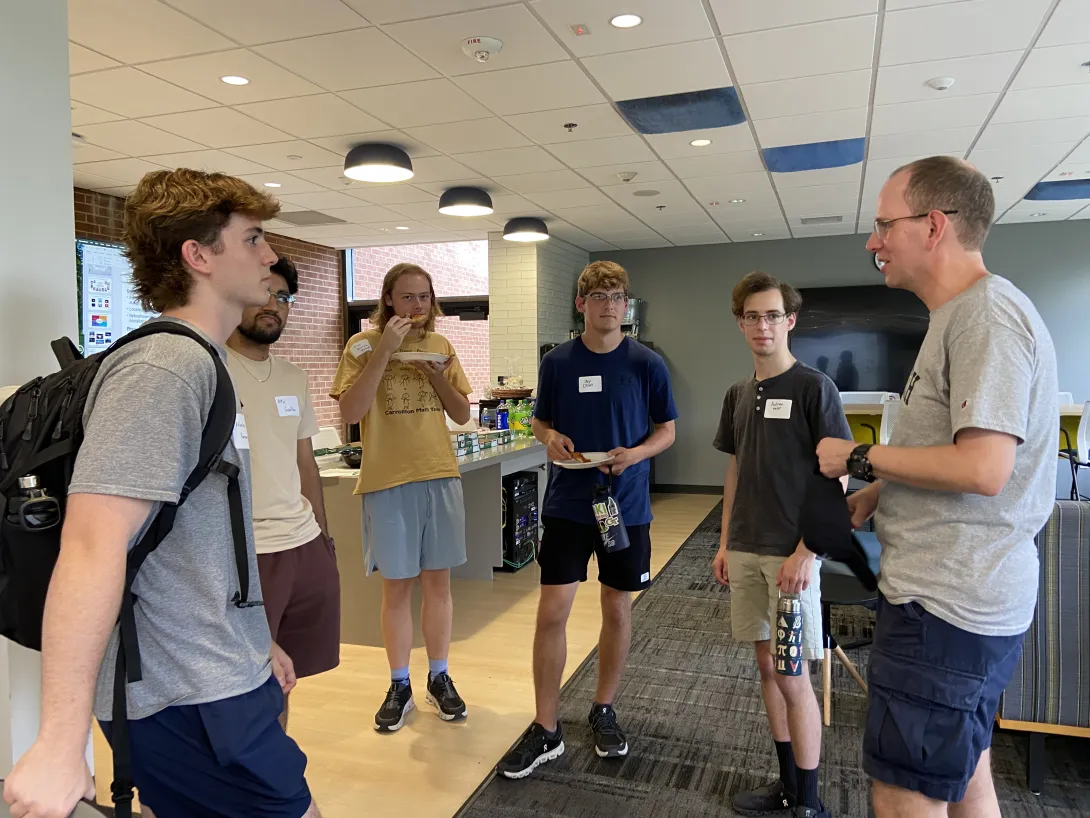
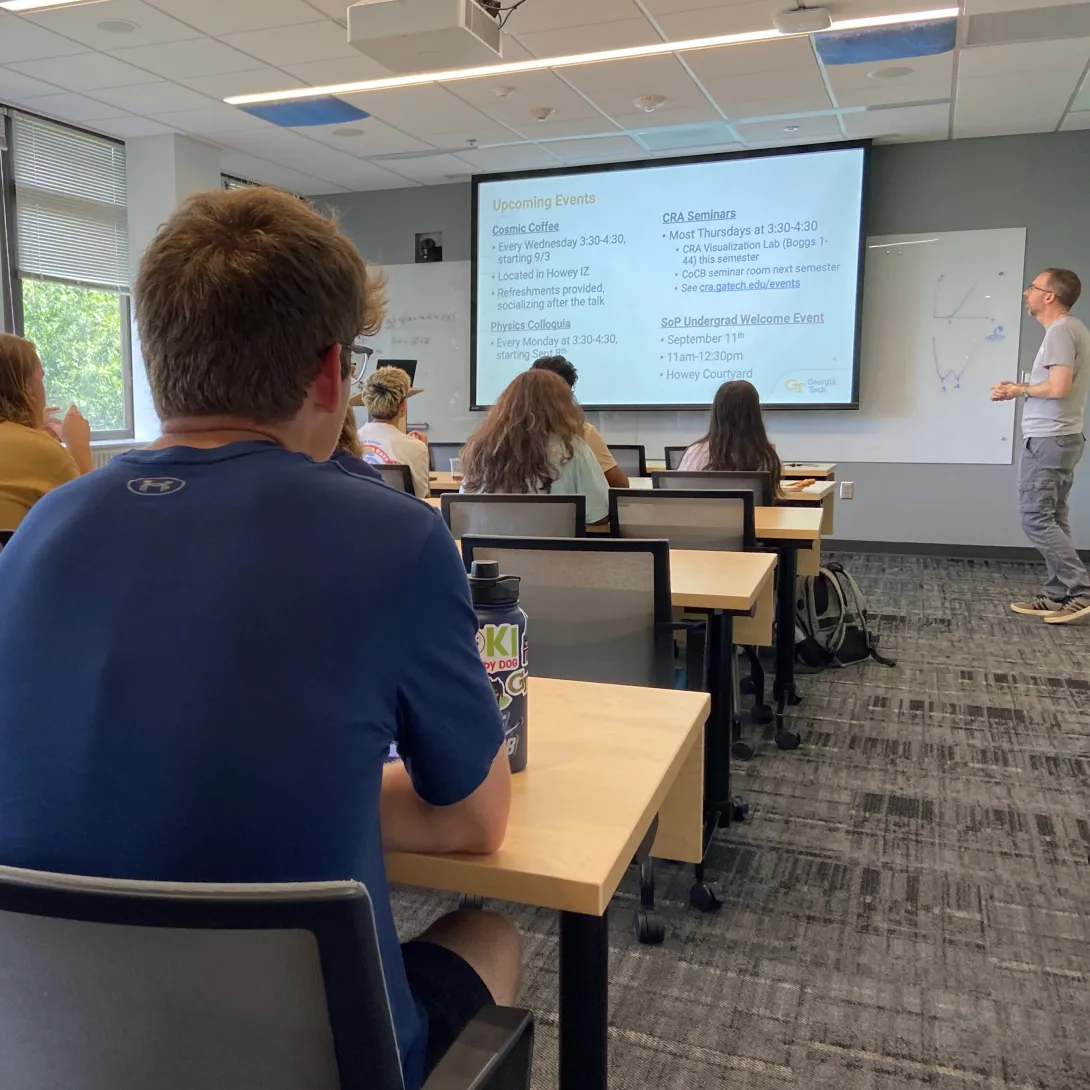

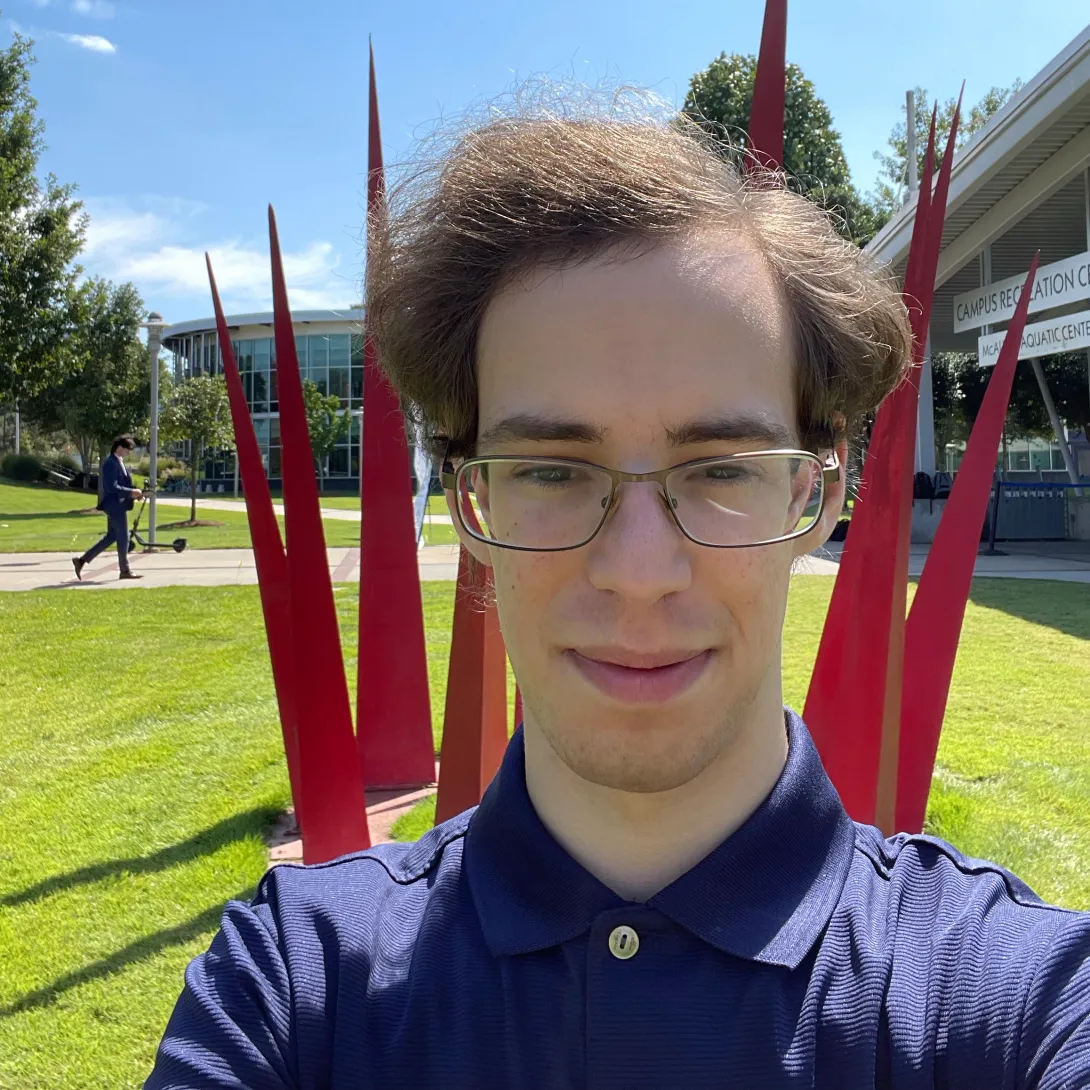

One of Georgia Tech’s newest undergraduate degree offerings — a B.S. in Astrophysics — welcomed its first students in August.
The astrophysics program, which includes both a major and a minor, introduces students to the fundamental physical processes and laws that govern the cosmos. This foundational curriculum is complemented by training in computational and data analysis techniques.
“Our new undergraduate program is forward-facing, focusing on the future of astronomy and astrophysics as well as how big data and computing are driving innovation and discovery,” says Program Director David Ballantyne, associate chair for Academic Programs and professor in the School of Physics.
Designed for students interested in research or non-research career paths, the B.S. in Astrophysics was created in response to growing student demand for courses and research opportunities in the field.
“Astrophysics is a great major at Georgia Tech because it teaches the critical thinking and technical skills students need not just for astrophysics but also for a wide variety of STEM-related careers,” adds Paul Sell, program advisor, senior academic professional in the School of Physics, and director of the Georgia Tech Observatory.
More than two dozen students have already declared the astrophysics major or minor; these numbers are expected to grow as more students learn about the program.
Third-year student Ishita Chintala switched her major from general physics to astrophysics in order to move closer to her childhood dream of working in the space industry.
“Astrophysics brings a certain kind of magic into my life; a kind of magic that helps me not only understand the world around me, but also helps me understand my place in the universe,” she explains.
Students enrolled in the program will have the opportunity to engage directly with the work taking place at the Center for Relativistic Astrophysics (CRA). Established in 2008, the CRA includes more than a dozen faculty and research scientists with expertise spanning high-energy astrophysics, extrasolar planets, gravitational-wave astronomy, and astroparticle physics.
Access to undergraduate research opportunities, including those offered by CRA faculty, is one reason for Marshall Honaker’s enthusiasm about the major.
“I’m most excited about getting hands-on research experience and taking advanced astrophysics classes that dive deeper into topics like cosmology and stellar evolution, especially at Georgia Tech,” says Honaker, a first-year student from Warner Robins, Georgia. He aims to pursue a research career to increase our understanding of the universe.
Andrew Heller, a first-year student from Tucker, Georgia, chose the astrophysics major because of his curiosity about and desire to advance our knowledge of everything beyond Planet Earth.
“As an astrophysics major, I'm very interested in participating in multi-messenger astronomy,” says Heller, referring to a key research focus of the CRA. “The ability to discover different things about an event or object by studying it with different wavelengths or particles is super exciting!”
Undergraduate students interested in declaring the astrophysics major or minor should follow the standard major change or the minor addition/change process.
News Contact
Writer: Lindsay C. Vidal
Jaden Wang
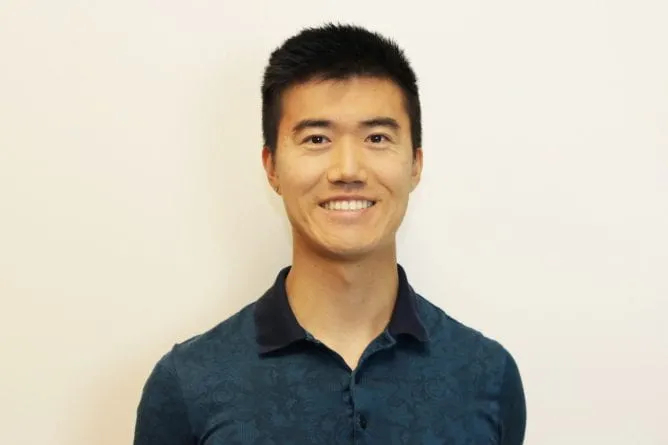
Georgia Tech’s Jaden Wang (Zhuochen Wang) has been awarded a NASA Space Technology Graduate Research Opportunity (NSTGRO). The grant supports graduate students who “show significant potential to contribute to NASA’s goal of creating innovative new space technologies for our nation’s science, exploration, and economic future.”
Wang, who is a Ph.D. student in the School of Mathematics and a master’s student in the Daniel Guggenheim School of Aerospace Engineering, will focus on developing mathematically-backed landing solutions for spacecraft.
“I first became interested in powered descent problems during my Fall 2024 internship with NASA’s Human Landing System at Marshall Space Flight Center,” he says. “With my mathematical background in optimization and topology, and my passion for space exploration, I saw this research topic as a perfect fit when my co-advisor Dr. Panagiotis Tsiotras suggested it.”
Wang is co-advised by School of Mathematics Professor and Hubbard Research Fellow John Etnyre alongside Panagiotis Tsiotras, who holds the David and Andrew Lewis Endowed Chair in the Daniel Guggenheim School of Aerospace Engineering and is also associate director at the Institute for Robotics and Intelligent Machines.
In addition to his Georgia Tech advisors, Wang will collaborate with a NASA Subject Matter Expert, who will connect him with the larger technical community. He will perform part of the research as a visiting technologist at multiple NASA centers, giving him the opportunity to work with leading engineers and scientists and share his research results directly with the NASA community.
From abstractions to space exploration
“NASA’s upcoming missions to the Moon, Mars, and beyond need technology that allows spacecraft to land precisely at their intended sites,” says Wang. “My research will focus on the last stage of landing, called powered descent. This stage powers up engines, which guide the spacecraft into a safe landing using a pre-designed trajectory that autopilot follows.”
This means that researchers need to figure out the correct thrust, direction, and timing to reach a landing spot — all while navigating a landing that uses as little fuel as possible.
“A common approach is to treat this as an optimization problem: minimizing fuel consumption with rigid-body physics as constraints to determine the best thrust profile,” Wang explains. “This can work well, but it has drawbacks. It assumes that there is no uncertainty in the system (for example, that the thrust of the engines is applied perfectly) and it simplifies the motion of the spacecraft by treating it as though it’s traveling through flat space instead of on a true curved geometry. Both shortcuts introduce errors — our research aims to address these gaps.”
To improve landing precision, Wang will develop a curved-space geometric mathematical model, which takes into account the curved-space geometry of spacecraft motion rather than assuming flat space. To find a fuel-efficient landing trajectory, Wang will develop the model around optimal covariance steering, a stochastic control problem that both minimizes fuel costs while keeping the uncertainty of the spacecraft's exact landing spot within a safe amount.
It’s a problem that leverages his experience in theoretical math and his background in aerospace engineering. “I’m incredibly honored that NASA finds this research exciting and is supporting my pursuit of it,” he says. “There are so many fascinating engineering problems that could benefit from deeper theoretical scrutiny, especially using abstract machineries not typically covered in an engineering curriculum. I hope this inspires more theoretical researchers and graduate students to explore bridging these gaps.”
News Contact
Written by Selena Langner
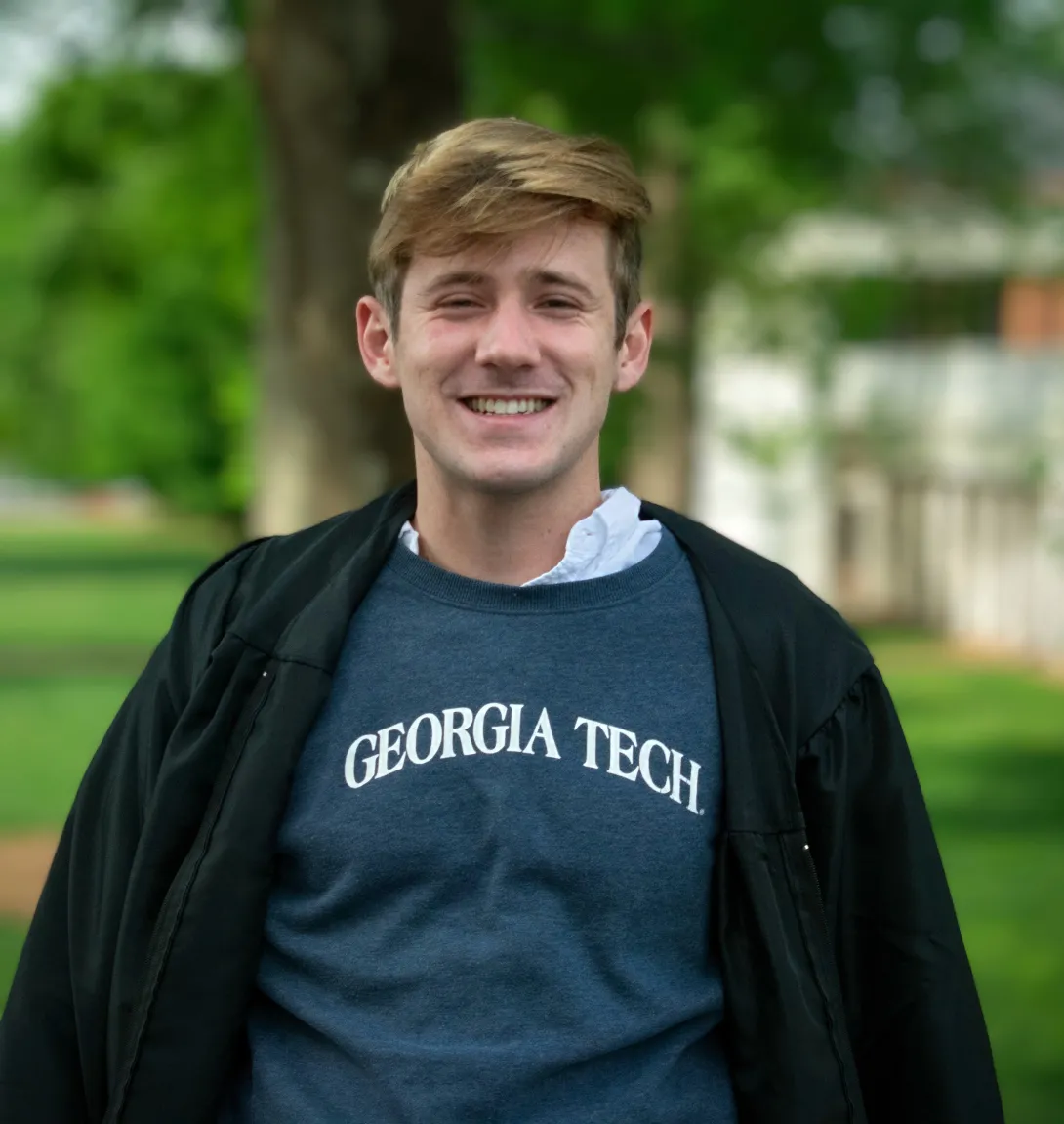

J. Cole Faggert, a Ph.D. student in the School of Physics, has received a NASA FINESST (Future Investigators in NASA Earth and Space Science and Technology) Award to study supermassive black holes and the physics of their plasma flows. His research proposal was one of 24 selected from more than 450 astrophysics submissions this year.
“It’s amazing to be recognized for this research,” says Faggert. “I am grateful to my research group for helping me prepare the proposal and inspiring my ideas.”
Through the FINESST program, NASA’s Science Mission Directorate provides three-year grants for “graduate student-designed and performed research projects that contribute to its science, technology, and exploration goals,” according to the program’s website.
Faggert will serve as the future investigator of the award and will be advised by Feryal Özel, chair and professor in the School of Physics.
“I am very proud that Cole has been selected for the FINESST Fellowship, one of the most competitive graduate awards in the country,” says Özel, who is the principal investigator of the research. “This fellowship will support groundbreaking research on multi-wavelength imaging of black holes — an area central to advancing our understanding of black holes and galaxies. It is especially exciting that this work also contributes directly to the development of our space-based mission at Georgia Tech.”
A key aspect of Faggert’s proposal is its multi-frequency approach, which generates and analyzes images of supermassive black holes using different radio wavelengths. When combined and compared, these multi-frequency observations allow scientists to learn about black holes and explore fundamental physical concepts such as gravity and plasma behavior.
“One of the coolest things about studying cosmic objects like black holes is that you have to work with the information you have,” explains Faggert. “But when you combine several avenues of information, like in multi-frequency radio imaging, you can gain a better understanding of phenomena and under conditions that can’t be replicated on Earth.”
This research aligns with current trends in astrophysics that focus on advanced imaging techniques to broaden the data available on the structure, formation, and behavior of black holes and other celestial objects. According to Faggert, this information can then be contrasted with theoretical simulations, providing insights into fundamental physics and the nature of the universe.
Receiving the FINESST Award is particularly meaningful for Faggert, given his longstanding interest in space and his previous exposure to NASA’s Wallops Flight Facility and Langley Research Center through the Virginia Aerospace Science and Technology Scholars program.
“Being associated with NASA holds a special place in my heart. Over the years, my focus has shifted from designing space missions to studying the science those missions make possible. It is definitely rewarding to come full circle and be recognized by NASA for this research,” he adds.