
Jul. 08, 2025
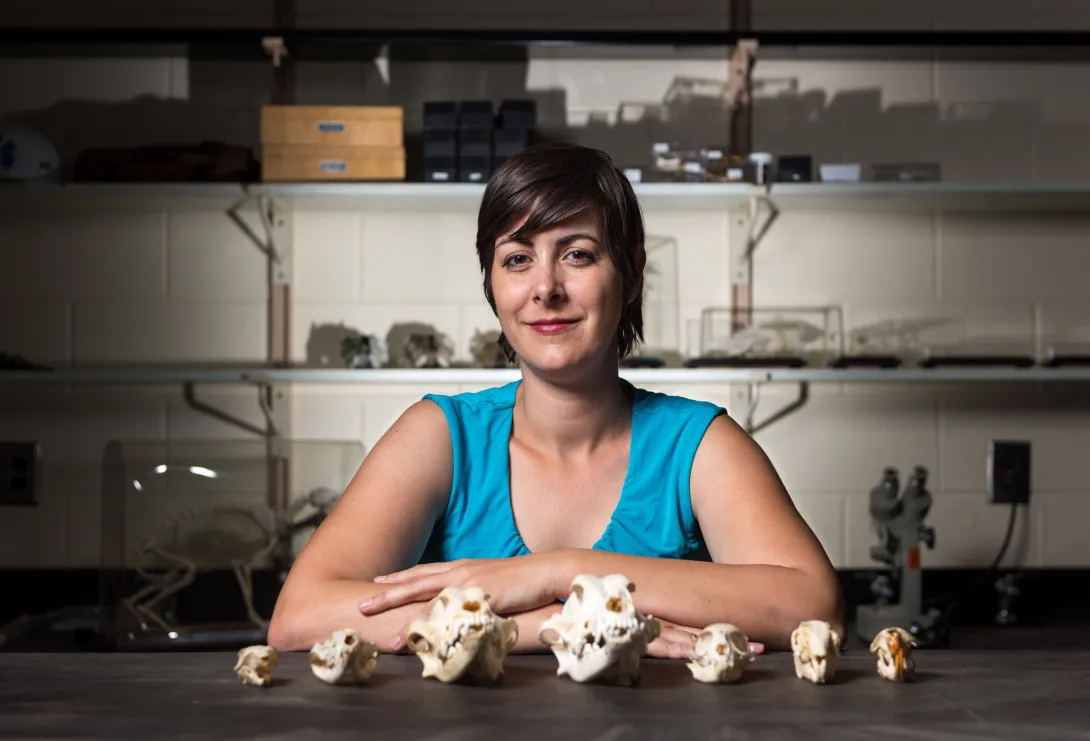
The College of Sciences is pleased to announce Jenny McGuire as the recipient of the Harry and Anna Teasley Professorship in Ecology.
The newly endowed faculty position supports research and teaching that meaningfully advances the understanding and responsible stewardship of species and community dynamics amid evolving ecological interactions driven by global environmental change.
McGuire, an associate professor in the School of Biological Sciences and the School of Earth and Atmospheric Sciences, was selected for her pioneering ecological research and exceptional teaching efforts.
“Jenny’s creative and fundamental research in spatial and community ecology is helping to position Georgia Tech as a leader in biodiversity and ecosystem conservation,” says Todd Streelman, professor and chair of the School of Biological Sciences. “Her appointment continues a trend in the School to award research endowments to our most promising early- and mid-career scientists and highlights the strong support and generosity of alumni such as the Teasley family.”
Meet Jenny McGuire
McGuire joined the Georgia Tech faculty in 2017 as an assistant professor. She earned a Ph.D. in Integrative Biology from the University of California, Berkeley, and completed postdoctoral research at the National Evolutionary Synthesis Center and the University of Washington.
Her research explores how plants and animals respond to environmental changes across space and time — from the ancient past to modern urban environments to the future. She leads the Spatial Ecology and Paleontology Lab, which integrates paleontological data, ecological modeling, and fieldwork to understand how biodiversity shifts in response to climate change and human development.
“Our goal isn’t just to preserve biodiversity, but also to help it thrive in a changing landscape,” says McGuire.
She plans to use the Teasley endowment to advance wildlife redistribution research in the Southeastern U.S.
“Georgia is a climate change highway,” explains McGuire. “Species are moving northeast toward the Appalachian Mountains, but roads, development, and fragmented habitats often block their paths.”
McGuire believes Georgia Tech is uniquely positioned to lead in this field, thanks to its technological strengths. She and her team will collaborate across campus and the Southeast, implementing cutting-edge biodiversity monitoring to better understand how species experience and respond to environmental changes.
“Conducting this research in urban areas like Atlanta — where green infrastructure can serve as vital wildlife corridors — is especially important,” adds McGuire.
The Teasley Professorship will also support student involvement at all levels. McGuire hopes to build a more connected and proactive research community that brings together students, ecologists, biologists, engineers, computer scientists, and community partners to address biodiversity challenges across the Southeast.
McGuire is a 2024 Cullen-Peck Fellow, a Brook Byers Institute for Sustainable Systems Faculty Fellow since 2023, and an NSF CAREER Award winner. Her long-running outreach program, Fossil Fridays, invites students, families, and community members into the lab to sort and study real fossil specimens.
Looking ahead, she’s eager to explore the possibilities provided by the Teasley Professorship.
“It’s an incredible opportunity to elevate Georgia Tech’s role in shaping how we understand and protect life on a changing planet.”
A legacy of excellence
Harry E. Teasley, Jr. graduated from Georgia Tech in 1959 with a degree in industrial engineering and worked for over 33 years for The Coca-Cola Company. In addition to the many leadership roles he held at Coca-Cola, Mr. Teasley is remembered for pioneering the first Life Cycle Assessment (LCA) to be used in an industrial context. LCA was a pioneering analytical framework assessing environmental impacts of a product's life from "cradle to grave," and it is used across most major industries today.
The Harry and Anna Teasley Professorship in Ecology is the second Teasley Professorship supporting environmental research at Georgia Tech. School of Biological Sciences Regents’ Professor Mark Hay has held the Harry and Anna Teasley Chair in Environmental Biology since 1999.
Mrs. Teasley provided an official statement regarding the Harry and Anna Teasley Professorships at Georgia Tech:
“It was the intent of my late husband Harry E. Teasley Jr. that the funds he gave to Professor Mark Hay at Georgia Tech would be to support excellence in the field of environmental biology and to provide him with the freedom to study any concept, hypothesis, or organism that his experience-honed intuition guided him to.
With time, Professor Hay has proven to have been a very worthy choice and has made my late husband and I very proud through the breadth and depth of his studies, discoveries, and highest possible awards he has received. Once this was established, and along with the profound esteem both men had developed for each other, there was the wish to leave a legacy beyond the research: the human values and scientific approach to research that Professor Hay has demonstrated from the start.
Having been the unanimous choice of the evaluating committee, Associate Professor Jenny McGuire seems to be an excellent first recipient, and I am very proud to welcome her as I know my late husband would have been as well.
I wish her many successes in pursuing and teaching her very promising research, and I look forward to learning about the impact she will have in her field as we have through the years admired Professor Mark Hay’s achievements.
###
To learn more about Transforming Tomorrow: The Campaign for Georgia Tech, visit transformingtomorrow.gatech.edu.
News Contact
Laura S. Smith, writer
Jun. 13, 2023

Georgia Tech’s newest interdisciplinary degree program, the Environmental Science B.S. degree (ENVS), developed jointly by faculty of the School of Earth and Atmospheric Sciences and the School of Biological Sciences, has launched and is now enrolling students.
The ENVS degree will provide a strong foundation in the basic sciences, requiring core content in mathematics, physics, chemistry, biology, earth sciences, and environmental policy. Flexible electives in upper-level coursework will allow students to customize their program of study to their interest and career goals.
A launch event for the degree program will take place at the Kendeda Building on the afternoon of Friday, August 25, 2023.
“The new degree will prepare students to be future leaders who are well-versed on how the Earth's systems can be influenced by human activity and contribute to human well-being,” says Greg Huey, professor and chair of the School of Earth and Atmospheric Sciences. “Graduates will be positioned to be leaders in industry, academia, education, and communication to create innovative solutions to the most significant environmental challenges of our time.”
Two faculty members in the School of Earth and Atmospheric Sciences (EAS) and a faculty member in the School of Biological Sciences will serve as inaugural leadership: Jennifer Glass, associate professor, is program director; Samantha Wilson, academic professional, is director of Undergraduate Studies; and Linda Green, senior academic professional in the School of Biological Sciences, is director of Experiential Learning.
The foundational science classes in this new degree will be complemented by courses in Public Policy and City Planning, including Geographical Information Systems (GIS) and Environmental Policy and Politics, before opening up and providing students with flexibility in course options to better fit their career paths and interests.
“Past EAS students have been interested in careers related to environmental consulting, environmental law, and continuing their studies in graduate school,” Wilson says. “The variety of environmental career paths was the driver behind allowing students to diversify their options within the degree.”
“This degree will give Georgia Tech students a unique opportunity to customize their environmental science program of study to their interests and career goals in science, policy, public service, non-profit, government, industry, academia, or beyond,” adds Glass. “We are committed to building an academic community in ENVS that values student leadership, ethics, justice, accessibility, and belonging.”
Hands-on learning opportunities will include field station experiences and field trip excursions, study abroad programs, and internships, Green says. “This major sustains the Institute’s strategic plan to lead by example, champion innovation, and connect globally — particularly in an area so critical as addressing Earth’s environmental issues.”
Glass added that the Schools of Chemistry, Biological Sciences, and Earth and Atmospheric Sciences are currently revamping several classes to meet United Nations Sustainable Development Goals (SDGs). Students will advance to be global leaders of environmental solutions that draw upon the U.N. Sustainable Development Goals and incorporate awareness of cultural relevance.
“We can’t wait for August to celebrate the ENVS launch with our incoming and current students,” Glass says.
More information on the Environment Science (ENVS) degree:
General information: jennifer.glass@eas.gatech.edu
Curriculum and enrollment: samantha.wilson@eas.gatech.edu
Co-curricular initiatives: linda.green@gatech.edu
Learn more: Three new EAS undergraduate degrees
Beginning Summer 2023, prospective and current Georgia Tech students will have three new Bachelor of Science degrees to choose from in the School of Earth and Atmospheric Sciences. The expanded undergraduate offerings target a wider range of job and research opportunities — from academia to analytics, NASA to NOAA, meteorology to marine science, climate and earth science, to policy, law, consulting, sustainability, and beyond.
The Board of Regents of the University System of Georgia has approved two new specific degrees within the School: Atmospheric and Ocean Sciences (AOS) and Solid Earth and Planetary Sciences (SEP). Regents also approved Environmental Science (ENVS) as an interdisciplinary College of Sciences degree between the School of Earth and Atmospheric Sciences and the School of Biological Sciences. The existing Earth and Atmospheric Sciences B.S. degree will sunset in two years for new students. Learn more.
News Contact
Writer: Renay San Miguel
Communications Officer II/Science Writer
College of Sciences
404-894-5209
Editor: Jess Hunt-Ralston
May. 08, 2023
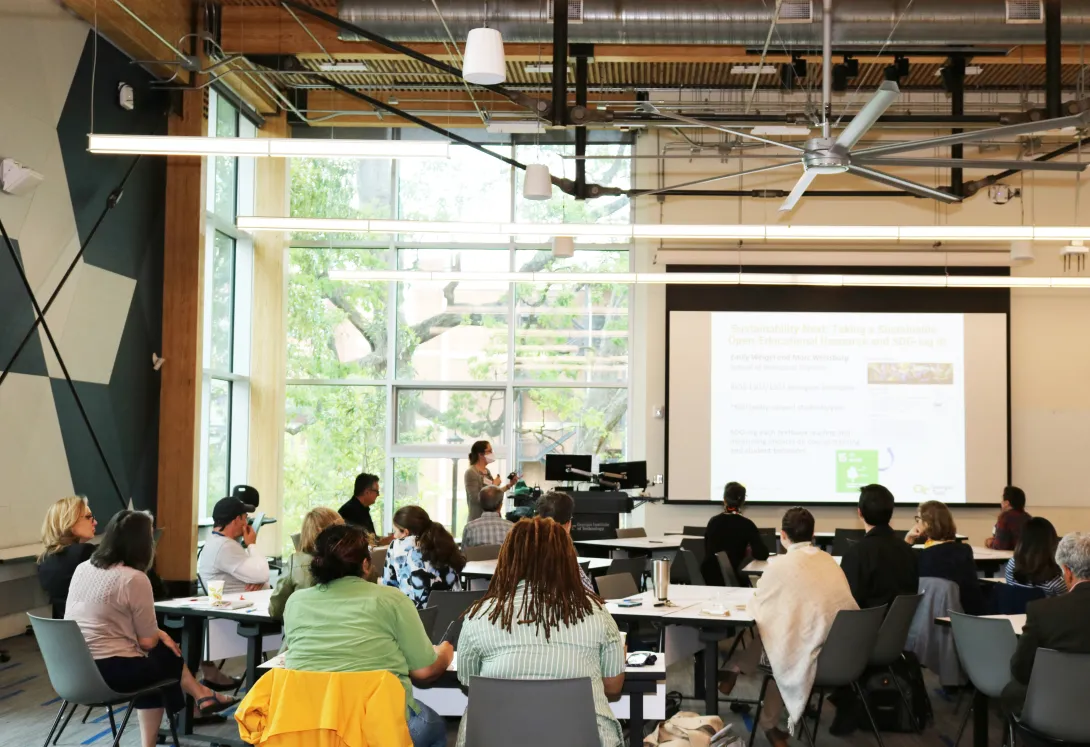
Georgia Tech researchers give presentations on their Undergraduate Sustainability Education Innovation Grants during a recent "Jamboree" in the Kendeda Building. (Photo Jess Hunt-Ralston)

Six proposals from the College of Sciences will redesign existing courses and begin new ones to help students contribute to a sustainable world have been approved for Undergraduate Sustainability Education Innovation Grants. The proposals tie into the United Nations’ 17 Sustainable Development Goals (UN SDGs).
A total of 21 projects from all six Georgia Tech colleges will reach an estimated 22,500 students. The collaborative effort is focused on a key goal of the Institute’s Sustainability Next Task Force: to produce graduates who are committed to making a positive difference in their communities, their organizations, and the world.
“The overall goal is that all of our students understand the societal context for their work, as well as the scientific, environmental, economic, and social aspects of sustainability,” says Jennifer Leavey, assistant dean for Faculty Mentoring for the College of Sciences and co-chair of Sustainability Next.
Leavey and Rebecca Watts-Hull, assistant director of Faculty Development for Sustainability Education in the Center for Teaching and Learning, served as liaisons for the Undergraduate Sustainability Education Committee, which judged the proposals.
Leavey also coordinates College of Sciences educational programs related to science and sustainability, including the Georgia Tech Urban Honey Bee Project and the Living Building Science Vertically Integrated Project Team.
Leavey said the UN SDGs — which ask world citizens and their governments to consider ambitious solutions to longstanding problems such as hunger, poverty, climate damage, inequality, and lack of quality healthcare — are clear and compelling. “These are things we want for a better world,” she shared. “Every field has some connection to them. And it's just a very easy framework to get behind and understand. I would love it if all Georgia Tech graduates could leave feeling well versed in that understanding, and how their work connects to it.”
The Sustainable Education Committee chose projects that impacted the greatest number of students, including classes that are required for all Georgia Tech undergraduates.
Learn more about the College of Sciences’ six selected proposals:
Laboratory-Based Project on the Chemistry of Alternative Energy Sources
- CHEM 1211L, Chemical Principles I, Laboratory
- Deborah Santos, academic professional, School of Chemistry and Biochemistry
- 1000+ students impacted (majority first-year)
- “I hope that the students would have a better understanding of why they hear about these technologies as possible alternatives, and what obstacles there are to actual widespread implementation,” Santos said. “Maybe students will consider how they might play a role in overcoming those obstacles.”
Sustainability Next: Taking a Sustainable Open-Educational Resource And SDG-ing It
- Bios 1107/1207, Biological Principles
- Emily Weigel, senior academic professional, and Marc Weissburg, professor, School of Biological Sciences
- Approximately 650 early career students per year
- “I will take the textbook and each day link it to an SDG, so that when they come into class, we'll talk about the topics in the context of SDGs,” Weigel said. “By being a little bit more explicit about it, it's our goal that when they go from this intro course to later courses in their curriculum, they're primed to think about SDGs, and then they recognize the connections that are there.”
Georgia Climate Project
- EAS 4813 — This is a new course within the School of Earth and Atmospheric Sciences’ new interdisciplinary Environmental Science (ENVS) undergraduate degree program with the School of Biological Sciences, and part of a partnership with the Georgia Climate Project, a state-wide consortium of universities, colleges and partners working to improve understanding of climate impacts and solutions in Georgia.
- Zachary Handlos, senior academic professional, School of Earth and Atmospheric Sciences
- 10-20 students impacted per year
- “This course would provide students an opportunity to participate in hands-on learning within the context of ‘real-world’ sustainability-related projects in partnership with the Georgia Climate Project, complementing topics and coursework covered in Samantha Wilson’s EAS 4803: EAS & Policy course,” Handlos said. “Work includes participation in climate change, sustainability, and climate equity and justice research, as well as the creation and dissemination of tools and resources.”
Urban Atlanta’s Water and Atmospheric Signatures
- EAS 1600: Introduction to Environmental Science (EAS Majors) Laboratory: Urban Atlanta Atmospheric Measurements, combined with another Lab course, Urban Water Quality Measurements and Microbial Ecology Exploration using Proctor Creek Watershed
- Jennifer Glass, associate professor, and Shelby Ellis, lecturer, School of Earth and Atmospheric Sciences
- 20-40 students per year, EAS majors only
- “Through field trips, students will investigate current climate change-induced conditions in urban Atlanta, with students collecting real time weather and watershed data-measurements to learn more about SDGs surrounding urban sustainable cities and clean water,” Ellis said. “In this reconfigured learning environment, we hope to foster student momentum on becoming educational leaders in their local community on climate justice, while gaining an understanding that there are attainable climate actions that can be taken now to combat climate change.” ”
Developing and Enhancing Experiential Learning in a New EAS Course
- EAS 4803: EAS & Policy, offered in new Environmental Science (ENVS), Solid Earth & Planetary Science (SEP), and Atmospheric and Oceanic Science (AOS) undergraduate degree programs in College of Sciences
- Samantha Wilson, academic professional, School of Earth and Atmospheric Sciences
- 25 students during spring semesters in even-numbered years
- “The course is designed to introduce students to the scientific background of topics such as water, hydrocarbons, air, and earthquakes before discussing related policies and persistent issues,” Wilson said. “Through discussions on each topic that involve science and policy, students can work towards understanding why current policies exist the way they do and how they can be improved.” The course will also involve guest speakers, and is meant to be taken before Handlos’ EAS 4813 course.
Course Redesign to Implement Project-Based Learning for Social Change
- APPH 1040, Foundations of Health
- Teresa Snow, senior academic professional, School of Biological Sciences
- Approximately 200 students per year
- “It is my hope that working towards solutions to complex societal health issues will create a sense of empowerment for our students that counteracts feelings of helplessness,” Snow said. “A cross-disciplinary approach, which is the focus of this project, will provide a better understanding of the process of large-scale social change, a critical requirement for achieving the third SDG, which is to ensure healthy lives and promote well-being for all ages. Breaking down the social barriers to good health will benefit everyone.”
On April 27, the Undergraduate Sustainability Education Committee hosted a Jamboree, which featured faculty from each Georgia Tech college that won grants — making brief presentations, and engaging in networking discussions.
“For the College of Sciences, it's really exciting to see the connection between different disciplines,” Leavey said. “We’ve been doing work on climate and the environment for a long time, but to see the connection with sustainability work at other colleges at Georgia Tech is very gratifying.”
News Contact
Writer: Renay San Miguel
Communications Officer II/Science Writer
College of Sciences
404-894-5209
Feb. 23, 2023
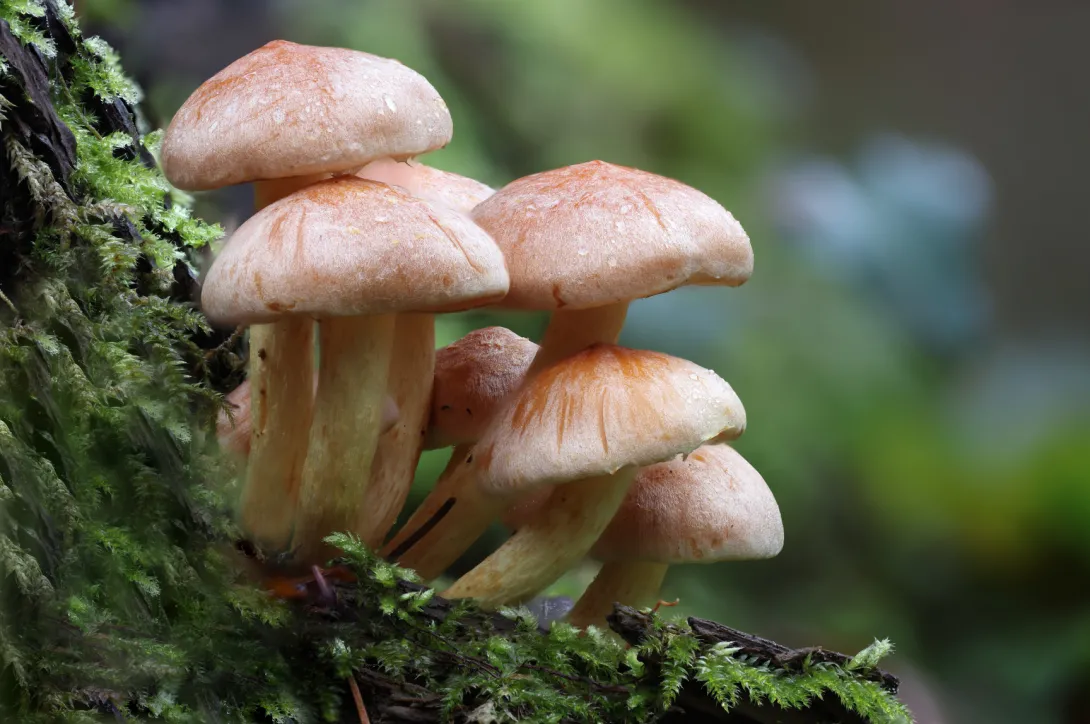
This news release first appeared in the Chinese Academy of Sciences newsroom, and has been tailored for Georgia Tech readers.
Mycorrhizal symbiosis — a symbiotic relationship that can exist between fungi and plant roots — helps plants expand their root surface area, giving plants greater access to nutrients and water. Although the first and foremost role of mycorrhizal symbiosis is to facilitate plant nutrition, scientists have not been clear how mycorrhizal types mediate the nutrient acquisition and interactions of coexisting trees in forests.
To investigate this crucial relationship, Lingli Liu, a professor at the Institute of Botany of the Chinese Academy of Sciences (IBCAS) led an international, collaborative team, which included School of Biological Sciencesprofessor Lin Jiang. The team studied nutrient acquisition strategies of arbuscular mycorrhizae (AM) and ectomycorrhizal (EcM) trees in the Biodiversity–Ecosystem Functioning (BEF) experiment in a subtropical forest in China, where trees of the two mycorrhizal types were initially evenly planted in mixtures of two, four, eight, or 16 tree species.
The researchers found that as the diversity of species increased, the net primary production (NPP) of EcM trees rapidly decreased, but the NPP of AM trees progressively increased, leading to the sheer dominance (>90%) of AM trees in the highest diversity treatment.
The team's analyses further revealed that differences in mycorrhizal nutrient-acquisition strategies, both nutrient acquisition from soil and nutrient resorption within the plant, contribute to the competitive edge of AM trees over EcM ones.
In addition, analysis of soil microbial communities showed that EcM-tree monocultures have a high abundance of symbiotic fungi, whereas AM-tree monocultures were dominated by saprotrophic and pathogenic fungi.
According to the researchers, as tree richness increased, shifts in microbial communities, particularly a decrease in the relative abundance of Agaricomycetes (mainly EcM fungi), corresponded with a decrease in the NPP of EcM subcommunities, but had a relatively small impact on the NPP of AM subcommunities.
These findings suggest that more efficient nutrient-acquisition strategies, rather than microbial-mediated negative plant-soil feedback, drive the dominance of AM trees in high-diversity ecosystems.
This study, based on the world’s largest forest BEF experiment, provides novel data and an alternative mechanism for explaining why and how AM trees usually dominate in high-diversity subtropical forests.
These findings also have practical implications for species selection in tropical and subtropical reforestation—suggesting it is preferable to plant mixed AM trees, as they have a more efficient nutrient-acquisition strategy than EcM trees.
This study was published as an online cover article in Sciences Advances on Jan. 19 and was funded by the Strategic Priority Research Program of CAS and the National Natural Science Foundation of China.
News Contact
Georgia Tech Editor: Audra Davidson
Communications Officer II
College of Sciences
Feb. 06, 2023
Plants, like animals and people, seek refuge from climate change. And when they move, they take entire ecosystems with them. To understand why and how plants have trekked across landscapes throughout time, researchers at the forefront of conservation are calling for a new framework. The key to protecting biodiversity in the future may be through understanding the past.
Jenny McGuire, assistant professor in the Schools of Biological Sciences and Earth and Atmospheric Sciences at Georgia Tech, spearheaded a special feature on the topic of biodiversity in The Proceedings of the National Academy of Sciences along with colleagues in Texas, Norway, and Argentina. In the special feature, “The Past as a Lens for Biodiversity Conservation on a Dynamically Changing Planet,” McGuire and her collaborators highlight the outstanding questions that must be addressed for successful future conservation efforts. The feature brings together conservation research that illuminates the complex and constantly evolving dynamics brought on by climate change and the ever-shifting ways humans use land. These factors, McGuire said, interact over time to create dynamic changes and illustrate the need to incorporate temporal perspectives into conservation strategies by looking deep into the past.
One example of this work highlighted in the journal is McGuire’s research about plants in North America, which investigates how and why they’ve moved across geography over time, where they’re heading, and why it’s important.
“Plants are shifting their geographic ranges, and this is happening whether we realize it or not,” McGuire said. “As seeds fall or are transported to distant places, the likelihood that the plant’s seed is going to be able to survive and grow is changing as climates are changing. Studying plants’ niche dynamics over thousands of years can help us understand how species adapt to climate change and can teach us how to protect and maintain biodiversity in the face of rapid climate change to come.”
Climate Fidelity: A New Metric for Understanding Vulnerability
The first step is to understand which type of plants exhibit what McGuire terms “climate fidelity,” and which do not. If a plant has climate fidelity, it means that the plant stays loyal to its preferred climatic niche, often migrating across geographies over thousands of years to keep up with its ideal habitat. Plants that don’t exhibit climate fidelity tend to adapt locally in the face of climate change. Being loyal to one’s climate, it turns out, doesn’t necessarily mean being loyal to a particular place.
To investigate the case of trees, McGuire and former Georgia Tech postdoctoral scholar Yue Wang (associate professor in the School of Ecology at Sun Yat-sen University in China) studied pollen data from the Neotoma Paleoecology Database, which contains pollen fossil data from sediment cores across North America. Each sediment core is sampled, layer by layer, producing a series of pollen data from different times throughout history. The data also contains breakdowns of the relative abundance of different types of plants represented by the pollen types – pine versus oak versus grass, for example – painting a picture of what types of plants were present in that location and when.
McGuire and Wang looked at data from 13,240 fossil pollen samples taken from 337 locations across the entirety of North America. For each of the 16 major plant taxa in North America, they divided the pollen data into six distinct chunks or “bins” of time of 4,000 years, starting from 18,000 years ago up to the present day. Wang used the data to identify all climate sites containing fossil pollen for any individual type of tree – such as oak, for example – for each period. Then, Wang looked at how each tree’s climate changed from one period to the next. Wang did this by comparing the locations of pollen types between adjacent time periods, which enabled the team to identify how and why each type of tree’s climate changed over time.
“This process allowed us to see the climate fidelity of these different plant taxa, showing that certain plants maintain very consistent climatic niches, even when climate is changing rapidly,” Wang said.
For example, their findings showed that when North American glaciers were retreating 18,000 years ago, spruce and alder trees moved northward to maintain the cool temperatures of their habitats.
Crucially, McGuire and Wang found that most plant species in North America have exhibited long-term climate fidelity over the past 18,000 years. They also found that plants that migrated farther did a better job of tracking climate during periods of change.
But some plants fared better than others. For example, the small seeds of willow trees can fly over long distances – enabling them to track their preferred climates very effectively. But the large seeds of ash trees, for example, can only be dispersed short distances from parent trees, hindering their ability to track climate. Habitat disruptions from humans could make it even more difficult for ash trees to be able to take hold in new regions. If there are no adjacent habitats for ash trees, their seeds are under pressure to move even farther – a particular challenge for ash, which slows their migration movements even more.
Protecting the Fabric of Life
On the bright side, by identifying which plants have historically been most sensitive to changing climates, McGuire and Wang’s research can help conservation organizations like The Nature Conservancy prioritize land where biodiversity is most vulnerable to climate change.
As a final step, McGuire and Wang identified “climate fidelity hotspots,” regions that have historically exhibited strong climate fidelity whose plants will most urgently need to move as their climates change. They compared these hotspots to climate-resilient regions identified by The Nature Conservancy that could serve as refuge areas for those plants. While plants in these resilient regions can initially adapt to impending climate change by shifting their distributions locally, the plants will likely face major challenges when a region’s climate change capacity is exceeded due to lack of connectivity and habitat disruptions from humans. Refining these priorities helps stakeholders identify efficient strategies for allowing the fabric of life to thrive.
“I think that understanding climate fidelity, while a new and different idea, will be very important going forward, especially when thinking about how to prioritize protecting different plants in the face of climate change,” McGuire said. “It is important to be able to see that some plants and animals are more vulnerable to climate change, and this information can help build stronger strategies for protecting the biodiversity on the planet.”
Citation: Yue Wang, Silvia Pineda-Munoz, and Jenny L. McGuire, "Plants maintain climate fidelity in the face of dynamic climate change." PNAS (2023).
DOI: doi.org/10.1073/pnas.2201946119
News Contact
Catherine Barzler, Senior Research Writer/Editor
Dec. 07, 2022
For marine scientist, climate activist, and Tech alumnus Albert George (MS HSTS 2009), the fight against climate change is also a fight for home.
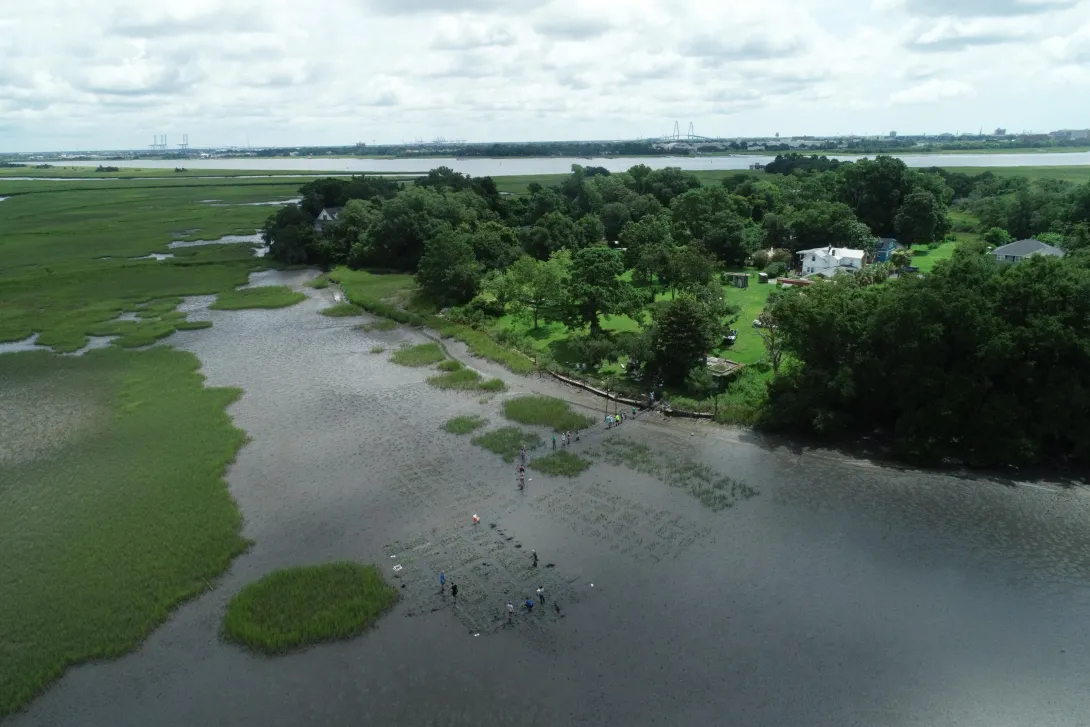
Now, what started as a citizen science initiative led by George has turned into a $2.6 million National Fish and Wildlife Association effort to restore degraded salt marshes in Charleston, South Carolina. As part of the project, Joel Kostka, professor and associate chair of Research in the School of Biological Sciences, will lead a team of researchers to not only monitor these restoration efforts, but gain insights into why the marshes degraded in the first place — and how to prevent it from happening in the future.
Over the past three years, Kostka, who has a joint appointment in the School of Earth and Atmospheric Sciences, has worked with SCDNR and Robinson Design Engineers, a local firm co-led by Tech alum Joshua Robinson (CEE 2005), to develop engineering and design plans for the restoration of the salt marshes.
“That project went really well,” shared Kostka, “and now we have developed engineering and design plans for the actual restoration as we are moving forward with the next phase.”
Work for the current phase of the project is set to begin soon. Over the next four years, community volunteers will work to plant marsh grasses, restore oyster reefs, and excavate the tidal creeks that supply the marsh with sea water.
“Because if we don't do this work,” George shared, “then basically it means a place that I grew up in and a place that I call home will no longer exist.”
News Contact
Writer:
Audra Davidson, College of Sciences
Editor and Contact:
Jess Hunt-Ralston
Director of Communications
College of Sciences at Georgia Tech
Oct. 04, 2022
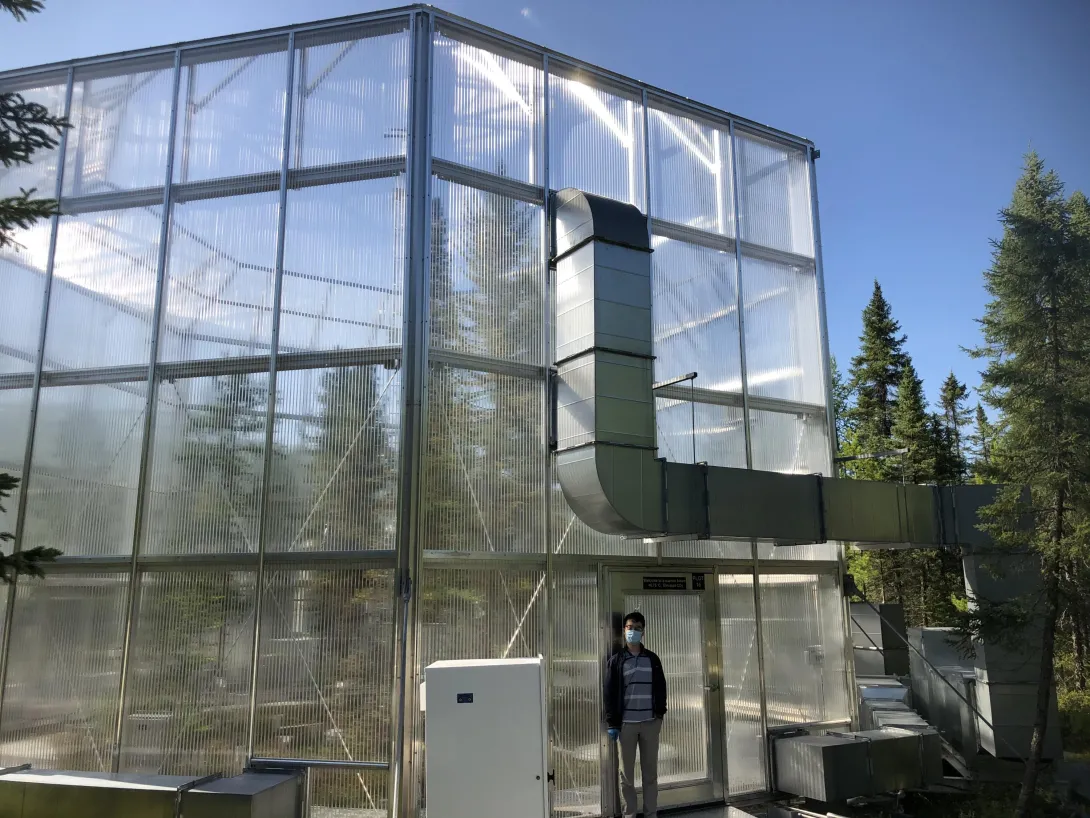
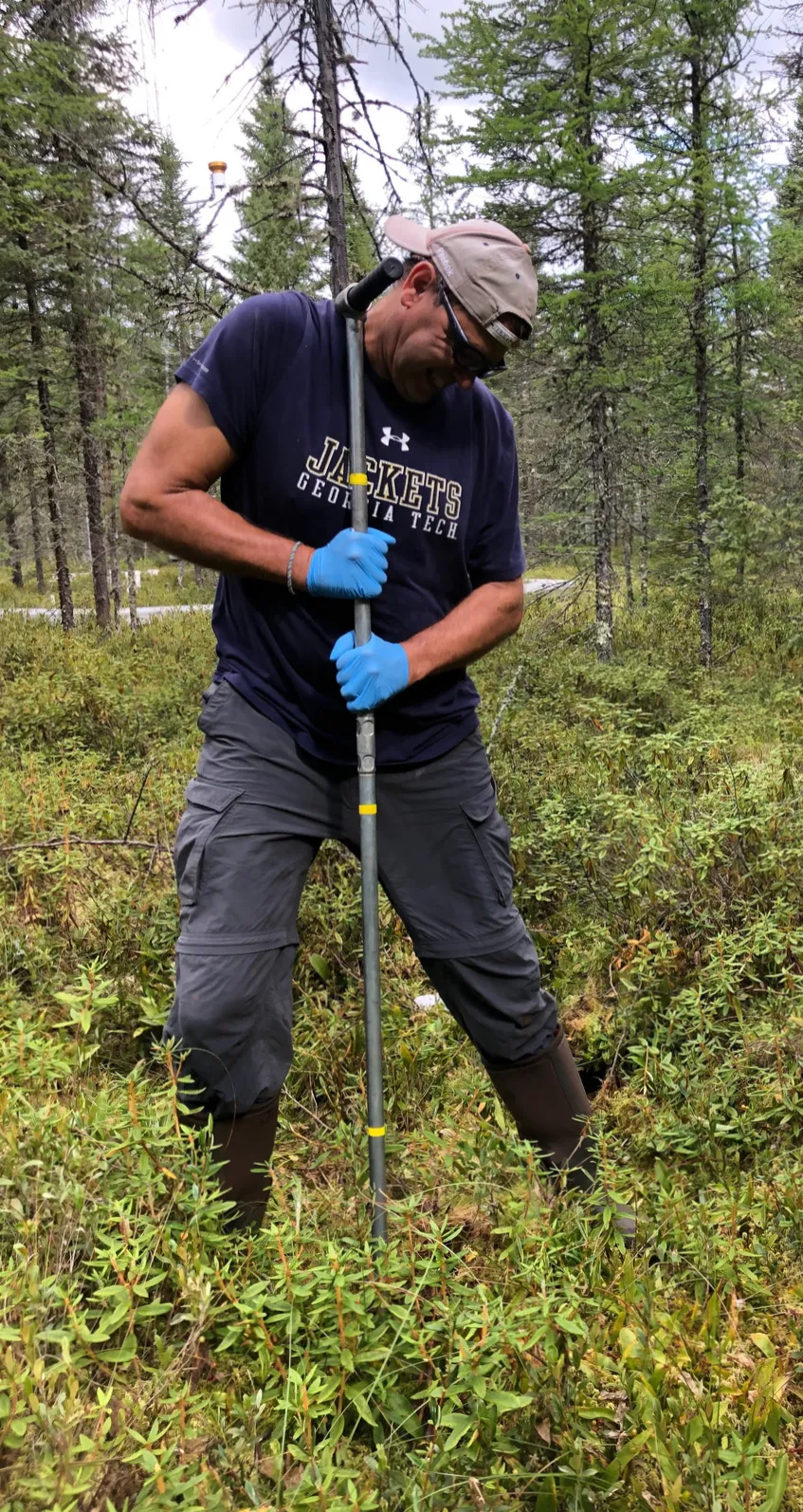
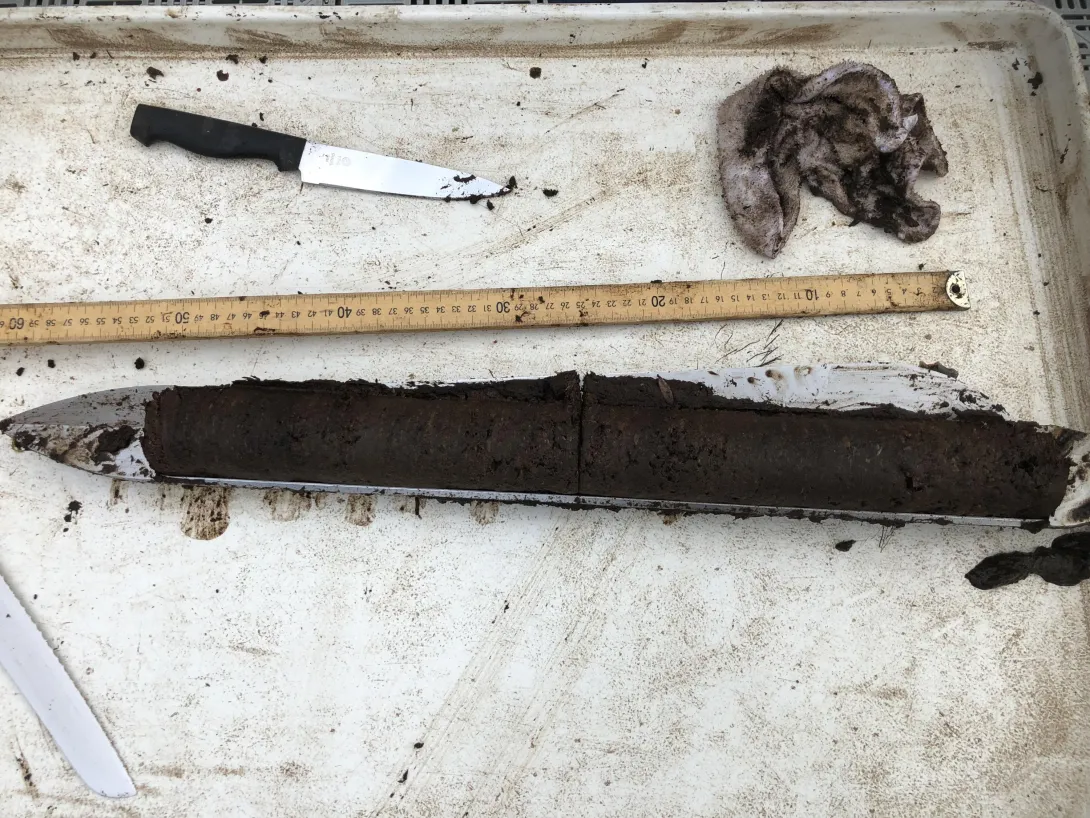
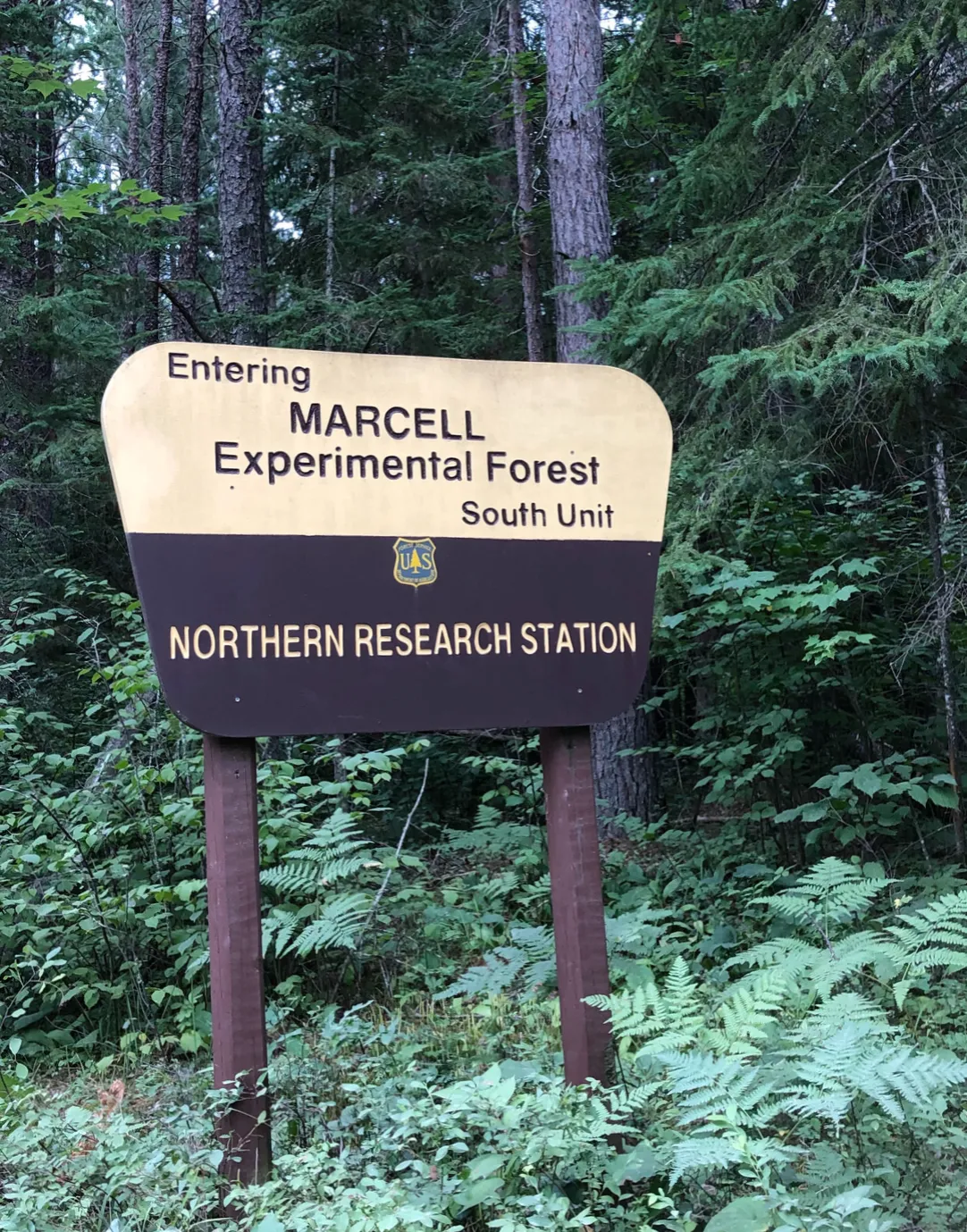
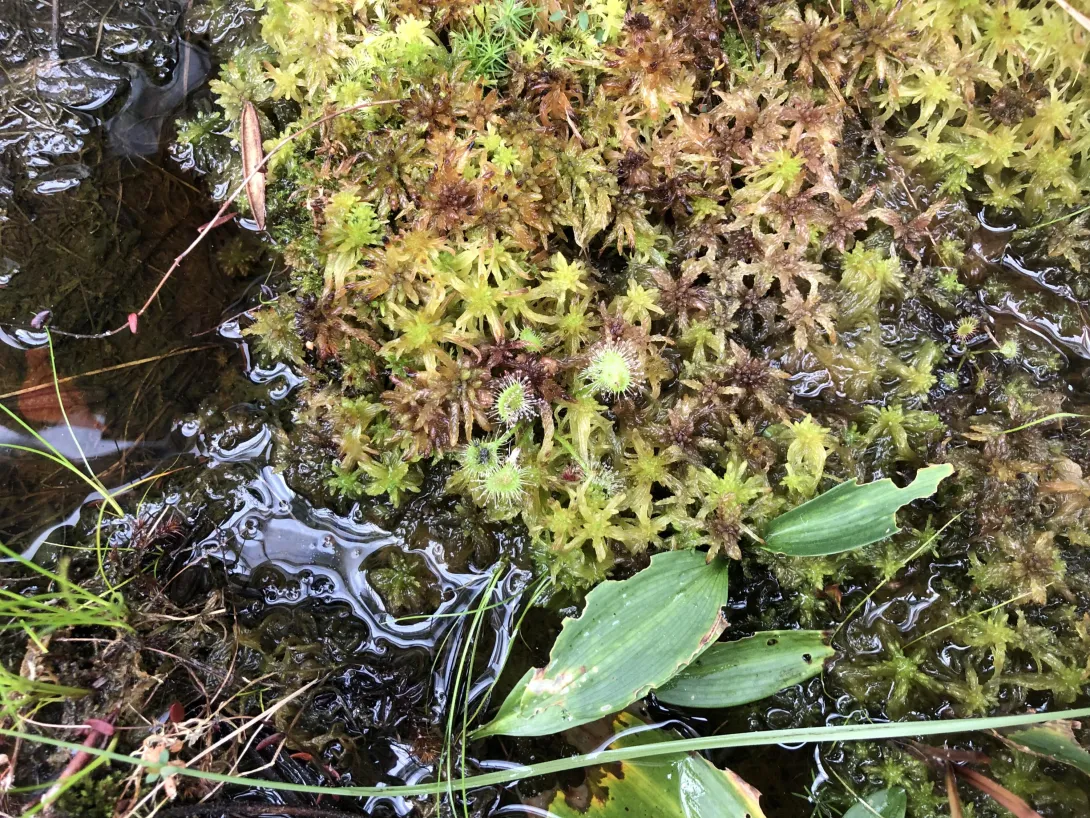
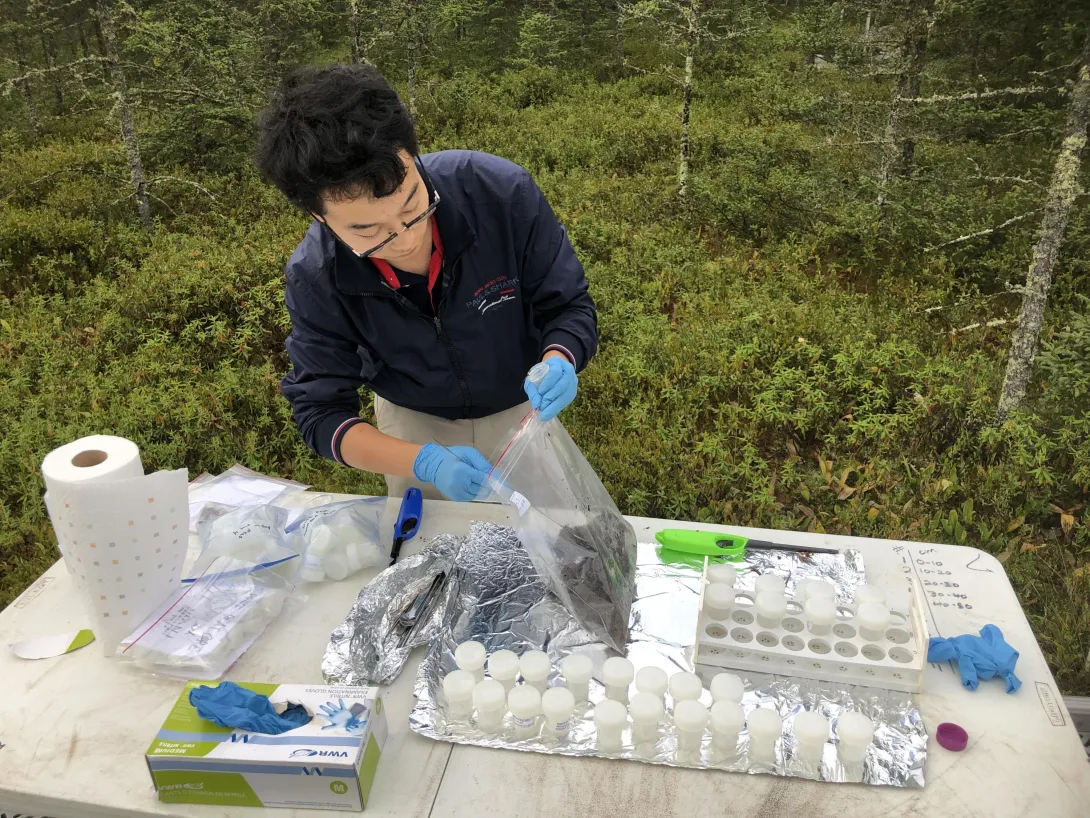
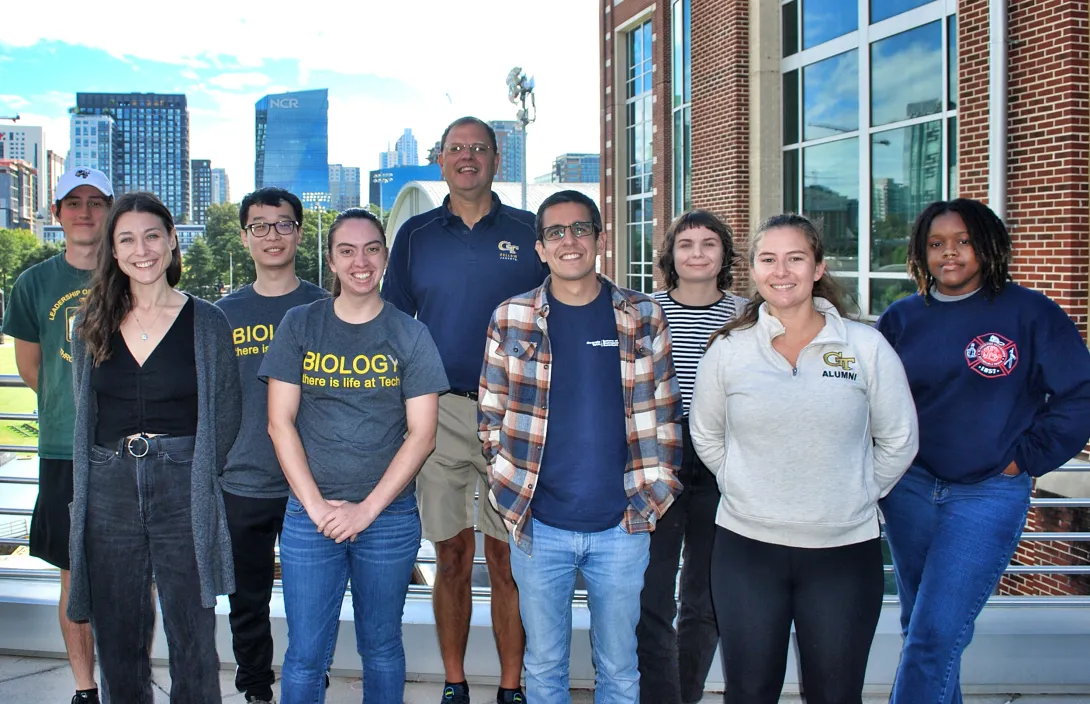
Joel Kostka will soon receive $3.2 million from the Department of Energy (DOE) to build upon research that has ranged from northern Minnesota peat bogs to coastal Georgia wetlands, all to learn how climate change impacts soils and plants that trap greenhouse gasses — and whether some of those plants could end up as eco-friendly biofuels.
Kostka, a professor and associate chair of research in the School of Biological Sciences with a joint appointment in the School of Earth and Atmospheric Sciences, will receive funding as part of a wider $178 million dollar DOE effort to advance sustainable technology breakthroughs that can improve public health, help address climate change, improve food and agricultural production, and create more resilient supply chains. The 37 new projects also include efforts to engineer plants and microbes into bioenergy and improve carbon storage.
Kostka’s wetlands research will continue in the salt marshes off Georgia’s coast, where his team has already conducted studies on the microbial life that benefits Spartina cordgrass in those areas, helping to strengthen resilience of the plant to sea level rise and catastrophic storms.
The DOE’s funding initiative is split into four groups. Kostka’s studies will focus on the role of microbiomes — all the microorganisms living in a particular environment — in the biogeochemical cycling of carbon in terrestrial soils and wetlands by using genomics-based and systems biology.
Other research areas involve renewable bioenergy and biomaterials production; quantum-enabled bioimaging and sensing for bioenergy, and research to characterize gene function in bioenergy crop plants.
“Our project seeks to understand the controls of soil organic matter degradation and the release of greenhouse gasses, both of which are largely mediated by microbes” Kostka said. “And then also, as we've been studying for many years now, how climate drivers — principally the warming of ecosystems and carbon dioxide enrichment in the atmosphere — limit greenhouse gas release to the atmosphere. How might changes in plant and microbial communities lead to climate feedbacks, thereby accelerating the release of greenhouse gasses from soil carbon stores?”
That question has driven much of Kostka’s research team in the past as they focused on how soil microbes break down biomasses like woody plants and peat mosses, at an Oak Ridge National Laboratory facility in northern Minnesota called Spruce and Peatland Responses Under Changing Environments (SPRUCE). Kostka’s team is using genomics to study all the genes that code for microbial enzymes that decompose biomass in soil and how plants, which are also changing with climate, impact microbiomes by providing carbon sources that fuel microbial activities. In particular, the work is focused on lignocellulose or lignin, which gives plants their rigidity or structure and arguably comprises the most abundant renewable carbon source on the planet.
“We're just at the point now where we finally have the tools to unlock the black box of soil microbiology and chemistry,” Kostka said. “Recent advances in sophisticated analytical chemistry methods used to quantify microbial metabolites along with improved metagenome sequencing approaches enable us to better uncover metabolic pathways.”
Kostka will serve as principal investigator of the research team for the grant. That team includes School of Biological Sciences researchers Caitlin Petro, research scientist, and Katherine Duchesneau, a third-year Ph.D. student; co-principal investigator Kostas Konstantinidis, Richard C. Tucker Professor in the School of Civil and Environmental Engineering; Rachel Wilson, research scientist, Florida State University; Malak Tfaily, associate professor, University of Arizona; and Chris Schadt, senior staff scientist, Oak Ridge National Laboratory.
Unlocking the “enzyme latch” hypothesis
As part of his new research, Kostka will revisit what scientists call the “enzyme latch” hypothesis. This could help uncover the mechanisms by which soils and plants capture harmful greenhouse gasses, and what prompts their release into the atmosphere.
The idea behind this hypothesis is that when soils are wet, they lack oxygen, which suppresses a specific class of enzymes, oxidases, that catalyze the beginning steps in the microbial breakdown of organic compounds produced by plants in soil. When oxidases are suppressed, the breakdown products of lignin, phenolic compounds, accumulate and poison the rest of the microbial carbon cycle. Thus a single class of enzymes may be responsible for keeping greenhouse gasses like carbon dioxide and methane captured within the soil.
“The climate linkage here is that it's thought that as the climate warms, we'll get more greenhouse gas production, because simply it'll be warmer, and microbial enzymes work faster at higher temperature. But then also, in wetlands in particular, the hypothesis is that as wetlands warm, they're going to dry out. And so when a wetland dries out, you're going to get more injection of oxygen-rich air into the soil, which would then accelerate the breakdown of organic matter.”
When that happens, it could also mean different plants having an impact on carbon storage and the breakdown of biomass. “As wetlands dry out, plant communities in northern peatlands where most of Earth’s soil carbon is stored, are expected to shift from a dominance of mosses, which do better when it's wet — to woody plants, shrubs, and trees that do better with less water, when it's drier. That would in turn potentially spark the release of more reactive carbon compounds from plant roots — mosses don’t have roots — which would likely accelerate organic matter decomposition and the production of more greenhouse gas in a feedback loop with climate.”
Kostka’s research may also help to develop new approaches for converting woody biomass into potential alternative energy sources. “To make our society more sustainable, we have to basically recycle everything, or reuse as much as we can. And that includes the biomass from plants that can be grown on more arid lands that are less suitable for food crops,” he said, referring to plant-based materials that can be used to produce biofuels and bioenergy. “And so the DOE is leading research efforts to understand the controls of biomass degradation in plants such as switchgrass and poplar.”
Kostka and Konstantinidis will develop a database of genes that code for the breakdown of lignocellulose and lignin, compounds that largely make up plant biomass and for which metabolic pathways of degradation have been elusive. Kostka and his colleagues will also have access to the extensive resources of the DOE Genomic Sciences program, including a collaboration with the agency’s Joint Genome Institute.
“We hope that information generated from our project can be used to improve methods for breaking down woody biomass so that it can be used in a sustainable way to produce biofuels,” Kostka said.
Public abstract of Department of Energy grant DE-SC0023297
About Georgia Tech
The Georgia Institute of Technology, or Georgia Tech, is a top 10 public research university developing leaders who advance technology and improve the human condition. The Institute offers business, computing, design, engineering, liberal arts, and sciences degrees. Its nearly 44,000 students representing 50 states and 149 countries, study at the main campus in Atlanta, at campuses in France and China, and through distance and online learning. As a leading technological university, Georgia Tech is an engine of economic development for Georgia, the Southeast, and the nation, conducting more than $1 billion in research annually for government, industry, and society.
News Contact
Writer: Renay San Miguel
Communications Officer II/Science Writer
College of Sciences
404-894-5209
Editor: Jess Hunt-Ralston