
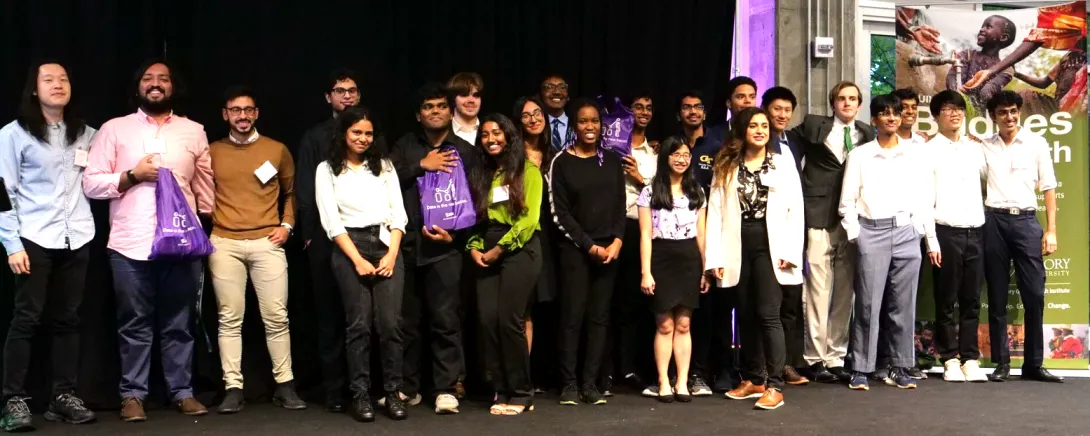
Students tackled climate change in the Fall 2023 Emory Global Health Institute (EGHI) /Georgia Institute of Technology (GT) Global Health Hackathon, Nov. 11, at Tech Square ATL Social. Competing for cash prizes and a spot in GT Startup Launch, first place went to Team iManhole. The team created an integrated system that gathers real-time data from manholes and uses machine learning algorithms to predict flooding to manage traffic and evacuation routes.
“The effects of climate change are felt in every country with the brunt and burden of an unmanaged climate crises threatening to set back global health progress by eroding decades of poverty eradication and health equity efforts worldwide,” said Dr. Rebecca Martin, EGHI director of Emory Global Health Institute. “Students are an important partner in our work as a global community to mitigate the impacts of climate change on health, safety, and security.”
The EGHI/GT Global Health Hackathon is a partner event between EGHI and CREATE-X. It provides multidisciplinary student teams from Emory University and the Georgia Institute of Technology an opportunity to create technology-based product solutions for global health problems. The target for this fall’s event was creating solutions that address urban flooding, urban heat, or global sea level rise in densely populated, low-resource urban settings. Prizes included $4,000 and a golden ticket into CREATE-X Startup Launch for first place winners, $3,000 for second place winners, $2,000 for third place winners, and $500 each for two honorable mention winners.
“This hackathon continues to be a wonderful partnership between our two institutions that gives these talented students the platform and support to put forward solutions to the most pressing issues we face today,” Rahul Saxena, director of CREATE-X, said. “Each hackathon, I’m increasingly impressed with their ingenuity and their dedication to build something of impact.”
Check out the event program on the EGHI website and see photos from the event on the CREATE-X Flickr account. The full list of the winners of this year’s event includes:
1st Place: iManhole
An integrated system that gathers real-time data from manholes and uses machine learning algorithms to predict flooding to manage traffic and evacuation routes
Team Members: Imran Shah, Leonardo Molinari, and Jiaqi Yang
2nd Place: Canopy
A climate-tech software platform for democratizing climate analytics using machine learning for urban development planning.
Team Members: Deesha Panchal, Kruthik Ravikanti, Vaibhav Mishra, Nicholas Swanson, Jennifer Samuel, and Vaishnavi Sanjeev
3rd Place: Floodwise
A package of effective simulations and an informed chatbot that help facilitate wise decisions during floods.
Team Members: Ansh Gupta, Dimi Deju, Mukund Chidambaram, and Sahit Mamidipaka
Honorable Mention
Conquering Heat Islands
Process and hardware that uses excess solar power to mine crypto
Team Members: Rida Akbar, DJ Louis, Edward Zheng, Dmitri Kalinin, and Jade Bondy
Real-Time Computational Modeling of Urban Flooding and Evacuation in Local Atlanta Communities
Integrated system to gather real-time data from manholes and use machine learning algorithms to predict flooding and optimize traffic/evacuation.
Team Members: Imran Shah, Leonardo Molinari, and Jiaqi Yang
News Contact
Breanna Durham
Marketing Strategist
breanna.durham@gatech.edu
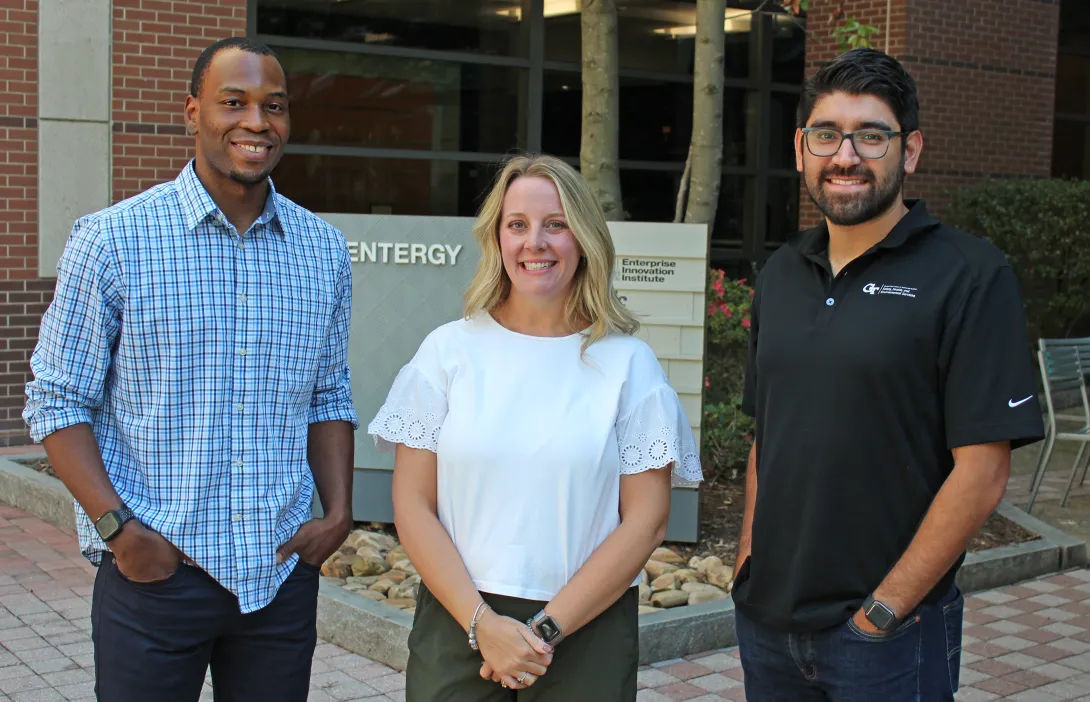
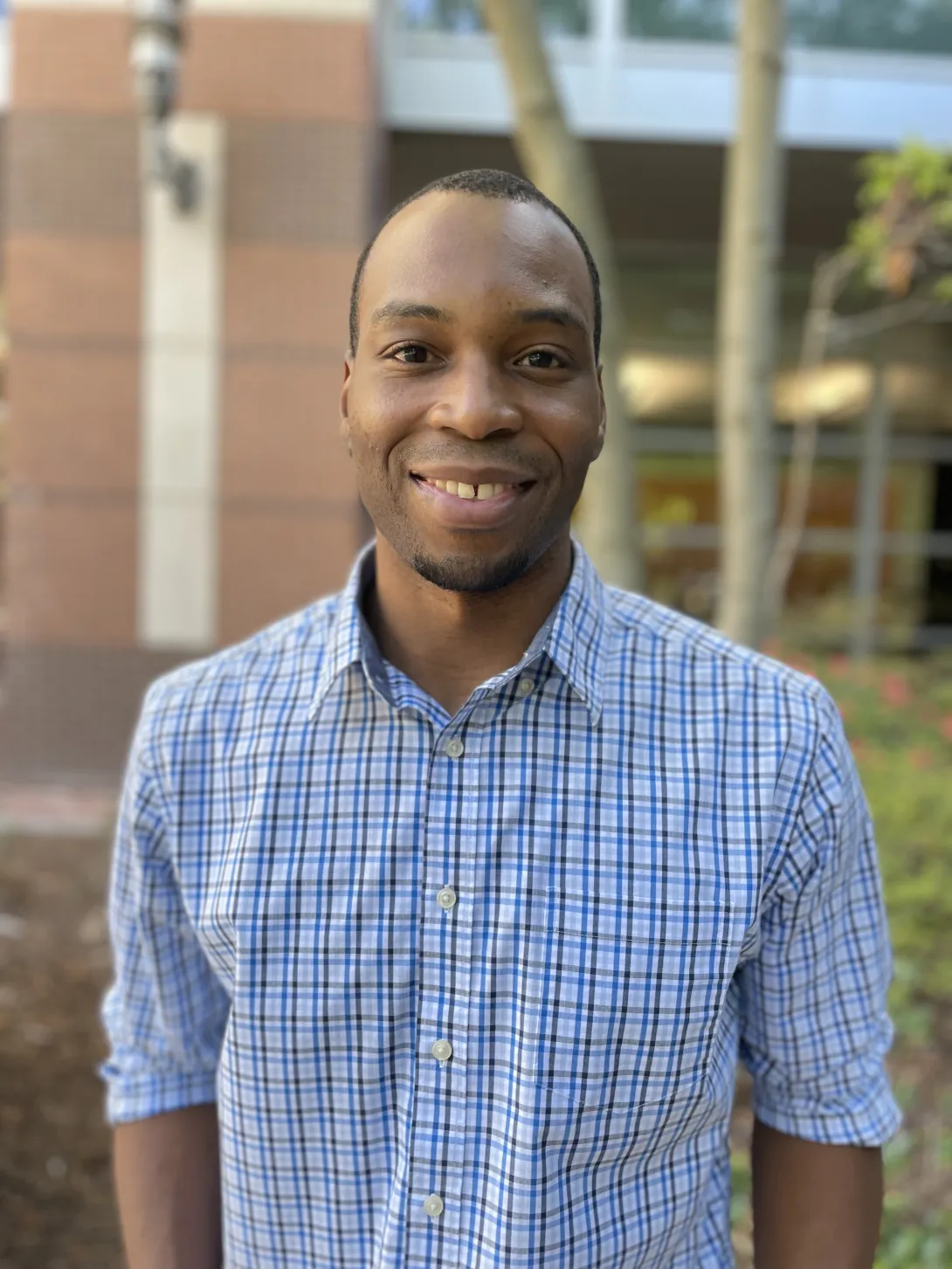
Trey Sawyers, Katie Hines, and Sean Castillo are helping keep Georgia businesses lean and safe.
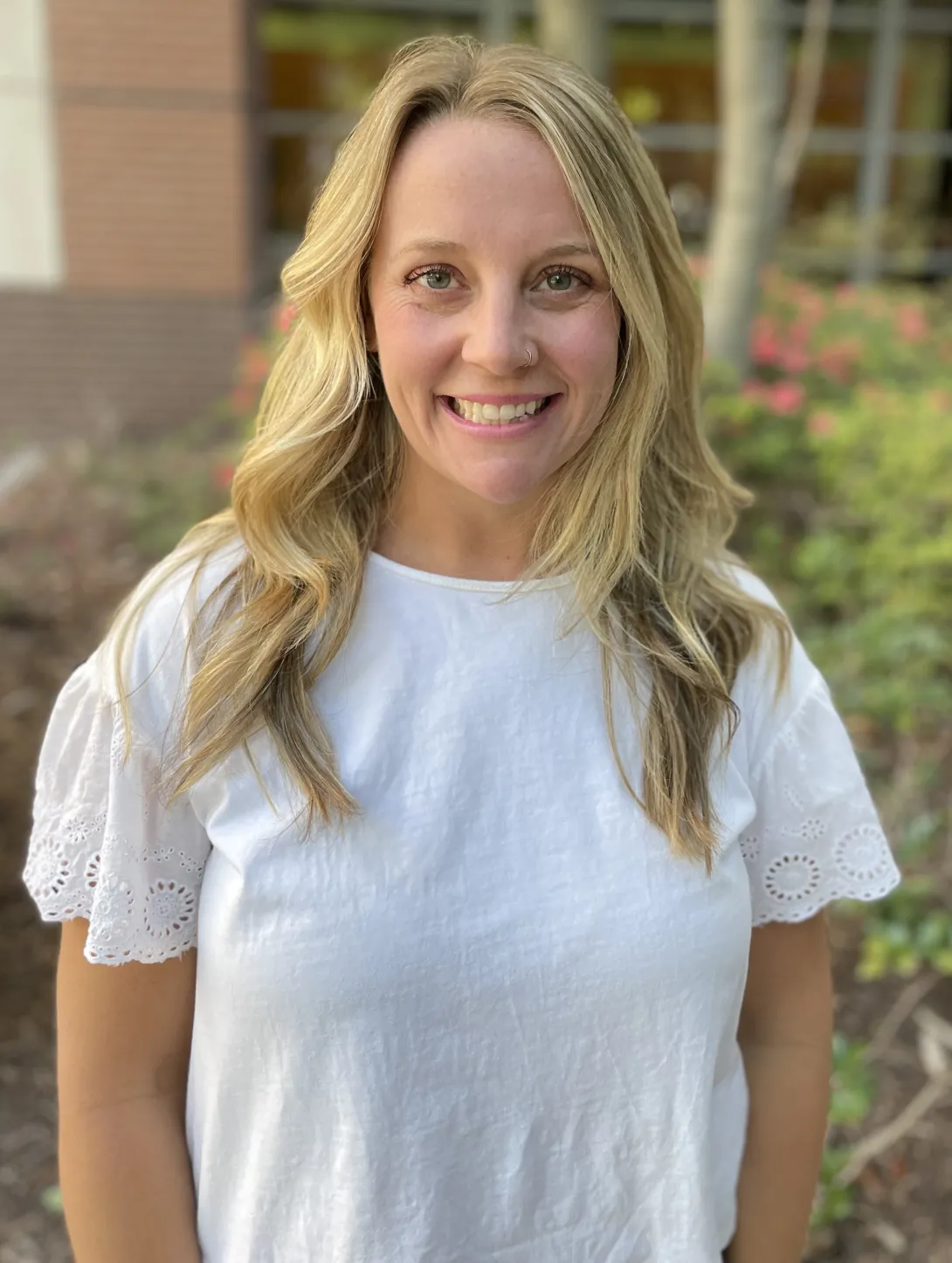
Katie Hines
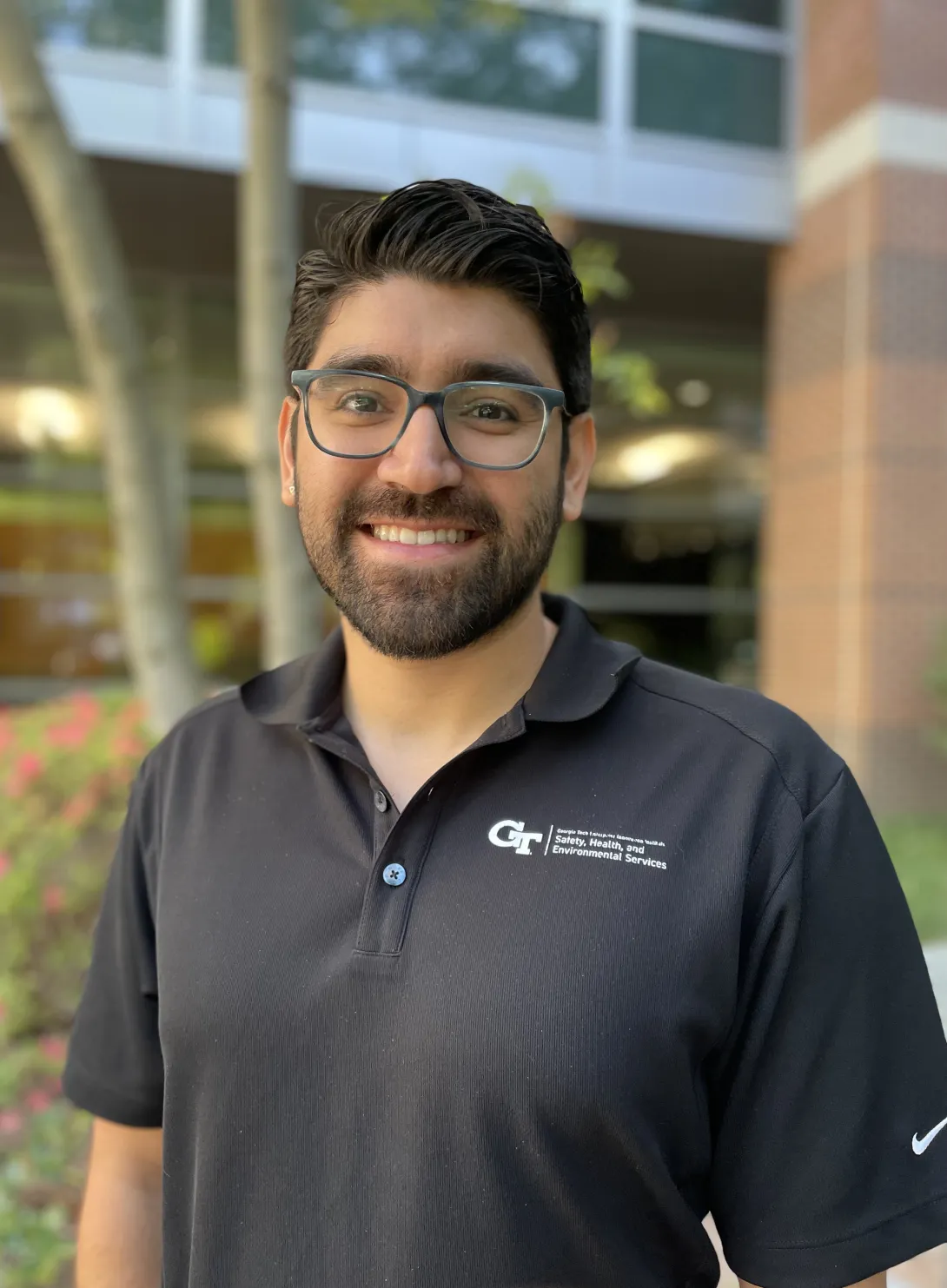
Sean Castillo
Trey Sawyers
Sean Castillo is in the win-win business. As an industrial hygienist in the Georgia Tech Enterprise Innovation Institute (EI2), his job is to ensure that employees are safe in their workspaces, and when he does that, he simultaneously improves a company’s performance.
That’s been a theme for Castillo and his colleagues in the Safety, Health, Environmental Services (SHES) program and their partners in the Georgia Manufacturing Extension Partnership (GaMEP), part of EI2’s suite of programs aimed at helping Georgia businesses thrive.
“A healthier workforce is healthy for business,” said Castillo, part of the SHES team of consultants who often work closely with their GaMEP counterparts to improve safety while also maximizing productivity.
This team of experts from EI2 assist companies trying to reach that critical intersection of both, combining smart ergonomics and safety enhancements with lean manufacturing practices. This can solve human performance gaps due to fatigue, heat, or some other environmental stressor, while helping businesses continue to improve their production processes and, ultimately, their bottom line.
These stressors cost U.S. industry billions of dollars each year — fatigue, for example, is responsible for about $136 billion in lost productivity.
“Protecting your employee — investing in safety now — saves a lot of money later,” Castillo said. “It equates to less money spent on workers compensation and less employee turnover, which means less time training new employees, and that ideally leads to a more efficient process in the workplace.”
It takes careful and intentional collaboration to bring those moving pieces together, and inextricably linked programs like SHES and GaMEP can help orchestrate all of that.
Ensuring Safe Workspaces
SHES is staffed by safety consultants, like Castillo, who provide a free and essential service to Georgia businesses. They help companies ensure that they meet or exceed the standards set by the federal Occupational Health and Safety Administration (OSHA), mainly through SHES’ flagship OSHA 21(d) Consultation Program.
“Our job is to ensure that workspaces and processes are designed so that anybody can perform the work safely,” said Trey Sawyers, a safety, health, and ergonomics consultant on the SHES team, aiding small and mid-sized businesses in Georgia. When a company reaches out to SHES to apply for the free, confidential OSHA consultation program, a consultant like Sawyers gets assigned to the task, “based on our area of expertise,” said Sawyers, an expert in ergonomics, which is the science of designing and adapting a workspace to efficiently suit the physical and mental needs and limitations of workers.
“If a company is having ergonomic issues — maybe they’re experiencing a lot of strains and sprains — then I might get the call because of my knowledge and understanding of anthropometry, and then I’ll go take a close look at the facility,” Sawyers said. Anthropometry is the scientific study of a human’s size, form, and functional capacity.
SHES consultants can identify potential workplace hazards, provide guidance on how to comply with OSHA standards, and establish or improve safety and health programs in the company.
“The caveat is the company has to correct any serious hazards that we find,” said Castillo, who visits a wide range of workspaces in his role. For instance, his job will take him to construction and manufacturing sites, gun ranges, even office settings. “We do noise and air monitoring at all different types of workplaces. I was at a primary care clinic the other day. And over the past few years, we’ve had a significant emphasis on stone fabricators, looking for overexposures to respirable crystalline silica.”
Silica, which is dust residue from the process of creating marble and quartz slabs, can lead to a lung disease called silicosis. OSHA established new limits that cut the permissible exposure limits in half, and that has kept the SHES consultants busy as Georgia manufacturers try to achieve and maintain compliance.
Keeping Companies Cool
Another area of growing emphasis for Georgia Tech’s consultants is heat-related stress in the workplace.
“Currently, there are no standards to address this,” Castillo said. “For example, there are no rules that say a construction site worker should drink this much water. There are suggested guidelines and emphasis programs for inspections for targeted industries where heat stress may be prevalent — but no standards, though that is coming.”
The SHES team is trying to stay ahead of what will likely be new federal rules for heat mitigation. To help develop safe standards and better understand the effects of heat on workers, consultants like Castillo are going to construction sites, plant nurseries, and warehouses, and enlisting volunteers in field studies. Using heat stress monitor armbands, they’re monitoring data on workers’ core body temperatures and heart rates.
“These tools are great because we’re not only gathering some good data, but we can use them proactively to prevent heat events such as heat exhaustion and heatstroke, which can be fatal if left untreated,” Castillo said.
To further help educate Georgia companies about the risks of heat-related problems, SHES applied for and recently won a Susan Harwood Training Grant from the U.S. Department of Labor. The $160,000 award will support SHES consultants’ efforts to further their work in heat stress education so that “companies and workers will understand the warning signs and the potential effects of heat stress, and how they can stay safe,” Castillo said. “We’re sure this will all become part of OSHA standards eventually, and we’d like to help our clients stay ahead of the curve to protect their employees.”
OSHA standards are the law, and while larger corporations routinely hire consulting firms to keep them on the straight and narrow, SHES is providing the same level of expertise for its smaller business clients for free. Most of those clients apply for help through SHES’ online request form. And others find the help they need through the guidance of process improvement specialist Katie Hines and her colleagues in GaMEP.
Lean and Safe
Hines came to her appreciation of ergonomics naturally. After graduating from Auburn University, she entered the workforce as a manufacturing engineer for a building materials company, where “it was just part of our day-to-day work life in that manufacturing environment, on the production floor,” she said.
It took grad school and a deeper focus on lean and continuous improvement processes to formalize that appreciation.
While working toward her master’s degree in chemical engineering at Auburn, Hines earned a certificate in occupational safety and ergonomics (like Sawyers, her SHES colleague). At the same time, Hines was helping to guide her company’s lean and continuous improvement program. And when she joined Proctor and Gamble after completing her degree, “The lean concept and safety best practices were fully ingrained, part of the daily discussion there,” she said.
All those hands-on manufacturing production floor experiences managing people and systems prepared Hines well for her current role as a project manager on GaMEP’s Operational Excellence team, where her focus is entirely on lean and continuous improvement work — that is, helping companies reduce waste and improve production while also enhancing safety and ergonomics.
Hines uses her expertise in knowing how manufacturing processes and people should look when everyone is safe and also productive. She can walk into a GaMEP client’s facility and drive the process improvements and solutions that will help them achieve a leaner, more efficient form of production. And then, when she sees the need, Hines will recommend the client contact SHES, “the people who have their fingers on the data and the expertise to improve safety.”
These were concepts that, for a long time, seemed to be working against each other — the very idea of maximizing production and improving profits while also emphasizing worker safety and comfort.
“But you can have both,” Castillo said. “You should have both.”
News Contact
Writer: Jerry Grillo
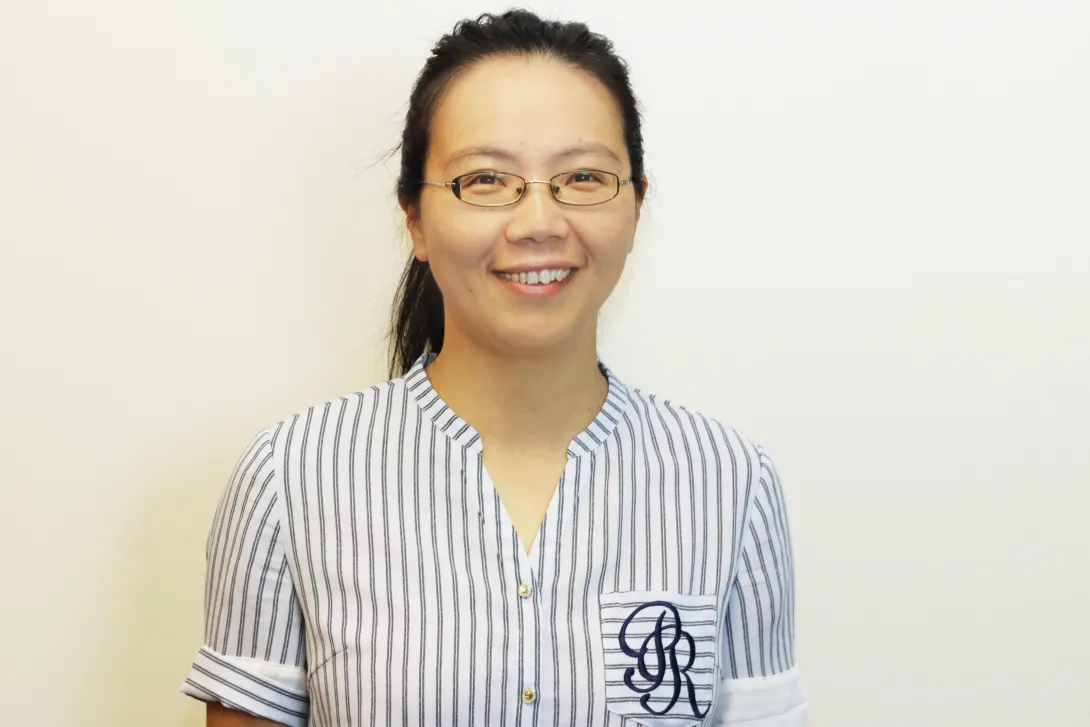
Wenjing Liao, an associate professor in the School of Mathematics, has been awarded a Department of Energy (DOE) Early Career Award for her research into how deep learning might be leveraging to make mathematical advances in achieving more efficient modeling techniques.
Liao was selected as one of the 93 early career scientists from across the country who are receiving a combined $135 million in DOE funding. The awards aim to support the next generation of STEM leaders, and identify early-career scientists whose research will have global impacts.
Earlier this year, Liao was also selected for an National Science Foundation (NSF) Faculty Early Career Development Program (CAREER) Award, one of the most prestigious grants that a scientist can receive early in their profession.
“Supporting America’s scientists and researchers early in their careers will ensure the U.S. remains at the forefront of scientific discovery and develops the solutions to our most pressing challenges,” said U.S. Secretary of Energy Jennifer M. Granholm, adding that the funding “will allow the recipients the freedom to find the answers to some of the most complex questions as they establish themselves as experts in their fields.”
Model simplification; complex problems
Real-world applications of computer modeling often call for large, complex data simulations, which can be time-consuming and expensive, limiting their applications. Liao’s project “Model Reduction by Deep Learning: Interpretability and Mathematical Advances” focuses on a technique called model reduction, which allows researchers to reduce the size of problems computer models must solve to smaller ones that computers can efficiently solve.
Liao notes that while traditional model-reduction methods have been successful, the technique is mostly limited to low dimensional linear models, or those with fewer important features that the model can include. However, many problems found in nature are the opposite. Liao hopes that by identifying the underlying nonlinear structures in natural problems, she can broaden the application of model-reduction techniques.
To do so, her research will focus on three key questions. First, she will investigate how to leverage deep neural networks to extract low-dimensional nonlinear structures in data sets. Next, Liao will investigate how to use the nonlinear structures in model reduction. Finally, in order to better harness deep learning, Liao aims to develop new deep learning-based model reduction methods.
“This project has the potential to drive significant advances in scientific machine learning,” Liao says in her abstract. “The proposed model-reduction methods can be used to analyze large datasets and simulate complex phenomena in physics, biology, and engineering.”
News Contact
Written by Selena Langner
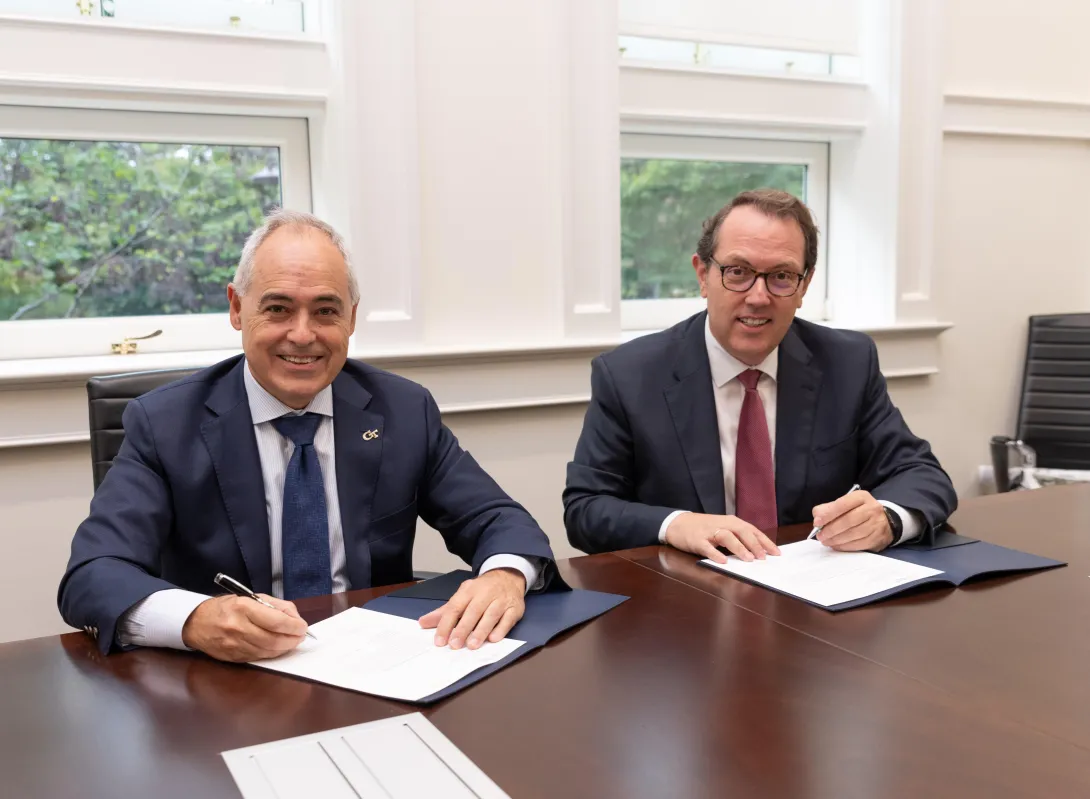
President Cabrera and Andres Sacristan, CEO of Cintra Global, announce a long-term partnership focused on advancing innovation in transport infrastructure.
Ferrovial, a global infrastructure operator, and the Georgia Institute of Technology today announced a long-term partnership focused on advancing innovation in transport infrastructure. The partnership will allow for joint research activities, providing new educational and development opportunities for students and enabling Ferrovial to create a more sustainable future for mobility. The agreement was formally signed at the university’s campus in Atlanta.
"Georgia Tech is globally recognized for its expertise in infrastructure and mobility, research, and development,” said Andres Sacristan, CEO of Cintra Global. “Ferrovial understands our industry must remain agile as transportation continues to evolve. By partnering with universities like Georgia Tech, we can continue to improve the traveler experience and better serve our clients by providing new mobility solutions."
Ferrovial has collaborated with Georgia Tech in research, leveraging its talent for several years. In addition to its expertise in traffic engineering, the Institute has extensive research capabilities in construction, airports, and energy, allowing for a comprehensive and diversified partnership as Ferrovial operates in all these areas.
“Ferrovial is reimagining transportation, and this collaboration will enable Georgia Tech researchers and students to gain a firsthand understanding of the needs of our nation’s infrastructure,” said Ángel Cabrera, president of Georgia Tech. “We are proud to partner with Ferrovial to drive the future of transportation and mobility, which will bring valuable technological innovation and knowledge transfer to our state.”
Ferrovial, through its highways business Cintra, operates five major managed lane projects across the U.S., providing traffic congestion relief to some of the nation’s fastest growing regions. Ferrovial's construction division currently manages several large highway construction projects, including the Transform 285/400 highway improvement project in Atlanta. Subsidiaries Ferrovial Construction and Webber have carried out infrastructure improvements in the state of Georgia that amount to nearly $800 million. Ferrovial Airports is a leading airport investor and operator with key investments in the U.S. Through its vertiports business, the company aims to design, build, and operate the infrastructure required by eVTOL (electric Vertical Take-Off and Landing) aircraft.
“Aligning with Georgia Tech reinforces Ferrovial’s commitment to sustainably advancing mobility, enhancing safety, and connecting communities in the United States and beyond,” said Sacristan.
News Contact
Blair Meeks | blair.meeks@gatech.edu
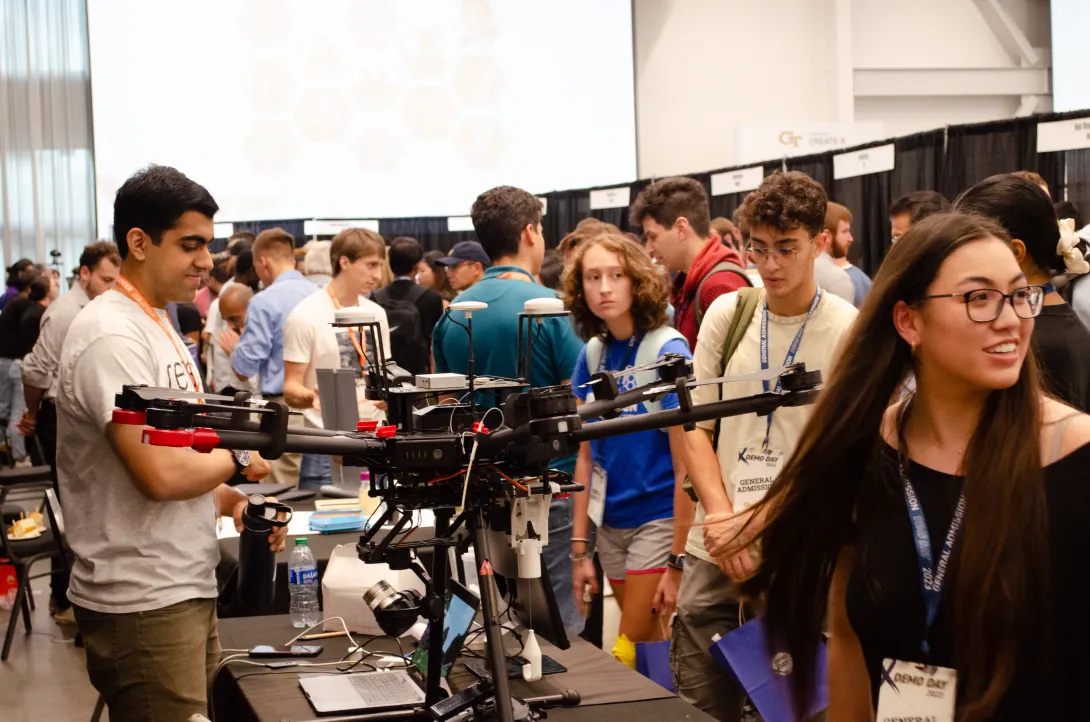
For the 10th Demo Day, the Tech community came out in droves to support 75 Georgia Tech startups created by students, alumni, and faculty. In booths spread out in Exhibition Hall, they displayed their products, which ranged from AI and robotic training gear to fungi fashion, and more. Over four hours, more than 1,500 people filed in and out of the hall. Founders pitched their innovations to business and community leaders, as well as students and the public, eager to witness groundbreaking innovations across various industries.
Kiandra Peart, co-founder of Reinvend, said the amount of people surprised her.
“After the first VIP session was over, hundreds of people were just flooding through the door at all times,” she said. “We had to give the pitch a million times to explain it to a lot of different people, but they seemed really, really engaged, and we were also able to get a few interactions.”
Reinvend is working through a potential deal with Tech Dining on using their vending machines, which would expand food options for students after dining halls close.
Demo Day is the culmination of the 12-week summer accelerator, Startup Launch, where founders learn about entrepreneurship and build out their businesses with the support of mentors. Along with guidance from experts in business, teams receive $5,000 in optional funding and $30,000 of in-kind services. This year, the program had over 100 startups and 250 founders, continuing the growth trend for CREATE-X. The program aims to eventually support the launch of 300 startups per year.
Peart said the experience taught the team how to better pitch to potential clients and formulate a call to action after a successful interaction.
Since its inception in 2014, CREATE-X has had more than 5,000 participate in their programming, which is segmented in three areas: Learn, Make, and Launch. Besides providing resources, the program also helps founders through its rich entrepreneurial ecosystem.
“We want to increase access to entrepreneurship. That’s the heart of the program, and it’s the goal to have everyone in the Tech community to have entrepreneurial confidence. The energy and passion of our founders to solve real-world problems — it’s palpable at Demo Day. I’d say it’s the best place to see what we’re about and understand what this program offers,” said Rahul Saxena, director of CREATE-X, who also reminded founders that the connections they make here would last for years.
At its core, CREATE-X is a community geared toward innovation. Participants were at the forefront of integrating OpenAI's GPT-3 when it was not yet widely adopted. They share their insights with each other, and the program has mentors coming back from even the very first cohort. Starting with eight teams, CREATE-X has now launched more than 400 startup teams, with founders representing 38 academic majors. Its total startup portfolio valuation is above $1.9 billion.
Peart compared CREATE-X to an energy drink.
“After going through the program, I was really able to refine my ideas, talk with other people, and now that the program is over, I feel energized,” she said. “I think that having an accelerator right at home allows students who may have never considered starting a company, or didn't have access to an accelerator, to actually utilize their resources from their school and their own community to get their companies started.”
Although Demo Day just ended, CREATE-X is already gearing up for the next cohort. Applications for Startup Launch opened Aug. 31, the same day as Demo Day.
“Consider interning for yourself next summer,” said Saxena. “We know you have ideas about solutions to address global challenges. You’re at Tech; you have the talent. Let us help you with the resources and support system.”
Georgia Tech students, alumni, and faculty can apply to GT Startup Launch now. The priority deadline is Nov. 6. To learn more about CREATE-X, find CREATE-X events to build a startup team, or learn more about entrepreneurship, visit th CREATE-X website
News Contact
Breanna Durham
Marketing Strategist

The water coming out of your faucet is safe to drink, but that doesn’t mean it’s completely clean. Chlorine has long been the standard for water treatment, but it often contains trace levels of disinfection byproducts and unknown contaminants. Georgia Institute of Technology researchers developed the minus approach to handle these harmful byproducts.
Instead of relying on traditional chemical addition (known as the plus approach), the minus approach avoids disinfectants, chemical coagulants, and advanced oxidation processes typical to water treatment processes. It uses a unique mix of filtration methods to remove byproducts and pathogens, enabling water treatment centers to use ultraviolet light and much smaller doses of chemical disinfectants to minimize future bacterial growth down the distribution system.
“The minus approach is a groundbreaking philosophical concept in water treatment,” said Yongsheng Chen, the Bonnie W. and Charles W. Moorman IV Professor in the School of Civil and Environmental Engineering. “Its primary objective is to achieve these outcomes while minimizing the reliance on chemical treatments, which can give rise to various issues in the main water treatment stream.”
Chen and his student Elliot Reid, the primary author, presented the minus approach in the paper, “The Minus Approach Can Redefine the Standard of Practice of Drinking Water Treatment,” in The American Chemical Society.
The minus approach physically separates emerging contaminants and disinfection byproducts from the main water treatment process using these already proven processes:
- Bank filtration withdraws water from naturally occurring or constructed banks like rivers or lakes. As the water travels through the layers of soil and gravel, it naturally filters out impurities, suspended particles, and certain microorganisms.
- Biofiltration uses biological processes to treat water by passing it through filter beds made of sand, gravel, or activated carbon that can support the growth of beneficial microorganisms, which in turn can remove contaminants.
- Adsorption occurs when an adsorbent material like activated carbon is used to trap contaminants.
- Membrane filtration uses a semi-permeable membrane to separate particles and impurities from the main treatment process.
The minus approach is intended to engage the water community in designing safer, more sustainable, and more intelligent systems. Because its technologies are already available and proven, the minus approach can be implemented immediately.
It can also integrate with artificial intelligence (AI) to improve filtration’s effectiveness. AI can aid process optimization, predictive maintenance, faulty detection and diagnosis, energy optimization, and decision-support systems. AI models have also been able to reliably predict the origin of different types of pollution in source water, and models have also successfully detected pipeline damage and microbial contamination, allowing for quick and efficient maintenance.
“This innovative philosophy seeks to revolutionize traditional water treatment practices by providing a more sustainable and environmentally friendly solution,” Chen said. “By reducing the reliance on chemical treatments, the minus approach mitigates the potential risks associated with the use of such chemicals, promoting a safer water supply for both human consumption and environmental protection.”
CITATION: Elliot Reid, Thomas Igou, Yangying Zhao, John Crittenden, Ching-Hua Huang, Paul Westerhoff, Bruce Rittmann, Jörg E. Drewes, and Yongsheng Chen
Environmental Science & Technology 2023 57 (18), 7150-7161
DOI: 10.1021/acs.est.2c09389
News Contact
Tess Malone, Senior Research Writer/Editor
tess.malone@gatech.edu
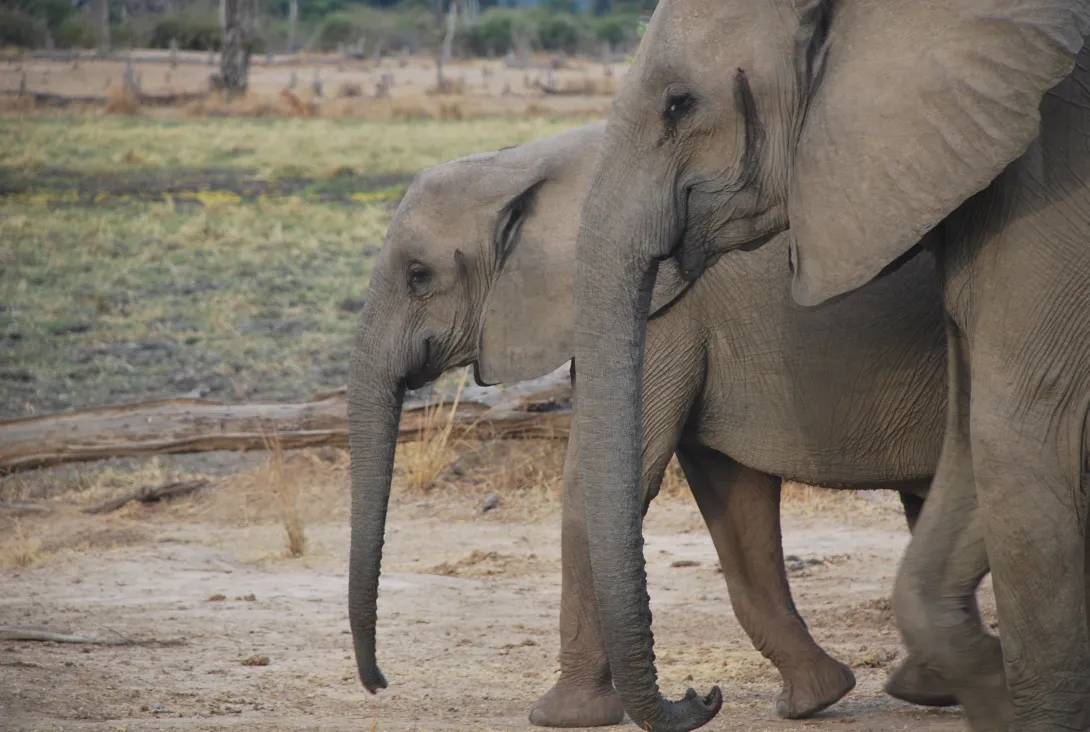
While most species have gone extinct, eastern Africa is home to vibrant natural communities of mammalian megafauna, including elephants, zebras, hippopotamuses, antelope, giraffes, and many others. (Photo: Jess Hunt-Ralston)
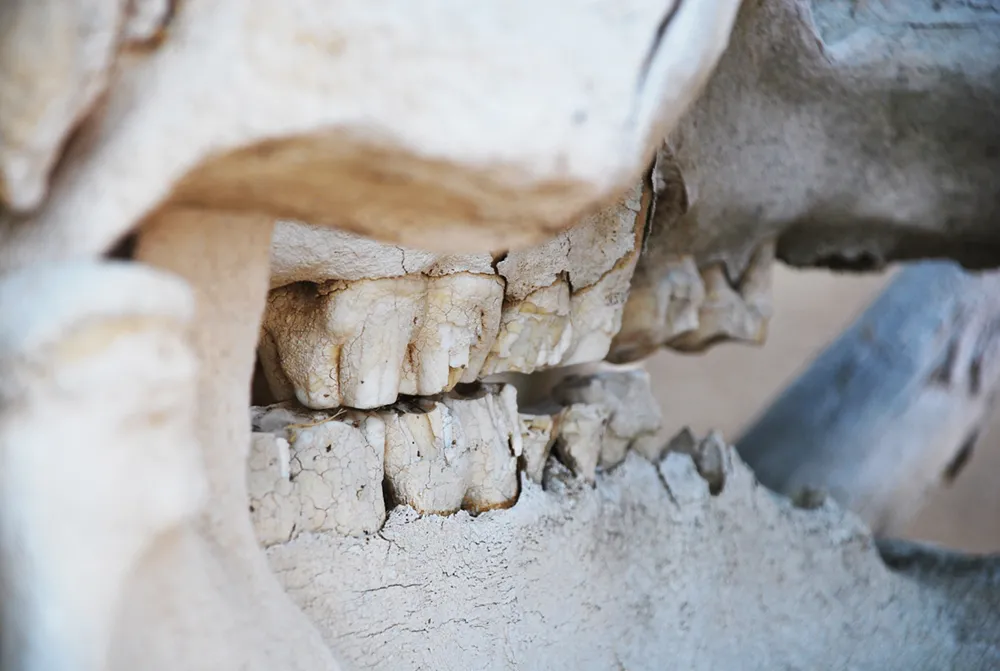
Zebra skull at a wildlife education center in eastern Africa. In places or times with less precipitation, mammal communities overall will have more robust, rugged, resistant teeth. (Photo: Jess Hunt-Ralston)
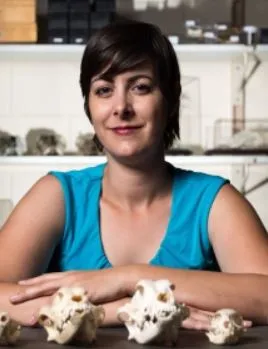
Associate Professor Jenny McGuire

Daniel Lauer, Ph.D. student in Quantitative Biosciences at Georgia Tech.
Large-bodied mammals play crucial roles in ecosystems. They create habitats, serve as prey, help plants thrive, and even influence how wildfires burn. But now, fewer than half of the large mammal species that were alive 50,000 years ago exist today, and those that remain are threatened with extinction from intensifying climate change and human activities.
While mammal extinctions are well-documented, very little research has explored the impact those losses had on the nuanced ways in which mammal communities interact with their environments. Researchers at the Georgia Institute of Technology are using a novel methodology to investigate how mammals’ ability to function in their environments has been threatened in the past, and what challenges they can expect to face in the future.
Jenny McGuire, associate professor in the School of Biological Sciences and leader of the Spatial Ecology and Paleontology Lab, and Daniel Lauer, a graduate student, looked millions of years into the past, observing how and why eastern African herbivores’ relationships with their environments changed across space and time in the face of biodiversity loss. They used a novel approach to build models that show how specific mammal traits — like body mass and tooth shape — evolved with their changing environments over time, revealing the factors that caused the biodiversity losses and how the losses affected the functioning of mammal communities. Their method offers a new strategy for investigating the implications of changing ecologies and prioritizing conservation efforts toward helping mammal communities flourish in the future.
Their research paper was published in the journal Nature Communications.
Combing the Data
The researchers began by diving into a collection of data from 186 sites across eastern Africa. The data contained records of over 200 extinct and 48 modern herbivore species (including the African elephant, giraffe, and hippopotamus), showing where and when each species lived at a given point in time over the past 7.4 million years. The data showed that mammal biodiversity in eastern Africa began to decline around 5 million years ago. It also revealed that aspects of biodiversity decline happened at multiple points, and that extinctions coincided with environmental changes and the emergence of early humans. But McGuire and Lauer wanted to know more.
“We wondered what we would find if we investigated how the mammals’ physical traits changed as their environments changed over time, rather than just looking at patterns in their biodiversity,” Lauer said. “This is important because if a mammal species possesses traits that are well-suited to its environment, it’s better able to contribute to the functioning of that environment. But if that is not the case, environments may not function as well as they could.”
To paint a fuller picture, they needed to examine biodiversity from a different perspective. This required a fresh approach, which led them to adapting a methodology known as ecometrics.
Ecometrics is an approach that looks at the relationships between the environmental conditions where animal communities are found — such as weather and vegetation — and the animal’s functional traits, which are traits that affect its biological performance. The team chose to focus on three traits: body mass, tooth height, and loph count (the number of ridges on molars).
Each of these traits exhibits a relationship based on the degree to which an environment is dominated by grasses versus woody plants. For example, if a species has a taller tooth, it can more durably consume the abrasive grassy vegetation of grasslands. With a shorter tooth, a species is instead suited to consume softer, woody vegetation, like shrubs.
For each of the three traits, they built a model of trait-environment relationships. They used trait data to estimate what the surrounding vegetation was like in each mammal community over time, specifically the percentage of trees and shrubs versus grassland.
“Using our models, we were able to use information about the traits occurring within mammal communities to estimate how the surrounding vegetation looked,” Lauer said. “Because these communities existed at different points in time, this enabled us to observe how consistent the mammals’ relationships with their environments remained through time.”
Analyzing Disruptions
Using their ecometric framework, the researchers uncovered a key difference between the mammal biodiversity declines that occurred before approximately 1.7 million years ago and those that occurred after. While biodiversity began declining around 5 million years ago, trait-environment relationships remained consistent despite that loss.
Their analysis demonstrated that earlier biodiversity losses were a result of species adapting to grassland environments or tracking their preferred environments across geographies. In short, those biodiversity losses didn't necessarily have any sort of negative impact on the ability of mammal communities to function properly in their environments.
But later, around 1.7 million years ago, when climates became more arid and variable and tree cover declined to below 35%, a major shift occurred. Rapid losses in the number and variety of species occurred, along with a significant disruption in trait-environment relationships. The researchers’ findings suggest that, unlike prior biodiversity losses, those occurring over the past 1.7 million years likely threatened the ability for many mammal species to function well in local environmental conditions.
“Our findings fascinated us, because we were able to differentiate between the different biodiversity losses that were happening and their implications,” Lauer said. “This work reinforces the idea that not all biodiversity losses are the same.”
Protecting the Vulnerable
Their findings have important implications for the types of environmental and climatic changes that could affect mammals going forward. In the past, when changes were gradual and wildlife were able to move freely on the landscape, they could readily adapt to these environmental conditions.
Now, fragmentation of wildlife habitats by fences, roadways, and cities has the potential to limit the ability of wildlife to adapt to the rapid environmental changes occurring today. That is exacerbated by both the fast pace and increasing variability of today’s climate, which puts animals at risk of losing their ability to function properly in their local environments.
Moving forward, the team’s analysis can shed light on which mammal communities should be prioritized for future conservation efforts. The study demonstrates that among all the communities that are experiencing biodiversity losses, priority should be given to those most at-risk — the communities for whom future biodiversity losses will profoundly affect their ability to function properly.
“By examining the past, we can get a remarkably clear understanding of how animals have responded to prior environmental changes,” McGuire said. “We plan to work with conservation practitioners to use our findings to develop well-informed strategies for conserving the most at-risk mammal communities.”
***
Co-authors include A. Michelle Lawing (Texas A&M University), Rachel A. Short (South Dakota State University), Fredrick K. Manthi (National Museums of Kenya), Johannes Müller (Leibniz Institute for Evolution and Biodiversity Science), and Jason J. Head (University of Cambridge).
Citation: Lauer, D.A., Lawing, A.M., Short, R.A. et al. Disruption of trait-environment relationships in African megafauna occurred in the middle Pleistocene. Nat Commun 14, 4016 (2023).
DOI: https://doi.org/10.1038/s41467-023-39480-8
Funding: This work was completed as part of a collaborative initiative from NSFDEB-NERC, with funding from NSF 2124836 to A.M.L., F.K.M., and J.M.; NSF 2124770 to J.L.M.; and NERC NE/W007576/1 to J.J.H. R.A.S. was supported by the NSF Postdoctoral Research Fellowships in Biology Program under grant DBI 2010680 and the USDA NIFA Hatch project SD00H787-23 (7004129 and 7004187). J.L.M. was also funded through NSF-CAREER and NSF 1945013.
News Contact
Catherine Barzler, Senior Research Writer/Editor
Institute Communications
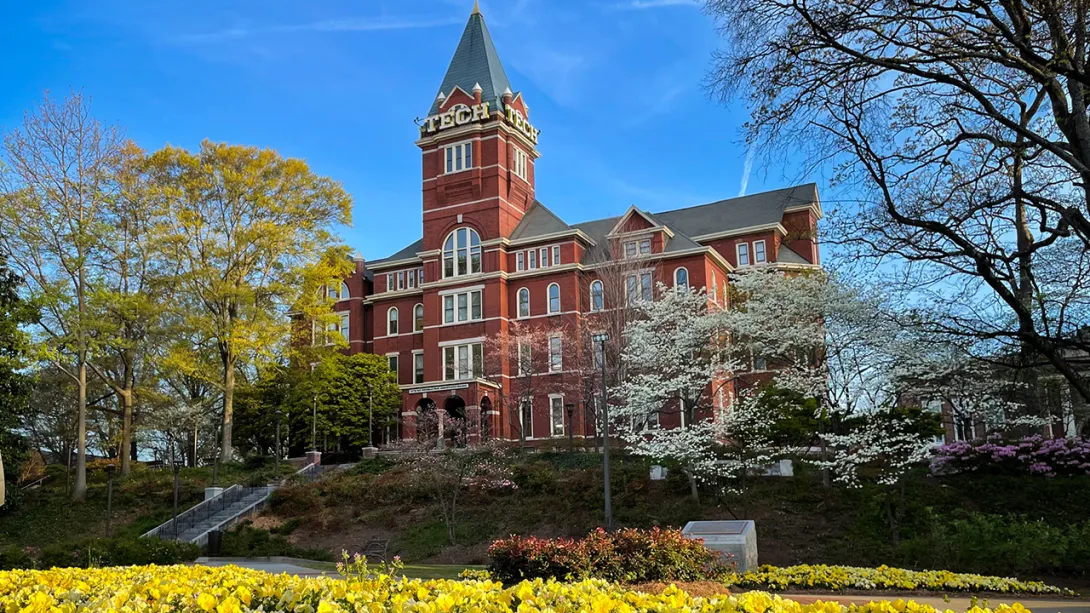
Researchers from Georgia Tech's School of Civil and Environmental Engineering received a $2.1 million grant from the U.S. Environmental Protection Agency (EPA) to investigate contaminants in drinking water.
The EPA is funding the research on the occurrence and concentration of pathogens and disinfection by-products and the environmental conditions favorable to their growth in drinking water distribution systems.
Carlton S. Wilder Associate Professor Ameet Pinto, the project's principal investigator, said disinfection is used to kill microorganisms to make drinking water safe for consumption. Yet, disinfecting to kill microorganisms can also result in formation of harmful disinfection by-products.
“Our key project goal is to shine a light on when, where, and why pathogens and disinfection by-products occur and co-occur in drinking water systems across the country,” Pinto said. “This will help water utilities better navigate the tradeoff of managing microbiological and chemical risks in drinking water and thus enhance the reliability of safe drinking water supply to their consumers.”
According to the EPA, opportunistic pathogens such as Legionella pneumophila, nontuberculous mycobacteria, and Pseudomonas aeruginosa can grow in drinking water systems and pose potential risks to public health. The occurrence of these and other microbial pathogens is also associated with contaminated storage facilities and other problems in water distribution systems such as backflow and low-pressure incidents.
If left untreated, these contamination events can lead to outbreaks of gastrointestinal, respiratory, and other waterborne illnesses. The disinfectants used to control these pathogens can cause additional problems by reacting with natural organic matter, bromide, and other contaminants to form disinfectant by-products, which also have the potential to be harmful to human health.
Georgia Tech is one of four institutions selected by the EPA to receive nearly $8.5 million in grant funding, along with the University of Minnesota, Michigan State University, and the University of Texas. The Georgia Tech team includes Turnipseed Family Chair & Professor Ching-Hua Huang and Assistant Professor Katy Graham.
News Contact
Melissa Fralick | melissa.fralick@ce.gatech.edu
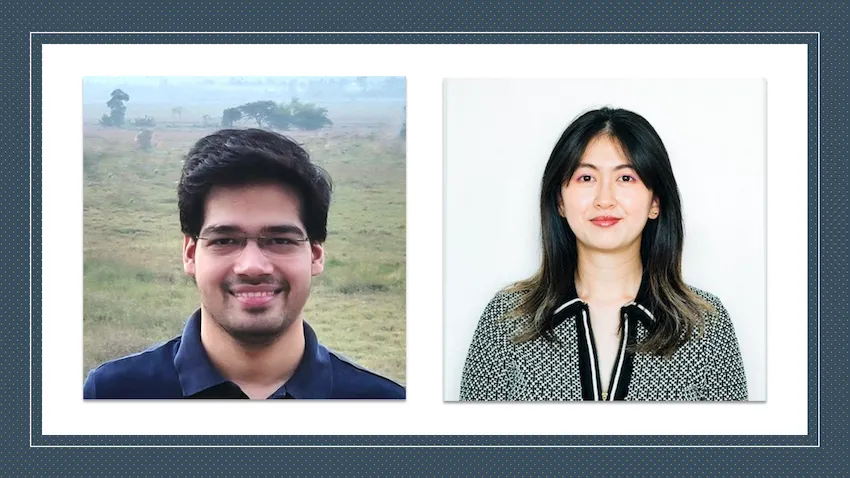
Artificial intelligence (AI) research by two Georgia Institute of Technology students has caught the attention of one of the world's leading financial services companies.
Gaurav Verma and Yuxi Wu are recipients of 2023 J.P. Morgan AI Research Ph.D. Fellowship Awards. They are among 13 scholars being honored this year by J.P. Morgan Chase & Co. for AI research projects taking on real-world challenges.
"Our goal is to recognize and enable the next generation of leading AI researchers. We want to create an environment where researchers can inspire change and make a lasting impact in our communities and across our industry," said Manuela Veloso, Ph.D., head of AI Research, J.P. Morgan Chase & Co.
Verma is pursuing his Ph.D. in the School of Computational Science and Engineering. Working with his advisor, Assistant Professor Srijan Kumar, Verma expects to ensure safety, equity, and well-being by creating multimodal learning and natural language processing approaches to achieve better human-AI interactions.
Wu is a Ph.D. candidate in the School of Interactive Computing. Empowering people regarding their privacy concerns is at the core of her research. Wu examines how cross-sector, collective action systems could better support end-user privacy. Professor Keith Edwards and Adjunct Assistant Professor Sauvik Das advise Wu.
"It's inspiring to see our students and their work being honored with these prestigious fellowships," said Irfan Essa, computer science professor and director of the Machine Learning Center at Georgia Tech.
"Georgia Tech continues to lead in AI education and research. These fellowships for Gaurav and Yuxi are evidence that we're continuing to move in the right direction."
Verma and Wu are part of a spectrum of AI research spanning Georgia Tech. To unite this broad community and ensure it continues moving in the right direction, the Institute recently established AI Hub at Georgia Tech.
"AI has a deep history at Georgia Tech, and we continue to serve as leaders in many areas of AI research and education," said Essa, interim co-director of AI Hub at Georgia Tech.
"Bringing all areas of AI under one umbrella, AI Hub at Georgia Tech will provide structure and governance as the Institute continues to lead and innovate in the burgeoning discipline of AI."
News Contact
Ben Snedeker, Communications Manager II
Georgia Tech College of Computing
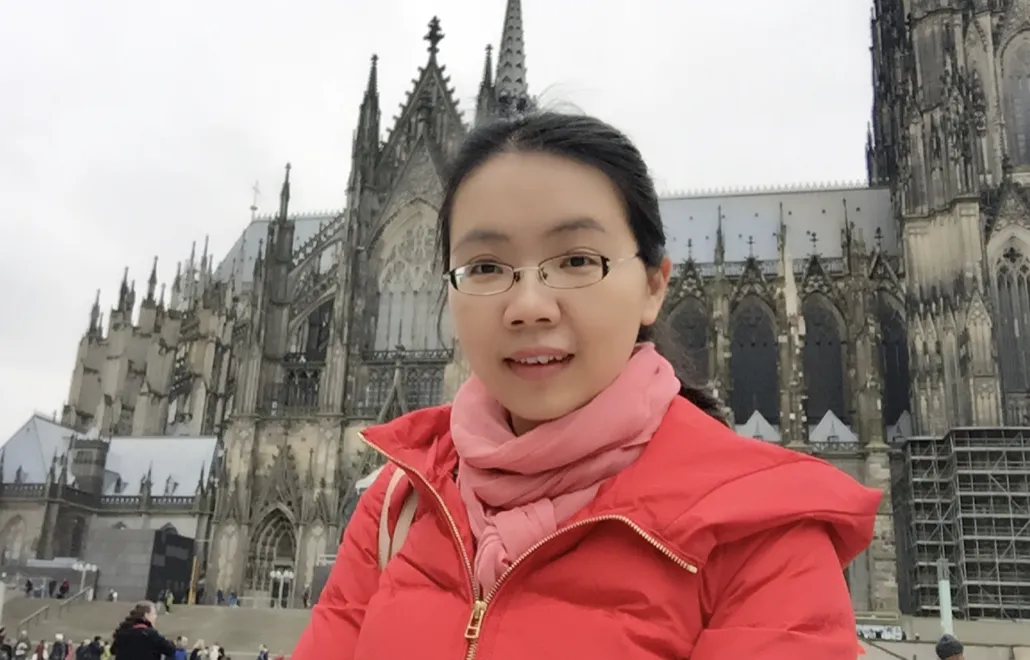
Wenjing Liao
This feature supports Georgia Tech's presence at the International Conference on Machine Learning, July 23-29 in Honolulu.
Honolulu Highlights | ICML 2023
Students and faculty have been focused and energized in their efforts this week engaging with the international machine learning community at ICML. See some of those efforts, hear from students themselves in our video series, and read about their latest contributions in #AI.
Georgia Tech’s experts and larger research community are invested in a future where artificial intelligence (AI) solutions can benefit individuals and communities across our planet. Meet the machine learning maestros among Georgia Tech’s faculty at the International Conference on Machine Learning — July 23-29, 2023, in Honolulu — and learn about their work. The faculty in the main program are working with partners across many domains and industries to help invent powerful new ways for technology to benefit all our futures.
One of the experts in Honolulu is Wenjing Liao, an assistant professor in the School of Mathematics. In addition to machine learning, Liao's research interests include imaging, signal processing, and high dimensional data analysis.
Learn more about the Georgia Tech contingent at the ICML here. Read more about machine learning research at Georgia Tech here.
News Contact
Renay San Miguel
Communications Officer II/Science Writer
College of Sciences
404-894-5209