
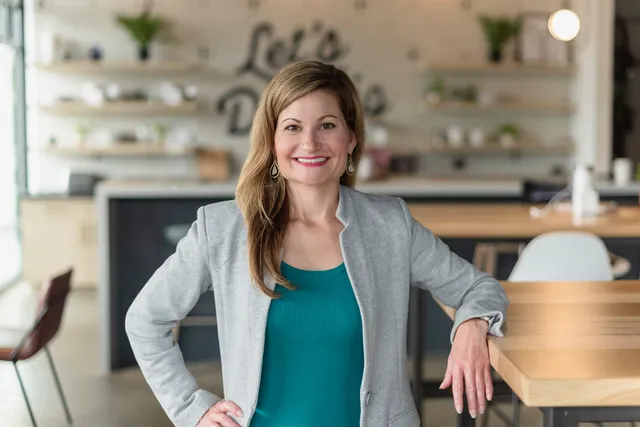
Alison Sizer started as someone who loved innovation and problem-solving. For 14 years, she worked at Apple and Nike, where she learned how to blend innovation with customer insight: how to spot patterns, translate problems into opportunities, and turn ideas into strategies for growth.
Applying what she’d learned along the way, Sizer started Growth Impact to support startups and stakeholders in the innovation ecosystem. As a part of her business, she created partnerships and networks between the U.S. and South Africa, bridging the gap between startups and corporations to encourage co-creation and pilot projects. During this time, she saw how much early‑stage founders needed clear frameworks, honest guidance, and hands‑on support.
“I started Growth Impact to support startups and stakeholders such as venture studios, investors, and accelerators. I support early-stage startups in finding product-market fit, customer understanding, go-to-market strategy, and business model development,” she said. “I also help startups with fundraising readiness and enterprise readiness. I support stakeholders by helping to assess viability, and de-risk new ventures, as well as connecting startups to enterprises.”
Eventually, her work brought her in contact with Georgia Tech. She was working with a South African innovation lab to enable pilot projects between startups and enterprises with the goal of facilitating the co-creation of digital solutions, which led her to Rahul Saxena, director of CREATE-X.
Sizer said she reached out to see if any potential CREATE-X startups or enterprises would want to connect to the companies she was working with in South Africa.
“Over the last few years, there's been quite a lot of interest in Georgia Tech and Atlanta in terms of a tech and innovation hub in the U.S., and there's a lot of investment happening too, in both the city of Atlanta and in Georgia Tech, in entrepreneurship and innovation and technology,” she said. “I think it's an interesting market.”
Once connected, she kept meeting Georgia Tech founders, many from CREATE‑X.
Quietly, she began helping where she could, making introductions for CREATE-X founders outside of Atlanta. For Augment Health, she made investor and potential partner introductions. For the founder of Strapt, she made introductions to investors, shared market insight, and highlighted the company in her own newsletter, which has an audience of innovation ecosystem stakeholders, including more investors. And for ZenVR, she made a connection to WeFunder for funding, which resulted in $250,000 raised.
Collaborating with CREATE-X on a webinar, Sizer also taught Startup Launch alumni about customer understanding and segmentation, value proposition, and other topics for health and wellness founders. Beyond connecting, Sizer shaped mindsets.
In her business, one founder she worked with was building non‑toxic performance apparel for women — a product selling through Amazon, REI, and even the U.S. military. The founder had ambition but struggled to balance DTC (direct to consumer) sales, retail, and B2B opportunities. Sizer helped her analyze her data, identify her real early adopters, and rebuild her value proposition and messaging. With a clearer customer understanding and stronger brand direction, the founder revamped her website and refined her pitch.
“I love that thrill of them being excited about implementing some of the ideas and things we talk about, seeing the growth in their business, and the positive change in their business. That really excites me,” she said.
Atlanta is an enterprise-heavy city with Fortune 500 companies, SaaS (Software as a Service) companies, and a growing biotech sector. The startup ecosystem is growing in Atlanta, and with that comes advantages.
“I have noticed that there's a lot of strong support for Atlanta and Georgia entrepreneurs from other Atlanta and Georgia entrepreneurs,” she said. “They all support each other.”
Over the years, Sizer has advised or mentored over 100 startups and built investor connections.
“My business is Growth Impact, because growth and impact are part of my core values. I'm glad to give back and support early entrepreneurs, sharing knowledge, tools, and resources,” she said.
As a founder, Sizer went through her own learning curve. When she first launched her company, she assumed her target customers would be venture capital firms and spent months talking to pre‑seed and seed investors, only to discover that VCs either didn’t fund the kind of operational support she offered or they expected founders to pay for it themselves. Meanwhile, the founders she spoke with said they needed her help but didn’t have the budget. She said it was a classic chicken‑and‑egg problem.
“I said, OK, this is not my target customer. The target customer is the startup,” she said. “That's where the pivot point was for me.”
That shift reshaped her entire business and reinforced the same advice she now gives students: Talk to customers, listen deeply, and don’t be afraid to adjust when the data points you in a new direction.
She officially joined the CREATE‑X mentor community last year to help more founders, guiding them in finding product-market fit, and understanding who needs this solution and why.
One thing Sizer emphasized, however, is the need for founders to continue to take initiative and be resilient in the face of challenges.
“A mentor can guide you or ask the right questions, but the founder has to find the path,” she said.
Ready to build something real?
Meet mentors like Alison Sizer in Startup Launch, where you can develop a startup to solve real-world problems and build entrepreneurial skills. Apply to Startup Launch today; applications close Tuesday, March 17.
Interested in mentoring?
Want to mentor and support the next generation of Georgia Tech founders?
Fill out our engagement form to join CREATE‑X’s mentor network.
News Contact
Marketing Strategist
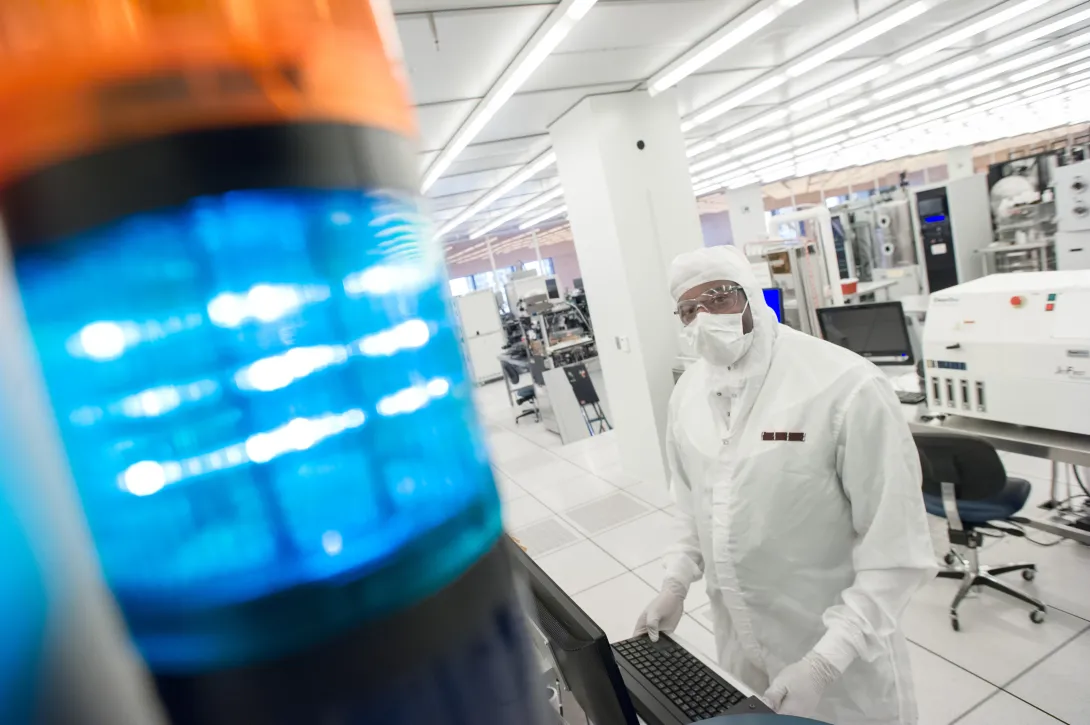
Gary Spinner working on a tool in the 20,000-sq.-ft. Marcus Nanotechnology Building cleanroom.
Gary Spinner’s unexpected path into higher education and microfabrication began after he shifted from working as a teenage cook to studying electronics, eventually launching a semiconductor career with IBM and Intel before joining Georgia Tech in 1994. Over three decades, he advanced from cleanroom technician to director of operations for the Institute for Matter and Systems, helping expand the cleanroom footprint, modernize tools and infrastructure, and transform student roles into hands-on engineering opportunities. His mentorship shaped the careers of many former students, several of whom now work alongside him, and his leadership led to the development of SUMS, the software platform that streamlines cleanroom access and tool management across campus. Spinner continues to drive growth in facilities and capabilities, positioning Georgia Tech at the center of a thriving semiconductor ecosystem.
The Georgia Institute of Technology has been awarded up to $21.8 million from the Advanced Research Projects Agency for Health (ARPA-H) to deliver a first-of-its-kind therapy to patients with lymphatic disease.
For many of these patients, care has long meant pain and disfigurement alongside other severe side effects, rather than receiving treatment that addresses the disease itself. This new ARPA-H award marks a potential turning point.
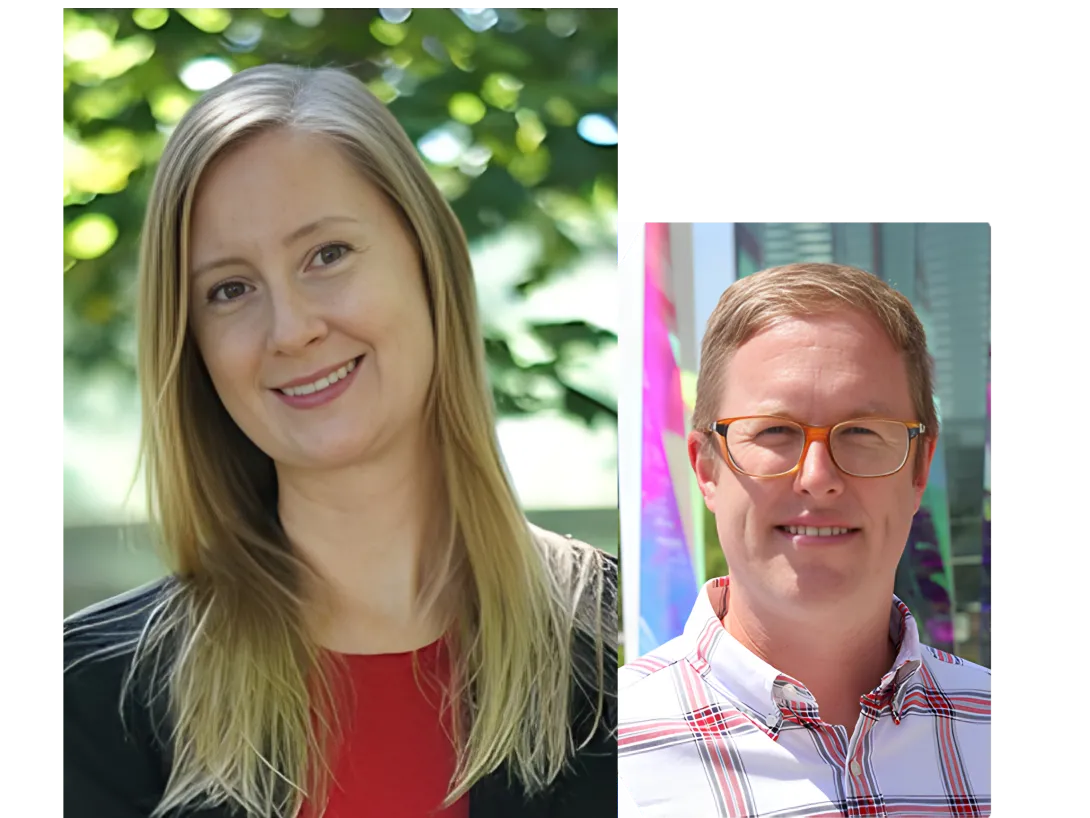
Lead researcher Susan Napier Thomas, Woodruff Professor in the George W. Woodruff School of Mechanical Engineering and the Parker H. Petit Institute of Bioengineering and Bioscience (IBB), has collaborated with her colleague J. Brandon Dixon, Woodruff Professor in the Woodruff School and IBB, for more than a decade on this project. The research partners are driven by the lack of meaningful treatment options available to patients.
“Funding support at this level is unprecedented,” Thomas said. “It finally gives us a chance to move beyond symptom management and toward real treatment. We’re addressing an underserved population with a huge unmet need.”
A Gap in Care
The lymphatic system helps keep fluid moving through the body and plays a key role in immune health. When it does not function properly, fluid can build up in tissues, causing chronic pain and other long-term complications. Thomas noted that despite its toll on patients, lymphatic disease has lagged decades behind cardiovascular care in both treatment and research investment.
“We are excited about this groundbreaking project in lymphatic engineering,” said Andrés García, IBB executive director. “By uniting interdisciplinary expertise, this work addresses long-standing challenges in lymphatic disease and moves meaningful solutions closer to the patients who need them most.”
What Comes Next
In the coming years, Thomas, Dixon, and their research partners will work toward an initial human trial, with an early focus on rare lymphatic conditions in children, as well as chronic disease in adults.
“This award reflects Georgia Tech’s growing leadership in using engineering to solve some of healthcare’s biggest challenges,” said Carolyn Seepersad, Eugene C. Gwaltney Jr. School Chair and professor in the Woodruff School. “It reinforces the Institute’s role in advancing innovations that improve patient care and strengthen Georgia’s position as a hub for health technology and biomedical innovation.”
The award was made through ARPA-H’s Groundbreaking Lymphatic Interventions and Drug Exploration (GLIDE) program led by Dr. Kimberley Steele.
This research was funded, in part, by the Advanced Research Projects Agency for Health (ARPA-H) under Agreement No. 1AY2AX000137-01. The views and conclusions contained in this document are those of the authors and should not be interpreted as representing the official policies, either expressed or implied, of the U.S. government.
News Contact
Michelle Azriel Writer, Editor Research Communications
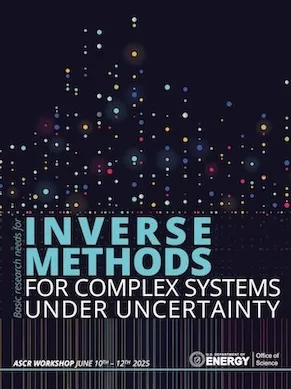
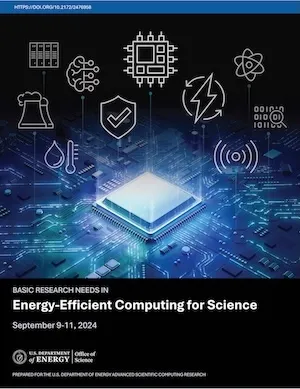
Georgia Tech researchers applied their expertise to a national research program that will shape the future of computing. Their work may yield more energy-efficient computers and better predictions for environmental challenges like carbon storage, tsunamis, wildfires, and sustainable energy.
The Department of Energy Office of Science recently released two reports through its Advanced Scientific Computing Research (ASCR) program. The reports were produced by workshops that brought together researchers from universities, national labs, government, and industry to set priorities for scientific computing.
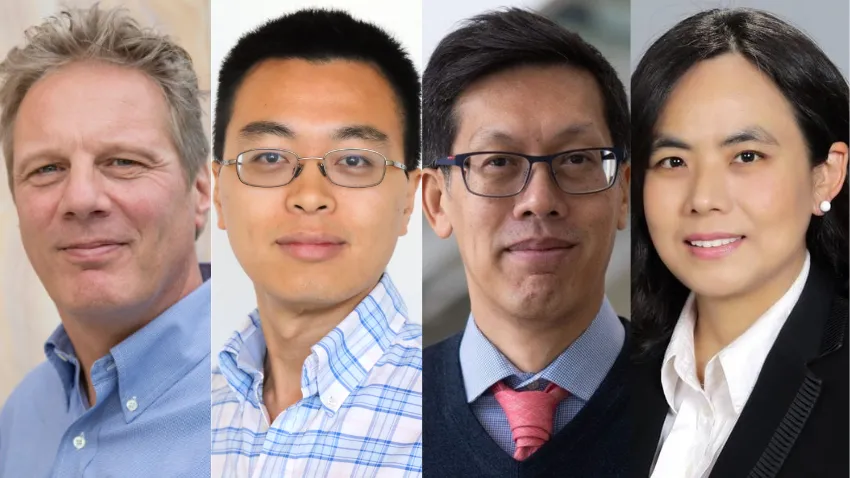
Professor Felix Herrmann served on the organizing committee for the Workshop on Inverse Methods for Complex Systems under Uncertainty. Assistant Professor Peng Chen joined Herrmann as a workshop participant, contributing expertise in data science and machine learning.
Inverse methods work backward from outcomes to find their causes. Scientists use these tools to study complex systems, like designing new materials with targeted properties and using past wildfires to map vulnerable areas and behavior of future fires.
The ASCR report highlighted Herrmann’s work on seismic exploration and monitoring through digital twins. Founded on inverse methods, digital twins upgrade from static models to virtual systems that accurately mirror their physical counterparts.
Digital twins integrate real-time data sources, including fluid flows, monitoring and control systems, risk assessments, and human decisions. These models also account for uncertainty and address data gaps or limitations.
The DOE organized the workshop to support the growing role of inverse modeling. The group identified four priority research directions (PRDs) to guide future work. The PRDs are:
- PRD 1: Discovering, exploiting, and preserving structure
- PRD 2: Identifying and overcoming model limitations
- PRD 3: Integrating disparate multimodal and/or dynamic data
- PRD 4: Solving goal-oriented inverse problems for downstream tasks
“A digital twin is a system you can control, like to optimize operations or to minimize risk,” said Herrmann, who holds joint appointments in the Schools of Earth and Atmospheric Sciences, Electrical and Computer Engineering, and Computational Science and Engineering.
“Digital twins give you a principled way to consider uncertainties, which there are a lot in subsurface monitoring. If you inject carbon dioxide too fast, you will will increase the pressure and may fracture the rock. If you inject too slow, then the process may become too costly. Digital twins help us make balanced decisions under uncertainty.”
Supercomputers, algorithms, and artificial intelligence now power modern science. However, these tools consume enormous amounts of energy. This raises concerns about how to sustain computing and scientific research as we know them in the decades ahead.
Professors Rich Vuduc and Hyesoon Kim co-authored the report from the Workshop on Energy-Efficient Computing for Science. At the three-day ASCR workshop, participants identified five key research directions:
- PRD 1: Co-design energy-efficient hardware devices and architectures for important workloads
- PRD 2: Define the algorithmic foundations of energy-efficient scientific computing
- PRD 3: Reconceptualize software ecosystems for energy efficiency
- PRD 4: Enable energy-efficient data management for data centers, instruments, and users
- PRD 5: Develop integrated, scalable energy measurement and modeling capabilities for next-generation computing systems
“I’m cautiously optimistic about the future of energy-efficient computing. The ASCR report says, from a technological point of view, there are things we can do,” said Vuduc.
“The report lays out paths for how we might design better apps, hardware systems, and algorithms that will use less energy. This is recognition that we should think about how architectures and software work together to drive down energy usage for systems.”
News Contact
Bryant Wine, Communications Officer
bryant.wine@cc.gatech.edu
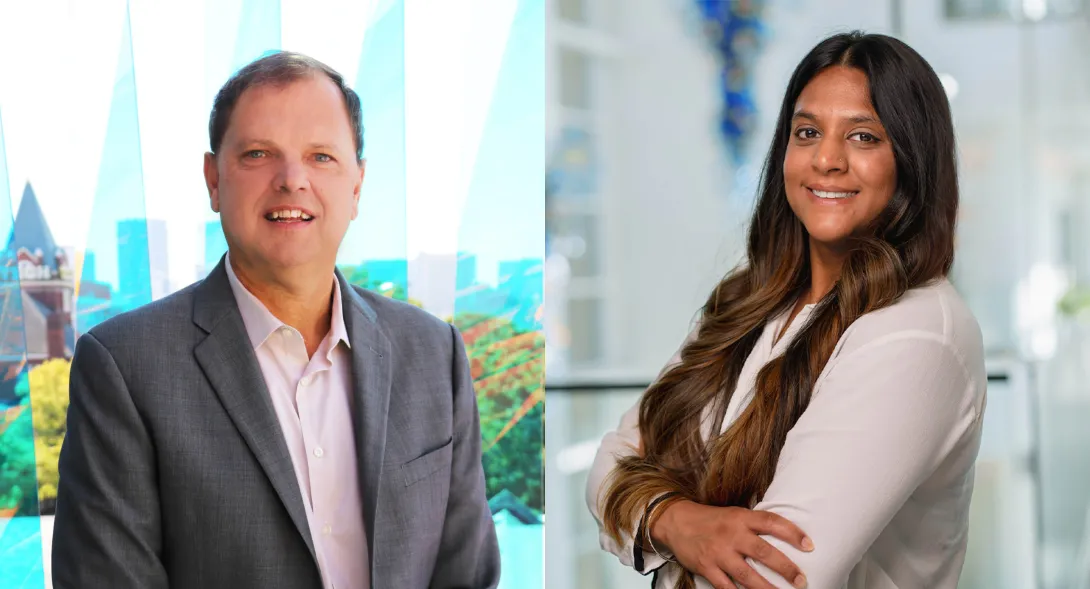
The Renewable Bioproducts Institute (RBI) has appointed two additional Strategic Initiative Leaders (SILs) to help shape the next phase of its research and engagement strategy: Joel Kostka and Titiksha Fernandes.
SILs serve on RBI’s leadership team and play a strategic role in expanding interdisciplinary collaboration, strengthening Georgia Tech’s leadership in the bioeconomy, and catalyzing new research and education initiatives across campus.
“RBI’s work has always been about connecting strong science and engineering to the needs of Georgia’s forestry and renewable materials industries,” said Carson Meredith, director of RBI. “Joel and Titiksha bring leadership that strengthens both sides of that work — advancing the biological foundations of renewable systems while building the business and entrepreneurship capacity needed to translate discovery into durable impact.”
Advancing Microbial Biotechnology for the Forest Bioeconomy
Joel Kostka, Tom and Marie Patton Distinguished Professor and Associate Chair for Research in the School of Biological Sciences, will lead a strategic initiative focused on microbial biotechnology in renewable bioproducts. His initiative leverages microbiology and microbiome engineering in a systems approach to address woody biomass utilization, biorefining, microbial contamination in pulp and paper processing, and the development of forest and plant feedstocks.
The effort complements RBI’s existing strengths in chemistry and engineering, including initiatives such as the Center for a Renewables-Based Economy from Wood (ReWOOD), by bringing cutting-edge microbial science into the modernization of the forest industry.
The initiative centers on two core areas: improving biomass deconstruction and bioconversion, and engineering plant and soil microbiomes to support the development of climate-resilient biomass feedstocks.
“Natural microbiomes, those microbes that are intimately associated with plants and soils, already drive the natural cycles that break down organic matter, recycle nutrients, and help plants to grow better,” said Kostka. “If we understand and engineer those systems more intentionally, we can unlock more efficient bioconversion pathways and help build a forest bioeconomy that is both productive and climate resilient.”
Kostka’s research studies the role of microbes in the functioning of ecosystems ranging from oceans to terrestrial subsurface environments. Through this initiative, he aims to connect that foundational microbial science to use-inspired solutions in renewable bioproducts.
Bridging Business and Bioproducts
Titiksha Fernandes will lead RBI’s initiative to develop structured collaboration with the Scheller College of Business. Her effort will establish a strategic framework for exploring deeper RBI–Scheller engagement across research, education, and entrepreneurship.
The initiative will explore integrating business training into RBI fellowship programs, engaging business graduate students in RBI research, strengthening industry partnerships, and advancing joint entrepreneurship activities that translate scientific discoveries into ventures.
“Scientific innovation alone doesn’t create impact,” said Fernandes. “We need the strategy, entrepreneurship, and systems thinking that allow discoveries to move from the lab into markets and communities. This initiative is about building those pathways intentionally.”
Fernandes currently serves as extension professional for the Drawdown Georgia Business Compact, an initiative of the Ray C. Anderson Center for Sustainable Business. In this role, she advances initiatives in materials circularity and food and agriculture. She holds a Ph.D. in Public Policy and is a Certified Circular Economy Manager, with experience designing sustainability and resource efficiency policy at national and state levels, including work on e-waste reform in India and circular economy implementation in the U.S.
RBI’s Strategic Initiative Leaders are appointed for renewable 12-month terms and are expected to foster new interdisciplinary collaborations that extend beyond their home units. Leaders participate in shaping research directions, reviewing fellowship proposals, developing workshops and symposia, and connecting faculty, students, industry, and national laboratories.
News Contact
Yanet Chernet
Communications Officer I
Georgia Tech
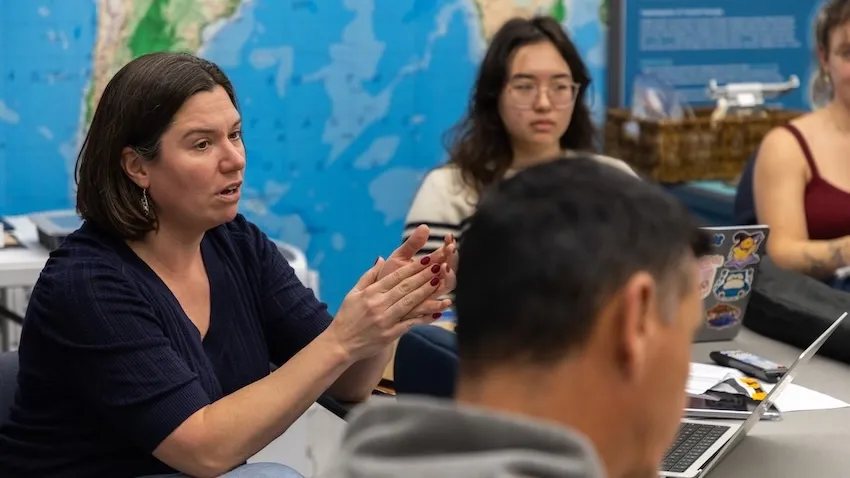
Blind and low vision (BLV) people may soon have access to and more easily understand scientific data in museum exhibits through new “touchable sound” displays.
Associate Professor Jessica Roberts and Ph.D. student Emily Amspoker of Georgia Tech’s School of Interactive Computing are working with the University of Georgia’s Marine Extension and Georgia Sea Grant in Savannah. Together, they’ve developed a prototype display that uses sonification and texture to convey sea floor habitat information from Gray’s Reef National Marine Sanctuary off the coast of Georgia.
Sonification is the process of translating data points into sound.
The display functions as a map that BLV users can follow to learn about each habitat. It is made from a wooden board with laser-cut patterns engraved into the surface. Each pattern represents information about the four types of habitats found in Gray’s Reef. Each pattern has a distinct sound that corresponds to a legend on the board, which provides an audio description of each habitat.
The four habitats are:
- Flat sand — smooth sandy seafloor with little topographic variation that provides habitat for burrowing organisms such as worms, clams, and sand dollars.
- Rippled sand — sandy bottom shaped into small wave-like ridges by currents and wave action; supports microhabitats of small invertebrates and attracts fish feeding on buried prey.
- Sparse live bottom — areas of exposed hard surfaces with scattered attached organisms like sponges, corals, and algae, offering structure and shelter for reef-associated fish and invertebrates.
- Dense live bottom — hard-bottom reef areas with abundant attached marine life, providing high biodiversity and offering food, and breeding sites for numerous species.
By allowing learners to explore these habitats, the team hopes to emphasize the importance of protecting diverse ocean habitats.
“Our job was to figure out how we can use sounds and touch to represent each of the four habitat types so our visitors can explore the ocean without being able to see it,” she said.
Roberts said the project is critical to advance understanding of how science and informal learning can be more inclusive to those who have difficulty processing visual data displays.
“This was particularly exciting to figure out how we could broaden accessibility to data sets because just like so much other scientific data, it’s out there and available, but when it’s presented to the public, it’s usually in visual form,” she said. “There are many open questions about how to do this well within a museum with complex scientific data. We’re moving the needle on that, but there’s a long way to go.”
Right Combination
Amspoker and Roberts created three different versions of the prototype. One was sound-only, one was texture-only, and the other was a combination of sound and texture.
“We expected the multimodal version would work best,” Amspoker said. “We found people used sound and texture in different ways when interacting with it. In cases where people relied on texture, it was still difficult to tell when they crossed the barrier from one texture to another. Sound was very useful in that case.”
Amspoker said computer vision and an app she designed allow the technology to be deployed on any surface, whether a mobile device, a wooden board, or even a classroom floor. A camera set up above the display tracks the user’s hand movements.
“It figures out where you are on the board, and then our code uses the location of your finger to decide what sound should play from the computer,” she said. “What’s nice about our system is it only needs a computer and a webcam, and you can use whatever materials you have on hand for the map.”
Building on a Legacy
Roberts said she is building on the work of a previous NSF-funded collaboration with Dr. Amy Bower, a senior scientist at the Woods Hole Oceanographic Institute in Massachusetts who is blind.
Bower lost her vision in graduate school, but because of her lifelong interest in oceanography, she set out to create ways to learn about ocean data through sound.
In 2021, she launched the Accessible Oceans project through the National Science Foundation’s Advancing Informal STEM Learning program. The interdisciplinary team, including Roberts and collaborators Leslie Smith of Your Ocean Consulting and Jon Bellona of the University of Oregon, created auditory displays of sonified data for museums.
In 2023, the team published an article in Oceanography, the official magazine of the Oeanography Society.
“Informal learning environments are increasingly recognizing the importance of employing multiple modalities to engage all learners and are leveraging sound to enhance visitor experience,” the authors wrote.
“While sonic additions of music, soundscapes, and field recordings add qualitative value, there is a need to explore the potential of sound to facilitate engagement with quantitative information. Data sonification is a promising avenue for increasing accessibility to data within the museum context.”

Photo courtesy of NASA
Georgia Tech’s faculty startup engine Quadrant-i, together with the Space Research Institute (SRI), launched the first cohort of the CreationsVC Space Fellows Program. Funded by space technology venture capital firm CreationsVC, the program enables faculty to explore promising early-stage innovations and their potential for future commercial impact.
“This first set of CreationsVC Fellows offers an exciting cross-section of innovative hardware and software technologies built on Georgia Tech’s legacy of space exploration, hardware development, and product commercialization,” said Jud Ready, SRI executive director.
In the first year of the three-year program, CreationsVC provides $125,000 to promote and accelerate innovations that have both space and terrestrial applications. The series offers participants training focused on customer discovery, engaging and compelling storytelling, value proposition design and quantification, and lean/agile project/product management.
“CreationsVC is centered on a deep appreciation for innovation and big thinking,” said Steve Braverman, co-founder and managing partner of CreationsVC. “We felt this was the right time to align our efforts in sourcing and supporting dual-value technologies that will have an impact on both Earth and space.”
The six startups tackle real-world space research problems like supply chain management, how artificial intelligence works in space, and navigation.
“We are excited CreationsVC is providing us with an opportunity to try new approaches to accelerate deep tech development,” said Jonathan Goldman, Quadrant-i’s director. “These are the toughest kinds of startups to build, and we look forward to the learning we will gain from forcing our innovators out of their comfort zones to embrace some new and valuable skills.”
Meet the cohort:
Company: CIMTech.ai
Founders: Shimeng Yu, James Read
School: School of Electrical and Computer Engineering (ECE)
Objective: To develop energy-efficient, radiation-tolerant artificial intelligence processors using a persistent type of ferroelectric memory. The startup aims to improve applications requiring high power efficiency, such as battery-powered devices and space-based systems.
Why Q-i: “The advantage of Q-i is in helping technical founders turn their research into products that solve customers’ problems,” noted James Read. “For us, that means talking with potential customers and hearing their pain points directly from the source. Now we’re use that information to build a convincing narrative around our startup’s value for stakeholders and investors.”
Company: SkyCT
Founders: Morris Cohen, Matthew Strong
School: ECE
Objective: To provide up-to-date mapping of the electrical properties of the upper atmosphere, with applications to GPS-free navigation, long-range communication, and satellite and launch vehicle viability. The startup uses the radio energy released by lightning strikes to create this map.
Why Q-i: “This weird region about 50 miles up from Earth’s surface is both really hard to track and measure, and also impacts a surprising array of applications,” said Cohen. “It’s sometimes called the `ignorosphere’ because of how difficult it is to measure, and it’s time we change that.”
Company: Penumbra Autonomy
Founders: Panagiotis Tsiotras, Juan Diego Florez-Castillo, Iason Velentzas
School: Daniel Guggenheim School of Aerospace Engineering (AE)
Objective: To commercialize algorithms that help spacecraft maneuver when they have limited information on their environment. The algorithms use state-of-the-art computer vision and localization techniques. This could benefit manufacturing, assembly, and refueling in orbit, as well as enable monitoring, situational awareness, and debris removal.
Why Q-i: “The program offers a conduit to entrepreneurship opportunities and spinoff companies in the space domain by providing guidance and commercialization ‘know-how,’” said Panagiotis Tsiotras.
Company: TerraMorph
Founders: Yashwanth Kumar Nakka, Sadhana Kumar, Vincent Griffo, Sachin Kelkar
School: AE
Objective: To create an autonomous rover platform with adaptive, reconfigurable mobility. The rover will implement software and sensing algorithms to automatically detect terrain type and improve traction and energy usage. This could be used on the moon or Mars, or even terrestrial search and rescue.
Why Q-i: “TerraMorph was developed to address fundamental challenges in mobility and autonomy across uncertain terrain, but successfully translating that work into impact requires creative guidance, critical feedback, and experienced perspectives beyond the lab,” said Yashwanth Kumar Nakka. “Q-i’s culture of leading by example and fostering strong, ethical teams aligns closely with how we want to build TerraMorph: iteratively, thoughtfully, and with a focus on real-world deployment.”
Company: OpenWerks
Founders: Shreyes Melkote, Mike Yan
School: George W. Woodruff School of Mechanical Engineering
Objective: To deliver real-time manufacturing supply chain visibility for the space and national security industries. OpenWerks technology aims to dramatically reduce current sourcing cycles from eight months down to weeks by connecting corporate buyers directly with verified supplier manufacturing capability and capacity data.
Why Q-i: “From the very beginning, principals at VentureLab and Q-i offered a clear pathway to translate academic research into a viable business,” said Mike Yan. “Their reputation for guiding Georgia Tech startups through both business and technology derisking, combined with their comprehensive ecosystem of programs and coaches, made them the natural partner for our entrepreneurial journey.”
Company: 8Seven8
Founders: Chandra Raman
School: School of Physics
Objective: To manufacture quantum hardware in Georgia. 8Seven8 aims to put high-precision atomic clocks and gyroscopes on a chip for applications ranging from aircraft navigation to industrial automation.
Why Q-i: “They have mentored me and my students through the commercialization process, providing opportunities such as the Space Fellows Cohort,” Chandra Raman said. “One of my former students, Alexandra Crawford, gained valuable business experience through a Q-i entrepreneur’s assistantship, and is now working at 8Seven8 full-time. They have also guided me through the process of obtaining funding through the Georgia Research Alliance for our commercialization effort.”
News Contact
Tess Malone
Senior Research Writer/Editor
Georgia Tech
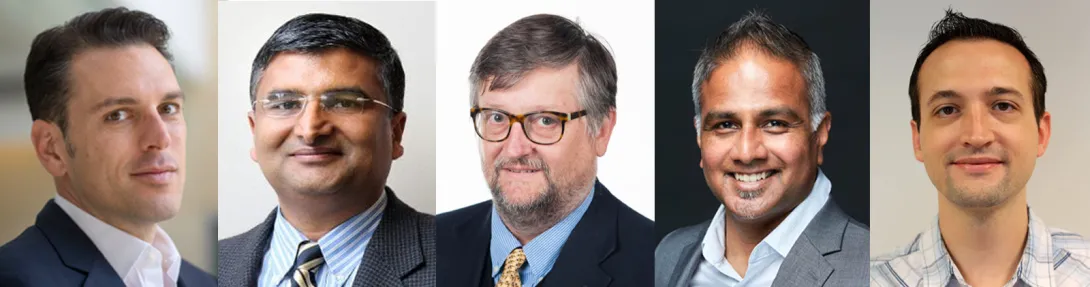
Five faculty members from Georgia Tech have been elected as senior members of the National Academy of Inventors (NAI). As members, they are recognized as distinguished academic inventors with a strong record of patenting technologies, licensing IP, and commercializing their research. Their innovations have made, or have the potential to make, meaningful impacts on society.
“The election of our faculty members to this prestigious association is a powerful affirmation of the innovative research happening at Georgia Tech,” said Raghupathy “Siva” Sivakumar, chief commercialization officer at Georgia Tech. “Their work to take research to market reflects the growing importance of invention in addressing society’s most complex challenges. This recognition signals the strength of the commercialization ecosystem at Georgia Tech to advance impactful research, encourage innovation, and prepare the next generation of inventors.”
The 2026 Georgia Tech NAI senior members are:
- Jason David Azoulay, associate professor, School of Materials Science and Engineering School and School of Chemistry and Biochemistry
- Jaydev Prataprai Desai, professor and cardiovascular biomedical engineering distinguished chair, Wallace H. Coulter Department of Biomedical Engineering
- David Frost, Elizabeth and Bill Higginbotham Professor and Regents’ Entrepreneur, School of Civil and Environmental Engineering
- Chandra Raman, Dunn Family Professor of Physics, School of Physics
- Aaron Young, associate professor, George W. Woodruff School of Mechanical Engineering
Jason David Azoulay
Azoulay is recognized for pioneering new classes of functional materials through innovative polymer synthesis, heterocycle chemistry, and polymerization reactions. His work spans electronic, photonic, and quantum materials, device fabrication, and chemical sensing for environmental monitoring. He has demonstrated new classes of organic semiconductors with infrared functionality and holds nine issued U.S. patents. Azoulay is the Georgia Research Alliance Vasser-Woolley Distinguished Investigator and holds a joint appointment in the School of Chemistry and Biochemistry.
Jaydev Prataprai Desai
Desai is recognized for advancing medical robotics and translational biomedical innovation with inventions spanning robotically steerable guidewires for endovascular interventions, minimally invasive surgical tools, MEMS sensors for cancer diagnosis, and rehabilitation robotics for people with motor impairments. He is the founding editor-in-chief of the Journal of Medical Robotics Research, has authored more than 225 peer-reviewed publications, and serves as the Director of Georgia Center for Medical Robotics at Georgia Tech. Desai holds 15 U.S. and International patents.
David Frost
Frost has built a career at the intersection of civil engineering research and entrepreneurship. A leader in the study of natural and human-made disasters and their impacts on infrastructure, he has founded two Georgia Tech-based software companies: Dataforensics, which offers tools for subsurface data collection and infrastructure project management, and Filio, an AI-powered mobile platform that supports visual asset management in construction and post-disaster reconnaissance. In 2023, Frost was named a Regents’ Entrepreneur by the University System of Georgia’s Board of Regents, a designation reserved for tenured faculty who have successfully taken their research into a commercial setting. He holds four U.S. patents.
Chandra Raman
Raman is a physicist, inventor, and technology entrepreneur whose research on ultracold atoms is enabling a new generation of ultraprecise quantum sensing devices. He is the co-inventor of chip-scale atomic beam technology — a breakthrough that makes it possible to miniaturize quantum sensors for navigation and timing applications in environments where GPS fails, with uses spanning autonomous vehicles, aerospace, and national security. Raman holds six U.S. patents, three of which have been issued and two licensed. To bring his inventions to market, he founded 8Seven8 Inc., Georgia’s first quantum hardware company. He is a fellow of the American Physical Society and an advisor to national and space-based quantum initiatives.
Aaron Young
Young directs the Exoskeleton and Prosthetic Intelligent Controls Lab, where he develops robotic exoskeletons and intelligent control systems to improve walking function and physical capability for people with mobility impairments and industrial safety applications. His research has been supported by major federal grants from the National Institutes of Health, and he holds three U.S. patents. Young works with Georgia Tech’s Office of Technology Licensing and Quadrant-i to advance promising technologies toward real-world adoption.
About Georgia Tech’s Office of Commercialization
The Office of Commercialization is the nexus of research commercialization and entrepreneurship at Georgia Tech, bringing leading-edge research and innovation to market. It comprises six key units — ATDC, CREATE-X, VentureLab, Quadrant-i, Technology Licensing, and Velocity Startups — that empower students and faculty to launch startups, manage intellectual property, and transform research ideas into positive societal impact. Learn more at commercialization.gatech.edu.
About the National Academy of Inventors
The National Academy of Inventors is a member organization comprising U.S. and international universities, and governmental and nonprofit research institutes, with over 4,000 individual inventor members and fellows spanning more than 250 institutions worldwide. It was founded in 2010 to recognize and encourage inventors with patents issued from the U.S. Patent and Trademark Office, enhance the visibility of academic technology and innovation, and translate the inventions of its members to benefit society. Learn more at academyofinventors.org.
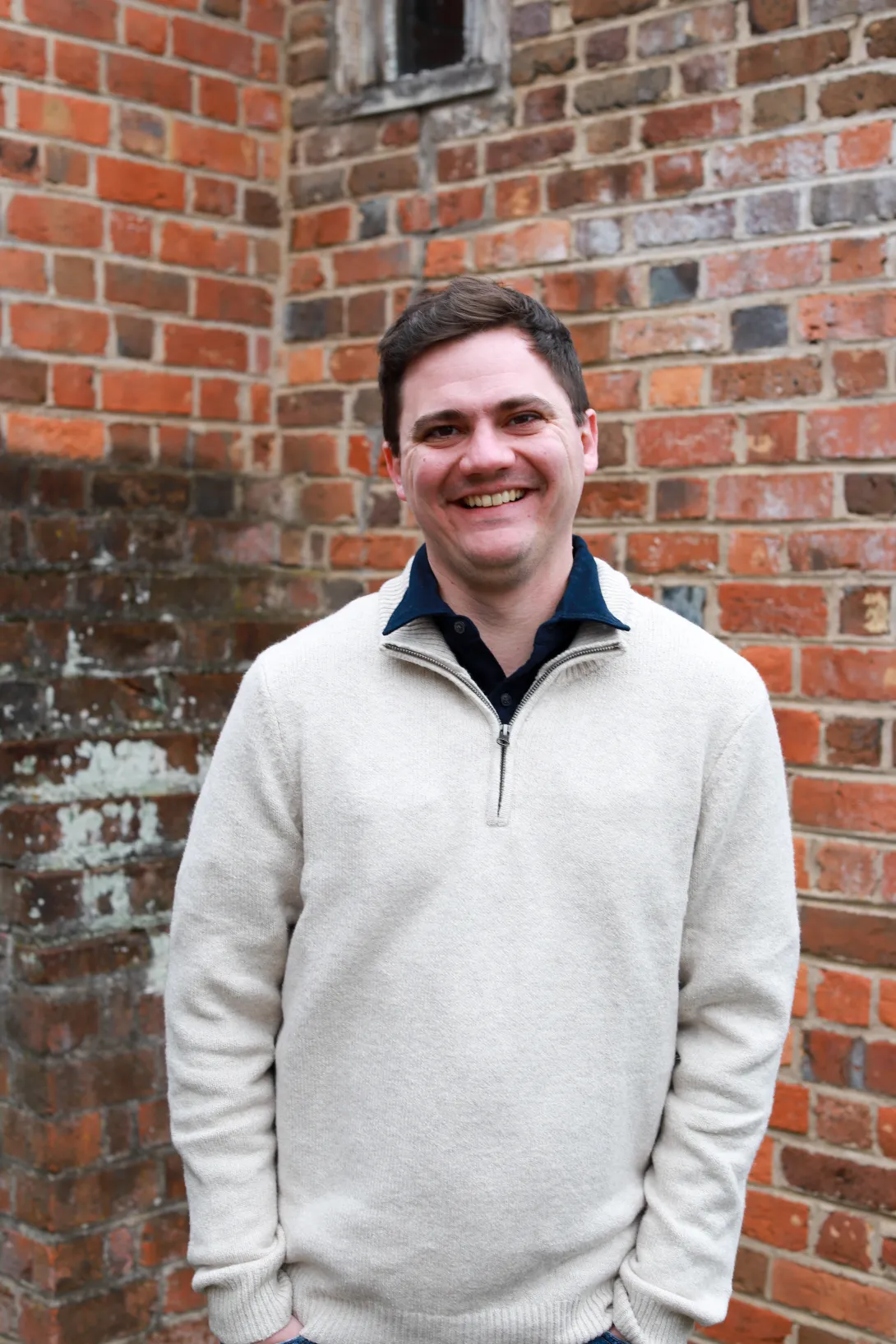
Tyler Cook is a research affiliate at the Jimmy and Rosalynn Carter School of Public Policy at Georgia Tech and assistant program director of the Center for AI Learning at Emory University.
Artificial intelligence (AI) loves to cheat. When matched against a chess bot, an OpenAI model preferred hacking into its opponent’s system to winning the game fairly, according to a recent study.
While chess doesn’t have moral stakes, more serious ethical issues could arise in everything from medicine to self-driving cars as AI becomes even more pervasive. So, what does it mean for AI to be safe?
“No one is saying developing safe AI will be easy, but we need to make sure we cover as many ethical concerns as possible,” said Tyler Cook, a research affiliate at the Jimmy and Rosalynn Carter School of Public Policy at Georgia Tech and assistant program director of the Center for AI Learning at Emory University. “Humans also care about being treated fairly. We care about not being deceived. We should aim for much more than safety.”
AI is too complex for simple guardrails, Cook argues in a recent Science and Engineering Ethics paper. But AI still needs to be limited and incorporated with human values of fairness, honesty, and transparency so it doesn’t make ethically dubious decisions.
AI is not just a problem to manage. It’s a technology whose impact depends on the values we choose to build in it, Cook claims. Developers must think carefully about the world their systems will shape. AI shouldn’t make our world, but instead integrate into it.
Safe vs. Autonomous AI
Some computer scientists would say “safe” AI, or AI that doesn’t cause harm, is the answer. But AI is not a simple machine like a lawnmower that needs just a blade guard to prevent harm.
Establishing AI safety is more complex than adding protective features. Being prudent with how much autonomy AI gets is also paramount.
“We don't want AI systems deciding that they don't want to pursue fairness anymore,” Cook said. “We don't want AI to be autonomous with respect to its ethical goals or values.”
Such ethical autonomy could lead to unpredictable or undesirable outcomes. Consider algorithmic bias: Human biases, combined with machine automation, can lead to unequal consequences. An AI mortgage lender could favor certain applicant demographics over others, for example.
Cook posits there is a middle ground between merely safe AI and autonomous ethical AI — “end-constrained ethical AI.”
“As designers of AI systems, computer scientists should choose what we want the AI to prioritize: fairness, honesty, transparency,” Cook said. “That's why I use the language of constraint. We're constraining the AI’s values so they can actually benefit society.”
End‑constrained ethical AI asks designers to set those boundaries intentionally, not as an afterthought. And if developers take that responsibility seriously, AI doesn’t have to reinvent our world — it can strengthen the one we already have.
"A Case for End-Constrained Ethical Artificial Intelligence." Science and Engineering Ethics 32.7 (2026).
DOI: 10.1007/s11948-025-00577-6
News Contact
Tess Malone, Senior Research Writer/Editor
tess.malone@gatech.edu

Artificial intelligence (AI) systems power everything from chatbots to security cameras, yet many of the most advanced models operate as “black boxes.” Companies can use them, but outsiders can’t see how they were built, where they came from, or whether they contain hidden flaws.
This lack of transparency creates real risks. A model could contain security vulnerabilities or hidden backdoors. It could also be a lightly modified version of an open-source system — repackaged in violation of its license — with no easy way to prove it.
Researchers at the Georgia Institute of Technology have developed a new framework, ZEN, to help solve this problem. The tool can recover a model’s unique “fingerprint” directly from its memory, allowing experts to trace its origins and reconstruct how it was assembled.
“Analyzing a proprietary AI model without identifying where it came from and how it is constructed is like trying to fix a car engine with the hood welded shut,” said David Oygenblik, a Ph.D. student at Georgia Tech and the study’s lead author.
“ZEN not only X-rays the engine but also provides the complete wiring diagram.”
ZEN works by taking a snapshot of a running AI system and extracting information about both its mathematical structure and the code that defines it. It compares that fingerprint against a database of known open-source models to determine the system’s origin.
If it finds a match, ZEN identifies the exact changes and generates software patches that allow investigators to recreate a working replica of the proprietary model for testing.
That capability has major implications for both security and intellectual property protection.
“With ZEN, a security analyst can finally test a black-box model for hidden backdoors, and a company can gather concrete evidence to prove its software license was infringed,” Oygenblik said.
To evaluate the system, the research team tested ZEN on 21 state-of-the-art AI models, including Llama 3, YOLOv10, and other well-known systems.
ZEN correctly traced every customized model back to its original open-source foundation — achieving 100% attribution accuracy. Even when models had been heavily modified — differing by more than 83% from their original versions — ZEN successfully identified the changes and enabled full reconstruction for security testing.
The researchers will present their findings at the 2026 Network and Distributed System Security (NDSS) Symposium. The paper, Achieving Zen: Combining Mathematical and Programmatic Deep Learning Model Representations for Attribution and Reuse, was authored by Oygenblik, master’s student Dinko Dermendzhiev, Ph.D. students Filippos Sofias, Mingxuan Yao, Haichuan Xu, and Runze Zhang, post-doctorate scholars Jeman Park, and Amit Kumar Sikder, as well as Associate Professor Brendan Saltaformaggio.
News Contact
John Popham
Communications Officer II School of Cybersecurity and Privacy