
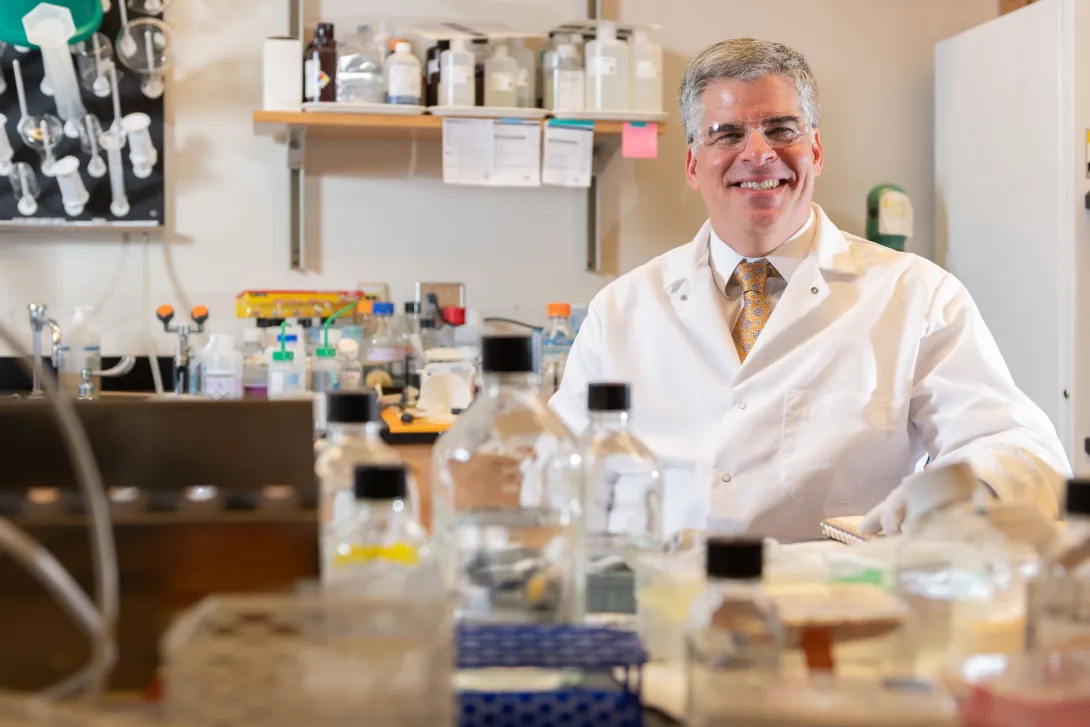
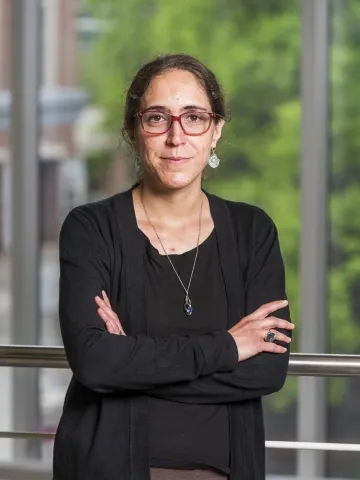
Andrés J. García
Georgia Tech researcher Andrés García has been elected to the American Academy of Arts and Sciences, joining an honorary society that includes Benjamin Franklin, George Washington, Albert Einstein, and Martin Luther King Jr.
The Academy recognizes leaders across fields of study who have addressed humanity’s greatest challenges while also gathering knowledge to advance learning and the public good. This year’s class of 252 honorees was elected in academia, the arts, industry, journalism, philanthropy, policy, research, and science.
García is one of nine honorees in the “Engineering and Technology” division. His research — both in the George W. Woodruff School of Mechanical Engineering where he serves as Regents’ Professor and in the Parker H. Petit Institute for Bioengineering and Bioscience where he is the executive director — aligns with the Academy’s service-minded mission.
“I am inspired to find engineering solutions to serious health conditions to help people,” he said. “As a kid, I developed a musculoskeletal condition that required biomaterial devices to treat. Although imperfect, this treatment allowed me to lead a normal life.”
Moved by his personal experience, García’s research centers on cellular and tissue engineering, which integrate biological and engineering principles to restore organ function lost to injury or disease. By studying how cells interact with the materials around them, he and his team have engineered biomaterials for the controlled delivery of therapeutic proteins and cells that enhance tissue regeneration, which could speed the healing process for patients.
His future work will integrate biomaterials with lab‑grown replicas of human organs, known as organoids, that can be used to identify new therapies for a variety of human diseases. These organoids, though smaller and simpler than true organs, can mimic key functions that may help García and his team to find better ways to repair damaged tissues.
García has spent the past 27 years at Georgia Tech and carries on the legacy of another Academy member — the Petit Institute’s founding executive director Robert Nerem, who was inducted in 1998. García credits his success to the support of his loved ones and the Yellow Jacket community.
“I am deeply honored and humbled,” he said. “This award is only possible by the unending love and support of family, friends and mentors, my phenomenal past and present trainees, fantastic collaborators, and awesome ecosystem at Georgia Tech.”
The Academy was chartered in 1780 during the American Revolution by a group that included John Adams and John Hancock. It was established to recognize accomplished individuals and engage them in addressing the greatest challenges facing the young republic.
Membership has broadened over the years to celebrate excellence in a variety of fields. Honorees have included poet Robert Frost, musician John Legend, and chef José Andrés, who was given this year’s Ivan Allen Jr. Prize for Social Courage.
García and the rest of this year’s class, which includes actor Jodie Foster, will be inducted in October.
News Contact
Ashlie Bowman
Parker H. Petit Institute for Bioengineering and Bioscience
Georgia Tech
Jason Maderer
College of Engineering
Georgia Tech
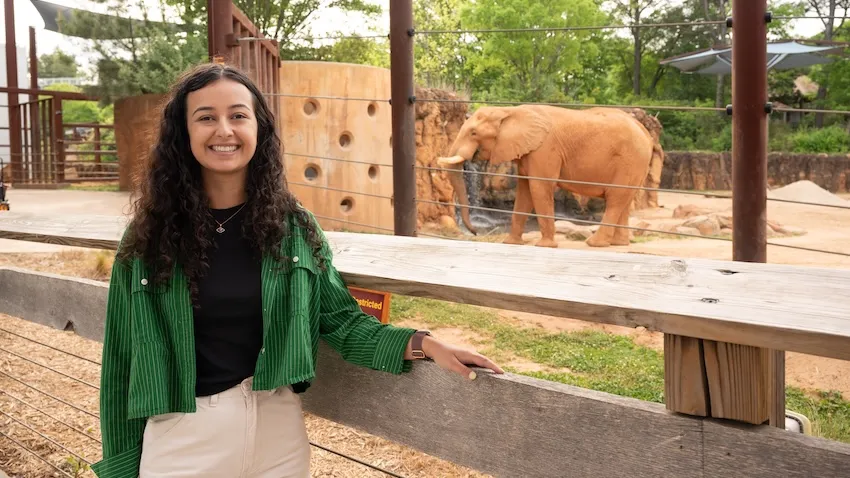
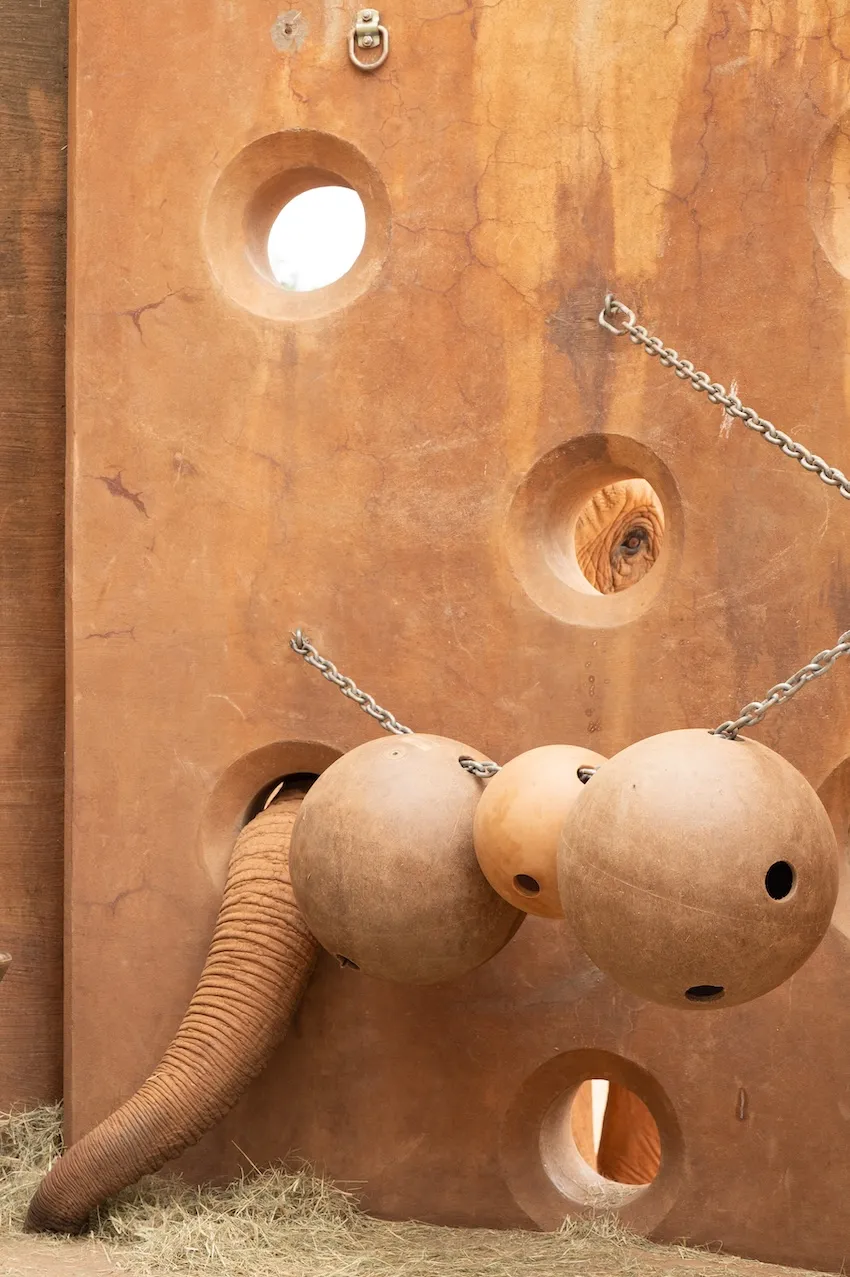
Elephants require mental stimulation in their everyday lives, which is why Zoo Atlanta redesigned its African Savanna habitat that shelters four African elephants in 2019. The habitat includes an elephant enrichment wall that has numerous holes for elephants to stick their trunks into as they search for food on the other side.
The elephant enrichment wall at Zoo Atlanta recently received an upgrade thanks to a Georgia Tech Ph.D. student. Arianna Mastali designed an audio enrichment system that uses computer vision to detect when an elephant sticks its trunk into the enrichment wall as it searches for food. The system then sends a signal to play a unique tone from a nearby speaker that corresponds to each hole. So far, Mastali has found that elephant wall interactions have increased by 176%, and the elephants are visiting the wall even when there isn't food behind it.
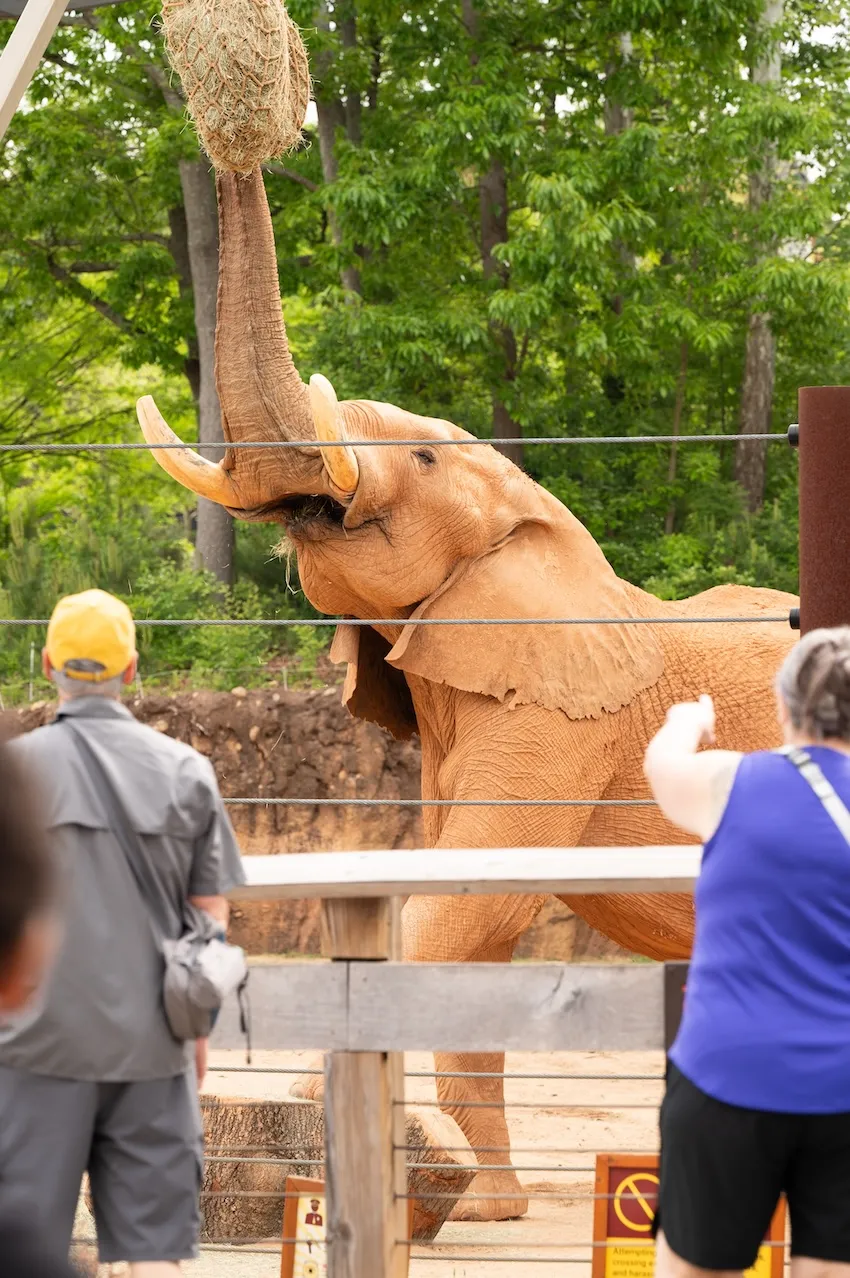
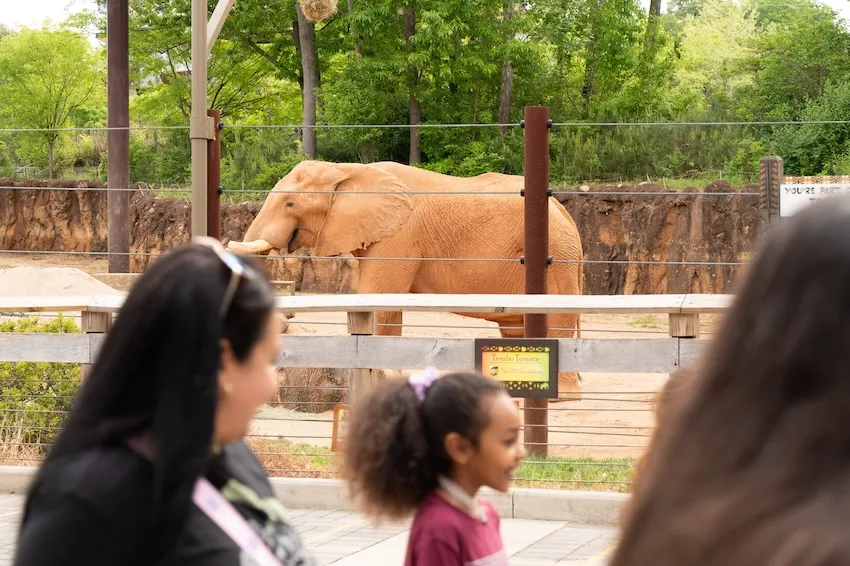
Titan, Msholo, Kelly, and Tara are just like any other African elephants — intelligent creatures that require mental stimulation in their everyday lives.
They would normally get this in their natural habitats while foraging for food and staying alert to predators that might target calves.
However, the four elephants reside at Zoo Atlanta, so they don’t have to worry about these things.
That’s why zoo caretakers are always on the lookout for better ways to help their elephants exercise their brains.
The caretakers at Zoo Atlanta found one when they met Arianna Mastali, a Ph.D. student in Georgia Tech’s School of Interactive Computing. Mastali designed an audio enrichment wall to help stimulate Zoo Atlanta’s elephants.
Many zoos build concrete enrichment walls to foster elephant problem-solving and critical thinking. The walls usually have holes for the elephants to reach through with their trunks as they search for food, treats, or playful objects on the other side.
Mastali enhanced Zoo Atlanta’s enrichment wall by adding an interactive audio component. A nearby speaker system emits distinctive low-frequency tones when an elephant sticks its trunk into a hole.
“They’re intelligent creatures that require a lot of complexity in their habitat,” Mastali said. “We wanted to add to that complexity while giving them more control.”
Experimenting in the Wild
Mastali’s system uses cameras and computer vision to detect when an elephant’s trunk is inside a hole and then sends a signal to the speakers to play a sound.
Mastali is a member of the Georgia Tech Animal Lab, directed by School of IC professor Melody Jackson. The lab often uses sensing technology to enhance animal wellness.
Mastali said she tried incorporating sensing devices into her project several times. She constructed an insert made of PVC pipe and attached a sensor to its base that used infrared beams to detect the elephant’s trunk.
However, she said it was difficult to account for the elephants’ strength. Their trunks would break the insert after a day or two.
She pivoted toward computer vision to remove the risk of damage and keep the enrichment wall as close to natural as possible.
“A big lesson we learned was that using existing materials the elephants are already familiar with was the best way to do things, and it simplified our design process,” she said.
Shane Rosse, a student in Georgia Tech’s Online Master of Science in Computer Science (OMSCS) program, assisted Mastali with the computer vision component.
Enhancing Environmental Enrichment
Mastali observed the elephants’ behavior at the wall seven days before and seven days after the installation of the audio enrichment system.
The number of times the elephants approached the wall after installation increased by 176%, and time spent at the wall increased by 71%
“We weren’t sure at first if they would care that much, so it was great to see how much time they spent at the wall, especially our less dominant females,” said Kirby Miller, senior elephant caretaker at Zoo Atlanta. “They seem to like it the most.”
Miller said the elephants used to only approach the wall when they knew there was food behind it. That started to change after the audio enrichment system was installed.
“We would be off somewhere else, and we’d hear the speaker playing the sounds, and we knew there wasn’t any food back there,” Miller said. “Tara had her trunk in one of the holes, just listening to the sound. That let us know they do like it, and they’re very curious about it.”
Miller said because elephants have sharp memories and acute senses of hearing and smell, their habitats must be designed with that in mind.
Zoo Atlanta’s African Savanna elephant habitat was redesigned in 2019. In addition to the enrichment wall, it includes a bathing pond, two waterfalls, and swing boom devices that hold hay for elephants to eat as they would in the wild.
Miller said elephants sheltered at any zoo or conservation would benefit from enrichment devices enhanced by technology.
“I think anything they can participate in that gives them choice and control is great for all zoo elephants,” she said. “It depends on the elephants, but with our elephants, they can hear much higher frequencies than we can. That noise isn’t that loud for us, but for them, they’re feeling that noise, and they can hear much more, which makes it more stimulating for them.”
News Contact
Nathan Deen
College of Computing
Georgia Tech
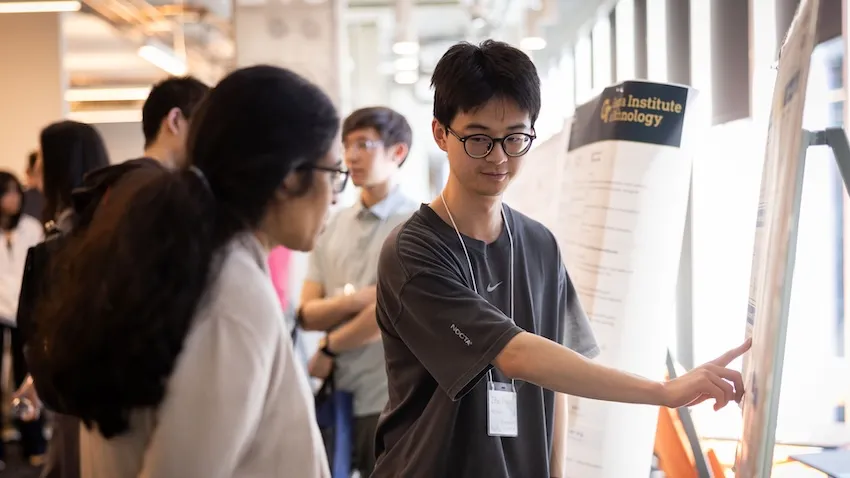
Generative artificial intelligence (AI) is best known for creating images and text. Now, it is helping industries make better planning decisions.
Georgia Tech researchers have created a new AI model for decision-focused learning (DFL), called Diffusion-DFL. Recent tests showed it makes more accurate decisions than current approaches.
Along with optimizing industrial output, Diffusion-DFL lowers costs and reduces risk. Experiments also showed it performs across different fields.
Diffusion-DFL doesn’t just surpass current methods; it also predicts more accurately as problem sizes grow. The model requires less computing power despite these high-performance marks, making it more accessible to smaller enterprises.
Diffusion-DFL runs on diffusion models, the same technology that powers DALL-E and other AI image generators. It is the first DFL framework based on diffusion models.
“Anyone who makes high-stakes decisions under uncertainty, including supply chain managers, energy operators, and financial planners, benefits from Diffusion-DFL,” said Zihao Zhao, a Georgia Tech Ph.D. student who led the project.
“Instead of optimizing around a single forecast, the model evaluates many possible scenarios, so decisions account for real-world risk and become more robust.”
To test Diffusion-DFL, the team ran experiments based on real-world settings, including:
- Factory manufacturing to meet product demand
- Power grid scheduling to meet energy demand
- Stock market portfolio optimization
In each case, Diffusion-DFL made more accurate decisions than current methods. It also performed better as problems became larger and more complex. These results confirm the model’s ability to make important decisions in real-world scenarios with noisy data and uncertainty.
The experiments also show that Diffusion-DFL is practical, not just accurate. Training diffusion models is expensive, so the team developed a way to reduce memory use. This cut training costs by more than 99.7%. As a result, Diffusion-DFL can reach more researchers and practitioners.
“Our score-function estimator cuts GPU memory from over 60 gigabytes to 0.13 with almost no loss in decision quality, reducing the requirement for massive computing resources,” Zhao said. “I hope this expands Diffusion-DFL into other domains, like healthcare, where decisions must be made quickly under complex uncertainty."
Beyond decision-making applications, Diffusion-DFL marks a shift in DFL techniques and in the broader use of generative AI models.
In supply chain management, planners estimate future demand before deciding how much product to stock. In this DFL problem, engineers align ML models with predetermined decision objectives, like minimizing risk or reducing costs.
One flaw of DFL methods is that they optimize around a single, deterministic prediction in an uncertain future.
Diffusion-DFL takes a different approach. Instead of making a single guess, it determines a range of possible outcomes. This leads to decisions based on many likely scenarios, rather than on a single assumed future.
To do this, the framework uses diffusion models. These generative AI models create high-quality data from images, text, and audio.
The forward diffusion process involves adding noise to data until it becomes pure noise. Models trained via forward diffusion can reverse diffusion. This means they can start with noisy data and then produce meaningful insights from training examples.
Real-world data is often noisy and uncertain. Traditional DFL methods struggle in these conditions, but diffusion models are designed to handle them.
Because of this, Diffusion-DFL can explore many possible outcomes and choose better actions. Like image-generation AI, the model works well with complex data from different sources. This enables its use across different industries.
“Diffusion models have achieved significant success in generative AI and image synthesis, but our work shows their potential extends far beyond that,” said Kai Wang, an assistant professor in the School of Computational Science and Engineering (CSE).
“What makes Diffusion-DFL unique is that the specific downstream application guides how the model learns to handle uncertainty.
“Whether we are scheduling energy for power grids, balancing risk in financial portfolios, or developing early warning systems in healthcare, we can explicitly train these highly expressive models to navigate the unique complexities of each domain.”
Zhao and Wang collaborated with Caltech Ph.D. candidate Christopher Yeh and Harvard University postdoctoral fellow Lingkai Kong on Diffusion-DFL. Kong earned his Ph.D. in CSE from Georgia Tech in 2024.
Wang will present Diffusion-DFL on behalf of the group at the upcoming International Conference on Learning Representations (ICLR 2026). Occurring April 23-27 in Rio de Janeiro, ICLR is one of the world’s most prestigious conferences dedicated to artificial intelligence research.
“ICLR is the perfect stage for Diffusion-DFL because it brings together the exact community that needs to see the bridge between generative modeling and high-stakes decision-making for real-world applications,” Wang said.
“Presenting Diffusion-DFL allows us to challenge the traditional training framework of diffusion models. It’s about sparking a broader conversation on how we can align the training objectives of generative AI directly with actual, downstream decision-making needs.”
News Contact
Bryant Wine, Communications Officer
bryant.wine@cc.gatech.edu
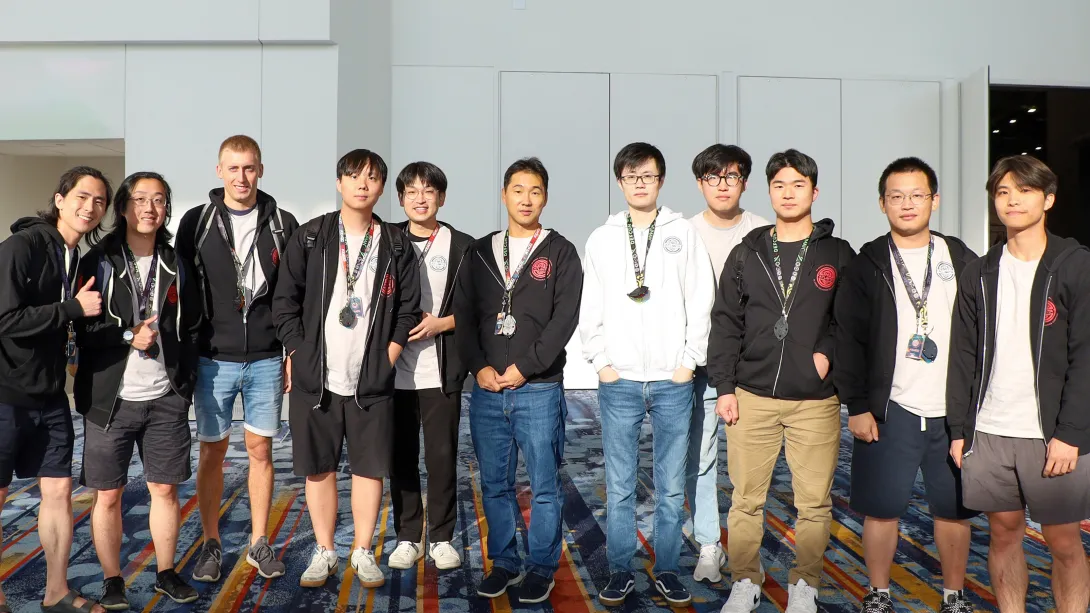
When Team Atlanta claimed first place in the DARPA AI Cyber Challenge last year, they weren’t just celebrating a win—they were demonstrating that artificial intelligence (AI) could autonomously detect and patch software vulnerabilities at a scale once considered impossible.
Now, the team is working with the Linux Foundation and the Open Source Security Foundation (OpenSSF) to ensure that its breakthrough doesn’t remain confined to a competition environment. The team’s new initiative, OSS-CRS, aims to standardize and operationalize cyber reasoning systems (CRSs) for real-world use.
“The AI Cyber Challenge pushed the boundaries of autonomous software security, with seven teams developing systems capable of finding and remediating vulnerabilities at scale,” said Andrew Chin, a Georgia Tech Ph.D. student and lead on the OSS-CRS program.
“However, after the competition’s conclusion, it has been difficult to apply these advancements to the open-source community due to infrastructure incompatibilities and the lack of long-term maintenance for the open-sourced CRS implementations.”
To address this gap, Georgia Tech’s Systems Software Lab (SSLab), directed by Professor Taesoo Kim, is leading the development of OSS-CRS, which provides both a common framework for CRS development and the infrastructure needed to deploy these systems seamlessly across open-source projects.
As part of this effort, the team has ported its competition-winning system, Atlantis, into the OSS-CRS framework. The move makes it compatible with laptops and other everyday machines with flexible resource and budget configurations.
Interoperability is also central to the framework’s design. Atlantis can be combined with other CRSs to improve performance, including systems developed by fellow AIxCC finalists and newer agentic, command-line-based tools. This modular approach reflects a key lesson the team learned from the competition: collaboration between systems can outperform any single solution.
OSS-CRS has been accepted as a sandbox project within OpenSSF’s AI/ML Security Working Group, a milestone that brings added technical guidance and community support to the project. This includes:
- Access to mentorship
- Dedicated working group meetings
- Broader visibility through industry events, publications, and outreach efforts
The collaboration will also foster stronger connections with open-source maintainers, helping streamline vulnerability disclosure and remediation workflows.
News Contact
John Popham
School of Cybersecurity and Privacy
Georgia Tech

Karthik Ramachandran, Dunn Family Professor, Operations Management
Pioneering development teams behind innovative products like the Dyson Supersonic hair dryer and SpaceX’s reusable Falcon 9 rocket rely on complex interdisciplinary collaboration among engineers, designers, and project managers. Karthik Ramachandran, Dunn Family Professor of Operations Management, knows that breakthrough products often don’t emerge from the solitary efforts of a lone genius.
In a new research article, “Help or Hindrance? The Role of Familiarity in Product Development Teams,” Ramachandran and his co-authors Necati Tereyagoglu and Murat Unal, show the crucial role familiarity plays in team dynamics.
“Every creative organization deals with a fundamental tension,” Ramachandran said. “People love working with teammates they know well, but innovation often depends on fresh perspectives.”
There is a lot to be said about familiarity. Famously, it breeds contempt. Previous studies have shown that repeat collaboration helps teams execute smoothly. But smooth operations don’t always translate to commercial success. Ramachandran’s research shows that it can breed a different kind of trouble — an environment free from friction, debate, and novelty. Those conditions may be comfortable, but they don’t help creativity thrive. Video game development, it turns out, provides the perfect setting for productive tension.
“Video games require both bold creative ideas and flawless execution,” Ramachandran shared. “They blend art, engineering, storytelling, and software into a single product. We were curious about how familiarity impacts team dynamics within this industry. When does it help and when does it quietly get in the way?”

Walton County, Georgia, didn’t ask to become a test case for the artificial intelligence (AI) infrastructure boom. Meta, the company behind Facebook, Instagram, and WhatsApp, made the decision for them.
In 2018, the company broke ground in Social Circle, a small town an hour east of Atlanta with about 5,000 residents, to build one of its largest U.S. data centers. It opened in 2020.
Local officials called it a win. Shane Short, president and CEO of the Development Authority of Walton County, said the plant generates about $10 million annually in property tax revenue and has led to road improvements and expanded broadband.
Electric vehicle maker Rivian followed Meta’s lead and began construction on a plant near Social Circle in September 2025, adding to the area’s rapid industrial growth.
But for residents, the shift from a largely rural, agricultural economy to an energy-intensive industrial one has put new pressure on power and water systems.
“They’re seeing higher water and power bills, worse air quality, and very few jobs in return for this, while large corporations get tax benefits,” said Ahmed Saeed, an assistant professor in Georgia Tech’s School of Computer Science, describing why residents in some communities push back on new data center development.
Saeed and Josiah Hester, associate professor of interactive computing and computer science and director of the Center for Advancing Responsible AI, have spent the past year studying the energy, water, and financial demands associated with these facilities, and how those costs are distributed.
Betting on Demand
AI data centers run on specialized chips that use large amounts of electricity. That power generates heat, which requires energy- and water-intensive cooling.
The state is adding capacity based on expected demand, not current use.
Last year, the Georgia Public Service Commission approved an estimated $16 billion expansion for Georgia Power to support that growth. It is expected to produce about 10 gigawatts of electricity at a given time. That’s enough energy to power about 7.5 million homes for a year.
If that demand materializes, the electricity is used. If it doesn’t, the cost still has to be paid.
Grid Stability
“Those workloads can put a very large demand on the grid all at once, and then remove it just as quickly,” Saeed said. “That sudden change is difficult for the system to handle.”
That volatility is a separate issue.
Even if data center operators pay for the infrastructure they use, large swings in demand can still strain grid operations, especially during peak periods or extreme weather.
What Comes Next
Back in Walton County, the Meta facility is already attracting additional data centers.
Each new site adds power and water infrastructure designed to operate for decades.
The servers inside need to be upgraded every few years.
Saeed and Hester said if Georgia wants to remain an AI and cloud hub, the state needs to set the terms and companies need to meet them.
That starts with disclosure — how much power data centers draw from the grid, how that demand spikes, and how much water they use. It includes clear expectations for how those facilities respond when the grid is under stress, and protections for the communities where they’re built.
The researchers maintain that “build it and hope” is not a strategy.
News Contact
Michelle Azriel
Sr. Writer-Editor
Research Communications
mazriel3@gatech.edu
Most smart home devices require power one way or another. You have to plug them in, recharge them, or replace their batteries at some point.
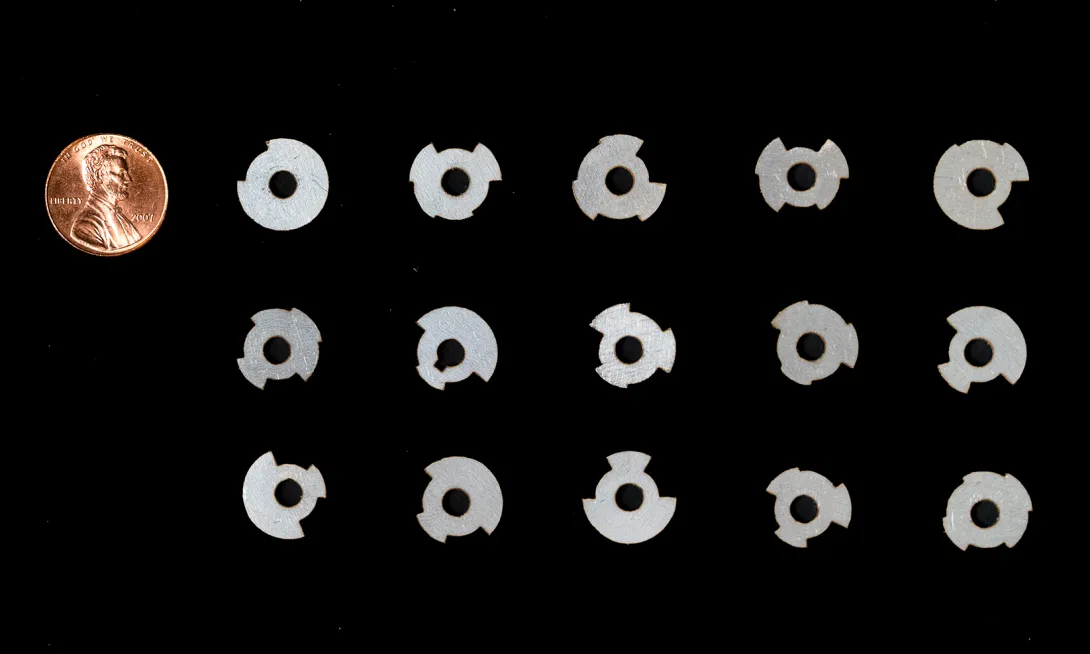
Georgia Tech researchers think they have a better way with small metal tags that can signal when a door or drawer is opened, count reps in the gym, or even track bathroom use for elderly relatives. Their tags are battery-free, quiet, inherently private, and cost only a few cents each. They’re smaller than a penny.
Like other kinds of smart home sensors, the tags are designed to be mounted on a cabinet or doorframe, for example, using a 3D-printed base. A small tab is attached to the corresponding door or drawer. When it’s opened, the tab strikes the metal disk, triggering a brief ultrasonic pulse imperceptible to human ears but detectable by a wearable device that logs the activity.
News Contact
Joshua Stewart
College of Engineering
Amino acid diversity in peptides and proteins over time. Over time, the genetic code expanded into the 20-amino acid alphabet found in contemporary biology. Now, in the era of biotechnology, the amino acid alphabet is poised to expand once more. (Figure Credit: “The borderlands of foldability: lessons from simplified proteins,” Koh Seya, Alfie‑Louise R. Brownless, Shina C. L. Kamerlin, and Liam M. Longo, Trends in Chemistry, 2026)
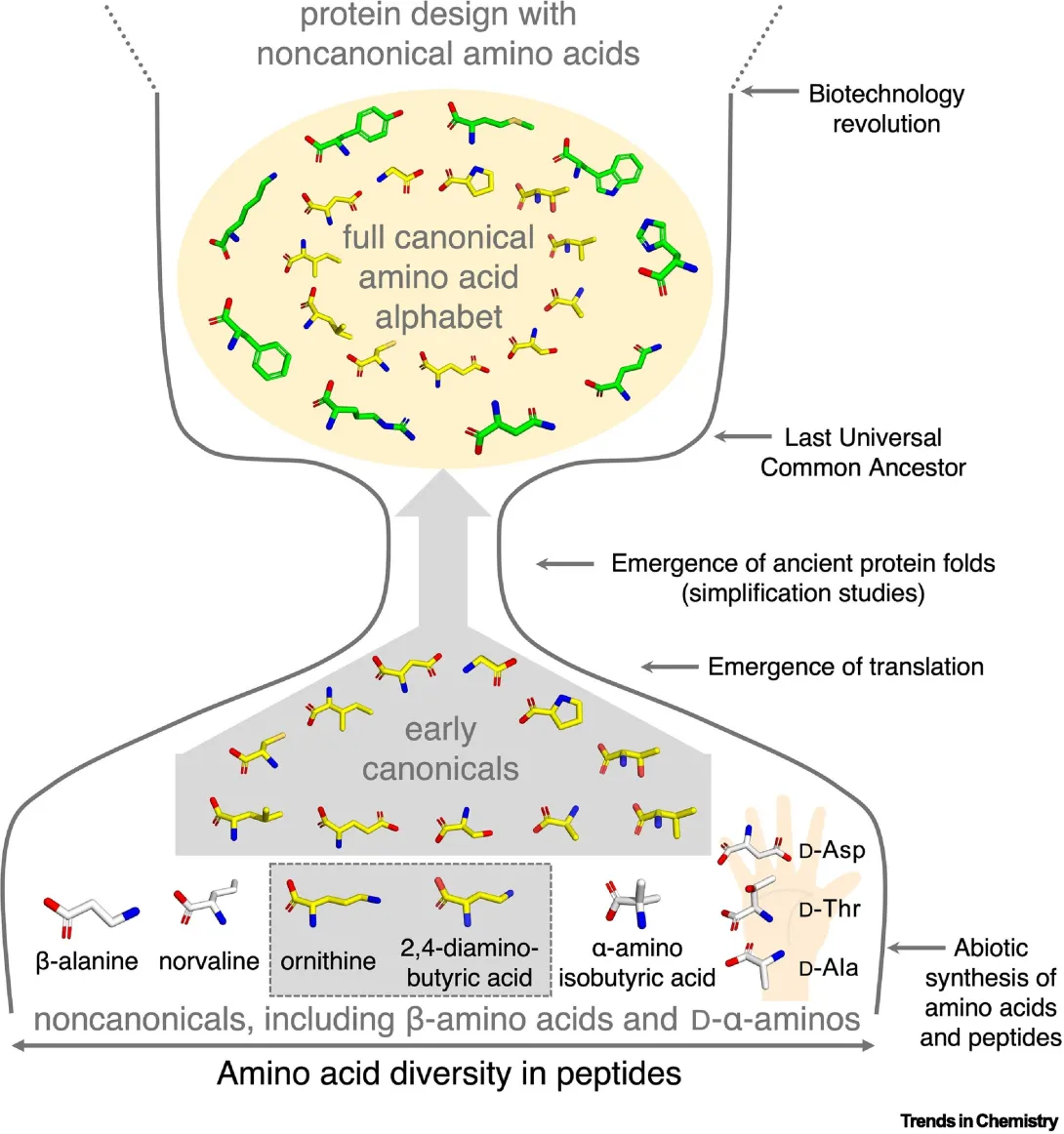
How did the earliest life on Earth build complex biological machinery with so few tools? A new study explores how the simplest building blocks of proteins — once limited to just half of today’s amino acids — could still form the sophisticated structures life depends on.
The paper, The Borderlands of Foldability: Lessons from Simplified Proteins, is a meta-analysis of six decades of protein research and reveals that ancient proteins may have been far more complicated and dynamic than previously thought.
Recently published in the journal Trends in Chemistry, the study includes Georgia Tech researchers Lynn Kamerlin, professor in the School of Chemistry and Biochemistry and Georgia Research Alliance Vasser-Woolley Chair in Molecular Design, and Quantitative Biosciences Ph.D. candidate Alfie-Louise Brownless.
Co-authors also include Institute of Science Tokyo graduate student Koh Seya and Liam M. Longo, who serves as a specially appointed associate professor at Science Tokyo and as an affiliate research scientist at the Blue Marble Space Institute of Science.
The research has implications ranging from the origins of life and the search for life in the universe to cutting-edge medical innovation. “One of the biggest unanswered questions in science is how life first began,” says Kamerlin, who is a corresponding author of the study. “Understanding how the first protein-like molecules formed and what the earliest proteins may have been like is a key part of that puzzle.”
“Proteins power our bodies — and all life on Earth,” she adds. “Simply put, the evolution of proteins is the reason that we’re able to have this conversation at all.”
A Protein Folding Paradox
If proteins are the scaffolding of life, amino acids are the components that make up that scaffolding. “Today, an average protein is constructed from a chain of about 300 amino acids, involving 20 different types of amino acids,” Kamerlin shares. Proteins fold when these chains twist into a specific 3-dimensional shape, creating structures critical for biology.
However, while these folds are essential, exactly how a protein knows which way to fold remains a mystery. “We know that proteins didn’t just fold randomly,” Kamerlin shares, “because randomly trying all possible configurations would take a protein longer than the age of the universe.”
It’s a cornerstone problem in biological science called “Levinthal’s Paradox,” and highlights a fundamental mystery: Proteins fold incredibly quickly into very specific combinations — but like a sheet of paper spontaneously folding into an origami swan, researchers don’t know how proteins “choose” the folds they make.
“We can predict what a protein will look like, but can’t tell you how it got there,” Kamerlin adds. “That’s what we’re interested in exploring: how small early proteins developed into the complex proteins that support every living thing on today’s Earth.”
Simple Letters, Sophisticated Structures
Early proteins likely had access to just half of today’s amino acids. “About 10-12 amino acids were likely available on early Earth,” Kamerlin says. Like writing a story with just the letters “A” through “L,” researchers assumed that the ‘vocabulary’ proteins could build from such a limited amino acid alphabet would also be constrained.
“There is a language to protein folding,” Kamerlin explains. “That language is hidden in their structures. Our research is in trying to understand the rules — the grammar and vocabulary that dictate a protein fold.”
The grammar they discovered was surprising: with a combination of creative techniques and environmental support, complex structures can arise from limited amino acid alphabets.
“We found that it is possible to develop complex folds with very simple tools — and certain environments, like salty ones, can help support that,” Kamerlin shares. “Early proteins could also cross-link and associate, interacting like LEGO blocks to create more complex structures.”
Pioneering Proteins
Now, the team is conducting research in environments that could mimic conditions on early Earth — aiming to discover more about how these regions could have given rise to today’s complex proteins. “This aspect of our research also ties into the amazing space research happening at Georgia Tech,” Kamerlin says. “While we’re interested in understanding early life on Earth, our work could help inform where best to look for evidence of life beyond our planet.”
Kamerlin specializes in creating computer models that simulate possible scenarios – creating an opportunity to quickly and efficiently test many theories. The most compelling of these can then be tested by her collaborator and co-author at Science Tokyo, Liam Longo, in lab experiments.
Protein folding is also at the forefront of medical innovation, ranging from diagnostic tools to cancer treatments and neurodegenerative diseases. “In the broader scope, we’re interested in discovering what we can design, what we can stress test, and what we can reconstruct with AI and other computational tools,” Kamerlin says. “Because if you can understand how proteins fold, you gain the ability to design them.”
Funding: NASA, the Human Frontier Science Program, and the Knut and Alice Wallenberg Foundation
News Contact
Written by:
Selena Langner
College of Sciences
Georgia Institute of Technology
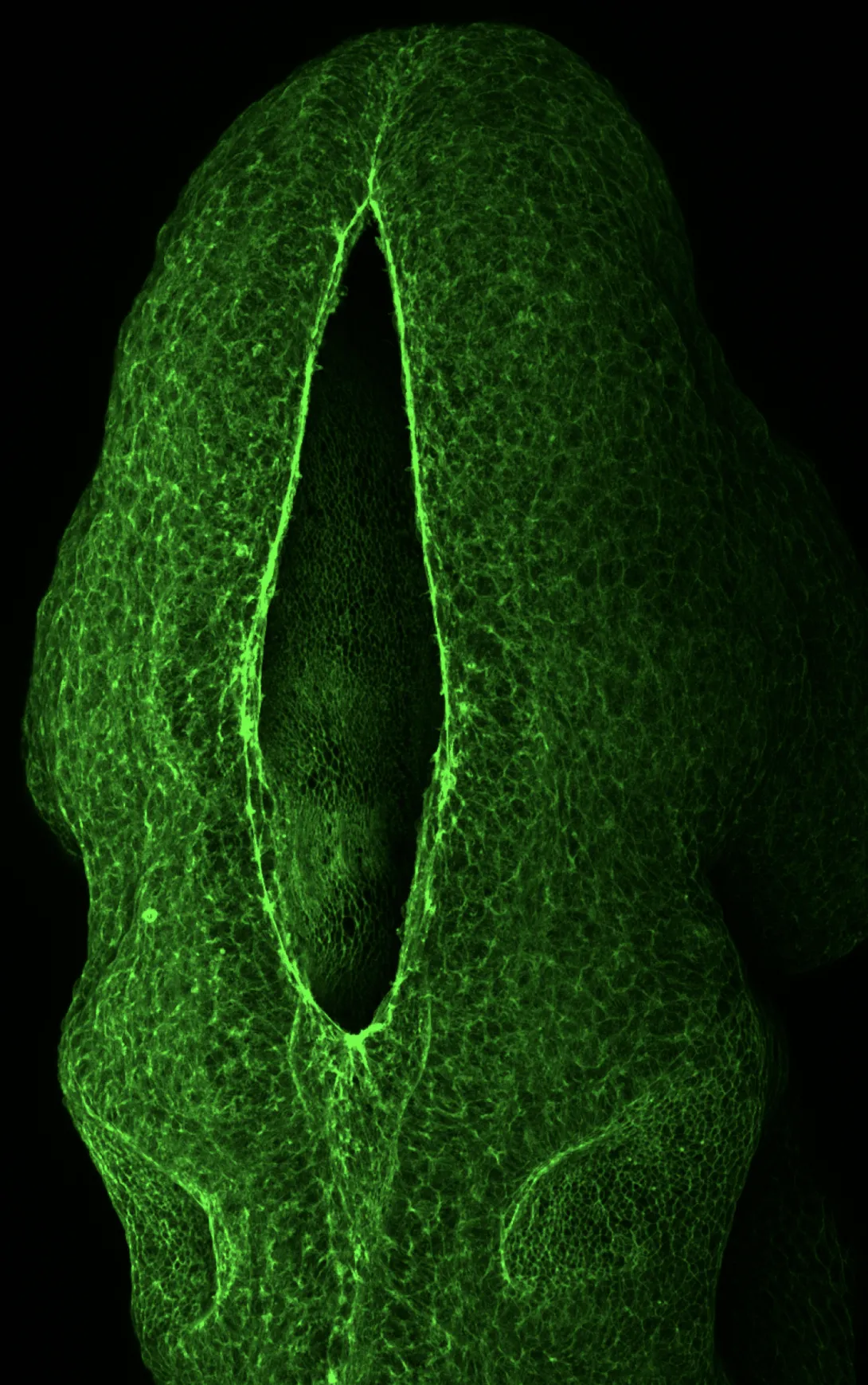
The neural tube
In about one out of every 1,000 pregnancies, the neural tube, a key nervous system structure, fails to close properly. Georgia Tech physicists are now helping explain why this happens, having uncovered the physics that drive neural tube closure in a pregnancy’s earliest stages.
Working with collaborators at University College London (UCL), Georgia Tech researchers used computer models to reveal how, during early development, forces generated by cells physically pull the neural tube closed — like a drawstring. This discovery offers new insight into a critical process that, when disrupted, can result in severe birth defects such as spina bifida.
“Understanding a complex developmental process like neural tube closure requires a highly interdisciplinary approach,” said Shiladitya Banerjee, an associate professor in the School of Physics. “By combining advanced biological imaging with theoretical physics, we were able to uncover the mechanical rules that drive cells to close the tube. My lab builds computational models to uncover the physical rules of living systems. The neural tube is an ideal focus because its formation requires incredible mechanical coordination.”
The researchers presented their findings in Current Biology.
Closing the Gap
The UCL team studied mouse embryos, which develop similarly to humans, and Georgia Tech researchers used that data to construct their models. From the data, they identified the fundamental physics mechanism that enables neural tube closure in part of the brain. This mechanism, called a “purse string,” is made of actin, a pivotal protein that forms a cell’s skeletal structure. As the purse strings tighten, the tube closes.
“These actin molecules are very important because they give rigidity and shape to cells,” Banerjee said.
“During neural tube closure, actin filaments form a ring around the opening and engage molecular motors — proteins that generate forces inside cells,” he said. “As these motors pull on the actin, they generate tension that tightens the ring and draws the tube closed.”
Stretching to Fit
As the actin ring tightens, cells stretch and elongate, causing them to align and move together in a synchronized pattern, like a school of fish. This coordination allows the cells to move faster and more efficiently, increasing tension and driving a feedback loop that helps seal the neural tube.
The team built a computer model to show how this feedback loop leads to successful neural tube formation. Further research using the model could help explain why the neural tube fails to close.
“Physics-based modeling of cell and tissue mechanics allows us to connect the dots between developmental stages in a way that is both robust and quantitative, simulating experiments that are impossible in biological tissues,” said Gabriel Galea, the study co-author and UCL group leader. “In this case, it allowed us to explain how a cell’s mechanical experience impacts its current and future shapes during a critical step of brain development.”
Beyond neural tube development, the findings highlight the power of physics-based modeling to explain complex biological processes that can’t be observed directly. The researchers say this approach could be applied to other stages of human development where forces, motion, and timing are just as critical.
The computational research at Banerjee Lab is funded by the National Institute of General Medical Sciences
Fernanda Pérez-Verdugo, Eirini Maniou, Gabriel L. Galea, Shiladitya Banerjee, “Mechanosensitive feedback organizes cell shape and motion during hindbrain neuropore morphogenesis,” Current Biology, 2026.
DOI: 10.1016/j.cub.2026.02.068
News Contact
Tess Malone
Senior Research Writer/Editor
Georgia Tech
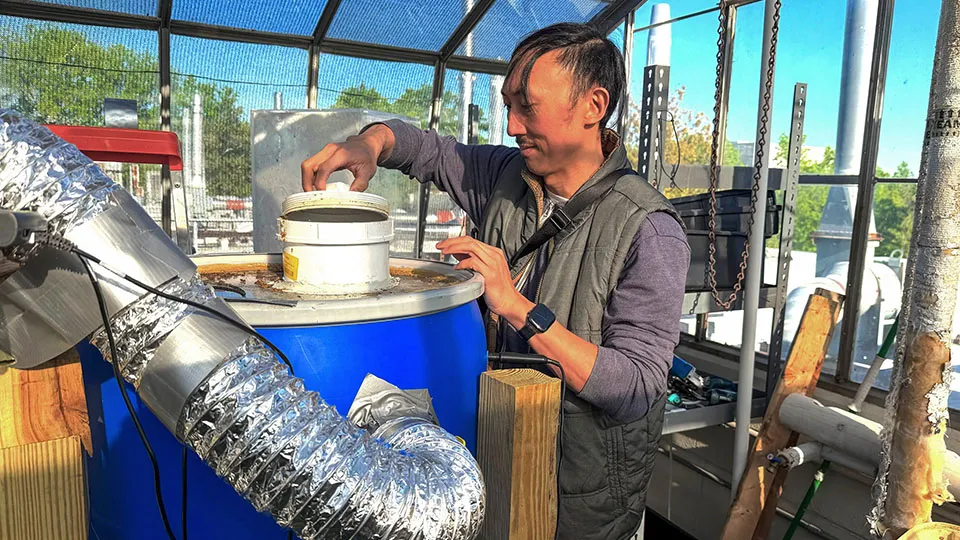
It’s not glamorous. It’s not trendy. In fact, it’s downright grubby. But the work that a Georgia Tech researcher and his students are doing is improving campus sustainability, one pound of food waste at a time.
David Hu, a professor in the George W. Woodruff School of Mechanical Engineering and the School of Biological Sciences, gave his senior-level biology class this semester a unique assignment: Feed food waste to black soldier fly larvae, collect the organic byproduct (called “frass”), and analyze the results. What they’ve found so far is a composting method with the potential to dramatically reduce harmful greenhouse gas emissions while producing a nutrient-dense fertilizer.
“There’s something special about these grubs,” said Hu, who is also a faculty member within the Parker H. Petit Institute for Bioengineering and Bioscience. “They smell, and they’re kind of ugly, but they process food extremely efficiently. When we feed them, they eat twice their body weight, finish that in five hours, and you can do it again the next day. Traditional composting could never be that fast.”
Using a unique closed-loop system pioneered by private-industry partner and early-stage startup Biotechnica, the larvae eat their way through more than 300 pounds of food in one semester, creating valuable frass that students harvest. When the larvae mature into adults, they fly into a shared chamber to reproduce, make more grubs, and start the process over again.
“You can get a turnaround from food waste to frass in a day or two, and then from the raw frass to our ground-up frass that we use for our plants,” said Mikkelle Peters, a fourth-year biology major in Hu’s class. “It’s just a much quicker process to get rid of the food waste.”
Feeding and studying an army of larvae that can eat more than 10 gallons of food a day keeps Hu’s students busy. The solution? Divide and conquer.
The first group in the process gathers and grinds food scraps to feed the grubs, then collects the frass they produce. The next group mixes the frass with soil and analyzes its chemical makeup, comparing its nutrient density to commercial fertilizers. A third group uses the fertilized soil to grow vegetables like arugula and radishes that are measured against plants grown using synthetic fertilizer. The final two groups observe the environmental conditions that affect productivity and analyze the grubs’ digestion to uncover the secrets to their success.
More testing will need to be done on outdoor farms to provide rigorous results. Data over the past few semesters were, at times, inconsistent. But the students’ projects reveal a lot of promise for future experiments. Despite limitations to the study, including a small sample size and minor instrument malfunction, the students have been able to find helpful nutrients in their product and grow certain crops more successfully with frass than with commercial fertilizer. Unlike chemically based products or some traditional composts that need to be specially treated, black soldier fly frass is organic and easily processed.
“A lot of fertilizers can cause harmful runoff, and they can change soil balances over time,” Peters said. “Frass is a natural product, has more fibrous material, and has a lot more organic compounds.”
In addition to the science that the students are exposed to, Hu said it is also eye-opening for them to see the work of sustainability. The project is an excellent case study for how a small group can make a big impact.
“The students have learned a lot,” Hu said. “For one of the activities, we had them bring in their own food waste from home to feed the composter. They realized that a person makes pounds of waste per day.”
According to the Office of Sustainability, the campus produces about 400 tons of food waste per year. Although Georgia Tech boasts one of the largest commercial composters on an urban campus in the Southeast, the machine can only process 175 tons per year. That leaves a gap that Hu said his research might one day be able to fill.
“Right now, it’s working,” he said. “We want to expand and see if it can work some more. The big issue is visibility, getting people to know that what we’re doing is good. Because in some ways, saving the planet takes energy.”
One of the main energy sources for the experimental composter is something Hu hopes to reduce: manpower. With a campus the size of Georgia Tech’s, it’s a very labor-intensive process for students to collect food waste from campus partners. Hu hopes that more community members will volunteer, not only to collect food, but also to improve the system.
“We need people power — people willing to volunteer to move, because right now, campus produces a lot of waste in different places,” he said. “And we also need biologists and engineers and computer scientists. We need people to make this system more well-engineered.”
Although the current black soldier fly composter still has some flaws, Hu said his goal is to create an affordable, climate-friendly food waste recycling system that can scale up to support U.S. agriculture. By solving problems at the local level, his research is potentially removing economic and operational barriers to sustainability. But, according to Hu, the final step to long-term success is community involvement.
“In the end, we need people who care,” Hu said. “It doesn’t take that much effort to do a little bit, and a little bit can go a long way.”
News Contact
Ashlie Bowman | Communications Manager
Parker H. Petit Institute for Bioengineering and Bioscience