
May. 14, 2025
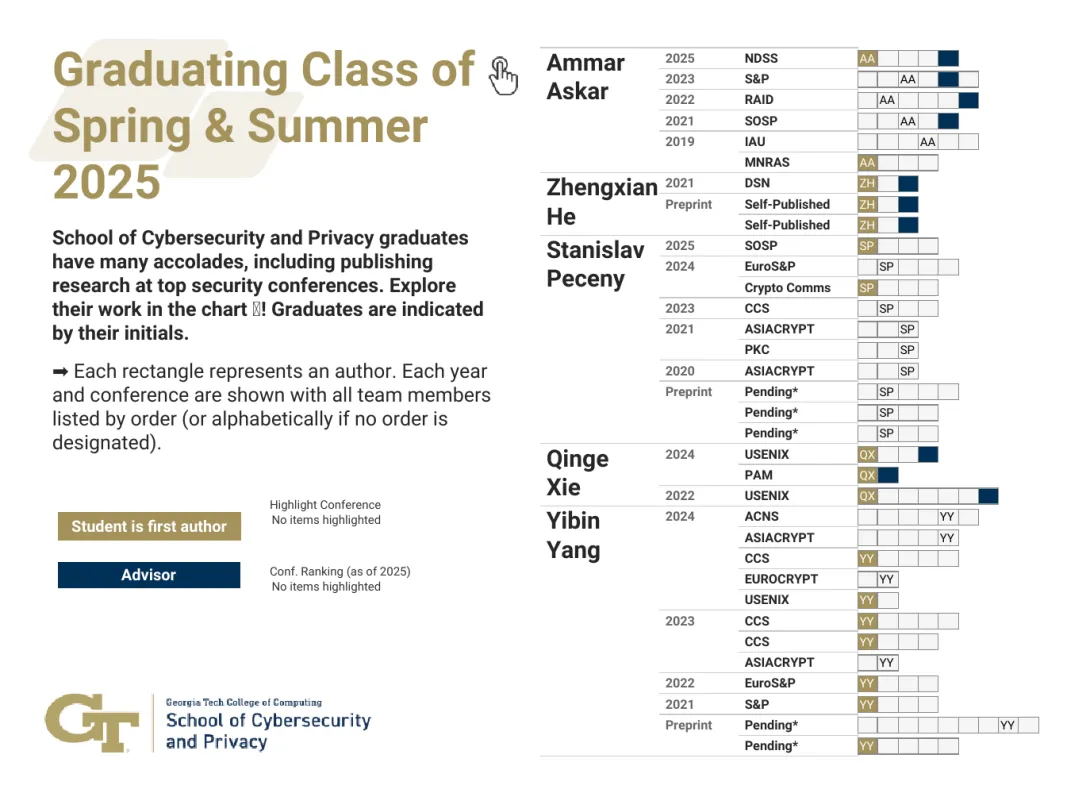
The School of Cybersecurity and Privacy at Georgia Tech is proud to recognize the accomplishments of five doctoral students who finished their doctoral programs in Spring 2025. These scholars have advanced critical research in software security, cryptography, and privacy, collectively publishing 34 papers, most of which appear in top-tier venues.
Ammar Askar developed new tools for software security in multi-language systems, including a concolic execution engine powered by large language models. He highlighted DEFCON 2021, which he attended with the Systems Software and Security Lab (SSLab), as a favorite memory.
Zhengxian He persevered through the pandemic to lead a major project with an industry partner, achieving strong research outcomes. He will be joining Amazon and fondly remembers watching sunsets from the CODA building.
Stanislav Peceny focused on secure multiparty computation (MPC), designing high-performance cryptographic protocols that improve efficiency by up to 1000x. He’s known for his creativity in both research and life, naming avocado trees after famous mathematicians and enjoying research discussions on the CODA rooftop.
Qinge Xie impressed faculty with her adaptability across multiple domains. Her advisor praised her independence and technical range, noting her ability to pivot seamlessly between complex research challenges.
Yibin Yang contributed to the advancement of zero-knowledge proofs and MPC, building toolchains that are faster and more usable than existing systems. His work earned a Distinguished Paper Award at ACM CCS 2023, and he also served as an RSAC Security Scholar. Yang enjoyed teaching and engaging with younger students, especially through events like Math Kangaroo.
Faculty mentors included Regents’ Entrepreneur Mustaque Ahamad, Professors Taesoo Kim and Vladimir Kolesnikov, and Assistant Professor Frank Li, who played vital roles in guiding the graduates’ research journeys.
Learn more about the graduates and their mentors on the 2025 Ph.D. graduate microsite.
News Contact
JP Popham, Communications Officer II
College of Computing | School of Cybersecurity and Privacy
Mar. 18, 2025
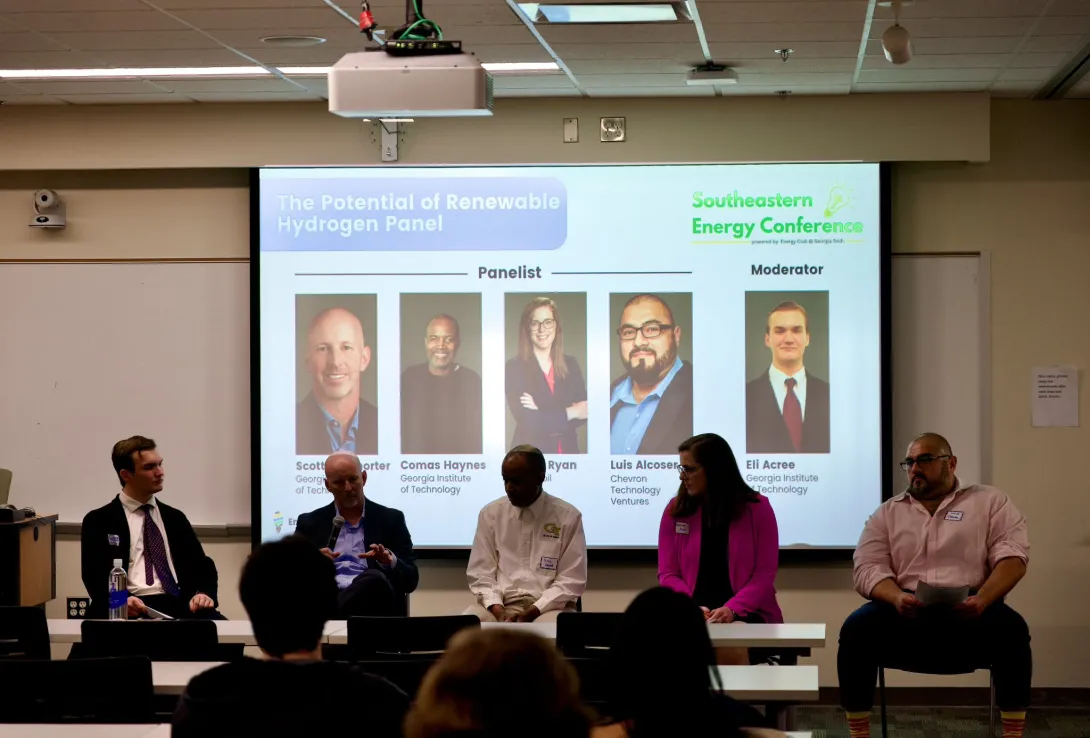
Energy Club's 11th Southeastern Energy Conference Panel on The Potential of Renewable Hydrogen featured Eli Acree, Chemical & Biomolecular Engineering Undergraduate, Georgia Tech (Moderator), Panelists Scott McWhorter, Federal Opportunities and Strategy, Georgia Tech Strategic Energy Institute, and Board Chairman, Southeast Hydrogen Energy Alliance, Comas Haynes, Hydrogen Initiative Lead, Georgia Tech Strategic Energy Institute, Hayley Ryan, Field Engineering Manager, ExxonMobil, Luis Alcoser, GM Future Energy, Chevron Technology Ventures
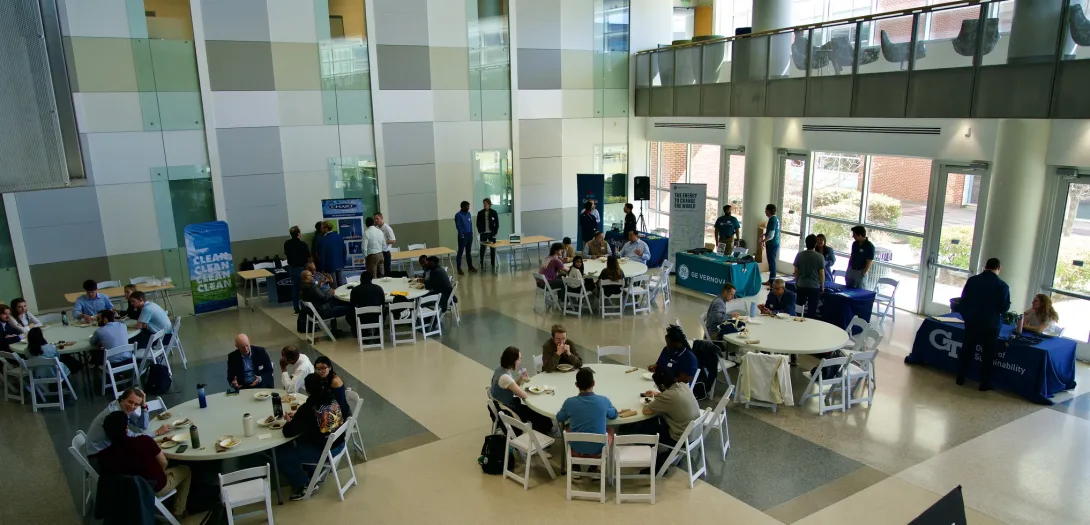
Industry Showcase at the 2025 Southeastern Energy Conference, organized by the student-led Energy Club at Georgia Tech
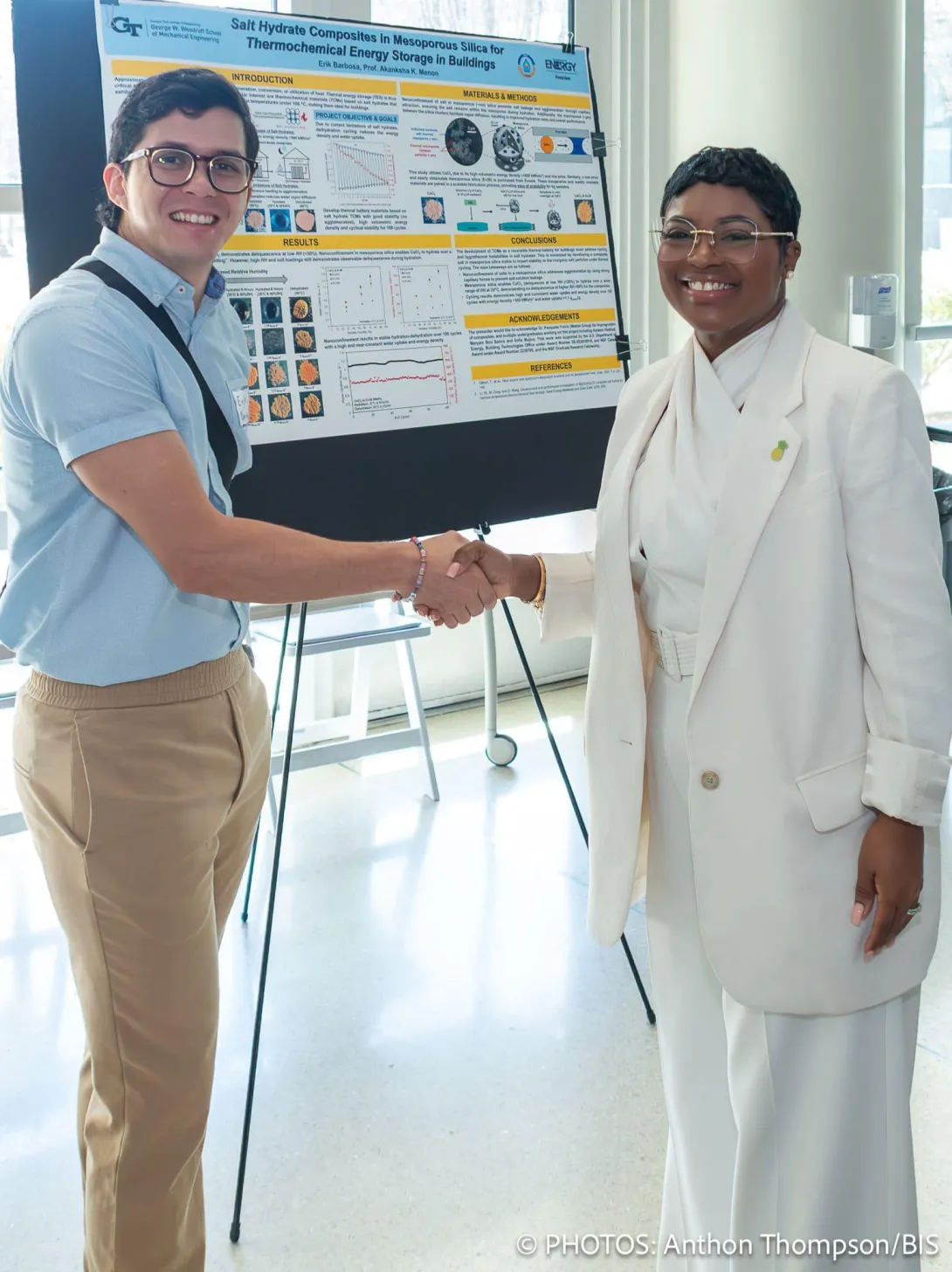
Georgia Tech Student with Hon. Jobeth Lillian Coleby-Davis, Minister of Energy and Transport, Government of The Bahamas during the Student Poster Competition at the 2025 Southeastern Energy Conference.
The 2025 Southeastern Energy Conference, Georgia Tech’s annual student-led energy and sustainability conference, took place from Feb. 28 to March 1, 2025. Organized by the Energy Club at Georgia Tech, the conference welcomed over 100 attendees, including industry leaders, policymakers, researchers, and students, fostering dynamic discussions on the future of energy. The theme for this year’s conference, "Going Global: Energy’s Place on the World Stage," highlighted the international nature of energy challenges and solutions, emphasizing collaboration across borders.
The event kicked off with a keynote address from Hon. John Tien, who provided thought-provoking insights into the evolving energy landscape. Following the keynote, the first panel of the day, "The Ukraine Energy War: Lessons in Energy Security," featured expert analysis from Anna Mikulsa of the IDA Science and Technology Policy Institute and Gabriel Collins of Rice University’s Baker Institute. The session was moderated by Georgia Tech student Grant Espy. This was followed by a discussion on the role of nuclear energy globally, where Seth Grae, president and CEO of Lightbridge Corporation, and CJ Fong, vice president of Regulatory Affairs at Blue Energy, shared their perspectives, moderated by Anna Schafer, a student at Georgia Tech.
Throughout the day, attendees had the opportunity to engage with representatives from 10 local and regional energy companies through the Industry Showcase. Companies such as GE Vernova, Georgia Power, Kimley-Horn, and the Georgia Cleantech Innovation Hub were present, providing valuable networking and career development opportunities for students and professionals alike. The day concluded with an engaging panel on "The Potential of Clean Hydrogen," featuring insights from industry leaders including Comas Haynes of Georgia Tech's Strategic Energy Institute, Hayley Ryan of ExxonMobil, Luis Alcoser of Chevron Technology Ventures, and Scott McWhorter of the Southeast Hydrogen Energy Alliance, moderated by Eli Acree, a student at Georgia Tech.
The second day of the conference opened with a keynote speech from Tim Lieuwen, executive vice president for Research at Georgia Tech, who laid out what a carbon-neutral future could truly look like in energy. The "Cybersecurity for Energy Systems" panel brought together Seymour E. Goodman of Georgia Tech, Jake Braun of the University of Chicago, Juan Villarreal of Villarreal Energy, and Forrest Shriver of Sentinel Devices to discuss the challenges and solutions in securing energy infrastructure. Following that, the "Applications of Solar Microgrids" panel moderated by John Blankenhorn, a Ph.D. candidate at Georgia Tech, featured expert perspectives from Letian Dou of Purdue University, Ben Ollis of Oak Ridge National Laboratory, and Raymond Hill of Emory University’s Goizueta Business School.
One of the standout moments of the conference was the Student Symposium, where seven student researchers had the opportunity to present their work, competing for $500 in prize money. Projects explored topics ranging from photocatalysts to heat-driven desalination to thermal batteries for buildings.
The final panel of the event, "Scaled Sustainable Development," moderated by Conference Chair Sam Woolsey, a student at Georgia Tech, featured Jonathan Elkind of Columbia University’s Center on Global Energy Policy, Miguel Granier of the Cox Cleantech Accelerator, and Hon. Jobeth Lillian Coleby-Davis, Minister of Energy & Transport for the Government of the Bahamas.
Faculty Advisor Dan Molzahn also praised the conference, stating, "I've been incredibly impressed by the student organizers in pulling together such a remarkable and well-executed event. Given all the change occurring in the world today around energy, the students' foresight to focus on this topic by bringing in a broad range of experts was a huge benefit to the Georgia Tech community."
Reflecting on the success of the event, Sam Woolsey shared, "I was honored to serve as Energy Club's 2025 Conference Chair and to see the conference so positively received. It was a pleasure to see the ways this year's conference encouraged Georgia Tech engineers to get out of their comfort zone and discuss the policy and international affairs of energy."
The 11th annual Southeastern Energy Conference set a high standard for future student-led initiatives in energy and sustainability at Georgia Tech, fostering meaningful discussions and connections that will continue shaping the field. With a diverse lineup of experts, engaging panels, and invaluable networking opportunities, this event demonstrated Georgia Tech’s leadership in fostering innovative discussions on global energy challenges. The Energy Club extends its heartfelt thanks to all speakers, panelists, industry representatives, and attendees for making this conference a success. Stay tuned for future events and continued conversations on the evolving energy landscape!
Written by: Energy Conference Committee Members: Braden Queen, Eli Acree, Sam Woolsey, Anna Schafer, Grant Espy, John Blankenhorn
News Contact
News Contact: Priya Devarajan || SEI Communications Program Manager
Written by: Energy Conference Committee Members: Braden Queen, Eli Acree, Sam Woolsey, Anna Schafer, Grant Espy, John Blankenhorn
Nov. 19, 2024
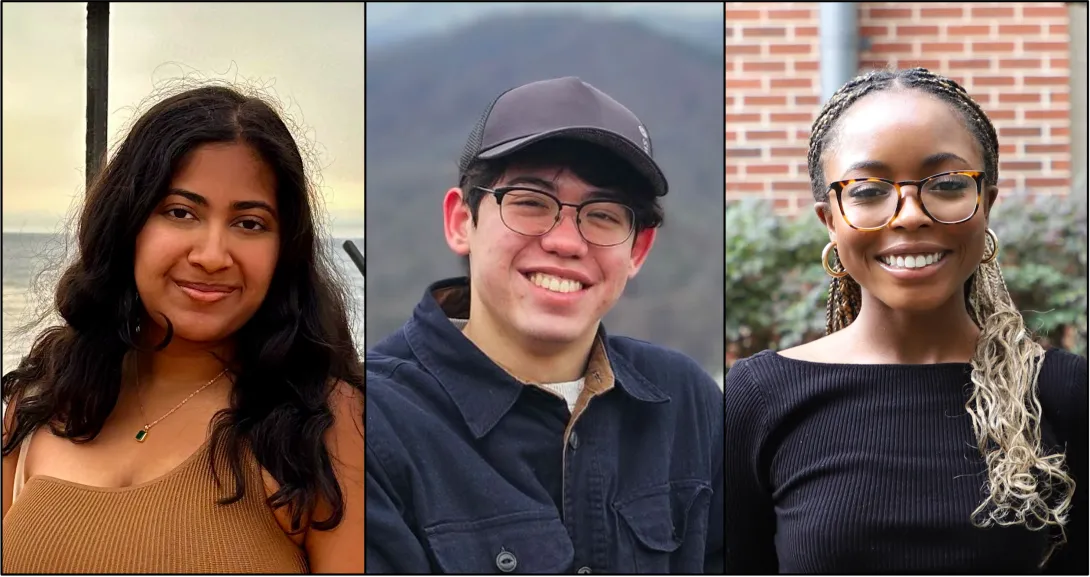
Congratulations to the walk-on Stamps President's Scholars from the College of Sciences: Sonali Kaluri, Seth Kinoshita, and Medina McCowin.
Three College of Sciences students with aspirations of making a difference in medicine were selected as recipients of the prestigious Stamps President’s Scholarship. Though this scholarship is typically given to 40 exceptional incoming first-year students, a select few second- and third-year students are chosen to receive the honor for exemplifying the program’s pillars of scholarship, leadership, progress, and service.
The new Scholars include School of Biological Sciences/School of Modern Languages student Sonali Kaluri, School of Chemistry and Biochemistry student Seth Kinoshita, and School of Biological Sciences student Medina McCowin.
As part of the program, the selected students will receive a full-ride scholarship, special mentoring, and travel opportunities.
About the Scholars
Sonali Kaluri is a third-year student double majoring in biology and applied languages and intercultural studies (with a concentration in Spanish). Deeply passionate about women's health, she has researched clinical considerations of treating liver disease in pregnant women and the impact of a virtual lactation program on maternal and infant health outcomes at the University of Massachusetts Medical School. In her spare time, she volunteers at the Winship Cancer Institute and the March of Dimes and is a member of the Yellow Jacket Fencing Club.
“I hope to attend medical school and pursue a career in academic medicine after graduation from Georgia Tech,” says Kaluri. “My research experience has made me acutely aware of the gaps in medical knowledge regarding the different ways disease processes affect women, and I hope to become an advocate for change through research and clinical practice!”
Seth Kinoshita is a third-year biochemistry major with a minor in health and medical sciences. As an undergraduate research assistant with the Department of Biomedical Engineering, he focuses on a novel drug delivery structure that can be surgically inserted to decrease recovery time and minimize invasiveness for tendon injuries. His work has been published in several academic journals. He serves as an undergraduate research ambassador and a pre-health mentor — and spends his free time with Sympathetic Vibrations, Georgia Tech's male a cappella group. Kinoshita also works as the medical coordinator for Aurora Day Camp, a camp for children with cancer and their siblings.
"After graduation, I want to pursue an M.D./Ph.D. in regenerative orthopedic medicine to bridge my tendon repair research with direct implementation into patients,” says Kinoshita. “I aim to develop innovative treatments that can restore mobility in the extremities and improve the quality of life for patients with musculoskeletal disorders."
Medina McCowin is a third-year biology major researching cancer treatment methods in the Sulchek BioMEMS and Biomechanics Lab. She also worked for Lachance Laboratories as an undergraduate researcher, investigating cancer genetics. Active on campus, she is the biology representative for the Georgia Tech Undergraduate House of Representatives and president of the Georgia Tech Public Health Student Association. McCowin has also held several leadership roles with the Georgia Tech American Medical Student Association.
“In the future, I hope to pursue an M.D./Ph.D. and become a pediatric oncologist and cancer treatment researcher, focusing on improving pediatric cancer treatments,” says McCowin. “Working in the healthcare field and experiencing personal loss has taught me that empathy and compassion are the most important factors in becoming a doctor. As a doctor, I want to contribute to the advancements of pediatric medicine, but also be dedicated to improving the emotional and mental well-being of my patients and their families.”
News Contact
Writer: Laura S. Smith
College of Sciences
laura.smith@cos.gatech.edu
Nov. 07, 2024
- Written by Mandy Luong, BBISS Communications Student Assistant -
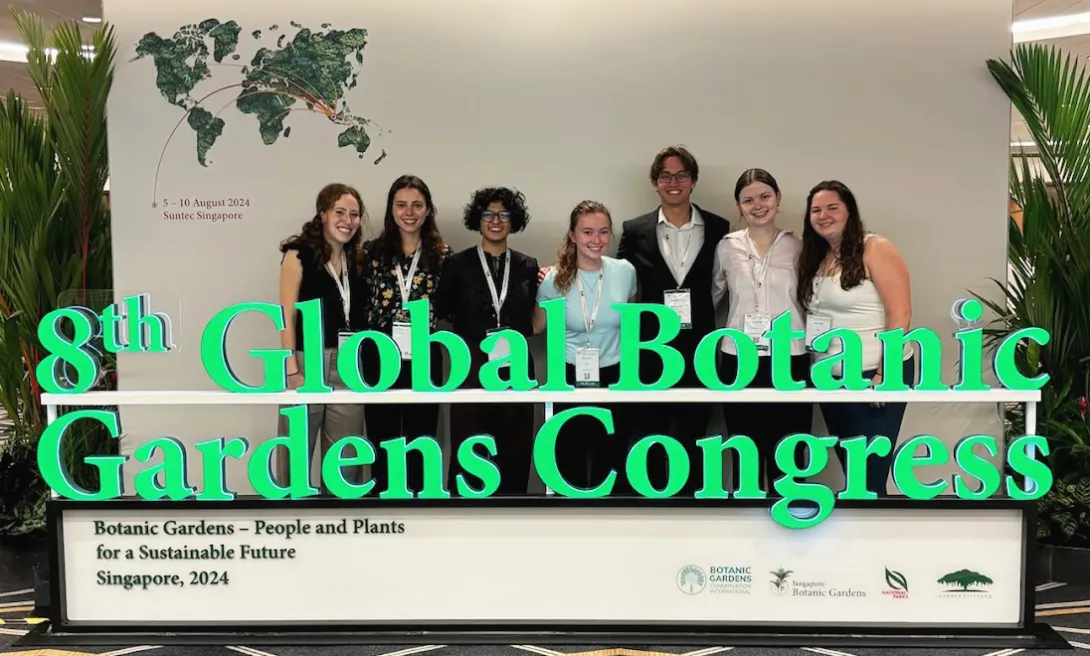
Georgia Tech’s Students Organizing for Sustainability (SOS) recently traveled across the world to Singapore for the 8th Global Botanic Garden Congress. They presented their research on the evaluation of various plants in student living accommodations. The independent research project was initially funded through the Micro Research Grants for Regenerative Built Environments sponsored by The Kendeda Building Advisory Board and the Brook Byers Institute for Sustainable Systems. This feat is uncommon among Georgia Tech student organizations but can serve as a case study for future SOS trips as well as other clubs.
The team found out about the conference by researching various conferences related to urban agriculture initiatives around the world. They specifically sought out conferences that could give them an international experience in a city deemed cutting-edge for urban green spaces, and that would allow them to talk about their research project. After being accepted into the Global Botanic Garden Congress, they needed to find funding to support their travel.
SOS members applied for numerous grants that are available to students around campus, including the School of Civil and Environmental Engineering's International Travel Funding through the Global Engineering Leadership Minor, the President’s Undergraduate Research Travel Award, and the Student Government Association (SGA) Conference Fund. In total, they were able to obtain multiple research and travel grants for over $16,000 to cover the travel expenses of seven members. The students are confident that, had more people been available, they could have received more funding to cover the additional travel expenses.
“There are a lot of opportunities on campus to get funding for a project, travel, or attend conferences, but students just need to know where to look,” says Elaina Render, fourth-year civil and environmental engineering major and SOS project lead for the UrbanAg group.
The group’s itinerary consisted of attending all four days of the conference, the last of which coincided with Singapore’s National Day. At the conference, students presented their research findings to an international audience and made personal connections. They talked with people from across the globe, including botanic garden representatives from Naples, Chicago, and San Diego. Making these connections has introduced them to opportunities for more interactive trips, such as visiting the Naples Botanical Garden to learn about beach plant management. They also hope to attend the 9th Global Botanical Garden Congress in Chicago next year.
“The conference is a great resource for students as they approach graduation because you can network for next career steps, find possible research advisors for graduate school, and be exposed to a range of career possibilities,” says Nicole Allen, fourth-year biomedical engineering major and SOS’s vice president of Finance.
In addition to the conference, they were able to explore the city of Singapore. On their first day, they toured Gardens by the Bay, where they saw famous attractions like the Golden Bay and the Flower Dome. The following day, they visited Singapore University of Technology and Design and met Greenprint, a student group similar to SOS, and talked with students and faculty about their campus sustainability initiatives. On the third day, they traveled to the Sungei Buloh Wetland Reserve, a beautiful mangrove forest. Allen notes that on a hike along the coastal trail, they decided to take a bus across the bridge to Malaysia and have brunch. On the last day of the conference, they visited Singapore’s Botanic Garden, which also houses the National Orchid Garden.
The SOS students report many successes from this experience, both personal and related to their SOS activities. Younger members of SOS, Rachel Bohl and Nikita Takalkar, both second-years, were able to attend the conference. This has inspired younger members to get more involved with on-campus sustainability initiatives. In particular, Takalkar is starting a new SOS project to decrease medical waste at Stamps Health Services. They have also seen an increase in attendance at their meetings and many questions about their trip. They hope the conference will serve as a model for future trips where students can promote their research, network, learn about what new research is happening in the world, and bring this knowledge back to Georgia Tech to inspire their own projects on campus.
“We hope that our project and trip to Singapore can serve as an inspiration to other students and campus organizations. It's possible to start an independent research project and get funding to present at international conferences,” says Render.
Allen adds, “We are implementing some of the ideas our trip inspired as new, student-led sustainability initiatives here at Georgia Tech.”
News Contact
Brent Verrill, Research Communications Program Manager, BBISS
Oct. 28, 2024
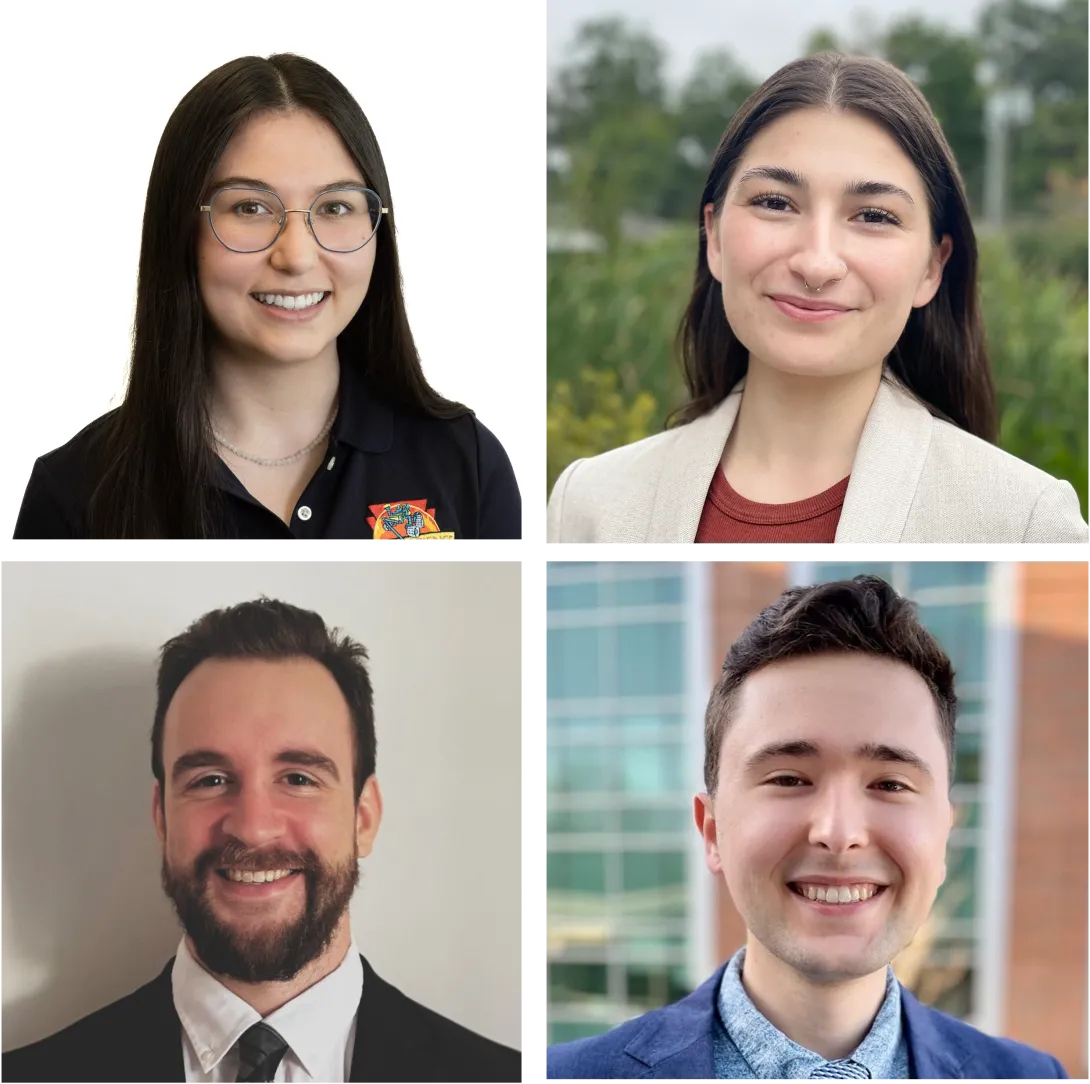
New College of Sciences ARCS Scholars (from left to right): Alivia Eng, Marrissa Izykowicz, Zach Mobille, and John Pederson.
Four Ph.D. candidates from the College of Sciences have been selected as new recipients of the Achievement Rewards for College Scientists (ARCS) Foundation Scholar Award. The award recognizes doctoral students who show exceptional promise in making a significant contribution to the worldwide advancement of science and technology. The new recipients join three returning scholars from the College of Sciences. To view all of the current Georgia Tech ARCS Scholars, visit: 2024-25 ARCS Atlanta Scholars
Meet the 2024-25 ARCS Scholars
Alivia Eng, School of Earth and Atmospheric Sciences
Eng is a Future Investigators in NASA Earth and Space Science and Technology (FINESST) Fellow. Her research compares rover and orbital datasets of Mars to increase the spatial resolution of quantitative geologic mapping.
“I am excited to receive this award as it validates the importance of my research and my abilities as a scientist,” says Eng.
Nominated by her advisor, School of Earth and Atmospheric Sciences Assistant Professor Frances Rivera-Hernández, Eng is also a part of Georgia Tech's Solar System Exploration Research Virtual Institute and Center for Lunar Environment and Volatile Exploration Research.
“Alivia is an exceptional graduate student and planetary scientist,” says Rivera-Hernández. “Her curiosity, passion, and question-driven approach have sparked multiple new projects at Georgia Tech and led my research group in exciting new directions. Beyond her research, Alivia is deeply committed to community engagement, aiming to inspire future generations to pursue careers in planetary geology. I am grateful for the opportunity to work with her.”
Marrissa Izykowicz, School of Chemistry and Biochemistry
Izykowicz’s research focuses on synthesizing nanoparticles designed to target and retain anti-cancer drugs in both primary and metastatic tumors of various cancers. Her research tackles the challenge of treating metastatic lesions, which are difficult to target due to their small size and abundance.
“I am deeply passionate about my work because it addresses an issue that has plagued humanity for centuries,” says Izykowicz. “My research investigates the complexities of metastatic cancer, building on the knowledge of those who came before me to pave the way toward a potential cure.”
She was nominated for the award by M.G. Finn, who serves as a professor in the School of Chemistry and Biochemistry and the James A. Carlos Family Chair for Pediatric Technology.
“Marrissa is a wonderful student and colleague — always willing to do whatever is needed to advance her studies,” says Finn. “Her research is tremendously exciting, working with collaborator Stephen Housley on nanoparticles that can deliver medications directly to cancerous tumors. The project involves chemistry, cell biology, immunology, and analytical biochemistry, and Marrissa does it all with great dedication and expertise.”
Zach Mobille, School of Mathematics
Mobille is pursuing a Ph.D. in Quantitative Biosciences, specializing in computational neuroscience.
“I am passionate about my research because it sheds light on how the brain’s structure and abilities are related quantitatively,” says Mobille. “It targets a deeper understanding of how information is processed in networks of neurons, which may influence how computational devices are designed in the future.”
Mobille serves as chair of the community impact committee of the Georgia Tech/Emory Computational Neural-engineering Training Program (CNTP) and is a past recipient of Georgia Tech’s InQuBATE Training grant.
School of Mathematics Assistant Professor Hannah Choi, who advises Mobille, states: “Zach is driven by curiosity and determined to solve complex research problems. He has consistently impressed me with his creativity and motivation in computational neuroscience. Zach proposes innovative ideas, is never afraid of learning new techniques, and takes initiative in his research. I am thrilled that the ARCS fellowship has recognized his qualities as an independent and creative researcher.”
John Pederson, School of Chemistry and Biochemistry
Pederson uses computer simulations to study chemistry at solid/liquid interfaces at the molecular scale.
“Computational modeling across length- and time-scales is a powerful technique for gaining insight into chemical and physical processes,” says Pederson. “With my research, I hope to promote wider adoption of these multi-scale computational techniques to enable the design of cleaner and safer chemical processes.”
In addition to his research work, Pederson helped organize and run ComSciCon-ATL 2024, an interdisciplinary science communications conference for Southeast STEM graduate students.
“John is an outstanding researcher and problem-solver,” says Jessie McDaniel, associate professor in the School of Chemistry and Biochemistry who nominated Pederson. ”He has contributed substantially to software and method development efforts that form the core of our group’s work on studying chemical reaction mechanisms in complex environments related to electrochemistry and surface chemistry. John exemplifies excellence in all facets of research, scholarship, and service.”
News Contact
Writer: Laura Smith, College of Sciences
Oct. 24, 2024

Eight Georgia Tech researchers were honored with the ACM Distinguished Paper Award for their groundbreaking contributions to cybersecurity at the recent ACM Conference on Computer and Communications Security (CCS).
Three papers were recognized for addressing critical challenges in the field, spanning areas such as automotive cybersecurity, password security, and cryptographic testing.
“These three projects underscore Georgia Tech's leadership in advancing cybersecurity solutions that have real-world impact, from protecting critical infrastructure to ensuring the security of future computing systems and improving everyday digital practices,” said School of Cybersecurity and Privacy (SCP) Chair Michael Bailey.
One of the papers, ERACAN: Defending Against an Emerging CAN Threat Model, was co-authored by Ph.D. student Zhaozhou Tang, Associate Professor Saman Zonouz, and College of Engineering Dean and Professor Raheem Beyah. This research focuses on securing the controller area network (CAN), a vital system used in modern vehicles that is increasingly targeted by cyber threats.
"This project is led by our Ph.D. student Zhaozhou Tang with the Cyber-Physical Systems Security (CPSec) Lab," said Zonouz. "Impressively, this was Zhaozhou's first paper in his Ph.D., and he deserves special recognition for this groundbreaking work on automotive cybersecurity."
The work introduces a comprehensive defense system to counter advanced threats to vehicular CAN networks, and the team is collaborating with the Hyundai America Technical Center to implement the research. The CPSec Lab is a collaborative effort between SCP and the School of Electrical and Computer Engineering (ECE).
In another paper, Testing Side-Channel Security of Cryptographic Implementations Against Future Microarchitectures, Assistant Professor Daniel Genkin collaborated with international researchers to define security threats in new computing technology.
"We appreciate ACM for recognizing our work," said Genkin. “Tools for early-stage testing of CPUs for emerging side-channel threats are crucial to ensuring the security of the next generation of computing devices.”
The third paper, Unmasking the Security and Usability of Password Masking, was authored by graduate students Yuqi Hu, Suood Al Roomi, Sena Sahin, and Frank Li, SCP and ECE assistant professor. This study investigated the effectiveness and provided recommendations for implementing password masking and the practice of hiding characters as they are typed and offered.
"Password masking is a widely deployed security mechanism that hasn't been extensively investigated in prior works," said Li.
The assistant professor credited the collaborative efforts of his students, particularly Yuqi Hu, for leading the project.
The ACM Conference on Computer and Communications Security (CCS) is the flagship annual conference of the Special Interest Group on Security, Audit and Control (SIGSAC) of the Association for Computing Machinery (ACM). The conference was held from Oct. 14-18 in Salt Lake City.
News Contact
John Popham
Communications Officer II
College of Computing | School of Cybersecurity and Privacy
Oct. 02, 2024
Congratulations to the 2024 - 25 O'Hara Fellows!
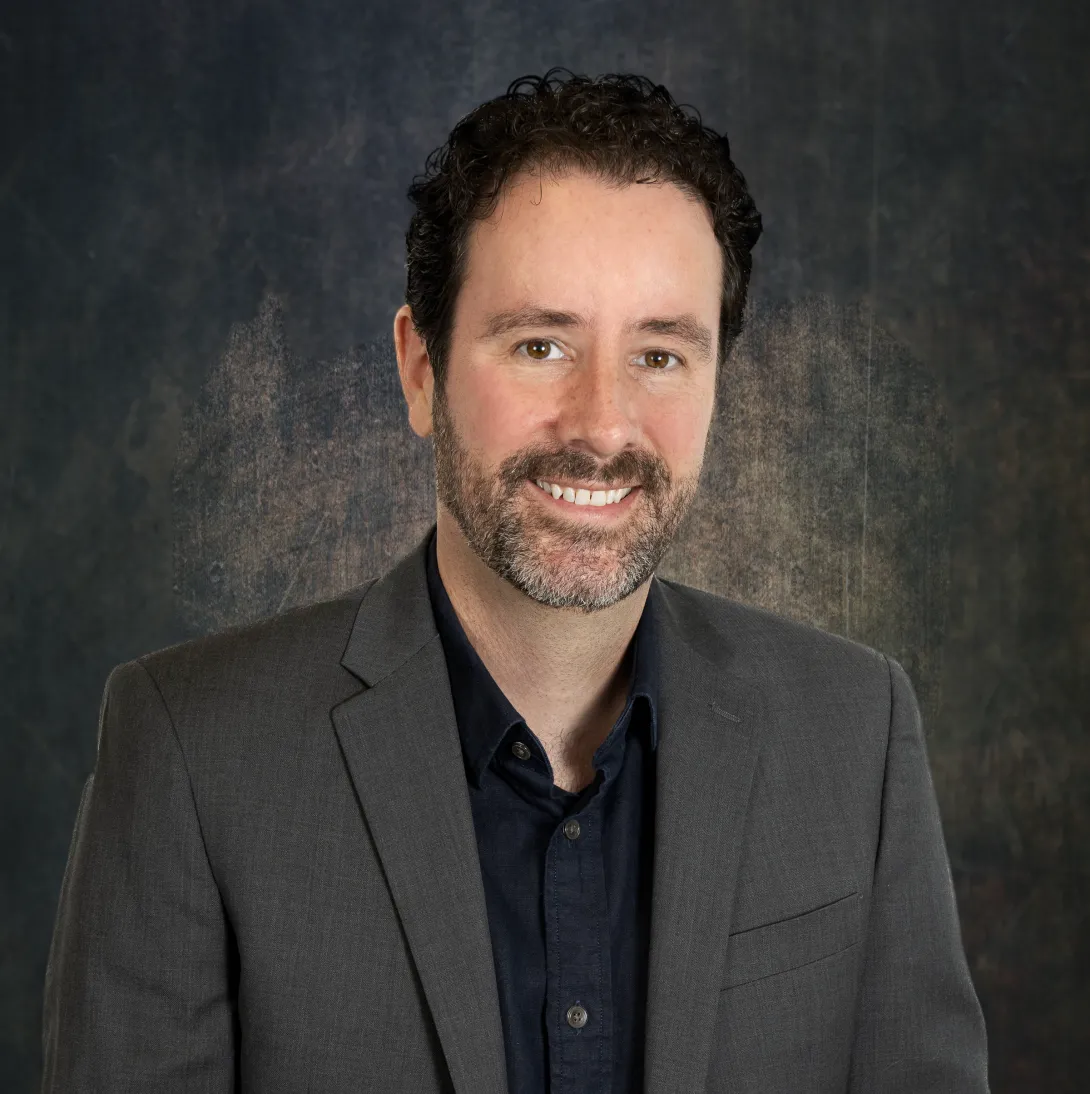
Anthony Boever
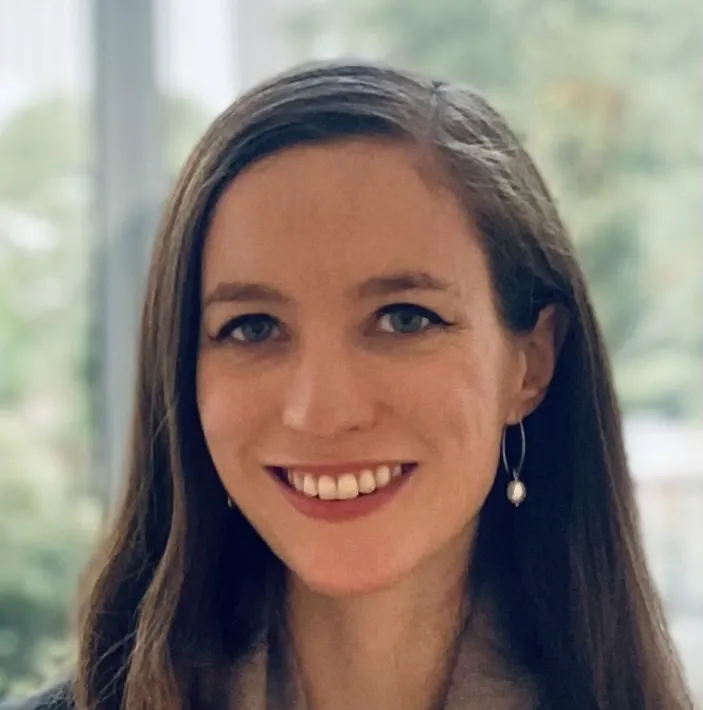
Erin Connolly
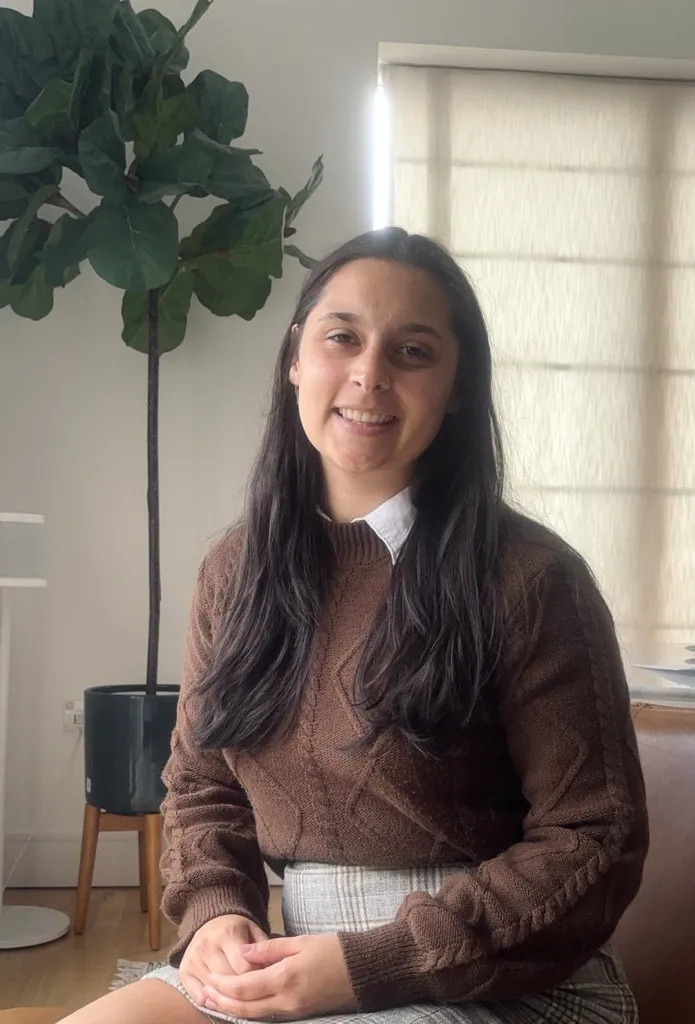
Sierra Knavel
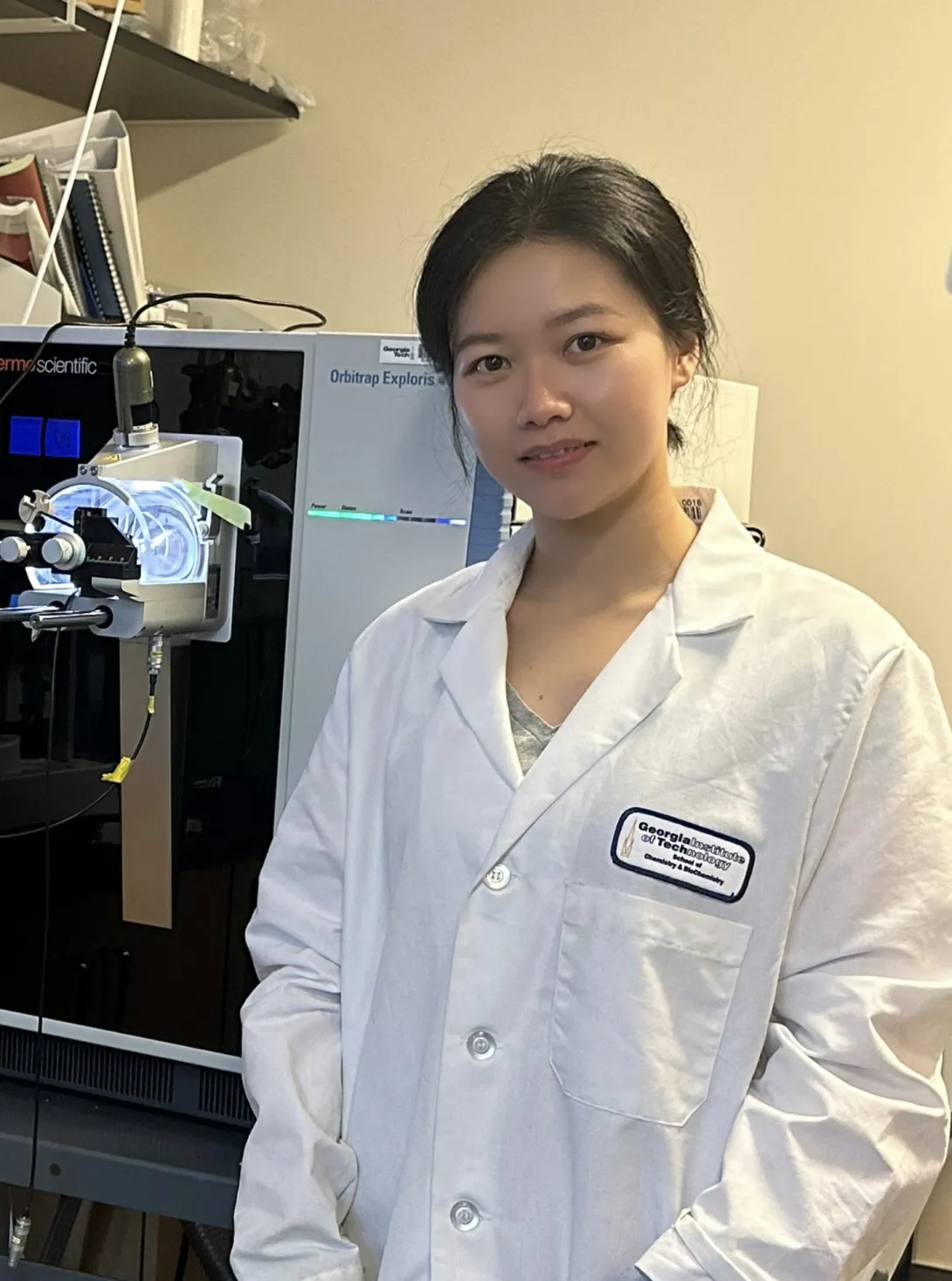
Xing Xu

Kai Xue
Congratulations to the students awarded the Larry S. O’Hara Graduate Scholarship for the 2024-25 academic year. The early career fellowship from the College of Sciences recognizes outstanding doctoral students scheduled to graduate in the calendar year following their nominations.
“We are proud and excited to honor this year’s recipients of the O’Hara Fellowships,” says College of Sciences Senior Associate Dean David Collard. “They represent the best of our amazing Ph.D. students with impressive research, teaching, service, and leadership accomplishments.”
Meet the 2024-25 O’Hara Fellows
Anthony (Tony) Boever, School of Earth and Atmospheric Sciences
Boever is a fifth-year EAS student, conducting research for Martial Taillefert’s Group. His research spans the land-to-ocean continuum and includes studies on how groundwater fluctuations control the fate and transport of uranium in stream sediments, how wetland changes affect methane emissions, and how river pulses influence carbon transformations in low-oxygen ocean sediments. Boever has been extremely active in field research, participating in six research cruises and leading the field component of a Department of Energy-funded project at the Savannah River National Laboratory that included more than six research trips in two years. As a result of his extensive field work, Boever is working on three first-author publications and co-authoring three additional articles.
“I play in the mud, using sensors to monitor chemical changes that affect the environment,” says Boever. “Field studies are tough, but what we learn is invaluable not only for improving our current understanding of these processes but also informing us of their potential influence on future ecosystem function and global climate impacts.”
Erin Connolly, School of Biological Sciences
Connolly will earn her Ph.D. in bioinformatics. As a member of the Gibson Lab, she studies single-cell genomics, data visualization, gene regulation, autoimmunity, cancer, and personalized medicine. In addition to her research activities, Connolly has presented posters or presentations at five national and international meetings, was active in the Women-in-Science promotion, and has mentored high school and undergraduate students.
“My research focuses on understanding how our immune system differs between sexes, changes with age, and responds to treatments such as radiation and immunotherapy,” says Connolly. “By studying these differences, I aim to uncover details that can lead to more personalized and effective therapies for cancer and age-related diseases. This work can potentially make healthcare more effective, improving patient outcomes across diverse populations.”
Sierra Knavel, School of Mathematics
Knavel, whose research focuses on symplectic topology and is advised by John Etnyre, is an avid mentor and teacher. She served on the Graduate Council and runs the Directed Reading Program for the School of Mathematics, pairing undergraduate students with graduate students to pursue advanced topics in mathematics. She also developed a Research Experience for Undergraduates (REU) based on her Ph.D. research. As a teaching assistant, she has been recognized with an Outstanding Student Evaluation Award and numerous Thank-a-Teacher certificates.
“My time at Georgia Tech grows more enriching each year,” says Knavel. “The community is welcoming, with abundant mentorship. I've received support at every level for my decisions to attend conferences, teach abroad, and help organize activities in the School of Mathematics. Because of the supportive community, I’ve gained the skills and knowledge necessary to teach and motivate undergraduate students in both classroom and research settings.”
Xing Xu, School of Chemistry and Biochemistry
Xu will receive her Ph.D. in chemistry and has published two first-author papers, with three more in preparation. She has contributed to four additional publications as a second or third author. Additionally, she mentored several undergraduate and first-year graduate students within the Wu Research Group and served as a mentor for the Summer 2023 National Science Foundation Research Experience for Undergraduates Program.
"My research focuses on identifying glycoprotein alterations in human cancer,” says Xu. “I’m particularly fascinated by how I can use chemical probes and mass spectrometry to 'visualize' changes in glycoproteins within clinical cancer models. This area of study interests me because glycoproteins play a crucial role in cancer progression and metastasis, and understanding these alterations could lead to new therapeutic strategies."
Kai Xue, School of Psychology
Xue specializes in cognition and brain science. Although she has been a part of the Ph.D. program for only two years, she has published three scientific papers and has several others submitted and under review. She has also served as a highly ranked teaching assistant.
"My research centers on perceptual decision-making and metacognition, focused on using computational modeling and transcranial magnetic stimulation (TMS) to advance our understanding of how confidence is computed,” says Xue. “This exploration into the mechanisms of human confidence computation deeply fascinates me; I am incredibly grateful to my supervisor, Dobromir Rahnev, whose unwavering support and guidance have been invaluable throughout this journey."
News Contact
Writer: Laura S. Smith
Communications Officer II
College of Sciences
laura.smith@cos.gatech.edu
Feb. 08, 2024
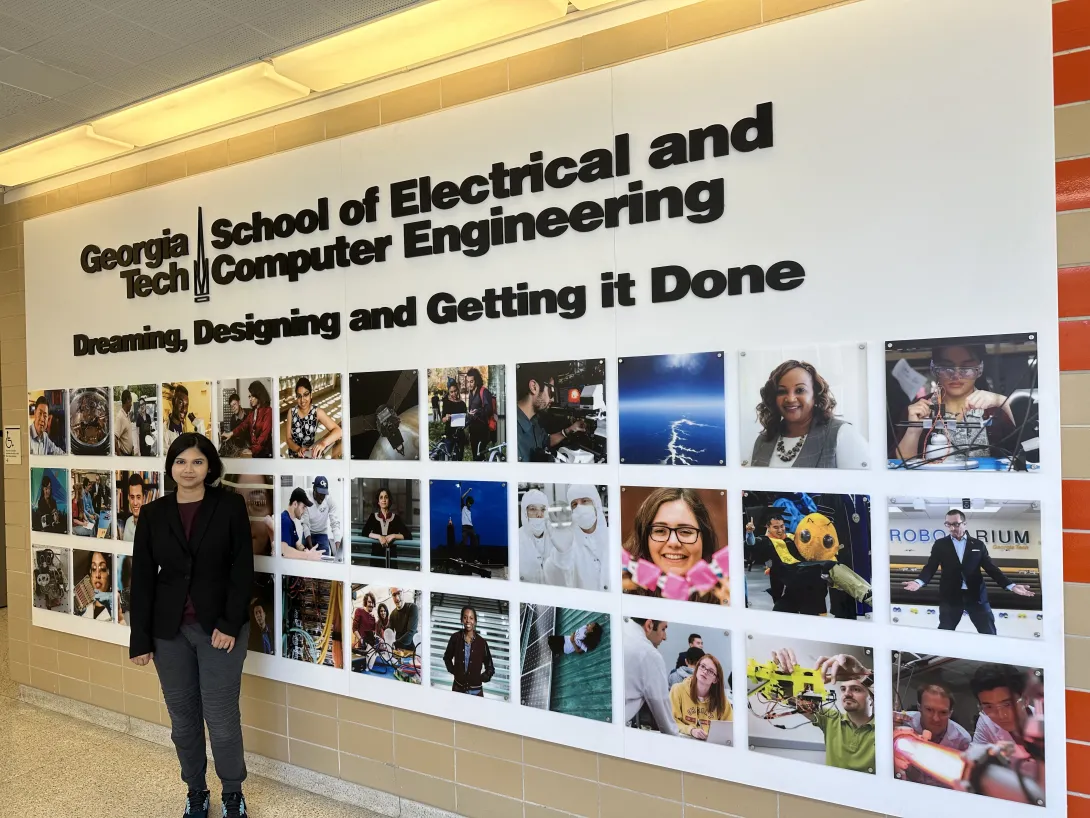
Georgia Institute of Technology School of Electrical and Computer Engineering Ph.D. candidate Fabia Farlin Athena received the prestigious Stanford Energy Postdoctoral Fellowship, becoming Georgia Tech’s first recipient of the distinction.
With climate change becoming one of the a defining issue of the 21st century, the transition to a low-carbon energy system will solve about three-fourths of the problem, according to the fellowship’s website. At the same time, the new energy system needs to be affordable, reliable, and available to the average person.
The three-year fellowship sponsored in Stanford’s Precourt Institute of Energy and Doerr School of Sustainability aims to identify, develop, and connect the next generation of energy leaders — from science and engineering to policy and economics — to translate theoretical climate change solutions into tangible realities.
At Stanford, Athena, who is advised by Eric M. Vogel in the School of Materials Science and Engineering, will work on emerging materials and devices for energy-efficient sustainable computing. She will be working with H.-S. Philip Wong, professor of electrical engineering, and Alberto Salleo, professor of materials science and engineering.
After being selected as a finalist, she presented her current Ph.D. research on adaptive oxide devices for energy-efficient computing, as well as her proposed research to the fellowship’s advisory board.
“It was an amazing experience to go through the selection process of writing the proposal and finally getting interviewed by the honorable advisory board,” Athena said. “It was humbling to get the opportunity to discuss my research with a person I have always looked up to in Professor Steven Chu, a Nobel Laureate in Physics and former U.S. Secretary of Energy!”
Athena is just one of 10 fellows selected globally this year. The fellowship provides her the opportunity to explore new and profound postdoctoral research that is distinct from her Ph.D. work.
“I am deeply grateful to my advisor Prof. Eric M. Vogel for his constant kind support throughout my Ph.D. and for believing in me,” Athena said. “He has been a pillar of constant support throughout my journey. I am also grateful to Prof. Samuel Graham for his kind constant support, including for this fellowship. I am thankful to my respected P.I.s at Stanford, Professor H.-S. Philip Wong, and Professor Alberto Salleo for their support of my proposal. I am also grateful to my respected mentors Prof. Suman Datta, Prof. William Alan Doolittle, Dr. Takashi Ando, and Dr. Vijay Narayanan for their kind support, advice, and opportunities. Finally, I would like to thank Georgia Tech ECE for providing the platform for learning, exploration, and collaboration.”
Before her time at Georgia Tech, Athena received her undergraduate degree in materials science and engineering from the Bangladesh University of Engineering and Technology. She then spent two semesters at Purdue University as a graduate researcher, where she collaborated with the Idaho National Lab on nuclear materials for next-generation energy.
Athena’s research has been recognized with the Georgia Tech ECE Ph.D. Fellowship, 2022 Cadence Diversity in Technology Scholarship, 2023 EECS Rising Stars, 2023 Colonel Oscar P. Cleaver Award for the most outstanding Ph.D. dissertation proposal in Georgia Tech ECE, 2023 MRS Graduate Student Award, and IBM Ph.D. Fellowship from 2022-2024.
News Contact
Zachary Winiecki
Dec. 04, 2023
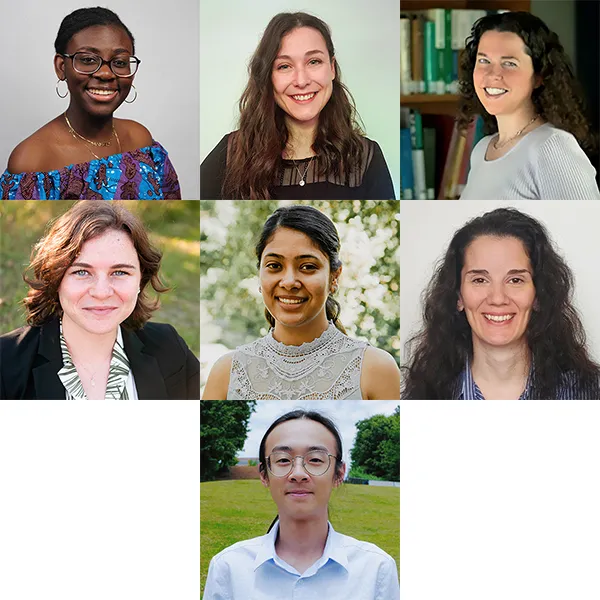
The first cohort of the Brook Byers Institute for Sustainable Systems (BBISS) Graduate Fellows published an article in the open-access, peer-reviewed journal, Elementa: Science of the Anthropocene. The seven Ph.D. students reflected on their two years of working, studying, and training together as an interdisciplinary sustainability research team. In the article, they give their insights into how they benefited from this approach and what steps might be taken to improve graduate level, sustainability-related programs. Further, their paper offers researchers and educators a rare perspective into interdisciplinary research and education from the standpoint of students who are still pursuing their degrees and actively engaged in research for their chosen disciplines.
Citation: McSorley, M, Arkhurst, BK, Hall, M, Zha, Y, Spyrou, IM, Duchesneau, K, Ringania, U, Chang, M. 2023. For graduate students to become leaders in sustainability, we must transcend disciplinary boundaries. Elementa: Science of the Anthropocene 11(1). DOI: https://doi.org/10.1525/elementa.2023.00012
For more information about the Brook Byers Institute for Sustainable Systems Graduate Fellows program, please visit this webpage.
News Contact
Brent Verrill, Research Communications Program Manager, BBISS
Dec. 04, 2023
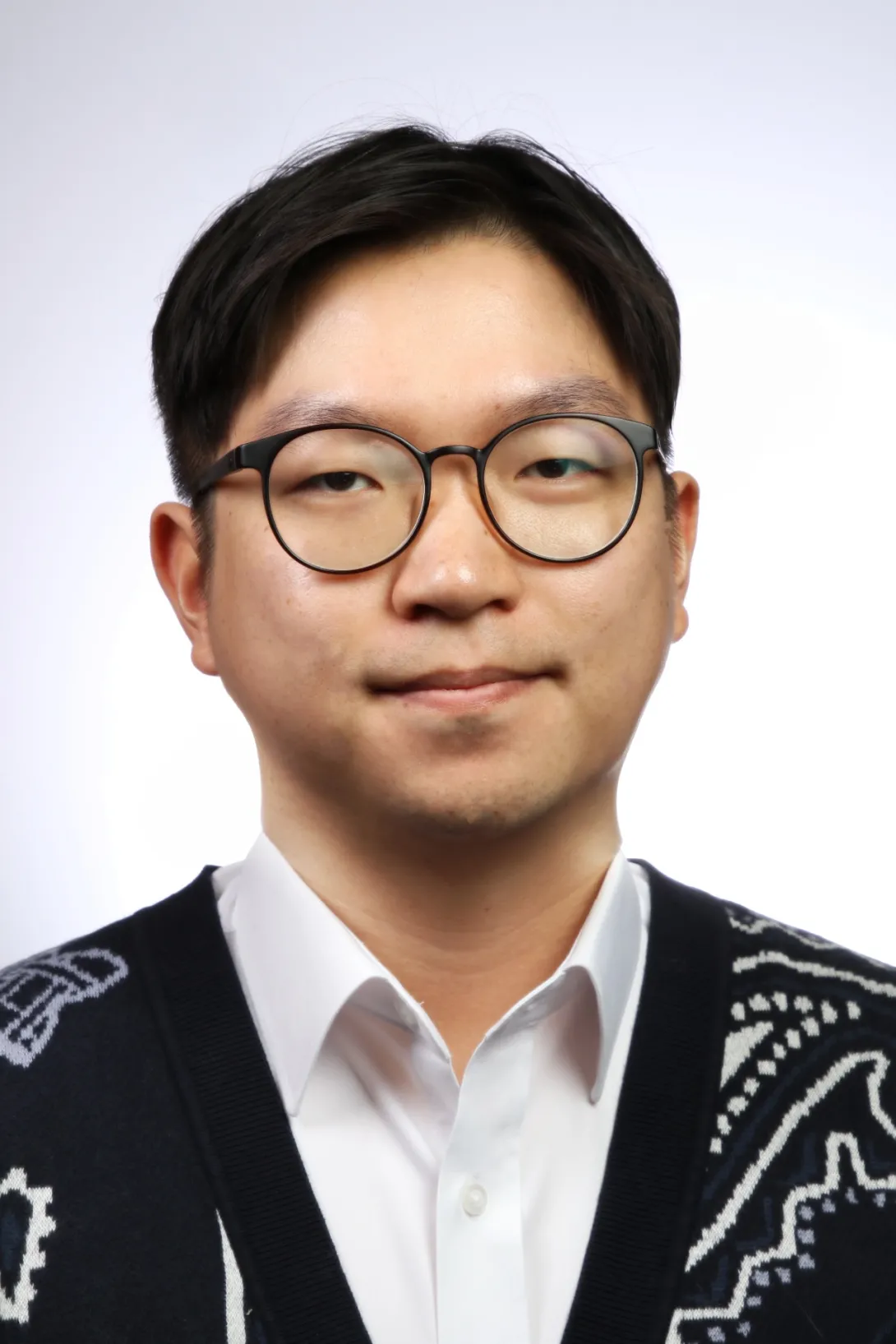
Dongsuk Sung, Ph.D. student studying biomedical engineering in the joint Georgia Tech and Emory University program, wanted to do research that people don’t think about but is very important in reality.
“Brain temperature was under-studied but a critical marker for our brain health, and clinicians in emergency departments told me that they need a tool to predict brain temperature accurately to treat patients better,” said Sung. “I have always wanted to help patients have longer, healthier lives after medical treatments.”
Sung’s research includes the study and development of “next generation techniques for the estimation of human brain temperature.”
According to Sung, core body temperature has been used as a substitute to brain temperature due to a lack of non-invasive techniques. However, it has been reported that the core body temperature and the brain temperature can be different after certain injuries, diseases, or strokes.
The goal of Sung’s dissertation is to develop a method to predict brain temperature in an efficient and effective way. He developed a computational model that is both non-invasive and uses patient-specific data.
“Ultimately, my research on computational model-based brain thermometry will potentially improve decisions from doctors and providing better patient outcomes, particularly in brain-based diseases or injuries, enabling longer and healthier lives,” said Sung.
Sung’s research titled, “Comparisons of healthy human brain temperature predicted from biophysical modeling and measured with whole brain MR thermometry,” was published in Scientific Reports and recently earned a Chih Foundation Graduate Student Research Publication award.
Sung is one of four graduate students awarded the 2023 Chih Foundation Graduate Student Research Publication. Congratulations to the following 2023 Chih Foundation Graduate Student Research Publication award recipients: Andrés-Felipe Castro Méndez, Dongsuk Sung, Hantian Zhang, and Vanessa Oguamanam.
Each awardee receives $2,500 to pursue their research.
“This award will provide me with more opportunities for me to explore deeply into this topic and introduce this topic to general audiences,” said Sung. “I’m really grateful for receiving this award so that I can confidently keep pursuing the biomedical research using medical imaging.”
News Contact
Sara Franc
Communications Officer
Office of Graduate and Postdoctoral Education
sara.franc@gatech.edu