
Jan. 04, 2011

Biomedical Engineering Professor Eberhard Voit, has been elected as a Fellow of the American Institute of Medical and Biological Engineering (AIMBE), Class of 2012. He was chosen for the honor: "For outstanding contributions to the development of computational systems biology and the use of model-based problem-solving in biomedical engineering."
Voit holds the David D. Flanagan Chair in Biological Systems in The Wallace H. Coulter Department of Biomedical Engineering at Georgia Tech and Emory University. He is a Georgia Research Alliance Eminent Scholar and Associate Director of the Integrative BioSystems Institute.
There were 107 individuals elected to the College, who will be inducted at a ceremony at AIMBE’s Annual Event on February 20 in Washington, D.C. The inductees, who were nominated by their peers, were screened by committees of Fellows within their specialty and were finally elected by the full College as the official College of Fellows Class of 2012. The College of Fellows is comprised of the top two percent of medical and biological engineers in the country.
News Contact
Adrianne Proeller
PR Strategist/Writer
Wallace H. Coulter Department of Biomedical
Engineering at Georgia Tech & Emory
Dec. 23, 2011

The American Association for the Advancement of Science (AAAS) has named four Georgia Tech professors as 2011 Fellows. AAAS is the world’s largest general scientific society, and the election as a Fellow is an honor bestowed upon AAAS members by their peers.
Three of the new AAAS Fellows at Georgia Tech hail from the College of Engineering and one is on the faculty in the College of Computing. The Fellows were announced today in the journal Science and will be honored at the Fellows Forum, held Feb. 18 at the AAAS Annual Meeting in Vancouver, Canada.
The new AAAS Fellows at Georgia Tech are:
Ali Adibi, professor of electrical and computer engineering, who was honored for his “distinguished contributions to the fields of integrated nanophotonics, photonic crystals, and volume holography."
David Bader, professor of computational science and engineering in the College of Computing, who earned the distinction for “distinguished contributions to the field of computational science and engineering.”
Robert Butera, professor of electrical and computer engineering who also holds a joint appointment in the Wallace H. Coulter Department of Biomedical Engineering at Georgia Tech and Emory University, was named Fellow “for advances in computational neuroscience and neurotechnology, promoting engineering through society, editorial, and university leadership, and contributing to STEM policy and educational initiatives."
Paul Steffes, professor of electrical and computer engineering, who earned the distinction for “contributions to the understanding of planetary atmospheres through innovative microwave measurements."
AAAS is an international non-profit organization dedicated to advancing science around the world by serving as an educator, leader, spokesperson and professional association. AAAS publishes the journal Science as well as many scientific newsletters, books and reports, and spearheads programs that raise the bar of understanding for science worldwide. The four Georgia Tech faculty members were among 539 Fellows elected by the AAAS Council in November.
News Contact
Georgia Tech Media Relations
Laura Diamond
laura.diamond@comm.gatech.edu
404-894-6016
Jason Maderer
maderer@gatech.edu
404-660-2926
Dec. 01, 2011
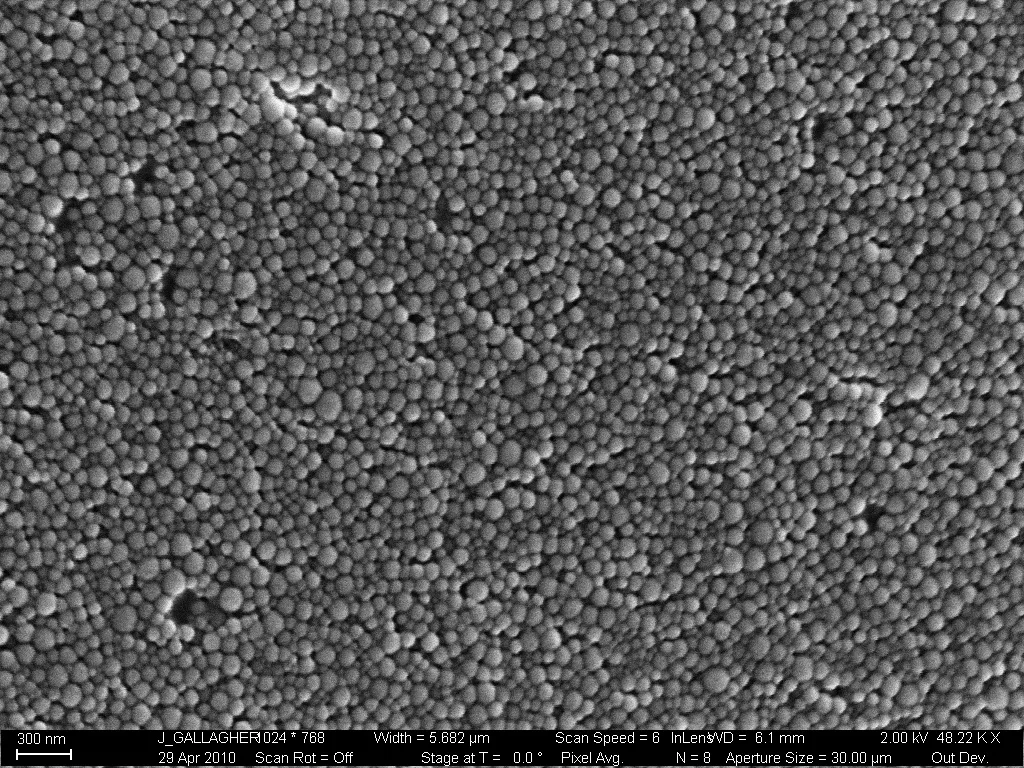
The Kenneth Rainin Foundation announced the establishment of its Breakthrough Awards Program, which is designed to enable investigators to further their Inflammatory bowel disease research and increase the likelihood of a breakthrough discovery.
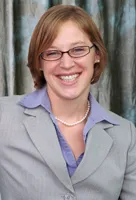
A research proposal by Julie A. Champion, Ph.D, an assistant professor in the School of Chemical and Biomolecular Engineering at the Georgia Institute of Technology, and Andrew S. Neish, M.D., professor in anatomic pathology at Emory University School of Medicine, will receive $100,000 to continue the promising research that resulted from the foundation through its Innovator Award program last year. The “Breakthrough Awards” are given to existing Kenneth Rainin Foundation funded Innovator Award recipients that have demonstrated significant research progress during their initial year's work.
Over the course of the next year, the team’s research aims to develop effective therapeutics that harness the immunomodulatory properties of bacterial molecules for the treatment of Inflammatory Bowel Disease. The hope is that by exploiting the inherent ability of intestinal pathogens to control inflammatory signaling pathways in a person’s own body, that they can adapt bacterial effector or regulatory molecules and use them as an immunotherapy.
“A major challenge in realizing the therapeutic potential of these molecules is the ability to engineer a delivery system capable of delivering protein inside intestinal epithelial cells,” Champion said.
Inflammatory bowel disease is a chronic disorder in which the intestines become inflamed. The cause of inflammatory bowel disease is not known, although researchers believe that the most likely cause is an immune reaction the body has against its own tissues in the intestine. The disease is thought to affect over 1 million Americans.
The Kenneth Rainin Foundation is a private family foundation that funds inspiring and world-changing work. The Foundation’s mission is to eliminate any suffering from inflammatory bowel disease. Breakthrough Awards are determined at an annual meeting of Innovator Awardees with the foundation’s scientific advisory board and other board members. The Innovator Awards Program is open to tenure track professors at all levels from any scientific discipline and from any non-profit research institutions worldwide. Interdisciplinary collaborations, like this proposal by Georgia Tech and Emory, are important to the Foundation.
News Contact
Megan McDevitt
Marketing Communications Director
Parker H. Petit Institute for Bioengineering & Bioscience
(404) 385-7001
Oct. 24, 2011
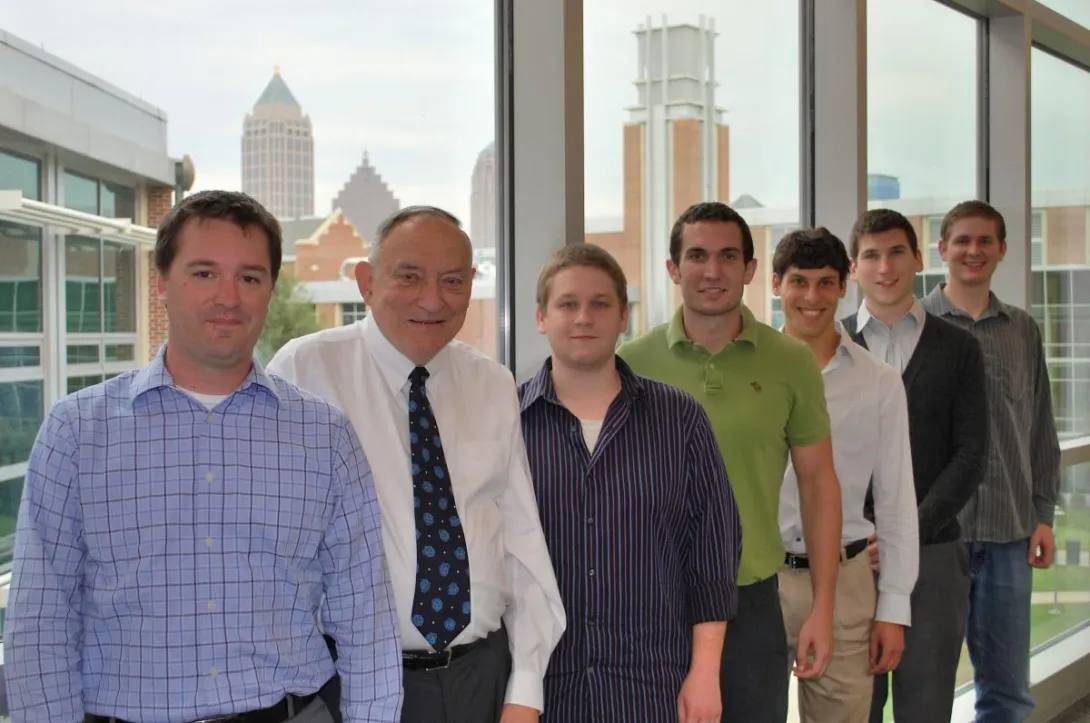

Georgia Tech’s Stem Cell Biomanufacturing Integrated Graduate Education Research Training (IGERT) program, recently identified by Nature magazine as one of the “out of the box” manufacturing educational programs in the country, announced its second class of graduate students today. The seven new trainees come from a wide variety of disciplines including the school of chemical and biomolecular engineering, biomedical engineering, mechanical engineering and material science and engineering.
The $3 million NSF-funded IGERT was awarded to Georgia Tech in 2010 to educate and train the first generation of PhD students in the translation and commercialization of stem cell technologies for diagnostic and therapeutic applications. The current state of the field of stem cell research offers a unique opportunity for engineers to contribute significantly to the generation of robust, reproducible and scalable methods for phenotypic characterization, propagation, differentiation and bioprocessing of stem cells.
Directed by Co-Principal investigators, Todd C. McDevitt, PhD, associate professor in the Wallace H. Coulter Department of Biomedical Engineering, and Robert M. Nerem, PhD, professor emeritus in the George W. Woodruff School of Mechanical Engineering, this grant provides a unique training opportunity to top engineering graduate students looking to understand how to scale and control stem cells into clinically relevant numbers. The goal, to train the next generation of experts in this new field of stem cell biomanufacturing for the development of stem cell technologies, diagnostics, and therapies.
Catalyzed by a surge of activity in the late 1990s, advances in stem cell biology over the past decade have continued to accelerate at a rapid pace. The manufacturing industry is expanding with commercial development of stem cell products projected to be $10 billion within the next 6-8 years. Moreover, the transformation from discoveries in stem cell biology to viable cellular technologies has enormous promise to revolutionize a range of applications for many aspects of society. As a result, stem cell biomanufacturing is on the verge of broadly impacting regenerative medicine, drug discovery and development, cell-based diagnostics and cancer.
Earlier this year, United States President Barack Obama asked Georgia Tech’s President G.P. “Bud” Peterson to join the Advanced Manufacturing Partnership steering committee to revolutionize manufacturing in the United States. Along with other industry and university representatives, the purpose of this committee is to identify and invest in the key emerging technologies, such as information technology, biotechnology and nanotechnology to help U.S. manufacturers improve cost, quality and speed of production in order to remain globally competitive. The stem cell biomanufacturing industry need look no further than President Peterson’s backyard for future experts in stem cell biomanufacturing.
“I have received dozens of calls and emails from industry looking for graduates of this program because of the uniqueness of the training and the need for manufacturing expertise,” stated McDevitt. “Georgia Tech has a real opportunity to become a leader in this emerging field and begin to answer questions about down-stream processes so that when the first clinical therapies are discovered, scientists are prepared to be able to respond with cells in the quantity and quality that will be needed for treatment.”
The Stem Cell Biomanufacturing IGERT is further catalyzed by the Stem Cell Engineering Center, which was also established in 2010 and brings together research laboratories from all over the state of Georgia to discuss and develop collaborative opportunities for research labs engineering novel stem cell based technologies, therapies, and diagnostics.
Georgia Tech's Stem Cell Biomanufacturing IGERT award will train over 30 graduate students in the first 5 years of the program. The IGERT offers a core curriculum in stem cell engineering and analytical design processes coupled with elective tracks in advanced technologies, public policy, ethics or entrepreneurship.
2011 Trainees
Tom Bongiorno – George W. Woodruff School of Mechanical Engineering, Advisor – Todd Sulchek
Rob Dromms – School of Chemical and Biomolecular Engineering, Advisor – Mark Styczynski
Devon Headen – Wallace H. Coulter Department of Biomedical Engineering, Advisor – Andres Garcia
Greg Holst – George W. Woodruff School of Mechanical Engineering, Advisor – Craig Forest
Torri Rinker – Wallace H. Coulter Department of Biomedical Engineering, Advisor – Johnna Temenoff
Shalini Saxena – School of Material Science & Engineering, Advisor – Andrew Lyon
Josh Zimmerman – Wallace H. Coulter Department of Biomedical Engineering, Advisor – Todd McDevitt
2010 Trainees
Amy Cheng – George W. Woodruff School of Mechanical Engineering, Advisor – Andrés García
Alison Douglas – Wallace H. Coulter Department of Biomedical Engineering, Advisor – Thomas Barker
Jennifer Lei – George W. Woodruff School of Mechanical Engineering, Advisor – Johnna Temenoff
Douglas White – Wallace H. Coulter Department of Biomedical Engineering, Advisors – Melissa Kemp & Todd McDevitt
Jenna Wilson – Wallace H. Coulter Department of Biomedical Engineering, Advisor – Todd McDevitt
News Contact
Megan Richards
Program Coordinator
Stem Cell Biomanufacturing IGERT
Georgia Institute of Technology
404-385-0783
Oct. 12, 2011
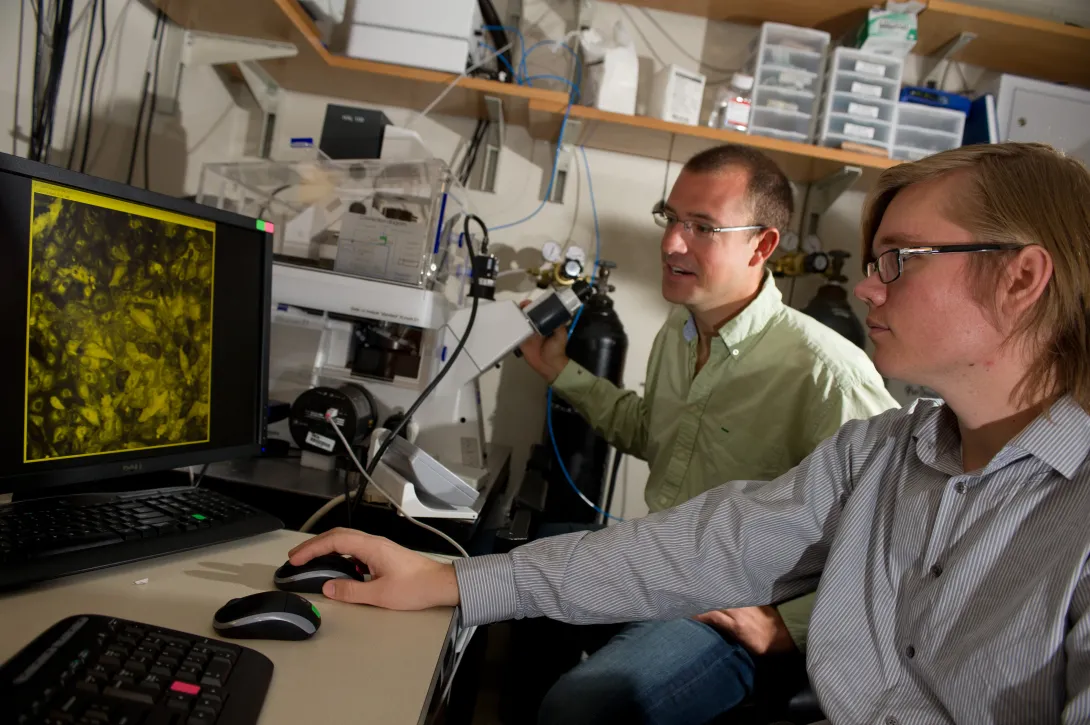
The Parker H. Petit Institute for Bioengineering and Bioscience is accepting project submissions from graduate students and postdoctoral fellows who are interested in mentoring a member of the incoming class of 2012 Petit Undergraduate Research Scholars.
The Petit Scholars program is a competitive scholarship program that offers highly innovative research opportunities to top undergraduate students for a full year. The Petit Scholars mentoring program offers the mentor a unique, full-year mentoring and project management experience while simultaneously furthering their own research interests. Mentors also receive travel funds and funds for materials and supplies.
Interested candidates must be currently conducting their own research in an IBB laboratory and must be available from January through December of 2012. Faculty approval will be required.
Online project submissions will be accepted through Monday, October 31, 2011 and should outline an independent research project for a potential undergraduate scholar. For full details about the Petit Mentor program, visit the website below.
News Contact
Colly Mitchell, Petit Scholars Program Administrator
Todd McDevitt, Faculty Advisor
Sep. 20, 2011
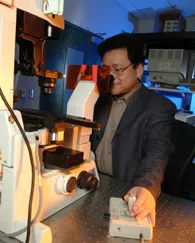
If a tumor is more visible and easier to distinguish from surrounding tissues, surgeons will be more likely to be able to remove it completely. That’s the rationale behind a new $7 million, five-year “transformative” grant from the National Institutes of Health to a team of researchers from Emory, Georgia Tech and the Perelman School of Medicine at the University of Pennsylvania.
The grant is part of the NIH Director’s Awards Program funded by the NIH Common Fund.Shuming Nie, PhD, and his colleagues at the Emory-Georgia Tech Nanotechnology Center for Personalized and Predictive Oncology have been developing fluorescent nanoparticle probes that hone in on cancer cells. The grant will support the team’s continuing work on the nanoparticles and instruments that visualize them for cancer detection during surgery.
The project team includes May Wang, PhD, director of biocomputing and bioinformatics at the Nanotechnology Center and Sunil Singhal, MD, director of the Thoracic Surgery Research Laboratory at the Perelman School of Medicine. Nie is a professor and Wang is associate professor in the Wallace H. Coulter Department of Biomedical Engineering at Georgia Tech and Emory University.
“At present, a significant group of patients who undergo surgery leave the operating room without a complete resection due to missed lesions,” Nie says. “Our main goals are to help surgeons distinguish tumor margins, identify diseased lymph nodes and micrometastases, and to determine if the tumor has been completely removed. Having these capabilities can be expected to make a major impact in reducing recurrence rates of lung cancer after surgery.”
The grant includes plans for tests of the nanoparticles and cancer detection instruments on dogs with naturally occurring lung tumors and a first-in-human clinical trial for patients with lung cancer at the University of Pennsylvania.
The proposed technologies could be broadly applicable to many types of solid tumors. The project includes two types of contrast agents for detecting cancer: a fluorescent dye (indocyanine green, approved for in vivo use by the FDA) conjugated to the protein albumin, and polymer-coated gold particles coupled to a reporter dye and an antibody that binds to tumor cells. The gold in the particles amplifies the signal from the dye through an effect called surface-enhanced Raman scattering.
Nie and his colleagues have developed a hand-held device called a SpectroPen that can detect both fluorescence and Raman signals. The SpectroPen combines a near-infrared laser and a detector, and is connected by a fiber optic cable to a spectrometer, computer and video monitor.
Previous research leading to the current grant was supported by a Grand Opportunities grant from the National Cancer Institute (NCI) and the NIH Director’s Office, and by the NCI Centers of Cancer Nanotechnology Excellence (CCNE) at Emory and Georgia Tech.
The award was one of 17 granted this year through the NIH Director’s Transformative Research Projects Program (T-R01), which was created to challenge the status quo with innovative ideas that have the potential to advance fields and speed the translation of research into improved health for the American public. The first group of Transformative R01 grants was funded in 2009.
Another T-RO1 grant, for $2 million over five years, was awarded to Todd McDevitt, PhD, director of the Stem Cell Engineering Center at Georgia Tech and an associate professor in the Wallace H. Coulter Department of Biomedical Engineering at Georgia Tech and Emory University, along with Coulter Department Associate Professor Johnna Temenoff, PhD, and Woodruff School of Mechanical Engineering Professor Robert Guldberg, PhD. The grant will support the development of tissue regeneration therapeutics for traumatic injuries and degenerative diseases.
“The NIH Director’s Award programs reinvigorate the biomedical work force by providing unique opportunities to conduct research that is neither incremental nor conventional,” says James M. Anderson, MD, PhD, director of the Division of Program Coordination, Planning and Strategic Initiatives, who guides the Common Fund’s High-Risk Research program. “The awards are intended to catalyze giant leaps forward for any area of biomedical research, allowing investigators to go in entirely new directions.”
More information on the Transformative Research Projects Award is at http://commonfund.nih.gov/T-R01 including information on this year's awardees
Writer: Quinn Eastman
The Robert W. Woodruff Health Sciences Center of Emory University is an academic health science and service center focused on missions of teaching, research, health care and public service.Learn more about Emory’s health sciences: Blog: http://emoryhealthblog.com Twitter: @emoryhealthsci Web: http://emoryhealthsciences.org
News Contact
Holly Korschun - Media Contact
Sep. 07, 2011
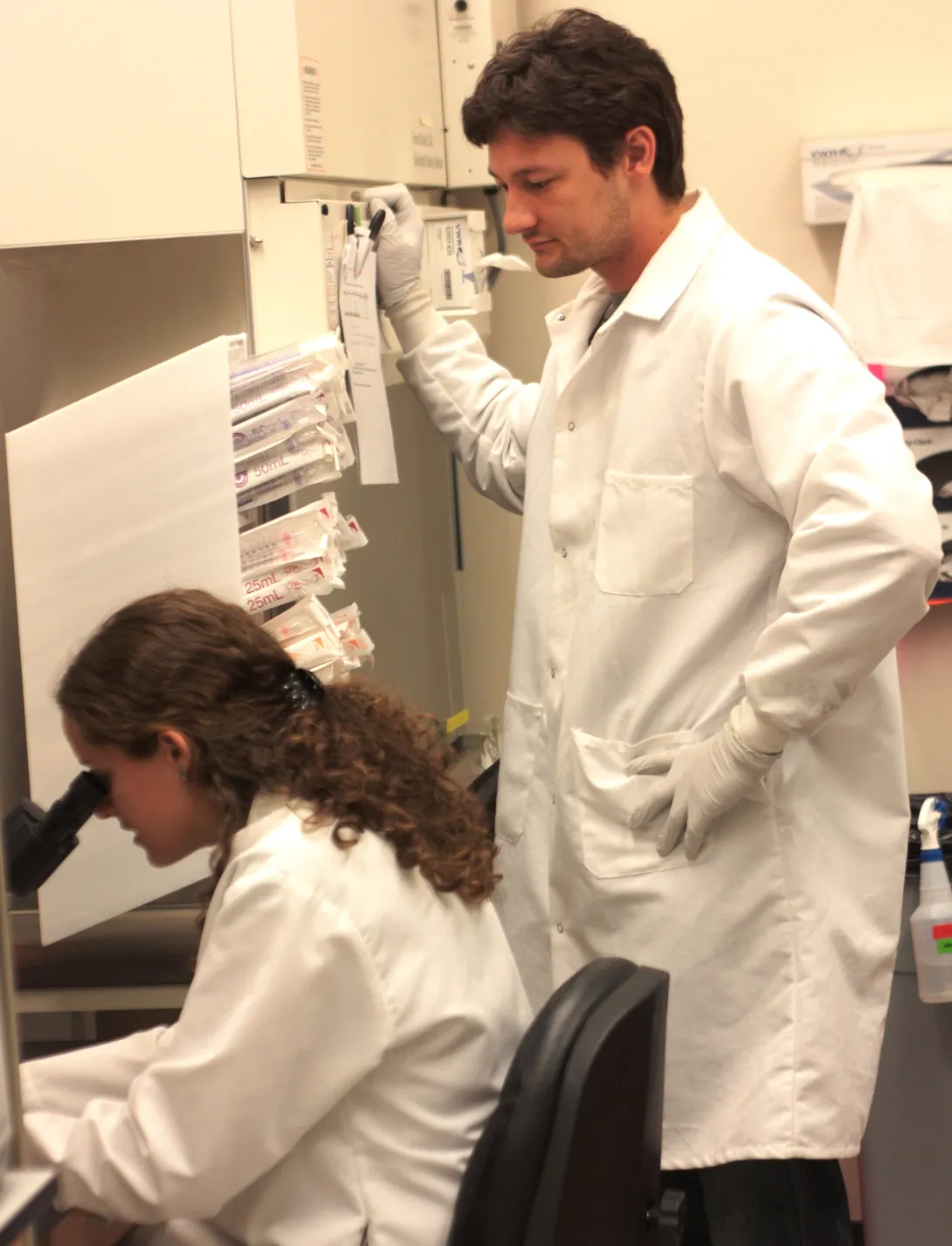
The Parker H. Petit Institute for Bioengineering and Biosciences is now accepting applications for the 2012 Class of Petit Undergraduate Research Scholars. The Petit Scholars program is a competitive scholarship program that serves to develop the next generation of leading bioengineering and bioscience researchers by providing a comprehensive and independent research experience. In the full-year program, undergraduates conduct independent research in the Petit Institute's state-of-the-art laboratories in the areas of cancer biology, biomaterials, drug design, development and delivery, molecular evolution, molecular cellular and tissue biomechanics, regenerative medicine, stem cell engineering and systems biology.
Since its beginning in 2000, the program has supported hundreds of top undergraduate researchers who have gone on to distinguished careers in research, medicine and industry. As biotechnology research has grown significantly throughout the Georgia Tech campus, so has the number of Petit Scholars with the funding of 19 scholars in 2011. To date, the program has funded students from Georgia Tech, Morehouse College, Georgia State University, Emory University, Agnes Scott College and Georgia Gwinnett College. The Petit Scholars program is funded by Friends of the Petit Institute donors in addition to its endowment from Parker H. "Pete" Petit. To make a donation to this program, visit: Petit Scholars Donations
Beginning October 10, 2011, IBB will begin accepting research project submissions from graduate student and/or postdocs to be considered to serve as mentors to the incoming class of Petit Scholars.
The application submission deadline for the 2012 Petit Scholars is Friday, October 7, 2011 at 5:00pm. For complete program requirements and online application, visit: 2012 Petit Scholars
News Contact
Colly Mitchell
Petit Scholars Program Administrator
Parker H. Petit Institute for Bioengineering and Bioscience
Aug. 22, 2011

In response to feedback received in a recent survey regarding the Georgia Tech-Emory Intercampus Shuttle, a new shuttle schedule for the 2011-2012 academic year has been created with increased departure frequency. The shuttle will now run a full loop every hour and will continue service to the Biotech Quad at GT. It is important to note that the shuttle will no longer drop off at the Georgia Tech CRC, as that route is already served by the Tech Trolley and Red Route buses.
The new schedule is set to begin service August 22, 2011 on weekdays during the fall and spring semesters. The Emory Hospital-Midtown shuttle currently provides service several blocks away from GT campus and also stops at Civic Center Marta Station, for those at Emory needing access to GT or Marta trains in the summer.
The slight offset in the schedule from 9:15am-9:45am and again at 11:15am-11:45am. This allows the shuttle to serve students attending the IBS555/556 classes at Emory as well as those at Emory desiring to attend IBB seminars at GT, which are typically from 11am-12pm. Additionally, these offsets allow some buffer for the shuttle to stay on schedule after morning rush hour so that morning delays don't make the shuttle late for the rest of the day.
To view new schedule, visit: GT/Emory Schedule
To check the status of the shuttle arrivals in REAL TIME, visit: GT/Emory NextBus
News Contact
Ian Campbell
BME Graduate Student Advisory Board
Aug. 09, 2011
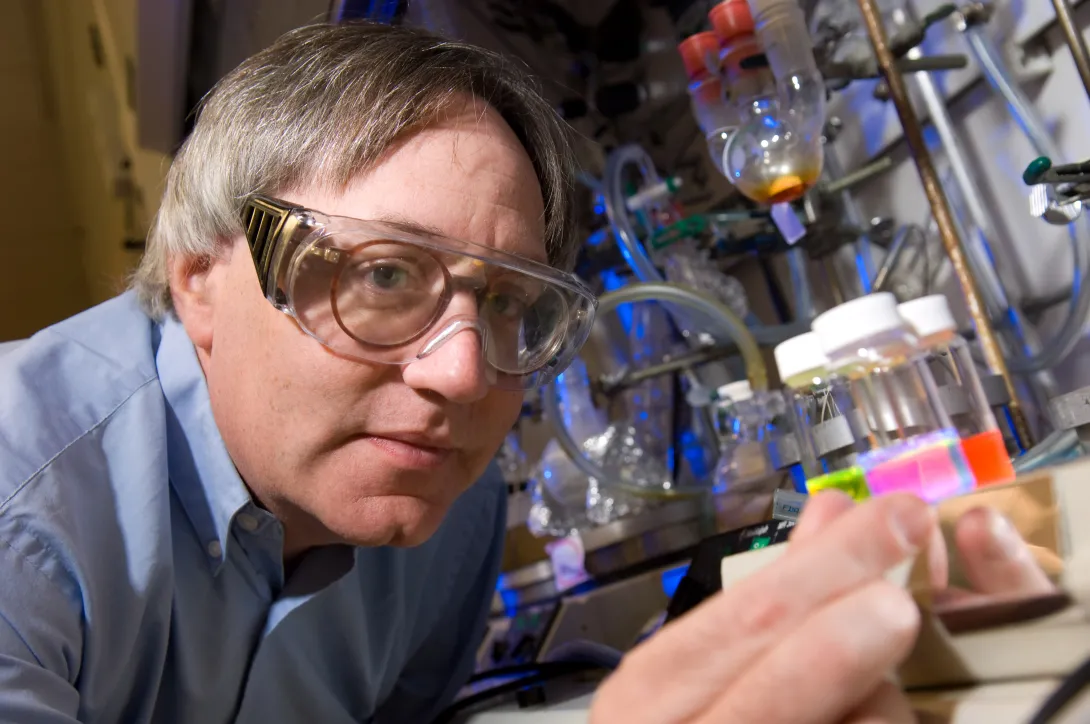
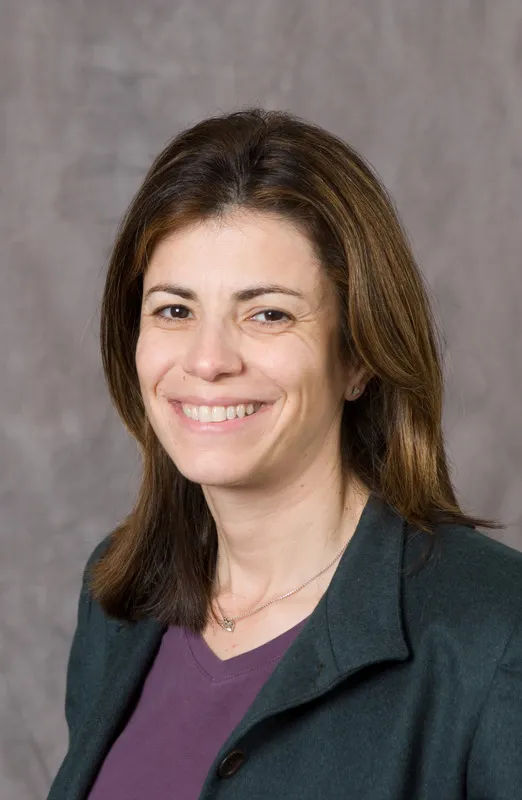

The University System of Georgia Board of Regents today appointed three Georgia Tech faculty members as Regents’ Professors and two as Regents’ Researchers.
The three new Regents’ Professors at Georgia Tech are Mark Prausnitz, professor and director of the Center for Drug Design, Development and Delivery in the School of Chemical & Biomolecular Engineering; Seth Marder, professor in the School of Chemistry and Biochemistry and founding director of the Center for Organic Photonics and Electronics in the colleges of Engineering and Sciences; and Gary Schuster, Vasser Woolley Professor in the School of Chemistry and Biochemistry.
Two Regents’ Researchers appointed include Gisele Bennett, professor and director of the Electro-Optical Systems Laboratory in the Georgia Tech Research Institute; and Suzanne Eskin, principal research scientist in the Wallace H. Coulter Department of Biomedical Engineering at Georgia Tech and Emory University.
“We are immensely proud of our new Georgia Tech Regents’ Professors and Researchers,” said G. P. “Bud” Peterson, Georgia Tech’s president. “They are conducting breakthrough research that is gaining national attention. The fact that we have five Georgia Tech faculty members receiving this honor from the Board of Regents in one year is a reflection of the caliber of scholars we have at Tech.”
A Regents' Professorship and Regents’ Researcher title represents the highest academic status bestowed by the University System of Georgia. It is meant to recognize a substantial, significant and ongoing record of scholarly achievement that has earned high national esteem over a sustained period.
Prausnitz has received international acclaim for his research on biophysical methods of drug delivery, which employ microneedles, ultrasound, lasers, electric fields, heat, convective forces and other physical means to control the transport of drugs, proteins, genes and vaccines into and within the body.
Marder is working on bringing nanotechnology out of the lab and into the marketplace. Using a process known as two-photon absorption, the research groups of Marder and colleague Joseph Perry are developing a broad set of materials for 3D micro- and nanolithography.
Schuster is a nationally known scholar and researcher with an extensive list of published articles on topics ranging from biochemistry through physical chemistry, as well as a number of scientific discoveries with commercial applications. He also held top leadership roles at Georgia Tech such as interim president, provost and dean of the College of Sciences.
Bennett has been praised for the programs she has built around automatic identification technologies using radio frequency identification and container security. Her research activities include the study of optical coherence imaging systems.
Eskin has contributed to research on vascular biology, cardiovascular tissue engineering and gene expression of vascular cells. She studies the comparative effects of mechanical forces accompanying blood flow and pressure on the blood vessel wall.
The titles are awarded by the Board of Regents, which governs the University System of Georgia, upon the unanimous recommendation of the president, the chief academic officer, the appropriate academic dean and three other faculty members named by the president, and upon the approval of the chancellor and the committee on academic affairs.
News Contact
Georgia Tech Media Relations
Laura Diamond
laura.diamond@comm.gatech.edu
404-894-6016
Jason Maderer
maderer@gatech.edu
404-660-2926
Jul. 05, 2011

With the Morehouse School of Medicine (MSM) serving as the lead hostinstitution in conjunction with Emory University School of Medicine and theGeorgia Institute of Technology (Georgia Tech), the 2011 annual workshop willtake place on the Georgia Tech campus. This meeting aims to inspire younginvestigators from a variety of disciplines to enter the field of vascularbiology by providing trainees with a robust introductory learning experience,facilitate the rapid integration of new research trainees into vascular biologyresearch programs by enhancing their exposure and understanding of the latestexperimental approaches employed in the field and finally to orient newinvestigators to the breadth and depth of the frontiers of knowledge ofvascular biology through state-of-the-art presentations and scientificinterchange with leading investigators.
Vasculata® is a summer course/workshop that promotesthe study of vascular biology. It is designed to present an overview ofthe field and future areas of active research. Individuals with little orno background in vascular biology are encouraged to attend, and current traineesin the field and all interested individuals are invited to participate. This includes students (undergraduates, graduate students, medical students),trainees (postdocs, research fellows, residents) and others (junior and seniorfaculty).
This meeting builds upon the legacy of research training provided byprevious Vasculata conferences by leveraging the superb critical mass ofvascular biology investigators at the three partner institutions in Atlanta.The Vasculata 2011 conference will be a distinctive addition that willincorporate several new programmatic elements to enrich the training experienceand develop a special thematic emphasis on preparing a new generation ofvascular biologists to extend the frontiers of discovery science as well as engagein translational science that bridges from ‘bench-to-bedside.” The proposedmeeting builds upon the complementary strengths of the tri-institutionalpartnership such that the program reflects the inter-disciplinary nature ofvascular biology. The conference will capture the breadth of the field in itsinclusion of investigators from a wide variety of disciplines such as:bioengineering, systems biology, developmental biology, clinical science,regenerative medicine and genetic epidemiology.
Moreover, Vasculata 2011 will be a novel addition to the series byincorporating new programmatic elements that emphasize the mentorship oftrainees as well as major initiatives to expand the gender and racial/ethnicdiversity of biomedical scientists in the field. Overall, the Vasculata 2011conference promises to be an exciting and uniquely rich research trainingexperience.
Organizing Committee:
GaryGibbons, MD, Morehouse School of Medicine
KathyGriendling, PhD, Emory University
HanjoongJo PhD, Georgia Institute of Technology and Emory University
ArshedQuyyumi MD, Emory University
News Contact
Bernadette Englert