
Jan. 12, 2026
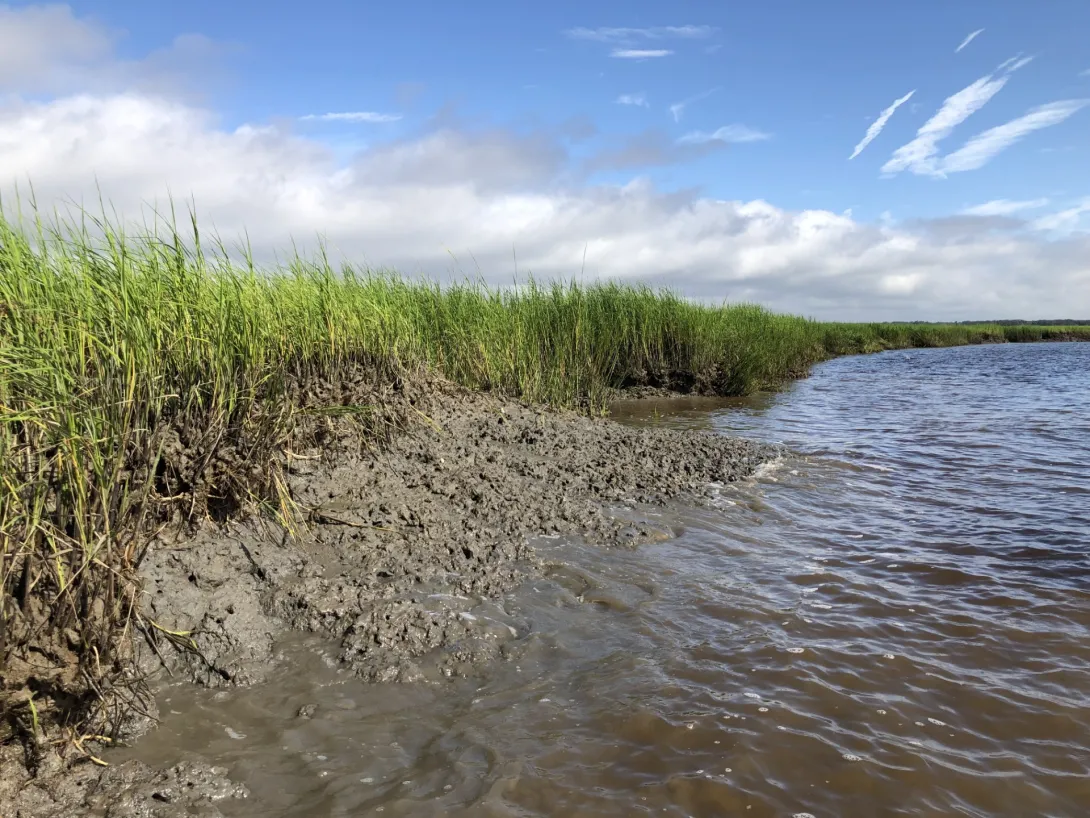
Degraded marsh on Cumberland Island, Georgia.
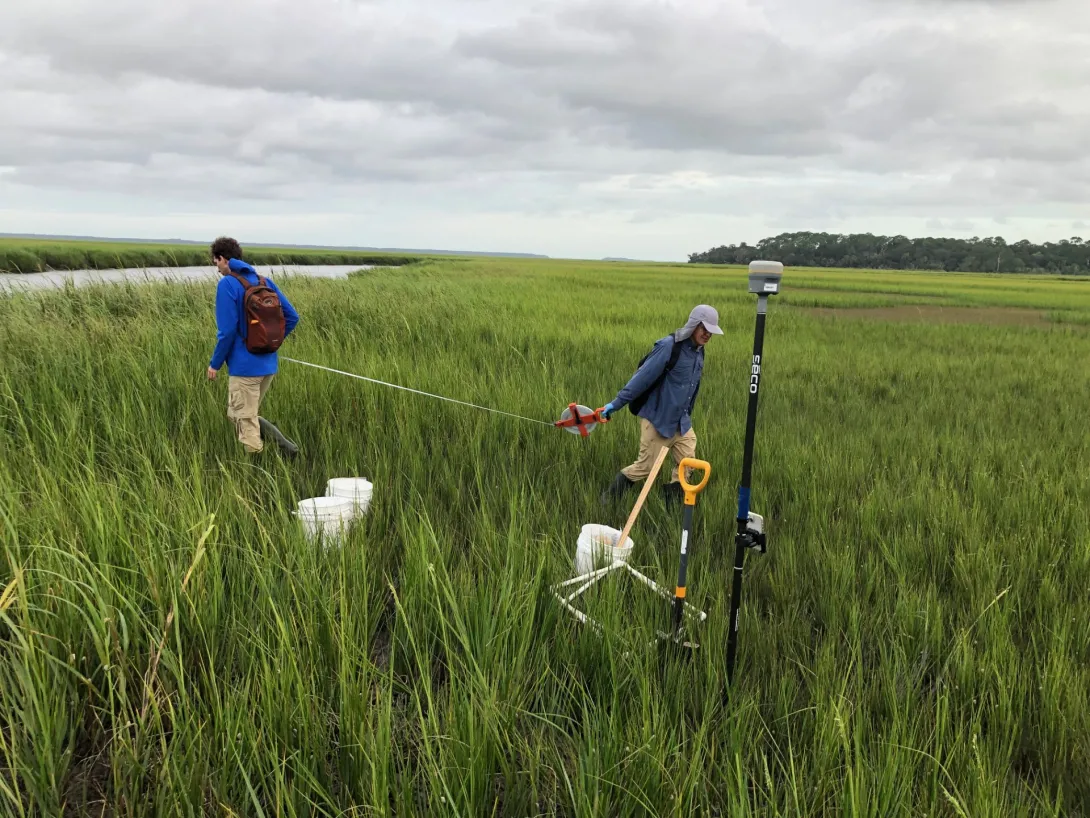
Kostka sampling transects of marshland on Cumberland Island, Georgia.
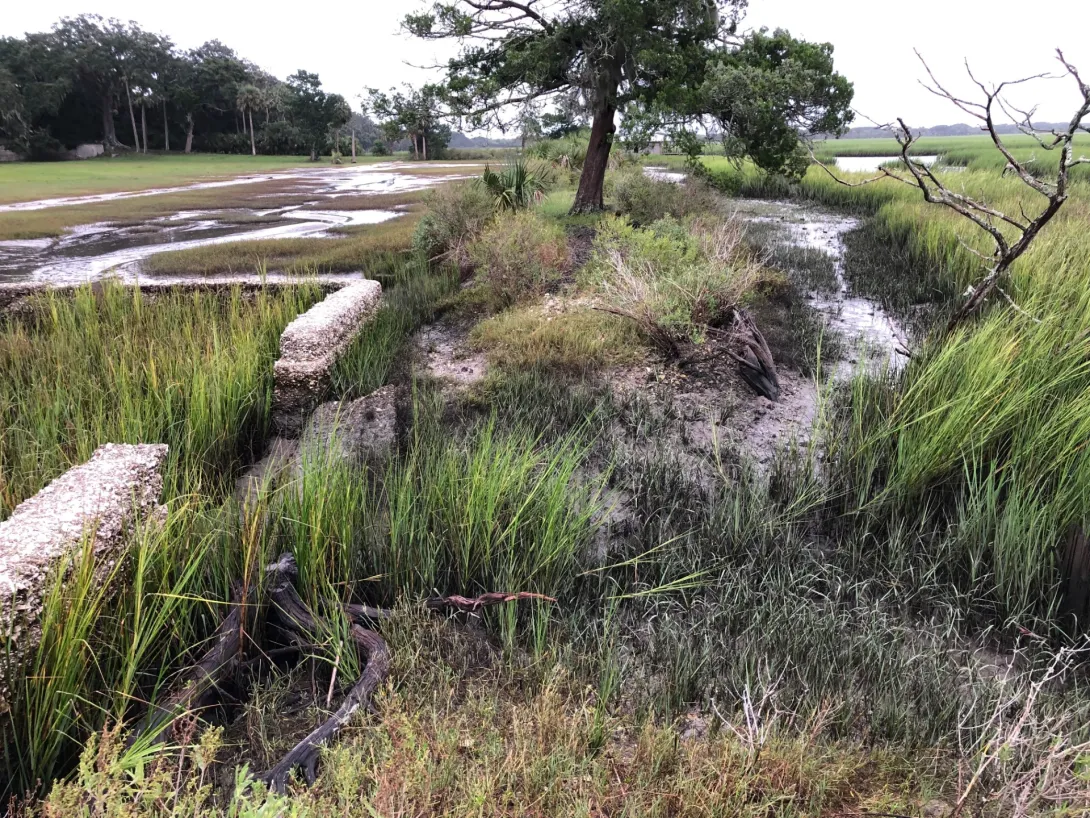
Erosion around the historic property “Dungeness” on Cumberland Island, Georgia.
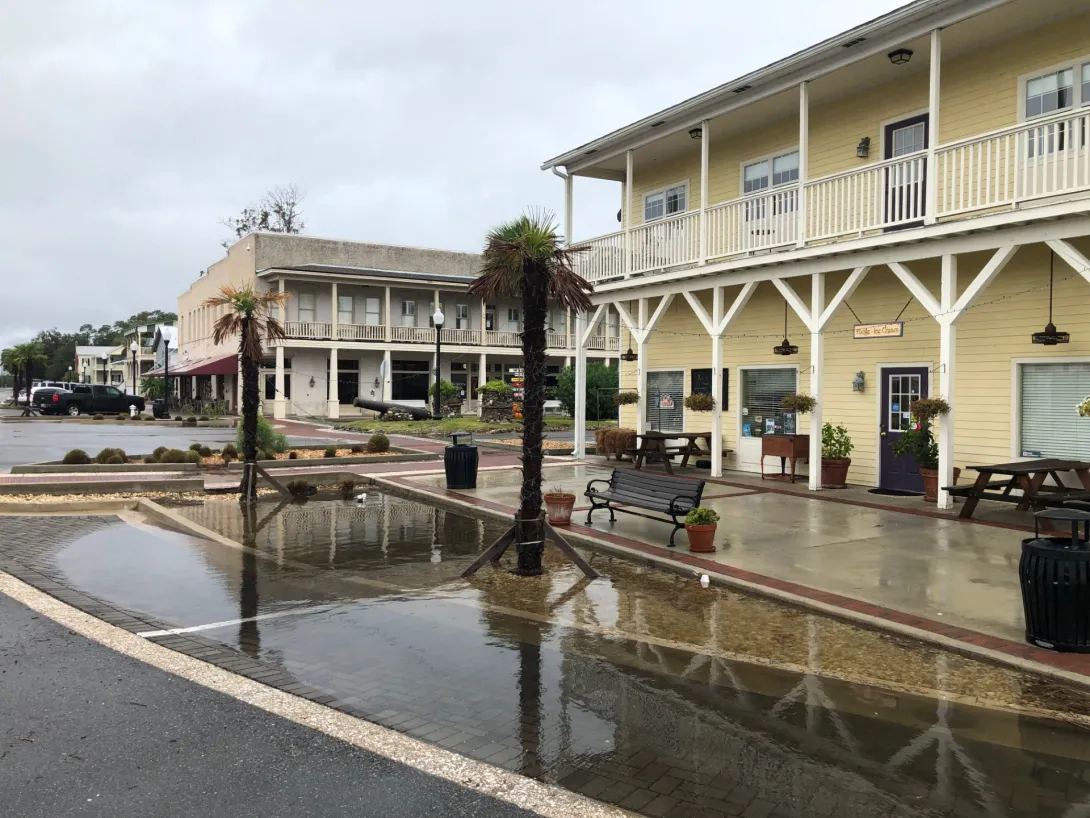
Flooding in the town of St. Marys, a town in Camden County, Georgia.
The National Fish and Wildlife Foundation (NFWF) has awarded an interdisciplinary team nearly $1 million in funding through the National Coastal Resilience Fund to restore coastal wetlands in Georgia. It was the only project in Georgia to be selected for funding from the program's 2025 call for proposals.
The award will support the design of nature-based solutions including living shorelines and marsh restoration in flood-prone areas of Camden County, Georgia, adjacent to Naval Submarine Base Kings Bay, Cumberland Island National Seashore, and the city of St. Marys.
“Restoring wetlands in Camden County is not just an environmental priority — it’s a resilience strategy for the entire region,” says principal investigator (PI) Joel Kostka, Tom and Marie Patton Distinguished Professor, associate chair for Research in the School of Biological Sciences, and faculty director of Georgia Tech for Georgia’s Tomorrow. “Each acre of restored marshland protects coastal communities from natural hazards like storms and flooding, provides essential marine habitat, and has the potential to aid the Navy and the Army Corps of Engineers in developing management alternatives for dredged materials. When our wetlands flourish, our whole coastline does.”
In addition to Kostka, co-PI’s include University of Georgia (UGA) Skidaway Institute of Oceanography Director Clark Alexander, UGA Associate Professor Matt Bilskie and Professor Brian Bledsoe, The Nature Conservancy Coastal Climate Adaptation Director Ashby Worley, and Georgia Tech alumnus Nolan Williams of Robinson Design Engineers, a firm dedicated to the engineering of natural infrastructure in the Southeast that is owned and operated by Georgia Tech alumnus Joshua Robinson.
A coastal collaboration
The new project, known as a “pipeline project” by NFWF, builds on multiple resilience plans and years of previous research conducted by the established team. “This is a testament to the value of the long-term collaborations and partnerships that enable coastal resilience work,” Kostka says. “We’re working closely with local communities and a range of city, state, and federal stakeholders to ensure these solutions align with local priorities and protect what matters most.”
It’s not the first time that the team has brought this type of collaboration to the coastline. Since 2019, Kostka has worked alongside the South Carolina Department of Natural Resources, the South Carolina Aquarium, and Robinson Design Engineers in a $2.6 million effort to restore degraded salt marshes in historic Charleston, also funded by NFWF. Now in the implementation phase, much of the marsh restoration in Charleston involves planting salt-tolerant grasses, restoring oyster reefs, and excavating new tidal creeks — work that is being spearheaded by local volunteers.
“Coastal resilience isn’t something one group can tackle alone,” Kostka adds. “That shared, community-driven vision is what makes these projects possible.”
News Contact
Written by Selena Langner
Dec. 16, 2025
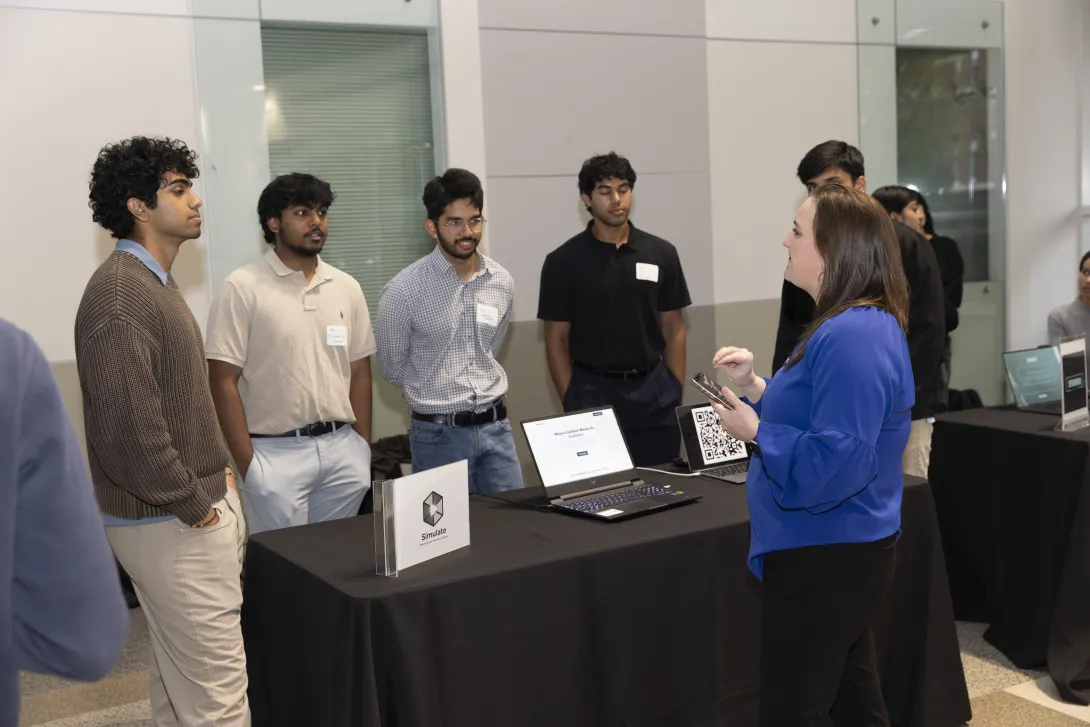
SCI's Jennifer Whitlow speaks with a team presenting at the new entrepreneur section of Junior Design Capstone. Photos by Terence Rushin/ College of Computing.
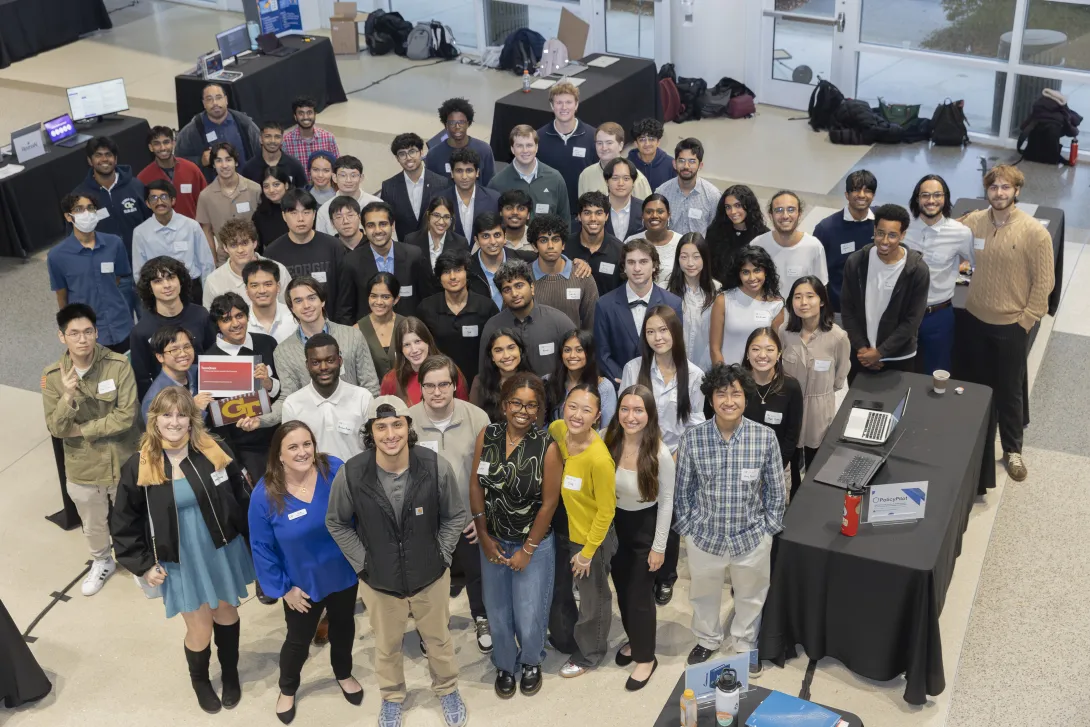
Students present at the expo
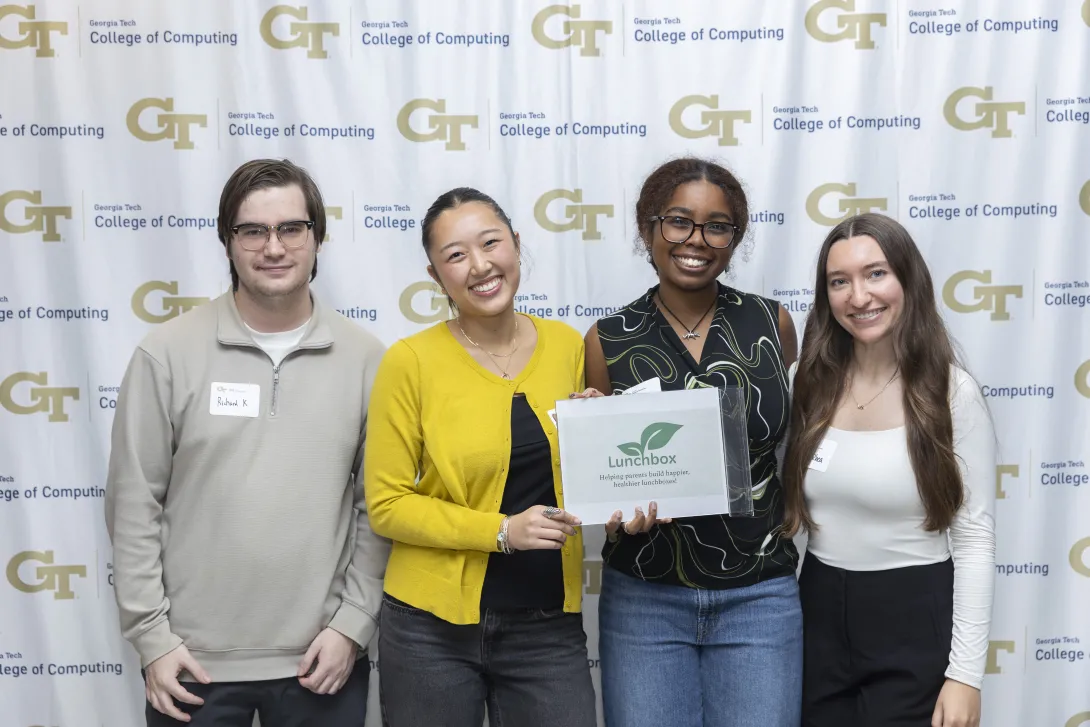
Team Lunchbox created a prototype to help parents of neurodivergent children with safe foods. Photo by Terence Rushin/ College of Computing.
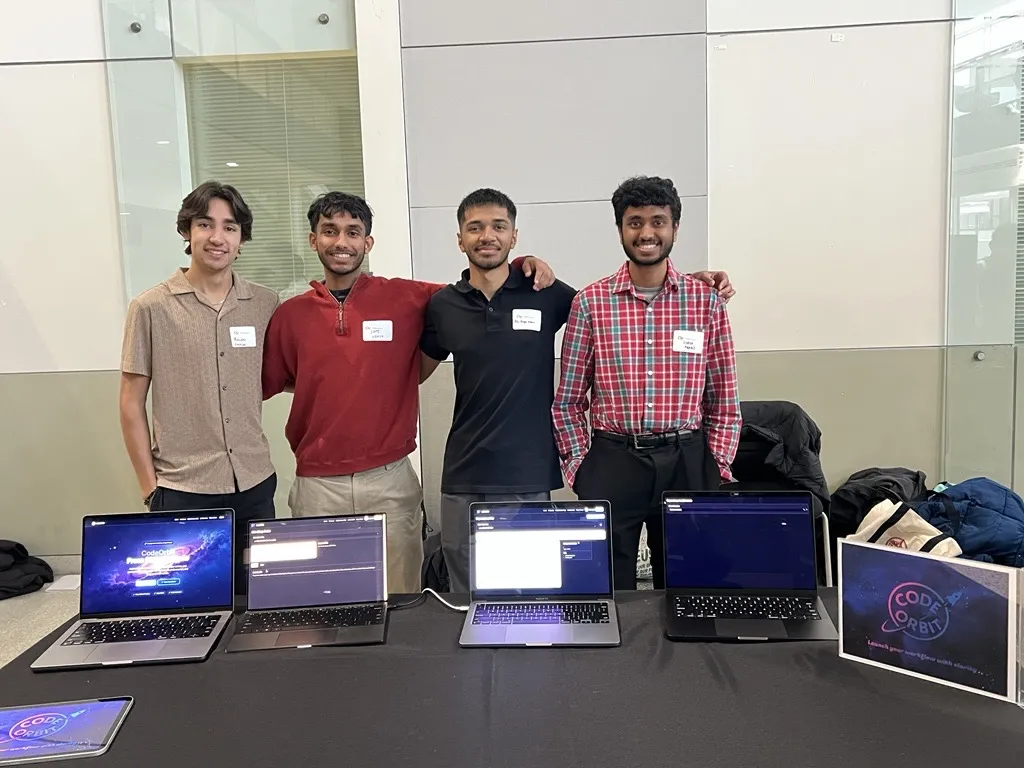
Team CodeOrbit took first place at the Expo. Photo by Jennifer Whitlow.
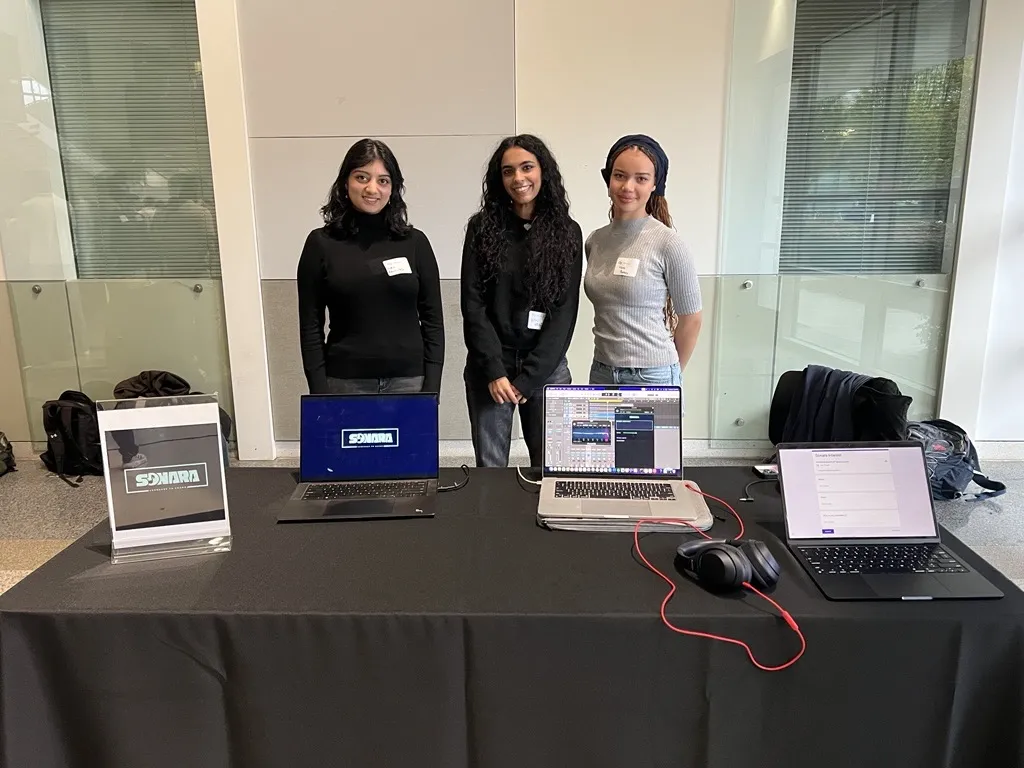
Team Sonara took second place at the Expo. Photo by Jennifer Whitlow.
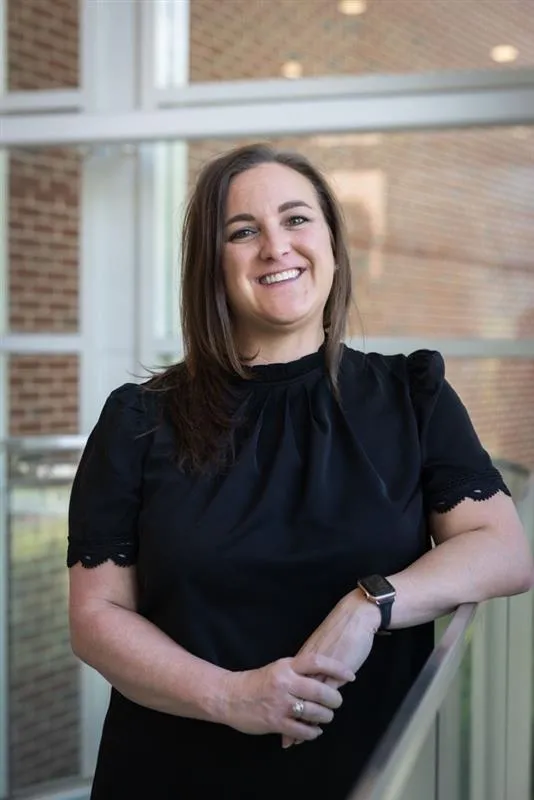
Whitlow, who has years of experience working with startups, leads the new section of Junior Design Capstone. Photo by Kevin Beasley/ College of Computing.
From zero to working prototype in just four months, students in the College of Computing’s new entrepreneurial Junior Design Capstone tackle real-world problems with guidance from startup mentors.
Led by School of Computing Instruction faculty member and Georgia Tech alumna Jennifer Whitlow, the course gives students a founder’s perspective on building technology that meets real user needs.
A Startup Approach to Junior Design
Unlike the traditional CS Junior Design course where teams work with sponsors, students in the entrepreneurial track act as their own clients. They begin the semester with no predetermined problem and follow a structured process, which is anchored by deliverables that reflect professional expectations.
“Students come in with nothing,” Whitlow said. “They identify a problem, conduct customer discovery, realize which assumptions were wrong, refine their direction, figure out what to build and then build it. And they own it 100 percent.”
Customer-discovery interviews ensure every idea is grounded in real user needs, and the semester culminates in a fully functioning prototype paired with a written justification of the decisions behind it. This combination of development and reflection gives students a framework that mirrors startup practices.
Expert Alumni Coached and AI-Driven Development
To further simulate a startup environment, Whitlow recruited alumni coaches with startup or executive experience. Coaches were paired with teams based on their areas of expertise, advising anywhere from one to four groups. The roster includes a former chief technology officer and longtime startup advisor, along with alumni startup founders.
Students also incorporate AI tools into development, accelerating early prototype work while still making critical decisions themselves.
“AI can accelerate the early stages,” Whitlow said. “But students have to understand their design well enough to guide it. AI doesn’t replace their decision-making.”
Top Teams Earn CREATE-X Acceptance
Sixteen teams completed the entrepreneurial capstone this fall.
The top two scoring projects earned automatic acceptance into CREATE-X Launch, Georgia Tech’s startup accelerator:
- CodeOrbit
- Sonara
These teams showcase the program’s ability to quickly bring student ideas to a level that’s ready for real-world startup incubation.
Putting the Process into Action: Lunchbox
One team that exemplifies how the capstone’s structure supports innovation is LunchBox. Created by computational media major Abigail Rhea and her teammates, LunchBox helps parents and caregivers of neurodivergent children navigate limited safe-food options.
The idea evolved after early customer discovery revealed that the original concept had too much competition, so the team narrowed its focus.
“During research, one of our teammates came across a testimonial from the mother of an autistic child,” Rhea said. “It spoke to all of us and helped us shift toward a truly underserved demographic.”
The team conducted more than 20 interviews with caregivers and special education teachers, reshaping its approach. “We realized families didn’t need another daily task,” Rhea said. “They needed personalized guidance that runs in the background. Everything we built came directly from those conversations.”
The team's biggest technical challenge was engineering a dynamic, emotionally supportive roadmap for food-exposure therapy. While AI accelerated development of SwiftUI code, all core decisions remained human-driven.
At the Capstone Expo, attendees connected strongly with the project. “So many people told us how applicable LunchBox is to their lives,” Rhea said. “Most joined the waitlist. We couldn’t be more excited for what’s next.”
Looking Ahead
Whitlow sees the pilot already fulfilling its purpose: giving students the tools and confidence to turn ideas into real ventures. Teams can continue work by applying to CREATE-X programs or building on their prototypes after the semester.
“This course shows students they can create something real,” Whitlow said. “That’s the goal: empowering them to innovate.”
A Startup Approach to Junior DA Startup Approach to Junior DesiUnlike the traditional CS Junior Design course where teams work with sponsors, students in the entrepreneurial track act as their own clients. They begin the semester with no predetermined problem and follow a structured process, which is anchored by deliverables that reflect professional expectatio
Dec. 12, 2025
In 2015, before the cleaning crews hit the sidewalks of downtown Atlanta and before scavenger animals arose to snag an easy meal, Adam Betuel would venture into the darkness of the early mornings to look for birds.
Some were still alive, but most of the birds were dead. They were all too easy to find.
“I knew birds hit buildings, but I didn’t know much more about the issue at that time, and I was surprised how easily I just found birds,” Betuel said.
Birds flying into windows aren’t isolated events. Environmentalists estimate between 365 million and one billion birds die each year from colliding with structures in the U.S.
“That statistic is hard for most people to comprehend,” Betuel said. “When you think about the millions of homes we have and these high-rise buildings, and if each one is killing a few a year, that number can get big pretty quick.”
Betuel is the executive director of Birds Georgia, a nonprofit affiliate of the Audubon network that leads bird conservation efforts in Georgia. For 10 years, volunteers from the organization have combed Atlanta’s streets, collecting bird specimens.
Birds Georgia launched Project Safe Flight in 2015 to reduce bird building-collision mortality through data collection. Through legislation, the group aims to make building construction bird-friendly and reduce light pollution.
Environmentalists who study the issue have ranked Atlanta, which sits squarely on a migration route, as the fourth-most dangerous city for birds during fall migration. It is the ninth-most dangerous city during spring migration.
The number of bird deaths from collisions in Atlanta and across the state remains unknown. However, new data tools developed by student researchers in the College of Computing at Georgia Tech are helping Birds Georgia get a clearer picture of the issue.
“We’ve been working with different folks at Georgia Tech for years now, but it’s really picked up lately,” Betuel said. “There’s a lot of momentum and interest on campus to try to make the city safer for birds.”
Pushing for Policy
Ashley Boone, a Ph.D. student in human-centered computing in Tech’s School of Interactive Computing, has led the student effort to help Birds Georgia organize its data.
Boone said organizing data and knowing how to use it is critical to spark conversations about adopting legislation.
“We often see a gap between data collection and data advocacy,” she said. “Birds Georgia has done an amazing job of tracking collisions in Atlanta over the last 10 years. My goal is to understand the role technology can play in making data useful for policy change.”
User-interface tools designed by computer science undergraduate students James Kemerait and Ian Wood have ramped up that process. One tool converts data input into visualizations optimized for social media, while another consolidates the data collected by volunteers and external sources.
Boone said the desired legislation would mirror policies implemented by New York City. Those policies require the use of bird-safe materials — like window film with patterned designs that break up reflections — in new buildings and buildings undergoing significant renovations.
What Can Residents Do?
Residents, whose homes account for about 40% of bird collision deaths in the U.S., can also make an impact.
“Households are an underexamined cause of bird collisions,” Boone said. “We focus on the big buildings because it’s easier to convince one manager of a large building to use bird-safe materials, and it’s easier for a policy to address a commercial building. But the sheer volume of residential buildings in the U.S. has a tremendous impact on the number of collisions.”
Steps that homeowners can take include:
- Buying bird-safe film or making do-it-yourself versions of it to put on windows.
- Placing attractive objects like birdhouses and birdfeeders very close or very far away from windows.
- Turning off lights after 9 p.m. on the busiest migration nights of the year.
Betuel said millions of birds can fly over Atlanta on a single night during migration, and they are attracted to the city lights.
“They’ll come into urban centers and collide with an illuminated building, or maybe they overnight somewhere that isn’t safe,” he said. “The next day, they’re surrounded by glass, and birds don’t understand reflection.”
Residents can visit the Birds Georgia website to sign up for the Lights Out Pledge. Those who sign up will receive a text on the 10 busiest migratory nights of the year, and they will be asked to turn their lights off early.
The tools provided by Georgia Tech gave Birds Georgia insight into the number of bird species affected by collisions — more than 140, according to Betuel.
Betuel said that when the organization reaches an estimate of bird collisions, he hopes the number will raise alarms and turn people’s attention to the ecological impact.
“All these birds being lost results in fewer birds to eat pest insects, fewer birds to pollinate flowers, fewer birds to disperse seeds — all the ecological functions that we need, that they’re doing in the background that most people aren’t keen to,” he said. “If this decline in bird life continues to happen, at some point, there will be issues with our ecosystems functioning as they always have.”
News Contact
Nathan Deen, Communications Officer I
Georgia Tech School of Interactive Computing
ndeen6@gatech.edu
Dec. 04, 2025
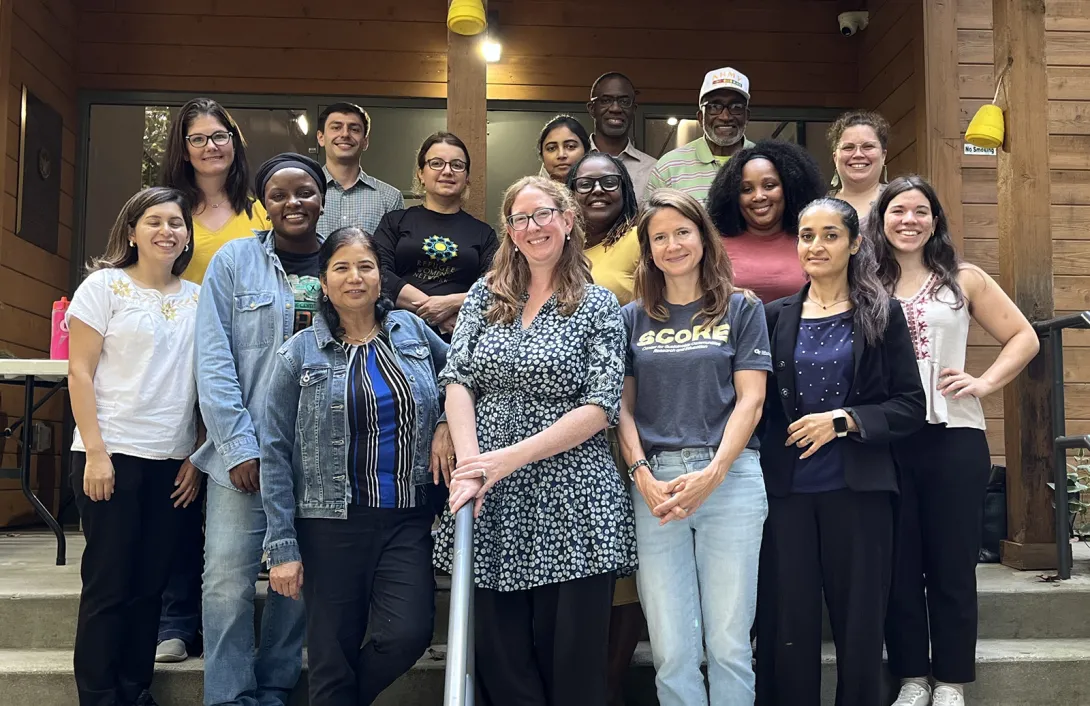
Grant readiness training participants and facilitators, pictured at the West Atlanta Watershed Alliance's Outdoor Activity Center. Photo includes: Kristin Janacek (BBISS), Thomas Fuentes (Cascade Springs Nature Preserve), Awaz Jabari (Refugee Women's Network), Anurupa Roy (Center for Sustainable Communities), Freddie Stevens III (Re'Gen Community Advisory), Chuck Barlow Sr. (Henderson School Alumni Association and Trust), Katie Kissel (Unearthing Farm and Market), Anna Tinoco Santiago (SCoRE), Tia Davis (ArtsXChange), Cassandra Knight (Henderson School Alumni Association and Trust), Desiree Jones (Georgia Advancing Communities Together), Alexandra Rodriguez Dalmau (SCoRE), Pabitra Poudyel (Refugee Women's Network), Katie O'Connell (Georgia Tech School of City and Regional Planning), Ruthie Yow (SCoRE), and Meena Khodayar (Refugee Women's Network)
Georgia Tech’s research enterprise is expanding its reach beyond campus walls, thanks to the work of the Community-Engaged Research (CER) Council. Formed in 2024, the council focuses on making collaborations between Georgia Tech and community partners easier, more strategic, and more impactful.
“At Georgia Tech, there’s incredible expertise in community engagement,” said Ruthie Yow SCoRE’s associate director, who facilitates the council. “But until now, there was no centralized way to connect those efforts. The council fills that gap.”
Five Pillars for Impact
The council’s strategy centers on five pillars: Coordination, Partners, Faculty Training and Recognition, Communication, and Resource Development. These priorities emerged from a strategic planning process involving seven interdisciplinary research institutes (IRIs) and centers, including Brook Byers Institute for Sustainable Systems (BBISS), Institute for People and Technology (IPaT), Strategic Energy Institute (SEI), Renewable Bioproducts Institute (RBI), the Enterprise Innovation Institute (EI²), Partnership for Inclusive Innovation (PIN) and SCoRE.
New Tool: Community Connect Website
Council members are developing new tools to support these priorities, including the brand-new Community Connect website, led by Nicole Kennard, assistant director for Community-Engaged Research in BBISS. The platform connects faculty and community partners by allowing them to create profiles, post engagement opportunities, and view an interactive map of partnerships.
“When I started this role, faculty told me they wanted to know who Georgia Tech was already working with and how to find new partners,” Kennard said. “They didn’t want to duplicate efforts or cold-call potential partners. This website addresses this challenge by showing existing connections and helping track engagement.”
The site will also serve as a data repository to measure impact of partnerships. “Having this data will help us advocate for infrastructure and support for community-engaged research,” Kennard added.
BBISS, IPaT, and more than 70 people from five of the Institute’s colleges and 18 units across GT supported the development of this new interactive site. The site is up and running while the team makes minor adjustments before a full launch in Spring 2026. Make a profile and share any website feedback with Nicole Kennard.
Building Capacity: Grant Readiness Training
In September, the council sponsored a grant readiness training for 18 community-based organizations. Led by SCoRE, the two-day workshop covered proposal basics, budgeting, logic models, and outcome measurement parameters. Over the course of two full days at the Outdoor Activity Center in West Atlanta, participants in the training helped these partners build the foundational systems, content, and strategies needed for effective grant seeking. Rather than focusing solely on writing techniques, this intensive workshop emphasized organizational readiness—equipping participants with materials such as boilerplate content, budget templates, outcome measurement frameworks, and funder research strategies. Tailored for organizations with limited staff who juggle multiple roles, the training provided practical, immediately applicable tools that support a proactive, long-term approach to securing grant funding. Read more about the training here.
Collaboration in Action: Clarkston Project
Through the leadership of council members Leigh Hopkins and Candice McKie, the council is launching a collaboration with the Center for Economic Development Research (CEDR), to support strategic visioning for the City of Clarkston after funding cuts threatened its planning process. Clarkston, Georgia, one of the most culturally diverse cities in the country, is moving into the second phase of their collaboration with CEDR. The two groups together are continuing to work on place-making, community-wide events, and creative incentives to attract and retain new businesses.
“It was a great example of pooling resources to lift up community vision and meet a community need,” Yow said.
Networking for Impact
On December 10, the council will host a networking event for faculty and staff engaged in CER. The goal is to share successes, attract new collaborators, and identify projects for 2026.
Join us at 2 p.m. in the Student Success Center, President’s Suite B , for light refreshments.
Engagement Across IRIs
Georgia Tech’s interdisciplinary research institutes are already leading impactful projects: IPaT’s CEAR Hub supports climate and cultural resilience in Georgia’s barrier islands; BBISS works on conservation and cultural sustainability with tribal Ojibwe partners; SEI’s Energy Faculty Fellows Program builds research networks with minority-serving institutions; RBI’s ReWood initiative advances renewable forest biotechnology for a climate-smart economy.
Faculty interested in learning more about CER can start by connecting with the council members. “We want to make it easy for researchers and communities to create mutually beneficial partnerships,” Yow said. “Reach out, share your work, and join us in building Georgia Tech’s impact.”
Council members include Terri Sapp (RBI), Clint Zeagler (IPaT), Nicole Kennard (BBISS), Leigh Hopkins and Candice McKie (CEDR), Yang You (SEI), Katie O'Connor (PIN), Ruthie Yow (SCoRE), and Rose Santa Gonzalez (Institute for Robotics & Intelligent Machines.)
News Contact
Jennifer Martin, Assistant Director of Research Communications Services
Nov. 26, 2025
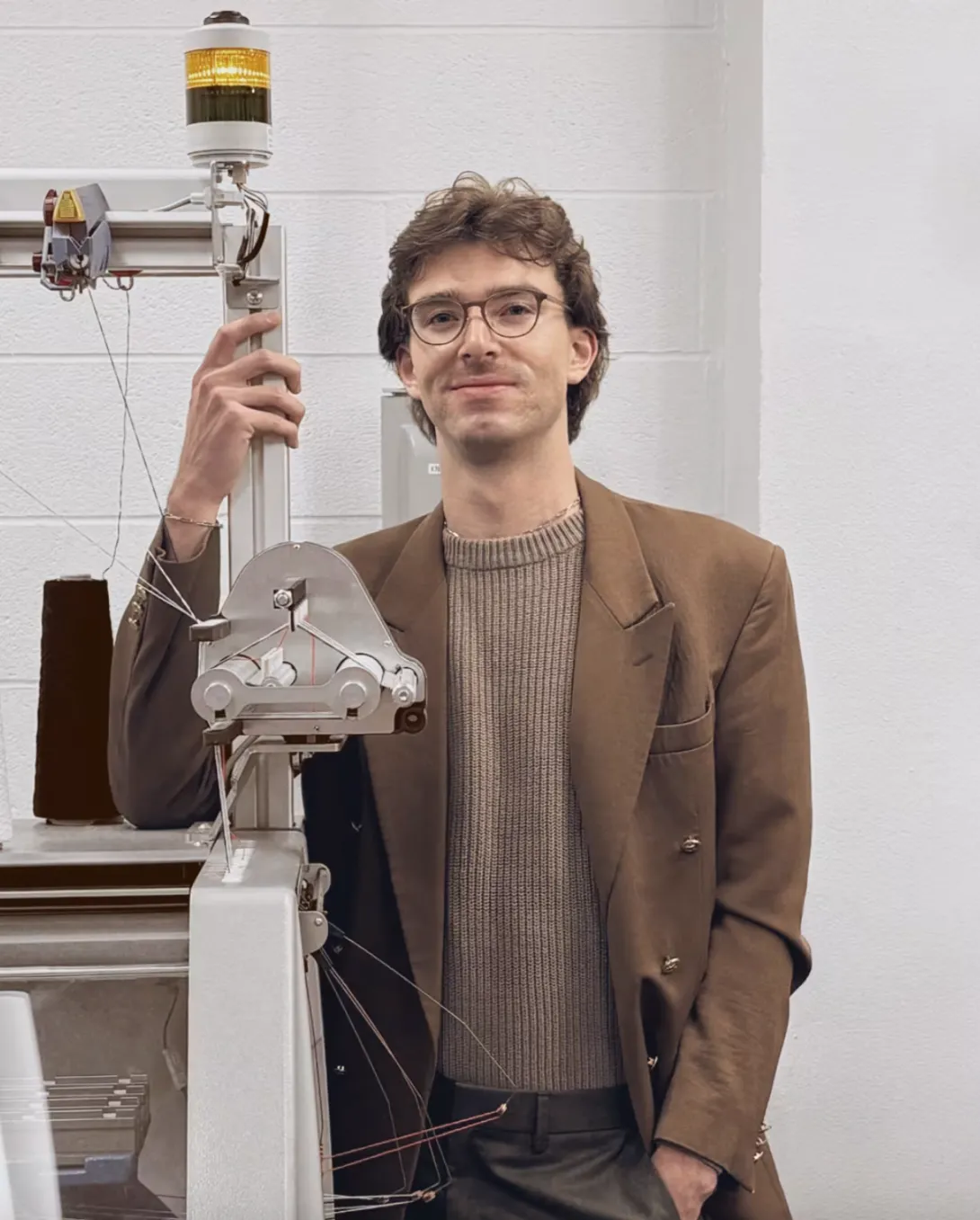
School of Physics Ph.D. student Alexander Cachine has been selected as a 2025 recipient of the prestigious Steve Jobs Archive (SJA) Fellowship for his work in solving modern medical challenges using ancient textile techniques.
“This fellowship with the Archive is a fantastic opportunity for me as a physicist. There is an incredible community of creatives that I get to be a part of and draw inspiration from,” he says. “It’s also very validating that an organization with as much prestige as the SJA finds value in the work we’re doing here in the lab. I’m so grateful that people believe in me and the work that we’re doing.”
Cachine is one of just eight individuals selected this year from a nationwide pool. The one-year fellowship supports work at the intersection of technology and the liberal arts, and will provide essential support for his creative trajectory, including a stipend, mentoring, and a robust community of peers.
At Georgia Tech, Cachine is the lab manager and lead experimentalist for the Matsumoto Group where he works alongside his advisor, School of Physics Associate Professor Elisabetta Matsumoto.
“As a physicist who studies craft, I often see that this is an overlooked area of research, especially in women’s health,” Cachine says. “I hope that beyond building a pathway to improved patient outcomes, my work this year will show people that crafting traditions are incredible technological feats — they are entire knowledge systems waiting to be explored. There is so much we can learn from craft.”
News Contact
Written by Selena Langner
Nov. 14, 2025
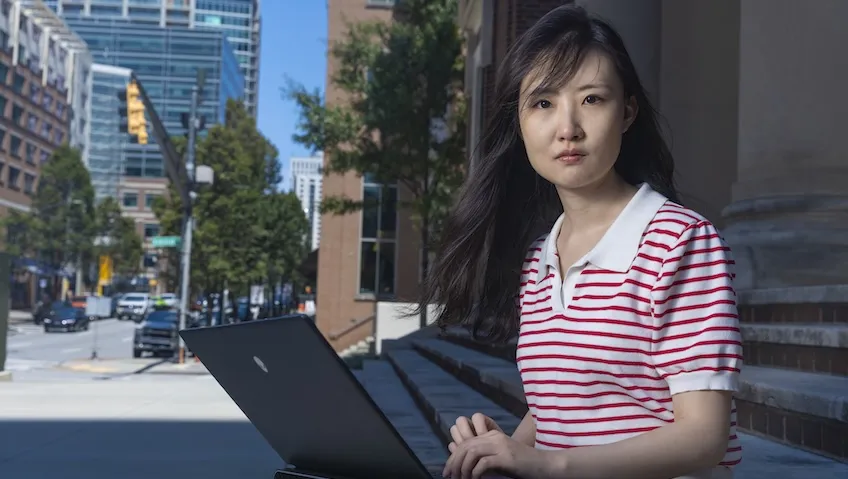
311 chatbots make it easier for people to report issues to their local government without long wait times on the phone. However, a new study finds that the technology might inhibit civic engagement.
311 systems allow residents to report potholes, broken fire hydrants, and other municipal issues. In recent years, the use of artificial intelligence (AI) to provide 311 services to community residents has boomed across city and state governments. This includes an artificial virtual assistant (AVA) developed by third-party vendors for the City of Atlanta in 2023.
Through survey data, researchers from Tech’s School of Interactive Computing found that many residents are generally positive about 311 chatbots. In addition to eliminating long wait times over the phone, they also offer residents quick answers to permit applications, waste collection, and other frequently asked questions.
However, the study, which was conducted in Atlanta, indicates that 311 chatbots could be causing residents to feel isolated from public officials and less aware of what’s happening in their community.
Jieyu Zhou, a Ph.D. student in the School of IC, said it doesn’t have to be that way.
Uniting Communities
Zhou and her advisor, Assistant Professor Christopher MacLellan, published a paper at the 2025 ACM Designing Interactive Systems (DIS) Conference that focuses on improving public service chatbot design and amplifying their civic impact. They collaborated with Professor Carl DiSalvo, Associate Professor Lynn Dombrowski, and graduate students Rui Shen and Yue You.
Zhou said 311 chatbots have the potential to be agents that drive community organization and improve quality of life.
“Current chatbots risk isolating users in their own experience,” Zhou said. “In the 311 system, people tend to report their own individual issues but lose a sense of what is happening in their broader community.
“People are very positive about these tools, but I think there’s an opportunity as we envision what civic chatbots could be. It’s important for us to emphasize that social element — engaging people within the community and connecting them with government representatives, community organizers, and other community members.”
Zhou and MacLellan said 311 chatbots can leave users wondering if others in their communities share their concerns.
“If people are at a town hall meeting, they can get a sense of whether the problems they are experiencing are shared by others,” Zhou said. “We can’t do that with a chatbot. It’s like an isolated room, and we’re trying to open the doors and the windows.”
Adding a Human Touch
In their paper, the researchers note that one of the biggest criticisms of 311 chatbots is they can’t replace interpersonal interaction.
Unlike chatbots, people working in local government offices are likely to:
- Have direct knowledge of issues
- Provide appropriate referrals
- Empathize with the resident’s concerns
MacLellan said residents are likely to grow frustrated with a chatbot when reporting issues that require this level of contextual knowledge.
One person in the researchers’ survey noted that the chatbot they used didn’t understand that their report was about a sidewalk issue, not a street issue.
“Explaining such a situation to a human representative is straightforward,” MacLellan said. “However, when the issue being raised does not fall within any of the categories the chatbot is built to address, it often misinterprets the query and offers information that isn’t helpful.”
The researchers offer some design suggestions that can help chatbots foster community engagement and improve community well-being:
- Escalation. Regarding the sidewalk report, the chatbot did not offer a way to escalate the query to a human who could resolve it. Zhou said that this is a feature that chatbots should have but often lack.
- Transparency. Chatbots could provide details about recent and frequently reported community issues. They should inform users early in the call process about known problems to help avoid an overload of user complaints.
- Education. Chatbots can keep users updated about what’s happening in their communities.
- Collective action. Chatbots can help communities organize and gather ideas to address challenges and solve problems.
“Government agencies may focus mainly on fixing individual issues,” Zhou said, “But recognizing community-level patterns can inspire collective creativity. For example, one participant suggested that if many people report a broken swing at a playground, it could spark an initiative to design a new playground together—going far beyond just fixing it.”
These are just a few examples of things, the researchers argue, that 311 services were originally designed to achieve.
“Communities were already collaborating on identifying and reporting issues,” Zhou said. “These chatbots should reflect the original intentions and collaboration practices of the communities they serve.
“Our research suggests we can increase the positive impact of civic chatbots by including social aspects within the design of the system, connecting people, and building a community view.”
Oct. 29, 2025
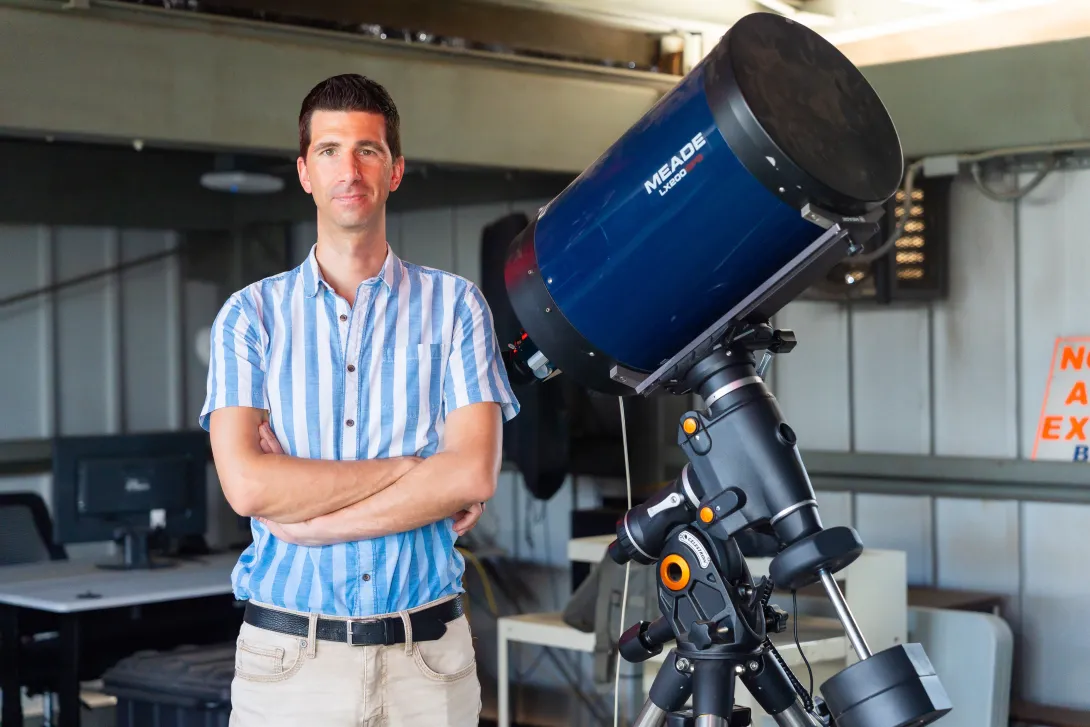
The College of Sciences has named Paul Sell as the new director of the Georgia Tech Observatory. Sell joined the Institute in Fall 2025 as a senior academic professional in the School of Physics. He also serves as advisor of the new B.S. in Astrophysics degree program.
“Paul Sell is a wonderful addition to our College of Sciences community,” says Susan Lozier, dean of the College of Sciences, Betsy Middleton and John Clark Sutherland Chair, and professor in the School of Earth and Atmospheric Sciences. “His leadership brings renewed energy to the Georgia Tech Observatory, and I look forward to seeing how he expands its impact across campus and in the broader community.”
Observing the cosmos from campus
The Georgia Tech Observatory was established nearly two decades ago at a time when the Institute’s astronomy and astrophysics research and teaching ecosystem was in its infancy.
School of Physics Principal Academic Professional Emeritus Jim Sowell created the facility on the roof of the Howey Physics Building in 2007 and served as its director until his retirement in 2024.
“The Observatory — and its numerous variety of telescopes — makes it possible for Georgia Tech students and Atlanta-area visitors to see with their own eyes some of the best, awe-inspiring celestial delights, including craters on the Moon, Jupiter’s Red Spot, Saturn’s rings, and many other objects,” says Sowell.
The Observatory’s primary instrument is a 20-inch diameter telescope by Officina Stellare. Known as the Georgia Tech’s Space Object Research Telescope (GT-SORT), this Raven-class space surveillance telescope is used by researchers in the Daniel Guggenheim School of Aerospace Engineering to monitor man-made spacecraft.
“What’s unique about the Georgia Tech Observatory is that it’s right on campus, offering a meaningful, hands-on experience to everyone,” explains Sell. “It can be readily integrated into experiential learning projects on campus all year round.”
Sell’s upper-level astronomy lab, which combines lectures with experiences at the Observatory, highlights the facility’s academic importance.
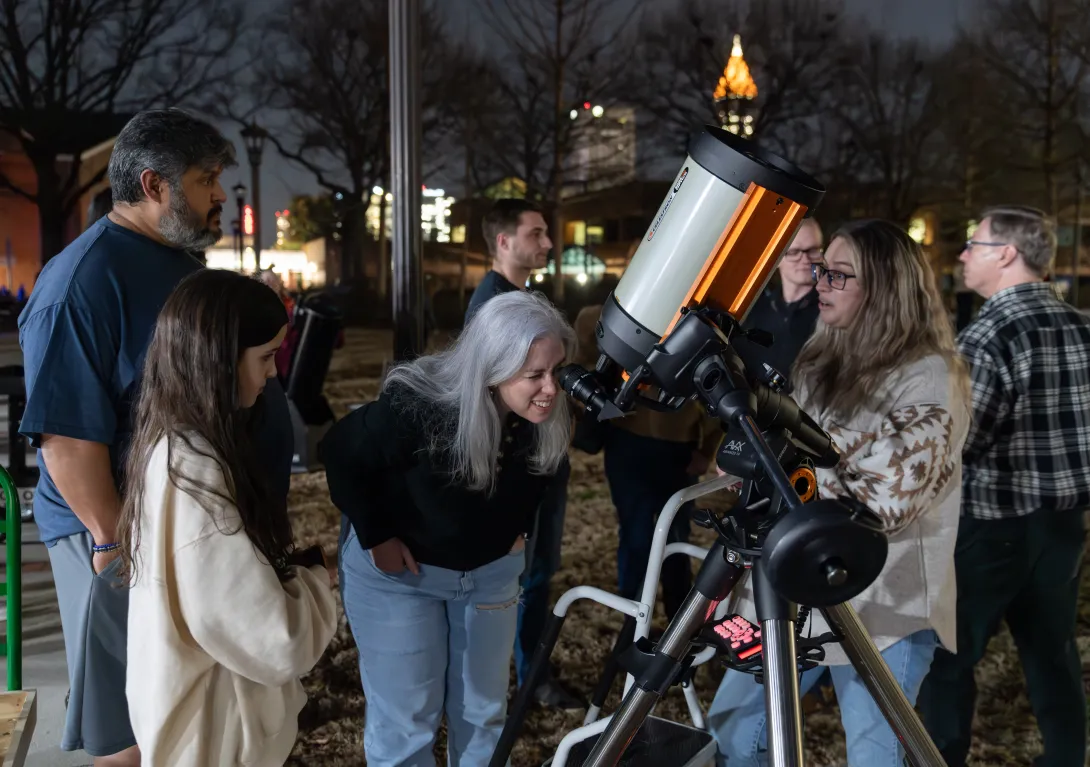
Yet, the Observatory’s impact extends beyond the classroom, thanks to free community events like “Public Nights at the Observatory,” which offer attendees the opportunity to explore the night sky.
Held most months, weather permitting, this event features telescopes stationed outside the Howey Physics Building, allowing astronomy enthusiasts from Georgia Tech and beyond to view the Moon, Jupiter, Saturn, and other cosmic wonders. These gatherings typically draw more than 100 stargazers.
Specialized groups are also hosted at the Observatory. For example, the Georgia Tech Astronomy Club uses the facility during its weekly meetings.
“The Observatory is a haven where students can step outside for a moment and get lost in the stars,” says AJ Chadha, club president and fourth-year computer science major. “With one of the largest telescopes in Georgia, the on-campus 20-inch GT-SORT, we weave astronomy directly into student life.”
Under Sell’s leadership, the Observatory will continue to strengthen partnerships with student organizations, campus units, and community groups.
“I'm excited to explore additional ways we can use this resource for outreach and academic purposes that benefit both Georgia Tech and the Atlanta community,” Sell adds.
A passion for astronomy
Before joining Georgia Tech, Sell served as senior lecturer, astronomy undergraduate coordinator, and interim director of the teaching observatory at the University of Florida.
His passion for astronomy began at an early age, sparked by a gift from his parents: an Orion refracting lens telescope.
“I remember taking out that telescope, even in freezing cold Ohio winters, simply because the observing conditions were better,” he recalls.
Sell nurtured his interest in astronomy through his university studies and extracurricular activities, which included working in planetaria as an undergraduate at the University of Toledo. He later obtained a Ph.D. in Astronomy from the University of Wisconsin-Madison.
“I am grateful for the opportunity to share my passion for astronomy, not only with our physics students but with the larger Georgia Tech community — through classroom lectures, student advising, and Observatory outreach,” Sell says.
News Contact
Writer: Lindsay C. Vidal
Oct. 13, 2025
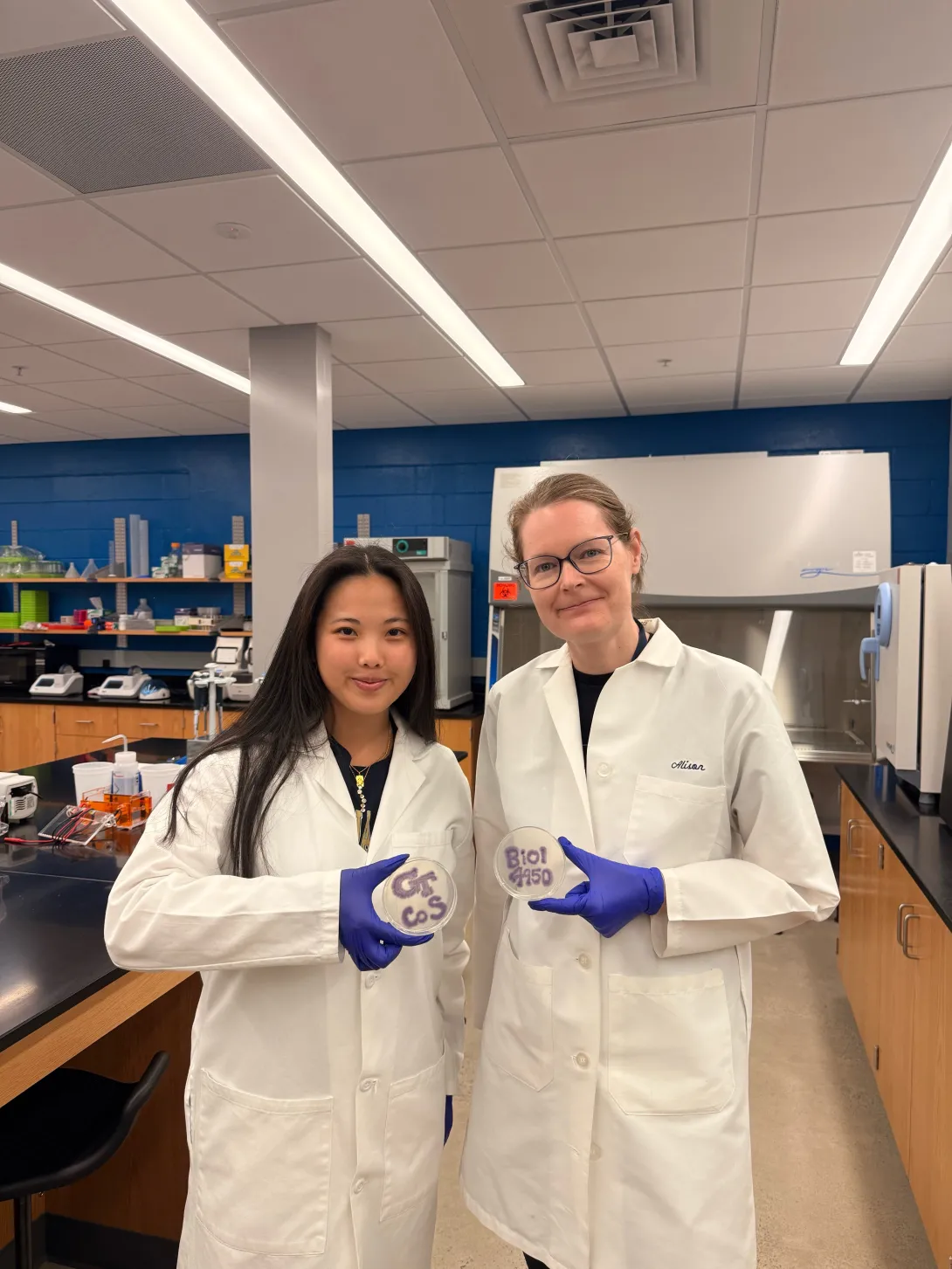
Grace Tang (Left) and Alison Onstine (Right) holding bacteria plates that spell "BIOL 4590" (Credit: Tang and Onstine)
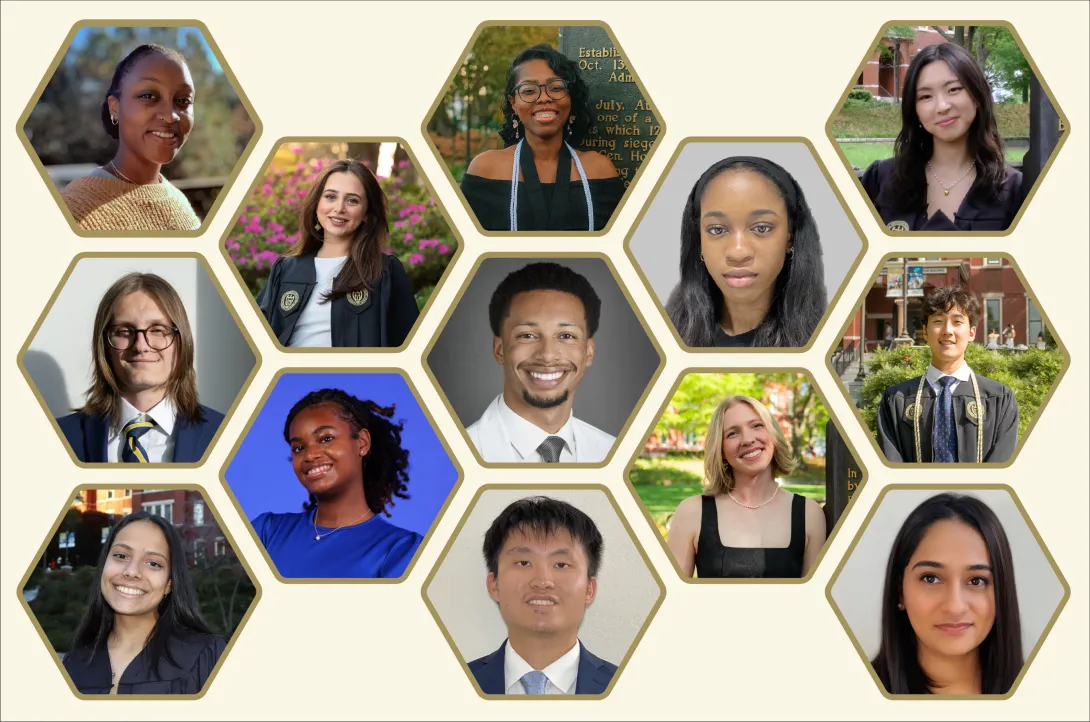
A collection of the undergraduate students who co-authored the paper. (Credit: Tang and Onstine)
This fall, 20 Georgia Tech students published a peer-reviewed scientific paper — the culmination of work done during a semester-long laboratory course. During the semester, students analyzed genomes sequenced from marine samples collected in Key West, Florida — doing hands-on original bioinformatics research on par with graduate students and working with bioinformatics tools to explore drug discovery potential.
The course, BIOS 4590, is a research project lab for senior biology majors that provides an opportunity for professors to share their expertise with students in a hands-on environment. In his class, Associate Professor Vinayak (Vinny) Agarwal, who holds joint appointments in the School of Chemistry and Biochemistry and School of Biological Sciences, aimed to introduce undergraduates to advanced bioinformatics tools through applied research using new-to-science raw data.
The resulting paper, “Phylogenomic Identification of a Highly Conserved Copper-Binding RiPP Biosynthetic Gene Cluster in Marine Microbulbifer Bacteria,” which was recently published in ACS Chemical Biology, involves the historically understudied genus of Microbulbifer, a type of bacteria often associated with sponges and corals. These microbial communities are rich sources of natural products, small biological molecules often associated with medicine and drug discovery.
"This class, and the resulting research, is a testament to the transformative power of hands-on learning,” says Susan Lozier, dean of the College of Sciences, Betsy Middleton and John Clark Sutherland Chair, and professor in the School of Earth and Atmospheric Sciences. “The success of this course — and the students’ remarkable achievement — reflects Georgia Tech's commitment to fostering curiosity, collaboration, and scientific rigor and to empowering the next generation of scientists and leaders."
Funded by Agarwal’s 2023 National Science Foundation CAREER grant and Camille and Henry Dreyfus Foundation Teacher-Scholar award, the class also received support from leadership in the College of Sciences, School of Biological Sciences, and School Chemistry and Biochemistry. The study’s lead author, graduate student Yifan (Grace) Tang, served as the class teaching assistant, and was funded in part by a Biochemistry and Biophysics Graduate Assistance in Areas of National Need fellowship.
“The students in this class are working on important, novel work — this cohort worked with real genomic data that had never been sequenced before,” she says. “Typically, researchers might work with one or two genome sequences, but we provided students with 42 — this might be the first time anyone has looked at Microbulbifer at such a wide scope.”
From classroom to publication
To prepare for the class, Tang worked alongside Laboratory Manager Alison Onstine, who manages the School of Biological Sciences teaching laboratory spaces, to sequence the Key West bacterial genomes.
“Our work in the Agarwal Lab is in natural product discovery. We focus on finding new pharmaceutical drugs through marine bacteria — but with a bioinformatics spin,” Tang explains. “We wanted to bring this type of experience to undergraduates, so we gave fully sequenced genomes to students and asked them to look for potential properties.”
Throughout the class, students learned different techniques for analyzing bacterial genome sequences and extracting data with various tools — gaining both lab and computational skills through hands-on experiences, live demos, and troubleshooting sessions.
“The highlight was showing students just how much we can learn about a bacterial genus, especially one that hasn’t been studied at this scale before,” Tang shares. “This is a growing field, so there are so many opportunities for students to make meaningful contributions while learning new skills.”
Empowering future students
For many students, it was their first time using these types of tools, but Agarwal says that it’s something they'll likely encounter in both industry and research. He sees this type of research experience as especially helpful for seniors, who are often deciding between entering the workforce or continuing their education.
“Bioinformatics is increasingly important for analyzing big data. Students need the ability to manipulate and understand data using computational tools, and this class plays an important role in familiarizing them with this process,” he shares. “Our goal is to demystify research and give students the confidence and tools for both graduate school and for the workforce after graduation.”
The class will be offered for a third time in Fall 2026. While the exact course of research hasn’t yet been decided, “we always aim for something new that can produce publication-quality research — students don’t repeat past year’s work,” Agarwal says. This recent cohort of students built on the success of 18 undergraduates who took the class in 2023, who also published a paper. “This course truly underscores Georgia Tech’s commitment to pioneering meaningful undergraduate experiences — no other peer institution I know of is exposing undergraduates to bioinformatics at this level.”
Funding: NSF CAREER and the Dreyfus Foundation
News Contact
Written by Selena Langner
Oct. 06, 2025
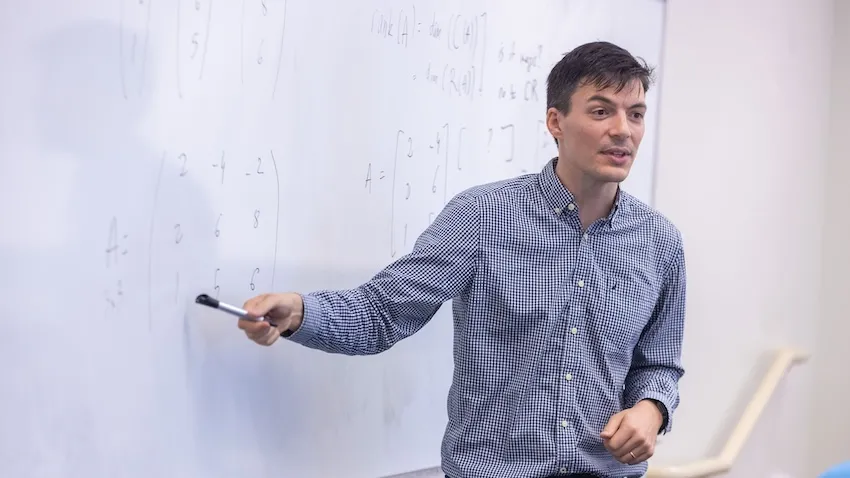
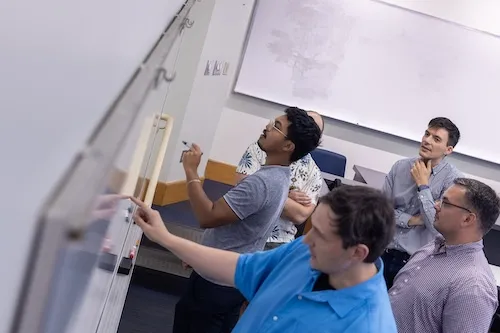
Students in machine learning and linear algebra courses this semester are learning from one of Georgia Tech’s most celebrated instructors.
Raphaël Pestourie has earned back-to-back selections to the Institute’s Course Instructor Opinion Survey (CIOS) honor roll, placing him among the top-ranked teachers for Fall 2024 and Spring 2025.
By returning to the classroom this semester to teach two more courses, Pestourie continues to leverage proven experience to mentor the next generation of researchers in his field.
“Students played a very important part in the survey process, and I thank them for making the classes great,” said Pestourie, an assistant professor in the School of Computational Science and Engineering (CSE).
“I'm incredibly grateful that students shared their feedback so that I could go the extra mile to not only apply my expertise to teach in ways that I think work, but transform my instruction to reach students in the most impactful way I can.”
CIOS honor rolls recognize instructors for outstanding teaching and educational impact, based on student feedback provided through end-of-course surveys.
Student praise of Pestourie’s CSE 8803: Scientific Machine Learning class placed him on the Fall 2024 CIOS honor roll. He earned selection to the Spring 2025 honor roll for his instruction of CX 4230: Computer Simulation.
CSE 8803 is a graduate-level, special topics class that Pestourie created around his field of expertise. Scientific machine learning involves merging two traditionally distinct fields: scientific computing and machine learning.
In scientific computing, researchers build and use models based on established physical laws. Machine learning differs in that it employs data-driven models to find patterns without prior assumptions. Combining the two fields opens new ways to analyze data and solve challenging problems in science and engineering.
Pestourie organized student-focused scientific machine learning symposiums in Fall 2023 and 2024. CSE 8803 students work on projects throughout the course and present their work at these symposiums. Pestourie will use the same approach this semester.
Compared to CSE 8803, CX 4230 is an undergraduate course that teaches students how to create computer models of complex systems. A complex system has many interacting entities that influence each other’s behaviors and patterns. Disease spread in a human network is one example of a complex system.
CX 4230 is a required course for computer science students studying the Modeling & Simulation thread. It is also an elective course in the Scientific and Engineering Computing minor.
“I see 8803 as my educational baby. Being acknowledged for it with a CIOS honor roll felt great,” Pestourie said.
“In a way, I'm prouder of CX 4230 because it was a large, undergraduate regular offering that I was teaching for the first time. The honor roll selection came almost as a surprise.”
To be eligible for the honor roll recognition, instructors must have a minimum CIOS response rate of 70%. Composite scores for three CIOS items are then used to rank instructors. Those items are:
- Instructor’s respect and concern for students
- Instructor’s level of enthusiasm about the course
- Instructor’s ability to stimulate interest in the subject matter
Georgia Tech’s Center for Teaching and Learning (CTL) and the Office of Academic Effectiveness present the CIOS Honor Rolls. CTL recognizes honor roll recipients at its Celebrating Teaching Day events, held annually in March.
CTL offers the Class of 1969 Teaching Fellowship, in which Pestourie participated in the 2024-2025 cohort. The program aims to broaden perspectives with insight into evidence-based best practices and exposure to new and innovative teaching methods.
The fellowship offers one-on-one consultations with a teaching and learning specialist. Cohorts meet weekly in the fall semester and monthly in the spring semester for instruction seminars.
The fellowship facilitates peer observations where instructors visit other classrooms, exchange feedback, and learn effective techniques to try in their own classes.
“I'm very grateful for the Class of 1969 fellowship program and to Karen Franklin, who coordinates it,” Pestourie said. “The honor roll is not just a one-person award. Support from the Institute and other people in the program made it happen.”
Like in Fall 2023 and 2024, Pestourie is teaching CSE 8803: Scientific Machine Learning again this semester. Additionally, he teaches CSE 8801: Linear Algebra, Probability, and Statistics.
Linear algebra and applied probability are among the fundamental subjects in modern data science. Like his scientific machine learning class, Pestourie created CSE 8801. This semester marks the second time Pestourie is teaching the course since Fall 2024.
Pestourie designed CSE 8801 as a refresher course for newer graduate students. This addresses a point of need to help students get off to a good start at Georgia Tech. By offering guidance early in their graduate careers, Pestourie’s work in the classroom also aims to cultivate future collaborators and serve his academic community.
“I see teaching as our one shot at making a good first impression as a research field and a community,” he said.
“I see my work as a teacher as training my future colleagues, and I see it as my duty to our community to do my best in attracting the best talent toward our research field.”
News Contact
Bryant Wine, Communications Officer
bryant.wine@cc.gatech.edu
Sep. 19, 2025
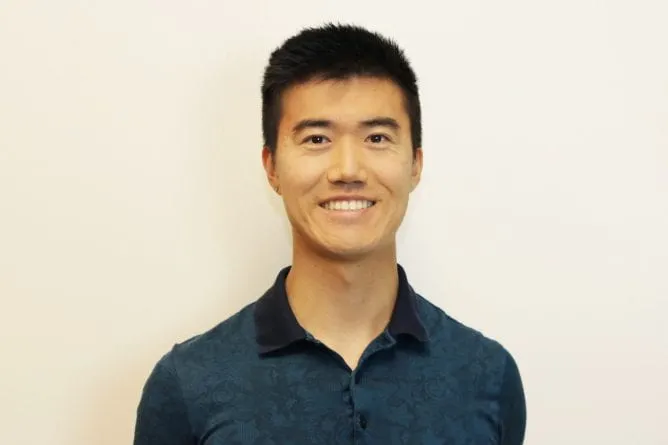
Georgia Tech’s Jaden Wang (Zhuochen Wang) has been awarded a NASA Space Technology Graduate Research Opportunity (NSTGRO). The grant supports graduate students who “show significant potential to contribute to NASA’s goal of creating innovative new space technologies for our nation’s science, exploration, and economic future.”
Wang, who is a Ph.D. student in the School of Mathematics and a master’s student in the Daniel Guggenheim School of Aerospace Engineering, will focus on developing mathematically-backed landing solutions for spacecraft.
“I first became interested in powered descent problems during my Fall 2024 internship with NASA’s Human Landing System at Marshall Space Flight Center,” he says. “With my mathematical background in optimization and topology, and my passion for space exploration, I saw this research topic as a perfect fit when my co-advisor Dr. Panagiotis Tsiotras suggested it.”
Wang is co-advised by School of Mathematics Professor and Hubbard Research Fellow John Etnyre alongside Panagiotis Tsiotras, who holds the David and Andrew Lewis Endowed Chair in the Daniel Guggenheim School of Aerospace Engineering and is also associate director at the Institute for Robotics and Intelligent Machines.
In addition to his Georgia Tech advisors, Wang will collaborate with a NASA Subject Matter Expert, who will connect him with the larger technical community. He will perform part of the research as a visiting technologist at multiple NASA centers, giving him the opportunity to work with leading engineers and scientists and share his research results directly with the NASA community.
From abstractions to space exploration
“NASA’s upcoming missions to the Moon, Mars, and beyond need technology that allows spacecraft to land precisely at their intended sites,” says Wang. “My research will focus on the last stage of landing, called powered descent. This stage powers up engines, which guide the spacecraft into a safe landing using a pre-designed trajectory that autopilot follows.”
This means that researchers need to figure out the correct thrust, direction, and timing to reach a landing spot — all while navigating a landing that uses as little fuel as possible.
“A common approach is to treat this as an optimization problem: minimizing fuel consumption with rigid-body physics as constraints to determine the best thrust profile,” Wang explains. “This can work well, but it has drawbacks. It assumes that there is no uncertainty in the system (for example, that the thrust of the engines is applied perfectly) and it simplifies the motion of the spacecraft by treating it as though it’s traveling through flat space instead of on a true curved geometry. Both shortcuts introduce errors — our research aims to address these gaps.”
To improve landing precision, Wang will develop a curved-space geometric mathematical model, which takes into account the curved-space geometry of spacecraft motion rather than assuming flat space. To find a fuel-efficient landing trajectory, Wang will develop the model around optimal covariance steering, a stochastic control problem that both minimizes fuel costs while keeping the uncertainty of the spacecraft's exact landing spot within a safe amount.
It’s a problem that leverages his experience in theoretical math and his background in aerospace engineering. “I’m incredibly honored that NASA finds this research exciting and is supporting my pursuit of it,” he says. “There are so many fascinating engineering problems that could benefit from deeper theoretical scrutiny, especially using abstract machineries not typically covered in an engineering curriculum. I hope this inspires more theoretical researchers and graduate students to explore bridging these gaps.”
News Contact
Written by Selena Langner