
Oct. 29, 2025
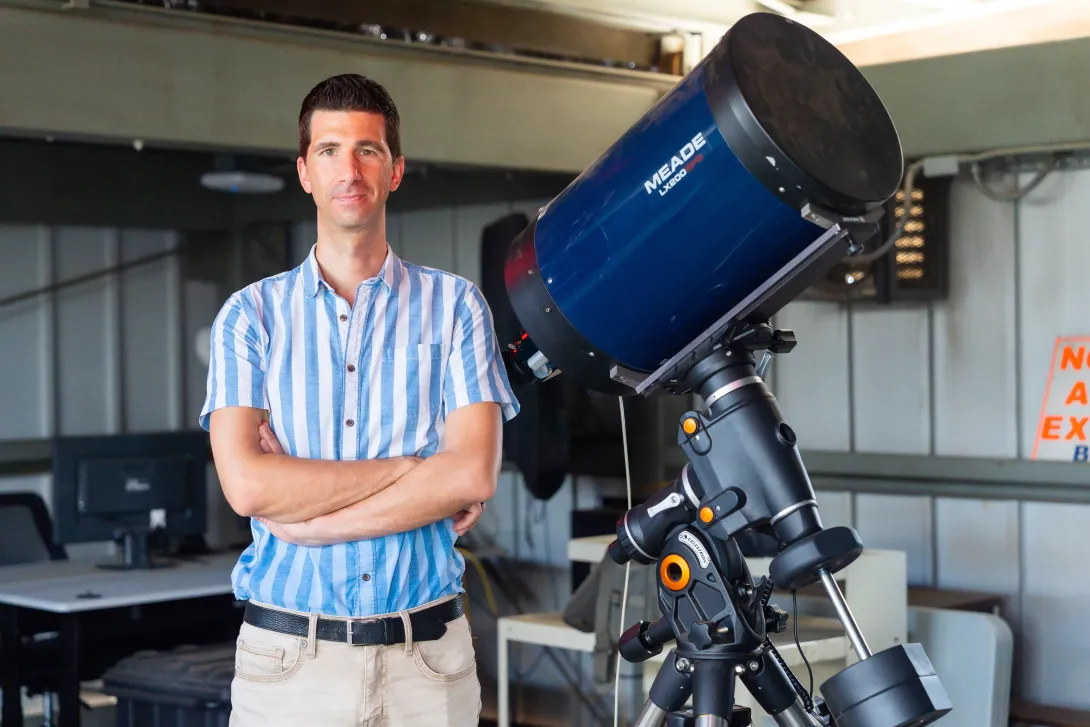
The College of Sciences has named Paul Sell as the new director of the Georgia Tech Observatory. Sell joined the Institute in Fall 2025 as a senior academic professional in the School of Physics. He also serves as advisor of the new B.S. in Astrophysics degree program.
“Paul Sell is a wonderful addition to our College of Sciences community,” says Susan Lozier, dean of the College of Sciences, Betsy Middleton and John Clark Sutherland Chair, and professor in the School of Earth and Atmospheric Sciences. “His leadership brings renewed energy to the Georgia Tech Observatory, and I look forward to seeing how he expands its impact across campus and in the broader community.”
Observing the cosmos from campus
The Georgia Tech Observatory was established nearly two decades ago at a time when the Institute’s astronomy and astrophysics research and teaching ecosystem was in its infancy.
School of Physics Principal Academic Professional Emeritus Jim Sowell created the facility on the roof of the Howey Physics Building in 2007 and served as its director until his retirement in 2024.
“The Observatory — and its numerous variety of telescopes — makes it possible for Georgia Tech students and Atlanta-area visitors to see with their own eyes some of the best, awe-inspiring celestial delights, including craters on the Moon, Jupiter’s Red Spot, Saturn’s rings, and many other objects,” says Sowell.
The Observatory’s primary instrument is a 20-inch diameter telescope by Officina Stellare. Known as the Georgia Tech’s Space Object Research Telescope (GT-SORT), this Raven-class space surveillance telescope is used by researchers in the Daniel Guggenheim School of Aerospace Engineering to monitor man-made spacecraft.
“What’s unique about the Georgia Tech Observatory is that it’s right on campus, offering a meaningful, hands-on experience to everyone,” explains Sell. “It can be readily integrated into experiential learning projects on campus all year round.”
Sell’s upper-level astronomy lab, which combines lectures with experiences at the Observatory, highlights the facility’s academic importance.
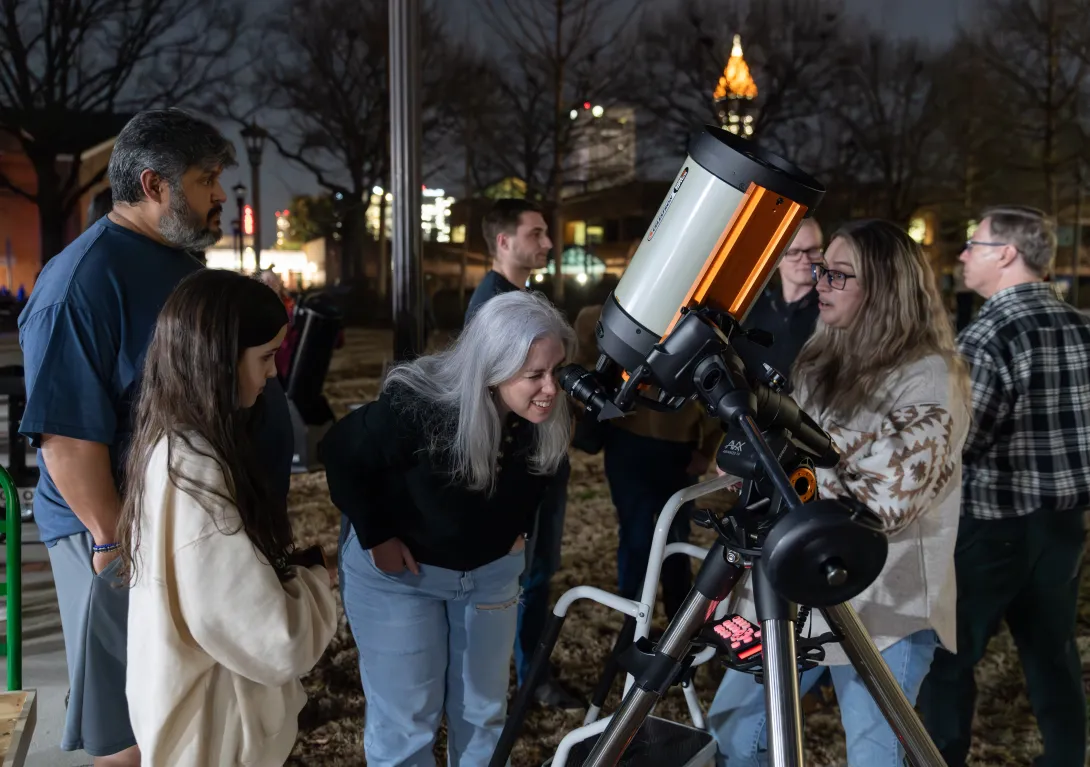
Yet, the Observatory’s impact extends beyond the classroom, thanks to free community events like “Public Nights at the Observatory,” which offer attendees the opportunity to explore the night sky.
Held most months, weather permitting, this event features telescopes stationed outside the Howey Physics Building, allowing astronomy enthusiasts from Georgia Tech and beyond to view the Moon, Jupiter, Saturn, and other cosmic wonders. These gatherings typically draw more than 100 stargazers.
Specialized groups are also hosted at the Observatory. For example, the Georgia Tech Astronomy Club uses the facility during its weekly meetings.
“The Observatory is a haven where students can step outside for a moment and get lost in the stars,” says AJ Chadha, club president and fourth-year computer science major. “With one of the largest telescopes in Georgia, the on-campus 20-inch GT-SORT, we weave astronomy directly into student life.”
Under Sell’s leadership, the Observatory will continue to strengthen partnerships with student organizations, campus units, and community groups.
“I'm excited to explore additional ways we can use this resource for outreach and academic purposes that benefit both Georgia Tech and the Atlanta community,” Sell adds.
A passion for astronomy
Before joining Georgia Tech, Sell served as senior lecturer, astronomy undergraduate coordinator, and interim director of the teaching observatory at the University of Florida.
His passion for astronomy began at an early age, sparked by a gift from his parents: an Orion refracting lens telescope.
“I remember taking out that telescope, even in freezing cold Ohio winters, simply because the observing conditions were better,” he recalls.
Sell nurtured his interest in astronomy through his university studies and extracurricular activities, which included working in planetaria as an undergraduate at the University of Toledo. He later obtained a Ph.D. in Astronomy from the University of Wisconsin-Madison.
“I am grateful for the opportunity to share my passion for astronomy, not only with our physics students but with the larger Georgia Tech community — through classroom lectures, student advising, and Observatory outreach,” Sell says.
News Contact
Writer: Lindsay C. Vidal
Oct. 27, 2025
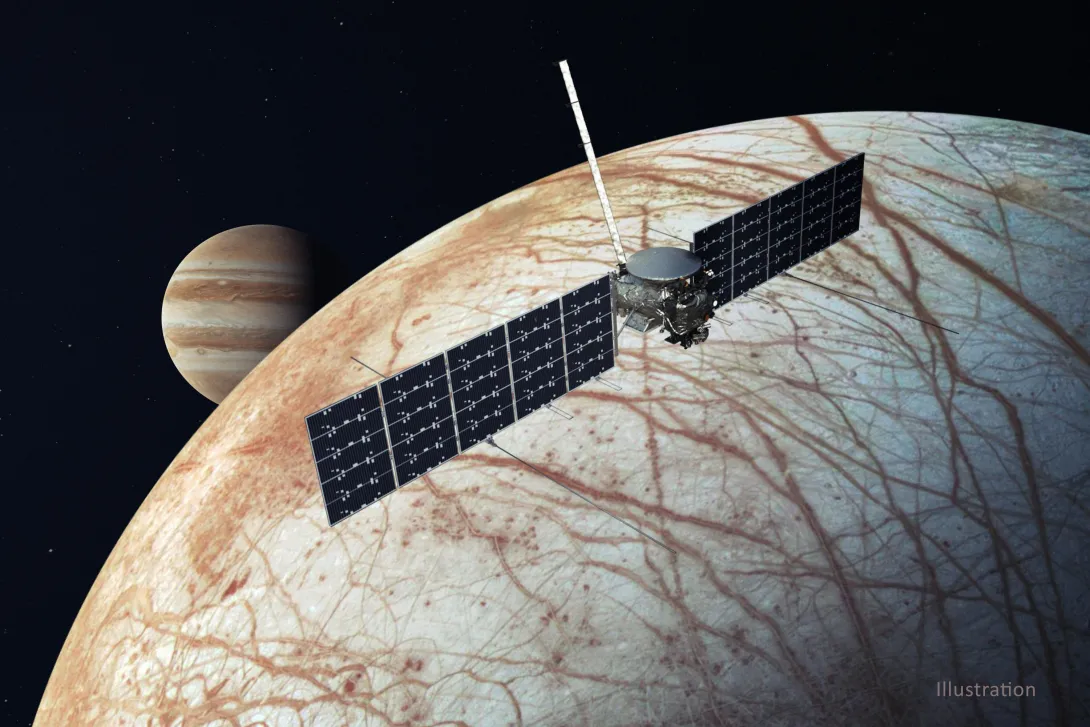
In four years, National Aeronautics and Space Administration (NASA)’s Europa Clipper mission will arrive in Jupiter’s orbit to investigate whether the planet’s icy moon, Europa, could support life. In the interim, researchers like Sven Simon, a professor in the Schools of Earth and Atmospheric Sciences and Physics, are working to uncover critical information to support the rapid analysis of measurements from the mission.
Simon’s research team has been awarded $1.4 million through NASA’s Precursor Science Investigations for Europa (PSI-E) program. Their project is one of seven selected to provide essential insights that, according to the program announcement, “will maximize the science return during the radiation-limited lifetime of the Europa Clipper.”
Simon also serves as the institutional lead co-investigator of a second $1.4 million project, led by researchers at the University of California, Berkeley, which seeks to decipher how Europa's atmosphere and ionosphere contribute to the magnetic field near the moon. This project was selected during the same call for proposals.
“The research award is a fantastic opportunity to contribute to a mission centered on Europa’s complex plasma and electromagnetic environment,” says Simon, referencing the Georgia-Tech led proposal. “Our project combines foundational plasma physics from our School of Physics and geophysical knowledge from our School of Earth and Atmospheric Sciences to understand how the magnetic field near Europa is affected by the plasma populating Jupiter’s environment.”
The research team includes Earth and Atmospheric Sciences Ph.D. students Ariel Tello Fallau and Charles Michael Haynes. Neil Baker, a Ph.D. student in the School of Physics, is contributing to the Berkeley-led PSI-E project that also includes Georgia Tech alumnus Lucas Liuzzo (Ph.D. EAS 2018), now an assistant research scientist at the University of California, Berkeley’s Space Sciences Laboratory.
Groundwork for discovery
With a radius of only 1,560 kilometers, Europa is one of Jupiter’s four largest moons, known as the Galilean moons, discovered by Italian astronomer Galileo Galilei in the 1600s.
More than two decades ago, data from NASA’s Galileo mission — specifically magnetic field measurements collected far above Europa’s surface — pointed to the existence of a global subsurface ocean. This ocean, which may contain more liquid water than all of the Earth’s oceans combined, has made Europa a prime candidate in the search for life beyond Planet Earth.
“Finding evidence of a saltwater ocean lurking beneath Europa’s surface was a serendipitous discovery during the Galileo mission,” Simon explains. “NASA’s Europa Clipper mission picks up where the Galileo mission left off.”
Launched in October 2024, the Europa Clipper space probe is expected to reach Jupiter’s orbit in 2030. That gives Simon and his team only a few years to complete their analysis.
“Our research is doing the preparatory work to determine what and where we can measure further magnetic evidence of the ocean beneath Europa’s surface,” says Simon. “When the spacecraft arrives, we will find out whether our predictions are correct.”
Using advanced computer simulations, the team aims to better understand the magnetic fields near Europa. Part of these fields is generated by electric currents in the moon’s saltwater ocean; the other part is created by fast-moving flows of plasma — ionized matter that fills much of space — as it interacts with Europa’s atmosphere and surface.
“Our project focuses on how the magnetic fields from plasma flow patterns compete with the magnetic signal from Europa’s ocean,” says Simon. “We want to determine which part of the magnetic field near Europa originates from the ocean and which part is a disruptive effect from the plasma.”
Deciphering these magnetic signals will provide essential context for interpreting Europa Clipper’s measurements, helping to not only confirm the ocean’s existence but also reveal details about its structure.
News Contact
Writer: Lindsay C. Vidal
Oct. 01, 2025
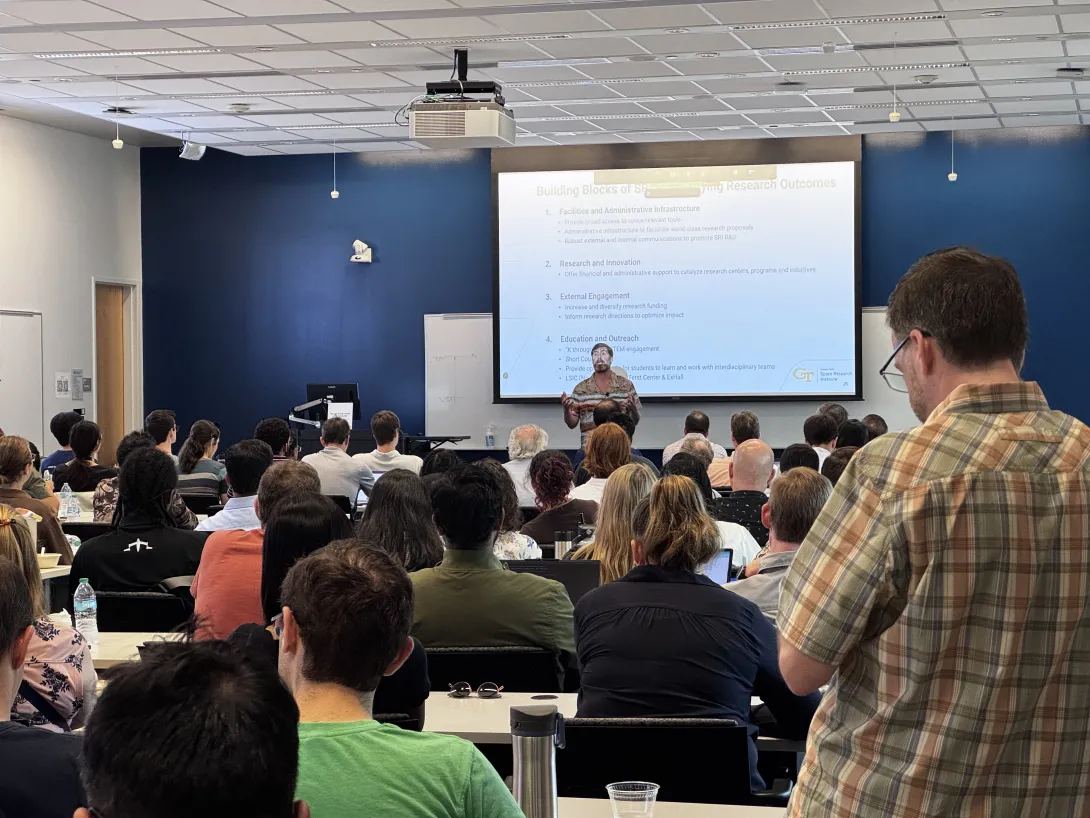
On September 5, more than 130 space researchers gathered for the Space Research Institute’s (SRI) inaugural meeting, held in the Marcus Nanotechnology Building. The event drew a standing-room-only crowd, with attendees from across all of Georgia Tech’s colleges. This marked the SRI’s first major convening since its launch on July 1, offering a platform to discuss its vision and bring Georgia Tech’s space research efforts into closer conversation.
That vision builds on work already reshaping the field. Across campus, Georgia Tech researchers are imaging black holes with unprecedented clarity, flying CubeSats in heliocentric orbits that now trail closer to Venus than Earth to test optical navigation. They are also sending solar cells to the International Space Station, exploring Jupiter, and, this fall, bringing the Lunar Surface Innovation Consortium Fall meeting to campus.
“That breadth is what makes Georgia Tech’s space community so strong,” said Julia Kubanek, vice president for interdisciplinary research. “We have experts in aerospace and biology, in materials and planetary science, in public policy and even researchers who study space through fiction — all taking on some of the most complex challenges of our time. SRI gives us a framework to support that work more deliberately, connecting researchers across colleges and disciplines and aligning with Georgia Tech’s broader vision for research, education, and innovation.”
Jud Ready, director of SRI, opened the session with an overview of the SRI’s goals and near-term plans. He emphasized how SRI will play a role in advancing several of Georgia Tech’s four big bets, including expanding research impact, increasing educational access, bringing value to students and strengthening the Institute’s role as a national hub for innovation.
At the center of that effort is also the newly announced Centers, Programs, and Initiatives (CPI) program, which aims to support faculty pursuing shared research directions.
“Georgia Tech has people already working on everything from sensors and propulsion systems to space policy, design, and sustainability," said Ready. “We’re geared towards linking that work early and giving teams the resources to go after the really big questions.”
Ready noted that the meeting would be the first of many community-building events hosted by SRI in the coming year, aimed at fostering dialogue and identifying opportunities for collective work.
“Most people don’t recognize that they use space in their everyday lives nearly every second of every day. The opportunities for space-based education, R&D, and commercialization are literally infinite,” said Ready. “It’s exciting to be at Georgia Tech where we play a key role in pushing the frontiers of space, and what that could mean for this generation and future ones.”
Faculty interested in future events or proposal opportunities can visit space.gatech.edu or sign up for the SRI mailing list. To view the meeting recording, click here.
News Contact
space@research.gatech.edu
Sep. 19, 2025
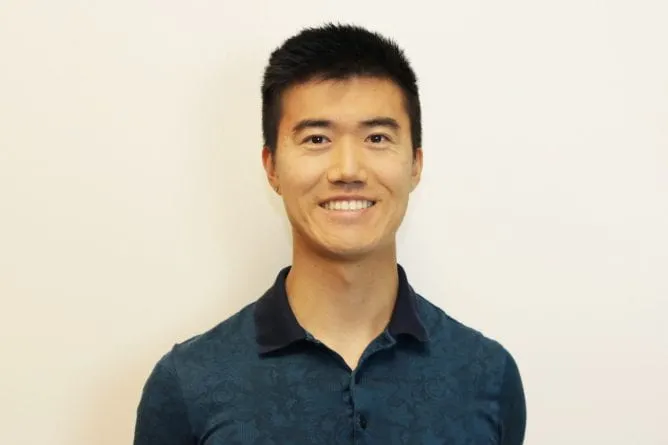
Georgia Tech’s Jaden Wang (Zhuochen Wang) has been awarded a NASA Space Technology Graduate Research Opportunity (NSTGRO). The grant supports graduate students who “show significant potential to contribute to NASA’s goal of creating innovative new space technologies for our nation’s science, exploration, and economic future.”
Wang, who is a Ph.D. student in the School of Mathematics and a master’s student in the Daniel Guggenheim School of Aerospace Engineering, will focus on developing mathematically-backed landing solutions for spacecraft.
“I first became interested in powered descent problems during my Fall 2024 internship with NASA’s Human Landing System at Marshall Space Flight Center,” he says. “With my mathematical background in optimization and topology, and my passion for space exploration, I saw this research topic as a perfect fit when my co-advisor Dr. Panagiotis Tsiotras suggested it.”
Wang is co-advised by School of Mathematics Professor and Hubbard Research Fellow John Etnyre alongside Panagiotis Tsiotras, who holds the David and Andrew Lewis Endowed Chair in the Daniel Guggenheim School of Aerospace Engineering and is also associate director at the Institute for Robotics and Intelligent Machines.
In addition to his Georgia Tech advisors, Wang will collaborate with a NASA Subject Matter Expert, who will connect him with the larger technical community. He will perform part of the research as a visiting technologist at multiple NASA centers, giving him the opportunity to work with leading engineers and scientists and share his research results directly with the NASA community.
From abstractions to space exploration
“NASA’s upcoming missions to the Moon, Mars, and beyond need technology that allows spacecraft to land precisely at their intended sites,” says Wang. “My research will focus on the last stage of landing, called powered descent. This stage powers up engines, which guide the spacecraft into a safe landing using a pre-designed trajectory that autopilot follows.”
This means that researchers need to figure out the correct thrust, direction, and timing to reach a landing spot — all while navigating a landing that uses as little fuel as possible.
“A common approach is to treat this as an optimization problem: minimizing fuel consumption with rigid-body physics as constraints to determine the best thrust profile,” Wang explains. “This can work well, but it has drawbacks. It assumes that there is no uncertainty in the system (for example, that the thrust of the engines is applied perfectly) and it simplifies the motion of the spacecraft by treating it as though it’s traveling through flat space instead of on a true curved geometry. Both shortcuts introduce errors — our research aims to address these gaps.”
To improve landing precision, Wang will develop a curved-space geometric mathematical model, which takes into account the curved-space geometry of spacecraft motion rather than assuming flat space. To find a fuel-efficient landing trajectory, Wang will develop the model around optimal covariance steering, a stochastic control problem that both minimizes fuel costs while keeping the uncertainty of the spacecraft's exact landing spot within a safe amount.
It’s a problem that leverages his experience in theoretical math and his background in aerospace engineering. “I’m incredibly honored that NASA finds this research exciting and is supporting my pursuit of it,” he says. “There are so many fascinating engineering problems that could benefit from deeper theoretical scrutiny, especially using abstract machineries not typically covered in an engineering curriculum. I hope this inspires more theoretical researchers and graduate students to explore bridging these gaps.”
News Contact
Written by Selena Langner
Sep. 15, 2025
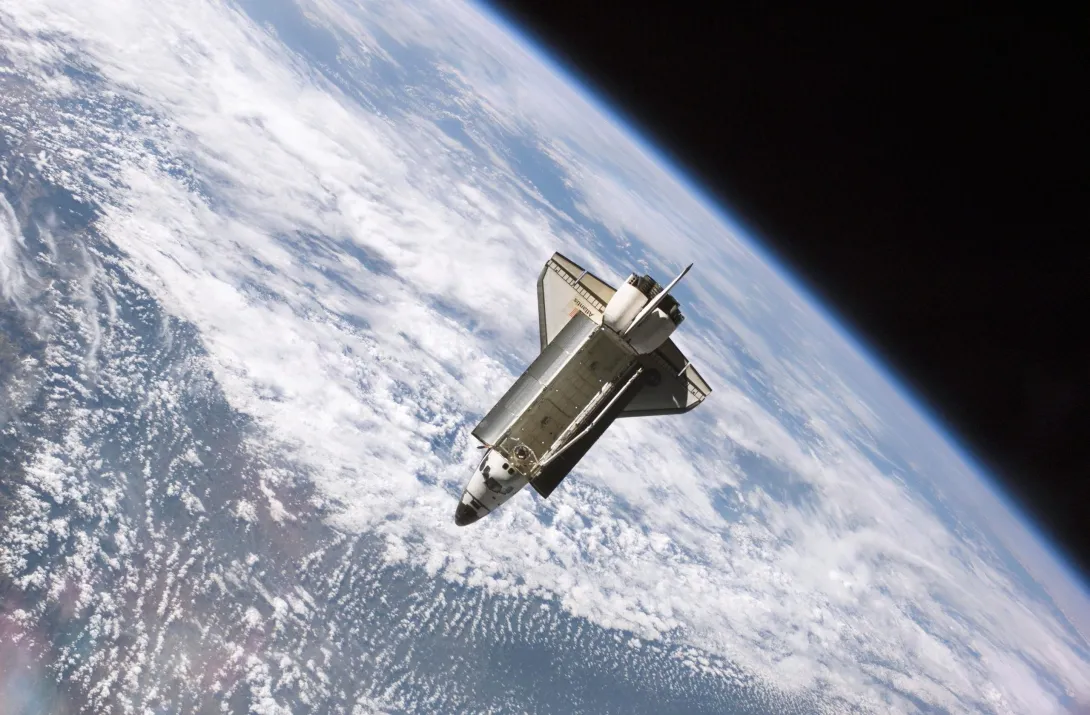
Georgia Tech’s Office of Commercialization announces a gift from CreationsVC of $375,000 to accelerate the development of space-related and space-adjacent startup companies based on Georgia Tech intellectual property.
Georgia Tech’s Office of Commercialization’s new Quadrant-i unit focuses on the commercialization of Georgia Tech intellectual property. In combination with Georgia Tech’s consistently top-ranked Daniel Guggenheim School of Aerospace Engineering and its newly formed interdisciplinary Space Research Institute (SRI), Quadrant-i is positioned to dramatically boost the output of space-related spin-offs into a burgeoning Atlanta startup ecosystem. A strategic gift from CreationsVC will support these efforts by creating a pilot program that provides funding for the startup projects of five CreationsVC Fellows per year for three years.
CreationsVC is a venture capital firm that specializes in investing in space tech, AI, and related technologies. CreationsVC sponsors Creation-Space, an Israeli-based global innovation hub that is fostering innovation to enable humanity’s expansion beyond Earth. Steve Braverman, who heads CreationsVC, said the gift is focused on "identifying innovative technologies that support research on life in space, combined with a focus on climate efficiency. This will help improve both expansion of space-centric industry as well as efforts that address challenges on Earth.”
Braverman said he was attracted to Georgia Tech’s focus on entrepreneurship and its track record in aerospace innovation. “I am impressed with the depth and breadth of technical expertise and energized by the passionate commitment of faculty and students to see their innovations have real-world impact. This gift is intended to supercharge efforts over the next three years to launch several startups that can grow quickly and have impact in Atlanta and Israel.”
Quadrant-i has worked closely with the SRI in its formation and made space commercialization an important and embedded pillar of the new activity. “We are thrilled to work with Steve and the CreationsVC team in identifying and accelerating nascent technologies that will have dual-use value propositions in space, climate, and AI applications,” said Quadrant-i’s director Jonathan Goldman. “We have a fantastic well of innovation from our faculty and graduate students and an amazing fountain of entrepreneurial talent from our CREATE-X program for our undergrads. We are excited to see this relationship blossom.”
News Contact
Anne Stanford
anne.stanford@dev.gatech.edu
Jul. 09, 2025

W. Jud Ready, Ph.D.
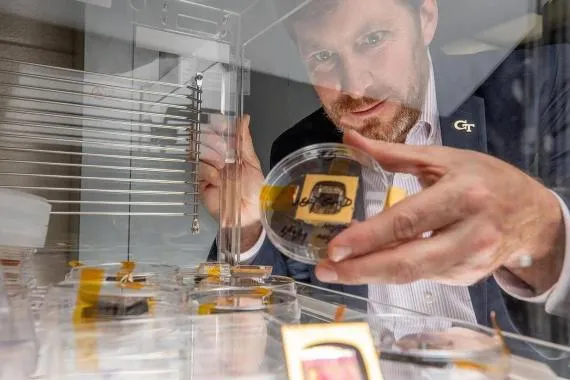
Jud Ready holds a sample of a perovskite solar cell, along with other samples similar to those launched to the International Space Station.
W. Jud Ready, Ph.D., a longtime leader in space-related research at the Georgia Tech Research Institute (GTRI) for more than two decades, has been appointed as the inaugural executive director of Georgia Tech’s newly established Space Research Institute (SRI). With his extensive background in engineered materials and proven track record in managing groundbreaking research projects, Georgia Tech’s space innovation leadership is ready to “blast off."
SRI will become the center of all things space-related at the Institute. It will work in partnership with academics, business partners, philanthropists, students, and governments.
Ready says the role of SRI is “to amplify the space-based research environment that we have had for decades at Georgia Tech by providing dedicated facility, communications, collaboration, and financial resources, as well as assistance on large-scale proposals.”
The existence of SRI is directly tied to one of Georgia Tech’s “Big Bets,” outlined in the Institute’s current Strategic Plan: “Double the Scale and Amplify the Impact of Our Research Enterprise.”
GTRI to Play a Prominent Role With SRI
“GTRI has an unfair advantage in so many areas: we've got great capabilities, great people, great equipment, great connections across the United States as well as the globe,” said Ready. “To be able to take curiosity-driven fundamental research and turn it into a widget, whether that widget is a radar or a spacecraft or whatever it may be, GTRI is good at that.”
“We're not a commercial entity, so we're not trying to make thousands, hundreds, or even dozens of a device or a system. We're very good at one-off prototypes, and that's what space research is. We're not trying to build a constellation of 1,000s of ‘Starlink’ satellites. We are trying to create sensors, systems, spacecraft, constellations -- whatever it takes – to solve problems, whether they're national security problems, scientific problems, economic problems, communication problems -- there are many uses for spacecraft.”
Ready’s vision for SRI emphasizes leveraging and enhancing the robust infrastructure already in place at GT and GTRI, including C-SHAFT (Center for Space Hardware Assembly, Fabrication and Testing). As he articulated during his vision presentation, before being named to the executive director role, he views GTRI facilities such as thermal vacuum chambers and ground station networks as strategic assets that provide Georgia Tech with a significant competitive edge in space research and exploration.
Ready’s leadership will emphasize bridging the robust academic and research elements within Georgia Tech to include all Colleges and GTRI. By strengthening the collaborative relationship among all arms of the Institute, Ready seeks to enhance Georgia Tech’s institutional capacity for securing competitive federal, industry and philanthropic funding. He plans to strategically use GTRI’s contract vehicles, such as its University Affiliated Research Center (UARC) agreements, to streamline funding processes, thereby advancing GTRI’s and Georgia Tech’s collective research enterprise.
Under Ready’s direction, educational and outreach initiatives will also expand significantly. Ready says he intends to draw on previous Georgia Tech successes, such as the Symposium on Space Innovations and championing “K through gray” educational programs. He intends to integrate educational activities that involve both academic and research personnel from across Georgia Tech and GTRI. These efforts aim to support the existing cadre of space engineering professionals, as well as cultivate a new generation of engineers and scientists equipped with the skills and experiences necessary for leadership in space technology.
Q&A with Jud Ready, SRI Executive Director
Q: What are your initial, big priorities for SRI?
Ready: We're looking for partnerships internally at Georgia Tech, within GTRI, in Georgia, and externally. Whether governmental, philanthropic, or industrial sponsorships, that's what we're seeking. We want SRI to help faculty, students, small businesses, major corporations, and the USA in general succeed in space.
Q: How soon and how aggressively will you pursue funding and sponsorships?
Ready: "Immediately. We've already got proposals pending. We'll continue pursuing federal funding, corporate funding, and philanthropic efforts. Space access has become much cheaper, opening new funding avenues."
Q: Will SRI take over existing projects such as Lunar Flashlight (a CubeSat integrated and tested by GTRI and operated by Georgia Tech) or MISSE (a NASA mission series in which GTRI is heavily involved)?
Ready: "No, SRI won’t take over someone's research projects. SRI will not be a principal investigator. It enables individual principal investigators, providing necessary resources, whether they're at GTRI, GT, or industry."
Q: Does SRI have a physical space, lab space, cleanrooms, etc.?
Ready: "The administrative offices are in the Coda building. But the resources we have at Georgia Tech and GTRI aren't moving. We have cleanrooms and testing facilities at Baker and Cobb County, antennas for communication, and eventually, we'll have a new building near Coca-Cola Tower.”
Q: Given the long-term nature of space research, do you have a short-term plan for SRI?
Ready: "I've certainly got a 90-day plan. We'll have something going on every month this fall. We’ll release an RFP for our CPI (centers, programs, initiatives) process around Labor Day. The LSIC fall meeting is at Georgia Tech on November 5-6. We're also organizing a networking event and a star-watching party for homecoming in October."
Q: Will you maintain your existing appointments at Georgia Tech and GTRI?
Ready: "Yes, I'm still 50/50. Technically, 49% SRI and 51% GTRI, so I didn't have to reorganize my reporting chain. I’ve dialed back my teaching a notch and only plan to teach my Material Science and Engineering of Sports class (MSE3300) next spring, but I will also be teaching my Vertically Integrated Project (VIP) class in the fall. And, of course, advising several graduate students along the way."
Q: Is there more to Jud Ready than just space research?
Ready: "I haven’t stopped thinking about space since Skylab. But yes, I like things more than space. I'm also a scout leader. I enjoy camping, fishing, sailing, and sports, especially, even though, historically, I’ve been exceptionally mediocre at them."
Georgia Tech’s 11 IRIs support collaboration between researchers and students across the Institute’s seven colleges, the Georgia Tech Research Institute (GTRI), national laboratories, and corporate entities to tackle critical topics of strategic significance for the Institute as well as for local, state, national, and international communities.
Aug. 13, 2025

Researchers from Georgia Tech have created a material inspired by seashells to help improve the process of recycling plastics and make the resulting material more reliable.
The structures they created greatly reduced the variability of mechanical properties typically found in recycled plastic. Their product also maintained the performance of the original plastic materials.
The researchers said their bio-inspired design could help cut manufacturing costs of virgin packaging materials by nearly 50% and offer potential savings of hundreds of millions of dollars. And, because less than 10% of the 350 million tons of plastics produced each year is effectively recycled, the Georgia Tech approach could keep more plastic out of landfills.
Aerospace engineering assistant professor Christos Athanasiou led the study, which was published in the journal Proceedings of the National Academy of Sciences (PNAS).
Read the Q&A of the findings, and see a video of the testing, on the College of Engineering website.
News Contact
Jason Maderer
College of Engineering
maderer@gatech.edu
Aug. 04, 2025
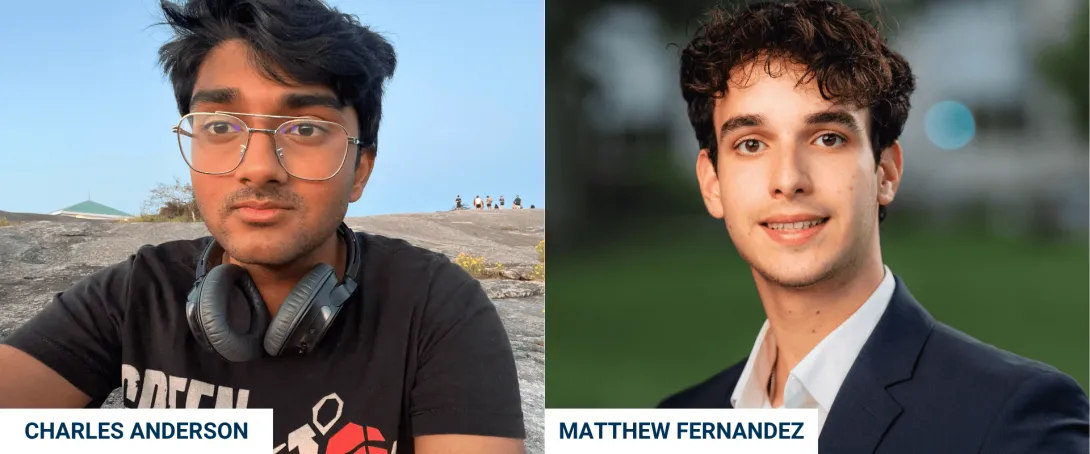
Charles Anderson, a rising senior in the School of Electrical and Computer Engineering, and Matthew Fernandez, from the George W. Woodruff School of Mechanical Engineering, have been named 2025 Astronaut Scholars by the Astronaut Scholarship Foundation (ASF). They are among 74 students selected from 51 universities nationwide to receive this prestigious honor.
Now in its 40th year, the Astronaut Scholarship supports exceptional undergraduates who are dedicated to pursuing research-oriented careers in STEM (science, technology, engineering, and mathematics). Recipients receive up to $15,000 for academic expenses, a trip to ASF’s Innovators Symposium & Gala, and access to a lifelong network of astronauts, alumni, and supporters.
Charles Anderson
Charles Anderson
Anderson, an electrical engineering major, conducts research in the Bhamla Lab under Associate Professor Saad Bhamla in the School of Chemical and Biomolecular Engineering. His current project, the Evapinator, is a low-cost, portable technology designed to preserve biological samples without ultra-cold freezers or lyophilization. It offers rapid preservation within one to two hours, achieving recovery rates comparable to traditional methods.
Through this work, Anderson is advancing biomedical engineering and global health, and he is eager to explore further research avenues that create accessible solutions for underserved populations.
Matthew Fernandez
Fernandez, a 2024 Astronaut Scholar and mechanical engineering major, is continuing as an Astronaut Scholar this year and is also a recipient of the Godbold Scholarship and the Provost Scholarship. He is minoring in robotics and has worked on developing compliant limbless systems to create a robot with efficient underwater locomotion techniques.
Fernandez plans to pursue a Ph.D. in Robotics after graduating from Georgia Tech and aims to use bio-inspired robotics to enable multi-modal locomotion and the navigation of previously untouched environments.
“This award underscores the innovative work Charles and Matthew are doing at Georgia Tech,” said Georgia Brunner, Prestigious Fellowships Advisor in the Office of Undergraduate Education and Student Success. “We are proud to support their journeys and see them thrive among the ASF community.”
Georgia Tech students and alumni interested in applying for prestigious fellowships are encouraged to contact Georgia Brunner at fellowshipsadvising@gatech.edu or visit the prestigious fellowships website.
News Contact
Georgia Brunner
fellowshipsadvising@gatech.edu
Jul. 18, 2025
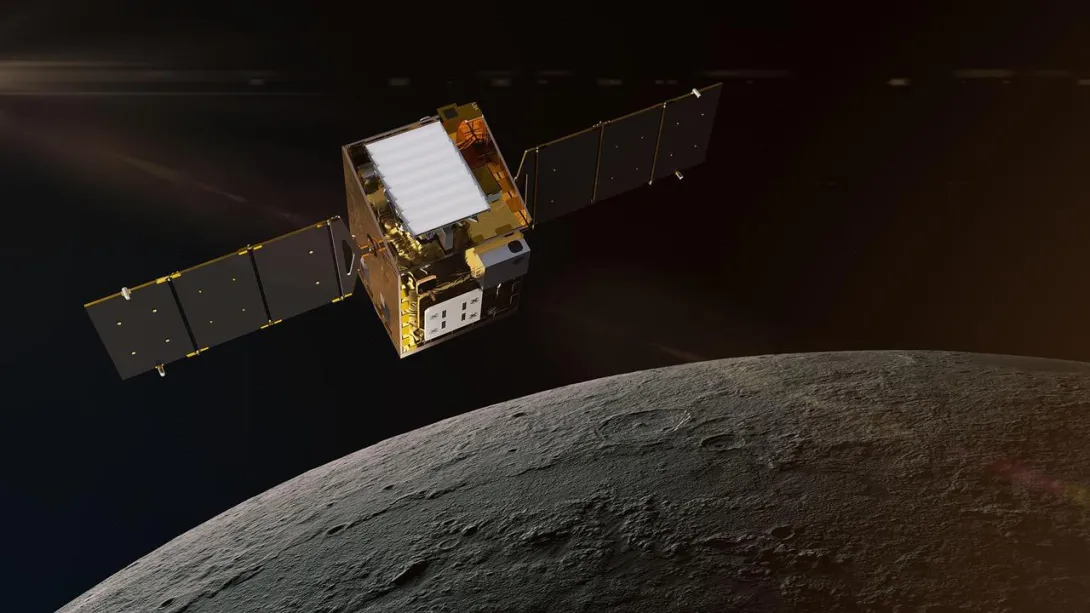
As more satellites launch into space, the satellite industry has sounded the alarm about the danger of collisions in low Earth orbit (LEO). What is less understood is what might happen as more missions head to a more targeted destination: the moon.
According to The Planetary Society, more than 30 missions are slated to launch to the moon between 2024 and 2030, backed by the U.S., China, Japan, India, and various private corporations. That compares to over 40 missions to the moon between 1959 and 1979 and a scant three missions between 1980 and 2000.
A multidisciplinary team at Georgia Tech has found that while collision probabilities in orbits around the moon are very low compared to Earth orbit, spacecraft in lunar orbit will likely need to conduct multiple costly collision avoidance maneuvers each year. The Journal of Spacecraft and Rockets published the Georgia Tech collision-avoidance study in March.
“The number of close approaches in lunar orbit is higher than some might expect, given that there are only tens of satellites, rather than the thousands in low Earth orbit,” says paper co-author Mariel Borowitz, associate professor in the Sam Nunn School of International Affairs in the Ivan Allen College of Liberal Arts.
Borowitz and other researchers attribute these risky approaches in part to spacecraft often choosing a limited number of favorable orbits and the difficulty of monitoring the exact location of spacecraft that are more than 200,000 miles away.
“There is significant uncertainty about the exact location of objects around the moon. This, combined with the high cost associated with lunar missions, means that operators often undertake maneuvers even when the probability is very low — up to one in 10 million,” Borowitz explains.
The Georgia Tech research is the first published study showing short- and long-term collision risks in cislunar orbits. Using a series of Monte Carlo simulations, the researchers modeled the probability of various outcomes in a process that cannot be easily predicted because of random variables.
“Our analysis suggests that satellite operators must perform up to four maneuvers annually for each satellite for a fleet of 50 satellites in low lunar orbit (LLO),” said one of the study’s authors, Brian Gunter, associate professor in the Daniel Guggenheim School of Aerospace Engineering.
He noted that with only 10 satellites in LLO, a satellite might still need a yearly maneuver. This is supported by what current cislunar operators have reported.
Favored Orbits
Most close encounters are expected to occur near the moon’s equator, an intersection point between the orbit planes of commonly used “frozen” and low lunar orbits, which are preferred by many operators. Other possible regions of congestion can occur at the Lagrangian points, or regions where the gravitational forces of Earth and the moon balance out. Stable orbits in these regions have names such as Halo and Lyapunov orbits.
“Lagrangian points are an interesting place to put a satellite because it can maintain its orbit for long periods with very little maneuvering and thrusting. Frozen orbits, too. Anywhere outside these special areas, you have to spend a lot of fuel to maintain an orbit,” he said.
Gunter and other researchers worry that if operators aren’t coordinated about how they plan lunar missions, opportunities for collision will increase in these popular orbits.
“The close approaches were much more common than I would have intuitively anticipated,” says lead study author Stef Crum.
The 2024 graduate of Georgia Tech’s aerospace engineering doctoral program notes that, considering the small number of satellites in lunar orbit, the need for multiple maneuvers was “really surprising.”
Crum, who is also co-founder of Reditus Space, a startup he founded in 2024 to provide reusable orbital re-entry services, adds that the cislunar environment is so challenging because “it’s incredibly vast.”
His research also examines ways to improve object monitoring in cislunar space. Maintaining continuous custody of these objects is difficult because a target’s position must be monitored over the entire duration of its trajectory.
“That wasn’t feasible for translunar orbits, given the vast volume of cislunar orbit, which stretches multiple millions of kilometers in three dimensions,” he says.
By estimating a satellite’s orbit using observed data and constraining the presumed location and direction of the satellite, rather than continuous tracking (a process known as continuous custody), Crum greatly simplified the process.
“You no longer need thousands of satellites or a set of enormous satellites to cover all potential trajectories,” he explains. “Instead, one or a few satellites are required, and operators can lose custody for a time as long as the connection is reacquired later.”
Since the team started their study, there has been a lot of interest in the moon and cislunar activity — both NASA and China’s National Space Administration are planning to send humans to the moon. In the last two years, India, Japan, the U.S., China, Russia, and four private companies have attempted missions to the moon.
Why the Moon
Spacefaring nations’ intense interest in exploring the lunar surface comes as no surprise given that the moon offers a variety of resources, including solar power, water, oxygen, and metals like iron, titanium, and uranium. It also contains Helium-3, a potential fuel for nuclear fusion, and rare earth metals vital for modern technology. With the recent discovery of water ice, it could be a plentiful source for rocket fuel that can be created from liquifying oxygen and hydrogen needed to launch deep space missions to destinations like Mars. In February, Georgia Tech announced that researchers have developed new algorithms to help Intuitive Machines’ lunar lander find water ice on the moon.
Commercial space companies like Axiom Space and Redwire Space, as well as space agencies, are actively building lunar infrastructure, from satellite constellations to orbital platforms to support communication, navigation, scientific research, and eventually space tourism.
A key project involves the Lunar Gateway, a joint venture of NASA and international space agencies like ESA, JAXA, and CSA, as well as commercial partners. Humanity’s first space station around the moon will serve as a central hub for human exploration of the moon and is considered a stepping stone for future deep space missions.
Getting Ahead of a Gold Rush to the Moon
All this activity underscores the urgency to get out in front of potential crowding issues — something that hasn’t occurred in LEO, where near-miss collisions, or conjunctions, are frequent. LEO, which is 100 to 1,200 miles above the Earth’s surface, is host to more than 14,000 satellites and 120 million pieces of debris from launches, collisions, and wear and tear, reports Reuters.
“Using the near-Earth environment as an example, the space object population has gone from approximately 6,000 active satellites in the early 2020s to an anticipated 60,000 satellites in the coming decade if the projected number of large satellite constellations currently in the works gets deployed. That poses many challenges in terms of how we can manage that sustainably,” observed Gunter. “If something similar happens in the lunar environment, say if Artemis (NASA’s program to establish the first long-term presence on the moon) is successful and a lunar base is established, and there is discovery of volatiles or water deposits, it could initiate a kind of gold rush effect that might accelerate the number of actors in cislunar space.”
For this reason, Borowitz argues for the need to begin working on coordination, either in the planning of the orbits for future missions or by sharing information about the location of objects operating in lunar orbit. She pointed out that spacecraft outfitted for moon missions are expensive, making a collision highly costly. Also, debris from such a scenario would spread in an unpredictable way, which could be problematic for other objects.
Gunter agreed, noting, “If we’re not careful, we could be putting a lot of things in this same path. We must ensure we build out the cislunar orbital environment in a smart way, where we’re not intentionally putting spacecraft in the same orbital spaces. If we do that, everyone should be able to get what they want and not be in each other’s way.”
Borowitz says some coordination efforts are underway with the UN Committee on the Peaceful Uses of Outer Space and the creation of an action team on lunar activities; however, international diplomacy is a time-consuming process, and it can be a challenge to keep pace with advancements in technology.
She contends that the Georgia Tech study could provide baseline data that “could be helpful for international coordination efforts, helping to ensure that countries better understand potential future risks.”
Gunter and Borowitz say that follow-on research for the team could involve looking into the Lunar Gateway orbit and other special orbits to see how crowded that space will likely get, and then do an end-to-end simulation of these orbits to determine the most effective way to build them out to avoid collision risks. Ultimately, they intend to develop guidelines to help ensure that future space actors headed to the moon can operate safely.
Jul. 15, 2025
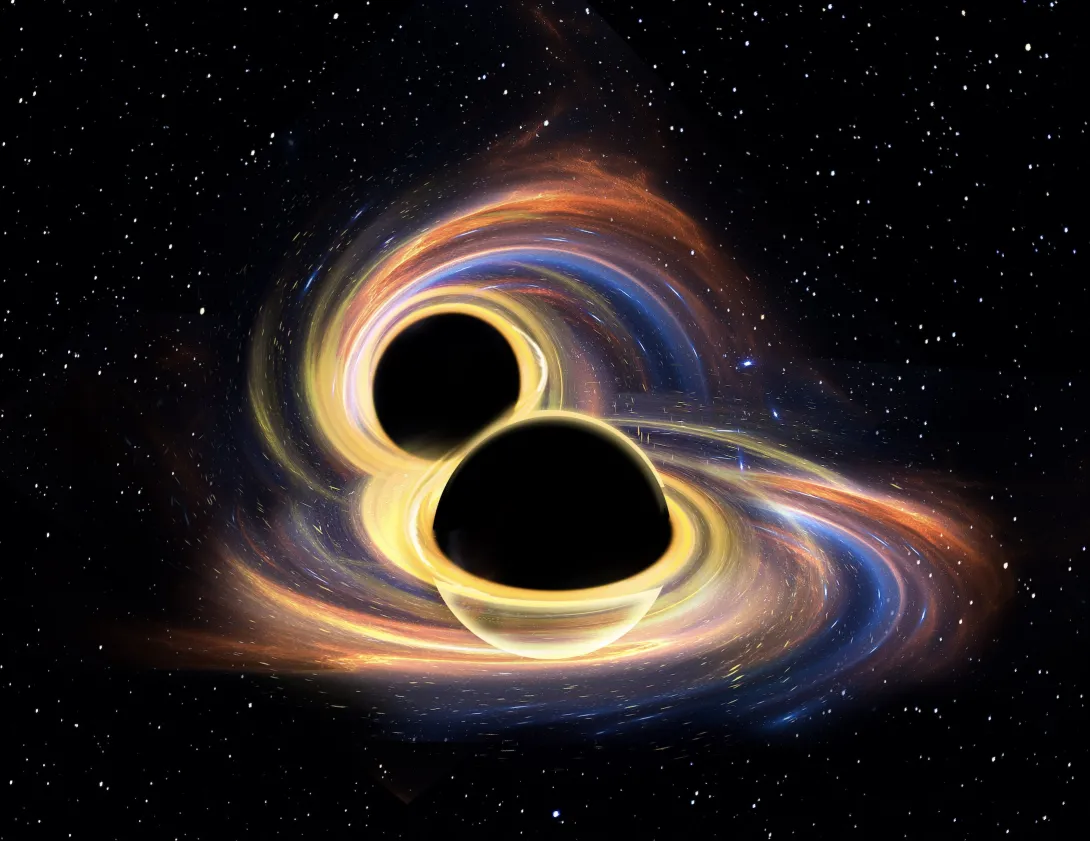
The Laser Interferometer Gravitational-Wave Observatory (LIGO)’s LIGO-Virgo-KAGRA (LVK) collaboration has detected an extremely unusual binary black hole merger — a phenomenon that occurs when two black holes are pulled into each other's orbit and combine. Announced yesterday in a California Institute of Technology press release, the binary black hole merger, GW231123, is the largest ever detected with gravitational waves.
Before merging, both black holes were spinning exceptionally fast, and their masses fell into a range that should be very rare — or impossible.
“Most models don't predict black holes this big can be made by supernovas, and our data indicates that they were spinning at a rate close to the limit of what’s theoretically possible,” says Margaret Millhouse, a research scientist in the School of Physics who played a key role in the research. “Where could they have come from? It raises interesting questions.”
A binary black hole merger absorbs characteristics from both of the contributors, she adds. “As a result, this is not only the most massive binary black hole ever seen but also the fastest-spinning binary black hole confidently detected with gravitational waves.”
“GW231123 is a record-breaking event,” says School of Physics Professor Laura Cadonati, who has been a member of the LIGO Scientific Collaboration since 2002. “LIGO has been observing the cosmos for 10 years now. This discovery underscores that there is still so much that this instrument can help us learn.”
A Cosmic View
The findings challenge current theories on how smaller black holes form, says School of Physics Assistant Professor and LIGO collaborator Surabhi Sachdev. Smaller black holes are the result of supernovae: dying and collapsing stars. During that collapse, explosions can tear apart or eject part of the star’s mass — limiting the size of the black hole that forms.
“Black holes from supernovae can weigh up to about 60 times the mass of our Sun,” she says. “The black holes in this merger were likely the mass of hundreds of suns.”
Because of its size, GW231123 also allowed the team to study the merger in unprecedented detail. “LIGO has observed scores of black hole mergers,” says Cadonati. “Of these, GW231123 has provided us with the clearest view of the ‘grand finale’ of a merger thus far. This adds a new clue to solve the puzzle that are black holes, including their origins and properties.”
“While we saw that our expectations matched the data, the extreme nature of this event pushed our models to their limits,” Millhouse adds. “A massive, highly spinning system like this will be of interest to researchers who study how binary black holes form.”
Decoding a Split-Second Signal
Millhouse and School of Physics Postdoctoral Fellow Prathamesh Joshi used Einstein’s equations for general relativity to confirm LIGO’s detections.
To find black holes, LIGO measures distortions in spacetime — ripples that are created when two black holes collide. These patterns in gravitational waves can be used to find the signature signal of black hole collisions.
“In this case, the signal lasted for just one-tenth of a second, but it was very clear,” says Joshi. "Previously, we designed a special study to detect these interesting signals, which accounted for all the unusual properties of such massive systems — and it paid off!”
“To ensure it wasn’t noise, the Georgia Tech team first reconstructed the signal in a model-agnostic way,” Millhouse adds. “We then compared those reconstructions to a model that uses Einstein's equations of general relativity, and both reconstructions looked very similar, which helped confirm that this highly unusual phenomenon was a genuine detection.”
Sachdev says that seeing the signal at both LIGO Observatories — placed in Hanford, Washington and Livingston, Louisiana — was also critical. “These short signals are very hard to detect, and this signal is so unlike any of the other binary black holes that we've seen before,” she says. “Without both detectors, we would have missed it.”
A Decade of Discovery
While the team has yet to determine how the original black holes formed, one theory is that they may have resulted from mergers themselves. “This could have been a chain of mergers,” Sachdev explains. “This tells us that they could have existed in a very dense environment like a nuclear star cluster or an active galactic nucleus.” Their spins provide another clue as spinning is a characteristic usually seen in black holes resulting from a merge.
The team adds that GW231123 could provide clues on how larger black holes are formed — including the mysterious supermassive black holes at the center of galaxies.
“Gravitational wave science is almost a decade old, and we're still making fundamental discoveries,” says Millhouse. “It’s exciting that LIGO is continuing to detect new phenomena, and this is at the edge of what we've seen thus far. There's still so much we can learn.”
The team expects to update their catalogue of black holes in August 2025, which will provide another window into how this exceptionally heavy black hole might fit into the universe, and what we can continue to learn from it.
Funding: The LIGO Laboratory is supported by the U.S. National Science Foundation and operated jointly by Caltech and MIT.