
Jul. 10, 2024
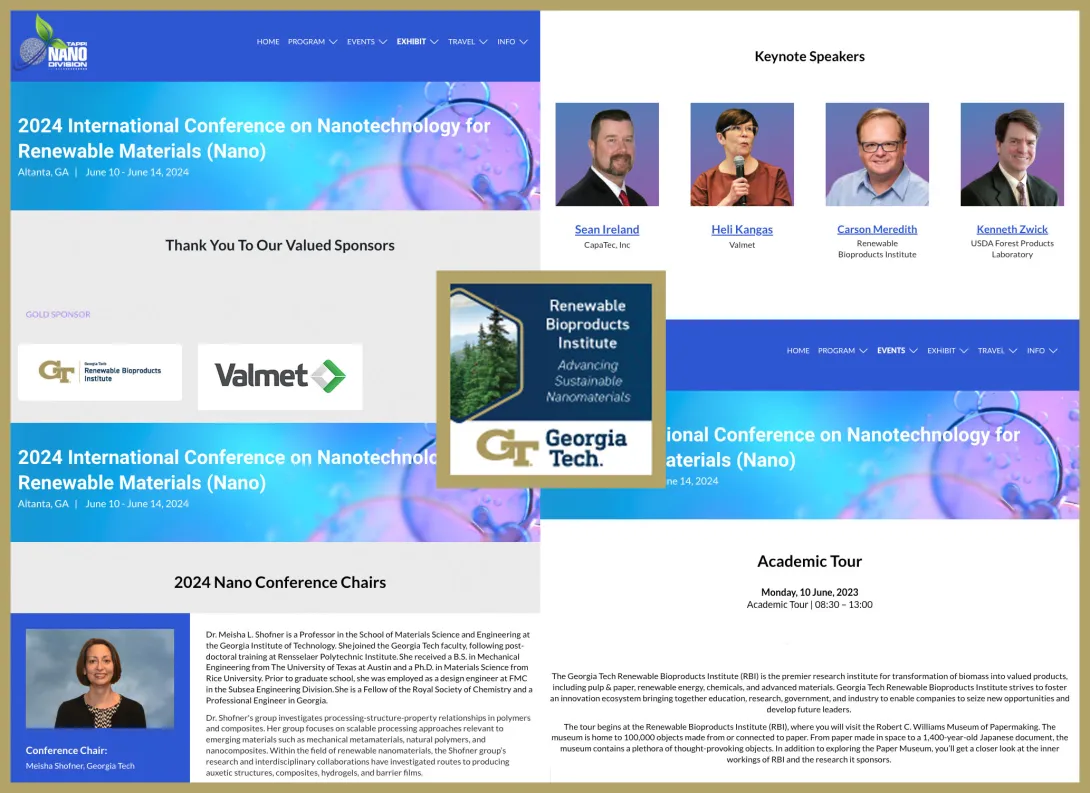
Faculty and students of the Georgia Tech Renewable Bioproducts Institute (RBI) were active participants at the TAPPINano 2024 conference held in Atlanta on June 10-14. The Renewable Bioproducts Institute was a gold sponsor of the annual event that focused on the topic - Building from the Bottom Up: Shaping a Sustainable World using Renewable Nanomaterials.
RBI’s Executive Director Carson Meredith was a keynote speaker at the conference and Meisha Shofner, professor in the School of Materials Science and Engineering served as the conference chair. Conference attendees had an opportunity to participate in an academic tour of RBI that included a tour of the Robert C. Williams Museum of Papermaking, located within the Renewable Bioproducts Institute.
During a session on water treatment and recovery, Zhaohui Tong, associate professor and RBI initiative lead for Waste Valorization in Food-Energy-Water and Yongsheng Chen, Bonnie W. and Charles W. Moorman IV professor in the School of Civil and Environmental Engineering participated and presented their work on nano-triboelectric cellulose membrane sensors for heavy metal ions removal and detection and next generation nano filtration membranes via machine learning-screened novel monomers respectively.
During the lunch presentation on June 11, Meredith presented his keynote on the topic “Cellulose nano materials at the Renewable Bioproducts Institute: Two decades of partnerships and progress.”
Xiaoqing Yu, graduate student at the Woodruff School presented her paper on de-wrinkling for papers coated with cellulose nanocrystal and modified celluloses.
Georgia Tech graduate students and RBI Fellows, Kim Anh Pham, Jonathan Rhone and Javaz Rolle participated in a session on cellulose based coatings, and presented their work on sustainable oxygen barrier coatings for paper based on anionic and cationic cellulose derived materials, cellulose nanocrystal coated glass fiber-epoxy composites: interfacial and tensile properties, and durable bio-based coatings for packaging applications.
Finally, during a session on CNF & MFC Sheets and Films, Fariha Rubaiya, RBI Fellow presented her work on out-of-plane auxecity in cellulose nanofibril films.
Here is a video shared by the TAPPINano 2024 organizers on the highlights of the conference.
News Contact
Priya Devarajan || RBI Communications Program Manager
Aug. 20, 2024
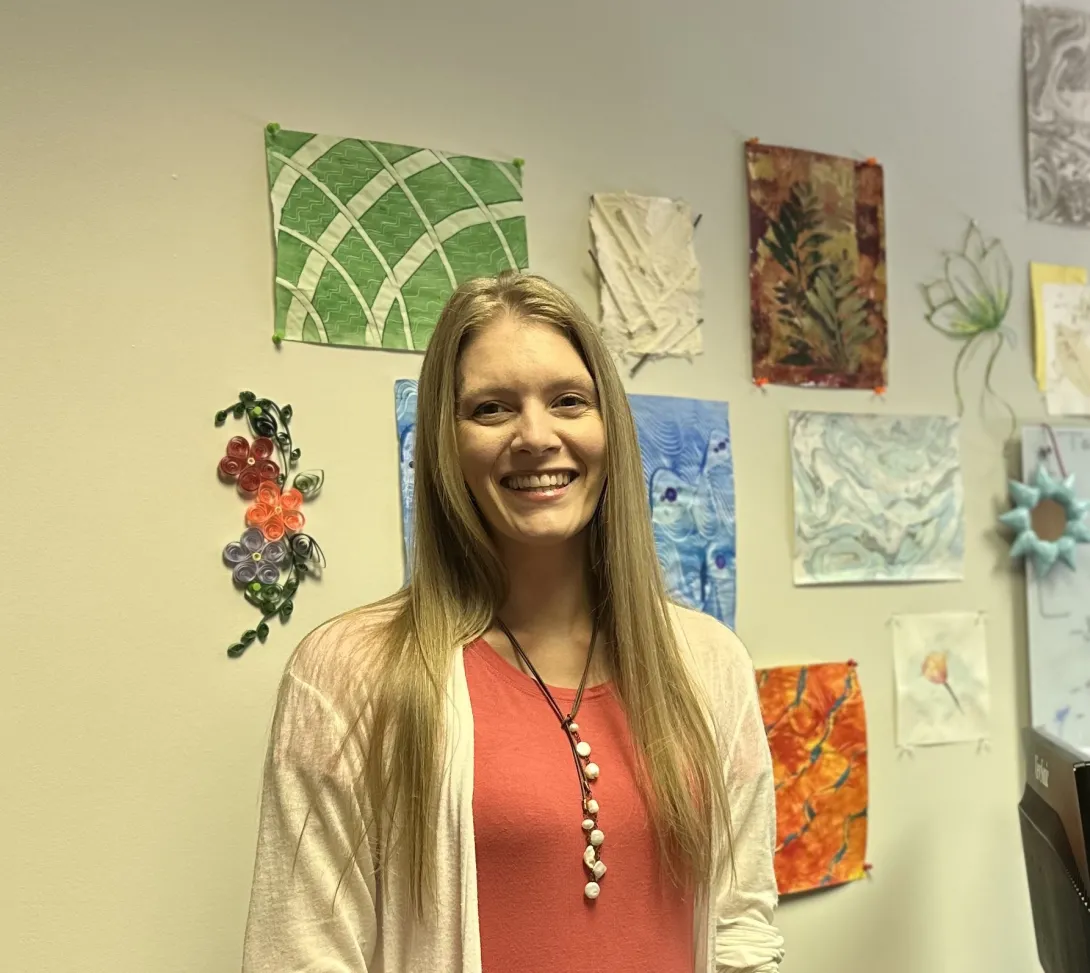
Anna Doll
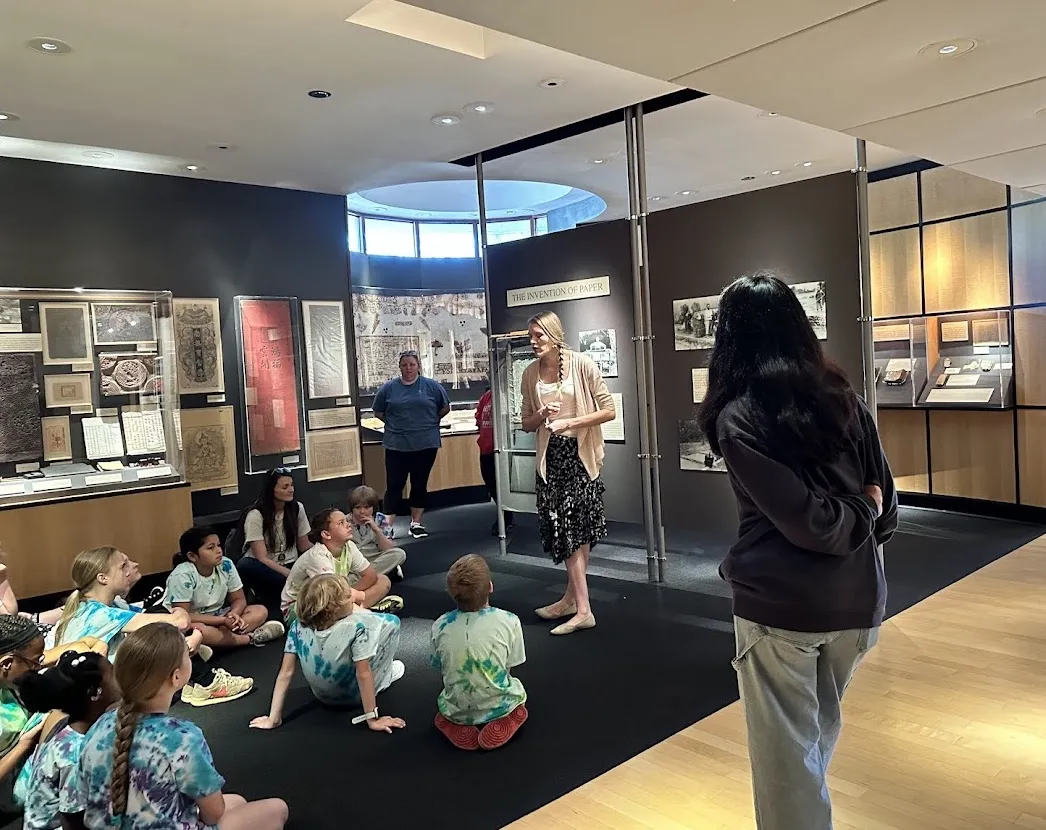
Doll giving a tour of the Robert C. Williams Museum of Papermaking to K-12 Students
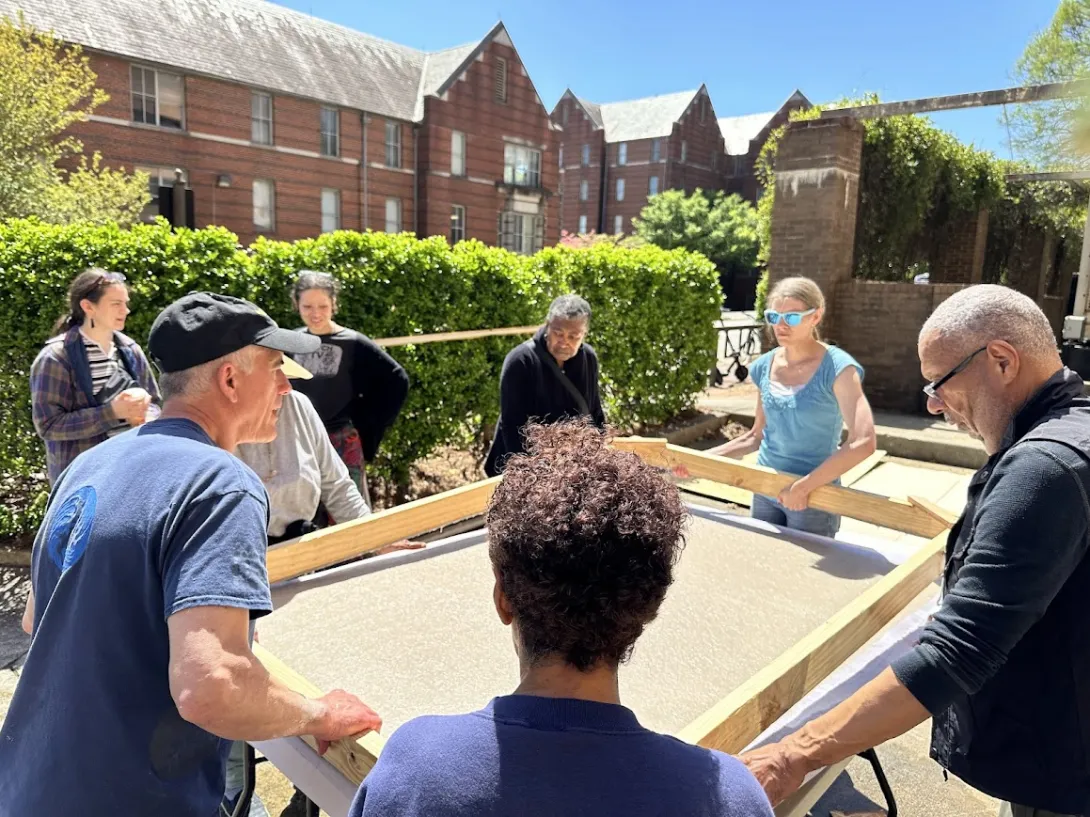
Anna Doll, Tom Balbo and workshop participants during the Big Paper Workshop
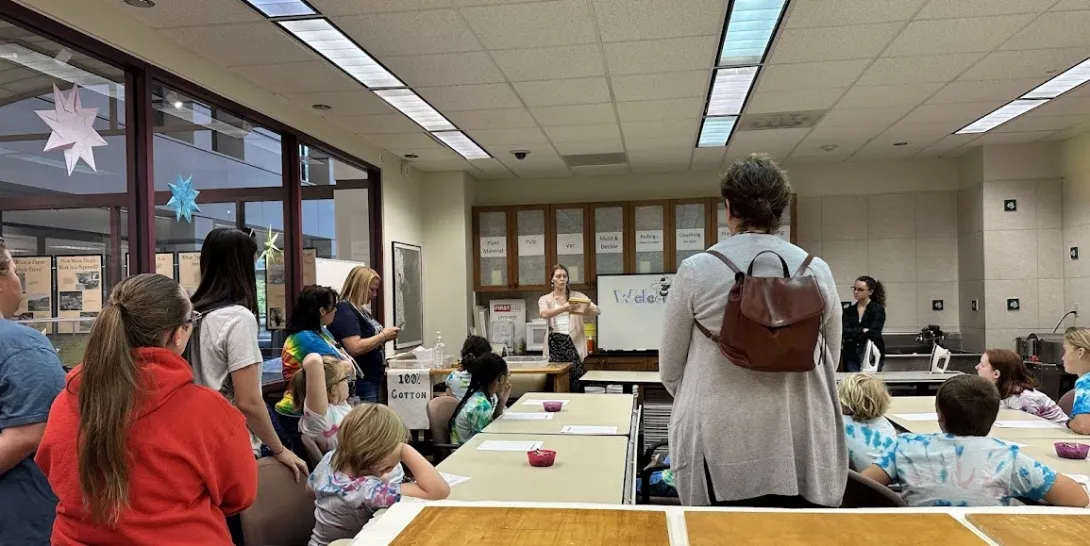
Doll during a paper-making session with K-12 Students
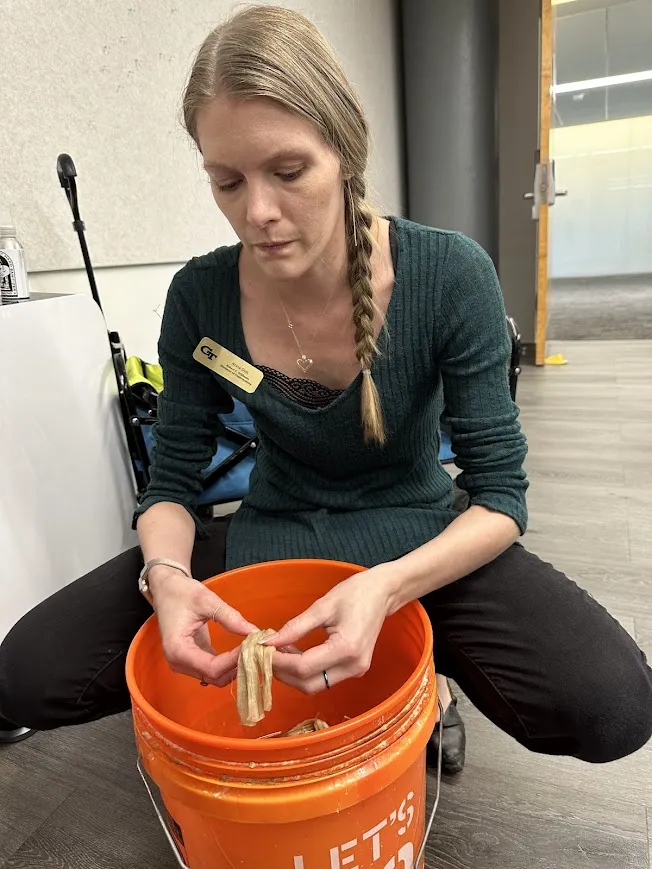
Doll prepping the fiber during Tech's Tactile Thursdays
Anna Doll is the education curator at the Robert C. Williams Museum of Papermaking, located in Georgia Tech’s Renewable Bioproducts Institute. Doll’s day-to-day responsibilities, and the many projects she handles at the museum, bring tremendous value not only to the Georgia Tech community, but also to the papermaking community around the world.
With a degree in art education and a minor in art history, Doll began her career as an elementary school art teacher in Pinellas County, Florida. She then became the director of Museums for the Folk Pottery Museum of Northeast Georgia and the Sautee Nacoochee Cultural Center History Museum and Heritage Site.
In 2019, Doll joined the Robert C. Williams Museum of Papermaking team as its education curator. At the museum, she creates and manages programs that include educational tours, private and public workshops on papermaking, specialized workshops through creative collaborations with artists, collaborations with other campus units for STEAM activities, and community events for kindergarten through senior adult audiences.
"I didn't know a whole lot about papermaking when I first started here," admits Doll, "but I knew how to be an education curator." Her ability to swiftly absorb the history and concept of papermaking and translate it into engaging educational experiences has been instrumental in her success. Below are a few highlights of Doll’s projects.
Museum Tours
Doll’s daily activities include educational tours of the papermaking museum for groups of all ages. The tours range from introducing the papermaking process to elementary and middle school students to sharing the history and heritage of papermaking with adults. In addition, she conducts virtual programs for groups interested in the history of paper and the technological advances of the papermaking process since its invention many centuries ago.
Workshops
Doll is the point of contact for public and private workshop bookings. She also develops the concepts for these sessions, catering to groups with various interests (e.g., Girl Scouts, Boy Scouts, people with disabilities, teachers, artists, college students, and public groups). This spring, Doll’s workshops included Suminagashi, Production Papermaking, Petal Fold Book, Paper Casting, and Magic Box: Jacob’s Ladder.
In addition to conceptualizing and conducting tours and workshops, she designs curricula and other resources involving paper art and science for K-12 teachers to integrate into their art classes.
Big Paper Workshop – Convening Artists, Educators, and Community Members for a Transformative Experience in Papermaking
This spring, Doll and her colleague Jerushia Graham created a communal workshop called “Big Paper.” Offered on multiple days, this project included five college groups from Georgia and Alabama and community groups from metro Atlanta who got to create a large sheet of paper from pulp. Participants beat plant material by hand to prepare the fiber and worked with Tom Balbo, founding director of the Morgan Conservatory, to create a huge 4’x6’ sheet of paper that was mailed back to them once it was dry.
Through her work at the museum, Doll has cultivated relationships with various artists, all of whom collaborate with the museum to conduct workshops and create and showcase art exhibits.
Additional Collaborations Across Campus
Doll partners with other units on campus to create programs. She collaborated with the Georgia Tech Library on a program called “Tech's Tactile Thursdays.” Hosted on the first Thursday of each month, it allows students, faculty, and staff to work on hands-on projects related to paper and provides an opportunity for the largely technology-focused participants to take a break from their routine, relax, and explore their creative side and enhance their well-being.
Doll also has been an active educator at Georgia Tech Science and Engineering Day, which is part of the Atlanta Science Festival. This year, more than 3,000 K-12 students and parents visited Georgia Tech’s campus to engage in hands-on STEAM activities. Representing the museum, Doll worked with families to make prints on a clamshell printing press featuring a custom-designed Buzz image (designed by Doll) on a postcard for the kids to take home. The activity showcased the rich history of the printing press and modern technology with a photopolymer printing plate.
Through these diverse projects and initiatives at the museum, Doll continues to make a difference in the world of papermaking. Looking ahead, she hopes to expand the museum’s educational initiatives as well as the education team and its resources, and she envisions broadening the museum’s reach and impact by offering free programs to schools through grants. She is also working with Georgia Tech faculty and researchers on museum research into the art of nano cellulose and plans to establish a paper and natural dye garden for teaching.
News Contact
Priya Devarajan | RBI Communications Program Manager
Jul. 30, 2024
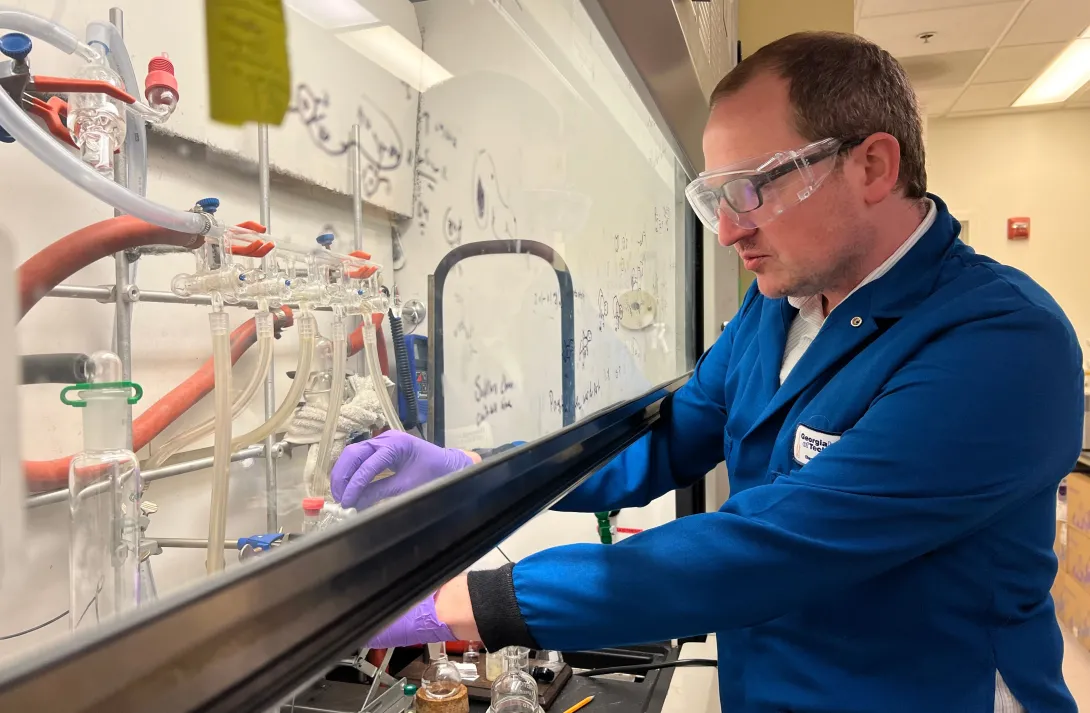
Will Gutekunst, associate professor in the School of Chemistry and Biochemistry at Georgia Tech, co-leads the interface of polymer science and wood-based materials initiative along with Blair Brettmann at the Renewable Bioproducts Institute (RBI). Gutekunst’s research explores the design of novel monomers for the design of recyclable polymers for a circular economy, fluxional materials, and 3D-printable ceramics.
Below is a brief Q&A with Gutekunst where he discusses his research focus areas and how they influence the interface of polymer science and wood-based materials initiative at Georgia Tech.
- What is your field of expertise and at what point in your life did you first become interested in this area?
My graduate training is in synthetic organic chemistry, and I focused on basic science problems at that time. Toward the end of my Ph.D., I became interested in applying my skill set to new research directions that could have a more direct impact on society. This led me to pursue postdoctoral research in polymer chemistry, which has been a source of inspiration ever since.
- What questions or challenges sparked your current renewable bioproducts research? What are the big issues facing your research area right now?
My first project in this space was initiated shortly after I arrived at Georgia Tech through RBI funding opportunities, and it has continued to be a theme ever since. One of the critical problems in my research is identifying monomers that can polymerize and depolymerize on command. This involves balancing the driving force of polymerization (enthalpy) with the unfavorable process of confining multiple monomers to a single chain (entropy). While we are making considerable progress in engineering appropriate polymerization enthalpies into monomers, the entropic side of the problem remains a significant challenge.
- What interests you the most in leading the research initiative on the interface of polymer science and wood-based materials? Why is your initiative important to the development of Georgia Tech’s renewable bioproducts research strategy?
The most exciting aspect of the initiative is the ability to bring together multiple strengths of Georgia Tech to work on a central goal. Solving problems at this interface involves the collaborative efforts of researchers in chemistry, processing, separations, and even data science. Identifying and gathering synergistic teams is critical to address this problem and additional goals in renewable bioproducts.
- What are the broader global and social benefits of the research you and your team conduct on the interface of polymer science and wood-based materials?
The goal of this research is to develop materials that are more recyclable and are derived from abundant feedstocks, which are two big problems rolled into one. The eventual product of this research will be access to materials that are more compatible with the environment while also drastically reducing the waste output of society.
- What are your plans for engaging a wider Georgia Tech faculty pool with the broader renewable bioproducts community?
Through the merger of the Georgia Tech Polymer Network with RBI, we can start to forge collaborations across a broader swath of the Georgia Tech community. This includes the organization of workshops, making connections between different student groups, and the development of center grants to tackle grand challenges in the field.
- What are your hobbies?
In my free time, I enjoy reading (non-science), pottery, and hiking.
- Who has influenced you the most?
My Ph.D. advisor (Phil Baran) and my postdoctoral advisor (Craig Hawker) both stand out in their impact on my scientific career. Through their guidance, I learned how to properly think about science and to always look ahead for the next big problem.
News Contact
Priya Devarajan | RBI Communications Manager
Jun. 04, 2024

by Isabella Tallman-Jones
This thoughtfully curated exhibition was brought to life by curators Jill Powers and Lisa Miles of the North American Hand Papermakers for the organization’s Guest Curated Exhibition Triennial. With collaboration between the guest curators and the Robert C. Williams Museum of Papermaking, the resulting deep dive has produced an insightful perspective on an often-forgotten ancient practice. Bark paper has existed within a centuries-long genealogy of craft in places like Uganda, Indonesia, Mexico, Hawaii, and a variety of Polynesian and Pacific-Islander cultures. Somewhat attributed to the Global South, it is no wonder why this alternative production of natural matrix does not exist within the Western hegemonic history of writing and visual culture at large.
The exhibit’s contemporary innovations utilize the signifiers of civilizations’ papermaking pasts. Through timeless pattern-making practices and the further development of a shared semiotic language, both representational and abstract; the artists transcend temporal obstacles through artistic creation. Repetition and the meditative beating of pulp and cellulose are central to the ancestral language of symbols and techniques of meaning-making.
Some of the topics broached by these contemporary interpretations include immigration, tradition, community, and issues of belonging in a post-colonial present. These themes bubble to the surface of Enrique Chagoy’s Illegal Alien’s Meditations on el Ser y la Nada. The accordion-style artist's book unfolds into a colorful comic-like narrative throughout its ten lithographic prints on handmade Amate (Nahuatl for “bark paper”). The illustrations are stylized, suggesting its inspiration from pre-colonial Nahuatl codices. This reference informs the viewer’s reading, meant to be traditionally read from right to left. The dots and slashes at the corner of each page share the number/date system used by civilizations under the Aztec empire. The title page pictures the protagonist as an Aztec sculpture head attached to a classicized female body. The head reoccurs in the corner of another page with the subtitled “Hernán Cortés” after the man behind the atrocities of the Spanish Conquest of New Spain. Other similar sculptural elements are littered throughout the book, often written over and struck through by other symbols in a red wash. Additional scenes are composited from comic and mass cultural depictions of white people interacting, often derogatorily, with a cast of unnamed indigenous and stereotyped characters. These interactions are especially evident on a page with a series of 12 comic vignettes. Some of these vignettes have been altered with superimposed images. The overall effect is reminiscent of the Spanish casta paintings, which promoted a newly invented racial hierarchy to scientifically and culturally justify the systematic extermination of the New World’s inhabitants. The original ephemera from which Chagoya takes inspiration is virtually nonexistent today, though its practices and techniques have miraculously survived generations and centuries after the Spanish Inquisition. Bark paper production and Nahuatl writing practices were effectively banned by the conquistadors– burned, denigrated, and rewritten histories. The title of the work refers to its contemporary take on the Mexican-American experience and how it might comically parallel a seemingly distant colonial past. Further, the title evokes Jean-Paul Sartre’s Being and Nothingness as an acknowledgment of the existentialist center of the
Mexican-American ontological experience. The meditative processes associated with the making of the artist's book itself are an active forging of a connection to the past and an upholding of that legacy, but also a history lesson that might allow the viewer to make space for a new reality long silenced.
Several works in the exhibition are spiritually oriented such as the Otomí “Spirit Figures” or the Hawaiian lananu ‘u mamao or “Oracle Tower” entitled Pa ‘aikalani (Grounded to the Heavens) by Dalani Tanahy. The wispy and ethereal materiality of bark paper lends itself well to the art and expression of fleeting and translucent light that of a specter. The resulting exhibit is a diverse spectrum of these innumerable qualities: delicate and hardened, narrative-driven or abstract, and encaustic, coptic, or chemically treated.
Ecologically, the mutuality of bark paper’s production is clear to see. UNESCO’s 2005 decree of bark cloth as a “Masterpiece of Oral and Intangible Cultural Heritage” is a testament to its reemergence in contemporary artistic practices. Artists across time are called to action, creating a renewed awareness of the need for emphatic preservation of marginalized cultural practices previously destroyed. Artists are reclaiming and preserving marginalized cultural traditions, using sustainable methods to transform terrestrial resources into mediums for memory and ritual. Bark paper isn’t just historical; it’s social, cultural, and political. It has endured colonization, intellectual suppression, and mass re-education efforts throughout history, making its preservation crucial for understanding our collective past.
Bark Rhythms: Contemporary Innovations & Ancestral Traditions serves as a profound testament to the enduring significance of bark paper within global cultural heritage. By bridging past and present, the artists not only showcase the beauty and versatility of this ancient practice but also provoke reflection on its ecological, social, and political implications. As we marvel at the intricate works on display, we are reminded of the resilience of marginalized traditions and the imperative of their preservation in shaping a more inclusive and enlightened future. Through the medium of bark paper, we glimpse not only history but also the potential for transformative dialogue and mutual understanding across cultures and generations.
May. 22, 2024
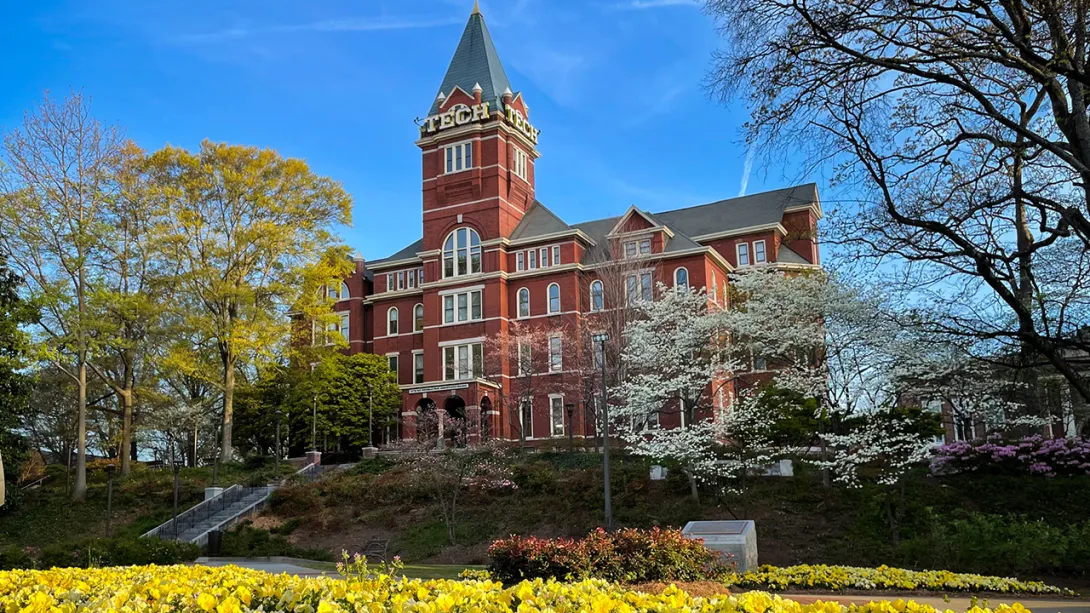
Students in the Pulp and Paper Certification Program at Georgia Tech had real-world experiences outside the classroom this spring. Over 30 students taking the Emerging Technologies in the Manufacture of Forest Bioproducts course (CHBE/ME 4730/8803) took field trips to Greif’s Austell location and GranBio’s Thomaston facility in Georgia. The course is taught by Chris Luettgen, professor of the practice and initiative lead for the process efficiency & intensification of pulp paper packaging & tissue manufacturing initiative at Georgia Tech's Renewable Bioproducts Institute.
At the Sweetwater Mill, one of Greif’s three paper mills in Austell, students saw the pressure cylinder machine, a pre-coater that smoothens the board for printability, and a curtain coater that makes value-added products such as one-sided chipboard packaging for retail displays. The mill runs 100% recycled fiber into stock cores, gypsum board liners, and chipboard packaging. The tour included converting the machine roll (called a parent roll) into smaller rolls that will be further converted at downstream customers’ locations.
At the GranBio’s facility in Thomaston, Tech students were able to see a biorefinery at work where a wide variety of lignocellulosic feedstocks, including wood chips, were getting converted into multiple bioproducts. They had a firsthand look at the SEW (sulfur dioxide, ethanol, and water) process, which was quite different from the traditional kraft pulping process. It creates a highly acidic mush, with a high pH, instead of fiber, which could then be used to make biofuels and other value-added products. In addition, they were able to discuss the recent DOE award to scale their process to a 100 ton/day biomass to Sustainable Aviation Fuel (SAF). The company explained that they were still in site selection and would be hiring engineers in the near future.
About the Pulp and Paper Certification
The College of Engineering at Georgia Tech offers a certificate program in pulp and paper. The certificate consists of 12 credit hours focused on forest bioproduct topics, including lecture- and laboratory-based courses. Since its inception in 1990, more than 100 students have completed their certification.
The foundational course in the program introduces students to the history of pulp and paper manufacturing from its origins and covers the forest bioeconomy, wood structure, chemistry, and fiber morphology, and goes through the unit operations utilized to transform lignocellulosic feedstocks into value-added products, including chemical and mechanical pulping, recycled fiber operations, chemical recovery, bleaching, stock preparation, and papermaking.
The emerging technologies course focuses on the future of bioproducts industries. Case studies on the use of biomass in the production of value-added products are covered. Included are fluff pulp and dissolving pulps, alternative fibers, specialty papers, packaging, and printed electronics, biorefining technologies, nanocellulose and bio composites, and renewable polymers.
The pulp and paper laboratory course introduces students to pulping operations, bleaching, hand sheet formation, pulp and paper physical properties, and recycled fiber. The final course allows students to pursue research on special problems under supervision from an RBI-affiliated faculty.
Students in the program can demonstrate their proficiency in pulp and paper science and engineering and are in high demand for their expertise.
News Contact
Priya Devarajan || RBI Communications Program Manager
May. 22, 2024
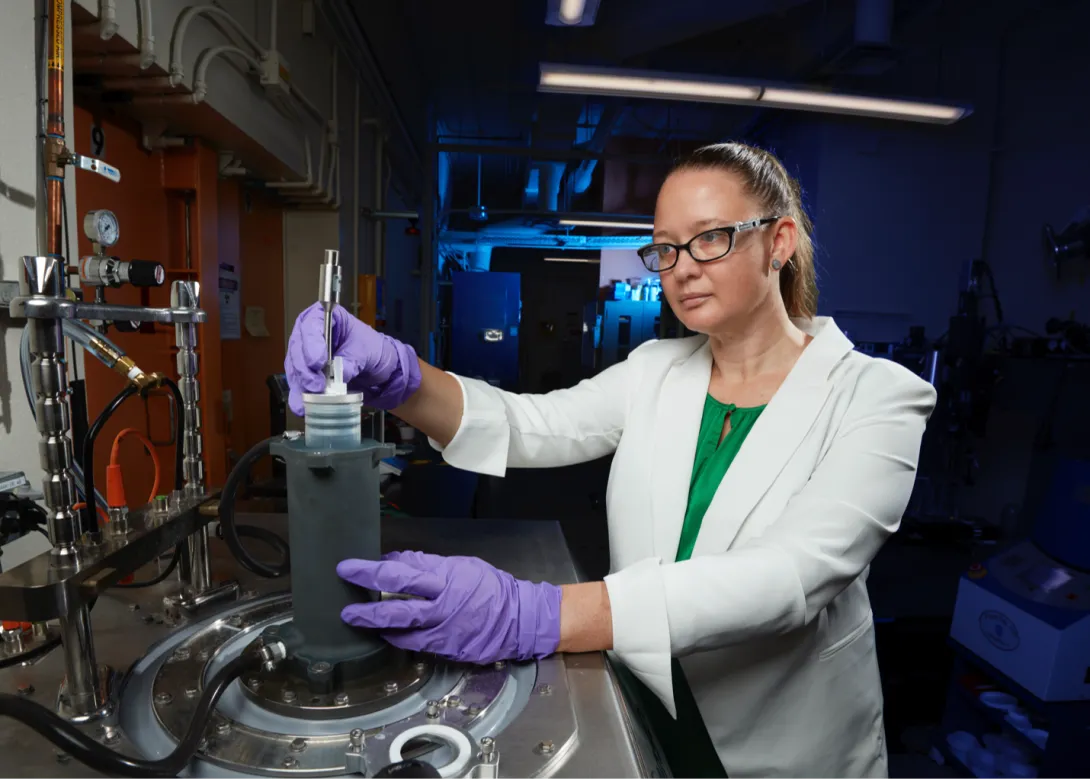
Blair Brettmann, Associate Professor at Georgia Tech (Photo credit: Garry McLeod/Lawrence Livermore National Lab)
Blair Brettmann, associate professor, Solvay Faculty Fellow, and Raymond and Stephanie Myers Faculty Fellow in the School of Chemical and Biomolecular Engineering, co-leads the interface of polymer science and wood-based materials initiative with Will Gutekunst at Georgia Tech’s Renewable Bioproducts Institute.
Brettmann’s current research focuses on developing technologies that enable multicomponent, rapidly customizable product design, with a specific focus on polymer systems.
Brettmann received her Ph.D. in chemical engineering at MIT in 2012 working with the Novartis-MIT Center for Continuous Manufacturing under Bernhardt Trout. Later, she worked on polymer-based wet coatings and dispersions for various applications at Saint-Gobain Ceramics and Plastics. She went on to serve as a postdoctoral researcher in the Institute for Molecular Engineering at the University of Chicago with Matthew Tirrell. Below is a brief Q&A with Brettmann in which she discusses her research focus areas and how they influence the interface of polymer science and wood-based materials research at Georgia Tech.
- What is your field of expertise and at what point in your life did you first become interested in this area?
My expertise is in polymer science and materials design for manufacturability. I got excited about this area after my Ph.D. when I worked for Saint-Gobain and saw firsthand the challenges of bringing new products to market, especially those made of complex mixtures of materials.
- What questions or challenges sparked your current renewable bioproducts research? What are the big issues facing your research area right now?
Sustainability of materials and process is a top priority right now across many industries, and renewable bioproducts research is helping to improve this. But it is still tough to design and scale up products made with these materials because of the heterogeneity of the raw bio-based materials and recycled materials that now serve as the raw materials. Engineers are essential to design systems that can be robust despite the heterogeneities and still produce consistent, high-quality products.
- What interests you the most in leading the research initiative on the interface of polymer science and wood-based materials? Why is your initiative important to the development of Georgia Tech’s Renewable Bioproducts research strategy?
One of the most promising directions to decrease the impact of plastics on the environment is to replace some of the synthetic plastic materials with natural products, such as cellulose from wood. My initiative aims to build better connections between polymer scientists working to design improved plastics and experts in bio-based materials to seed research that can work toward this goal. Polymers also serve as important tools to improve the properties of cellulose and wood-based products and can enable new materials with increased functionality that still have sustainable materials at their core.
- What are the broader global and social benefits of the research you and your team conduct on the interface of polymer science and wood-based materials?
We work to improve the sustainability of material products while addressing specific challenges related to manufacturing and scale-up, which can speed up the adoption of these more sustainable products in industry. We take a wide view of the problem and have even worked on a project to understand consumer choices in recycling: If people don’t recycle the material, our efforts to make recyclable products will not have an impact!
- What are your plans for engaging a wider Georgia Tech faculty pool with the broader renewable bioproducts community?
Using symposia, social events, and student-centered networking, I will bring the broad Georgia Tech Polymer Network community together with the RBI community.
- What are your hobbies?
Water polo and swimming. I train with the Atlanta Rainbow Trout, who practice at the Georgia Tech pool.
- Who has influenced you the most?
I’m constantly learning from people around me!
News Contact
Priya Devarajan || RBI Communications Program Manager
May. 17, 2024
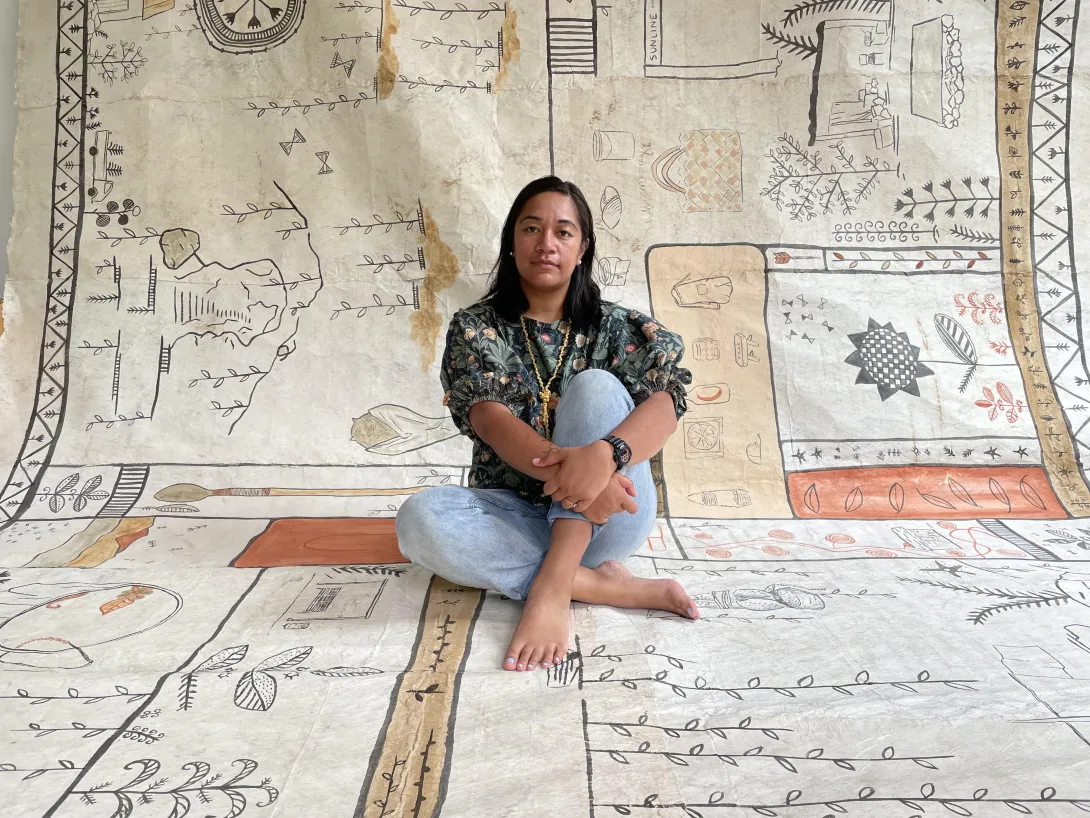
Artist Cora-Allan Lafaiki Twiss from New Zealand.
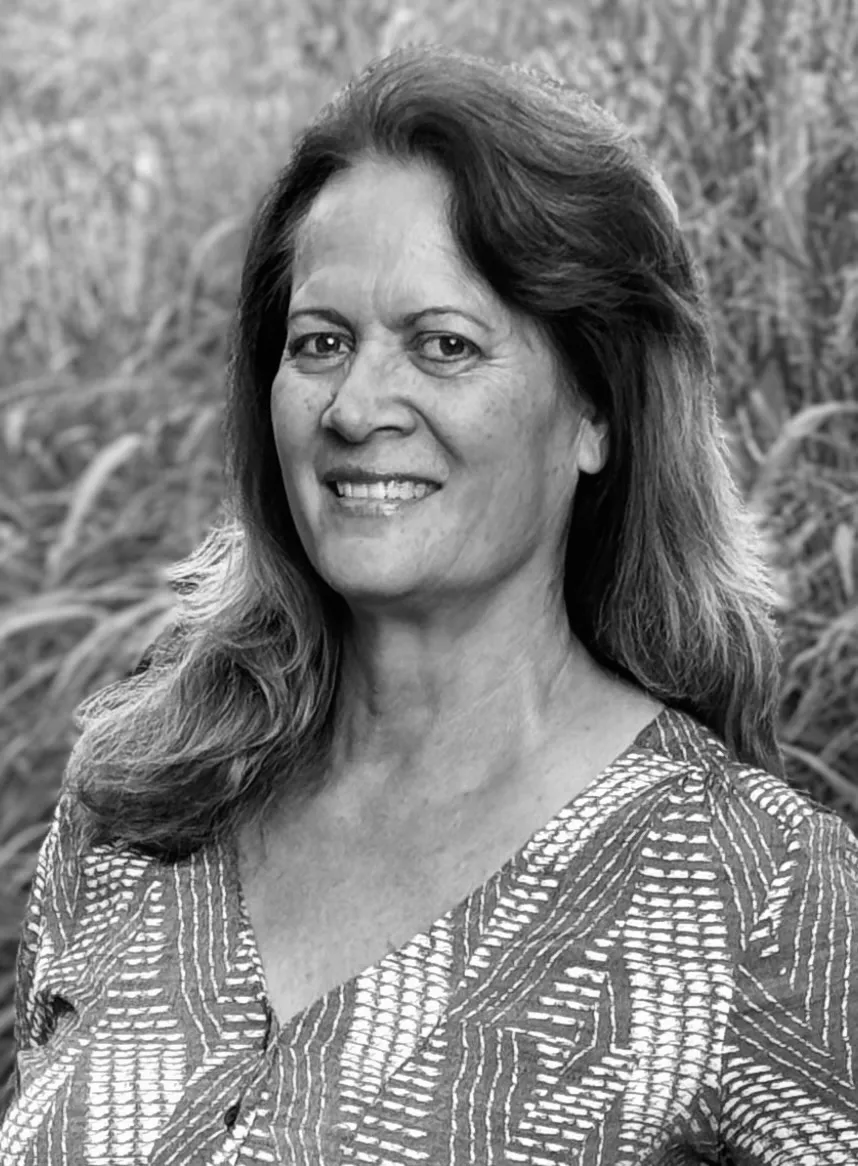
Artist Dalani Tanahy
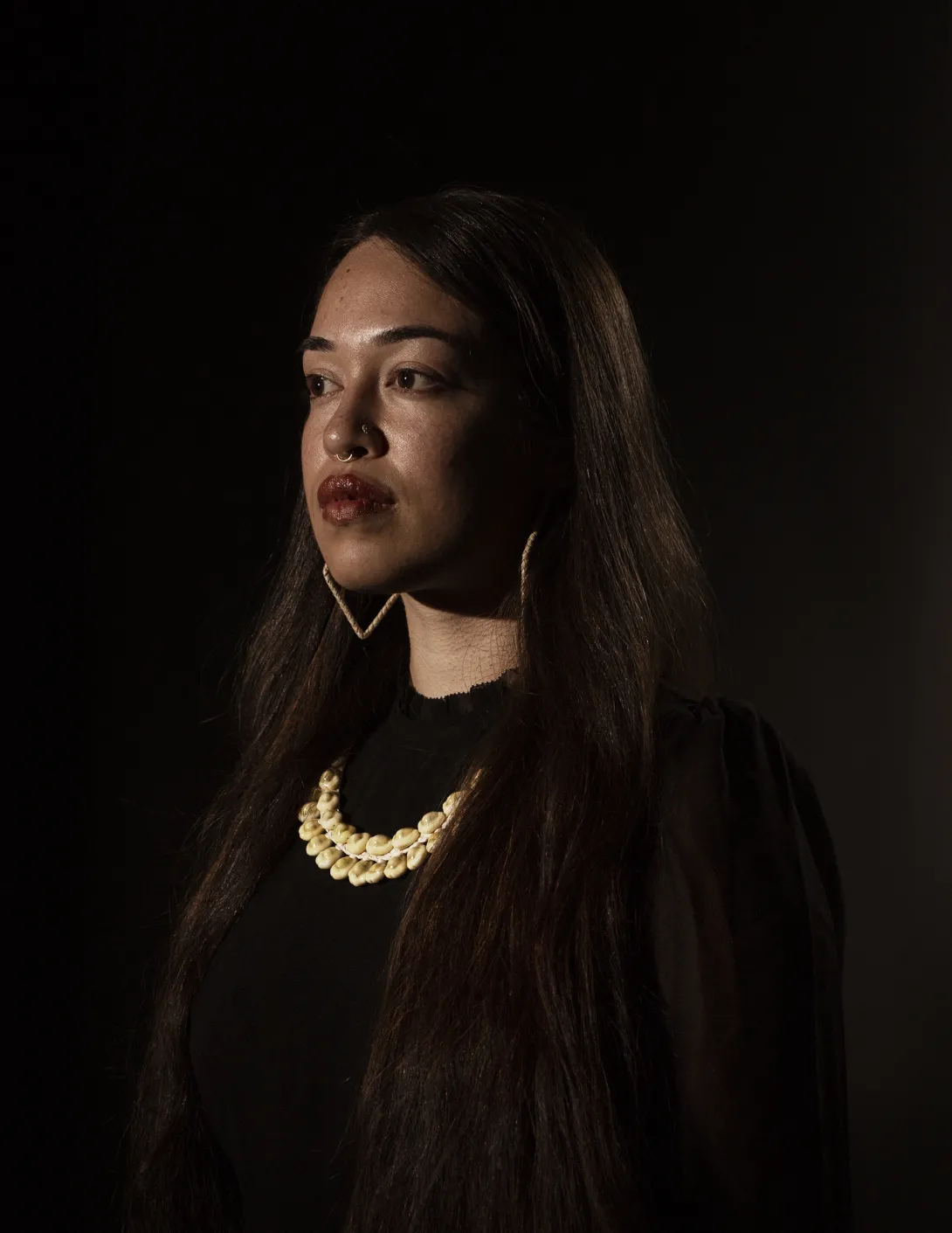
Lehuauakea - photo credit Leah Rose
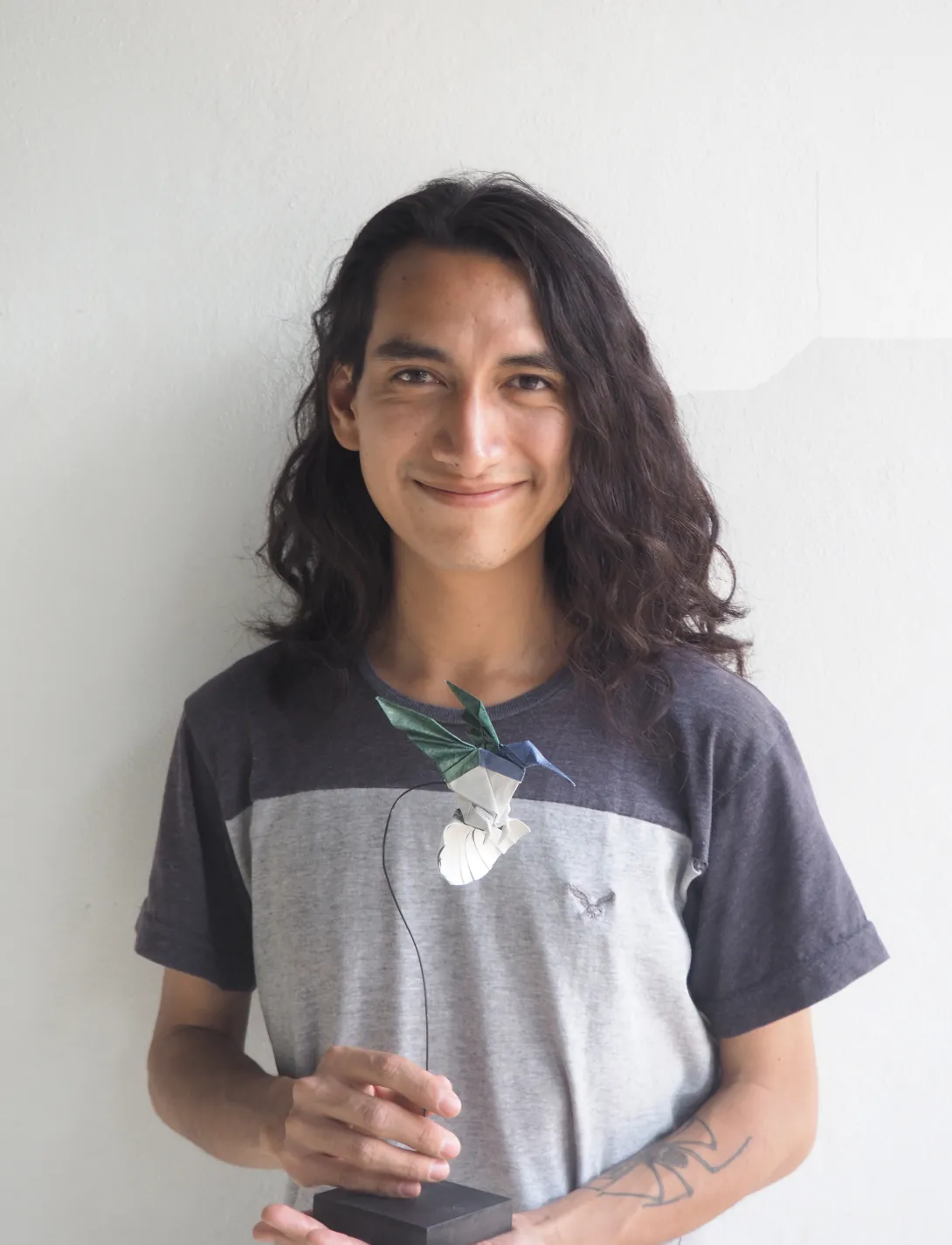
Artist Cekouat Elim Leon Peralta shows one of his works.
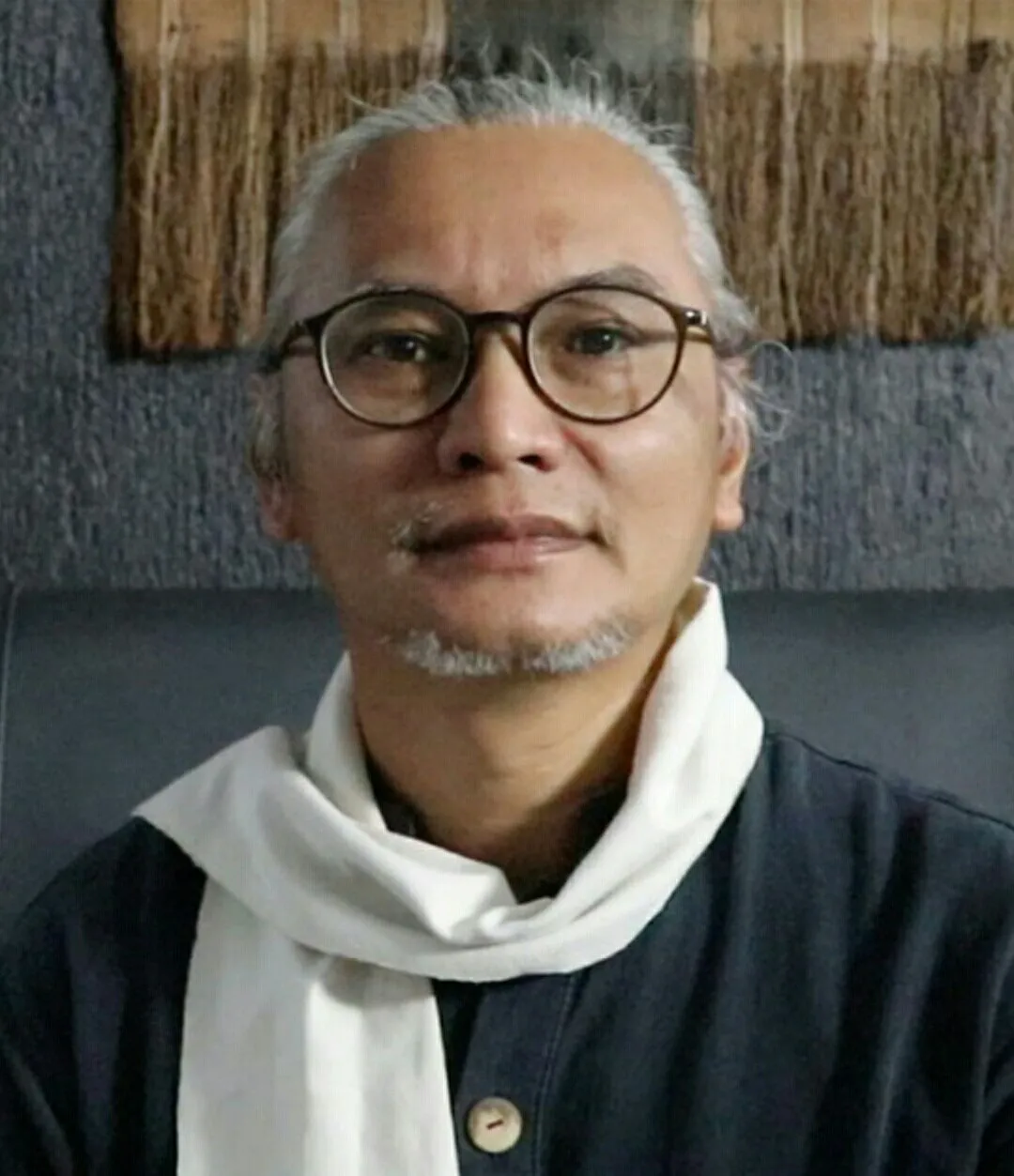
Artist Tedi Permadi

Image of Sheila Nakitende
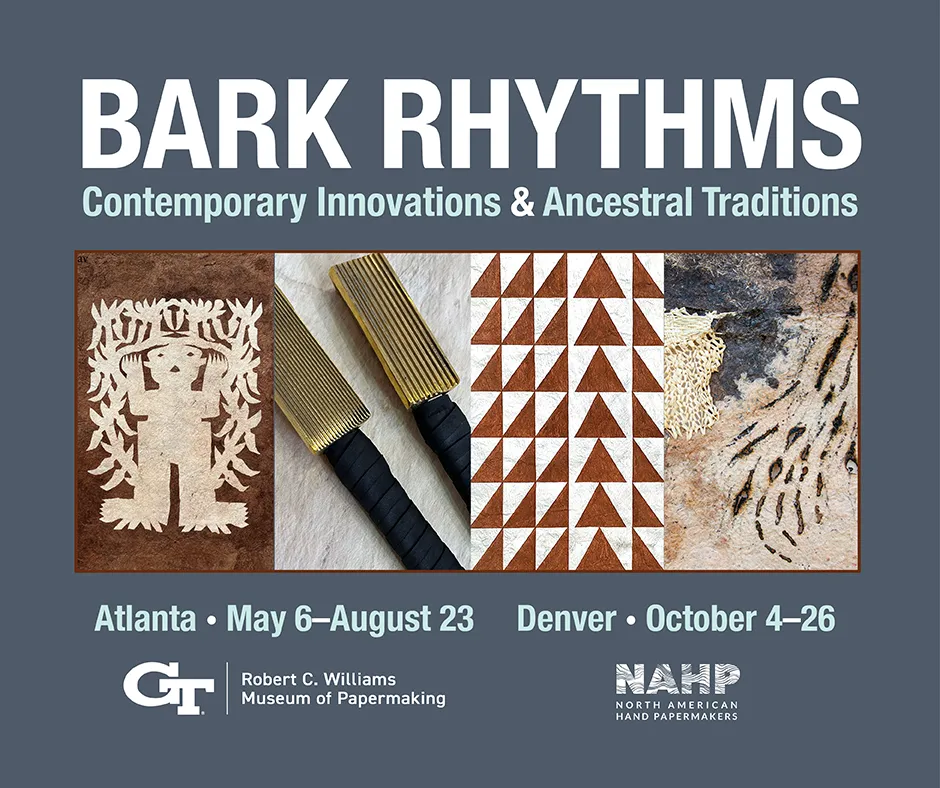
Bark Rhythms: Contemporary Innovations & Ancestral Traditions features historical examples of hand-beaten bark papers, barkcloth, and traditional beaters, paired with the work of contemporary artists from global communities who use bark fiber materials and techniques in innovative and unexpected ways.
The Paper Museum worked with Jill Powers and Lisa Miles to produce Bark Rhythms. The goal was to create an exhibit that showcased the ongoing practices of barkcloth and bark papers. Powers and Miles connected with artists around the world to develop an exhibit that is interesting and engaging, especially for people who have no experience with these materials. “One of the aspects emphasized by Bark Rhythms is that these practices are living— that the people who make bark paper and barkcloth are producing something that is important and relevant to the communities they are part of. That element really spoke to us as important to emphasize in an exhibit. Lisa and Jill wanted to ensure Bark Rhythms was as comprehensive as our space allowed,” says museum director Virginia Howell. The exhibit features contemporary artwork, but there are historic examples included throughout. In addition to artwork, the tools –beaters—used in production are prominently featured. This includes about a dozen wood beaters acquired by Dard Hunter in the first quarter of the 20th century.
In the world of handmade paper, the definition of paper has long venerated European and Asian traditions, which employ moulds to form sheets with macerated pulp. Bark paper and bark cloth are created by hand-beating the cooked or fermented inner bark of certain trees with a shaped stone, wood, or metal beating implement. Bark Rhythms seeks to elevate and honor Indigenous beaten bark fiber traditions that have been undervalued or excluded from exhibitions and scholarship within the field of papermaking and beyond. Highlighting the manifestation of ancient traditions into distinctive, contemporary art practices, this exhibition connects the dots between bark paper and barkcloth, and it shines a light on makers who maintain a deep respect for their materials, techniques, tools, and cultural origins. Although not comprehensive worldwide, Bark Rhythms focuses on bark paper and bark cloth traditions from Mexico, Hawaii, the Polynesian Islands, Indonesia, and Uganda, and marks the first time many of these artists have exhibited work in the United States.
Bark Rhythms opened at the Robert C. Williams Museum of Papermaking in Atlanta, Georgia, on May 6, 2024. A celebratory reception will be held on Thursday, July 11 from 4-7pm. Sponsored by North American Hand Papermakers and the Robert C. Williams Museum of Papermaking, Bark Rhythms is curated by papermakers Jill Powers and Lisa Miles as part of NAHP's second Guest Curated Exhibition Triennial.
Events
Wednesday, May 29 • Virtual talk: Sheila Nakitende & Tedi Permadi: Ugandan barkcloth, Indonesian Duluang bark paper
Tuesday, June 18 • Virtual talk: James Ojascastro & Cekouat Elim León Peralta : Bast fibers for bark paper & cloth, Papel amate from Mexico
Thursday, July 11 • Exhibit Reception 4-7pm
Wednesday, Aug 7 • Virtual talk: Lehuauakea, Dalani Tanahy, & Cora-Allan Lafaiki Twiss: Kapa bark cloth from Hawai‘i, Hiapo bark cloth from Niue
All events are free and open to the public. The virutal talks are held on Zoom. To register, visit the museum website (www.paper.gatech.edu) or email Anna.Doll@rbi.gatech.edu
Exhibiting Artists
Adnan Rusdi, Bobby Britnell, Cekouat Peralta, Cora-Allan Twiss, Dalani Tanahy, Enrique Chagoya, Faris Wibisono, Fred Mubuti, Gaal Cohen, Jennie Frederick, Lehuauakea, Maria Montaño Guerrero, Maribel Portela, Mufid Sururi, Sheila Nakitende, Tedi Permadi
About the Curators
Jill Powers is a paper and book artist, primarily working with hand cast and beaten bark fiber. Her art takes the form of sculpture, installation art, and book arts, and focuses on environmental themes. Powers has a graduate degree from Tyler School of Art in Philadelphia. She lives in Boulder Colorado, where she taught at Naropa University for 20 years, founding courses in 3D Ephemeral Media and Eco Art. Her work is in the Lieberman Collection and the RCW Museum of Papermaking, and many private and public collections. She has taught bark fiber courses at many places, including the Sitka Center for Art and Ecology in Oregon, the Honolulu Museum of Art in Hawaii, the Denver Botanical Gardens, and the Museo de las Americas.
Lisa Miles is a papermaker and book artist who creates one-of-a-kind, hand-beaten bark paperworks. Originally from New England, Miles is based in Santa Fe, New Mexico. She holds an MFA in Book Arts from the University of Iowa Center for the Book, a BFA in Graphic Design from the New England School of Art & Design, and an AA in Printmaking from the Santa Fe Community College. In 2016, she researched papel amate in Mexico, with the support of a University of Iowa Stanley Graduate Award for International Research. In 2017–2018, she received a Fulbright Arts Research grant for her project, “Bark Paper, Plant Dyes, and the Book Arts in Indonesia,” where she studied daluang bark paper in Java and fuya bark cloth in Sulawesi. In 2018, Miles was awarded the Holle Award for Excellence in Book Arts from the University of Alabama. Her work is held in public and private collections.
News Contact
Virginia Howell
404-894-5726
virginia.howell@rbi.gatech.edu
Apr. 11, 2024
Faculty Fellow Sofia Perez-Guzman (third from right) joins SCoRE staff on a site visit to the ArtsXchange in East Point to explore mutual interests related to community resiliency (April 5, 2024)
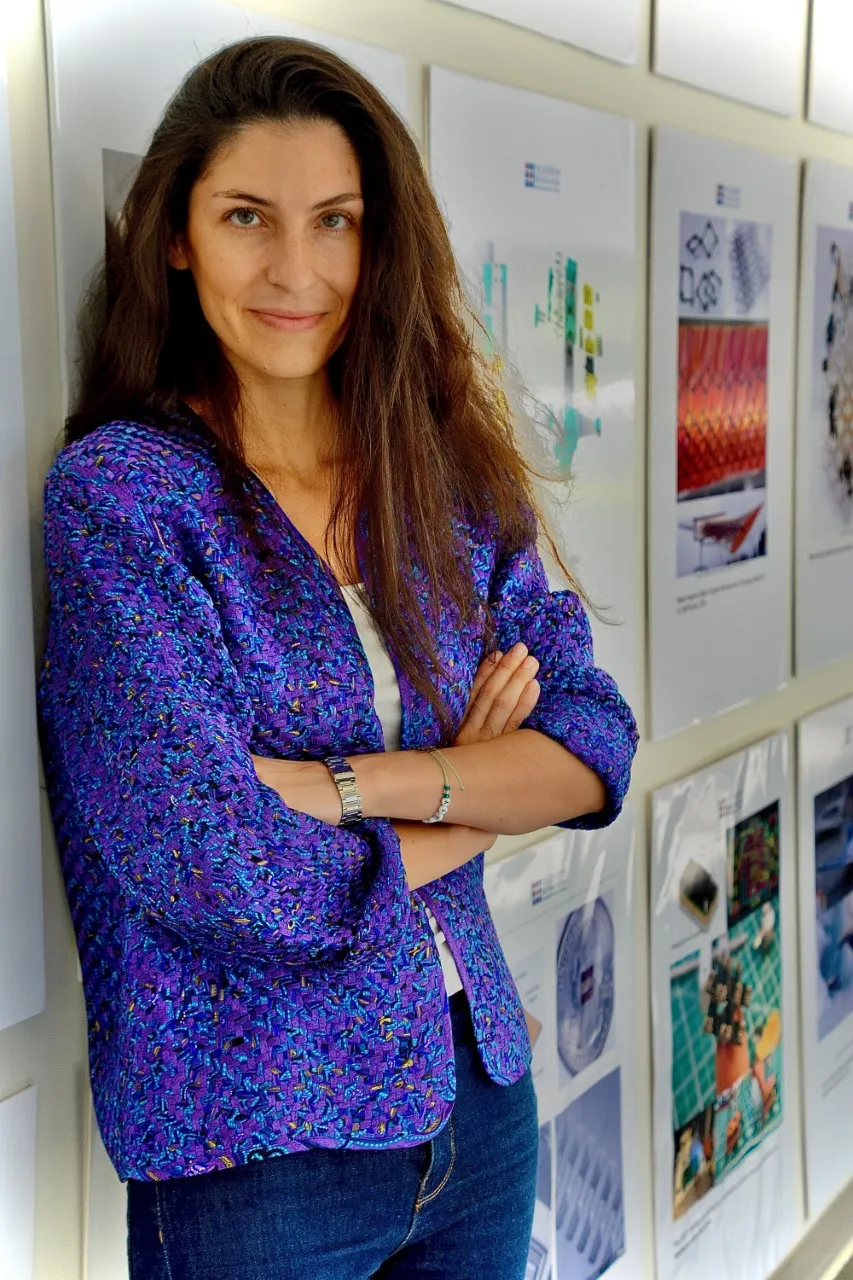
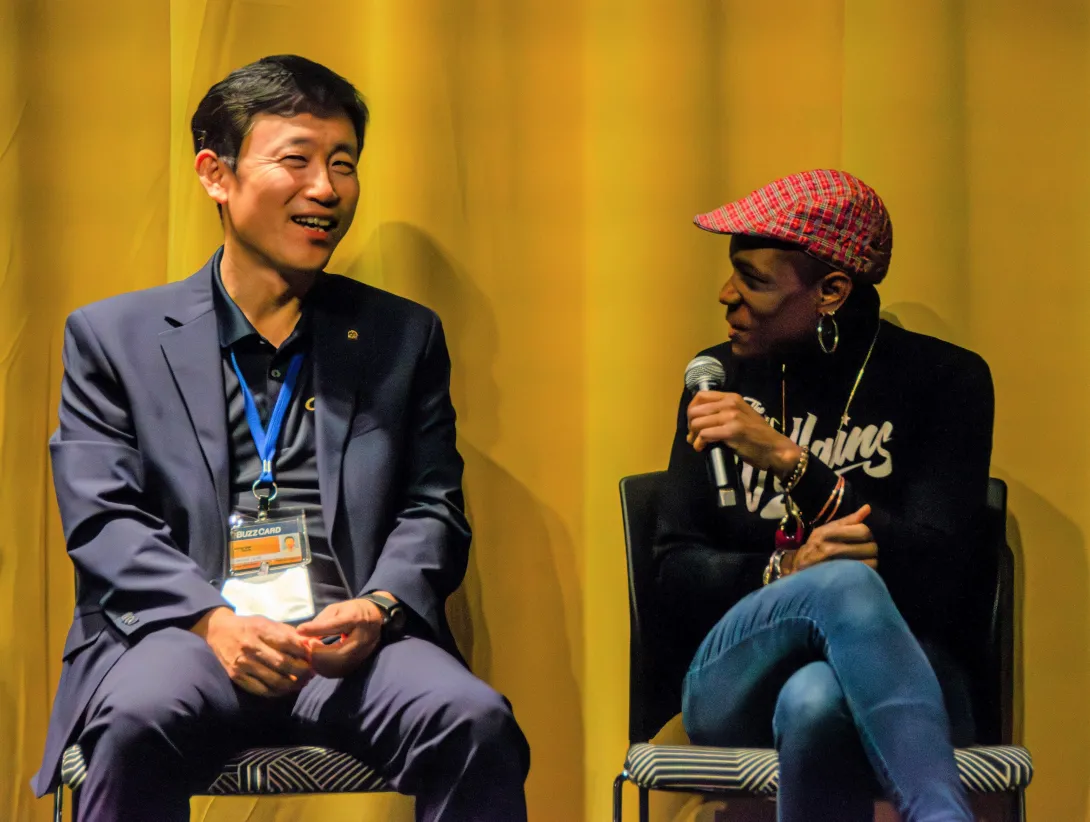
Jung-ho (John) Lewe (left) of the Georgia Tech Aerospace Systems Design Laboratory at Georgia Tech and Erica Holloman-Hill (right), a SCoRE adviser and chief envisioning officer/chief scientific officer of Ayika Solutions, a family-run environmental consulting firm that uplifts community-based climate change strategies, discuss their new partnership at the Georgia Tech Sustainability Showcase (March 2024) in a panel focused on community-engaged research, curated by the Faculty Fellows Program.
The Center for Sustainable Communities Research and Education (SCoRE — formerly SLS), in collaboration with the Strategic Energy Institute (SEI), the Brook Byers Institute for Sustainable Systems (BBISS), the Renewable Bioproducts Institute (RBI), and the Social Equity and Environmental Engineering Lab (SEEEL), launched the Energy Equity, Environmental Justice, and Community Engagement Faculty Fellows Program in November 2023. In this program, Georgia Tech faculty learn how to work with communities, bringing together their academic knowledge and the local expertise of communities that has been developed through lived experience and long-standing social action.
The inaugural fellows include 24 Georgia Tech faculty from five Colleges, as well as a faculty colleague from Georgia Gwinnett College and a partner from the Southeast Energy Efficiency Alliance, who are building relationships with each other and with community partners in the areas of energy equity and environmental justice. Since the launch, they have engaged in a wide array of events, including community benefit and development workshops, site visits to community-based organizations across the Atlanta region, and university-community gatherings and symposia.
The program is expected to result in both collective and individual deliverables. Collective deliverables include the development of network mapping tools to facilitate collaborations inside and outside Georgia Tech, a set of principles for conducting community-engaged research, a reflective essay on faculty training for community-engaged research, and ideas for future activities to facilitate university-community and interdisciplinary team formation. Fellows individually determine their deliverables, which run the gamut from exploring partnerships for a specific research project to writing a societal impact statement for a tenure package.
More broadly, the program aims to grow Georgia Tech’s collaborative expertise in community-engaged research by forming a supportive network of faculty interested in community-engaged sustainability research and education.
Faculty Affiliate: Patritsia Stathatou, Research Scientist, Renewable Bioproducts Institute, Georgia Tech
Sustainable energy sources and environmental justice go hand in hand. Although such technologies aim to minimize environmental impacts of modern societies, without considering issues of environmental justice and energy equity, these solutions can inadvertently perpetuate disparities by disproportionately benefiting certain communities while harming others. Bridging the gap between technological advancements and community benefits is paramount to creating an equitable energy future for all.
This program provides a unique opportunity to explore these interconnections, enhancing my knowledge in integrating community values and concerns into my research on alternative fuels and renewable energy sources. I am particularly excited about the hands-on approach of the program, which emphasizes listening sessions and workshops, allowing fellows to gain direct insights from various stakeholders. I hope that, through active participation in these sessions, I can further my understanding of the challenges faced by local communities and incorporate these insights into actionable solutions in my research.
In my project, I'm in a group crafting a reflective essay about our experiences with Community Engaged Research training. Our goal is to translate the insights gained from this pilot program into a publishable piece. Additionally, I'm acquiring valuable insights into the development of Broader Impact Statements and Community Benefits Plans, crucial parts of proposals for securing federal funding from NSF and DoE, respectively.
Faculty Affiliate: Sofia Perez-Guzman, Assistant Professor, School of Civil and Environmental Engineering, Georgia Tech
The fellowship program has been a fantastic experience. I never imagined how much I would learn from this program about properly engaging with communities. As researchers, we might think we want to hear the needs that communities face to provide them with solutions. That is different than the way community-driven research should work. I’ve learned that researchers need to gain the communities’ trust, be present and participate in their events, and, more importantly, work at their pace and for their interests rather than push our research agendas for our professional benefit. I know there is still a lot more I must continue learning, but what I’ve learned so far has been an eye-opener that is making me rethink how to approach my research and its social aspect.
My project focuses on the social performance of supply chains, and I am seeking to put more emphasis on the “social” part of my research by making it more community-driven. That is why I applied for the fellowship. I am advancing two current projects as part of the fellowship. One relates to increasing food accessibility to vulnerable populations via community-driven freight transportation solutions. I want to bring food closer to people and do it by co-designing solutions with the communities. The second project relates to forming a team to pursue research on enhancing community resilience to extreme weather events for the mobility of people and goods. The fellowship and a Sustainability Next seed grant from BBISS are helping me move forward with this project.
News Contact
Priya Devarajan
Research Communications Program Manager || SEI | RBI
Mar. 28, 2024
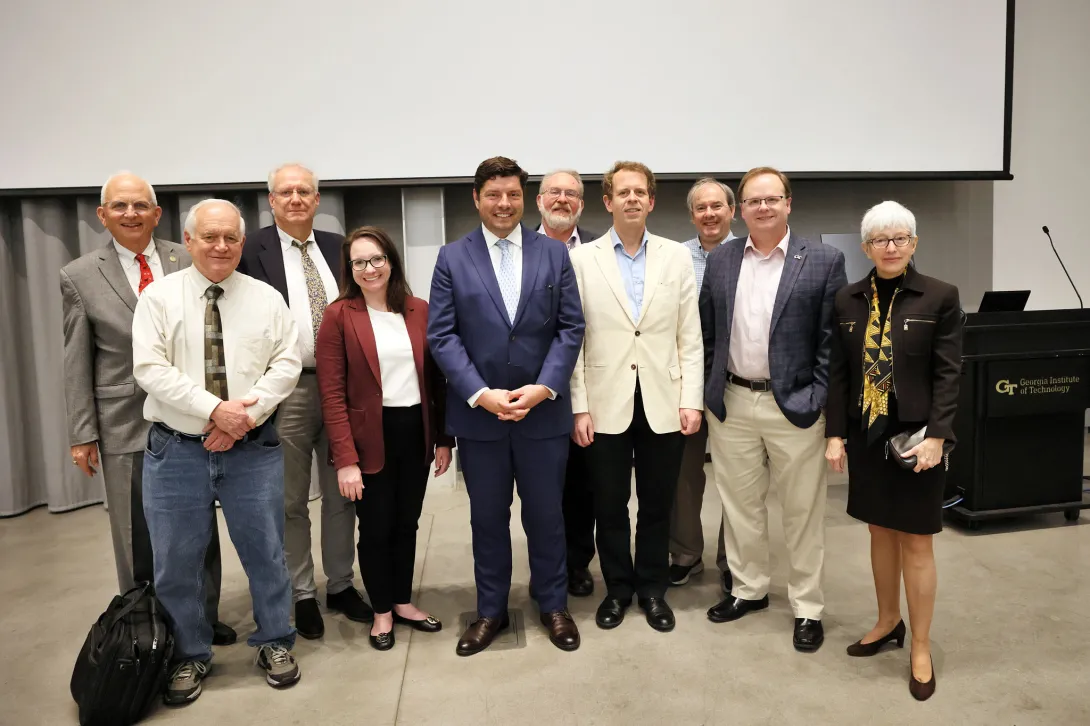
From Left to Right: Gary Black, Bo Arduengo, and Andy Bommarius (RBI Strategic Initiative Lead) from the ReWOOD Initiative, Larissa Fenn from RYAM, Andreas Villegas, President of the Georgia Forrest Association and Keynote Speaker, Chris Luettgen RBI Strategic Initiative Lead & Professor of the Practice, Carsten Sievers, RBI Strategic Initiative Lead, Matthew Realff RBI Strategic Initiative Lead, Carson Meredith RBI Executive Director, and Valerie Thomas RBI Strategic Initiative Lead.
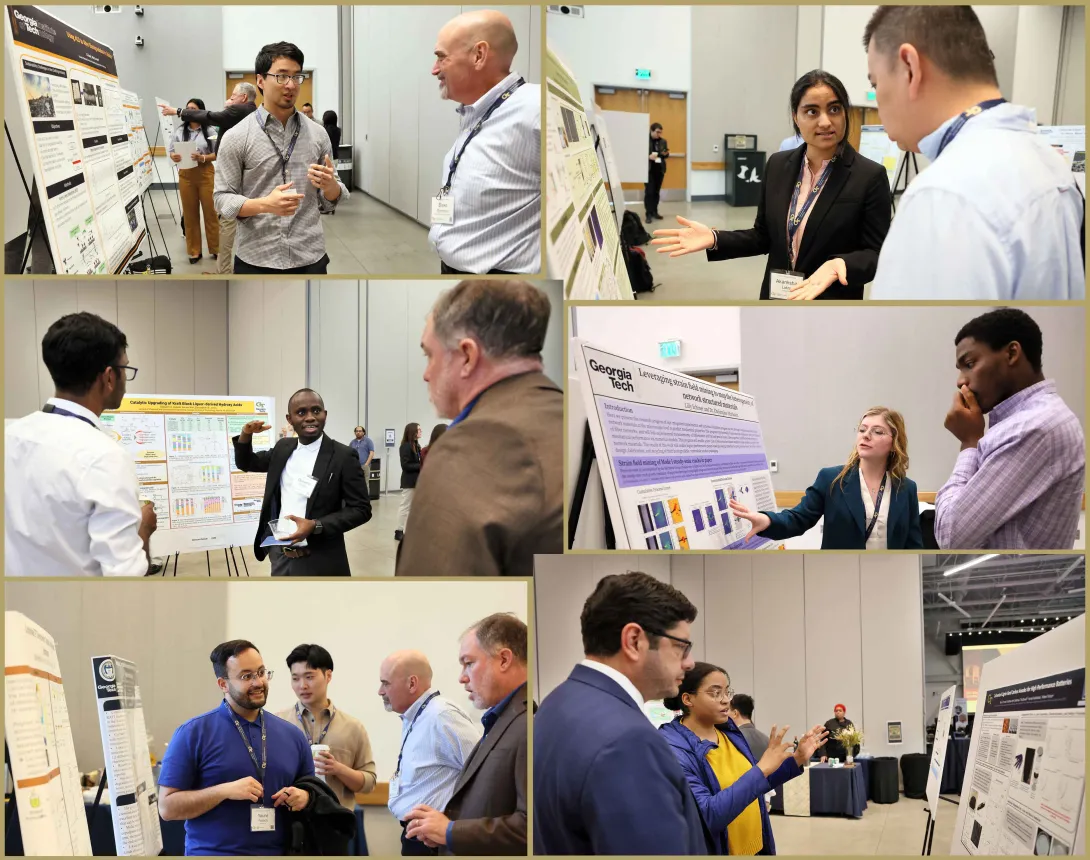
RBI Fellows Discussing Their Research with the 2024 RBI Spring Workshop Participants
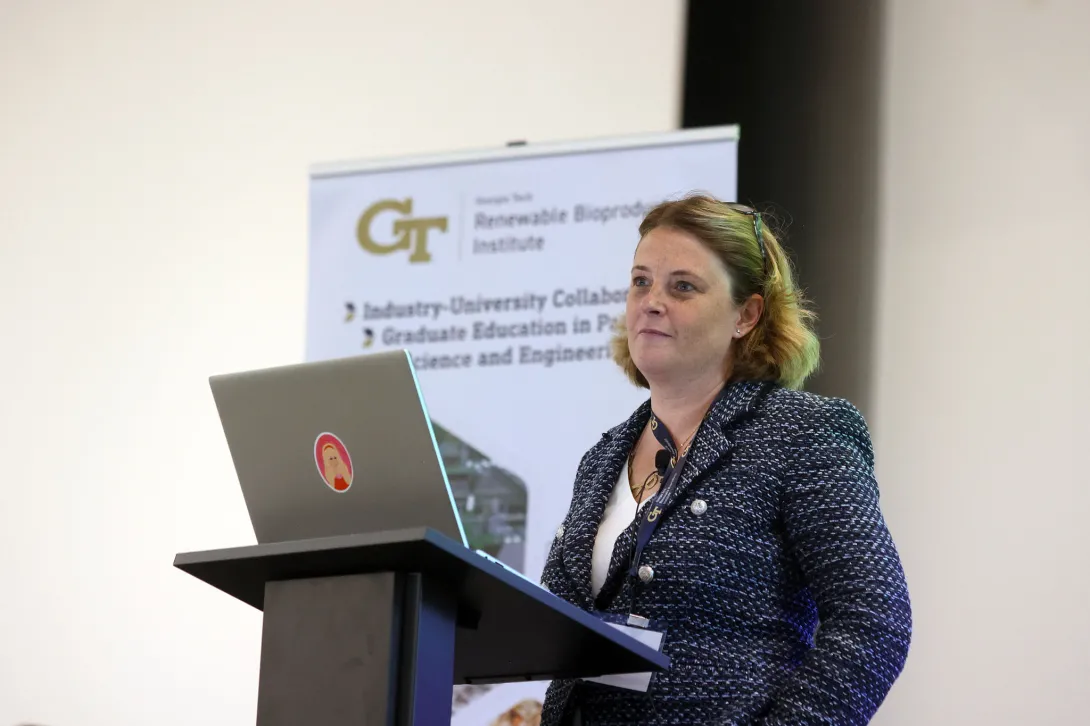
Kim Nelson, CTO of GranBio and Georgia Tech Alumnus at the 2024 RBI Spring Workshop
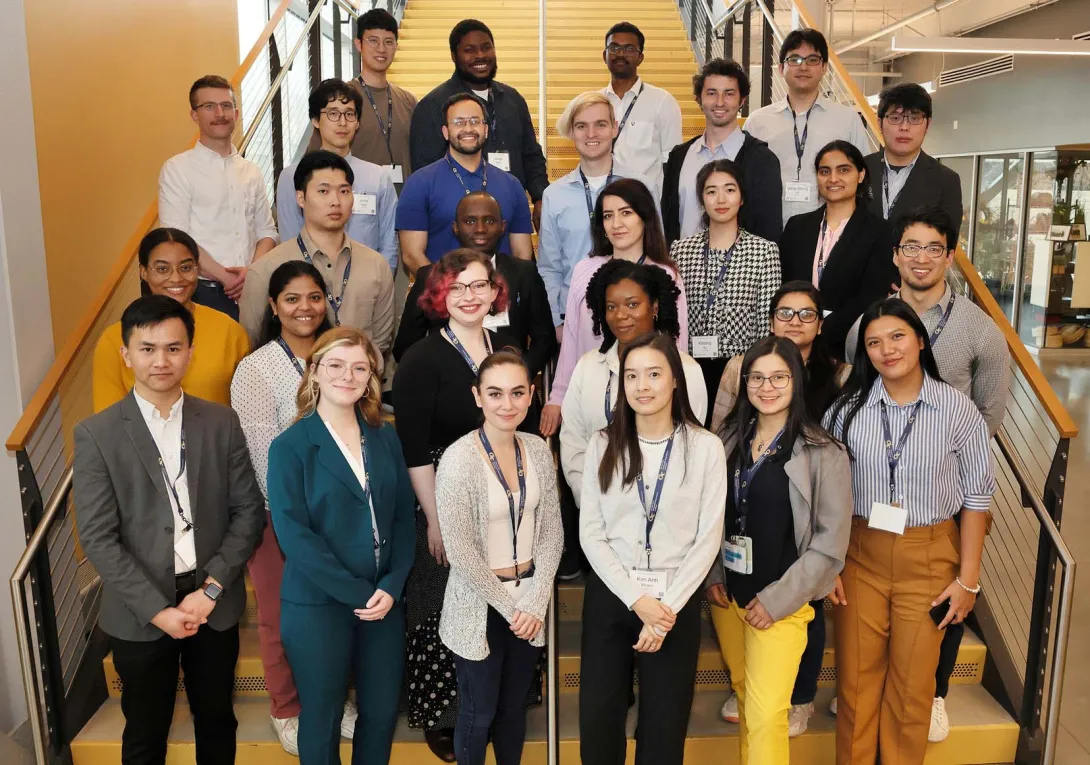
2024 RBI Student Fellows at the Workshop
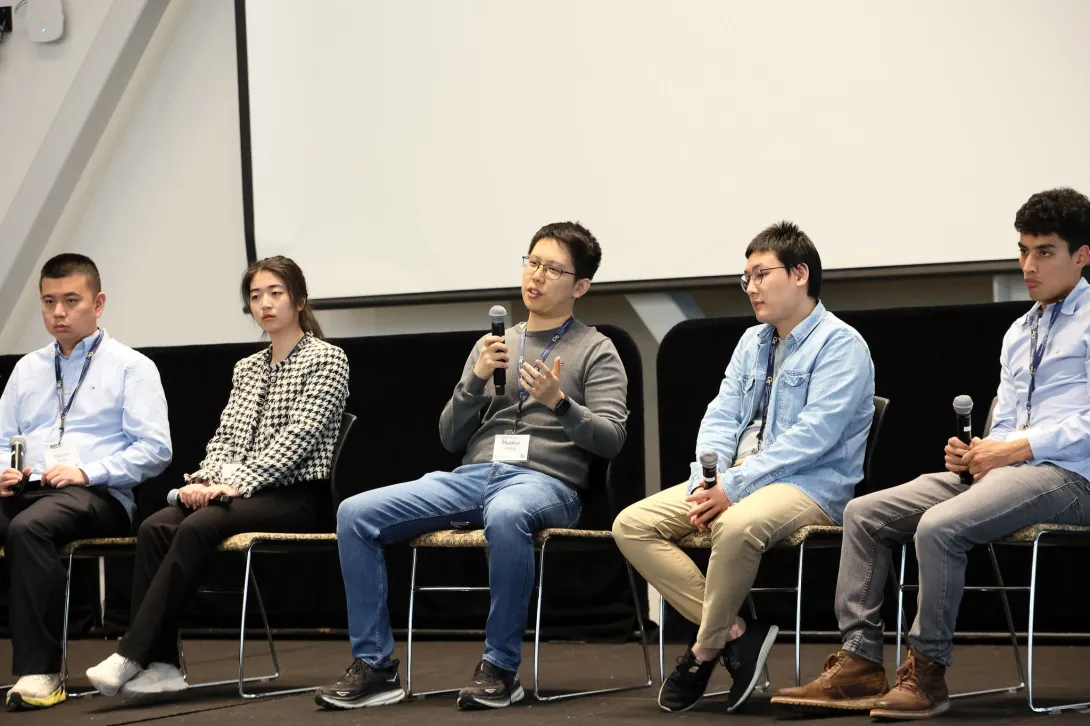
Student Panel at the RBI Spring Workshop
With the nation’s goals to net zero well underway and the world moving toward sustainable production methods, biorefineries play a crucial role in our transition to a greener future. These multifaceted facilities convert biomass into biofuels, biochemicals, and bioproducts; foster a circular economy; and reduce reliance on fossil fuels while promoting environmentally friendly industrial practices.
The Renewable Bioproducts Institute (RBI) at Georgia Tech recently hosted a workshop on the Emerging Bioeconomy and the Future of Biorefining. The event cultivated new partnerships as more than 75 attendees from academia, national laboratories, and industry shared and learned about the cutting-edge developments in the emerging field.
Carson Meredith, executive director of RBI, said, “The workshop provided an immersive experience for the attendees with access to knowledge, opportunities to network, and a platform for collaboration to positively impact their understanding and involvement in this rapidly evolving field. I saw a lot of human connections being made, a lot of people shaking hands, and having conversations off to the side. That’s exactly why we hold such workshops — to exchange ideas within the Institute as well as between researchers in universities, industry, and national labs.”
The program started with a keynote by B. Frank Gupton, professor of chemical and life science engineering at Virginia Commonwealth University, on creating resilient national supply chains for essential medicines and the need for waste reduction through process chemistry improvements to reduce the carbon footprint in the pharmaceutical industry.
Various presentations from RBI’s research faculty demonstrated the depth of research in the field of bioeconomy and biorefineries. Topics included integrated biorefining processes by multicomponent separations and catalytic conversion, lignin-derived phenol as the new platform of biorefineries, catalytic conversion of organic acids, data-driven biorefinery process control, hot topics in lifecycle assessment, and more.
A highlight of the annual workshop was the student poster session that showcased the diversity of research happening in the renewable bioproducts field. Over 25 RBI Fellows, spanning chemical and biomolecular engineering, mechanical engineering, materials science and engineering, civil and environmental engineering, and chemistry and biochemistry presented their research to a highly engaged audience.
Andreas Villegas, president of the Georgia Forestry Association and the dinner keynote speaker, addressed the need for educating the community about working forests and their potential to create carbon-neutral products and reduce greenhouse gas emissions. Working forests in the state of Georgia are managed with a growth-over-harvest-rate of 50% and are a natural solution to the major challenges in sustainable forests and communities.
Blake Simmons, keynote speaker from the Lawrence Berkeley National Laboratory, discussed the importance of intellectual property models and licensing technology models that will allow companies to access new processes emerging in the field.
Mi Li, assistant professor of biorefinery and sustainable materials from the University of Tennessee, presented his research on the modification of plant cell walls, while Bronson P. Bollock, professor of forest biometrics and quantitative timber management at the University of Georgia, presented the current issues and factors in the quantification of forest biomass feedstocks.
Kim Nelson, the chief technology officer of GranBio, addressed the opportunities and challenges in meeting the global demand for sustainable aviation fuel (SAF) and low-carbon bioproducts. Nelson presented GranBio’s patented AVAP technology that uses woody biomass to produce SAF, renewable diesel, electricity, and other byproducts like BioPlus nanocellulose for tires in the process.
“At this moment, there is a tremendous federal, state, and industrial focus on developing the U.S. bioeconomy,” Meredith said. “RBI's vision is that pulp producers and users of wood extractives and byproducts have an opportunity to develop higher margin products from woody biomass residues, including plastics, pharmaceuticals, and fuels, without disrupting current paper and lumber markets. Traditional petrochemical producers of these products have an opportunity to substitute more carbon-neutral sources as feedstocks. Our workshop sought a conversation around the opportunities and challenges from feedstock to the marketplace.
News Contact
Priya Devarajan || RBI Communications Program Manager
Mar. 14, 2024

In January, Georgia Tech researchers were awarded three grants as a part of the Department of Energy’s Industrial Efficiency and Decarbonization multi-topic funding. The awards include 49 high-impact, applied research, development, and pilot-scale technology validation and demonstration projects that will reduce energy usage and greenhouse gas emissions in conjunction with cross-sector industrial decarbonization approaches.
The Georgia Tech funding includes a project, in the topic area of Decarbonizing Forest Products, on innovative refining, paper forming, and drying to eliminate CO2 emissions from paper machines. Funded at $3.1 million, the project is led by Carson Meredith, professor and James Harris Faculty Fellow in the School of Chemical and Biomolecular Engineering and executive director of the Renewable Bioproducts Institute (RBI). Collaborators include co-PI Cyrus Aidun, professor of mechanical engineering; Patritsia Stathatou, research scientist at RBI; and Aruna Weerasakura, senior research engineer. External collaborators include Fort Valley State University, the National Renewable Energy Laboratory, and several RBI member companies.
Meredith’s project focuses on decarbonization in energy-intensive drying, paper forming, and pulping processes and will combine recent deflocculation breakthroughs in fiber refining with low-water, multiphase paper forming. The innovations will facilitate the cost-effective implementation of advanced electrical drying technologies in the paper industry. By taking advantage of the increasing fraction of non-fossil electricity in the U.S., electrified drying, if implemented partially (50%), has the potential to reduce the generation of non-biogenic emissions by over 10 million metric tons of CO2e annually.
"I am excited because the new project will utilize the multiphase forming laboratory that is under construction in the Paper Tricentennial Building, representing the first major expansion in lab space there since the 1990s,” said Meredith.
Valerie Thomas, the Anderson-Interface Chair of Natural Systems and professor of industrial and systems engineering and public policy, is a co-PI in a $1.45 million project titled “Mild Co-Solvent Pulping to Decarbonize the Paper and Forest Products Sector,“ led by the University of California, Riverside.
Thomas’ project, also under the topic area of Decarbonizing Forest Products, aims to enhance Co-solvent Enhanced Lignocellulosic Fractionation (CELF) technology into a more environmentally sustainable alternative to traditional kraft pulping. CELF technology will be applied to optimize the production of dissolving pulp used in the manufacturing of extruded textile fibers and will also produce dissolving lignin as a by-product that can serve as a natural resin binder or a renewable ingredient for producing industrial adhesives and binders. This technology has the potential to reduce carbon intensity by 50 – 75% and operating costs by 10 – 20%.
Tim Lieuwen, David S. Lewis Jr. Chair and professor in aerospace engineering and executive director of the Strategic Energy Institute, is co-PI along with Vishal Acharya, principal research engineer and Benjamin Emerson, principal research engineer at Georgia Tech in a $3.25 million project titled “Omnivore Combustion System,” led by GTI Energy, an Illinois-based technology company.
Lieuwen’s project, under the topic area of Low-Carbon Fuels Utilization R&D, will design and demonstrate a scaled, adaptable omnivore combustion system (OCS) that can accommodate a continuously varying blend of low-carbon fuels with ultra-low nitrous oxide emissions, including natural gas-hydrogen blends, syngas, and biogas. The project will demonstrate a full-scale OCS for at least 100 hours and will focus on three aspects — improving performance, operation stability and safety, and fuel flexibility — and can potentially be used for industrial furnace applications in high carbon-emitting industries.
“The industrial sector is large in both its significance for our economy and its negative climate impacts, and each of these projects addresses significant challenges for the decarbonization of this critical sector,” Lieuwen said.
The projects are part of DOE’s Technologies for Industrial Emissions Reduction Development (TIEReD) Program, which invests in fundamental science, research, development, and initial pilot-scale demonstrations projects to decarbonize the industrial sector — currently responsible for a third of the nation’s greenhouse gas emissions.
News Contact
Priya Devarajan || Research Programs Communications Manager || RBI || SEI