
Oct. 23, 2024
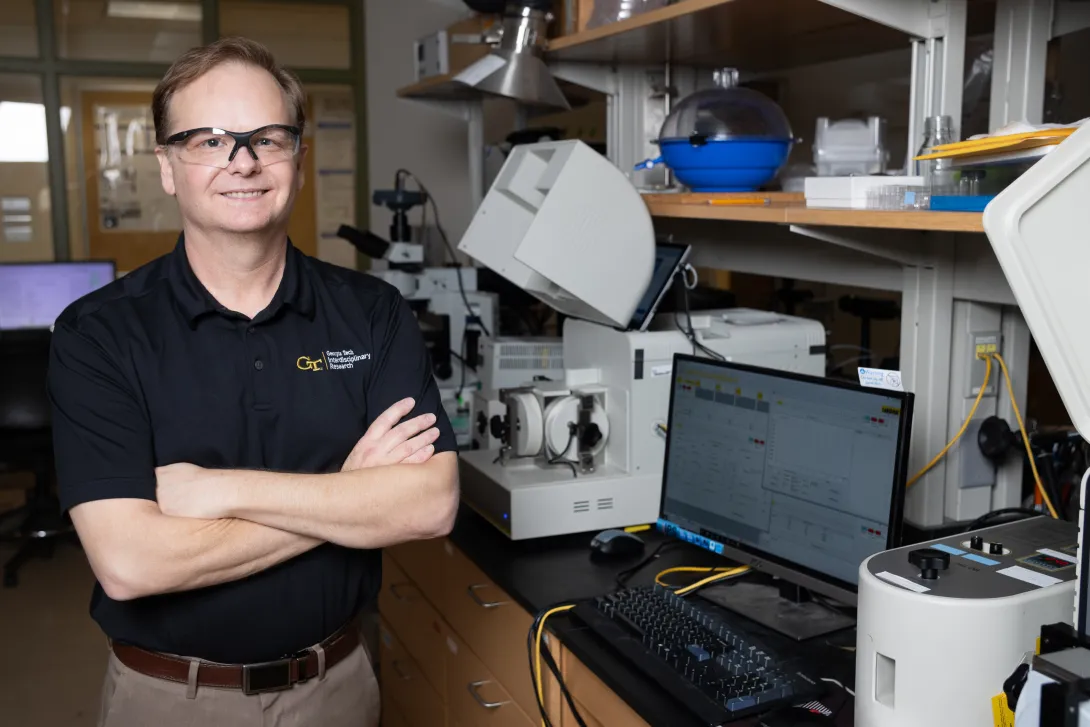
J. Carson Meredith, Executive Director of the Renewable Bioproducts Institute and Professor in Georgia Tech's School of Chemical and Biomolecular Engineering.
J. Carson Meredith, a professor in Georgia Tech’s School of Chemical and Biomolecular Engineering, is the 2024 recipient of the Andrew Chase Award from the American Institute of Chemical Engineers (AIChE) Forest and Plant Bioproducts Division.
Meredith will receive the award at the Annual AIChE Meeting in San Diego California, later this month.
The award recognizes Meredith’s research in nanocellulose chemical modification, composites, and cellulose-based renewable barrier coatings, which has resulted in seven patent applications, one commercial license, and ongoing research projects with six companies, reflecting the impact these advancements are making. His group recently reported the first successful recycling and reuse of nanocellulose gas barrier films and achieved one of the lowest water vapor barrier coatings derived from cellulose to date.
Meredith, ChBE’s James Preston Harris Faculty Fellow, is executive director of Georgia Tech’s Renewable Bioproducts Institute, which aims for future where plant biomass will enable a carbon neutral society and manufacturing infrastructure through traditional and emerging products.
News Contact
Brad Dixon || braddixon@gatech.edu
Sep. 13, 2024
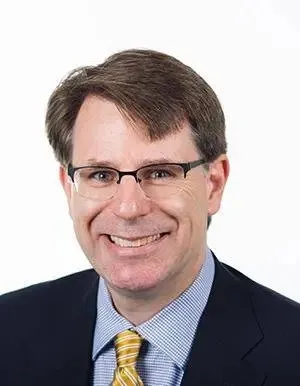
Professor Christopher W. Jones, the John F. Brock III School Chair of Georgia Tech’s School of Chemical and Biomolecular Engineering (ChBE), is winner of the American Chemical Society’s 2025 E. V. Murphree Award in Industrial and Engineering Chemistry.
Jones will receive the award at the American Chemical Society (ACS) meeting in San Diego, in March 2025. The ACS National Awards encourage the advancement of chemistry in all its branches, support research endeavors, and promote the careers of chemists.
The Murphree Award (including $5,000) won by Jones recognizes fundamental research in industrial and engineering chemistry, the development of chemical engineering principles, and its application to industrial processes.
Aug. 28, 2024
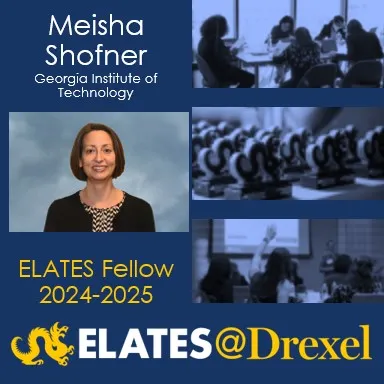
Meisha Shofner, professor in the School of Materials Science and Engineering (MSE), has been selected for the 2024-2025 class of Drexel University’s Executive Leadership in Academic Technology, Engineering and Science (ELATES) program.
The ELATES program is a national leadership development program designed to promote women in academic STEM fields and faculty allies of all genders into institutional leadership roles.
“I am excited to be selected as an ELATES Fellow. I am grateful for the support from Georgia Tech’s College of Engineering that made this opportunity possible and especially support from Dean Raheem Beyah, Associate Dean Kim Kurtis, and MSE School Chair Natalie Stingelin. I am looking forward to learning from this amazing community of women leaders in higher education,” Shofner said.
“I was drawn to the ELATES program because of its focus on developing the skills needed to lead university initiatives with an operational focus, and I will be putting that knowledge into practice as I develop an institutional action project as part of the program.”
Oct. 11, 2023
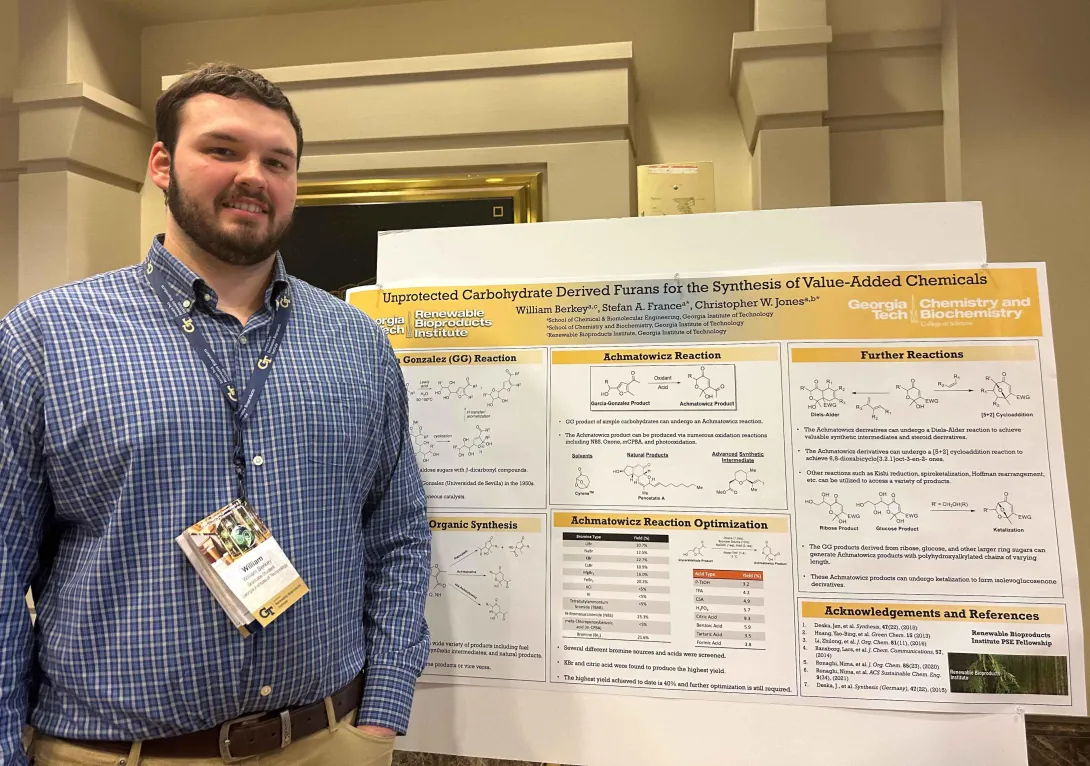
This is part four of the student experiences series. William Berkey, a Ph.D. candidate in chemistry shares his experience from the 2023 RBI Spring Workshop on "Innovations in Packaging and Circular Economy."
Tell us about yourself.
My name is William Berkey. I got my undergraduate degree in chemistry from Davidson College in North Carolina. I am getting my Ph.D. in chemistry at Georgia Tech. I am co-advised by Stefan France and Christopher Jones. I work on the upcycling of carbohydrates to yield furan-containing building blocks as platforms chemicals and precursors to value-added fuels, materials, and products. Specifically, I work with the Garcia Gonzalez reaction and the Achmatowicz reaction.
The paper I just published as the second author with my mentor Caria Evans (first author) is about converting amino acids — a renewable feedstock — to functionalities pyrroles that can be used for drug molecule development or other bio-active compounds.
How was your experience at the RBI workshop?
I really enjoyed the RBI workshop. It was interesting to see other people’s research and talk with fellow researchers on solving problems and potentially collaborating. The diverse set of talks from industrial, government, and research collaborators shows the wide set of problems still to be solved and different viewpoints on how to solve them. My main takeaway is that through collaboration, solutions to a wide range of problems affecting the industry can be achieved.
What was your main takeaway from the poster session?
What stood out during the poster session was the wide variety of topics that my peers were researching and the interesting findings they discovered. I interacted with several industrial representatives and a fellow Davidson alumnus who works in forest management. I received great advice on how to advance my research as well as how to pursue potential next steps in application.
What more would you like to see in future events at the Renewable Bioproducts Institute?
I would like to see more talks on biorefining. I am interested in interacting with potential collaborators. I would like to see new seminars on research problem-solving or project idea creation.
News Contact
Priya Devarajan | Research Communications Program Manager, RBI
Mar. 20, 2023
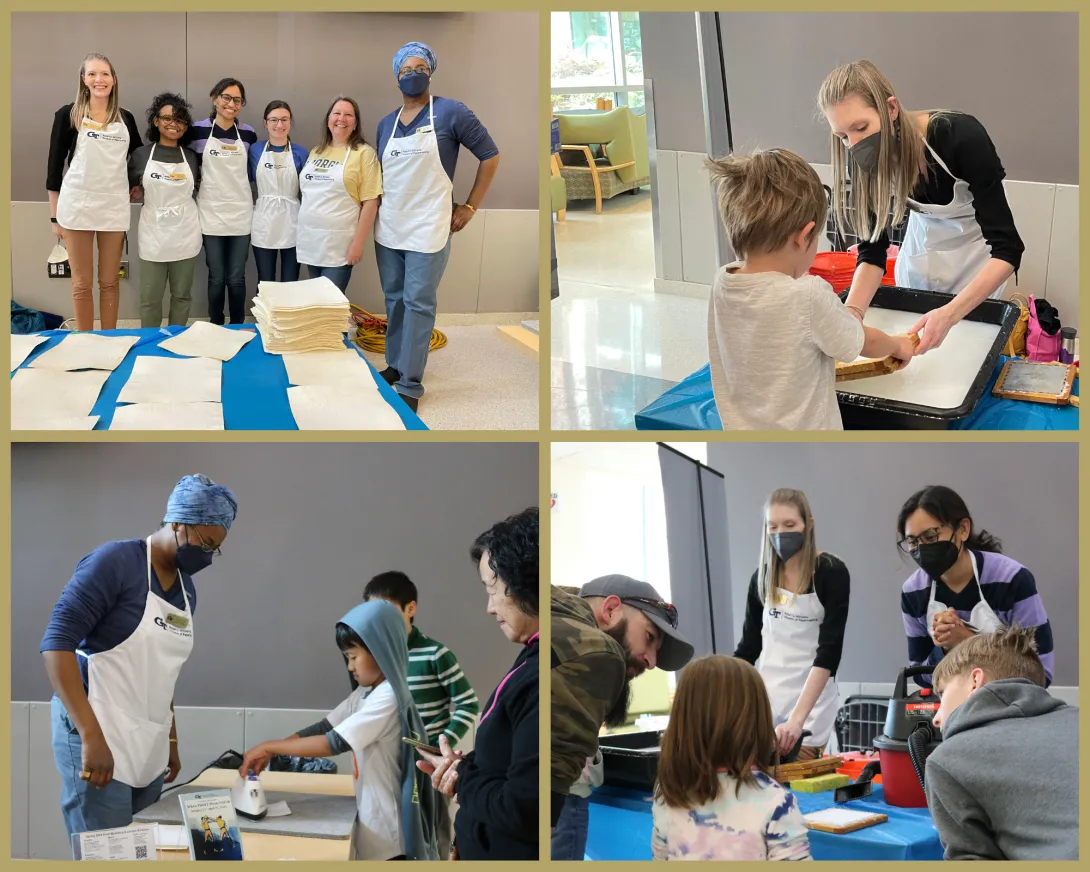
Images from the Papermaking booth of the Robert C. Williams Museum of Papermaking at GT Science and Engineering Day
The Robert C. Williams Museum of Papermaking of the Renewable Bioproducts Institute (RBI) at Georgia Tech participated in the second annual Georgia Tech Science and Engineering Day during the Atlanta Science Festival. The festival is celebrating its tenth-year highlighting science, technology and engineering to Atlanta-area children. Over 1,500 parents and children from across the metro area attended the educational and fun-filled event on March 11th at Georgia Tech.
The museum staff and volunteers set up a hands-on papermaking booth that allowed young attendees to explore the process of papermaking and make their own sheet of paper. Virginia Howell, director of the Roberts C. Williams Museum of Paper Making said, “the paper museum is delighted to be part of the Georgia Tech Science and Engineering Day. It's a great opportunity for people to learn more about the paper museum and get hands-on experience in making a sheet of paper to take home. We offer workshops, classes, and tours to students across the state of Georgia. Kids have been lined up all day to participate at our tables today.”
With a mission to collect, preserve, increase, and disseminate knowledge about papermaking - past, present and future, the museum, located in the Paper Tricentennial Building of Georgia Tech houses the most comprehensive collection of paper and paper-related artifacts in the world including over 100,000 artifacts of manuscripts, rare books, prints, hand and industrial paper making tools and equipment and paper samples. A variety of tours, workshops and artists’ lectures catering to audiences ranging from Pre-K-12 students to adults is offered by the museum.
Click here to read more about the exciting activities that happened at the Georgia Tech Science and Engineering Day.
News Contact
May. 05, 2023
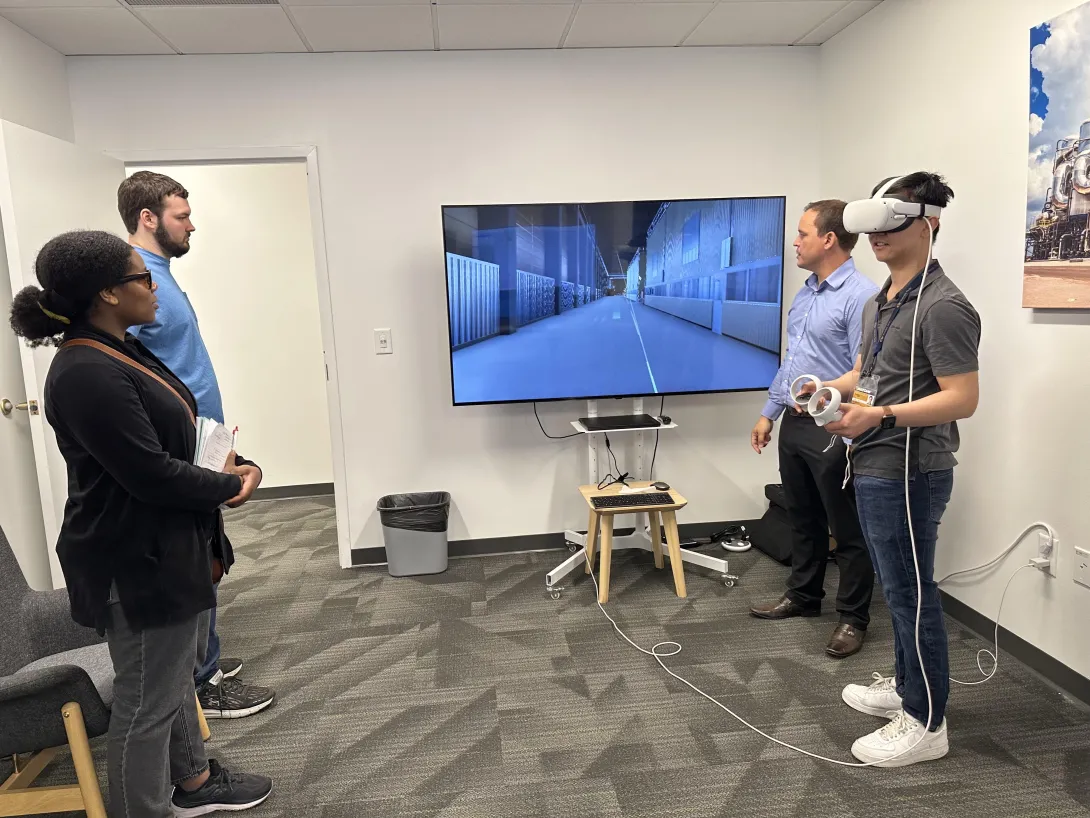
Georgia Tech student trying the virtual reality software systems at the Valmet Lab
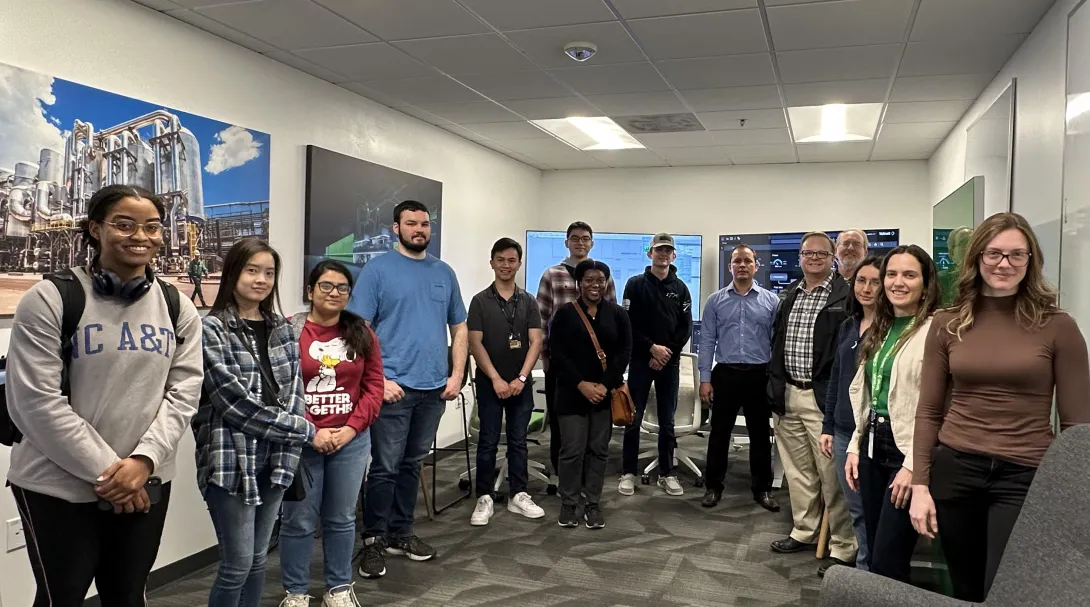
Georgia Tech Students and Faculty and Valmet personnel at Valmet Automation’s Norcross Location
Students enrolled in the Spring 2023 course Emerging Technology in Forest Bioproducts (offered by the College of Engineering – ChBE and ME 4730/8803) visited the Valmet Automation Center in Norcross, GA in April. With faculty members Carson Meredith and Chris Luettgen, who teach the course, the visiting group consisted of both undergraduate and graduate students from the School of Chemical and Biomolecular Engineering, George W. Woodruff School of Mechanical Engineering and the School of Material Science and Engineering at Georgia Tech.
The students got an opportunity to see Valmet’s vision for the Factory of the Future through automation and predictive control – Industry 4.0 in some vernacular, and were given an introduction to Valmet as a company and the multitude of career pathways available at the company. Valmet is headquartered in Espoo Finland and develops and supplies process technologies, automation, and services for the pulp, paper, and energy industries. The automation systems and flow control solutions offered by the company serve a wide base of process industries and was the focus area of the field trip.
The Emerging Technologies for Forest Bioproducts course is a required course for RBI Fellowship students and part of the Georgia Tech Pulp & Paper Foundation & Certificate Program. The course focuses on the future of the bioproducts industries so that students may see where the bioeconomy is headed. Case studies on the use of biomass in production of value-added products, including fluff pulp and dissolving pulps, alternative fibers, specialty papers, packaging and printed electronics, biorefining technologies, nanocellulose and bio composites, and renewable polymers are covered in the course.
News Contact
Priya Devarajan | RBI Communications Manager
Aug. 01, 2023
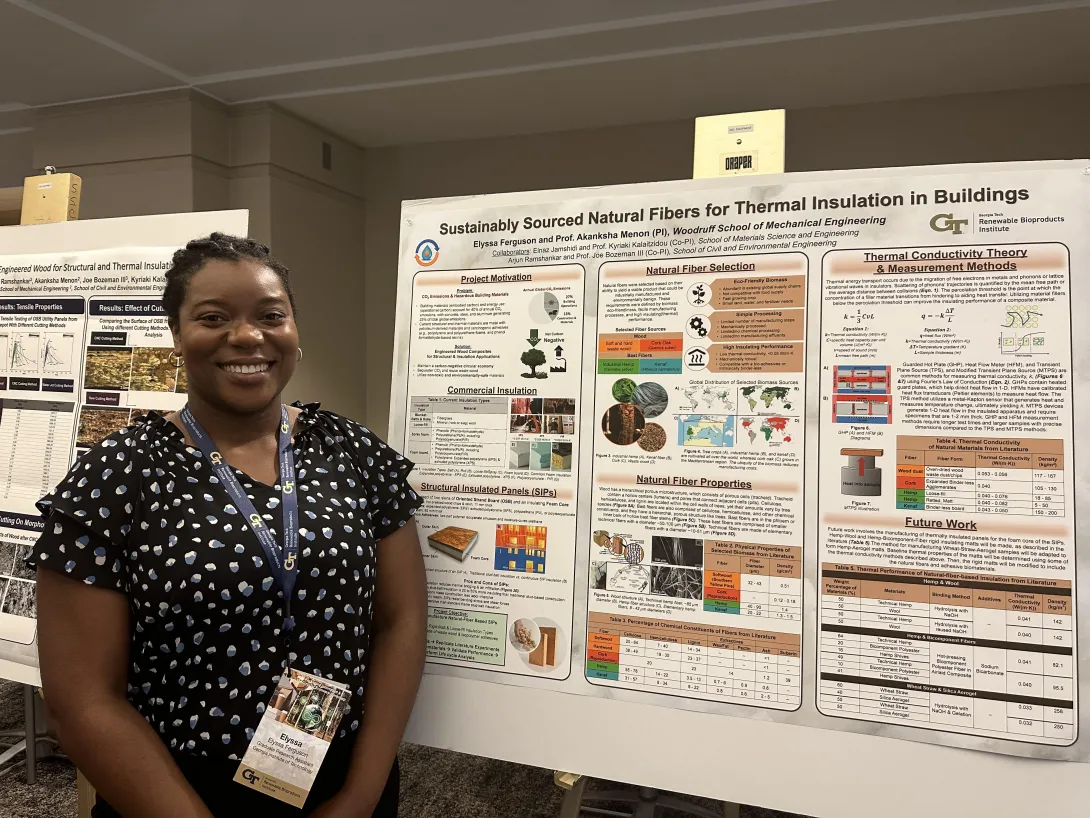
Elyssa Ferguson, RBI Fellow during the Student Poster Session at the 2023 RBI Spring Workshop on Packaging Innovation and the Circular Economy
A highlight of the Renewable Bioproducts Institute (RBI) workshops is the student poster session that provides industry interaction for Paper Science and Engineering (PSE) Fellows and an opportunity to communicate the breadth of research supported by RBI to the workshop participants. The session also provides a chance for new students to share their project scope, goals and receive useful feedback. This is the first of a series of Q&As from PSE students who share their experience at the 2023 RBI Spring Workshop on Packaging Innovation and the Circular Economy Elyssa Ferguson, a Mechanical Engineering graduate student shares her experience below.
Tell us about yourself
My name is Elyssa Ferguson. I earned my B.S. in mechanical engineering at the University of Maryland, Baltimore County (UMBC). I am pursuing my M.S. in mechanical engineering at Georgia Tech. I am an RBI Fellow, GEM Fellow, and Women of Woodruff (WoW) Fellow, and I work in the Water-Energy Research (WERL) Lab, under the direction of Akanksha K. Menon, assistant professor in the School of Mechanical Engineering. My research focuses on developing sustainably sourced natural fibers for thermal insulation in buildings. My project is a part of the Carbon-Negative Building Materials based on Engineered Wood for Structural and Thermal Insulation Applications project. Menon and I collaborate with Kyriaki Kalaitzidou, Rae S. and Frank H. Neely Professor in the School of Mechanical Engineering and Joe F. Bozeman III, assistant professor in the School of Civil and Environmental Engineering and Public Policy. I also work with graduate students, Elnaz Jamshidi from the School of Materials Science and Engineering and Arjun Thangaraj Ramshankar from the School of Civil and Environmental Engineering on this project.
How was your experience at the RBI workshop?
Attending the RBI workshop was a valuable learning experience. I learned about the variety of exciting work in the renewable packaging realm that is going on at Georgia Tech and other organizations. This work is driving sustainable innovation, yet there are challenges. The discussions regarding the barriers to innovation and areas for growth were very thought-provoking and motivating.
What was your main takeaway from the poster session?
During the poster session, I shared information about my research and had the privilege to talk to many people in the industry. There is much interest in thermally insulating natural fibers for building applications and for other applications like cold-chain packaging and textiles. Speaking with the workshop participants during the poster session broadened my mind to the potential myriad of applications for natural-fiber-based thermal insulation on a global scale. I also learned more about the existing challenges researchers and industrial peers are facing – one being the lack of standardization of nomenclature and methodology. Receiving positive feedback on the design of my poster was also helpful. I deliberately designed a poster that incorporated aesthetics to convey my ongoing research. I plan to apply the helpful information and feedback that I received during the RBI workshop to my future work.
What more would you like to see in future events at the Renewable Bioproducts Institute?
I am very interested in seeing more seminars related to sustainable building materials, especially insulating materials, and textiles, as these topics are closely related to my research project. Fascinating work is happening at other universities and at companies in Georgia and around the world. It would be great if there is a seminar series including these organizations.
News Contact
Priya Devarajan || RBI Communications Program Manager
Sep. 09, 2023
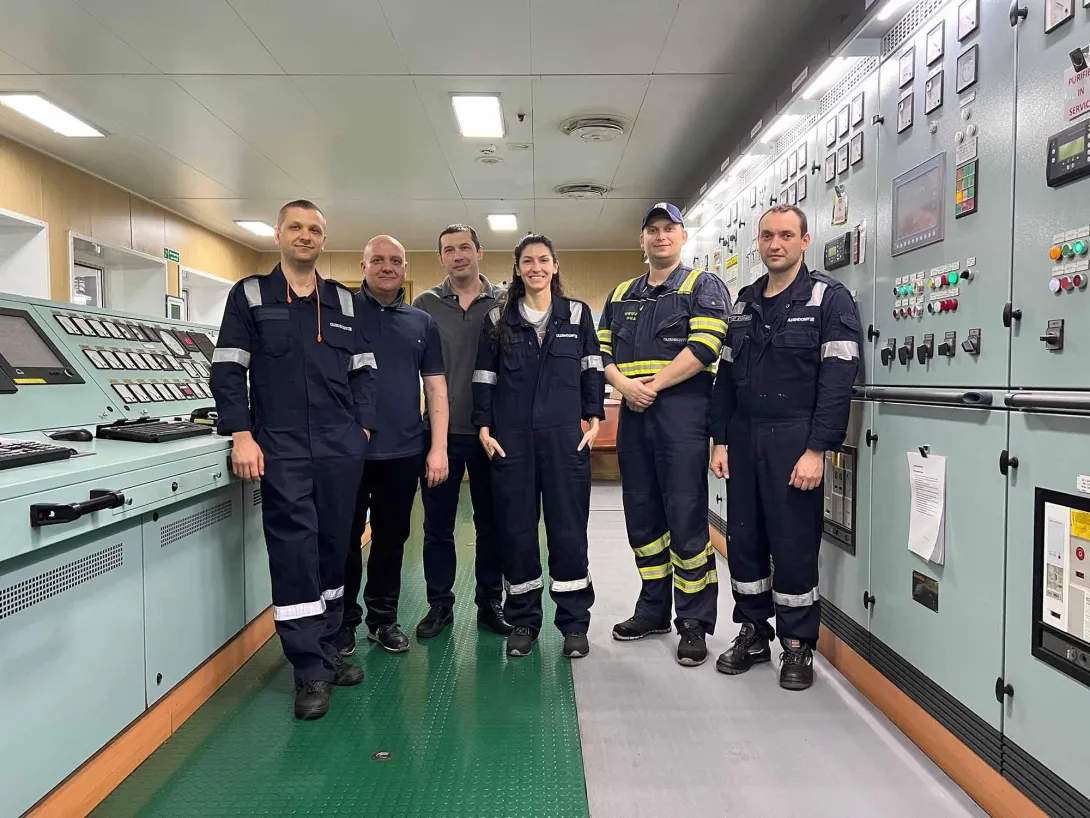
Oldendorff technical support team with Patritsia)
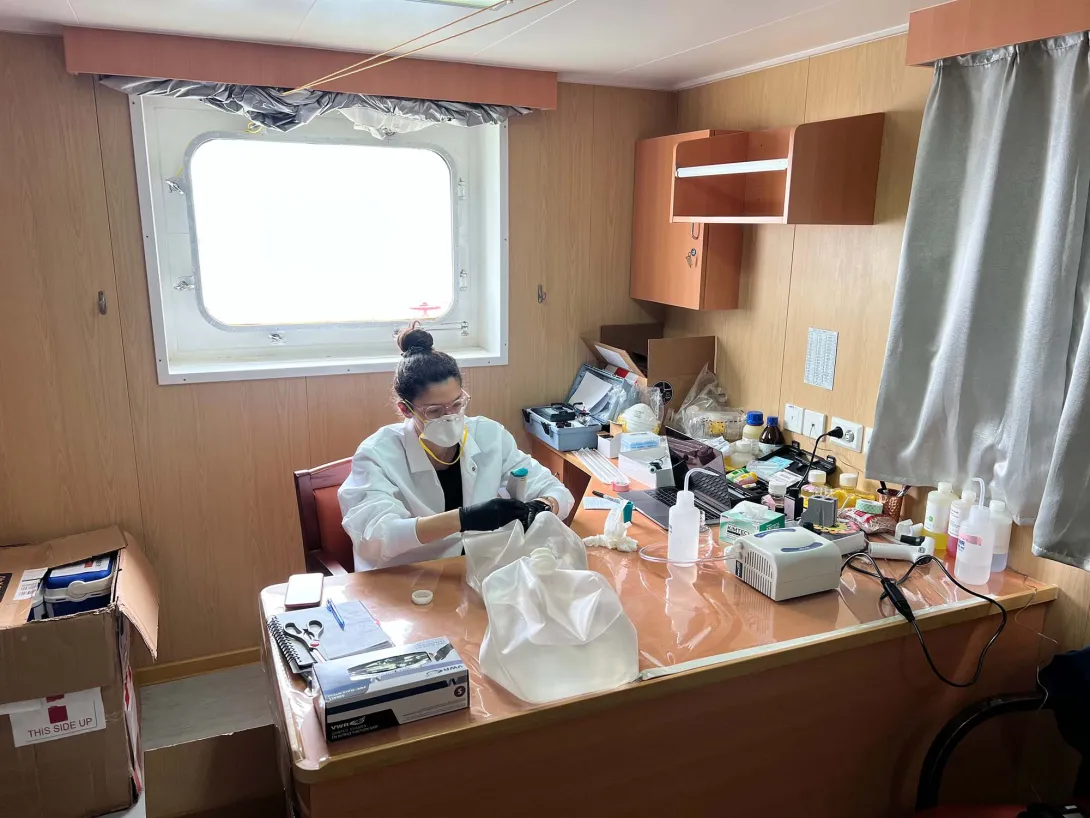
Patritsia in her cabin analyzing and labelling samples
This story originally appeared in Waterline, News from Oldendorff Carrier. Issue 18, Summer 2023 and was written by Jan Kohzer, Patritsia Stathatou, & Scott Jones
Oldendorff Carriers is one of the world's largest dry bulk shipping companies, shipping and transhipping over to 300 million tons of bulk cargo every year and operating around 700 ships. Since 2018, Oldendorff vessels have been equipped with exhaust gas cleaning systems, commonly known as ‘scrubbers’.
These devices remove sulfur and particular matter from the exhaust gas stream in the funnel and enable the use of HFO while fully complying with the MARPOL Annex VI.
Since their implementation, concerns have been raised by several parties, mostly NGOs and environmental advocates, about the potential impact of scrubbers’ operation on marine life and water quality.
Although some research papers had been written on the topic, we realized that none drew clear conclusions and none were based on a full lifecycle assessment. There was a gap in the science that needed to be filled with high-quality data taken from independent in-situ testing.
It was therefore decided in July 2021 to run our own study to measure all air and water emissions generated by an Oldendorff vessel when operating a scrubber. This would enable us to compare these emissions with those resulting from other fuels used by the same vessel, and enabling an apples-to-apples comparison based on actual, onboard data.
We were very lucky to get Dr. Patritsia Stathatou onboard for this project, currently with Research Faculty at the Renewable Bioproducts Institute at Georgia Tech, who at that time was a postdoctoral researcher at the MIT Center for Bits and Atoms (CBA).
Our “Hedwig Oldendorff” was selected as the guinea pig. Before any samples could be taken, several measuring instruments and sensors had to be installed onboard.
Additionally, we had to organize logistics and travel arrangements for Patritsia and for Ievgenii Petrunia, Senior Technical Manager from our Fleet Department who is collaborating with Patritsia on this project, so they could get onboard and perform the required research activities.
The entire preparation process spanned more than a year, given the multitude of factors that had to be taken into consideration, including:
– Ensuring that the monitoring equipment onboard was properly installed and fully operational.
– The vessel had to be at a suitable position to enable testing under different conditions and speeds without affecting our obligations towards our charterers. Also, it was important that Patritsia and Ievgenii could disembark from the vessel within a maximum of six days, together with several boxes of water and oil samples. The testing of these samples was time-critical, as they had to be sent to a laboratory in Greece for relevant analyses within a specific and narrow timeframe.
– Very low sulfur fuel oil (VLSFO) had to be bunkered at a convenient location, shortly before the commencement of the study, as its quality could deteriorate if left unused for a couple of weeks. In parallel, enough time had to be allowed for the timely availability of the laboratory test results. Before that, the crew had to prepare and clean one of the heavy fuel oil (HFO) tanks onboard.
– Research personnel had to obtain visas and needed to be available at short notice.
– Last but not least, there were a lot of auxiliary equipment and supplies which had to be shipped to the vessel on time.
Eventually, the chance to send Patritsia and Ievgenii came along. Patritsia has kindly shared her experience with us:
“After two years of preparing and organizing this study, here I am, finding myself in China for the very first time, standing aboard the huge bulk carrier vessel, “Hedwig Oldendorff”, with its awe-inspiring length overall of 299.95 meters! Hedwig was about to start her six-day journey from Taicang to the bustling port of Hong Kong with me onboard. During these six days my mission was to measure gas and particulate matter emissions both below and above the scrubber, at different engine modes and speeds, while the vessel was operating with HFO, and at the same time collect and prepare seawater and wash water samples from the scrubber operation. I also had to measure similar emissions under the same engine modes, while the vessel was burning marine gas oil (MGO) and VLSFO and collect samples for subsequent analysis from all the fuels, lubricants and cylinder oils used during the trip, to enable the renowned apples-to-apples comparison mentioned above.
I was so excited at the beginning! We have spent two whole years organizing this study and coordinating all the different components involved to make it happen, including identifying a suitable vessel, sourcing, shipping, and installing onboard the proper equipment, arranging a voyage of specific duration and conditions, synchronizing people’s schedules, and much more. The prospect of embarking on this thrilling adventure seemed both intriguing and exhilarating in theory. I had convinced myself that I knew exactly what lay ahead, confident in my understanding of the tasks that awaited me. However, when reality kicked in, my initial enthusiasm swiftly transformed into daunting fear. As I navigated through the enormous vessel, enveloped in a world of massive roaring engines and intricate machinery, I started being overwhelmed by the complexity and scale of the operation. As I beheld the towering 20-meter vertical ladder, a crucial component of my mission to ascend and descend in order to reach the “above the scrubber” sampling point and collect data under various conditions, I felt a wave of panic washing over me. The scorching heat, exceeding a blistering 45°C, made me sweat profusely, with my protective uniform and gear adding to my discomfort. The deafening roar of the engines filled the air, further amplifying my unease. Moreover, the vessel’s constant swaying, as it gracefully rode the turbulent waves, was a detail that had completely eluded my imagination until that very moment. It was in that moment of intense apprehension that I realized the harsh truth: I was utterly ignorant of the true implications behind the phrases “measuring emissions onboard” and “collecting our own, actual data”.
Thankfully, five extraordinary individuals emerged like superheroes, summoned to alleviate my distress: Lengenii Petrunia, Senior Technical Manager at Oldendorff whose expertise was invaluable; Konfederatov Evgeni, the Master, and the core technical team of the vessel whose support and contributions were priceless: Liashko Igor, the Chief Officer, Omelyanenko Ivan, the Chief Engineer, and Zaytsev Serhiy, the Second Engineer.
It was through the tremendous support of this extraordinary team aboard, that my fear and discomfort gradually dissipated. Their wisdom, respect, and expertise helped me not only to successfully perform the required tests and collect the samples needed, but also to embrace the entire experience with joy. Surpassing my initial trepidation, I conquered my fears of climbing ladders, acclimated myself to the loud sounds of roaring engines, and grew accustomed to the high temperatures. I meticulously set up my own floating laboratory, where I enjoyed preparing and storing my water samples, and begun to like working at the sweating conditions close to the engine and the funnel. After the day’s obligations were fulfilled, we continued our scientific endeavors well into the night. Together, under the dim glow of the vessel’s lights, we toiled tirelessly, undeterred by the hardships that beset us. Though weariness occasionally led to inadvertent errors and moments of frustration, the satisfaction of pushing past our limits and advancing our understanding propelled us forward. As the days unfolded, Hedwig, transformed into a place I could call home.
Upon our arrival at Hong Kong, I felt a mixture of satisfaction and pride for our collective efforts, accompanied by a subtle tinge of sadness that our journey had come to an end.
Looking back, I am immensely grateful for this transformative experience that pushed me beyond my comfort zone and allowed me to witness first-hand the intricacies of measuring onboard emissions and collecting actual data. This voyage was not simply a physical journey across the sea nor just another field trip for me; it symbolizes a remarkable chapter in my scientific endeavors, further shaping me as a researcher. I am looking forward to analyzing the results and sharing the outcomes of this unforgettable journey. Thank you Oldendorff!”
While we are now waiting for the results of our study, we would like to thank everyone involved.
The whole project really became a team exercise and without the help of our various colleagues from departments including Bunker Desk, Procurement, Chartering, Fleet, Crewing, IT, Ops and of course our crew onboard nothing would have been achieved.
News Contact
Priya Devarajan || RBI Communications Program Manager
Aug. 11, 2023
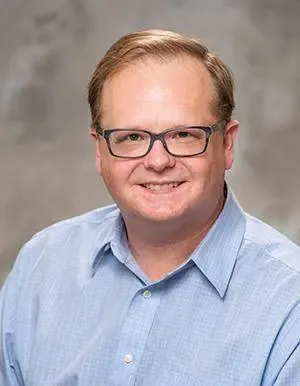
Carson Meredith, executive director of the Renewable Bioproducts Institute and professor in the School of Chemical and Biomolecular Engineering (ChBE), has been elected to the 2023-2024 class of American Institute of Chemical Engineers (AIChE) fellows.
The Fellow status is AIChE's highest grade of membership and is achieved through election by the AIChE Board of Directors upon recommendation of the AIChE Admissions Committee.
Meredith is recognized for sustained contributions to the chemical engineering profession through research, education and service. For example, his research has made significant contributions to the field of sustainable materials for packaging and plastic alternatives.
In service, Meredith has contributed actively to planning AIChE and Materials Research Society meetings. He now serves on the executive leadership board of the Forest and Plant Bioproducts Division of AIChE.
Meredith has been a ChBE faculty member for 23 years.
Aug. 03, 2023
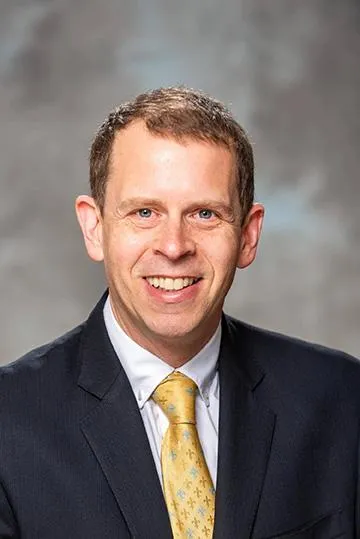
Carsten Sievers, a professor in Georgia Tech's School of Chemical and Biomolecular Engineering, was selected as part of the 2023 class of Fellows of the American Chemical Society (ACS).
This honor is reserved for roughly 1% of the membership of the society based on scientific contributions and service to the ACS community. Sievers is recognized for:
- Contributions introducing new catalytic pathways and concepts of energy input for converting renewable carbon resources guided by spectroscopic catalyst and process characterization.
- Establishing the technical program of the Catalysis Science and Technology Division as its first program chair and contributing to the growth of the division by mentoring his successors.
He will formally receive the recognition at the upcoming ACS meeting in San Francisco (August 13-17.
The Fellows program began in 2009 as a way to recognize and honor ACS members for outstanding achievements in and contributions to science, the profession, and ACS.
The full list of 2023 Fellows is available here, while additional information about the program, including a list of Fellows named in prior years, is available at www.acs.org/fellows.