
Oct. 12, 2011
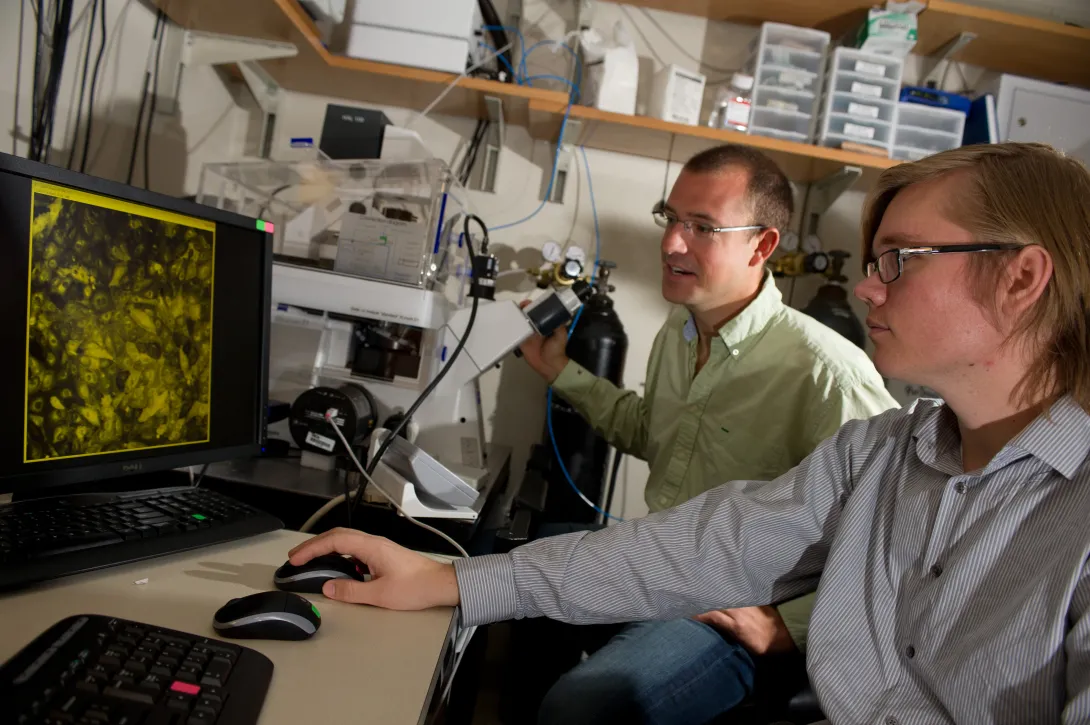
The Parker H. Petit Institute for Bioengineering and Bioscience is accepting project submissions from graduate students and postdoctoral fellows who are interested in mentoring a member of the incoming class of 2012 Petit Undergraduate Research Scholars.
The Petit Scholars program is a competitive scholarship program that offers highly innovative research opportunities to top undergraduate students for a full year. The Petit Scholars mentoring program offers the mentor a unique, full-year mentoring and project management experience while simultaneously furthering their own research interests. Mentors also receive travel funds and funds for materials and supplies.
Interested candidates must be currently conducting their own research in an IBB laboratory and must be available from January through December of 2012. Faculty approval will be required.
Online project submissions will be accepted through Monday, October 31, 2011 and should outline an independent research project for a potential undergraduate scholar. For full details about the Petit Mentor program, visit the website below.
News Contact
Colly Mitchell, Petit Scholars Program Administrator
Todd McDevitt, Faculty Advisor
Oct. 04, 2011
ATLANTA—Two of the most common and debilitating complications of diabetes are the subject of new NIH-funded studies at Emory University School of Medicine. Researchers are working to re-program cells taken from the bone marrow or peripheral blood of patients with diabetes to treat neurovascular complications such as peripheral arterial disease (PAD) and diabetic neuropathy (DN).
The National Institute of Diabetes and Digestive and Kidney Diseases, part of the National Institutes of Health (NIH), has awarded the research team, consisting of investigators at Emory, Georgia Tech, University of Alabama and University of California at San Diego, a $6.1 million grant.
Principal investigators of the study, called “Cell therapy for diabetic peripheral neurovascular complications,” are Young-Sup Yoon, MD, PhD, director of stem cell biology and associate professor of medicine (cardiology) in Emory School of Medicine, and Xiaodong Cheng, PhD, professor of biochemistry in Emory School of Medicine and a Georgia Research Alliance Eminent Scholar. Andres García, professor in the George W. Woodruff School of Mechanical Engineering at Georgia Institute of Technology, is the investigator for Georgia Tech.
Patients with diabetes are frequently affected by PAD and DN, but despite the increase in incidence of diabetes, no current treatments effectively treat these conditions, notes Yoon. “Even after patients achieve glucose control, diabetes can lead to long-term complications,” he says.
Patients with PAD experience blocked arteries in the legs and feet, which can lead to leg amputation in advanced cases. Because advanced PAD in diabetes frequently affects small vessels, conventional intervention and surgical treatment are ineffective in many cases.
DN, which damages the neural vasculature and neuronal cells, is the most common complication of diabetes, affecting 60 percent of patients.
Growing evidence has shown that cells taken from a patient’s own bone marrow, called bone marrow-derived endothelial progenitor cells (EPCs), can be effective in treating various cardiovascular diseases and diabetic neuropathy by repairing blood vessels. Thus far, however, EPCs derived from diabetic patients have been only modestly effective for these autologous (self-directed) therapies.
The Emory research team, based on earlier findings, believes epigenetic changes in the EPCs of diabetic patients may be at fault. Epigenetic factors direct genes to be either expressed or silenced, but they don’t affect the underlying DNA sequence of an organism. Epigenetic alterations in the chromatin of the EPCs of diabetic patients seem to be the culprit. Chromatin is the packaging mechanism for DNA in the nucleus of cells.
“We plan to investigate epigenetic chromatin changes in diabetic EPCs, and to reprogram or re-engineer these EPCs with small molecular epigenetic regulators and biomaterial to enhance or restore their function,” Yoon explains. “Other research has shown the ability of small molecules to induce chromatin remodeling of affected genes and alter gene expression, and we believe this is a promising approach.”
The research team will use animal models to test the therapeutic effects of the reprogrammed cells for PAD and DN. The next step will be a pilot clinical trial in human patients with complications of diabetes.
EMORY Health Sciences News
Yoon lab
Garcia lab
News Contact
Holly Korschun
404-727-3990
Sep. 28, 2011
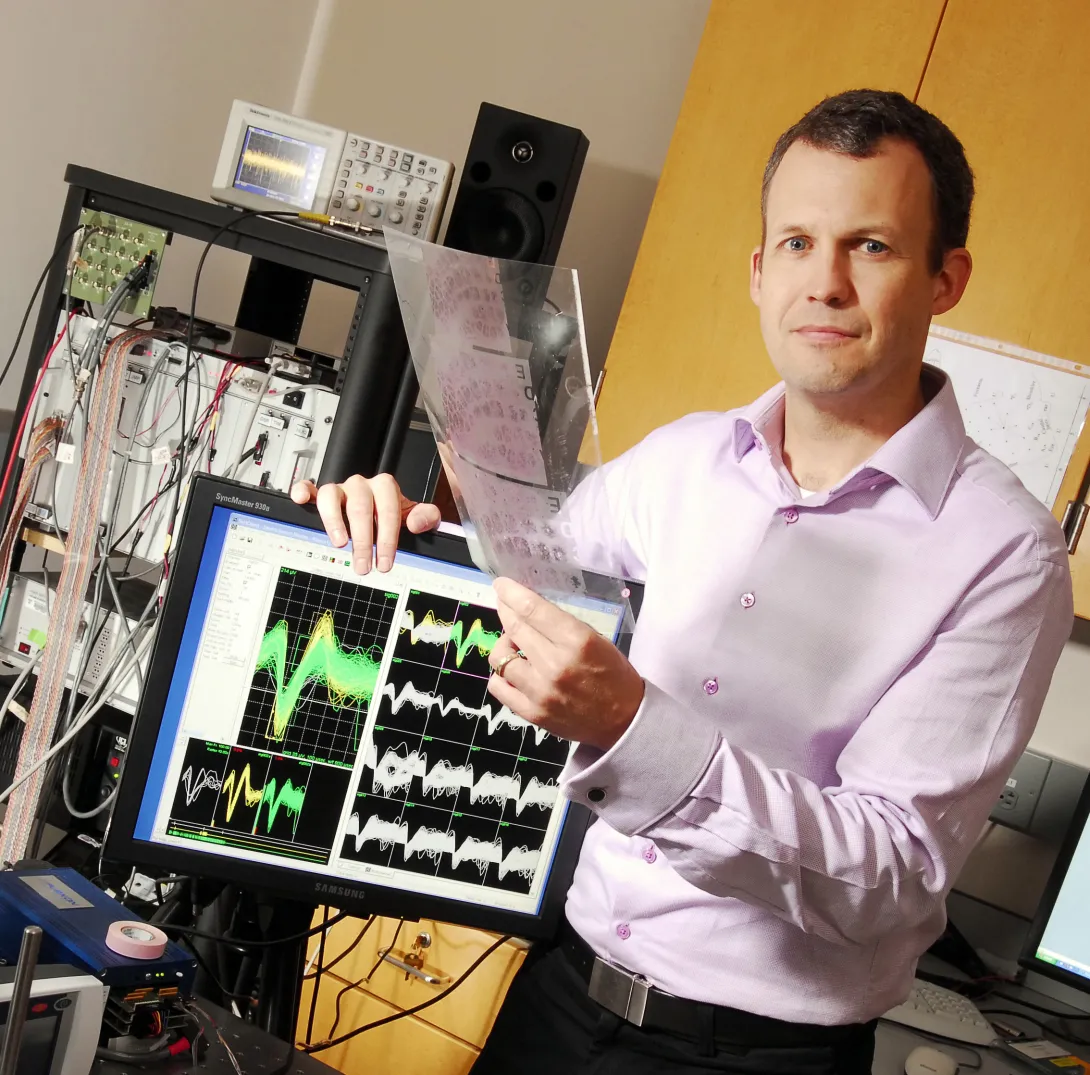
Faculty at Emory and Georgia Tech are training young scientists in how to use the tools of biomedical computation to solve challenging problems of neuroscience.
A new five-year grant of $1.6 million from the National Institutes of Health will create a training center in computational neuroscience, one of only five national training centers supported by the NIH through its NIH Blueprint training grant program.
The grant is entitled “From cells to systems and applications: computational neuroscience training at Emory and Georgia Tech.” Principal investigators are Dieter Jaeger, PhD, professor of biology, Emory University and Garrett Stanley, PhD, associate professor in the Wallace H. Coulter Department of Biomedical Engineering at Georgia Tech and Emory University.
“The NIH Blueprint training grants are particularly innovative in that they combine undergraduate and graduate training programs and provide trainee support at both levels,” says Jaeger. “This is a mission that is highly synergistic with the training mission at Emory and Georgia Tech.”
The NIH Blueprint is a framework to enhance cooperative activities among 16 NIH Institutes, Centers, and Offices that support research on the nervous system.
The core training group will initially consist of 16 faculty members from departments spanning Emory University School of Medicine (physiology, neurology, anesthesiology, biomedical engineering) and Emory College of Arts and Sciences (biology, psychology) as well as Georgia Tech (biomedical engineering, electrical engineering)
“This impressive range of faculty and departments provides testimony to the highly collaborative and interdisciplinary nature of this field of study at Georgia Tech and Emory,” notes Stanley.
The training grant funds students in the Emory Neuroscience Program and the joint Emory/Georgia Tech BME PhD program, and undergraduates on both campuses.
Sep. 28, 2011
Scientists at Emory University and the Georgia Institute of Technology will develop a “therapeutic robot” to help rehabilitate and improve motor skills in people with mobility problems.
The National Science Foundation (NSF) has awarded the scientists a $2M research grant over four years through its Division of Emerging Frontiers in Research and Innovation. The project is called “Partnered Rehabilitative Movement: Cooperative Human-robot Interactions for Motor Assistance, Learning, and Communication.”
“Our vision is to develop robots that will interact with humans as both assistants and movement therapists,” explains principal investigator Lena Ting, PhD, associate professor in the Coulter Department of Biomedical Engineering at Georgia Tech and Emory University. “We expect our project to have a long-term impact on quality of life of individuals with movement difficulties, such as those caused by Parkinson’s disease, stroke, and injury, by improving fitness, motor skills and social engagement.”
The robot developed through the project could enhance, assist and improve motor skills in humans with varying motor capabilities and deficits. Other applications of the technologies and theories developed could include the design of prosthetic devices or sports robots that entertain and improve fitness. The researchers also believe their work will advance understanding of how the brain controls movement and other functions. Madeleine Hackney, PhD, assistant professor of medicine (geriatrics) in Emory University School of Medicine is co-principal investigator of the project. Co-PIs at Georgia Tech are biomedical engineering assistant professor Charlie Kemp, PhD, and assistant professor of interactive computing, Karen Liu, PhD.
The scientists will begin their work by studying how humans use their muscles to walk, balance and generate force signals with the hands for guidance when moving in cooperation with another person. They will study “rehabilitative partnered dance,” which has been specifically adapted to help improve gait and balance in individuals with motor impairments. The partnered dance is based on tactile and motor cooperation between two individuals. Prior work by Hackney showed that participation in partnered rehabilitative movement improved balance and walking skills in individuals with motor deficits due to Parkinson’s disease.
The goal is to then program a humanoid rehabilitation robot to perform a “partnered box step,” which is a defined pattern of weight shifts and directional changes, solely based on interpreting movement cues from subtle changes in forces between the hands and arms of the robot and the person.
Over the course of the project, the team will test their models of human sensorimotor coordination, cooperation and communication by demonstrating the robot’s ability to participate in the box step as a leader or follower and adapt its movements to the motor skill level of a human partner.
News Contact
Holly Korschun: 404-727-3990
Sep. 20, 2011
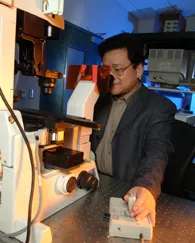
If a tumor is more visible and easier to distinguish from surrounding tissues, surgeons will be more likely to be able to remove it completely. That’s the rationale behind a new $7 million, five-year “transformative” grant from the National Institutes of Health to a team of researchers from Emory, Georgia Tech and the Perelman School of Medicine at the University of Pennsylvania.
The grant is part of the NIH Director’s Awards Program funded by the NIH Common Fund.Shuming Nie, PhD, and his colleagues at the Emory-Georgia Tech Nanotechnology Center for Personalized and Predictive Oncology have been developing fluorescent nanoparticle probes that hone in on cancer cells. The grant will support the team’s continuing work on the nanoparticles and instruments that visualize them for cancer detection during surgery.
The project team includes May Wang, PhD, director of biocomputing and bioinformatics at the Nanotechnology Center and Sunil Singhal, MD, director of the Thoracic Surgery Research Laboratory at the Perelman School of Medicine. Nie is a professor and Wang is associate professor in the Wallace H. Coulter Department of Biomedical Engineering at Georgia Tech and Emory University.
“At present, a significant group of patients who undergo surgery leave the operating room without a complete resection due to missed lesions,” Nie says. “Our main goals are to help surgeons distinguish tumor margins, identify diseased lymph nodes and micrometastases, and to determine if the tumor has been completely removed. Having these capabilities can be expected to make a major impact in reducing recurrence rates of lung cancer after surgery.”
The grant includes plans for tests of the nanoparticles and cancer detection instruments on dogs with naturally occurring lung tumors and a first-in-human clinical trial for patients with lung cancer at the University of Pennsylvania.
The proposed technologies could be broadly applicable to many types of solid tumors. The project includes two types of contrast agents for detecting cancer: a fluorescent dye (indocyanine green, approved for in vivo use by the FDA) conjugated to the protein albumin, and polymer-coated gold particles coupled to a reporter dye and an antibody that binds to tumor cells. The gold in the particles amplifies the signal from the dye through an effect called surface-enhanced Raman scattering.
Nie and his colleagues have developed a hand-held device called a SpectroPen that can detect both fluorescence and Raman signals. The SpectroPen combines a near-infrared laser and a detector, and is connected by a fiber optic cable to a spectrometer, computer and video monitor.
Previous research leading to the current grant was supported by a Grand Opportunities grant from the National Cancer Institute (NCI) and the NIH Director’s Office, and by the NCI Centers of Cancer Nanotechnology Excellence (CCNE) at Emory and Georgia Tech.
The award was one of 17 granted this year through the NIH Director’s Transformative Research Projects Program (T-R01), which was created to challenge the status quo with innovative ideas that have the potential to advance fields and speed the translation of research into improved health for the American public. The first group of Transformative R01 grants was funded in 2009.
Another T-RO1 grant, for $2 million over five years, was awarded to Todd McDevitt, PhD, director of the Stem Cell Engineering Center at Georgia Tech and an associate professor in the Wallace H. Coulter Department of Biomedical Engineering at Georgia Tech and Emory University, along with Coulter Department Associate Professor Johnna Temenoff, PhD, and Woodruff School of Mechanical Engineering Professor Robert Guldberg, PhD. The grant will support the development of tissue regeneration therapeutics for traumatic injuries and degenerative diseases.
“The NIH Director’s Award programs reinvigorate the biomedical work force by providing unique opportunities to conduct research that is neither incremental nor conventional,” says James M. Anderson, MD, PhD, director of the Division of Program Coordination, Planning and Strategic Initiatives, who guides the Common Fund’s High-Risk Research program. “The awards are intended to catalyze giant leaps forward for any area of biomedical research, allowing investigators to go in entirely new directions.”
More information on the Transformative Research Projects Award is at http://commonfund.nih.gov/T-R01 including information on this year's awardees
Writer: Quinn Eastman
The Robert W. Woodruff Health Sciences Center of Emory University is an academic health science and service center focused on missions of teaching, research, health care and public service.Learn more about Emory’s health sciences: Blog: http://emoryhealthblog.com Twitter: @emoryhealthsci Web: http://emoryhealthsciences.org
News Contact
Holly Korschun - Media Contact
Sep. 07, 2011
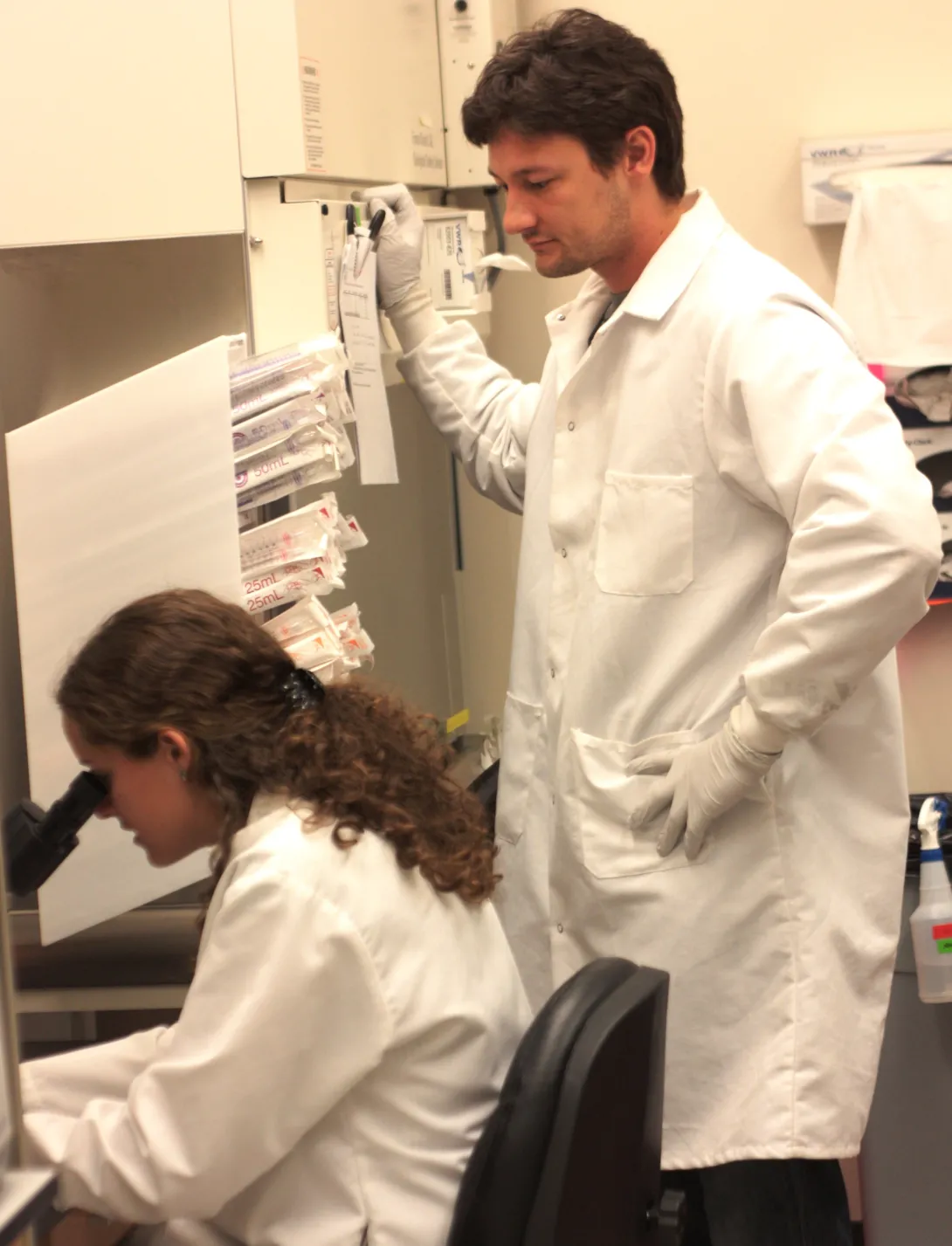
The Parker H. Petit Institute for Bioengineering and Biosciences is now accepting applications for the 2012 Class of Petit Undergraduate Research Scholars. The Petit Scholars program is a competitive scholarship program that serves to develop the next generation of leading bioengineering and bioscience researchers by providing a comprehensive and independent research experience. In the full-year program, undergraduates conduct independent research in the Petit Institute's state-of-the-art laboratories in the areas of cancer biology, biomaterials, drug design, development and delivery, molecular evolution, molecular cellular and tissue biomechanics, regenerative medicine, stem cell engineering and systems biology.
Since its beginning in 2000, the program has supported hundreds of top undergraduate researchers who have gone on to distinguished careers in research, medicine and industry. As biotechnology research has grown significantly throughout the Georgia Tech campus, so has the number of Petit Scholars with the funding of 19 scholars in 2011. To date, the program has funded students from Georgia Tech, Morehouse College, Georgia State University, Emory University, Agnes Scott College and Georgia Gwinnett College. The Petit Scholars program is funded by Friends of the Petit Institute donors in addition to its endowment from Parker H. "Pete" Petit. To make a donation to this program, visit: Petit Scholars Donations
Beginning October 10, 2011, IBB will begin accepting research project submissions from graduate student and/or postdocs to be considered to serve as mentors to the incoming class of Petit Scholars.
The application submission deadline for the 2012 Petit Scholars is Friday, October 7, 2011 at 5:00pm. For complete program requirements and online application, visit: 2012 Petit Scholars
News Contact
Colly Mitchell
Petit Scholars Program Administrator
Parker H. Petit Institute for Bioengineering and Bioscience
Sep. 01, 2011
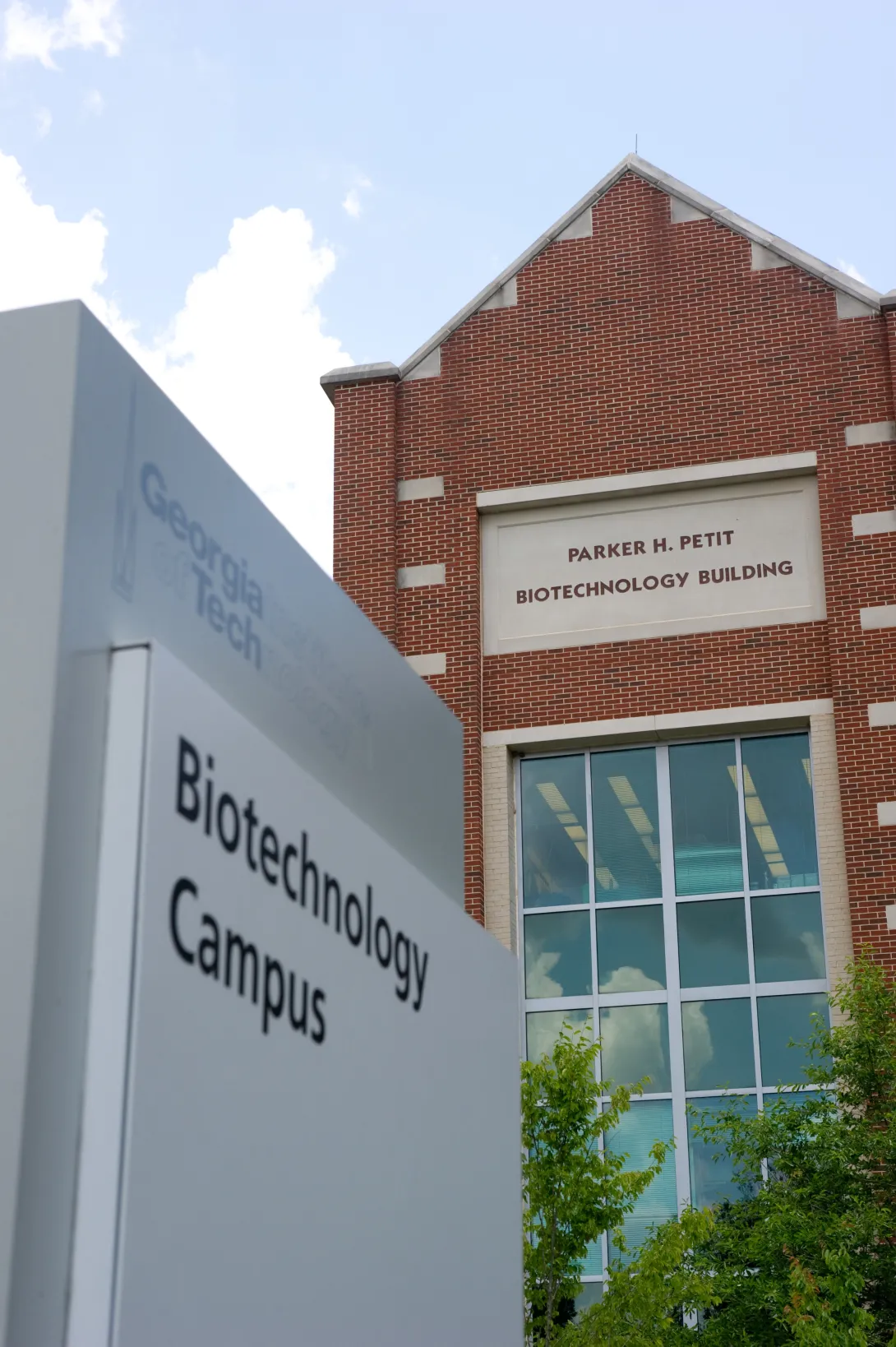
TheParker H. Petit Institute for Bioengineering and Bioscience awarded $100,000 totwo interdisciplinary teams under a new initiative, the PetitBioengineering and Bioscience Collaborative Grant program, which was created to supportearly-stage innovative biotechnology research.
The seed grant recipients address a wide range oftopics including profiling singlecells to understand the heterogeneity of different cell types and newapproaches to traumatic brain injury. Thecall for proposals was welcomed by teams of Petit Institute faculty with onefaculty member from Georgia Tech’s College of Science and one from the Collegeof Engineering.
“This new program aims to promote the collaborationof new teams of researchers and help them establish preliminary results toapply for large external grant proposals,” said Robert Guldberg, PhD, directorof the Petit Institute. “This initiativeis directly in-line with the Petit Institute’s mission, funding cutting-edgeresearch at the interface of bioengineering and the biosciences.”
MelissaKemp, assistant professor in the Wallace H. Coulter Department for BiomedicalEngineering and Greg Gibson, professor in the School of Biology, proposed aproject which aims to develop the measurement tools for relating variability in both genomicand protein information at the single cell level. The ability to conduct this type ofprofiling in single cells represents a remarkable technological advance in thelast two years.
“Studies ofgenomic data often fail to bridge the observed variation in DNA sequences tocellular function, in part due to the variation that is present by both typesof measurement,” Kemp said, “with the technologies this project is developing,we will be able to compare population-averaged data to single cell measurementsin order to gain new insight in relating genes to phenotype.”
MichelleLaPlaca, associate professor in the Wallace H. Coulter Department of BiomedicalEngineering and Al Merrill, professor in the School of Biology, are partneringto merge traumatic brain injury with lipid biology in the hopes of evaluating, for thefirst time, plasma membrane breakdown mechanisms and lipid signaling followingtraumatic brain injury.
“Traumatic brain injury remains a major clinical problem with few effectivetreatments and the devastating sequelae following this type of injury leads tochronic neural deficits,” LaPlaca stated. “We are optimistic that these fundswill propel this important research forward.”
Fundingfor the new seed grants comes chiefly from Petit Institute's endowment as well as contributionsfrom the College of Science and College of Engineering. Each team will receive $50,000 a year for twoyears, however, the second year of funding will be contingent on submission ofan external collaborative grant proposal by July 2012.
News Contact
Marketing Communications Director
Parker H. Petit Institute for Bioengineering and Bioscience
404-385-7001
Aug. 22, 2011

In response to feedback received in a recent survey regarding the Georgia Tech-Emory Intercampus Shuttle, a new shuttle schedule for the 2011-2012 academic year has been created with increased departure frequency. The shuttle will now run a full loop every hour and will continue service to the Biotech Quad at GT. It is important to note that the shuttle will no longer drop off at the Georgia Tech CRC, as that route is already served by the Tech Trolley and Red Route buses.
The new schedule is set to begin service August 22, 2011 on weekdays during the fall and spring semesters. The Emory Hospital-Midtown shuttle currently provides service several blocks away from GT campus and also stops at Civic Center Marta Station, for those at Emory needing access to GT or Marta trains in the summer.
The slight offset in the schedule from 9:15am-9:45am and again at 11:15am-11:45am. This allows the shuttle to serve students attending the IBS555/556 classes at Emory as well as those at Emory desiring to attend IBB seminars at GT, which are typically from 11am-12pm. Additionally, these offsets allow some buffer for the shuttle to stay on schedule after morning rush hour so that morning delays don't make the shuttle late for the rest of the day.
To view new schedule, visit: GT/Emory Schedule
To check the status of the shuttle arrivals in REAL TIME, visit: GT/Emory NextBus
News Contact
Ian Campbell
BME Graduate Student Advisory Board
Jul. 05, 2011

With the Morehouse School of Medicine (MSM) serving as the lead hostinstitution in conjunction with Emory University School of Medicine and theGeorgia Institute of Technology (Georgia Tech), the 2011 annual workshop willtake place on the Georgia Tech campus. This meeting aims to inspire younginvestigators from a variety of disciplines to enter the field of vascularbiology by providing trainees with a robust introductory learning experience,facilitate the rapid integration of new research trainees into vascular biologyresearch programs by enhancing their exposure and understanding of the latestexperimental approaches employed in the field and finally to orient newinvestigators to the breadth and depth of the frontiers of knowledge ofvascular biology through state-of-the-art presentations and scientificinterchange with leading investigators.
Vasculata® is a summer course/workshop that promotesthe study of vascular biology. It is designed to present an overview ofthe field and future areas of active research. Individuals with little orno background in vascular biology are encouraged to attend, and current traineesin the field and all interested individuals are invited to participate. This includes students (undergraduates, graduate students, medical students),trainees (postdocs, research fellows, residents) and others (junior and seniorfaculty).
This meeting builds upon the legacy of research training provided byprevious Vasculata conferences by leveraging the superb critical mass ofvascular biology investigators at the three partner institutions in Atlanta.The Vasculata 2011 conference will be a distinctive addition that willincorporate several new programmatic elements to enrich the training experienceand develop a special thematic emphasis on preparing a new generation ofvascular biologists to extend the frontiers of discovery science as well as engagein translational science that bridges from ‘bench-to-bedside.” The proposedmeeting builds upon the complementary strengths of the tri-institutionalpartnership such that the program reflects the inter-disciplinary nature ofvascular biology. The conference will capture the breadth of the field in itsinclusion of investigators from a wide variety of disciplines such as:bioengineering, systems biology, developmental biology, clinical science,regenerative medicine and genetic epidemiology.
Moreover, Vasculata 2011 will be a novel addition to the series byincorporating new programmatic elements that emphasize the mentorship oftrainees as well as major initiatives to expand the gender and racial/ethnicdiversity of biomedical scientists in the field. Overall, the Vasculata 2011conference promises to be an exciting and uniquely rich research trainingexperience.
Organizing Committee:
GaryGibbons, MD, Morehouse School of Medicine
KathyGriendling, PhD, Emory University
HanjoongJo PhD, Georgia Institute of Technology and Emory University
ArshedQuyyumi MD, Emory University
News Contact
Bernadette Englert
Jun. 30, 2011
The George W. Woodruff School of Mechanical Engineering is pleased to announce that Dr. Todd Sulchek, Assistant Professor, has won a prestigious 2011 Faculty Early Career Award from the National Science Foundation's Biosensing Program for his proposal titled: "Understanding Multivalent Biological Bonds for Biosensing Applications."
For this project, Dr. Sulchek will be studying multivalent protein adhesion in order to improve how well biosensors can bind target molecules. He hopes to create methods to watch the binding and unbinding of multiple protein bonds in quick succession and close proximity.
As part of the CAREER Award outreach component, Dr. Sulchek will work with local high schools to match biology students with physical science students into teams, in order to emphasize the overlapping nature of the scientific and engineering disciplines. The goal is to portray science and engineering in a more exciting and interesting light. Currently, there are two high school students working in Dr. Sulchek's lab this summer, testing out a concept to rapidly measure protein adhesion. After knowledge is gained from this trial run working with students, Dr. Sulchek will organize 10-20 teams in the next year to compete in a cross-disciplinary science fair.
Upon learning about this award, Woodruff School Chair Dr. Bill Wepfer said, "Congratulations! Along with your recent NIH R21 award, this is a tremendous affirmation of your research program." Dean of Engineering, Dr. Don Giddens said, "Great news, Todd, and a hearty congratulations!!" Further hats off came from Georgia Tech's President, Dr. G.P. "Bud" Peterson, "Congratulations! Off to a great start!"
Dr, Sulchek received both his M.S. and Ph.D. degrees (Applied Physics) from Stanford University in 2000 and 2006, respectively. He earned his B.A. (Physics and Mathematics) at Johns Hopkins University in 1996. Dr. Sulchek started at Georgia Tech in June 2008 as an Assistant Professor. Prior to his current appointment, he was a staff scientist at Lawrence Livermore National Lab.
Currently, there are twenty-seven Woodruff School faculty members who have at one time held a CAREER Award. In addition, the Woodruff School has fifteen Ph.D. graduates who have won these awards and are on the faculty of universities other than Georgia Tech.
News Contact
Melissa D Zbeeb
Director of Communications
Woodruff School of Mechanical Engineering