
May. 18, 2026

Escalating Middle East tensions are rattling global oil markets, and the effects are already showing up in American wallets, affecting everything from travel to food prices. Georgia Tech economists and public policy experts break down what Americans need to know right now.
1. You’re paying more at the pump, and it’s not going away anytime soon.
Gas prices are the most visible sign of the crisis, and the increases are already significant. National average retail gasoline prices are more than $1.20 higher than they were in February, before the conflict escalated.
“Even though U.S. petroleum production often exceeds our consumption, we are not insulated from disruptions in global oil supply because oil is a globally traded commodity,” says director of the Energy Policy and Innovation Center, Laura Taylor. “If supply is restricted anywhere in the world, prices will rise everywhere, including in the U.S.”
Markets expect some relief by fall, with future prices pointing lower than today’s levels. But Tony Harding, assistant professor in the Jimmy and Rosalynn Carter School of Public Policy, cautions, “Prices are likely to remain above pre-conflict levels for the foreseeable future, and temporary relief measures, such as Georgia’s motor fuel tax suspension, will not last forever.”
Taylor puts it plainly: “Wages are not rising faster than prices, so people are feeling the pinch and will continue to do so.”
2. Your summer plans just got more expensive.
The impact does not stop at the gas station. For Americans planning summer travel, the timing of this conflict could not be worse. Matthew Oliver, associate professor in the School of Economics, points to commercial air travel as one of the most exposed sectors.
“Jet fuel prices have roughly doubled in the wake of the current oil price spike, putting immediate upward pressure on airfares,” says Oliver.
The ripple effects extend far beyond travel.
“Oil is an input into the supply chain of nearly every good at some point,” says Bobby Harris, assistant professor in the School of Economics. “When input costs go up, prices go up.”
3. Expect to pay more at the grocery store.
The connection between Middle East tensions and the American dinner table is more direct than many realize, because petrochemicals are a key feedstock for fertilizer production.
“Higher oil prices lead to higher fertilizer prices, which lead to higher food prices,” says Oliver.
Combined with existing tariff pressures and tight supply chains, the strain on household budgets is coming from multiple directions at once.
“If the crisis persists, there will be upward pressure on the prices of nearly every physical good,” Oliver adds.
4. The government’s options are limited, and the clock is ticking.
Washington has tools to respond, but none are silver bullets. The Strategic Petroleum Reserve currently holds around 400 million barrels and can release about 4 million barrels per day, roughly 20% of U.S. daily demand.
“I see the Strategic Petroleum Reserve as a tool to buy time during a crisis,” says public policy professor Dan Matisoff. “But if the conflict drags on, we will ultimately be in a more vulnerable position.”
Quick fixes like price caps or demand subsidies carry trade-offs.
“Subsidies can mitigate the impact of price shocks, but they can also mask important market signals that help balance supply and demand,” says Harding, using Europe’s 2022 energy crisis as a cautionary example.
5. The smartest thing Americans can do right now is think about efficiency.
“People in general tend to undervalue energy efficiency,” says Matisoff. “Think of energy efficiency investments as a sort of hedge or insurance against volatile energy prices.”
That means considering fuel efficiency when buying a car, and looking at heat pumps, electric vehicles, and home energy upgrades when the time is right.
“Higher energy prices increase the value of investing in energy efficiency upgrades to your home and adopting technologies that are less dependent on fossil fuels,” says Harding.
For families navigating uncertainty, both economists and policy experts point to the same practical advice: Reduce your exposure to fossil fuel price swings before the next crisis hits.
News Contact
Ayana Isles
Georgia Institute of Technology
Institute Communications
Apr. 30, 2026
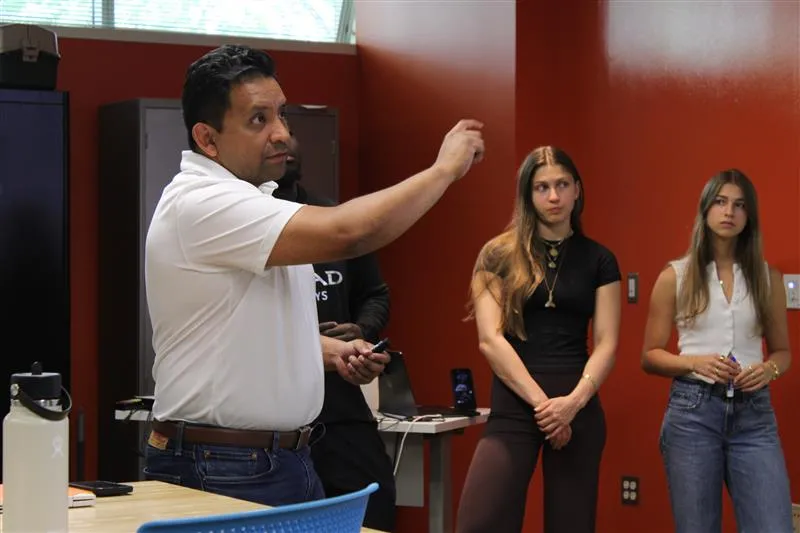
You don’t need an idea to begin. You don’t need a co‑founder, a pitch deck, or a perfect plan. What you need is curiosity, a willingness to talk to real people, and a place where it’s safe to learn by doing. That’s exactly what CREATE‑X Startup Lab delivers.
Omar Garcia Urdiales, CREATE‑X’s associate director of Learn, brings a global entrepreneurial experience to Georgia Tech: founder and CEO of a startup operating in the AWS Accelerator Loft, longtime startup coach in Europe’s major innovation hubs, lecturer across multiple universities, and an external doctoral researcher in entrepreneurship and digitalization. He brings this background to his teaching of Startup Lab’s latest iteration – a significant redesign developed by VentureLab’s Director Keith McGreggor. McGreggor created the course and has evolved it over many years, building on its initial success.
“This new iteration of Startup Lab allows us to meet students exactly where they are,” said McGreggor. “By doing this, we give them the strongest foundation possible, providing them with the tools to grapple with uncertainty and build their confidence.”
Startup Lab has long anchored the Institute’s entrepreneurial pathway with clearer structure, a unified language, and a deeper focus on reflective growth, so more Georgia Tech students can discover (and trust) their own entrepreneurial judgment.
Startup Lab is expanding responsibly, with six sections in Atlanta and additional global sections in France and Asia-Pacific taught by faculty trained in the curriculum. Students here benefit from a program that’s learning across borders and bringing that learning back to campus.
“Startup Lab is not about becoming an entrepreneur, but about engaging in the unknown and adopting entrepreneurial behavior, which can be applied to all career paths,” Urdiales said. “Students become better equipped to identify problem spaces and solve them through evidence-based building.”
Start Where You Are
Urdiales emphasized that Startup Lab is built for students who are still exploring, uncertain, or are simply curious.
“Many students tell us they’re curious about entrepreneurship but feel not ready,” he said. “They worry they’re too introverted for customer interviews or assume Startup Lab is only for people with fully formed ideas. In fact, those are the most common misconceptions.”
The course’s first few weeks focus on training students to see struggles and patterns in the world. Then, they apply those skills on a team, exploring, designing, and testing a concept with real people. The nonnegotiable outcome isn’t the best idea; it’s a more confident, evidence-driven version of you.
“Startup Lab is strengthening that self-awareness. All of us who are entrepreneurs, we don’t grow linearly. We have various iterations of how we see things,” Urdiales said. “This ability to see patterns or to see problems with customer discovery, it’s a learning process and a growth process.”
Building Muscle Memory
Urdiales said that students won’t have a passive experience in the lab.
“To become an entrepreneur, you need to do it. You need to engage with customers. You need to get out of the building,” he said. “It gives you the ability to incorporate theoretical frameworks into practical solutions and then understand these more practical outcomes.”
Aligning with CREATE-X’s culture of continuous iteration, Startup Lab is tightening the hands-on core of the course around four simple, repeatable tools so that entrepreneurial thinking becomes muscle memory, not a one-off assignment. The new iteration of the curriculum, developed by McGreggor, helps students learn to:
- Elicit grounded problem stories from real people (and separate observations from interpretations).
- Make explicit strategic decisions — who you serve, what you offer, how you deliver, how you get paid — and back them with discovery evidence.
- Externalize your logic with clear Business Model Canvas snapshots (hypotheses ≠ decisions ≠ open questions).
- Design minimum viable experiments (MVEs) that can falsify assumptions, not just confirm them.
“What we have is a frontier model in entrepreneurial education,” said McGreggor. “The result is a course that teaches sound decision making and builds entrepreneurial confidence that rewards authentic discovery and iteration over performative polish. It creates a more solid foundation for entrepreneurial thinking and sets students up to engage more deeply with everything that follows in their CREATE-X pathway.”
Reflection as a Feature
As a part of Startup Lab, instructors integrate reflection throughout the semester, which helps students notice patterns of work, make small experiments, and adjust based on what’s learned. Students often worry they’re not the founder type or that their introversion will hold them back; Startup Lab reframes those worries as raw material for growth, including communication skill building and one-on-one interactions you won’t always get in higher-level courses.
Startup Lab integrates HaradaLite — McGreggor's adaptation of the Japanese Harada Method — as a weekly reflection practice in which students keep a reflection log, helping them notice patterns of work, run small experiments, and adjust based on what's learned. With this approach, educators are able to measure the growth of entrepreneurial confidence by self-report, leading to a more quantitative approach to teaching.
A Common Language Across CREATE‑X
There’s no mandated order for CREATE-X courses. Startup Lab simply makes the next steps clearer by providing a shared language and milestone structure across sections and instructors, so whatever comes next (I2P, Capstone, Launch, or an internship), you can carry forward a coherent, evidence- aware story of your work.
“All CREATE‑X Learn sections will work with the same milestone objectives,” Urdiales said. “Students trained in Startup Lab are already trained in the muscles of entrepreneurship. They’re more equipped to go into Make and Launch or be a leader within their industry.”
Built To Be Inclusive Across Disciplines and Needs
Startup Lab is about becoming the kind of person who can see opportunities, reason from evidence, and make better decisions when the path isn’t obvious.
- You do not need an idea or a pre‑built team — curiosity is enough.
- You do not need special permits to enroll. Startup Lab is open to anyone ready to explore.
- You can benefit from the course before or after I2P or Capstone, since there’s no fixed order to the CREATE‑X pathway.
- Introverts are welcome. The course intentionally builds communication skills through structured, low-pressure interviews and guided interaction.
“Startup Lab helps students see the world’s problems and fill the gaps with fresh ideas, teaching them to see and understand the important difference between evidence and inference,” said McGreggor. “This lays the foundation that leads to good founders, and builds the entrepreneurial confidence needed to succeed.”
What You’ll Actually Do
Students in Startup Lab can expect a workshop-heavy, conversation-rich semester with weekly artifacts, scenario-based decision prompts, startup reports, and quizzes that keep you honest about what you’re learning. You’ll assemble a Continuity Pack near the end: a compact bundle of your best discovery evidence, decisions, MVEs, economics, and final story slides so your future self (or your I2P/Launch application) can pick up right where you left off.
The course also sets norms for modern tool use. AI is welcomed as a coach and organizer, after your own baseline thinking and research, and as an enhancement of the real conversations you have. That matters because Startup Lab’s promise is that you build solid judgment under the test of uncertainty, critical to the world of today and the future that is being built.
Jump Into Startup Lab
You don’t have to have it all figured out. If you’re a first-year student still exploring, a junior craving real-world projects, or a senior looking to stand out in interviews, Startup Lab is for you.
Seats fill quickly across all sections — and for good reason.
This course gives you the clearest, most supportive on‑ramp into CREATE‑X, with a global methodology, a unified curriculum, and instructors who believe deeply in your potential to grow. Learn how to think entrepreneurially. See the world differently. Build the confidence that will follow you long after the semester ends.
News Contact
Breanna Durham
Marketing Strategist
Apr. 29, 2026
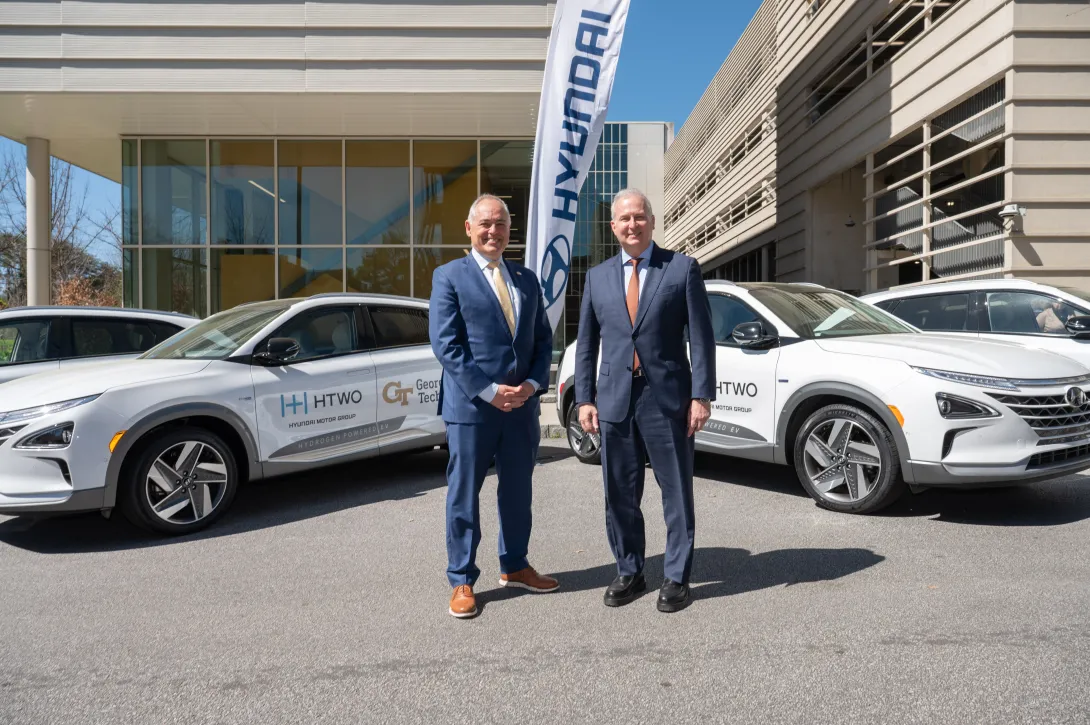
Ángel Cabrera, president of Georgia Tech, and Ken Ramírez, executive vice president and head of Global Energy and Hydrogen Business at Hyundai Motor Group, commemorate MOU to further collaborate on hydrogen mobility development.
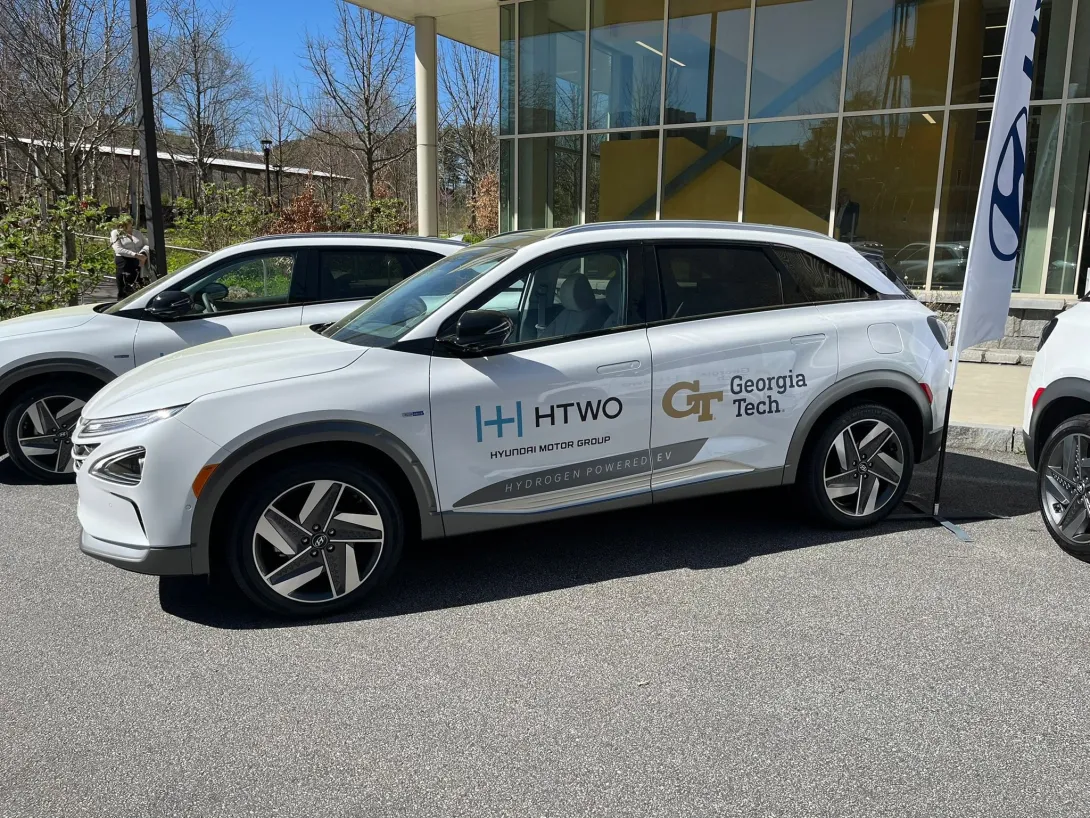
Georgia Tech and Hyundai Motor Group leaders at MOU signing.
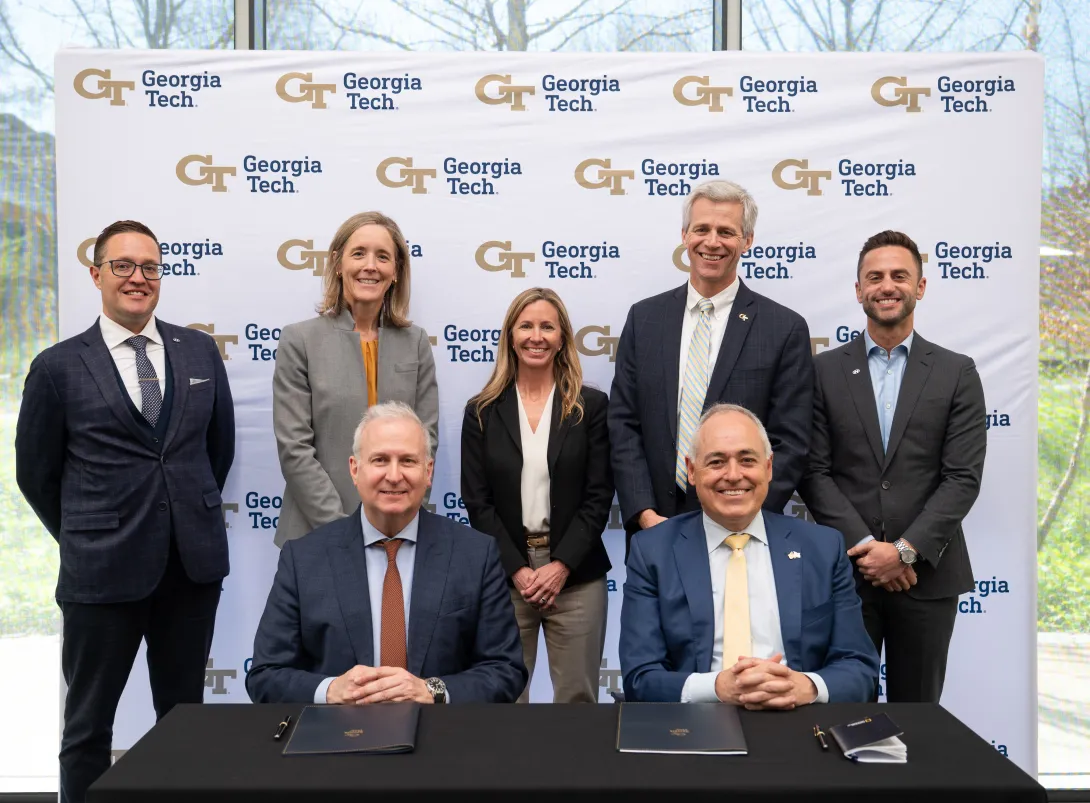
Hyundai Motor Group and the Georgia Institute of Technology have announced an expansion of their growing collaboration to advance hydrogen-powered transportation, deepen applied research and education, and accelerate the use of zero-emissions vehicles in Georgia.
Building upon a multifaceted relationship, the two are bringing hydrogen fuel cell vehicles and fueling infrastructure to campus — turning Georgia Tech into one of the nation’s most prominent campus-based examples for hydrogen mobility.
“Hyundai Motor Group is proud to strengthen our collaboration with Georgia Tech as we work together to accelerate the future of clean mobility. Georgia Tech’s leadership in innovation and its commitment to developing the next generation of problem-solvers make it a natural partner in advancing technologies,” said Ken Ramírez, executive vice president and head of Global Energy and Hydrogen Business at Hyundai Motor Group. “By combining the university’s excellent research with Hyundai’s global experience, we are creating the foundation for real-world solutions that will help drive the energy transition and inspire future mobility leaders.”
Ramírez is also a 1991 Georgia Tech graduate and a member of the Georgia Tech Advisory Board.
“It’s very fulfilling to donate a handful of our NEXO fuel cell SUVs as part of our expanding relationship with Georgia Tech. Hydrogen-powered NEXO fuel cell vehicles will immediately serve to expand the clean mobility footprint on campus while providing real-world experiences with the cutting edge of zero-emissions transportation technology,” said Randy Parker, president and CEO, Hyundai Motor North America.
“Georgia Tech has a long history of working with industry to move breakthrough technologies from the lab into the real world. By expanding our work with Hyundai, we’re advancing hydrogen research, reducing emissions on our campus, and strengthening Georgia’s role in the future of clean mobility," Georgia Tech President Ángel Cabrera said.
How the Partnership Drives Hydrogen Innovation and Research
The partnership includes the donation of four Hyundai NEXO fuel cell electric SUVs by Hyundai Motor North America and a hydrogen electrolyzer project, which will be installed at Georgia Tech’s North Avenue Research Area, positioning Tech as one of the most visible real-world test beds for hydrogen mobility in the U.S.
The vehicles and infrastructure will support campus operations and interdisciplinary research. Key areas of focus include:
- Engineering: Exploring hydrogen-based systems and mobility solutions.
- Sustainability: Assessing the environmental benefits of hydrogen technologies.
- Energy systems: Understanding the integration of hydrogen fuel cells into current infrastructure.
- Public policy: Evaluating the regulatory and social implications of hydrogen adoption.
This initiative connects Georgia Tech’s research enterprise with campus operations, using the Institute as a living laboratory for clean transportation technologies. Faculty and students will study:
- Real-world performance of hydrogen technology.
- Infrastructure requirements for large-scale deployment.
- Environmental impacts of hydrogen energy systems.
Insights gathered from this initiative aim to inform and accelerate the widespread use of hydrogen technology in campuses, fleets, cities, and freight corridors. The initiative also supports Georgia Tech’s strategic plan, which includes the goal of expanding the use of zero-emissions vehicles powered by sustainable energy sources.
Why Is the Partnership with Georgia Tech Key to Hyundai Motor Group’s Vision?
The collaboration between Hyundai and Georgia Tech is a testament to the power of aligning academic expertise with corporate innovation. Beyond hydrogen energy, the partnership seeks to advance innovation in the areas of:
- Autonomous driving
- Electric vehicle (EV) batteries
- Charging infrastructure
- Materials science
- Cybersecurity
In addition, Hyundai’s presence in Georgia underscores its commitment to the region. Georgia is home to the Hyundai Motor Group Metaplant America and also serves as a hub for zero-emissions transportation through HTWO Logistics, a clean logistics partnership that operates Hyundai XCIENT fuel cell heavy-duty trucks in logistics operations near Savannah. The collaboration with Georgia Tech builds on this regional foundation, reinforcing the link between education, research, and Hyundai's long-term goal of achieving carbon neutrality by 2045.
What’s Next for the Partnership?
The partnership between Hyundai and Georgia Tech represents more than an investment in research. It’s a shared effort to lead the next generation of mobility advancements. Additional announcements about the partnership’s research projects, educational programs, and vehicle deployment are expected in the coming months.
News Contact
Georgia Tech Media Relations
media@gatech.edu
Apr. 28, 2026

Georgia Tech researchers are working on an oral bird flu vaccine that could transform poultry vaccination. (Credit: Adobe Stock)
The United States Department of Agriculture (USDA) has awarded $2 million to a team of Georgia Tech and Georgia Tech Research Institute (GTRI) researchers to develop a first-of-its-kind vaccine pill for bird flu.
For decades, bird flu was uncommon in the U.S., but that has changed. In the past several years, epidemics have threatened poultry and dairy cattle operations across the country. Higher egg prices, driven largely by bird flu-related supply disruptions, have cost American consumers billions of dollars in losses.
“The H5N1 strain of the bird flu, which has driven recent and current outbreaks, is a highly lethal virus that kills domestic chickens and other bird species in droves,” said David Pattie, GTRI research scientist and branch chief. “It can easily jump from birds to other animal species — and sometimes to humans.”
The research team will leverage artificial intelligence (AI) to design and test a probiotic avian flu vaccine that, if successful, could be served to chickens in their feed. Currently, vaccinating a flock means individually injecting every bird.
“We’re focusing on live bacterial vaccines, which means the vaccine comes from living bacteria you swallow, instead of an injection,” said Mike Farrell, GTRI principal research scientist and the project’s lead investigator.
“These probiotic vaccines would help protect birds and livestock from flu-like infections and lower the risk of those viruses spreading to humans,” he added.
In addition to Farrell and Pattie, the team includes researchers from an array of disciplines across the Institute: Faramarz Fekri, professor and John Pippin Chair in the School of Electrical and Computer Engineering; JC Gumbart, Dunn Family Professor in the School of Physics; Brian Hammer, associate professor in the School of Biological Sciences; and Anton Bryksin, director of the Molecular Evolution Core at the Parker H. Petit Institute for Bioengineering and Bioscience.
Building on Human Influenza Research
The project builds on Farrell’s ongoing research into developing probiotic vaccine adjuvants for human influenza. The goal is to use probiotic bacteria — the “good bacteria” found in foods like yogurt — to help create immunity for the flu vaccine.
If the researchers can get probiotic bacteria to display pieces of the flu virus (called antigens) on their surface, then they could be swallowed like a normal probiotic pill.
“The gut is a great place for building immunity. When these bacteria reach the gut, your body would recognize the virus pieces on the bacteria and start building flu antibodies,” Farrell explained. “That way, when the chickens get exposed to flu, their immune system would already be prepared to fight it.”
Putting AI to the Test
“The idea behind this oral bird flu vaccine is to leverage artificial intelligence and the vast historical database for H5N1 available to us, because it's a very well-studied virus,” Farrell said. “There is a ton of structural data out there.”
Gumbart is an expert in protein modeling and simulation. Part of his role is figuring out the best design for a viral protein piece (antigen) — one that looks and behaves like the real virus protein, so it triggers the right immune response. To do this, he will combine Fekri’s AI-generated predictions with computer modeling.
“That’s where my team adds real value,” Gumbart said. “We use simulations to test how stable and realistic these protein designs are, which allows us to choose the best ones for lab experiments.”
AI has already identified new medicines and antibiotics by studying chemical databases. If the team can use AI to help design virus proteins for vaccines, it could transform how vaccines are made.
Pattie says that any viral infectious disease with a high mortality rate has the potential to become a national security threat. “At that point, developing countermeasures becomes exceedingly important from a national security perspective,” he said.
This is the first time several of the team members are working on poultry research. For Gumbart, the project is a full-circle moment.
“I grew up in rural Illinois, and as a kid, one of my daily chores was to take care of chickens, and I kind of hated it,” he said. “It is some sort of universal irony that I am back to taking care of chickens again.”
Apr. 17, 2026

To fully integrate renewables like solar and wind in to the power grid, policy experts, engineers, and economists will have to work together.
As wind and solar power expand rapidly worldwide, researchers are confronting a growing challenge: how to effectively integrate them into the power grid.
Wind turbines and solar panels have what economists call zero marginal cost, meaning producing additional units of electricity requires no fuel once installed. At the same time, this renewable energy varies greatly with the weather and can create operational challenges for grid operators.
A new review study from Georgia Tech examines how these characteristics are reshaping electricity markets and grid operations — and why addressing the challenge requires cross-disciplinary collaboration.
The study, published in Renewable and Sustainable Energy Reviews, synthesizes more than a decade of research. It analyzes over 200 studies on the engineering, economic, and policy implications of managing renewable energy sources that are both intermittent and effectively zero-cost to operate.
“Wind and solar are now among the lowest-cost sources of electricity in many parts of the world, but integrating them into the grid isn’t simple,” said Matthew Oliver, associate professor in the School of Economics and lead author of the study. “The wind doesn’t always blow, and the sun isn’t always shining, so output can fluctuate significantly, which complicates grid management.”
He added, “Historically, variation in electricity systems generally came from the demand side, and operators could simply ramp generation up or down. Now, we have variability on both supply and demand sides.”
Analyzing the Data
Looking at the problem, Oliver knew he would need to be familiar with engineering concepts to get at the heart of the issue. He created a research team with Daniel Matisoff, professor in the Jimmy and Rosalynn Carter School of Public Policy; Santiago Grijalva, professor in the School of Electrical and Computer Engineering; and graduate student co-authors Maghfira Ramadhani (economics), Oliver Chapman (public policy), and Amanda West (electrical and computer engineering).
Analyzing over 200 studies published since 2010, the team mapped the complex interactions between electricity market design, grid operations, and renewable technologies.
They also explored the economic implications of large amounts of zero-marginal-cost electricity entering wholesale electricity markets. Because wind and solar have very low operating costs, they can lower prices in wholesale electricity markets. That benefits consumers, but it can also make it harder for flexible conventional plants to earn enough revenue to stay available when renewable output falls.
Collaborating Across Disciplines
The team argues that successfully scaling renewable energy will depend on collaboration across traditionally separate fields.
“Engineering constraints affect how electricity markets work, markets influence investment decisions, and policy shapes how those investments happen,” Oliver said. “When it comes to complex topics like this, you can’t really treat engineering, economics, and policy as separate problems. They’re all part of the same system.”
The researchers found that electricity systems with high shares of renewable energy will require coordinated solutions that combine improved engineering practices, market reforms that value flexibility and reliability, and policies that align private investment with long-term decarbonization goals.
“Our hope is that this paper helps researchers across disciplines communicate more effectively,” Oliver said. “If we want electricity systems with high levels of renewable energy to work reliably, then engineers, economists, and policymakers all have to understand how their decisions affect the others.”
Citation: Oliver, Matthew E., et al. “Managing Zero-marginal-cost, intermittent renewable energy: A survey of the engineering, economic, and Policy Challenges.” Renewable and Sustainable Energy Reviews, vol. 226, Jan. 2026.
News Contact
Catherine Barzler
Senior Research Writer/Editor
Apr. 03, 2026

Rising oil and gasoline prices have been the center of attention since the closure of the Strait of Hormuz. But that immediate effect tells only part of the story. Because oil and gas underpin production, transportation, and logistics, higher energy costs will gradually move through supply chains — meaning the most significant economic consequences may not appear for months.
“The effects move slowly and appear in places people do not connect to energy,” said Tibor Besedes, professor in the School of Economics. “Oil and natural gas are part of the cost structure for an enormous range of goods.”
About 20% of global oil and liquefied natural gas flows through the waterway linking the Persian Gulf to world markets. When that flow is constrained, the impact ripples outward across industries most people never associate with an energy crisis.
“In complex supply chains, a disruption in one critical link, even if only briefly, can cascade through the system, well beyond the initial event,” says Pinar Keskinocak, chair and professor in the H. Milton Stewart School of Industrial and Systems Engineering. “As delays persist and compound, interconnected systems often take a long time to recover, rebalance, and return to normal.”
Price Pressures That Arrive Quietly
Early effects are already visible.
Jet fuel availability is tightening, and diesel prices are rising across Asia. China has ordered refineries to stop exporting fuel, creating shortages that are increasing shipping costs for U.S. imports, from consumer electronics to pharmaceuticals.
The strait is also a key corridor for naphtha, a feedstock used to produce plastics, packaging, solvents, textiles, and pharmaceutical components. Roughly 85% of Middle Eastern polyethylene exports move through the strait.
“Consumers won't see the effect of this quickly,” Besedes says, “but the longer the strait is closed, the higher the cost will be of all of these products naphtha is used for.”
Aluminum is equally exposed.
“Smelters require sustained, low-cost energy,” said Chris Gaffney, a professor of the practice in the Stewart School. “The Middle East accounted for roughly 21% of U.S. unwrought aluminum imports in 2025. When energy prices spike or supply is constrained, capacity is reduced or shut down, and those decisions are difficult and slow to reverse.”
Fertilizer is one of the clearest examples of delayed inflation. Natural gas is essential for its production, and Persian Gulf states account for one-third of global urea exports and half of global sulfur exports. Urea prices at the New Orleans import hub have already climbed sharply.
“We won't see the effects quickly, but rather in six to 12 months, depending on the crop and its cycle,” Besedes says. “Without or with less fertilizer, crop yields will decrease, resulting in higher prices.”
Why Hormuz Is Different From Other Chokepoints
On top of all those factors, the strait closure presents a uniquely dangerous vulnerability.
“Unlike a port strike or canal blockage, there is no meaningful way to reroute volume,” says Gaffney. “If it is disrupted, flow is constrained rather than redirected.” Pipeline alternatives replace only a fraction of the 20 million barrels per day that normally transit the strait.
“Choke point vulnerability arises when a large portion of flow depends on a route that is hard to substitute,” said Mathieu Dahan, associate professor in the Stewart School. “Hormuz has no scalable alternatives with sufficient capacity.”
Alan Erera, senior associate chair in the Stewart School expanded on Dahan’s point, noting that strait disruptions raise costs across manufacturing and distribution.
“Ships are rerouted onto longer paths, which drives up fuel and labor costs, ties up vessels and containers for longer periods, and ultimately raises inventory costs for shippers because capital is locked up while goods are still in transit,” Erera said.
When Geopolitics Meets Global Supply Chains
Additionally, the strait closure raises the risk of wartime miscalculation.
“We haven’t seen a disruption on this scale since the tanker wars of the late 1980s,” said Larry Rubin, associate professor in the Sam Nunn School of International Affairs. Gulf states' dependence on the strait constrains both regional actors and U.S. strategy, raising risks around crisis decision-making.
Rubin also points to a dimension most coverage has missed entirely. “One thing that has been overlooked by many commentators is the fact that the Iranian people have probably been hit the hardest economically,” he says. “They were already in a challenging situation. The Iranian economy won't recover quickly after the war.”
Resilience Has a Short Memory
Meanwhile, for the United States, “The Strategic Petroleum Reserve provides a buffer, and domestic energy production has improved resilience,” says Gaffney. “But the gap remains between enabling capacity and sustaining resilience. Policy can support infrastructure, but it cannot ensure private sector participants invest in resilience when cost pressures rise.”
For policymakers and industry leaders, the disruption reinforces a familiar pattern. "The supply chain remains optimized for efficiency rather than resilience, in part due to the high investment costs required to build flexibility," says Dahan.
Gaffney added that resilience does improve after disruption, but that “it erodes over time if not actively maintained.”
Even if the strait reopens, higher costs and slow restart timelines mean the system will not snap back. Experts suggest that when headlines have moved on from this disruption, it will still be shaping prices across the economy.
Mar. 20, 2026

Dr. Nikhil Shah and Dr. Hiep Nguyen, are cofounders of Nephrodite, an ATDC startup.

Jonathan Schwartz, OrthoPreserve’s founder and CEO.
It’s uncommon for any startup to receive the Food and Drug Administration’s (FDA) Breakthrough Devices designation. For the roughly 40% of applicants who receive the designation, it shows that the technology has real potential to improve patient outcomes and should get priority attention from the agency.
The Advanced Technology Development Center (ATDC) in Georgia Tech’s Office of Commercialization announced two of its health technology (HealthTech) portfolio companies, Nephrodite and OrthoPreserve, earned the designation.
Achieving this rare milestone underscores the caliber of founders, science, and support in ATDC’s 30-company HealthTech portfolio, the incubator’s largest focus area. It’s also a win for Georgia because it reflects the strength of the state’s health innovation ecosystem.
“This designation is one of the strongest signals the FDA gives that a technology could change the standard of care,” said Greg Jungles, HealthTech catalyst at ATDC. “For ATDC to have two in the same year is remarkable.”
The Breakthrough Device Program doesn’t waive evidence requirements, but it accelerates learning with the FDA, ATDC’s Jungles said. “That means shorter response times, more frequent meetings, and prioritized review. Teams avoid dead ends and align earlier on study designs and endpoints.”
For the founders of both startups, their technologies come one step closer to moving their innovations to market. Nephrodite’s technology improves the lives of dialysis patients. OrthoPreserve’s device addresses challenges faced by those who suffer from chronic knee pain.
Nephrodite: Advancing Continuous Artificial Kidney Technology
Dr. Nikhil Shah and Dr. Hiep Nguyen, cofounders of Nephrodite, aim to improve care for dialysis patients with end-stage kidney disease who need transplants. These patients often spend three to four hours in a dialysis clinic up to three times a week. Being tethered to stationary machines with needles drawing blood via arm grafts complicates everyday activities — from work tasks to the ability to travel.
Dialysis addresses chronic kidney disease, which means kidneys no longer work properly. The treatments filter out toxins, waste, and other fluids in the blood. Kidney disease costs Medicare $124.5 billion every year, according to the Centers for Disease Control and Prevention. And those costs are expected to rise because of increasing rates of kidney failure and chronic kidney disease.
“Dialysis, while lifesaving when it was pioneered in 1952, is incredibly burdensome,” Shah said. Besides being a long process that keeps the patient in a fixed location, it’s physically tiring. “Taking out your blood continually many, many times over, and over the course of four hours is the equivalent of running the Boston Marathon, hitting the finish line, and then someone saying, ‘You're not done; go do it again,’ ” he said.
A surgeon by training, with expertise in transplantation and oncology, Shah is also an adjunct associate professor in Tech’s School of Interactive Computing. He worked with Nguyen to develop a continuously functioning mechanical artificial kidney, leading to Nephrodite’s formation.
The FDA’s breakthrough designation on its artificial kidney allows the company to pursue approvals to begin tests in human trials.
The company traces its beginnings to a German aerospace facility outside Munich, where Nguyen and Shah watched engineers demonstrate a pediatric artificial heart — the Berlin Heart.
“That’s how we got started,” Shah said. “Seeing an artificial heart that led us to think about doing this for kidneys — because the kidney space has been largely ignored for 70 years.”
Backed by a German federal grant, Nephrodite grew, moving from Germany to Boston, Massachusetts, then to Austin, Texas, before calling Atlanta home. The company joined ATDC and tapped into other Georgia Tech programs. This included the Center for MedTech Excellence and the Georgia Manufacturing Extension Partnership. Nephrodite also drew on student talent as the researchers quietly worked on their continuous mechanical artificial kidney.
Nephrodite began interviewing patients to find out what they wanted the artificial kidney needed to solve.
They learned patients want the ability to be mobile. Patients also desire an alternative therapy to large needles being inserted into arm grafts because the injection sites are prone to infection and the grafts can fail. In addition, the process can be painful and disfiguring. Finally, patients want a quality of life independent of machines.
“Those quality-of-life needs, especially being free and mobile, were absolutely universal,” Shah said.
Nephrodite began developing the technology to build its device — a filter surgically implanted in the pelvis area.
“We developed an implant designed to run constantly, connected to larger blood vessels in the pelvis to avoid arm graft failures, and paired with an external interface that lets patients sleep at night while the system removes toxins and excess fluid,” Shah explained.
The device also has built-in sensors, with data uploaded to the cloud, enabling medical care teams to remotely monitor their patients while freeing patients from frequent in-clinic visits.
Shah said Nephrodite’s device could restore everyday independence, while potentially lowering infection risk.
“It's like having an actual kidney, but without all the issues of an unhealthy one,” Shah said.
OrthoPreserve: Innovating a Minimally Invasive Meniscus Implant
OrthoPreserve’s technology aims to address issues from people have with their meniscus, the C‑shaped piece of cartilage in a knee joint that acts as a shock absorber between the thigh bone and shin bone.
Though patients undergo a now-routine surgery to address it, incomplete recoveries are also common. An estimated quarter of patients later experience recurring knee pain. No FDA-approved implant currently exists for this population. Now, OrthoPreserveis developing a minimally invasive, artificial meniscus implant to restore cushioning, relieve pain, and delay — or even prevent — knee replacement for some patients.
“There are a million meniscus surgeries every year, and 25% of those patients still live with recurring pain,” said Jonathan Schwartz, OrthoPreserve’s founder and CEO.
Patients can face daily pain from ordinary activities, such as prolonged standing or walking a dog. Other activities like jogging and recreational sports can trigger flares that can lead to swelling and prolonged discomfort, Schwartz said. “Those patients have no reliable options today,” he said. “We’re building a minimally invasive implant to restore cushioning and help people get back to the activities they love.”
OrhoPreserve’s durable implant restores cushioning, and it could help people return to normal activities and delay invasive knee replacement. Along with this comes potential cost and recovery benefits for the healthcare system.
Schwartz created the implant as his Georgia Tech master’s thesis in the lab of David Ku in the Lawrence P. Huang Endowed Chair for Engineering Entrepreneurship and Regents' Professor in the George W. Woodruff School of Mechanical Engineering. After industry experience, Schwartz returned to further develop the technology, building on Georgia Tech’s translational expertise
OrthoPreserve has completed mechanical testing and a successful study. The company is raising a $2 million seed to complete validations and begin human trials, which Schwartz expects to start in 18 months.
“The FDA breakthrough designation validates that nothing like this technology exists, and that it has the potential to disrupt the standard of care,” Schwartz said, adding the U.S.’ market opportunity is roughly $1.5 billion. “We finally have a minimally invasive option to bridge the gap between meniscus surgery and knee replacement.”
What FDA Breakthrough Designation Means for ATDC’s HealthTech Startups
Having a faster and clearer path is a derisking milestone for investors who are evaluating capital intensive medical device technologies, Jungles said.
“This breakthrough device designation is a really big deal for medical device companies,” Jungles said, adding that startups often fear navigating the FDA approval process. “But this designation adds to the legitimacy of their technologies and the problemsthey are solving. The designation will help them get to market faster, assuming their data continues to meet expectations.”
ATDC launched its HealthTech vertical in 2018, which is now sponsored by Catalyst by Wellstar ATDC’s HealthTech portfoilo companies include medical devices, biotech, and digital health, among other segments.
ATDC’s Role in Accelerating HealthTech Innovation
Nephrodite and OrthoPreserve’s founders noted ATDC’s coaching and programming as critical in navigating fundraising and regulatory milestones. Another factor, they said, was ATDC’s connection to Georgia Tech’s labs and facilities and prototyping support and clinical advisors from across metro Atlanta.
“We meet with ATDC coaches every two to four weeks to troubleshoot and plan,” Schwartz said. “Having that level of seasoned guidance, all without consultant-level costs, has been huge.”
Jungles added that two Breakthrough device designations in the same year reflects ATDC’s selection rigor, noting he’s evaluated hundreds of technologies since the HealthTech vertical launched.
“It reflects the caliber of the companies in ATDC, specifically in the medical device space,” Jungles said. “It’s the strength of their teams, the persistence of the founders, and the collaboration of the ecosystem in Georgia and Atlanta.”
News Contact
Péralte C. Paul
peralte@gatech.edu
404.316.1210
Mar. 12, 2026
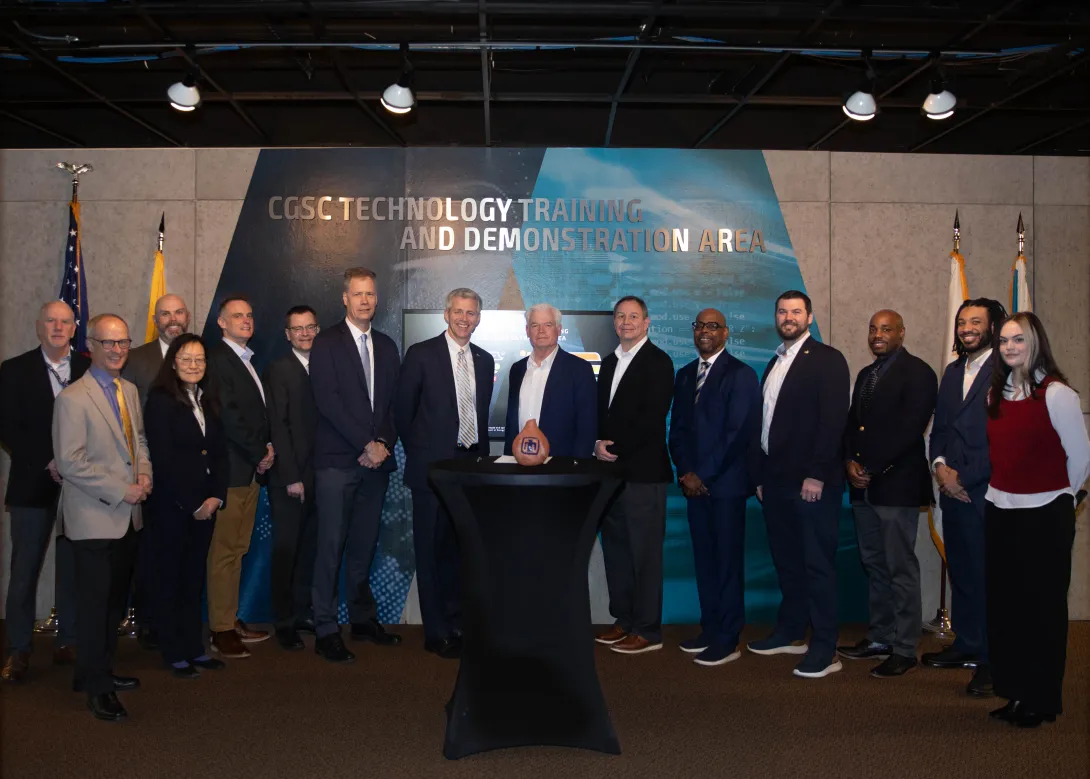
Since 2020, Georgia Tech has partnered with Sandia National Laboratories, a federally funded research and development center focused on national security. In February, the two institutions renewed their collaboration with a new Memorandum of Understanding (MOU), reaffirming a relationship that has already strengthened research capabilities on both sides.
The partnership has driven progress in areas ranging from hypersonics to bioscience, while also deepening institutional ties beyond research. Joint faculty appointments — such as Anirban Mazumdar, who holds roles at both Sandia and the George W. Woodruff School of Mechanical Engineering — demonstrate how closely the organizations work together. The collaboration has also expanded student talent pipelines, providing more avenues for Georgia Tech students to pursue careers at the national lab.
“At its core, this partnership is about people,” said Tim Lieuwen, executive vice president for Research at Georgia Tech. “Sandia and Georgia Tech share a commitment to discovery and developing the talent, creativity, and collaboration our nation needs.”
The renewed MOU, he said, “strengthens connections between our researchers, opens new doors for our students, and builds meaningful career pathways into national service. When our communities work together to address national priorities, we not only accelerate technological advances — we expand opportunities for the people who will shape the future of our nation’s security.”
Under the new MOU, Sandia and Georgia Tech will focus on integrated research across key national security‑aligned areas, including secure artificial intelligence and computing, quantum technologies, critical minerals, advanced manufacturing, energy and grid resilience, and hypersonics. The partnership emphasizes connecting manufacturing, computation, and systems approaches directly to national security applications.
“Together, we have been solving new and unprecedented challenges in science and engineering, and now we have a great opportunity to develop this partnership,” said Dan Sinars, Sandia’s deputy chief research officer. “Our research benefits both national security and national prosperity, and keeps the country at the forefront of the world.”
With this strengthened connection, the partners aim to grow their shared research footprint through increased funding, publications, and faculty-led startups. Over the long term, Georgia Tech intends to become one of Sandia’s top hiring pipelines, ensuring that talent developed through joint research continues into national security careers.
History of the Partnership
The Institute’s collaboration with Sandia began in the mid‑2010s, when the labs selected Georgia Tech as one of its partner institutions. The first MOU, signed in 2015, formalized the relationship and outlined initial technical focus areas.
In 2018, George White, executive director of strategic partnerships, and Olof Westerstahl, senior director strategic initiatives in the Office of Corporate Engagement, helped expand the partnership. They launched “Sandia Day,” an event designed to introduce Georgia Tech faculty to Sandia researchers and spark new collaborations. By 2020, the organizations signed a second MOU that expanded the partnership’s technical focus areas to include energy and grid security, materials and nanotechnology, advanced electronics, advanced manufacturing, advanced computing, cyber and information security, bioscience, hypersonics, quantum information science, and engineering sciences.
The results have been substantial. Since 2018, Sandia has sponsored $35 million in research collaborations with Georgia Tech. Researchers from both institutions have co-authored 450 publications since 2016. Research activity continues to accelerate, with $1.6 million in new contracts in the past year alone. As of August 2025, Sandia employs 325 Georgia Tech alumni — a testament to the impact of the growing talent pipeline.
“We view our work with Sandia as the model for engagement with other national labs,” said White. “With the new MOU, we will continue to grow the Sandia partnership. I would like to see our footprint double in scope in the next five years.”
News Contact
Tess Malone, Senior Research Writer/Editor
tess.malone@gatech.edu
Mar. 03, 2026

Gov. Brian Kemp signs the amended FY26 budget on March 3.

Gov. Kemp Signs the Amended FY26 Budget on March 3, which includes $88.2 million for a new Aerospace Engineering Building for Georgia Tech.
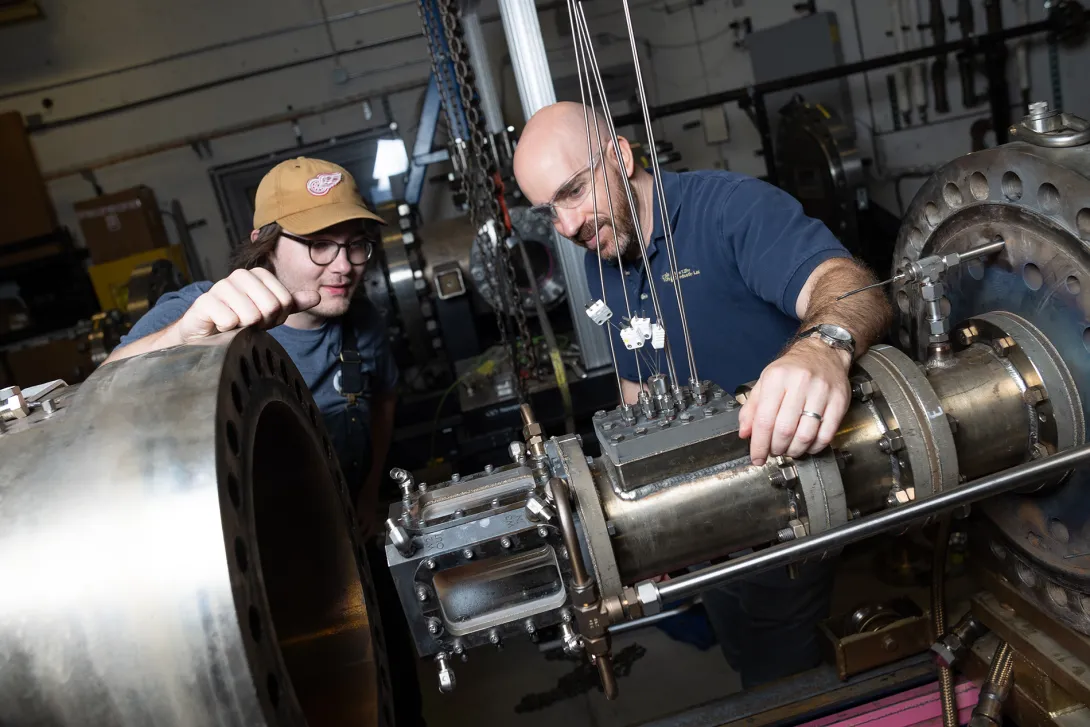
Aerospace Engineering professor Adam Steinberg works with a student in the Ben T. Zinn Combustion Laboratory.
Georgia Tech is set to advance one of its most significant academic and research infrastructure projects in recent years following Georgia Gov. Brian Kemp’s release of the amended budget for the current fiscal year. The budget includes $88 million for the design and construction of a new aerospace engineering building.
The investment represents a major step forward for both the Institute and the state of Georgia, reinforcing the state’s position as a national leader in aerospace innovation, workforce development, and economic growth.
The new Aerospace Engineering Building will serve as the home of Georgia Tech’s Daniel Guggenheim School of Aerospace Engineering, which is ranked No. 1 among public institutions and No. 2 overall by U.S. News & World Report. The building will feature advanced laboratories; dedicated space for flight research and propulsion systems; expanded instructional studios; and new collaborative areas for students, faculty, industry partners, and interdisciplinary research teams.
Georgia’s aerospace sector is one of the largest and fastest-growing in the nation, and it is expected to surpass $1 trillion by 2040. Companies range from major global manufacturers to startups choosing to locate and expand their operations in the region. The industry employs tens of thousands of Georgians and supports critical areas such as aviation, defense, spaceflight, and advanced manufacturing.
President Ángel Cabrera expressed gratitude for the state’s support and emphasized the impact of the investment on the Institute and Georgia’s long-term economic competitiveness.
“We are profoundly grateful to Gov. Kemp, Lt. Gov. Jones, Speaker Burns, the State House of Representatives, and the State Senate for their continued confidence in Georgia Tech and what we do to keep our state competitive,” said Ángel Cabrera, president of Georgia Tech. “This investment will help us create world-class facilities to drive innovation and develop the workforce that Georgia needs to stay at the forefront of the aerospace industry.”
The Delta Air Lines Foundation has also committed $5 million to the project.
Georgia Tech enrolls more than 2,300 students in aerospace engineering and leads $54.5 million in annual aerospace‑related research activity.
“The new facility will fundamentally reshape how we conduct research and educate our students,” said Mitchell Walker, William R.T. Oakes Jr. School Chair in the Guggenheim School. “Next-generation research spaces combined with hands-on learning environments and modern classrooms will enable work our current footprint can’t support. This investment propels our initiatives forward, sustains our leadership across all aerospace disciplines, and expands our industry collaboration.”
News Contact
Feb. 26, 2026

Georgia Tech’s faculty startup engine Quadrant-i, together with the Space Research Institute (SRI), launched the first cohort of the CreationsVC Space Fellows Program. Funded by space technology venture capital firm CreationsVC, the program enables faculty to explore promising early-stage innovations and their potential for future commercial impact.
“This first set of CreationsVC Fellows offers an exciting cross-section of innovative hardware and software technologies built on Georgia Tech’s legacy of space exploration, hardware development, and product commercialization,” said Jud Ready, SRI executive director.
In the first year of the three-year program, CreationsVC provides $125,000 to promote and accelerate innovations that have both space and terrestrial applications. The series offers participants training focused on customer discovery, engaging and compelling storytelling, value proposition design and quantification, and lean/agile project/product management.
“CreationsVC is centered on a deep appreciation for innovation and big thinking,” said Steve Braverman, co-founder and managing partner of CreationsVC. “We felt this was the right time to align our efforts in sourcing and supporting dual-value technologies that will have an impact on both Earth and space.”
The six startups tackle real-world space research problems like supply chain management, how artificial intelligence works in space, and navigation.
“We are excited CreationsVC is providing us with an opportunity to try new approaches to accelerate deep tech development,” said Jonathan Goldman, Quadrant-i’s director. “These are the toughest kinds of startups to build, and we look forward to the learning we will gain from forcing our innovators out of their comfort zones to embrace some new and valuable skills.”
Meet the cohort:
Company: CIMTech.ai
Founders: Shimeng Yu, James Read
School: School of Electrical and Computer Engineering (ECE)
Objective: To develop energy-efficient, radiation-tolerant artificial intelligence processors using a persistent type of ferroelectric memory. The startup aims to improve applications requiring high power efficiency, such as battery-powered devices and space-based systems.
Why Q-i: “The advantage of Q-i is in helping technical founders turn their research into products that solve customers’ problems,” noted James Read. “For us, that means talking with potential customers and hearing their pain points directly from the source. Now we’re use that information to build a convincing narrative around our startup’s value for stakeholders and investors.”
Company: SkyCT
Founders: Morris Cohen, Matthew Strong
School: ECE
Objective: To provide up-to-date mapping of the electrical properties of the upper atmosphere, with applications to GPS-free navigation, long-range communication, and satellite and launch vehicle viability. The startup uses the radio energy released by lightning strikes to create this map.
Why Q-i: “This weird region about 50 miles up from Earth’s surface is both really hard to track and measure, and also impacts a surprising array of applications,” said Cohen. “It’s sometimes called the `ignorosphere’ because of how difficult it is to measure, and it’s time we change that.”
Company: Penumbra Autonomy
Founders: Panagiotis Tsiotras, Juan Diego Florez-Castillo, Iason Velentzas
School: Daniel Guggenheim School of Aerospace Engineering (AE)
Objective: To commercialize algorithms that help spacecraft maneuver when they have limited information on their environment. The algorithms use state-of-the-art computer vision and localization techniques. This could benefit manufacturing, assembly, and refueling in orbit, as well as enable monitoring, situational awareness, and debris removal.
Why Q-i: “The program offers a conduit to entrepreneurship opportunities and spinoff companies in the space domain by providing guidance and commercialization ‘know-how,’” said Panagiotis Tsiotras.
Company: TerraMorph
Founders: Yashwanth Kumar Nakka, Sadhana Kumar, Vincent Griffo, Sachin Kelkar
School: AE
Objective: To create an autonomous rover platform with adaptive, reconfigurable mobility. The rover will implement software and sensing algorithms to automatically detect terrain type and improve traction and energy usage. This could be used on the moon or Mars, or even terrestrial search and rescue.
Why Q-i: “TerraMorph was developed to address fundamental challenges in mobility and autonomy across uncertain terrain, but successfully translating that work into impact requires creative guidance, critical feedback, and experienced perspectives beyond the lab,” said Yashwanth Kumar Nakka. “Q-i’s culture of leading by example and fostering strong, ethical teams aligns closely with how we want to build TerraMorph: iteratively, thoughtfully, and with a focus on real-world deployment.”
Company: OpenWerks
Founders: Shreyes Melkote, Mike Yan
School: George W. Woodruff School of Mechanical Engineering
Objective: To deliver real-time manufacturing supply chain visibility for the space and national security industries. OpenWerks technology aims to dramatically reduce current sourcing cycles from eight months down to weeks by connecting corporate buyers directly with verified supplier manufacturing capability and capacity data.
Why Q-i: “From the very beginning, principals at VentureLab and Q-i offered a clear pathway to translate academic research into a viable business,” said Mike Yan. “Their reputation for guiding Georgia Tech startups through both business and technology derisking, combined with their comprehensive ecosystem of programs and coaches, made them the natural partner for our entrepreneurial journey.”
Company: 8Seven8
Founders: Chandra Raman
School: School of Physics
Objective: To manufacture quantum hardware in Georgia. 8Seven8 aims to put high-precision atomic clocks and gyroscopes on a chip for applications ranging from aircraft navigation to industrial automation.
Why Q-i: “They have mentored me and my students through the commercialization process, providing opportunities such as the Space Fellows Cohort,” Chandra Raman said. “One of my former students, Alexandra Crawford, gained valuable business experience through a Q-i entrepreneur’s assistantship, and is now working at 8Seven8 full-time. They have also guided me through the process of obtaining funding through the Georgia Research Alliance for our commercialization effort.”
News Contact
Tess Malone
Senior Research Writer/Editor
Georgia Tech