
Jun. 30, 2024
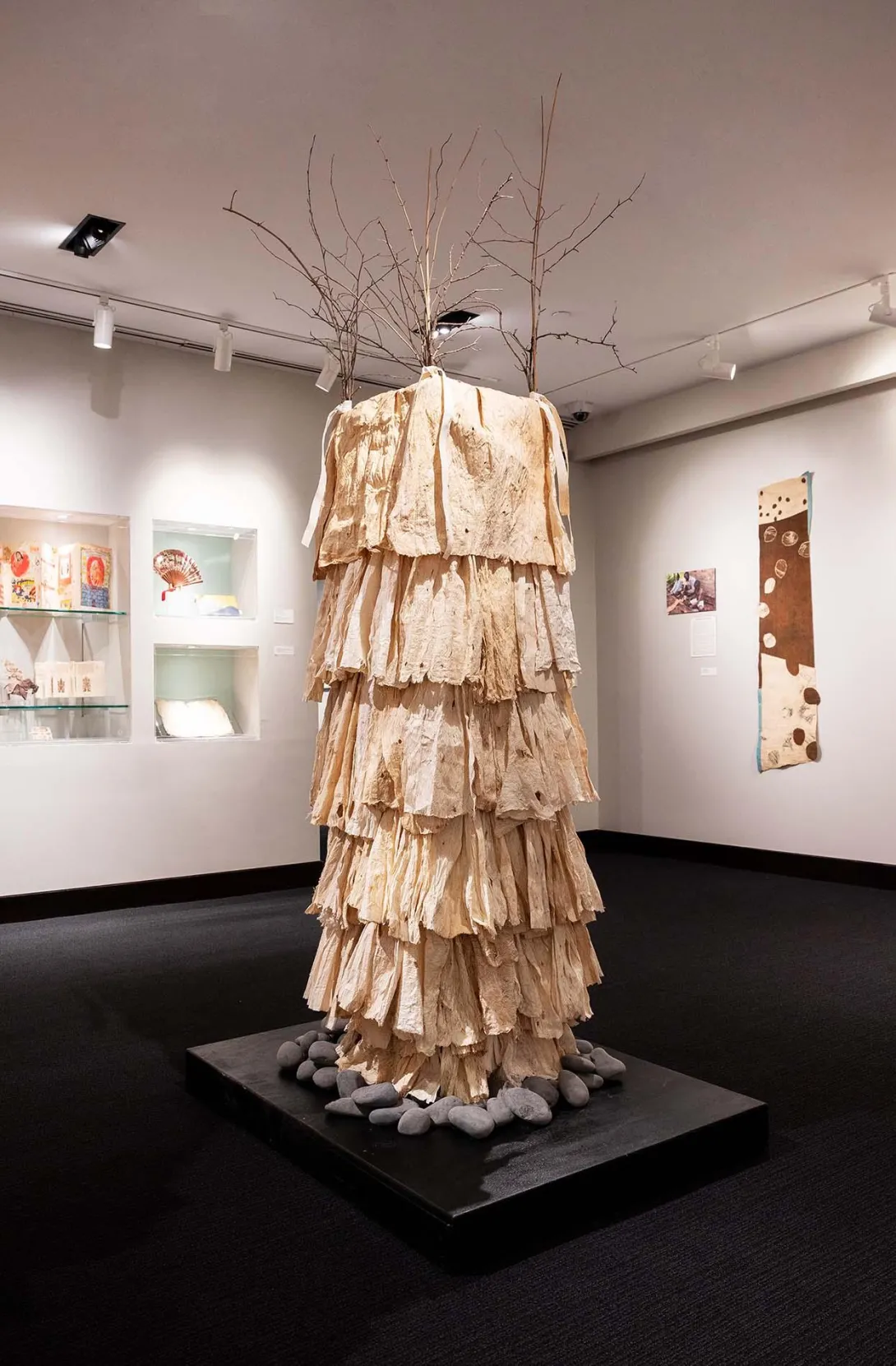
Bark Rhythms Exhibit
Credits
Photography: Allison Carter, Joya Chapman, and Rob Felt
Writing/Editing: Kristen Bailey, Stacy Braukma
The Bark Rhythms exhibit continues at the Robert C. Williams Museum of Papermaking through August. It features historical examples of hand-beaten bark papers, barkcloths, and traditional beaters, paired with the work of contemporary artists from global communities who use bark fiber materials and techniques. Photos taken June 24 by Joya Chapman.
Credits
Photography: Allison Carter, Joya Chapman, and Rob Felt
Writing/Editing: Kristen Bailey, Stacy Braukma
News Contact
Credits
Photography: Allison Carter, Joya Chapman, and Rob Felt
Writing/Editing: Kristen Bailey, Stacy Braukma
Jun. 05, 2023
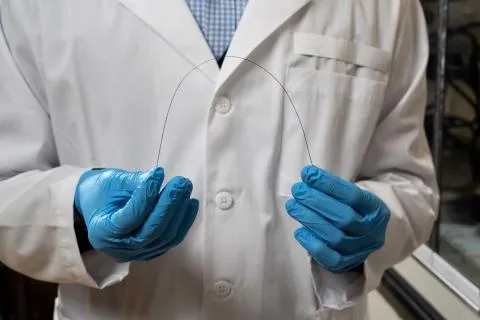
Newly Developed Carbon Membranes Enable Efficient Removal and Concentration of Organic Molecules from Water
The need to remove organic contaminants from surface waters continues to grow due to an increasing influx from industrial, municipal, and agricultural sources. But these contaminants are challenging to remove outside of thermally driven separation processes, such as distilling or drying, which consume significant amounts of energy.
However, researchers in Georgia Tech’s School of Chemical and Biomolecular Engineering (ChBE) have developed rigid, carbon membranes that effectively remove and concentrate small organic molecules (such as solvents) from water, based on the affinity between the organic species and carbon membrane.
Aug. 28, 2023
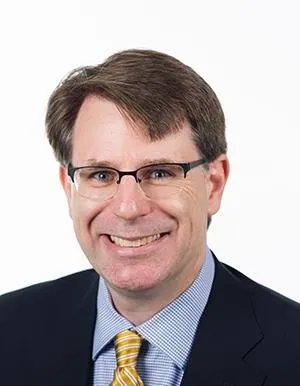
Professor Christopher Jones was selected as the recipient of the 2023 Institute Award for Excellence in Industrial Gases Technology from the American Institute of Chemical Engineers. (AIChE).
Jones, the John F. Brock III School Chair of Georgia Tech's School of Chemical and Biomolecular Engineering (ChBE@GT), will receive the award at the AIChE meeting in Orlando, Florida, this November.
This award recognizes his contributions to ultra-dilute CO2 separations, such as the extraction of CO2 from air, also referred to as “direct air capture” or DAC. The Jones group has played a foundational role in developing materials and processes for CO2 removal from air, and in conjunction with the Lively, Realff, Sholl, and other groups in ChBE@GT, no academic institution has authored more publications on DAC than Georgia Tech.
Professors Jones, Matthew Realff, and Ryan Lively are founding members of the Georgia Tech Direct Air Capture Center, or DirACC.
Oct. 18, 2023
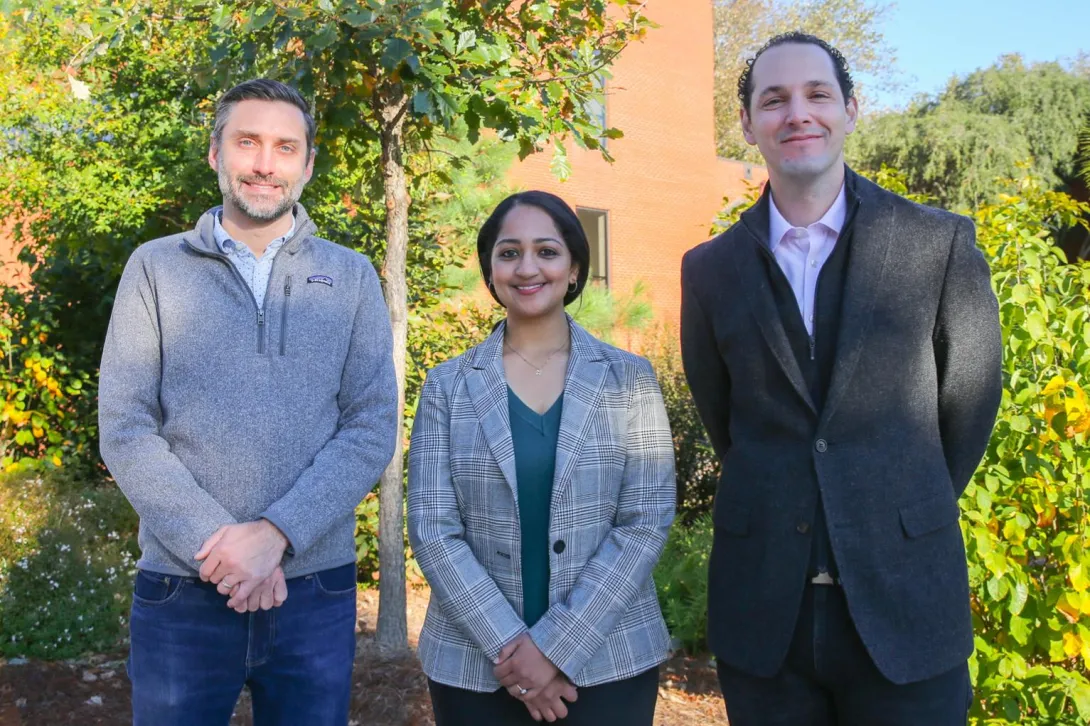
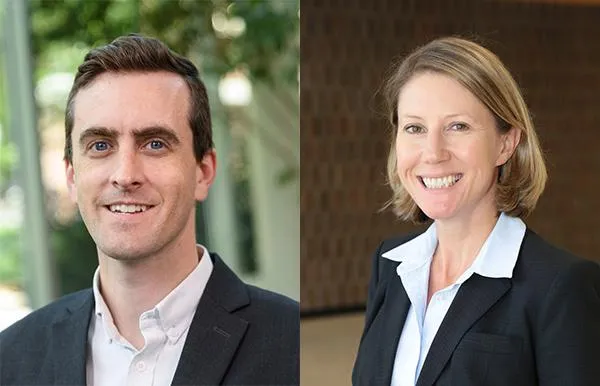
Pictured left to right: Associate Professor Matthew McDowell (ME), Assistant Professor Akanksha Menon (ME), and Assistant Professor Claudio Di Leo (AE).
Akanksha Menon, assistant professor in the George W. Woodruff School of Mechanical Engineering, has been awarded $3 million in funding from the Department of Energy (DOE) as part of their Energy Earthshots™ Initiative to advance clean energy technologies within the decade.
The initiative includes a total of $264 million in funding that will support 11 new Energy Earthshot Research Centers (EERCs) led by DOE National Laboratories and 18 university research teams addressing one or more of the specific Energy Earthshots™ that aim to accelerate affordable and reliable clean energy solutions to mitigate the climate crisis to reach a net-zero carbon goal in 2050.
Menon's project, titled Thermo-Chemo-Mechanical Transformations in Thermal Energy Storage Materials and Composites, will bring together Matthew McDowell, associate professor in the Woodruff School, Claudio Di Leo, assistant professor in the Daniel Guggenheim School of Aerospace Engineering, and Jeff Urban from the Lawrence Berkeley National Laboratory, to provide a fundamental understanding of the coupled thermo-chemo-mechanical phenomena in thermal energy storage (TES) materials that will enable low-cost and stable storage.
News Contact
Chloe Arrington
Jun. 04, 2024
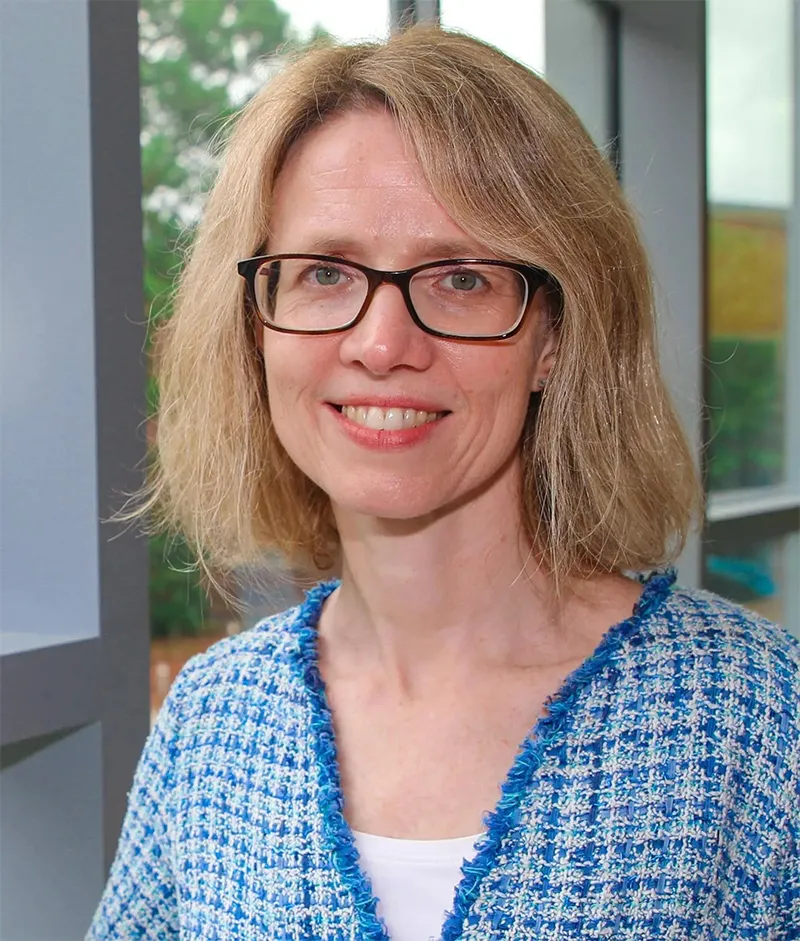
School of Chemical and Biomolecular Engineering (ChBE) faculty member Martha Grover has been named the College’s Thomas A. Fanning Chair in Equity Centered Engineering. Grover was selected for her efforts to educate engineers who approach their work with an intent to close societal gaps of wealth, power, and privilege by ensuring equitable access to opportunity.
The endowed position was established via the Southern Company Foundation by Southern Company, which has been regularly recognized for its efforts to promote an organizational culture that ensures representation of all groups. Fanning recently retired as chairman, president, and CEO.
Grover is a systems engineer whose work addresses the complexity of molecular organization and how it can solve complicated grand challenges. For instance, she has worked with the Department of Energy for 10 years to create processes for separation and immobilization of millions of gallons of liquid nuclear waste at the Hanford Site in Washington and the Savannah River Site in South Carolina. She’s developed real-time process monitoring of nuclear waste slurries to increase throughput and enhance safety.
Grover’s research also focuses on the origins of life and understanding the essential role of diversity and cooperation. Her other work includes modeling and engineering the self-assembly of atoms and small molecules to create larger scale structures and complex functionality.
News Contact
Jason Maderer (maderer@gatech.edu)
College of Engineering, Georgia Tech
Mar. 15, 2023
At Georgia Tech, the research enterprise covers activities from basic research to commercialization and societal use. Each year, the Executive Vice President for Research (EVPR) presents awards to recognize the achievements of faculty and staff as partners, mentors, and outstanding researchers across the many facets of the enterprise.
“Congratulations to all the exceptional nominees and to the individuals who were selected to receive this year's Institute Research Awards,” said Chaouki Abdallah, executive vice president for Research at Georgia Tech. “These outstanding researchers were nominated by their peers for their diligent research efforts, and we are proud to acknowledge them for their commitment to advance science and technology and to improve the human condition.”
Awardees were selected in nine areas, from achievements in innovation to engagement and outreach. Two of the awards were given to groups of researchers who are making an impact collectively. This year, more than 150 researchers were nominated for these prestigious awards.
- Outstanding Achievement in Advancing Diversity, Equity, and Inclusion:Iris Tien, CEE, SEI
- Outstanding Achievement in Early Career Research:Marta Hatzell, ME, IMat, SEI
- Outstanding Achievement in Research Enterprise Enhancement:Robert Knotts, Federal Relations
- Outstanding Achievement in Research Innovation:Younan Xia, SoCB, IEN, Imat, IBB
- Outstanding Doctoral Thesis Advisor:John Reynolds, SoCB, IMat, RBI
- Outstanding Faculty Research Author:Wilbur Lam, BME, IEN, IBB
- Outstanding Achievement in Research Engagement and Outreach:Pascal Van Hentenryck, ISyE, IDEaS, SEI
- Outstanding Achievement in Research Program Development: The Spaceflight Project Group at GT: Glen Lightsey, AE, IRIM; Jud Ready, GTRI, IEN, IMat, SEI; Christopher Valenta, GTRI; Christopher Carr, AE; Brian Gunter, AE, BBISS, IRIM; Sterling Peet, AE; Ian Harrison, GTRI
- Outstanding Achievement in Research Program Impact:Partnership for Inclusive Innovation: Debra Lam, IDEaS, IPaT, SEI; Clarence Anthony Jr., Kayla Burns, Cody Cocchi, Jamal Lewis, Polly Sattler, all from EI2
Awardees will be recognized at the Faculty and Staff Honors Luncheon on Friday, April 21.
Aug. 22, 2022
Georgia Tech’s School of Chemical and Biomolecular Engineering has been renewed by the U.S. Department of Energy (DOE) for a third round of funding ($13.2 million over four years) for its Energy Frontier Research Center (EFRC) to study materials used in clean energy technologies.
News Contact
Brad Dixon, braddixon@gatech.edu
Jul. 10, 2024
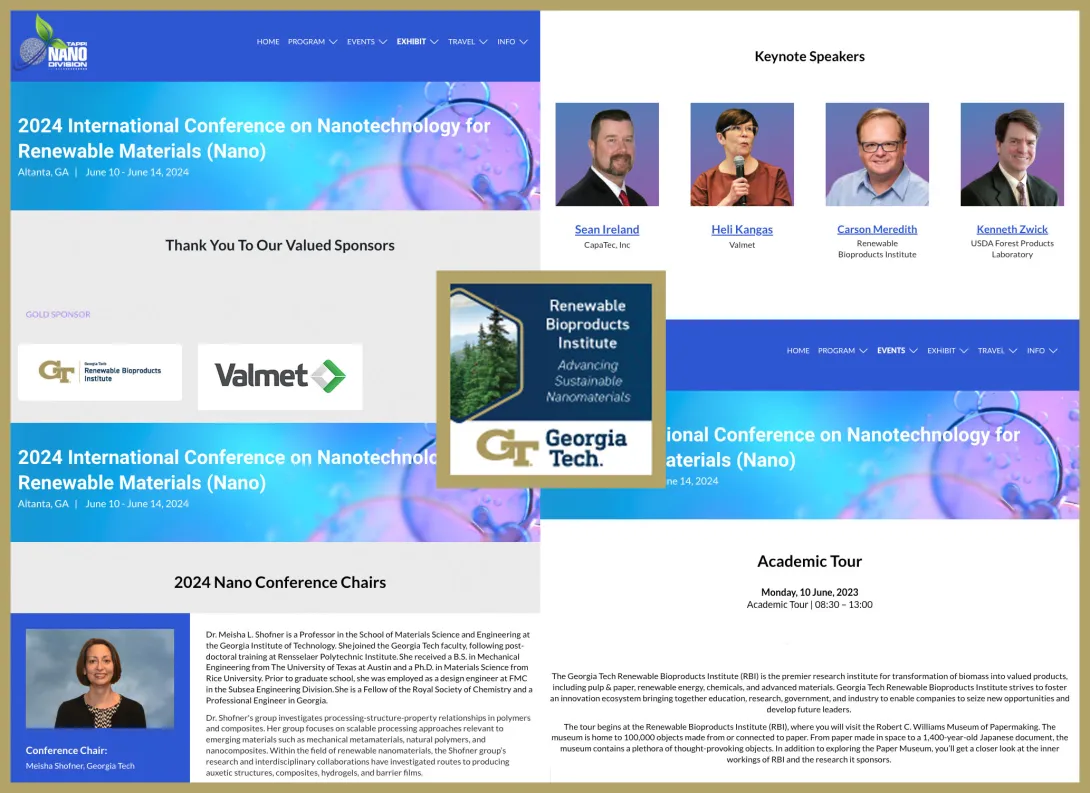
Faculty and students of the Georgia Tech Renewable Bioproducts Institute (RBI) were active participants at the TAPPINano 2024 conference held in Atlanta on June 10-14. The Renewable Bioproducts Institute was a gold sponsor of the annual event that focused on the topic - Building from the Bottom Up: Shaping a Sustainable World using Renewable Nanomaterials.
RBI’s Executive Director Carson Meredith was a keynote speaker at the conference and Meisha Shofner, professor in the School of Materials Science and Engineering served as the conference chair. Conference attendees had an opportunity to participate in an academic tour of RBI that included a tour of the Robert C. Williams Museum of Papermaking, located within the Renewable Bioproducts Institute.
During a session on water treatment and recovery, Zhaohui Tong, associate professor and RBI initiative lead for Waste Valorization in Food-Energy-Water and Yongsheng Chen, Bonnie W. and Charles W. Moorman IV professor in the School of Civil and Environmental Engineering participated and presented their work on nano-triboelectric cellulose membrane sensors for heavy metal ions removal and detection and next generation nano filtration membranes via machine learning-screened novel monomers respectively.
During the lunch presentation on June 11, Meredith presented his keynote on the topic “Cellulose nano materials at the Renewable Bioproducts Institute: Two decades of partnerships and progress.”
Xiaoqing Yu, graduate student at the Woodruff School presented her paper on de-wrinkling for papers coated with cellulose nanocrystal and modified celluloses.
Georgia Tech graduate students and RBI Fellows, Kim Anh Pham, Jonathan Rhone and Javaz Rolle participated in a session on cellulose based coatings, and presented their work on sustainable oxygen barrier coatings for paper based on anionic and cationic cellulose derived materials, cellulose nanocrystal coated glass fiber-epoxy composites: interfacial and tensile properties, and durable bio-based coatings for packaging applications.
Finally, during a session on CNF & MFC Sheets and Films, Fariha Rubaiya, RBI Fellow presented her work on out-of-plane auxecity in cellulose nanofibril films.
Here is a video shared by the TAPPINano 2024 organizers on the highlights of the conference.
News Contact
Priya Devarajan || RBI Communications Program Manager
Aug. 20, 2024
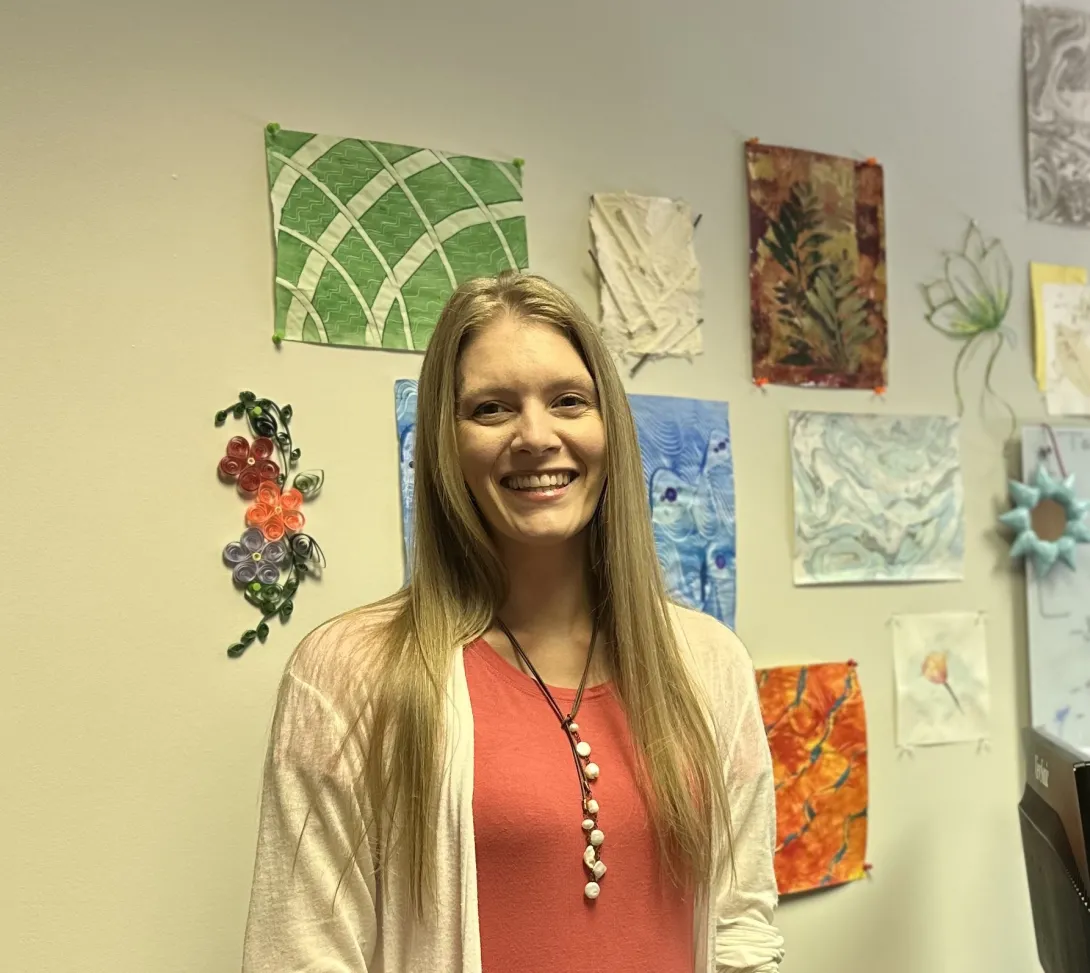
Anna Doll
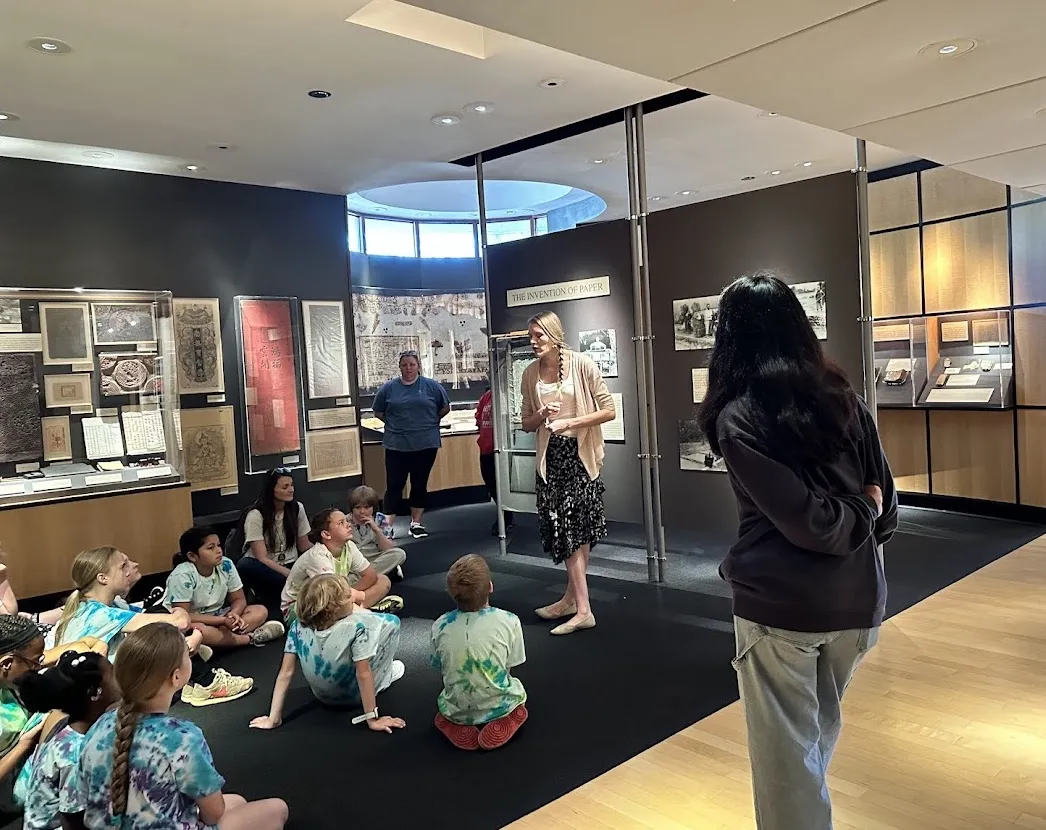
Doll giving a tour of the Robert C. Williams Museum of Papermaking to K-12 Students
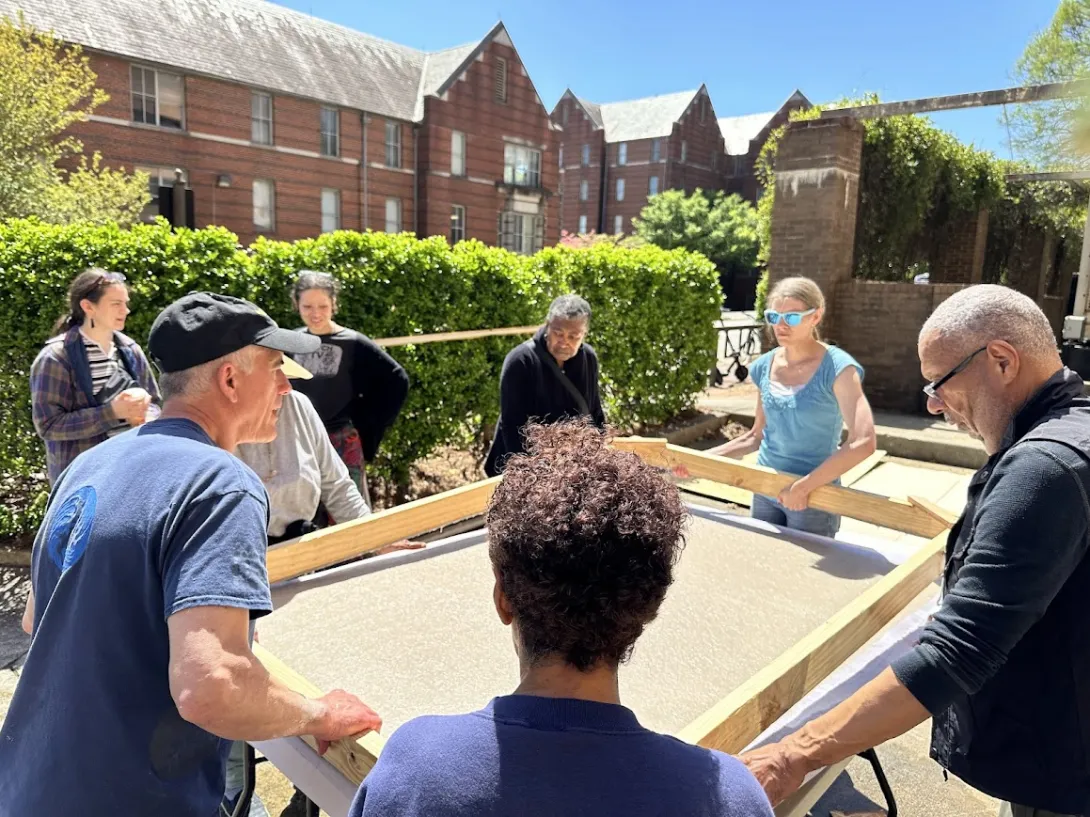
Anna Doll, Tom Balbo and workshop participants during the Big Paper Workshop
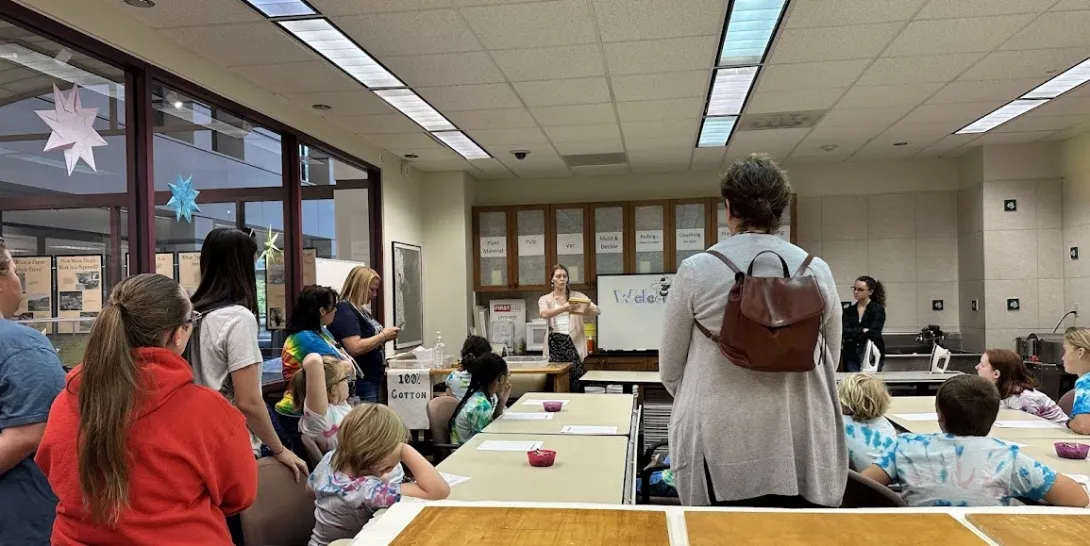
Doll during a paper-making session with K-12 Students
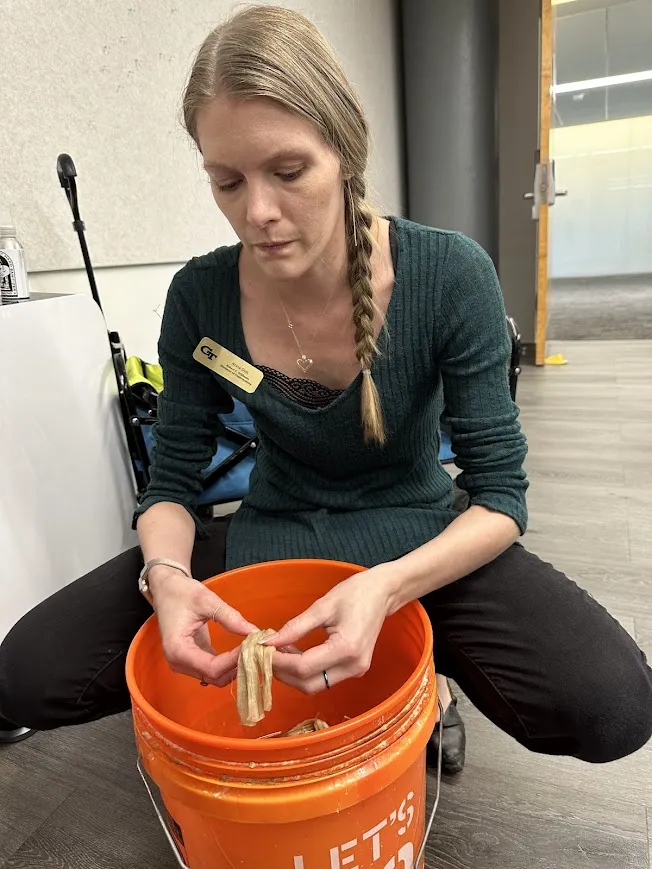
Doll prepping the fiber during Tech's Tactile Thursdays
Anna Doll is the education curator at the Robert C. Williams Museum of Papermaking, located in Georgia Tech’s Renewable Bioproducts Institute. Doll’s day-to-day responsibilities, and the many projects she handles at the museum, bring tremendous value not only to the Georgia Tech community, but also to the papermaking community around the world.
With a degree in art education and a minor in art history, Doll began her career as an elementary school art teacher in Pinellas County, Florida. She then became the director of Museums for the Folk Pottery Museum of Northeast Georgia and the Sautee Nacoochee Cultural Center History Museum and Heritage Site.
In 2019, Doll joined the Robert C. Williams Museum of Papermaking team as its education curator. At the museum, she creates and manages programs that include educational tours, private and public workshops on papermaking, specialized workshops through creative collaborations with artists, collaborations with other campus units for STEAM activities, and community events for kindergarten through senior adult audiences.
"I didn't know a whole lot about papermaking when I first started here," admits Doll, "but I knew how to be an education curator." Her ability to swiftly absorb the history and concept of papermaking and translate it into engaging educational experiences has been instrumental in her success. Below are a few highlights of Doll’s projects.
Museum Tours
Doll’s daily activities include educational tours of the papermaking museum for groups of all ages. The tours range from introducing the papermaking process to elementary and middle school students to sharing the history and heritage of papermaking with adults. In addition, she conducts virtual programs for groups interested in the history of paper and the technological advances of the papermaking process since its invention many centuries ago.
Workshops
Doll is the point of contact for public and private workshop bookings. She also develops the concepts for these sessions, catering to groups with various interests (e.g., Girl Scouts, Boy Scouts, people with disabilities, teachers, artists, college students, and public groups). This spring, Doll’s workshops included Suminagashi, Production Papermaking, Petal Fold Book, Paper Casting, and Magic Box: Jacob’s Ladder.
In addition to conceptualizing and conducting tours and workshops, she designs curricula and other resources involving paper art and science for K-12 teachers to integrate into their art classes.
Big Paper Workshop – Convening Artists, Educators, and Community Members for a Transformative Experience in Papermaking
This spring, Doll and her colleague Jerushia Graham created a communal workshop called “Big Paper.” Offered on multiple days, this project included five college groups from Georgia and Alabama and community groups from metro Atlanta who got to create a large sheet of paper from pulp. Participants beat plant material by hand to prepare the fiber and worked with Tom Balbo, founding director of the Morgan Conservatory, to create a huge 4’x6’ sheet of paper that was mailed back to them once it was dry.
Through her work at the museum, Doll has cultivated relationships with various artists, all of whom collaborate with the museum to conduct workshops and create and showcase art exhibits.
Additional Collaborations Across Campus
Doll partners with other units on campus to create programs. She collaborated with the Georgia Tech Library on a program called “Tech's Tactile Thursdays.” Hosted on the first Thursday of each month, it allows students, faculty, and staff to work on hands-on projects related to paper and provides an opportunity for the largely technology-focused participants to take a break from their routine, relax, and explore their creative side and enhance their well-being.
Doll also has been an active educator at Georgia Tech Science and Engineering Day, which is part of the Atlanta Science Festival. This year, more than 3,000 K-12 students and parents visited Georgia Tech’s campus to engage in hands-on STEAM activities. Representing the museum, Doll worked with families to make prints on a clamshell printing press featuring a custom-designed Buzz image (designed by Doll) on a postcard for the kids to take home. The activity showcased the rich history of the printing press and modern technology with a photopolymer printing plate.
Through these diverse projects and initiatives at the museum, Doll continues to make a difference in the world of papermaking. Looking ahead, she hopes to expand the museum’s educational initiatives as well as the education team and its resources, and she envisions broadening the museum’s reach and impact by offering free programs to schools through grants. She is also working with Georgia Tech faculty and researchers on museum research into the art of nano cellulose and plans to establish a paper and natural dye garden for teaching.
News Contact
Priya Devarajan | RBI Communications Program Manager
Jul. 30, 2024
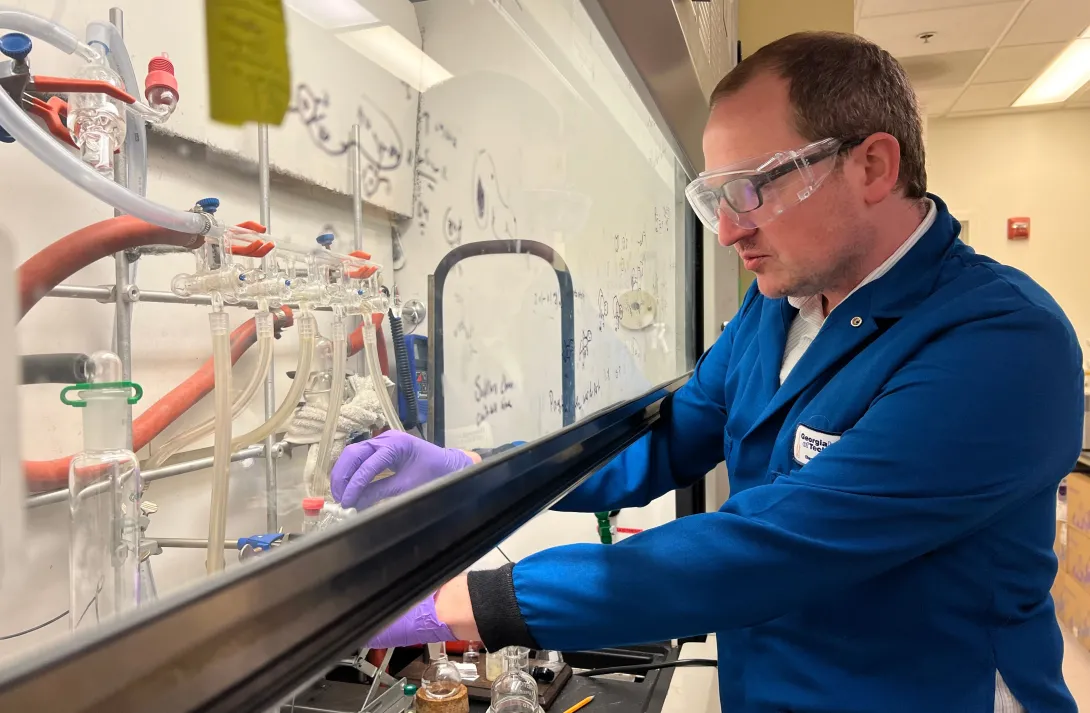
Will Gutekunst, associate professor in the School of Chemistry and Biochemistry at Georgia Tech, co-leads the interface of polymer science and wood-based materials initiative along with Blair Brettmann at the Renewable Bioproducts Institute (RBI). Gutekunst’s research explores the design of novel monomers for the design of recyclable polymers for a circular economy, fluxional materials, and 3D-printable ceramics.
Below is a brief Q&A with Gutekunst where he discusses his research focus areas and how they influence the interface of polymer science and wood-based materials initiative at Georgia Tech.
- What is your field of expertise and at what point in your life did you first become interested in this area?
My graduate training is in synthetic organic chemistry, and I focused on basic science problems at that time. Toward the end of my Ph.D., I became interested in applying my skill set to new research directions that could have a more direct impact on society. This led me to pursue postdoctoral research in polymer chemistry, which has been a source of inspiration ever since.
- What questions or challenges sparked your current renewable bioproducts research? What are the big issues facing your research area right now?
My first project in this space was initiated shortly after I arrived at Georgia Tech through RBI funding opportunities, and it has continued to be a theme ever since. One of the critical problems in my research is identifying monomers that can polymerize and depolymerize on command. This involves balancing the driving force of polymerization (enthalpy) with the unfavorable process of confining multiple monomers to a single chain (entropy). While we are making considerable progress in engineering appropriate polymerization enthalpies into monomers, the entropic side of the problem remains a significant challenge.
- What interests you the most in leading the research initiative on the interface of polymer science and wood-based materials? Why is your initiative important to the development of Georgia Tech’s renewable bioproducts research strategy?
The most exciting aspect of the initiative is the ability to bring together multiple strengths of Georgia Tech to work on a central goal. Solving problems at this interface involves the collaborative efforts of researchers in chemistry, processing, separations, and even data science. Identifying and gathering synergistic teams is critical to address this problem and additional goals in renewable bioproducts.
- What are the broader global and social benefits of the research you and your team conduct on the interface of polymer science and wood-based materials?
The goal of this research is to develop materials that are more recyclable and are derived from abundant feedstocks, which are two big problems rolled into one. The eventual product of this research will be access to materials that are more compatible with the environment while also drastically reducing the waste output of society.
- What are your plans for engaging a wider Georgia Tech faculty pool with the broader renewable bioproducts community?
Through the merger of the Georgia Tech Polymer Network with RBI, we can start to forge collaborations across a broader swath of the Georgia Tech community. This includes the organization of workshops, making connections between different student groups, and the development of center grants to tackle grand challenges in the field.
- What are your hobbies?
In my free time, I enjoy reading (non-science), pottery, and hiking.
- Who has influenced you the most?
My Ph.D. advisor (Phil Baran) and my postdoctoral advisor (Craig Hawker) both stand out in their impact on my scientific career. Through their guidance, I learned how to properly think about science and to always look ahead for the next big problem.
News Contact
Priya Devarajan | RBI Communications Manager