
Nuclear energy has long been misunderstood. But at Georgia Tech, researchers are redefining its role in our future. Their work reaches beyond power generation to advancing safer reactors and strengthening nuclear security and nonproliferation. As energy demand rises and the need for carbon-free solutions grows more urgent, nuclear offers a reliable, scalable path forward.
These stories highlight researchers challenging misconceptions about nuclear power and expanding what nuclear science can do. Collectively, their work shows that nuclear is a critical piece of our energy future, in Georgia and around the world.
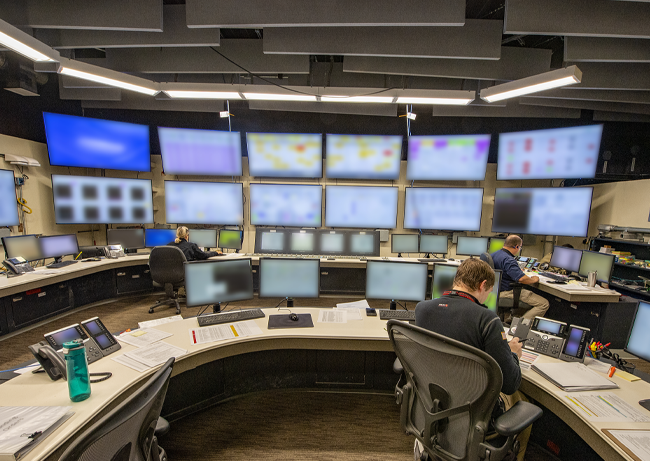
Powering the Future: Georgia Tech Alumni Fuel Nation’s Largest Nuclear Plant
Primarily driven by the rapid construction of data centers nationwide amid the artificial intelligence boom, total electricity usage in the United States is projected to grow by 32% by 2030, according to the Connected Grid Initiative.
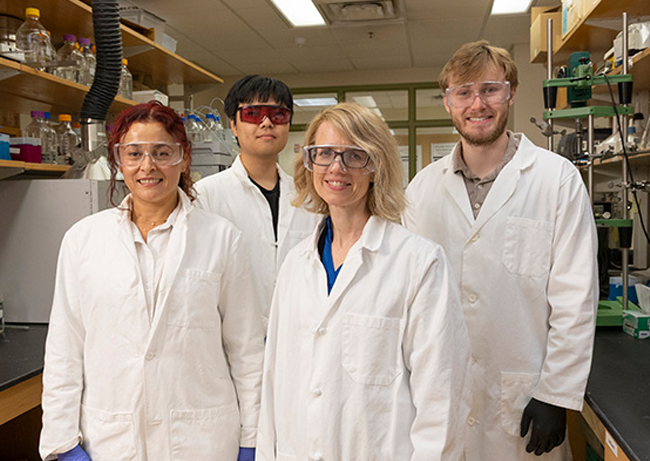
Nuclear Waste: What It Is — and What It Isn’t
Researchers explain what nuclear waste really is —dispelling common myths, outlining how it is safely managed, and highlighting research aimed at improving monitoring, storage, and reuse.

Nuclear Power Isn’t What You Think — and That’s a Good Thing
New insights dispel common myths about nuclear power, revealing modern nuclear technology as a safe, efficient, and carbon‑free energy source.
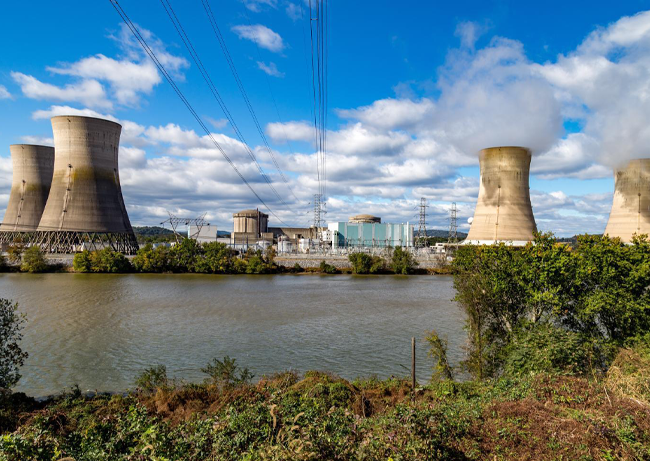
AI’s Energy Demands Spark Nuclear Revival
Rising electricity demands from AI data centers are driving renewed interest in nuclear power as a reliable, carbon-free energy source capable of meeting large-scale, continuous energy needs.
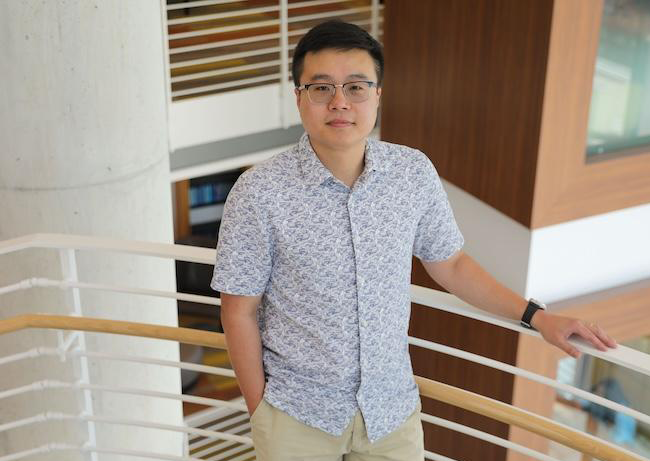
Department of Energy Award to Power Nuclear Research with Machine Learning
Qi Tang has received an Early Career Research Program award from the Department of Energy's Office of Science. The $875,000 grant supports Tang for five years to craft ML tools that analyze data from nuclear experiments and simulations.
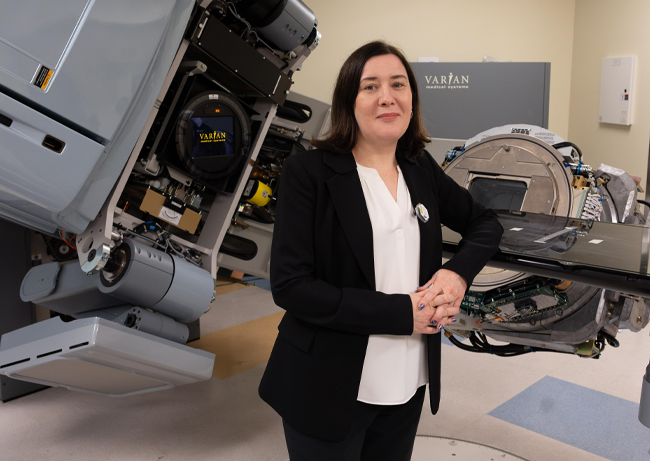
Georgia Tech Secures Second $25M Award for Nuclear Nonproliferation
Georgia Tech received a second $25 million U.S. Department of Energy award to lead a multi-university and national laboratory consortium advancing nuclear nonproliferation research, technology, and education.