Starting and maintaining a new garden can be daunting. But a new multi-agent conversational system developed at Georgia Tech is taking much of the guesswork out of gardening for beginners.
CultivAgents is a three-agent system that fields gardening questions and creates tailored plans based on a user’s gardening skill level, climate and environment, and cultural background.
The experience agent, environmental agent, and ethnobotanical agent inform one another and work together to guide users through the gardening process.
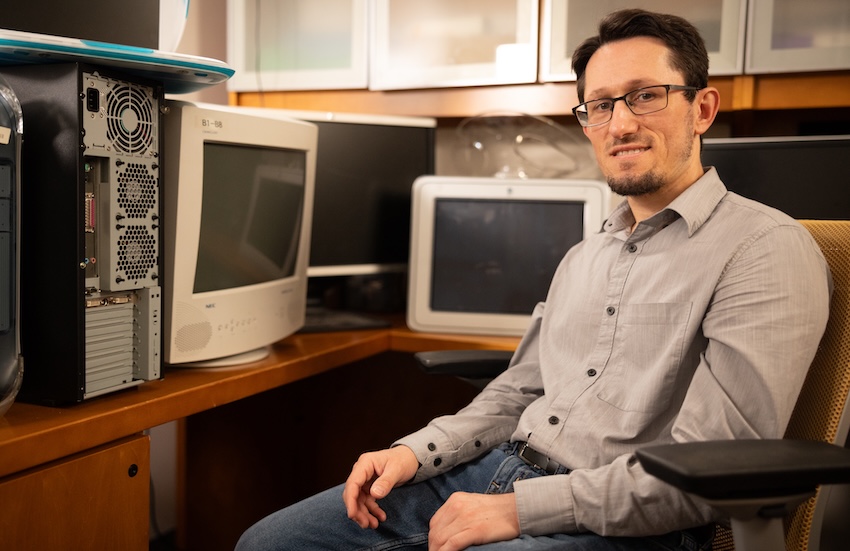
“Multi-agent systems provide multi-faceted support,” said Diana Wang, a Ph.D. student in Georgia Tech’s School of Interactive Computing who created CultivAgents. “My interest was in how we could provide more personalized and aligned support to individuals trying to grow food themselves while facing unique environmental or cultural factors.”
Gardening is a hobby that many people start but give up because of the time and effort it requires to be successful. Ryan Pemberton, a horticulturist at Georgia Tech’s community garden, said the two biggest mistakes he sees novice gardeners make are starting too big and overwatering.
“If you’ve never gardened before, trying to manage a large plot could be overwhelming,” Pemberton said.
“You can start small. You don’t have to have a big garden right away. You can start with one tomato plant and grow from there. See how well you can keep that one plant alive and then expand as you feel comfortable.”
Aside from the built-in health benefits of growing fresh food and working outdoors, Pemberton said gardening can lower your grocery bill and reduce carbon emissions by minimizing food transportation.
It can also be a great way for international students at Tech to grow foods native to their homelands. He said a tool like CultivAgents could be useful for determining whether Atlanta’s climate is suitable.
“People might want to grow a lot of different vegetables in their garden, but if you go too far south of here, it gets a little too hot to grow things like broccoli and strawberries,” he said.
“A little north of here, it gets a little too cold to grow some species of peppers. Having something tell you what grows well in your region means you’re not having to pick and choose or guess.”
That’s one of the reasons Wang designed CultivAgents to feature multiple agents that consider unique environmental and cultural contexts.
“Multiple agents help distribute specific types of support as opposed to the generic support you often get from a single chatbot,” Wang said.
“Another advantage is that they tend to build on each other. The environmental agent builds on the experience agent’s detailed steps. This allows the system to tell you how to grow bush beans, for example, within a specific local community.”
Wang said she surveyed and interviewed new and experienced gardeners who use Tech’s community garden to learn what they would want from a conversational agent. She found that many wanted step-by-step instructions and guidance on what to plant, how to plant it, and a schedule for upkeep.
“All of our users told us they view gardening as something that’s long term, so they wanted this platform to be able to facilitate that kind of relationship,” she said.
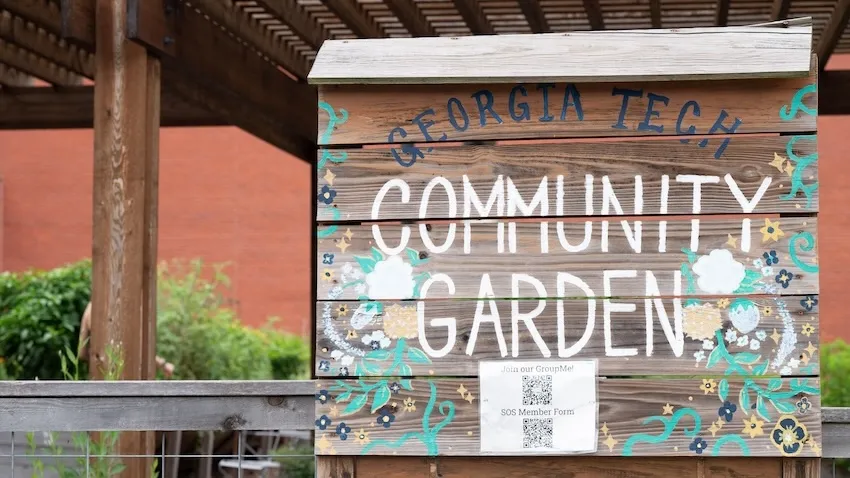
The community garden is a shared space with nine garden beds. Pemberton said it’s a great place for new gardeners to learn to grow food before starting their own gardens. Much of the food grown there is donated to Klemis Kitchen, Georgia Tech’s on-campus food bank.
For more information about the community garden and how to get involved, visit https://sustainability.campusservices.gatech.edu/community-garden/
To see a live demo of CultivAgents, visit https://cultivagents.onrender.com.