As artificial intelligence (AI) becomes more integrated into everyday life, researchers are working to better understand and reduce the new digital safety risks it creates.
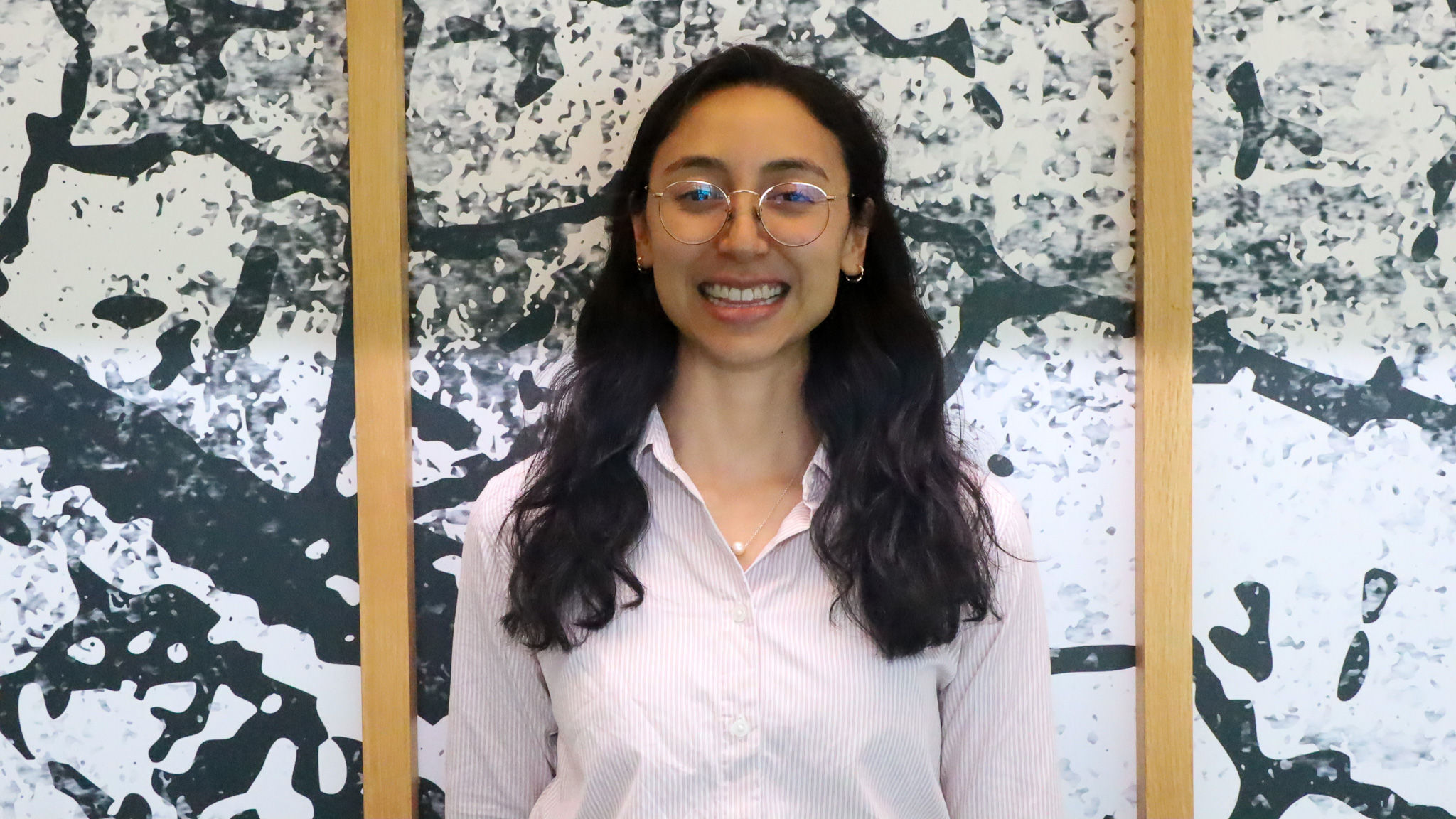
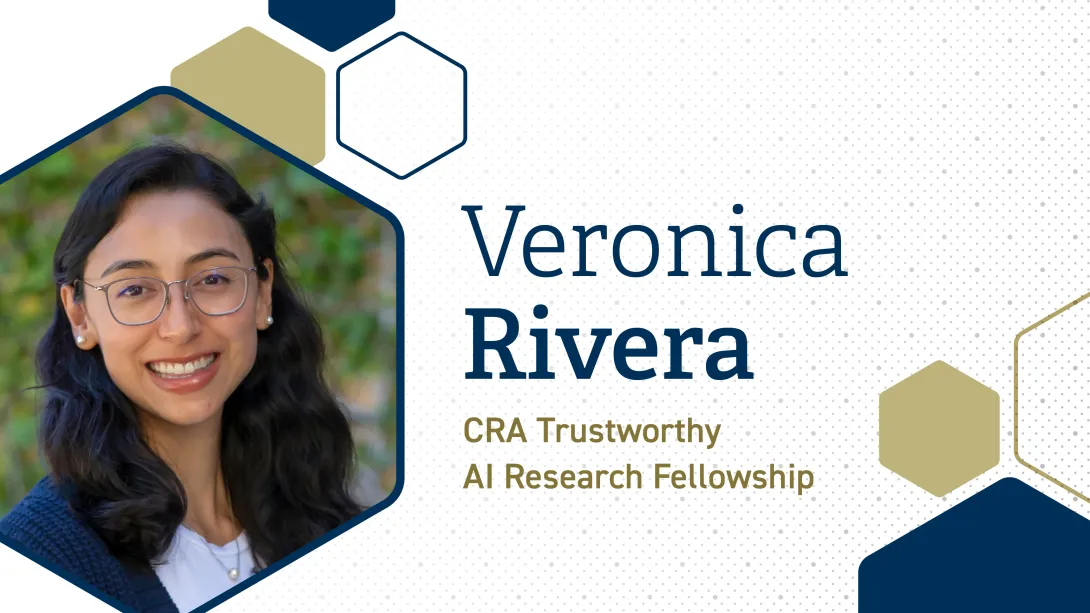
Veronica Rivera, an incoming assistant professor in Georgia Tech's School of Cybersecurity and Privacy (SCP), studies human-computer interaction, security, and privacy to create safer digital experiences. Her research earned her selection to the second cohort of the Computing Research Association (CRA) Trustworthy AI Research Fellowship for Early Career Scholars.
"I am excited and honored to be part of this year's CRA Trustworthy AI Research Fellowship cohort," said Rivera.
"This program reflects the importance of cross-disciplinary research and collaboration in building AI systems that benefit and support society. I look forward to spending the next year building collaborations that support me and my students' research into protecting the digital safety of the diverse communities who use AI tools."
Rivera's research examines how technology shapes interpersonal relationships. Using empirical and design-based methods, she partners with communities affected by technology-facilitated abuse to understand digital safety risks and develop technologies that better protect users.
Through the fellowship, Rivera will study how AI is reshaping technology-facilitated abuse and develop data collection methods that enable researchers to assess these evolving risks over time.
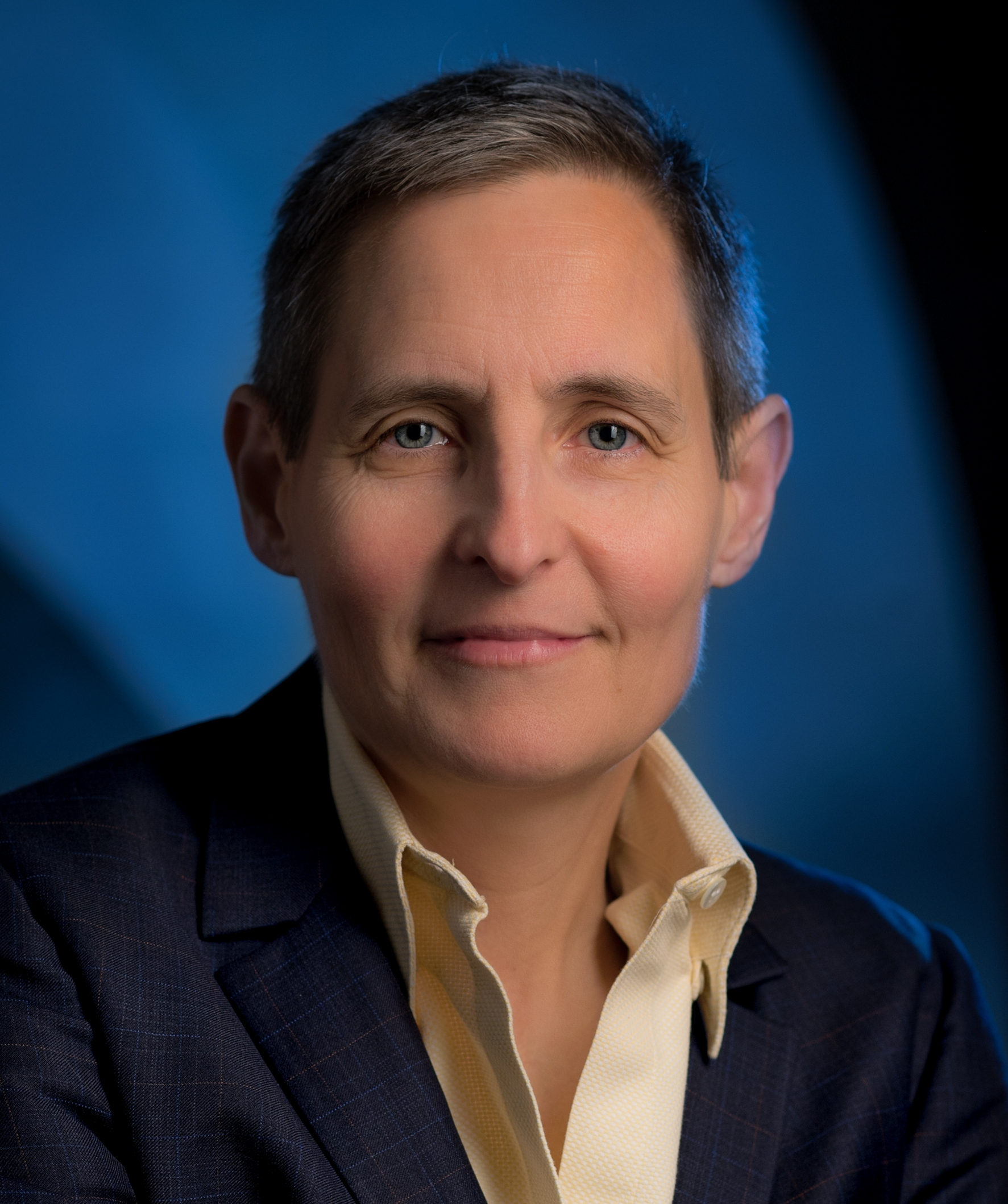
"Trustworthy AI is a key research area in the School of Cybersecurity and Privacy and the College of Computing," said SCP Interim Chair Mustaque Ahamad. "The CRA Trustworthy AI Research Fellowship recognizes Veronica's innovative research and will help her build a research program that advances an area of strategic importance to our school and the broader AI community."
Supported by Microsoft, the CRA Trustworthy AI Research Fellowship recognizes early-career computing researchers who combine technical expertise with interdisciplinary approaches to address the ethical, societal, and human-centered challenges of artificial intelligence. The fellowship provides interdisciplinary training, mentorship, and collaboration opportunities that help researchers integrate ethical, societal, and human-centered perspectives into AI research and development.
Over the next year, Rivera and the other fellows will participate in a series of professional development activities, including a four-day Field School in Cambridge, Massachusetts. The program also includes quarterly virtual meetings, mentoring opportunities, and collaboration with scholars participating in related AI and data ethics programs.
News Contact
John Popham
Communications Officer II at the School of Cybersecurity and Privacy