
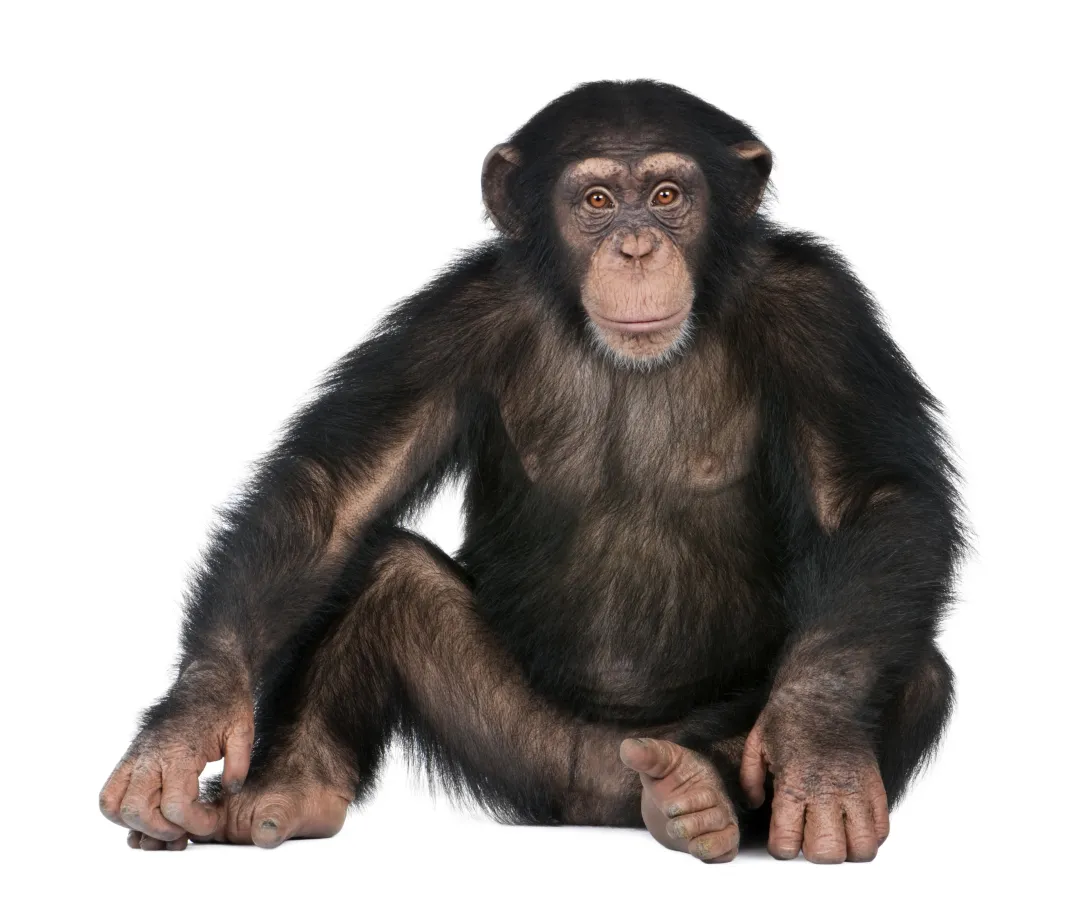
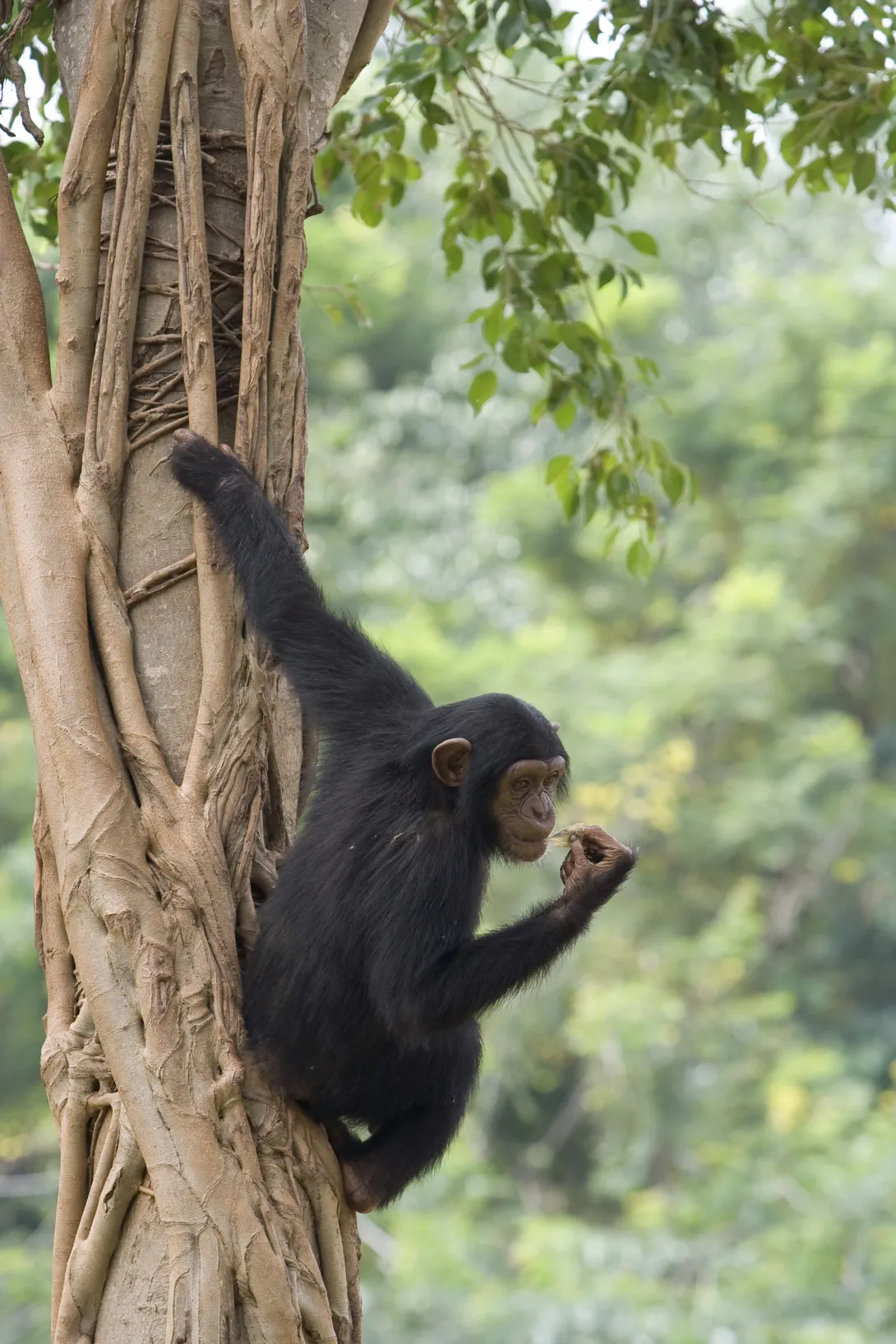

For years, scientists believed the vast phenotypicdifferences between humans and chimpanzees would be easily explained – the twospecies must have significantly different genetic makeups. However, when theirgenomes were later sequenced, researchers were surprised to learn that the DNAsequences of human and chimpanzee genes are nearly identical. What then isresponsible for the many morphological and behavioral differences between thetwo species? Researchers at the Georgia Institute of Technology have nowdetermined that the insertion and deletion of large pieces of DNA near genesare highly variable between humans and chimpanzees and may account for majordifferences between the two species.
The research team lead by Georgia Tech Professor of BiologyJohn McDonald has verified that while the DNA sequence of genes between humansand chimpanzees is nearly identical, there are large genomic “gaps” in areas adjacentto genes that can affect the extent to which genes are “turned on” and “turnedoff.” The research shows that these genomic “gaps” between the two species are predominantlydue to the insertion or deletion (INDEL) of viral-like sequences calledretrotransposons that are known to comprise about half of the genomes of bothspecies. The findings are reported in the most recent issue of the online,open-access journal Mobile DNA.
“These genetic gaps have primarily been caused by theactivity of retroviral-like transposable element sequences,” said McDonald. “Transposableelements were once considered ‘junk DNA’ with little or no function. Now itappears that they may be one of the major reasons why we are so different fromchimpanzees.”
McDonald’s research team, comprised of graduate students NaliniPolavarapu, Gaurav Arora and Vinay Mittal, examined the genomic gaps in bothspecies and determined that they are significantly correlated with differencesin gene expression reported previously by researchers at the Max PlankInstitute for Evolutionary Anthropology in Germany.
“Our findings are generally consistent with the notion that themorphological and behavioral differences between humans and chimpanzees arepredominately due to differences in the regulation of genes rather than todifferences in the sequence of the genes themselves,” said McDonald.
The current analysis of the genetic differences betweenhumans and chimpanzees was motivated by the group’s previously publishedfindings (2009) that the higher propensity for cancer in humans vs. chimpanzeesmay have been a by-product of selection for increased brain size in humans.