
Cancerresearchers have discovered that a type of regulatory RNA may be effective infighting ovarian cancer. Ovarian cancer isn't typically discovered until it’sin the advanced stages, where it is already spreading to other organs and isvery difficult to fight with chemotherapy. This new discovery may allowphysicians to turn back the clock of the tumor's life cycle to a phase wheretraditional chemotherapy can better do its job.
Scientists at theOvarian Cancer Institute Laboratory at the Georgia Institute of Technology havefound in initial tests that a regulatory RNA called miR-429 may be successfulin inducing metastatic or spreading cancer cells to convert back to a lessmetastatic, non-invasive form. The research appears online in thejournal Gynecologic Oncology.
“Primary tumorsare rarely fatal,” said John F. McDonald, director of the Integrated CancerResearch Center in Georgia Tech’s School of Biology and chief researchscientist at the Ovarian Cancer Institute. “Most cancer patients succumbbecause the cancer metastasizes, and current chemotherapies are not designed tokill metastasizing cancer cells.”
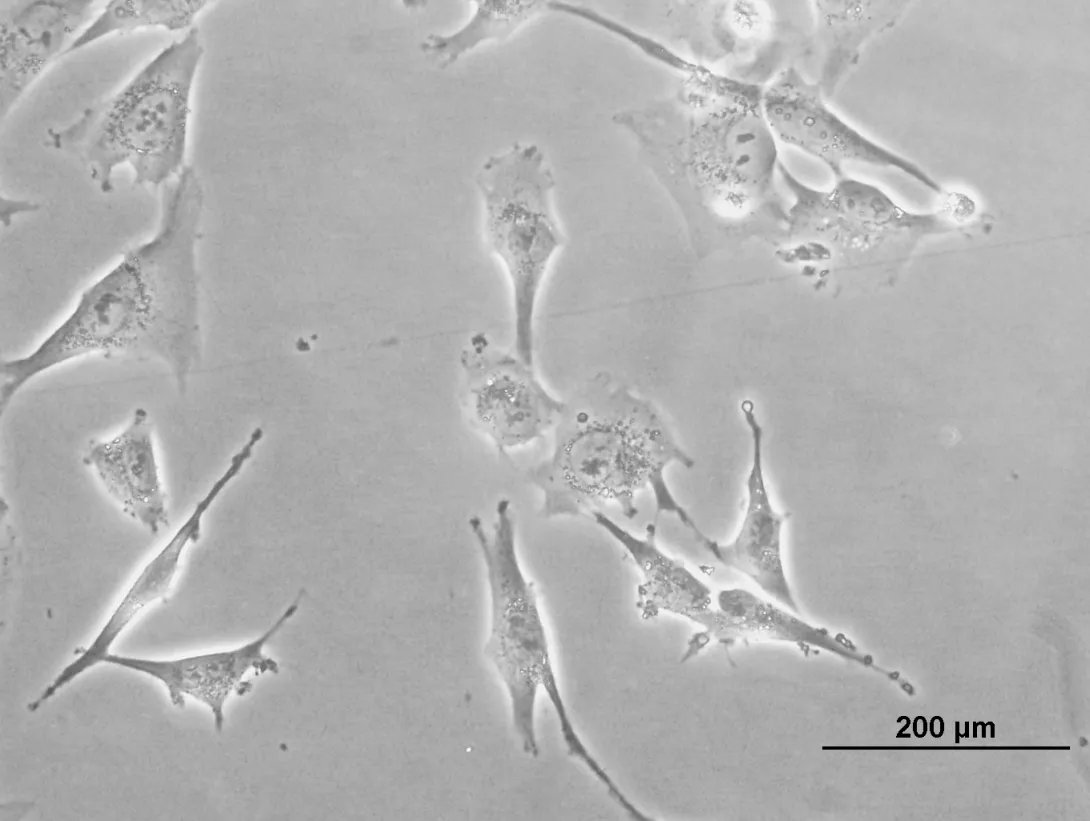
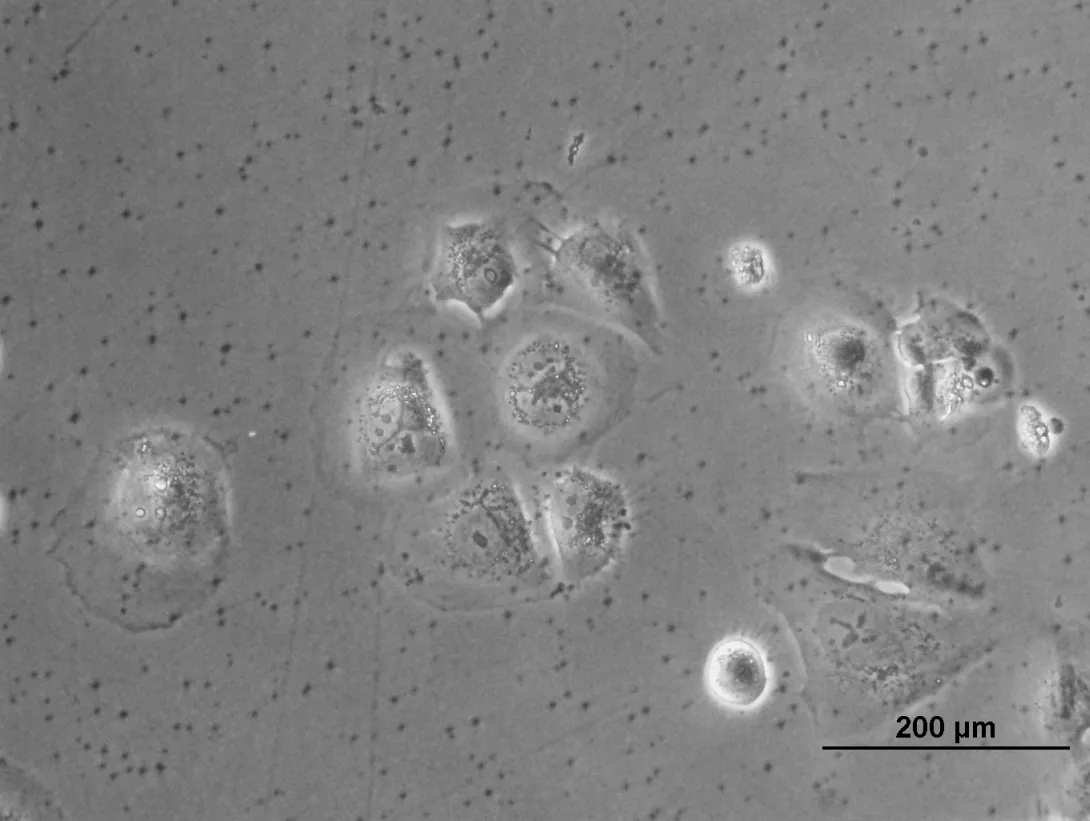
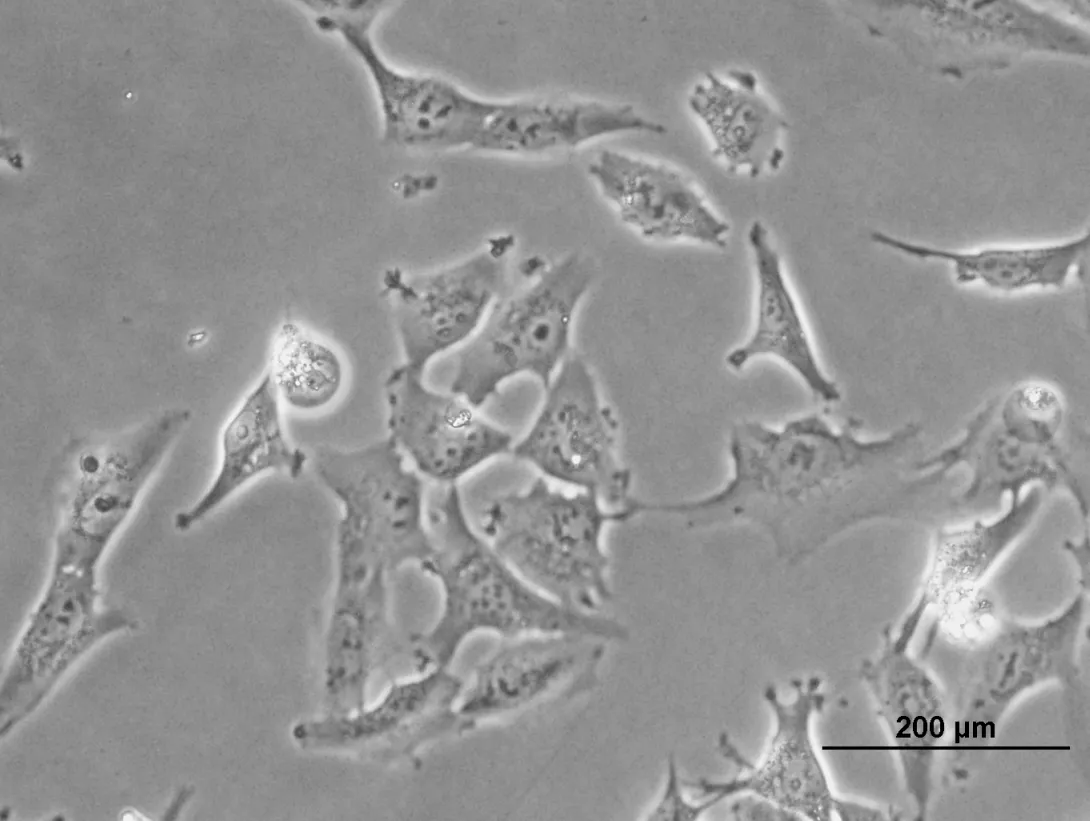
Cancercells exist in two forms: epithelial cancer cells and mesenchymal cancercells. The primary tumor is mostly comprisedof rapidly dividing epithelial cancer cells that are “sticky” so they staytogether, they’re not mobile and generally not invasive. Cells at the edge oftumors often change into mesenchymal cancer cells; they lose their adhesivenessand become highly mobile and invasive, allowing the cancer to spread, ormetastasize, to other areas of the body.
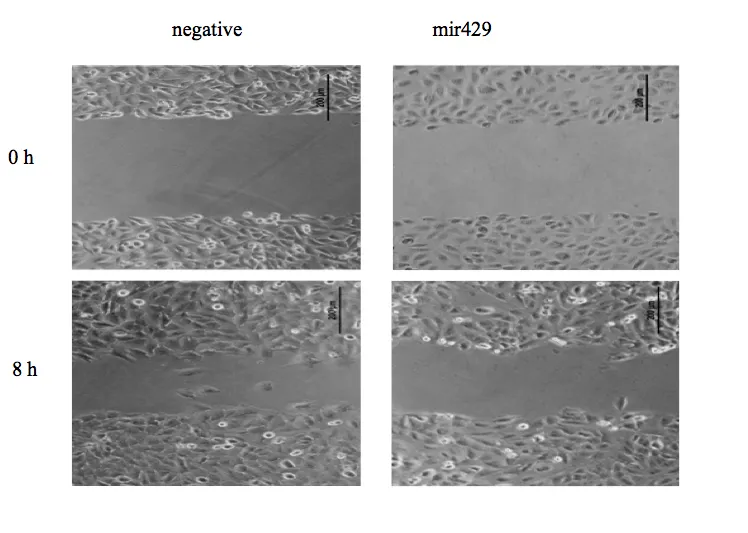
In the newtrial, McDonald’s lab used two ovarian cancer cell lines, one with epithelialcharacteristics, like primary tumor cells, and the other with mesenchymaltraits, like metastasizing cancer cells. They used miR-429, one of a family ofmicroRNAs previously implicated in epithelial to mesencymal changes in othercancers, to see if it could turn the mesenchymal cancer cells back intoepithelial cancer cells. They found that miR-429 was highly successful inhelping cells turn back the clock.
“We found thatwhen we introduced miR-429 into the highly metastatic ovarian cancer cells,they became less invasive, less migratory and more like the cancer cellsassociated with primary tumors,” said McDonald.
Currently theMcDonald lab is testing to see if cells that have been treated with miR-429 tochange from mesenchymal to epithelial cancer cells are more susceptible tochemotherapy than metastasizing cells that haven’t undergone this change.
“We are hopefulthat we have found an effective way to drive metastasizing ovarian cancer cellsback to their primary cancer stage where they can be more effectively treatedwith existing chemotherapies.” added McDonald.
News Contact
Georgia Tech Media Relations
Laura Diamond
laura.diamond@comm.gatech.edu
404-894-6016
Jason Maderer
maderer@gatech.edu
404-660-2926